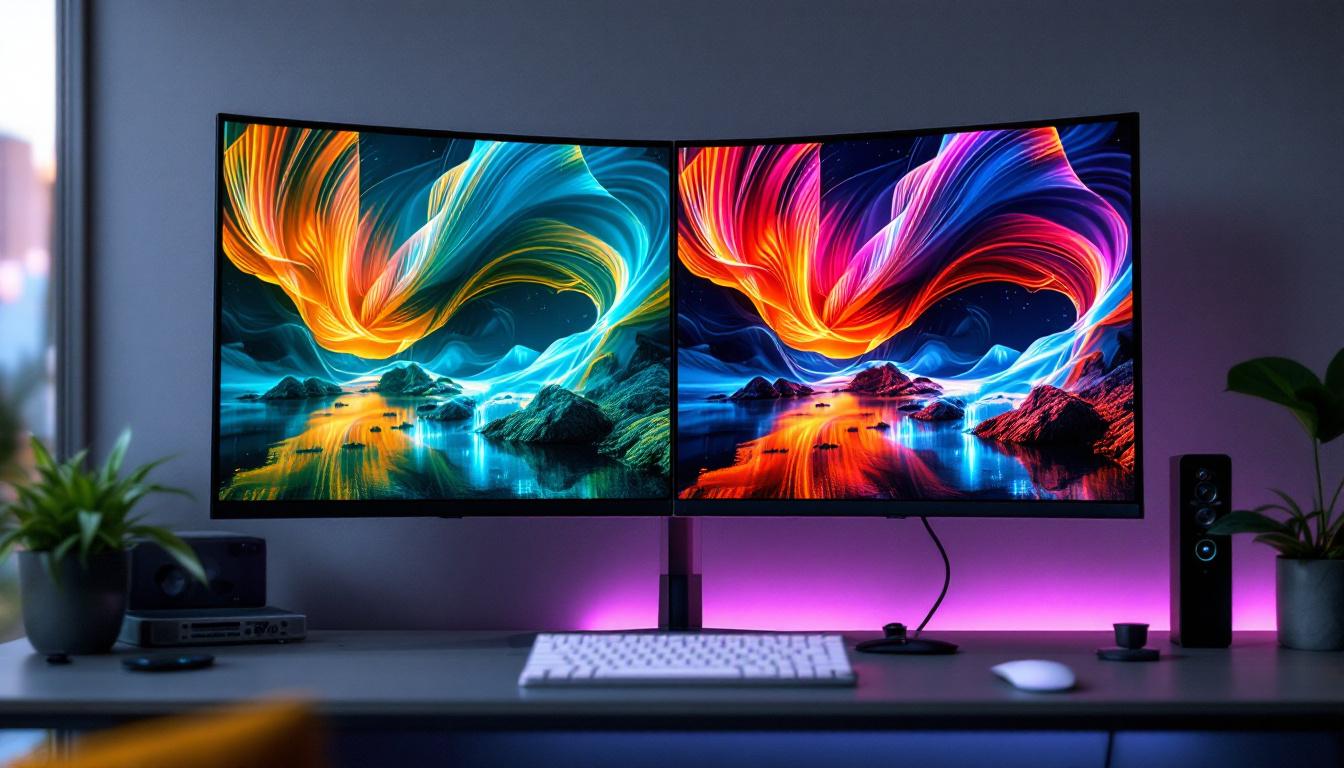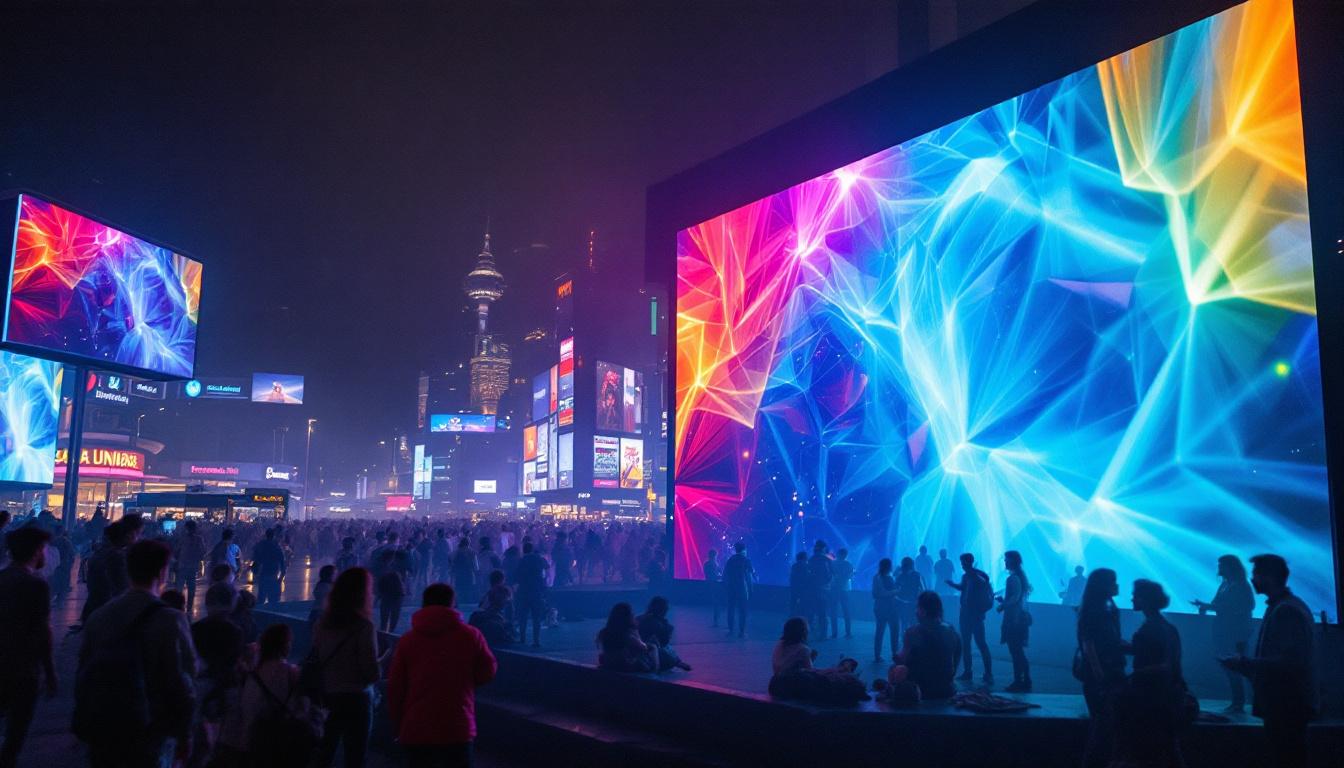
In the rapidly evolving world of digital displays, 3D LED screens have emerged as a groundbreaking technology, transforming how businesses, advertisers, and event organizers engage their audiences. These displays offer vibrant visuals, dynamic content, and immersive experiences that traditional screens simply cannot match. However, understanding the pricing of 3D LED screens and the factors influencing their cost is essential for anyone considering an investment in this technology.
This article delves deep into the world of 3D LED displays, explaining their technology, applications, and the key elements that determine their price. Whether you are a business owner, event planner, or technology enthusiast, this comprehensive guide will help you make informed decisions about 3D LED screens.
Understanding 3D LED Screen Technology
What is a 3D LED Screen?
Unlike conventional LED screens that display flat, two-dimensional images, 3D LED screens create the illusion of depth, allowing viewers to perceive images in three dimensions without the need for special glasses. This is achieved through advanced display technologies that manipulate light and perspective, delivering a more immersive and engaging visual experience.
3D LED screens combine the brightness and clarity of LED technology with stereoscopic or holographic effects. These screens are often used in advertising, entertainment, exhibitions, and even architectural installations to captivate audiences with vivid, lifelike visuals. For instance, in retail environments, 3D LED displays can showcase products in a way that makes them appear to leap off the screen, enticing customers and enhancing the shopping experience. The ability to present dynamic content in three dimensions can also be a game-changer for brands looking to create memorable marketing campaigns that stand out in a crowded marketplace.
How Do 3D LED Screens Work?
The core of 3D LED technology lies in its ability to present different images to each eye, mimicking the way human vision perceives depth. There are several methods to achieve this effect:
- Autostereoscopic Displays: These screens use lenticular lenses or parallax barriers to direct different images to each eye without requiring glasses.
- Holographic LED Displays: By projecting light in specific patterns, these screens create floating 3D images that can be viewed from multiple angles.
- Volumetric Displays: These generate 3D images within a physical volume, allowing viewers to see the object from various perspectives.
Each method has its own cost implications and suitability depending on the application, viewing distance, and environmental conditions. For example, autostereoscopic displays are often favored for their ease of use and viewer comfort, making them ideal for consumer electronics and public displays. Meanwhile, holographic displays are increasingly being adopted in high-end exhibitions and events, where the wow factor can significantly enhance the audience’s experience. Furthermore, volumetric displays, while still in the experimental phase for many applications, hold the potential to revolutionize fields such as medical imaging and simulation training, where a true 3D understanding of complex structures is essential.
Factors Influencing 3D LED Screen Price
Screen Size and Resolution
One of the most significant factors affecting the price of a 3D LED screen is its size. Larger screens require more LED modules, increasing manufacturing complexity and material costs. For example, a 10-square-meter screen will cost substantially more than a 2-square-meter display. This increase in size not only amplifies the number of components needed but also demands more intricate assembly processes, which can drive up labor costs significantly.
Resolution also plays a crucial role. Higher pixel density means more LEDs per square meter, resulting in sharper images but higher costs. A screen with a pixel pitch of 1.5mm (meaning the LEDs are 1.5mm apart) will be more expensive than one with a 4mm pitch due to the increased number of LEDs and finer manufacturing tolerances. Moreover, higher resolution displays often require advanced calibration and testing to ensure optimal performance, further adding to the overall expense.
Type of 3D Technology
The choice of 3D technology directly impacts the price. Autostereoscopic screens, which do not require glasses, tend to be more expensive due to the complexity of the lenticular lens arrays or parallax barriers integrated into the display. These technologies must be meticulously engineered to ensure that the 3D effect is convincing from multiple viewing angles, which can complicate production and inflate costs.
Holographic LED displays, which offer floating 3D images, are often custom-built and can command premium prices because of their advanced optics and projection systems. The creation of holographic images requires sophisticated algorithms and high-quality light sources, which can be costly to develop and implement. Volumetric displays, being highly specialized, are usually the most costly and are typically reserved for niche applications such as scientific visualization or high-end exhibitions, where the demand for immersive experiences justifies the investment.
Brightness and Environmental Adaptability
LED displays are known for their brightness, which allows them to be visible even in direct sunlight. However, higher brightness levels require more powerful LEDs and robust cooling systems, which add to the cost. For outdoor installations, weatherproofing and durability features are essential, increasing both manufacturing and maintenance expenses. Additionally, screens designed for varying environmental conditions may need to incorporate advanced materials that can withstand temperature fluctuations, humidity, and UV exposure, further elevating the initial price.
Installation and Maintenance Costs
Beyond the price of the screen itself, installation costs can be significant. Large 3D LED screens may require structural support, specialized mounting systems, and professional installation teams. The complexity of the installation process can vary greatly depending on the location and intended use of the screen, with some installations necessitating extensive electrical work or integration with existing infrastructure. Additionally, maintenance contracts, including cleaning, repairs, and software updates, contribute to the total cost of ownership. Regular maintenance is crucial for ensuring optimal performance and longevity, especially for high-traffic installations where screens are exposed to the elements or frequent use.
Content Management Systems and Software
To fully utilize a 3D LED screen, sophisticated content management systems (CMS) and software are necessary. These tools allow users to create, schedule, and display 3D content effectively. Licensing fees and software customization can add to the overall investment. Moreover, the need for training personnel to operate these systems can further increase costs, as organizations must ensure that their staff is proficient in managing and updating the content displayed. The integration of interactive features, such as touch capabilities or real-time data feeds, can also enhance the user experience but may require additional software development and investment.
Typical Price Ranges for 3D LED Screens
Small to Medium-Sized Displays
For small to medium-sized 3D LED screens (ranging from 1 to 5 square meters), prices typically range from $5,000 to $50,000 depending on resolution and 3D technology. These displays are suitable for retail environments, trade shows, and indoor advertising.
For example, an autostereoscopic 3D LED screen with a 2mm pixel pitch measuring 3 square meters might cost around $20,000, including basic installation and software.
Large-Scale Installations
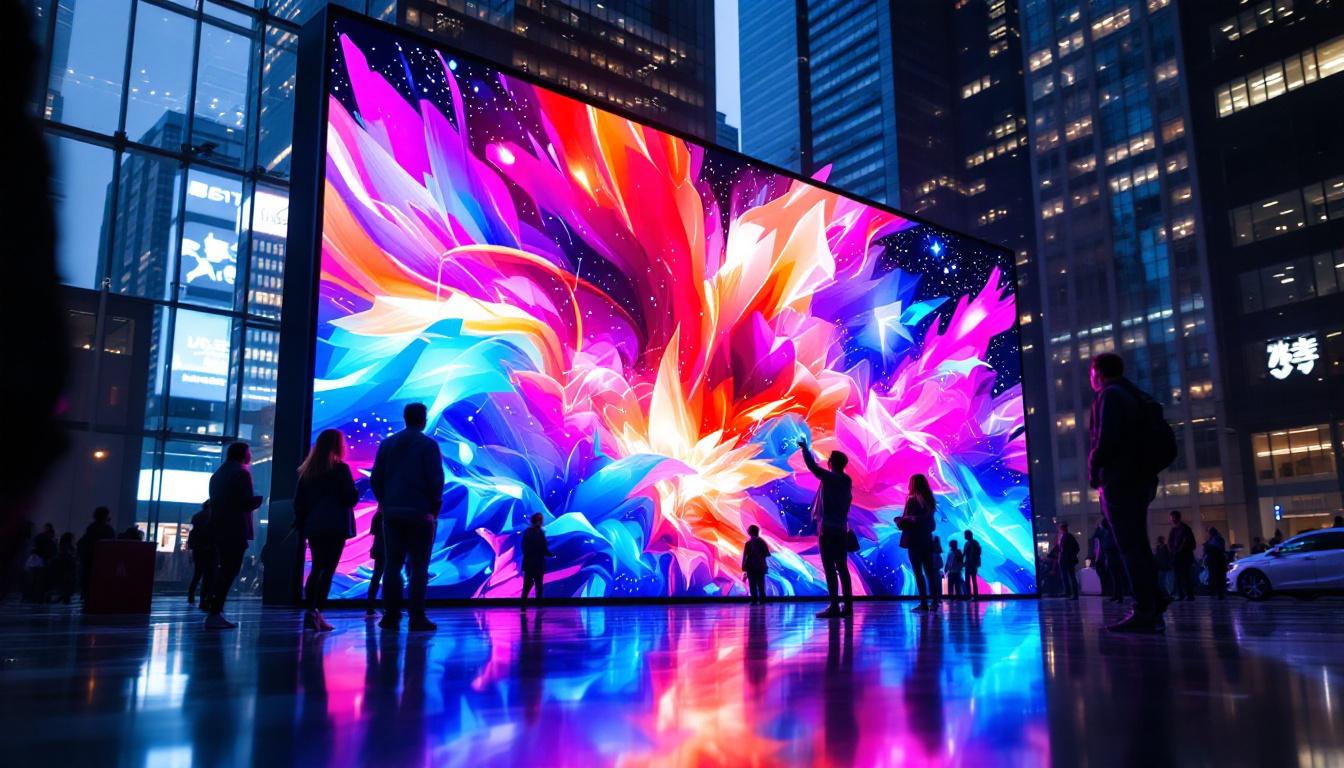
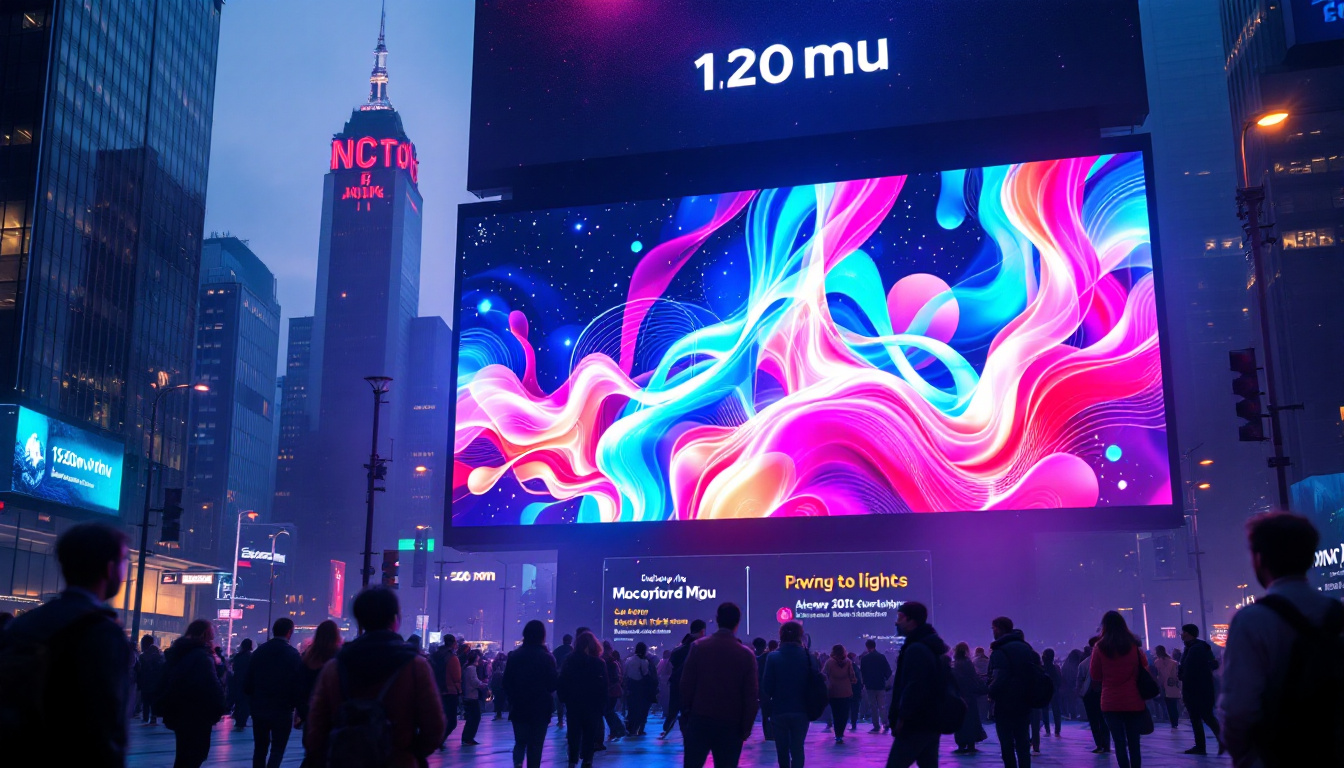
Large 3D LED screens exceeding 10 square meters can cost anywhere from $100,000 to several million dollars. These are often used for outdoor advertising billboards, stadium displays, or immersive art installations.
For instance, a 15-square-meter holographic LED display with high brightness and weatherproofing could easily surpass $500,000, factoring in installation and content management systems.
Custom and Specialized Solutions
Highly specialized volumetric or holographic displays tailored for scientific, medical, or entertainment applications can cost upwards of $1 million. These solutions often involve bespoke engineering, advanced optics, and integration with other technologies such as motion tracking or interactive controls.
Applications of 3D LED Screens
Advertising and Marketing
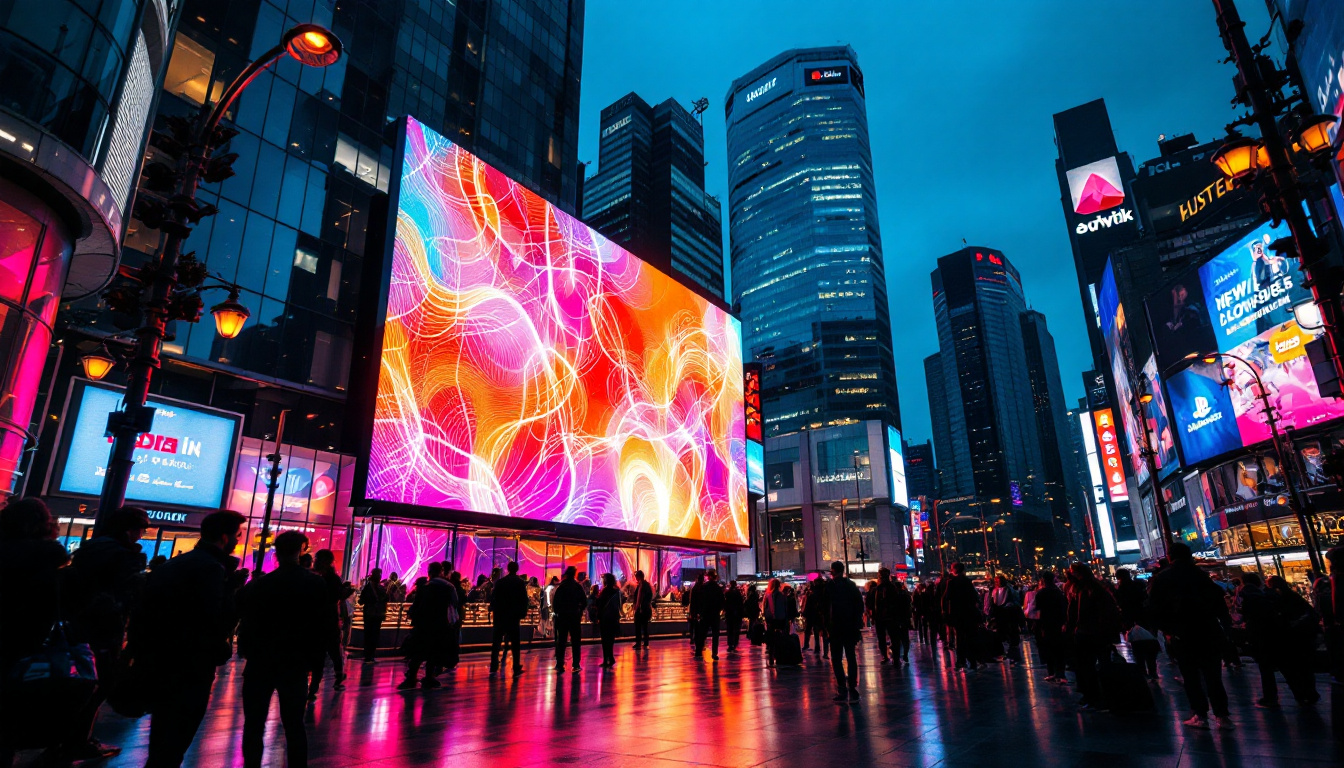
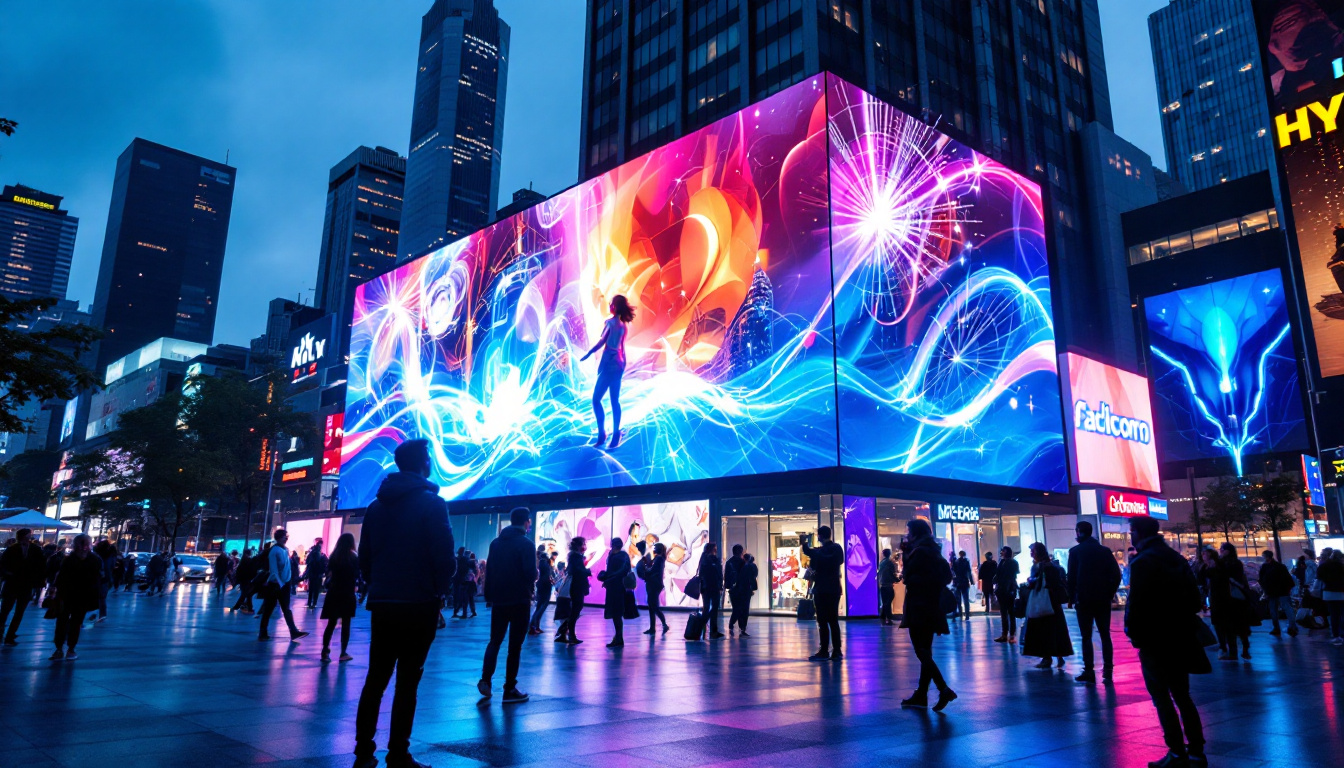
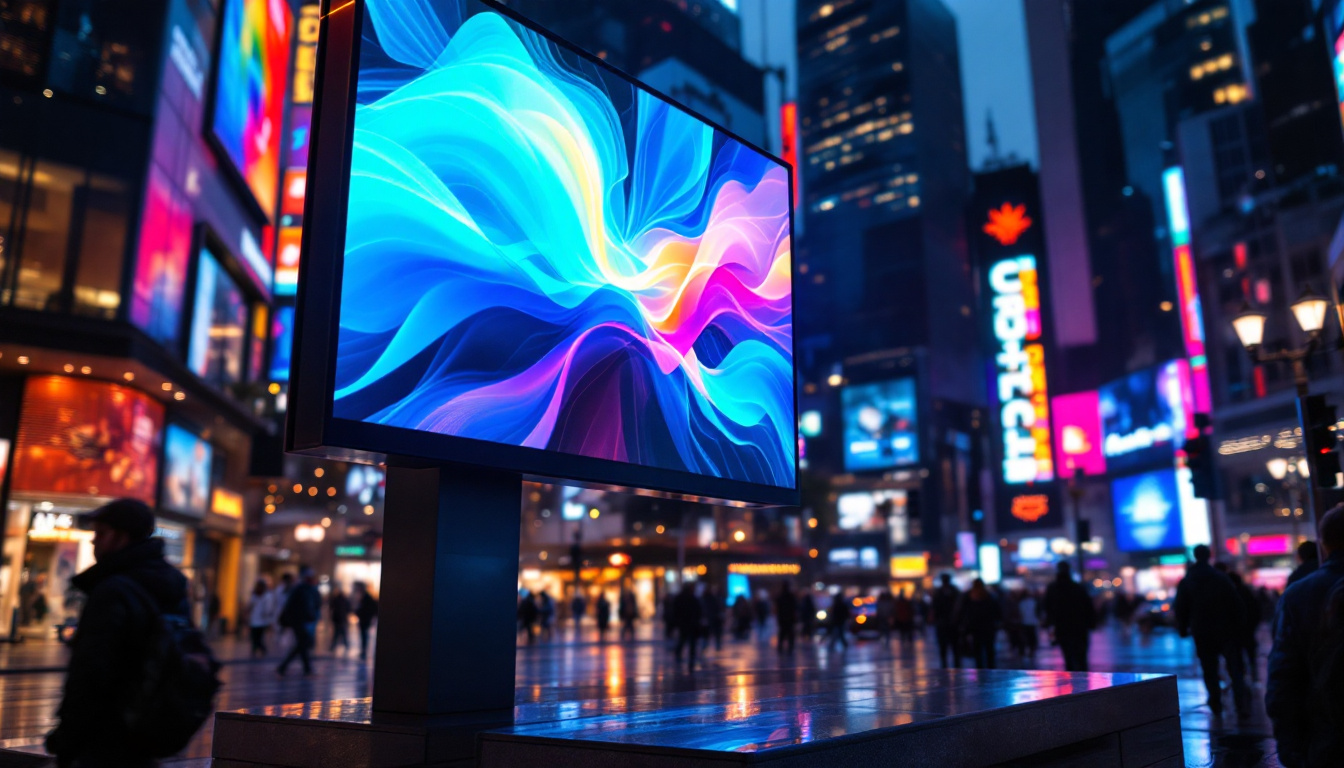
3D LED screens revolutionize advertising by creating eye-catching, memorable campaigns. Brands use these displays in shopping malls, airports, and urban centers to showcase products in a way that grabs attention and increases engagement. The ability to display lifelike 3D content without glasses enhances consumer interaction and drives sales.
Entertainment and Events
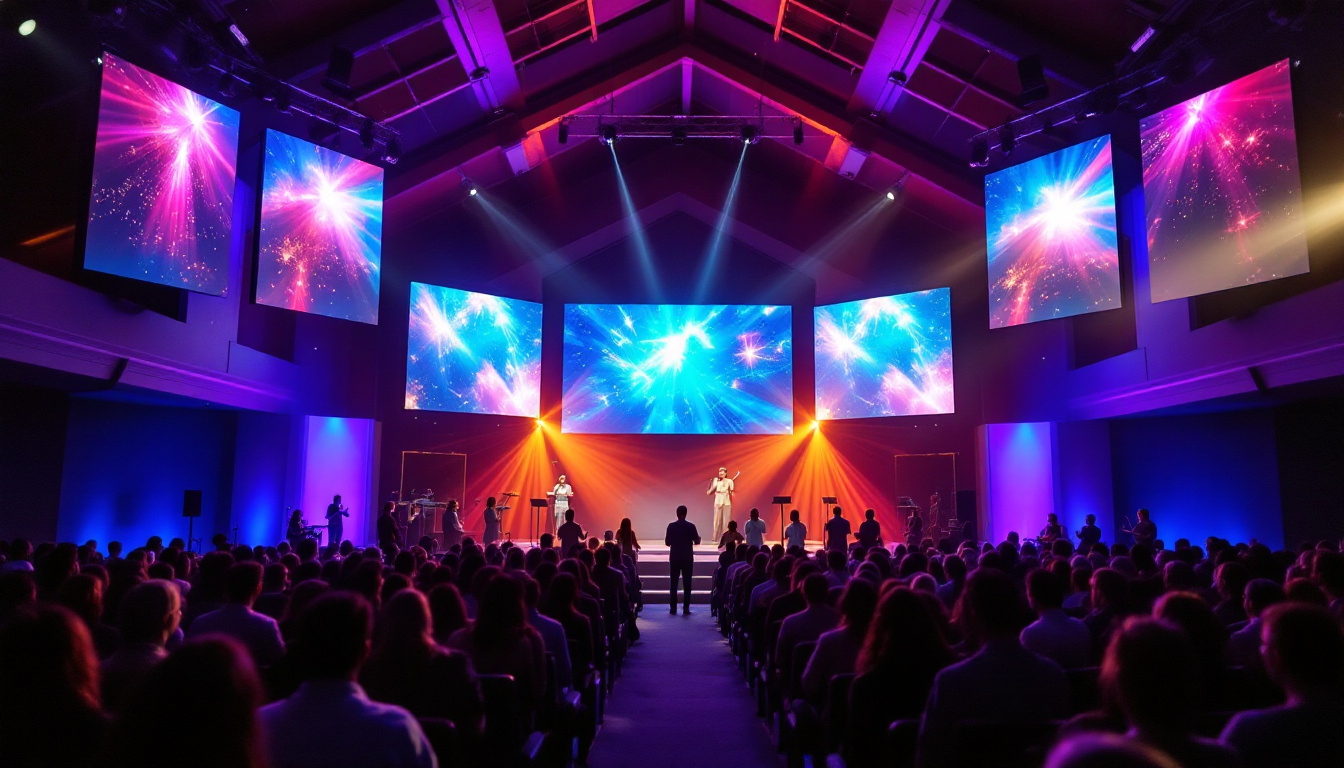
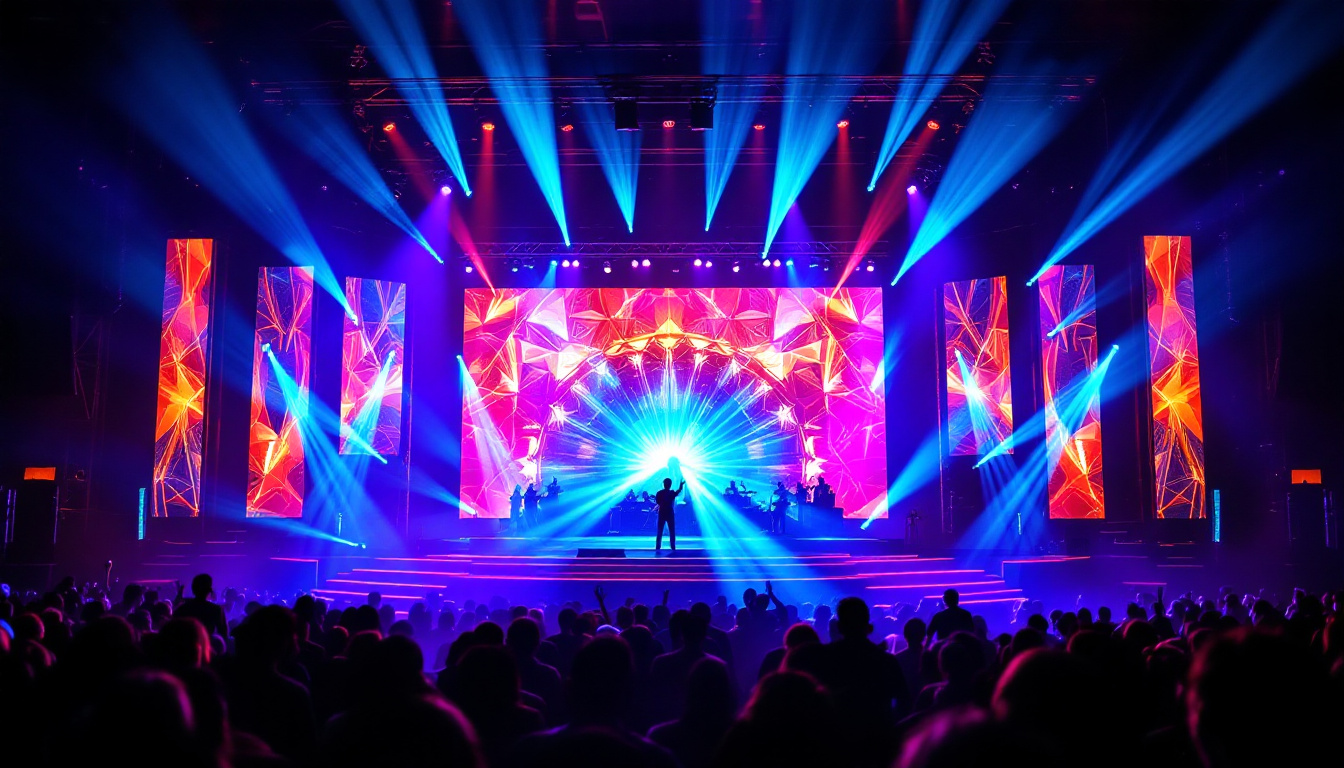
Concerts, festivals, and exhibitions utilize 3D LED screens to provide immersive visual experiences. These screens can transform stages and venues with dynamic, three-dimensional visuals that synchronize with performances, creating unforgettable moments for audiences.
Corporate and Educational Use
In corporate settings, 3D LED displays are used for presentations, product launches, and interactive demonstrations. Educational institutions leverage these screens for scientific visualization, virtual dissections, and interactive learning experiences that deepen understanding through visual immersion.
Architectural and Public Installations
Architects and city planners integrate 3D LED screens into building facades and public spaces to enhance aesthetics and provide real-time information. These installations contribute to smart city initiatives by combining functionality with artistic expression.
How to Choose the Right 3D LED Screen for Your Needs
Define Your Objectives
Start by clarifying the purpose of the display. Are you aiming to attract customers, educate an audience, or create an artistic installation? The intended use will influence the size, resolution, and type of 3D technology required.
Consider Viewing Distance and Environment
The optimal pixel pitch and brightness depend on how far viewers will be from the screen and the ambient lighting conditions. For outdoor use, higher brightness and weatherproofing are essential, while indoor displays can prioritize resolution and viewing angles.
Budget and Total Cost of Ownership
Beyond the initial purchase price, factor in installation, maintenance, software, and potential upgrades. Investing in a high-quality display with reliable support can save costs over time and ensure consistent performance.
Vendor Reputation and Support
Choose manufacturers and suppliers with proven expertise in 3D LED technology. Reliable after-sales service, warranty terms, and technical support are critical for long-term satisfaction.
Future Trends in 3D LED Display Technology
Advancements in Pixel Density and Resolution
Ongoing research aims to reduce pixel pitch further, enabling ultra-high-definition 3D displays that rival the clarity of the human eye. This will open new possibilities for detailed visualization in medical imaging, design, and entertainment.
Integration with Augmented and Virtual Reality
Combining 3D LED screens with AR and VR technologies will create hybrid environments where physical and digital worlds merge seamlessly, enhancing interactivity and immersion.
Energy Efficiency and Sustainability
Manufacturers are focusing on developing more energy-efficient LEDs and recyclable materials to reduce the environmental impact of large-scale displays. This aligns with global sustainability goals and appeals to eco-conscious consumers.
Conclusion
3D LED screens represent a significant leap forward in display technology, offering unparalleled visual experiences across various industries. Understanding the factors that influence their price—from size and resolution to technology type and installation requirements—is crucial for making informed investment decisions.
While the initial cost can be substantial, the benefits of enhanced engagement, brand differentiation, and immersive communication often justify the expense. As technology continues to advance, 3D LED displays will become more accessible, versatile, and integral to the future of digital media.
For businesses and organizations considering 3D LED screens, partnering with experienced vendors and carefully evaluating needs and budgets will ensure the best outcomes and a successful integration of this exciting technology.
Discover Cutting-Edge 3D LED Displays with LumenMatrix
Ready to elevate your visual experience with the latest in 3D LED display technology? Look no further than LumenMatrix, a pioneer in crafting LED display modules that bring your brand to life. From Indoor and Outdoor LED Walls to innovative solutions like Vehicle Displays, LED Posters, and Transparent Displays, LumenMatrix offers a wide array of options to captivate your audience. Embrace the future of digital signage with our Custom and All-in-One LED Displays, designed to make a lasting impression. Don’t miss out on the opportunity to transform your visual communication. Check out LumenMatrix LED Display Solutions today and start creating unforgettable experiences.