In the world of modern display technology, the terms “LED” and “LCD” are often used interchangeably, yet they represent distinct components and technologies that work together to deliver the vibrant screens we use every day. The “40 LED LCD” display is a common specification found in many consumer electronics, especially televisions and monitors, and understanding what it entails can help consumers make informed decisions when purchasing or upgrading their devices.
This article delves into the intricacies of LED LCD displays, focusing on the 40 LED variant, explaining how they work, their advantages, and what sets them apart from other display technologies. Whether you’re a tech enthusiast, a buyer looking for the best screen, or simply curious about how your devices function, this comprehensive guide will shed light on the subject.
Understanding the Basics: What is a 40 LED LCD?
Breaking Down the Terminology
The term “40 LED LCD” typically refers to an LCD (Liquid Crystal Display) screen that uses 40 individual LEDs (Light Emitting Diodes) as its backlighting source. To understand this better, it is essential to distinguish between the components involved:
- LCD Panel: The core display technology that uses liquid crystals to control the passage of light and create images.
- LED Backlight: The light source behind the LCD panel, which illuminates the screen so images can be seen.
LCD panels themselves do not emit light; they rely on backlighting to display images. In LED LCD displays, LEDs replace older technologies like CCFL (Cold Cathode Fluorescent Lamp) for backlighting, offering improved brightness, energy efficiency, and color accuracy. This transition to LED technology has revolutionized the way we experience visual content, allowing for thinner screens and more vibrant colors, which are particularly noticeable in high-definition and 4K displays.
Why 40 LEDs?
The number of LEDs used in the backlighting system varies depending on the screen size, design, and desired picture quality. A 40 LED configuration implies that there are 40 individual LEDs strategically placed behind or along the edges of the LCD panel.
This number impacts the uniformity of brightness, contrast, and the ability to implement local dimming, which enhances picture quality by dimming parts of the screen independently. For a mid-sized television or monitor, 40 LEDs strike a balance between cost, performance, and energy consumption. Moreover, the arrangement and type of LEDs can also affect viewing angles and color reproduction. For instance, edge-lit configurations may utilize fewer LEDs but can still deliver impressive results, while full-array backlighting with more LEDs can provide superior contrast and detail, especially in darker scenes.
Additionally, the advancements in LED technology have led to the development of features like HDR (High Dynamic Range), which allows for a wider range of colors and brightness levels. This means that a 40 LED LCD can not only display images with greater clarity but also enhance the viewing experience by making colors more lifelike and details more pronounced. As consumers become increasingly discerning about picture quality, understanding the specifications of LED backlighting becomes crucial in making informed purchasing decisions.
The Technology Behind LED LCD Displays
How LCD Panels Work
Liquid Crystal Displays operate by manipulating light through layers of liquid crystals sandwiched between polarized glass. When an electric current passes through these crystals, they align in a way that either blocks or allows light to pass, creating the images seen on the screen.
However, since liquid crystals do not emit light themselves, they require a backlight to be visible. This is where LEDs come into play.
LED Backlighting: Edge-Lit vs. Full-Array
There are two primary methods of LED backlighting in LCD screens:
- Edge-Lit LED: LEDs are placed along the edges of the screen, and light is spread across the display using light guides. This design allows for thinner screens but can sometimes lead to uneven brightness.
- Full-Array LED: LEDs are distributed evenly across the entire back of the screen. This layout supports better brightness uniformity and local dimming capabilities.
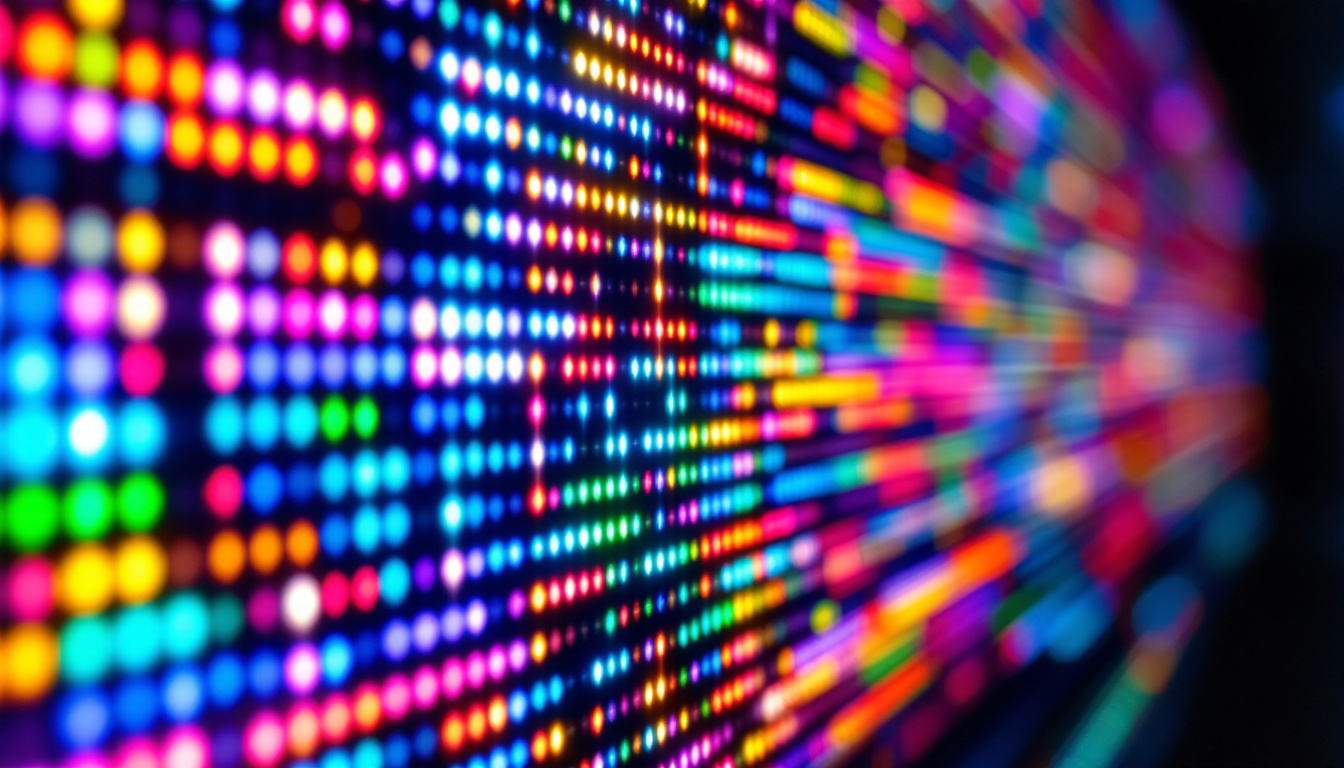
A 40 LED configuration is commonly found in full-array setups, where the LEDs are arranged in a grid behind the panel. This arrangement allows for precise control over brightness zones, improving contrast and black levels.
Local Dimming and Its Impact
Local dimming is a feature enabled by full-array LED backlighting, where specific zones of LEDs can be dimmed or brightened independently. This technology enhances the contrast ratio by making dark areas of the screen truly black while keeping bright areas vivid.
In a 40 LED full-array backlit display, the LEDs are divided into multiple dimming zones. While the number of zones is usually less than the total number of LEDs, having more LEDs generally allows for more zones and finer control.
Advantages of 40 LED LCD Displays
Improved Picture Quality
The use of 40 LEDs in backlighting contributes to better brightness uniformity and contrast. This results in richer colors, deeper blacks, and more detailed images. For viewers, this means a more immersive and enjoyable viewing experience, whether watching movies, playing games, or viewing photos.
Energy Efficiency
LED backlighting is significantly more energy-efficient than older CCFL technology. A 40 LED setup consumes less power while providing ample brightness, making these displays environmentally friendly and cost-effective over time.
Thinner and Lighter Design
The compact size of LEDs allows manufacturers to design thinner and lighter screens without sacrificing performance. This is particularly important for modern TVs and monitors where aesthetics and space-saving are critical factors.
Longer Lifespan and Reliability
LEDs have a longer operational lifespan compared to CCFLs, often exceeding 50,000 hours of use. This durability means fewer replacements and repairs, making 40 LED LCD displays a reliable choice for consumers.
Comparing 40 LED LCD Displays to Other Technologies
LED LCD vs. OLED
Organic Light Emitting Diode (OLED) displays differ fundamentally from LED LCDs. OLEDs emit light individually from each pixel, eliminating the need for backlighting. This results in perfect blacks and exceptional contrast ratios.
While OLED technology offers superior picture quality, it is generally more expensive and can suffer from burn-in issues over time. In contrast, 40 LED LCD displays provide a cost-effective solution with good picture quality and no burn-in risk.
40 LED LCD vs. CCFL LCD
Compared to CCFL-backlit LCDs, 40 LED LCD displays offer better energy efficiency, slimmer designs, and improved color accuracy. CCFLs also have longer warm-up times and lower lifespan, making LED backlighting the preferred choice in modern displays.
40 LED LCD vs. QLED
Quantum Dot LED (QLED) is an enhancement of LED LCD technology that uses quantum dots to improve color reproduction and brightness. While QLED displays may use a similar number of LEDs for backlighting, the addition of quantum dots allows for a wider color gamut and higher peak brightness.
However, 40 LED LCDs without quantum dot technology still provide excellent performance for most users at a more accessible price point.
Applications of 40 LED LCD Displays
Television Screens
Many mid-sized televisions, especially those around 40 inches, use 40 LED backlighting systems to balance cost and performance. These TVs are popular in living rooms, bedrooms, and offices, offering good picture quality for everyday viewing.
Computer Monitors
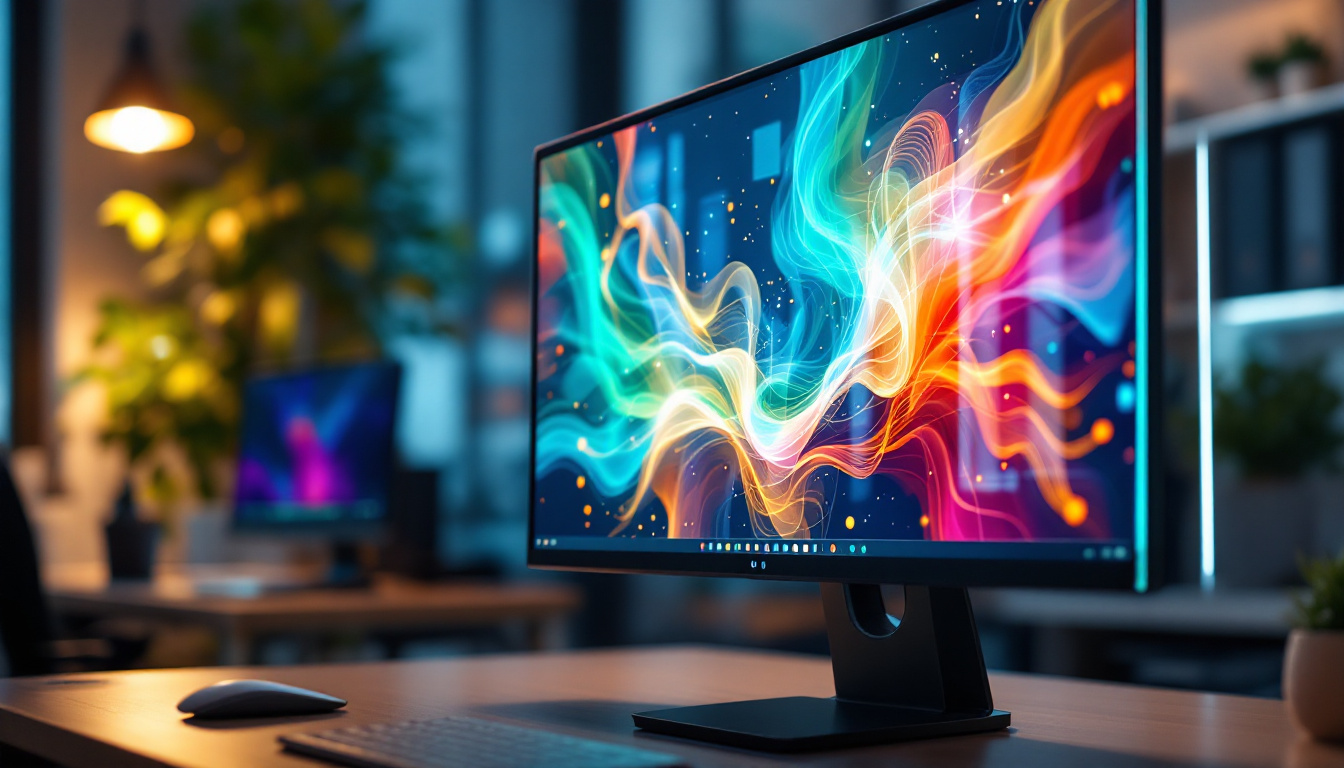
In the realm of computer monitors, LED backlighting with around 40 LEDs is common in 24 to 27-inch displays. This setup provides sufficient brightness and color accuracy for professional work, gaming, and general use.
Digital Signage and Advertising
LED LCD displays with 40 LEDs are also used in digital signage, where brightness and visibility are crucial. The energy efficiency and durability of LED backlighting make these displays suitable for continuous operation in commercial environments.
Factors to Consider When Choosing a 40 LED LCD Display
Brightness and Contrast Ratio
Check the display’s brightness levels, measured in nits, and contrast ratio. A higher number of LEDs generally contributes to better brightness uniformity and contrast, but other factors like panel quality and local dimming also play significant roles.
Color Accuracy
For users involved in photo editing, video production, or graphic design, color accuracy is paramount. Look for displays with wide color gamut support and good calibration options.
Refresh Rate and Response Time
Gamers should consider refresh rates and response times. While the number of LEDs does not directly impact these specifications, the overall display technology and panel type do.
Price and Brand Reputation
Balance your budget with the features offered. Established brands often provide better quality control, warranties, and customer support.
Future Trends in LED LCD Technology
Mini-LED and Micro-LED Backlighting
Emerging technologies like Mini-LED and Micro-LED are pushing the boundaries of LED backlighting. Mini-LED uses thousands of tiny LEDs for even more precise local dimming and improved contrast, surpassing the capabilities of traditional 40 LED setups.
Micro-LED technology, which integrates microscopic LEDs directly into the display pixels, promises even greater brightness, efficiency, and lifespan, potentially rivaling OLED in picture quality.
Integration with Smart Technologies
Modern 40 LED LCD displays increasingly incorporate smart features such as voice control, AI-based picture optimization, and enhanced connectivity options, making them more versatile and user-friendly.
Conclusion
The 40 LED LCD display represents a well-balanced approach to modern screen technology. By combining the proven liquid crystal display panel with efficient and effective LED backlighting, these displays deliver solid picture quality, energy efficiency, and durability at an accessible price point.
Understanding the role of the 40 LEDs in backlighting helps consumers appreciate the technology behind their screens and make informed decisions based on their viewing needs and budget. As display technology continues to evolve, the principles behind LED LCD displays remain foundational, bridging the gap between traditional LCDs and the cutting-edge innovations of tomorrow.
Discover Cutting-Edge LED Displays with LumenMatrix
Ready to experience the next level of visual display technology? LumenMatrix is at the forefront of LED innovation, offering a wide array of LED display solutions tailored to your needs. From captivating Indoor LED Wall Displays to dynamic Outdoor LED Wall Displays, and from versatile Vehicle LED Displays to sleek LED Poster Displays, our products are designed to revolutionize visual communication. Embrace the future with our LED Sports Displays, interactive Floor LED Displays, and the stunning clarity of LED Transparent Displays. Elevate your brand’s visibility and engage your audience like never before. Check out LumenMatrix LED Display Solutions today and transform your visual storytelling.