In the rapidly evolving world of video production, LED displays have emerged as a game-changing technology. From live events and corporate presentations to immersive advertising and broadcast studios, LED screens offer unparalleled flexibility, brightness, and visual impact. This article delves deep into the world of custom video productions powered by LED displays, explaining how they work, why they are preferred over traditional screens, and how they are transforming the industry.
Understanding LED Display Technology
What is an LED Display?
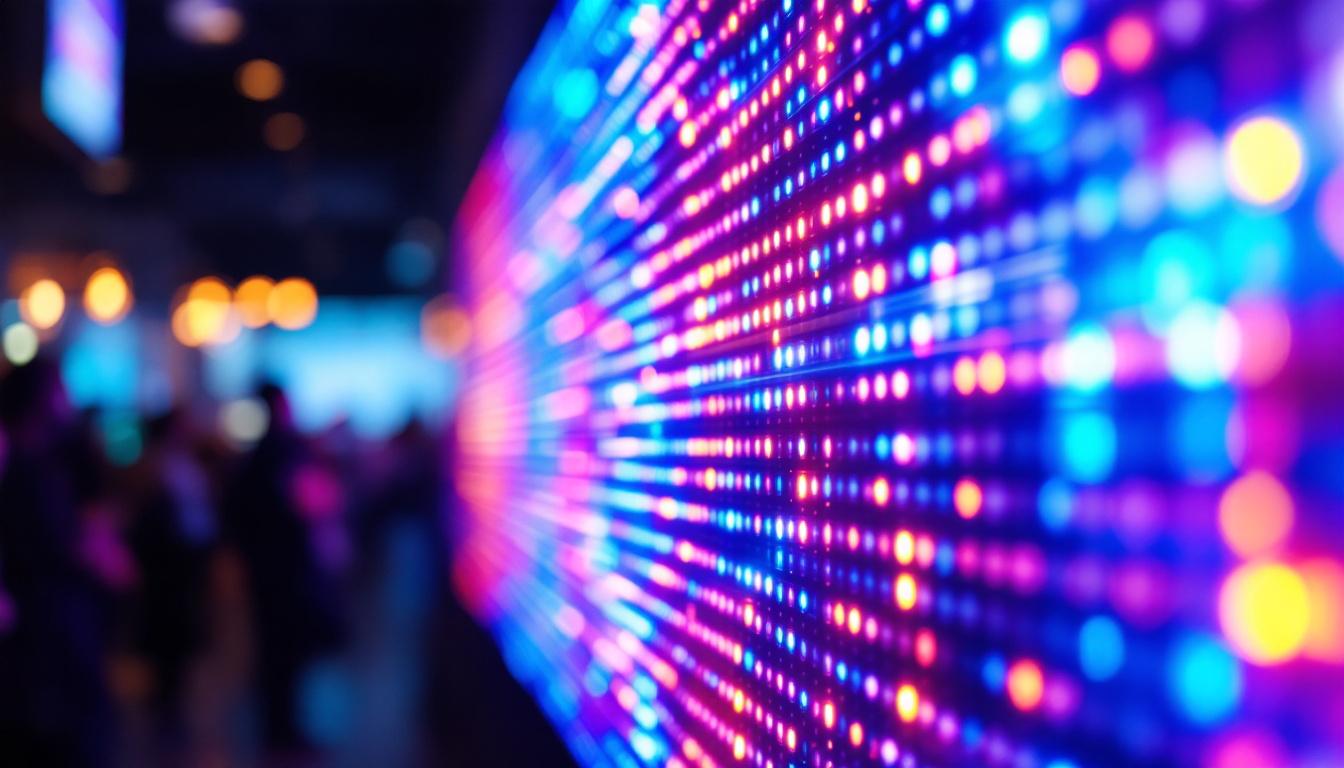
LED, or Light Emitting Diode, displays are digital screens composed of numerous tiny light sources that emit light when an electric current passes through them. Unlike LCD or projection screens, which rely on backlighting or reflected light, LED displays produce their own light, resulting in brighter images and more vibrant colors. This self-illuminating property not only enhances the visual experience but also contributes to energy efficiency, making LED technology a preferred choice in various applications.
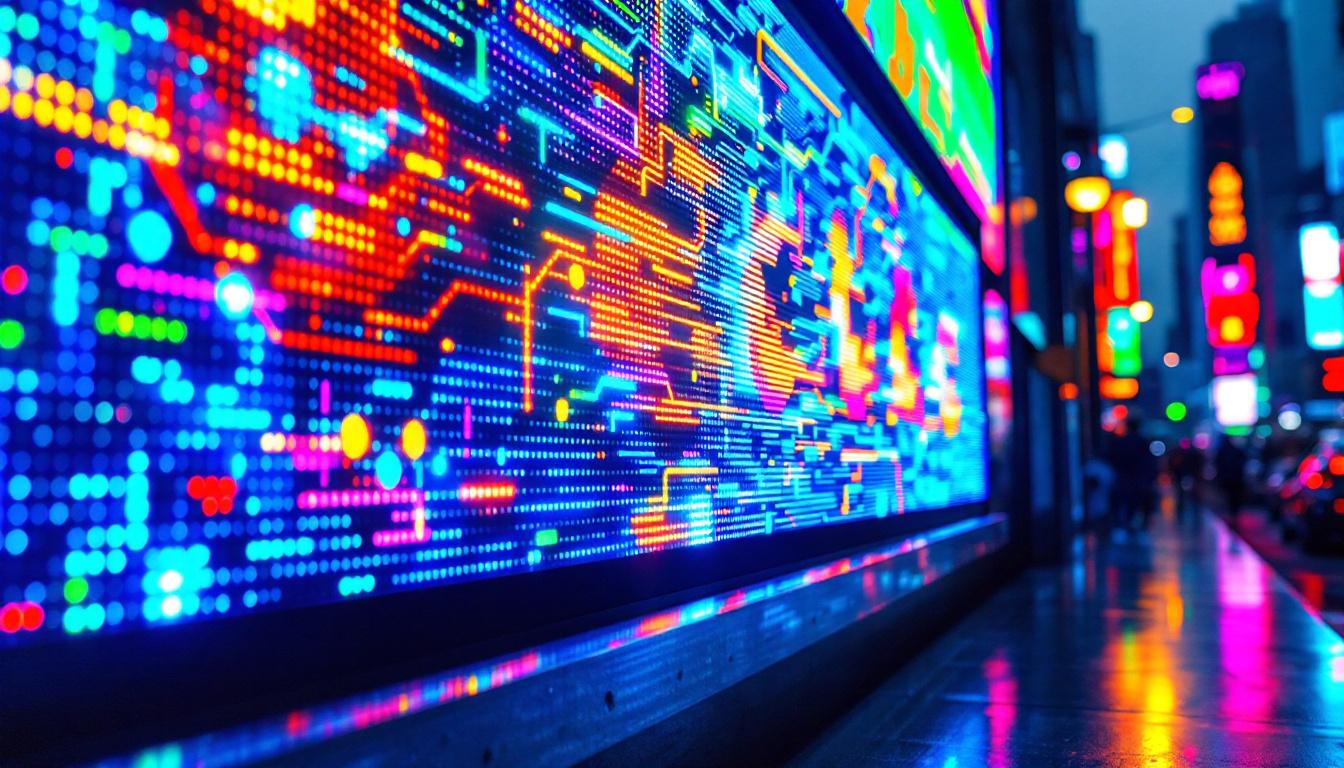
These displays are made up of modules containing clusters of LEDs arranged in a grid pattern. Each LED can be individually controlled to show different colors and brightness levels, allowing the creation of detailed and dynamic video content. The modular nature of LED panels means they can be assembled into virtually any size or shape, making them ideal for custom video production setups. This flexibility enables designers and engineers to create immersive environments, such as large-scale installations at events or interactive displays that engage audiences in unique ways.
Types of LED Displays Used in Video Production
LED displays vary based on their pixel pitch (the distance between individual LEDs), resolution, and intended application. The most common types include:
- Indoor LED Displays: Designed for close viewing distances, these have a smaller pixel pitch (often 1-4mm), resulting in high-resolution images perfect for studios and conference rooms. Their ability to deliver crisp visuals makes them suitable for presentations, live broadcasts, and corporate events where clarity is paramount.
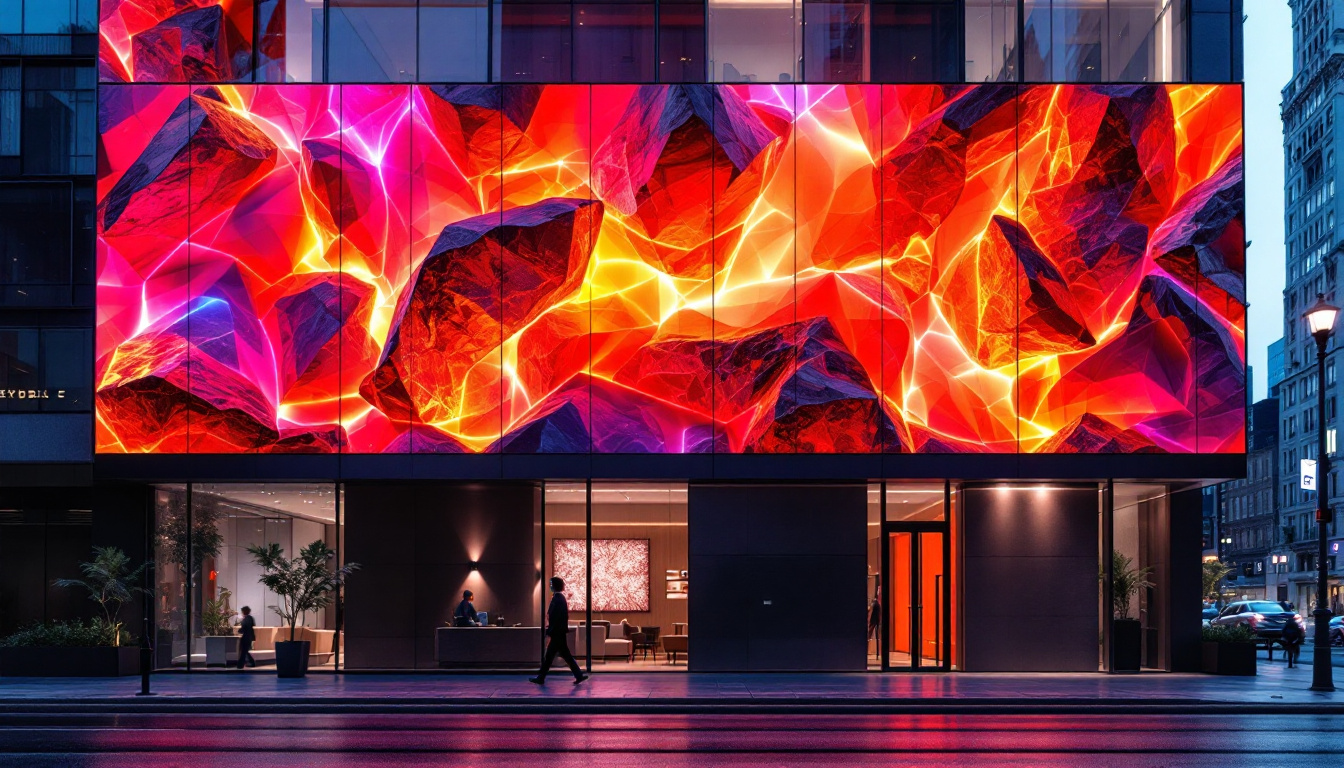
- Outdoor LED Displays: Built to withstand weather conditions, these have larger pixel pitches (usually 6mm and above) and higher brightness levels to combat sunlight glare, making them ideal for concerts, sports arenas, and billboards. The durability of outdoor displays is complemented by their capacity to deliver stunning visuals that can be seen from great distances, attracting attention and enhancing the viewer’s experience.
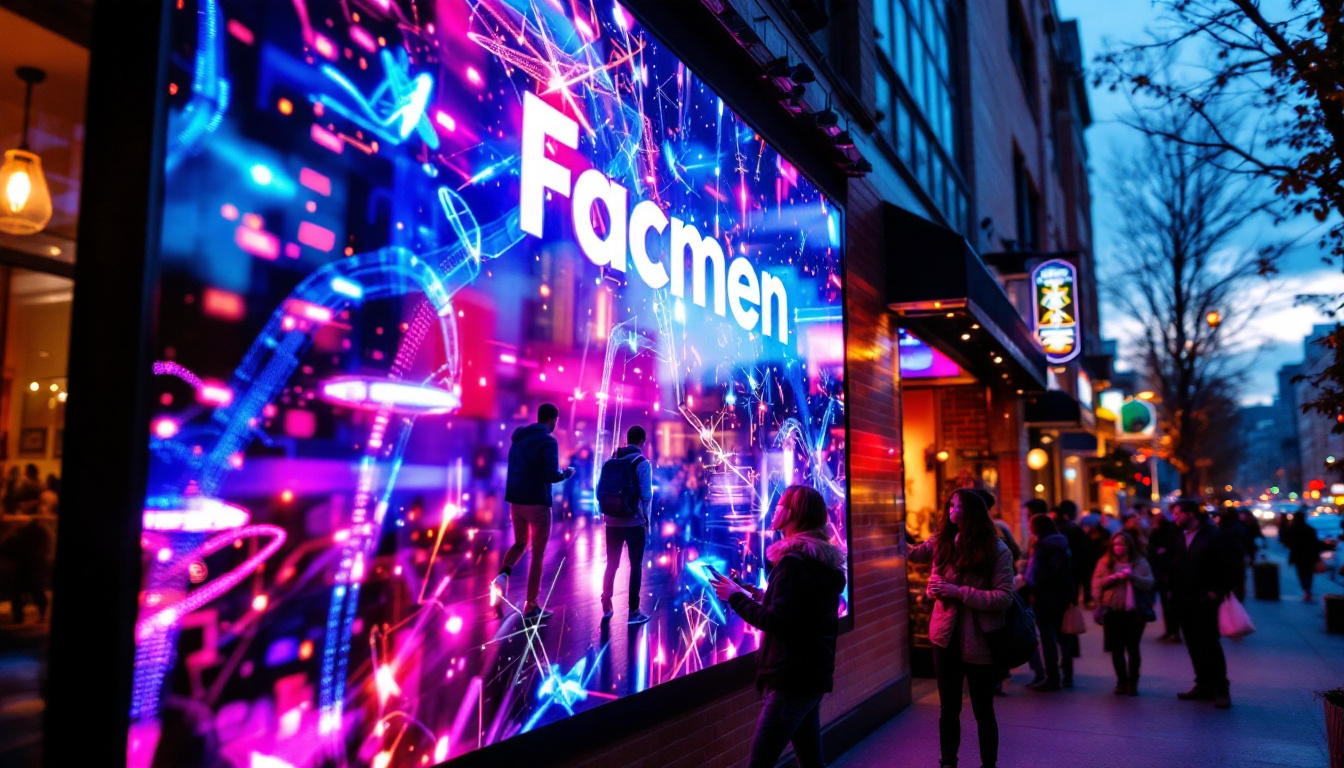
- Flexible and Transparent LED Displays: Innovative designs allow LED panels to bend or be see-through, opening new creative possibilities for video production and architectural integration. These displays can be used in unconventional settings, such as storefronts or art installations, where they blend seamlessly with the environment while still delivering captivating content.
Additionally, advancements in LED technology have led to the development of high dynamic range (HDR) displays, which offer a broader range of colors and contrast levels. This technology enhances the viewing experience by allowing for more realistic and lifelike imagery, making it particularly valuable in film production and high-end advertising. As the industry continues to evolve, the integration of artificial intelligence and machine learning in LED display systems is also on the rise, enabling smarter control mechanisms and more personalized content delivery.
The Advantages of LED Displays in Custom Video Productions
Superior Visual Quality and Brightness
One of the most compelling reasons video producers choose LED displays is their exceptional brightness and color accuracy. LED screens can achieve brightness levels of over 1,000 nits indoors and up to 5,000 nits outdoors, far surpassing traditional LCD screens. This means content remains vivid and clear even in brightly lit environments or direct sunlight.
Moreover, LEDs offer a wide color gamut and high contrast ratios, ensuring that video content looks lifelike and engaging. For productions requiring precise color matching—such as brand activations or film sets—LED technology delivers consistent and reliable results. The ability to reproduce deep blacks and vibrant colors allows for a more immersive viewing experience, which is crucial for capturing audience attention and conveying emotional depth in storytelling. As a result, filmmakers and event organizers can create visually stunning narratives that resonate more profoundly with viewers.
Flexibility in Size and Shape
Custom video productions often demand unique screen configurations to fit specific venues or creative visions. LED displays’ modular design allows producers to build screens of virtually any size, from small backdrop panels to massive video walls spanning hundreds of square feet.
Curved, angled, or irregularly shaped LED walls are achievable by combining flexible panels or specially designed modules. This adaptability enables immersive environments that captivate audiences and elevate storytelling. Furthermore, the lightweight nature of LED panels simplifies transportation and setup, making them an ideal choice for touring productions and events held in diverse locations. The versatility of LED technology not only enhances aesthetic appeal but also allows for innovative designs that can transform ordinary spaces into extraordinary experiences, pushing the boundaries of traditional video production.
Seamless Integration with Live Video and Graphics
LED displays excel in live event settings where dynamic content changes rapidly. They can seamlessly integrate with video servers, media players, and real-time graphics engines, allowing producers to switch between live camera feeds, animations, and interactive elements without delay.
This capability is particularly valuable for concerts, award shows, and broadcast studios, where engaging visual backdrops enhance performances and presentations. The synchronization of visuals with audio elements creates a cohesive experience that captivates audiences, making them feel part of the action. Additionally, advanced features like pixel mapping and content layering enable producers to create complex visual narratives that can adapt in real-time to the flow of the event. This level of interactivity not only keeps the audience engaged but also opens up new avenues for creative expression, allowing producers to push the limits of what is possible in live video production.
Applications of LED Displays in Custom Video Productions
Live Events and Concerts
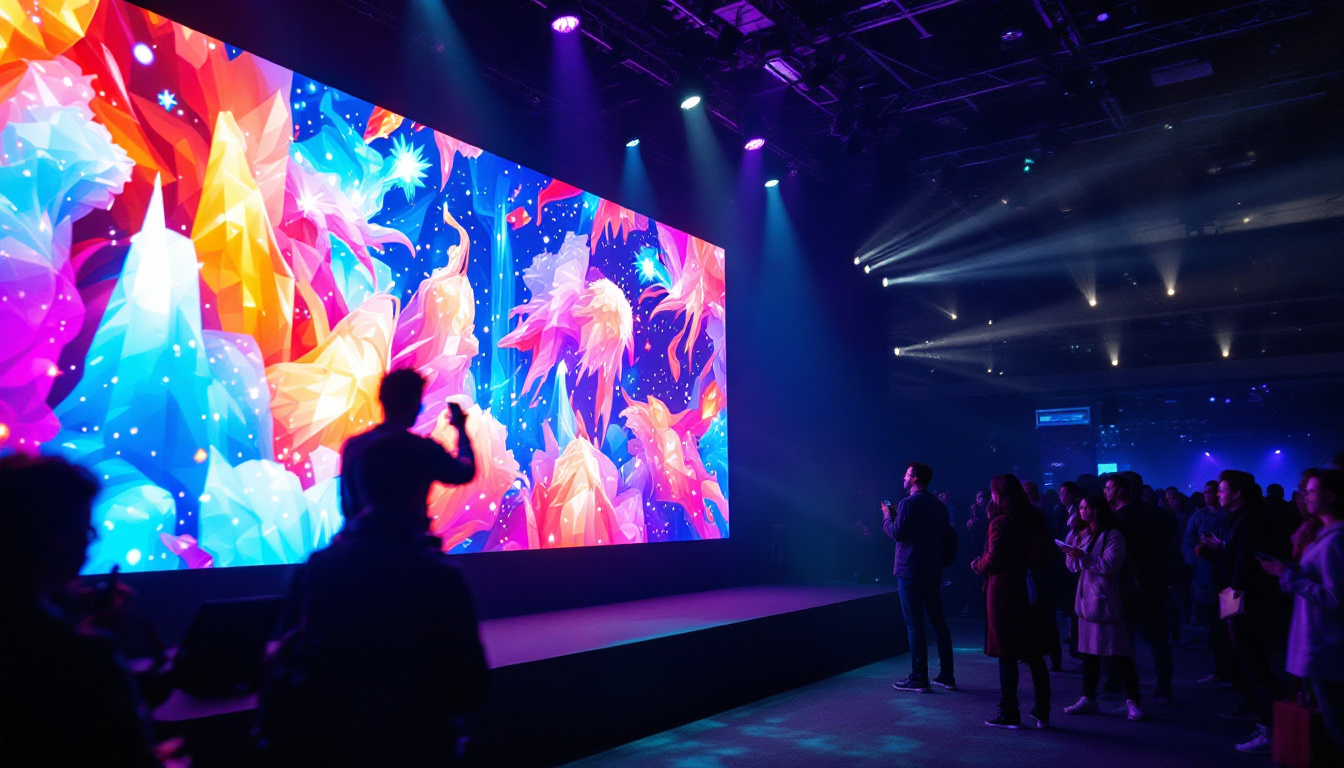
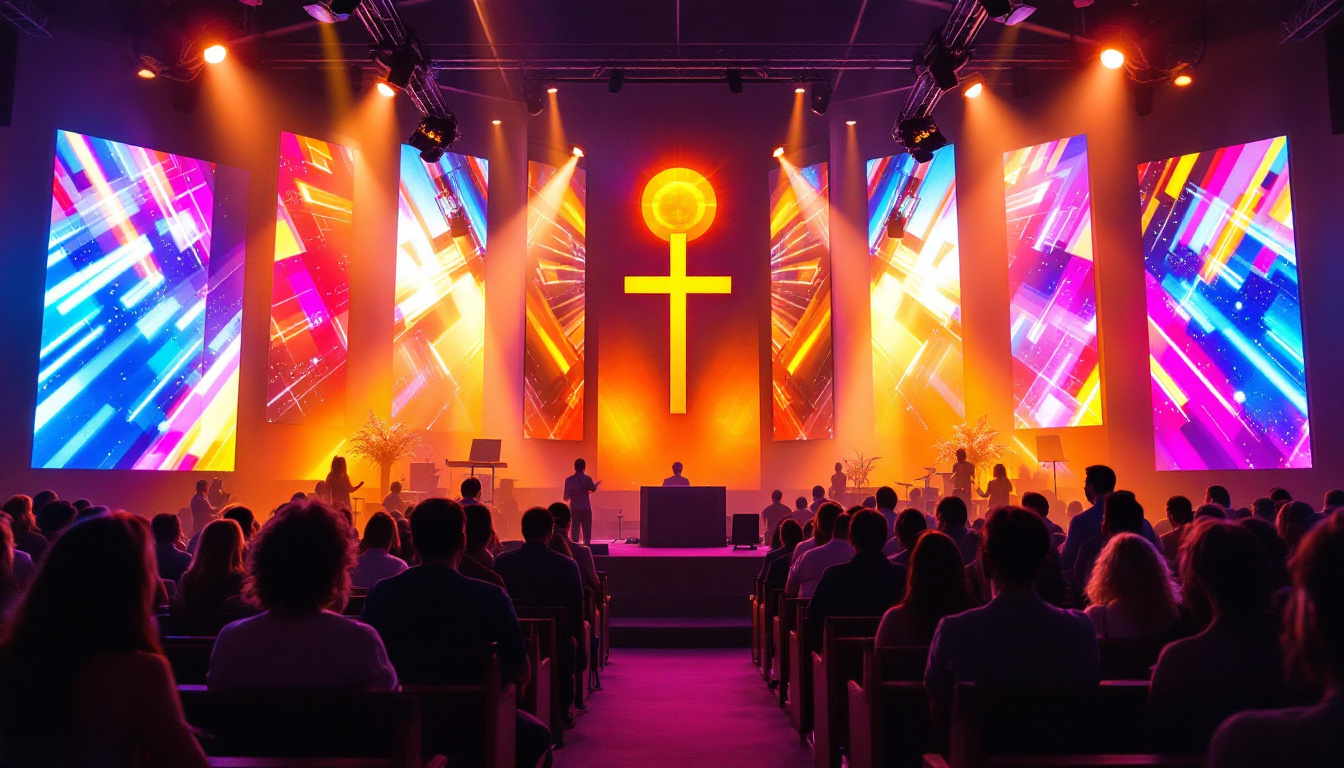
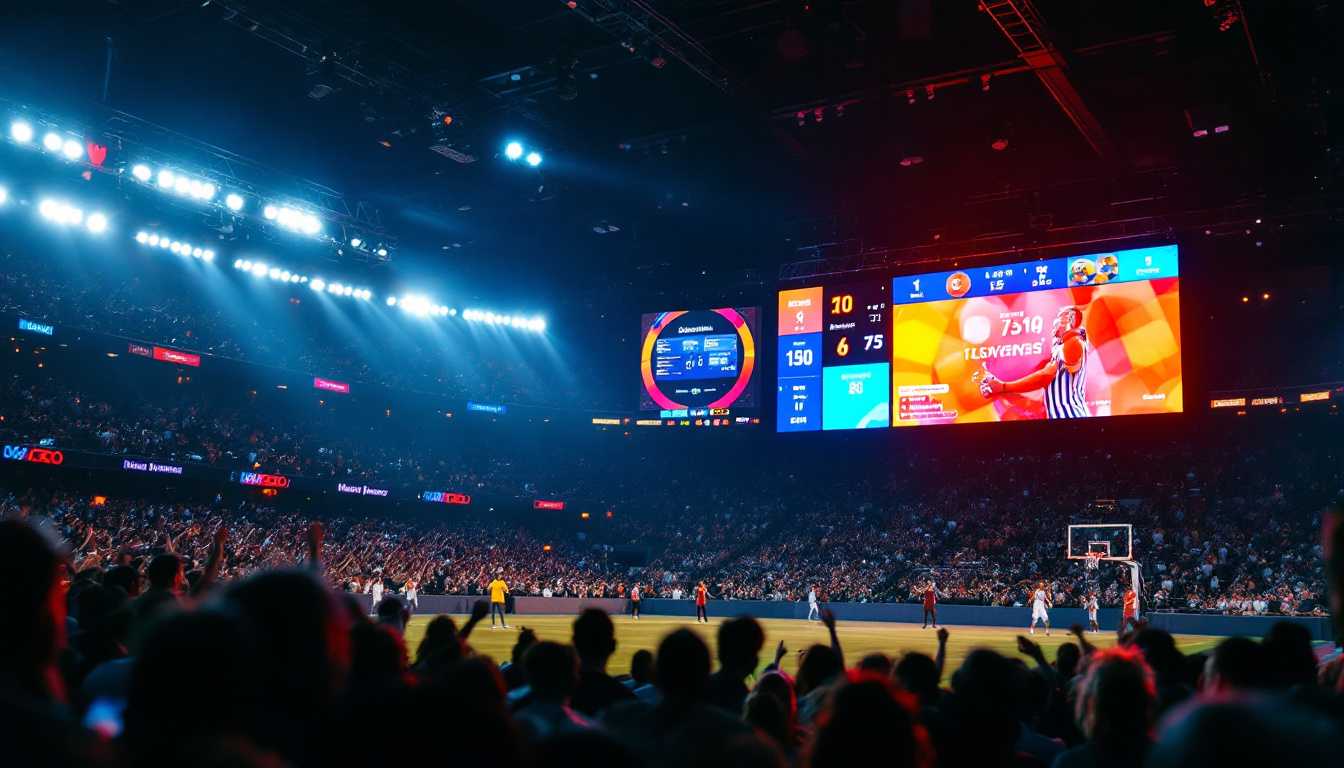
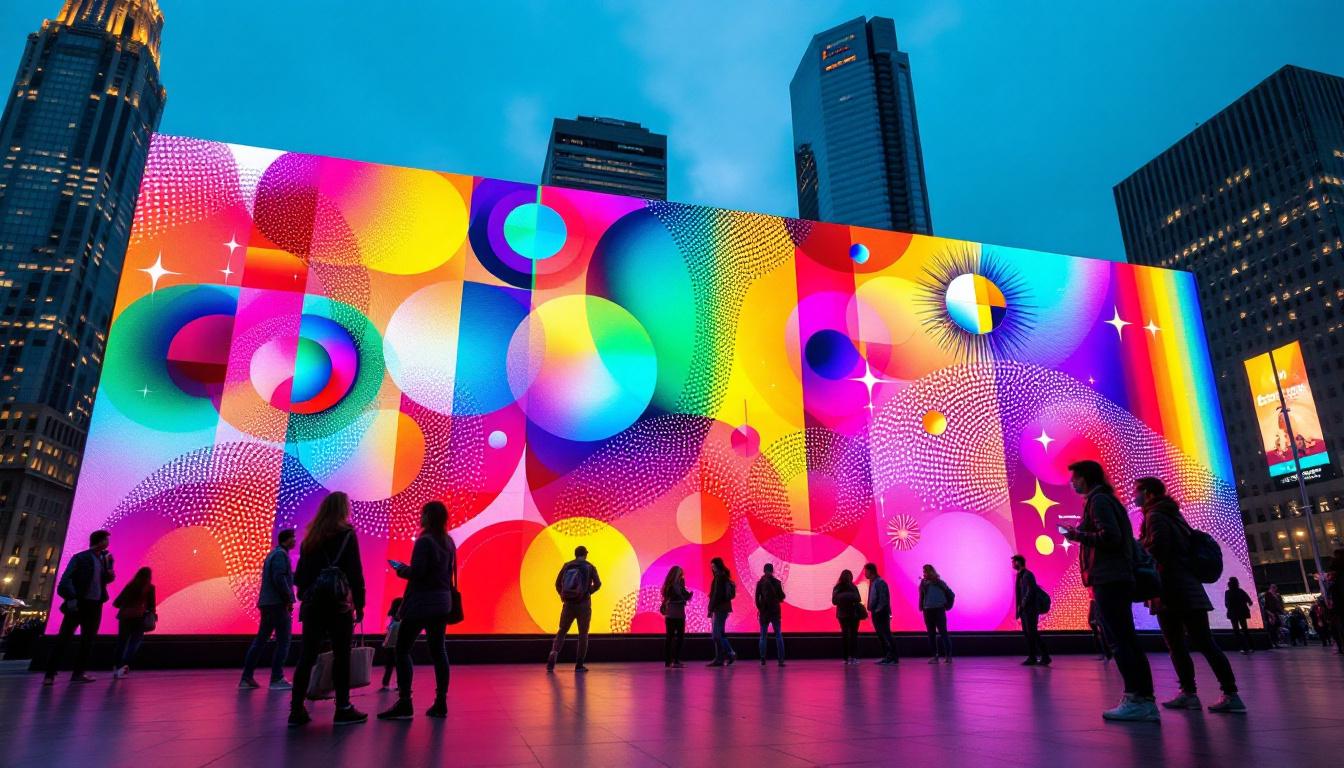
Live events are among the most visible applications of LED display technology. Large-scale LED video walls serve as immersive backdrops that synchronize with lighting and stage effects. For example, major music festivals often employ LED screens exceeding 1,000 square meters to provide audience members with close-up views of performers and dynamic visual experiences.
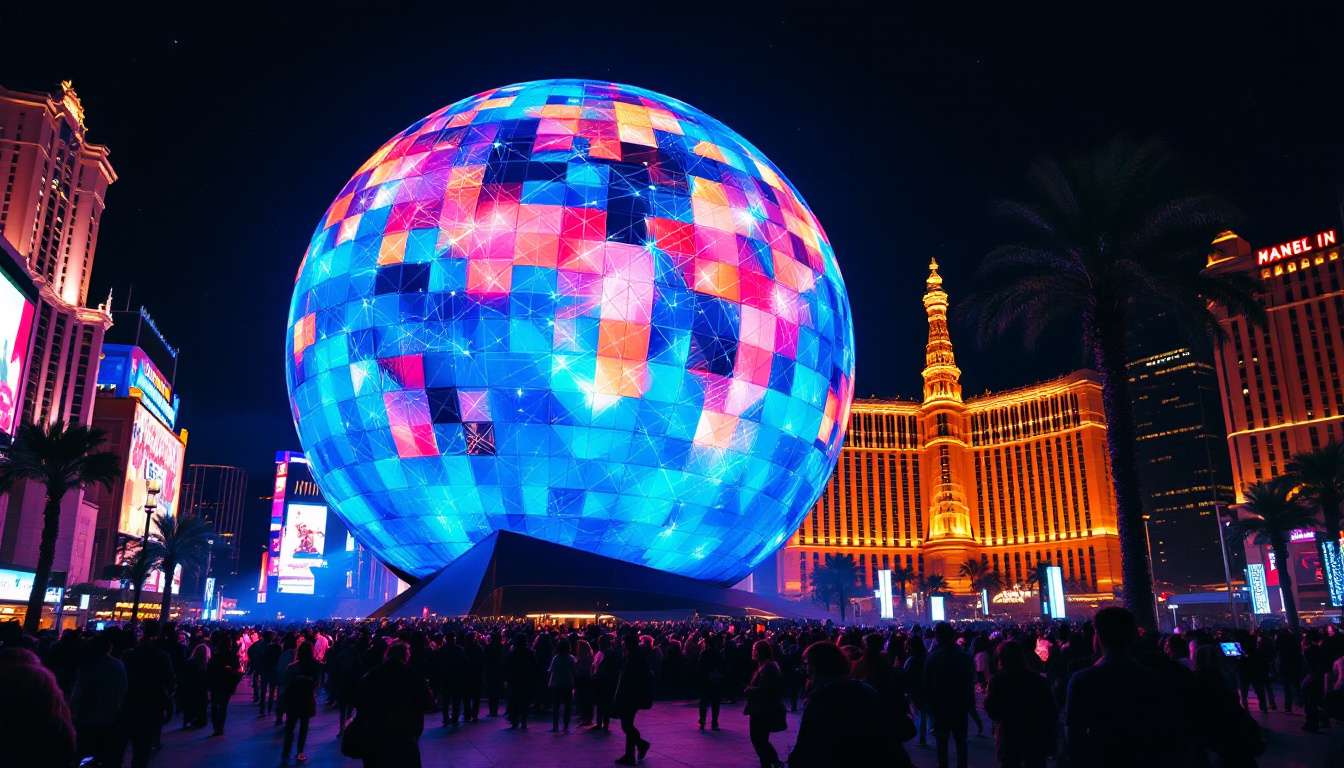
LED displays also enable creative stage designs, such as curved or wrap-around screens, that transform the concert environment. The ability to quickly change content during performances adds to the excitement and engagement.
Corporate Presentations and Conferences
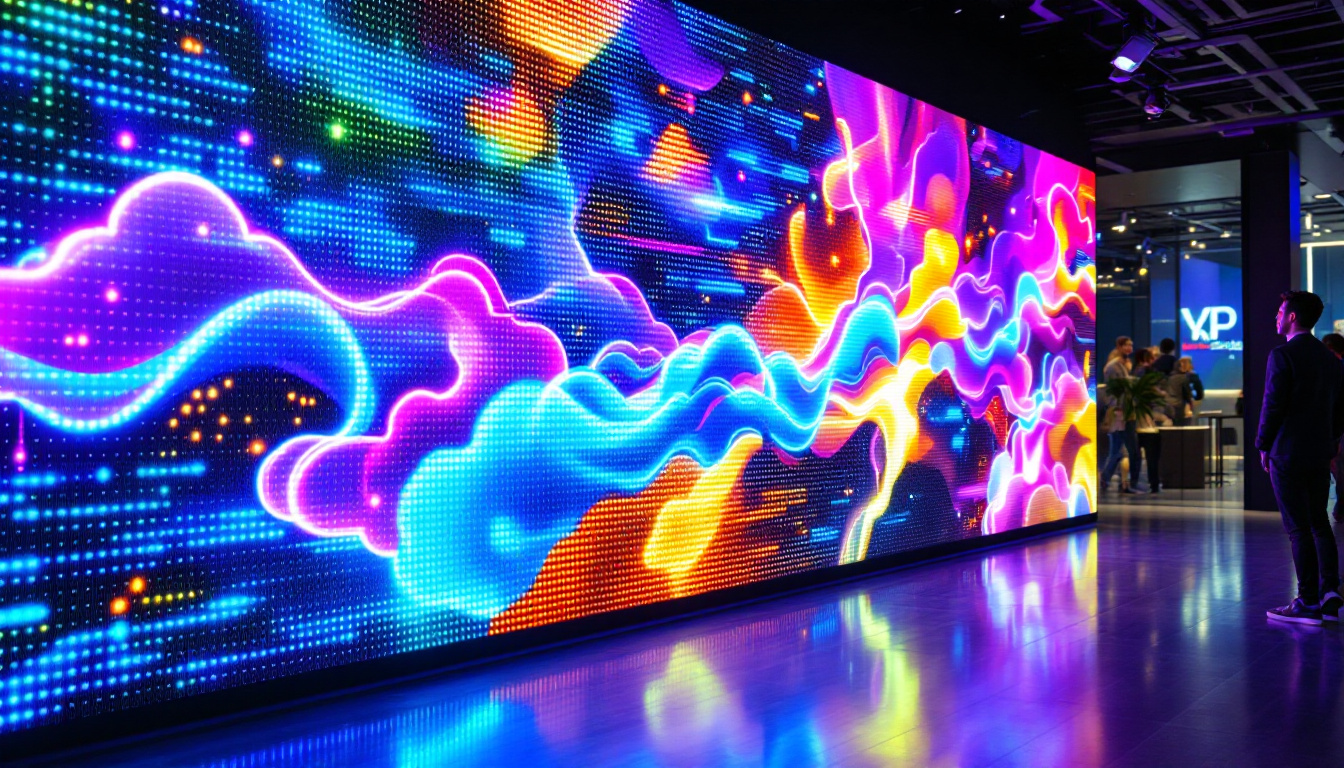
In the corporate world, LED displays are revolutionizing presentations and conferences. Companies use high-resolution indoor LED walls to showcase product launches, keynote speeches, and interactive demos. The crisp image quality ensures that even detailed charts and text are easily readable from a distance.
Moreover, LED screens can be customized to fit various room sizes and layouts, making them suitable for boardrooms, auditoriums, and trade show booths. Their durability and low maintenance requirements reduce operational headaches during multi-day events.
Broadcast Studios and Virtual Production
Broadcast studios increasingly rely on LED walls for virtual sets and augmented reality (AR) environments. Unlike green screens, LED displays provide real-time backgrounds with natural reflections and lighting, enhancing realism in live broadcasts and filmed content.
Virtual production techniques using LED walls have been popularized by high-profile projects, enabling filmmakers to shoot scenes with dynamic digital backdrops instead of relying solely on post-production effects. This approach shortens production timelines and improves on-set creativity.
Advertising and Digital Signage
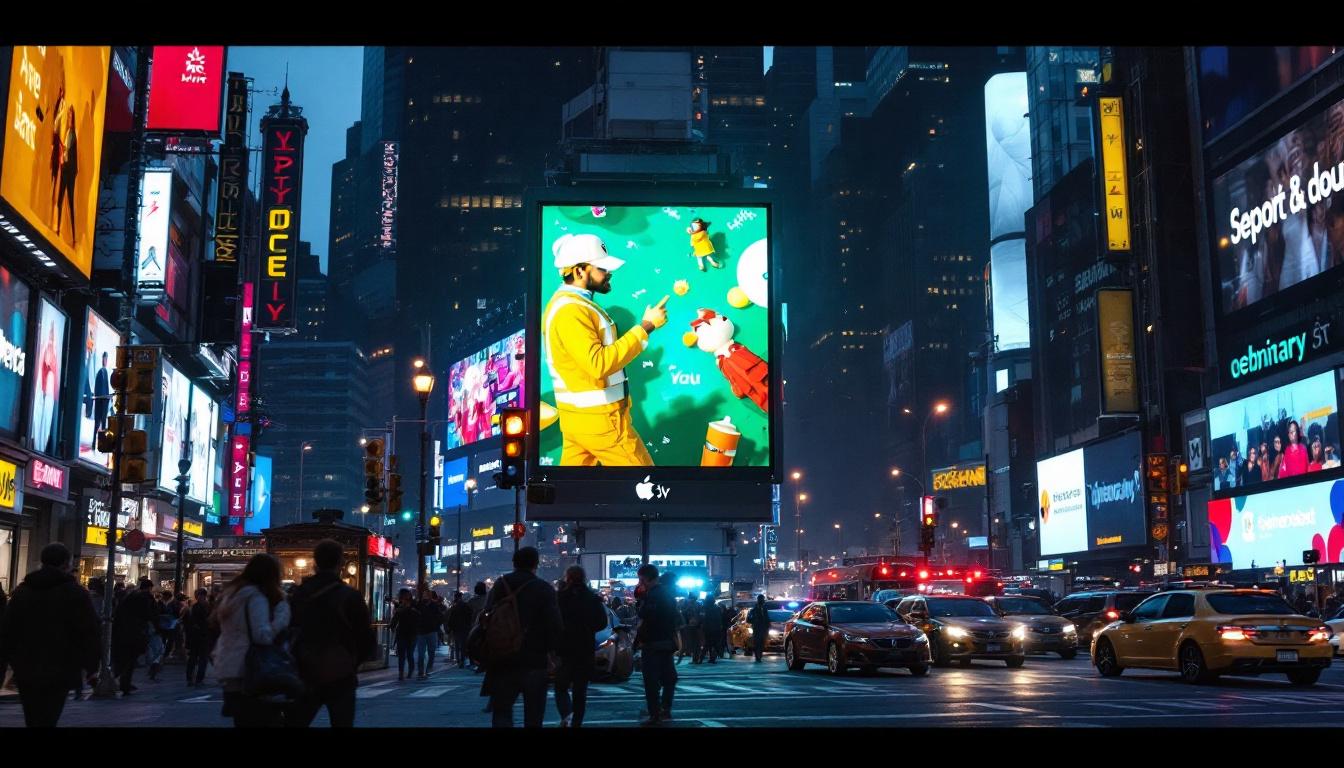
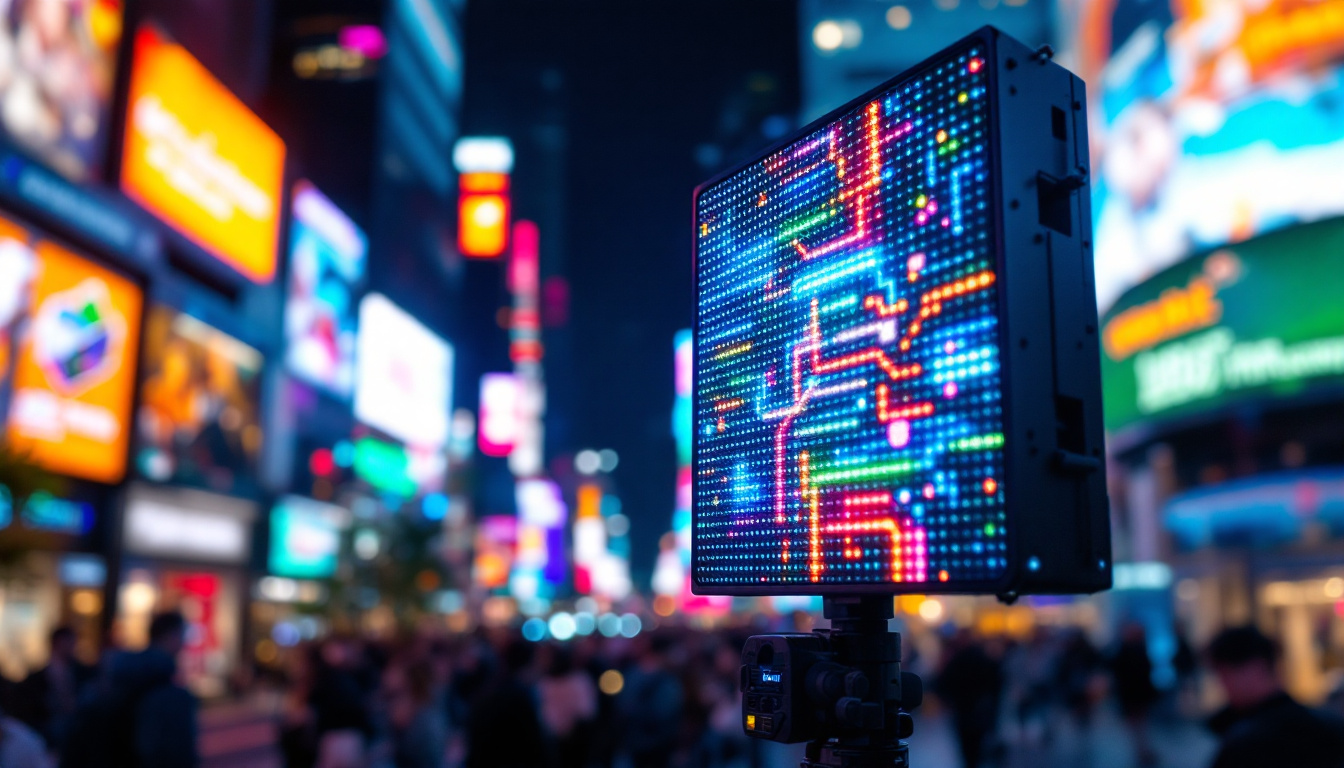
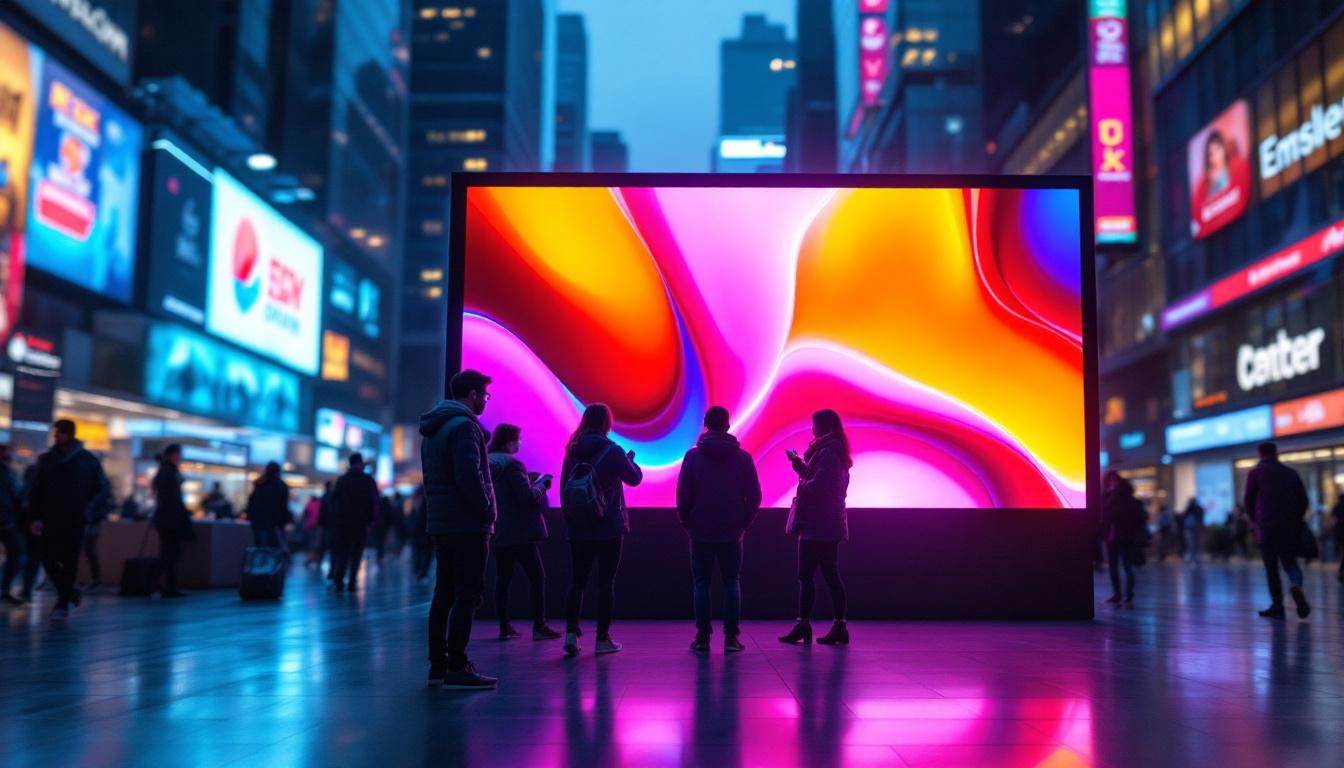
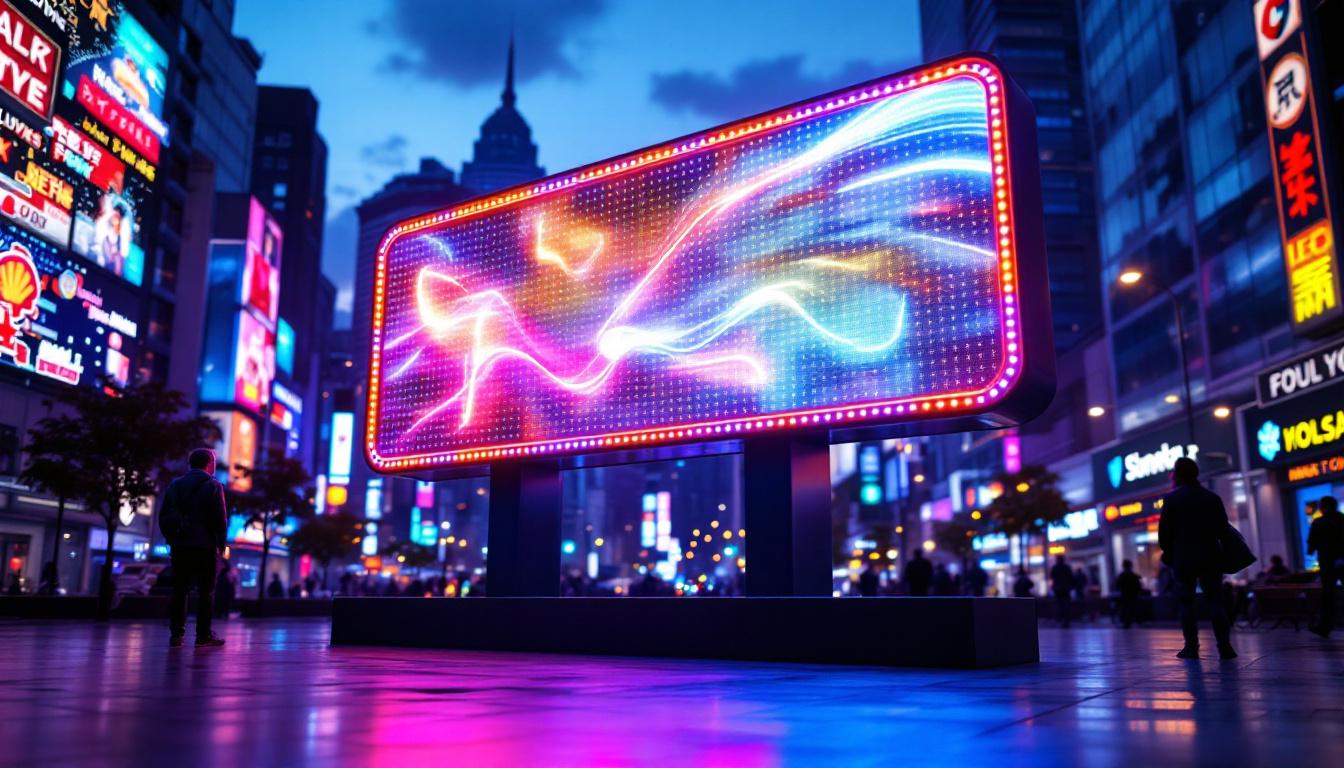
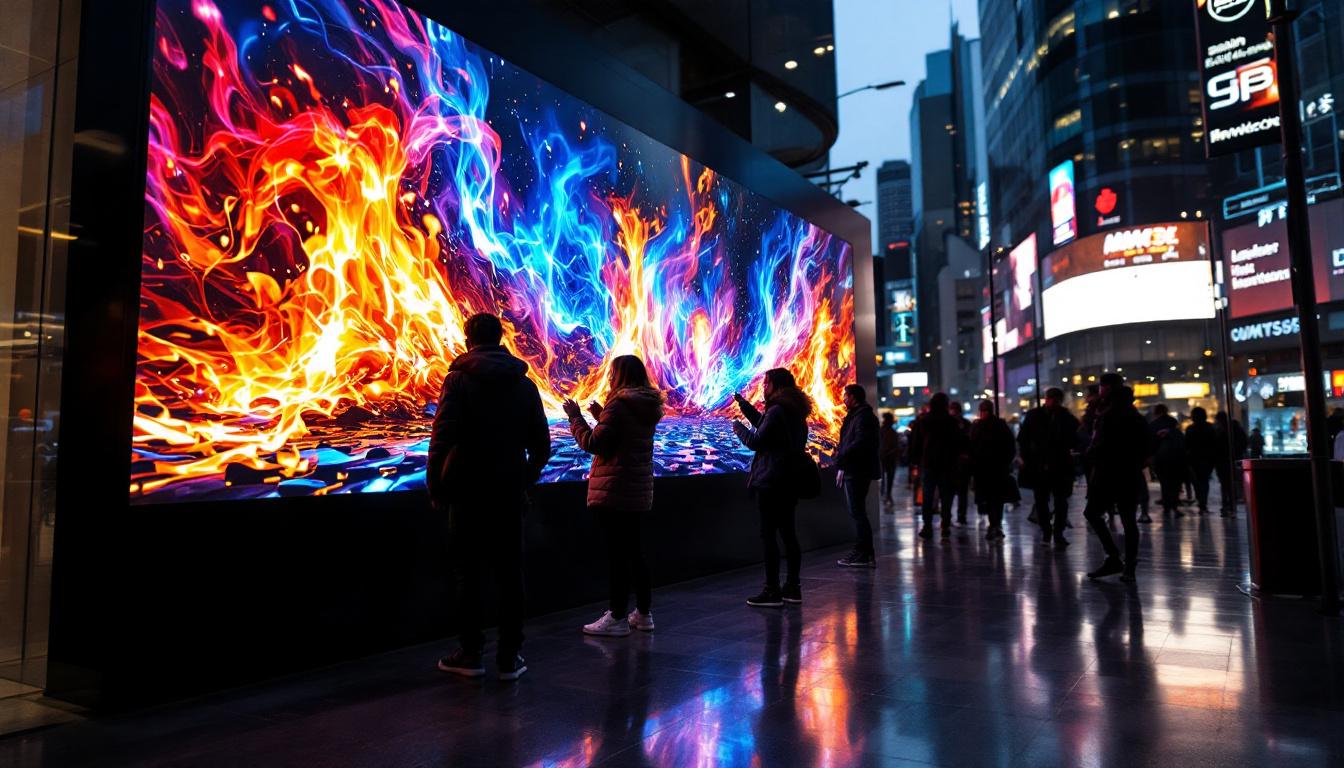
Outdoor LED displays dominate the digital signage landscape, offering advertisers a powerful medium to capture attention. Times Square in New York City, for instance, features numerous massive LED billboards that deliver bright, eye-catching content around the clock.
Custom video productions for advertising leverage LED screens’ ability to display high-resolution animations, videos, and interactive content. The screens’ durability and energy efficiency make them cost-effective for long-term installations.
Key Considerations When Choosing LED Displays for Video Production
Resolution and Pixel Pitch
Choosing the right resolution and pixel pitch is crucial to ensure the LED display meets the production’s visual requirements. A smaller pixel pitch means higher resolution and sharper images, but it also increases cost.
For indoor applications where viewers are close to the screen, pixel pitches between 1mm and 3mm are common. Outdoor displays typically use larger pitches (6mm to 20mm) because viewers are farther away, and extreme resolution is less critical.
Brightness and Contrast
Brightness levels must be tailored to the environment. Indoor screens generally require 800 to 1,500 nits, while outdoor screens need much higher brightness to remain visible under sunlight. Contrast ratio also affects image depth and clarity, especially in darker scenes.
Refresh Rate and Color Depth
High refresh rates (above 3,000 Hz) prevent flickering, which is especially important for video recording and live broadcasts. Color depth determines how many colors the display can reproduce, impacting the richness and accuracy of visuals.
Installation and Maintenance
LED displays require professional installation to ensure proper alignment, electrical connections, and ventilation. Maintenance considerations include access for repairs, software updates, and cleaning. Modular designs simplify servicing individual panels without dismantling the entire screen.
Future Trends in LED Display Technology for Video Production
MicroLED and MiniLED Innovations
Emerging MicroLED and MiniLED technologies promise even higher resolution, brightness, and energy efficiency. MicroLEDs use microscopic LEDs that enable ultra-thin displays with exceptional color accuracy and contrast, potentially surpassing OLED screens in performance.
These advancements will allow video producers to create even more immersive and visually stunning environments, pushing the boundaries of custom video production.
Interactive and AI-Enhanced Displays
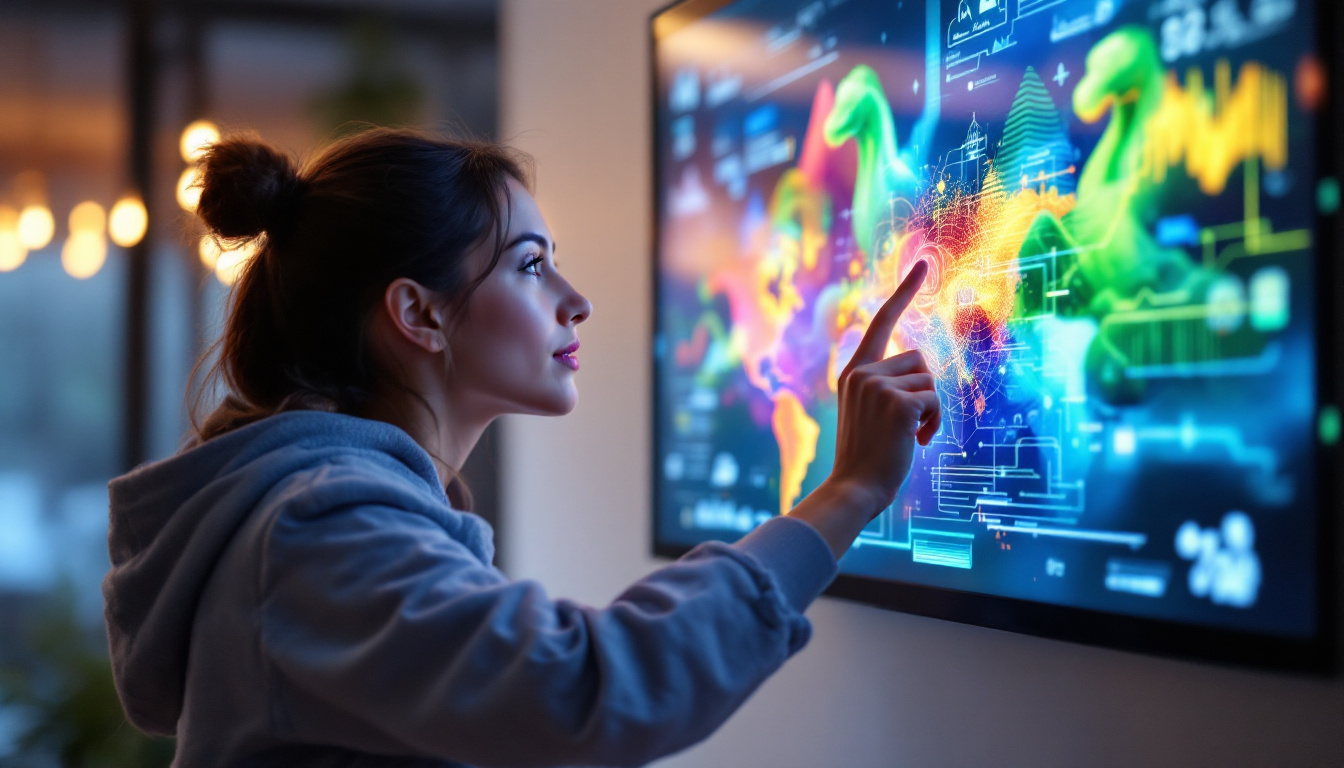
Integration of touch sensitivity and AI-driven content management is becoming more prevalent. Interactive LED walls can respond to audience movements or inputs, creating engaging experiences. AI can optimize content delivery based on viewer demographics, time of day, or environmental conditions.
Sustainability and Energy Efficiency
As environmental concerns grow, LED manufacturers focus on reducing power consumption and using recyclable materials. Energy-efficient designs not only lower operational costs but also align with corporate social responsibility goals, making LED displays an attractive choice for forward-thinking companies.
Conclusion
LED display technology has transformed custom video productions by offering unmatched brightness, flexibility, and visual quality. Whether for live events, corporate presentations, broadcast studios, or advertising, LED screens enable creative storytelling and audience engagement on a grand scale.
Understanding the technical aspects and applications of LED displays helps producers make informed decisions that maximize impact and efficiency. As innovations continue to advance, LED technology will remain at the forefront of video production, shaping the future of visual communication.
Discover LumenMatrix’s Innovative LED Solutions
Ready to elevate your video production with the latest in LED display technology? LumenMatrix is at the forefront of this revolution, offering a comprehensive range of LED solutions tailored to your creative needs. From the vivid clarity of Indoor LED Wall Displays to the robust brilliance of Outdoor LED Walls, and from the dynamic versatility of Custom LED Displays to the cutting-edge transparency of LED Transparent Displays, LumenMatrix has the tools to bring your vision to life. Check out LumenMatrix LED Display Solutions today and transform your visual storytelling into an unforgettable experience.