Video Wall With TVs: LED Display Explained
In today’s visually-driven world, video walls have become a powerful tool for communication, advertising, and immersive experiences. Whether in retail stores, corporate lobbies, control rooms, or entertainment venues, video walls made from multiple TVs or LED displays captivate audiences with their scale and clarity. This article dives deep into the technology behind video walls, focusing on LED displays, and explains how they work, their advantages, and considerations for selecting the right setup.
What Is a Video Wall?
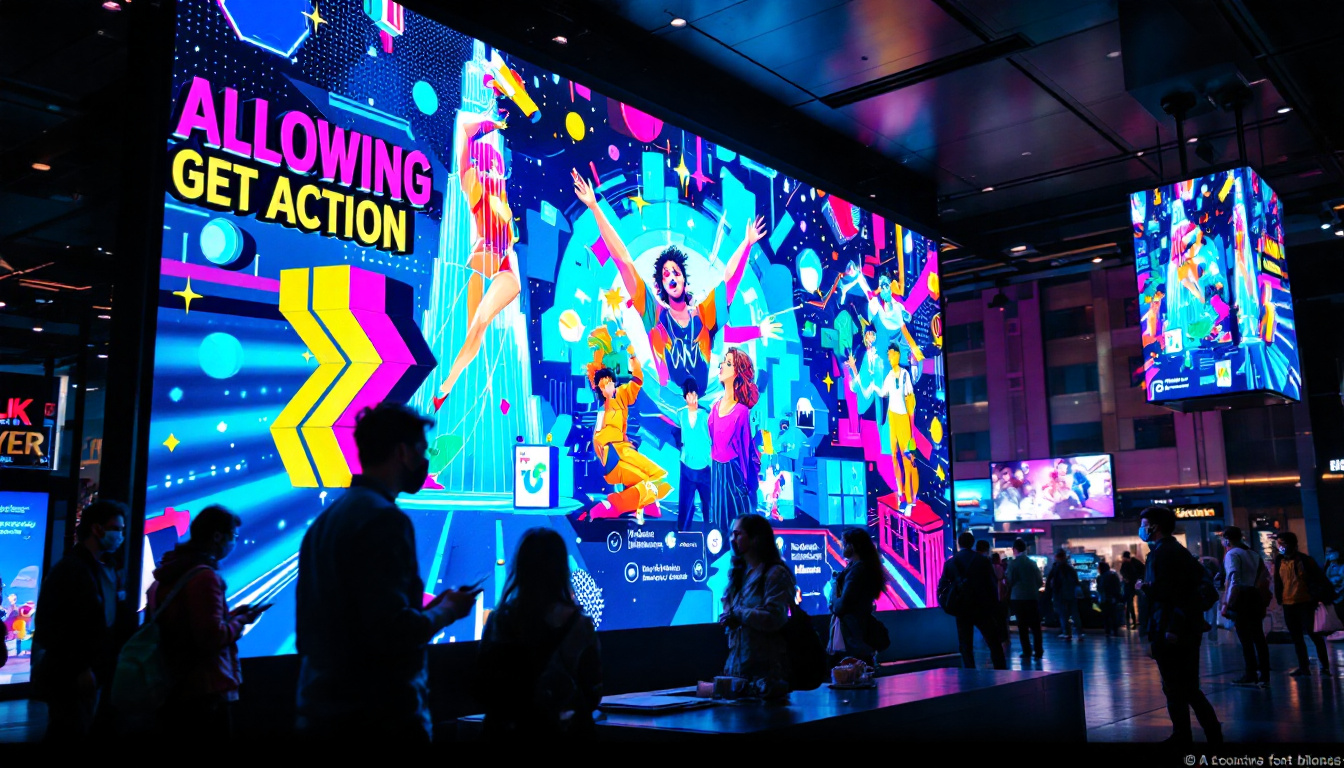
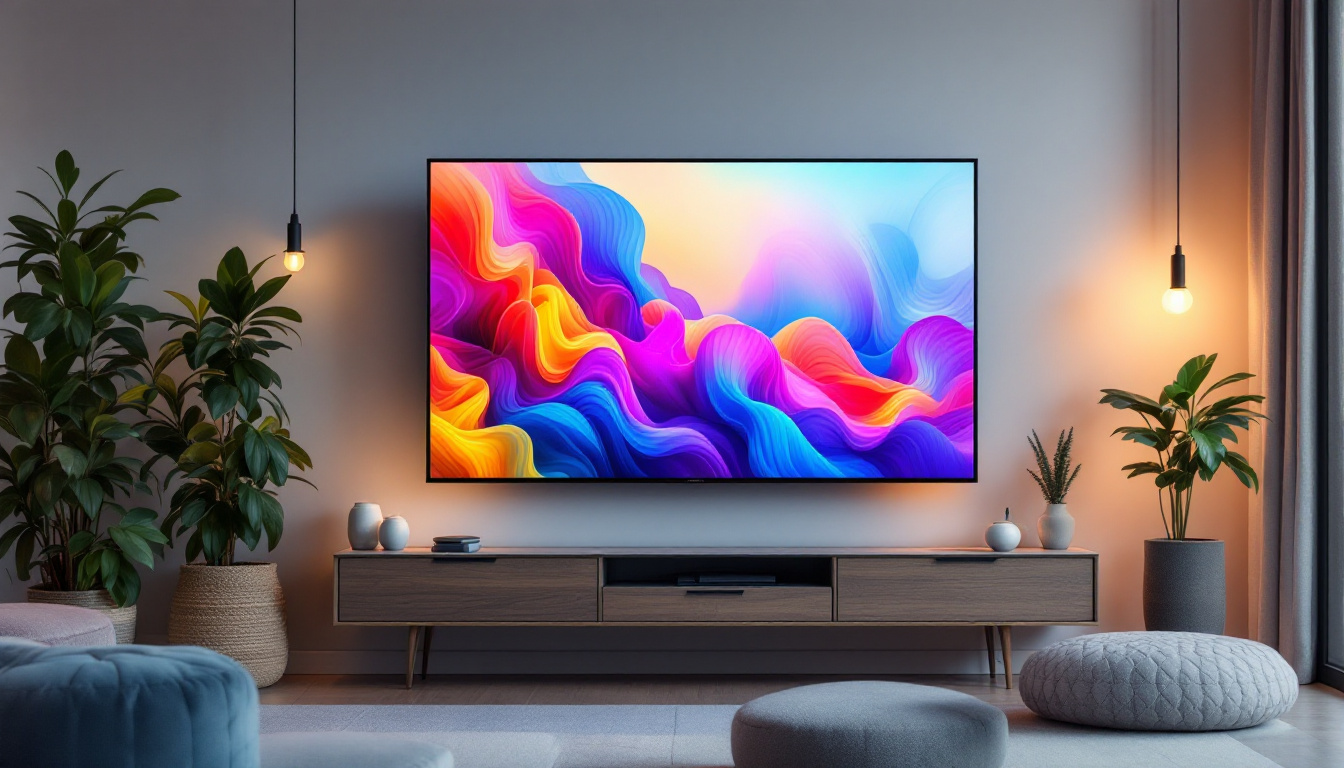
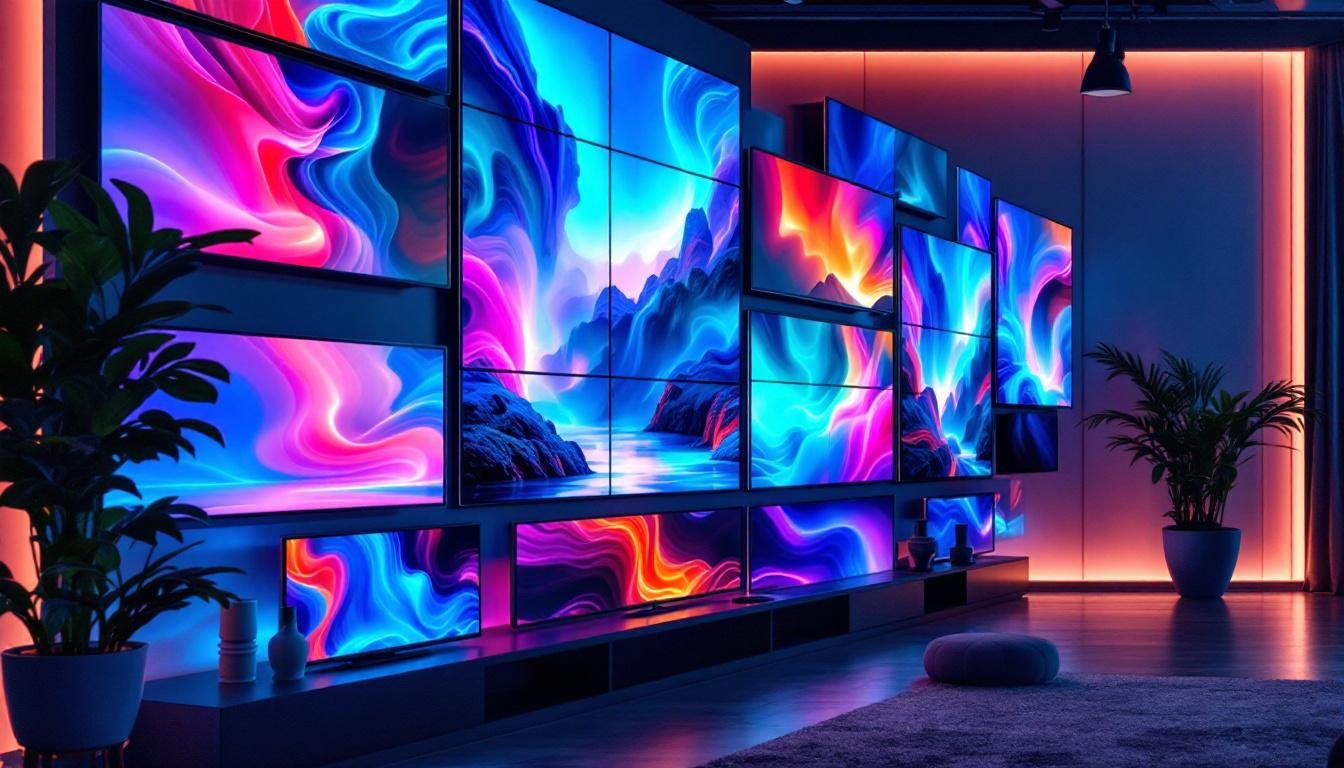
A video wall is a large display surface composed of multiple smaller screens tiled together to form one cohesive image or a series of images. These screens can be LCD TVs, LED panels, or projection cubes, arranged in a grid-like pattern. The goal is to create a seamless, high-resolution display that can show content much larger and more detailed than a single screen. The technology behind video walls has evolved significantly, allowing for more vibrant colors, higher resolutions, and better integration with various content management systems, which enhances the overall viewing experience.
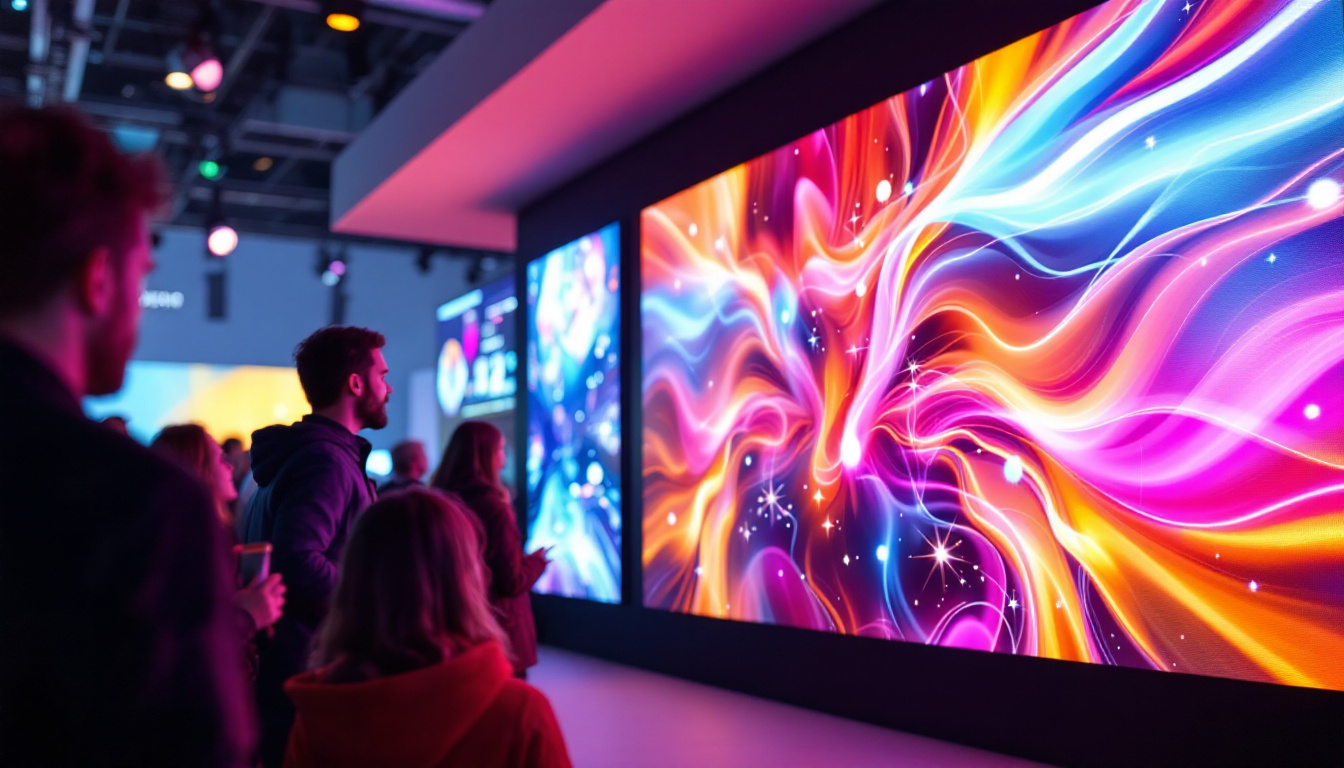
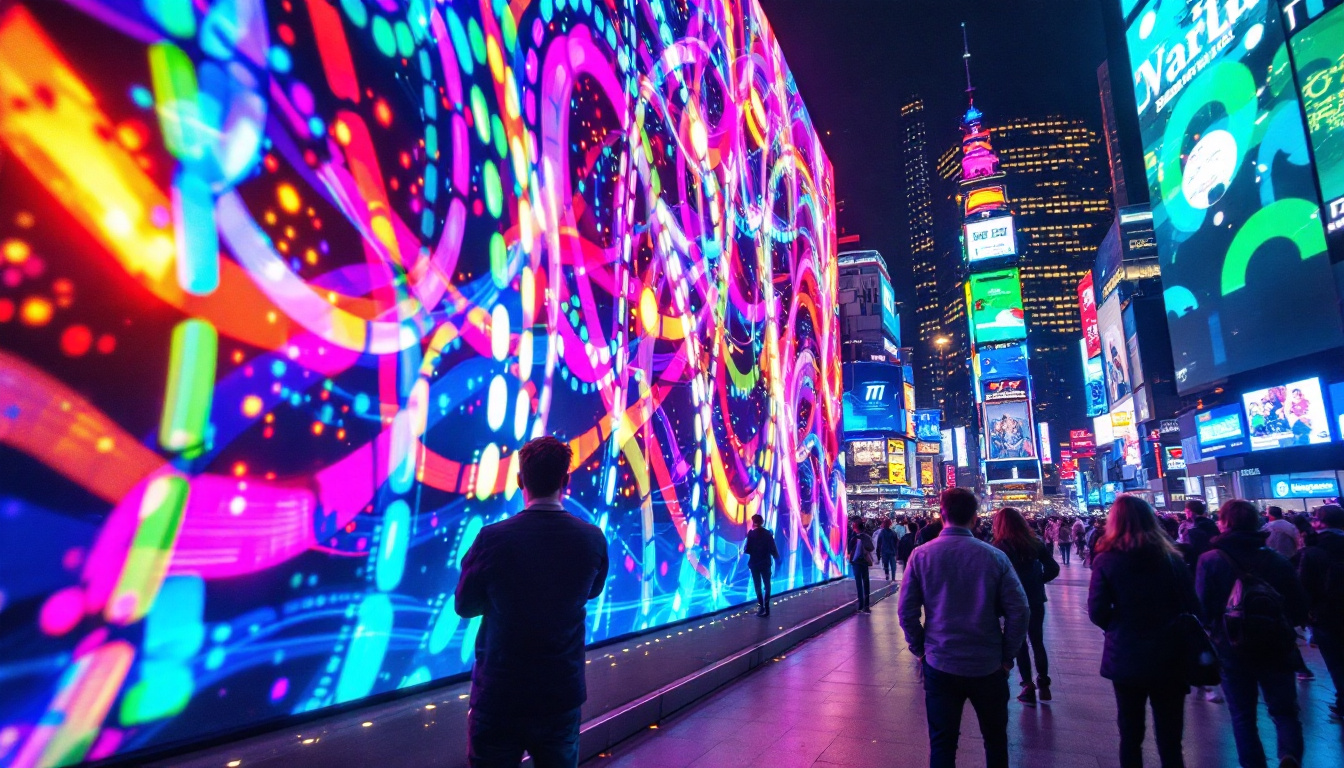
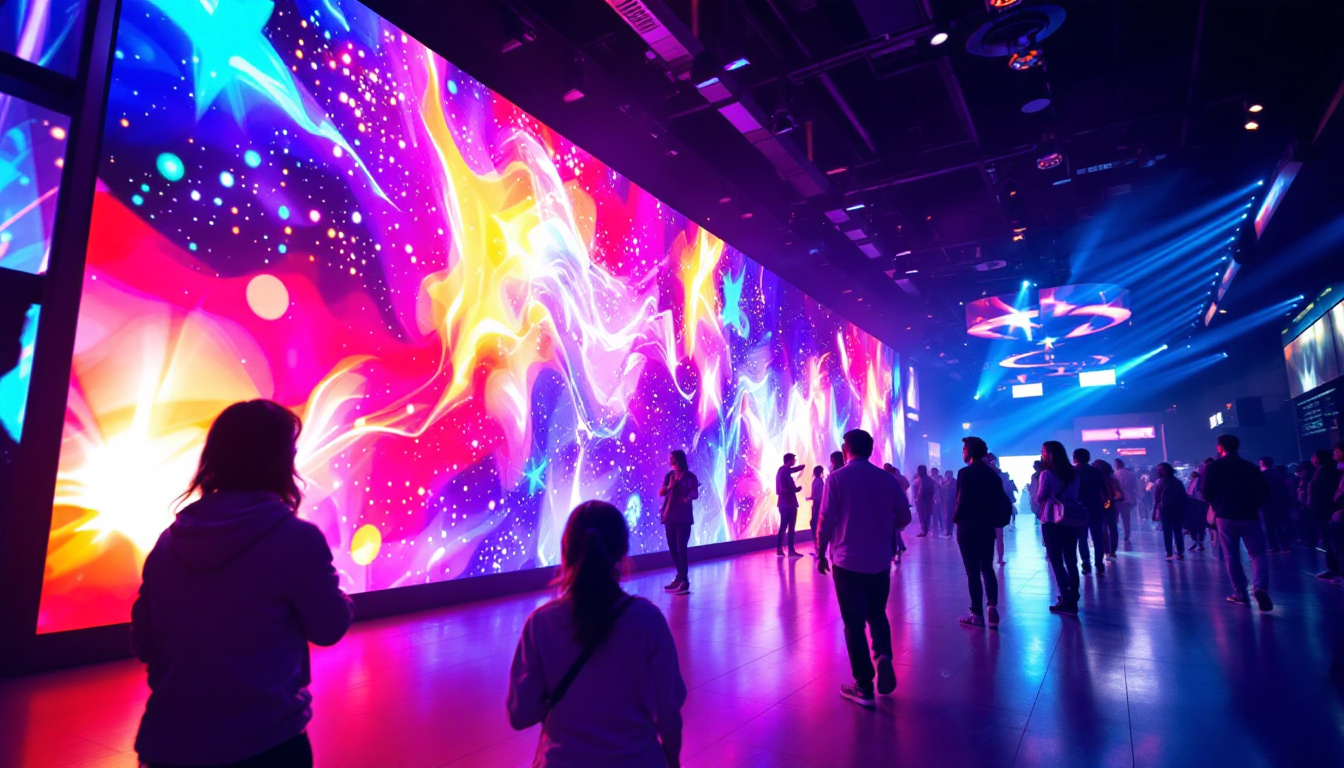
Video walls are widely used in various industries. For example, in retail, they attract customers by showcasing dynamic advertisements. In corporate environments, they serve as impressive digital signage or collaboration tools. Control rooms use video walls to monitor multiple data streams simultaneously, enhancing situational awareness and decision-making. Additionally, entertainment venues utilize video walls to create immersive experiences during concerts or sports events, captivating audiences with stunning visuals that enhance the overall atmosphere.
Types of Video Walls
Video walls can be categorized based on the display technology used:
- LCD Video Walls: These use multiple LCD TVs or monitors tiled together. They are cost-effective and widely available but often have visible bezels (borders) between screens. Despite this limitation, advancements in LCD technology have led to thinner bezels, improving the overall visual continuity and making them a popular choice for many applications.
- LED Video Walls: Composed of LED panels, these offer brighter images, better contrast, and virtually bezel-less designs, making them ideal for large-scale, high-impact displays. Their flexibility allows for creative installations, such as curved or irregular shapes, which can transform any space into a visually striking environment.
- Projection Video Walls: Utilize multiple projectors to create a large image on a single surface. These are less common due to complexity and ambient light sensitivity. However, when executed properly, projection video walls can deliver stunning visuals that are particularly effective in darkened environments, such as theaters or galleries, where they can create an immersive experience for viewers.
Understanding LED Displays in Video Walls
LED (Light Emitting Diode) displays have revolutionized video wall technology. Unlike LCD screens, which use backlighting to illuminate pixels, LED displays consist of tiny light-emitting diodes that produce their own light. This fundamental difference leads to several performance advantages.
How LED Displays Work
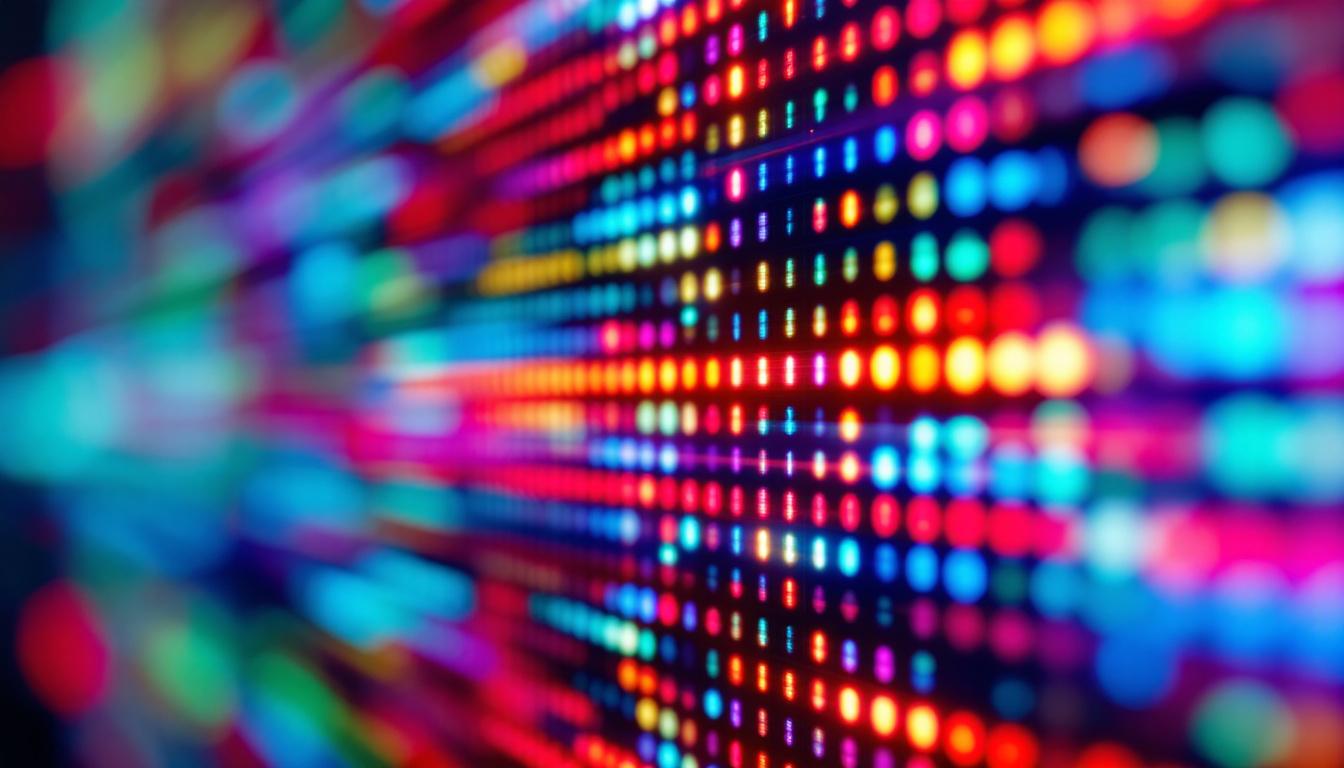
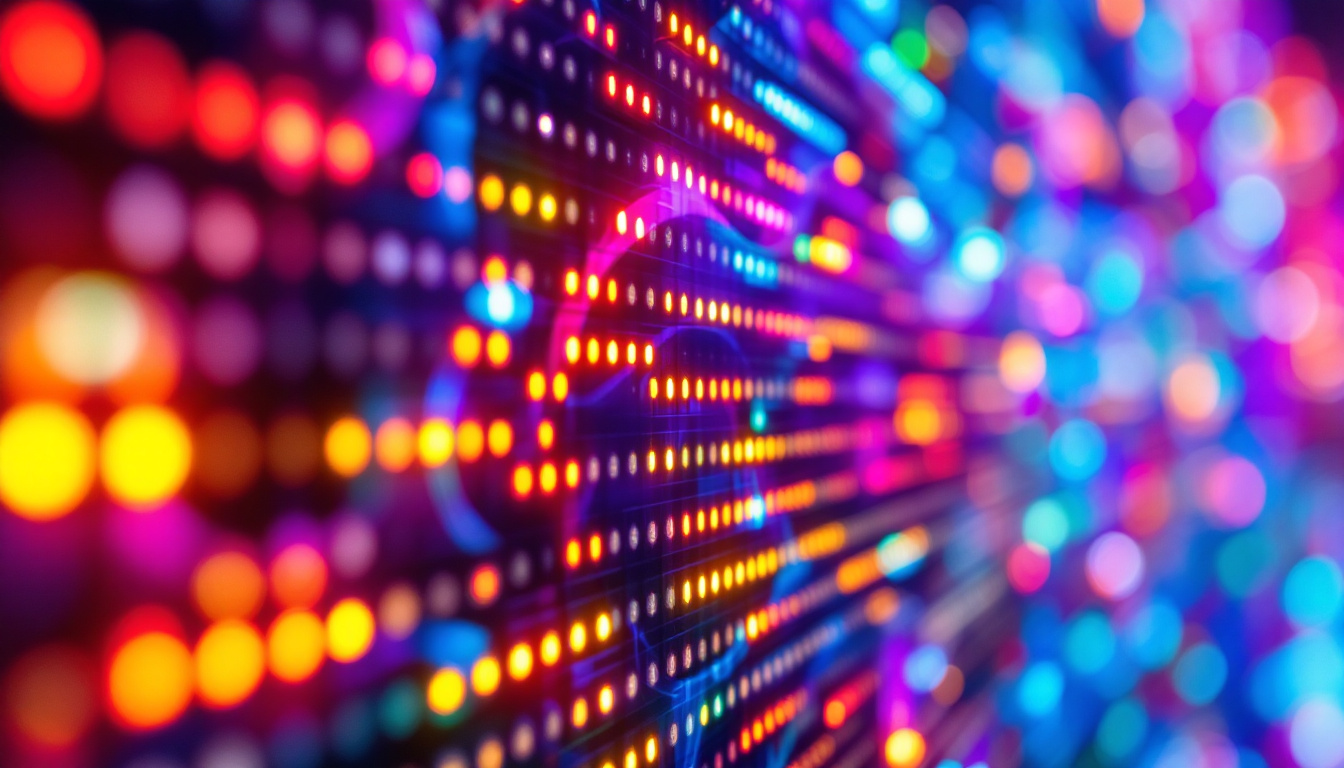
Each pixel in an LED display is made up of red, green, and blue diodes. By varying the intensity of each diode, the display can produce a wide range of colors. The LEDs are arranged in modules or panels, which are then assembled to form the video wall.
LED displays come in two main varieties:
- Direct View LED (DVLED): The LEDs themselves form the image directly, offering exceptional brightness and color accuracy.
- LED-Backlit LCD: LCD panels illuminated by LEDs behind the screen, common in TVs but not typically used for video walls due to bezel limitations.
Pixel Pitch and Its Importance
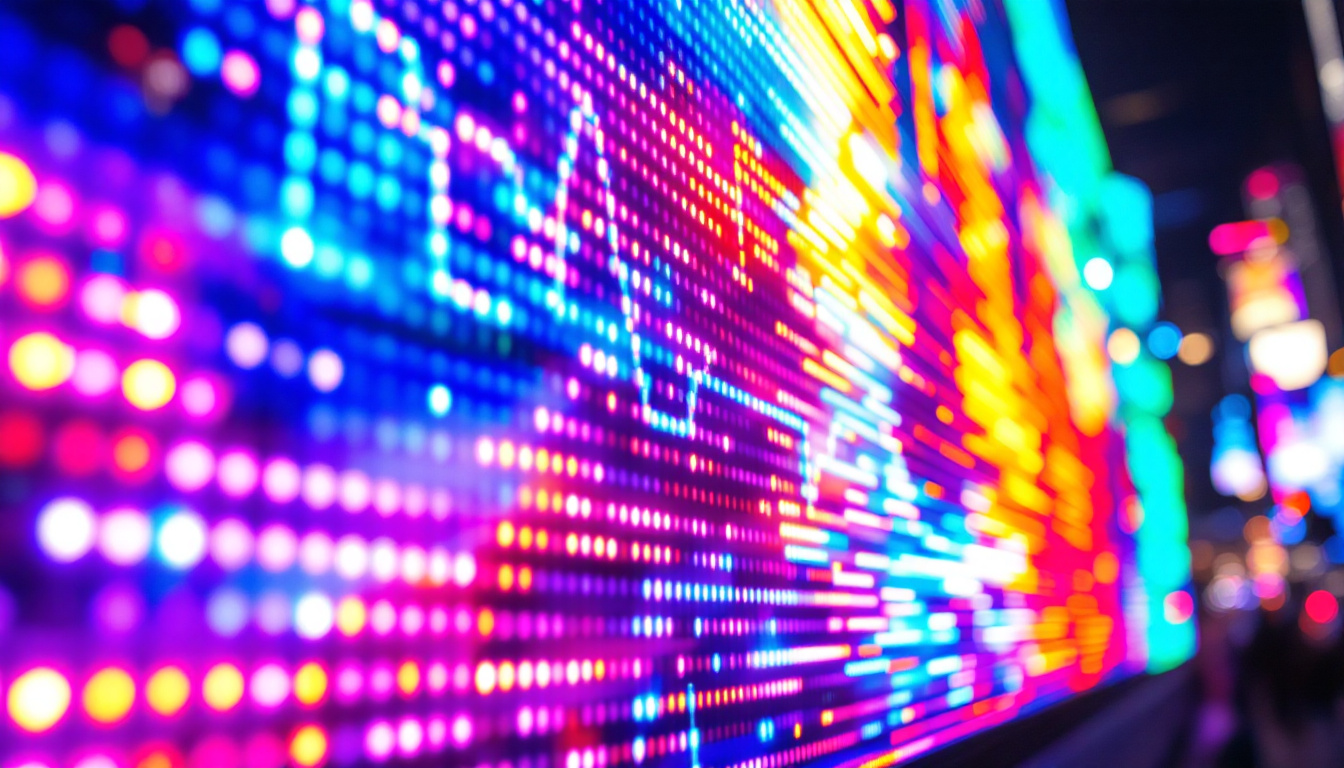
One critical specification in LED video walls is pixel pitch—the distance between the centers of two adjacent pixels, measured in millimeters. Pixel pitch determines the resolution and viewing distance of the display.
A smaller pixel pitch means more pixels per square meter, resulting in higher resolution and sharper images. For example, a 1.5mm pixel pitch LED wall is suitable for close-up viewing, such as in retail or control rooms, while a 10mm pixel pitch might be used for large outdoor billboards viewed from a distance.
Advantages of LED Video Walls Over Traditional TV Walls
While using multiple TVs to create a video wall is a common approach, LED video walls offer several distinct benefits that make them the preferred choice in many professional applications.
Seamless Image and Minimal Bezels
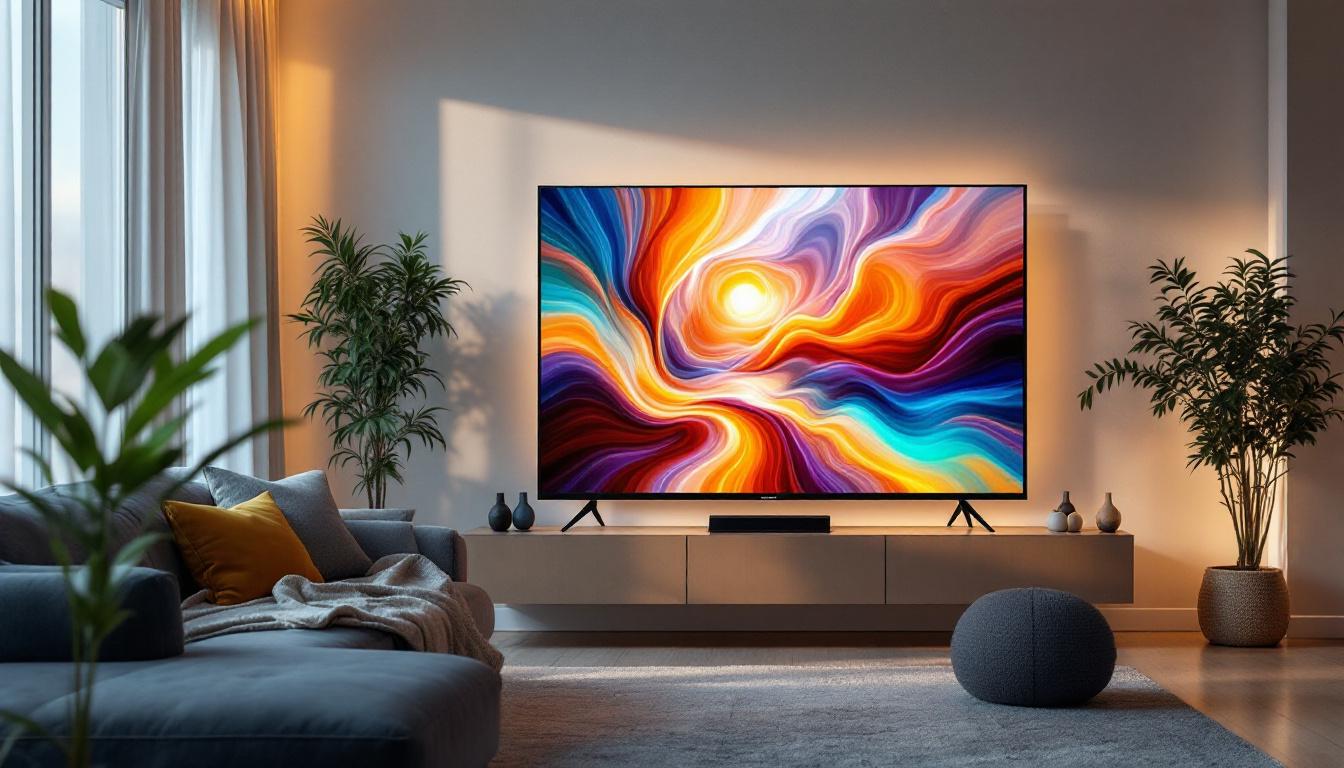
One of the biggest drawbacks of TV-based video walls is the bezel—the plastic or metal border around each screen. When multiple TVs are tiled, these bezels create visible lines that disrupt the image continuity.
LED video walls are designed with ultra-narrow bezels or are completely bezel-less, providing a nearly seamless display. This results in a more immersive viewing experience and cleaner aesthetics, especially important in high-end installations.
Superior Brightness and Contrast
LED panels emit their own light, allowing them to achieve brightness levels far beyond what most TVs can offer. This makes them ideal for environments with high ambient light, such as shopping malls, airports, and outdoor venues.
Additionally, LEDs can achieve true blacks by turning off individual diodes, resulting in higher contrast ratios and vibrant colors. This capability enhances image quality, making content more engaging and easier to read from a distance.
Durability and Longevity
LED video walls are built to operate continuously for long periods, often 24/7, with minimal maintenance. They are more robust against environmental factors like temperature fluctuations and humidity compared to consumer TVs.
Moreover, LED modules are designed for easy servicing. Individual panels can be replaced without dismantling the entire wall, reducing downtime and maintenance costs.
Designing and Installing an LED Video Wall
Creating an effective LED video wall requires careful planning and consideration of several factors to ensure optimal performance and user satisfaction.
Determining the Right Size and Resolution
The size of the video wall depends on the installation space and the intended viewing distance. A larger wall with a higher resolution is necessary for venues where viewers are close to the display, while smaller or lower-resolution walls suffice for distant viewing.
For example, a corporate lobby might feature a 4×3 panel video wall with a 2mm pixel pitch, providing crisp visuals at a few feet away. Conversely, an outdoor stadium might use a much larger wall with a 10mm pixel pitch, optimized for spectators seated hundreds of feet away.
Content Management and Control Systems
LED video walls require specialized hardware and software to manage and distribute content across multiple panels. Video processors split the input signal and synchronize the display to ensure smooth playback without lag or distortion.
Modern control systems allow for versatile content layouts, including multi-window displays, live video feeds, and interactive applications. Integration with networked devices enables remote monitoring and content updates, essential for dynamic environments like retail or events.
Installation Considerations
Installation involves mounting the LED panels securely, aligning them precisely to avoid gaps or misalignment, and ensuring adequate ventilation and power supply. Professional installation teams use advanced tools and techniques to achieve perfect calibration and color uniformity across the entire video wall.
Additionally, ambient lighting conditions and viewing angles must be considered to optimize visibility and reduce glare.
Applications of LED Video Walls
LED video walls have found a wide range of applications across different sectors, driven by their versatility and visual impact.
Retail and Advertising
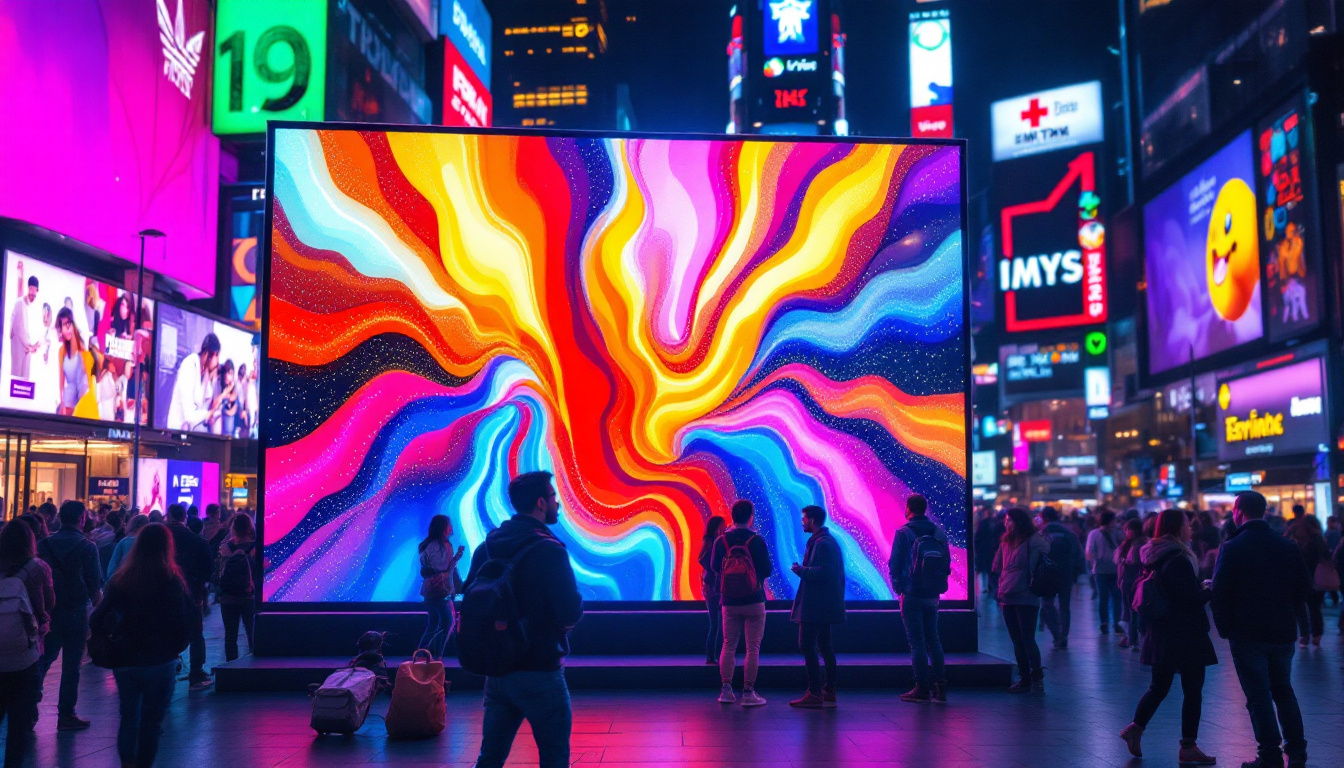
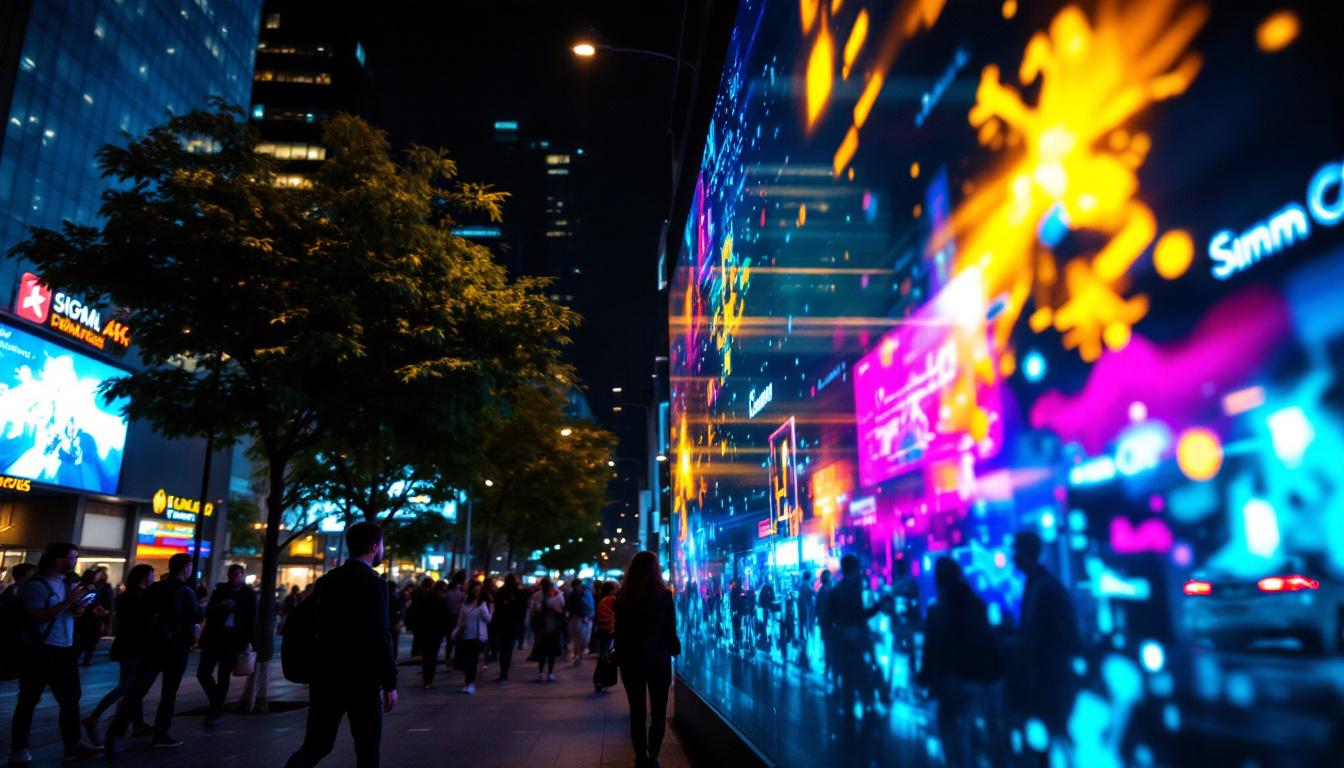
Retailers use LED video walls to create eye-catching digital signage that promotes products, sales, and brand messages. The ability to display dynamic content attracts customers and enhances the shopping experience.
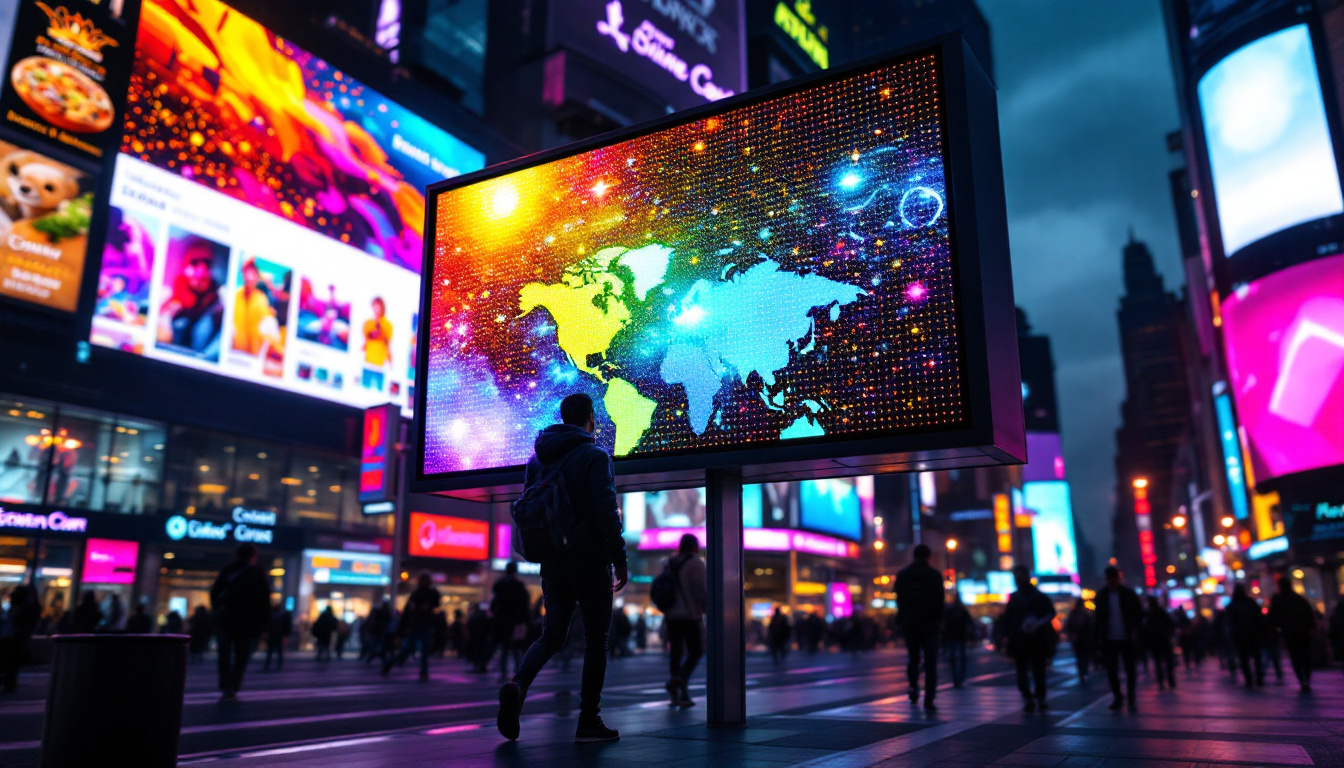
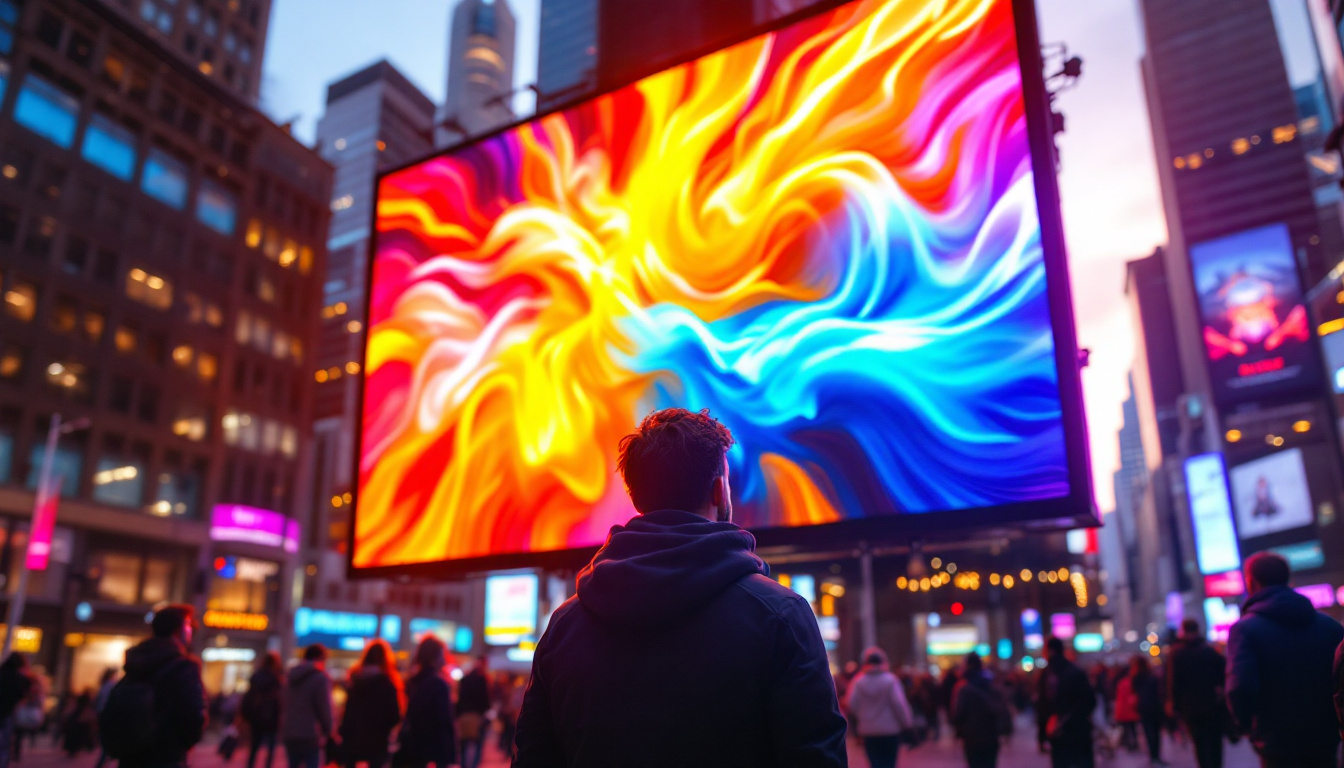
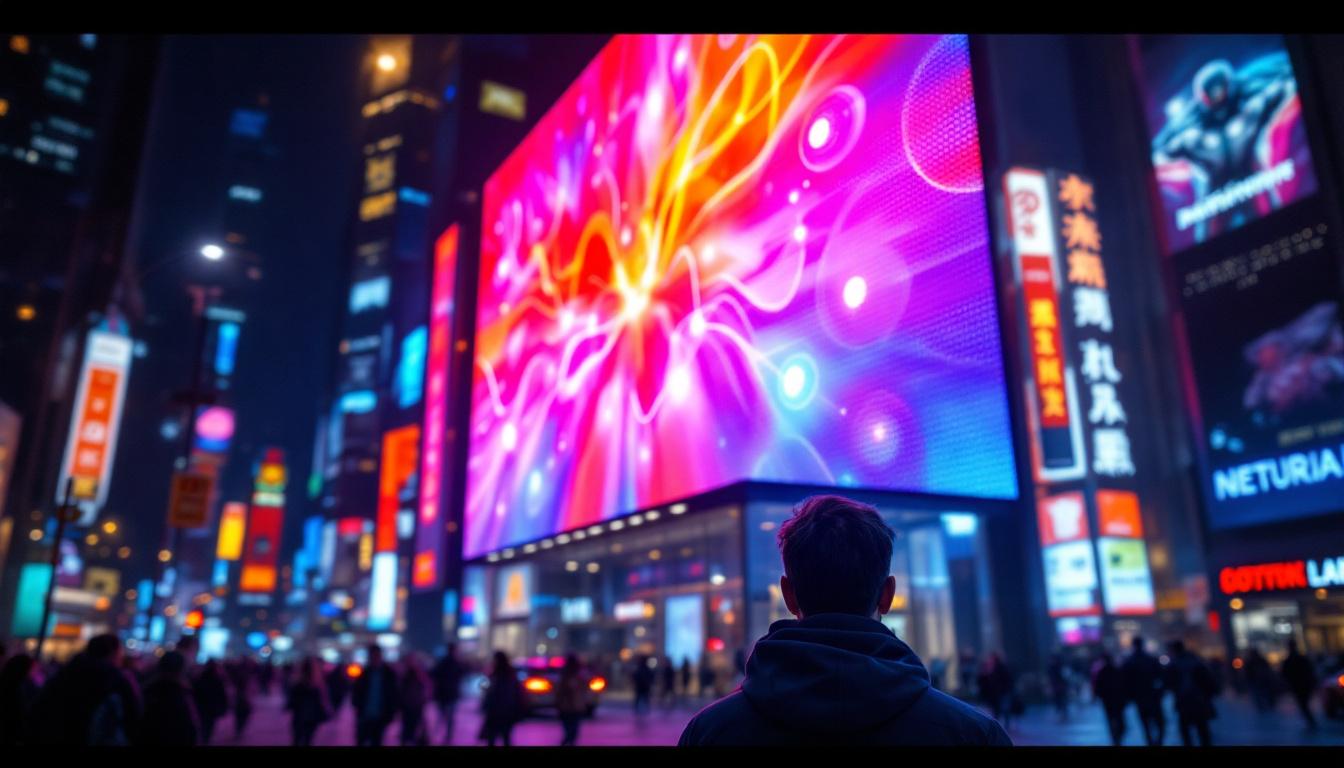
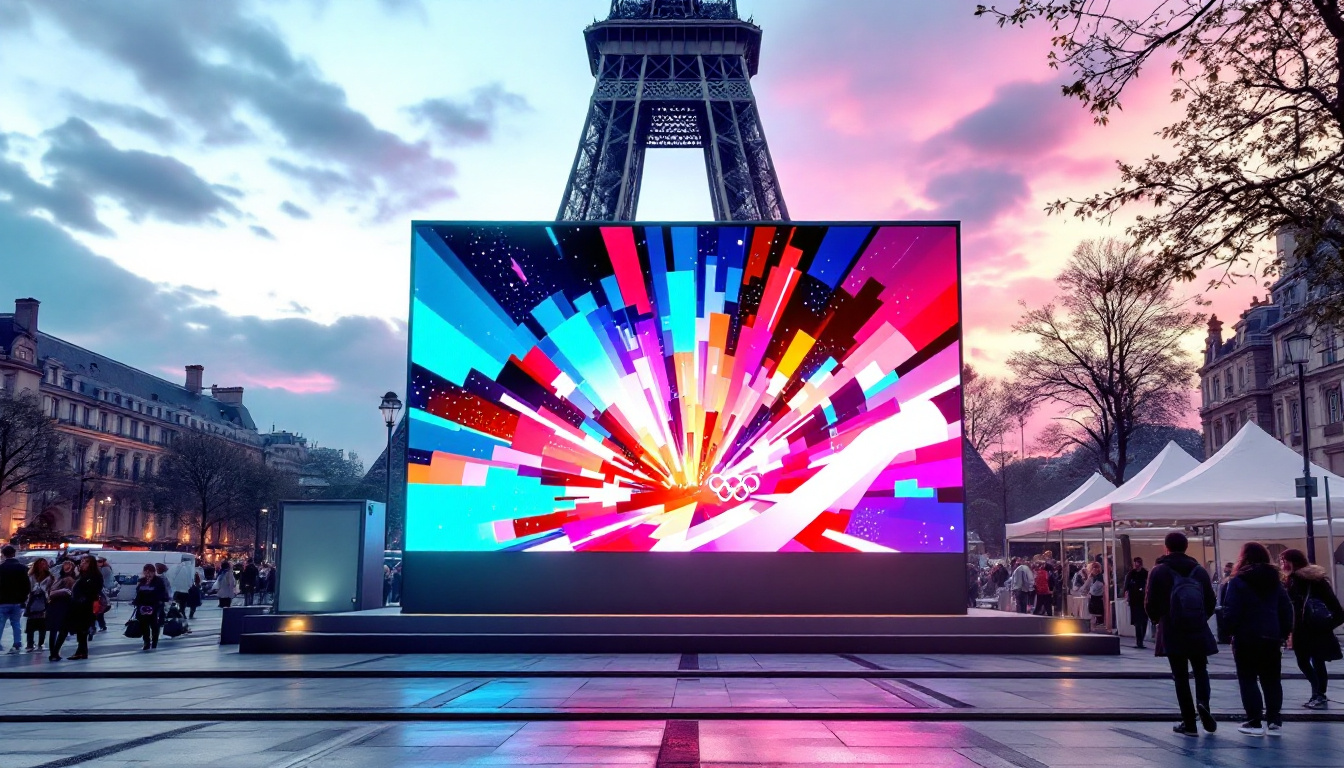
Outdoor LED billboards are a multibillion-dollar industry, with global digital out-of-home advertising spending expected to exceed $40 billion by 2025. LED technology’s brightness and durability make it ideal for these high-visibility applications.
Corporate and Event Spaces
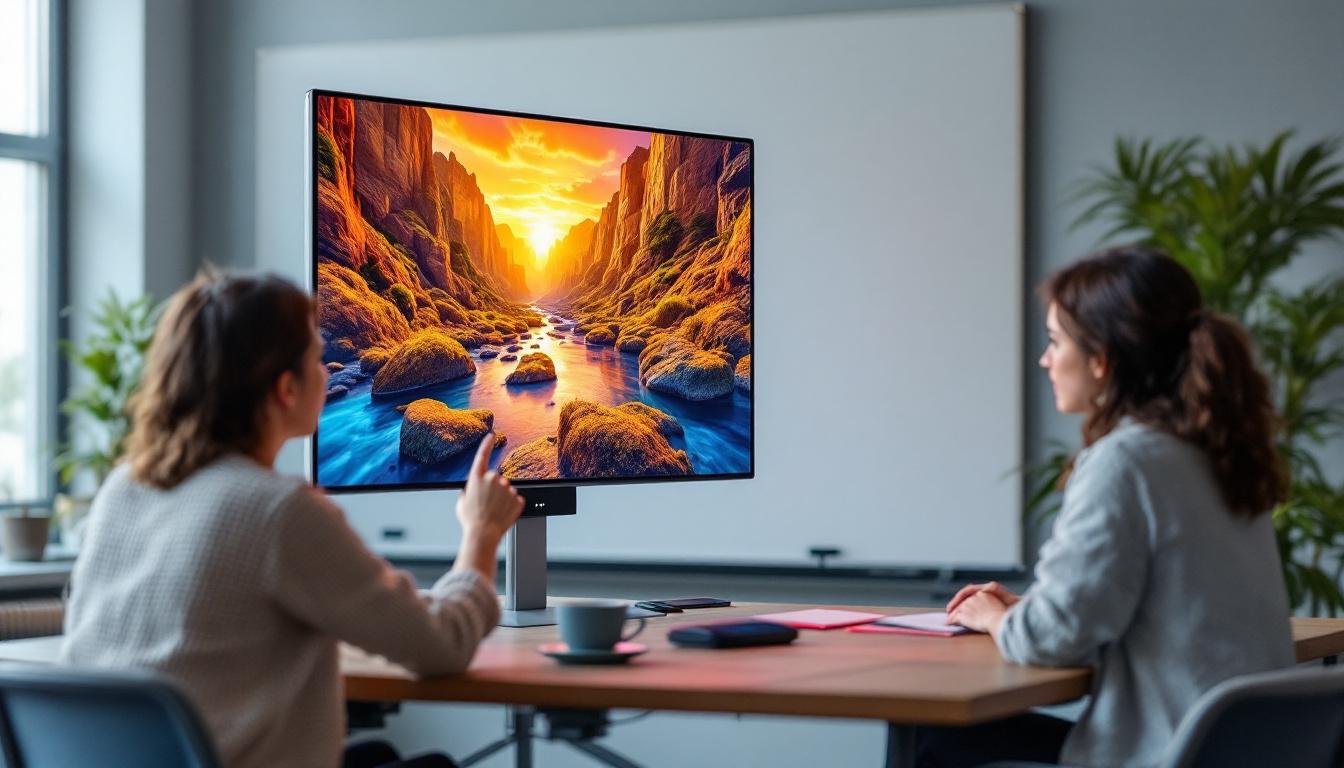
In corporate environments, LED video walls serve as impressive backdrops for presentations, meetings, and branding. They enable interactive collaboration and can display multiple information streams simultaneously.
Event venues and concert stages utilize massive LED walls to create immersive visual effects, enhancing audience engagement and entertainment value.
Control Rooms and Command Centers
Control rooms for utilities, transportation, security, and emergency response rely on LED video walls to monitor complex data in real-time. The high resolution and brightness improve situational awareness and facilitate faster decision-making.
Education and Museums
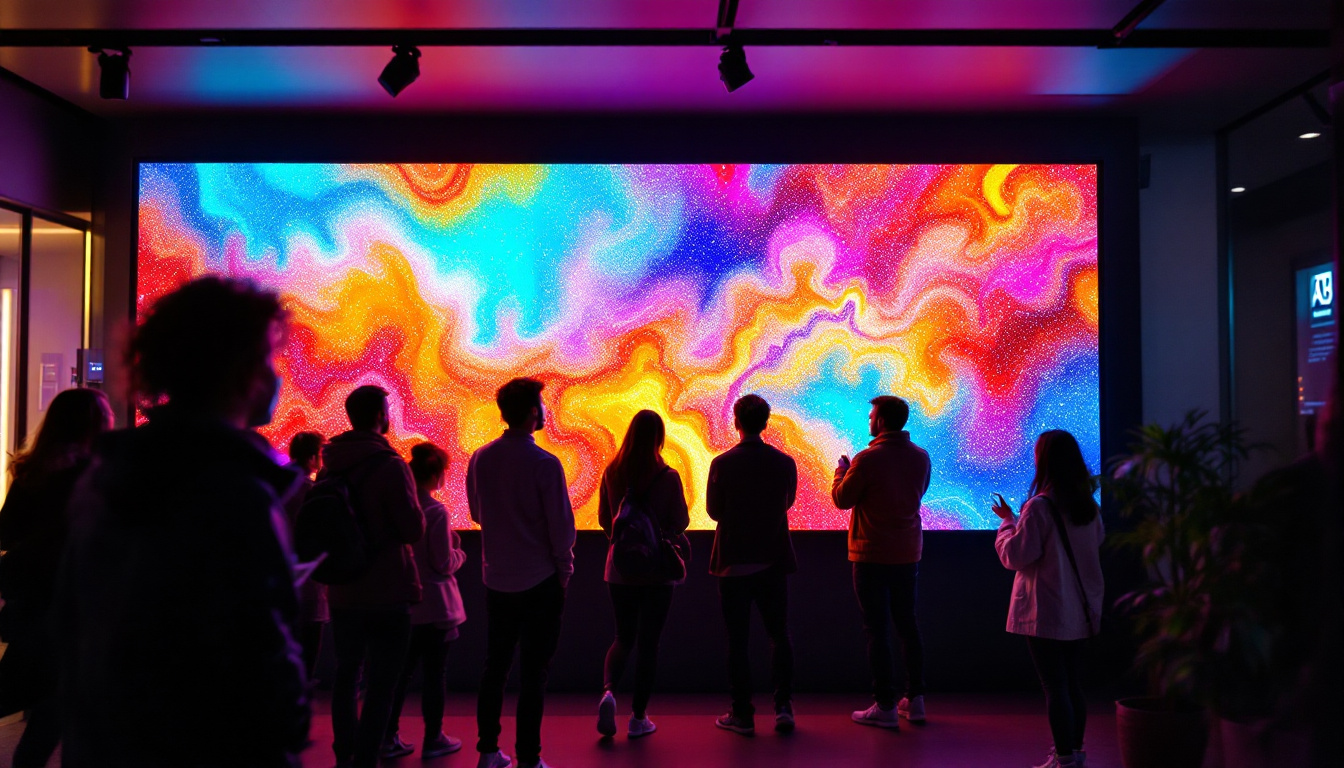
Educational institutions and museums employ LED video walls to deliver interactive exhibits and immersive learning experiences. The flexibility to display varied content formats enriches visitor engagement.
Future Trends in LED Video Wall Technology
As LED technology advances, video walls continue to evolve, offering even greater capabilities and applications.
MicroLED and MiniLED Innovations
MicroLED and MiniLED technologies represent the next generation of LED displays, featuring smaller diodes and higher pixel densities. These innovations promise even sharper images, improved energy efficiency, and thinner, lighter panels.
Flexible and Transparent LED Displays
Emerging flexible and transparent LED panels allow for creative installations on curved surfaces or glass walls, expanding design possibilities beyond traditional flat video walls.
AI-Driven Content and Analytics
Integration of artificial intelligence enables smarter content management, personalized advertising, and real-time analytics to optimize viewer engagement and operational efficiency.
Conclusion
Video walls constructed from LED displays represent a cutting-edge solution for large-scale digital visualization. Their superior brightness, color accuracy, seamless design, and durability make them ideal for a wide range of applications—from retail and corporate environments to control rooms and entertainment venues.
Understanding the technology behind LED video walls, including pixel pitch, content management, and installation requirements, is essential for selecting the right system that meets specific needs. As LED technology continues to advance, video walls will become even more versatile and impactful, reshaping how information and experiences are delivered in public and private spaces.
For businesses and organizations seeking to make a bold visual statement or improve operational efficiency, investing in an LED video wall is a forward-thinking choice that combines technology and creativity in a powerful way.
Discover LumenMatrix LED Display Solutions
Ready to elevate your space with the latest in LED display technology? LumenMatrix offers a comprehensive range of innovative solutions tailored to your unique needs. From stunning Indoor and Outdoor LED Wall Displays to dynamic Vehicle and Sports LED Displays, our products are designed to captivate and engage your audience. Experience the future of visual communication with our Custom, All-in-One, and Transparent LED Displays. Don’t just share your message—make an unforgettable impact. Check out LumenMatrix LED Display Solutions today and transform your visual storytelling.