In recent years, 4K screens have become increasingly popular, offering stunning visuals and remarkable clarity for everything from home entertainment to professional use. However, the pricing of these 4K LED displays can vary widely, leaving many consumers and businesses wondering what factors influence cost and how to make the best purchasing decision. This article explores the technology behind 4K LED displays, breaks down the pricing components, and provides guidance on what to expect when investing in a 4K screen.
Understanding 4K and LED Display Technology
What Does 4K Resolution Mean?
4K resolution refers to a display resolution of approximately 3840 x 2160 pixels, which is four times the pixel count of Full HD (1920 x 1080). This increase in pixel density results in sharper images, finer details, and a more immersive viewing experience. The term “4K” originally comes from the digital cinema industry, where it denotes a horizontal resolution of around 4000 pixels, but in consumer electronics, it typically refers to the 3840 x 2160 standard.
The higher pixel count allows for larger screen sizes without compromising image quality, making 4K displays ideal for televisions, computer monitors, and digital signage. Additionally, 4K content is becoming more accessible through streaming platforms, gaming consoles, and Ultra HD Blu-ray discs, driving demand for compatible screens. As technology progresses, the production of 4K content is expanding rapidly, with filmmakers and content creators increasingly adopting this resolution for its superior clarity and detail. Major streaming services like Netflix and Amazon Prime Video are investing heavily in original 4K content, providing viewers with a wealth of options to enjoy their favorite shows and movies in stunning detail.
Moreover, the benefits of 4K resolution extend beyond just visual fidelity; it also enhances the overall viewing experience by allowing for larger screens that can be viewed from closer distances without noticeable pixelation. This is particularly advantageous in home theater setups, where the immersive quality of 4K can transform movie nights into cinematic experiences. As more devices, from smartphones to laptops, begin to support 4K resolution, consumers are increasingly seeking out displays that can fully leverage this technology, further fueling its popularity.
How LED Technology Works in Displays
LED, or Light Emitting Diode, technology is used as the backlighting source in most modern LCD (Liquid Crystal Display) screens. Unlike older CCFL (Cold Cathode Fluorescent Lamp) backlights, LEDs provide brighter, more energy-efficient, and longer-lasting illumination. This results in improved contrast ratios, color accuracy, and thinner display designs. The evolution of LED technology has not only enhanced the aesthetic appeal of displays but has also contributed to more sustainable practices in electronics manufacturing.
There are two main types of LED backlighting used in 4K displays:
- Edge-lit LED: LEDs are positioned along the edges of the screen, and light is spread across the display using light guides. This method allows for slimmer panels but can sometimes lead to uneven brightness or less precise local dimming.
- Full-array LED: LEDs are placed directly behind the entire screen, often with local dimming zones that can be controlled independently. This setup offers better contrast and deeper blacks, enhancing picture quality significantly.
More advanced displays, such as OLED (Organic LED), use self-emissive pixels rather than backlighting, but these typically come at a higher price point than standard LED-backlit LCDs. The competition between LED and OLED technologies has spurred innovation, leading to the development of hybrid systems that combine the strengths of both. For instance, some manufacturers are experimenting with mini-LED technology, which utilizes smaller LEDs to create more precise local dimming and improved brightness control. This advancement aims to bridge the gap between traditional LED displays and the superior performance of OLED, offering consumers a wider range of options to suit their viewing preferences.
As LED technology continues to evolve, features such as HDR (High Dynamic Range) are becoming increasingly prevalent in modern displays. HDR enhances the contrast and color range of images, allowing for more vibrant and lifelike visuals. This is particularly noticeable in scenes with bright highlights and deep shadows, where traditional displays may struggle to accurately reproduce the full spectrum of colors. The integration of HDR with 4K resolution creates a powerful combination that elevates the viewing experience to new heights, making it a sought-after feature for anyone looking to invest in a new display.
Factors Influencing 4K LED Display Prices
Screen Size and Panel Quality
One of the most straightforward factors affecting the price of a 4K LED display is its size. Larger screens require more materials and higher manufacturing precision, which naturally increases costs. For example, a 43-inch 4K LED TV might cost a few hundred dollars, whereas a 75-inch model can easily reach several thousand dollars.
Panel quality also plays a crucial role. Premium panels with features like higher refresh rates (120Hz or more), wider color gamuts (such as DCI-P3 or Adobe RGB), and better HDR (High Dynamic Range) support command higher prices. Brands that invest in superior panel technology and quality control tend to price their products accordingly.
Backlighting and Display Features
The type of LED backlighting influences both picture quality and price. Full-array local dimming displays, which offer superior contrast and black levels, are generally more expensive than edge-lit models. Additionally, technologies such as Mini-LED backlighting, which uses thousands of tiny LEDs for even more precise control, are becoming more common in high-end 4K displays and come with a premium price tag.
Other features that affect pricing include:
- HDR Support: Displays supporting advanced HDR standards like HDR10+, Dolby Vision, or HLG tend to be pricier due to the enhanced processing and panel capabilities required.
- Refresh Rate and Response Time: Higher refresh rates (120Hz or 144Hz) and faster response times are important for gaming and professional applications, increasing the cost.
- Smart TV Capabilities: Integrated operating systems, voice assistants, app stores, and streaming services add value and cost.
Brand Reputation and Warranty
Brand reputation influences price as well. Established manufacturers with a history of quality and reliability often charge a premium for their 4K LED displays. This can be justified by better customer support, longer warranties, and more consistent performance.
Extended warranty options and service plans also add to the overall price but can provide peace of mind, especially for expensive or commercial-grade displays.
Market Trends and Availability
Supply chain factors and market demand impact pricing. For instance, global semiconductor shortages in recent years have caused price fluctuations in electronic components, affecting display prices. Additionally, new product launches and seasonal sales events can influence when and how much consumers pay for 4K LED screens.
Pricing Overview: What to Expect for 4K LED Displays
Entry-Level 4K LED Displays
Entry-level 4K LED displays are typically found in the 40 to 50-inch range and offer basic features suitable for general home use. These models usually have edge-lit backlighting, standard HDR support, and refresh rates of 60Hz. Prices for these displays can start as low as $250 to $400, making 4K technology accessible to a broad audience.
While these displays provide excellent resolution, they may lack advanced features such as local dimming or wide color gamut support, which can affect picture quality in more demanding environments.
Mid-Range 4K LED Displays
Mid-range models often range from 50 to 65 inches and include improvements such as full-array local dimming, better HDR performance, and smart TV platforms with a wider app selection. These displays typically offer refresh rates of 60Hz to 120Hz and enhanced color accuracy.
Prices for mid-range 4K LED displays generally fall between $500 and $1,200. This segment is popular among consumers who want a balance of performance and affordability, suitable for both casual viewing and gaming.
High-End and Professional 4K LED Displays
High-end 4K LED displays feature the latest technologies, including Mini-LED backlighting, support for multiple HDR formats, refresh rates of 120Hz or higher, and wide color gamuts covering nearly 100% of DCI-P3 or Adobe RGB. These displays often come with premium build quality, advanced calibration options, and robust smart features.
Professional-grade monitors designed for content creators, graphic designers, and video editors can also fall into this category, with prices ranging from $1,500 to over $5,000 depending on size and specifications.
Large-format 4K LED TVs above 70 inches with these features can cost several thousand dollars, reflecting the complexity and quality of the panels and backlighting systems used.
Tips for Choosing the Right 4K LED Display
Define Your Use Case and Budget
Before purchasing a 4K LED display, it is essential to identify the primary use case. For casual home viewing, an entry-level or mid-range model with standard HDR and smart features may suffice. Gamers and professionals might require higher refresh rates, better color accuracy, and more advanced HDR support, which will increase the budget.
Setting a clear budget helps narrow down options and prevents overspending on features that may not be necessary.
Consider Viewing Environment and Screen Size
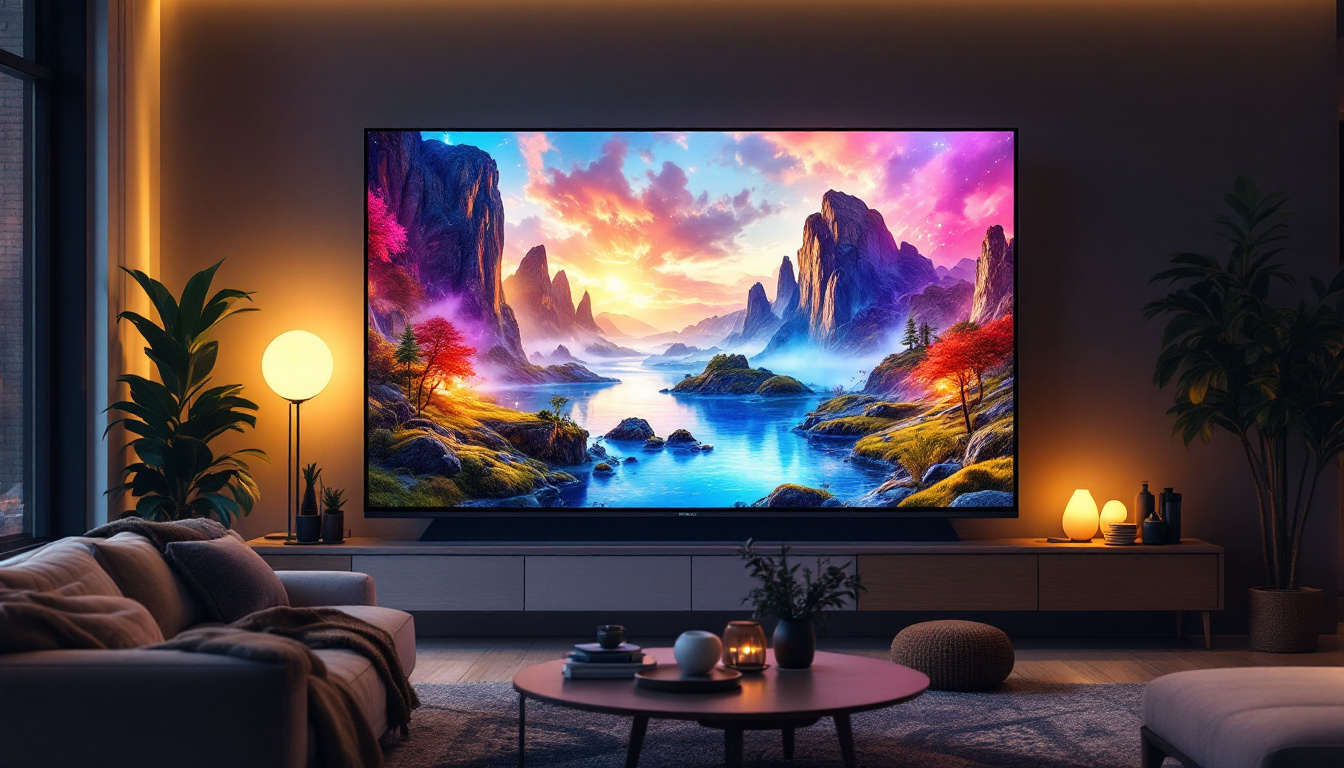
Screen size should be chosen based on the viewing distance and room size. For example, a 55-inch 4K TV is ideal for a typical living room with a viewing distance of 7 to 9 feet. Larger screens provide a more immersive experience but can be overwhelming in small spaces.
Ambient lighting conditions also matter. Displays with better contrast and local dimming perform well in dark rooms, while brighter screens are preferable in well-lit environments.
Evaluate Panel and Backlighting Technologies
Understanding the differences between edge-lit, full-array, and Mini-LED backlighting helps in selecting a display that meets quality expectations. If deep blacks and high contrast are important, investing in a full-array or Mini-LED display is worthwhile.
Additionally, checking for HDR support and the type of HDR standards compatible with the display ensures future-proofing as content availability grows.
Check Reviews and Warranty Details
Reading professional and user reviews provides insights into real-world performance, reliability, and potential issues. Warranty terms and customer service reputation are also critical, especially for higher-priced models.
The Future of 4K LED Displays and Pricing Trends
As 4K content becomes the standard and production costs decrease, 4K LED displays are expected to become even more affordable and feature-rich. Emerging technologies such as Mini-LED and Micro-LED promise further improvements in picture quality, energy efficiency, and durability.
Additionally, 8K displays are beginning to enter the market, but 4K remains the sweet spot for most consumers due to the balance of price, content availability, and visual benefits.
Market competition among manufacturers also drives innovation and price reductions, making 4K LED displays accessible to a broader audience over time.
Conclusion
Understanding the factors that influence 4K LED display prices is essential for making an informed purchase. Screen size, panel quality, backlighting technology, brand reputation, and market conditions all play significant roles in determining cost. By carefully assessing needs, budget, and desired features, consumers and professionals can find a 4K LED display that delivers excellent value and outstanding visual performance.
With ongoing advancements in display technology and increasing availability of 4K content, investing in a quality 4K LED screen is a smart choice for anyone seeking an enhanced viewing experience today and in the future.
Explore Cutting-Edge 4K LED Displays with LumenMatrix
Ready to elevate your visual experience with the latest in 4K LED display technology? Look no further than LumenMatrix, a pioneer in crafting LED displays that bring your content to life. Whether you’re in need of an Indoor LED Wall Display for a corporate event, an Outdoor LED Wall Display for advertising, or any of our other innovative solutions like Vehicle LED Displays and Custom LED Displays, LumenMatrix has the perfect fit for your needs. Don’t miss the opportunity to transform your space with vibrant, high-resolution imagery. Check out LumenMatrix LED Display Solutions today and see the difference quality and innovation can make.