In the ever-evolving world of television technology, consumers often find themselves navigating a complex landscape of display types, sizes, and features. Among these, the 50 inch plasma screen and LED display options have been popular choices for home entertainment setups. While plasma screens once dominated the market for their deep blacks and vibrant colors, LED displays have surged ahead due to advances in technology and energy efficiency. This article aims to provide a comprehensive explanation of LED displays, particularly in the context of 50 inch screens, comparing them to plasma alternatives and helping readers make informed decisions when selecting a television.
Understanding 50 Inch Screens: Why Size Matters
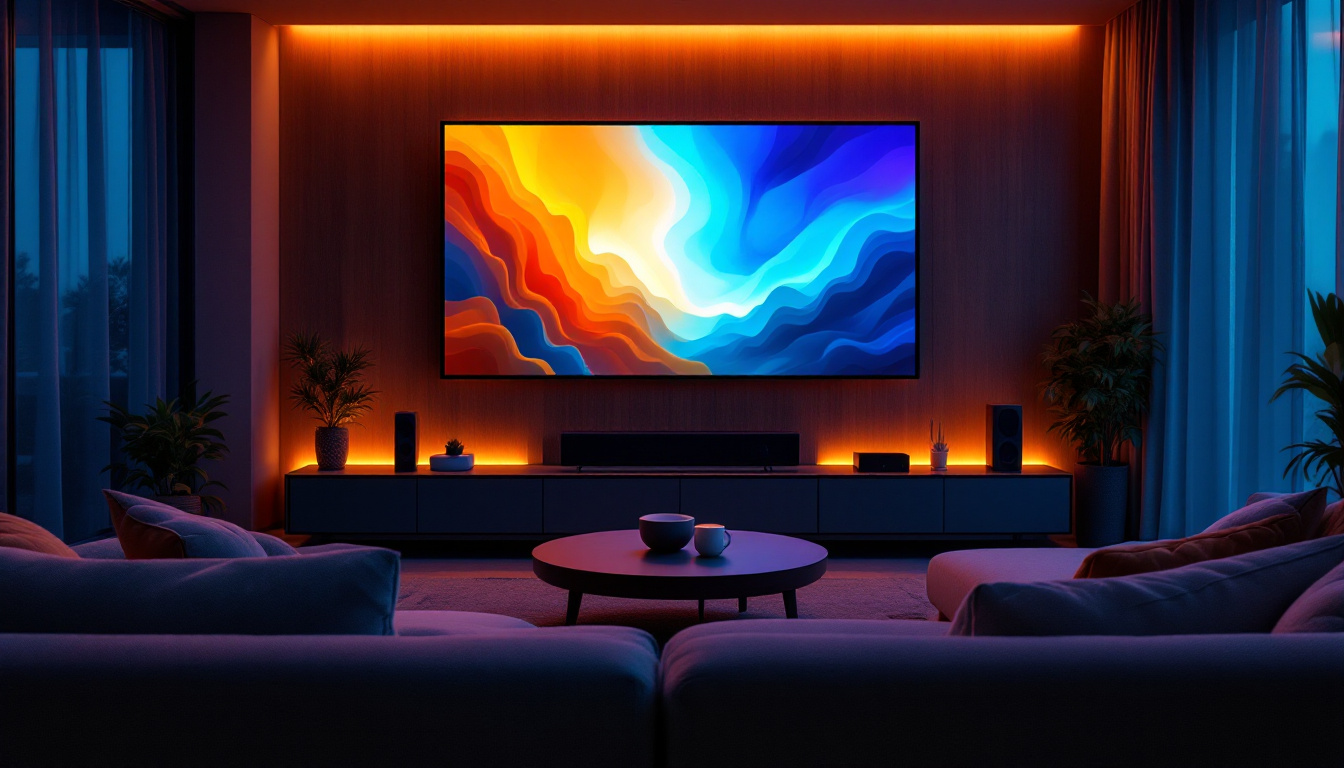
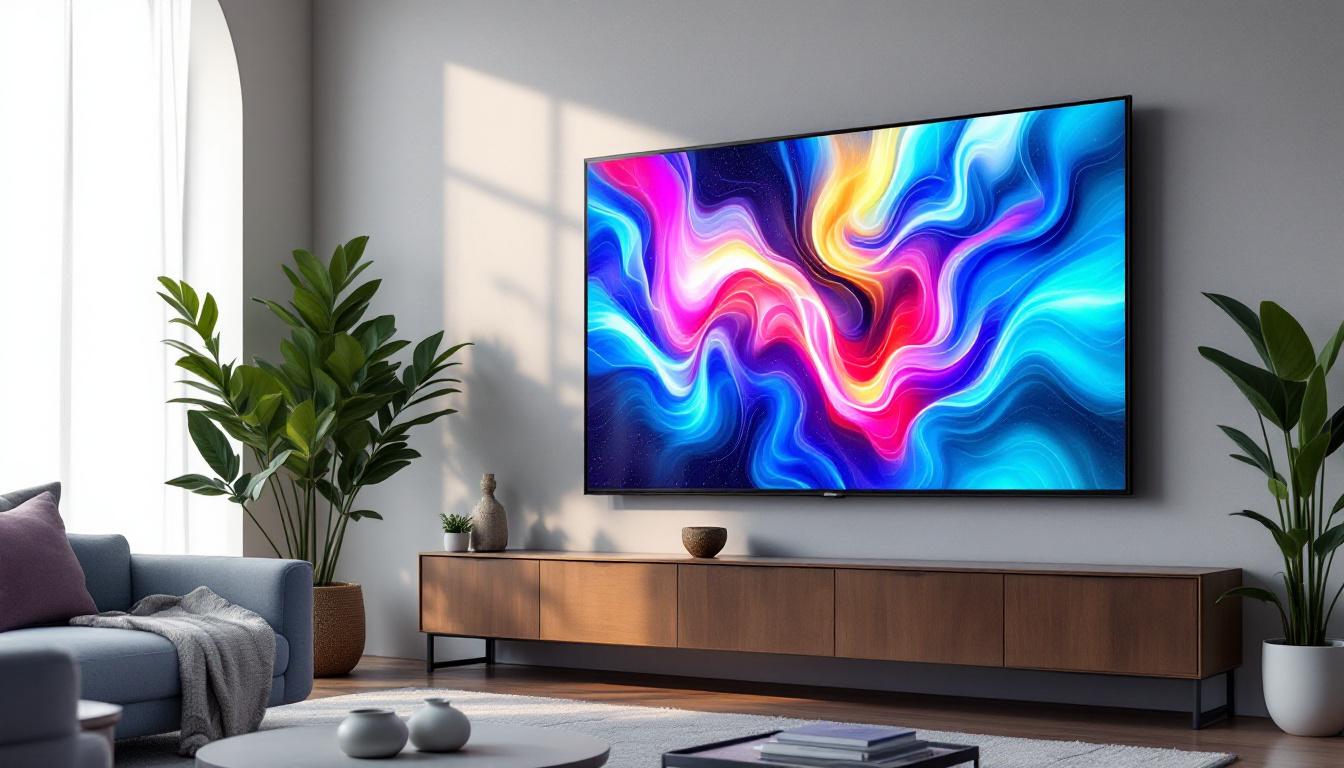
The 50 inch screen size strikes a balance between immersive viewing and practical living room compatibility. It is large enough to provide a cinematic experience without overwhelming the space in most homes. This size is ideal for average-sized rooms, offering viewers a sharp and engaging picture from a reasonable viewing distance—typically around 6 to 10 feet.
When considering a 50 inch television, it’s important to understand how screen size impacts viewing quality. Larger screens can enhance detail visibility and immersion, but only if the resolution and display technology support high-quality image rendering. This is where the choice between plasma and LED displays becomes critical.
What is a Plasma Screen?
Plasma screens use small cells containing electrically charged ionized gases (plasma) to produce images. Each cell acts as a tiny light source, emitting light when energized. This technology was celebrated for its ability to render deep blacks and vibrant colors, making it a favorite for movie enthusiasts and gamers alike.
However, plasma displays have some inherent drawbacks. They tend to consume more power than LED screens and can be heavier and thicker due to the glass panels used. Additionally, plasma screens are susceptible to screen burn-in, where static images left on the screen for extended periods can leave a permanent ghost image.
Despite these disadvantages, plasma TVs were once the gold standard for picture quality, especially in larger sizes. Their ability to display smooth motion and wide viewing angles made them ideal for dynamic content like sports and action movies.
Introduction to LED Displays
LED (Light Emitting Diode) displays are a type of LCD (Liquid Crystal Display) television that uses LED backlighting instead of the traditional cold cathode fluorescent lamps (CCFLs). This shift to LED backlighting has revolutionized the television market by offering several advantages over plasma technology.
LED displays come in various forms, including edge-lit and full-array backlighting. Edge-lit LEDs place the LEDs around the screen’s perimeter, allowing for thinner designs and lower costs. Full-array LED displays have LEDs spread evenly behind the screen, often with local dimming capabilities that enhance contrast and black levels.
One of the key benefits of LED displays is their energy efficiency. They consume significantly less power than plasma screens, contributing to lower electricity bills and a smaller environmental footprint. Additionally, LED TVs are generally lighter, thinner, and less prone to burn-in issues.
Types of LED Displays
Within the LED category, there are several subtypes that affect picture quality and price:
- Edge-Lit LED: LEDs are placed along the edges of the screen. This design allows for ultra-thin TVs but can sometimes result in uneven brightness and contrast.
- Full-Array LED: LEDs are distributed evenly behind the screen. This configuration supports local dimming, where specific zones can dim or brighten independently, improving black levels and contrast.
- Mini-LED: A newer technology that uses thousands of tiny LEDs for even more precise local dimming, resulting in superior contrast and brightness control.
- QLED (Quantum Dot LED): An advanced LED TV that uses quantum dot technology to enhance color accuracy and brightness.
Comparing Plasma and LED: Which is Better for a 50 Inch Screen?
When choosing between a plasma screen and an LED display in the 50 inch category, several factors come into play, including picture quality, energy consumption, durability, and price.
Picture Quality
Plasma screens traditionally excelled in delivering deep blacks and smooth motion handling, thanks to their self-emissive technology. This made them particularly appealing for dark-room viewing and fast-paced content.
However, modern LED displays, especially those with full-array local dimming or Mini-LED technology, have closed the gap significantly. These LED TVs can now produce deep blacks and vibrant colors comparable to plasma, while also offering higher brightness levels beneficial for well-lit rooms.
Energy Efficiency and Environmental Impact
LED displays are far more energy-efficient than plasma screens. According to the U.S. Department of Energy, LED TVs use up to 50% less power than plasma TVs of similar size. This efficiency not only reduces electricity costs but also aligns with growing consumer interest in environmentally friendly electronics.
Durability and Maintenance
Plasma screens are more susceptible to burn-in, which can be a concern for users who watch channels with static logos or play video games with persistent HUDs. LED displays are less prone to this issue, making them more durable for varied content consumption.
Additionally, LED TVs generally have a longer lifespan, with many models rated for 60,000 to 100,000 hours of use, compared to plasma screens which typically last around 30,000 to 60,000 hours.
Price and Availability
Plasma TVs have largely been phased out by manufacturers, making them harder to find and often more expensive due to limited stock. LED TVs dominate the market, offering a wide range of models and price points, from budget options to premium flagship displays.
Key Features to Look for in a 50 Inch LED Display
When shopping for a 50 inch LED TV, understanding the features that impact performance and user experience is crucial. Here are some important considerations:
Resolution
Most 50 inch LED TVs today come with 4K Ultra HD resolution (3840 x 2160 pixels), which provides four times the detail of Full HD. This higher resolution enhances picture clarity and is especially noticeable on larger screens like 50 inches.
HDR Support
High Dynamic Range (HDR) technology improves contrast and color accuracy, making images appear more lifelike. Look for TVs that support HDR10, Dolby Vision, or HDR10+ standards for the best viewing experience.
Refresh Rate
A higher refresh rate (measured in Hertz) results in smoother motion, which is important for watching sports, action movies, or gaming. While most LED TVs have a native refresh rate of 60 Hz, many use motion interpolation to simulate 120 Hz or higher.
Smart TV Capabilities
Modern LED TVs typically include smart features, allowing access to streaming services, apps, and voice control. Consider the operating system and app availability to ensure compatibility with your preferred content sources.
Connectivity Options
Ensure the TV has sufficient HDMI ports, USB inputs, and support for wireless connections like Wi-Fi and Bluetooth. This flexibility allows you to connect gaming consoles, soundbars, and other peripherals easily.
Setting Up Your 50 Inch LED Display for Optimal Viewing
Once you’ve selected a 50 inch LED TV, proper setup is essential to maximize its performance and longevity.
Placement and Viewing Distance
Position the TV at eye level and maintain an appropriate viewing distance, generally between 6 to 10 feet for a 50 inch screen. This distance helps reduce eye strain and ensures the entire screen is within your field of vision.
Calibration and Picture Settings
Adjust the TV’s picture settings to suit your environment. Many TVs come with preset modes such as Cinema, Sports, or Game, but manual calibration can improve color accuracy and contrast. Professional calibration tools or services can optimize settings for the best picture quality.
Ambient Lighting
LED TVs perform well in various lighting conditions, but controlling ambient light can enhance the viewing experience. Avoid placing the TV opposite bright windows or direct light sources that cause glare.
The Future of Display Technology: Beyond Plasma and LED
While plasma screens have mostly disappeared from the market, LED technology continues to evolve rapidly. Emerging display technologies promise even better picture quality and user experience.
OLED Displays
Organic Light Emitting Diode (OLED) displays offer self-emissive pixels similar to plasma but with improved energy efficiency and thinner panels. OLED TVs deliver perfect blacks, wide viewing angles, and excellent color accuracy, making them a premium choice for 50 inch screens and beyond.
MicroLED and Quantum Dot Innovations
MicroLED technology uses microscopic LEDs to create individual pixels, combining the best features of OLED and LED displays, such as high brightness and perfect blacks without burn-in risk. Quantum dot enhancements in LED TVs continue to improve color reproduction and brightness.
Conclusion: Making the Right Choice for Your 50 Inch TV
Choosing between a 50 inch plasma screen and an LED display involves weighing factors like picture quality, energy efficiency, durability, and availability. While plasma technology once led the market in delivering superior image quality, LED displays have advanced to offer comparable or better performance with added benefits such as lower power consumption, slimmer designs, and smart features.
For most consumers today, a 50 inch LED TV, especially those with full-array local dimming or Mini-LED technology, provides an excellent balance of performance and value. Coupled with 4K resolution and HDR support, these TVs deliver stunning visuals suitable for a wide range of content and viewing environments.
As display technology continues to advance, options like OLED and MicroLED are becoming more accessible, promising even greater enhancements for home entertainment. Understanding the strengths and limitations of each technology empowers buyers to select the perfect 50 inch screen tailored to their needs and preferences.
Discover the Future of Home Entertainment with LumenMatrix
Ready to elevate your home viewing experience with the latest in LED display technology? LumenMatrix is at the forefront of innovation, offering a wide array of LED display solutions that bring your favorite content to life. From immersive Indoor LED Wall Displays to dynamic Outdoor LED Wall Displays, and from versatile Vehicle LED Displays to sleek LED Poster Displays, LumenMatrix has the perfect option to fit your space and style. Experience the pinnacle of visual communication with our LED Sports Displays, interactive Floor LED Displays, and customizable options that cater to your unique needs. Embrace the future with our All-in-One LED Displays and LED Transparent Displays, designed to captivate and engage. Don’t just watch—immerse yourself in the world of LumenMatrix. Check out LumenMatrix LED Display Solutions today and transform your viewing experience.