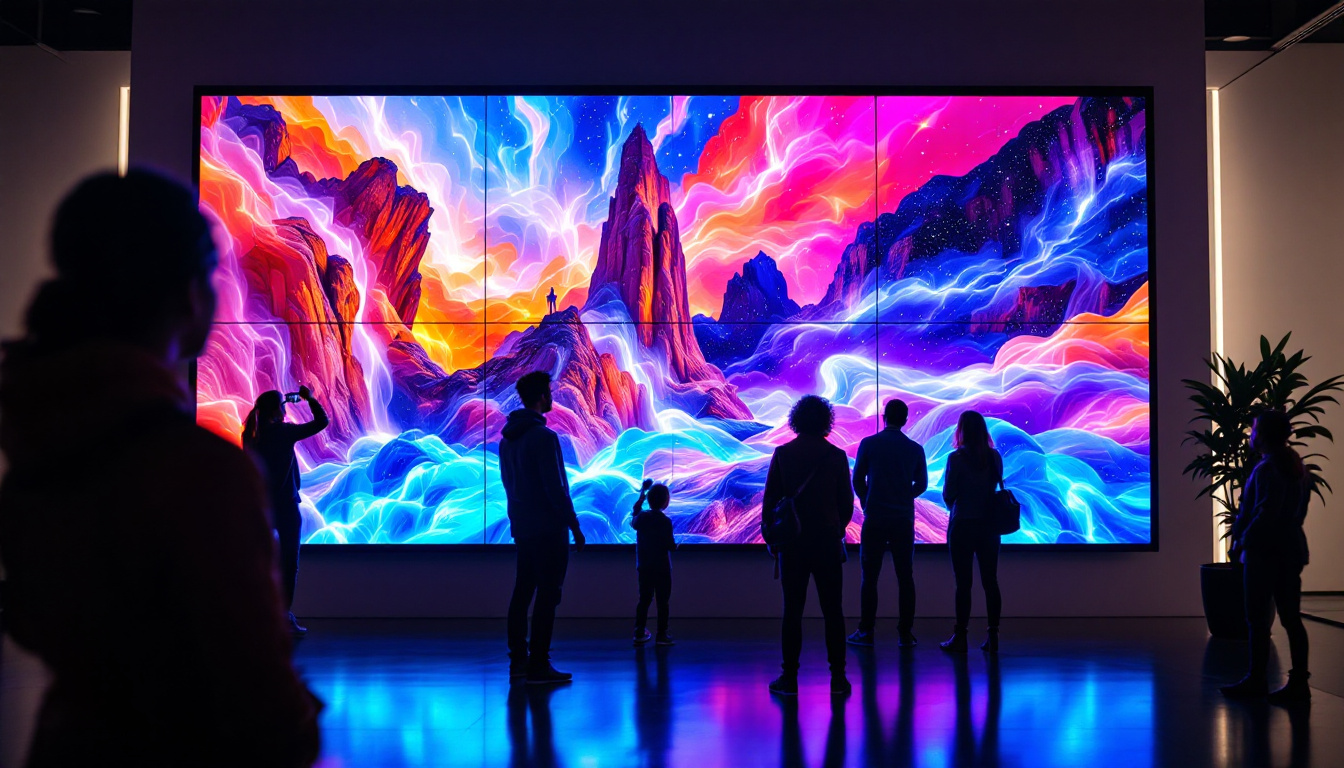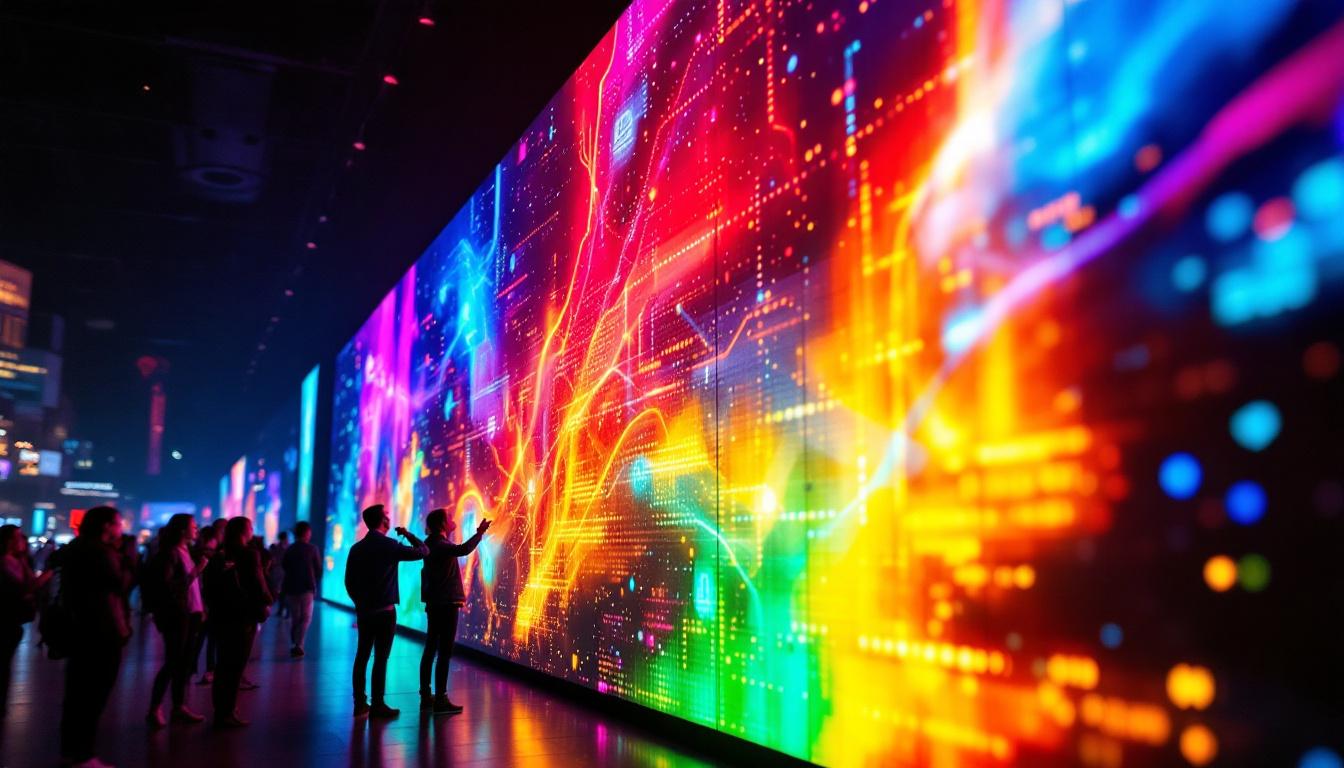
In the rapidly evolving world of digital signage and display technology, LED displays stand out as a dominant force, transforming how information is presented in public spaces, advertising, entertainment, and more. The term “5280 x 12” might seem cryptic at first glance, but it refers to a specific configuration or resolution dimension often used in large-scale LED displays. Understanding what this means, how it impacts display quality, and why it matters is essential for businesses, event organizers, and technology enthusiasts alike.
This article dives deep into the concept of 5280 x 12 LED displays, exploring their technical specifications, practical applications, and the benefits they bring to various industries. Whether you’re considering investing in an LED display or simply curious about how these technologies work, this comprehensive guide will illuminate the subject clearly and thoroughly.
Understanding LED Display Resolution: What Does 5280 x 12 Mean?
The Basics of LED Display Resolution
Resolution in LED displays refers to the number of individual LED pixels arranged horizontally and vertically. Each pixel is a tiny light-emitting diode that can display a specific color and brightness level. The more pixels a display has, the higher its resolution, resulting in sharper images and more detailed content.
In the case of a 5280 x 12 LED display, the numbers represent the pixel count: 5280 pixels horizontally and 12 pixels vertically. This yields a total of 63,360 pixels (5280 multiplied by 12). While this might seem like an unusual aspect ratio compared to traditional screens, it’s quite common in specific LED display applications such as ticker boards, banner displays, or ultra-wide digital signage.
Why Such an Aspect Ratio?
The 5280 x 12 configuration is characterized by its extreme width and minimal height. This makes it ideal for applications that require a long, narrow display area. For example, stock market tickers, sports scoreboards, and news crawlers often use this format to display continuous streams of information without taking up much vertical space.
Moreover, the unique aspect ratio allows for seamless integration into architectural elements like building facades, stadium perimeters, or transportation hubs. It provides a visually striking way to communicate messages while blending into the environment.
Technical Components Behind 5280 x 12 LED Displays
Pixel Pitch and Its Importance
Pixel pitch is the distance between the centers of two adjacent pixels, usually measured in millimeters. A smaller pixel pitch means higher pixel density, resulting in sharper images, especially when viewed up close. Conversely, a larger pixel pitch suits displays intended for viewing from a distance.
For a 5280 x 12 LED display, the pixel pitch is a critical factor because the display is extremely wide but very narrow. Typically, these displays use a pixel pitch ranging from 3mm to 10mm, depending on the intended viewing distance and content detail. For example, a 5mm pixel pitch would provide good clarity for viewers standing 10 to 20 feet away.
LED Types and Color Quality
Modern LED displays use either surface-mounted device (SMD) LEDs or discrete LEDs. SMD LEDs are compact and capable of producing vibrant colors with excellent brightness and contrast, making them popular for indoor and outdoor displays alike.
The 5280 x 12 displays often utilize full-color RGB LEDs, enabling them to render a wide spectrum of colors and dynamic content. This capability is essential for applications like advertising or event displays, where vivid visuals capture attention and convey messages effectively.
Control Systems and Content Management
Behind every LED display is a sophisticated control system that manages pixel illumination, brightness, color calibration, and content scheduling. For a display as large and uniquely shaped as 5280 x 12, the control system must handle high data throughput and ensure synchronization across all pixels.
Advanced software platforms allow operators to upload, schedule, and customize content remotely. This flexibility is crucial for businesses that need to update messages frequently, such as retail promotions, news updates, or live event information.
Applications and Use Cases of 5280 x 12 LED Displays
Financial Market Tickers
One of the most common uses of ultra-wide, low-height LED displays is in financial markets. Stock exchanges and brokerage firms use ticker displays to provide real-time updates on stock prices, indices, and market news. The 5280 x 12 format allows for a continuous stream of information that can be read easily by traders and investors.
These tickers are often mounted above trading floors, on building exteriors, or within financial newsrooms, providing a dynamic and constantly updated visual feed that enhances decision-making and market awareness.
Sports Arenas and Event Venues
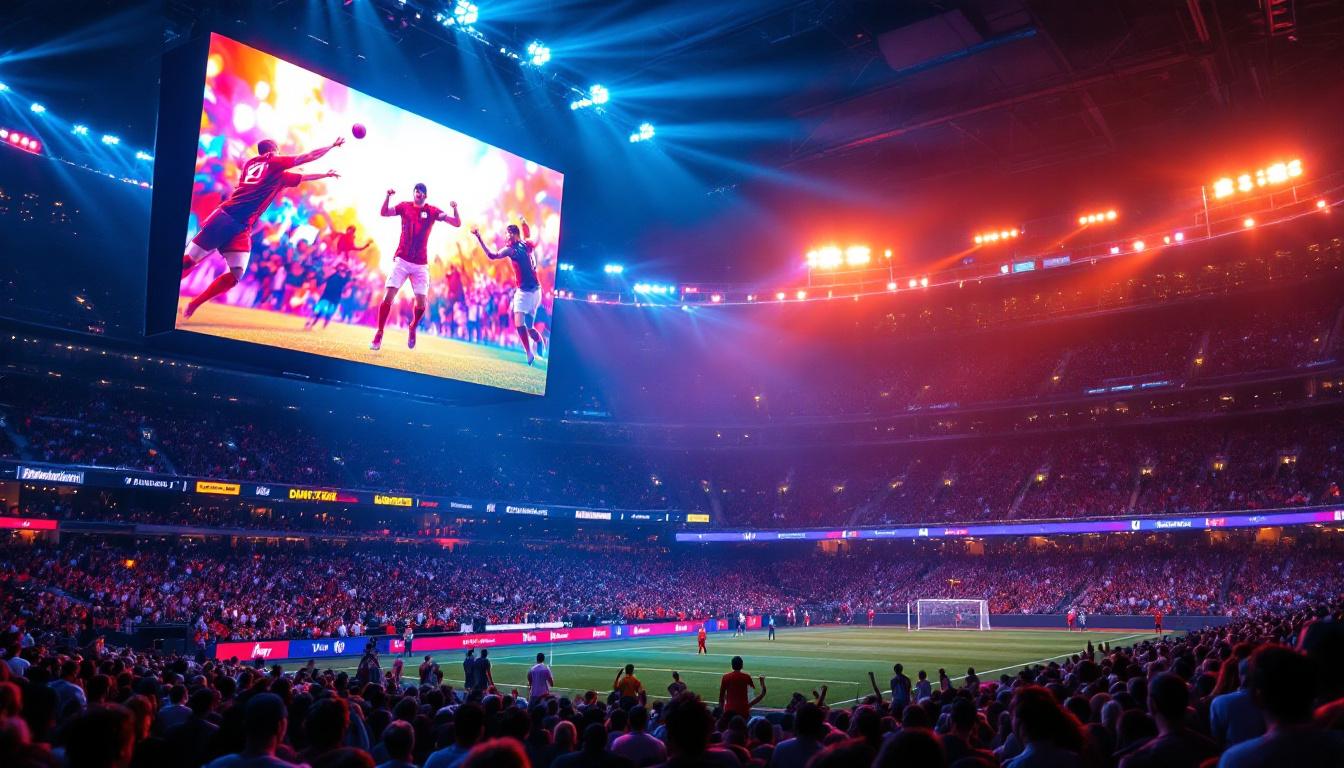
Sports stadiums and arenas frequently use long LED ribbon boards to display scores, player statistics, advertisements, and fan messages. The 5280 x 12 configuration fits perfectly around the perimeter of a stadium or along the sidelines, delivering real-time content that engages spectators.
Beyond sports, concert venues and theaters may also employ such displays to showcase event information, sponsor logos, or interactive content, enriching the overall experience for attendees.
Transportation Hubs and Public Information Systems
Airports, train stations, and bus terminals benefit from ultra-wide LED displays for conveying schedules, alerts, and wayfinding information. The narrow height ensures that the display does not obstruct sightlines or architectural aesthetics, while the extensive width allows for multiple lines of text or graphics to be shown simultaneously.
By providing clear, timely information, these displays improve passenger flow and safety, making them indispensable in busy transportation environments.
Benefits of Choosing a 5280 x 12 LED Display
High Visibility and Impact
The sheer width of a 5280 x 12 LED display ensures that messages are visible from great distances and across wide viewing angles. This makes it an excellent choice for outdoor advertising, where capturing the attention of passing traffic or crowds is crucial.
Additionally, the continuous, scrolling nature of content on such displays allows for more information to be communicated without overwhelming viewers, striking a balance between visibility and readability.
Energy Efficiency and Durability
LED technology is renowned for its energy efficiency compared to traditional lighting and display methods. Modern LEDs consume significantly less power while delivering higher brightness and longer lifespans.
For large-scale displays like 5280 x 12, this translates into lower operating costs and reduced environmental impact. Furthermore, LED displays are built to withstand harsh weather conditions, making them reliable for outdoor use year-round.
Customization and Scalability
Because LED displays are modular, the 5280 x 12 configuration can be customized to fit specific spatial requirements. Panels can be added or removed to adjust the width or height, allowing businesses to tailor the display to their exact needs.
Scalability also means that as a company’s messaging needs grow, the display can be expanded without replacing the entire system, offering a cost-effective solution for long-term use.
Challenges and Considerations When Implementing 5280 x 12 LED Displays
Installation Complexity
Due to their size and shape, 5280 x 12 LED displays require precise planning and professional installation. Structural support, electrical wiring, and weatherproofing must be carefully managed to ensure safety and optimal performance.
Additionally, the narrow vertical dimension means that pixel alignment and calibration are critical to avoid visual distortions or inconsistencies along the length of the display.
Content Design and Readability
Designing content for an ultra-wide, narrow display presents unique challenges. Text and graphics must be optimized for horizontal scrolling or segmented display areas to maintain viewer engagement and comprehension.
Content creators should consider font sizes, color contrasts, and animation speeds that suit the viewing distance and environment. Poorly designed content can diminish the effectiveness of even the most advanced LED displays.
Cost Factors
While LED displays offer many advantages, the initial investment can be substantial, especially for large-scale configurations like 5280 x 12. Costs include the display panels, control systems, installation, and ongoing maintenance.
However, when weighed against the benefits of high visibility, durability, and flexibility, many organizations find the investment worthwhile. Careful budgeting and vendor selection can also help optimize costs.
The Future of Ultra-Wide LED Displays
Technological Advancements
As LED technology continues to advance, expect improvements in pixel density, brightness, and energy efficiency. Innovations such as microLED and miniLED promise even greater image quality and flexibility for ultra-wide displays.
Furthermore, integration with artificial intelligence and data analytics could enable dynamic content that adapts in real-time to audience behavior, weather conditions, or other external factors, enhancing the impact of 5280 x 12 displays.
Expanding Use Cases
Beyond traditional applications, ultra-wide LED displays are finding new roles in immersive art installations, interactive retail environments, and smart city infrastructure. Their ability to deliver continuous, high-impact visual messaging makes them valuable tools in diverse contexts.
As urban landscapes become more digitally connected, these displays will play a key role in shaping how information is shared and experienced in public spaces.
Conclusion
The 5280 x 12 LED display represents a specialized yet powerful format within the digital signage ecosystem. Its unique aspect ratio caters to specific needs where wide, narrow visual communication is essential. From financial tickers and sports arenas to transportation hubs and advertising, these displays offer unparalleled visibility, flexibility, and durability.
Understanding the technical details, applications, and challenges associated with 5280 x 12 LED displays empowers businesses and organizations to make informed decisions when investing in digital signage solutions. With ongoing technological advancements and expanding use cases, the future of ultra-wide LED displays looks bright and full of potential.
Whether aiming to captivate audiences, streamline information delivery, or enhance brand presence, the 5280 x 12 LED display is a compelling option worth considering in today’s dynamic visual communication landscape.
Discover LumenMatrix’s Advanced LED Display Solutions
Ready to elevate your visual communication with the ultra-wide, high-impact 5280 x 12 LED display format? LumenMatrix is at the forefront of LED display innovation, offering a diverse range of solutions that cater to your specific needs. From immersive indoor and outdoor displays to dynamic vehicle and sports applications, our cutting-edge technology is designed to captivate your audience and amplify your message. Experience the future of digital signage with LumenMatrix and transform your space into a vibrant hub of engagement. Check out LumenMatrix LED Display Solutions today and see the difference for yourself.