In today’s digital age, display technology plays a crucial role in how information is presented and consumed. Among the many types of display technologies, LED displays have emerged as a dominant force, offering vibrant visuals, energy efficiency, and versatility. This article delves into the world of LED displays, focusing on the popular 55-inch size, explaining their technology, applications, and why they have become a preferred choice for both consumers and businesses.
Understanding LED Display Technology
What is an LED Display?
LED stands for Light Emitting Diode, a semiconductor device that emits light when an electric current passes through it. An LED display is a flat panel display that uses these light-emitting diodes as pixels to create images, videos, and text. Unlike traditional LCDs (Liquid Crystal Displays) which rely on a backlight, LED displays use LEDs either as a backlight source or as the actual pixels themselves, depending on the type of LED technology employed.
There are two primary types of LED displays: direct LED (also known as micro-LED or true LED) and LED-backlit LCDs. Direct LED displays use individual LEDs for each pixel, offering superior brightness and contrast. LED-backlit LCDs, on the other hand, use LEDs to illuminate an LCD panel, improving energy efficiency and color accuracy compared to older CCFL-backlit LCDs. The advancement in LED technology has also led to the development of OLED (Organic Light Emitting Diode) displays, which provide even greater color depth and flexibility in design, allowing for thinner and more versatile screen configurations.
How Does a 55-Inch LED Display Work?
A 55-inch LED display refers to the diagonal measurement of the screen, which is approximately 139.7 centimeters. This size strikes a balance between immersive viewing and practical installation, making it popular for both home entertainment and commercial use.
In a typical 55-inch LED display, millions of tiny LEDs are arranged in a grid. Each LED can be individually controlled to emit specific colors and brightness levels, combining to form the images seen on the screen. The resolution of these displays can vary, with 4K (3840 x 2160 pixels) being the most common in this size category, delivering sharp and detailed visuals. Additionally, many modern 55-inch LED displays incorporate advanced technologies such as HDR (High Dynamic Range), which enhances the contrast and color accuracy, allowing for a more lifelike viewing experience. This is particularly beneficial for watching movies or playing video games, where vibrant colors and deep blacks can significantly enhance the overall enjoyment.
The versatility of a 55-inch LED display also extends to connectivity options, as they often come equipped with multiple HDMI and USB ports, enabling users to connect various devices such as gaming consoles, streaming devices, and computers. Smart LED displays further elevate the experience by integrating internet connectivity and built-in applications, allowing users to access streaming services, browse the web, and even control smart home devices directly from their screens. This combination of size, technology, and connectivity makes the 55-inch LED display an ideal choice for a wide range of applications, from home theaters to digital signage in retail environments.
Key Advantages of 55-Inch LED Displays
Superior Image Quality
One of the most compelling reasons for the popularity of 55-inch LED displays is their outstanding image quality. LEDs can produce deep blacks and vibrant colors due to their ability to be turned off completely or dimmed individually. This results in high contrast ratios and vivid color reproduction that enhance the viewing experience.
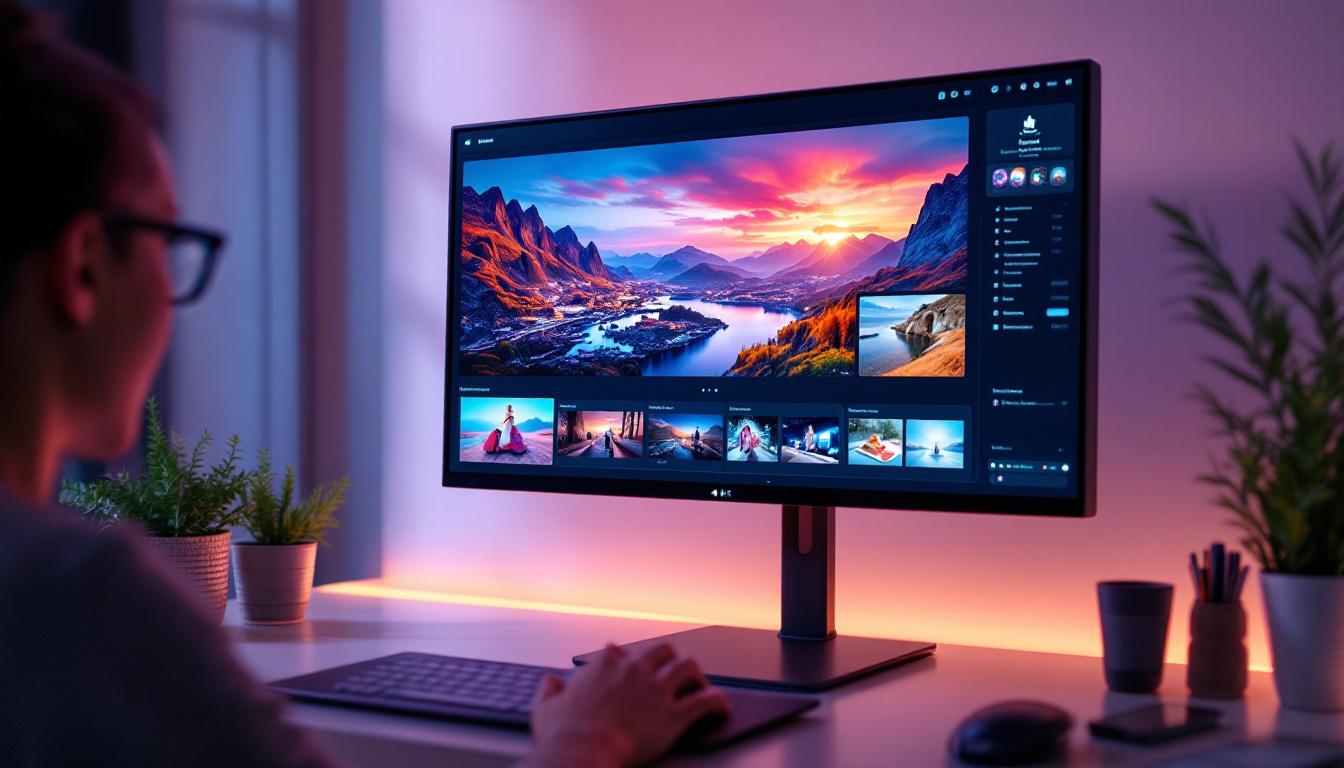
Modern 55-inch LED displays often support High Dynamic Range (HDR), which expands the range of colors and brightness levels, making images appear more lifelike and immersive. This is particularly important for applications such as home theaters, gaming, and professional video editing.
Energy Efficiency and Longevity
Compared to older display technologies like plasma or CCFL-backlit LCDs, LED displays consume significantly less power. This energy efficiency not only reduces electricity costs but also contributes to environmental sustainability. A 55-inch LED display typically uses between 50 to 100 watts, depending on brightness and usage patterns, which is relatively low for a screen of its size.
Additionally, LEDs have a long lifespan, often exceeding 50,000 hours of use. This durability means less frequent replacements and lower maintenance costs, making 55-inch LED displays a cost-effective investment over time.
Design Flexibility and Slim Profiles
LED technology allows for incredibly thin and lightweight displays. A 55-inch LED screen can be as slim as a few millimeters, enabling sleek and modern designs that blend seamlessly into various environments. This slim profile is ideal for wall mounting, digital signage, and multi-screen video walls where space efficiency is critical.
Furthermore, the robust nature of LED displays means they can be manufactured in various form factors, including curved or flexible panels, expanding creative possibilities for designers and architects.
Applications of 55-Inch LED Displays
Home Entertainment and Smart TVs
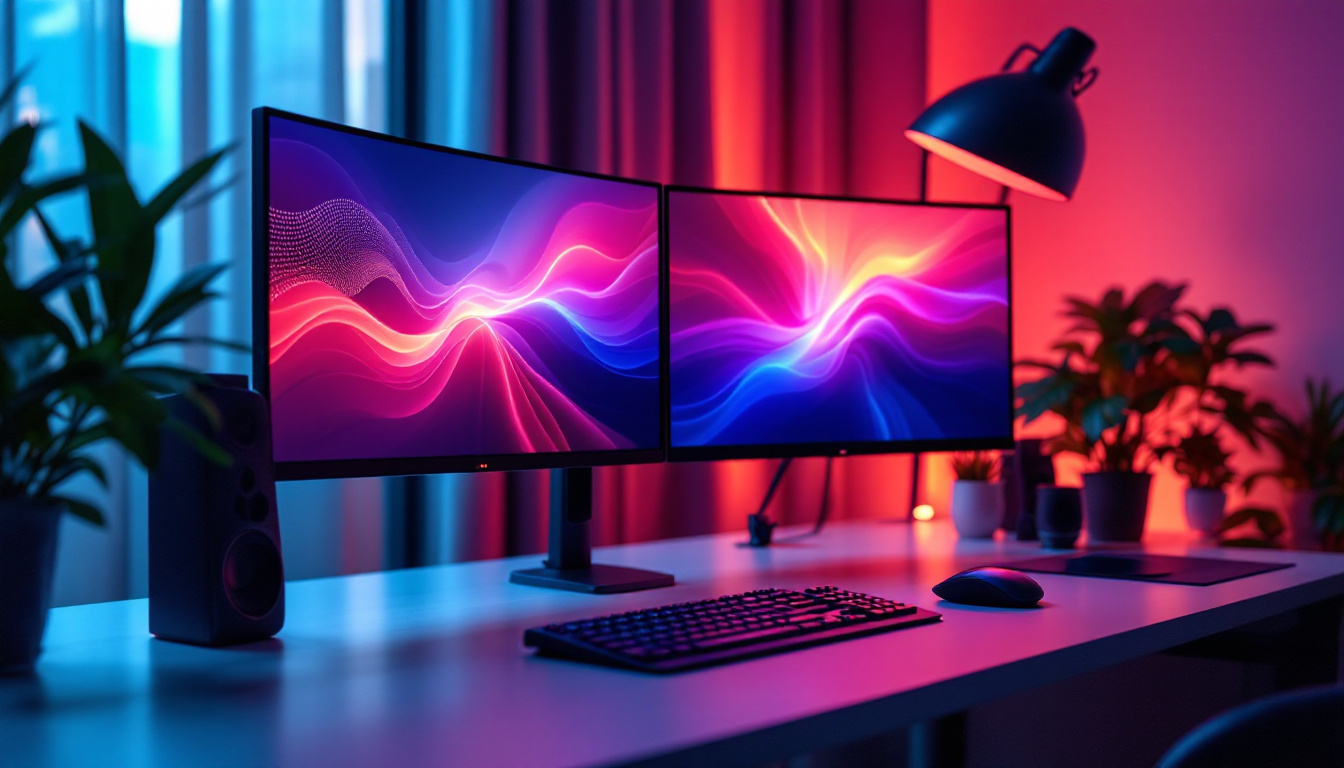
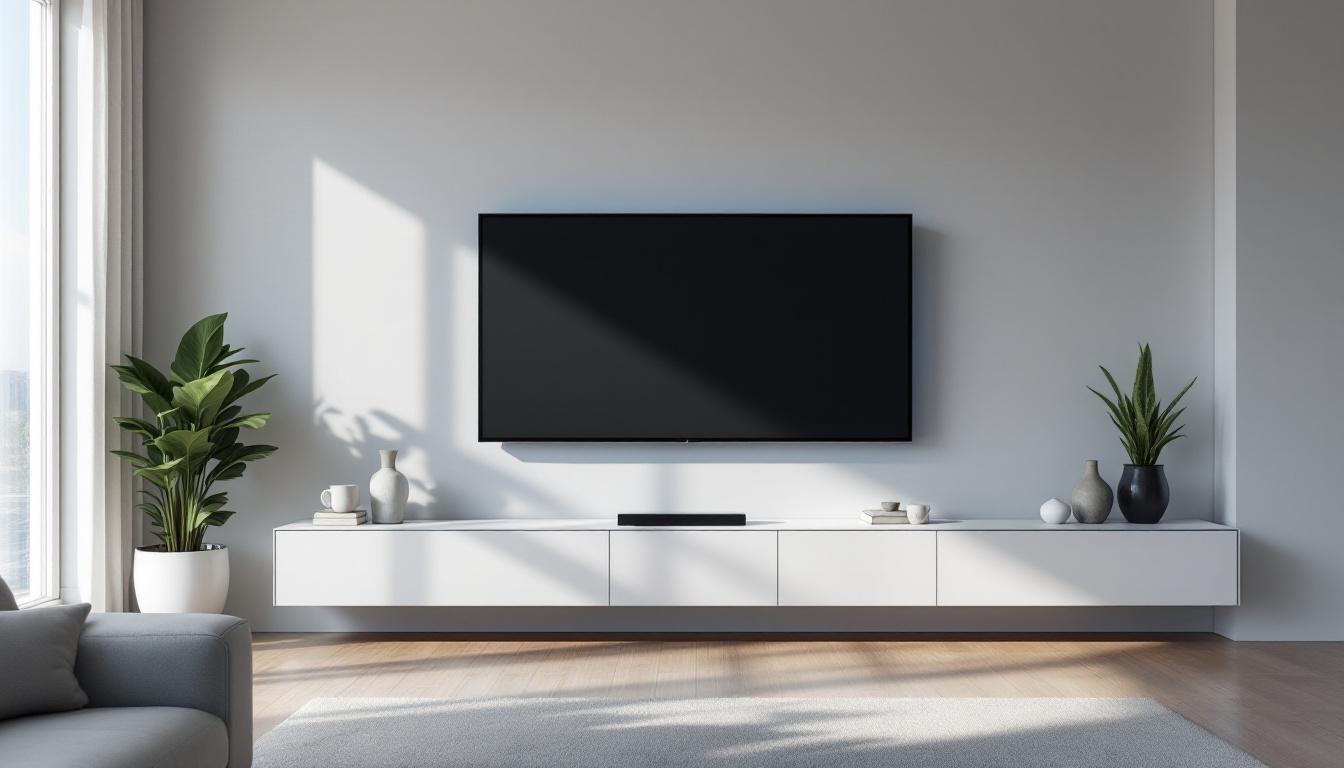
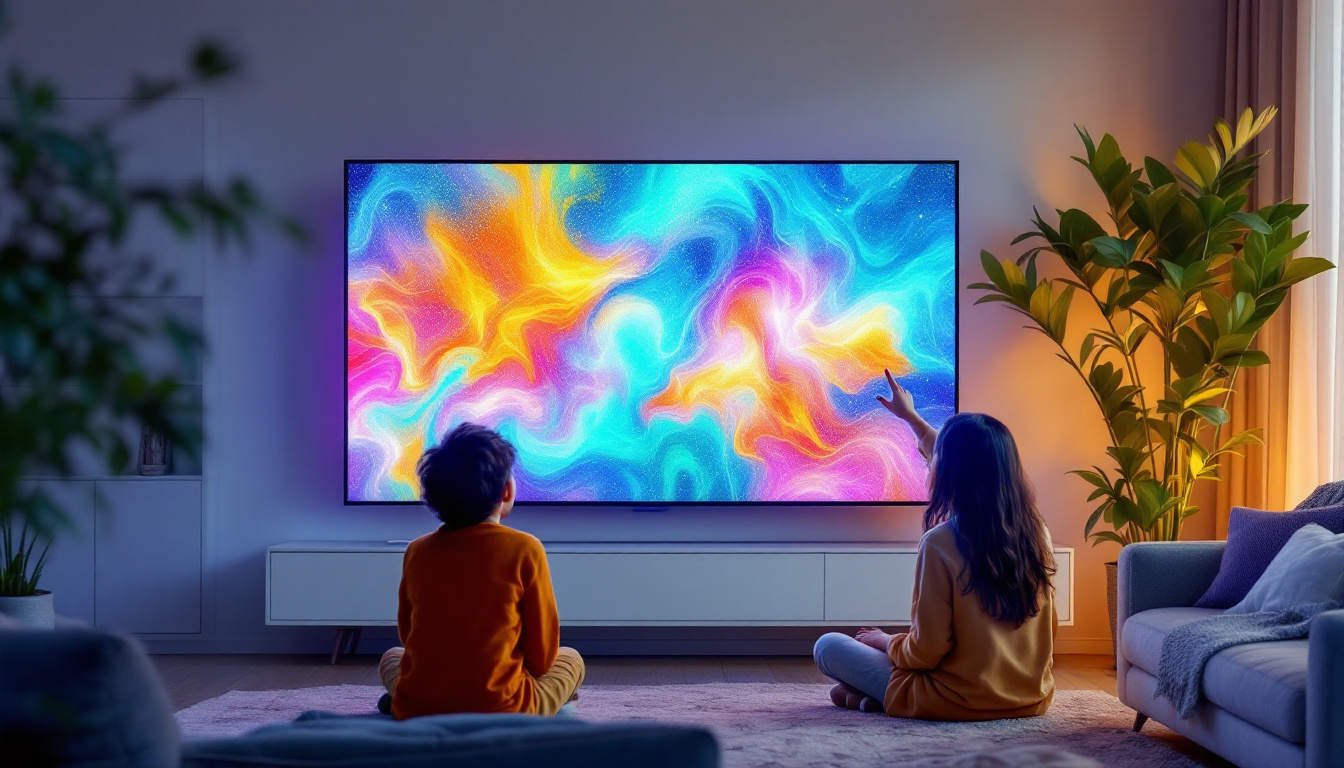
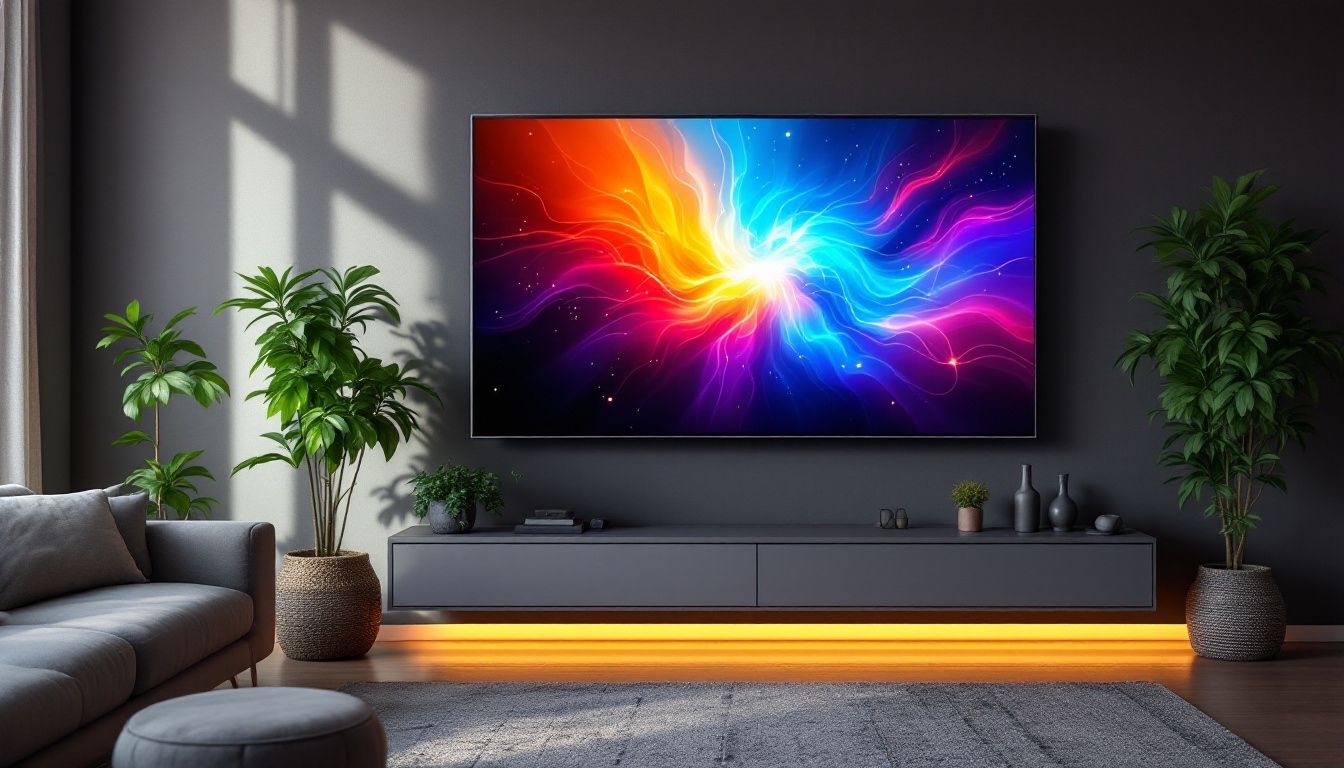
The 55-inch LED display size has become a sweet spot for home entertainment systems. It offers a large enough screen to provide an immersive viewing experience without overwhelming typical living room spaces. Many leading TV manufacturers produce 55-inch LED TVs equipped with 4K resolution, HDR support, and smart features such as voice control and streaming apps.
Consumers increasingly prefer LED TVs for their combination of picture quality, energy efficiency, and affordability. According to recent market research, the 55-inch segment accounts for a significant portion of TV sales globally, reflecting its widespread acceptance.
Commercial Digital Signage
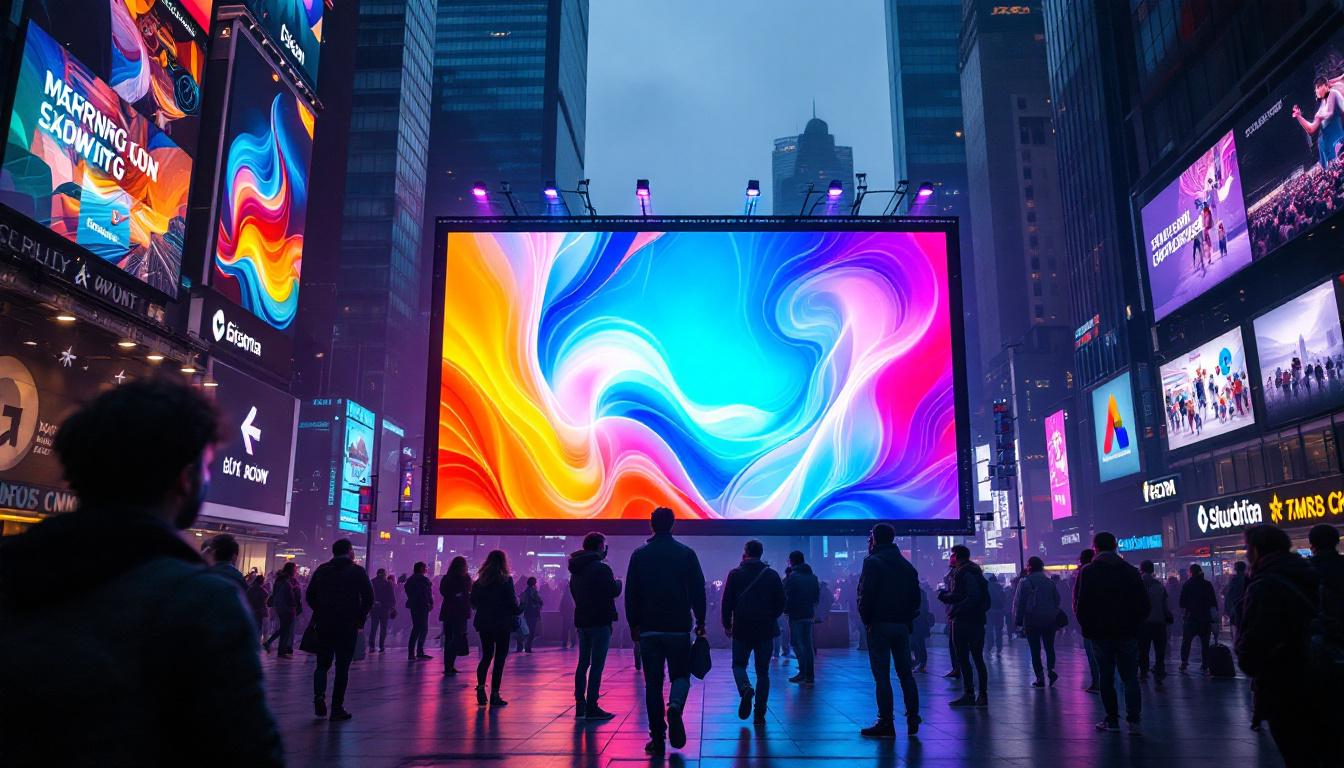
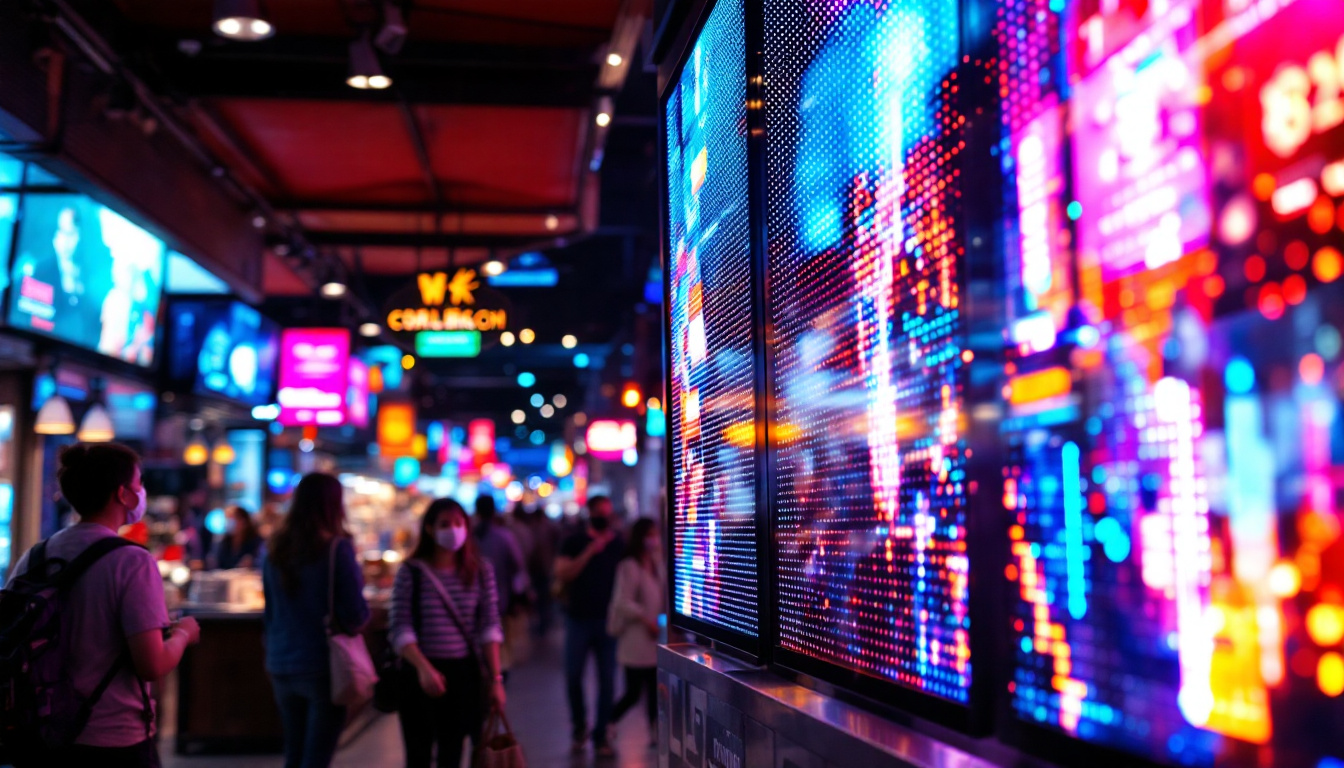
In retail stores, airports, corporate offices, and public spaces, 55-inch LED displays are widely used for digital signage. Their brightness and clarity make them effective for attracting attention and conveying information even in brightly lit environments. The ability to display dynamic content such as promotions, schedules, and announcements enhances customer engagement and operational efficiency.
Moreover, networked LED displays can be remotely managed, allowing businesses to update content in real-time across multiple locations. This flexibility is invaluable for marketing campaigns and brand consistency.
Professional and Educational Use
In conference rooms, classrooms, and training centers, 55-inch LED displays serve as interactive presentation tools. Their size and resolution make them ideal for displaying detailed charts, videos, and collaborative content. Many models support touch functionality and integration with video conferencing systems, facilitating effective communication and learning.
Educational institutions benefit from LED displays by enhancing visual aids and enabling multimedia lessons, which can improve student engagement and comprehension.
Technical Considerations When Choosing a 55-Inch LED Display
Resolution and Pixel Density
Resolution is a critical factor in determining the clarity and sharpness of images. For a 55-inch display, 4K UHD (3840 x 2160 pixels) is currently the standard, offering approximately 80 pixels per inch (PPI). This density ensures that individual pixels are not discernible at typical viewing distances, resulting in smooth and detailed visuals.
While 1080p (Full HD) displays are still available, they are becoming less common in this size category due to the increasing availability and affordability of 4K panels. For professional applications such as graphic design or video editing, higher resolutions provide a significant advantage.
Brightness and Contrast Ratio
Brightness, measured in nits, affects the visibility of the display in various lighting conditions. A 55-inch LED display with a brightness level of 400 to 600 nits is generally sufficient for indoor use, including rooms with ambient daylight. For commercial or outdoor applications, higher brightness levels may be necessary to ensure readability.
Contrast ratio, the difference between the darkest black and the brightest white, influences the depth and realism of images. LED displays with local dimming technology can achieve contrast ratios exceeding 1,000,000:1, delivering stunning picture quality.
Connectivity and Smart Features
Modern 55-inch LED displays come equipped with multiple connectivity options such as HDMI, USB, DisplayPort, and wireless capabilities like Wi-Fi and Bluetooth. These interfaces allow users to connect a variety of devices, from gaming consoles to laptops and smartphones.
Smart LED displays integrate operating systems that support popular streaming services, apps, and voice assistants. This functionality enhances user convenience and expands the range of possible uses beyond traditional television viewing.
Future Trends in LED Display Technology
Micro-LED and Mini-LED Innovations
Emerging technologies like micro-LED and mini-LED are set to revolutionize the LED display market. Micro-LED displays use microscopic LEDs as individual pixels, offering unparalleled brightness, contrast, and energy efficiency without the burn-in issues associated with OLEDs. Although currently expensive, micro-LED technology is expected to become more accessible in the coming years.
Mini-LED technology, which uses thousands of tiny LEDs as a backlight for LCD panels, provides improved local dimming and contrast at a lower cost than micro-LED. Many premium 55-inch displays are beginning to adopt mini-LED backlighting to enhance picture quality.
Flexible and Transparent LED Displays
Research into flexible and transparent LED displays is progressing rapidly. These innovations could lead to new applications such as rollable TVs, wearable displays, and see-through digital signage. While still in early stages, these technologies promise to expand the versatility and integration of LED displays in everyday life.
Conclusion
The 55-inch LED display represents a perfect blend of size, performance, and versatility, making it a popular choice across various sectors. From delivering stunning home entertainment experiences to enhancing commercial and professional environments, LED displays continue to evolve and set new standards in visual technology.
Understanding the underlying technology, benefits, and applications of 55-inch LED displays helps consumers and businesses make informed decisions when selecting the right display for their needs. With ongoing advancements like micro-LED and mini-LED, the future of LED displays looks brighter and more dynamic than ever.
Discover LumenMatrix’s Innovative LED Display Solutions
Ready to elevate your visual experience with the latest in LED technology? LumenMatrix is at the forefront of creating immersive and dynamic displays that transform any space. Whether you’re looking to captivate your audience with an Indoor LED Wall Display, make a statement with an Outdoor LED Wall Display, or innovate with Custom LED Display options, LumenMatrix has the solution. Embrace the future of visual communication with our cutting-edge LED display modules. Check out LumenMatrix LED Display Solutions today and see your vision come to life.