In today’s fast-evolving digital landscape, LED displays have become an integral part of various industries, from advertising and entertainment to transportation and public information systems. Among the many innovations in this space, Luminate Solar stands out as a pioneering solution that combines energy efficiency with cutting-edge LED technology. This article delves into the core concepts behind Luminate Solar LED displays, exploring their technology, applications, benefits, and future potential.
Understanding LED Display Technology
Light Emitting Diode (LED) displays are electronic visual displays that use LEDs as pixels to create images and videos. Unlike traditional display technologies such as LCD or plasma, LED displays offer superior brightness, contrast, and energy efficiency. This makes them particularly suitable for outdoor and large-format applications. In recent years, the demand for LED technology has surged, driven by advancements in digital advertising, broadcasting, and even architectural design, where vibrant visuals can enhance the aesthetic appeal of buildings and public spaces.
LED displays consist of thousands of tiny LEDs arranged in a matrix. Each LED can emit light independently, allowing for vibrant colors and sharp images even under direct sunlight. The technology behind these displays has evolved rapidly, enabling higher resolutions, flexible form factors, and improved durability. Innovations such as microLED and miniLED technologies are pushing the boundaries of display capabilities, offering even finer pixel pitches and greater energy efficiency, which further enhances the viewing experience.
How LEDs Work in Displays
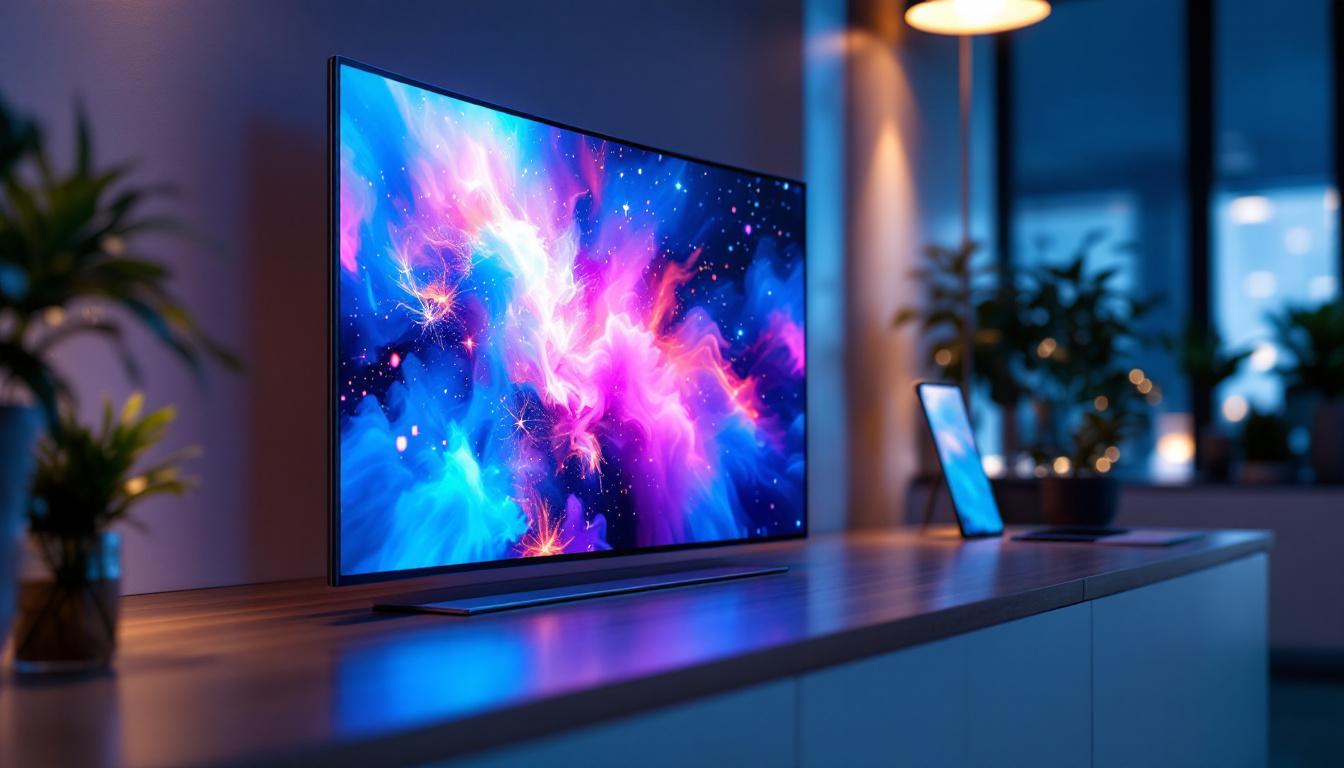
Each LED in a display functions as a semiconductor device that emits light when an electric current passes through it. In full-color LED displays, each pixel typically contains three sub-pixels: red, green, and blue (RGB). By varying the intensity of these sub-pixels, the display can produce a broad spectrum of colors. This RGB combination is fundamental to achieving true-to-life color reproduction, making LED displays ideal for applications ranging from digital signage to high-definition televisions.
Modern LED displays use surface-mounted device (SMD) technology, where tiny LEDs are mounted directly onto the circuit board. This allows for higher pixel density and better viewing angles, making images appear more vivid and lifelike. Additionally, advancements in color calibration and processing technology ensure that the colors displayed are consistent and accurate across different viewing conditions, which is crucial for professional environments like broadcasting studios and art galleries.
Advantages Over Traditional Display Technologies
Compared to LCD and plasma displays, LED displays offer several key advantages:
- Brightness: LEDs can achieve brightness levels exceeding 5,000 nits, making them visible even in bright daylight.
- Energy Efficiency: LEDs consume less power than other display types, reducing operational costs and environmental impact.
- Durability: LED displays are more resistant to impact, temperature variations, and weather conditions.
- Flexibility: LED panels can be curved or shaped to fit unique installation requirements.
Furthermore, LED technology is continually being refined to enhance its performance. For instance, the introduction of smart LED displays integrates advanced features such as touch sensitivity, interactivity, and connectivity with other devices, paving the way for immersive experiences in retail environments and public installations. As the technology progresses, we can expect to see even more innovative applications that leverage the unique properties of LED displays, from augmented reality experiences to dynamic art installations that engage audiences in new and exciting ways.
What Makes Luminate Solar Unique?
Luminate Solar represents a breakthrough in integrating solar power with LED display technology. This innovation addresses two critical challenges faced by outdoor digital signage: energy consumption and environmental sustainability.
Solar-Powered LED Displays
Traditional LED displays require a constant power supply, which can be costly and environmentally taxing, especially in remote or off-grid locations. Luminate Solar overcomes this by incorporating high-efficiency photovoltaic panels directly into the display structure. These solar panels harvest sunlight during the day, converting it into electricity that powers the LEDs and charges onboard batteries.
This self-sustaining energy model reduces reliance on conventional electricity grids, lowers carbon footprints, and enables installations in places where power infrastructure is limited or unavailable.
Advanced Energy Management Systems
To optimize energy use, Luminate Solar employs intelligent energy management systems. These systems monitor solar energy generation, battery status, and display power consumption in real-time. They dynamically adjust brightness and refresh rates based on ambient light and content requirements, ensuring optimal performance without wasting energy.
For example, during nighttime or low-light conditions, the display dims automatically to conserve battery power while maintaining visibility. This smart approach extends operational hours and enhances the overall lifespan of the system.
Durability and Weather Resistance
Luminate Solar displays are engineered to withstand harsh outdoor environments. The integration of solar panels does not compromise the display’s structural integrity; instead, it adds an extra layer of protection against elements like rain, wind, and dust.
Materials used in the construction are UV-resistant and corrosion-proof, ensuring long-term reliability. Additionally, the system includes temperature regulation features to prevent overheating during intense sunlight exposure.
Applications of Luminate Solar LED Displays
The versatility and sustainability of Luminate Solar LED displays open up numerous practical applications across various sectors.
Outdoor Advertising and Digital Billboards
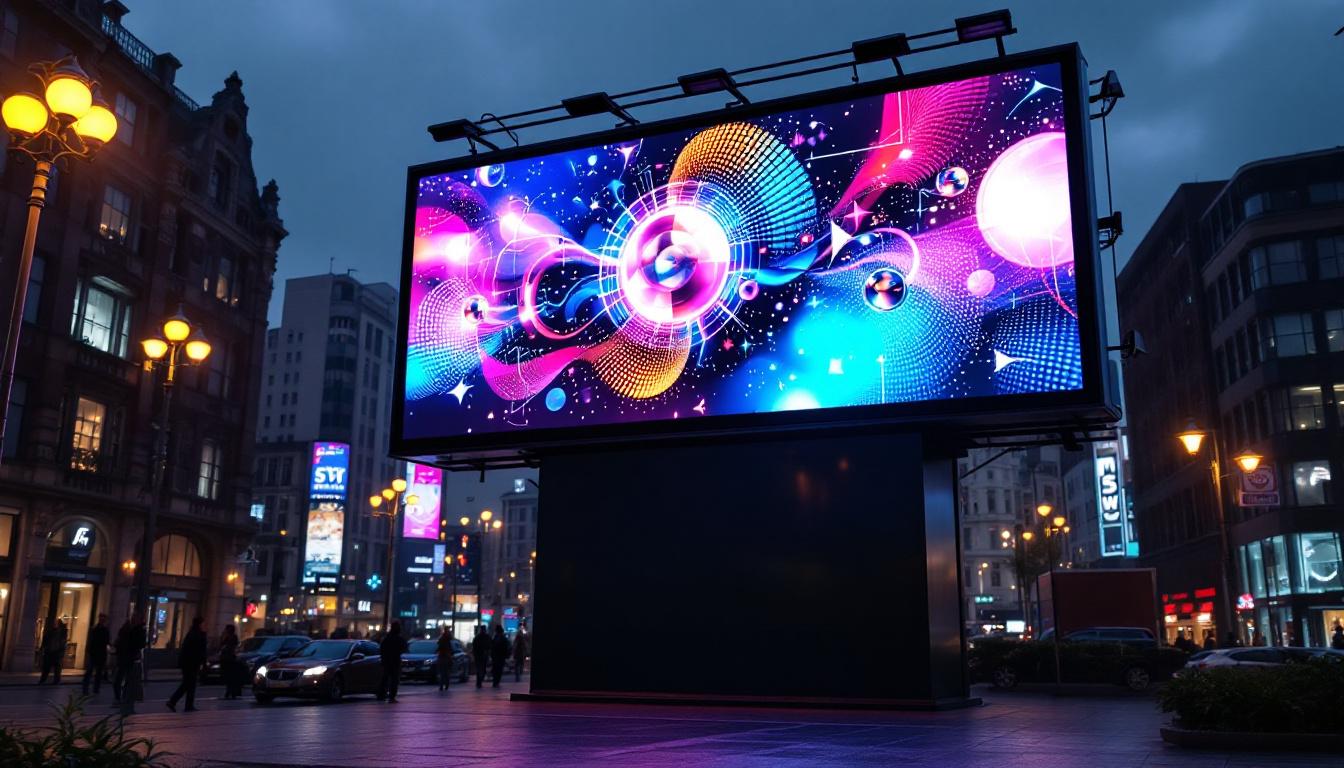
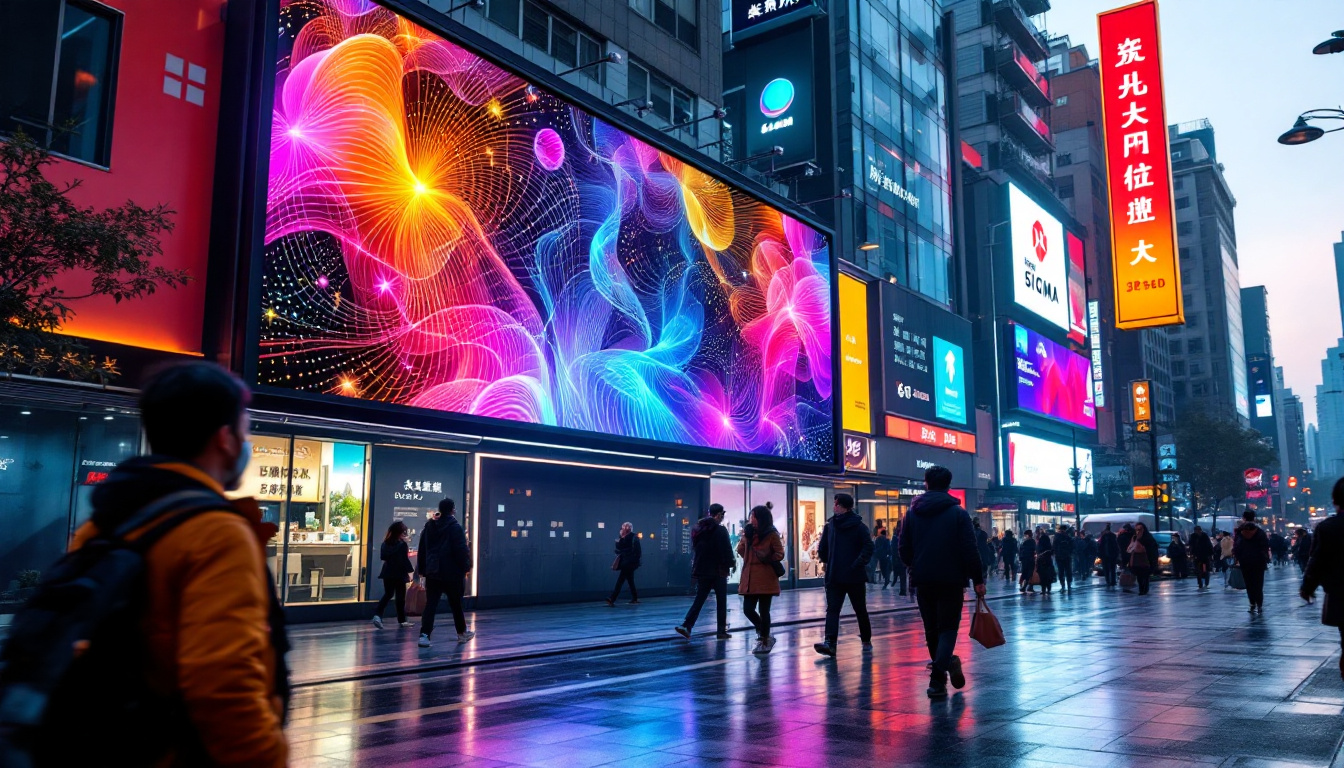
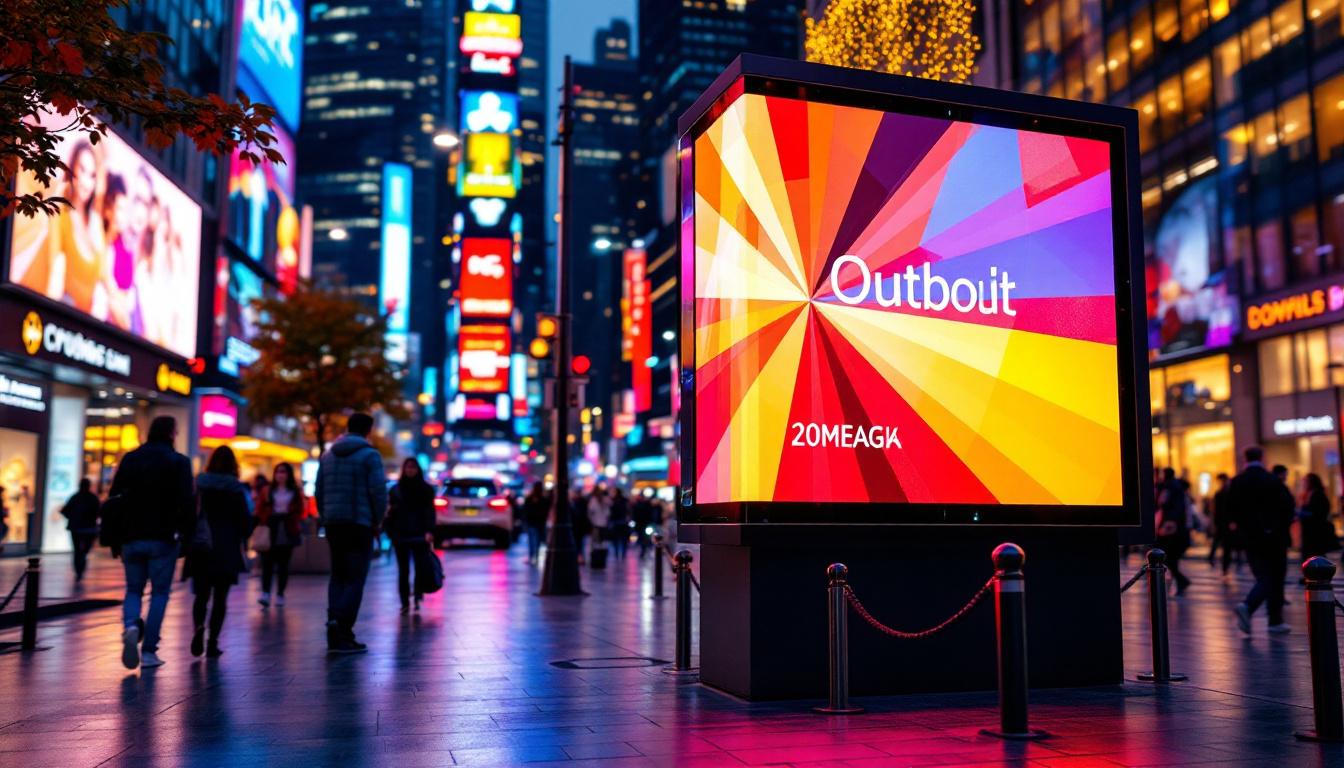
Outdoor advertising is one of the most visible uses of LED displays. Luminate Solar’s energy-efficient design allows advertisers to deploy digital billboards in locations without easy access to power grids. This flexibility expands advertising reach to remote highways, parks, and urban outskirts.
Moreover, the solar-powered nature of these displays aligns with corporate sustainability goals, enhancing brand reputation among environmentally conscious consumers.
Public Information and Transportation Hubs
Transportation centers such as bus stops, train stations, and airports benefit from Luminate Solar displays by providing real-time information without relying on external power sources. This is particularly valuable in emergency situations or during power outages.
Solar-powered displays can showcase schedules, alerts, wayfinding information, and advertisements, improving passenger experience while reducing operational costs for transit authorities.
Event Venues and Temporary Installations
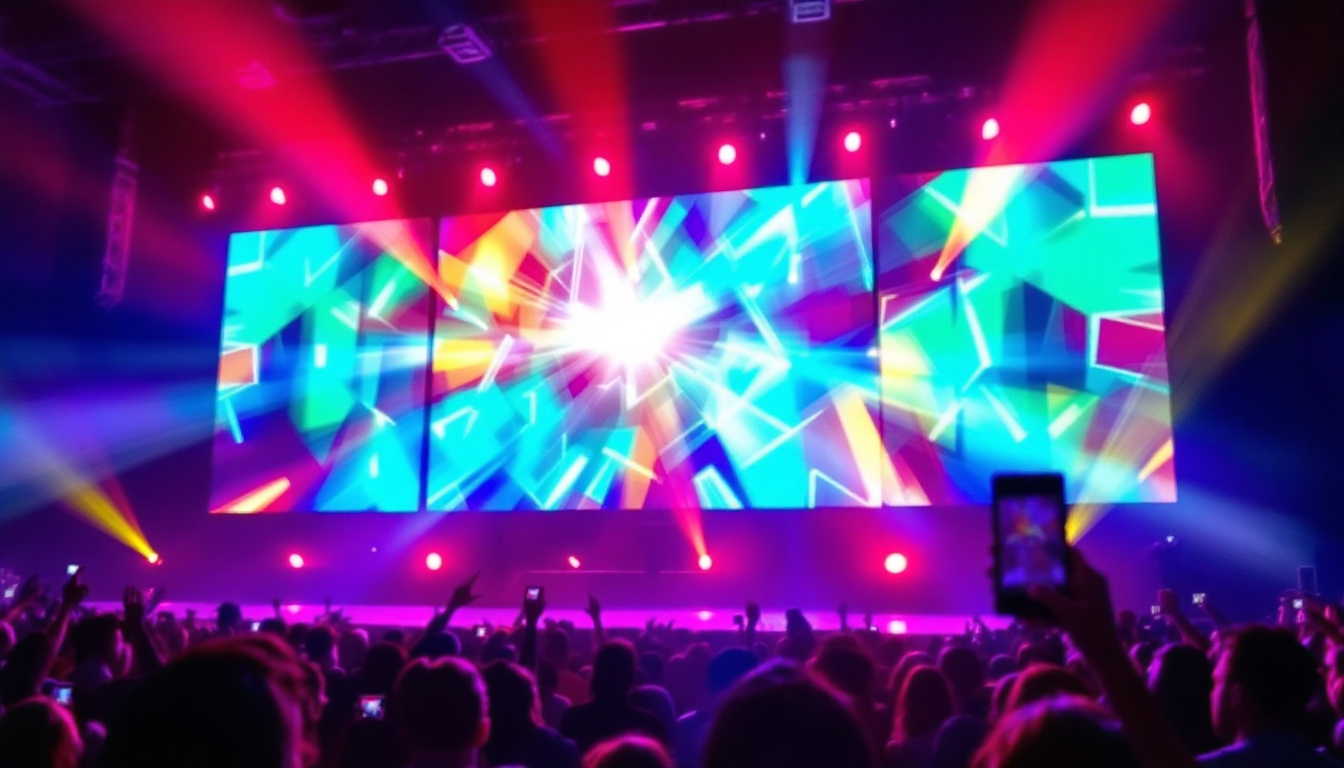
Events like festivals, sports competitions, and exhibitions often require temporary digital signage. Luminate Solar displays offer a plug-and-play solution that can be quickly installed without the need for complex electrical wiring.
The portability and energy independence of these displays make them ideal for short-term use, reducing setup time and logistical challenges.
Smart Cities and Environmental Monitoring
As cities adopt smart technologies, solar-powered LED displays can serve as interactive kiosks, environmental sensors, or emergency communication points. Their ability to operate off-grid ensures continuous functionality even during infrastructure failures.
Integration with IoT (Internet of Things) systems allows these displays to provide dynamic content based on real-time data, such as air quality indices, traffic updates, or weather alerts.
Benefits of Choosing Luminate Solar LED Displays
Investing in Luminate Solar LED displays offers multiple advantages beyond just energy savings.
Reduced Operational Costs
By harnessing solar energy, these displays significantly cut electricity bills. Maintenance costs are also lower due to the robust design and fewer components susceptible to wear and tear.
Additionally, the use of LED technology itself contributes to cost savings through longer lifespans and lower power consumption compared to traditional lighting.
Environmental Impact and Sustainability
Solar-powered LED displays align with global efforts to reduce greenhouse gas emissions and promote renewable energy. By eliminating dependence on fossil fuels, they help businesses and municipalities meet sustainability targets and comply with environmental regulations.
Furthermore, the recyclable materials used in manufacturing and the energy-efficient operation contribute to a smaller ecological footprint.
Enhanced Visibility and Engagement
High brightness and vibrant colors ensure that messages are clearly visible even in challenging lighting conditions. This improves communication effectiveness and audience engagement.
The ability to display dynamic content, including videos and animations, allows for creative marketing campaigns and timely information dissemination.
Scalability and Customization
Luminate Solar displays come in various sizes and configurations, enabling customization to fit specific project requirements. Whether it’s a small information kiosk or a large-scale billboard, the modular design facilitates easy scaling and maintenance.
Custom software solutions can also be integrated to manage content remotely, schedule updates, and monitor system health.
Challenges and Considerations
While Luminate Solar LED displays offer many benefits, there are some challenges to consider before deployment.
Initial Investment Costs
The upfront cost of solar-powered LED displays can be higher than conventional displays due to the integration of photovoltaic panels and advanced energy management systems. However, these costs are often offset by long-term savings in energy and maintenance.
Dependence on Sunlight
Solar energy generation depends on sunlight availability, which can be affected by geographic location, weather conditions, and seasonal variations. In regions with limited sunlight, additional battery capacity or hybrid power solutions may be necessary to ensure continuous operation.
Technical Expertise and Maintenance
Installing and maintaining solar-powered LED displays requires specialized knowledge in both solar technology and digital signage. Proper training and support are essential to maximize system performance and longevity.
The Future of Luminate Solar LED Displays
As renewable energy technologies advance and LED displays become more sophisticated, the future holds exciting possibilities for Luminate Solar solutions.
Integration with Smart Technologies
Emerging trends in artificial intelligence, machine learning, and IoT will enable more intelligent and context-aware displays. These systems could adapt content dynamically based on audience demographics, environmental conditions, or real-time analytics.
Improved Energy Storage and Efficiency
Advancements in battery technology, such as solid-state batteries and supercapacitors, will enhance energy storage capabilities, allowing displays to operate longer during low sunlight periods. Additionally, improvements in LED efficiency will further reduce power consumption.
Expanded Applications and Markets
As costs decrease and technology matures, solar-powered LED displays will find new applications in emerging markets, rural areas, and disaster relief operations. Their ability to provide reliable, off-grid communication will be invaluable in these contexts.
Conclusion
Luminate Solar LED displays represent a significant step forward in sustainable digital signage technology. By combining the visual power of LEDs with the renewable energy of solar panels, they offer a compelling solution for businesses, governments, and organizations seeking to reduce environmental impact while enhancing communication effectiveness.
With their versatility, durability, and energy efficiency, these displays are well-positioned to become a cornerstone of smart, sustainable infrastructure in the years to come. As technology continues to evolve, embracing innovations like Luminate Solar will be essential for meeting the demands of a greener, more connected world.
Explore Cutting-Edge LED Solutions with LumenMatrix
Ready to elevate your visual communication and embrace sustainability? Discover LumenMatrix’s innovative LED display modules, designed to captivate and engage your audience. From vibrant Indoor and Outdoor LED Walls to dynamic Vehicle Displays and beyond, LumenMatrix offers a wide range of solutions tailored to your needs. Experience the future of digital signage with our All-in-One LED Displays, LED Sports Displays, and even Custom LED solutions. Make your message resonate with clarity and impact. Check out LumenMatrix LED Display Solutions today and join the revolution in visual storytelling.