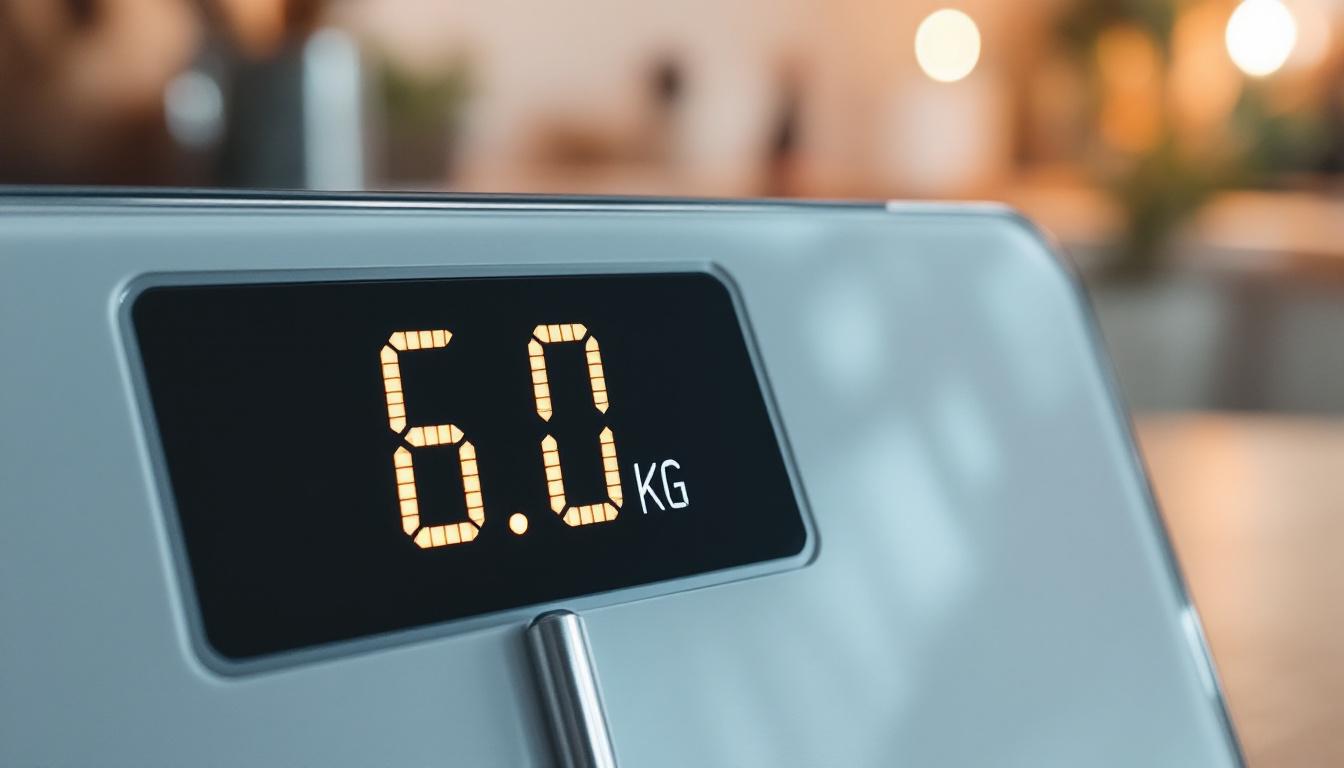
Understanding weight measurements and their conversions is essential in many fields, from fitness and health to manufacturing and shipping. One common conversion is from pounds (lb) to kilograms (kg), especially when using digital scales equipped with LED displays. This article delves into the specifics of converting 6.0 pounds to kilograms and explains how LED displays on digital scales handle and represent these measurements.
Understanding Pounds and Kilograms
Pounds and kilograms are two of the most widely used units for measuring weight or mass. The pound is primarily used in the United States and a few other countries, while the kilogram is the standard unit of mass in the International System of Units (SI), used globally.
One pound is defined as exactly 0.45359237 kilograms. This precise definition allows for accurate conversions between the two units, which is crucial in contexts where precision matters, such as medical dosing, scientific experiments, and international trade.
Why Convert Pounds to Kilograms?
Converting pounds to kilograms is necessary for several reasons. For example, international travelers often need to convert their body weight to kilograms when visiting countries that use the metric system. Similarly, athletes and fitness enthusiasts may track their weight in kilograms to align with international standards or training programs.
In industries like shipping and logistics, weight must be reported in kilograms for compliance with international regulations. This ensures consistency and avoids confusion when goods cross borders. Moreover, in scientific research, many studies and publications utilize the metric system, making it essential for researchers to convert their measurements to kilograms for clarity and uniformity in data presentation.
Additionally, understanding the conversion between pounds and kilograms can be beneficial in everyday life. For instance, when purchasing food items, many nutritional labels provide information in grams and kilograms, which can be confusing for those accustomed to pounds. By familiarizing oneself with these conversions, consumers can make more informed choices regarding portion sizes and dietary intake. This knowledge is especially important in a world increasingly focused on health and wellness, where accurate measurement of food and exercise plays a critical role in achieving personal fitness goals.
Converting 6.0 Pounds to Kilograms
To convert 6.0 pounds to kilograms, the standard conversion factor is applied:
1 lb = 0.45359237 kg
Therefore:
6.0 lb × 0.45359237 kg/lb = 2.72155422 kg
Rounding to a practical level of precision, 6.0 pounds is approximately 2.72 kilograms.
Significance of Decimal Precision
When converting weights, the number of decimal places can impact the usefulness of the data. For general purposes, two decimal places are sufficient, but for scientific or medical applications, more precise values might be necessary.
In the case of 6.0 lb to kg, the value 2.72 kg is accurate enough for everyday use, such as tracking body weight or measuring ingredients. However, scales with LED displays may show slightly different values depending on their precision and rounding algorithms.
Understanding the conversion from pounds to kilograms is particularly important in a globalized world where different countries use different measurement systems. For instance, in the United States, pounds are commonly used for weight, while most other countries rely on the metric system. This discrepancy can lead to confusion, especially in fields like nutrition, where food labels may list weights in pounds while recipes use kilograms. As such, being able to convert between these units not only enhances personal understanding but also ensures accuracy in various contexts, from cooking to fitness tracking.
Moreover, the conversion process itself can be a learning opportunity. It encourages individuals to engage with mathematical concepts and understand the relationships between different measurement systems. This knowledge can be particularly beneficial for students and professionals in fields such as engineering, physics, and health sciences, where precise measurements are crucial. By mastering conversions like 6.0 pounds to kilograms, one can develop a greater appreciation for the nuances of measurement and its applications in everyday life.
How LED Displays on Digital Scales Show Weight
Modern digital scales commonly use LED (Light Emitting Diode) displays to show weight measurements. These displays offer bright, clear, and energy-efficient readouts that are easy to read in various lighting conditions. The use of LED technology not only enhances visibility but also contributes to the longevity of the device, as LEDs have a significantly longer lifespan compared to traditional LCD screens.
Types of LED Displays
There are two main types of LED displays used in digital scales:
- 7-Segment LED Displays: These are the most common and consist of seven individual segments that can be lit in different combinations to represent numbers 0-9. They are simple and cost-effective but limited in displaying complex characters. Their straightforward design makes them ideal for basic scales, ensuring that users can quickly glance at their weight without any confusion.
- Dot Matrix LED Displays: These use a grid of LEDs to form numbers and letters, allowing for more flexible and detailed readouts, including units and symbols. Dot matrix displays can provide additional information such as battery status, tare weight, and even error messages, making them more versatile for advanced users.
Displaying Weight Units
Digital scales with LED displays typically show the numeric weight value followed by the unit of measurement, such as “lb” or “kg.” Some scales allow users to toggle between units, instantly converting and displaying the weight in the selected system. This feature is particularly useful for households where members may prefer different measurement systems, ensuring that everyone can easily interpret the readings.
When converting 6.0 lb to kg on such a scale, the LED display will update to show approximately 2.72 kg, depending on the scale’s precision and rounding settings. Additionally, many modern scales are equipped with smart technology that can remember user preferences, automatically displaying the desired unit upon startup. This not only saves time but also enhances user experience, making the process of weighing oneself or items more intuitive and efficient.
Furthermore, the integration of LED technology in digital scales has paved the way for innovations such as backlit displays, which enhance visibility in dimly lit environments. Some scales even feature color-coded displays that change based on weight thresholds, providing immediate visual feedback that can be particularly motivating for users tracking their weight loss or fitness goals. This blend of functionality and user-friendly design illustrates how LED displays have revolutionized the way we interact with weight measurement tools.
Accuracy and Calibration of LED Digital Scales
Accuracy is a critical factor when using digital scales, especially for weights as specific as 6.0 pounds. The LED display can only be as accurate as the scale’s internal sensors and calibration.
Calibration Process
Calibration involves adjusting the scale to ensure its readings are accurate against known standards. This process is essential for maintaining precision and reliability over time.
For example, a scale might be calibrated using certified weights, such as a 5-pound or 10-kilogram standard. Proper calibration ensures that when the scale displays “6.0 lb,” it truly reflects that weight, and the conversion to kilograms on the LED display is trustworthy.
Common Sources of Error
Several factors can influence the accuracy of digital scales and their LED displays:
- Environmental Conditions: Temperature, humidity, and surface stability can affect sensor performance.
- Battery Levels: Low battery power can cause inconsistent readings or dim LED displays.
- Wear and Tear: Over time, sensors may degrade, requiring recalibration or replacement.
Practical Applications of Weight Conversion and LED Displays
The ability to convert 6.0 pounds to kilograms and display this information clearly on an LED scale has numerous practical applications across various industries and everyday life.
Healthcare and Fitness
Healthcare professionals often need to convert patient weights from pounds to kilograms for medication dosing and health assessments. LED scales that provide quick, accurate conversions help streamline these processes.
Fitness centers and personal trainers use digital scales with LED displays to monitor client progress, often switching between pounds and kilograms based on client preference or international standards.
Manufacturing and Shipping
In manufacturing, precise weight measurements are crucial for quality control and inventory management. LED displays facilitate easy reading and recording of weights, including conversions when dealing with international suppliers.
Shipping companies rely on accurate weight data for calculating postage and freight charges. LED scales that convert pounds to kilograms ensure compliance with international shipping regulations and improve operational efficiency.
Choosing the Right Digital Scale for Weight Conversion
When selecting a digital scale for converting 6.0 pounds to kilograms and displaying results on an LED screen, several factors should be considered to ensure optimal performance.
Precision and Capacity
Choose a scale with the appropriate precision for your needs. For example, a scale with 0.01 kg increments is suitable for detailed measurements, while a scale with 0.1 kg increments may suffice for general use.
Also, consider the maximum weight capacity. Ensure the scale can comfortably handle weights above 6.0 pounds to avoid damage or inaccurate readings.
Display Quality and Features
Look for LED displays that are bright and easy to read, with clear unit indicators. Some scales offer backlit displays, which are helpful in low-light environments.
Additional features like automatic unit conversion, tare functions, and memory storage can enhance usability and convenience.
Durability and Calibration Options
Durability is important, especially in industrial or frequent-use settings. Scales with robust construction and water-resistant features tend to last longer.
Ensure the scale offers easy calibration options or comes pre-calibrated with certification to maintain accuracy over time.
Conclusion
Converting 6.0 pounds to kilograms results in approximately 2.72 kilograms, a straightforward calculation essential in various professional and personal contexts. Digital scales equipped with LED displays simplify this process by providing clear, immediate readouts in both units.
Understanding how LED displays work, the importance of calibration, and the practical applications of weight conversion can help users select the right scale and interpret measurements accurately. Whether for healthcare, fitness, manufacturing, or shipping, reliable weight measurement and conversion are vital for efficiency and precision.
Discover LumenMatrix LED Display Solutions
Ready to elevate your weight measurement experience with unparalleled precision and clarity? LumenMatrix is at the forefront of LED display innovation, offering a diverse range of solutions tailored to your needs. From Indoor and Outdoor LED Wall Displays to specialized options like Vehicle, Sports, and Floor LED Displays, our products are designed to transform how you share information and engage with your audience. Embrace the future of visual communication with our Custom, All-in-One, and Transparent LED Displays. Check out LumenMatrix LED Display Solutions today and see the difference cutting-edge technology can make.