In today’s visually driven world, LED displays have become a cornerstone of digital communication and advertising. From massive outdoor billboards to sleek indoor screens, LED technology powers a vast array of display solutions. For businesses, event organizers, and technology enthusiasts alike, understanding the intricacies of LED displays is essential. This article delves into the world of LED display manufacturing, exploring how these vibrant screens work, the technology behind them, and the factors that distinguish quality manufacturers in this competitive industry.
What is an LED Display?
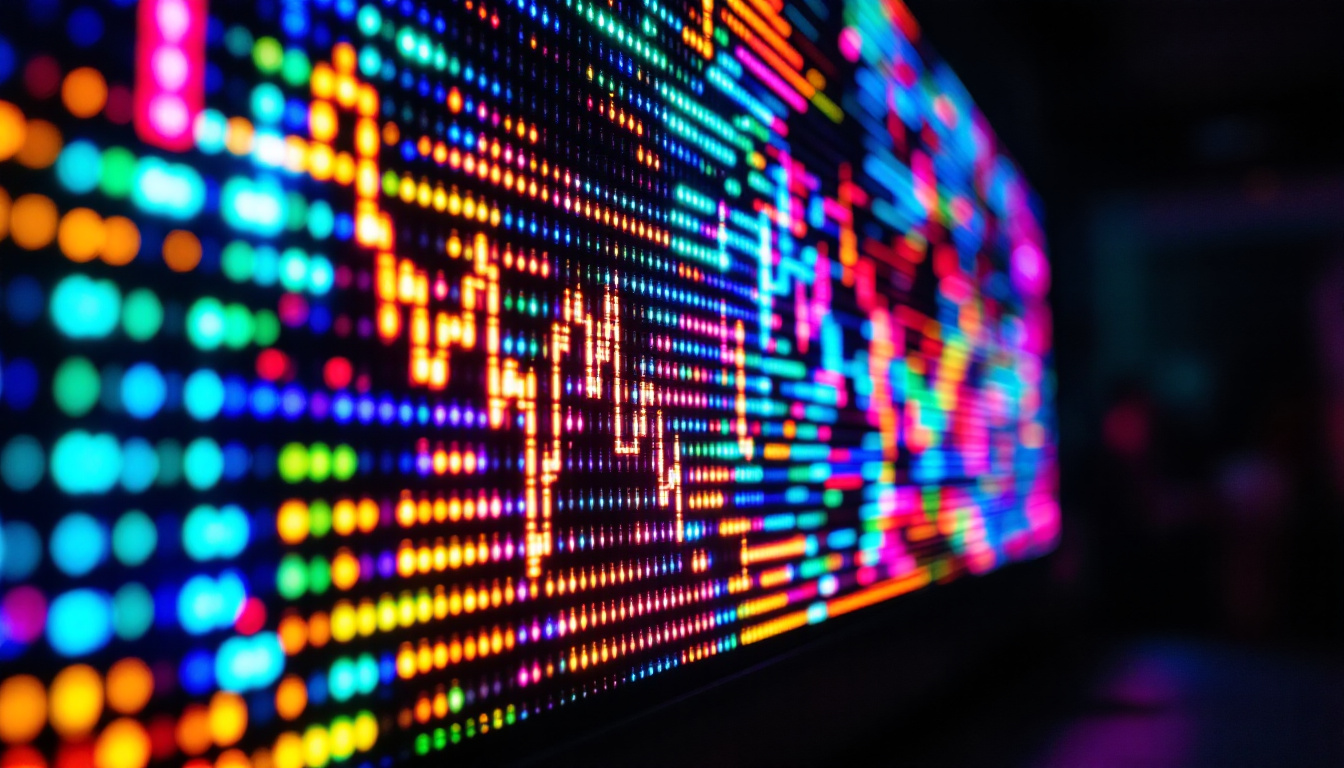
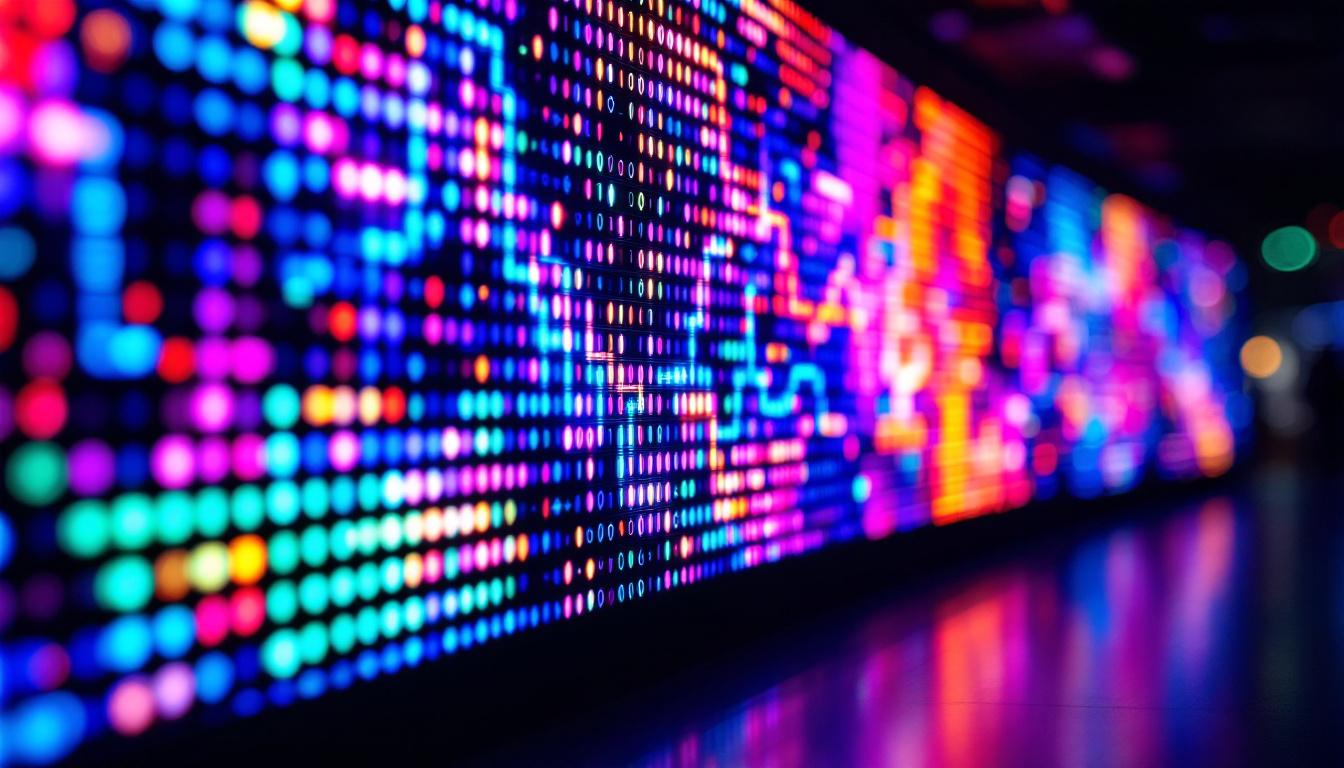
LED stands for Light Emitting Diode, a semiconductor device that emits light when an electric current passes through it. An LED display is essentially a matrix of these tiny diodes arranged to form images, videos, or text. Unlike traditional LCD or plasma screens, LED displays use direct light emission, which results in brighter images, deeper contrasts, and better energy efficiency.
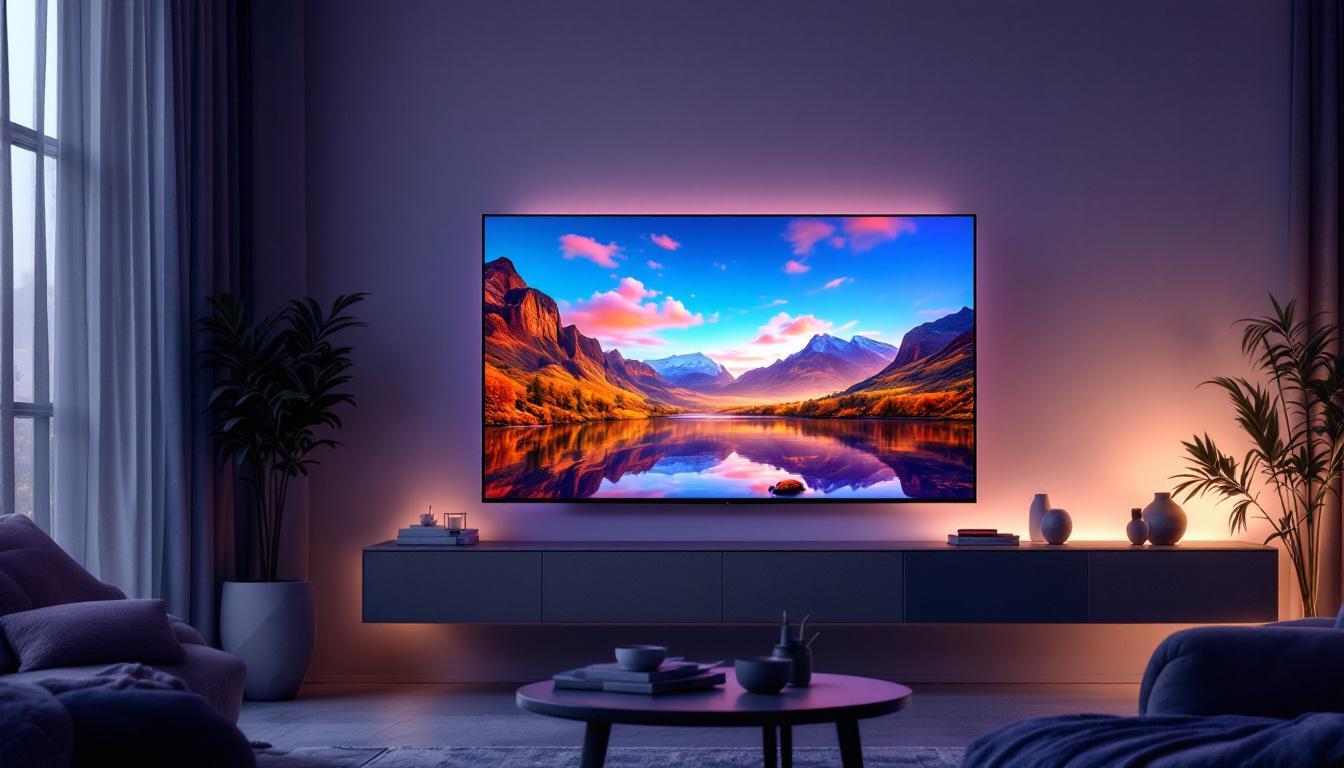
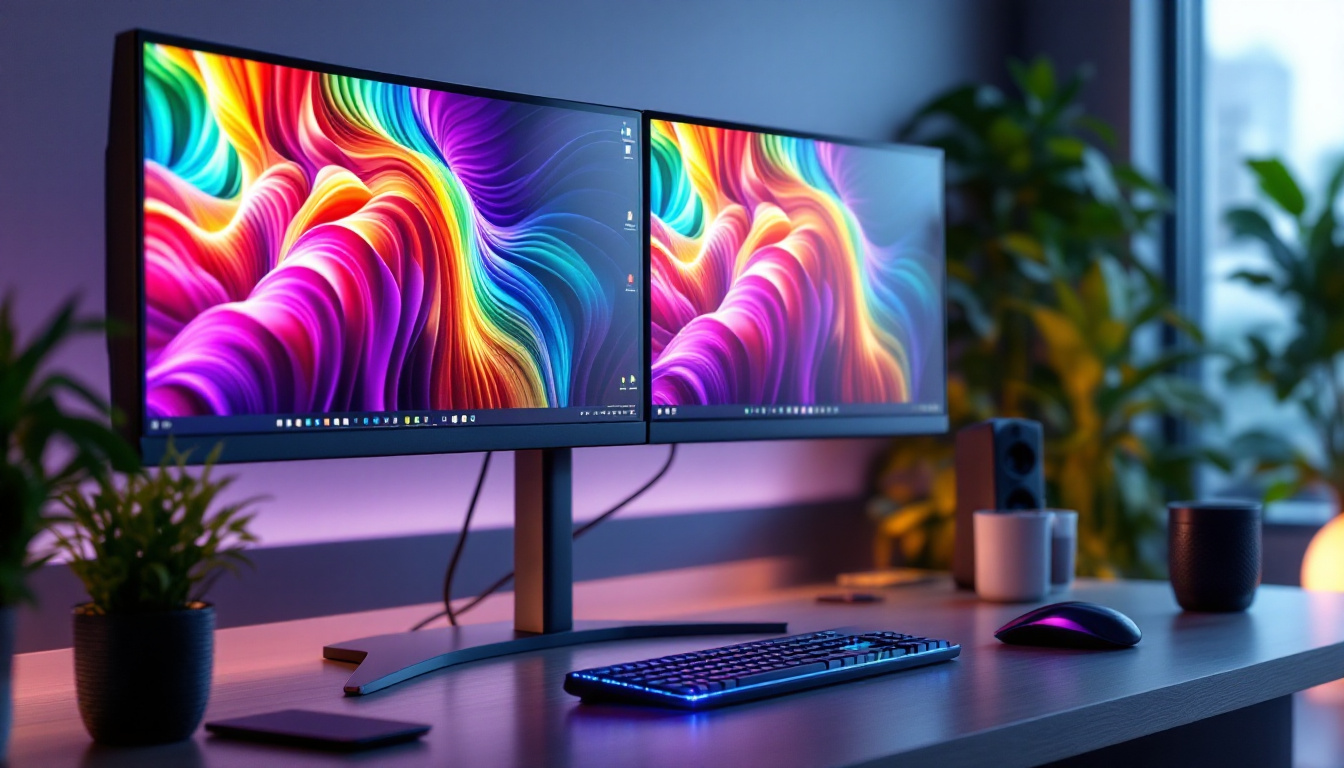
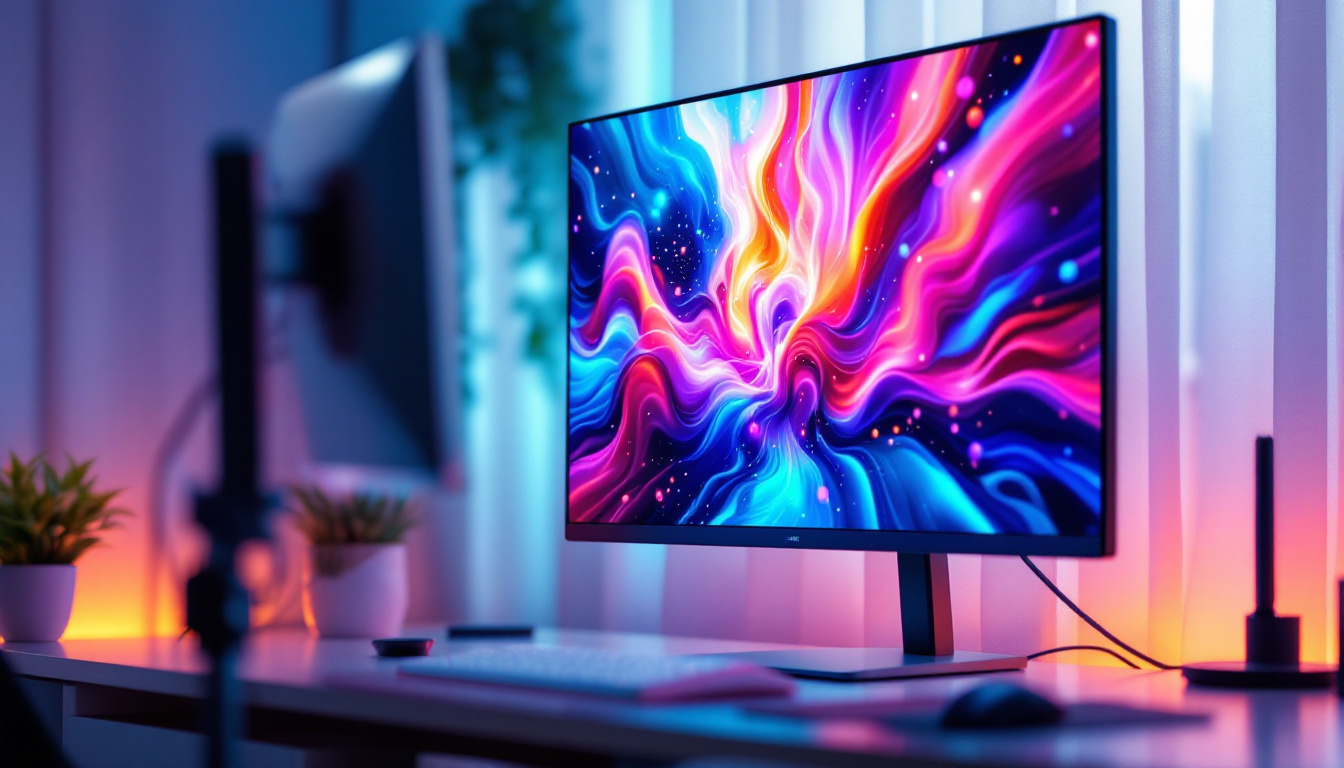
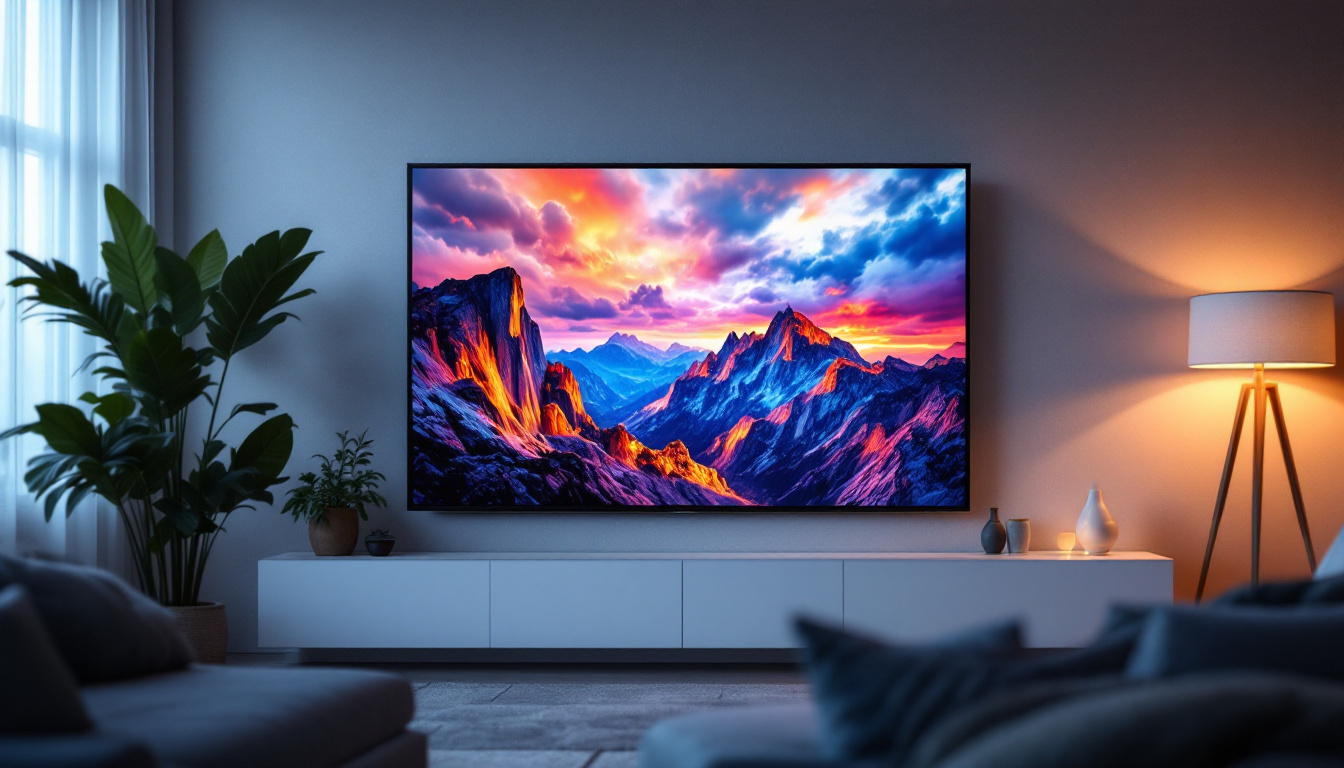
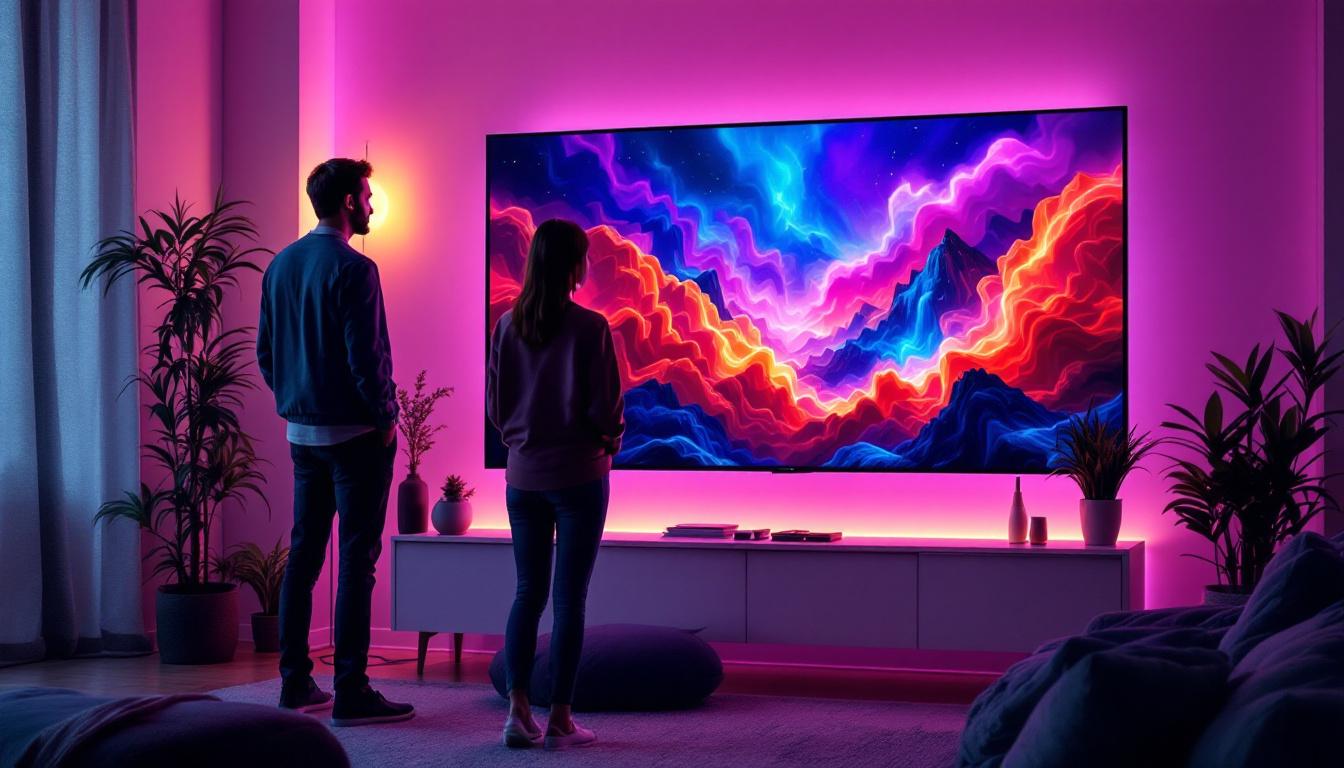
LED displays can be categorized into two main types: direct view LED displays and LED-backlit LCD displays. Direct view LED displays use individual LEDs as pixels, making them ideal for large-scale applications such as stadium screens and outdoor advertising. LED-backlit LCD displays, common in televisions and monitors, use LEDs to illuminate an LCD panel.
Key Advantages of LED Displays
LED displays offer several advantages over other technologies:
- Brightness and Visibility: LEDs can achieve brightness levels exceeding 5,000 nits, making them visible even in direct sunlight.
- Energy Efficiency: LEDs consume less power compared to traditional lighting and display technologies.
- Longevity: High-quality LEDs can last upwards of 100,000 hours, reducing maintenance costs.
- Color Accuracy and Contrast: LEDs provide vibrant colors and deep blacks, enhancing image quality.
- Flexibility: LED modules can be configured into various shapes and sizes, supporting creative display designs.
The Manufacturing Process of LED Displays
Creating an LED display involves a complex, multi-step manufacturing process that requires precision engineering and quality control. The process can be broadly divided into several stages, each critical to the final product’s performance and reliability.
1. LED Chip Production
The foundation of any LED display is the LED chip itself. These chips are produced using semiconductor fabrication techniques, primarily involving gallium nitride (GaN) or gallium arsenide (GaAs) materials. The chips are grown on substrates through a process called epitaxy, which layers crystalline materials to form the diode structure.
Modern LED chips are engineered for high brightness and efficiency. For example, blue and green LEDs rely on GaN technology, while red LEDs often use AlGaInP (aluminum gallium indium phosphide). Manufacturers continuously innovate to improve chip efficiency, color purity, and heat dissipation.
2. LED Packaging
Once the chips are fabricated, they undergo packaging, which involves mounting the chip on a lead frame, connecting it electrically, and encapsulating it with a protective resin. Packaging affects the LED’s light output, viewing angle, and durability.
Advanced packaging techniques include the use of phosphor coatings to convert blue LED light into white light or other colors, enabling full-color displays. The packaging also incorporates heat sinks to manage thermal performance, which is crucial for maintaining LED lifespan.
3. Module Assembly
LED modules are the building blocks of a display. They consist of an array of packaged LEDs mounted on a circuit board, complete with driver electronics. Modules are designed to be easily replaceable, facilitating maintenance and scalability.
During assembly, manufacturers ensure precise alignment of LEDs to maintain uniform pixel pitch—the distance between the centers of adjacent LEDs. Pixel pitch directly influences display resolution and viewing distance, with smaller pitches offering higher resolution.
4. Panel and Cabinet Construction
Modules are integrated into panels, which are then housed within durable cabinets. Cabinets provide structural support, protection from environmental factors, and cooling mechanisms such as fans or heat sinks.
For outdoor displays, manufacturers use weatherproof materials and coatings to protect against moisture, dust, and UV radiation. Thermal management is critical to prevent overheating, which can degrade LED performance and lifespan.
5. Quality Control and Testing
Before shipment, LED displays undergo rigorous testing to ensure color uniformity, brightness consistency, and reliability. Manufacturers use specialized equipment to calibrate color temperature and brightness levels across the entire display.
Environmental stress tests simulate conditions such as extreme temperatures, humidity, and vibration to verify durability. High-end manufacturers often provide certifications such as IP65 or higher for water and dust resistance, and compliance with industry standards like RoHS for environmental safety.
Factors That Define a Quality LED Display Manufacturer
Choosing the right LED display manufacturer is crucial for ensuring a product that meets performance expectations and offers long-term value. Several factors distinguish reputable manufacturers in this competitive market.
Technological Innovation and R&D
Leading manufacturers invest heavily in research and development to advance LED technology. Innovations such as mini-LED and micro-LED promise higher resolutions and improved energy efficiency. Companies that prioritize R&D are better equipped to deliver cutting-edge products tailored to evolving market needs.
Customization and Flexibility
Different applications require different display specifications. A quality manufacturer offers customization options for pixel pitch, screen size, brightness levels, and mounting solutions. Whether it’s a curved display for a retail environment or a rugged outdoor screen for a sports arena, flexibility is key.
Global Supply Chain and Production Capacity
Manufacturers with robust supply chains and scalable production facilities can meet large orders with shorter lead times. This capability is essential for clients with tight project deadlines or those requiring displays for multiple locations worldwide.
After-Sales Support and Warranty
LED displays are significant investments, and ongoing support is vital. Reliable manufacturers provide comprehensive warranties, technical support, and maintenance services. This ensures that any issues are promptly addressed, minimizing downtime and protecting the investment.
Environmental and Regulatory Compliance
With increasing emphasis on sustainability, manufacturers adhering to environmental standards such as RoHS (Restriction of Hazardous Substances) and energy efficiency certifications demonstrate corporate responsibility. Compliance with local regulations also ensures safe and legal deployment of displays.
Applications of LED Displays Across Industries
LED displays have transformed how information and advertising are presented across multiple sectors. Their versatility and visual impact make them indispensable tools in many industries.
Advertising and Outdoor Signage
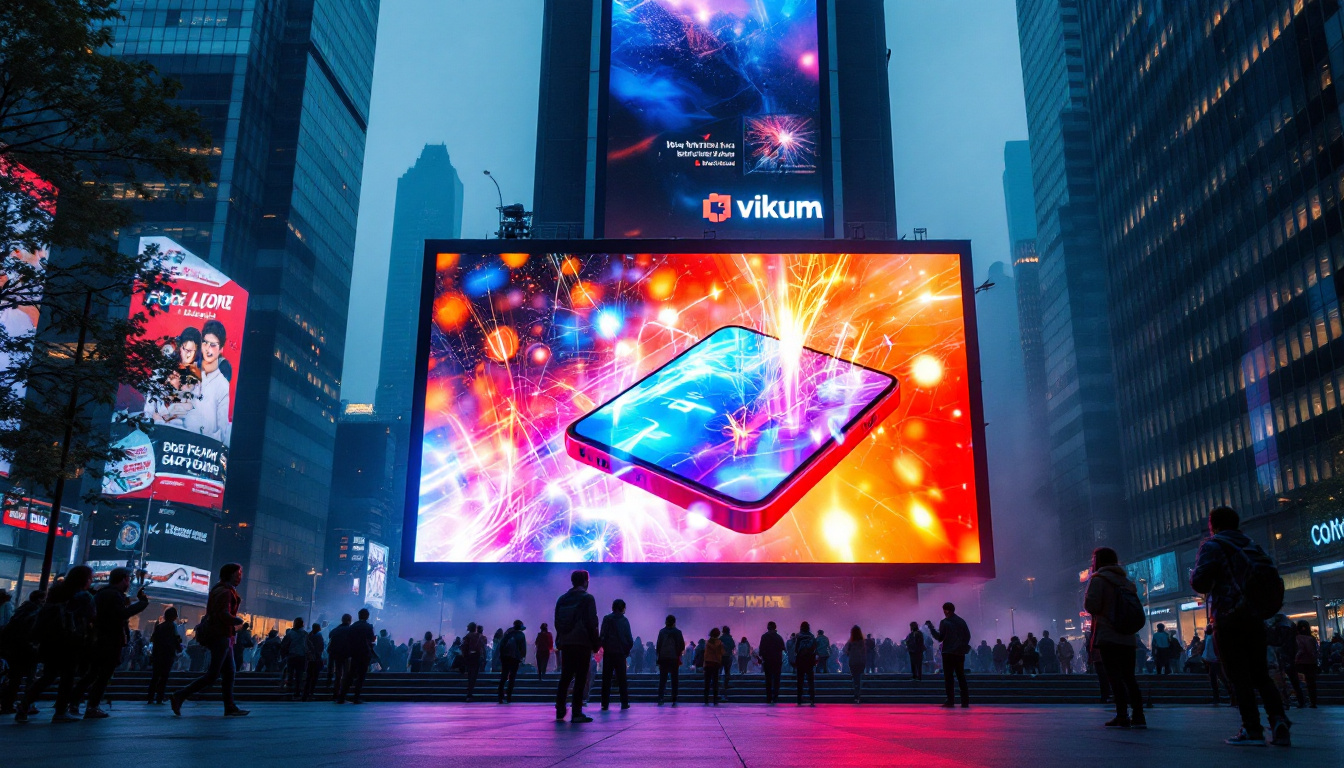
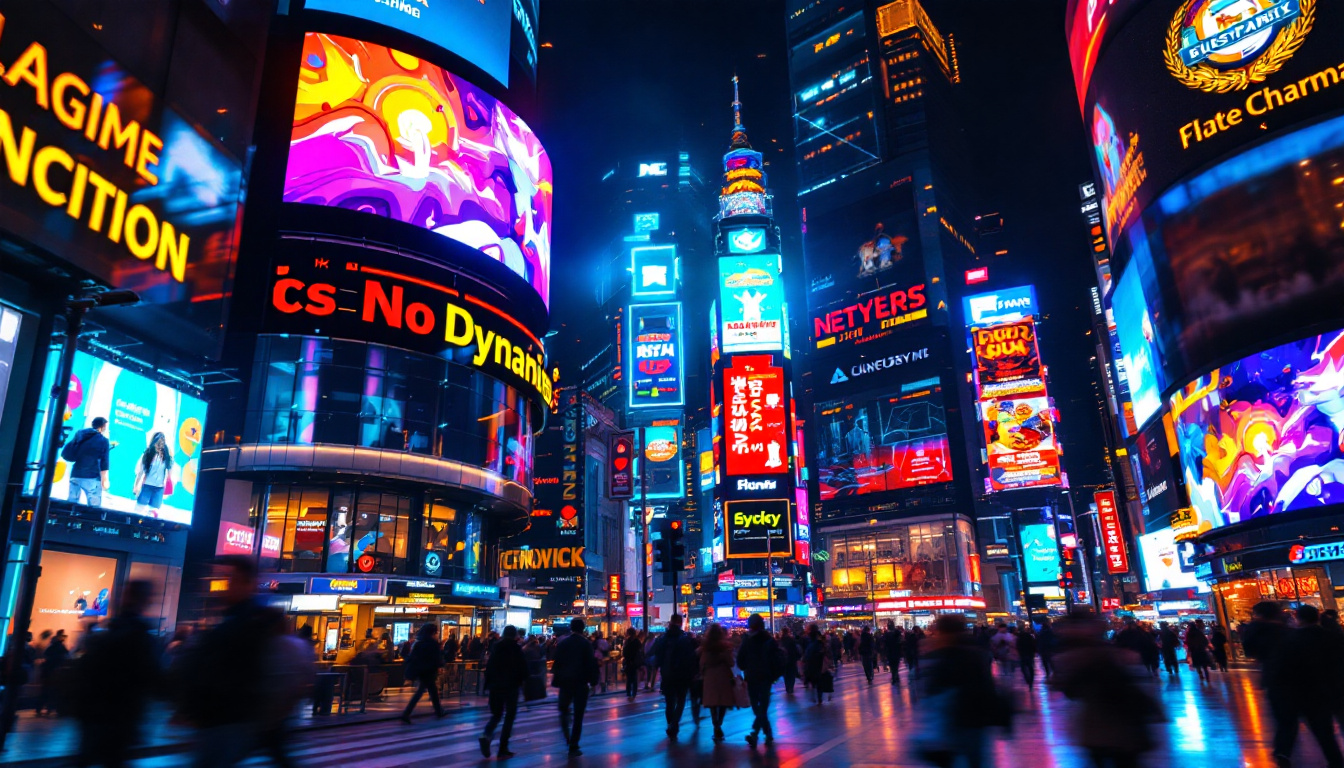
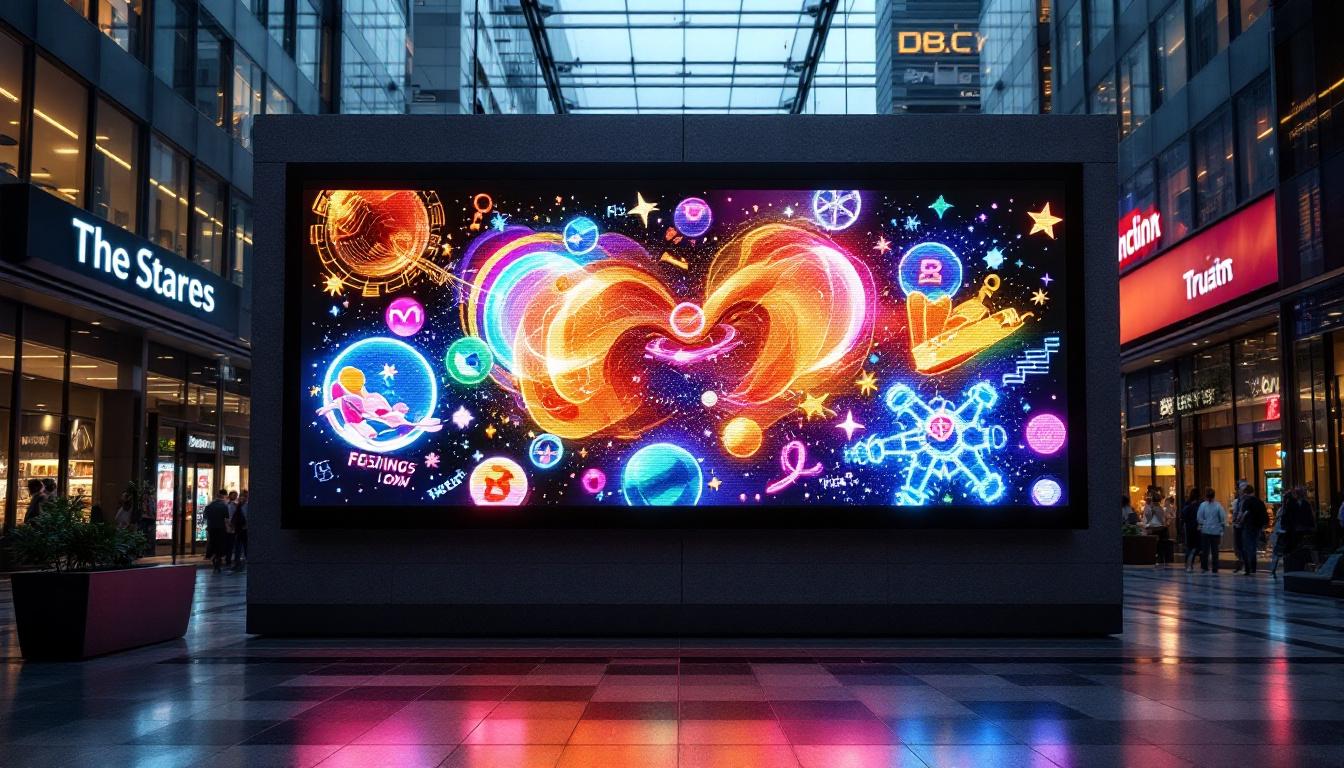
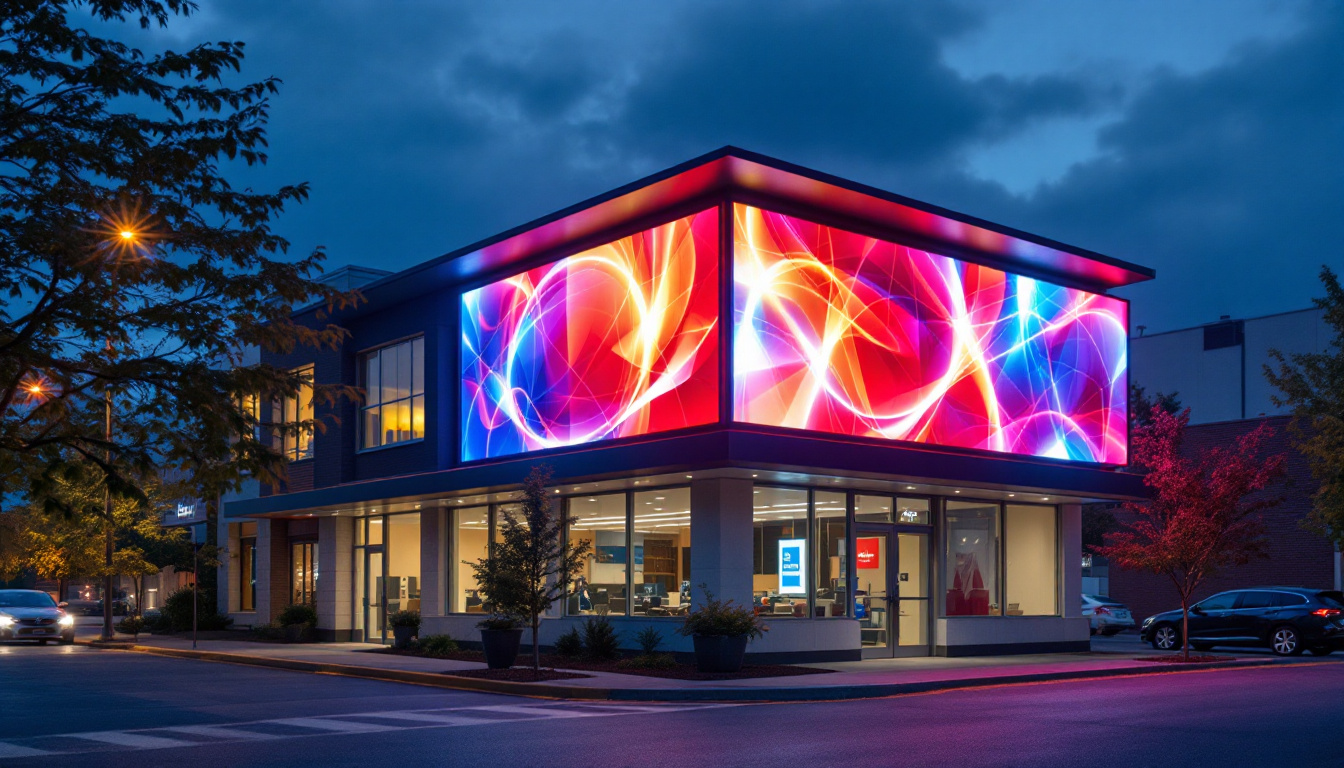
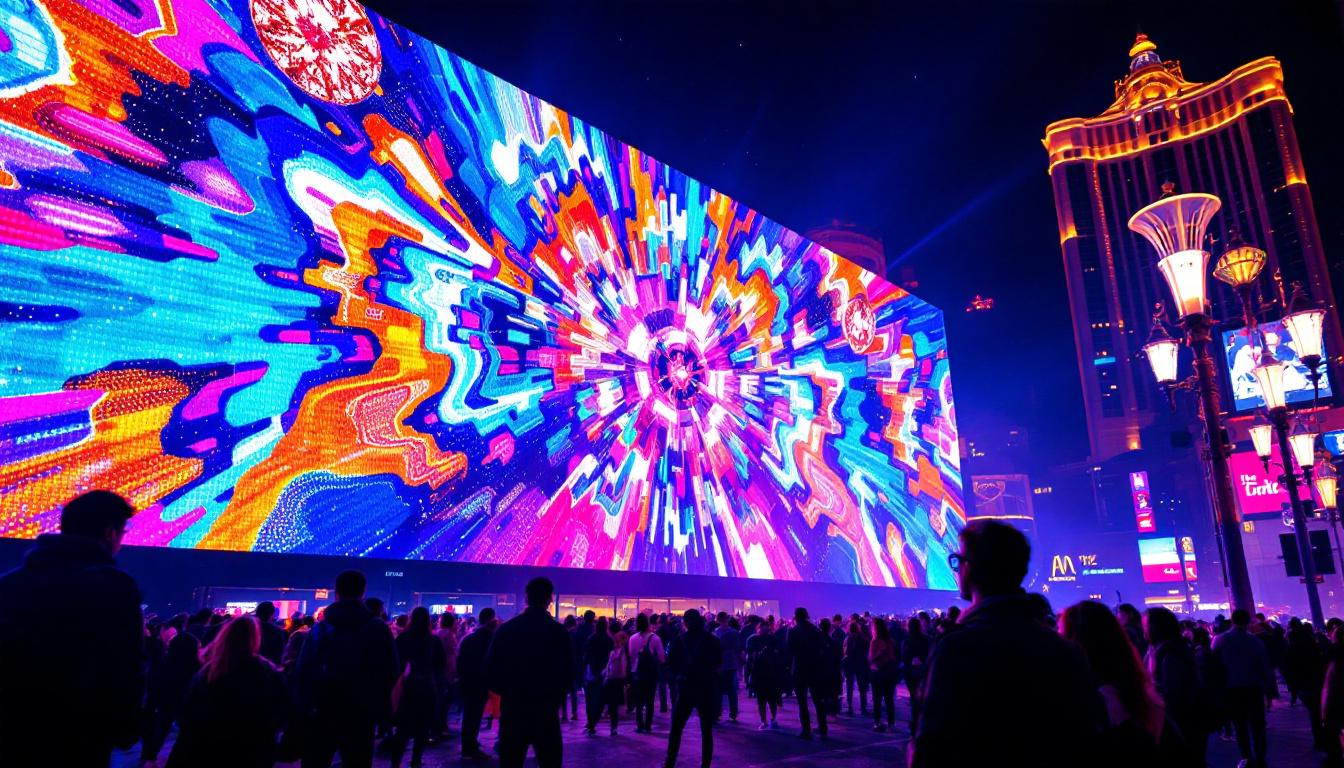
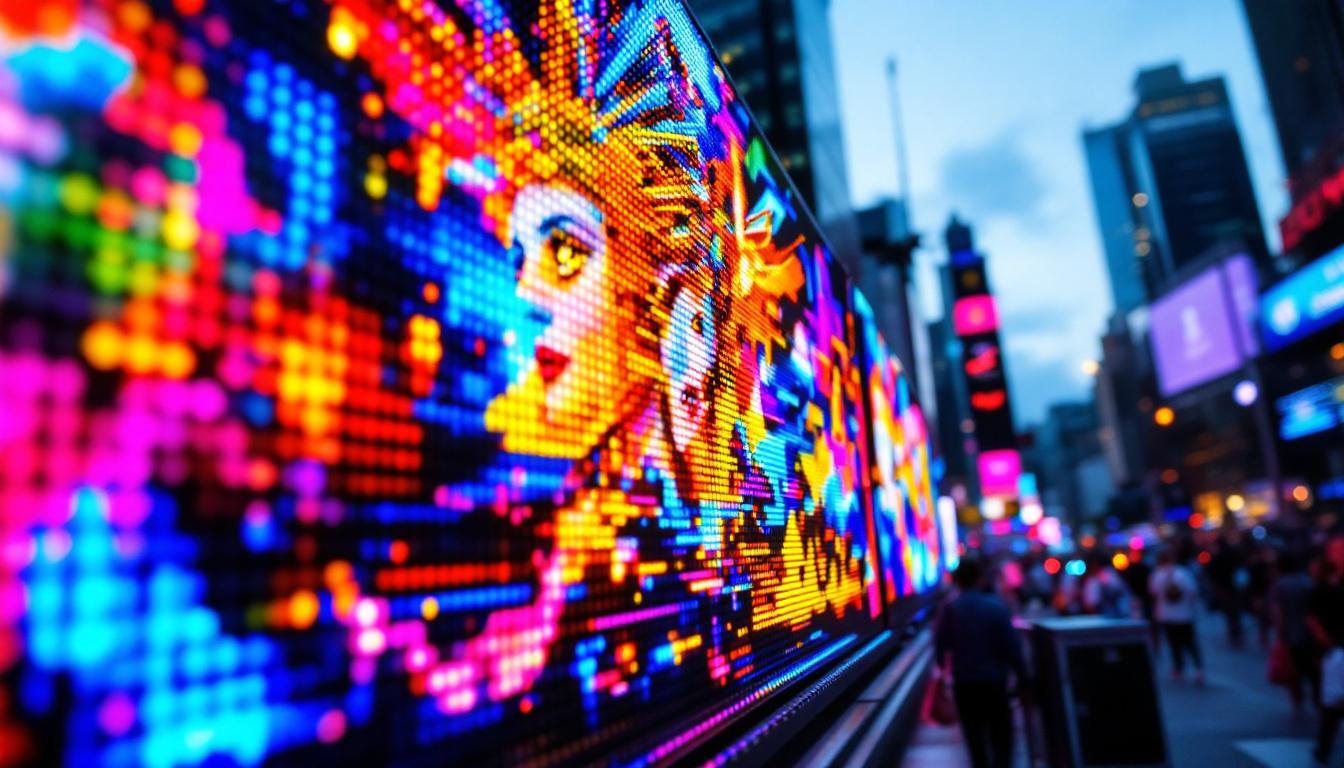
One of the most visible applications of LED displays is outdoor advertising. Digital billboards leverage high brightness and dynamic content capabilities to attract attention in busy urban environments. According to a 2023 report by Grand View Research, the global digital signage market is expected to reach $32 billion by 2028, driven largely by LED technology.
LED displays enable advertisers to update content remotely and instantly, allowing for timely promotions and interactive campaigns. Their durability ensures year-round operation in diverse weather conditions.
Sports and Entertainment Venues
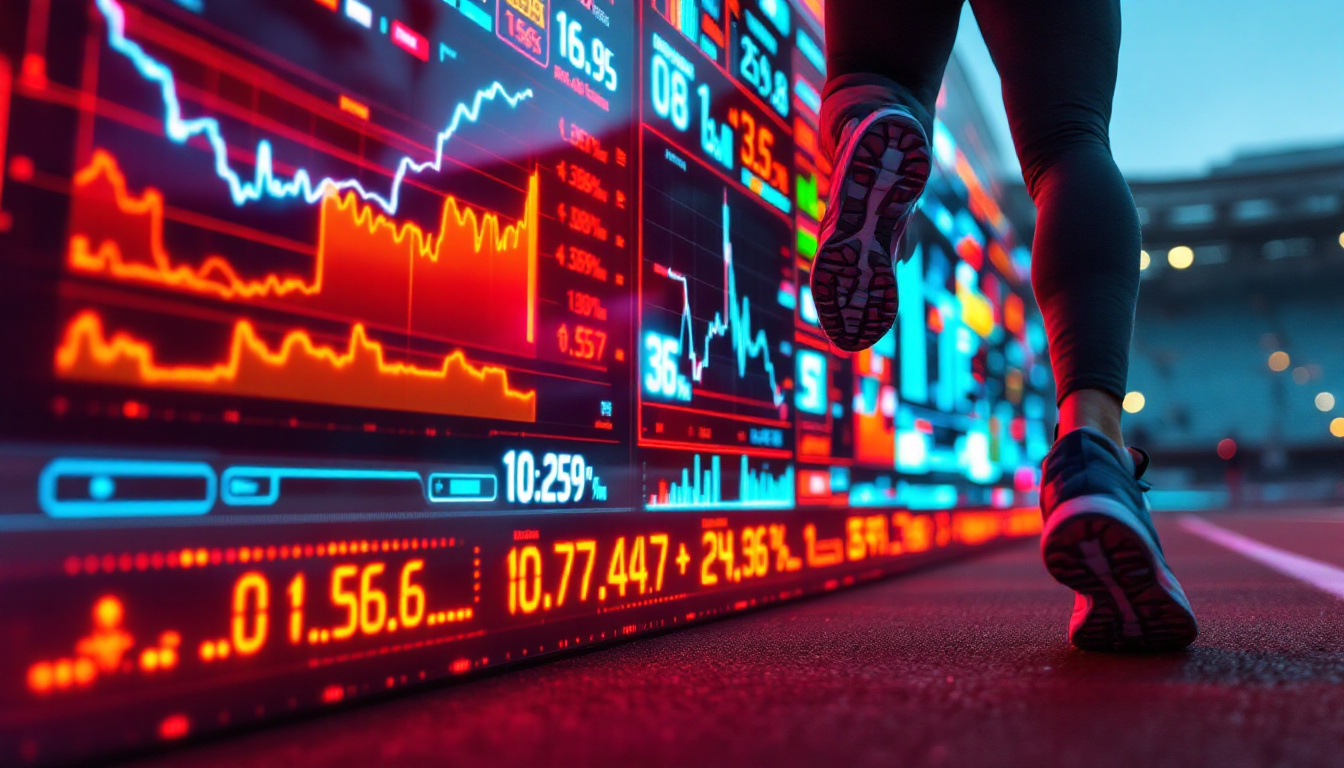
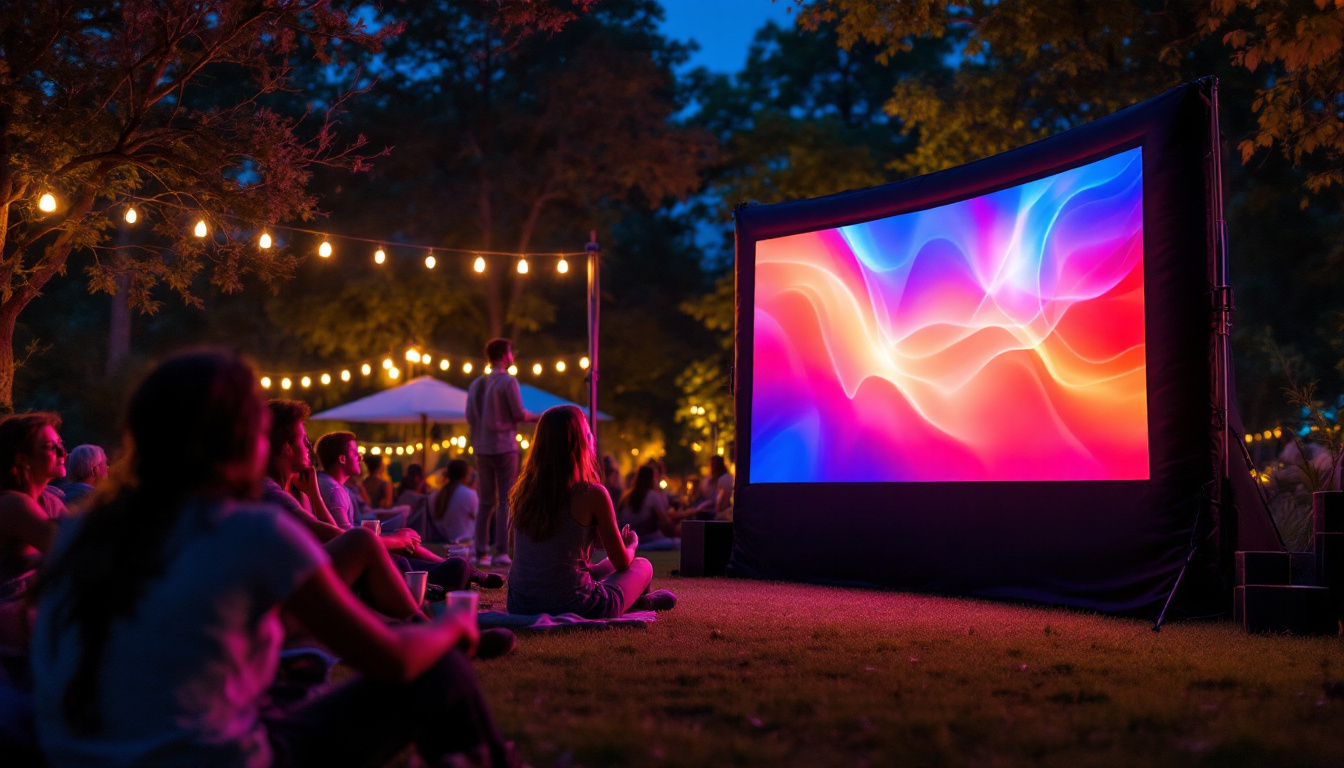
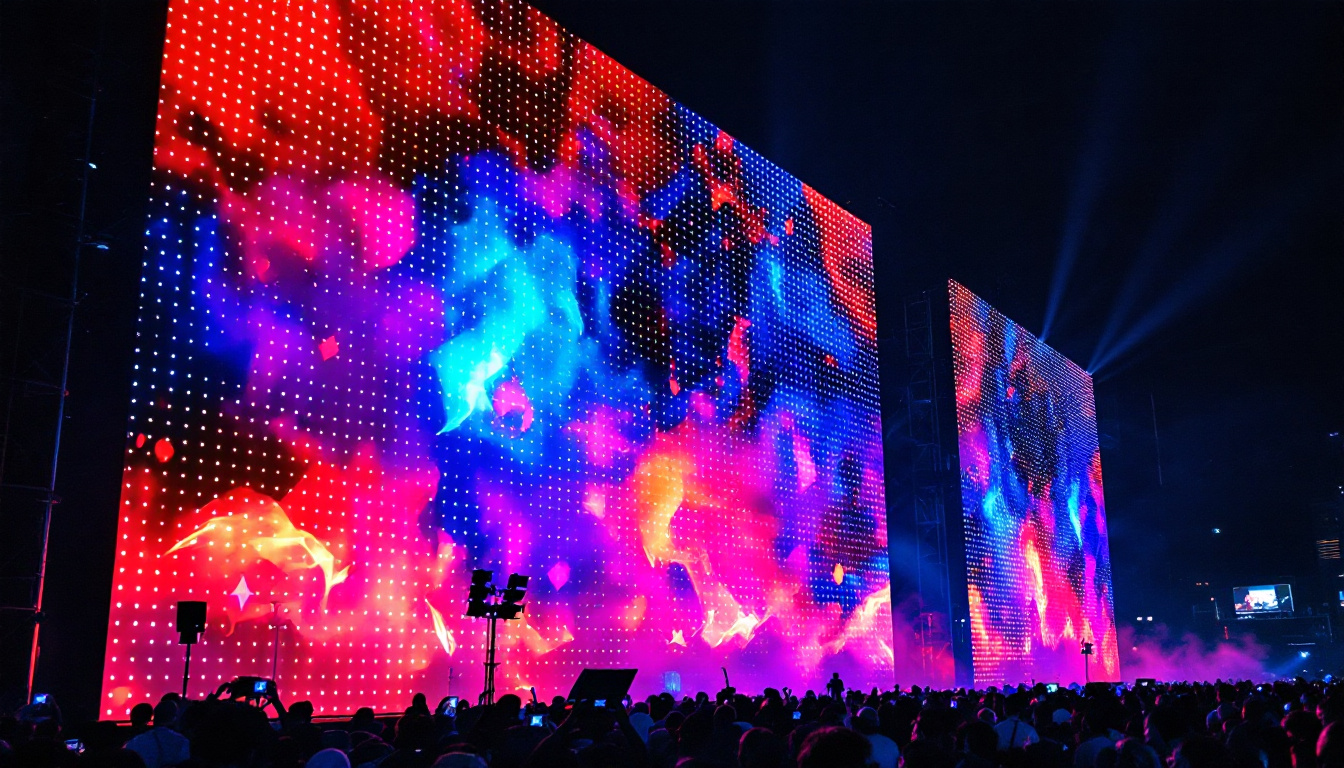
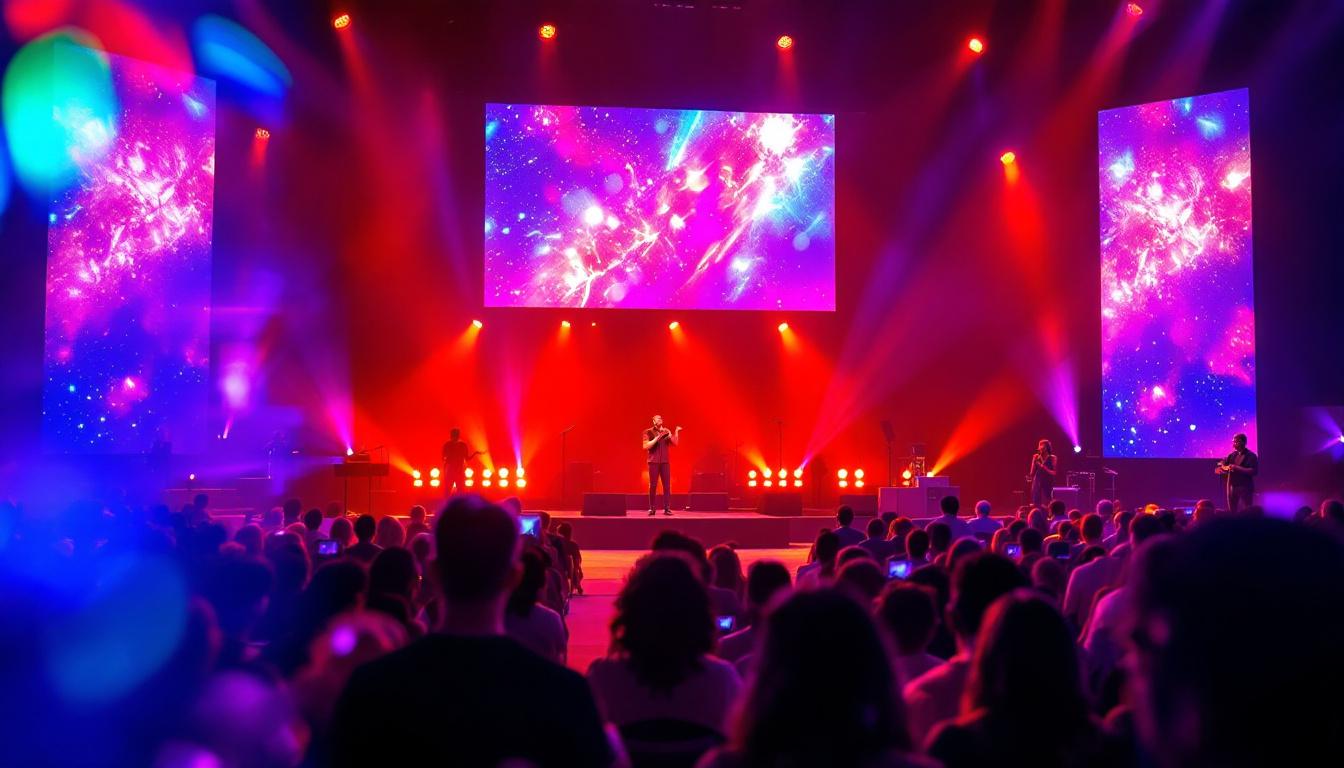
Stadiums and arenas use massive LED screens to enhance the spectator experience with live video feeds, replays, and interactive content. These displays must maintain high resolution and brightness to be visible from long distances and under varying lighting conditions.
Innovations such as flexible LED panels allow for creative installations, including wrap-around screens and immersive environments. This trend is growing as venues seek to differentiate themselves and engage audiences.
Retail and Corporate Environments
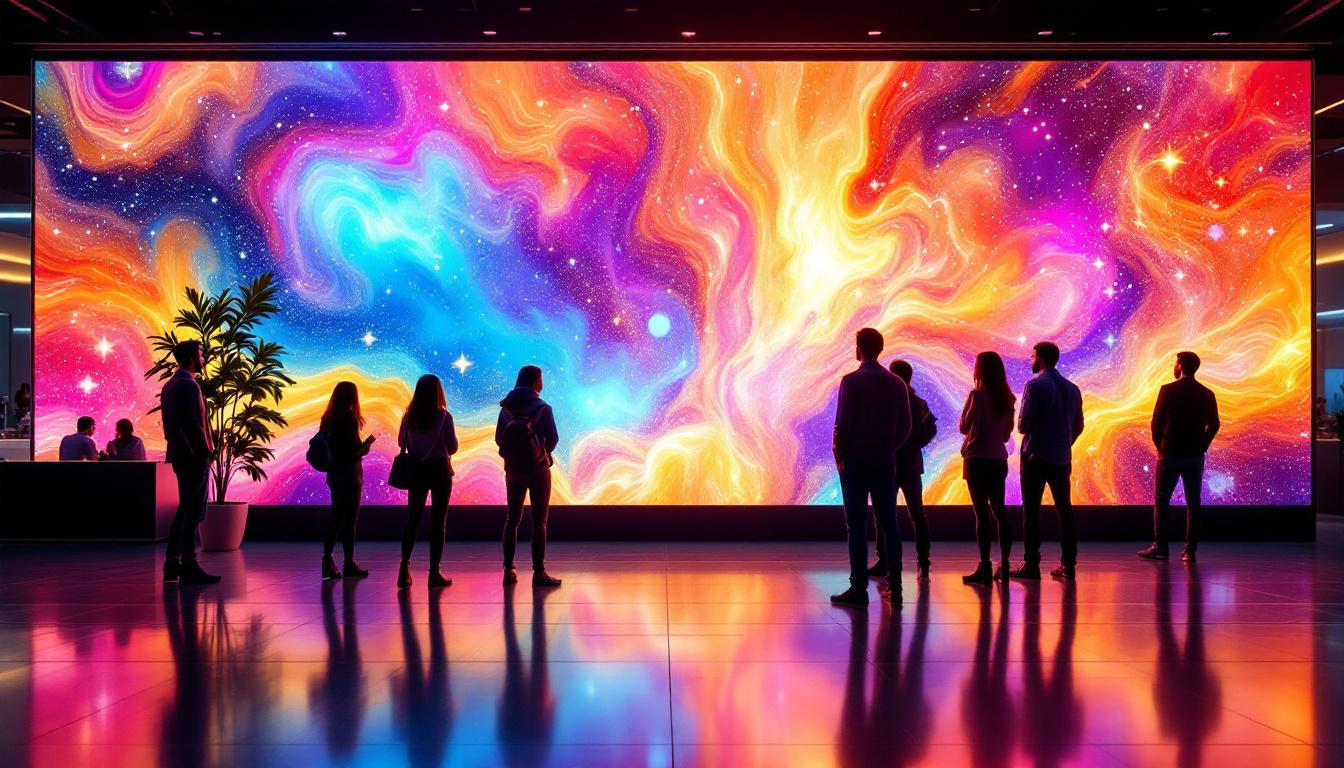
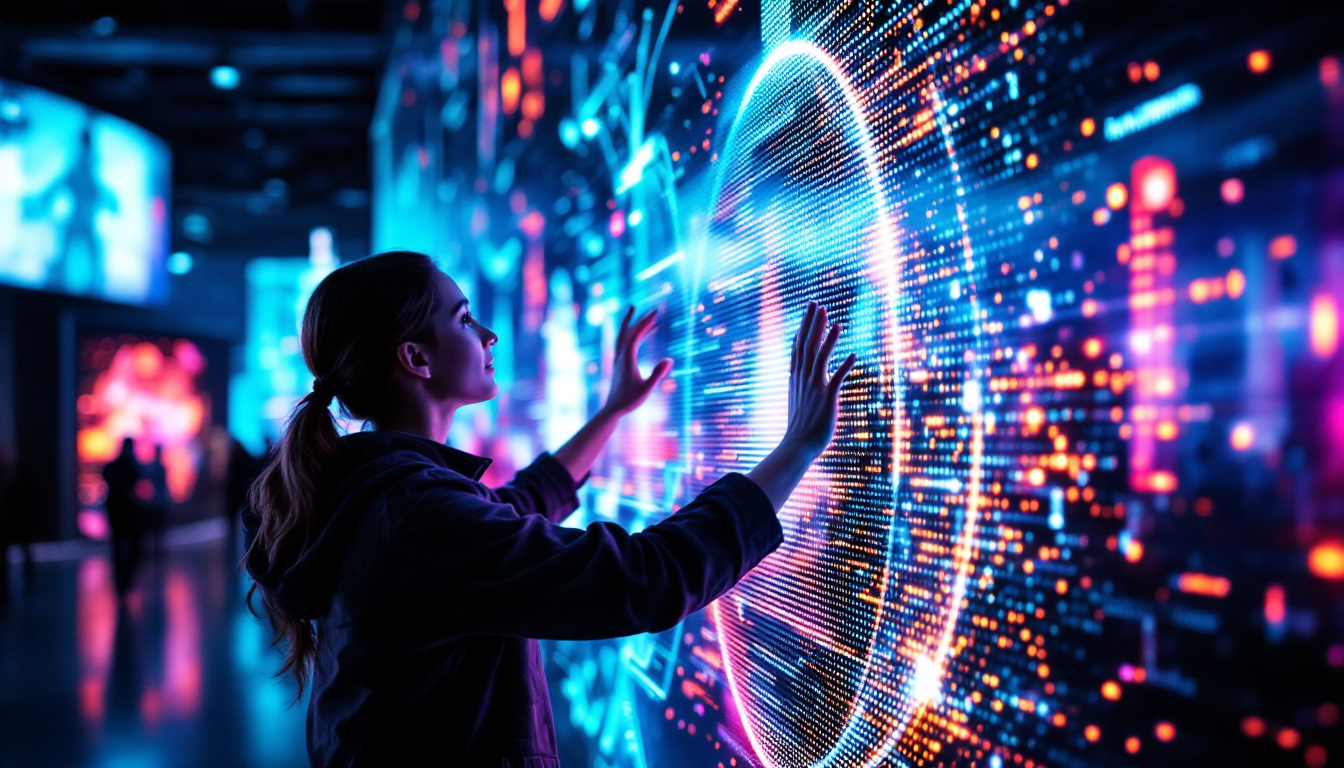
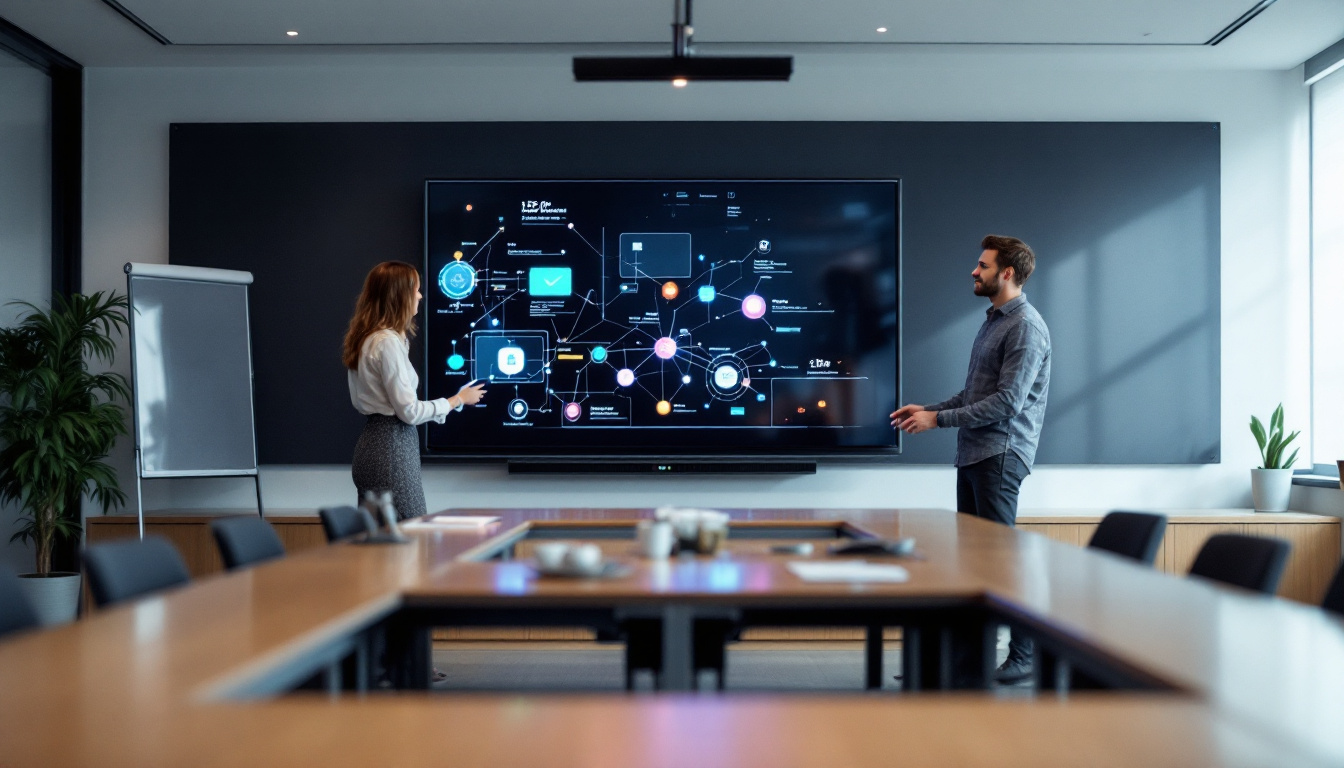
Indoor LED displays are increasingly common in retail stores, shopping malls, and corporate lobbies. They serve as digital signage for branding, product information, and customer engagement. The ability to display high-resolution images and videos with accurate colors enhances the overall customer experience.
Smaller pixel pitches (as low as 0.9mm) enable LED displays to compete with traditional LCD video walls, offering seamless visuals without bezels.
Transportation and Public Information
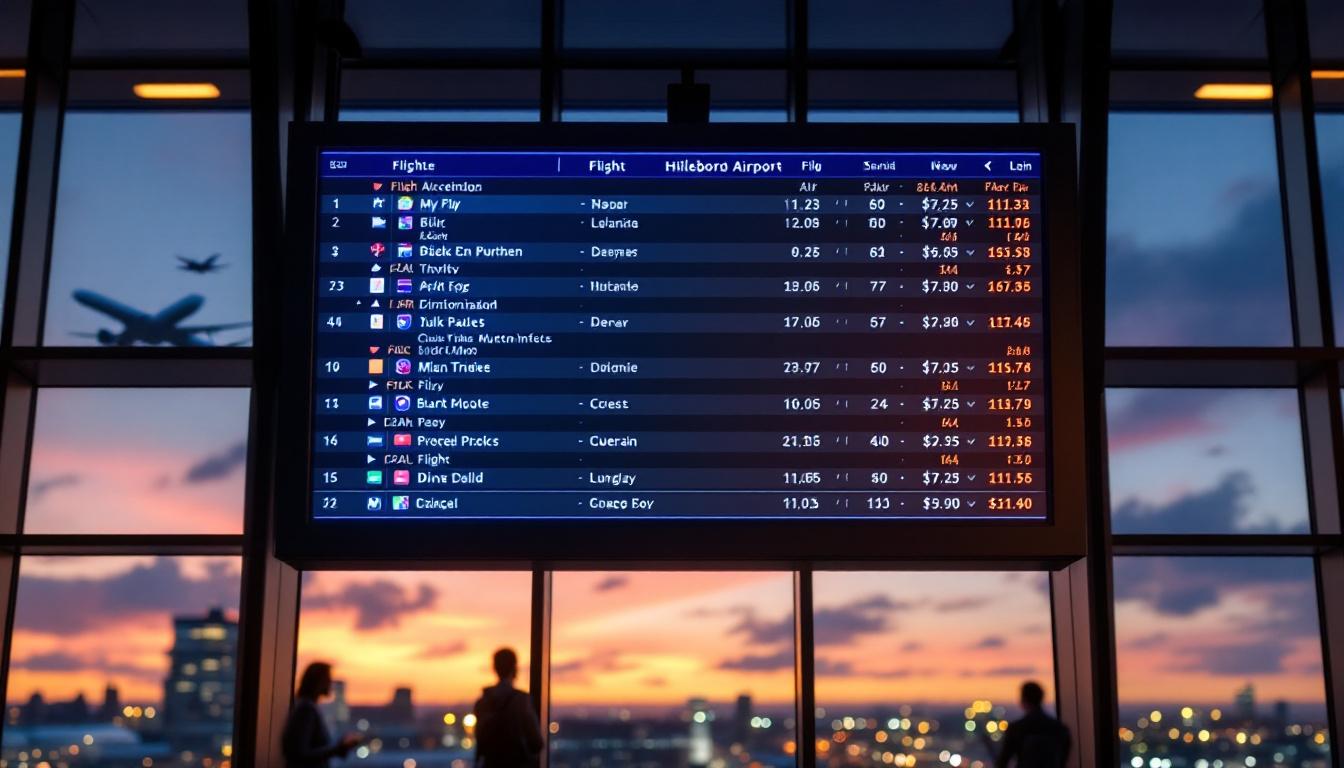
LED displays are widely used in airports, train stations, and bus terminals to provide real-time information. Their high visibility and reliability help passengers navigate complex transit systems efficiently.
Additionally, traffic management systems use LED displays for dynamic messaging, improving road safety and communication during emergencies.
Future Trends in LED Display Technology
The LED display industry continues to evolve rapidly, driven by advances in materials science, electronics, and user experience design. Several emerging trends are shaping the future landscape.
Micro-LED Technology
Micro-LEDs are tiny LEDs measuring less than 100 micrometers, enabling ultra-high resolution and brightness with exceptional energy efficiency. Unlike OLEDs, micro-LEDs are inorganic, offering longer lifespans and better durability.
While still in early commercial stages, micro-LED displays promise revolutionary improvements for smartphones, televisions, and large-scale displays. Industry analysts predict widespread adoption within the next five years.
Flexible and Transparent LED Displays
Flexible LED panels allow for curved and foldable displays, opening new possibilities in design and application. Transparent LED displays, which can be integrated into glass surfaces, offer innovative advertising and architectural solutions without obstructing views.
These technologies are gaining traction in retail, automotive, and smart building sectors, where aesthetics and functionality intersect.
AI-Driven Content and Display Management
Artificial intelligence is increasingly integrated into LED display systems to optimize content delivery based on audience demographics, environmental conditions, and engagement metrics. AI-powered analytics enable dynamic adjustments to brightness, color, and messaging for maximum impact.
This trend enhances the effectiveness of digital signage campaigns and improves operational efficiency.
Conclusion
LED displays have revolutionized the way information and advertising are presented, offering unparalleled brightness, flexibility, and energy efficiency. Understanding the manufacturing process and the qualities that define a top-tier LED display manufacturer is essential for making informed purchasing decisions.
As technology advances, LED displays will continue to expand their presence across industries, driven by innovations like micro-LEDs, flexible panels, and AI integration. For businesses and organizations seeking impactful visual communication solutions, partnering with a reputable LED display manufacturer ensures access to cutting-edge technology, reliable performance, and comprehensive support.
Whether for outdoor advertising, sports venues, retail environments, or public information systems, LED displays remain a vital tool in the digital age—illuminating messages with clarity and brilliance.
Illuminate Your Message with LumenMatrix
Ready to elevate your visual communication with the brilliance of LED technology? Discover LumenMatrix’s comprehensive range of LED display solutions, from vibrant Indoor and Outdoor LED Wall Displays to dynamic Vehicle and Sports LED Displays. Each product is crafted to capture attention and create immersive experiences that resonate with your audience. Embrace the future of digital signage with LumenMatrix’s innovative LED modules, designed for clarity, impact, and efficiency. Check out LumenMatrix LED Display Solutions today and transform your space into a canvas of light and color.