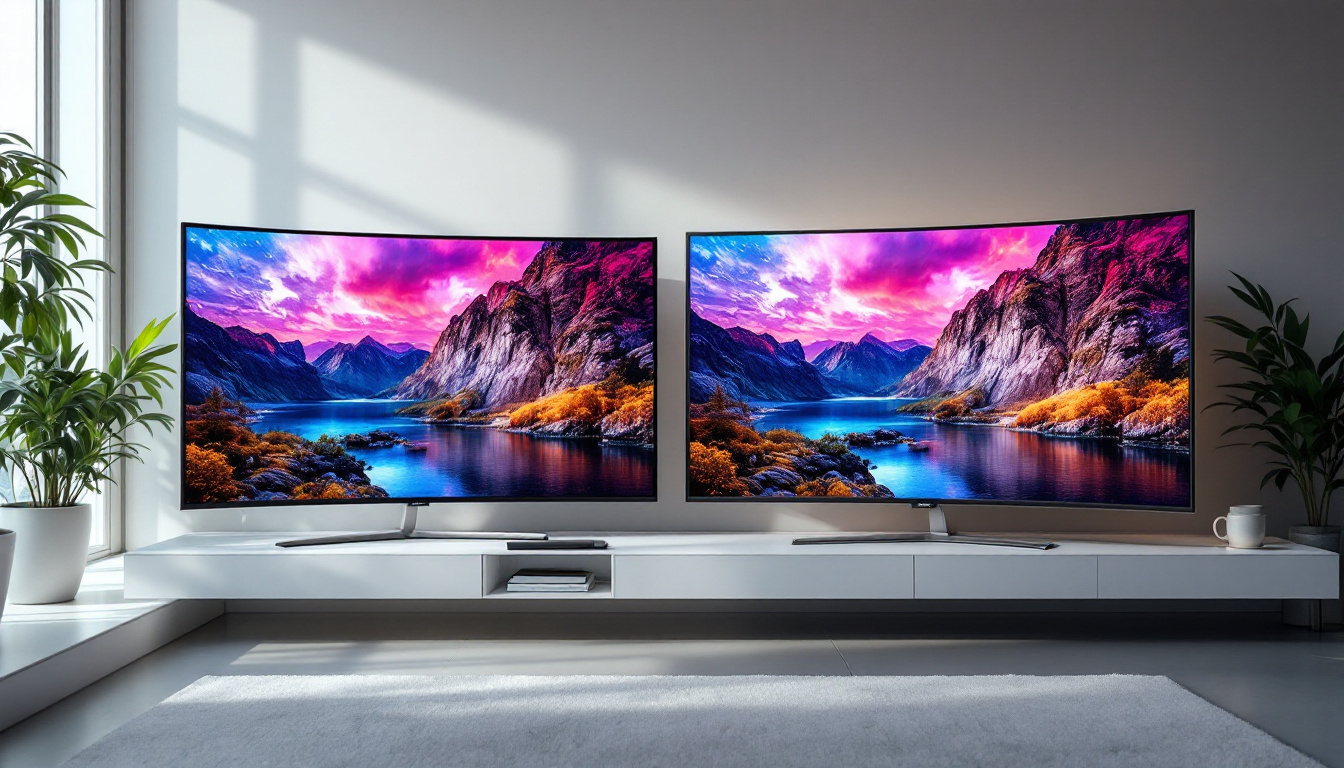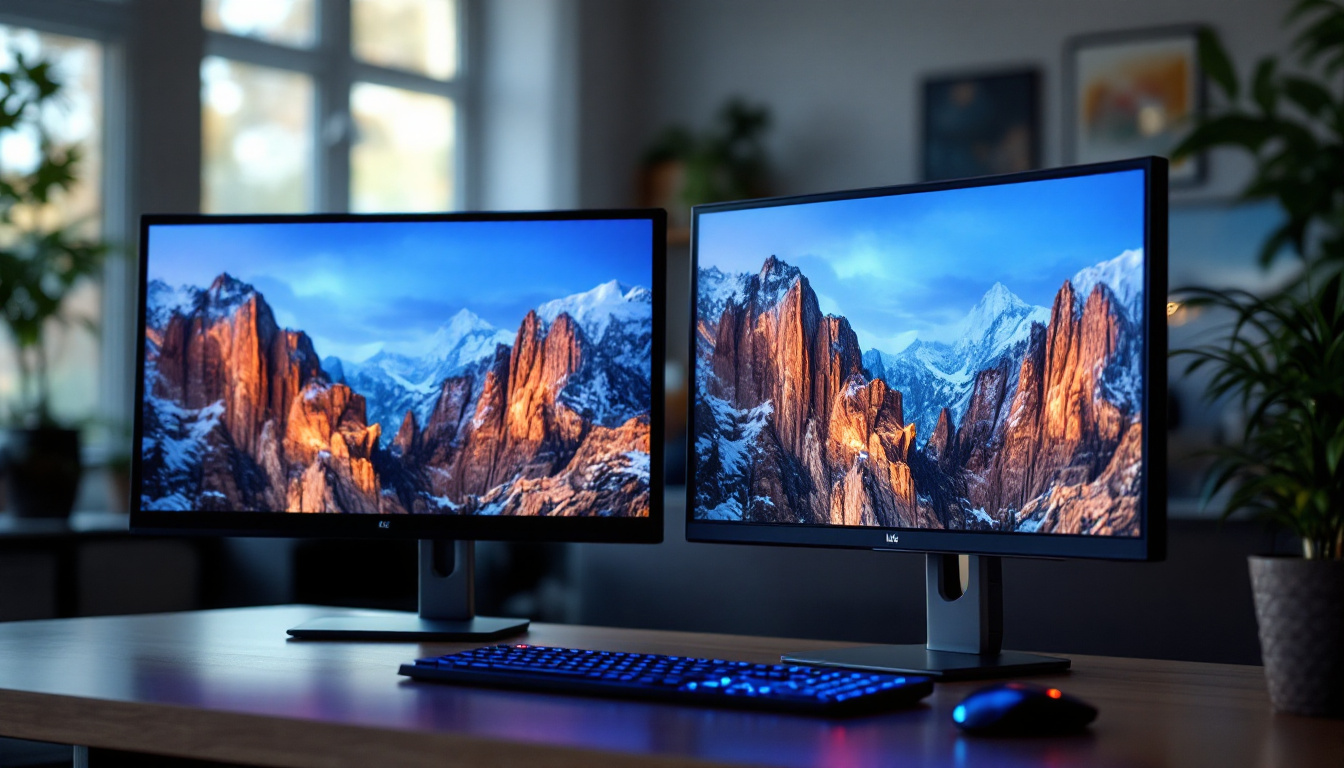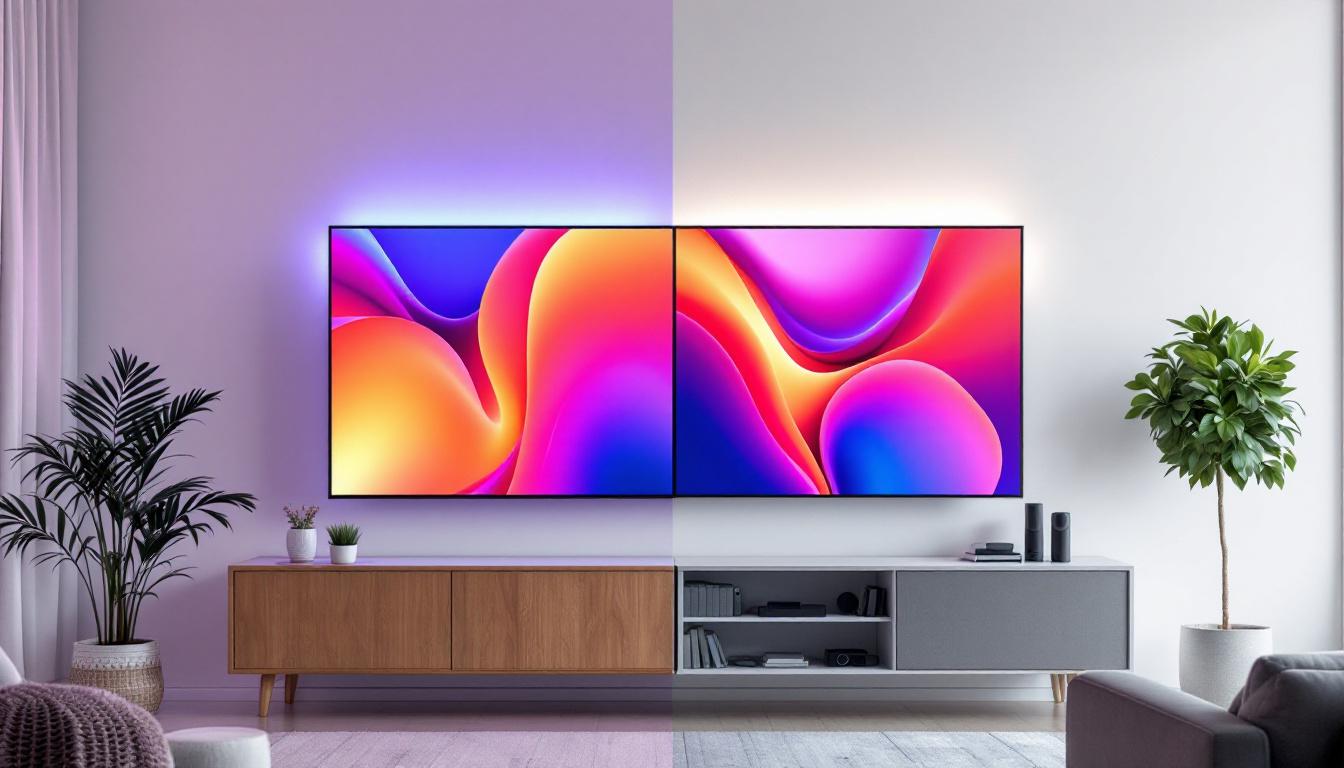
In today’s world of digital displays, understanding the differences between LED and LCD screens is essential for making informed decisions—whether you’re buying a new television, computer monitor, or smartphone. These terms are often used interchangeably, but they refer to different technologies with distinct characteristics. This article delves into the intricacies of LED and LCD screens, clarifies common misconceptions, and provides a comprehensive comparison to help you choose the right display for your needs.
Understanding the Basics: What Are LCD and LED Screens?
What is an LCD Screen?
LCD stands for Liquid Crystal Display. It is a flat-panel display technology that uses liquid crystals sandwiched between two layers of glass or plastic. These crystals do not emit light by themselves but manipulate light passing through them to create images. The light source behind the LCD panel is called the backlight, which is crucial for the display’s visibility.
Historically, LCDs used cold cathode fluorescent lamps (CCFLs) as backlights. These lamps provided the necessary illumination but had drawbacks such as higher power consumption and bulkier designs. The liquid crystals align in different ways when an electric current is applied, controlling the amount of light passing through each pixel to form images. This technology has evolved significantly, leading to thinner and more energy-efficient displays that are now commonplace in everything from smartphones to televisions. Moreover, advancements in LCD technology have led to improvements in color accuracy and response times, making them suitable for a wide range of applications, including gaming and professional graphic design.
In addition to their widespread use, LCD screens have also become integral in various industries, including medical imaging and automotive displays. The ability to produce high-resolution images with minimal distortion makes them ideal for applications where clarity is paramount. Furthermore, with the introduction of features like IPS (In-Plane Switching) technology, LCDs can now offer wider viewing angles and better color reproduction, enhancing the overall user experience.
What is an LED Screen?
LED stands for Light Emitting Diode. When people refer to LED screens, they usually mean an LCD screen that uses LED backlighting instead of CCFLs. This is a key distinction: LED screens are essentially LCD panels illuminated by LEDs rather than fluorescent lamps.
There are also true LED displays, such as those used in large outdoor billboards or high-end TVs, where each pixel is an individual LED that emits its own light. These are often called OLED (Organic LED) or MicroLED displays, which are different from the LED-backlit LCDs found in most consumer electronics. OLED technology, in particular, has garnered attention for its ability to produce deeper blacks and a wider color gamut, as each pixel can be turned off completely, resulting in true black levels and vibrant colors. This has made OLED screens a popular choice for high-end televisions and smartphones, where visual quality is a top priority.
Moreover, LED technology has revolutionized the way we think about display brightness and energy efficiency. With the ability to create displays that are not only brighter but also consume less power, LED screens have become the go-to choice for portable devices and large-scale displays alike. The flexibility of LED technology also allows for innovative designs, such as curved screens and ultra-thin panels, which have become increasingly popular in modern consumer electronics. As the technology continues to evolve, we can expect even more exciting developments in the realm of displays, pushing the boundaries of what is possible in visual technology.
How LED and LCD Technologies Work Together
The Role of Backlighting
Since liquid crystals do not emit light, LCD screens require a backlight to be visible. The type of backlight dramatically affects the display’s performance. Traditional LCDs used CCFL backlights, which were less energy-efficient and produced less vibrant colors. LED-backlit LCDs replaced these with arrays of LEDs that offer better brightness, contrast, and energy efficiency.
LED backlighting comes in two main forms: edge-lit and full-array. Edge-lit LED displays place LEDs along the edges of the screen, using light guides to distribute light evenly. Full-array LED displays have LEDs spread uniformly behind the entire screen, allowing for more precise local dimming and improved contrast ratios.
Local Dimming and Picture Quality
One of the significant advantages of LED backlighting, especially full-array LED, is the ability to implement local dimming. This technology dims specific areas of the backlight to enhance black levels and contrast, resulting in deeper blacks and more vivid images. This is particularly important for watching movies or playing video games in dark environments.
CCFL-backlit LCDs cannot achieve this level of control, which often leads to “washed-out” blacks and less dynamic images. Therefore, LED-backlit LCDs provide a noticeable improvement in picture quality over traditional LCDs.
Comparing LED and LCD Screens: Key Factors to Consider
Brightness and Energy Efficiency
LED-backlit LCDs generally offer higher brightness levels compared to CCFL-backlit LCDs. Modern LED displays can reach brightness levels of 600 to 1,000 nits or more, making them suitable for well-lit rooms and HDR (High Dynamic Range) content. In contrast, CCFL-backlit LCDs typically max out around 300 to 400 nits.
In terms of energy consumption, LEDs are more efficient, consuming up to 40% less power than CCFL backlighting. This efficiency not only reduces electricity bills but also contributes to longer device lifespans and less heat generation.
Color Accuracy and Contrast
LED-backlit LCDs tend to produce more accurate and vibrant colors due to improved backlighting technology. Full-array local dimming enhances contrast ratios by allowing darker blacks and brighter whites simultaneously. This results in a more immersive viewing experience, especially for HDR content.
However, it’s important to note that color accuracy also depends on the quality of the LCD panel itself (such as IPS, VA, or TN panels) and any additional color calibration technologies implemented by the manufacturer.
Viewing Angles and Response Time
Viewing angles and response times are more related to the LCD panel type than the backlighting technology. For example, IPS (In-Plane Switching) panels offer wider viewing angles and better color consistency compared to TN (Twisted Nematic) panels, which have faster response times but narrower viewing angles.
LED backlighting does not directly affect these characteristics but can improve overall image quality by providing consistent illumination across the screen.
True LED Displays: OLED and MicroLED Explained
What is OLED?
OLED (Organic Light Emitting Diode) is a display technology where each pixel emits its own light, eliminating the need for a backlight. This allows for perfect black levels since pixels can be turned off individually, resulting in infinite contrast ratios and exceptional color accuracy.
OLED displays are widely used in high-end smartphones, TVs, and monitors. They offer superior picture quality, faster response times, and wider viewing angles compared to LED-backlit LCDs. However, OLEDs can be more expensive and have potential issues with burn-in over extended use.
What is MicroLED?
MicroLED is an emerging display technology that also uses self-emissive pixels like OLED but with inorganic LEDs. This offers many of the benefits of OLED, such as perfect blacks and high brightness, while avoiding some of OLED’s drawbacks like burn-in and limited lifespan.
MicroLED displays are currently rare and expensive but are expected to become more common in the coming years, especially for large-format displays and premium devices.
Practical Advice: Choosing Between LED and LCD Screens
For Everyday Use
If you are shopping for a budget-friendly monitor or television, an LED-backlit LCD screen is generally the best choice. These displays offer a good balance of image quality, energy efficiency, and affordability. Edge-lit LED models are common and provide satisfactory performance for most users.
For High-End Viewing Experiences
For cinephiles, gamers, or professionals requiring accurate color reproduction, full-array LED-backlit LCDs with local dimming or OLED displays are preferable. OLED screens, in particular, deliver unmatched contrast and color vibrancy, making them ideal for HDR content and dark-room viewing.
Consider the Environment
LED-backlit LCDs with higher brightness levels are better suited for bright rooms or outdoor use, where glare can be an issue. OLED screens, while excellent in controlled lighting, may struggle with reflections due to their glossy surfaces.
Common Misconceptions About LED and LCD Screens
LED is Not a Separate Display Type
One of the most common misunderstandings is that LED and LCD are two entirely different display technologies. In reality, most consumer “LED TVs” are actually LCD TVs with LED backlighting. The term “LED TV” is a marketing shorthand that can confuse buyers.
LED Backlighting vs. OLED Self-Emission
LED-backlit LCDs rely on a backlight, while OLED displays emit light from each pixel. This fundamental difference impacts picture quality, power consumption, and design flexibility. Understanding this helps clarify why OLEDs are often considered superior despite higher costs.
Not All LEDs Are Created Equal
The quality and arrangement of LEDs in backlighting systems vary significantly. Full-array local dimming LED displays outperform edge-lit models, and some manufacturers use quantum dots or other technologies to enhance color performance. Therefore, simply choosing an “LED” screen does not guarantee the best quality.
Future Trends in Display Technology
Advancements in LED and LCD Technologies
Manufacturers continue to innovate with LED-backlit LCDs by incorporating quantum dot technology, which enhances color accuracy and brightness. QLED (Quantum Dot LED) displays are a popular example, offering improved performance while maintaining the benefits of LED backlighting.
Rise of Self-Emissive Displays
OLED and MicroLED technologies are gaining traction as production costs decrease and durability improves. These self-emissive displays promise to redefine image quality standards and may eventually replace traditional LED-backlit LCDs in many applications.
Flexible and Transparent Displays
Emerging display technologies are enabling flexible, foldable, and transparent screens, expanding the possibilities for device design. OLED’s organic materials lend themselves well to these innovations, while MicroLED is also being explored for such applications.
Conclusion
Choosing between LED and LCD screens requires understanding that these terms often describe complementary technologies rather than mutually exclusive ones. Most modern displays are LCD panels illuminated by LED backlights, offering advantages in brightness, energy efficiency, and picture quality over older CCFL-backlit LCDs.
For superior image quality, especially in terms of contrast and color accuracy, OLED and emerging MicroLED technologies provide self-emissive alternatives that outperform traditional LED-backlit LCDs. However, these come at a higher cost and may have specific drawbacks.
Ultimately, the best display depends on your specific needs, budget, and viewing environment. By grasping the underlying technologies and their implications, consumers can make smarter choices and enjoy the best possible visual experience.
Discover Cutting-Edge LED Displays with LumenMatrix
Ready to elevate your visual experience with the latest in display technology? Look no further than LumenMatrix, a pioneer in LED innovation. From captivating Indoor and Outdoor LED Wall Displays to dynamic Vehicle and Sports LED Displays, LumenMatrix offers a comprehensive range of solutions tailored to your needs. Whether you’re looking to enhance brand visibility with a Custom LED Display or engage audiences with a Transparent LED Display, our mission is to revolutionize visual communication. Check out LumenMatrix LED Display Solutions today and transform your space with unparalleled clarity and impact.