In the rapidly evolving world of display technology, LED displays have become a cornerstone for a wide range of applications—from digital signage and televisions to advanced industrial and medical devices. Among the many specifications that define an LED display’s performance, the term “9 inches pp” often appears, especially in technical datasheets and product descriptions. But what exactly does “9 inches pp” mean, and why is it important for consumers, engineers, and designers alike?
This article delves into the concept of “9 inches pp” in LED displays, explaining what it represents, how it impacts display quality, and why it matters in practical use. Whether you’re a tech enthusiast, a professional in the display industry, or simply curious about how LED screens work, this comprehensive guide will illuminate the subject with clear explanations and relevant examples.
Understanding LED Display Basics
Before unpacking the specifics of “9 inches pp,” it’s essential to grasp the fundamentals of LED display technology. LED, or Light Emitting Diode, displays use tiny semiconductor devices that emit light when an electrical current passes through them. Unlike traditional LCDs that rely on backlighting, LEDs themselves produce light, resulting in brighter images, better contrast, and improved energy efficiency.
LED displays come in various forms, including direct-view LED panels, OLED screens, and micro-LEDs. The most common type for large-scale applications—such as billboards, stadium screens, and indoor digital signage—is the direct-view LED display. These consist of thousands of individual LED pixels arranged in a grid, each capable of producing red, green, and blue light to create a full-color image.
Pixel Pitch: The Key to Resolution
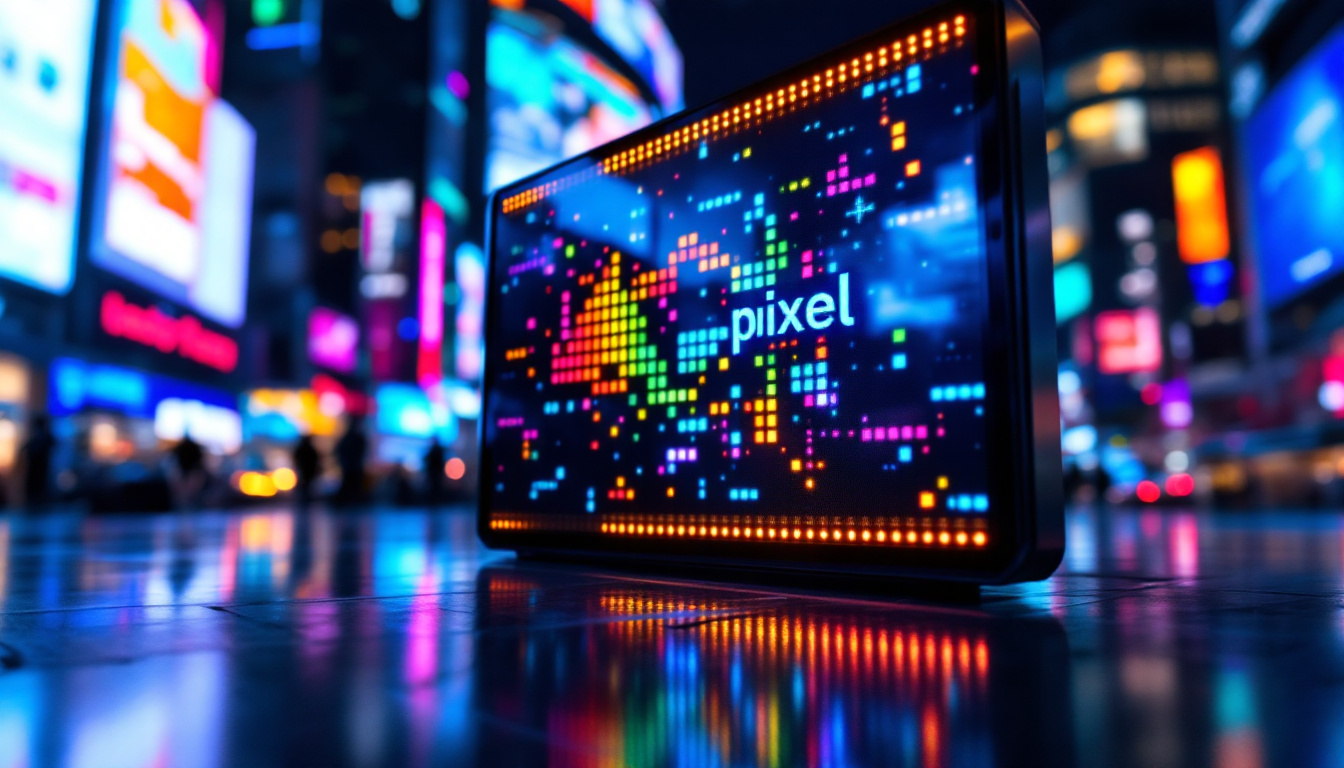
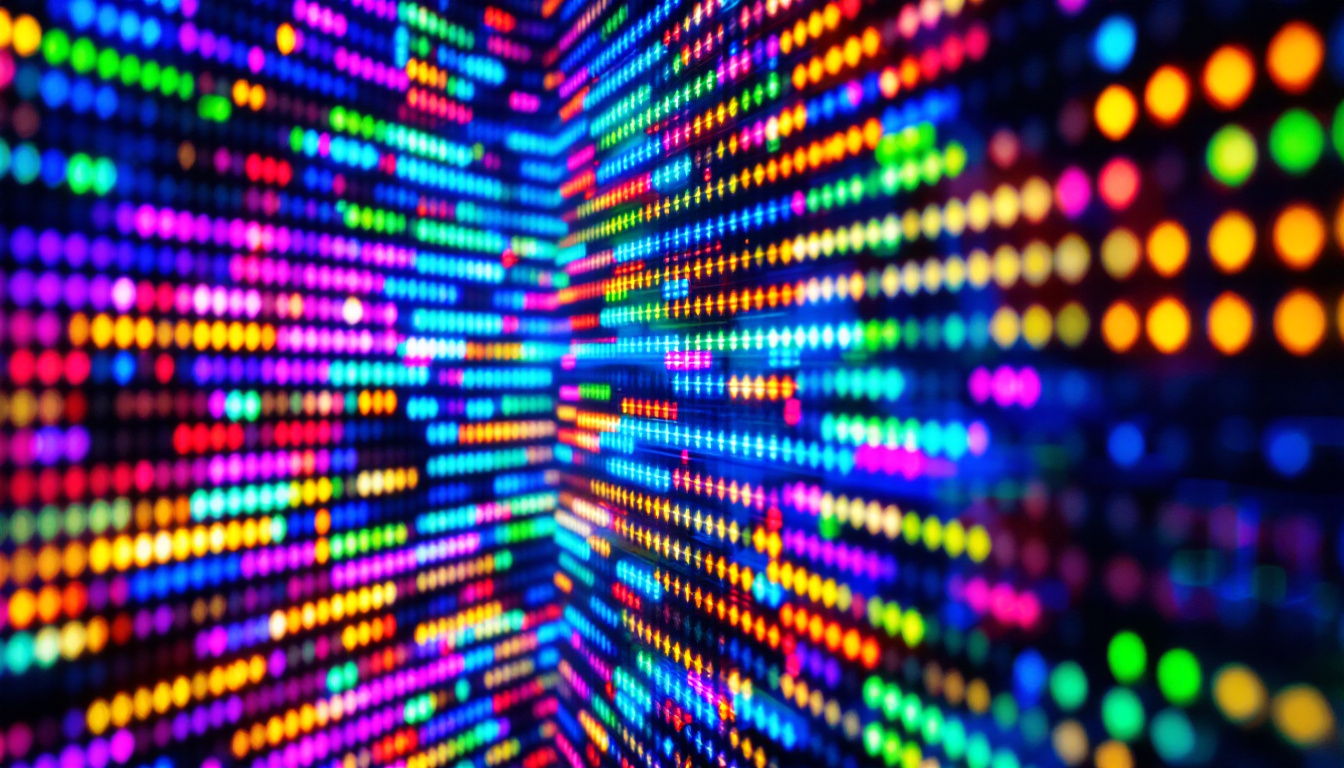
One of the most critical parameters in LED displays is pixel pitch, often abbreviated as “pp.” Pixel pitch refers to the distance from the center of one pixel to the center of the adjacent pixel, usually measured in millimeters or inches. It essentially determines the density of pixels on the display and directly influences the resolution and image clarity.
For example, a smaller pixel pitch means pixels are packed more closely together, resulting in higher resolution and sharper images, especially when viewed from close distances. Conversely, a larger pixel pitch is suitable for displays intended to be viewed from afar, such as outdoor billboards, where ultra-high resolution is less critical.
What Does “9 Inches Pp” Mean?
The term “9 inches pp” specifically refers to a pixel pitch of 9 inches. In other words, the distance between the centers of two adjacent pixels is 9 inches. This is an unusually large pixel pitch compared to typical LED displays, which often have pixel pitches measured in millimeters—commonly ranging from 0.9 mm to 20 mm.
To put this into perspective, a 9-inch pixel pitch means that each pixel is spaced roughly 229 millimeters apart (since 1 inch equals 25.4 millimeters). This spacing is enormous for conventional LED displays and is typically not used for high-resolution screens but rather for very large-scale installations where the viewing distance is extremely far.
Applications of 9 Inches Pixel Pitch
Displays with a 9-inch pixel pitch are generally designed for specialized use cases such as:
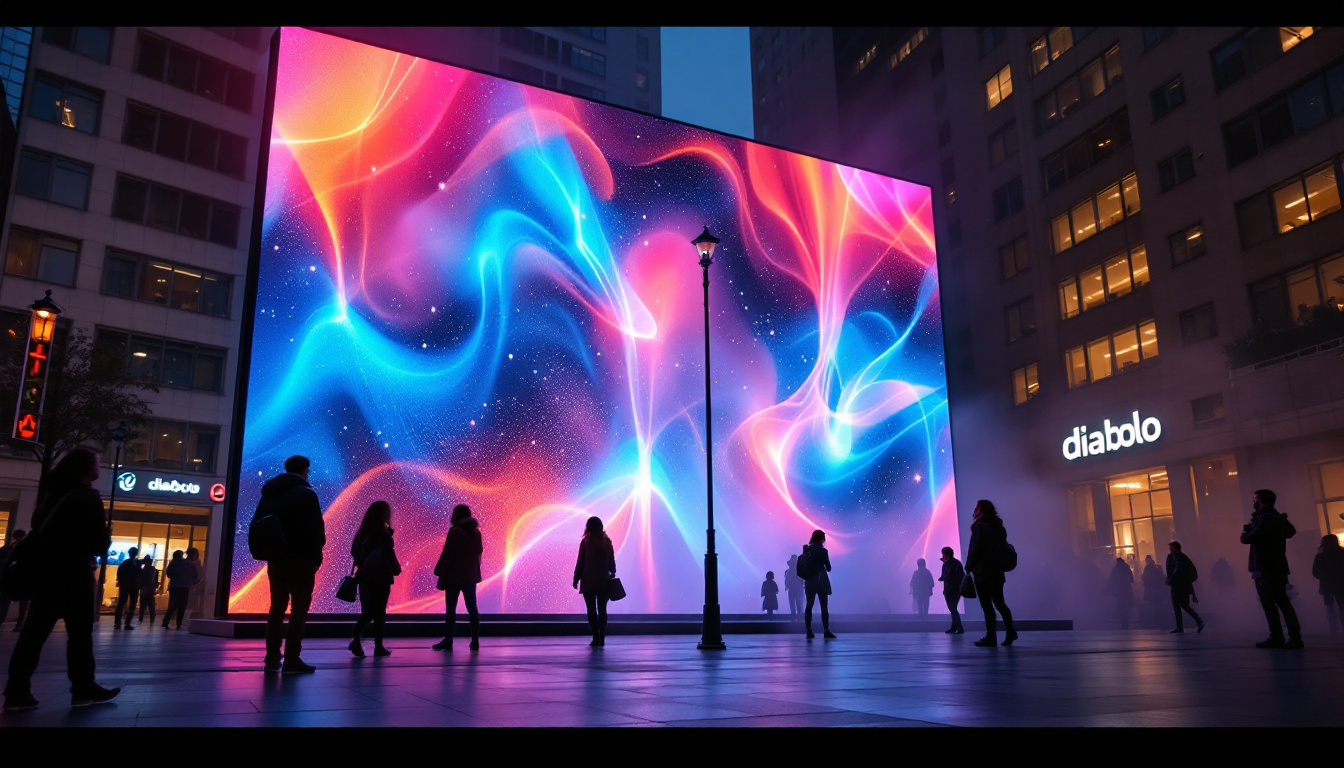
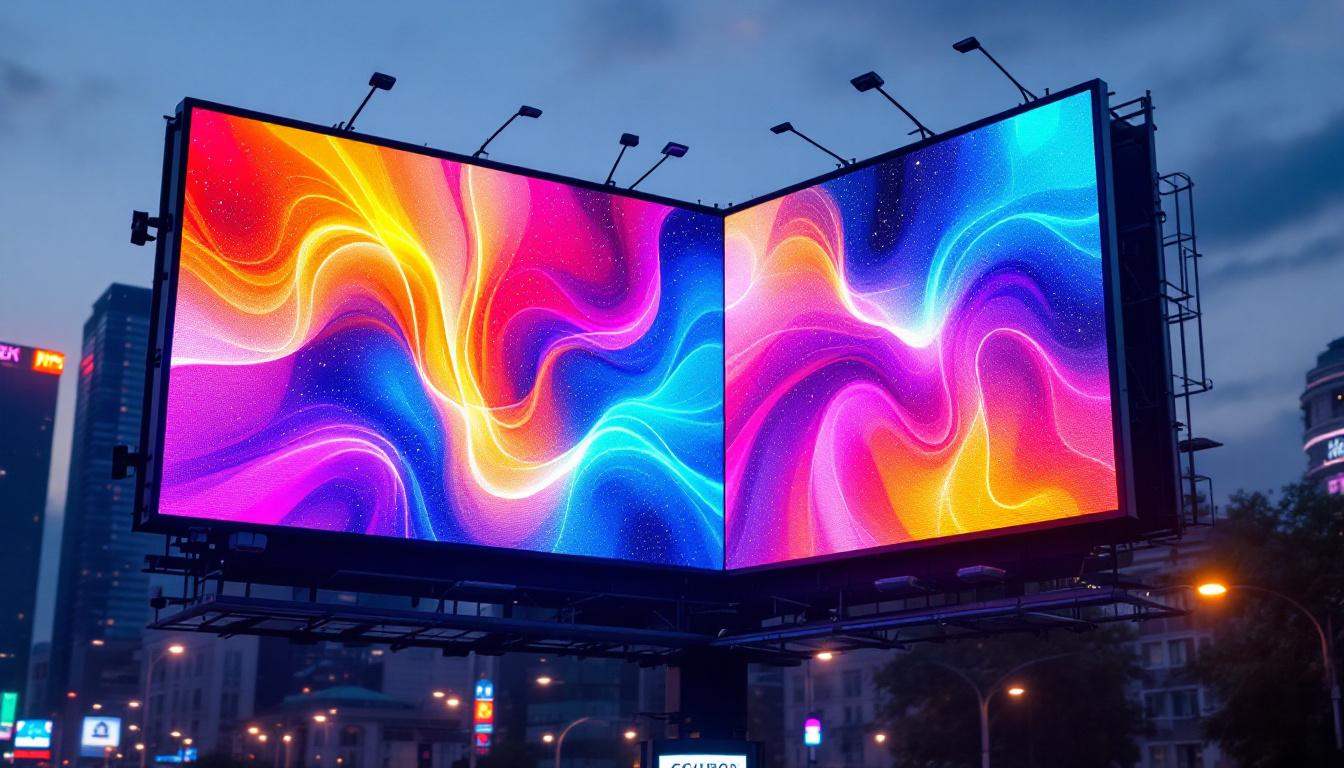
- Large outdoor advertising billboards: Positioned hundreds of feet away from viewers, these displays don’t require high pixel density since the human eye cannot discern fine details at such distances.
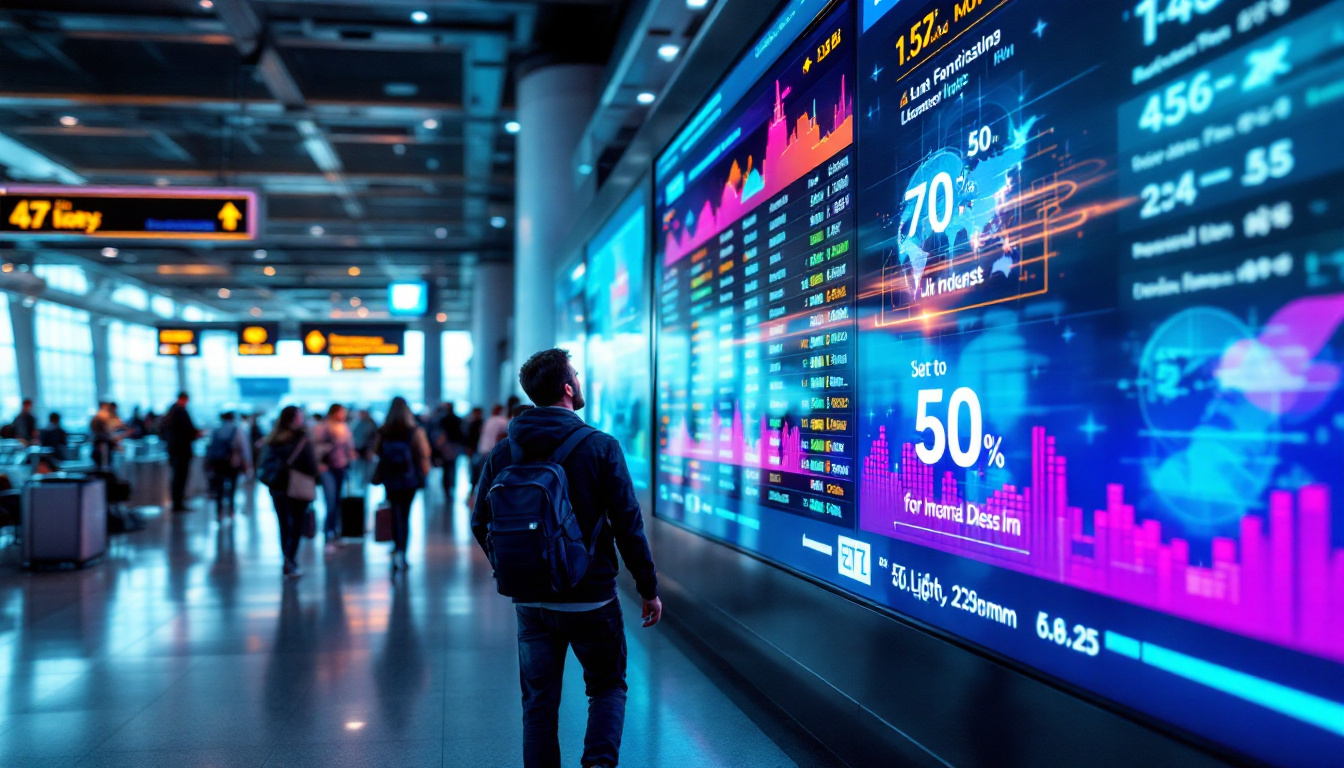
- Industrial or transportation signage: Where simple, bold messages need to be visible from long distances, such as highway signs or airport information boards.
- Architectural lighting and displays: Where the emphasis is on visibility and impact rather than image detail.
In these scenarios, a 9-inch pixel pitch allows manufacturers to create massive displays at a manageable cost, as fewer LEDs are required per square meter, reducing complexity and power consumption.
How Pixel Pitch Influences Viewing Experience
The relationship between pixel pitch and viewing distance is fundamental to understanding why a 9-inch pixel pitch display might be appropriate in certain contexts but unsuitable in others.
Optimal Viewing Distance
Optimal viewing distance is the minimum distance from which a display can be viewed without perceiving individual pixels. For LED displays, a general rule of thumb is that the optimal viewing distance (in meters) is roughly 1000 times the pixel pitch (in meters). Applying this to a 9-inch pixel pitch:
9 inches = 0.2286 meters
Optimal viewing distance ≈ 0.2286 m × 1000 = 228.6 meters (approximately 750 feet)
This means that a display with a 9-inch pixel pitch is best viewed from at least 750 feet away to avoid seeing the pixel structure and to enjoy a coherent image. Closer than this, the image will appear blocky and pixelated.
Resolution and Image Quality Trade-Offs
Because pixel pitch directly affects pixel density, a 9-inch pixel pitch display will have a very low resolution relative to its physical size. For instance, a 10-foot wide display with 9-inch pixel pitch will only have about 13 pixels across its width (120 inches ÷ 9 inches = 13.3 pixels). This is insufficient for detailed images or text but perfectly adequate for large, simple graphics or text designed to be read from great distances.
In contrast, modern high-definition LED displays often have pixel pitches below 2 mm, enabling resolutions comparable to or exceeding traditional HD screens. These are intended for close-up viewing in indoor environments such as conference rooms, retail stores, or broadcast studios.
Technical Considerations for 9 Inches Pixel Pitch LED Displays
Designing and deploying an LED display with a 9-inch pixel pitch involves unique technical challenges and considerations that differ significantly from those of fine-pitch LED panels.
Cabinet and Module Size
Because each pixel is spaced so far apart, the LED modules and cabinets housing the LEDs tend to be much larger. This can lead to bulky and heavy display units, requiring robust structural support and specialized mounting solutions. The large size also affects transportation and installation logistics.
Power Consumption and Brightness
Interestingly, larger pixel pitch displays often consume less power per square meter than fine-pitch displays, because they contain fewer LEDs. However, to maintain visibility over long distances and in bright outdoor environments, these LEDs must be very bright, often exceeding 5,000 nits in luminance. This ensures the display remains legible even under direct sunlight.
Durability and Weather Resistance
Outdoor LED displays with large pixel pitches, including those with 9-inch spacing, must be built to withstand harsh environmental conditions such as rain, wind, dust, and temperature extremes. High ingress protection (IP) ratings—typically IP65 or above—are standard to ensure longevity and reliable performance.
Choosing the Right LED Display Based on Pixel Pitch
For businesses and organizations considering LED displays, understanding pixel pitch is crucial to selecting a product that meets their specific needs and budget.
Factors to Consider
- Viewing Distance: Determine how far the audience will be from the display. For close-up viewing, choose a finer pixel pitch (smaller than 5 mm). For distant viewing, larger pixel pitches like 9 inches may be appropriate.
- Content Type: High-resolution video and detailed graphics require fine pixel pitch. Simple text or basic images can be displayed effectively on coarse pixel pitch screens.
- Budget Constraints: Fine-pitch LED displays are significantly more expensive due to the higher LED density and more complex manufacturing process. Large pixel pitch displays are more cost-effective for large-scale, distant-view applications.
- Environmental Conditions: Outdoor installations require weatherproofing and high brightness, which can influence the choice of pixel pitch and display type.
Examples of Use Cases
Consider a city planning to install a digital billboard on a highway. Since drivers will be viewing the billboard from hundreds of feet away at high speeds, a 9-inch pixel pitch display could be ideal. It provides sufficient visibility and impact without unnecessary resolution that would increase costs.
Conversely, a retail store wanting to install an LED display inside the shop for promotional videos would benefit from a pixel pitch of 2 mm or less to ensure crisp images that attract customers up close.
Future Trends in LED Display Pixel Pitch
While large pixel pitches like 9 inches serve specific niches today, the trend in LED display technology is toward ever-smaller pixel pitches and higher resolutions. Advances in micro-LED technology are pushing pixel pitches down to sub-millimeter levels, enabling displays that rival or surpass OLED and LCD panels in image quality.
However, large pixel pitch displays will continue to have a role in outdoor advertising, transportation, and industrial applications where size and viewing distance outweigh the need for fine detail. Innovations in energy efficiency, modular design, and smart control systems are also enhancing the functionality and sustainability of these large-scale LED displays.
Conclusion
The term “9 inches pp” in LED displays refers to a pixel pitch of 9 inches, indicating a very coarse pixel spacing suitable for large-scale, long-distance viewing applications. Understanding this specification helps buyers and users make informed decisions about the type of LED display that best fits their needs.
While a 9-inch pixel pitch display cannot deliver the high resolution required for close-up viewing or detailed content, it excels in environments where visibility from afar and cost-effectiveness are paramount. As LED technology continues to evolve, the range of pixel pitches available will expand, offering tailored solutions for every conceivable use case.
Ultimately, knowing how pixel pitch affects image quality, viewing distance, and application suitability is essential for anyone involved in selecting or working with LED display systems.
Discover the Perfect LED Display Solution with LumenMatrix
Ready to elevate your visual communication with a tailored LED display solution? LumenMatrix is at the forefront of LED display innovation, offering a diverse range of products from Indoor and Outdoor LED Wall Displays to specialized options like Vehicle, Sports, and Floor LED Displays. Whether you need a Custom LED Display or an All-in-One solution, LumenMatrix has the technology to bring your vision to life. Check out LumenMatrix LED Display Solutions today and transform your space into a captivating visual experience.