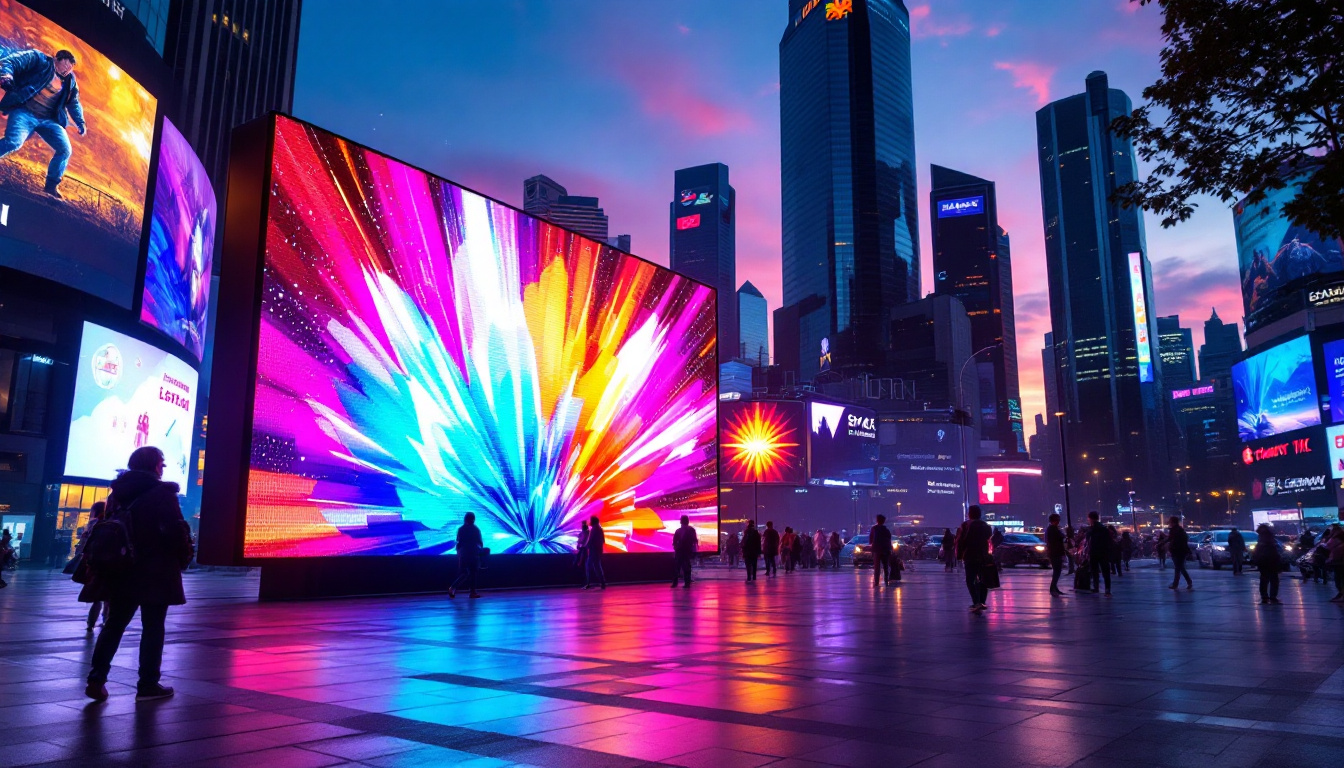
In the heart of the Pacific Northwest, Beaverton, Oregon, is rapidly evolving into a hub of innovation and modern technology. Among the many advancements shaping the city’s landscape, LED display technology stands out as a transformative force. From vibrant advertising billboards to dynamic public information systems, LED displays are redefining how businesses and communities communicate visually. This article explores the fundamentals of LED displays, their benefits, applications in Beaverton, and what the future holds for this cutting-edge technology.
Understanding LED Display Technology
What Is an LED Display?
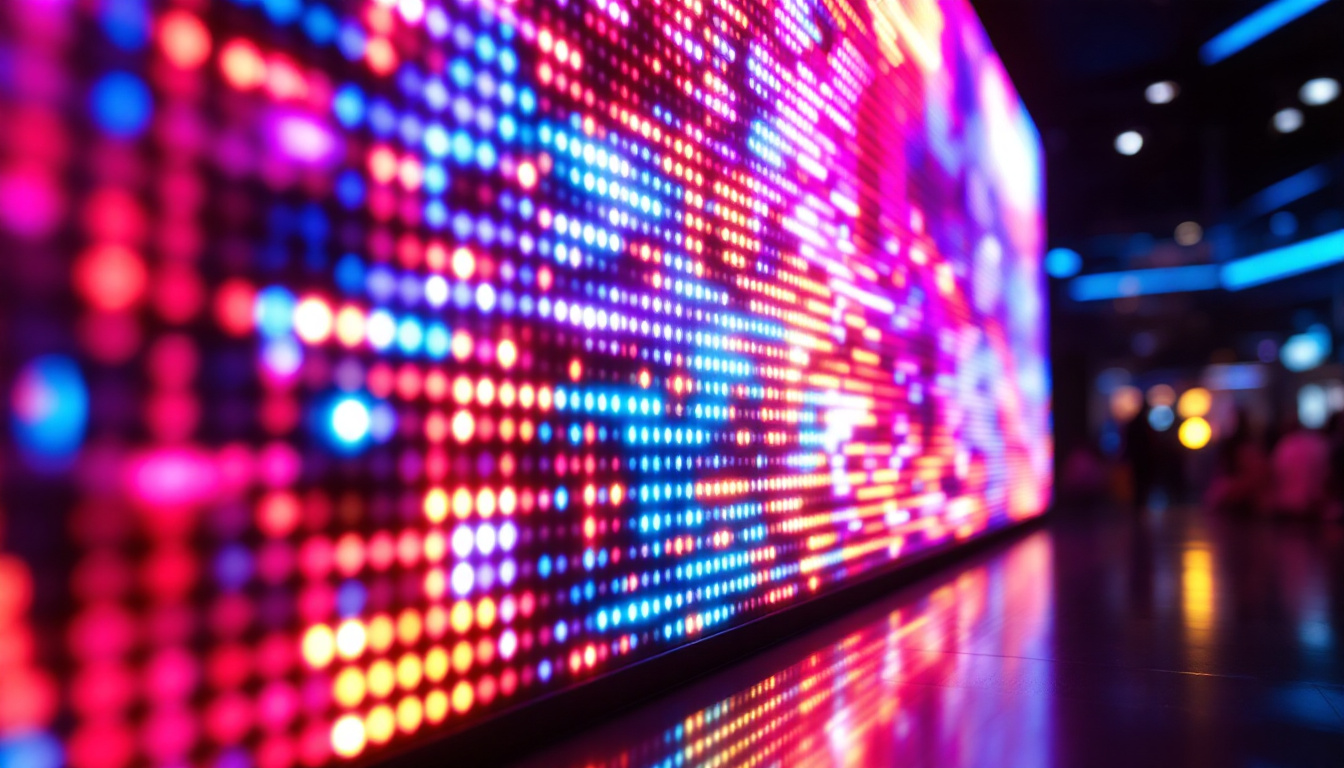
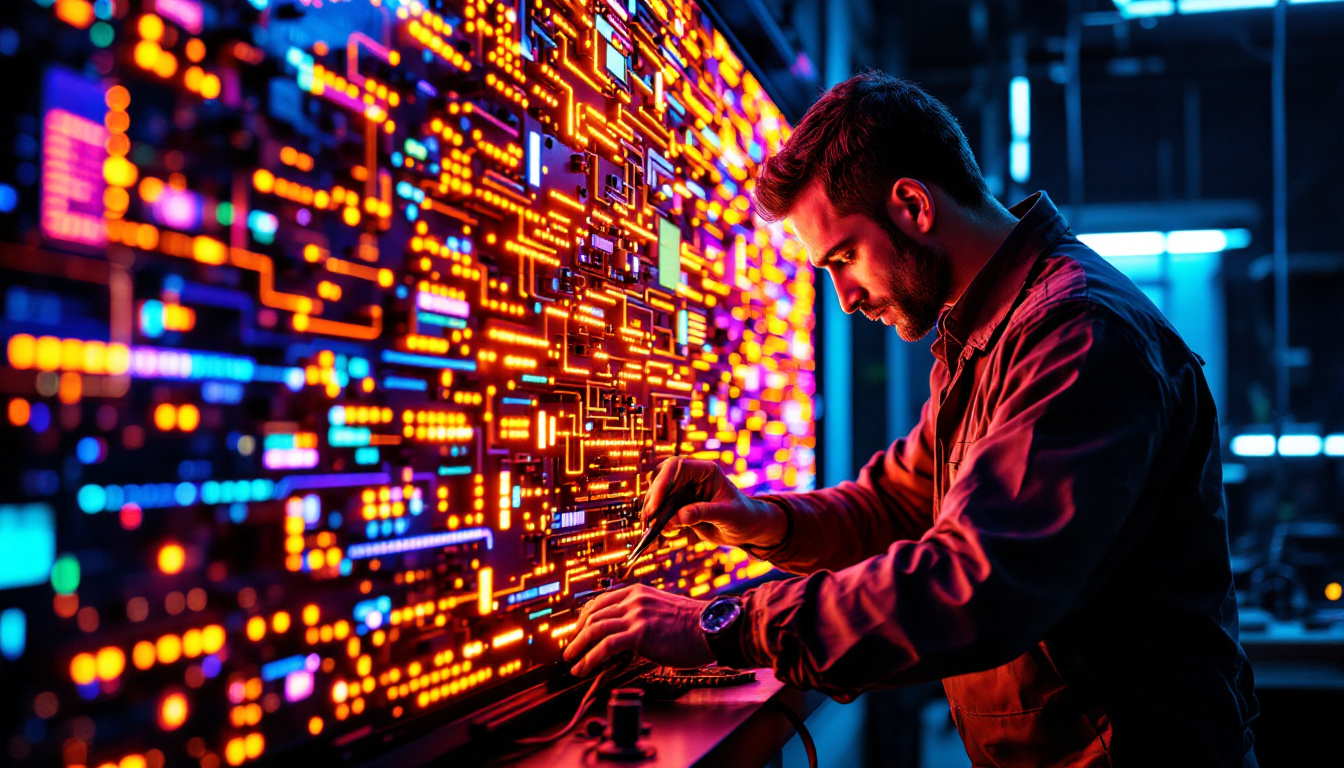
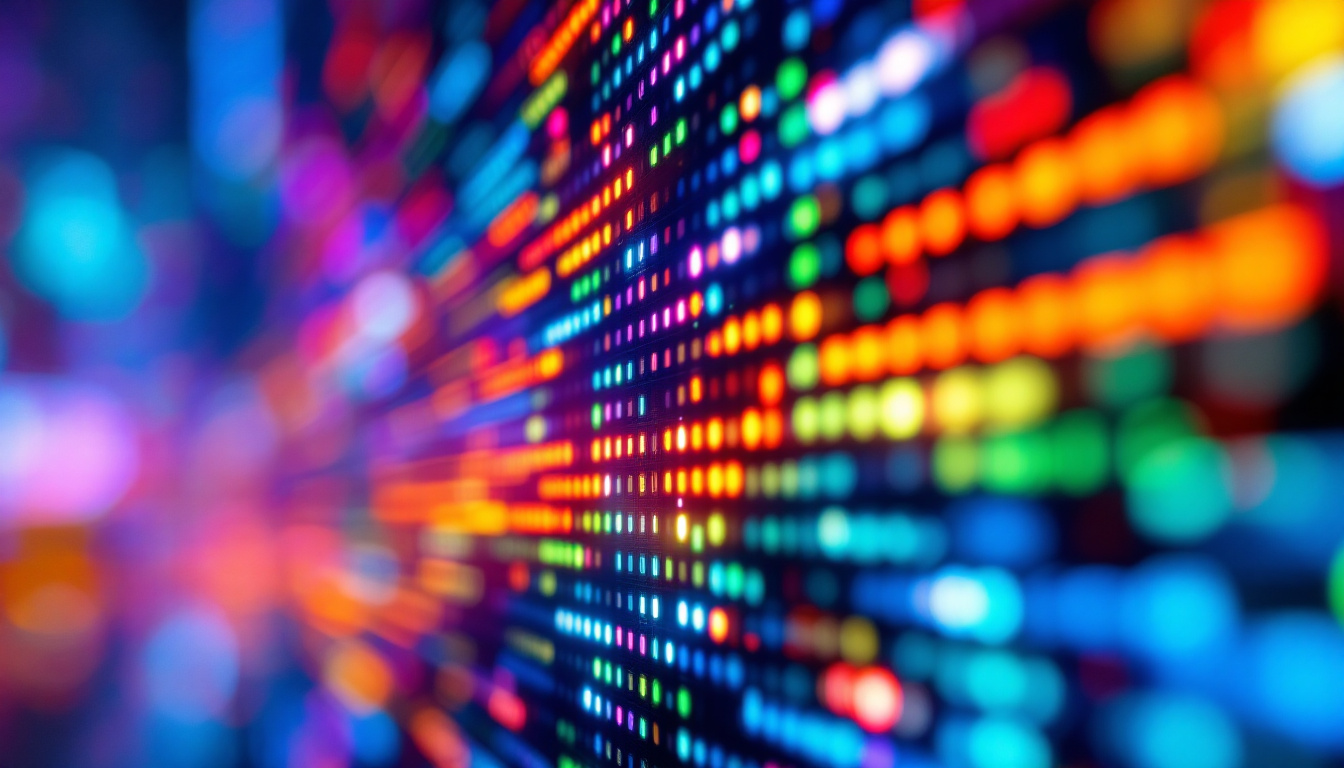
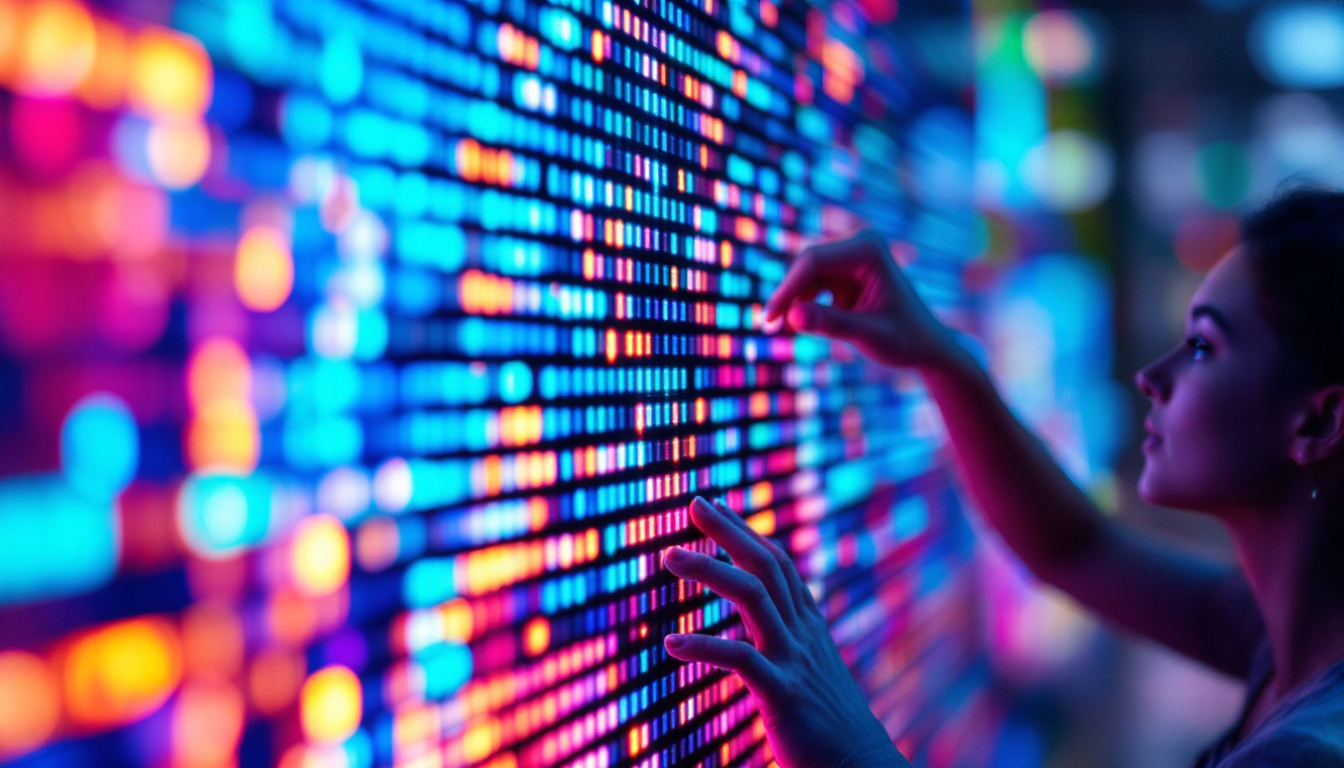
LED stands for Light Emitting Diode, a semiconductor device that emits light when an electric current passes through it. LED displays are composed of numerous tiny LEDs arranged in a matrix, which collectively produce images, videos, and text. Unlike traditional display technologies such as LCD or plasma, LED displays offer superior brightness, contrast, and energy efficiency. This makes them particularly popular in various applications, from large-scale billboards to small electronic devices.
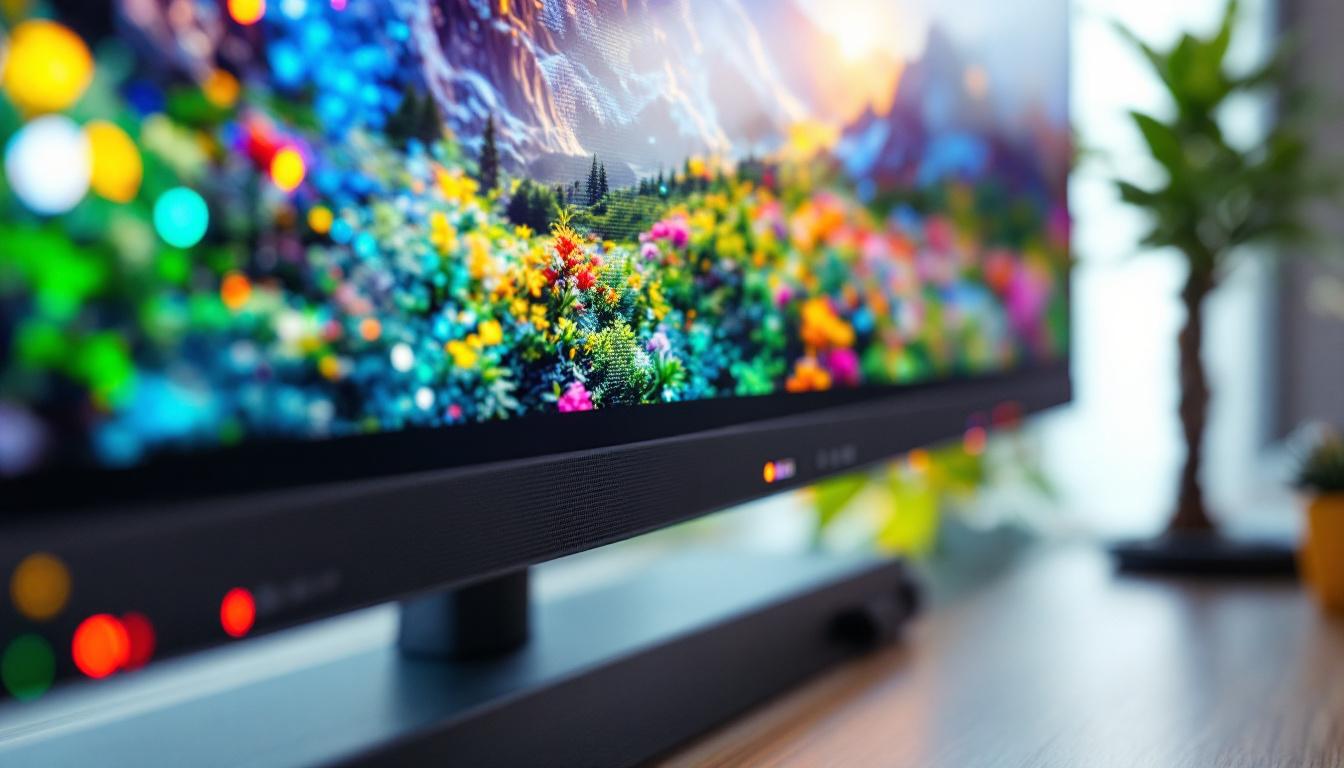
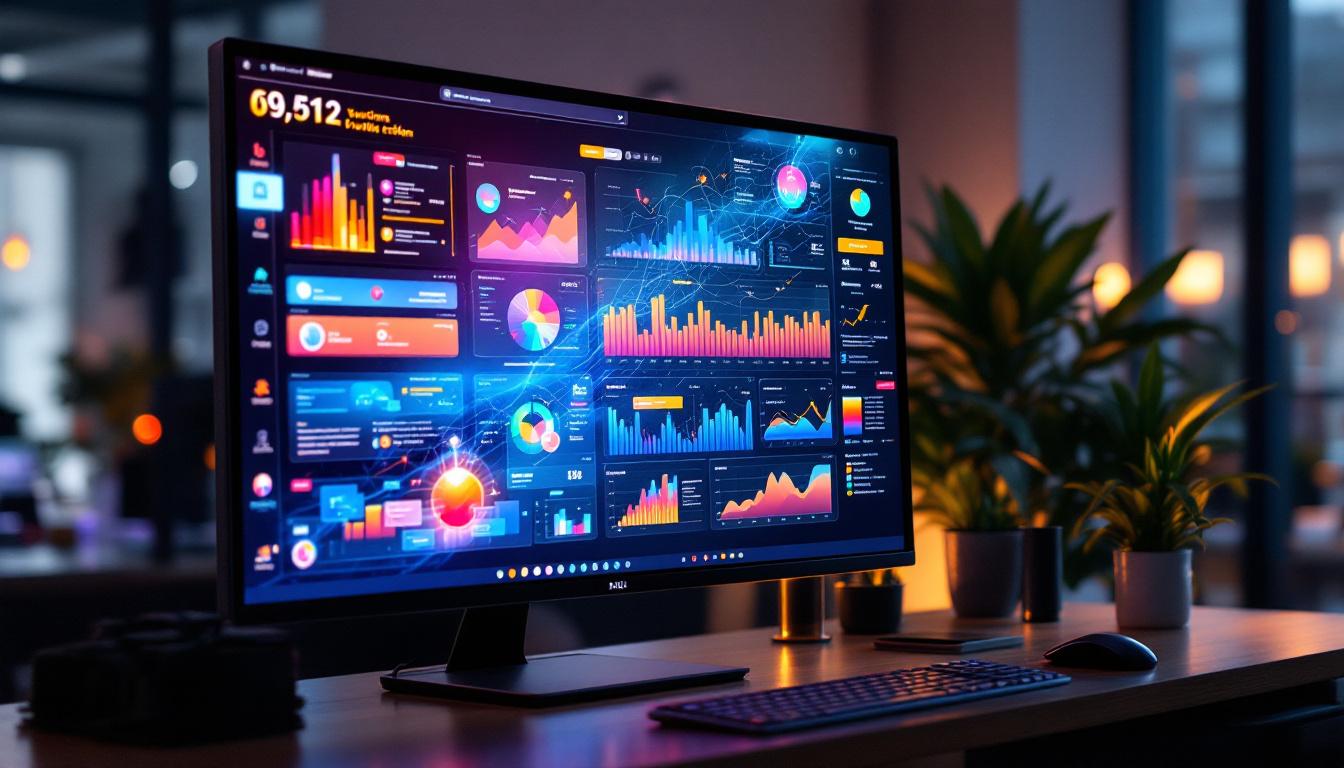
The technology behind LED displays can be categorized mainly into two types: direct view LED and LED-backlit LCD. Direct view LED displays use LEDs as the light source and the image pixels themselves, making them ideal for large-scale outdoor and indoor screens. LED-backlit LCDs, on the other hand, use LEDs to illuminate an LCD panel, common in televisions and computer monitors. The versatility of LED technology allows for an array of applications, including digital signage, sports arenas, and even architectural lighting, showcasing the adaptability of this innovative display solution.
How Do LED Displays Work?
Each LED in a display can emit light in red, green, and blue (RGB) colors. By varying the intensity of these three colors, the display can produce a broad spectrum of colors. The LEDs are controlled by a driver circuit, which receives input from a video source and adjusts the light output accordingly. This process happens rapidly, allowing for smooth video playback and dynamic content changes. Additionally, the refresh rate of LED displays is often higher than that of traditional displays, which minimizes motion blur and enhances the viewing experience, especially in fast-paced video content.
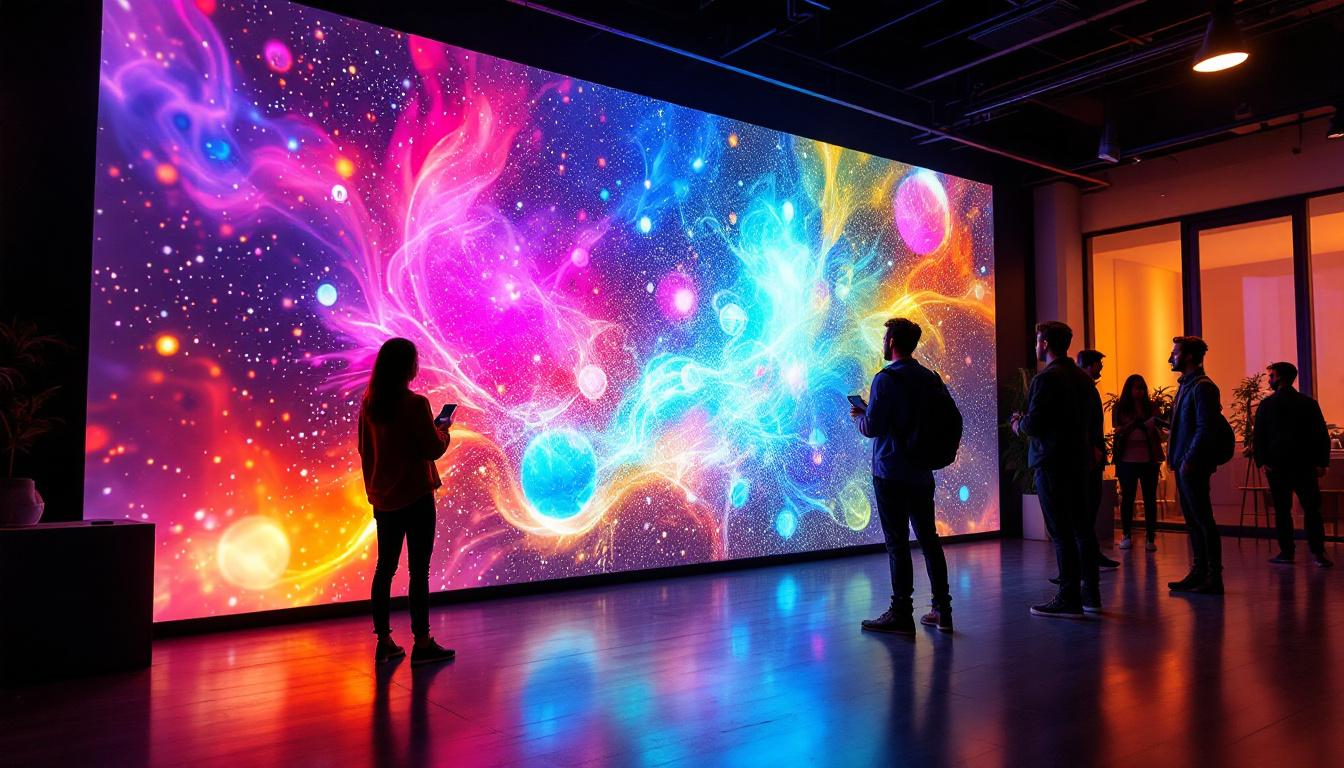
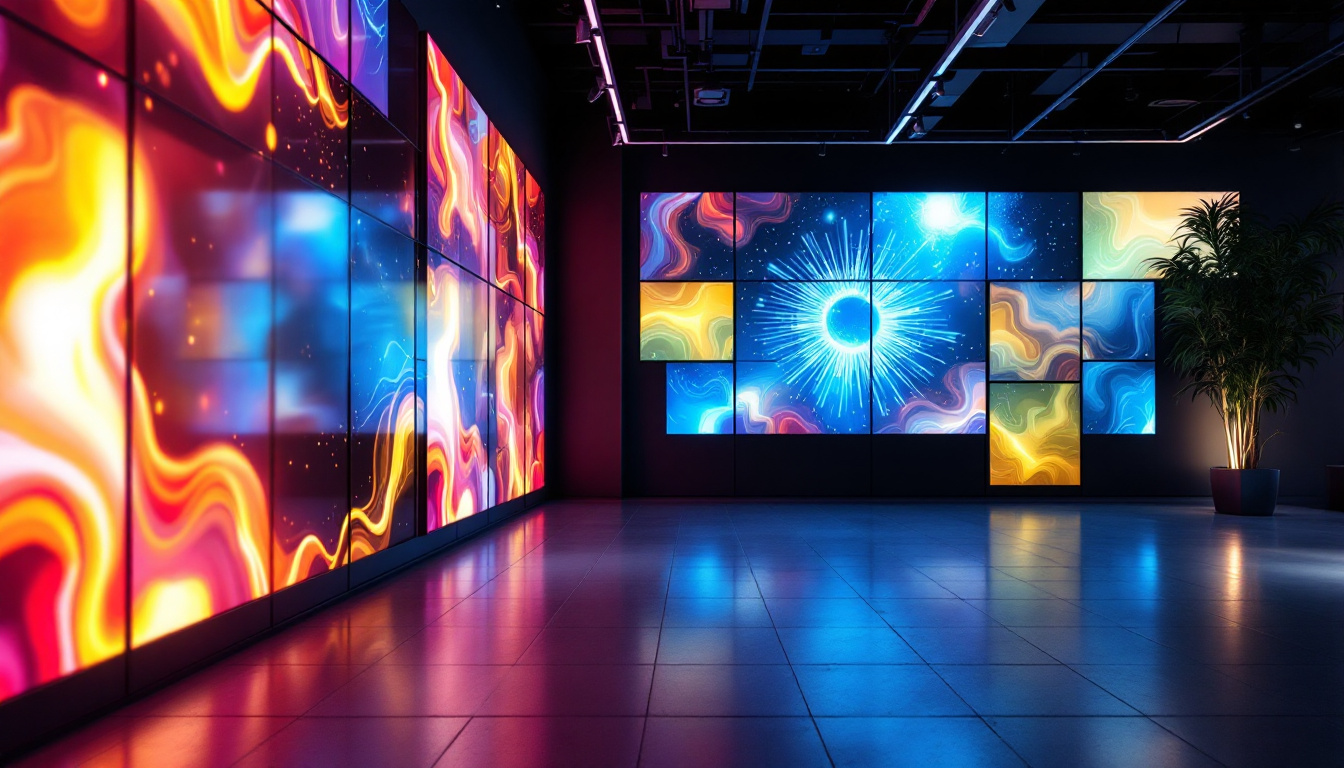
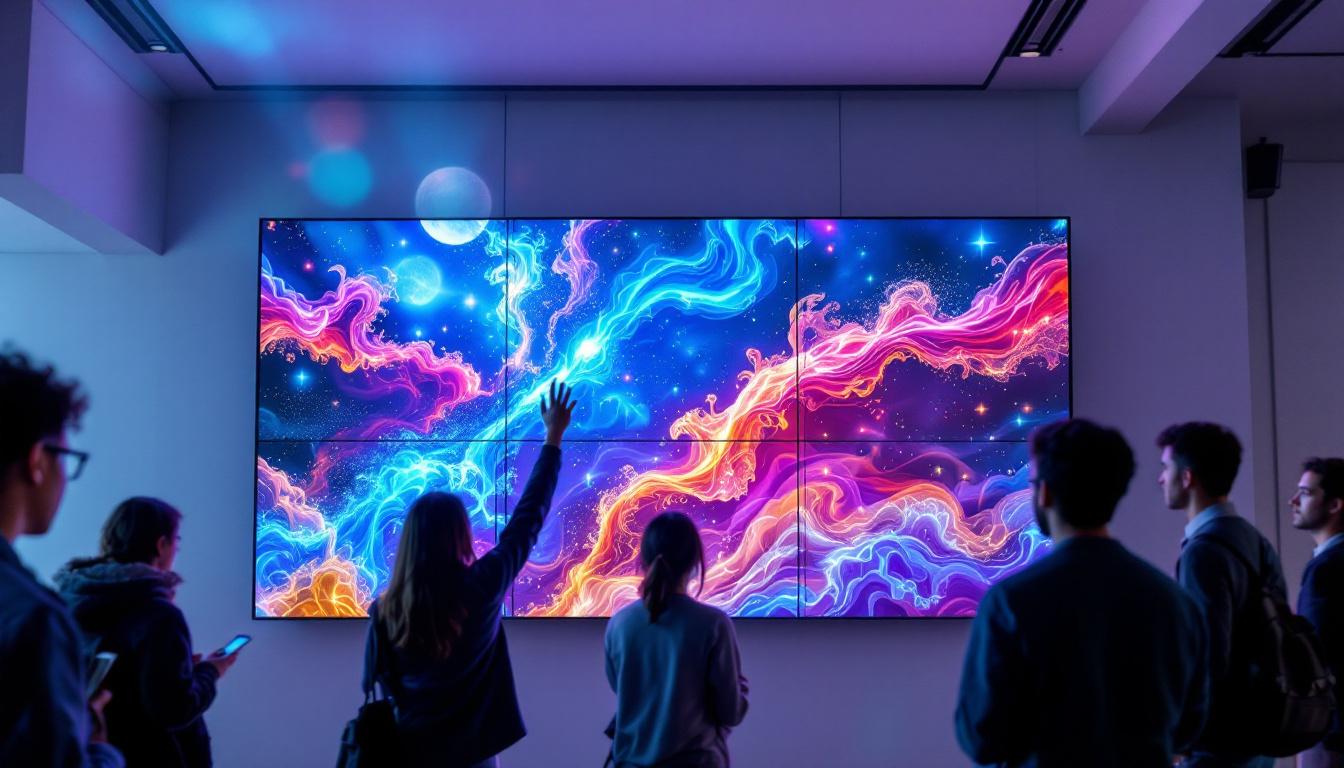
Furthermore, the modular nature of LED displays allows for easy scalability and customization. This means that they can be constructed in various shapes and sizes, making them suitable for unique installations. For instance, curved LED displays can create immersive environments in retail spaces or exhibitions, while large video walls can be assembled from smaller LED panels to create a seamless visual experience. As technology advances, features such as higher pixel densities and improved color accuracy continue to enhance the capabilities of LED displays, making them an increasingly popular choice for both consumers and businesses alike.
The Benefits of LED Displays in Beaverton
Energy Efficiency and Environmental Impact
One of the most significant advantages of LED displays is their energy efficiency. Compared to traditional incandescent or fluorescent lighting, LEDs consume up to 80% less energy. This is particularly important for Beaverton businesses and public institutions aiming to reduce their carbon footprint and operating costs. With Oregon’s strong commitment to sustainability, LED technology aligns perfectly with local environmental goals. Furthermore, the reduced energy consumption of LED displays translates into lower greenhouse gas emissions, contributing to cleaner air quality in the region. As more businesses adopt LED technology, the cumulative effect can lead to a significant positive impact on the environment, reinforcing Beaverton’s reputation as a forward-thinking, eco-friendly community.
Enhanced Visibility and Durability
Beaverton’s often overcast and rainy weather conditions make visibility a critical factor for outdoor displays. LED displays excel in this regard, offering high brightness levels that ensure content remains clear and legible even in direct sunlight or poor weather. Additionally, LEDs have a longer lifespan—typically over 50,000 hours—reducing maintenance frequency and costs. This durability is particularly advantageous for outdoor advertising, where exposure to the elements can quickly degrade traditional signage. The robust construction of LED displays also means they are less prone to breakage, making them a wise investment for businesses looking to maintain a professional appearance without frequent replacements.
Flexibility and Customization
LED displays offer unparalleled flexibility in size, shape, and resolution. Whether it’s a small digital sign for a local coffee shop or a massive billboard along Highway 217, LED technology can be tailored to meet specific needs. This adaptability makes it a favorite choice for businesses and city planners in Beaverton who want to create impactful visual experiences. Moreover, the ability to program content remotely allows for real-time updates, enabling businesses to respond quickly to promotions, events, or community announcements. This dynamic capability not only enhances engagement with the audience but also allows for targeted messaging that can be adjusted based on time of day or specific demographics, maximizing the effectiveness of advertising campaigns.
Applications of LED Displays in Beaverton
Retail and Advertising
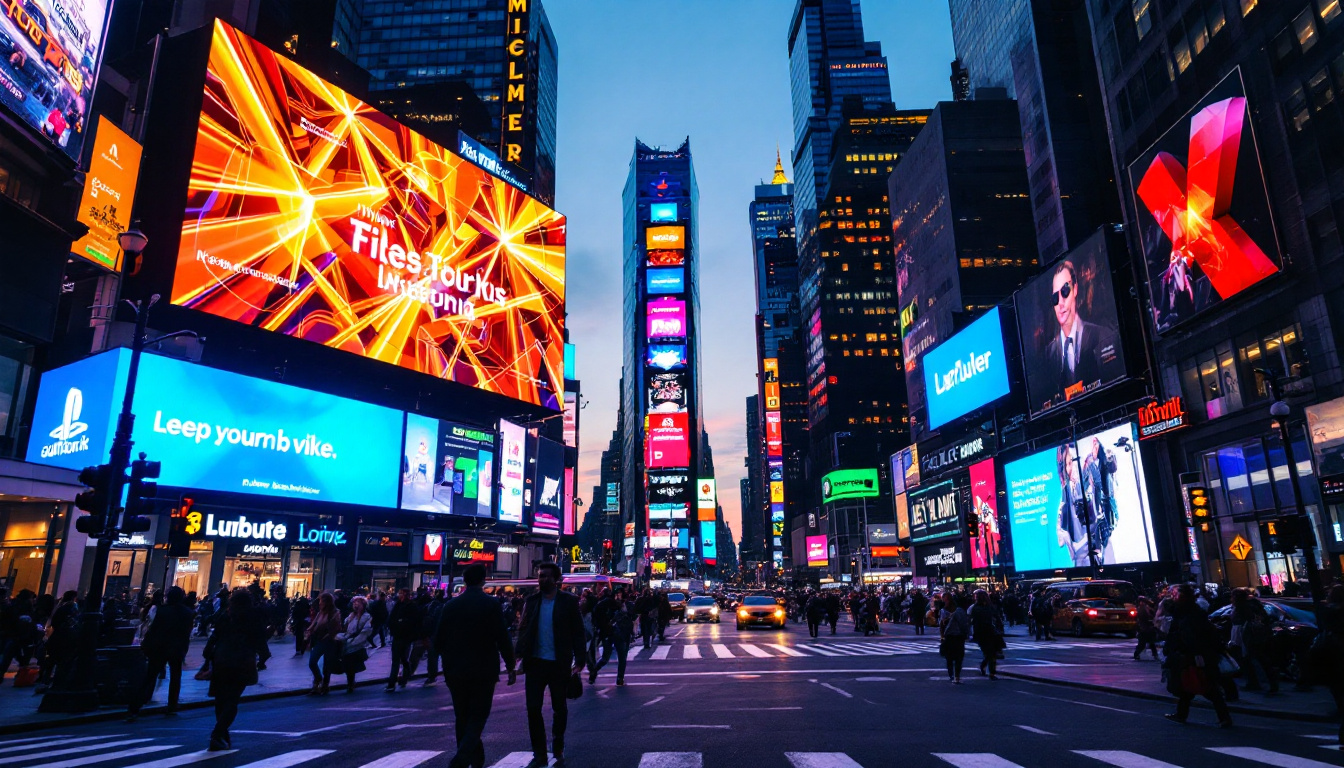
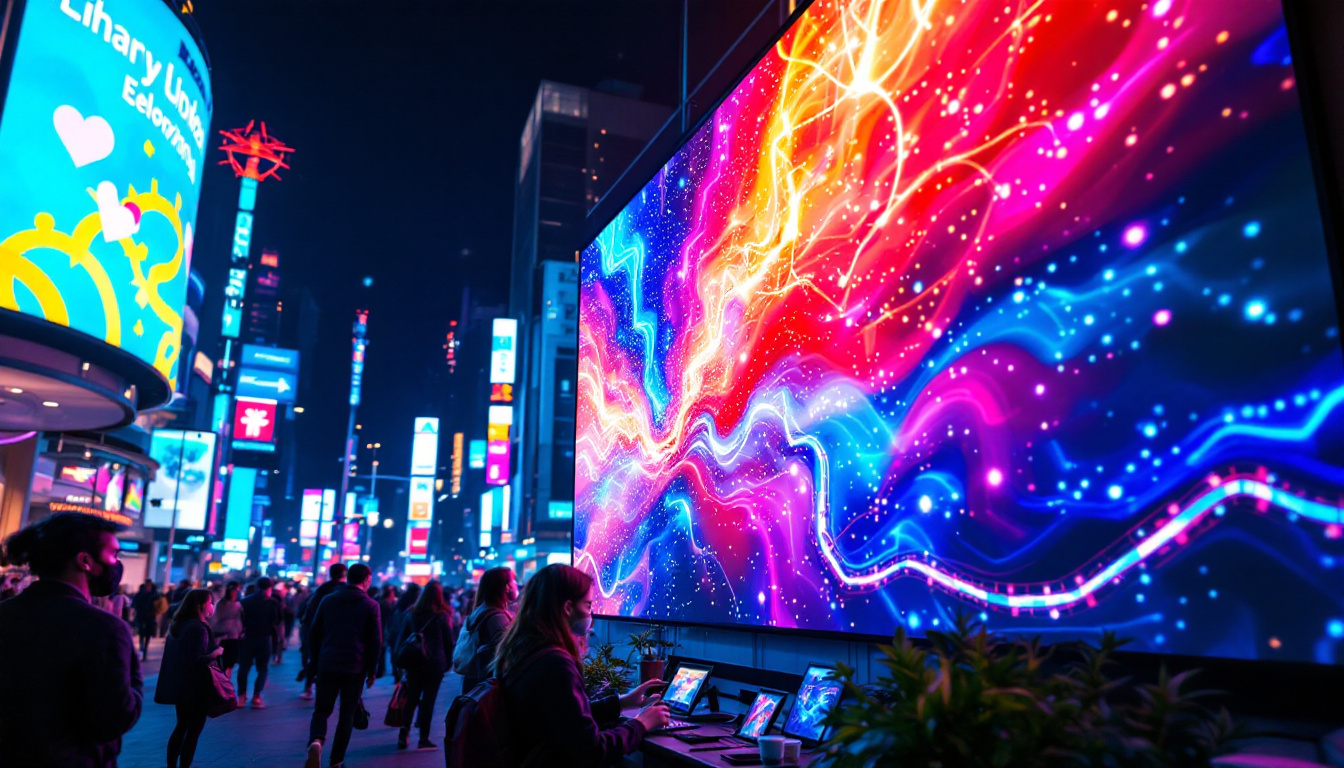
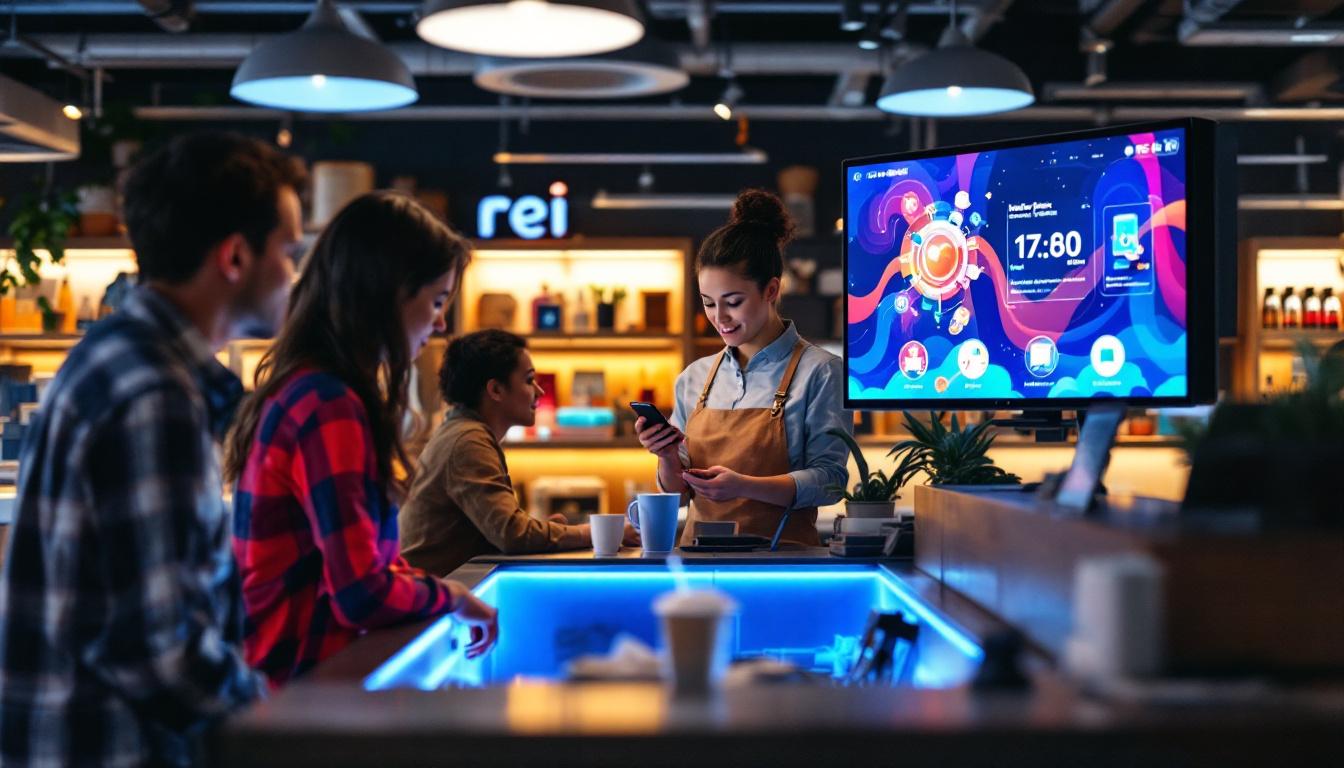
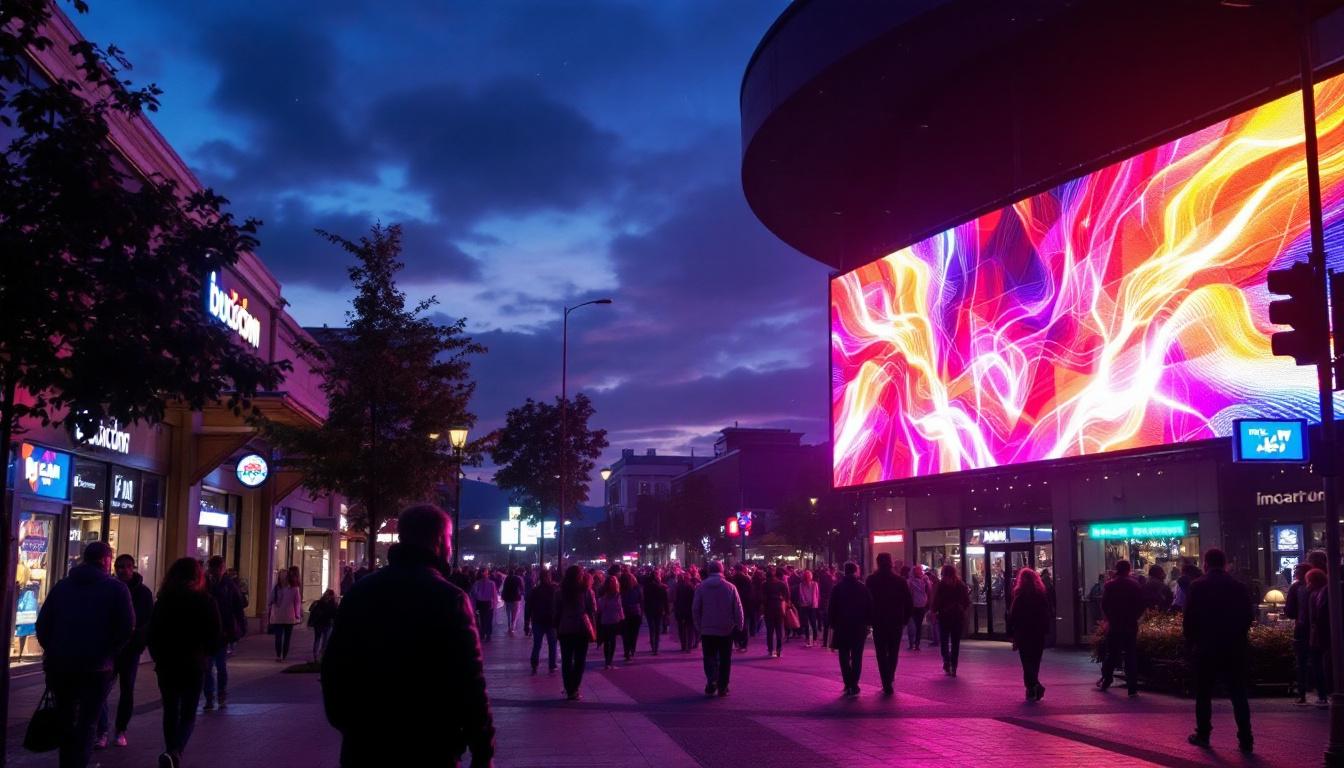
Beaverton’s vibrant retail sector has embraced LED displays to attract customers and promote products. From digital storefront signs to interactive kiosks, businesses leverage LED technology to deliver eye-catching advertisements that can be updated in real-time. For example, large retailers in the Cedar Hills Crossing shopping center use LED billboards to showcase sales, events, and promotions, enhancing customer engagement. These displays not only grab attention with their bright colors and dynamic animations but also allow retailers to tailor their messages to specific audiences, maximizing the impact of their marketing strategies. Furthermore, the ability to change content on-the-fly means that businesses can respond to trends and customer preferences almost instantaneously, ensuring that their advertising remains relevant and effective.
Public Information and Safety
The City of Beaverton utilizes LED displays for public messaging, including traffic updates, emergency alerts, and community announcements. These displays are strategically placed in high-traffic areas such as downtown Beaverton and near major roadways. Their ability to quickly disseminate critical information helps improve public safety and keeps residents informed. In addition to emergency notifications, these LED screens often feature local news, weather updates, and even public service messages, fostering a sense of community connection. By integrating social media feeds, the displays can also highlight community events and encourage citizen participation, making them a vital tool for civic engagement.
Entertainment and Events
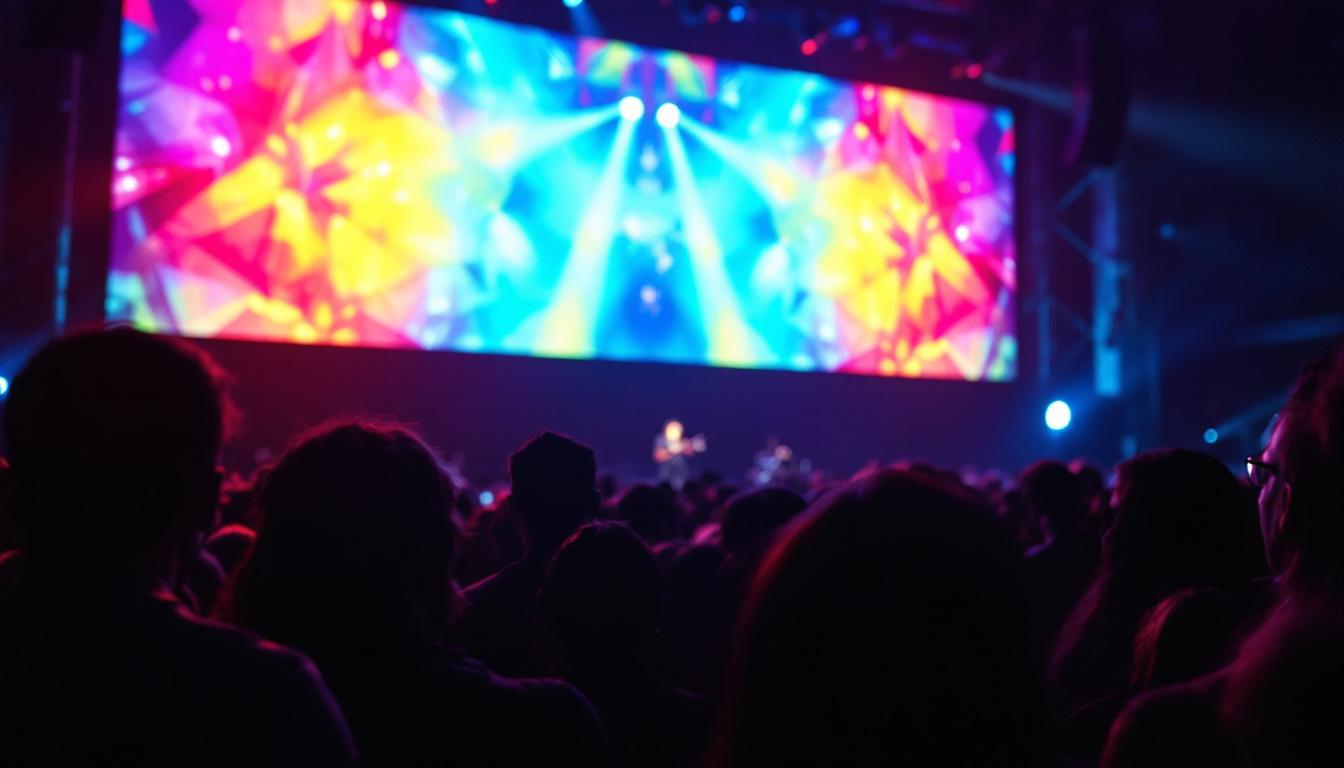
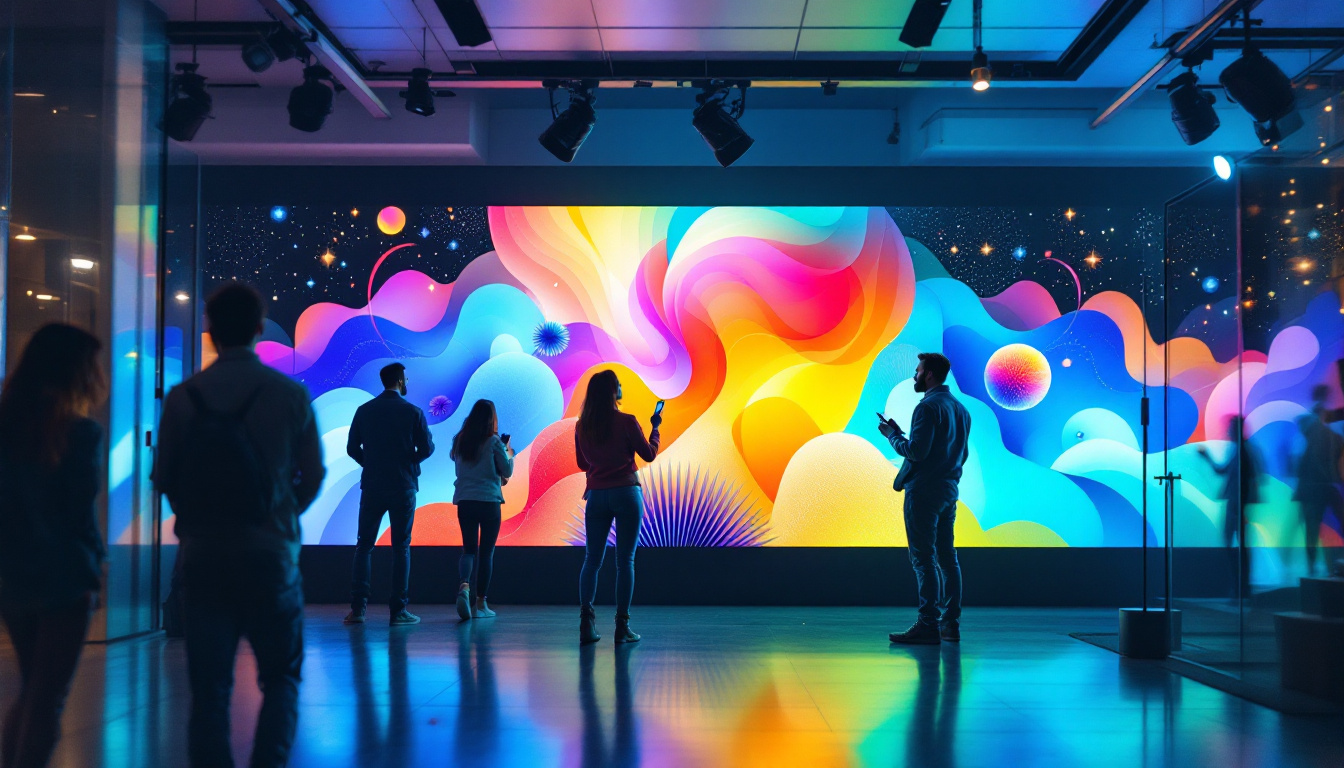
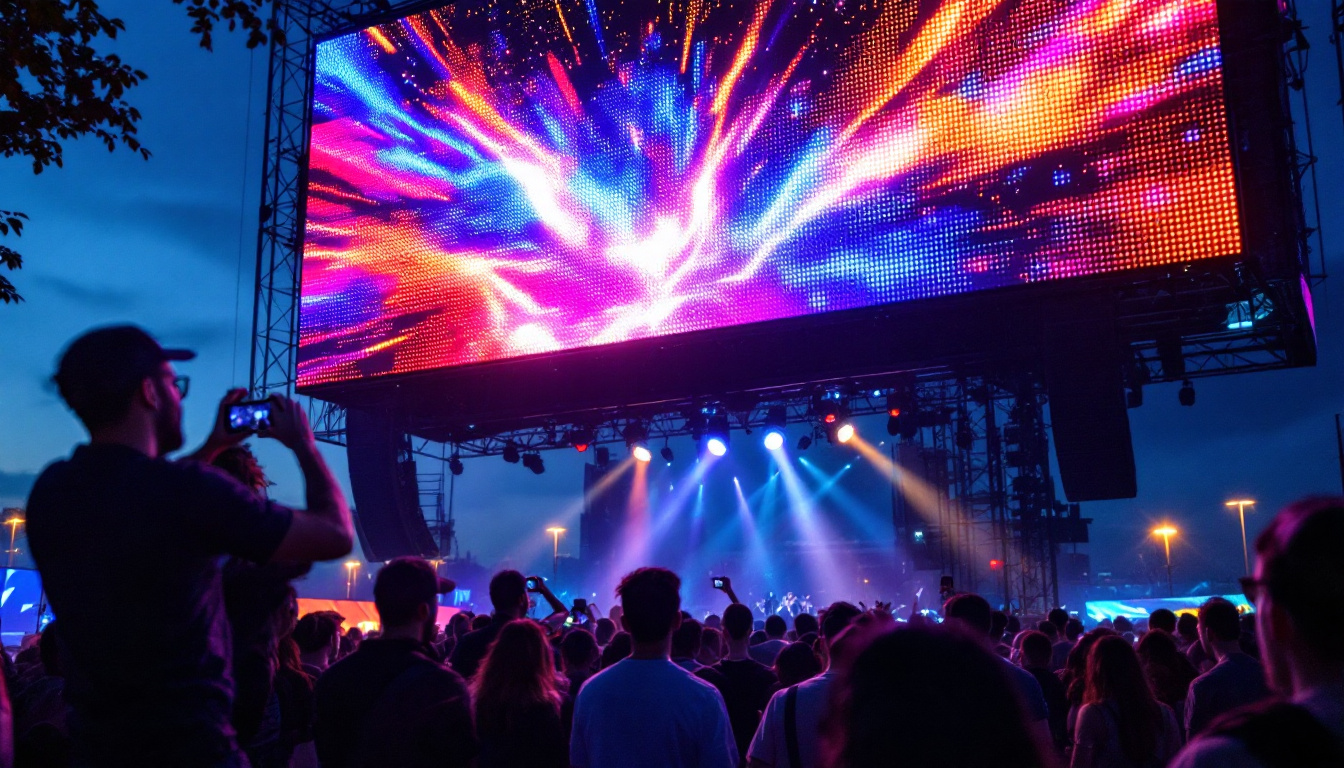
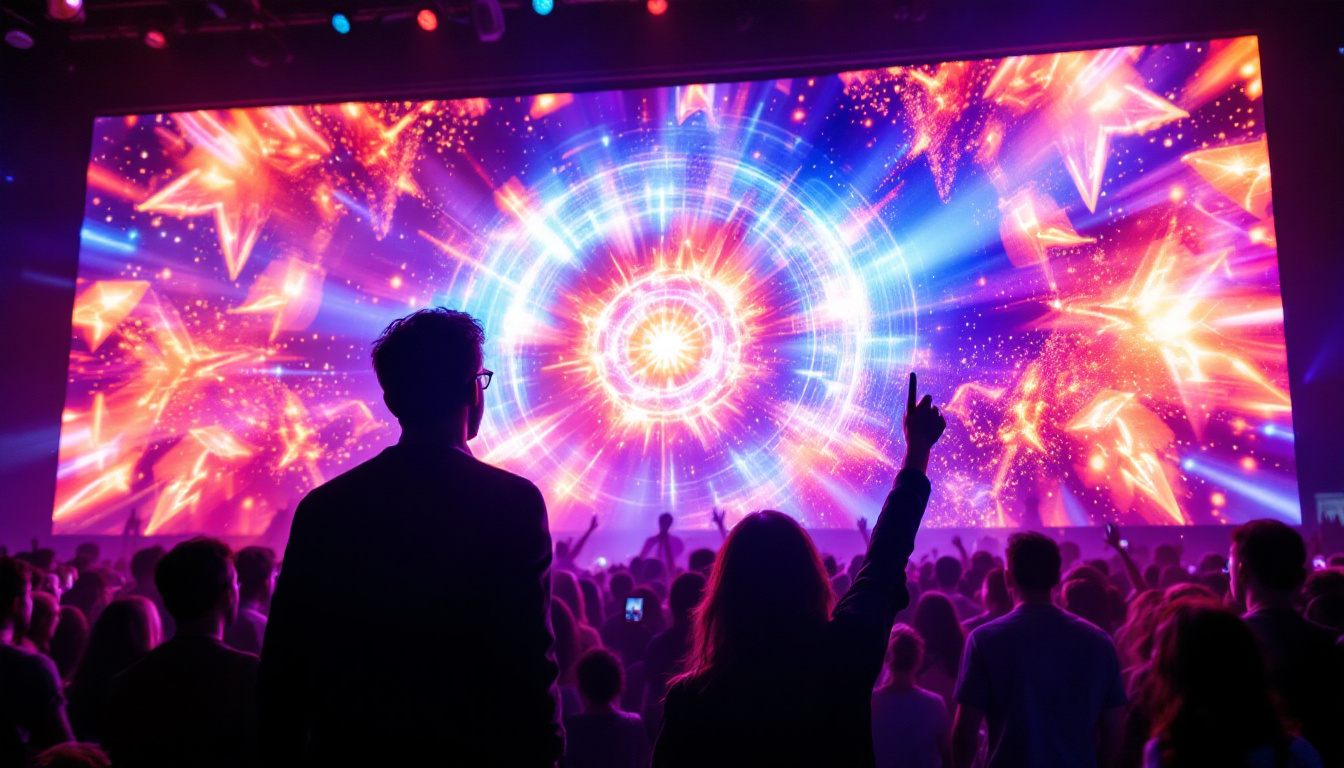
Beaverton’s growing cultural scene benefits from LED displays in venues like the Patricia Reser Center for the Arts. LED screens are used for dynamic stage backdrops, event promotions, and live event broadcasting. This technology enhances the audience experience by providing vivid visuals and real-time content, making events more immersive and engaging. Additionally, local festivals and outdoor concerts have begun incorporating mobile LED screens to display performances and announcements, ensuring that even those at the back of the crowd can enjoy the show. The versatility of LED displays allows for creative storytelling through visual art, transforming ordinary events into memorable experiences that resonate with attendees long after they leave.
Choosing the Right LED Display for Your Needs
Resolution and Pixel Pitch
When selecting an LED display, resolution and pixel pitch are critical considerations. Pixel pitch refers to the distance between individual LEDs, measured in millimeters. A smaller pixel pitch means higher resolution and sharper images, which is essential for close viewing distances. For example, indoor displays typically require a pixel pitch of 1-4mm, while outdoor displays can range from 6-20mm depending on viewing distance.
Brightness and Contrast Ratio
Brightness is measured in nits, and higher values are necessary for outdoor displays to combat sunlight glare. Beaverton’s outdoor LED displays often feature brightness levels exceeding 5,000 nits. Contrast ratio, the difference between the darkest black and the brightest white, also affects image quality and readability, especially in varying lighting conditions.
Durability and Weather Resistance
Given Beaverton’s climate, LED displays must be weatherproof and resistant to moisture, dust, and temperature fluctuations. Look for displays with an IP65 rating or higher, indicating protection against water jets and dust ingress. Robust casing materials and proper ventilation also contribute to the longevity of the display.
The Future of LED Displays in Beaverton
Smart City Integration
As Beaverton continues to develop as a smart city, LED displays will play a pivotal role in integrating digital infrastructure with urban life. Connected LED screens can interact with sensors, mobile devices, and data platforms to provide personalized information, optimize traffic flow, and enhance public services. This convergence of technology promises a more responsive and efficient urban environment.
Advancements in LED Technology
Emerging innovations such as microLED and flexible LED panels are set to revolutionize display capabilities. MicroLED offers even higher resolution and energy efficiency, while flexible LED displays open new possibilities for creative installations on curved or irregular surfaces. Beaverton businesses and public spaces stand to benefit from adopting these next-generation technologies.
Environmental and Economic Impact
Continued adoption of LED displays supports Beaverton’s economic growth by attracting tech-savvy businesses and enhancing tourism appeal. Moreover, the environmental benefits align with Oregon’s sustainability commitments, helping the city reduce energy consumption and waste. As LED technology advances, these positive impacts are expected to multiply.
Conclusion
LED display technology is more than just a bright screen; it is a dynamic communication tool that shapes the visual identity of Beaverton, Oregon. From boosting local business visibility to enhancing public safety and enriching cultural events, LED displays provide versatile solutions tailored to the city’s unique needs. As technology progresses and Beaverton embraces smart city initiatives, LED displays will continue to illuminate the path toward a more connected and vibrant community.
For businesses and organizations considering LED displays, understanding the technology’s benefits, applications, and future trends is essential to making informed decisions. With the right approach, LED displays can transform how Beaverton communicates, engages, and grows in the years to come.
Illuminate Your Vision with LumenMatrix
As Beaverton strides into a future of digital innovation, your opportunity to shine is now. LumenMatrix, a pioneer in LED display technology, is at the forefront of this visual revolution. Offering a diverse range of solutions from Indoor and Outdoor LED Wall Displays to specialized options like Vehicle, Sports, and Floor LED Displays, LumenMatrix empowers you to create immersive and engaging experiences. Embrace the power of Custom, All-in-One, and Transparent LED Displays to elevate your brand and message. Ready to transform your visual communication? Check out LumenMatrix LED Display Solutions and join the movement towards a brighter, more connected Beaverton.