In today’s digital age, LED displays have become an integral part of how information is communicated visually across various sectors. From vibrant billboards illuminating cityscapes to the crisp screens of smartphones and televisions, LED technology powers a vast array of display solutions. This article delves into the fundamentals of LED displays, their types, applications, and future trends, providing a comprehensive understanding for professionals, enthusiasts, and consumers alike.
Understanding LED Display Technology
What is an LED Display?
LED stands for Light Emitting Diode, a semiconductor device that emits light when an electric current passes through it. An LED display is a flat panel display that uses an array of these light-emitting diodes as pixels to create images, videos, or text. Unlike traditional LCDs, which rely on backlighting, LED displays produce their own light, resulting in brighter images and better contrast.
The core advantage of LED technology lies in its efficiency and longevity. LEDs consume less power compared to other lighting technologies and have a longer operational life, often exceeding 50,000 hours. This makes LED displays not only visually appealing but also cost-effective and environmentally friendly over time. Furthermore, the compact size of LEDs allows for thinner and lighter display designs, making them ideal for a variety of applications, from large outdoor billboards to sleek indoor screens in retail environments.
How Do LED Displays Work?
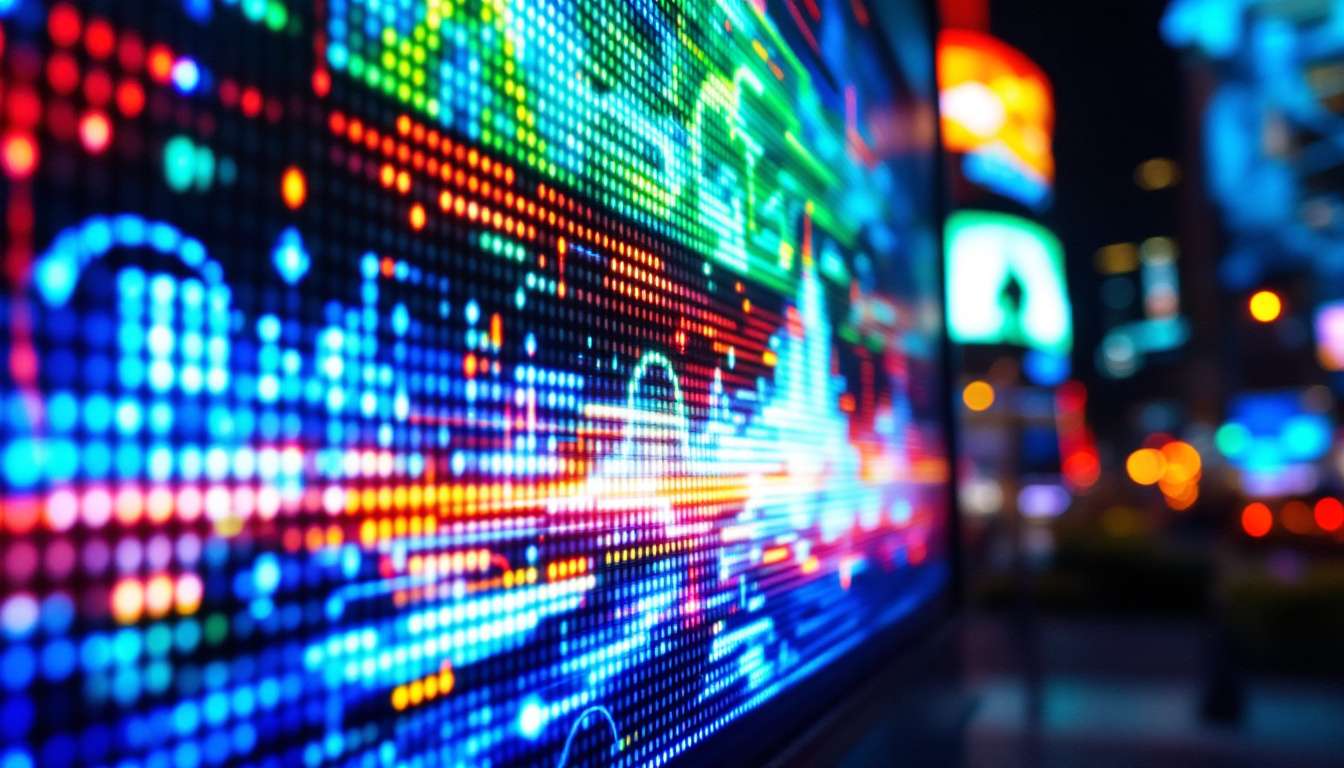
At the heart of an LED display are thousands to millions of tiny LEDs arranged in a grid. Each LED acts as a pixel or part of a pixel, emitting light in specific colors—red, green, and blue—that combine to produce the full spectrum of colors visible on the screen. By adjusting the intensity of each LED, the display can render images with remarkable detail and color accuracy. The ability to create high-definition visuals has made LED displays the preferred choice for everything from television screens to digital signage in public spaces.
Modern LED displays often use a technique called Pulse Width Modulation (PWM) to control brightness and color intensity. By rapidly switching LEDs on and off at varying intervals, the human eye perceives different brightness levels without flickering. This method enhances the display’s ability to produce vivid images while conserving energy. Additionally, advancements in technology have led to the development of organic light-emitting diodes (OLEDs), which offer even greater flexibility in design and improved color performance, further expanding the possibilities for LED display applications in both consumer electronics and commercial settings.
Types of LED Displays
Direct View LED Displays
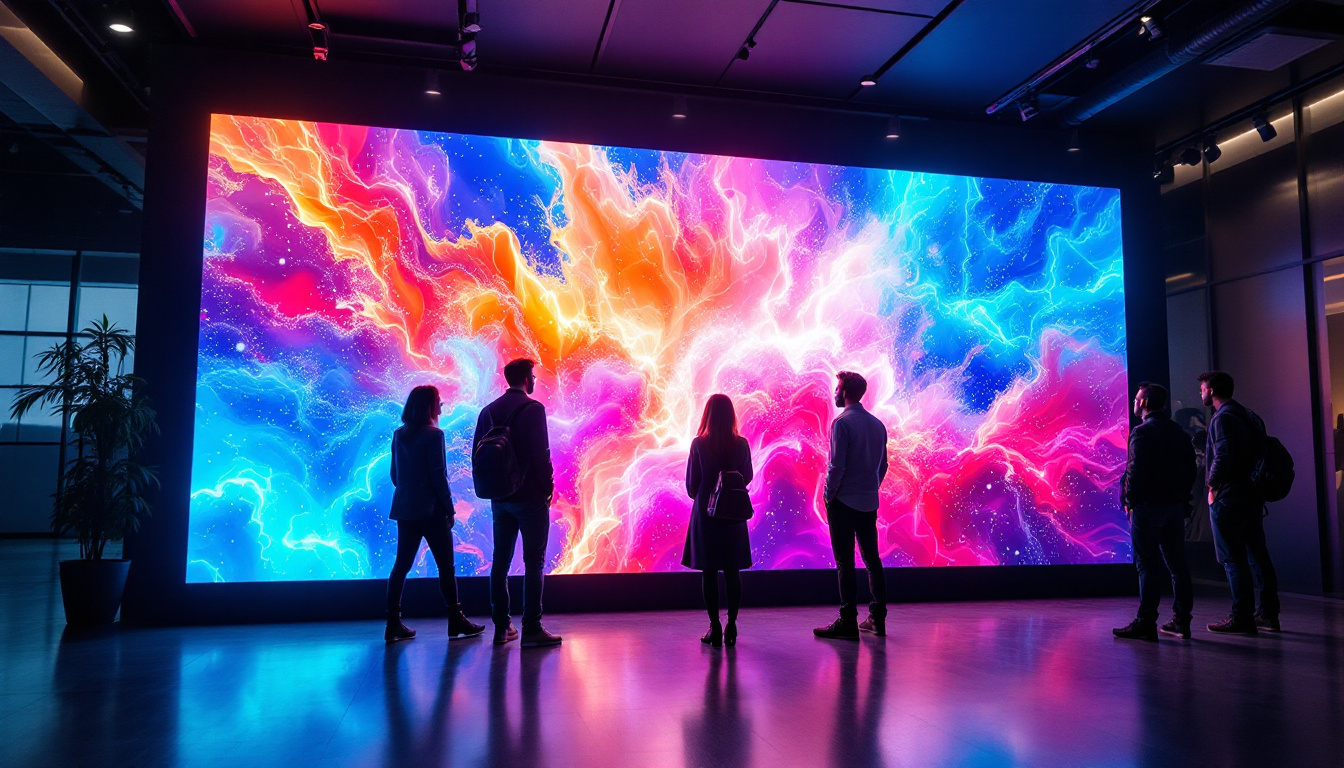
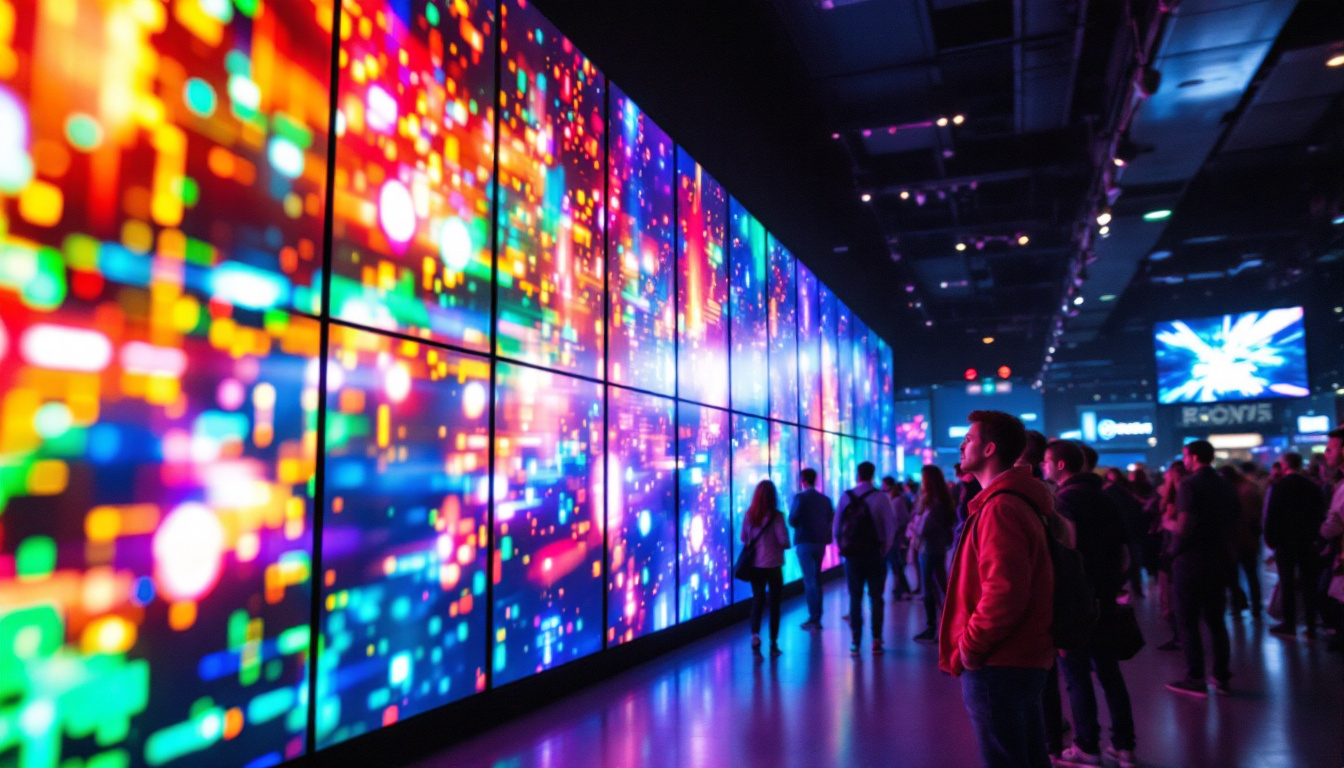
Direct View LED (DVLED) displays are composed of individual LEDs that are visible to the naked eye. These are commonly used in large-scale applications such as outdoor billboards, stadium screens, and digital signage. DVLED displays can be manufactured in various sizes and resolutions, making them highly versatile for both indoor and outdoor environments.
One of the key characteristics of DVLED displays is their pixel pitch—the distance between the centers of two adjacent LEDs. A smaller pixel pitch results in higher resolution and sharper images, which is crucial for displays viewed from close distances. For example, a pixel pitch of 1.2 mm is typical for indoor displays, while outdoor displays might have pixel pitches ranging from 4 mm to 20 mm or more. This adaptability in pixel pitch allows businesses to tailor their displays to specific viewing distances, ensuring that the visual experience is optimized for their audience.
Moreover, DVLED displays are known for their exceptional brightness and color accuracy, making them ideal for environments with high ambient light, such as outdoor venues or busy urban areas. These displays can achieve brightness levels exceeding 10,000 nits, which is essential for visibility in direct sunlight. Additionally, the modular design of DVLED technology allows for easy repairs and upgrades, ensuring longevity and reducing maintenance costs over time.
LED-backlit LCD Displays
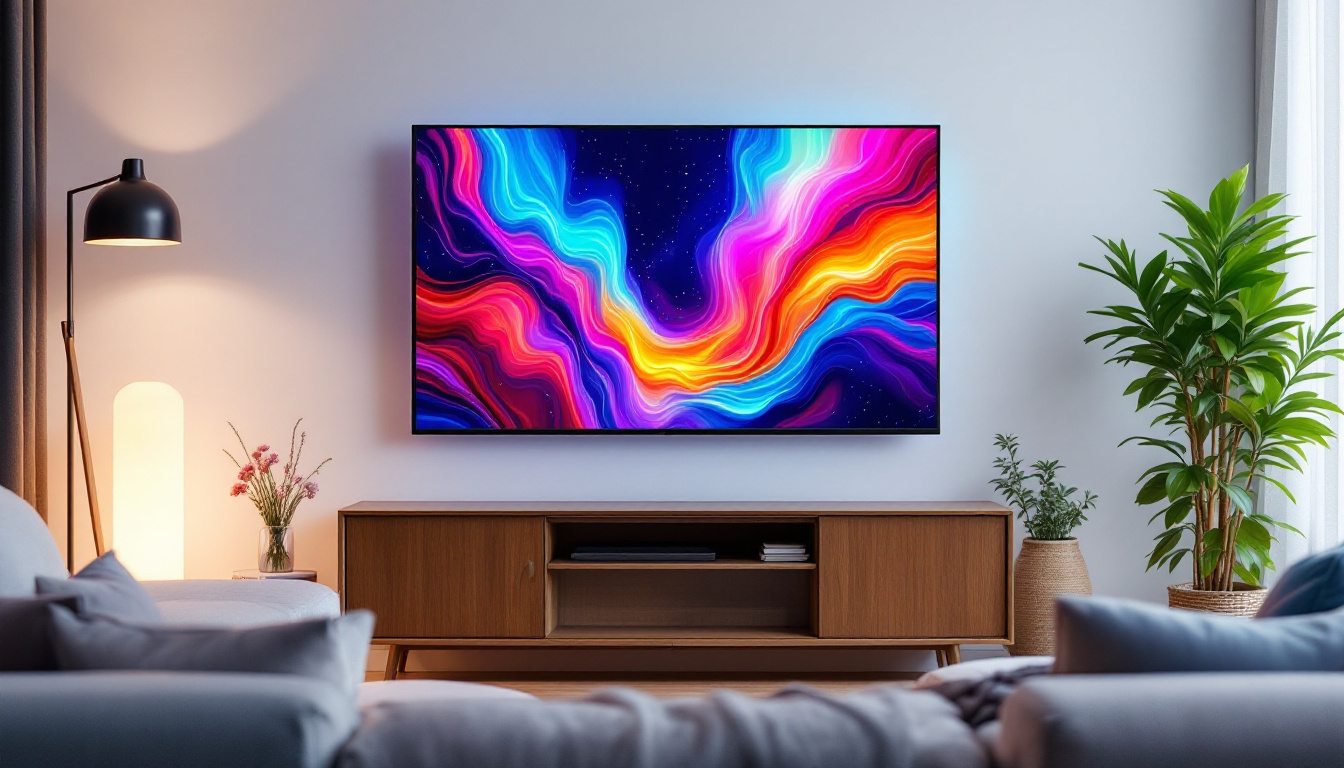
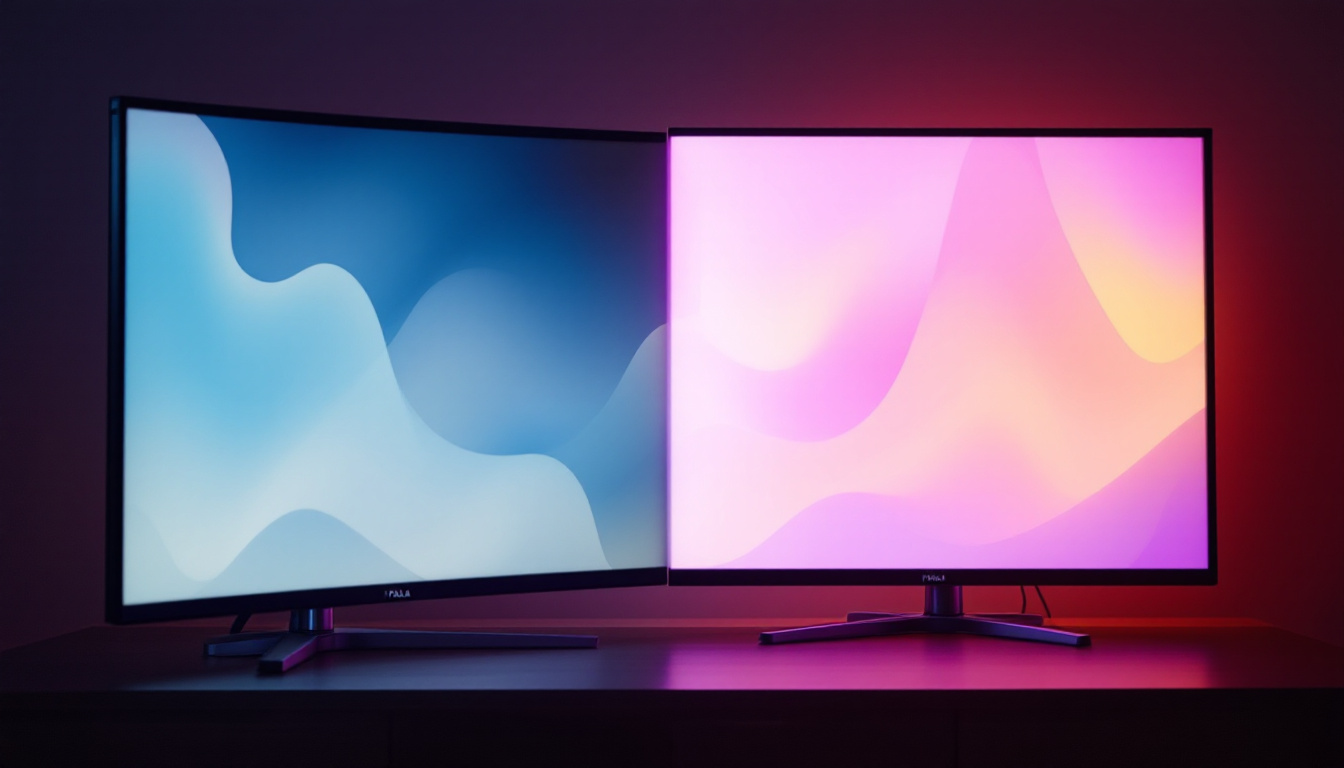
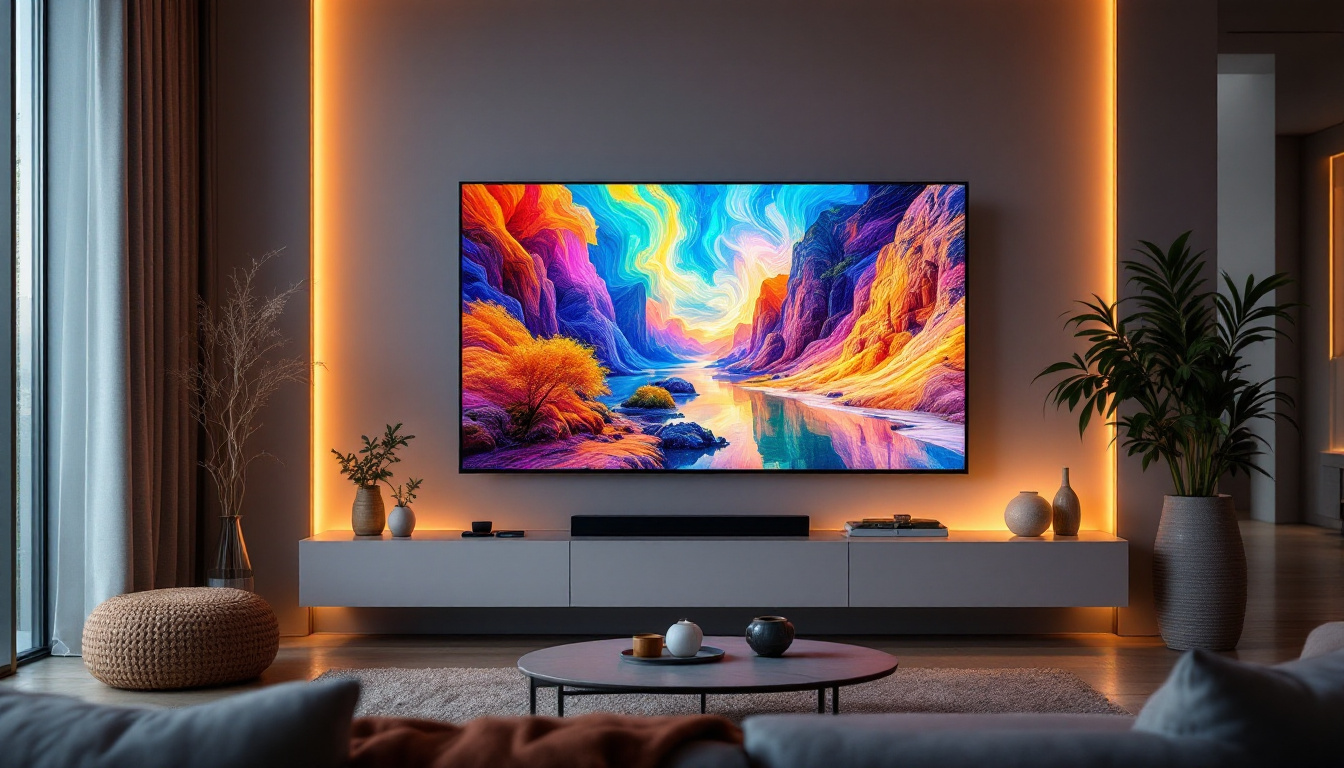
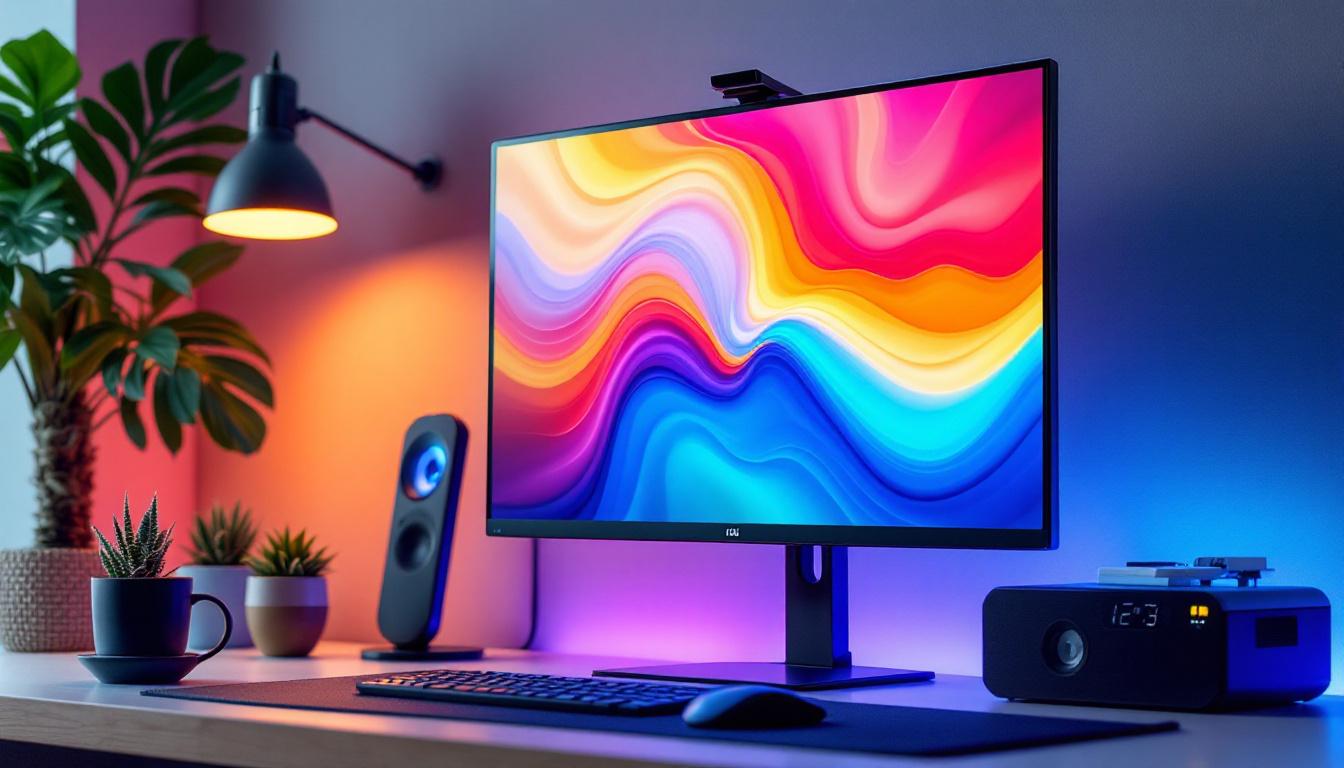
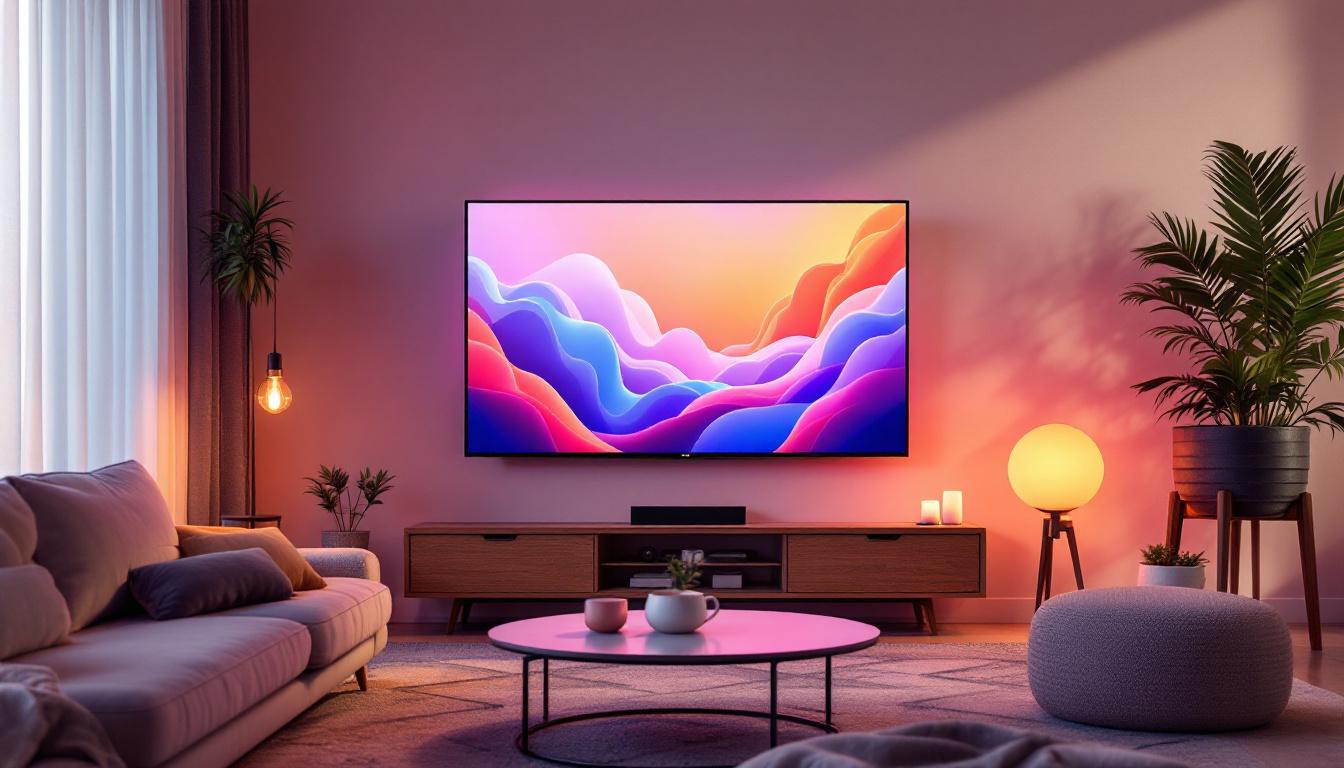
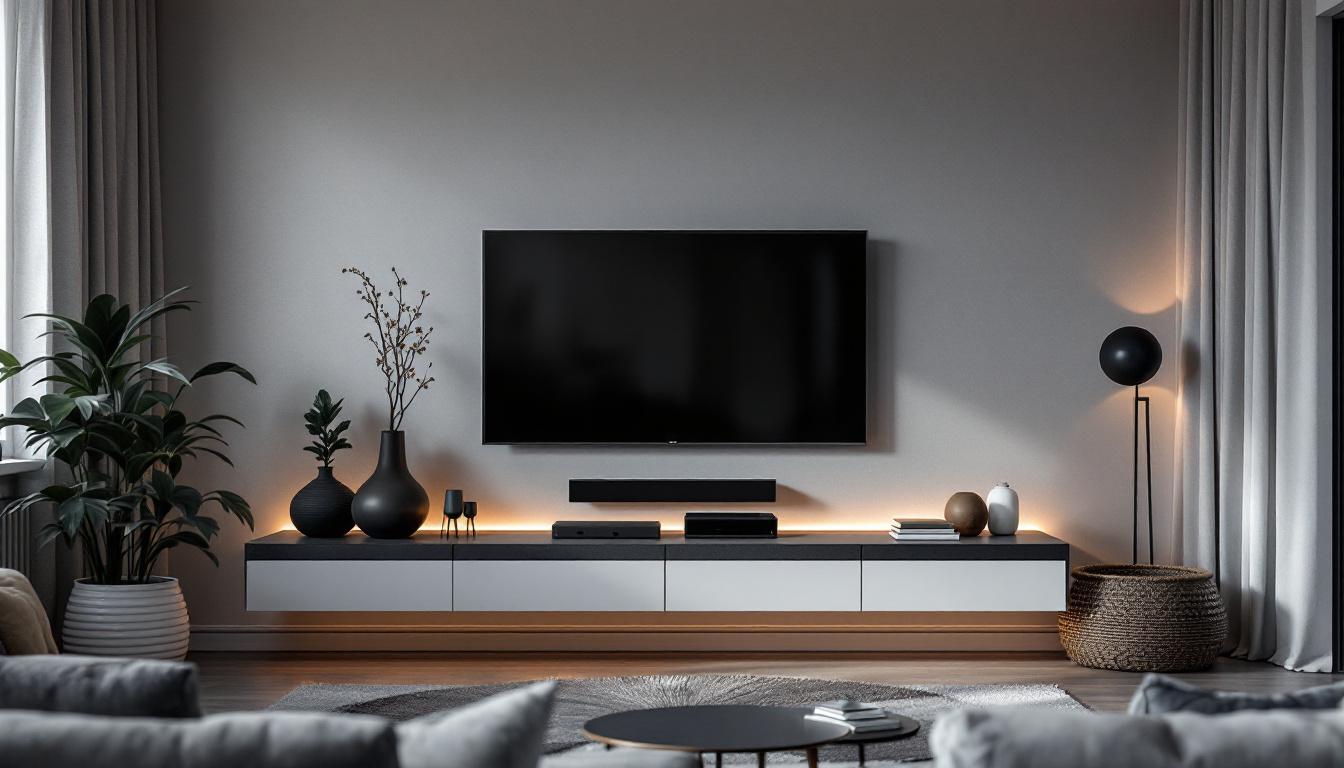
Many consumer electronics, including televisions, computer monitors, and smartphones, use LED-backlit LCD technology. In this configuration, the LCD panel controls the image, while an array of LEDs provides the backlighting. This approach combines the color accuracy and resolution of LCDs with the energy efficiency and brightness of LEDs.
LED-backlit LCDs come in two main types: edge-lit and full-array. Edge-lit displays place LEDs along the edges of the screen, allowing for thinner designs but sometimes uneven brightness. Full-array LED backlighting distributes LEDs evenly behind the screen, enabling local dimming zones that improve contrast and black levels. This technology allows for a more dynamic range of colors and deeper blacks, enhancing the viewing experience, particularly for movies and gaming.
In addition, the advancements in LED-backlit LCD technology have led to features such as HDR (High Dynamic Range) support, which further enhances the visual quality by allowing for a broader range of colors and luminance. This makes LED-backlit LCDs a popular choice among consumers who prioritize high-quality visuals in their devices, as they can deliver stunning images with vibrant colors and sharp details.
OLED vs. LED Displays
Organic Light Emitting Diode (OLED) displays are often compared to traditional LED displays, though they operate on different principles. OLEDs use organic compounds that emit light when electrified, allowing each pixel to light up independently. This results in perfect blacks and superior contrast ratios compared to LED-backlit LCDs.
However, OLED displays are generally more expensive to produce and can suffer from issues like burn-in over time. LED displays, especially DVLEDs, remain the preferred choice for large-format and outdoor applications due to their robustness and brightness. Understanding these differences helps consumers and businesses select the right technology for their needs. Furthermore, the ongoing development in LED technology, such as Mini-LED and MicroLED, is closing the gap between OLED and LED displays, offering improved contrast and color performance while maintaining the durability and longevity that LED displays are known for.
As the market continues to evolve, consumers can expect to see innovative hybrid technologies that combine the best features of both OLED and LED displays. This could lead to even more options for high-quality visual experiences, catering to a wide range of applications from professional settings to home entertainment. The competition between these technologies drives advancements, ensuring that users benefit from enhanced performance and affordability in their display choices.
Applications of LED Displays
Advertising and Digital Signage
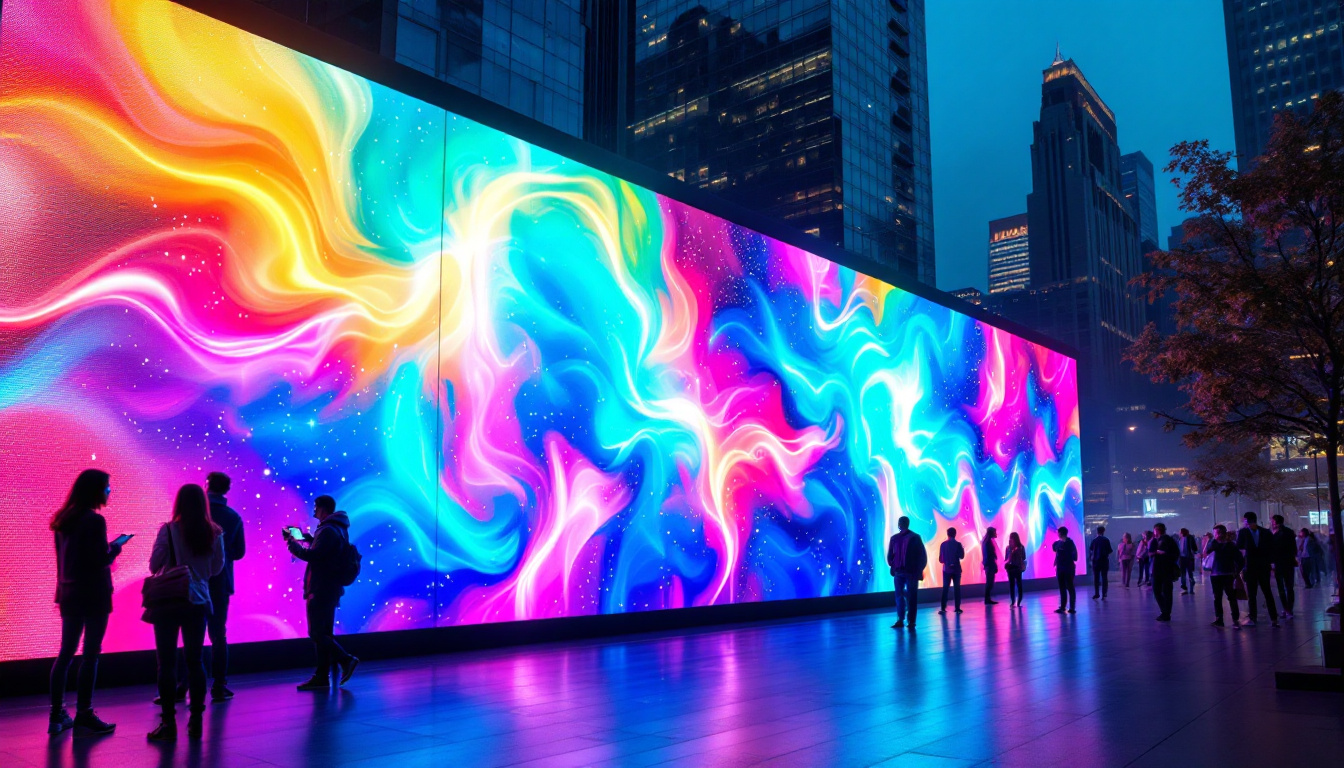
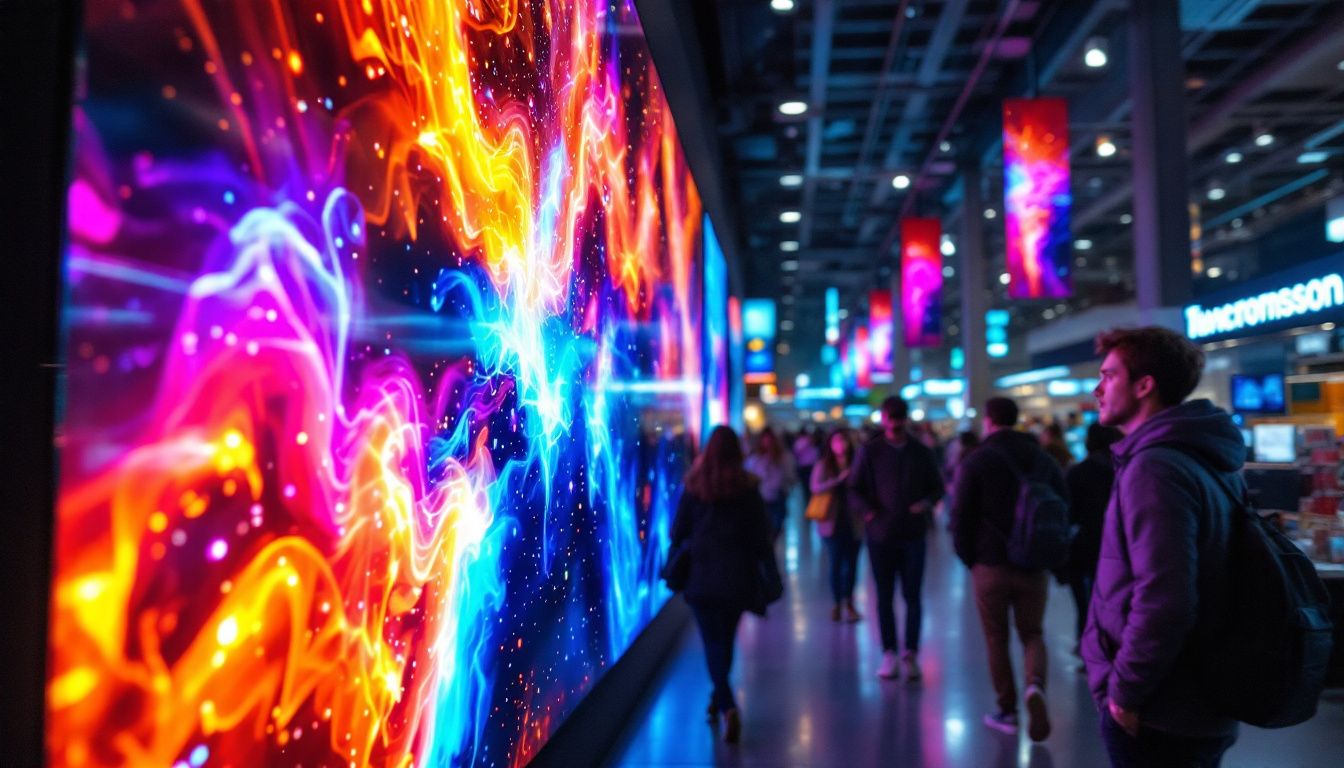
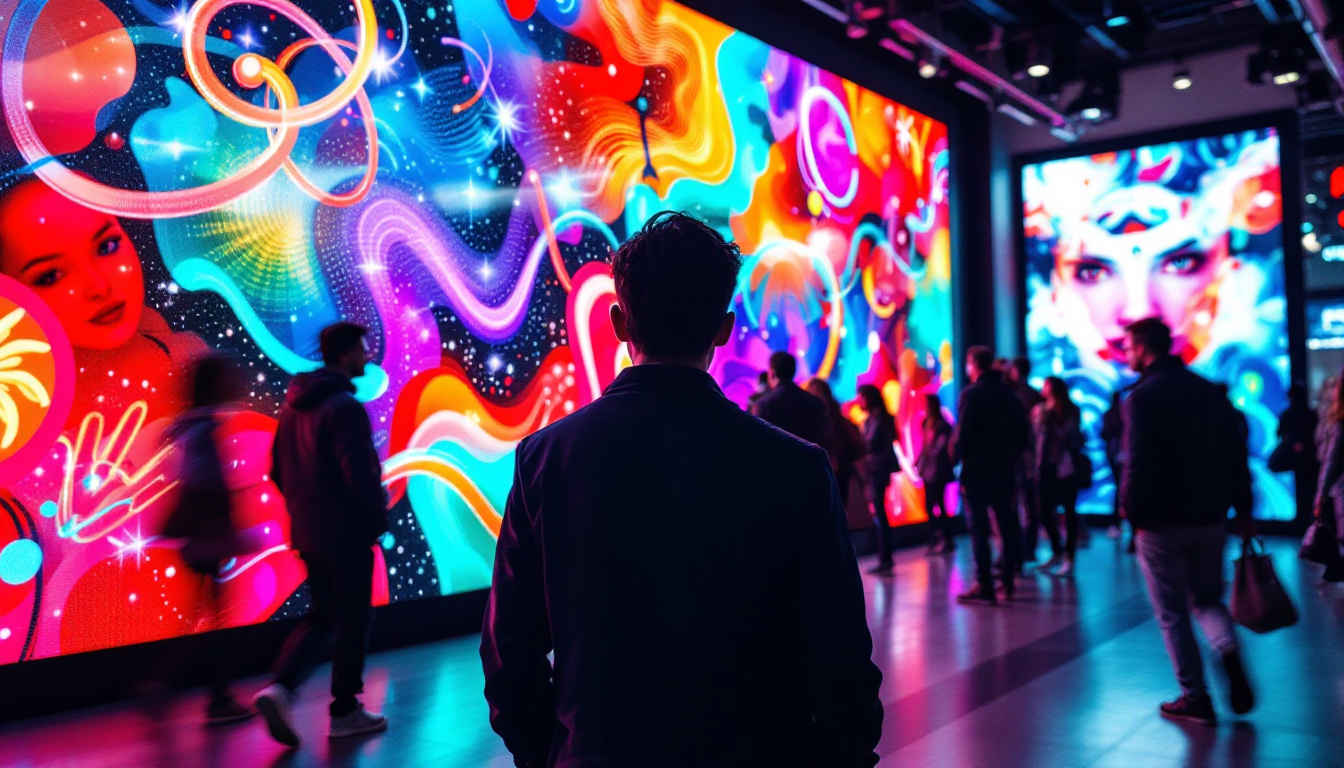
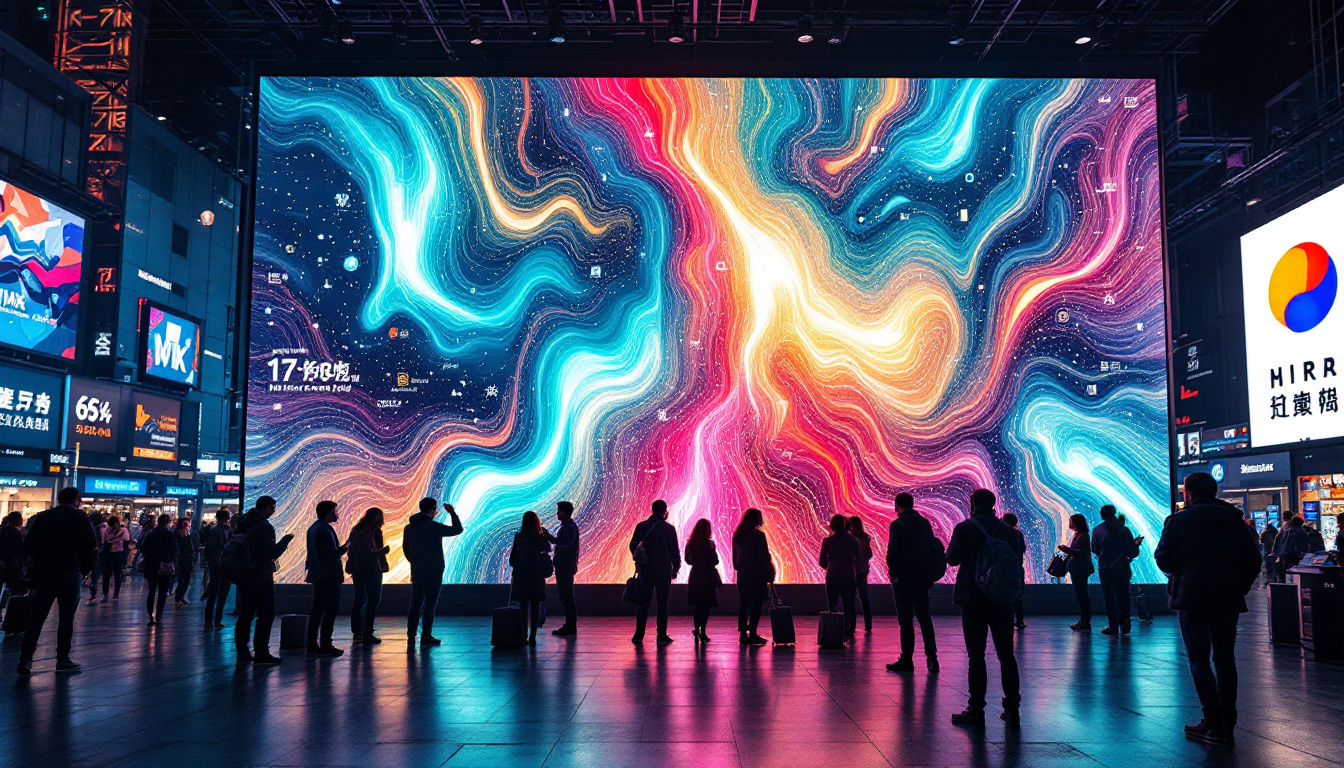
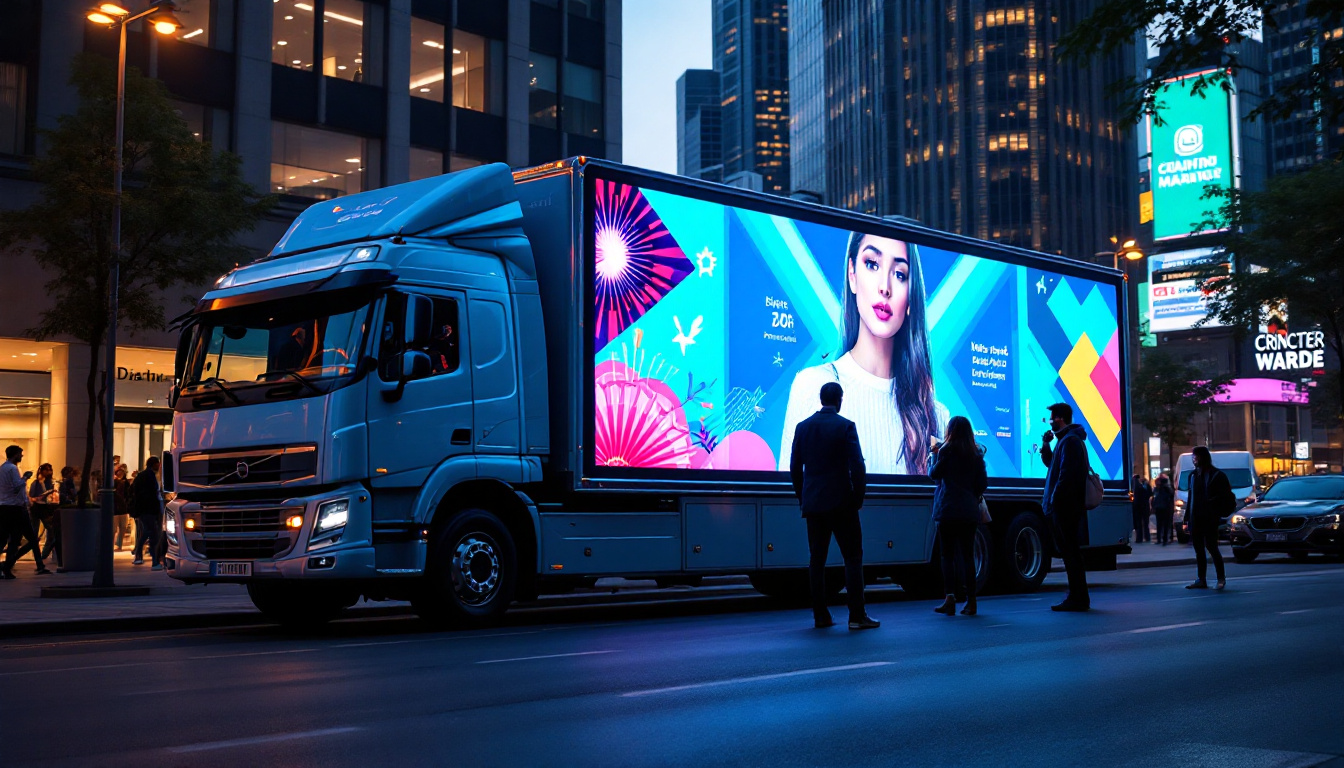
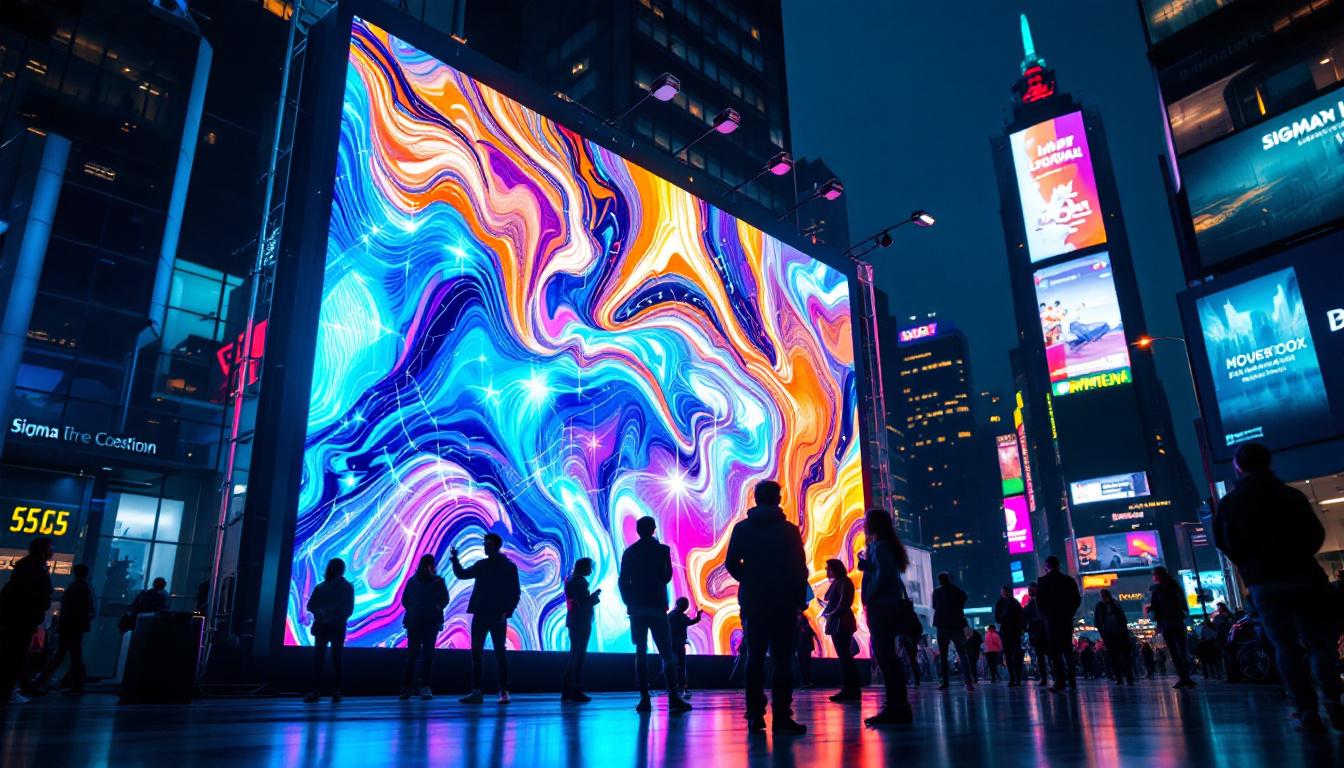
LED displays have revolutionized advertising by enabling dynamic, eye-catching content that can be updated in real time. Cities worldwide feature massive LED billboards that deliver vibrant advertisements visible even in direct sunlight. The ability to display videos, animations, and interactive content has made LED signage a powerful marketing tool.
Retail environments also benefit from LED displays for in-store promotions and wayfinding. The flexibility to customize content quickly allows businesses to respond to market trends and customer preferences effectively. According to a 2023 market report by Grand View Research, the global digital signage market is expected to grow at a compound annual growth rate (CAGR) of over 8% through 2030, driven largely by advancements in LED technology.
Entertainment and Events
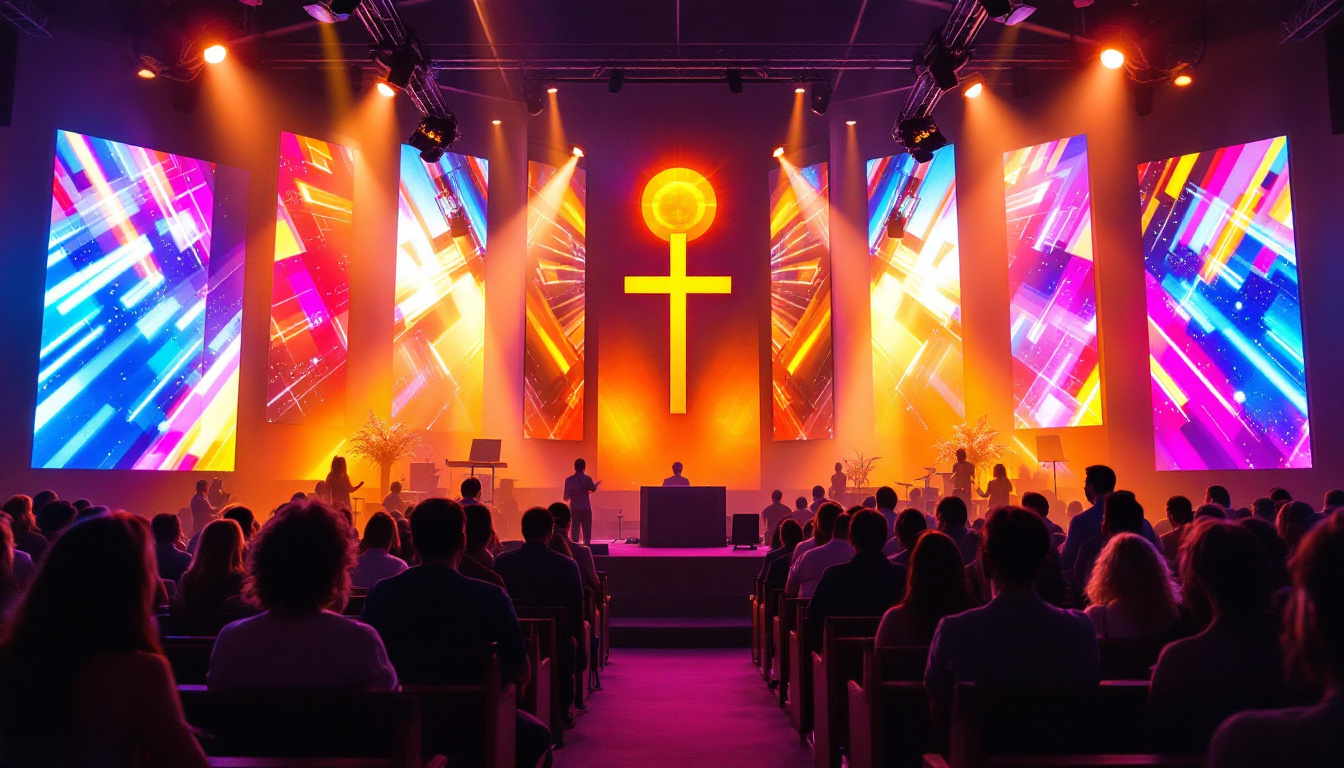
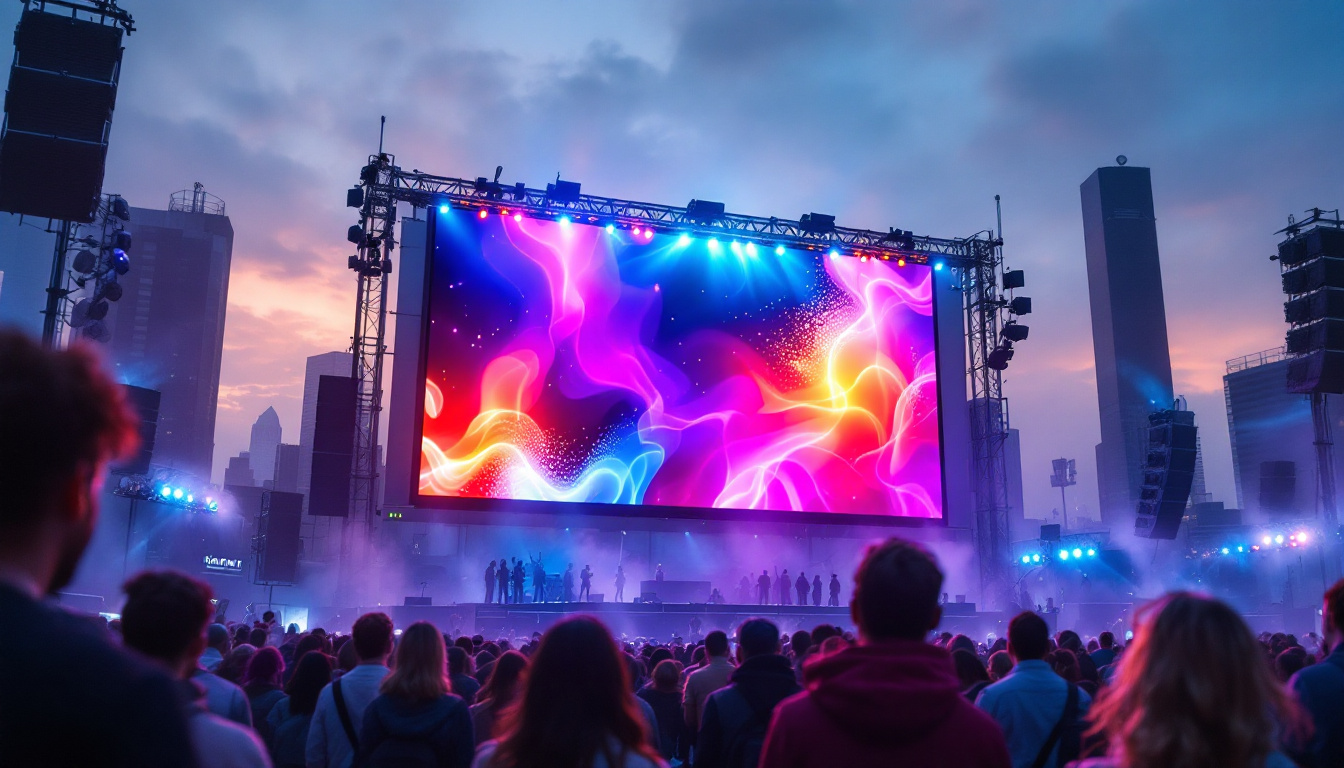
Concerts, sports arenas, and theaters utilize LED displays to enhance audience experiences. Large LED screens provide clear views of performers and action from any seat, while smaller LED panels are used for stage backdrops and immersive visual effects. The high brightness and color fidelity of LED displays make them ideal for environments with challenging lighting conditions.
Innovations such as flexible and transparent LED panels are expanding creative possibilities in event production. For example, curved LED walls can wrap around stages, creating a 360-degree visual environment that captivates audiences. These technologies are becoming increasingly accessible, enabling more immersive and engaging live experiences.
Transportation and Public Information
LED displays play a critical role in transportation hubs like airports, train stations, and bus terminals. They provide real-time information on schedules, delays, and safety announcements, helping travelers navigate complex environments efficiently. The durability and visibility of LED displays make them well-suited for these high-traffic areas.
Additionally, LED traffic signs and variable message signs improve road safety by conveying important information to drivers. Smart city initiatives are integrating LED displays with sensors and IoT technologies to deliver adaptive messaging that responds to traffic conditions and emergencies.
Advantages and Challenges of LED Displays
Key Advantages
LED displays offer several compelling benefits that have driven their widespread adoption. Their high brightness levels ensure visibility in various lighting conditions, including direct sunlight. Energy efficiency reduces operational costs and environmental impact, which is increasingly important for businesses and municipalities aiming to meet sustainability goals.
Moreover, LED displays are highly durable and resistant to shock, vibration, and temperature variations, making them suitable for both indoor and outdoor use. Their modular design allows for easy maintenance and scalability, enabling users to customize display sizes and resolutions according to specific requirements.
Challenges and Considerations
Despite their advantages, LED displays present certain challenges. Initial installation costs can be high, especially for large-format or high-resolution displays. Ensuring uniform brightness and color consistency across large panels requires precise calibration and quality control.
Another consideration is the environmental impact of LED manufacturing and disposal. While LEDs are more eco-friendly during operation, responsible sourcing of materials and recycling programs are essential to minimize their overall footprint. Additionally, blue light emissions from LED screens have raised concerns regarding eye strain and circadian rhythm disruption, prompting ongoing research into safer display technologies.
The Future of LED Displays
Emerging Technologies and Innovations
The LED display industry is continuously evolving, driven by advances in materials science, manufacturing techniques, and digital integration. MicroLED technology, which uses microscopic LEDs to create displays with exceptional brightness, color accuracy, and energy efficiency, is poised to disrupt markets such as televisions, smartphones, and virtual reality devices.
Flexible and transparent LED displays are also gaining traction, enabling new form factors and applications. For instance, automotive manufacturers are exploring transparent LED windshields that can display navigation and safety information directly in the driver’s line of sight. Similarly, wearable devices are incorporating flexible LED screens for enhanced functionality and aesthetics.
Integration with Smart Technologies
As the Internet of Things (IoT) expands, LED displays are becoming smarter and more interconnected. Integration with sensors, cameras, and AI-powered analytics allows displays to adapt content dynamically based on audience demographics, environmental conditions, and user interactions. This capability enhances personalization and effectiveness, particularly in retail and public spaces.
Moreover, 5G connectivity facilitates real-time content updates and remote management of LED networks, reducing operational complexity and enabling innovative applications such as augmented reality overlays and interactive advertising campaigns.
Conclusion
LED displays have transformed the way information and entertainment are delivered across countless industries. Their unique combination of brightness, efficiency, durability, and versatility makes them indispensable tools for communication in both public and private sectors. Understanding the technology behind LED displays, their various types, and applications empowers businesses and consumers to make informed decisions and leverage these displays to their fullest potential.
Looking ahead, ongoing innovations in LED technology promise even more immersive, flexible, and intelligent display solutions. As these advancements continue to unfold, LED displays will remain at the forefront of visual communication, shaping the digital landscapes of tomorrow.
Discover the Future of Visual Communication with LumenMatrix
Ready to elevate your visual presence and captivate your audience like never before? Explore LumenMatrix’s extensive range of innovative LED display solutions, from the dynamic Indoor LED Wall Display to the stunning clarity of the Outdoor LED Wall Display, and the versatility of Vehicle LED Displays. Whether you’re looking to create an immersive sports experience with our LED Sports Display or make a statement with a Custom LED Display, LumenMatrix has the technology to bring your vision to life. Embrace the revolution in digital signage and let your message shine with unparalleled impact and clarity. Check out LumenMatrix LED Display Solutions today and join the forefront of visual communication.