In the rapidly evolving world of digital signage, LED displays have emerged as a dominant force, revolutionizing how businesses communicate with their audiences. From vibrant advertising billboards to dynamic information boards in public spaces, LED technology offers unparalleled brightness, energy efficiency, and versatility. This article delves into the intricacies of LED displays, focusing on Access.Impact LED signs, exploring their technology, applications, benefits, and future trends.
Understanding LED Display Technology
What is an LED Display?
LED, or Light Emitting Diode, displays are screens made up of numerous tiny light sources that emit light when an electric current passes through them. Unlike traditional LCD or plasma screens, LED displays use diodes to produce bright, vivid images that are visible even in direct sunlight. This makes them particularly suitable for outdoor advertising and signage. The technology has evolved significantly over the years, leading to enhanced energy efficiency and longer lifespans, which are key advantages for both consumers and businesses alike.
The core components of an LED display include the individual LEDs arranged in a matrix, a control system that manages the image output, and a power supply. These LEDs can be red, green, and blue, which combine to create full-color images through a process called additive color mixing. Additionally, advancements in LED technology have introduced features such as dynamic brightness adjustment, allowing displays to adapt to varying ambient light conditions, thereby optimizing visibility and reducing energy consumption during low-light scenarios.
Types of LED Displays
LED displays come in various forms, each suited to different applications. The most common types include:
- Indoor LED Displays: Designed for environments with controlled lighting, these displays have a higher pixel density for sharper images at close viewing distances. They are often used in venues such as theaters, conference rooms, and retail spaces, where clarity and detail are paramount.
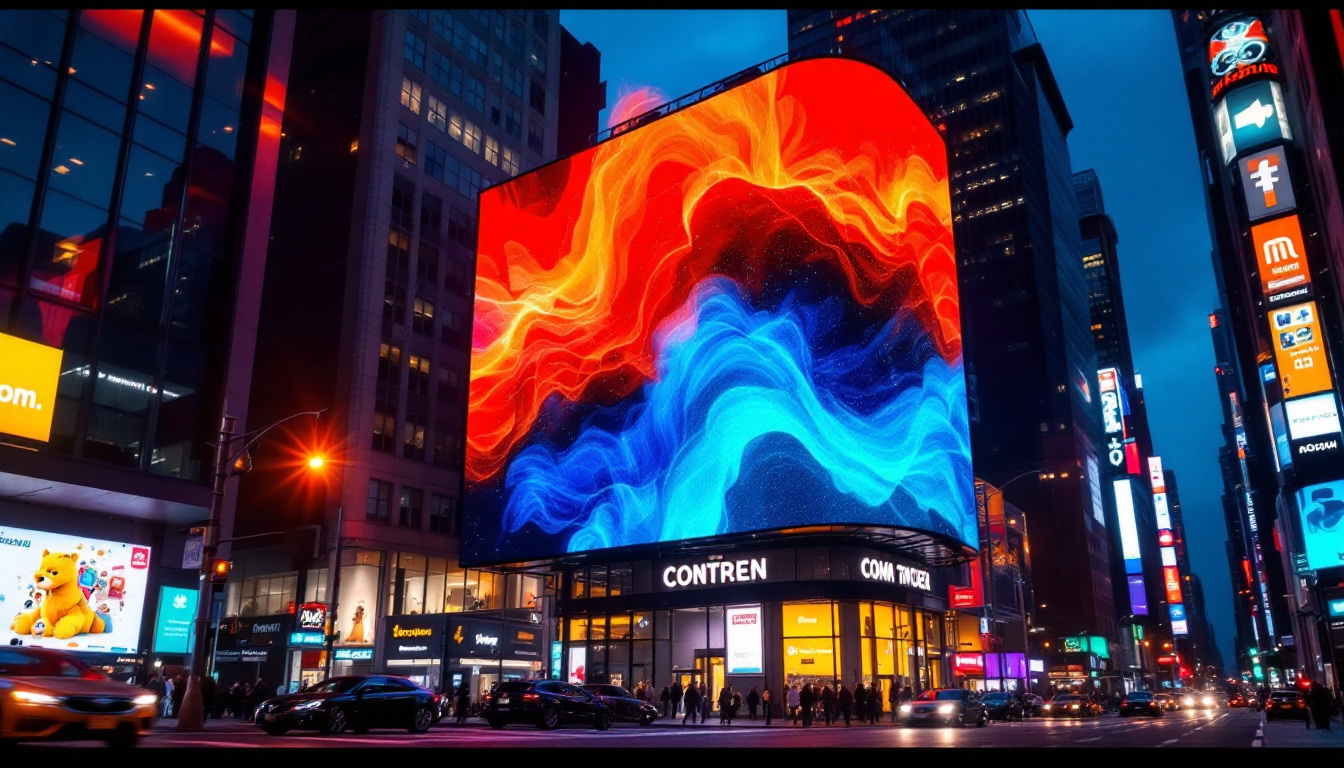
- Outdoor LED Displays: Built to withstand weather conditions, these have higher brightness levels and are often larger to be seen from afar. They are commonly found in stadiums, billboards, and public transportation hubs, where they attract attention and convey messages to large audiences.
- Transparent LED Displays: These innovative displays allow light to pass through, making them ideal for storefront windows without obstructing views. This technology not only enhances aesthetic appeal but also enables businesses to display advertisements while maintaining visibility of their products.
- Flexible LED Displays: Utilizing bendable substrates, these displays can conform to curved surfaces, expanding creative possibilities. This flexibility allows for unique installations in art exhibits, architectural designs, and immersive environments, pushing the boundaries of traditional display formats.
In addition to these types, there are also specialized LED displays such as high-definition (HD) and ultra-high-definition (UHD) screens that cater to the demand for superior image quality. These displays are particularly popular in the entertainment industry, where the visual experience is crucial. Furthermore, the rise of smart LED displays has introduced interactive features, enabling touch capabilities and integration with digital marketing strategies. This evolution in LED technology not only enhances user engagement but also provides businesses with valuable analytics on viewer interactions, making them a powerful tool in modern advertising.
The Advantages of Access.Impact LED Signs
Superior Brightness and Visibility
Access.Impact LED signs are engineered to deliver exceptional brightness, often exceeding 5,000 nits, which ensures visibility in direct sunlight and adverse weather conditions. This brightness level is critical for outdoor advertising where competing with natural light is a challenge. For comparison, typical LCD screens max out around 300-500 nits, making LED technology vastly superior for outdoor applications. The high visibility of these signs not only captures attention but also enhances message retention, as passersby are more likely to notice and remember vibrant, illuminated displays. This feature is particularly beneficial for businesses looking to attract customers from a distance, as the clarity and brightness of an LED sign can make a significant difference in foot traffic.
Energy Efficiency and Sustainability
One of the most compelling benefits of LED technology is its energy efficiency. Access.Impact LED signs consume significantly less power than traditional neon or incandescent signage. According to the U.S. Department of Energy, LEDs use at least 75% less energy and last 25 times longer than incandescent lighting. This efficiency not only reduces operational costs but also aligns with growing environmental concerns and corporate sustainability goals. Businesses adopting LED signage can significantly lower their carbon footprint while maintaining high-impact visual communication. Furthermore, many Access.Impact LED signs are designed with smart technology that allows for programmable content and dimming features, further optimizing energy use based on the time of day or ambient light conditions, which can lead to even greater energy savings.
In addition to energy savings, the use of LED signs can also contribute to a positive brand image. Companies that prioritize sustainability and eco-friendly practices often resonate better with environmentally conscious consumers. By choosing LED technology, businesses can showcase their commitment to reducing energy consumption and promoting greener alternatives, which can enhance customer loyalty and attract new clientele who value sustainability.
Durability and Longevity
LED displays from Access.Impact are built to endure. They are resistant to shock, vibration, and extreme temperatures, making them reliable in various environments. The lifespan of these LED signs typically ranges from 50,000 to 100,000 hours, translating to years of continuous operation without significant degradation. This durability means that businesses can invest in LED signage with confidence, knowing that they are making a long-term investment that will withstand the test of time and the elements.
Moreover, the robust construction of Access.Impact LED signs minimizes maintenance needs, which can be a significant cost-saving factor for businesses. Unlike traditional signage that may require frequent bulb replacements or repairs due to weather damage, LED signs are designed to function optimally in diverse conditions. This reliability allows businesses to focus on their core operations without the distraction of constant upkeep, ensuring that their messaging remains consistent and effective throughout the year.
Applications of Access.Impact LED Displays
Retail and Advertising
In retail environments, LED displays serve as powerful tools to attract customers and promote products. Access.Impact LED signs can be customized to fit storefronts, shopping malls, and trade shows, delivering dynamic content that can be updated in real-time. This flexibility allows retailers to tailor promotions based on time of day, season, or inventory changes.
According to a 2023 Nielsen study, digital signage can increase customer engagement by up to 47%, demonstrating the effectiveness of LED displays in driving sales and brand awareness.
Transportation and Public Spaces
LED displays are extensively used in transportation hubs such as airports, train stations, and bus terminals. Access.Impact signs provide clear, real-time information about schedules, delays, and safety messages, enhancing passenger experience and operational efficiency.
Moreover, in public spaces like stadiums and city squares, LED screens facilitate event broadcasting, emergency alerts, and community announcements, proving indispensable for large-scale communication.
Corporate and Educational Environments
Within corporate settings, LED displays support internal communications, presentations, and branding. Access.Impact LED signs can be integrated into lobbies, conference rooms, and auditoriums to create immersive visual experiences.
Educational institutions also benefit from LED technology by using displays for digital notice boards, interactive learning modules, and campus-wide announcements, fostering engagement and information dissemination.
Technical Considerations When Choosing LED Displays
Pixel Pitch and Resolution
Pixel pitch, the distance between the centers of two adjacent LEDs, is a critical factor affecting image clarity. A smaller pixel pitch means higher resolution and sharper images, which is essential for indoor displays viewed from close distances. Access.Impact offers a range of pixel pitches, from as fine as 0.9mm for indoor applications to 10mm or more for large outdoor billboards.
Brightness and Contrast Ratios
Brightness must be tailored to the installation environment. Outdoor displays require higher brightness to combat sunlight, whereas indoor displays benefit from higher contrast ratios to enhance image depth and color accuracy. Access.Impact’s advanced LED modules optimize both parameters to deliver stunning visuals regardless of location.
Control Systems and Connectivity
Modern LED displays rely on sophisticated control systems that manage content playback, scheduling, and remote updates. Access.Impact LED signs support various connectivity options including Wi-Fi, Ethernet, and 4G/5G, enabling seamless integration with content management platforms. This connectivity allows businesses to update messaging instantly, ensuring relevance and timeliness.
Future Trends in LED Display Technology
MicroLED and MiniLED Innovations
Emerging technologies like MicroLED and MiniLED promise even greater brightness, color accuracy, and energy efficiency. These advancements involve smaller LED components, allowing for ultra-high-resolution displays with improved contrast and lower power consumption. Access.Impact is actively exploring these technologies to enhance their product offerings.
Interactive and Smart LED Displays
Interactivity is becoming a key feature in digital signage. Touch-enabled LED displays and integration with sensors and AI allow for personalized content delivery and enhanced user engagement. Smart LED signs can adapt content based on audience demographics, weather, or time, creating more impactful communication strategies.
Sustainability and Circular Economy
As environmental concerns intensify, manufacturers like Access.Impact are focusing on sustainable production practices and end-of-life recycling programs. LED displays are being designed for easier disassembly and material recovery, supporting circular economy principles and reducing electronic waste.
Conclusion: Why Choose Access.Impact LED Signs?
Access.Impact LED signs represent the forefront of digital display technology, combining superior brightness, energy efficiency, durability, and versatility. Their wide range of applications—from retail and advertising to public information and corporate communications—demonstrates their adaptability and effectiveness.
With ongoing innovations and a commitment to sustainability, Access.Impact is well-positioned to meet the evolving needs of businesses and communities worldwide. Investing in their LED display solutions not only enhances visual communication but also contributes to long-term operational savings and environmental stewardship.
For organizations seeking impactful, reliable, and future-ready signage, Access.Impact LED displays offer a compelling choice that blends technology with strategic communication.
Discover LumenMatrix’s Innovative LED Solutions
Ready to elevate your visual communication strategy with cutting-edge technology? Explore LumenMatrix’s comprehensive range of LED display solutions, from vibrant Indoor and Outdoor LED Wall Displays to dynamic Vehicle and Sports LED Displays. Embrace the future of digital signage with our captivating LED Poster Displays, immersive Floor LED Displays, and customizable options that fit your unique needs. Join the revolution in visual storytelling with LumenMatrix—where innovation meets impact. Check out LumenMatrix LED Display Solutions today and transform your brand’s visibility.