Active LCD: LED Display Explained
In the rapidly evolving world of display technology, terms like LCD, LED, OLED, and Active Matrix often create confusion among consumers and professionals alike. Understanding these technologies is crucial for making informed decisions, whether purchasing a new television, designing digital signage, or developing user interfaces for electronic devices. This article delves into the concept of Active LCD technology, its relationship with LED displays, and how these technologies work together to produce the vibrant images we see on screens today.
Understanding LCD Technology
What is an LCD?
LCD stands for Liquid Crystal Display, a technology that uses liquid crystals to modulate light and create images. Unlike traditional cathode ray tube (CRT) displays, LCDs are thin, lightweight, and energy-efficient, making them ideal for a wide range of applications, from smartphones and laptops to televisions and monitors.
At its core, an LCD panel consists of several layers: a backlight source, polarizing filters, liquid crystal cells, and color filters. The liquid crystals do not emit light themselves; instead, they control the passage of light from the backlight to form images. When an electric current passes through the liquid crystals, they change orientation, affecting how light passes through and thus controlling the brightness and color of each pixel. This innovative use of liquid crystals allows for a more compact design and significantly reduces the energy consumption compared to older display technologies, making LCDs a popular choice in today’s market.
Moreover, advancements in LCD technology have led to improvements in color reproduction and viewing angles. Modern LCDs can achieve a wider color gamut and better contrast ratios, which enhances the overall viewing experience. Manufacturers are continually refining the materials and processes used in LCD production, resulting in displays that are not only more vibrant but also capable of rendering deeper blacks and brighter whites.
Passive vs. Active Matrix LCDs
LCDs can be categorized into passive and active matrix types, depending on how the pixels are controlled. Passive matrix LCDs use a grid of conductive lines to control pixels, but this method is slower and less precise, leading to lower resolution and slower refresh rates. These limitations make passive matrix displays less suitable for dynamic content like video.
Active matrix LCDs, on the other hand, use thin-film transistors (TFTs) to control each pixel individually. This allows for faster response times, higher resolutions, and better color accuracy. TFT LCDs are the standard in most modern displays, including smartphones, computer monitors, and televisions. The development of various TFT technologies, such as In-Plane Switching (IPS) and Vertical Alignment (VA), has further enhanced the performance of active matrix LCDs, providing users with improved viewing angles and color consistency. As a result, active matrix displays have become the preferred choice for applications requiring high-quality visuals, such as graphic design and gaming.
What Does “Active LCD” Mean?
The Role of Thin-Film Transistors
The term “Active LCD” typically refers to Active Matrix LCDs, where each pixel is paired with a thin-film transistor. These transistors act as tiny switches that regulate the voltage applied to the liquid crystal cells, enabling precise control over each pixel’s brightness and color.
This active control mechanism dramatically improves display performance. It reduces motion blur, increases refresh rates, and enhances image sharpness. For instance, gaming monitors and high-definition televisions rely heavily on active matrix technology to deliver smooth, vibrant visuals.
Advantages of Active Matrix LCDs
Active matrix LCDs offer several key advantages over passive matrix displays:
- Higher Resolution: Precise pixel control allows for dense pixel arrangements, supporting HD, 4K, and even 8K resolutions.
- Faster Response Time: Quick switching of pixels reduces ghosting and motion blur, essential for video and gaming.
- Improved Color Accuracy: Better control over liquid crystals results in richer and more consistent colors.
- Wider Viewing Angles: Enhanced pixel control helps maintain image quality even when viewed from the side.
LED Displays: Clarifying the Terminology
What is an LED Display?
LED stands for Light Emitting Diode, a semiconductor device that emits light when an electric current passes through it. In the context of displays, “LED display” can refer to two different things, which often causes confusion:
- LED as a Backlight Source for LCDs: Most modern LCD screens use LED backlighting instead of older cold cathode fluorescent lamps (CCFLs). These are often marketed as “LED TVs” or “LED monitors,” but they are essentially LCD panels illuminated by LEDs.
- Direct LED Displays: These displays use arrays of LEDs as individual pixels, such as in large outdoor billboards or some high-end TVs using microLED technology.
Understanding this distinction is important because the underlying display technology and image quality can differ significantly between LED-backlit LCDs and direct LED displays.
LED Backlighting in LCDs
Traditional LCDs required a backlight to illuminate the liquid crystals, which do not produce light on their own. Early LCDs used CCFLs, which were bulky, consumed more power, and had limited color range. The introduction of LED backlighting revolutionized LCD displays by making them thinner, more energy-efficient, and capable of producing brighter images with better contrast.
LED backlighting can be implemented in several ways:
- Edge-Lit LED: LEDs are placed along the edges of the screen, and light is distributed across the panel using light guides. This design allows for very thin displays but can suffer from uneven brightness.
- Full-Array LED: LEDs are distributed evenly behind the entire screen, enabling better brightness uniformity and local dimming capabilities.
- Mini-LED: A newer technology using thousands of tiny LEDs to provide even more precise local dimming and improved contrast ratios.
How Active LCD and LED Technologies Work Together
The Synergy of Active Matrix and LED Backlighting
Most modern LCD displays combine active matrix technology with LED backlighting. The active matrix controls the liquid crystal pixels with high precision, while the LED backlight provides the illumination necessary to make the images visible.
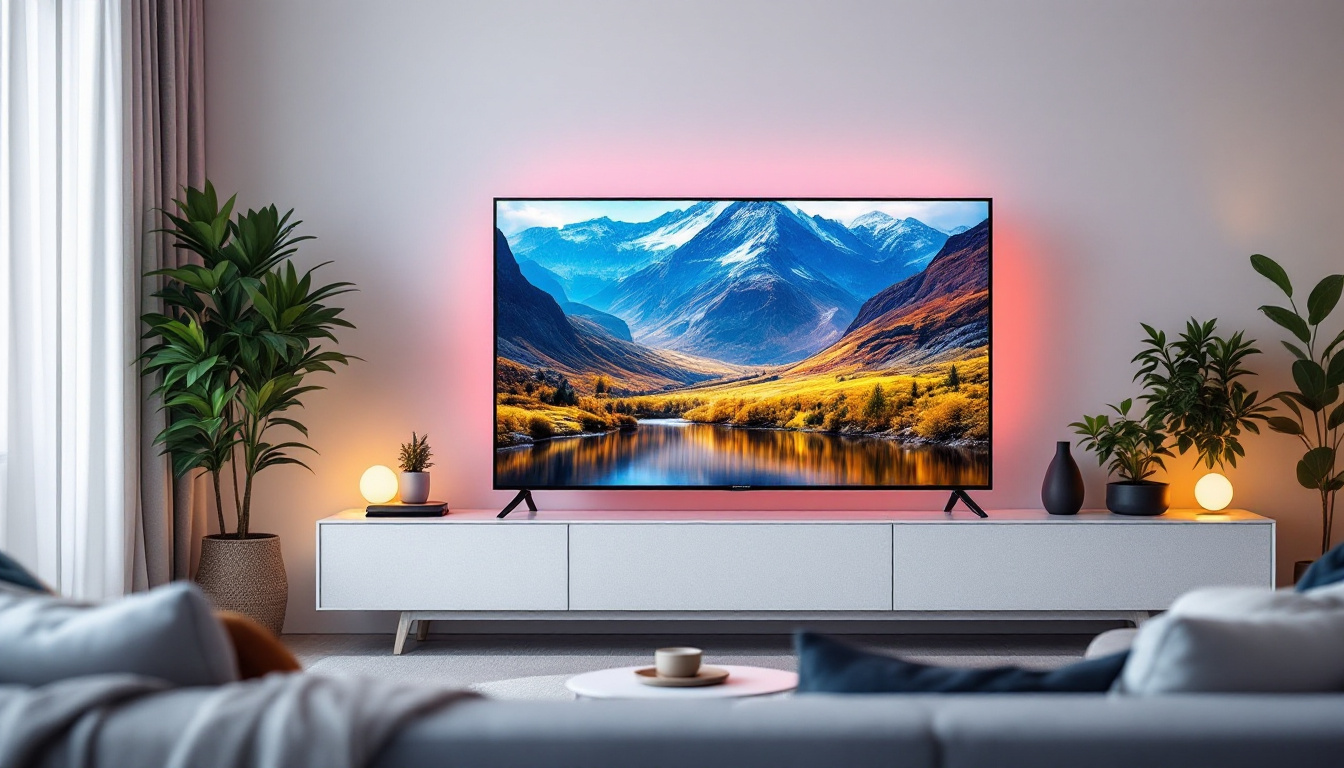
This combination allows for displays that are not only sharp and responsive but also bright and energy-efficient. For example, a 4K television with an active matrix LCD panel and full-array LED backlighting can deliver stunning picture quality with deep blacks, vibrant colors, and smooth motion.
Enhancing Display Performance
Advances in both active matrix technology and LED backlighting have enabled features like high dynamic range (HDR), wider color gamuts, and higher refresh rates. HDR, for instance, benefits from local dimming capabilities of LED backlights, allowing brighter highlights and deeper shadows.
Additionally, technologies such as quantum dots are often integrated into LED-backlit LCDs to further improve color accuracy and brightness. These innovations make active LCDs with LED backlighting competitive with OLED displays in many respects, especially in terms of brightness and lifespan.
Applications of Active LCD and LED Displays
Consumer Electronics
Active matrix LCDs with LED backlighting dominate the consumer electronics market. Smartphones, tablets, laptops, computer monitors, and televisions all rely on this technology to deliver high-quality visuals. The balance of performance, cost, and energy efficiency makes active LCDs the preferred choice for mass-market devices.
For instance, the majority of 4K TVs available today use active matrix LCD panels with LED backlighting, offering consumers an affordable way to enjoy ultra-high-definition content.
Commercial and Industrial Uses
Beyond consumer devices, active LCD and LED display technologies are integral to digital signage, medical imaging, aviation displays, and automotive dashboards. Their reliability, brightness, and clarity are critical in environments where information must be conveyed quickly and accurately.
In particular, large-format LED-backlit LCD panels are used in control rooms and professional video production, where color accuracy and response time are paramount.
Emerging Technologies and Trends
While OLED and microLED displays are gaining traction, active LCDs with LED backlighting continue to evolve. Mini-LED and quantum dot enhancements push the boundaries of what LCDs can achieve, narrowing the gap with newer technologies.
Moreover, flexible and transparent LCDs are being developed for innovative applications, such as wearable devices and augmented reality, highlighting the versatility of active matrix LCD technology.
Choosing the Right Display: What Consumers Should Know
Factors to Consider
When selecting a display, understanding the role of active matrix LCDs and LED backlighting can help consumers make better choices. Key factors include:
- Image Quality: Active matrix LCDs with LED backlighting offer sharp images with good color reproduction and brightness.
- Response Time: Important for gaming and fast-moving content; active matrix technology excels here.
- Energy Efficiency: LED backlighting reduces power consumption compared to older technologies.
- Price: Active LCDs are generally more affordable than OLED or microLED displays.
Common Misconceptions
It is important to clarify that “LED TV” does not mean the TV is made entirely of LEDs. Most “LED TVs” are actually LCD panels illuminated by LED backlights. True LED displays, such as microLED, are still emerging and tend to be more expensive.
Additionally, while OLED displays offer superior contrast and viewing angles, active matrix LCDs with advanced LED backlighting remain competitive in brightness and lifespan, making them a practical choice for many users.
Conclusion
Active LCD technology, particularly when combined with LED backlighting, represents a cornerstone of modern display systems. The active matrix design ensures precise control over pixels, enabling high resolution, fast response times, and excellent color fidelity. Meanwhile, LED backlighting enhances brightness, energy efficiency, and overall image quality.
As display technology continues to evolve, active LCDs with LED backlighting remain a versatile and cost-effective solution for a wide array of applications, from consumer electronics to professional environments. Understanding these technologies empowers consumers and professionals to make informed decisions and appreciate the complexity behind the screens that have become integral to daily life.
Discover Cutting-Edge LED Displays with LumenMatrix
Ready to experience the future of visual communication? LumenMatrix is at the forefront of LED display innovation, offering a wide range of solutions tailored to your needs. From Indoor and Outdoor LED Wall Displays to specialized options like Vehicle, Sports, and Floor LED Displays, our products are designed to captivate and engage. Whether you’re looking to enhance brand visibility or create immersive visual experiences, LumenMatrix has the technology to bring your vision to life. Check out LumenMatrix LED Display Solutions today and see how we can transform your space with clarity and impact.