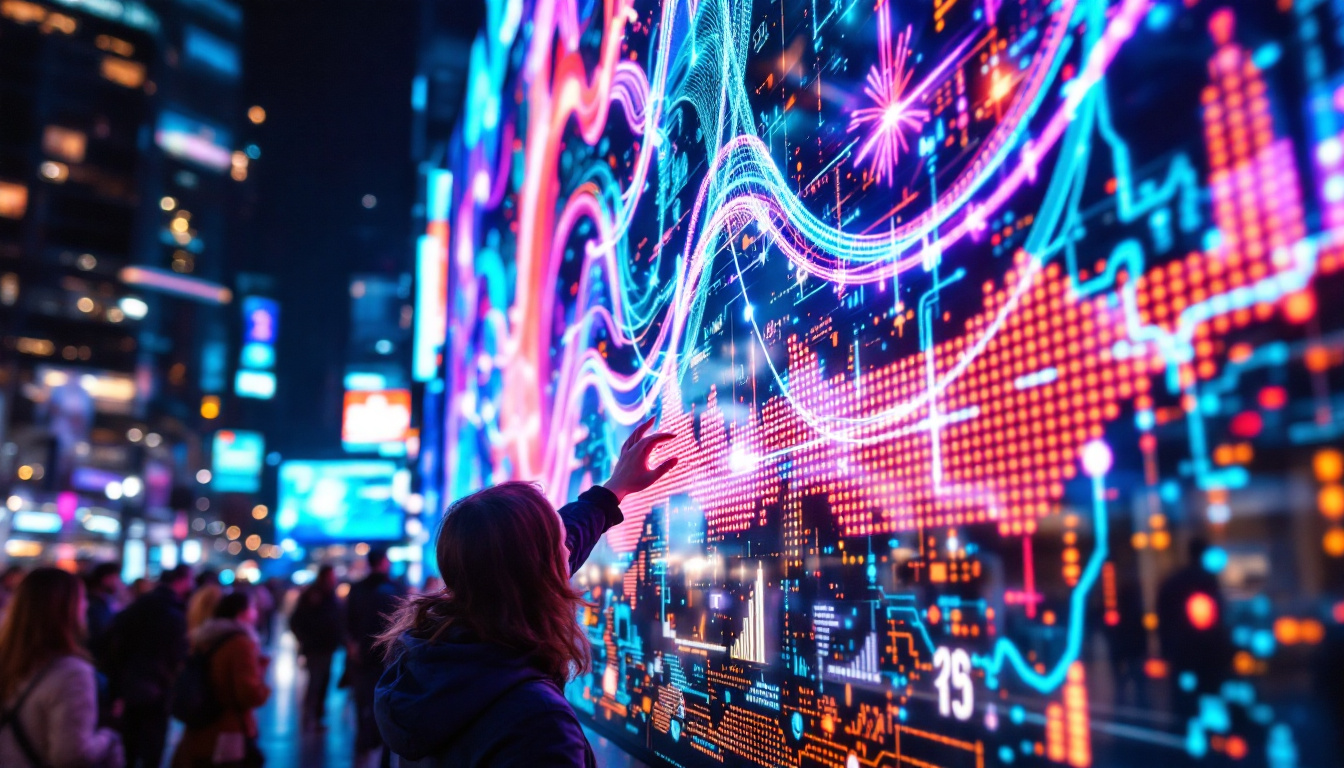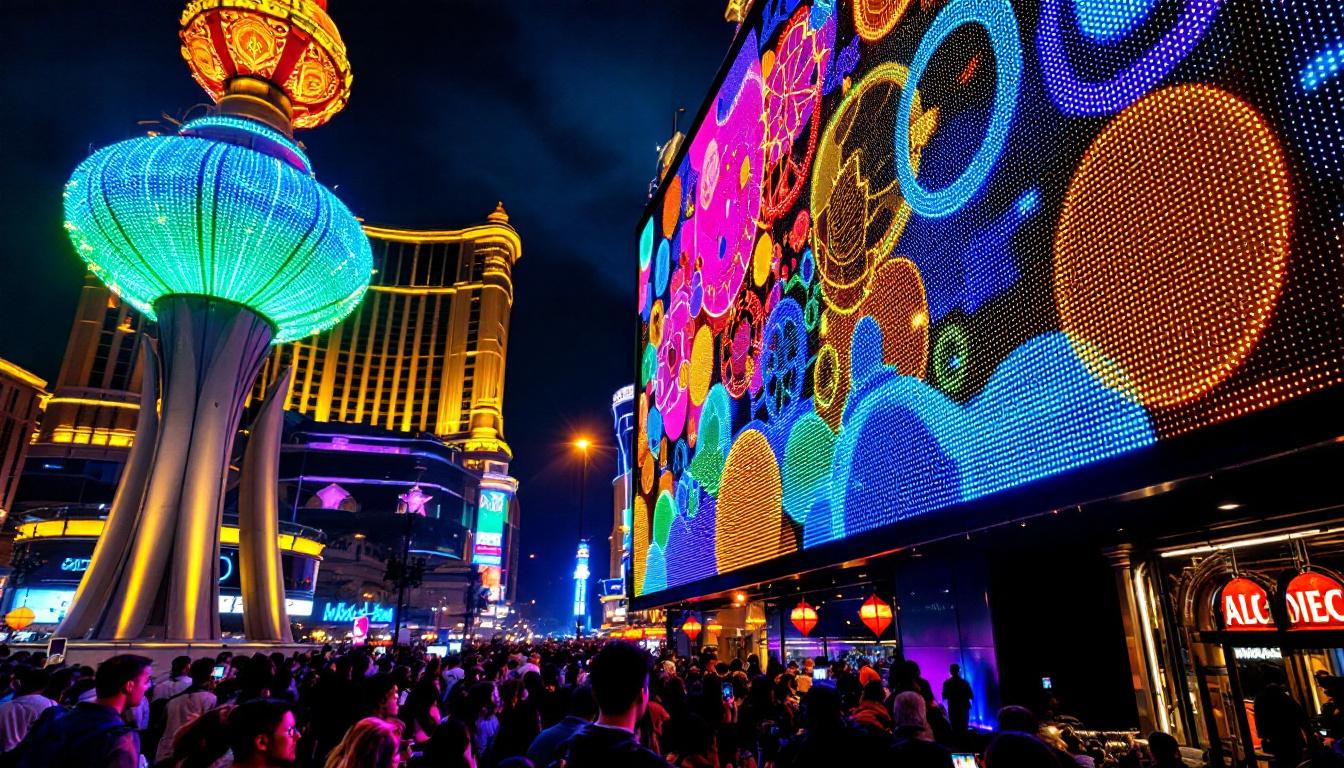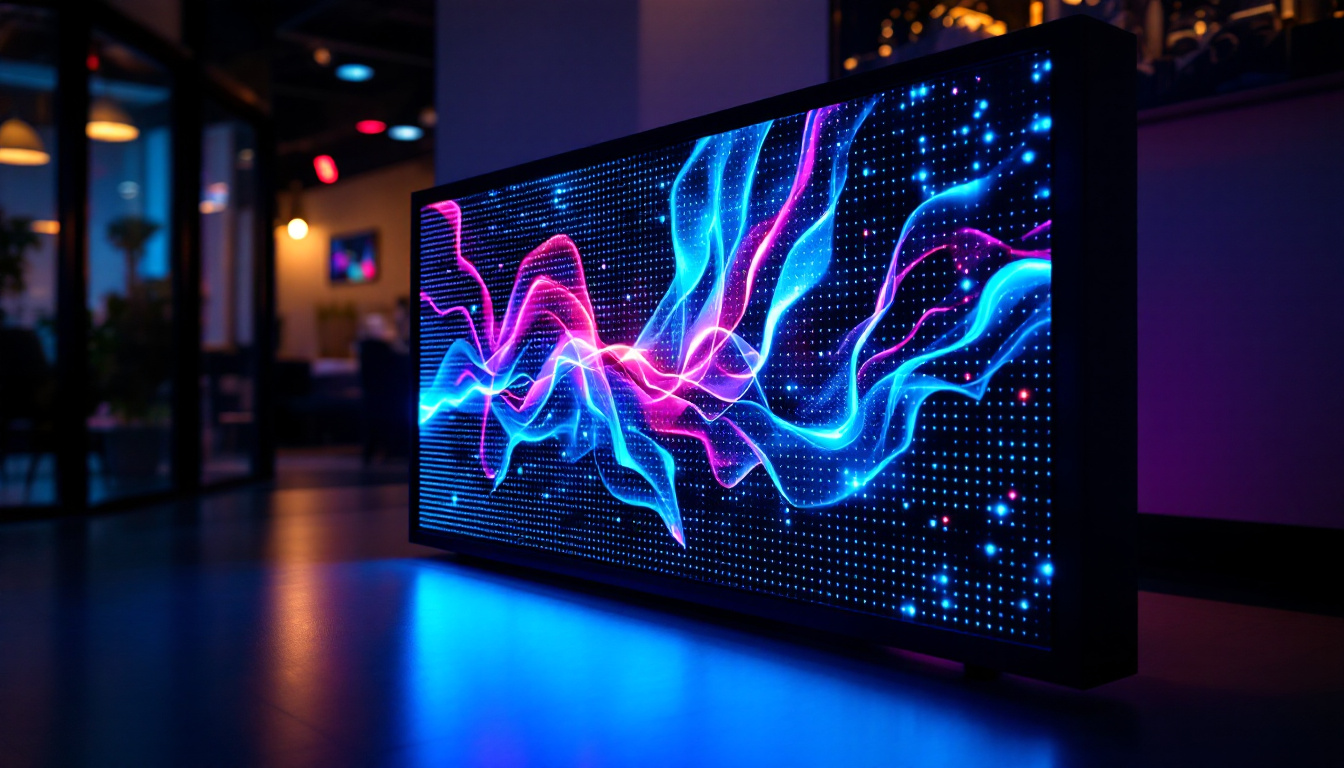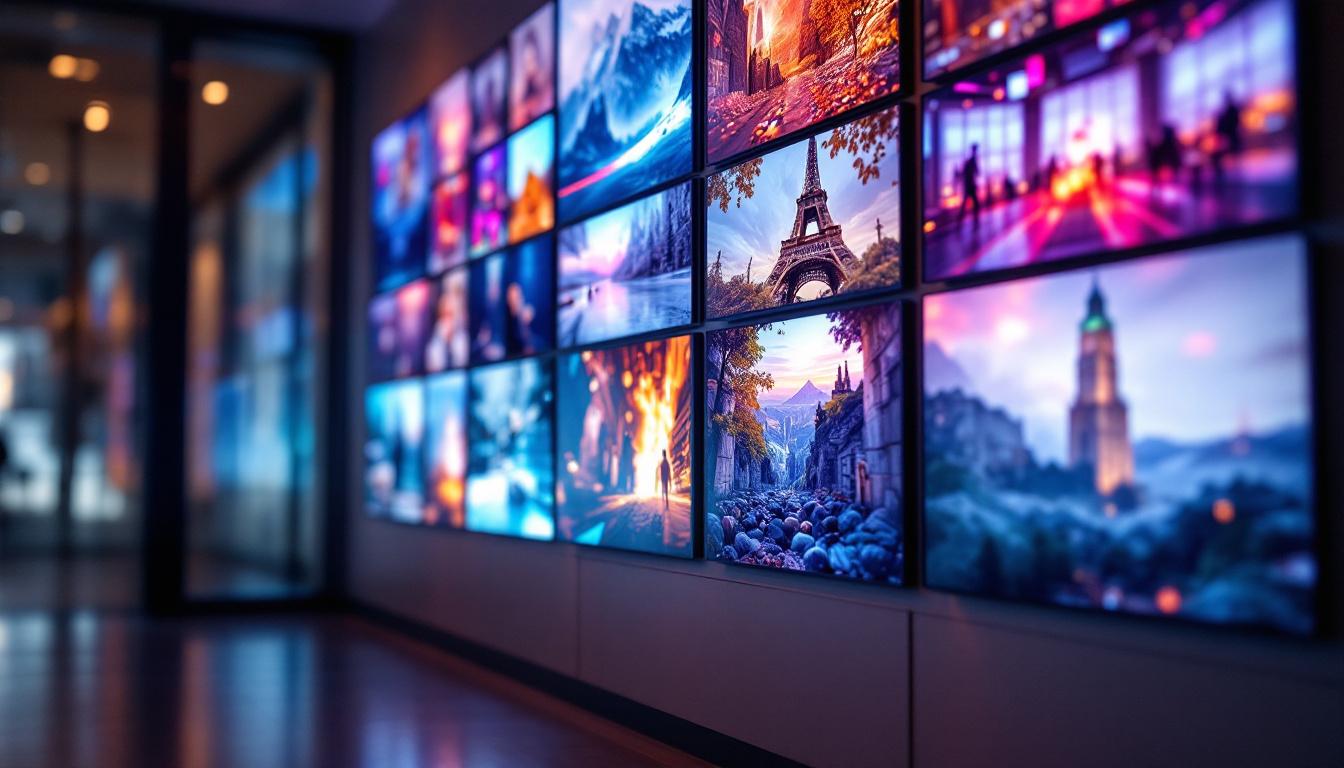
In today’s visually driven world, the way images are displayed has evolved dramatically. From traditional framed photographs to digital screens, the methods for showcasing pictures have become more dynamic and interactive. Among these innovations, LED displays have emerged as a leading technology for displaying pictures on walls, offering vibrant colors, scalability, and energy efficiency. This article delves into the intricacies of LED displays, explaining how they work, their advantages, and practical applications for both personal and commercial use.
Understanding LED Display Technology
What is an LED Display?
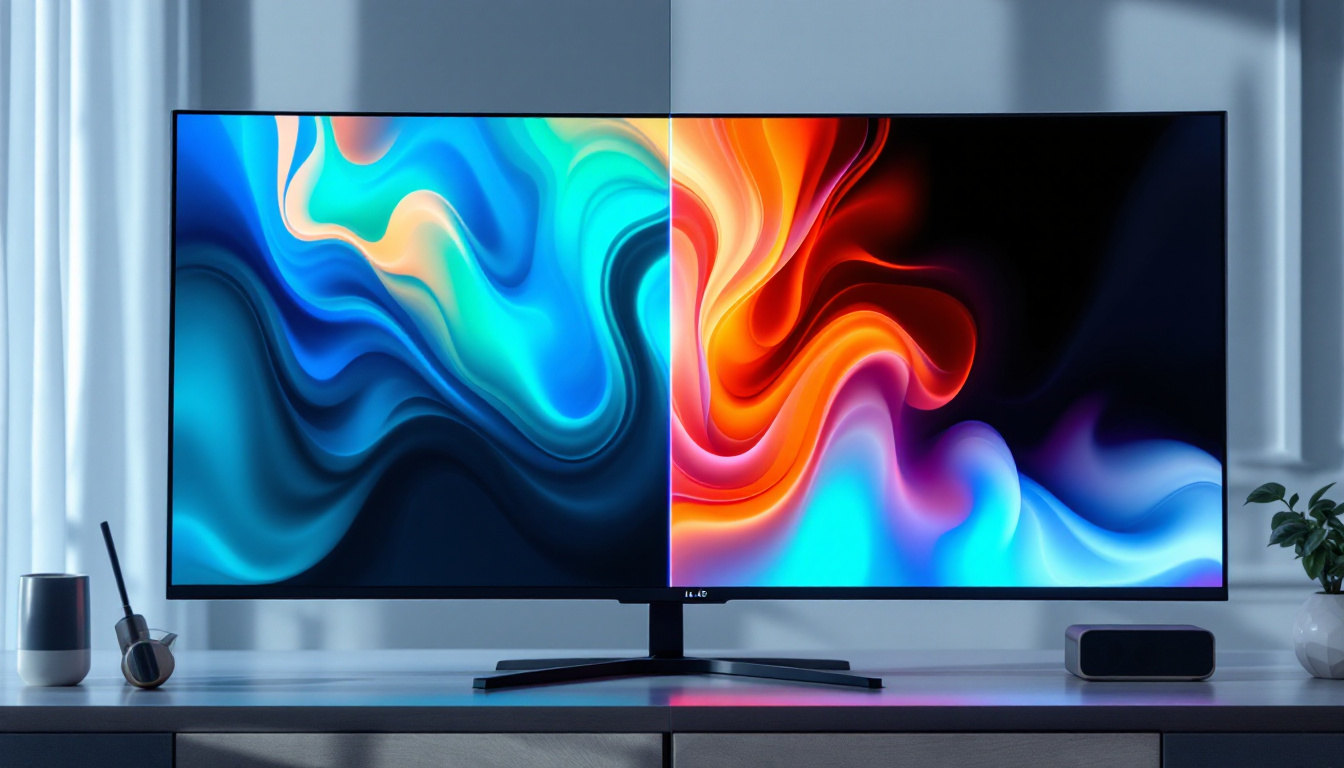
LED stands for Light Emitting Diode, a semiconductor device that emits light when an electric current passes through it. An LED display is essentially a flat panel that uses an array of these tiny LEDs to create images, videos, or text. Unlike traditional LCD or plasma screens, LED displays produce their own light, which results in brighter images and better contrast ratios. This self-illuminating property allows for vibrant colors and deeper blacks, making LED displays particularly appealing for both commercial and residential applications.
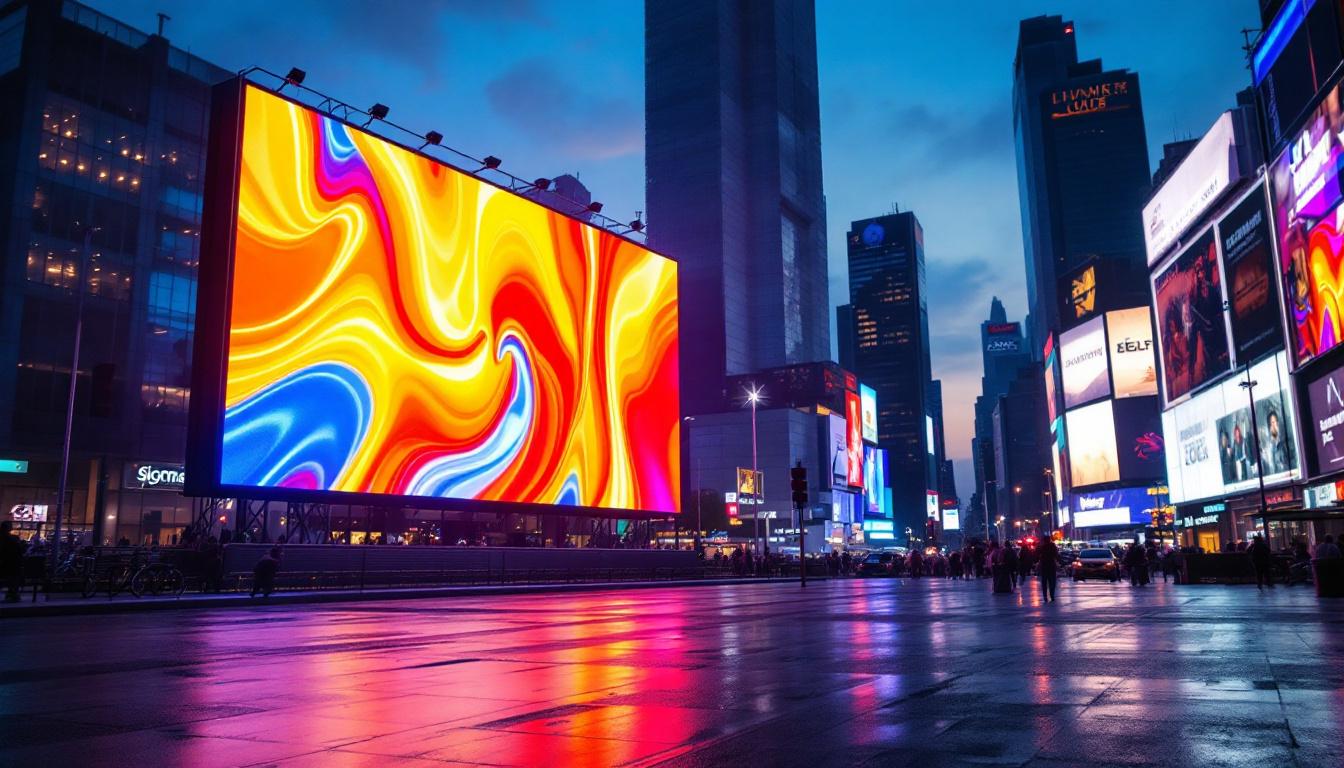
LED displays can be found in various forms, from small digital billboards to massive stadium screens. The technology behind these displays involves arranging LEDs in a grid pattern, where each LED can be controlled individually to produce different colors and brightness levels. This modular design allows for flexible sizing and shapes, making LED displays ideal for wall installations. Additionally, advancements in LED technology have led to the development of energy-efficient models that consume less power while delivering high-quality visuals, thus reducing the overall carbon footprint of large installations.
Types of LED Displays for Wall Use
There are primarily two types of LED displays used for displaying pictures on walls: direct-view LED displays and LED-backlit LCD displays. Direct-view LED displays consist of LEDs that directly emit light to form images, while LED-backlit LCDs use LEDs as a light source behind an LCD panel. The choice between these two types often depends on the specific application and environment in which the display will be used.
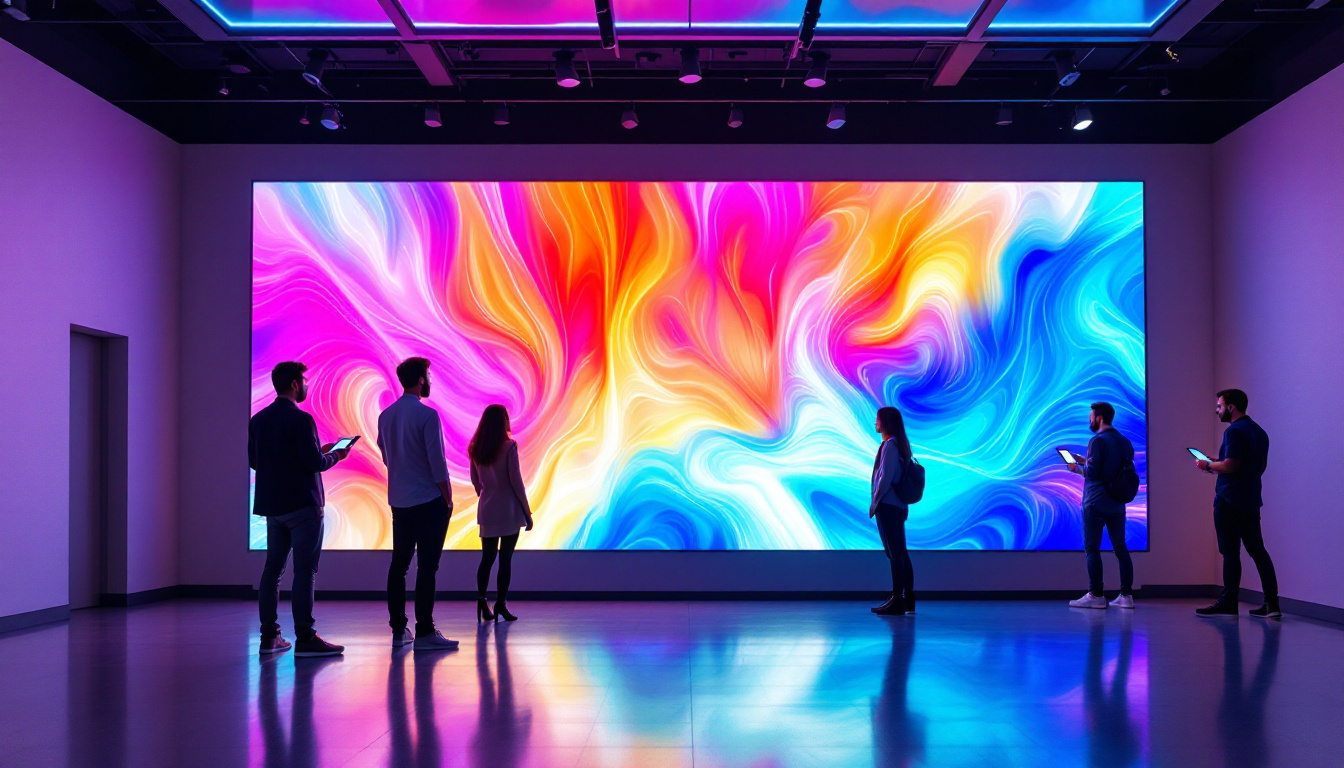
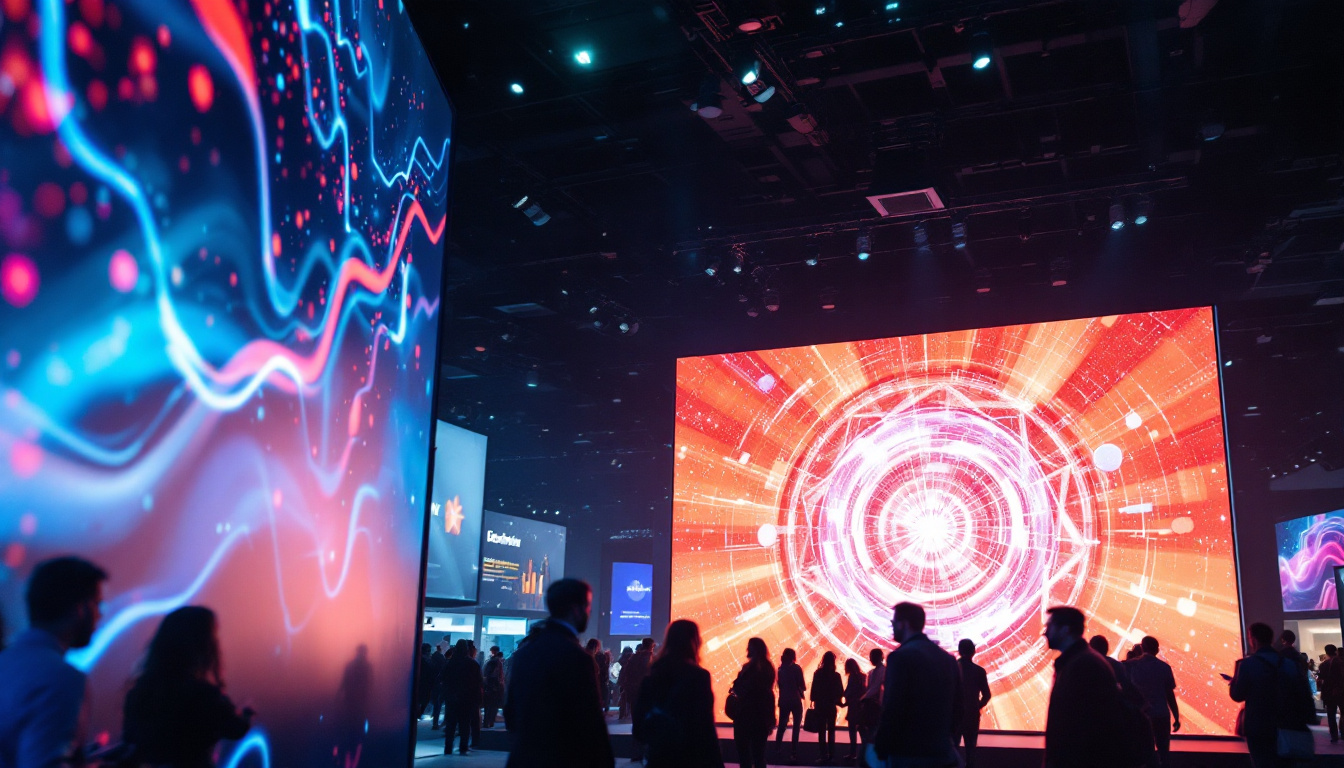
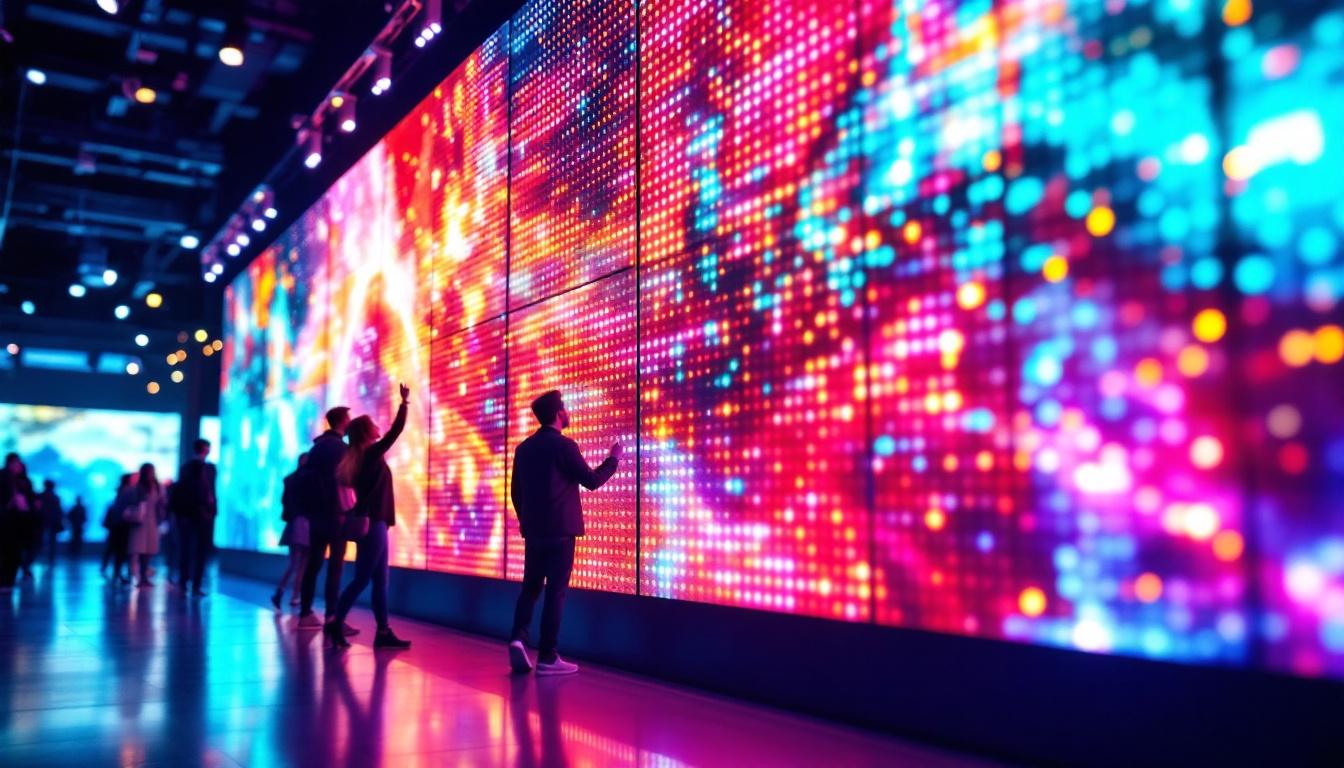
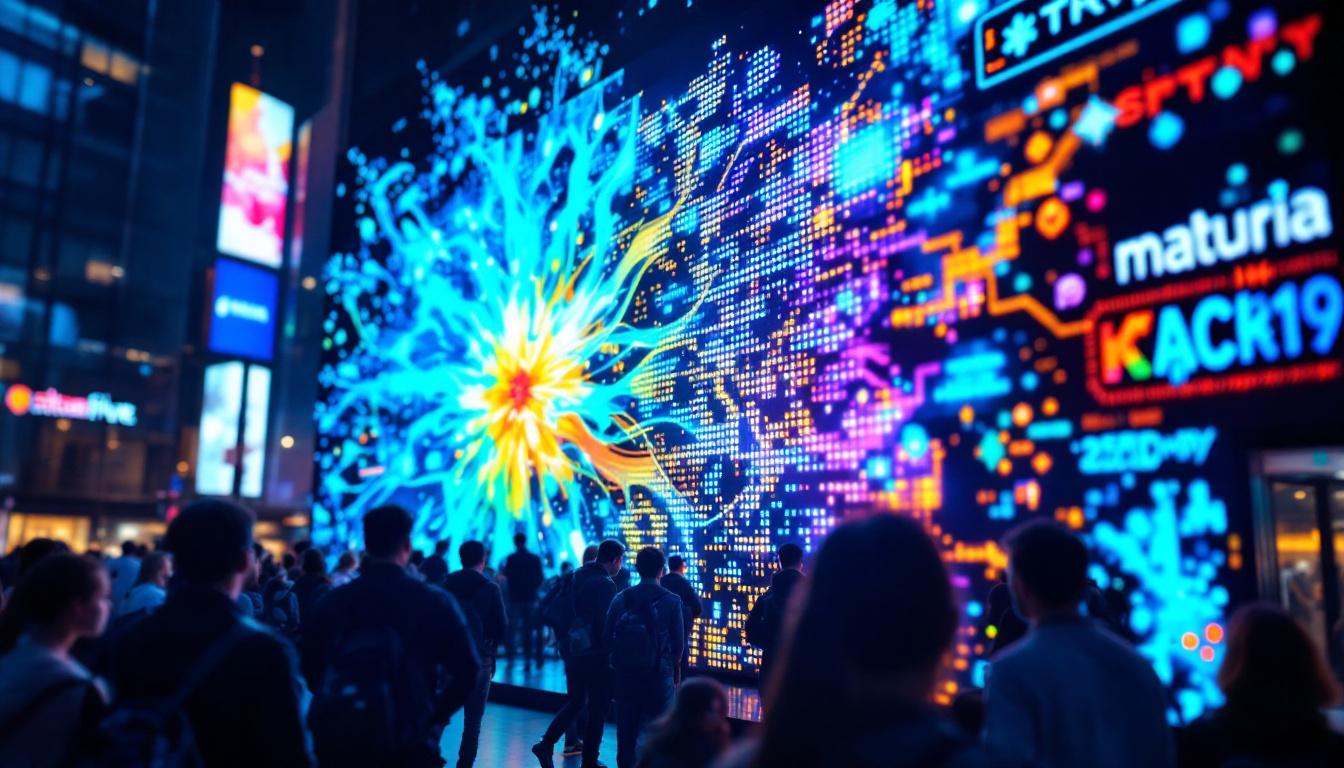
Direct-view LED displays are more common for large-scale wall installations due to their superior brightness, color accuracy, and viewing angles. They are further categorized based on pixel pitch—the distance between the centers of two adjacent LEDs. Smaller pixel pitch means higher resolution and sharper images, which is crucial for indoor wall displays where viewers are closer. Moreover, these displays can be seamlessly tiled together to create expansive video walls, making them perfect for events, concerts, and advertising. The flexibility in design allows for creative installations, such as curved or irregular shapes, which can enhance the visual impact in various settings, from retail environments to art exhibitions.
Advantages of Using LED Displays for Wall Pictures
Vibrant Color and High Brightness
One of the most significant advantages of LED displays is their ability to produce vivid colors and high brightness levels. This makes images appear more lifelike and engaging, even in brightly lit environments. For example, LED displays can reach brightness levels of 1,000 to 4,000 nits, far exceeding the typical 300 to 500 nits of standard LCD screens.
This high brightness capability ensures that pictures remain clear and visible regardless of ambient lighting conditions, making LED displays ideal for both indoor and outdoor wall installations. The enhanced color gamut of LED technology also allows for deeper blacks and brighter whites, which adds depth to images and creates a more immersive viewing experience. As a result, businesses can effectively capture the attention of passersby, making LED displays an excellent choice for advertising and promotional purposes.
Energy Efficiency and Longevity
LED technology is renowned for its energy efficiency. Compared to traditional incandescent or fluorescent lighting, LEDs consume significantly less power while delivering the same or higher levels of brightness. This efficiency translates to lower operating costs, especially for large or continuously running displays.
Additionally, LED displays have a long lifespan, often exceeding 50,000 hours of use. This durability reduces maintenance costs and ensures consistent performance over time, which is particularly important for commercial applications such as advertising or public information displays. The low heat emission of LEDs also contributes to their longevity, as it minimizes the risk of overheating and subsequent damage. This reliability makes LED displays a smart investment for organizations looking to enhance their visual communication strategies.
Flexibility and Customization
LED displays offer unparalleled flexibility in terms of size, shape, and resolution. Because the display is composed of modular panels, it can be customized to fit virtually any wall dimension or design requirement. This adaptability makes LED displays suitable for a wide range of environments, from art galleries and corporate offices to retail stores and entertainment venues.
Moreover, LED displays support dynamic content, allowing users to change pictures, videos, or messages instantly. This feature is invaluable for businesses that want to keep their wall displays fresh and relevant without the need for physical replacements. The ability to integrate real-time data, such as social media feeds or live event updates, further enhances the interactivity of LED displays, engaging audiences in a more meaningful way. As technology advances, the potential for augmented reality and interactive experiences on LED screens continues to grow, opening up exciting new possibilities for creative expression and audience engagement.
Applications of LED Wall Displays
Residential and Home Use
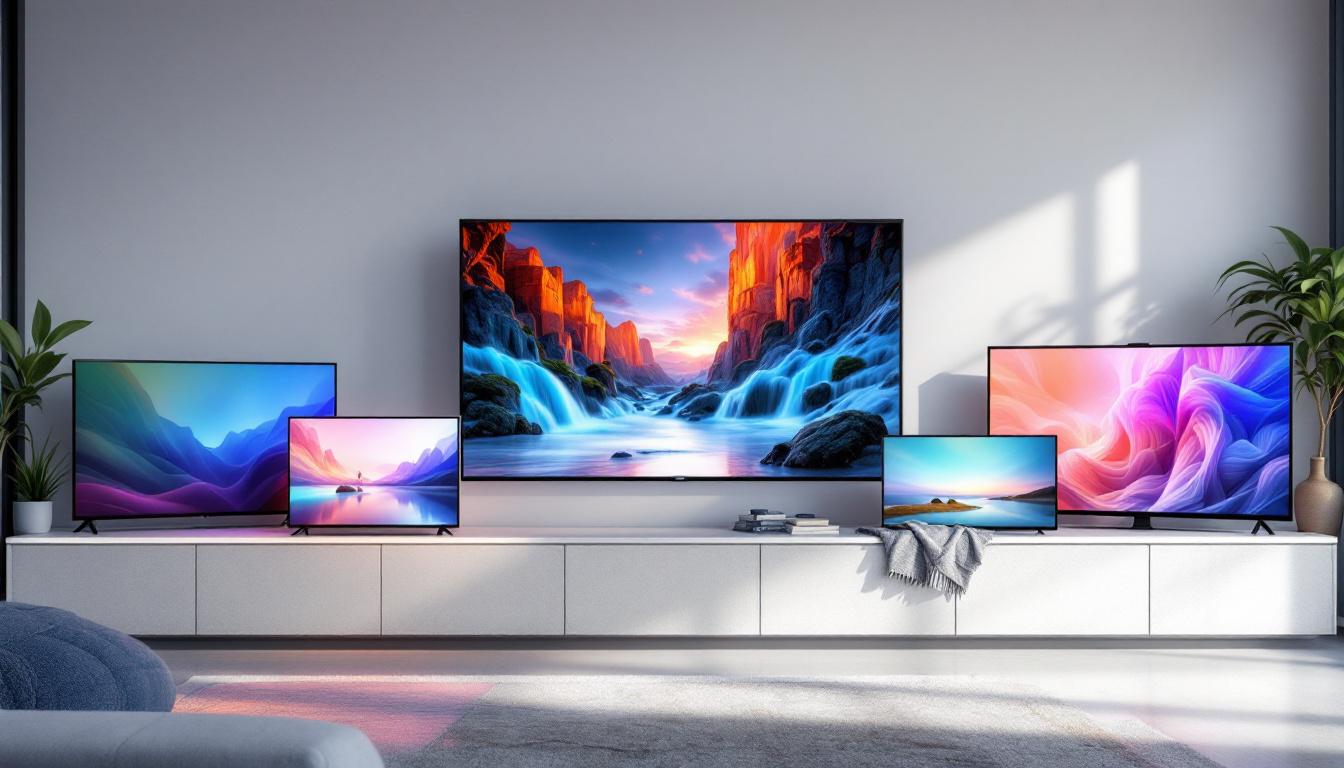
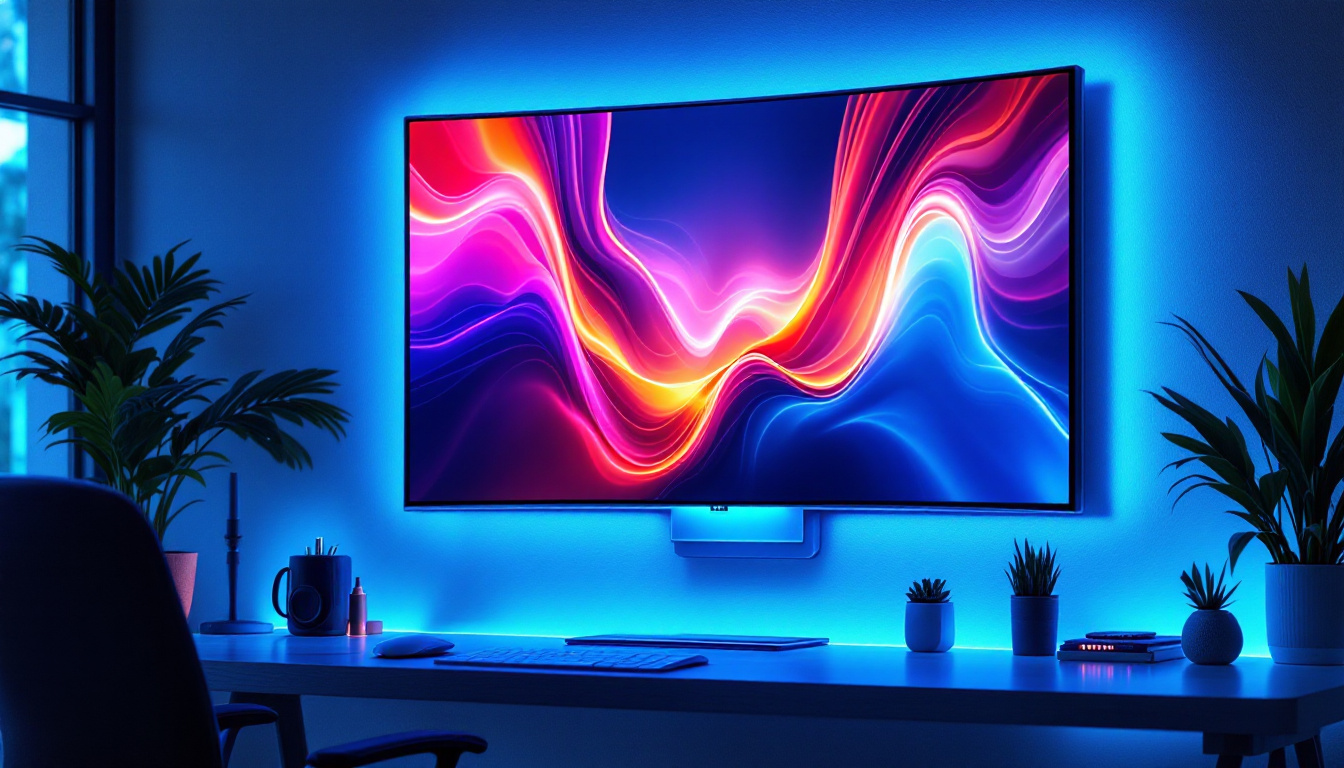
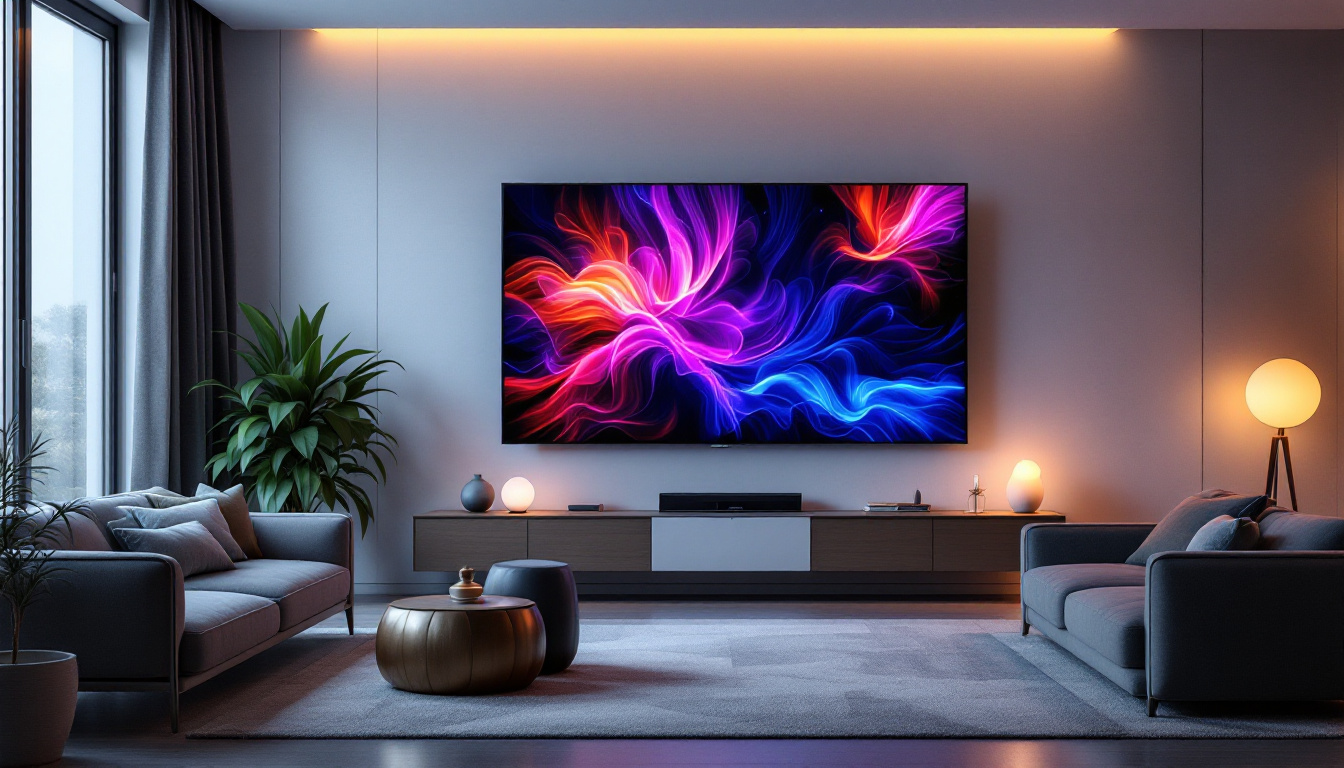
LED displays are becoming increasingly popular in residential settings, particularly among tech enthusiasts and interior designers. Large LED panels can transform a living room or home theater into an immersive visual experience, displaying high-definition photos, artwork, or even ambient visuals that change with the mood.
Smart home integration allows these displays to sync with music, lighting, or other smart devices, creating a cohesive and interactive environment. While the initial investment may be higher than traditional picture frames or TVs, the versatility and visual impact of LED wall displays make them an attractive option for modern homes.
Commercial and Advertising Displays
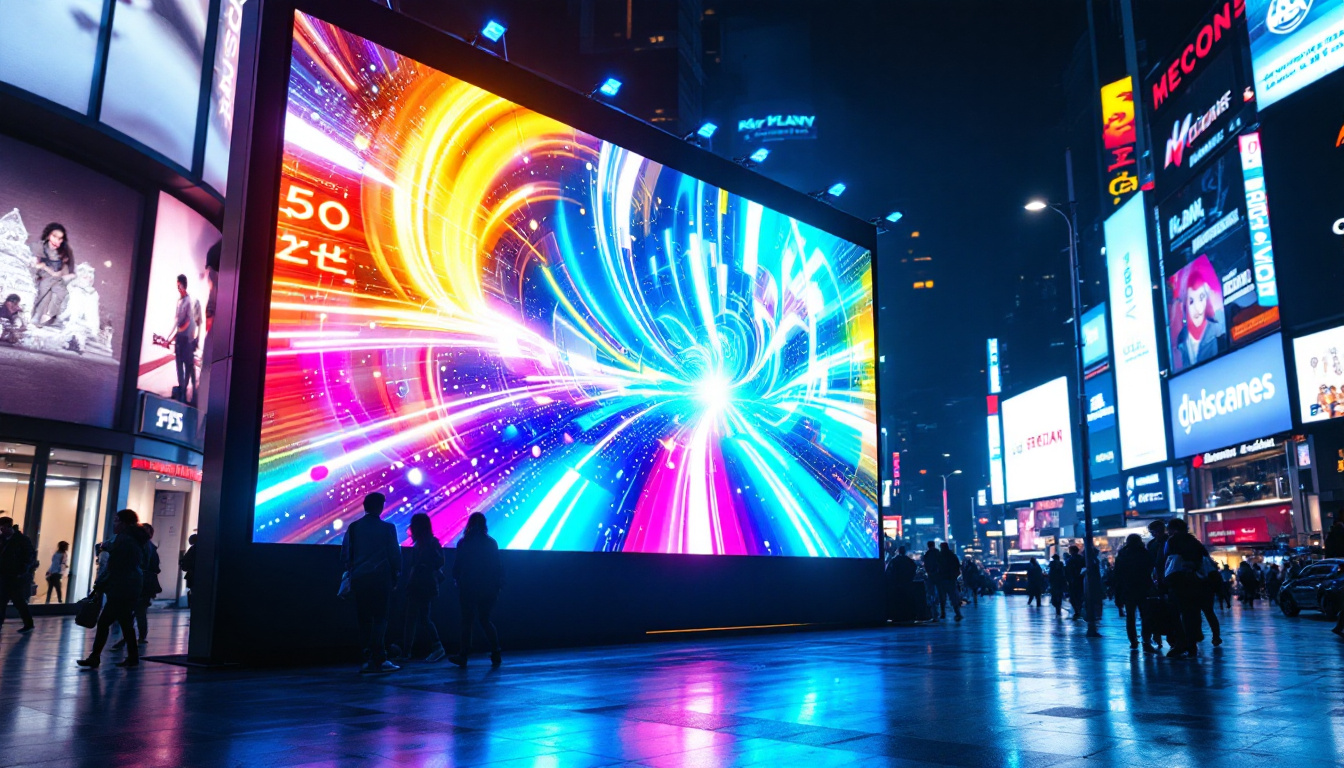
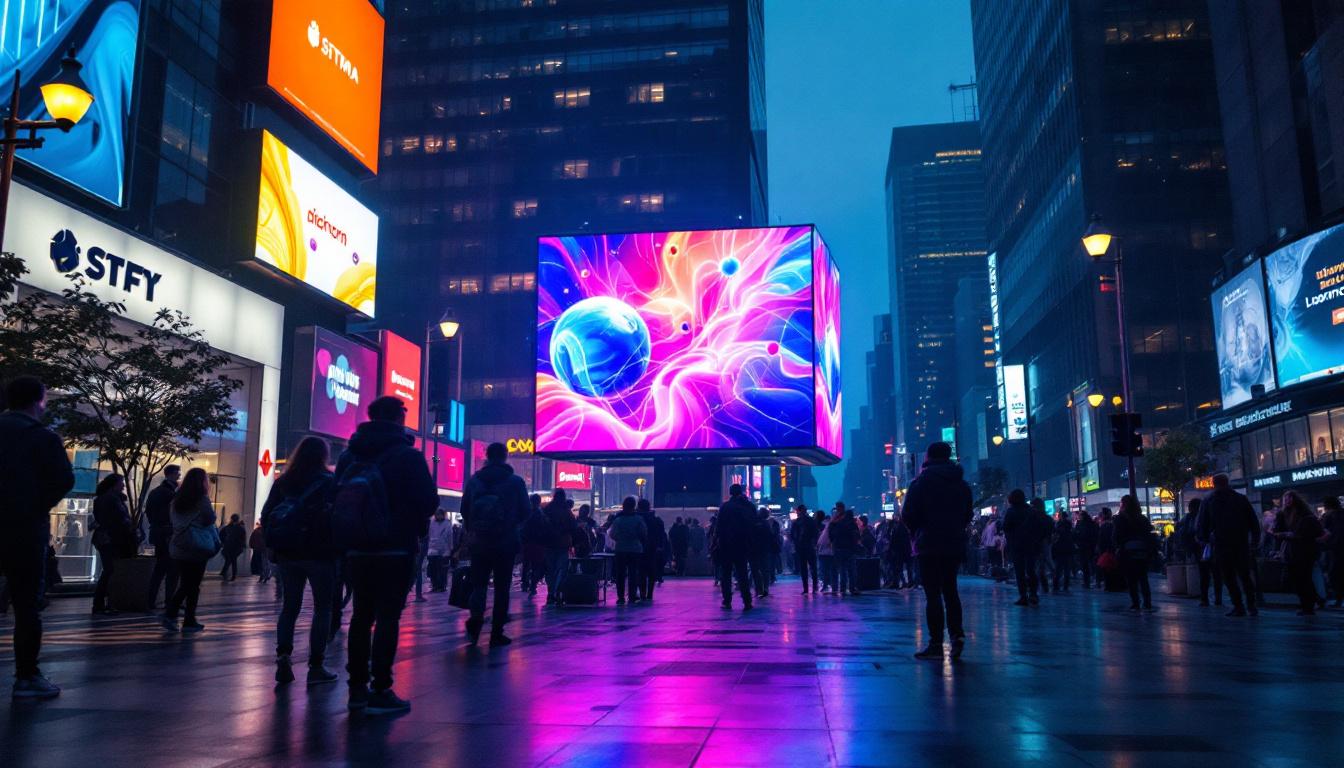
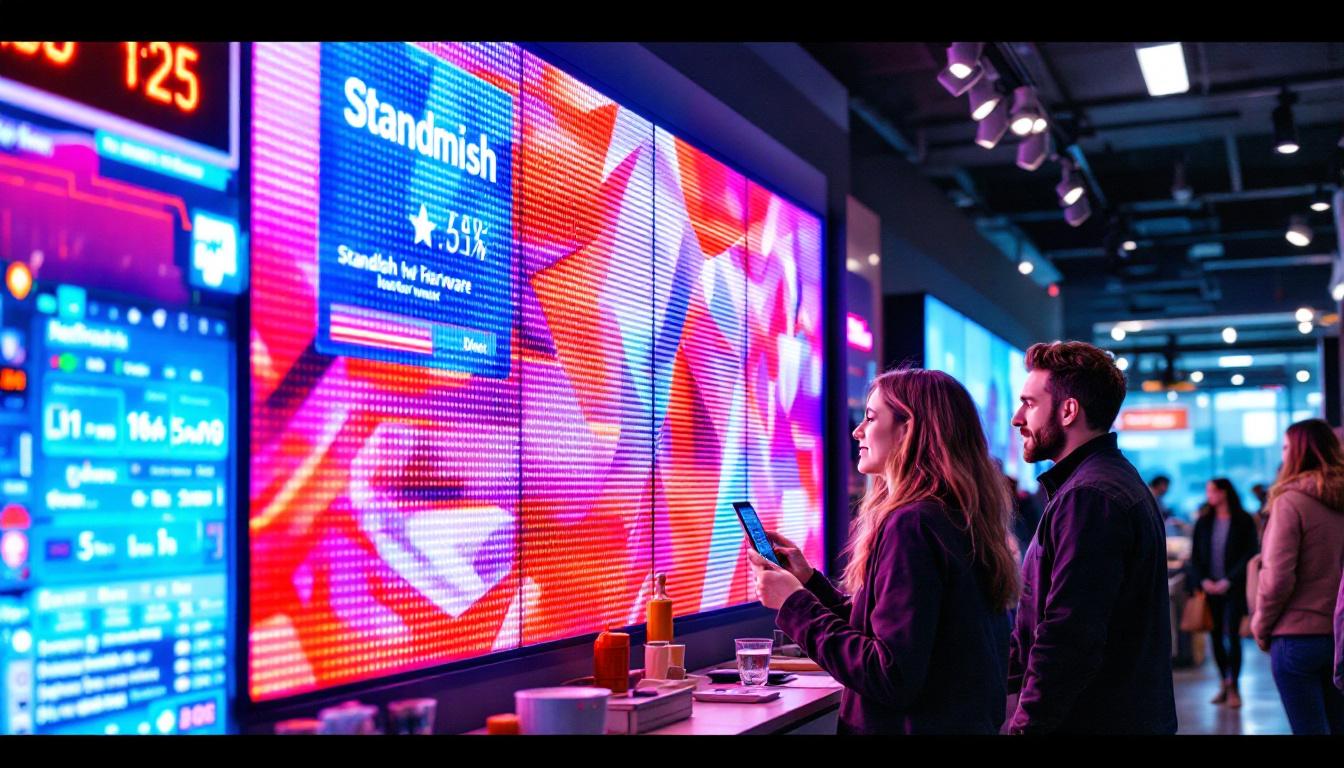
In the commercial sector, LED wall displays have revolutionized advertising and customer engagement. Retail stores use LED walls to showcase products, promotions, and brand messages dynamically, attracting more foot traffic and enhancing the shopping experience.
According to a 2023 report by the Digital Signage Federation, businesses utilizing LED digital signage have seen up to a 30% increase in customer engagement compared to static displays. This statistic highlights the effectiveness of LED technology in capturing attention and conveying messages clearly.
Public Spaces and Events
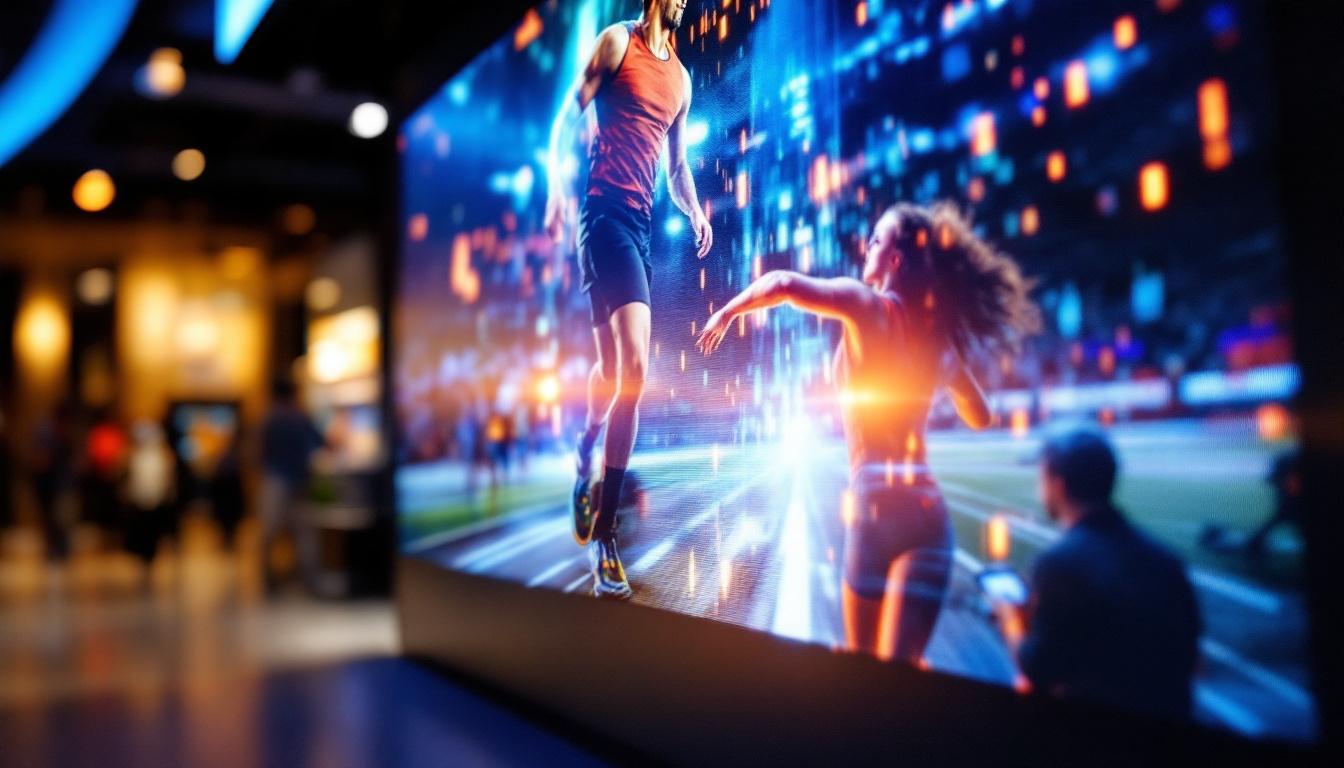
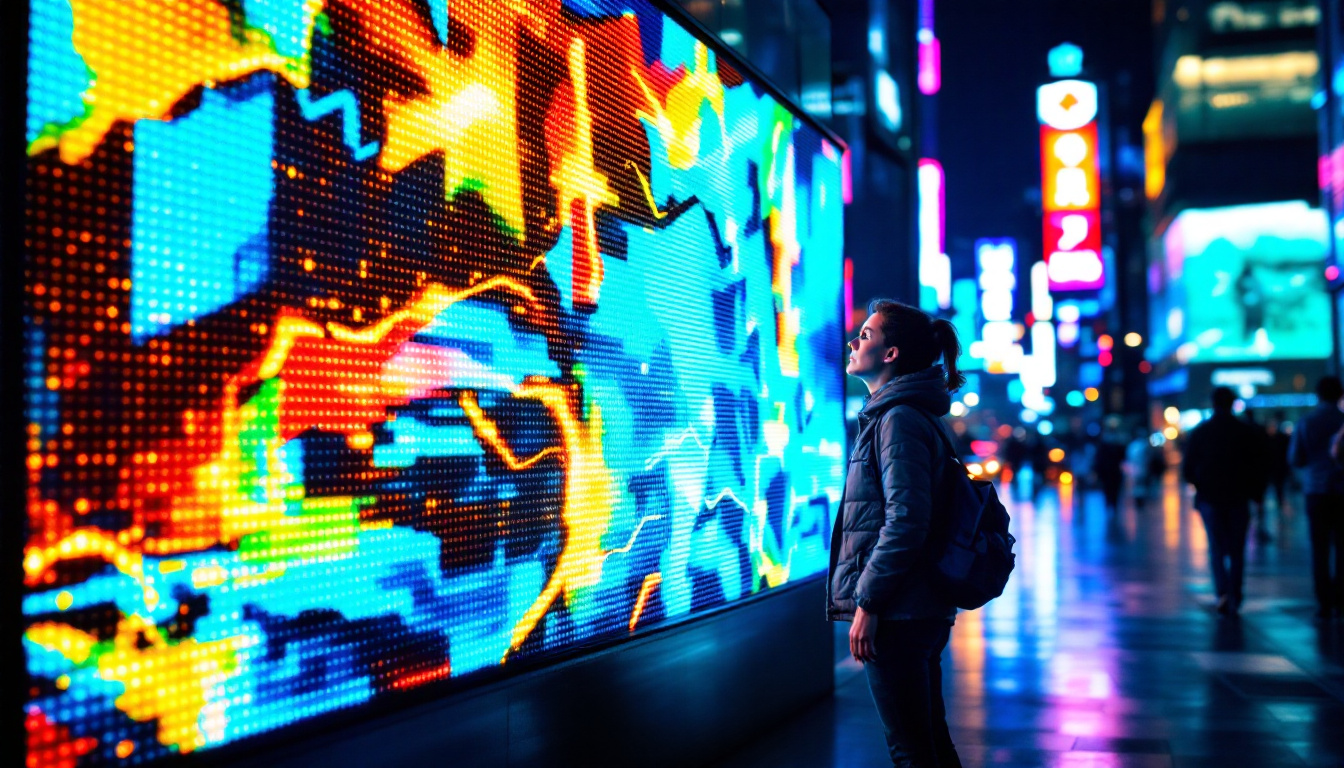
LED wall displays are also prevalent in public spaces such as airports, train stations, and sports arenas. They provide real-time information, entertainment, and advertising in high-traffic areas. For example, during major sporting events, LED walls display live footage, scores, and interactive content, enhancing the spectator experience.
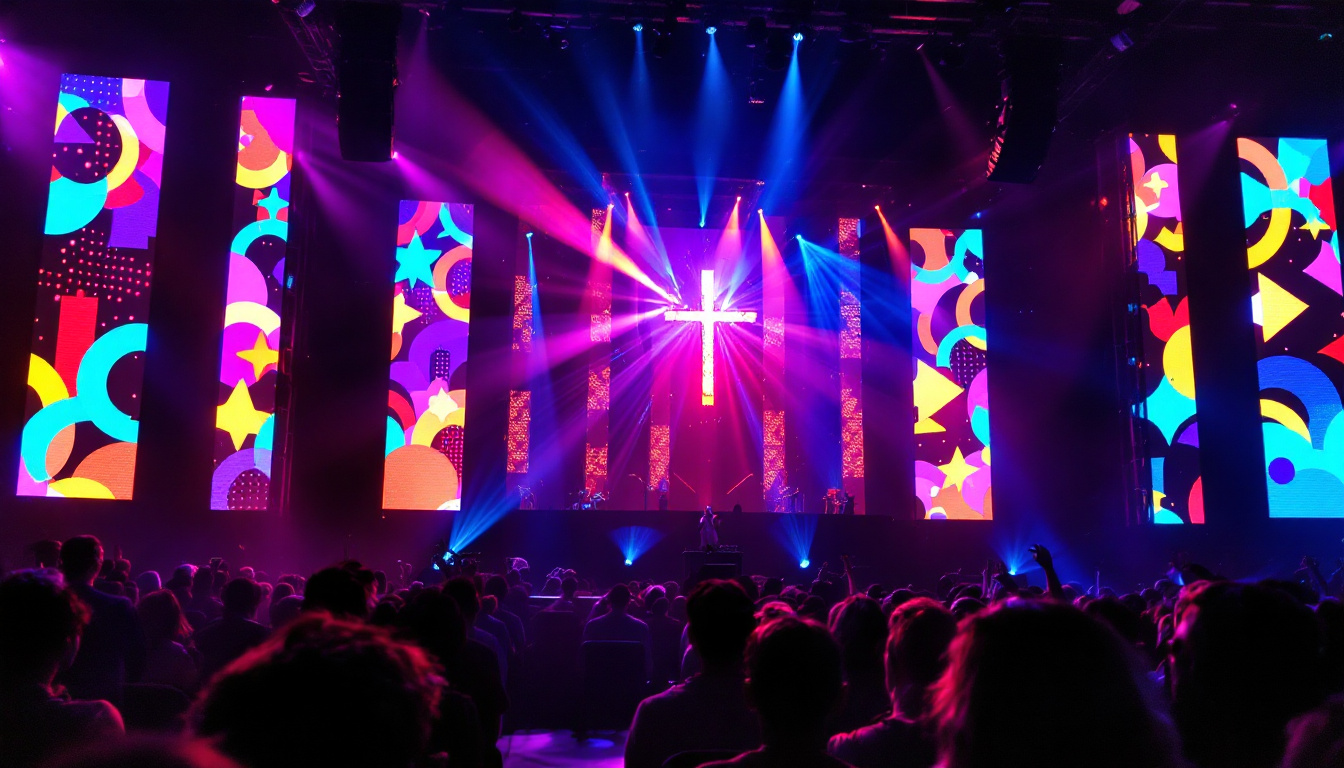
Event organizers and exhibition designers leverage LED walls for their scalability and ability to create visually stunning backdrops that can be tailored to specific themes or branding requirements.
Installation and Maintenance Considerations
Planning the Installation
Installing an LED display on a wall requires careful planning to ensure optimal performance and longevity. Factors such as wall structure, viewing distance, ambient lighting, and power supply must be considered. For instance, indoor LED displays typically have a pixel pitch ranging from 1.2mm to 4mm, while outdoor displays can have larger pitches due to greater viewing distances.
Professional installation is recommended to handle the technical aspects, including mounting, wiring, and calibration. Proper ventilation and access for maintenance are also important to prevent overheating and facilitate repairs.
Maintenance and Troubleshooting
While LED displays are generally low-maintenance, regular cleaning and inspections are necessary to maintain image quality and prevent issues such as dead pixels or color inconsistencies. Dust and dirt can accumulate on the surface, reducing brightness and clarity, so gentle cleaning with appropriate materials is advised.
In case of technical problems, modular design allows for easy replacement of individual panels or components without dismantling the entire display. Many manufacturers provide software tools for monitoring display health and diagnosing faults remotely, minimizing downtime.
Future Trends in LED Wall Displays
MicroLED and MiniLED Innovations
Emerging technologies like MicroLED and MiniLED are pushing the boundaries of LED display performance. MicroLED displays use microscopic LEDs to achieve even higher resolution, brightness, and energy efficiency, making them ideal for ultra-high-definition wall displays.
MiniLED technology, which involves smaller LEDs than traditional ones, enhances contrast and color accuracy in LED-backlit LCD panels. Both technologies promise to deliver more immersive and visually stunning experiences for wall displays in the near future.
Integration with Smart Technologies
The integration of LED wall displays with artificial intelligence and Internet of Things (IoT) devices is transforming how images and content are managed. Smart LED displays can adapt content based on audience demographics, environmental conditions, or user interactions, creating personalized and context-aware visual experiences.
For example, retail stores can use AI-powered LED walls to display targeted advertisements based on customer behavior, while smart homes can adjust displayed visuals according to time of day or user preferences.
Conclusion
LED displays have revolutionized the way pictures are displayed on walls, offering unmatched brightness, color fidelity, and flexibility. Whether for residential enjoyment, commercial advertising, or public information, LED wall displays provide dynamic and engaging visual experiences that traditional methods cannot match.
As technology advances, LED displays will continue to evolve, becoming more efficient, customizable, and integrated with smart systems. Understanding the fundamentals of LED technology and its applications is essential for anyone considering this innovative approach to displaying pictures on walls.
Investing in an LED display can transform any wall into a vibrant canvas, capable of showcasing images with stunning clarity and impact. With proper planning, installation, and maintenance, LED wall displays offer a durable and versatile solution for modern visual communication.
Explore the Future of Visual Display with LumenMatrix
Ready to elevate your space with the vibrant, dynamic, and energy-efficient technology of LED displays? Look no further than LumenMatrix, a pioneer in crafting advanced LED display modules designed to bring your visual communication to life. Whether you’re interested in transforming a commercial setting, enhancing a public space, or creating an immersive home environment, LumenMatrix has a solution tailored to your needs. From Indoor and Outdoor LED Wall Displays to innovative LED Sports and Transparent Displays, our range of products promises to captivate your audience and amplify your message. Don’t miss the opportunity to be at the forefront of display technology. Check out LumenMatrix LED Display Solutions today and join the revolution in visual storytelling.