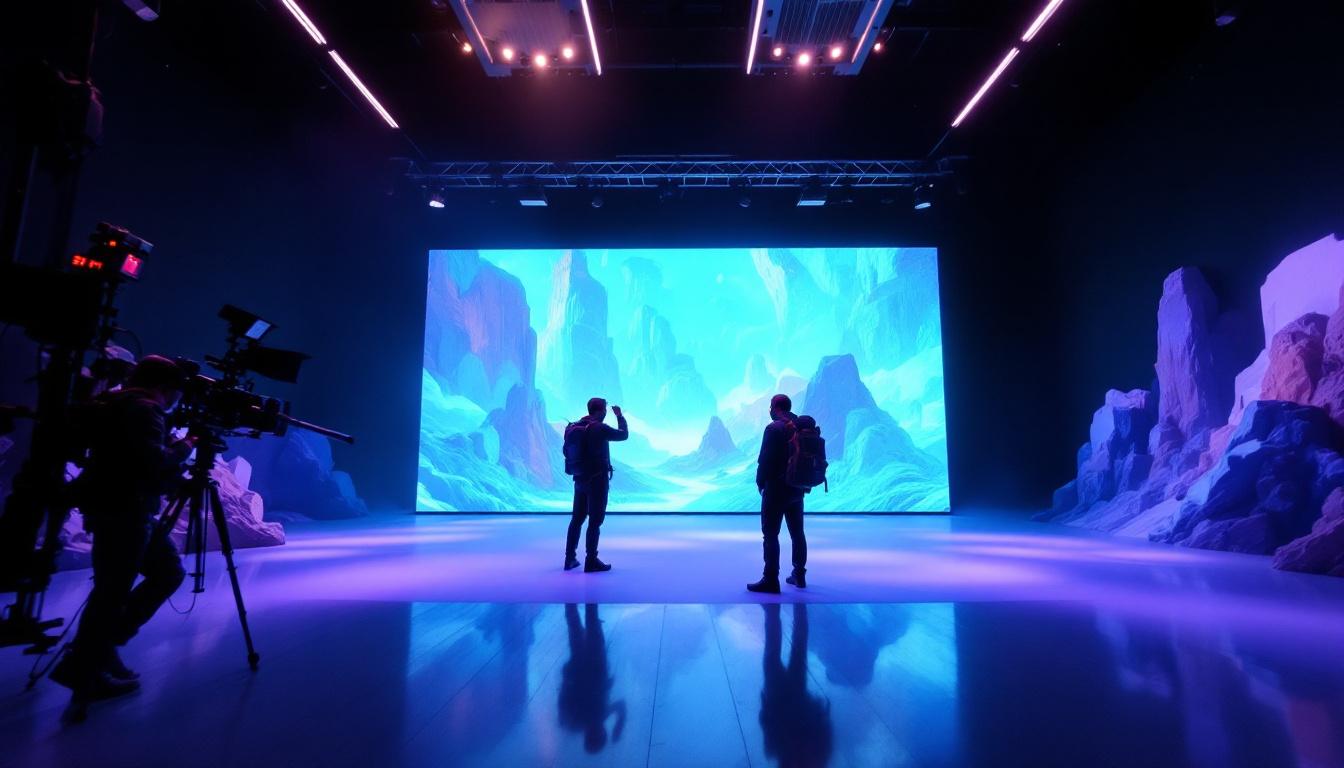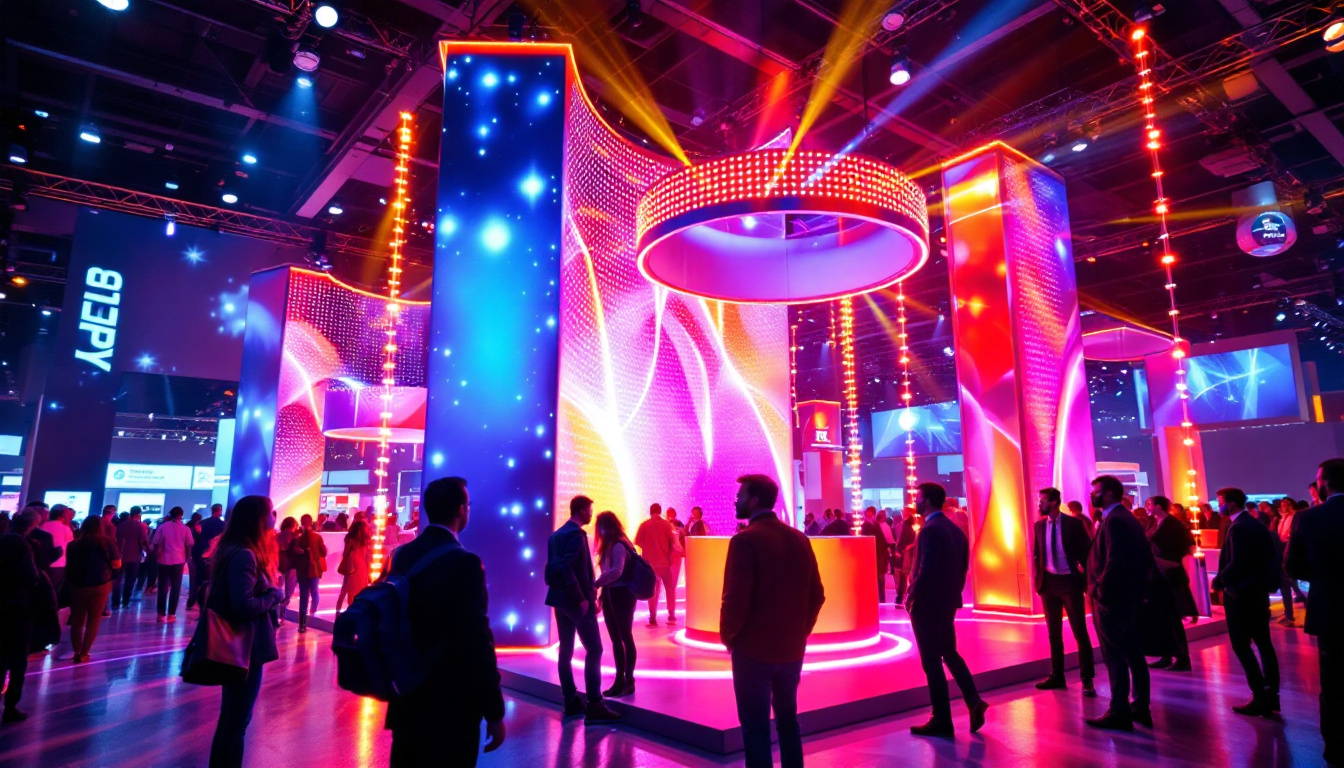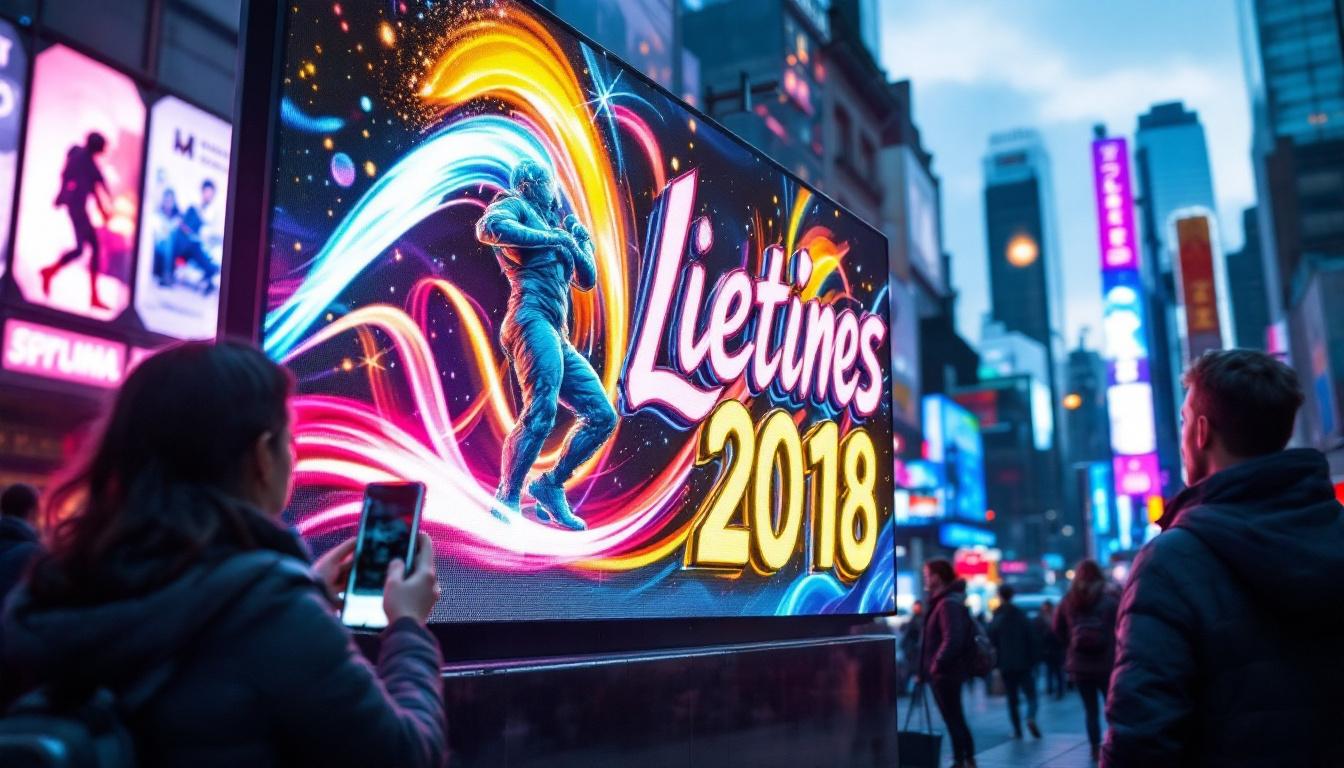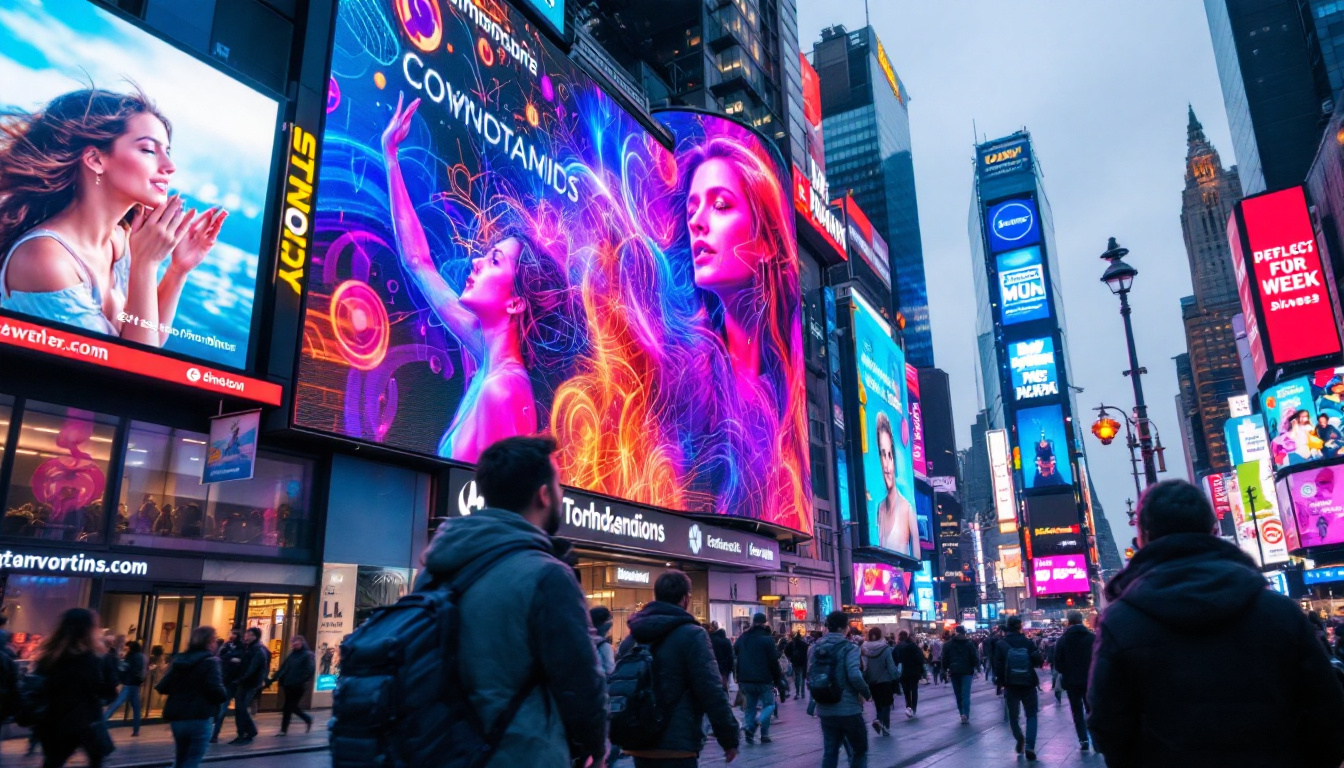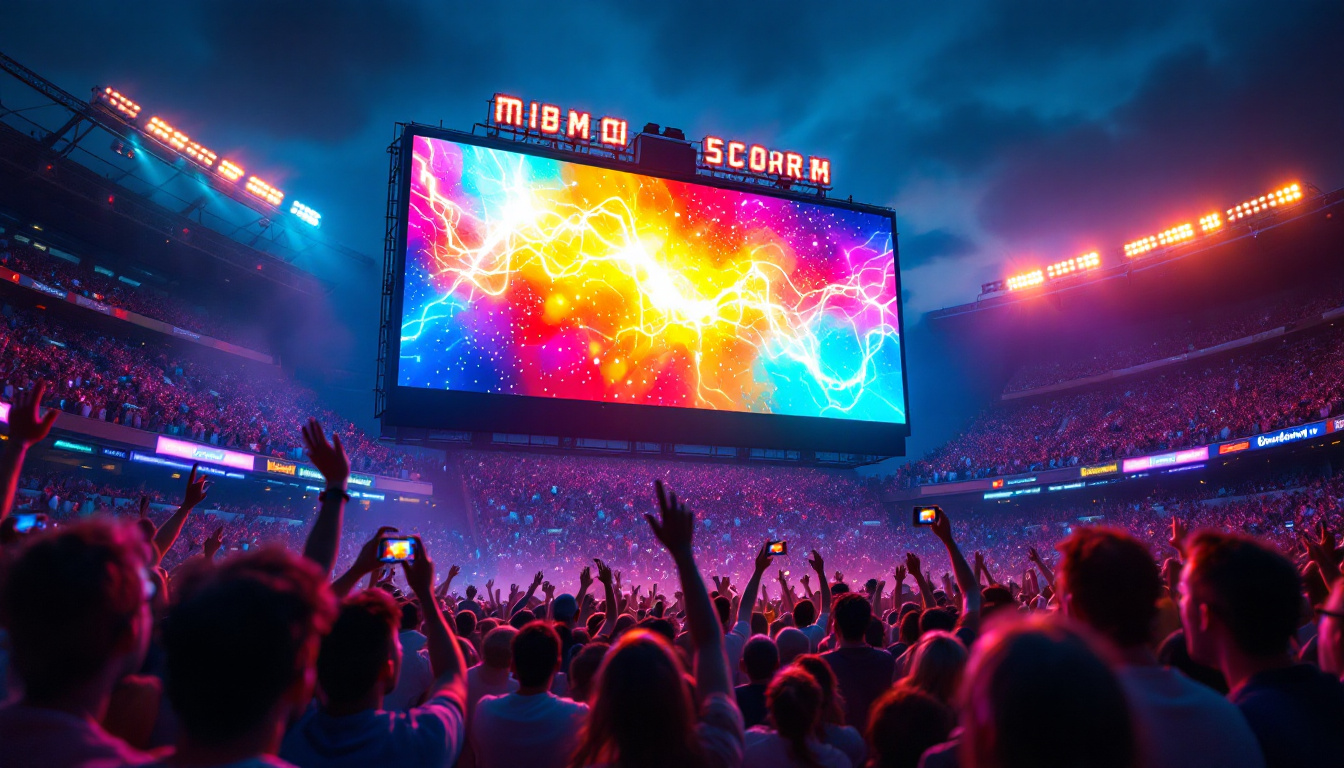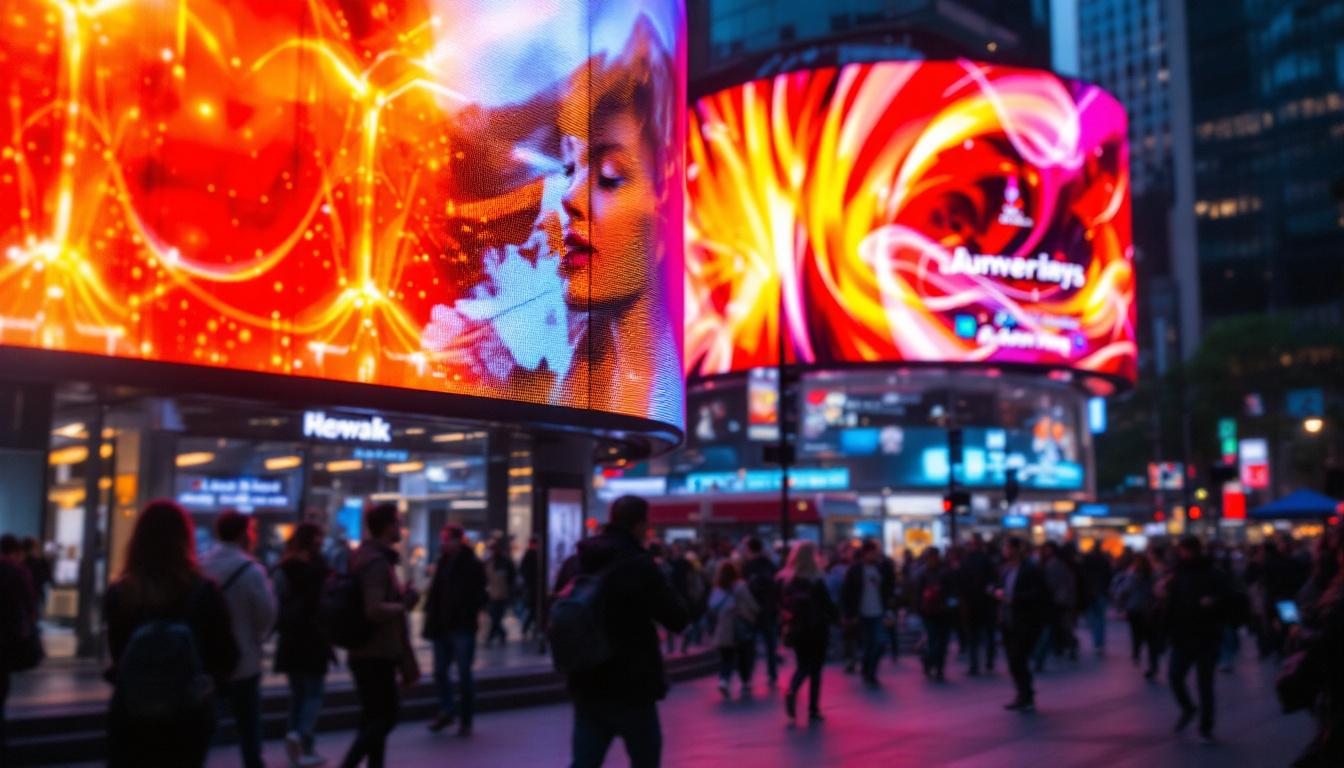
In the fast-evolving world of advertising, LED displays have emerged as one of the most dynamic and effective tools for capturing audience attention. From bustling city centers to retail storefronts and stadiums, LED technology is transforming how brands communicate with consumers. This article delves into the fundamentals of LED displays, their advantages, and how ad players leverage this technology to deliver impactful advertising campaigns.
Understanding LED Display Technology
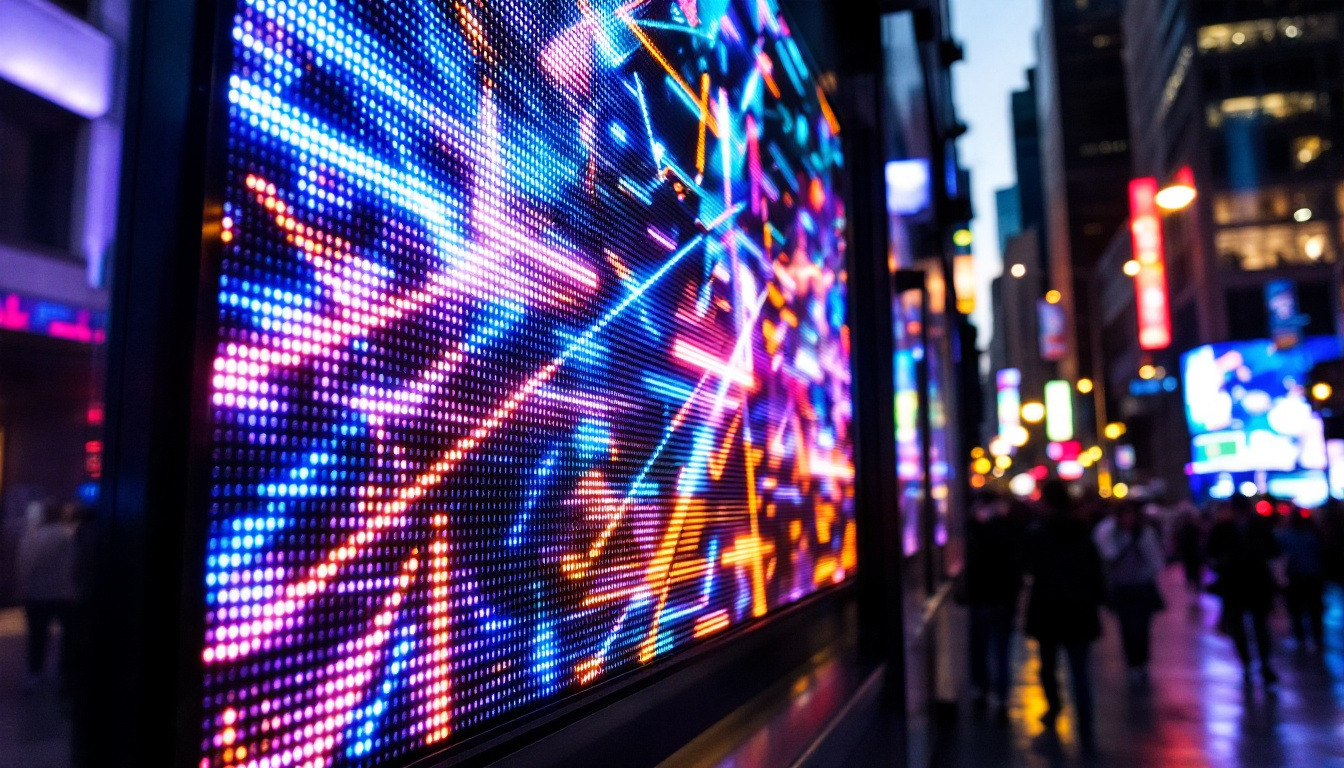
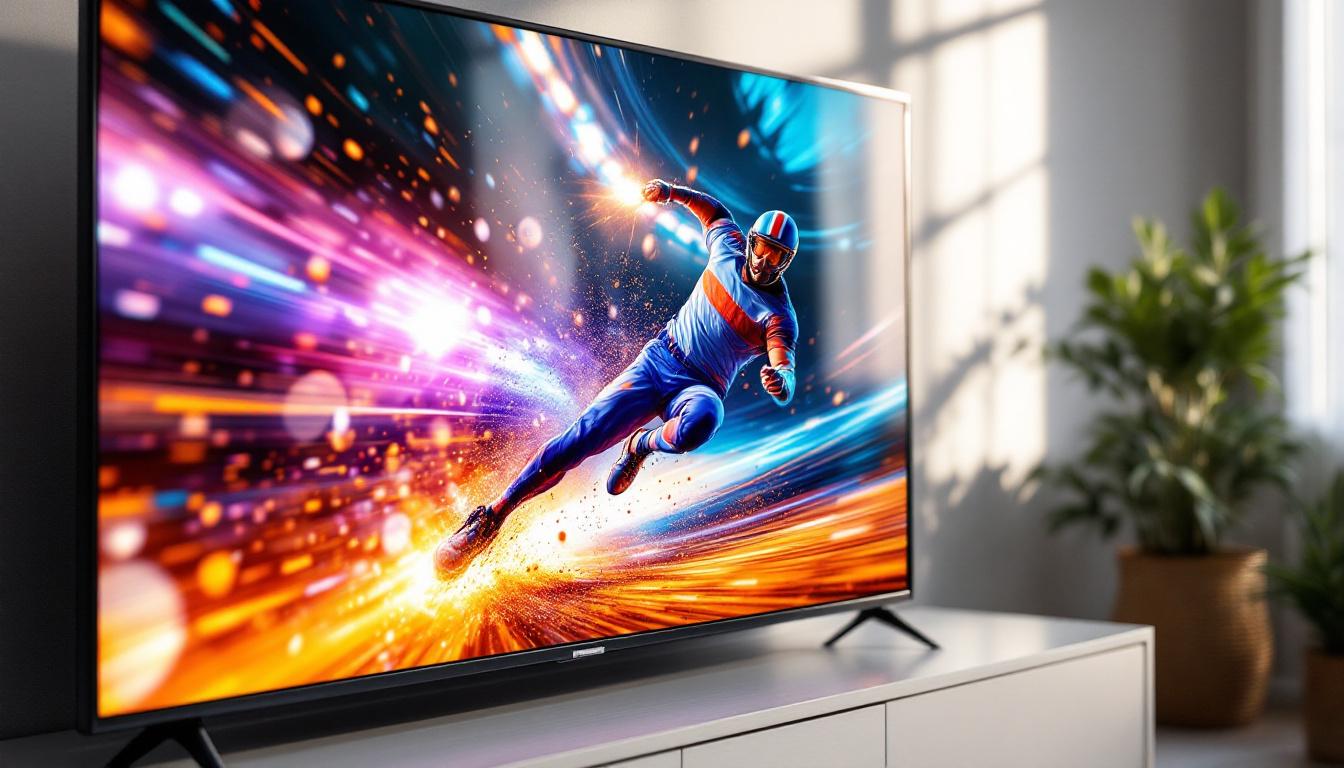
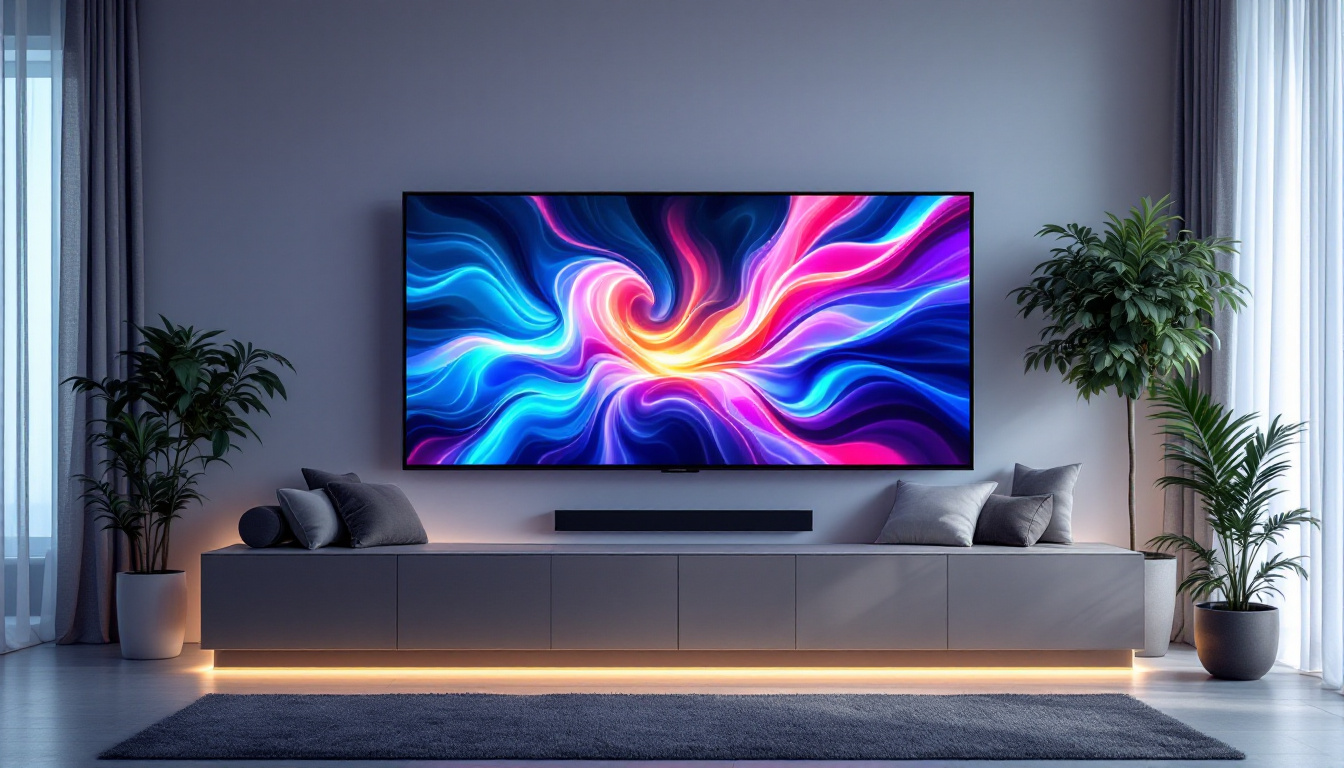
LED, or Light Emitting Diode, displays are screens composed of numerous tiny light sources that emit bright, vibrant colors. Unlike traditional LCD or projection screens, LED displays produce their own light, which results in superior brightness and contrast. This intrinsic ability to generate light leads to deeper blacks and more vivid colors, making LED displays particularly appealing for both commercial and residential use.
The core component of an LED display is the diode itself, a semiconductor that emits light when an electric current passes through it. These diodes are arranged in clusters called pixels, which collectively form images or videos. Modern LED displays use either surface-mounted device (SMD) LEDs or through-hole LEDs, with SMD being more common in high-resolution applications due to their compact size. SMD technology allows for a higher pixel density, which is crucial for applications where clarity and detail are paramount, such as in digital billboards or high-definition televisions.
Types of LED Displays
There are several types of LED displays used in advertising, each suited for different environments and purposes:
- Indoor LED Displays: Designed for controlled lighting environments such as shopping malls or conference halls. They typically have a smaller pixel pitch (distance between LEDs), enabling higher resolution and sharper images. These displays are often used for presentations, events, and retail advertising, where engaging visuals can significantly enhance the viewer’s experience.
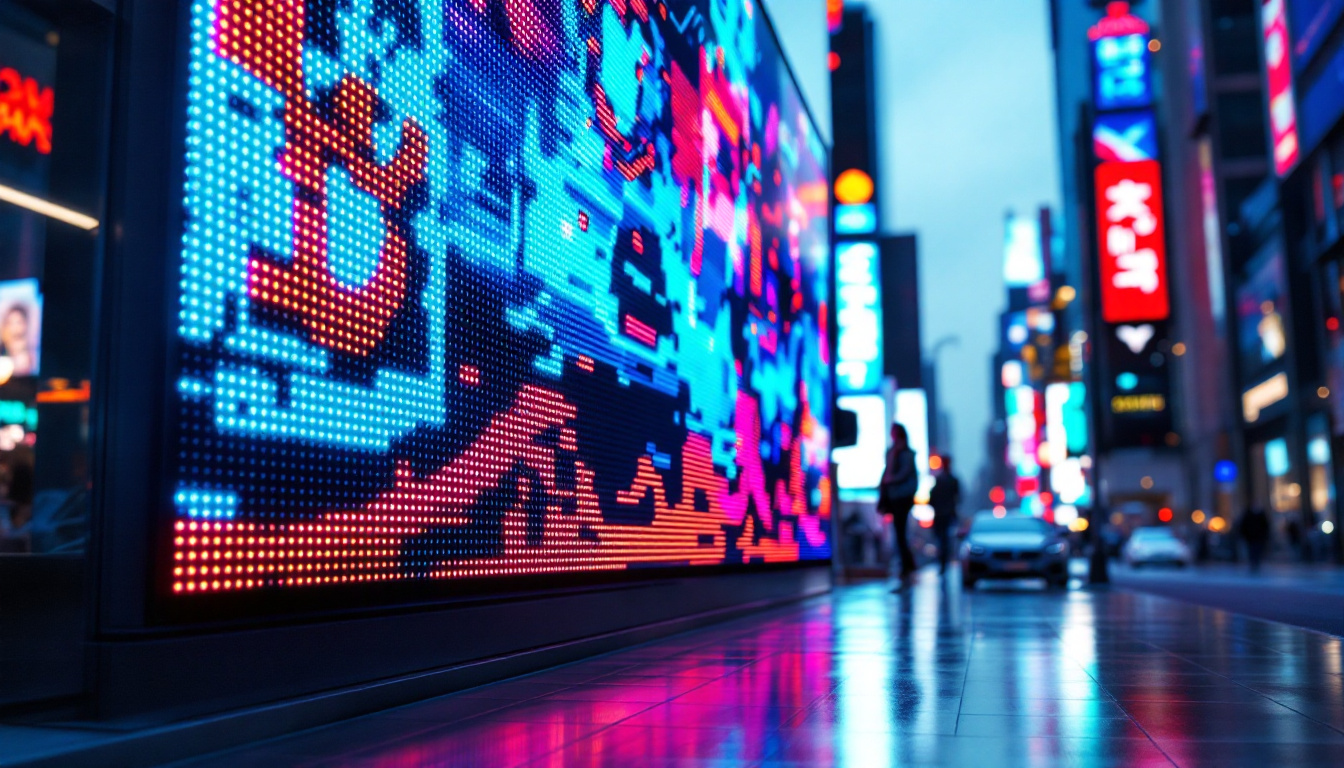
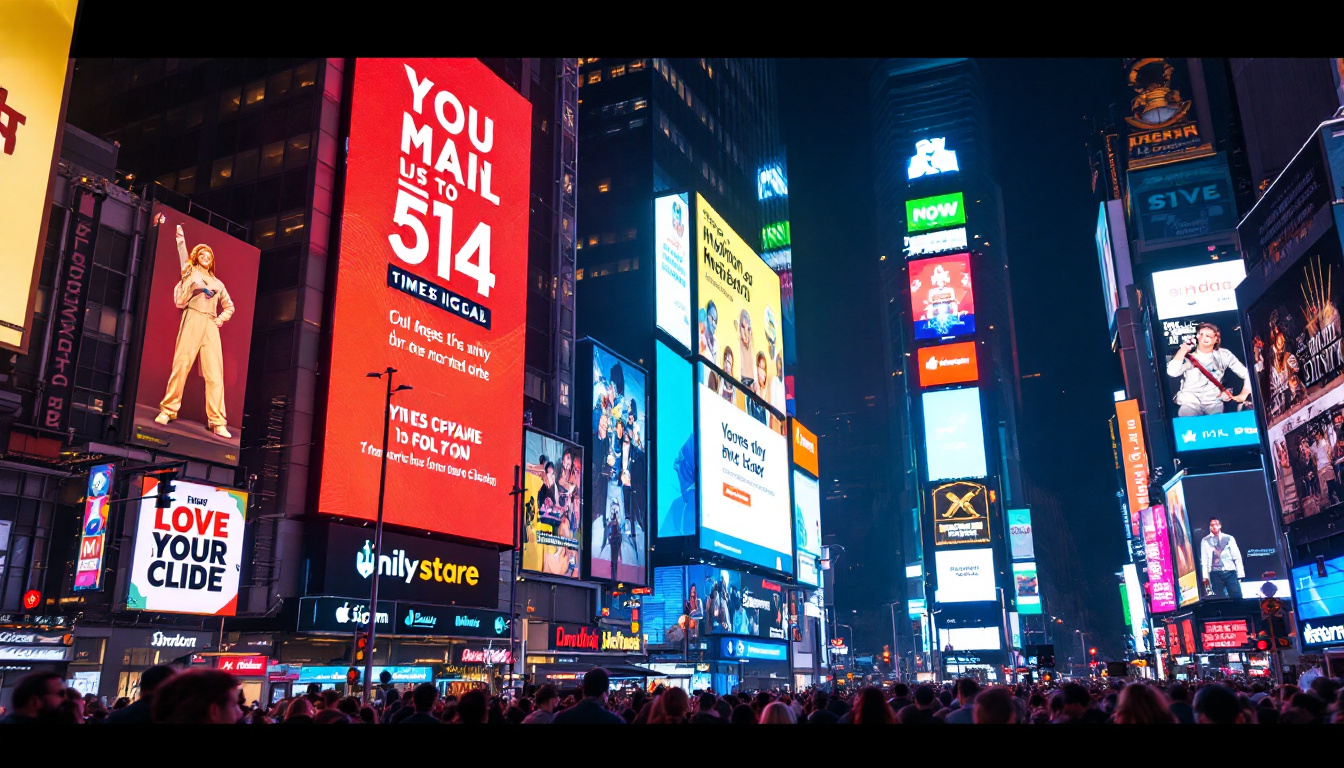
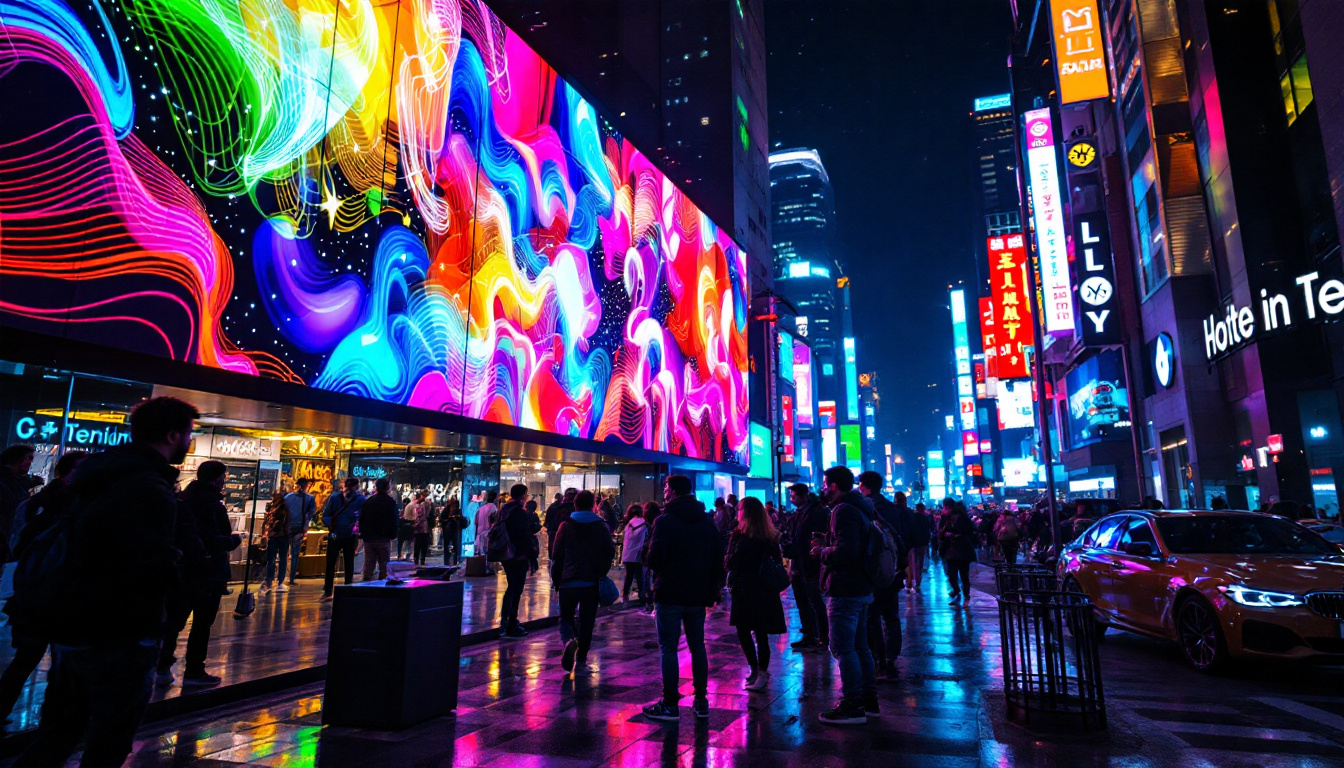
- Outdoor LED Displays: Built to withstand harsh weather conditions and bright sunlight. These displays have higher brightness levels, often exceeding 5,000 nits, to remain visible even in direct sunlight. Their robust construction ensures durability against rain, wind, and temperature fluctuations, making them ideal for stadiums, highways, and urban advertising.
- Transparent LED Displays: These innovative screens allow light to pass through, making them ideal for glass windows and storefronts without obstructing views. This technology not only enhances aesthetic appeal but also provides a unique advertising medium that can showcase products while maintaining the transparency of the display area, creating a seamless integration with the surrounding environment.
- Flexible LED Displays: Utilizing bendable panels, these displays can conform to curved surfaces, opening new creative possibilities for advertisers. This flexibility allows for dynamic installations that can fit into unconventional spaces, such as the interior of a vehicle or the exterior of a building, thus expanding the horizons of visual communication.
In addition to these types, LED technology continues to evolve, with advancements in pixel pitch and energy efficiency. For instance, mini and micro LED technologies are emerging, offering even finer resolutions and improved color accuracy. These developments are paving the way for new applications, such as augmented reality displays and immersive environments that engage audiences in innovative ways. As the demand for high-quality visual experiences grows, the versatility and adaptability of LED displays will undoubtedly play a crucial role in shaping the future of digital signage and advertising.
Why LED Displays Are Ideal for Advertising
LED displays offer a unique combination of features that make them highly effective for advertising purposes. Their ability to deliver vivid, dynamic content ensures that messages stand out in crowded environments.
High Brightness and Visibility
One of the most significant advantages of LED displays is their exceptional brightness. Outdoor LED screens can reach brightness levels of up to 8,000 nits, far surpassing traditional billboard lighting. This ensures advertisements remain visible in daylight, rain, or fog, making them reliable for 24/7 campaigns. The high visibility of LED displays not only captures attention but also enhances brand recognition, as consumers are more likely to remember a brand that they see consistently, even in challenging weather conditions.
Dynamic and Flexible Content
Unlike static billboards, LED displays support video, animations, and real-time content updates. This flexibility allows advertisers to tailor messages based on time of day, audience demographics, or current events. For example, a sportswear brand can display different promotions during a game versus regular shopping hours. Additionally, the ability to integrate social media feeds or live updates creates an interactive experience that engages viewers, encouraging them to take immediate action, such as visiting a website or making a purchase.
Energy Efficiency and Longevity
Modern LED technology is energy-efficient compared to older lighting methods. LEDs consume less power and generate less heat, reducing operational costs. Additionally, LED displays typically have a lifespan of 50,000 to 100,000 hours, ensuring long-term use with minimal maintenance. This durability not only contributes to sustainability efforts by reducing waste but also allows businesses to allocate resources elsewhere, knowing their advertising infrastructure is reliable and efficient.
Cost-Effectiveness Over Time
While the initial investment in LED displays can be higher than traditional signage, the long-term benefits often outweigh these costs. The ability to update content remotely reduces printing and installation expenses. Moreover, the extended lifespan and durability minimize replacement and repair costs. As businesses increasingly recognize the value of digital advertising, the return on investment (ROI) from LED displays becomes evident, as they can generate higher engagement rates and drive more foot traffic compared to static alternatives. Furthermore, the analytics capabilities associated with LED displays allow advertisers to track performance metrics, enabling them to refine their strategies and maximize effectiveness over time.
How Ad Players Utilize LED Displays
Ad players—digital media players designed specifically for advertising content—are integral to maximizing the potential of LED displays. They manage, schedule, and deliver multimedia content seamlessly to LED screens.
Content Management Systems (CMS)
Ad players are typically paired with robust CMS platforms that allow advertisers to control multiple LED displays from a central location. These systems enable scheduling of ads, real-time updates, and content customization based on location or audience data.
For instance, a retail chain can use a CMS to display different promotions in various stores, adjusting content dynamically to regional preferences or inventory levels.
Integration with Data and Sensors
Advanced ad players can integrate with external data sources such as weather forecasts, social media feeds, or foot traffic sensors. This capability allows for highly targeted advertising. For example, an LED display might promote rain gear when sensors detect precipitation or highlight trending products based on social media buzz.
Remote Monitoring and Maintenance
Ad players facilitate remote diagnostics and monitoring of LED displays, reducing downtime and maintenance costs. Operators can detect issues such as dead pixels, connectivity problems, or power failures promptly and address them without dispatching technicians onsite.
Current Trends and Innovations in LED Advertising
The LED advertising landscape continues to evolve rapidly, driven by technological advances and changing consumer behaviors. Staying abreast of these trends is crucial for advertisers aiming to maximize their impact.
Higher Resolution and Pixel Density
Recent developments have pushed the boundaries of pixel pitch, enabling ultra-high-definition LED displays. Some indoor displays now feature pixel pitches as low as 0.9mm, delivering crisp images comparable to high-end monitors. This level of detail enhances brand perception and viewer engagement.
Interactive LED Displays
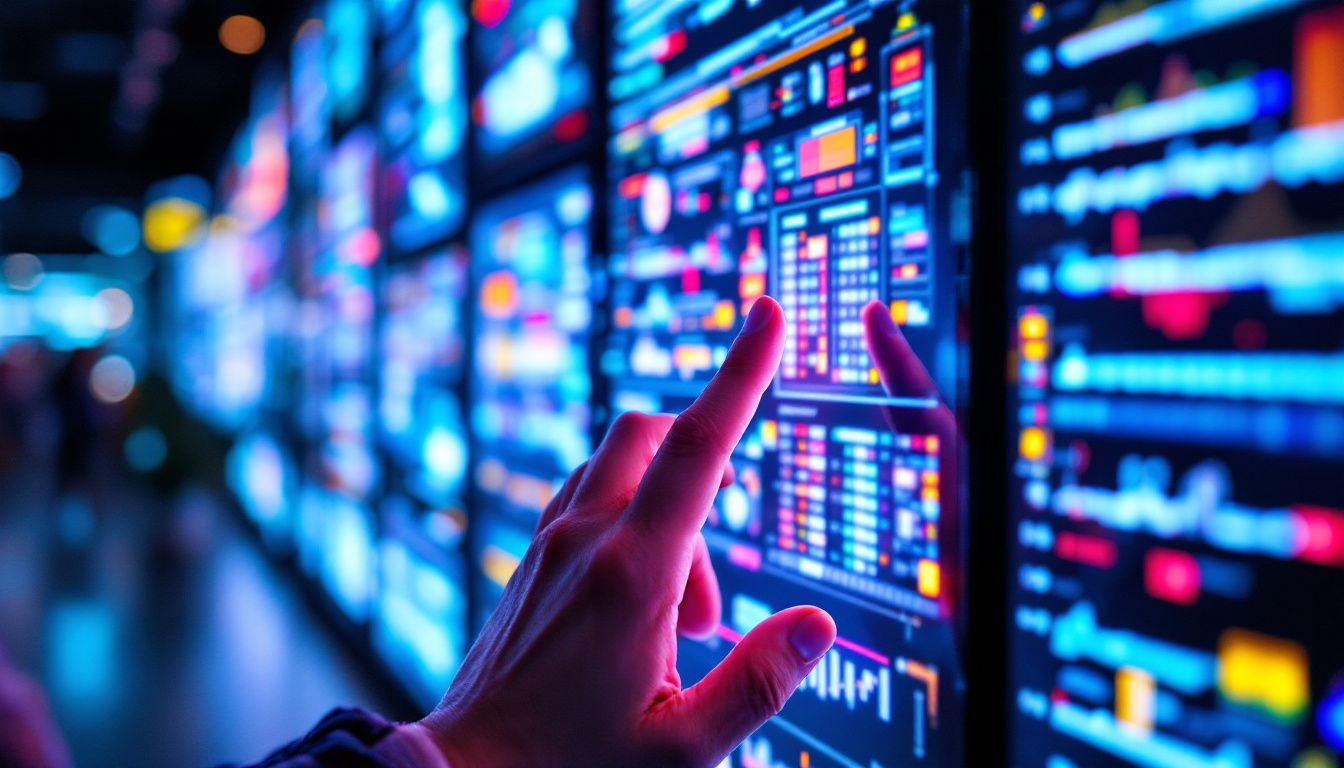
Touch-sensitive and gesture-controlled LED screens are gaining popularity, especially in retail and event environments. These interactive displays invite consumers to engage directly with the content, fostering deeper brand connections and collecting valuable data on user preferences.
Augmented Reality (AR) Integration
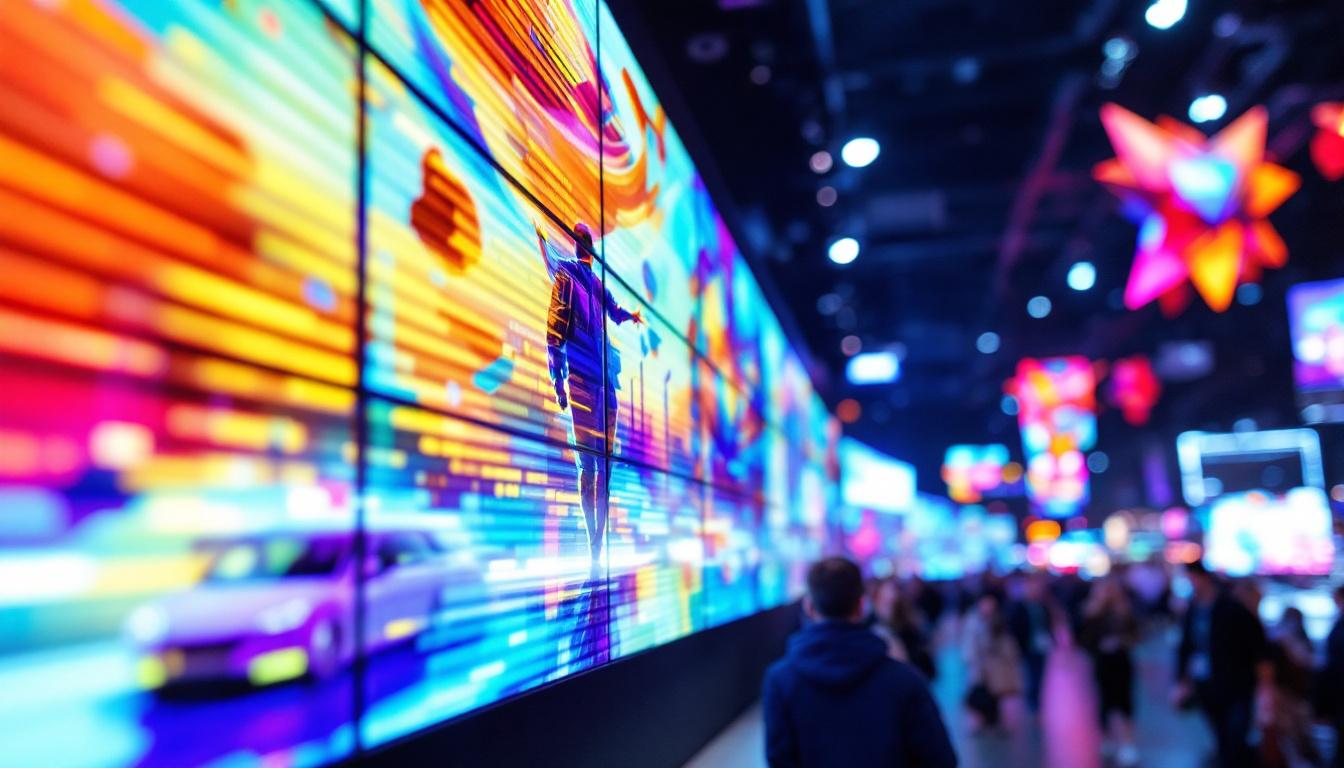
Combining LED displays with AR technology offers immersive advertising experiences. For example, LED walls at events can overlay digital content onto real-world scenes, creating memorable brand interactions that stand out in consumers’ minds.
Eco-Friendly and Sustainable Solutions
With growing emphasis on sustainability, manufacturers are developing LED displays using recyclable materials and energy-saving designs. Solar-powered LED billboards and low-energy consumption players are becoming more common, aligning advertising with environmental responsibility.
Practical Considerations for Implementing LED Advertising
While LED displays offer numerous benefits, successful implementation requires careful planning and consideration of several factors.
Location and Audience Analysis
Choosing the right location is critical. High-traffic areas such as urban centers, shopping malls, and transportation hubs typically yield better ROI. Understanding the target audience’s demographics and behaviors helps tailor content effectively.
Screen Size and Resolution
The size and resolution of the LED display should correspond to viewing distance and content type. Larger screens with lower resolution may work well outdoors where viewers are farther away, while smaller, high-resolution screens suit indoor environments with closer viewing.
Regulatory Compliance
Many cities have regulations governing the brightness, size, and placement of LED displays to prevent light pollution and distraction. It is essential to consult local authorities and obtain necessary permits before installation.
Content Strategy and Frequency
Effective advertising on LED displays depends on well-crafted content and appropriate scheduling. Rotating ads at optimal intervals prevents viewer fatigue, while high-quality visuals and concise messaging enhance recall.
Conclusion
LED displays represent a powerful medium for modern advertising, combining technological sophistication with creative flexibility. Their ability to deliver bright, engaging, and dynamic content makes them indispensable for brands seeking to stand out in competitive markets. By understanding the technology, leveraging advanced ad players, and staying attuned to emerging trends, advertisers can harness the full potential of LED displays to captivate audiences and drive business growth.
Illuminate Your Brand with LumenMatrix
Ready to elevate your advertising strategy with the brilliance of LED technology? Discover how LumenMatrix can transform your brand’s visibility and audience engagement. With a comprehensive range of solutions from Indoor and Outdoor LED Wall Displays to innovative LED Transparent Displays, LumenMatrix is at the forefront of creating immersive visual experiences. Embrace the future of advertising and check out LumenMatrix LED Display Solutions today to bring your message to life with unparalleled clarity and impact.