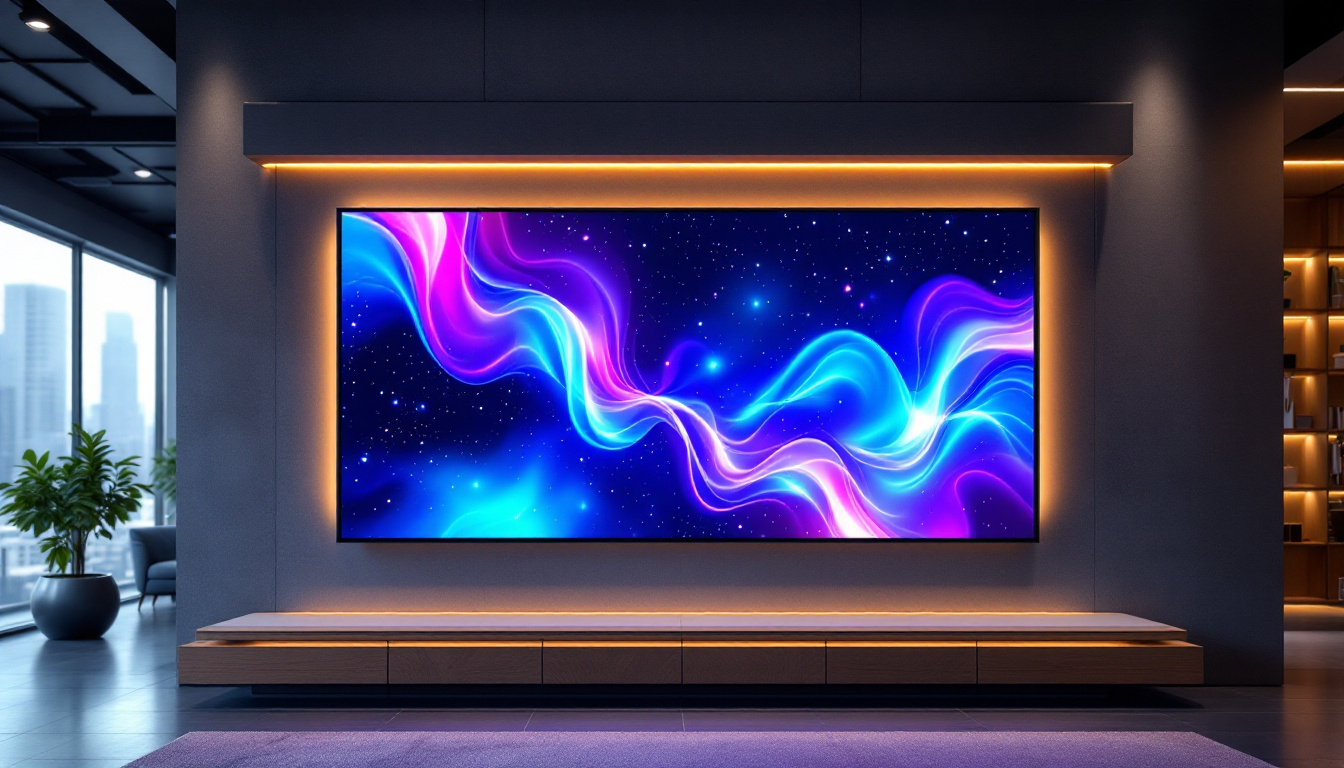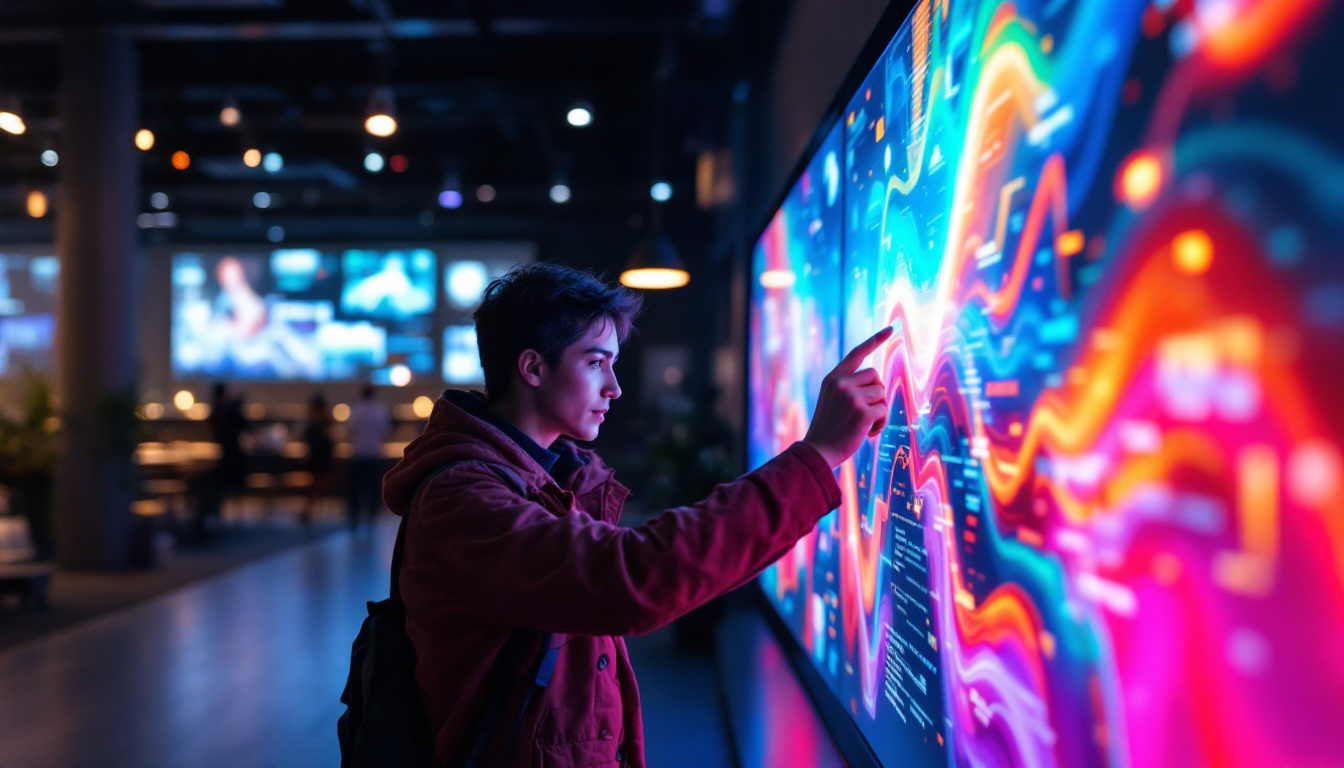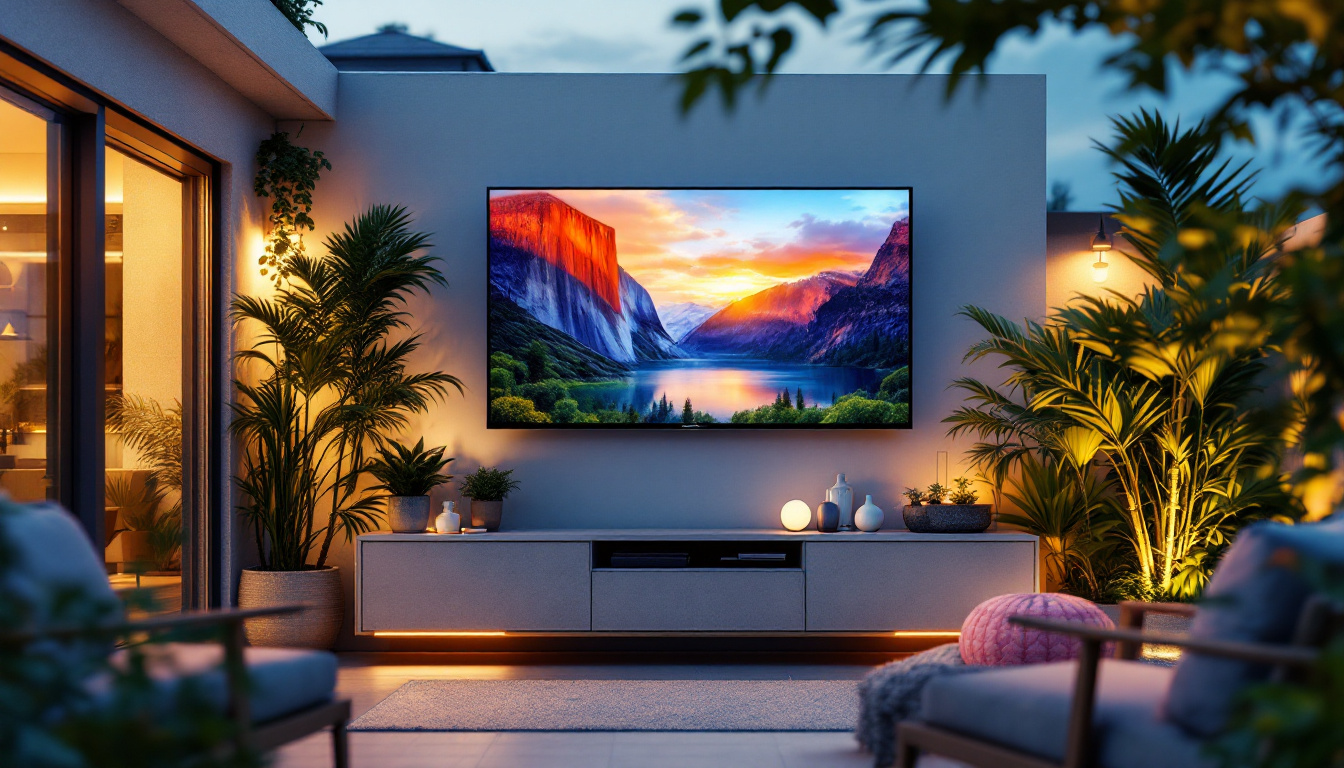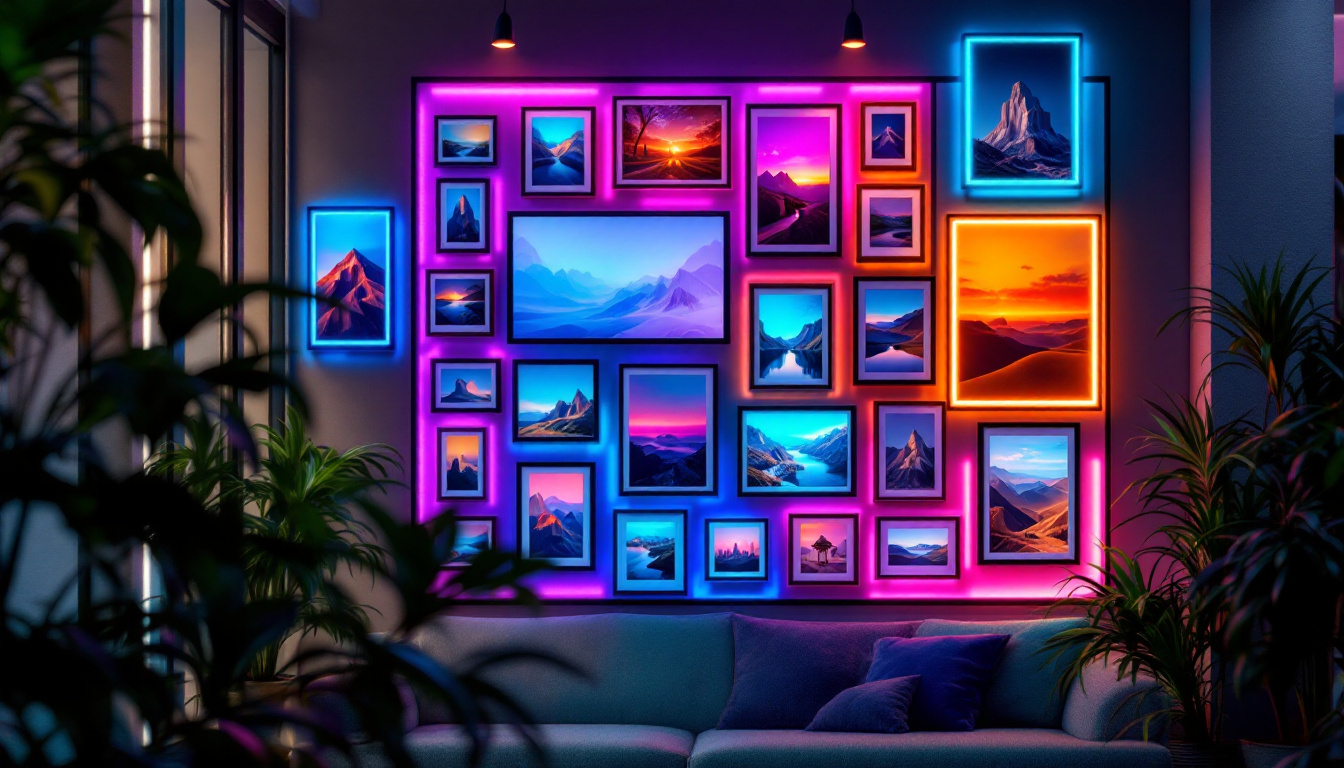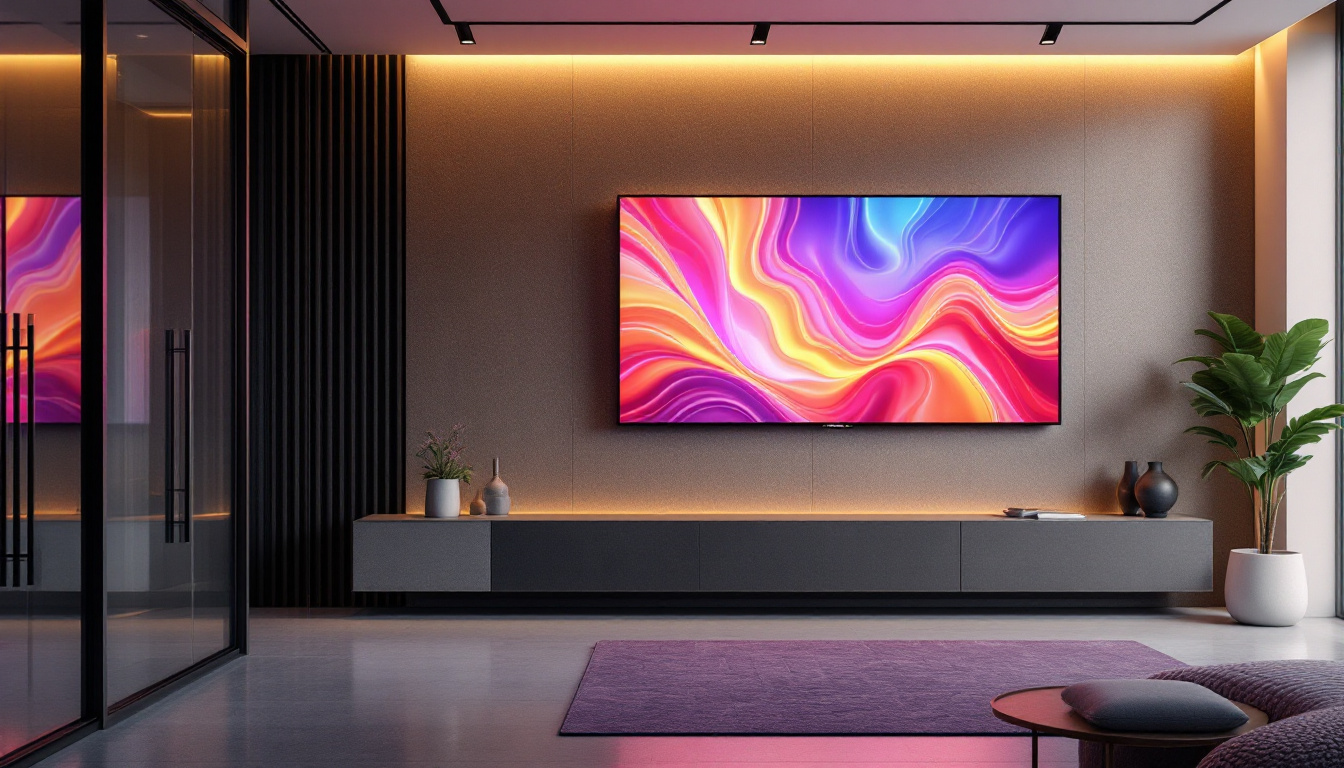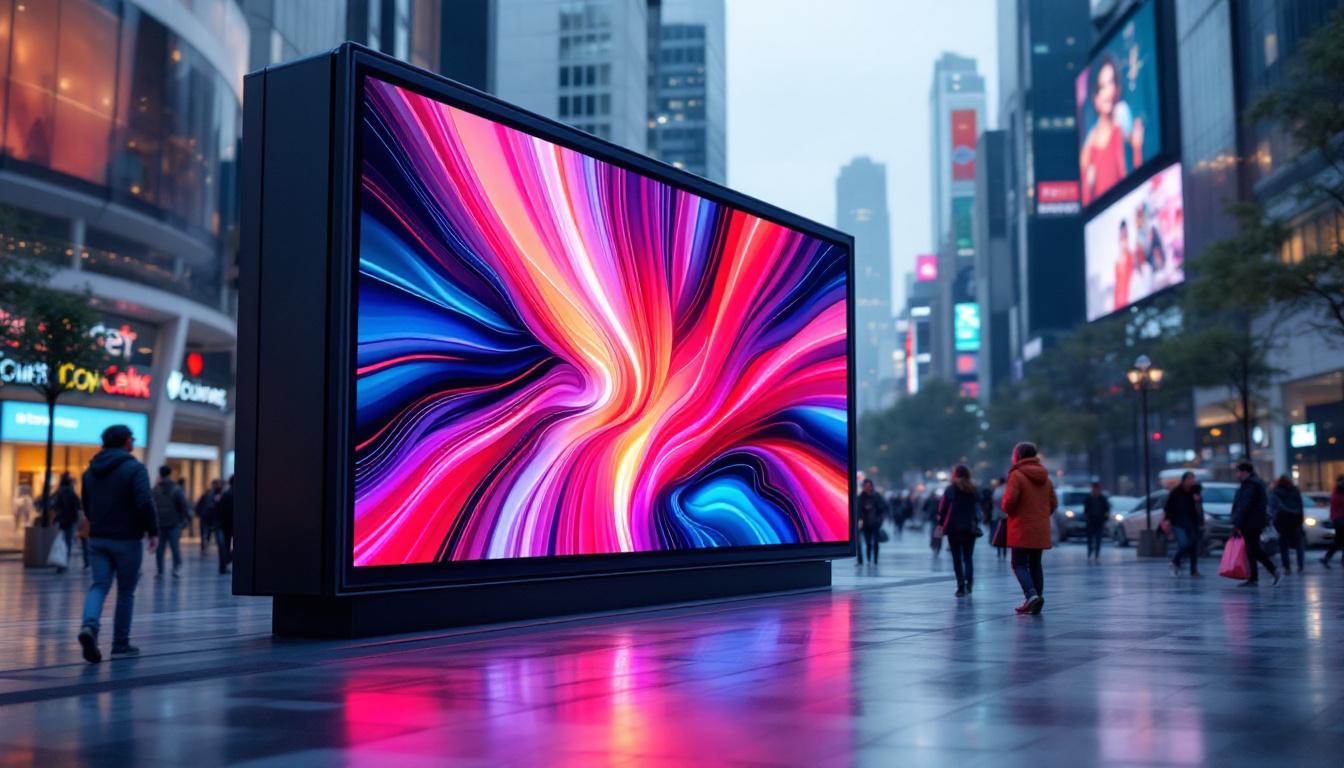
In today’s fast-paced digital world, grabbing consumer attention is more challenging than ever. Advertisers and businesses are continuously seeking innovative ways to stand out, and one of the most effective tools in their arsenal is the LED display. From bustling city centers to retail storefronts, LED screens have revolutionized the way brands communicate with their audience. This article delves into the world of LED advert screens, explaining their technology, benefits, and why they have become a cornerstone of modern advertising.
Understanding LED Display Technology
What is an LED Display?
LED stands for Light Emitting Diode, a semiconductor device that emits light when an electric current passes through it. An LED display is essentially a matrix of these tiny diodes arranged to form images, videos, or text. Unlike traditional LCD or plasma screens, LED displays use these individual diodes as pixels, which can be turned on or off independently to create vibrant, high-contrast visuals.
Advert screens built with LED technology are designed to be bright, durable, and visible even in direct sunlight, making them ideal for outdoor advertising. The technology has evolved significantly over the past decade, enabling larger screens with higher resolutions and better energy efficiency. Furthermore, the longevity of LED displays is noteworthy; they can last up to 100,000 hours, significantly outpacing other display technologies. This durability not only reduces replacement costs but also minimizes environmental waste, making LED displays a more sustainable choice for businesses.
Types of LED Displays Used in Advertising
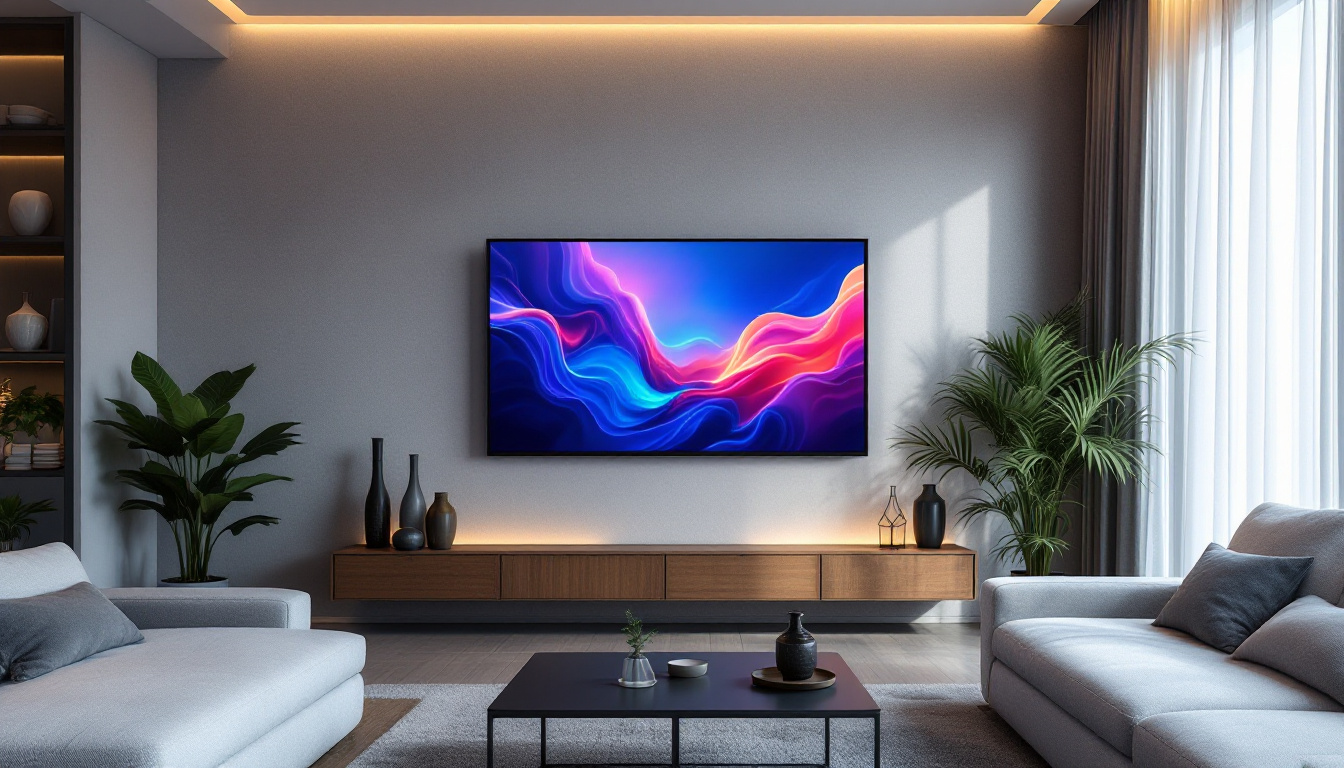
There are primarily two types of LED displays used in advertising: indoor and outdoor LED screens. Indoor LED displays are typically smaller and have a higher pixel density to provide crisp images at close viewing distances. Outdoor LED displays, on the other hand, are larger and designed to withstand weather conditions while maintaining visibility from a distance. These outdoor screens often incorporate protective features such as waterproof casings and UV-resistant coatings, ensuring they remain functional and visually appealing even in harsh environments.
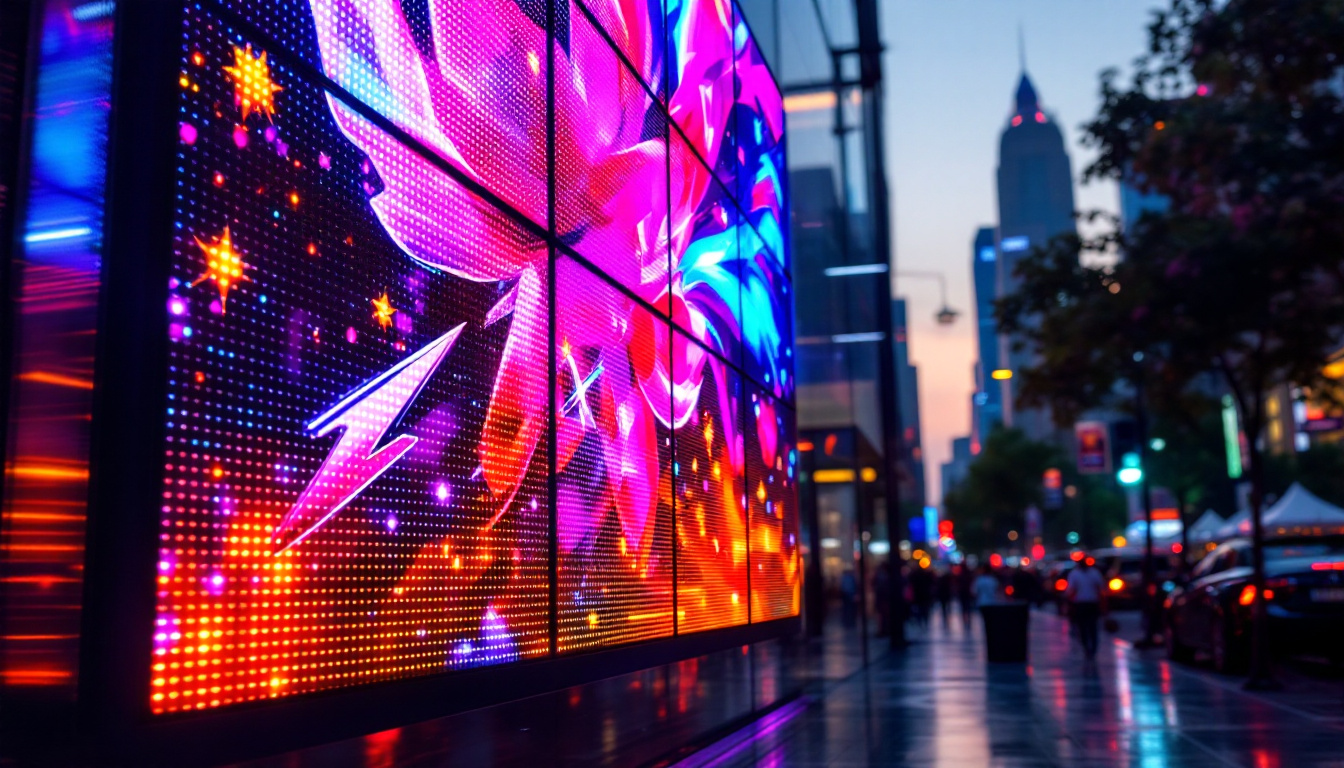
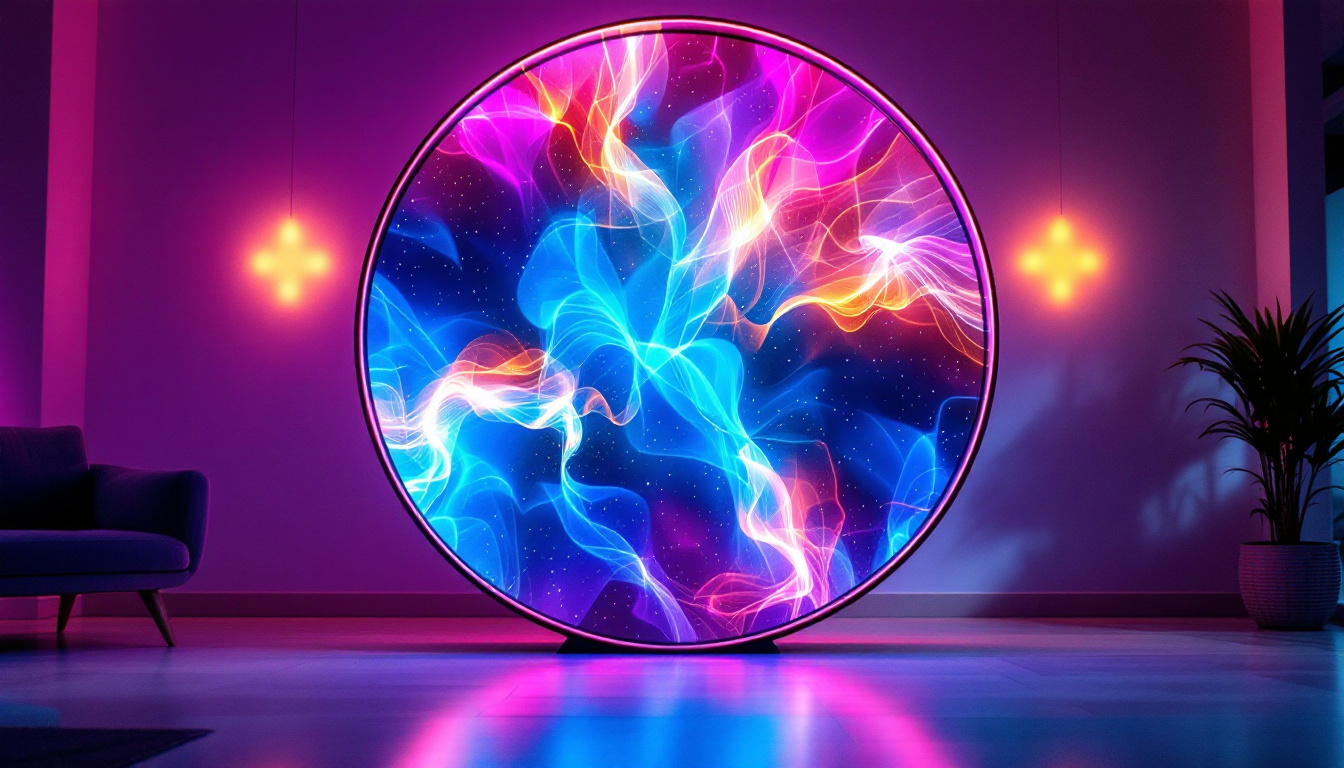
Additionally, LED displays can be categorized by their pixel pitch — the distance between individual LEDs. A smaller pixel pitch means higher resolution and finer image quality, which is crucial for indoor displays where viewers are close. Outdoor displays often have a larger pixel pitch to ensure visibility from afar. The advancements in technology have also led to the development of flexible LED displays, which can be curved or shaped to fit unique advertising spaces, allowing for creative and eye-catching installations. This flexibility opens up new possibilities for branding and marketing, enabling businesses to engage with their audience in innovative ways.
Advantages of Using LED Advert Screens
Unmatched Brightness and Visibility
One of the most significant benefits of LED advert screens is their brightness. LED displays can reach brightness levels of up to 5,000 nits or more, which is several times brighter than traditional LCD screens. This allows advertisements to remain clear and eye-catching even under direct sunlight, a critical factor for outdoor advertising.
Studies show that bright, dynamic displays can increase viewer engagement by up to 83%, making LED screens a powerful tool for brand visibility and recall. This level of visibility ensures that messages are not lost, regardless of the time of day or weather conditions. Furthermore, the vibrant colors produced by LED technology can evoke emotional responses from viewers, enhancing the effectiveness of the advertising message. The ability to capture attention in a split second is crucial in today’s fast-paced world, where consumers are constantly bombarded with information.
Energy Efficiency and Longevity
Compared to older display technologies like neon or fluorescent signs, LED screens are far more energy-efficient. LEDs consume less power while producing brighter light, which translates to lower operational costs for businesses. For example, a typical LED display can use up to 80% less energy than traditional lighting-based advert signs.
Moreover, LED screens have a long lifespan, often exceeding 100,000 hours of operation. This durability reduces maintenance costs and downtime, making them a cost-effective investment over time. The robust nature of LEDs also means they are less susceptible to breakage and environmental factors, providing a reliable advertising solution that can withstand the elements. Businesses can enjoy peace of mind knowing that their advertising investment will continue to perform effectively for years, without the frequent replacements associated with other technologies.
Dynamic Content and Flexibility
Unlike static billboards, LED advert screens allow advertisers to display dynamic, changing content. This flexibility enables brands to tailor their messages in real-time, respond to current events, or promote multiple products on the same screen. The ability to schedule content remotely and update it instantly is a game-changer for marketing campaigns.
For example, during major sporting events or holidays, advertisers can quickly switch their content to align with the occasion, maximizing relevance and impact. This adaptability helps brands stay fresh and engaging in a crowded advertising landscape. Additionally, the integration of social media feeds or live updates can further enhance viewer interaction, creating a two-way communication channel that traditional advertising methods lack. By incorporating real-time data, brands can foster a sense of community and engagement, encouraging consumers to participate and share their experiences, which can amplify the reach of the campaign beyond the initial display.
Applications of LED Advert Screens Across Industries
Retail and Shopping Centers
Retailers have embraced LED screens to enhance in-store experiences and attract foot traffic. Large LED displays placed at storefronts or inside malls can showcase promotions, new arrivals, or interactive content that encourages shoppers to engage with the brand.
Research indicates that digital signage in retail environments can increase sales by up to 30%, highlighting the effectiveness of LED advert screens in influencing consumer behavior. Additionally, LED displays can be integrated with sensors or mobile apps to create personalized shopping experiences.
Transportation and Public Spaces
LED advert screens are ubiquitous in transportation hubs such as airports, train stations, and bus terminals. Their high visibility and dynamic content capabilities make them ideal for displaying advertisements, travel information, and public announcements.
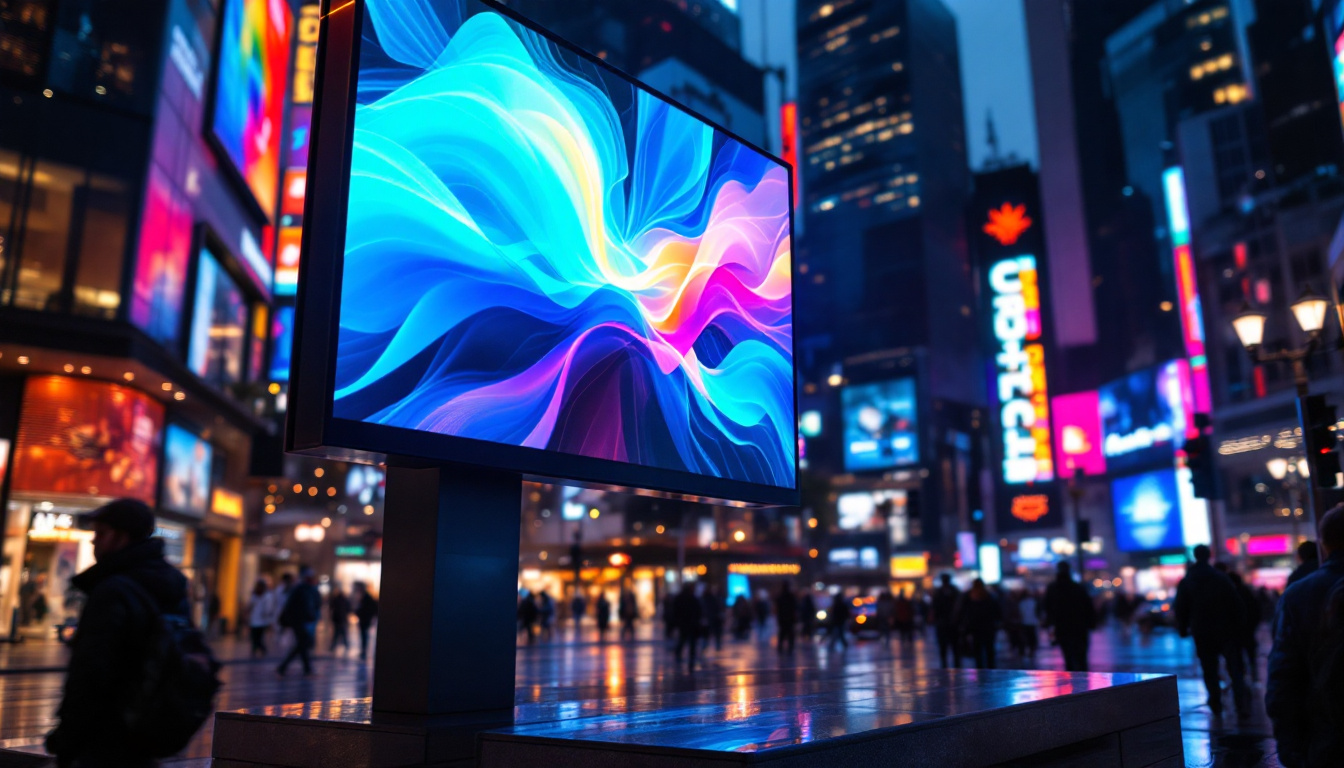
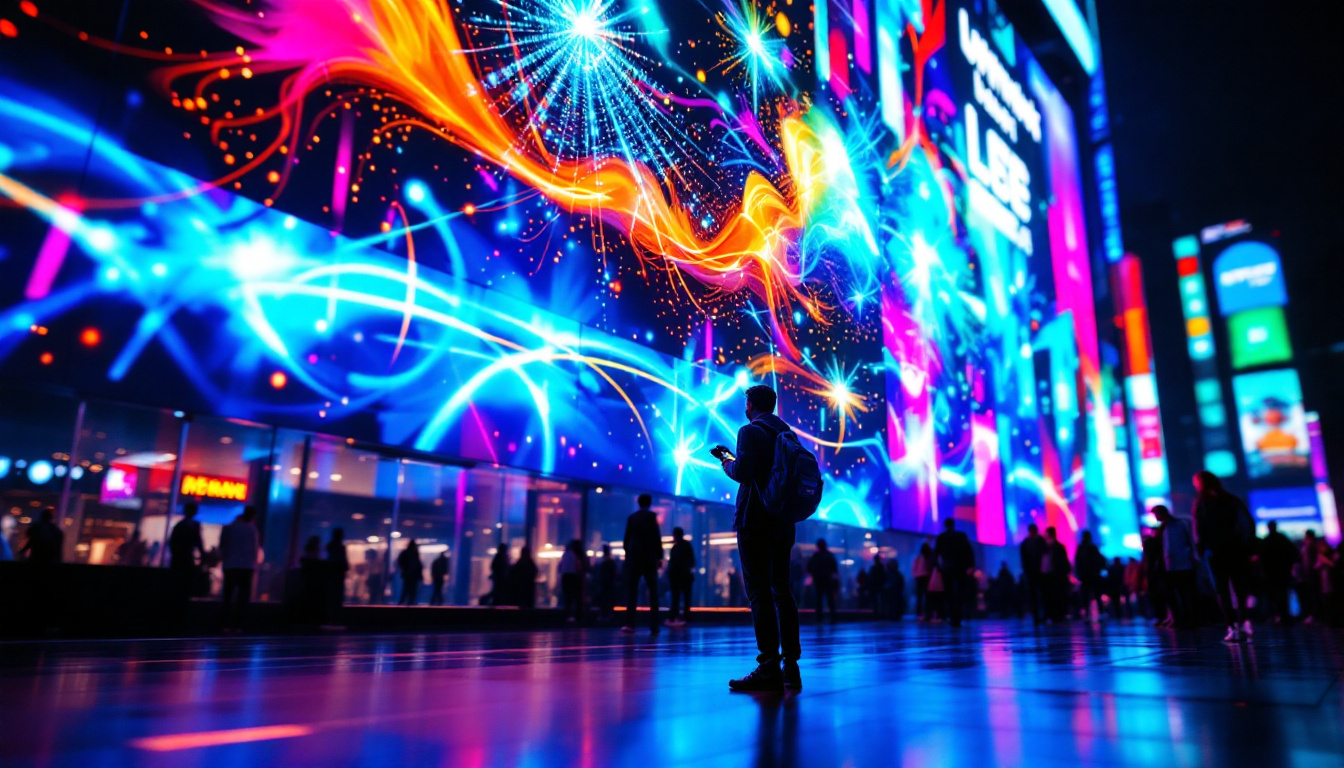
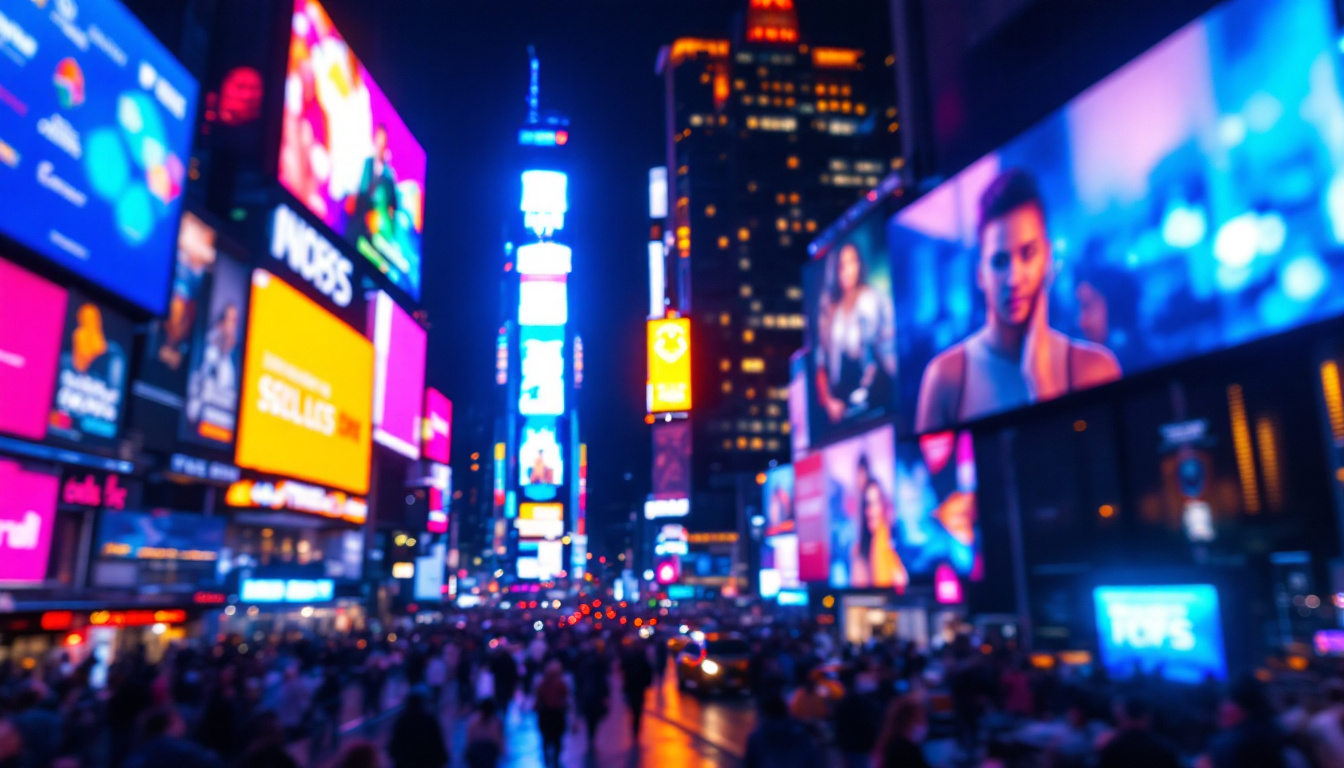
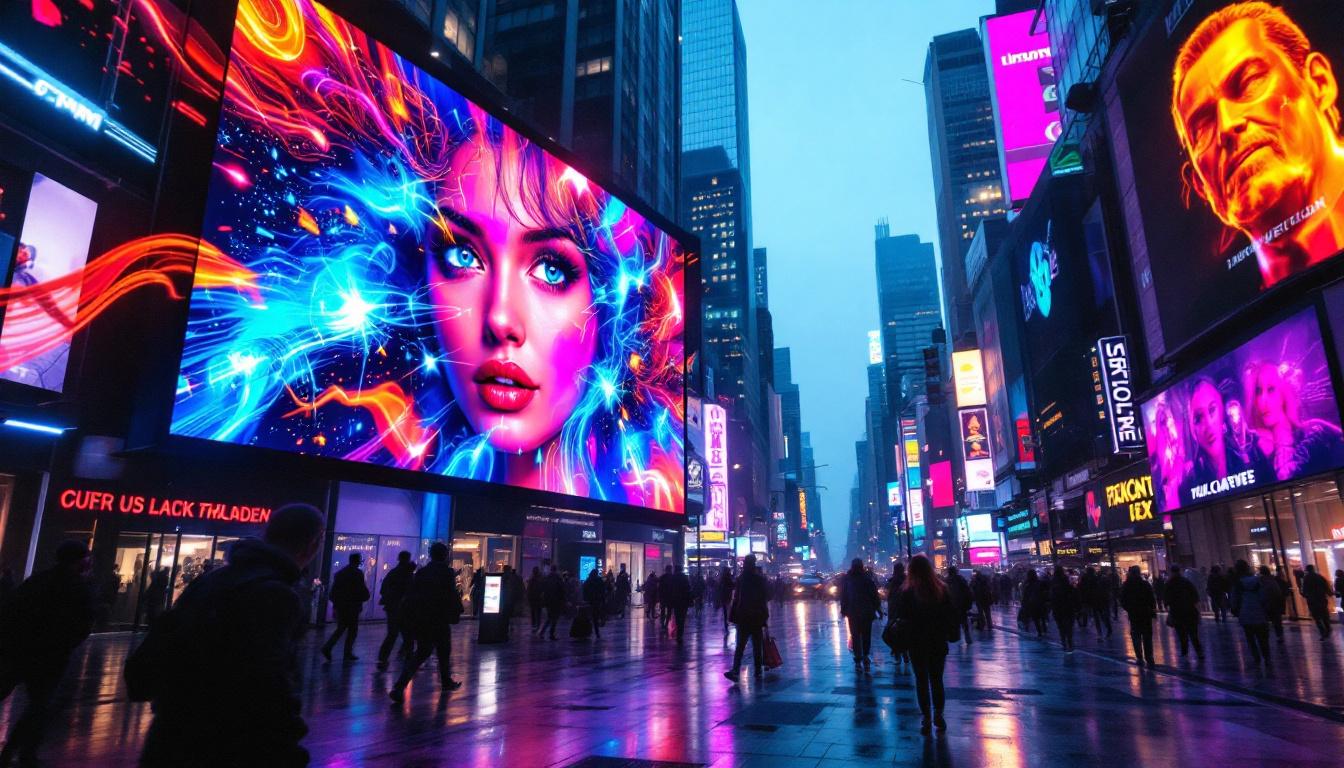
In urban environments, LED billboards on building facades or at busy intersections serve as prime advertising real estate. Cities like Times Square in New York or Piccadilly Circus in London are iconic examples where LED screens create vibrant, immersive visual experiences that captivate millions of viewers daily.
Entertainment and Events
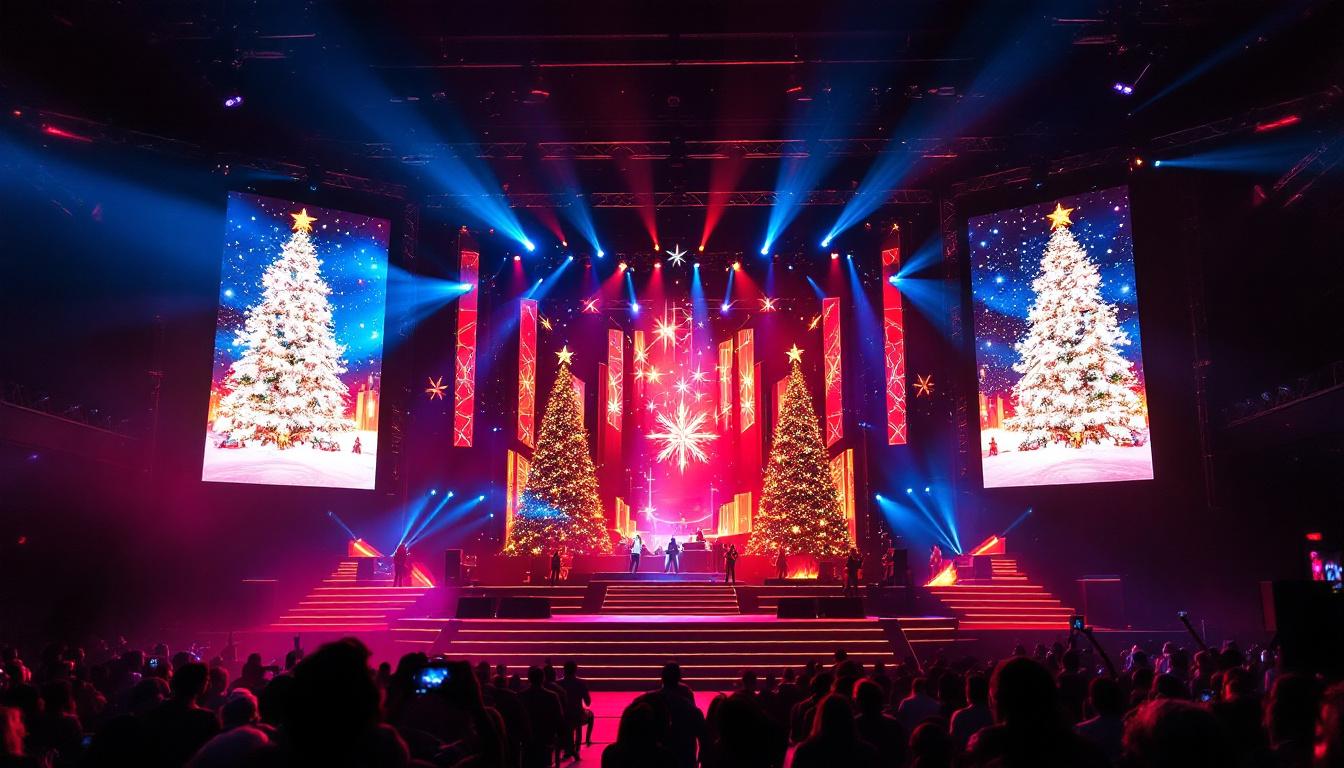
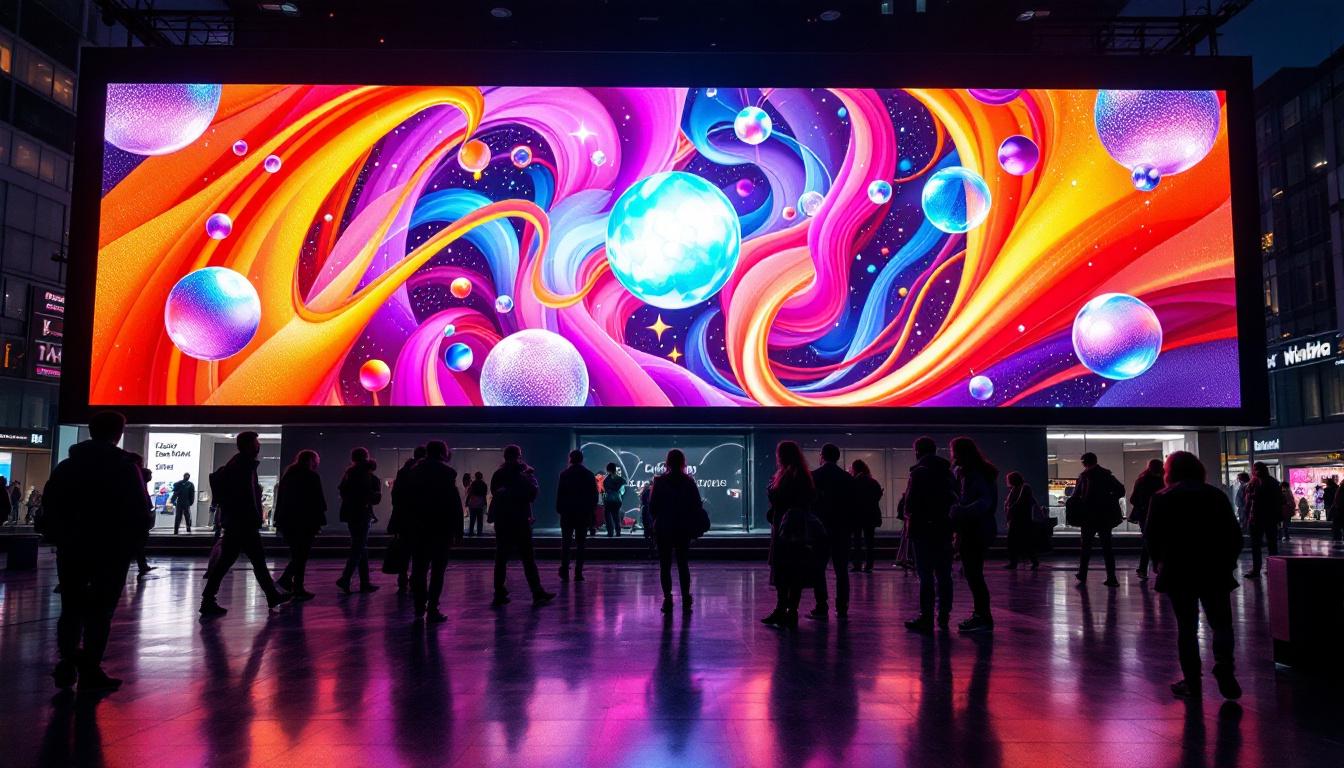
Concerts, sports arenas, and festivals frequently utilize LED screens to enhance audience engagement. These displays provide live feeds, advertisements, and interactive content that enrich the event atmosphere. The scalability of LED technology allows screens to be customized to various sizes and shapes, fitting the unique requirements of each venue.
For advertisers, sponsoring such events with LED displays offers direct access to targeted, often highly engaged audiences, delivering a strong return on investment.
Choosing the Right LED Advert Screen for Your Needs
Assessing Location and Viewing Distance
When selecting an LED display, understanding the environment and typical viewing distance is crucial. For outdoor billboards viewed from hundreds of feet away, a larger pixel pitch and higher brightness are necessary. Conversely, indoor displays in retail or corporate settings require finer resolution to ensure clarity at close range.
Additionally, factors such as ambient lighting, weather exposure, and mounting options should be considered to optimize performance and durability.
Content Management and Software Integration
Modern LED advert screens come with sophisticated content management systems (CMS) that allow users to schedule, update, and monitor content remotely. Choosing a display with user-friendly software and integration capabilities can simplify operations and enhance the effectiveness of advertising campaigns.
Some CMS platforms offer advanced features such as audience analytics, programmatic advertising, and real-time content adaptation, enabling brands to maximize engagement and measure campaign success accurately.
Budget Considerations and ROI
While LED advert screens represent a significant upfront investment, their long-term benefits often justify the cost. Factors influencing price include screen size, resolution, installation complexity, and software capabilities.
Businesses should evaluate potential return on investment by considering increased brand exposure, sales uplift, and operational savings from energy efficiency and reduced maintenance. Partnering with experienced suppliers and installers can also ensure a cost-effective and successful deployment.
Future Trends in LED Advert Screen Technology
MicroLED and MiniLED Innovations
Emerging technologies like MicroLED and MiniLED promise even greater brightness, contrast, and energy efficiency. MicroLED displays, composed of microscopic LEDs, offer superior image quality and durability, potentially transforming the future of digital advertising.
These advancements are expected to enable thinner, lighter screens with enhanced color accuracy and lower power consumption, expanding possibilities for creative advertising formats.
Interactive and AI-Driven Displays
The integration of artificial intelligence (AI) and interactive technologies is reshaping how LED advert screens engage audiences. Gesture recognition, facial detection, and personalized content delivery are becoming more common, allowing advertisers to create immersive and tailored experiences.
For instance, AI-powered screens can analyze viewer demographics in real-time and adjust advertisements accordingly, increasing relevance and effectiveness.
Sustainability and Eco-Friendly Solutions
As environmental concerns grow, the LED display industry is focusing on sustainability. Innovations include recyclable materials, energy-saving modes, and smart brightness controls that reduce power consumption without compromising visibility.
Advertisers and cities alike are increasingly prioritizing eco-friendly digital signage solutions to align with corporate social responsibility goals and regulatory requirements.
Conclusion
LED advert screens have fundamentally transformed the advertising landscape by combining cutting-edge technology with dynamic, high-impact visuals. Their brightness, durability, and flexibility make them indispensable tools for brands aiming to capture attention in crowded environments.
Understanding the technology behind LED displays, their applications, and future trends can help businesses make informed decisions when investing in digital advertising solutions. As LED technology continues to advance, it promises to deliver even more engaging, efficient, and sustainable advertising experiences in the years to come.
Illuminate Your Brand with LumenMatrix
Ready to elevate your advertising strategy with the brilliance of LED technology? Discover how LumenMatrix’s innovative LED display solutions can transform your brand’s visibility and audience engagement. From Indoor and Outdoor LED Wall Displays to specialized options like Vehicle, Sports, and Floor LED Displays, LumenMatrix offers a diverse range of products tailored to your unique needs. Embrace the future of visual communication with our Custom, All-in-One, and Transparent LED Displays. Check out LumenMatrix LED Display Solutions today and start creating unforgettable visual experiences.