In an era where digital communication shapes much of our daily experience, LED displays have emerged as a cornerstone technology. From vibrant billboards illuminating cityscapes to sleek screens embedded in smartphones and smartwatches, LED displays are everywhere. But what exactly makes LED displays so versatile and effective? This article dives deep into the world of LED displays, unraveling their technology, types, applications, and future trends.
Understanding LED Display Technology
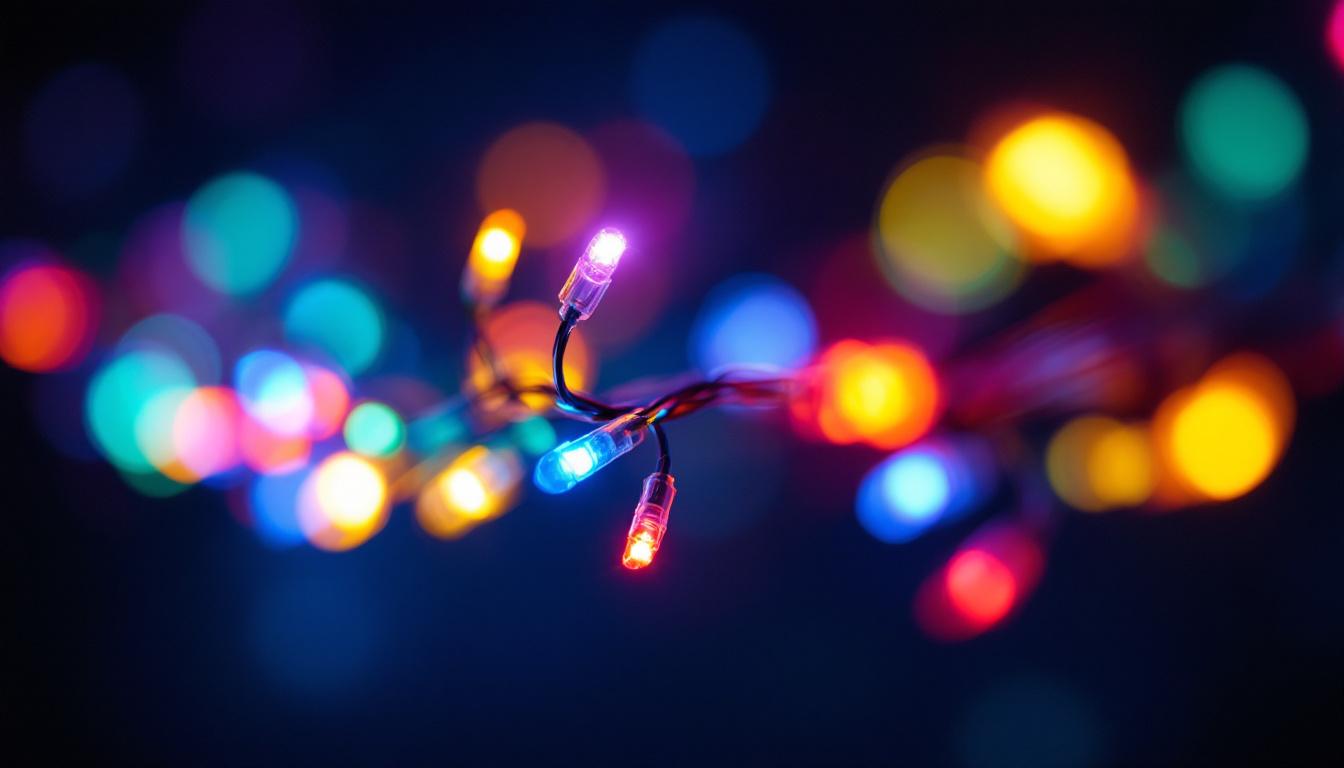
At the heart of every LED display lies a simple yet powerful principle: light emission through semiconductor diodes. LED stands for Light Emitting Diode, a tiny electronic component that emits light when an electric current passes through it. Unlike traditional display technologies that rely on backlighting or liquid crystals, LEDs generate their own light, resulting in brighter images and more energy-efficient performance.
LED displays consist of thousands to millions of these tiny diodes arranged in a grid or matrix. Each diode can be controlled individually to emit different colors and intensities, allowing the creation of images, videos, and text with remarkable clarity and vibrancy. This capability is what makes LED displays highly adaptable to various sizes and resolutions, from small wearable devices to massive outdoor advertising screens.
The Science Behind the Glow
LEDs operate based on electroluminescence, a phenomenon where a material emits light in response to an electric current or a strong electric field. The semiconductor materials used in LEDs—typically gallium arsenide, gallium phosphide, or indium gallium nitride—determine the color of the emitted light. By combining red, green, and blue LEDs in different intensities, displays can produce a full spectrum of colors, enabling rich and dynamic visuals.
Moreover, advances in LED chip design and manufacturing have led to improvements in brightness, color accuracy, and lifespan. Modern LEDs can achieve brightness levels exceeding 5,000 nits, making them easily visible even under direct sunlight. This is a critical advantage for outdoor applications where visibility is paramount.
In addition to their impressive brightness, LED displays are also known for their rapid response times, which can be crucial for applications that require real-time updates, such as sports events or stock market tickers. The ability to refresh images quickly means that LED displays can handle fast-moving content without blurring or ghosting, providing a seamless viewing experience. Furthermore, the durability of LED technology makes it suitable for a variety of environments, from bustling urban centers to remote locations, where traditional displays might falter.
Another significant advantage of LED technology is its environmental impact. LEDs consume significantly less power than older display technologies, leading to reduced energy costs and a smaller carbon footprint. Additionally, many LED displays are designed to be recyclable, which aligns with the growing emphasis on sustainability in technology. As the demand for eco-friendly solutions increases, LED displays are becoming the go-to choice for businesses and organizations looking to minimize their environmental impact while still delivering high-quality visual content.
Types of LED Displays and Their Uses
LED displays come in various forms, each optimized for specific applications. Understanding these types helps in selecting the right display for a particular need.
1. Indoor LED Displays
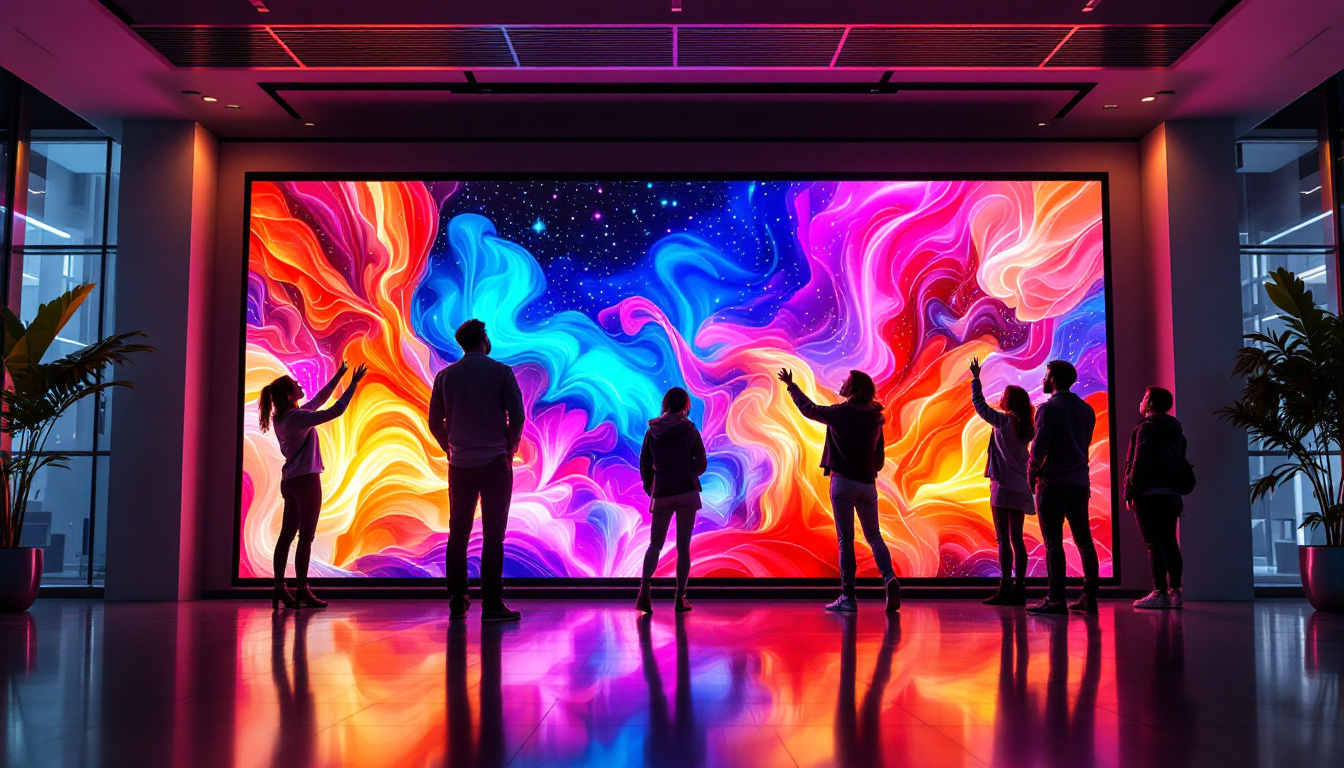
Indoor LED displays are designed for environments with controlled lighting, such as conference rooms, retail stores, and entertainment venues. They typically feature smaller pixel pitches (the distance between individual LEDs) to deliver high-resolution images at close viewing distances. Pixel pitches can range from 0.9mm to 4mm, allowing for crisp visuals even when viewers are just a few feet away.
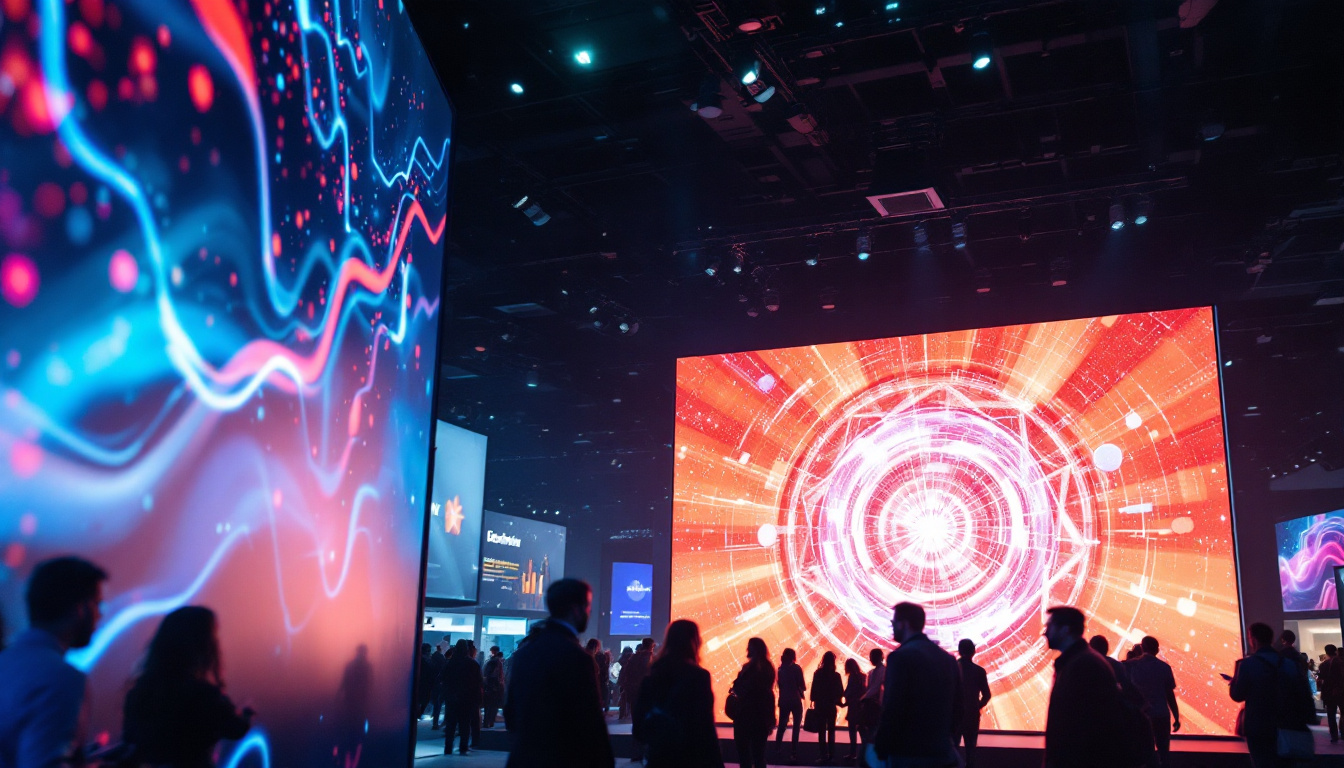
These displays are commonly used for digital signage, video walls, and event backdrops. Their high refresh rates and color accuracy make them ideal for broadcasting live events, presentations, and advertising campaigns that demand visual impact.
2. Outdoor LED Displays
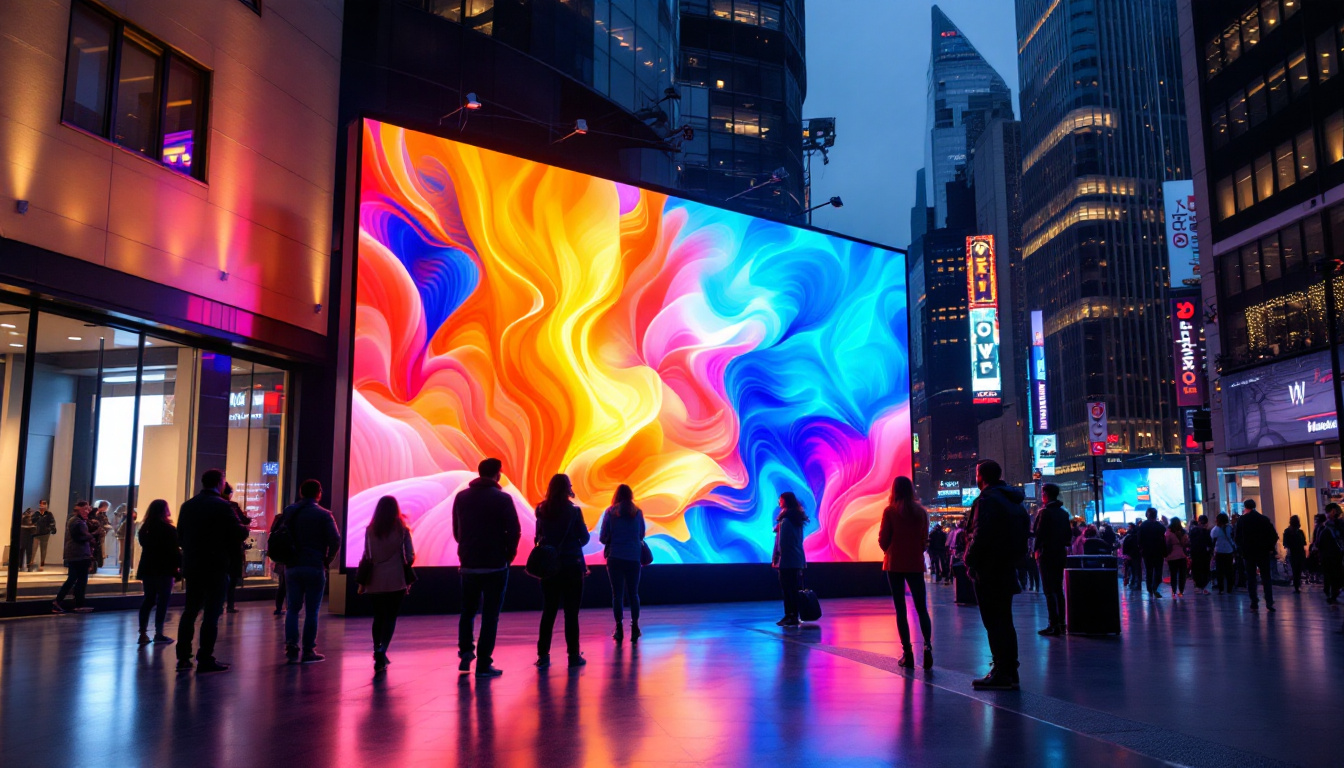
Outdoor LED displays are engineered to withstand harsh weather conditions, including rain, dust, and extreme temperatures. They feature higher brightness levels—often between 5,000 to 10,000 nits—to ensure visibility in direct sunlight. Additionally, they have larger pixel pitches, typically ranging from 4mm to 20mm, because viewers tend to observe these displays from greater distances.
Examples include digital billboards, stadium screens, and public information boards. Their durability and brightness make them indispensable for advertising in urban environments and large-scale event venues.
3. Flexible and Transparent LED Displays
Recent innovations have introduced flexible and transparent LED displays, expanding the possibilities for design and integration. Flexible LED panels can bend and curve, enabling creative installations on irregular surfaces such as building facades or vehicle exteriors. Transparent LED displays allow light to pass through, making them suitable for shop windows and architectural glass without obstructing views.
These technologies are gaining traction in retail, architecture, and experiential marketing, where immersive and eye-catching visual experiences are critical.
Key Advantages of LED Displays
LED displays offer several compelling benefits that contribute to their widespread adoption across industries.
Energy Efficiency and Longevity
Compared to traditional display technologies like LCD or plasma, LEDs consume significantly less power. This energy efficiency translates into lower operational costs, especially for large-scale installations that run continuously. Furthermore, LEDs have a long lifespan, often exceeding 100,000 hours of use. This durability reduces maintenance frequency and total cost of ownership.
Superior Brightness and Contrast
LED displays can achieve extremely high brightness levels, ensuring readability in diverse lighting conditions. Their ability to turn individual pixels completely off results in true blacks and exceptional contrast ratios. This capability enhances image depth and realism, making content more engaging and easier to perceive.
Wide Viewing Angles and Fast Response Times
LED technology provides wide viewing angles without significant color or brightness degradation. This feature is essential for public displays where audiences view screens from multiple directions. Additionally, LEDs have rapid response times, reducing motion blur and making them suitable for dynamic video content and interactive applications.
Applications Across Industries
LED displays have transformed how information and entertainment are delivered in numerous sectors.
Advertising and Marketing
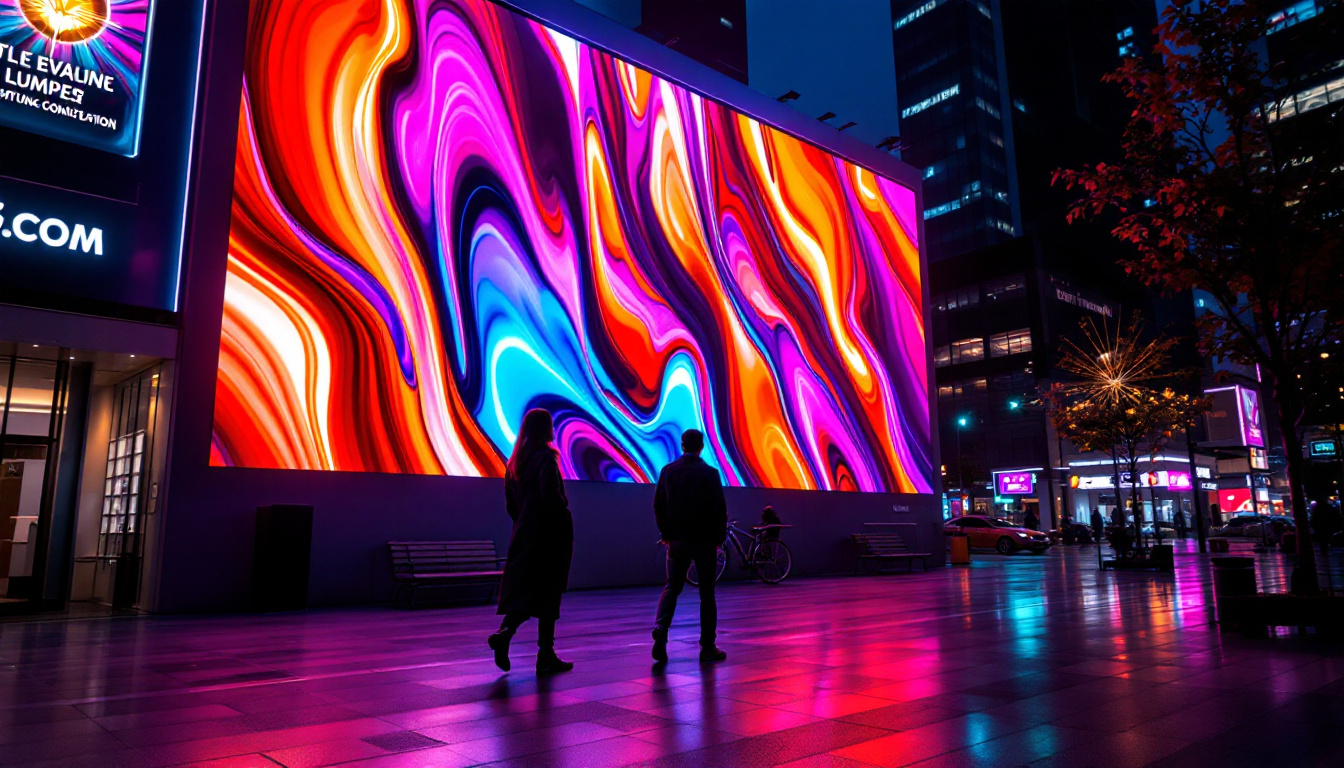
Digital billboards and signage powered by LED technology have revolutionized advertising by enabling dynamic, real-time content updates. Brands can tailor messages based on time of day, weather, or audience demographics, increasing engagement and return on investment. According to a study by the Outdoor Advertising Association of America, digital billboards have increased consumer recall by up to 47% compared to static signs.
Entertainment and Sports
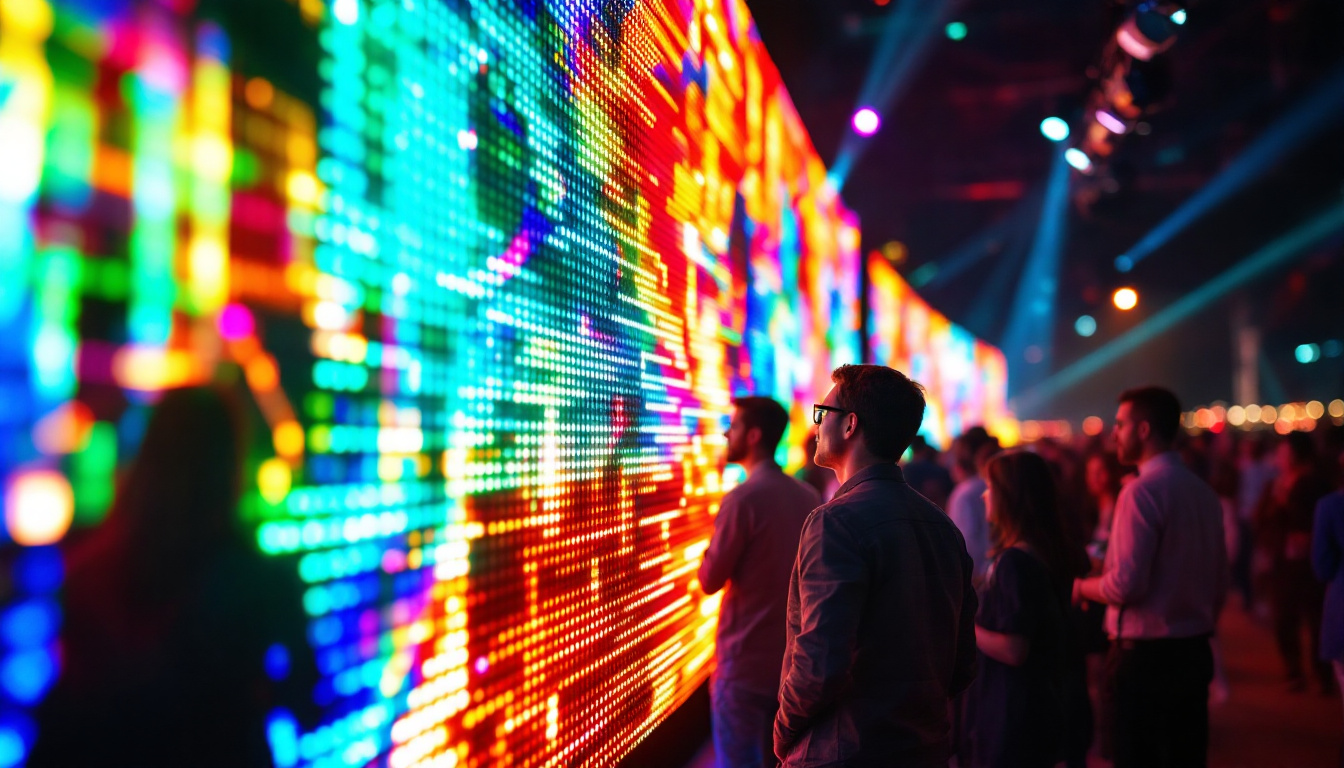
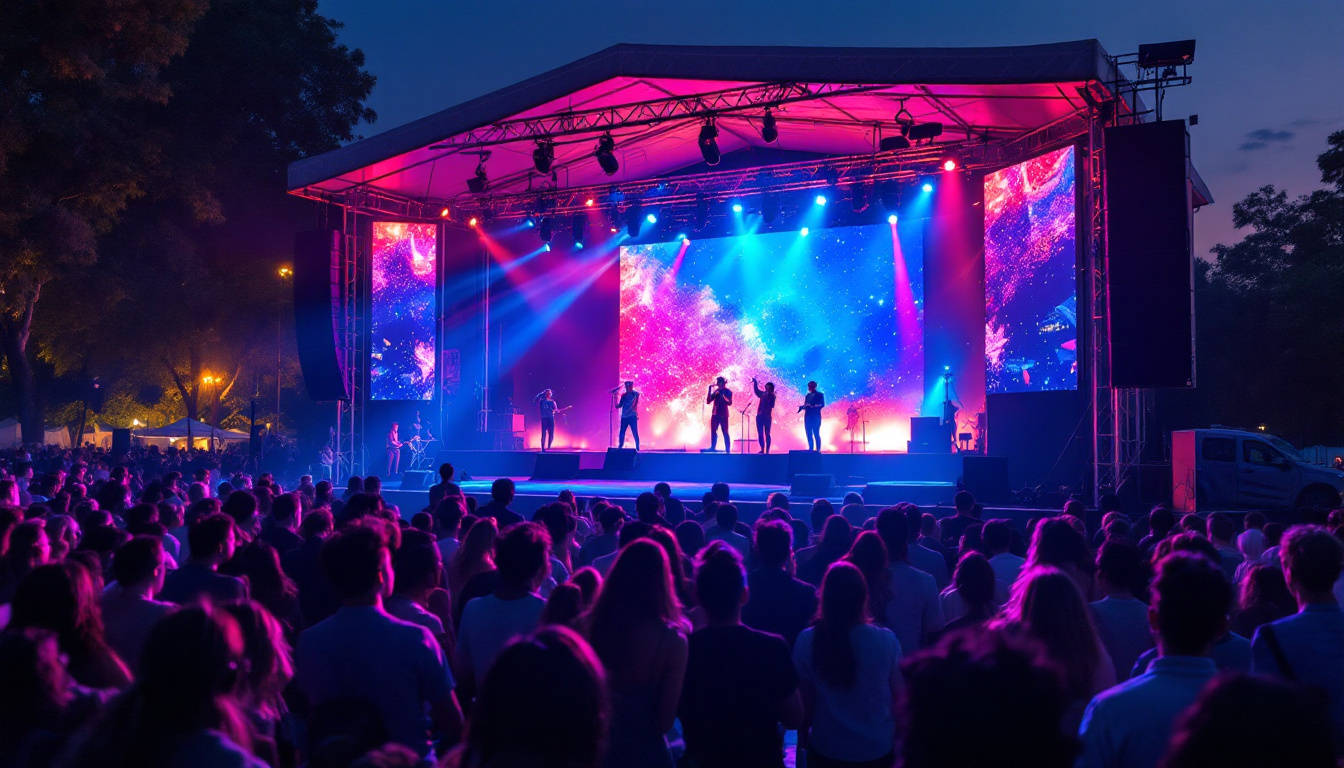
Stadiums, concert venues, and theaters utilize LED displays to enhance audience experience. Massive LED video walls provide live feeds, replays, and interactive content that keep spectators engaged. The flexibility of LED panels allows for creative stage designs and immersive visual effects that elevate performances.
Transportation and Public Information
LED displays are integral to modern transportation hubs, providing real-time schedules, alerts, and wayfinding information. Their high visibility and reliability ensure passengers receive critical updates promptly. Additionally, traffic management systems employ LED signage to convey safety messages and traffic conditions effectively.
Retail and Hospitality
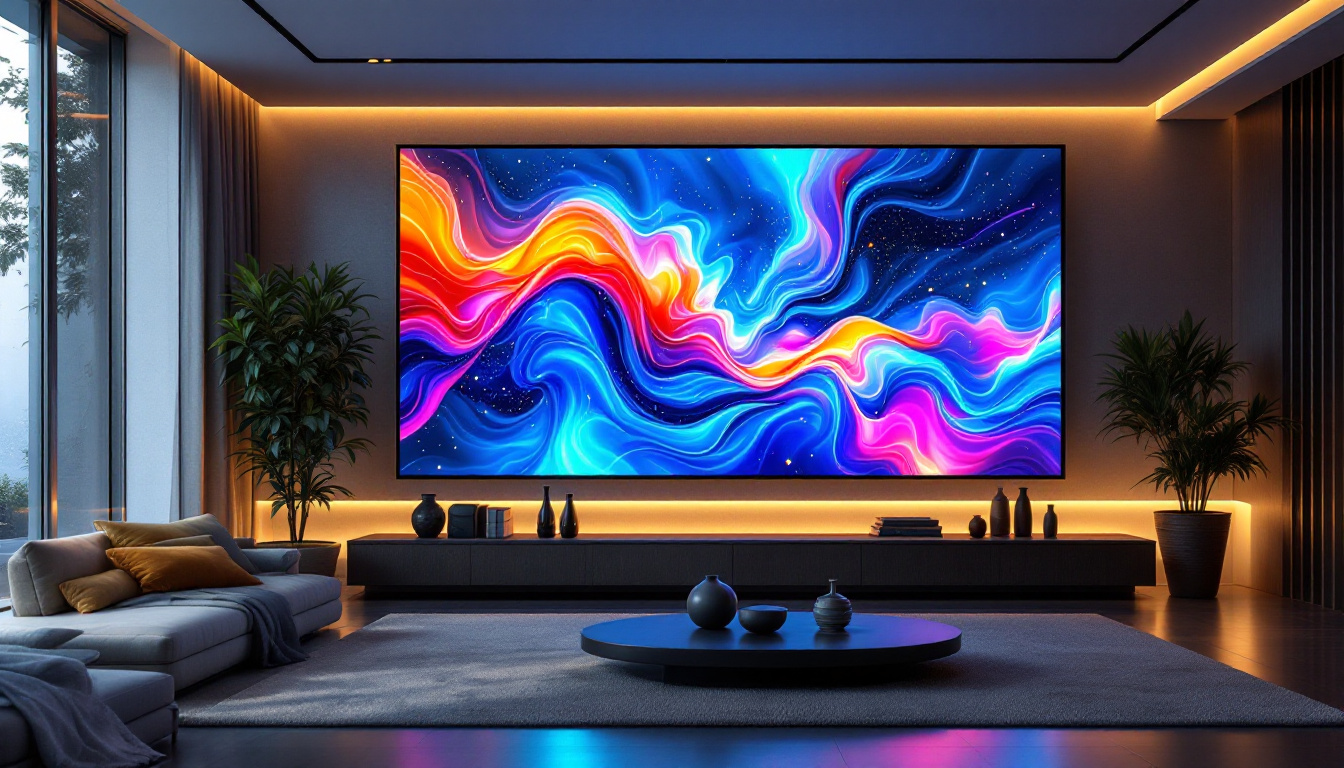
In retail environments, LED displays attract customers with vibrant promotions and interactive content. Hotels and restaurants use LED screens for digital menus, event announcements, and ambiance enhancement. The adaptability of LED technology supports seamless integration into diverse interior designs.
Challenges and Considerations
While LED displays offer numerous advantages, there are challenges and factors to consider when deploying them.
Initial Investment and Installation
The upfront cost of LED display systems can be substantial, particularly for high-resolution or large-format installations. Installation requires careful planning to ensure structural support, power supply, and data connectivity. However, the long-term benefits in energy savings and reduced maintenance often justify the initial expenditure.
Heat Management
LEDs generate heat during operation, which must be effectively managed to maintain performance and longevity. Advanced cooling solutions, such as heat sinks and ventilation systems, are essential components of high-quality LED displays.
Content Management
Maximizing the impact of LED displays depends on effective content creation and management. Dynamic content strategies require software platforms capable of scheduling, remote updates, and audience targeting. Investing in content management systems ensures that the display remains relevant and engaging.
The Future of LED Display Technology
Innovation continues to drive the evolution of LED displays, promising even more exciting developments.
MicroLED and MiniLED Advances
MicroLED and MiniLED technologies represent the next generation of LED displays, offering higher pixel densities, improved color accuracy, and enhanced energy efficiency. MicroLEDs, in particular, enable ultra-thin, flexible screens with superior brightness and contrast, potentially rivaling OLED displays in quality while surpassing them in durability.
Integration with Smart Technologies
As the Internet of Things (IoT) expands, LED displays are increasingly integrated with sensors and AI-driven analytics. This integration allows for personalized content delivery, adaptive brightness control, and interactive experiences that respond to audience behavior in real time.
Sustainability and Eco-Friendly Designs
Environmental considerations are shaping LED display manufacturing and usage. Efforts to reduce hazardous materials, improve recyclability, and enhance energy efficiency align with global sustainability goals. Future LED displays are expected to be more eco-friendly without compromising performance.
Conclusion
LED displays have become an indispensable part of modern visual communication, offering unmatched brightness, energy efficiency, and versatility. Their applications span advertising, entertainment, transportation, and beyond, transforming how information and experiences are delivered. As technology advances, LED displays will continue to evolve, integrating smarter features and sustainable designs that meet the demands of a rapidly changing world.
Understanding the intricacies of LED display technology empowers businesses and individuals to make informed decisions when selecting and utilizing these powerful tools. Whether illuminating a bustling city street or enhancing a corporate presentation, LED displays truly are an all-in-one touch solution for vibrant, dynamic visual communication.
Illuminate Your Space with LumenMatrix
Ready to elevate your visual communication with unparalleled brightness, energy efficiency, and versatility? LumenMatrix is at the forefront of LED display innovation, offering a wide array of solutions tailored to your needs. From Indoor LED Walls to Custom LED Displays, our technology is designed to captivate your audience and amplify your message. Discover the transformative power of LED displays and check out LumenMatrix LED Display Solutions today to begin your journey towards impactful, dynamic visual storytelling.