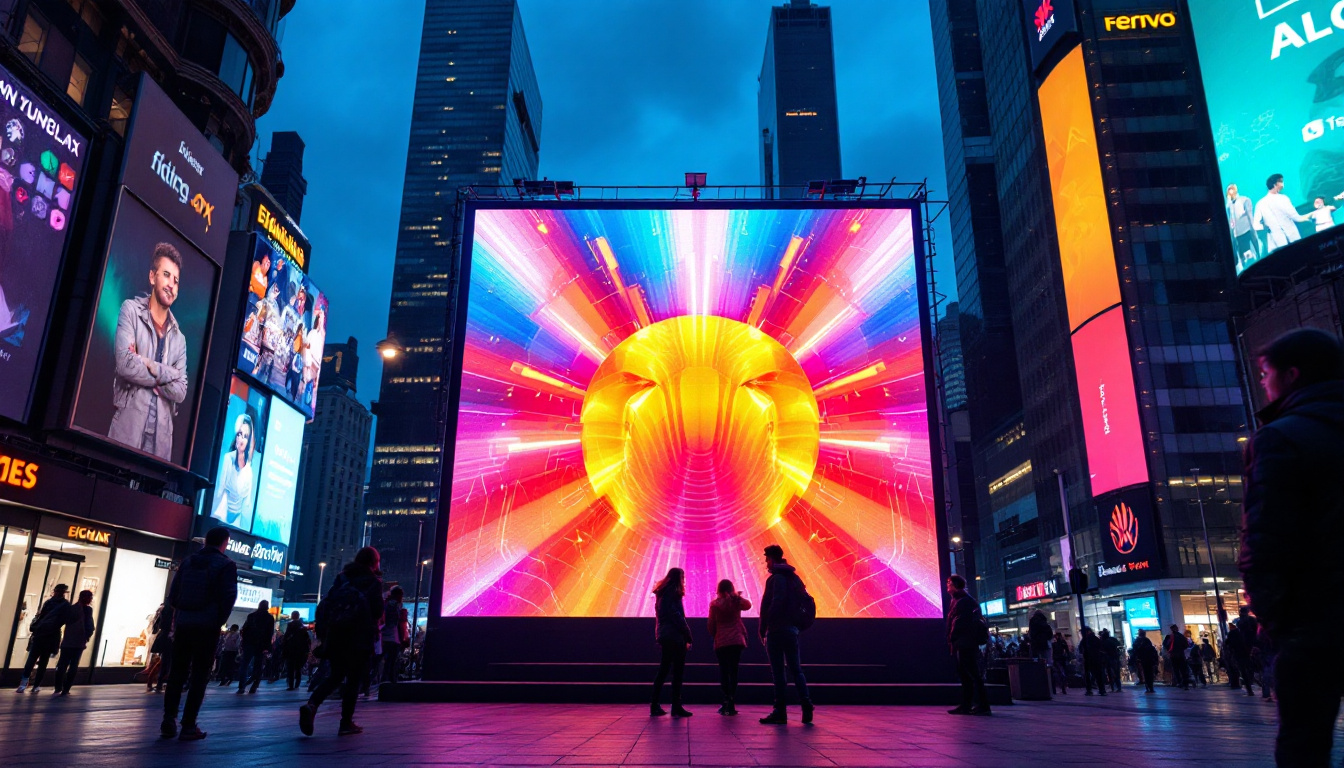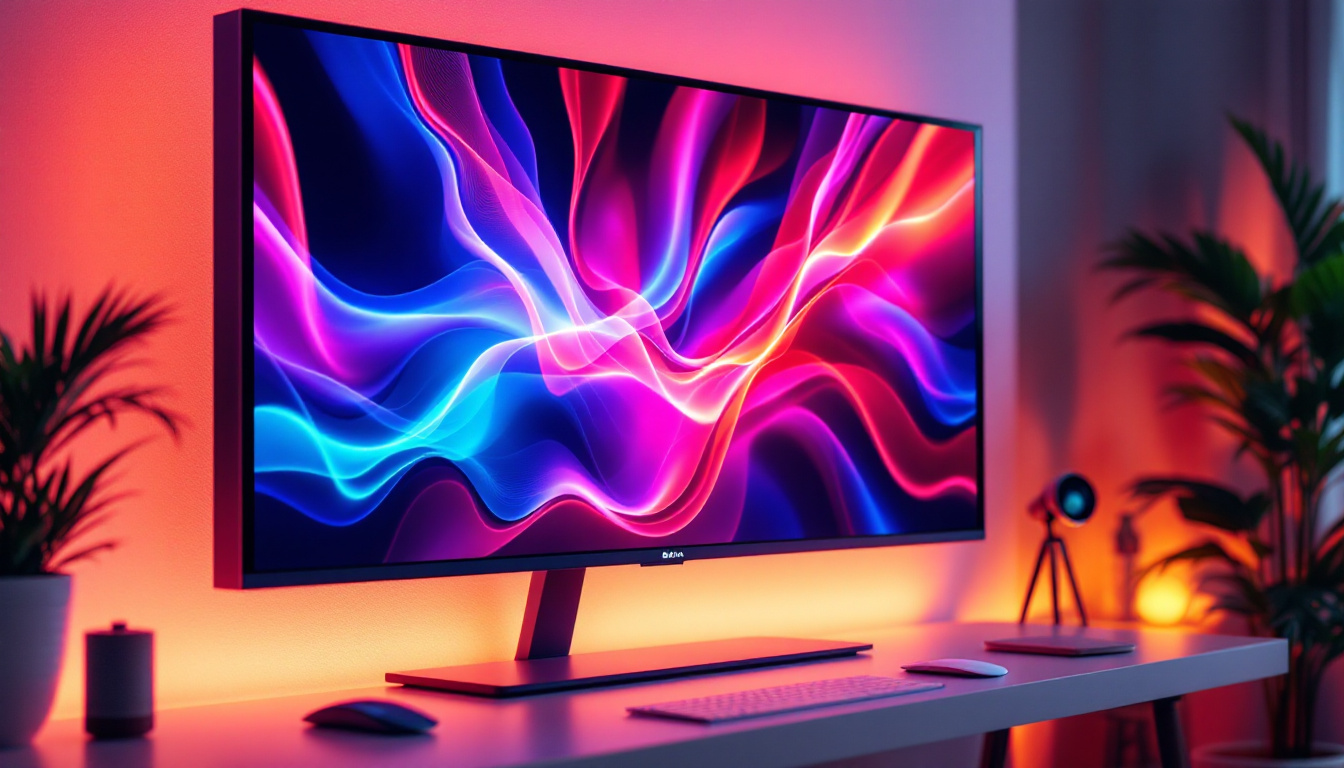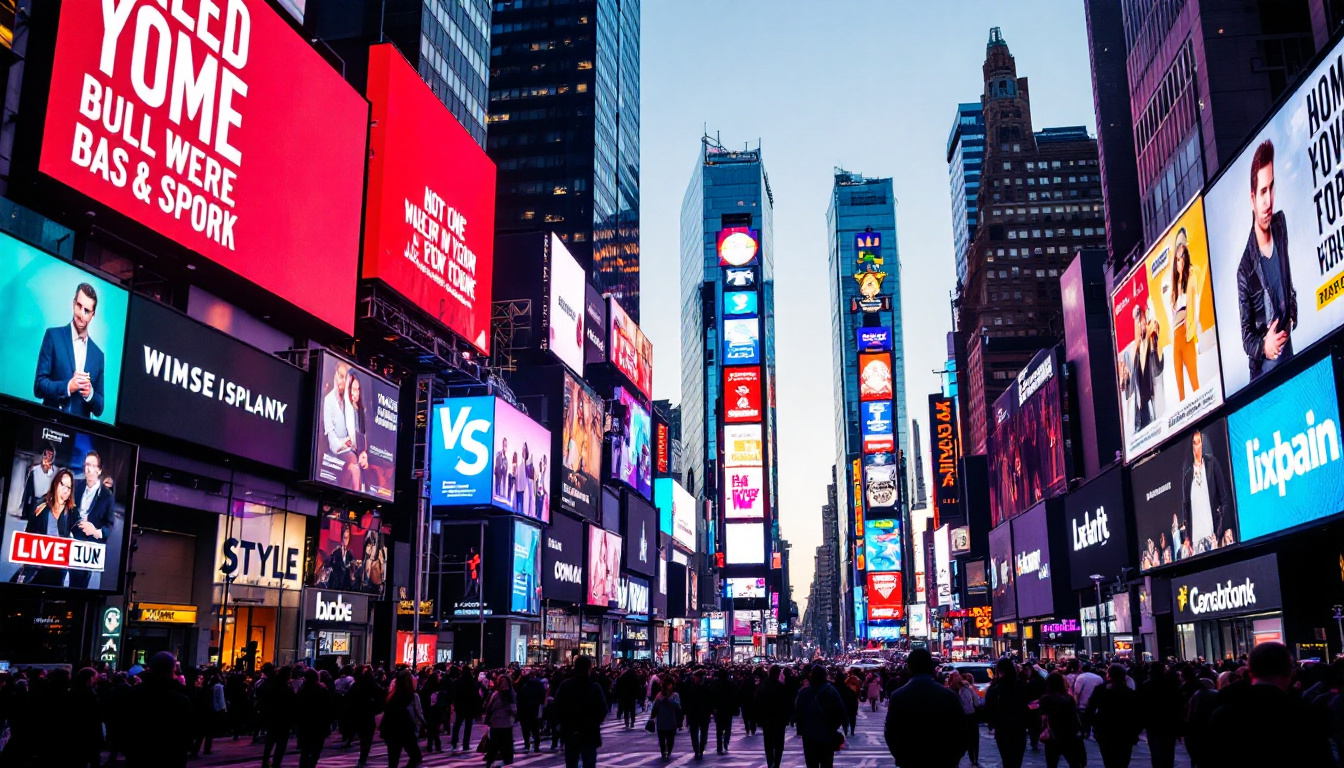
In today’s fast-paced digital world, LED displays have become an integral part of how businesses, advertisers, and event organizers communicate visually. From vibrant billboards in Times Square to sleek indoor screens in corporate lobbies, LED technology offers dynamic, bright, and energy-efficient solutions for a variety of applications. This article delves deep into the world of LED displays, explaining their technology, benefits, types, and how to select the right solution for your needs.
Understanding LED Display Technology
At its core, an LED display is a flat panel that uses light-emitting diodes (LEDs) as pixels to produce images and videos. Unlike traditional LCD or plasma screens, LED displays rely on millions of tiny LEDs that emit light individually, allowing for exceptional brightness and contrast. This technology has revolutionized the way we experience visual media, providing not only vibrant colors but also energy efficiency that is increasingly important in today’s eco-conscious world.
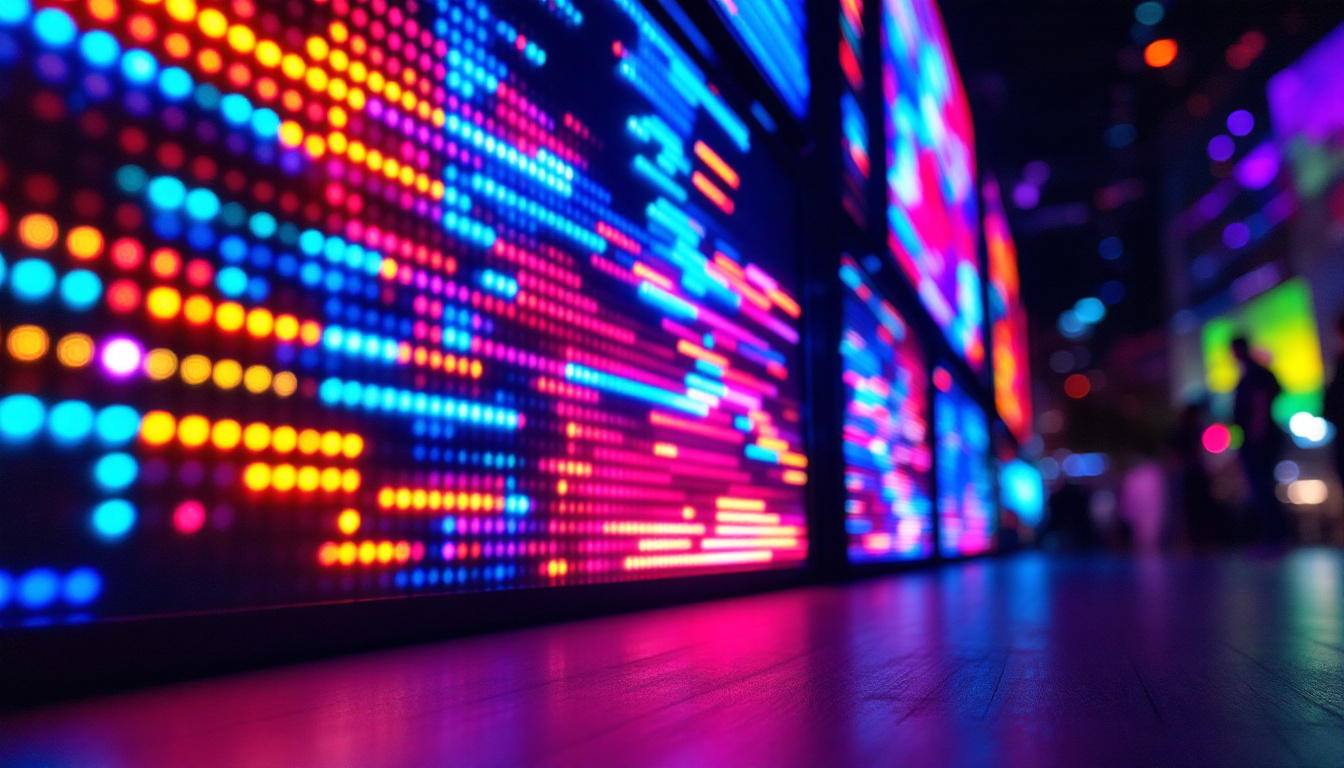
The basic structure of an LED display consists of a matrix of LEDs arranged in a grid pattern. Each LED can be controlled to display different colors and intensities, creating a full-color image when viewed from a distance. The ability to control each pixel individually is what enables LED displays to produce vivid, sharp, and high-resolution visuals. This precision is particularly beneficial in applications such as digital signage, where clarity and impact are paramount for capturing audience attention.
How LEDs Work
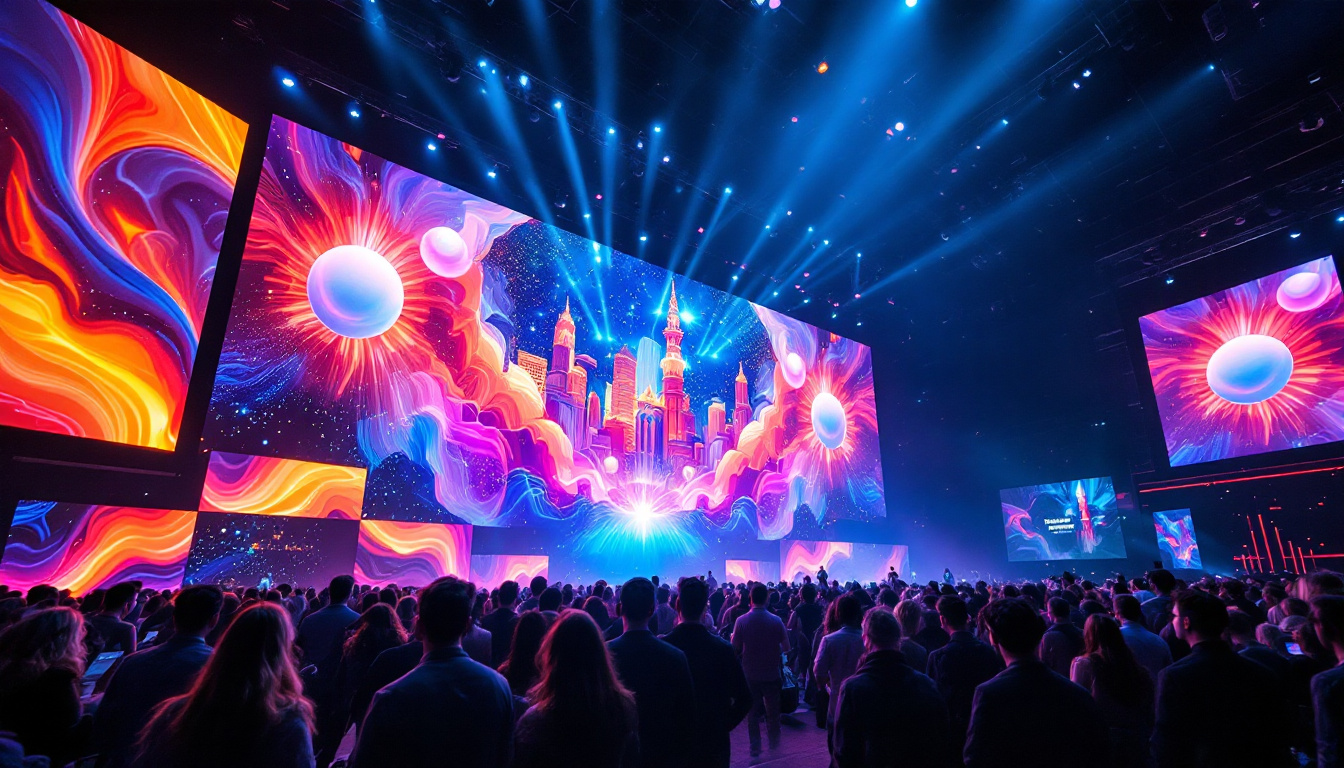
LEDs are semiconductor devices that emit light when an electric current passes through them. The color of the light depends on the materials used in the semiconductor. In LED displays, red, green, and blue LEDs are combined to create a wide spectrum of colors through a process called additive color mixing. By adjusting the brightness of each colored LED, the display can render millions of colors accurately. This capability not only enhances the viewing experience but also allows for dynamic content that can change in real-time, making LED displays ideal for events, concerts, and advertising.
Key Components of an LED Display
Besides the LEDs themselves, an LED display includes several critical components:
- Driver ICs: Integrated circuits that control the LEDs’ brightness and color.
- Control System: The hardware and software that process the input signal and manage the display output.
- Power Supply: Provides the necessary voltage and current to the LEDs and control electronics.
- Cabinet and Mounting Structure: Protects the internal components and allows installation in various environments.
In addition to these components, LED displays often incorporate advanced features such as heat dissipation systems to manage temperature and ensure longevity. This is particularly important in large-scale installations, where the heat generated can be significant. Furthermore, many modern LED displays are designed with modularity in mind, allowing for easy upgrades and maintenance. This flexibility not only extends the lifespan of the display but also makes it easier for businesses to adapt to changing technological advancements.
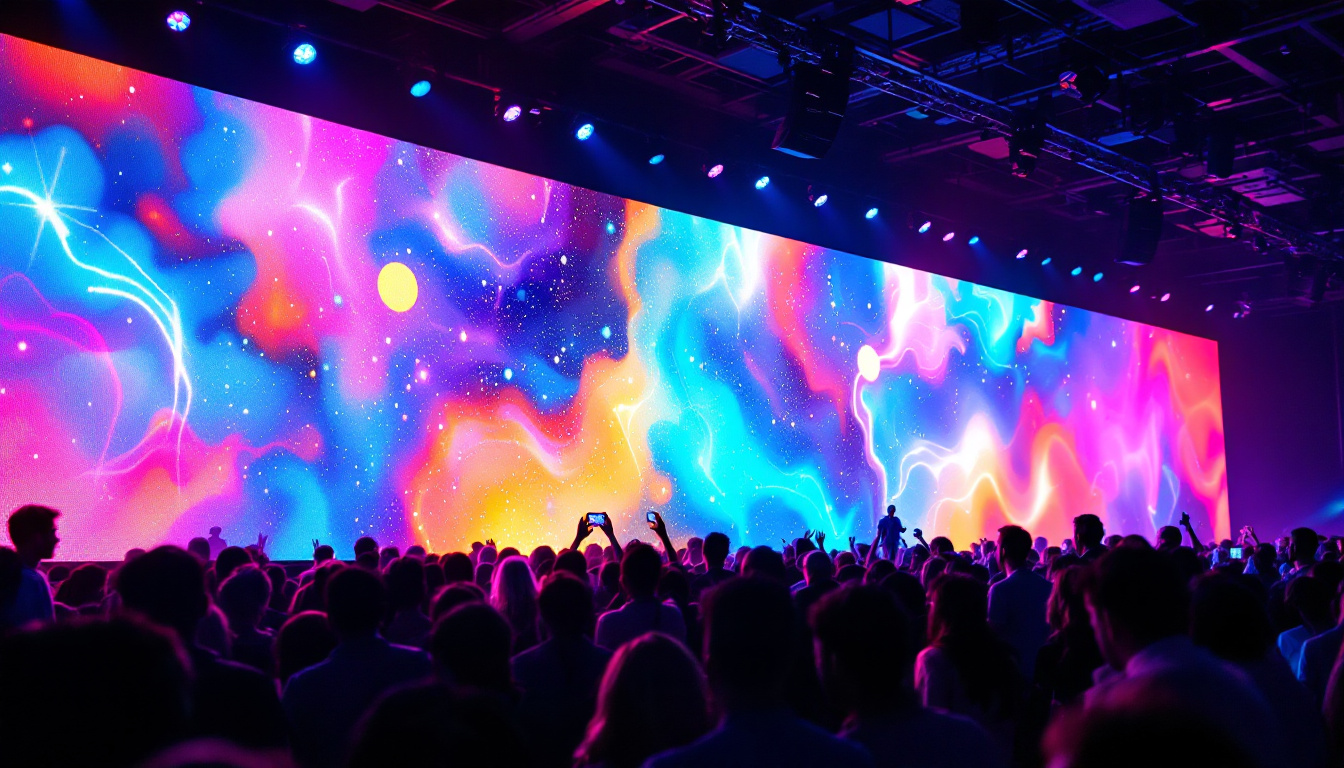
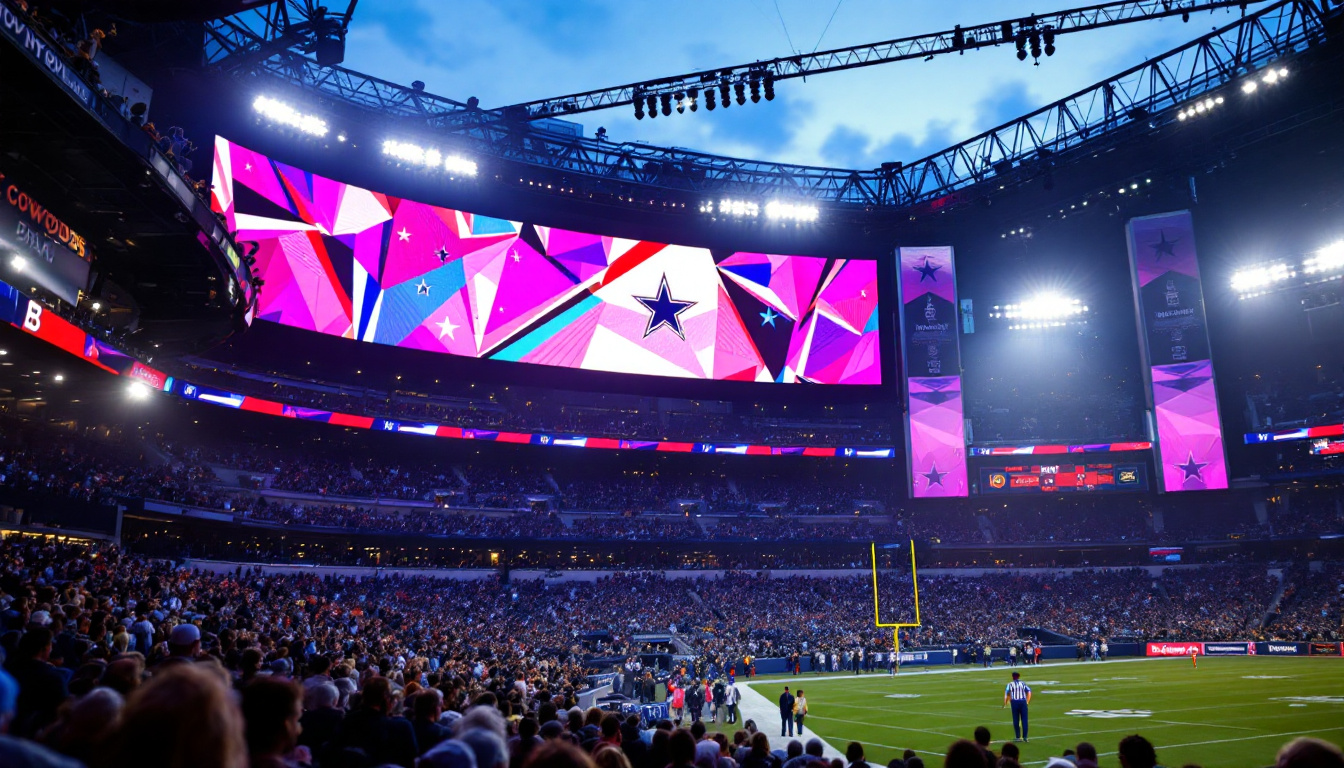
Moreover, the versatility of LED displays has led to their adoption in a wide range of applications beyond just televisions and computer monitors. From stadium scoreboards to large outdoor billboards, LED technology is being utilized to create immersive experiences in public spaces. The ability to display high-definition video content in bright sunlight or low-light environments has made LED displays a preferred choice for advertisers and event organizers looking to make a lasting impression.
Types of LED Displays and Their Applications
LED displays come in multiple forms, each tailored to specific use cases and environments. Understanding these types helps in selecting the right display for your application.
Indoor LED Displays
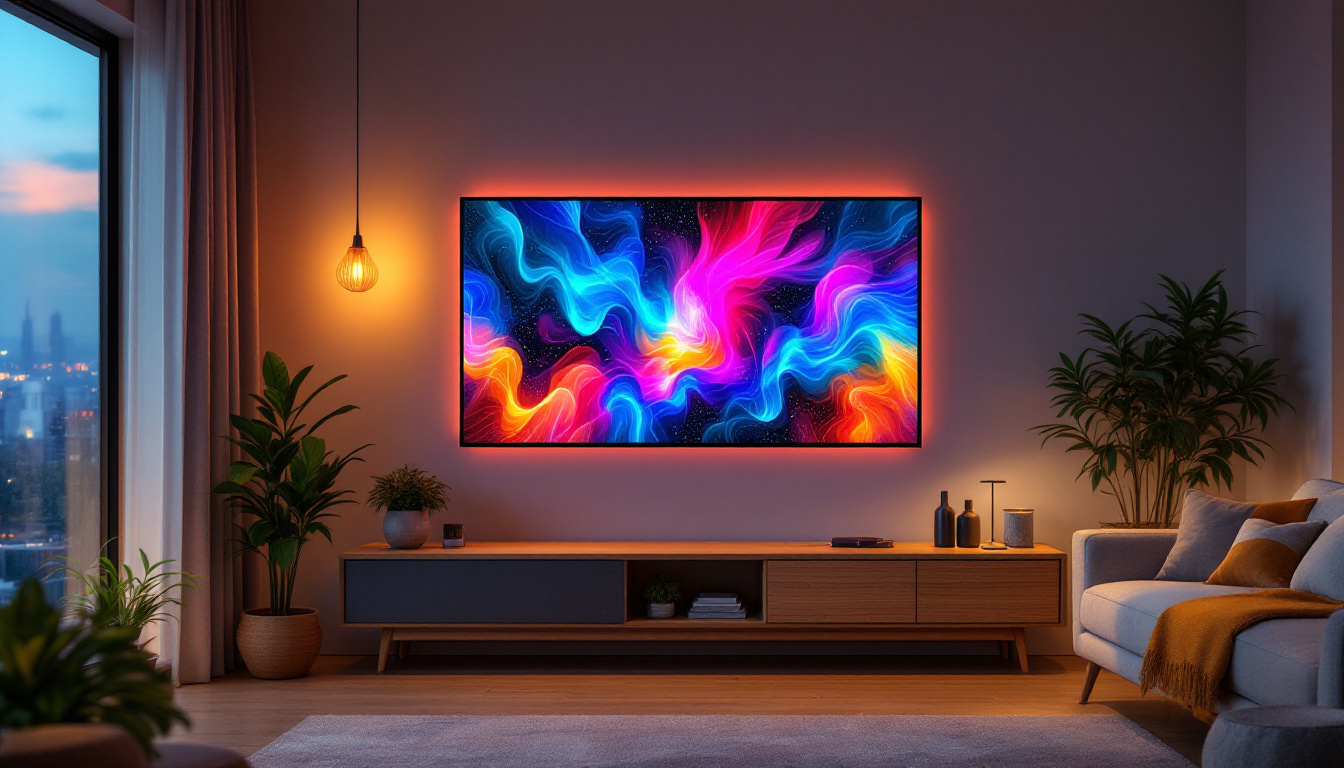
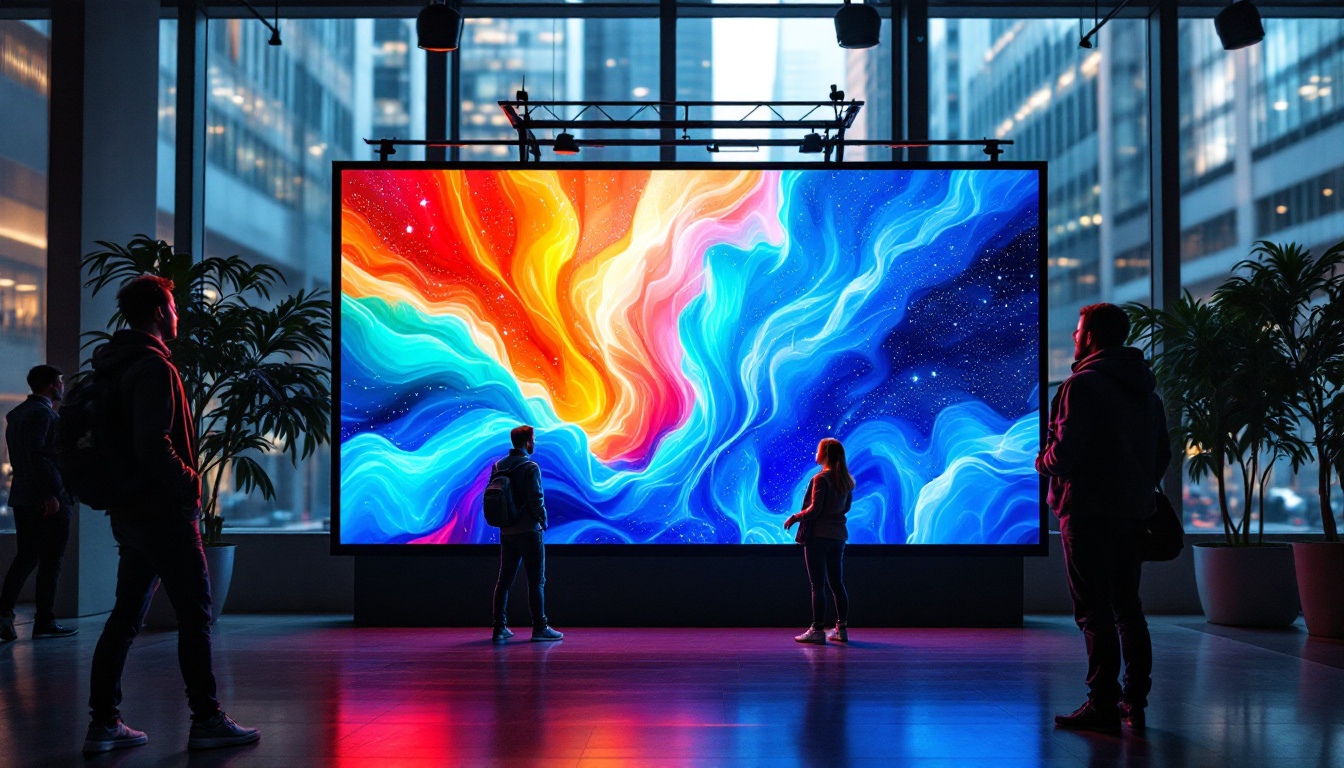
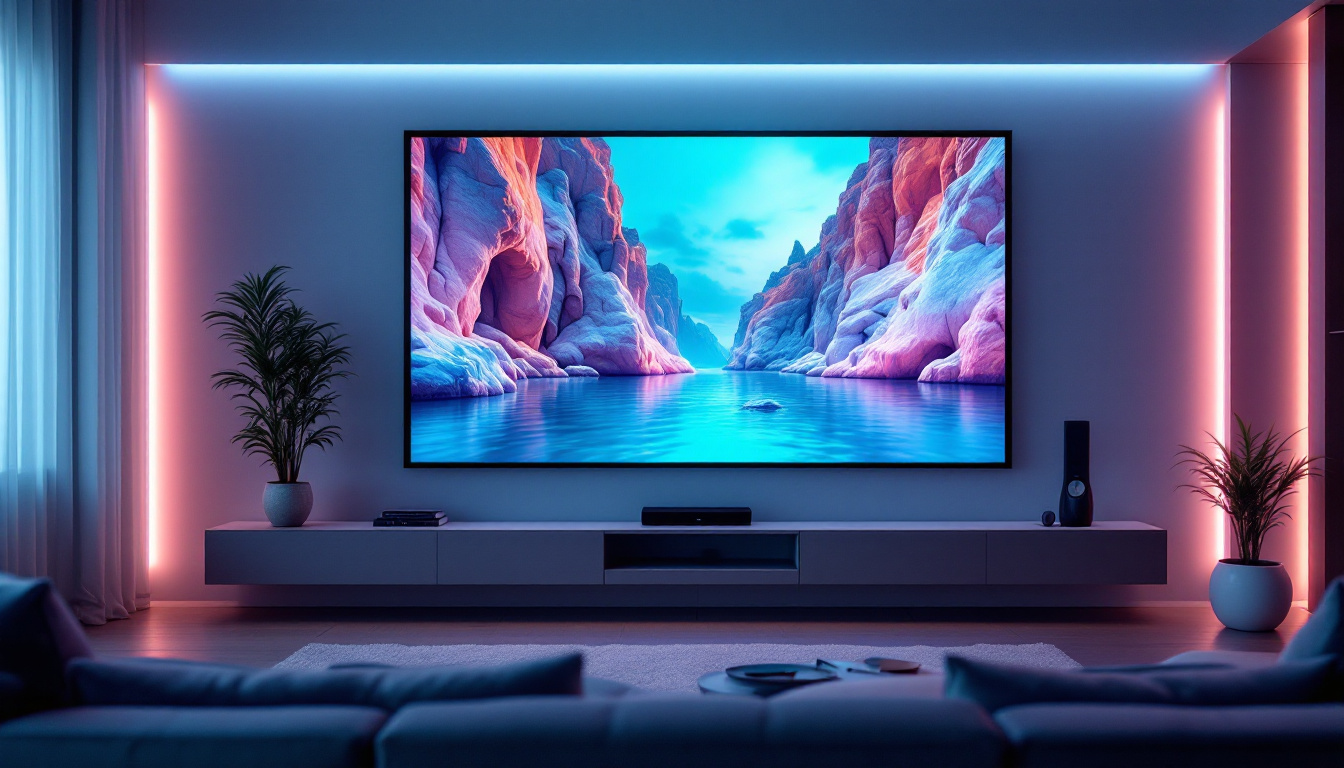
Indoor LED displays are designed for controlled environments such as conference rooms, retail stores, airports, and concert halls. They typically have a higher pixel density, meaning the LEDs are packed closer together, which allows for sharper images at short viewing distances.
For example, indoor LED displays with pixel pitches ranging from 1.2mm to 4mm are common, providing excellent clarity for audiences viewing the screen from a few feet away. These displays are often used for digital signage, video walls, and interactive kiosks.
Outdoor LED Displays
Outdoor LED displays are built to withstand harsh environmental conditions such as rain, dust, and extreme temperatures. They feature higher brightness levels—often exceeding 5,000 nits—to ensure visibility even in direct sunlight. The pixel pitch is usually larger, ranging from 4mm to 20mm, as viewers tend to observe these displays from greater distances.
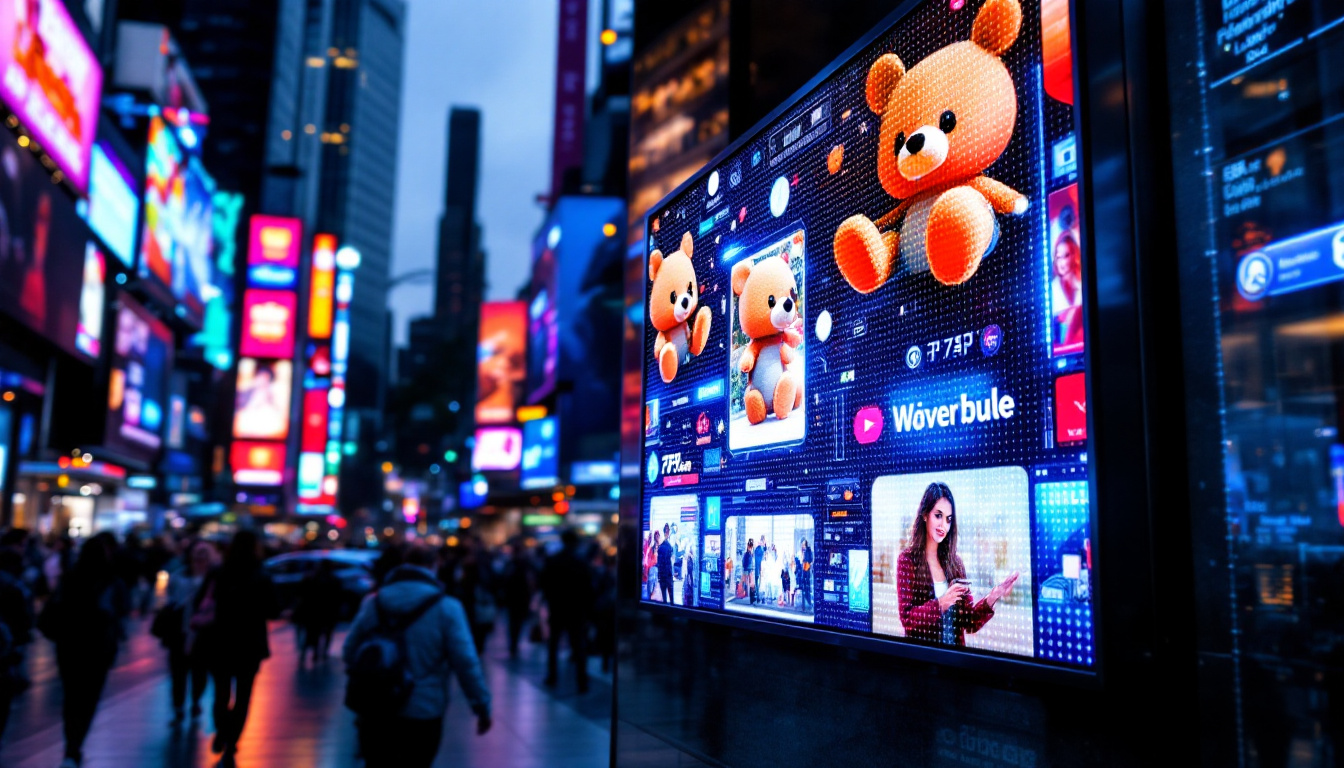
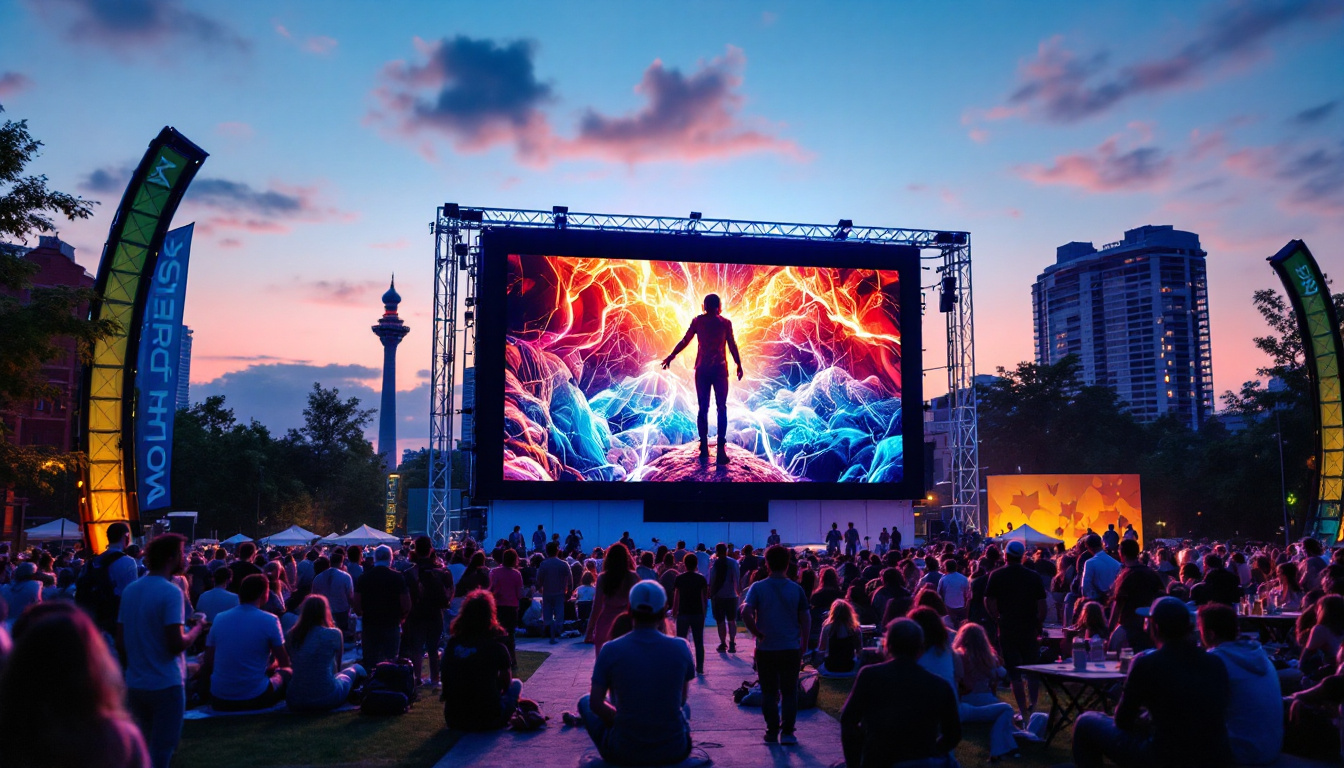
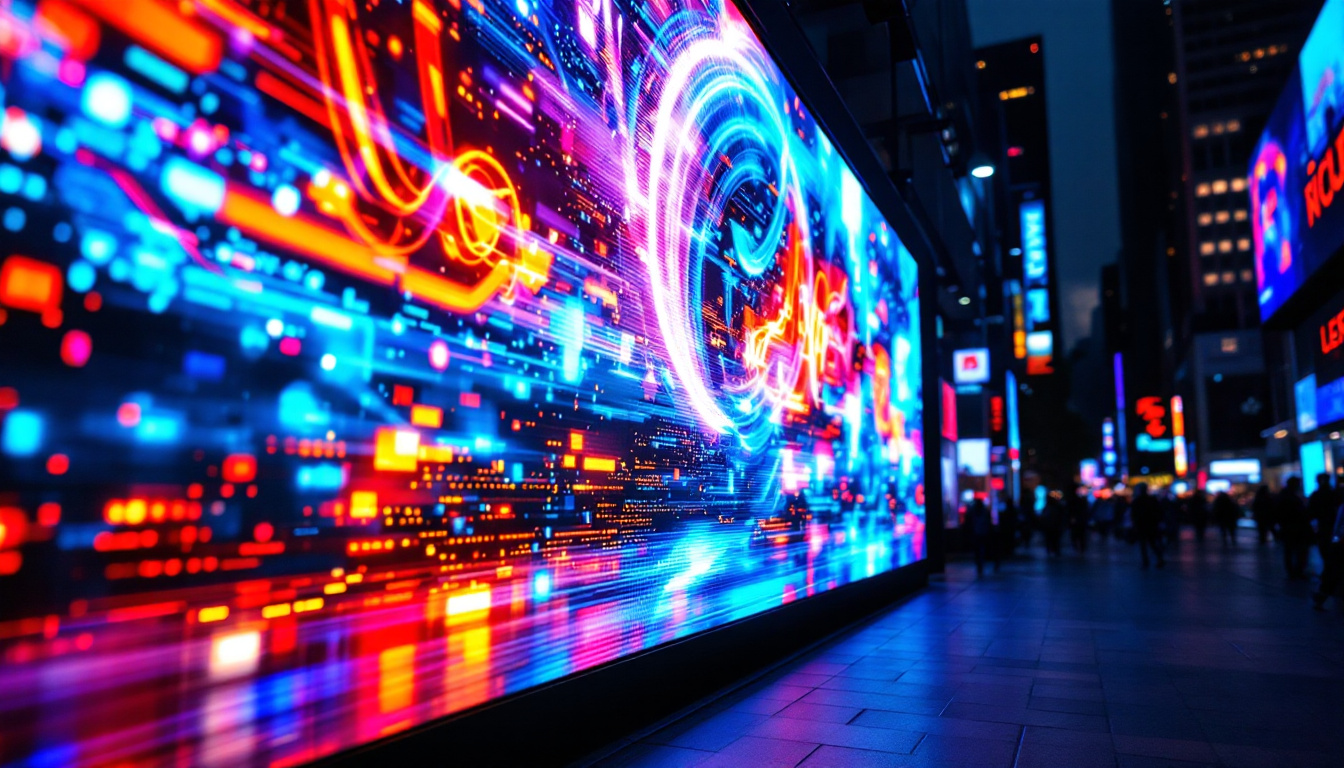
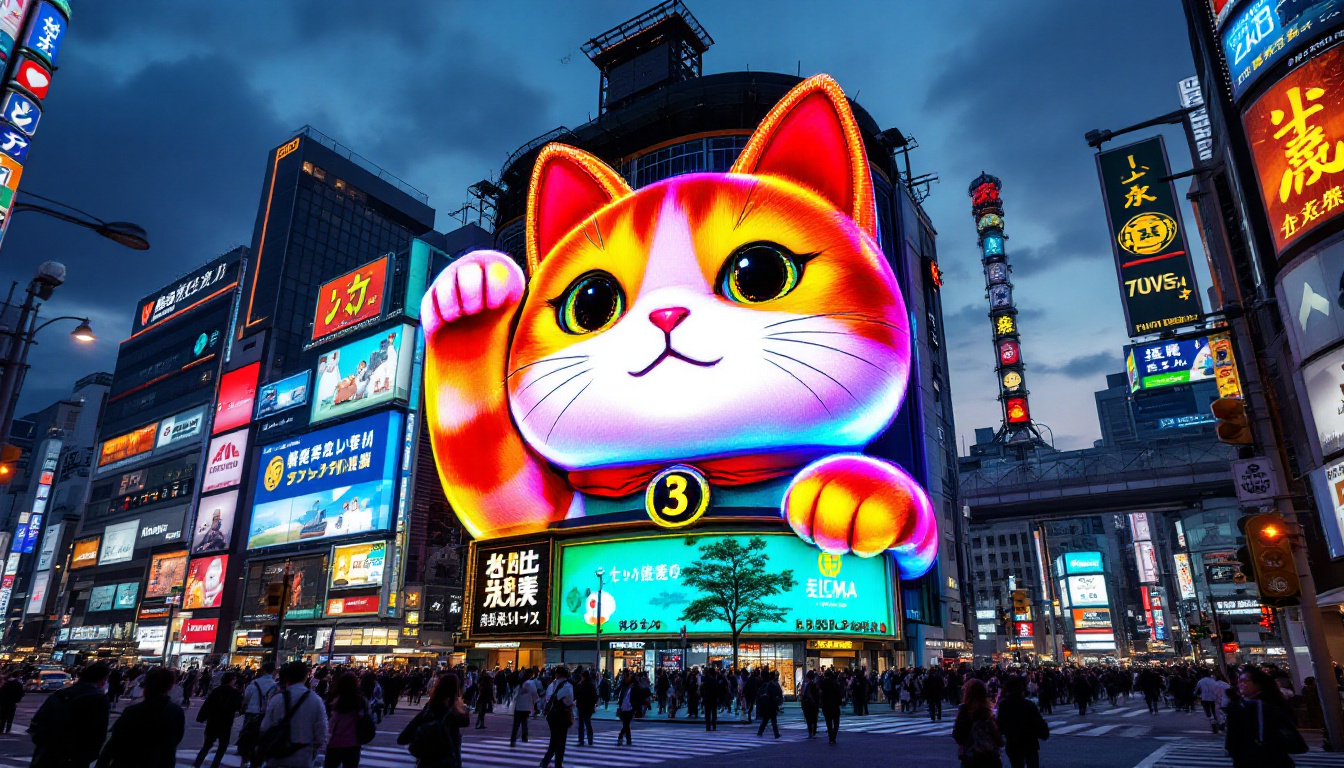
Common applications include billboards, stadium screens, transportation hubs, and public information displays. For instance, the massive LED billboards in cities like Los Angeles and New York use outdoor-grade LED technology to capture attention day and night.
Flexible and Transparent LED Displays
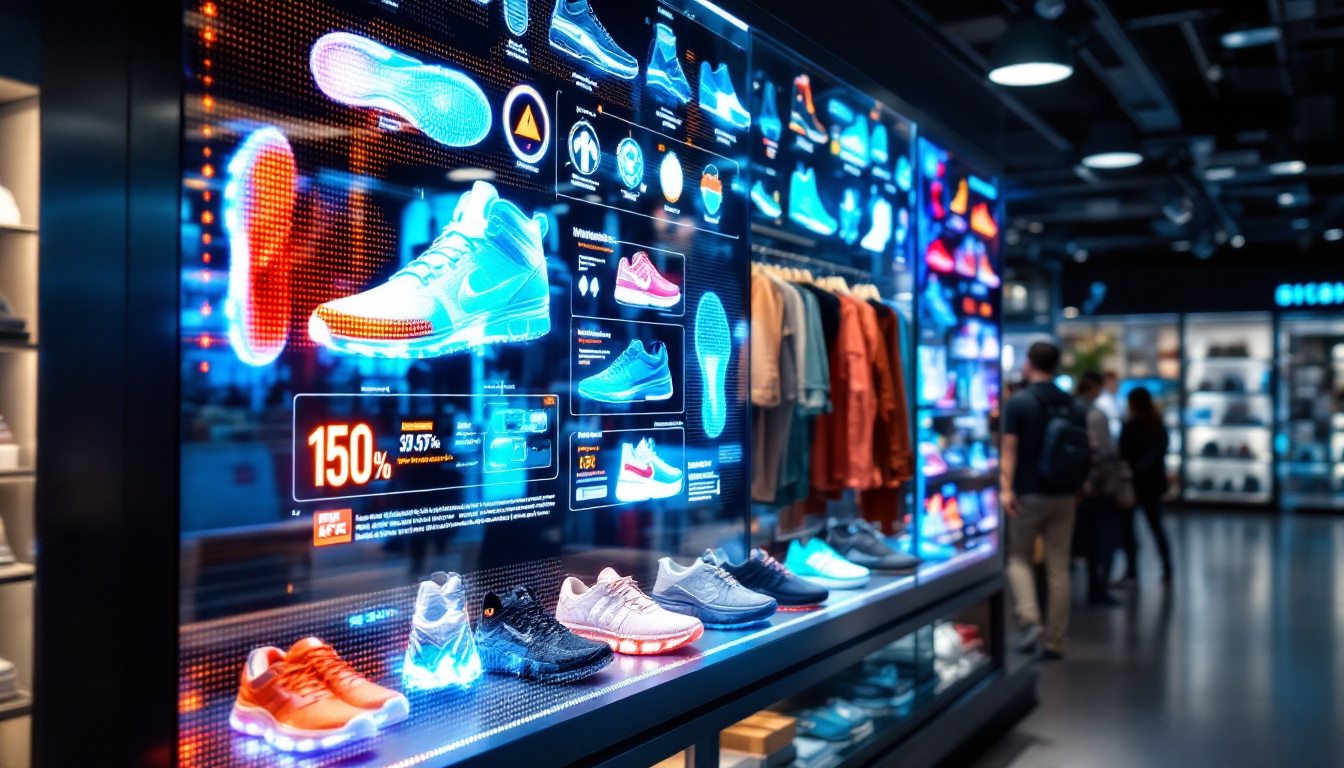
Recent innovations have introduced flexible and transparent LED displays, expanding the possibilities for creative installations. Flexible LED panels can curve around surfaces, making them ideal for architectural applications and immersive experiences. Transparent LED displays allow light to pass through, enabling them to be installed on glass windows without obstructing the view.
These advanced displays are increasingly popular in retail storefronts, museums, and event venues, providing a futuristic and eye-catching medium for content presentation.
Benefits of LED Displays Over Traditional Technologies
LED displays offer numerous advantages compared to older display technologies such as LCD, plasma, and projection systems. These benefits make them the preferred choice for many commercial and public applications.
Superior Brightness and Visibility
One of the most significant advantages of LED displays is their brightness. With luminance levels reaching up to 10,000 nits, LED screens remain clearly visible even under direct sunlight, unlike LCD screens which typically max out around 500-700 nits. This makes LED displays ideal for outdoor advertising and public information systems where visibility is crucial.
Energy Efficiency and Longevity
LEDs are highly energy-efficient, consuming less power than traditional lighting and display technologies. According to the U.S. Department of Energy, LEDs use up to 75% less energy than incandescent bulbs and last 25 times longer. This translates to lower operational costs and reduced environmental impact for businesses using LED displays.
Durability and Weather Resistance
Outdoor LED displays are engineered to be weatherproof and resistant to dust and moisture, often rated with IP65 or higher protection standards. This durability ensures consistent performance in various climates and reduces maintenance needs.
Wide Viewing Angles and Color Accuracy
LED displays maintain consistent color and brightness across wide viewing angles, typically up to 160 degrees horizontally and vertically. This ensures that audiences see vibrant images regardless of their position relative to the screen.
Choosing the Right LED Display Solution
Selecting the appropriate LED display involves evaluating several factors based on your specific requirements, environment, and budget. Here are key considerations to guide your decision-making process.
Pixel Pitch and Resolution
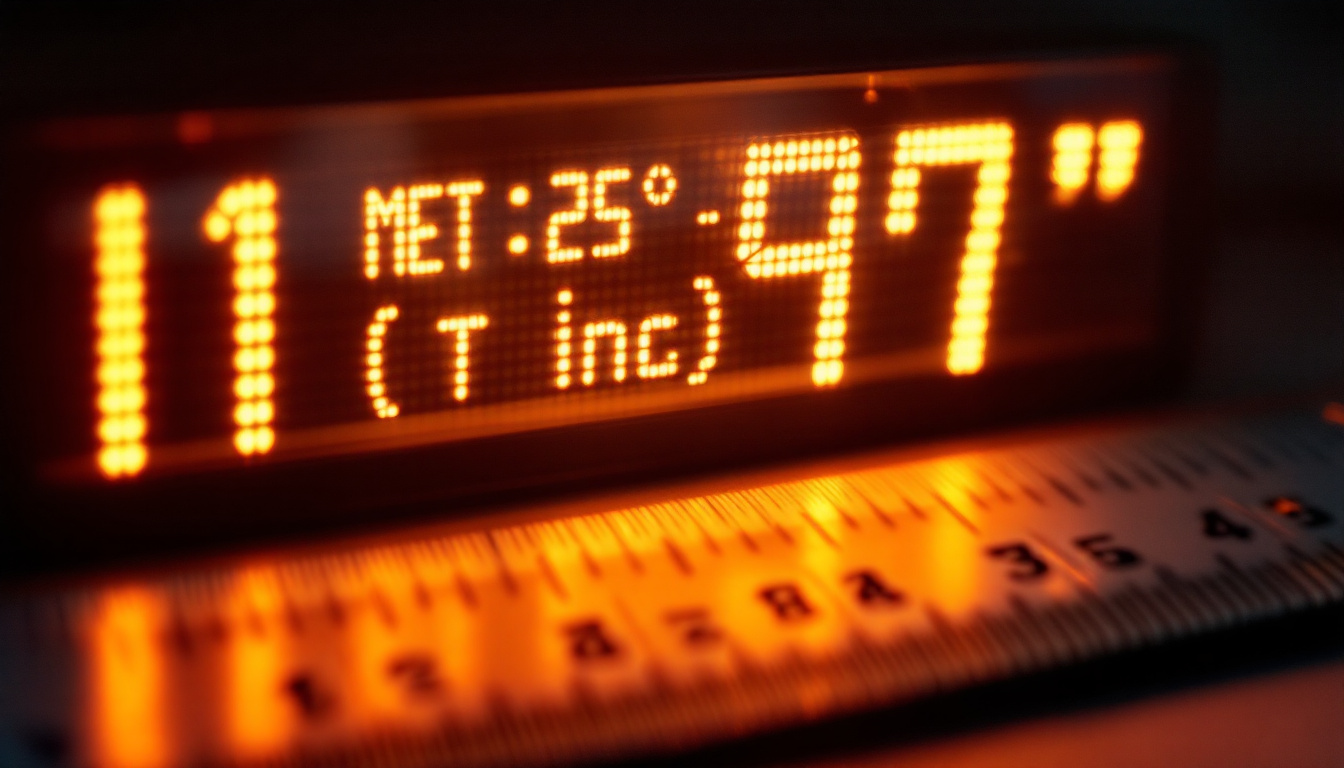
The pixel pitch, measured in millimeters, is the distance between the centers of two adjacent LEDs. A smaller pixel pitch means higher resolution and sharper images, suitable for close viewing distances. Conversely, a larger pixel pitch is acceptable for displays viewed from afar, such as billboards.
For example, a pixel pitch of 1.5mm is ideal for indoor applications where viewers are within a few feet, while outdoor billboards might use pixel pitches of 10mm or more.
Brightness Requirements
Consider the ambient lighting conditions where the display will be installed. Outdoor displays require higher brightness (typically 5,000 to 10,000 nits) to remain visible in daylight, whereas indoor displays generally require lower brightness levels (500 to 1,000 nits) to avoid eye strain.
Size and Viewing Distance
The physical size of the display and the typical viewing distance are closely linked. Larger displays with bigger pixel pitches work well for long-distance viewing, while smaller, high-resolution displays are better for close-up interaction. Calculating the optimal size ensures the content is clear and engaging for the intended audience.
Installation Environment and Durability
Assess the environmental conditions such as temperature range, humidity, and exposure to elements. Outdoor installations demand weatherproof and rugged displays, while indoor environments allow for more delicate and lightweight designs.
Content Management and Control Systems
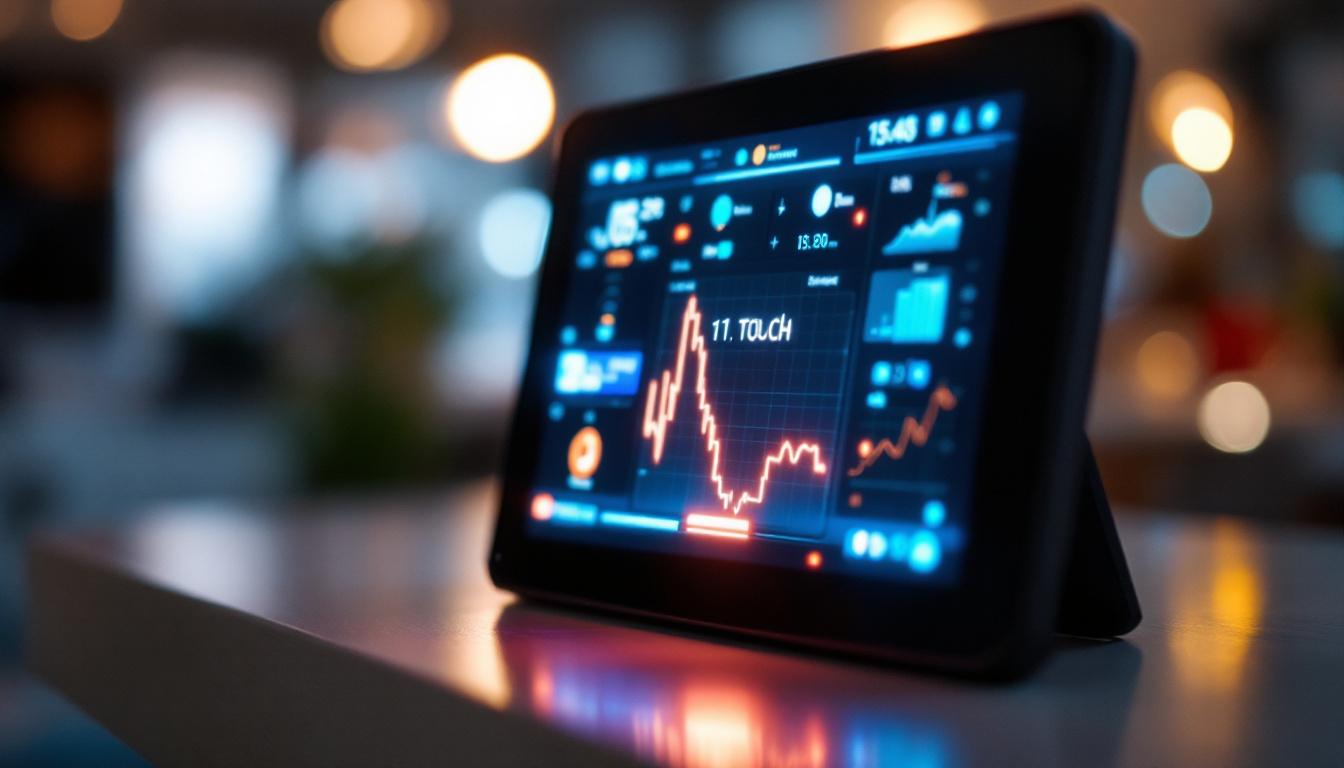
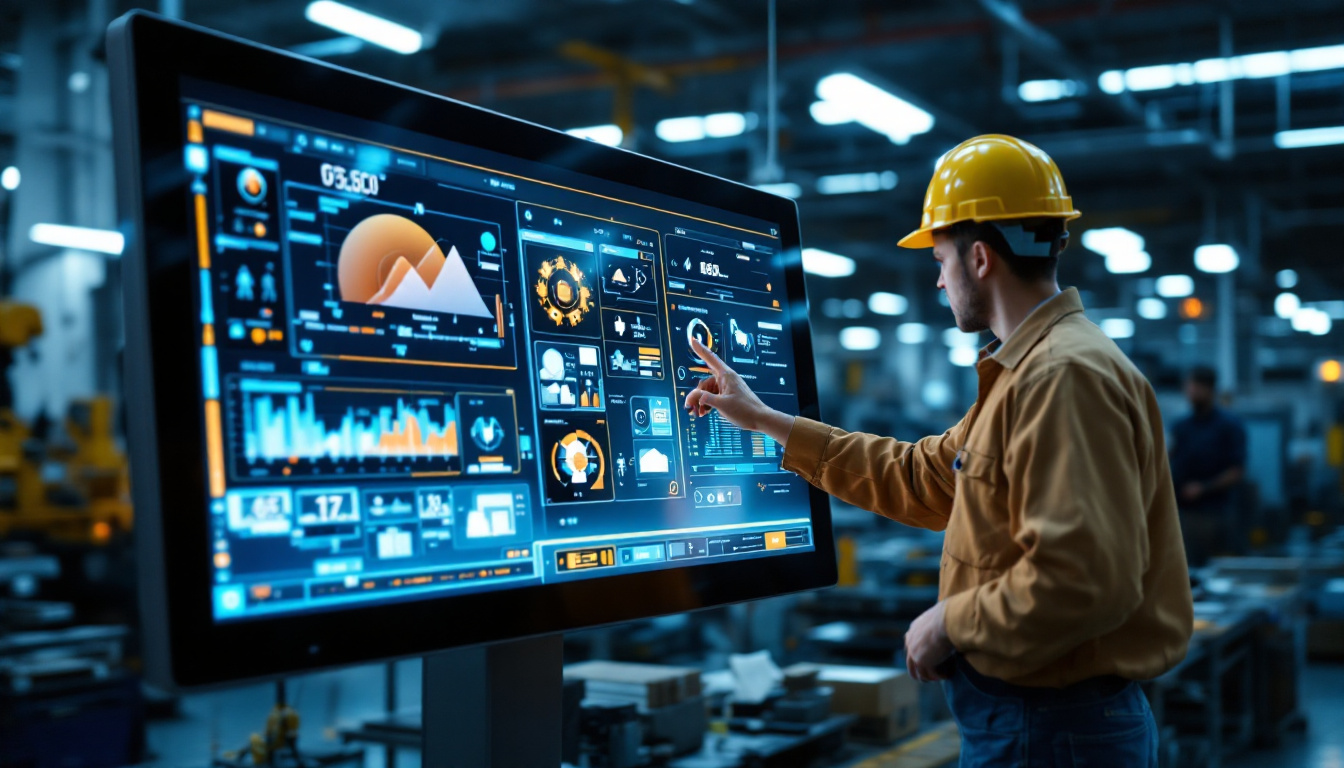
Modern LED displays come with sophisticated content management systems (CMS) that allow users to schedule, update, and customize content remotely. Choosing a display with a user-friendly CMS can save time and enhance the flexibility of your digital signage strategy.
Emerging Trends and Future Outlook
The LED display industry is rapidly evolving, driven by advancements in technology and changing consumer expectations. Staying informed about emerging trends can help businesses leverage LED displays more effectively.
MicroLED and MiniLED Technologies
MicroLED and MiniLED are next-generation display technologies that offer even higher brightness, contrast, and energy efficiency. MicroLEDs are microscopic LEDs that enable ultra-high resolution and superior color accuracy, potentially rivaling OLED displays without the drawbacks of burn-in or limited lifespan.
These technologies are beginning to enter the market, promising revolutionary improvements in display performance for both indoor and outdoor applications.
Integration with IoT and Smart Technologies
LED displays are increasingly integrated with Internet of Things (IoT) platforms, enabling real-time data-driven content updates. For example, smart city initiatives use LED displays to provide live traffic updates, weather alerts, and emergency notifications, enhancing public safety and engagement.
Sustainability and Eco-Friendly Solutions
As environmental concerns grow, manufacturers are focusing on creating LED displays with recyclable materials, reduced power consumption, and longer lifespans. These sustainable solutions align with corporate social responsibility goals and appeal to eco-conscious consumers.
Conclusion
LED displays represent a versatile and powerful medium for visual communication across various industries. Their unmatched brightness, energy efficiency, and adaptability make them ideal for everything from advertising and entertainment to public information and corporate branding.
By understanding the technology behind LED displays, the different types available, and the key factors to consider when choosing a solution, businesses and organizations can make informed decisions that maximize their investment and impact. As technology continues to advance, LED displays will undoubtedly play an even more prominent role in shaping the future of digital communication.
Discover LumenMatrix’s Innovative LED Solutions
Ready to elevate your visual communication strategy with cutting-edge LED technology? Look no further than LumenMatrix, a pioneer in crafting LED display modules that bring your brand to life. Whether you’re seeking vibrant Indoor LED Walls, robust Outdoor LED Displays, dynamic Vehicle LED Displays, sleek LED Poster Displays, engaging LED Sports Displays, interactive Floor LED Displays, bespoke Custom LED Solutions, versatile All-in-One LED Displays, or the futuristic LED Transparent Displays, LumenMatrix has the solution to captivate your audience. Embrace the future of digital signage with LumenMatrix and create unforgettable visual experiences. Check out LumenMatrix LED Display Solutions today and transform your message into a visual spectacle.