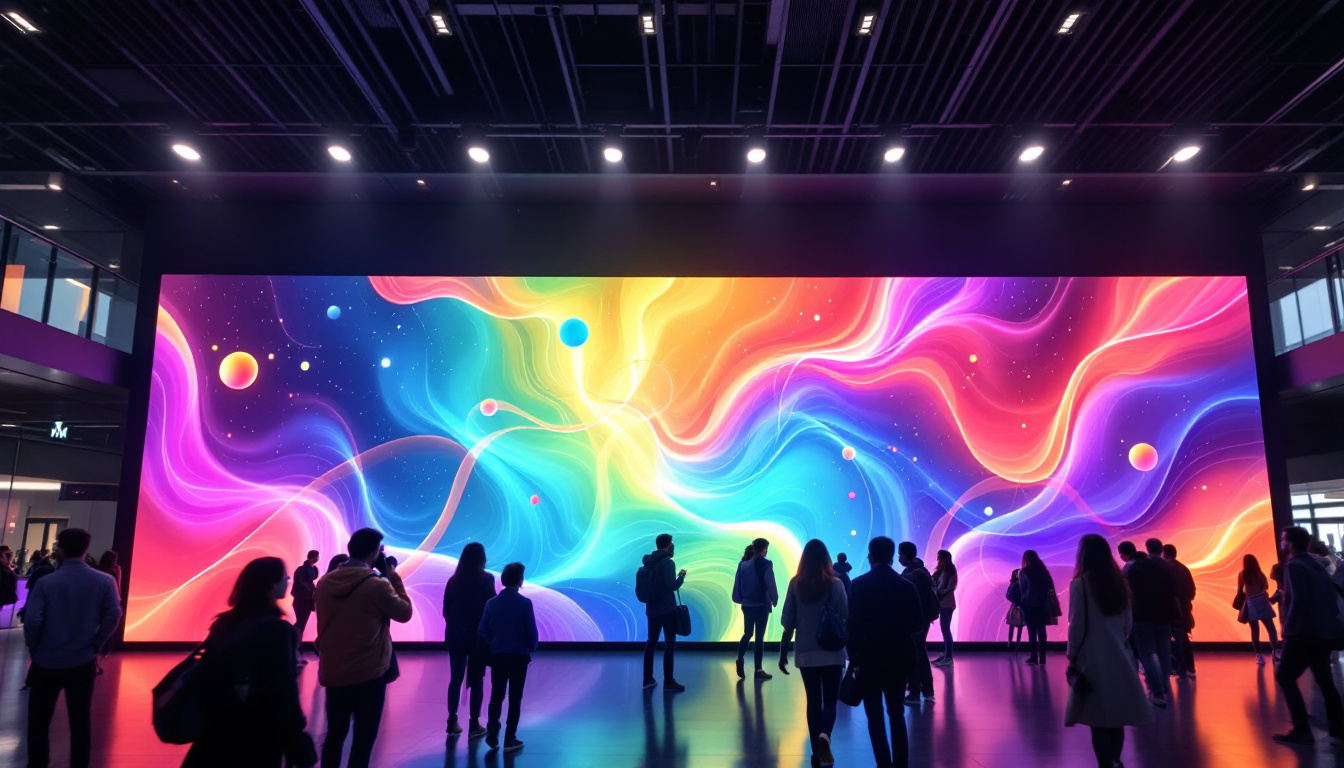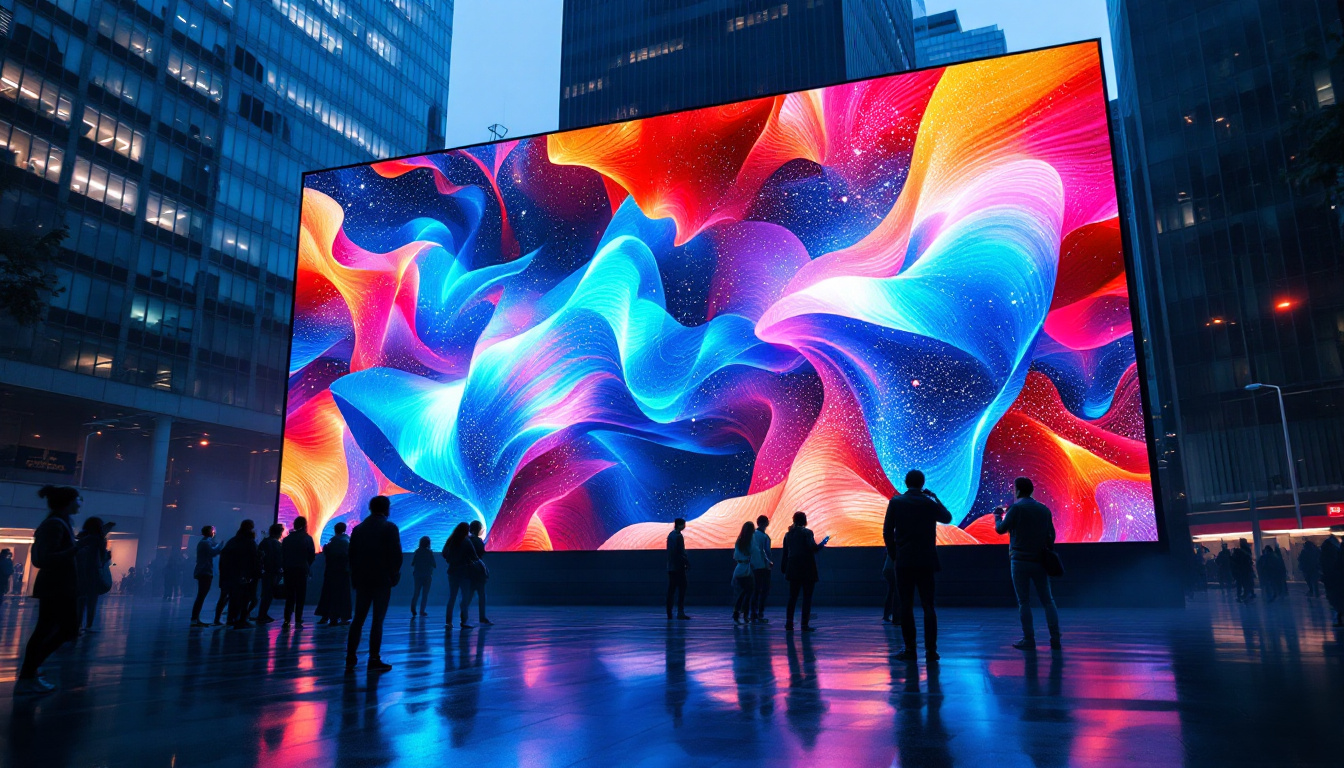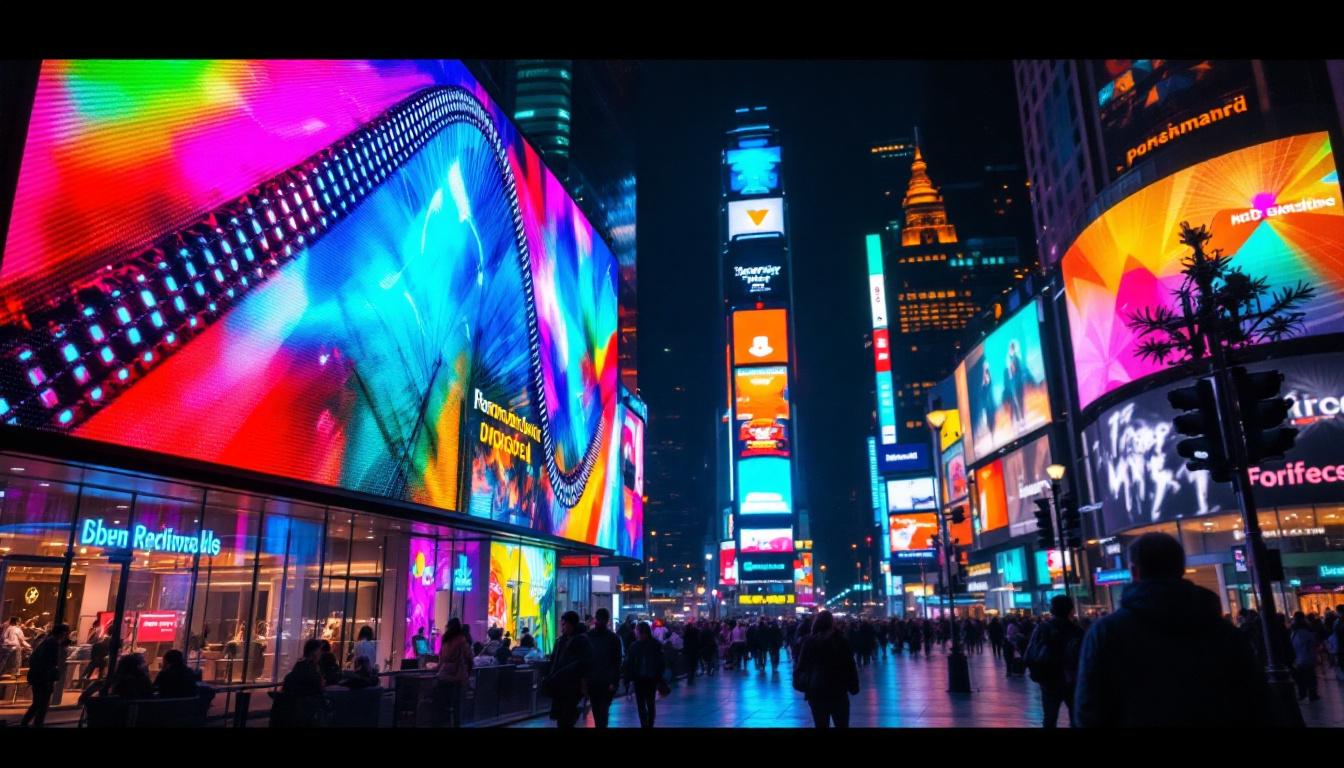
In an era where digital communication and immersive experiences dominate, LED displays have become an essential medium for storytelling, advertising, and information dissemination. Among the many applications of LED technology, the concept of the “Traveler” in LED displays has sparked curiosity and innovation. This article delves into the multifaceted world of LED displays, unpacking the idea of the Traveler vision, its technological underpinnings, and its impact on industries ranging from entertainment to urban design.
Understanding LED Display Technology
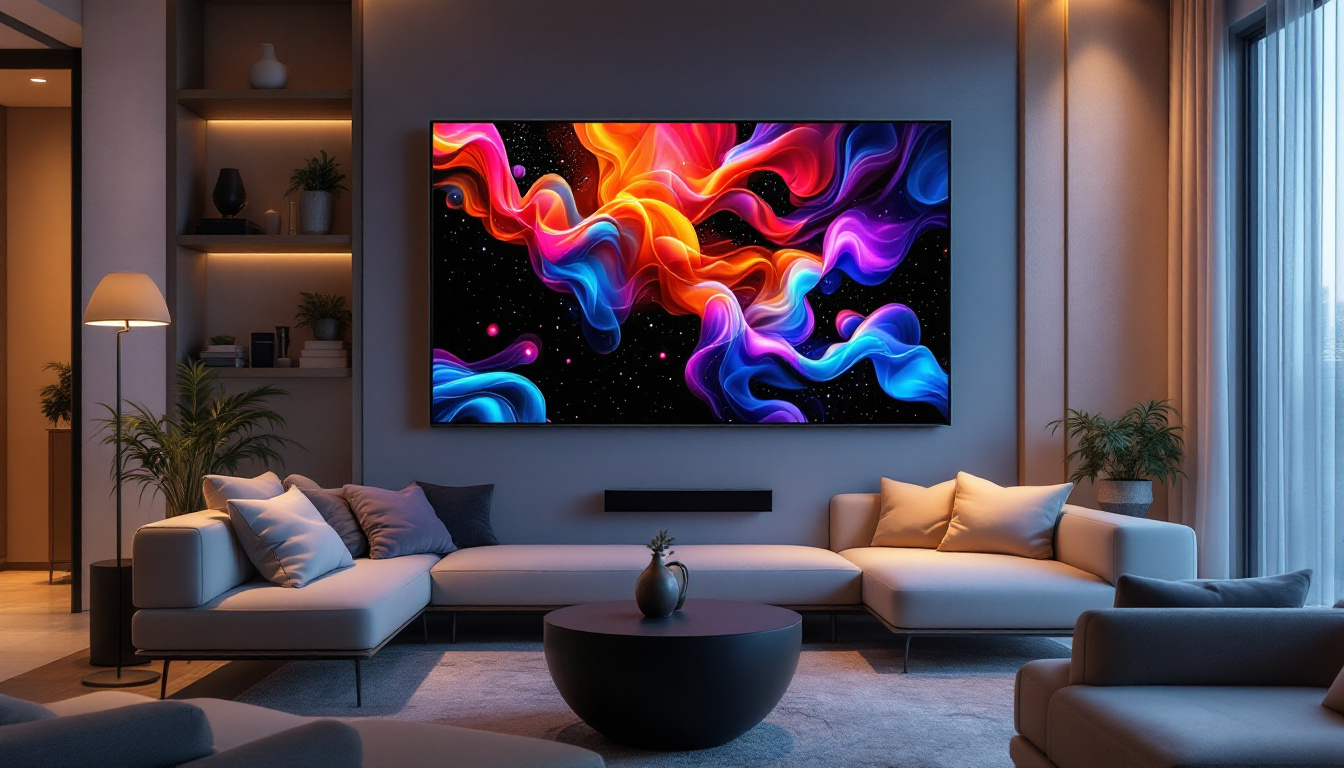
Light Emitting Diode (LED) technology has revolutionized the way visuals are presented in public spaces, retail environments, and entertainment venues. Unlike traditional display technologies such as LCD or plasma, LEDs emit light directly, allowing for brighter images, higher contrast ratios, and greater energy efficiency. This efficiency not only reduces operational costs but also minimizes environmental impact, making LED displays a more sustainable choice in a world increasingly focused on eco-friendly solutions.
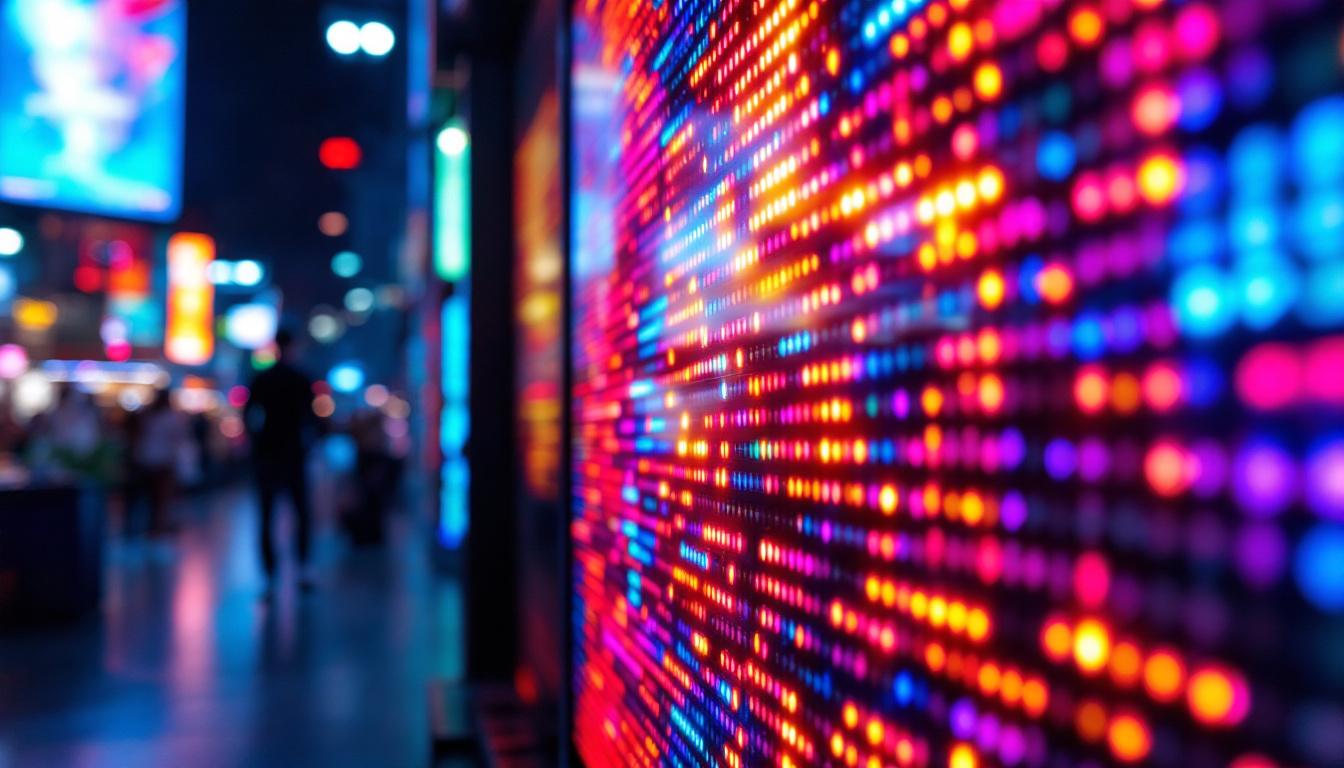
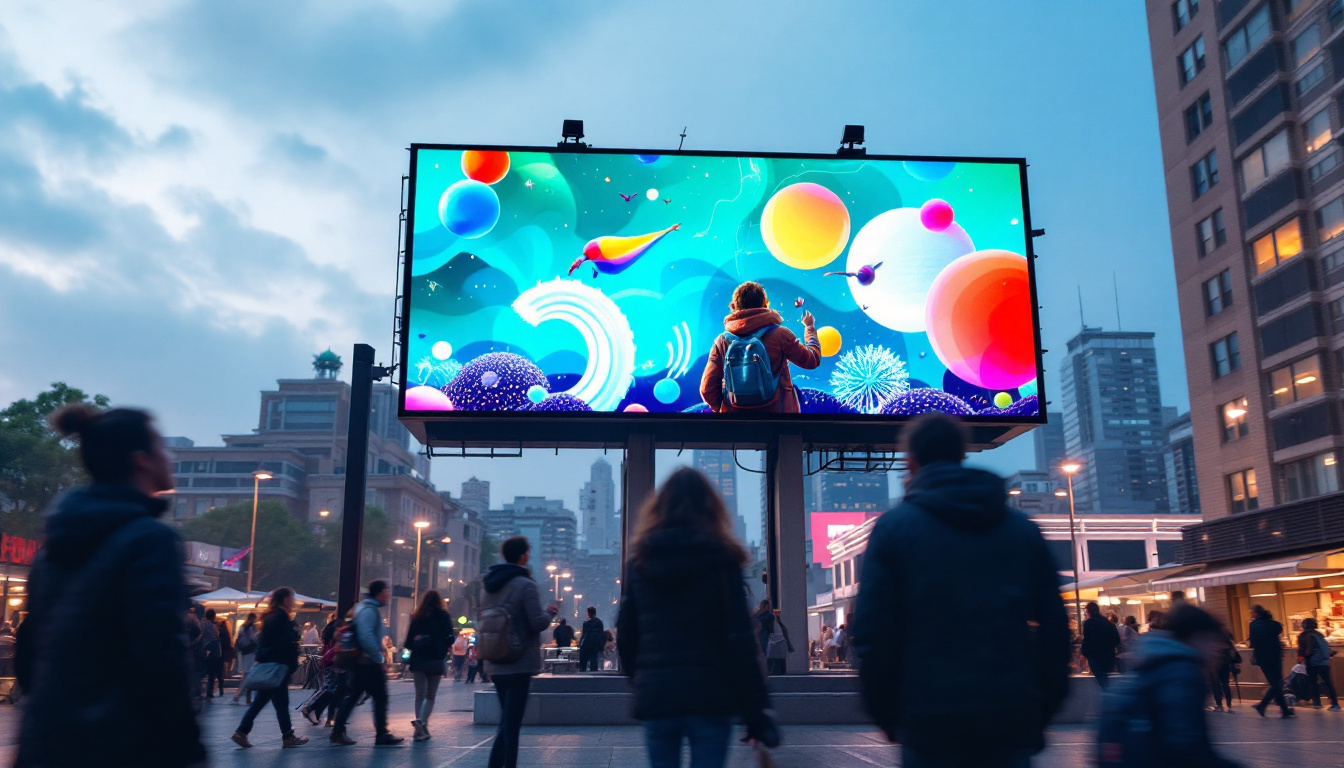
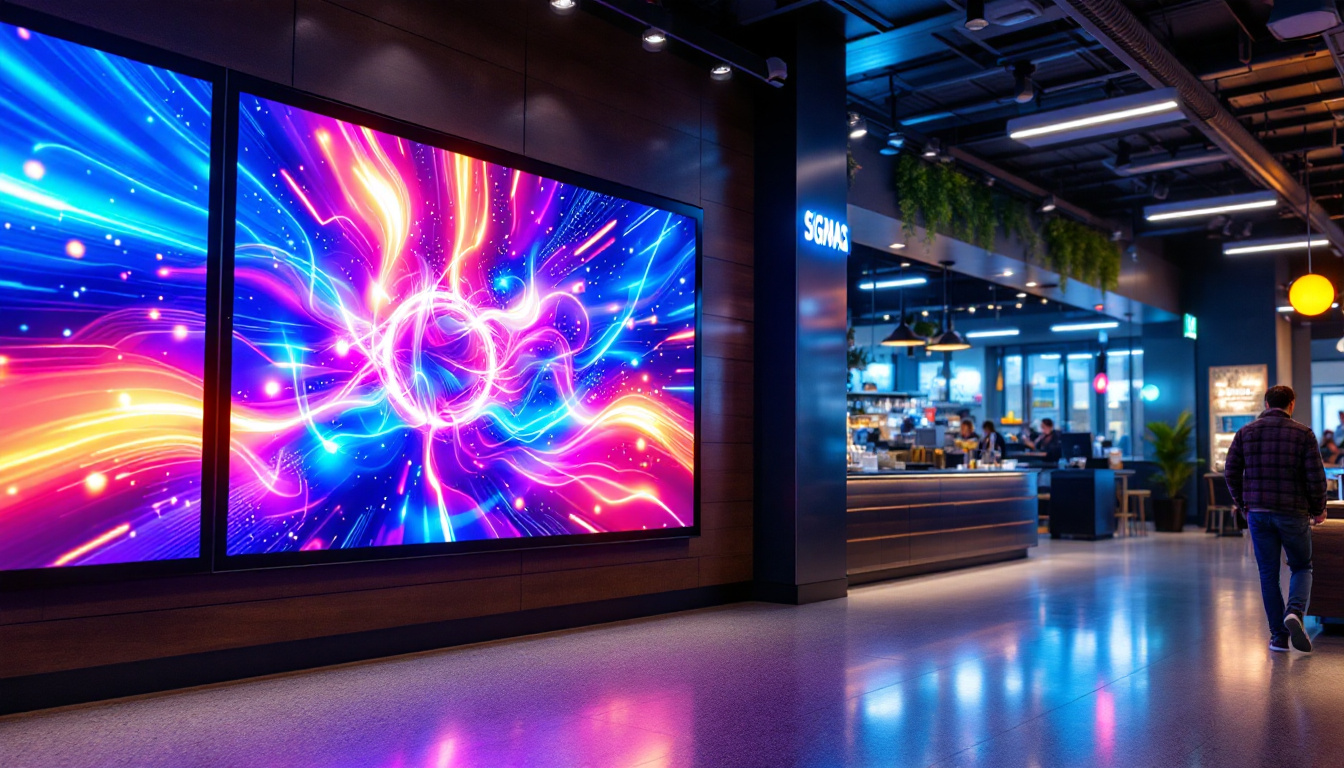
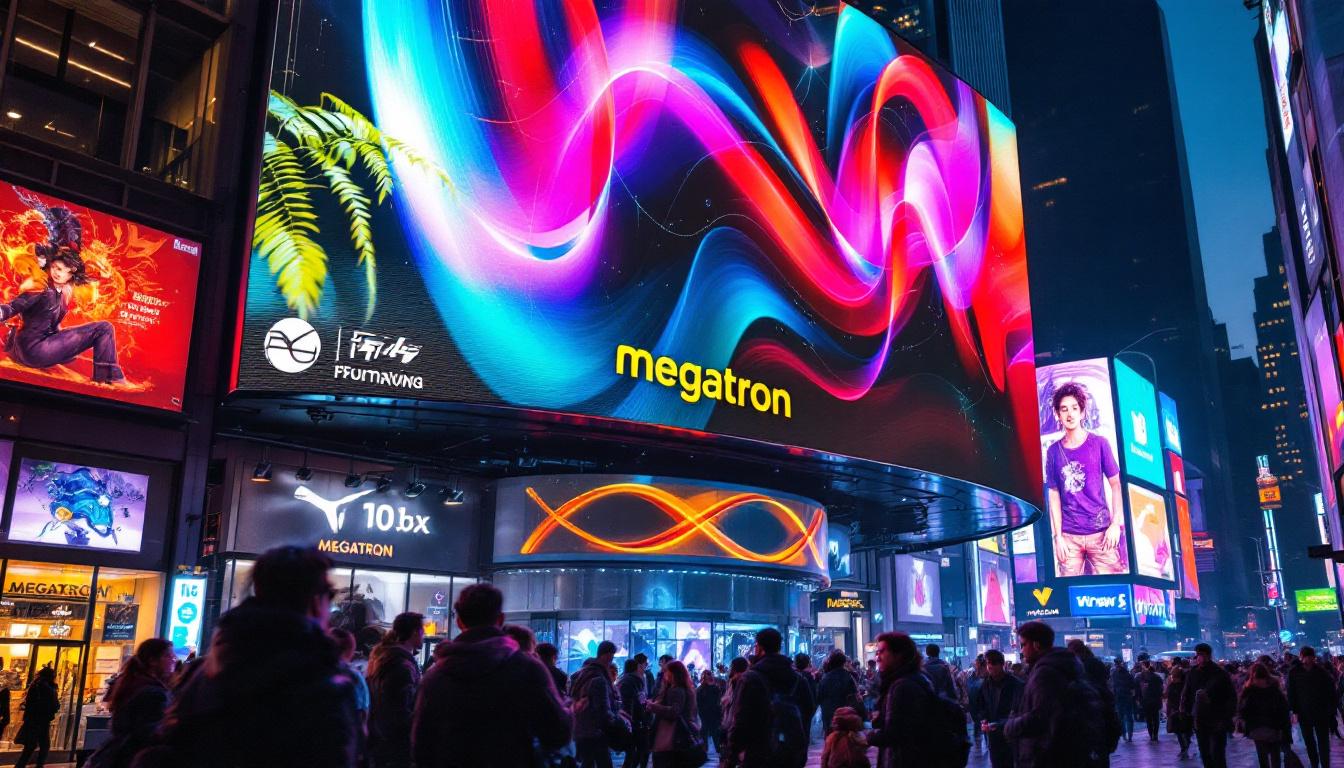
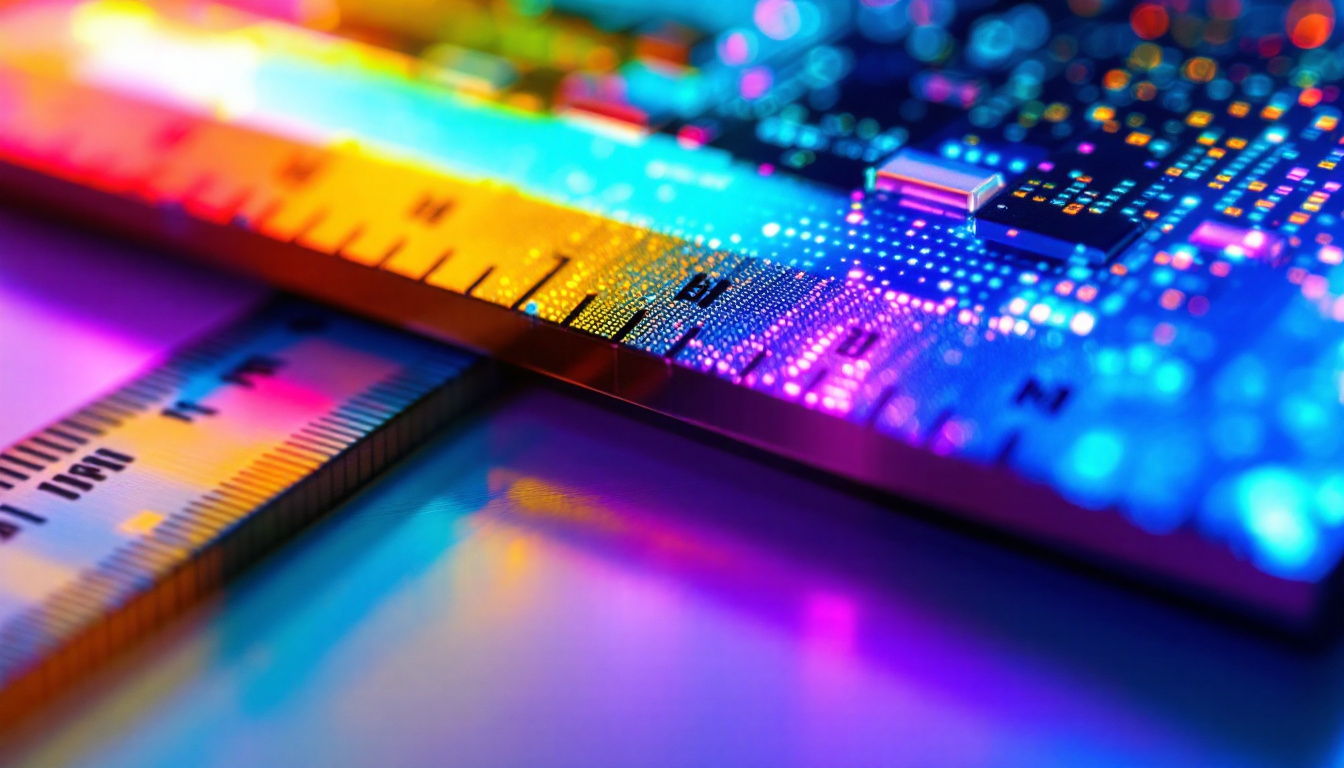
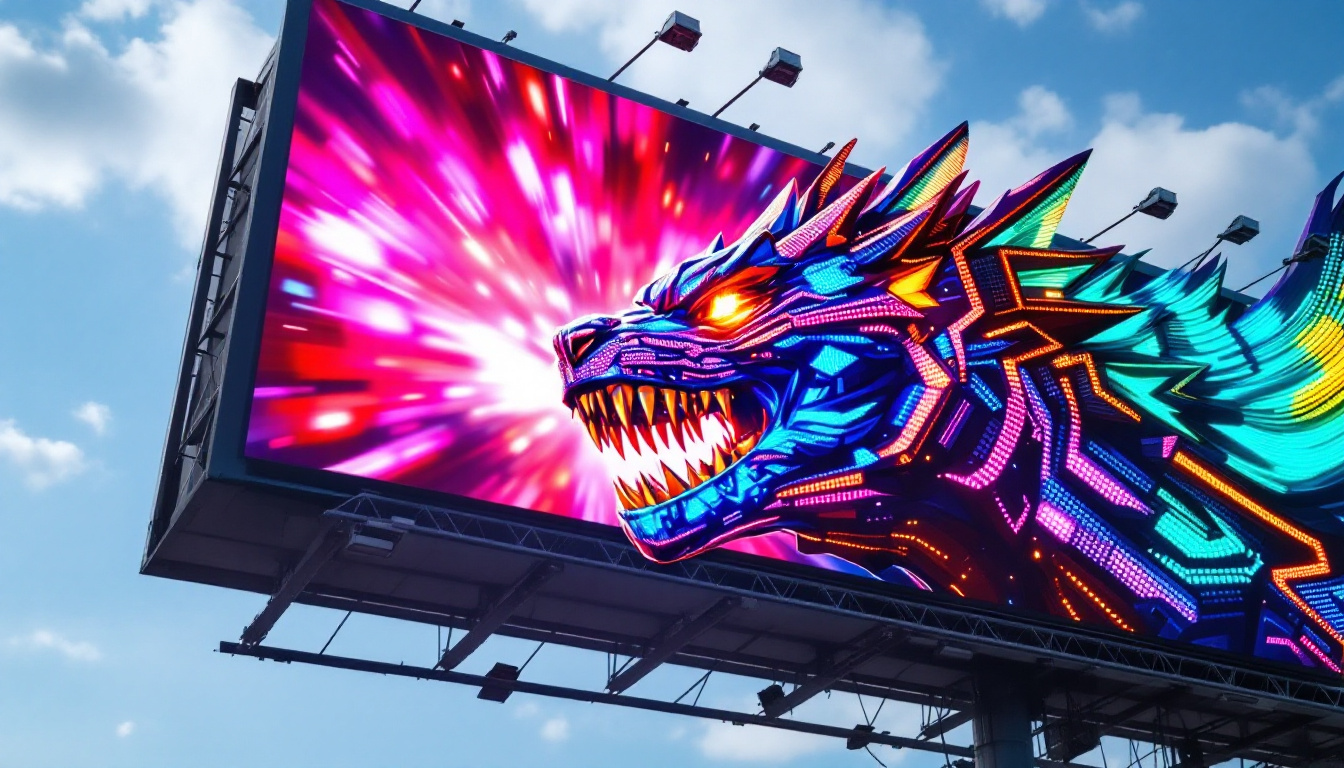
LED displays are composed of numerous tiny diodes arranged in a matrix. Each diode can emit light in different colors, primarily red, green, and blue, which combine to create a full spectrum of colors. This modularity allows LED screens to be scaled to any size or shape, making them incredibly versatile for various applications. For instance, they can be used in large outdoor billboards that attract attention from afar or in smaller, intricate installations that enhance the ambiance of a retail space.
Advancements in miniaturization and pixel density have enabled LED displays to achieve resolutions comparable to or exceeding those of conventional displays. This has opened the door for ultra-high-definition visuals, dynamic content, and interactive experiences that captivate audiences. The ability to incorporate real-time data feeds and social media integration further enhances the engagement factor, allowing businesses to connect with their customers in innovative ways.
The Evolution of LED Displays
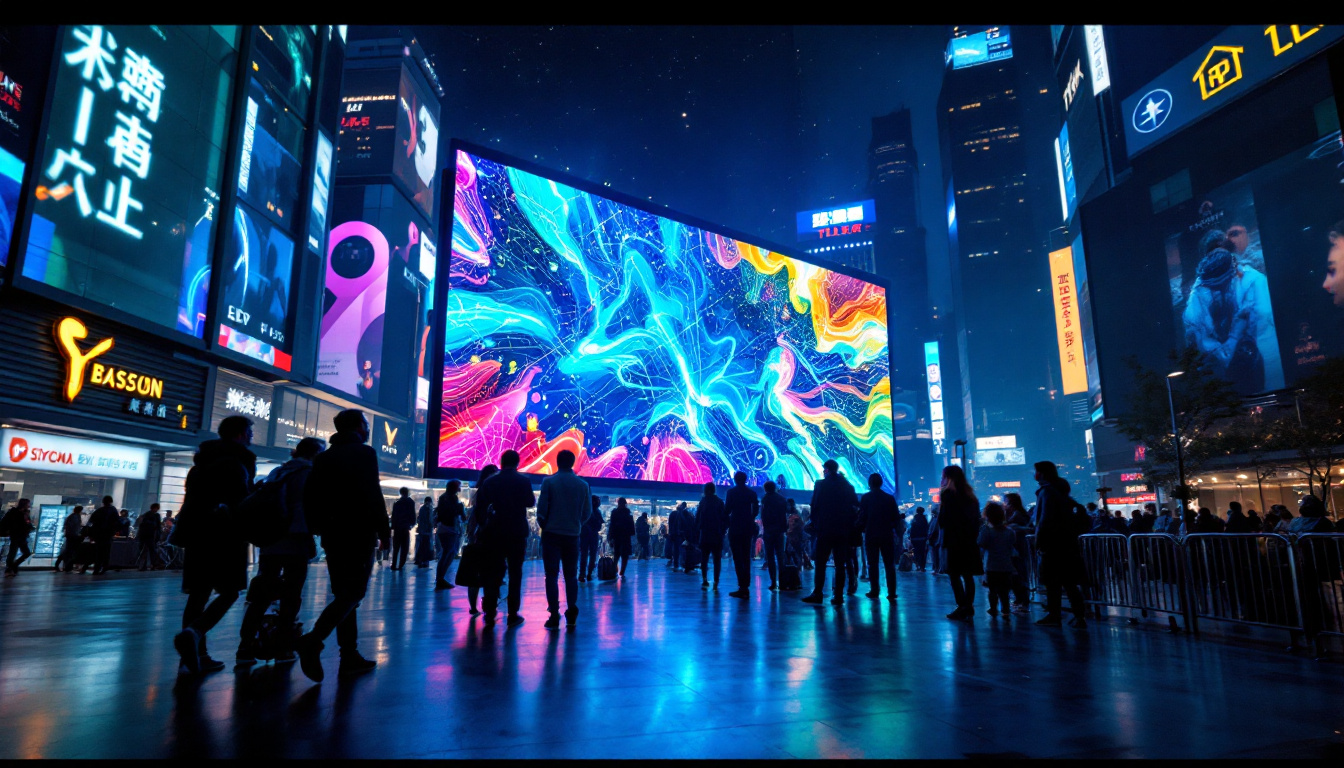
From the early monochrome LED panels used in scoreboards and simple signage to today’s massive, full-color video walls, LED technology has undergone significant evolution. The development of surface-mount device (SMD) LEDs and fine-pitch displays has been instrumental in enhancing image clarity and viewing angles. These advancements have made it possible for LED displays to be viewed clearly even in bright sunlight, making them ideal for outdoor applications such as stadiums and concert venues.
Moreover, innovations such as flexible LED panels and transparent LED displays have expanded the design possibilities, allowing for creative installations that blend seamlessly with architectural elements. These advances have paved the way for the concept of the Traveler vision, where LED displays are not just static screens but dynamic, immersive canvases. The integration of augmented reality (AR) and virtual reality (VR) technologies with LED displays is also on the rise, creating experiences that transport viewers into entirely new environments. As this technology continues to evolve, the potential applications seem limitless, from interactive art installations to smart city infrastructure that communicates vital information to citizens in real-time.
What is the “Traveler” Vision in LED Displays?
The term “Traveler” in the context of LED displays refers to a conceptual and technological approach that emphasizes mobility, adaptability, and immersive storytelling. It embodies the idea of visuals that move with the observer or adapt dynamically to different environments and perspectives.
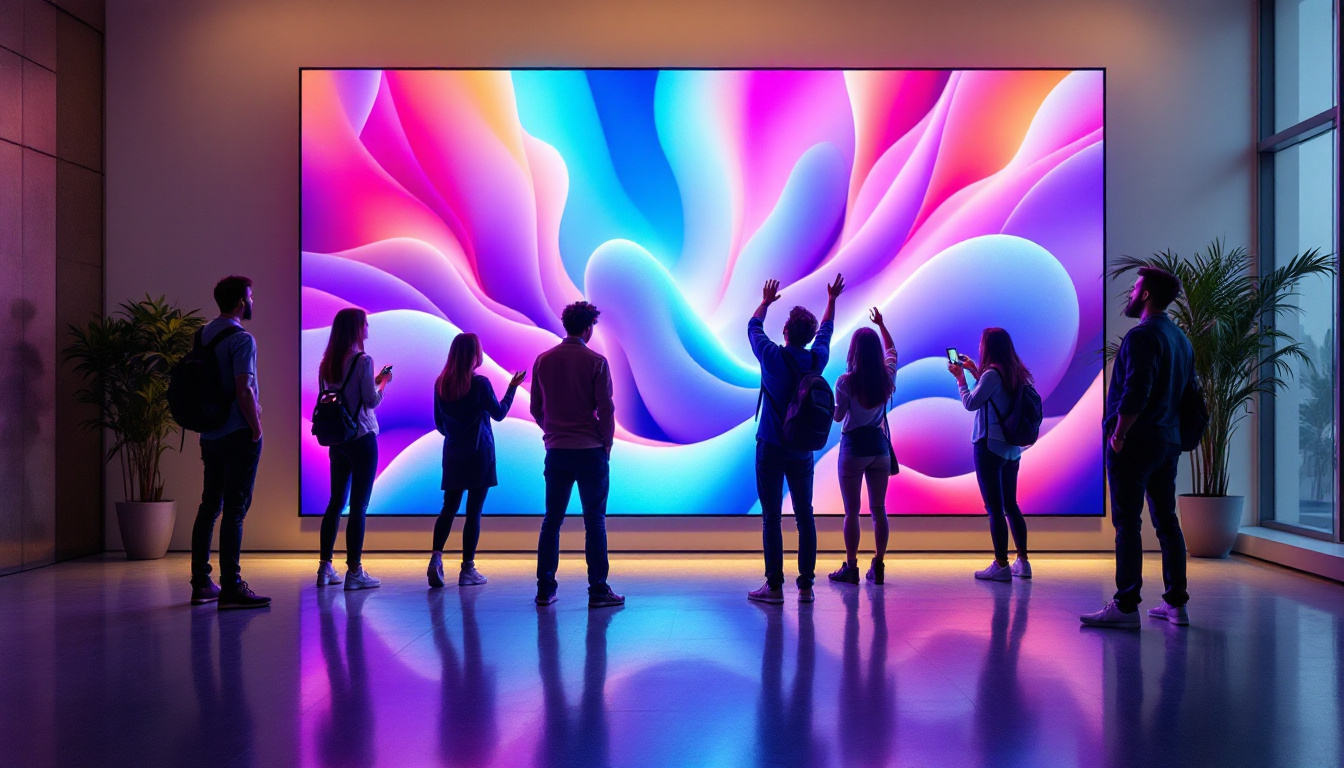
This vision is inspired by the increasing demand for experiences that transcend traditional static displays. Whether in museums, retail spaces, or public art installations, the Traveler concept leverages LED technology to create displays that interact with viewers, respond to environmental cues, and transform spaces into living narratives.
Mobility and Portability
One of the key aspects of the Traveler vision is the ability to transport and deploy LED displays easily across different locations. Portable LED screens, often lightweight and modular, enable event organizers, marketers, and artists to bring high-impact visuals to diverse venues without compromising on quality.
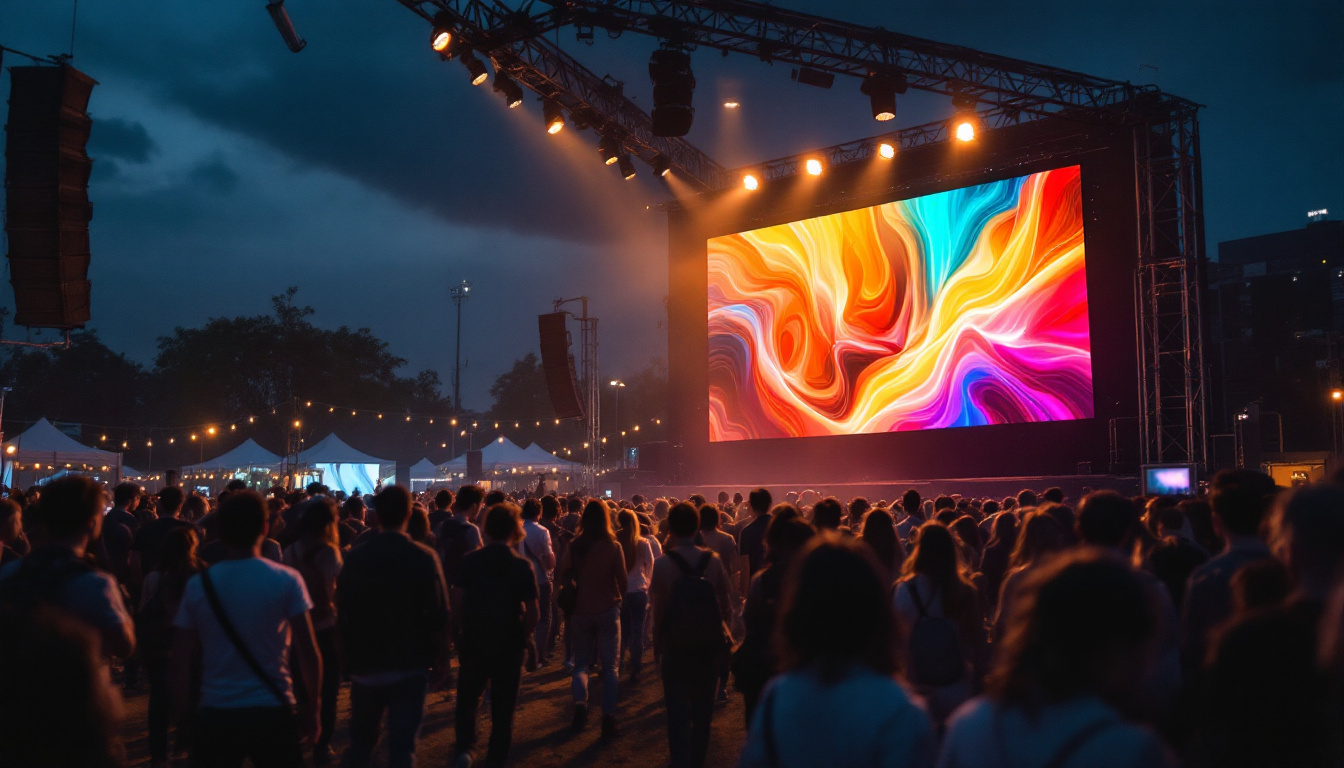
For example, touring concerts and festivals frequently use LED walls that can be assembled and disassembled quickly, ensuring consistent visual experiences regardless of the venue. This mobility also facilitates pop-up exhibitions and temporary installations that engage audiences in unexpected places.
Adaptive and Interactive Displays
The Traveler vision also encompasses LED displays that adapt to their surroundings and interact with viewers. Through sensors, cameras, and AI-driven software, these displays can change content based on factors such as audience movement, time of day, or weather conditions.
Interactive LED walls in retail environments, for instance, can personalize advertisements based on customer demographics or behavior, enhancing engagement and conversion rates. Similarly, urban installations can respond to pedestrian traffic patterns, creating dynamic public art that evolves in real time.
Technological Components Enabling the Traveler Vision
Realizing the Traveler vision requires a confluence of advanced technologies that enhance LED display functionality, portability, and interactivity.
Modular Design and Lightweight Materials
Modularity is fundamental to building portable and scalable LED displays. Panels designed with standardized dimensions and connectors allow for rapid assembly and customization. Advances in materials science have introduced lightweight yet durable components, reducing the logistical challenges of transporting large LED structures.
Carbon fiber frames, aluminum alloys, and innovative mounting systems contribute to the ease of handling and installation, enabling displays to “travel” seamlessly between locations.
High-Resolution and Fine-Pitch LEDs
Fine-pitch LED technology, characterized by the small distance between individual diodes, is crucial for delivering crisp images at close viewing distances. This is particularly important for interactive displays where viewers engage at arm’s length.
High pixel density ensures that visuals remain sharp and vibrant regardless of the display size or viewing angle, maintaining the immersive quality essential to the Traveler experience.
Integrated Sensors and AI
Embedding sensors such as motion detectors, cameras, and ambient light sensors allows LED displays to gather real-time data about their environment and audience. Coupled with artificial intelligence algorithms, this data can be processed to modify content dynamically, creating personalized and context-aware experiences.
For example, an LED installation in a shopping mall might detect the number of passersby and adjust brightness or content themes accordingly, optimizing both visibility and energy consumption.
Wireless Connectivity and Control Systems
Wireless technologies enable remote control and content updates, essential for displays that move between locations or require frequent content changes. Cloud-based management platforms allow operators to schedule, monitor, and modify display content from anywhere, ensuring flexibility and responsiveness.
This connectivity also supports synchronization across multiple displays, creating cohesive visual narratives that span large areas or multiple venues.
Applications of the Traveler Vision in LED Displays
The versatility of the Traveler vision has led to its adoption across various sectors, each leveraging the technology to enhance engagement and communication.
Entertainment and Live Events
Concerts, theater productions, and festivals benefit immensely from portable LED displays that deliver high-impact visuals synchronized with performances. The ability to customize screen shapes and sizes allows creative directors to craft immersive environments that captivate audiences.
For instance, the use of curved and flexible LED screens can envelop performers, creating a sense of depth and movement that traditional backdrops cannot achieve.
Retail and Advertising
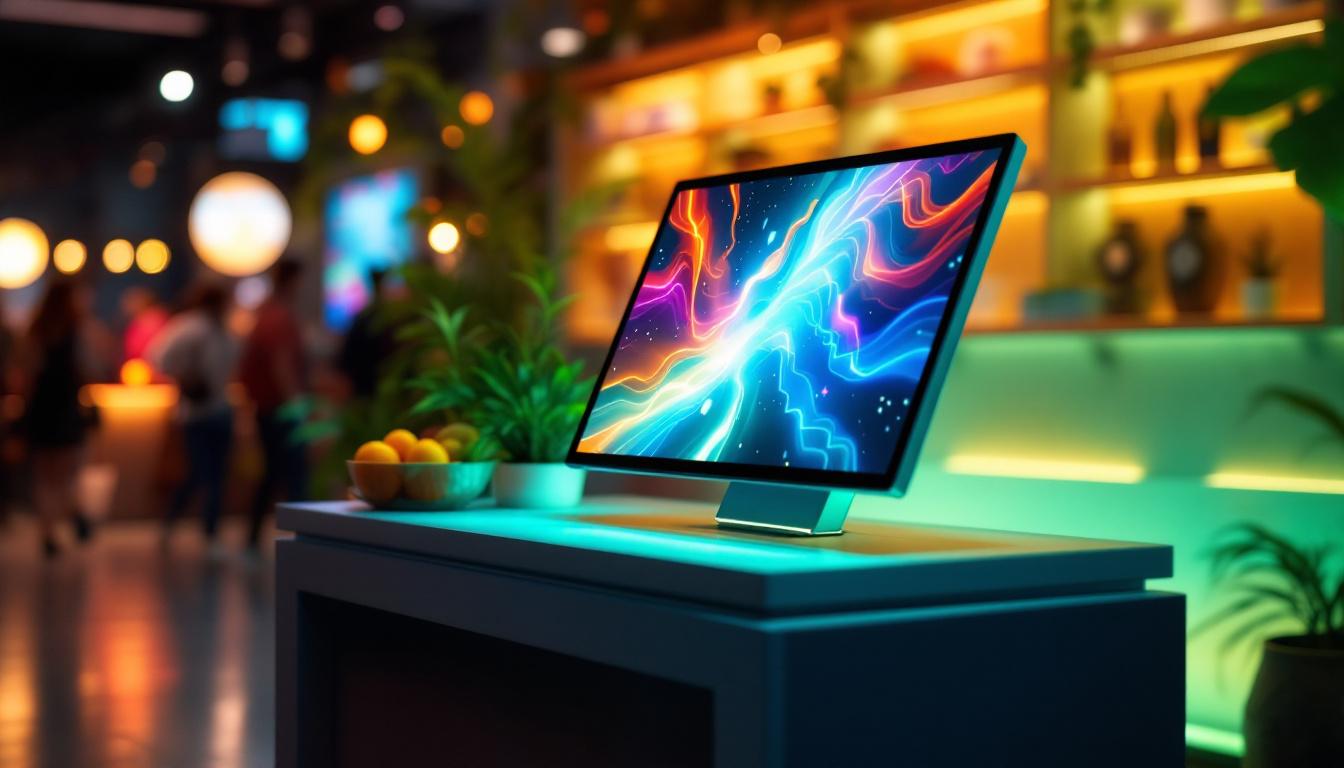
In retail, interactive LED displays transform shopping experiences by offering personalized content, promotions, and wayfinding assistance. Portable LED kiosks and pop-up displays enable brands to reach customers in high-traffic areas and events, maximizing visibility and engagement.
Dynamic content tailored through AI enhances the effectiveness of advertising campaigns, increasing conversion rates and customer satisfaction.
Public Art and Urban Design
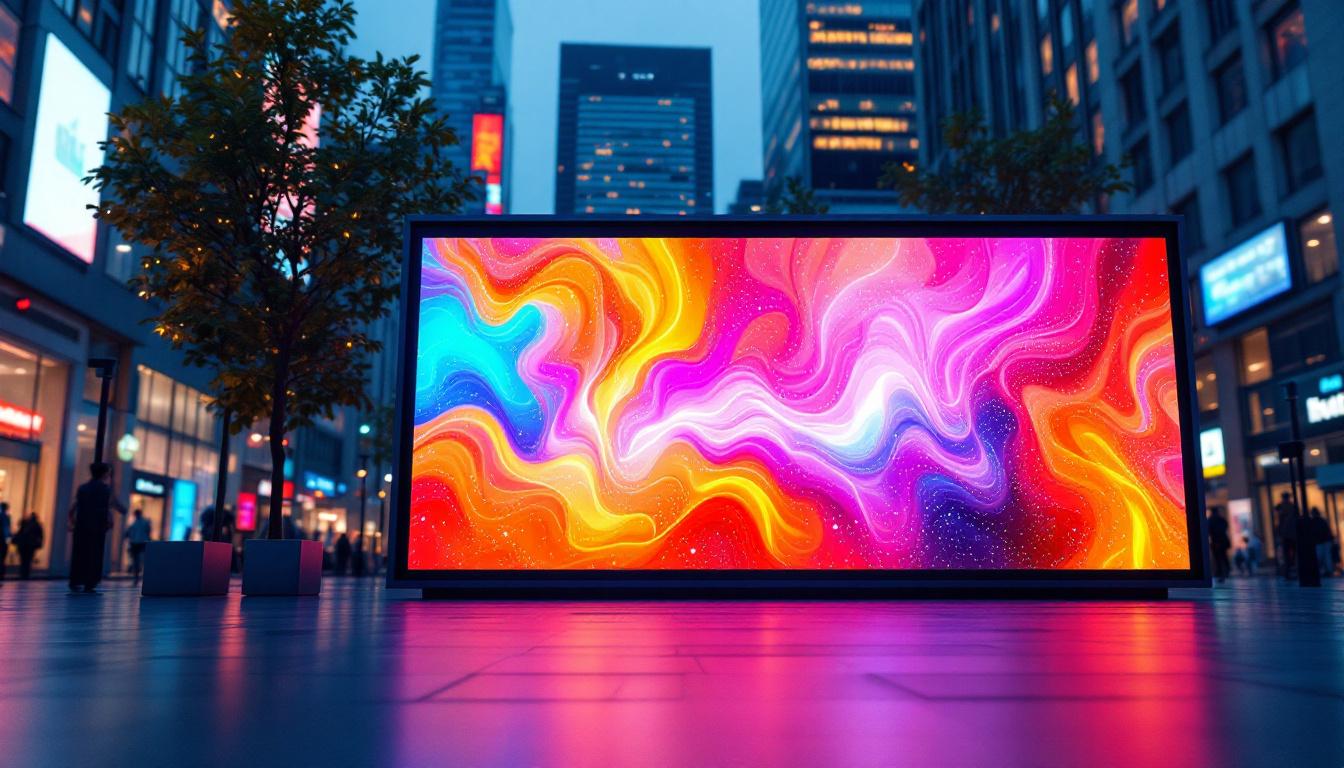
City planners and artists use LED displays to create dynamic public art installations that respond to environmental and social stimuli. These installations can promote community engagement, celebrate cultural events, or provide real-time information such as transit updates and weather alerts.
Examples include LED facades on buildings that change colors based on local events or interactive murals that respond to pedestrian movement, enriching urban landscapes.
Education and Museums
Educational institutions and museums employ LED displays to create interactive exhibits that enhance learning. Portable LED walls facilitate traveling exhibitions, allowing institutions to share knowledge across regions without the constraints of permanent installations.
Interactive features enable visitors to engage with content in meaningful ways, fostering deeper understanding and retention.
Challenges and Future Directions
While the Traveler vision offers exciting possibilities, it also presents challenges that must be addressed to fully realize its potential.
Power Consumption and Sustainability
LED displays, especially large-scale and high-brightness models, can consume significant amounts of power. Developing energy-efficient components and optimizing content to reduce power draw are critical for sustainable deployment, particularly in outdoor and public settings.
Renewable energy integration and smart power management systems are emerging solutions to mitigate environmental impact.
Durability and Weather Resistance
Portable LED displays often face harsh conditions during transport and outdoor use. Ensuring durability against impacts, moisture, dust, and temperature fluctuations is essential to maintain performance and longevity.
Innovations in protective coatings, sealing technologies, and ruggedized designs continue to improve the resilience of LED displays in diverse environments.
Content Creation and Management
Creating compelling, adaptive content that leverages the full capabilities of Traveler LED displays requires specialized skills and tools. Developing intuitive content management systems and fostering collaboration between designers, technologists, and marketers are key to maximizing impact.
Advances in AI-driven content generation and real-time analytics will further streamline this process, enabling more personalized and effective experiences.
Future Innovations
Looking ahead, the integration of augmented reality (AR) and virtual reality (VR) with LED displays promises to elevate the Traveler vision to new heights. Combining physical LED environments with digital overlays can create hybrid experiences that blur the lines between the real and virtual worlds.
Additionally, developments in microLED technology, which offers even higher resolution and energy efficiency, are poised to redefine the capabilities of LED displays, making them lighter, brighter, and more versatile.
Conclusion
The Traveler vision in LED displays represents a transformative approach to visual communication, emphasizing mobility, adaptability, and immersive interaction. By harnessing cutting-edge technologies such as modular design, fine-pitch LEDs, AI, and wireless connectivity, this concept is reshaping industries from entertainment to urban design.
As challenges related to sustainability, durability, and content management are addressed, the potential for Traveler LED displays to create dynamic, engaging experiences will only grow. For businesses, artists, and communities alike, embracing this vision offers a pathway to connect with audiences in innovative and meaningful ways.
In a world increasingly defined by digital interaction and visual storytelling, the Traveler vision stands as a beacon of what is possible when technology and creativity converge.
Illuminate Your Space with LumenMatrix
Embrace the future of visual storytelling with LumenMatrix’s advanced LED display solutions. As a pioneer in the industry, LumenMatrix is committed to revolutionizing the way brands engage with audiences through innovative and immersive LED displays. From vibrant Indoor and Outdoor LED Wall Displays to versatile Vehicle and Floor LED Displays, our range of products, including Custom and All-in-One solutions, are designed to bring your vision to life. Experience the transformative power of LED technology and elevate your visual communication to new heights. Check out LumenMatrix LED Display Solutions today and step into a world where creativity and technology meet.