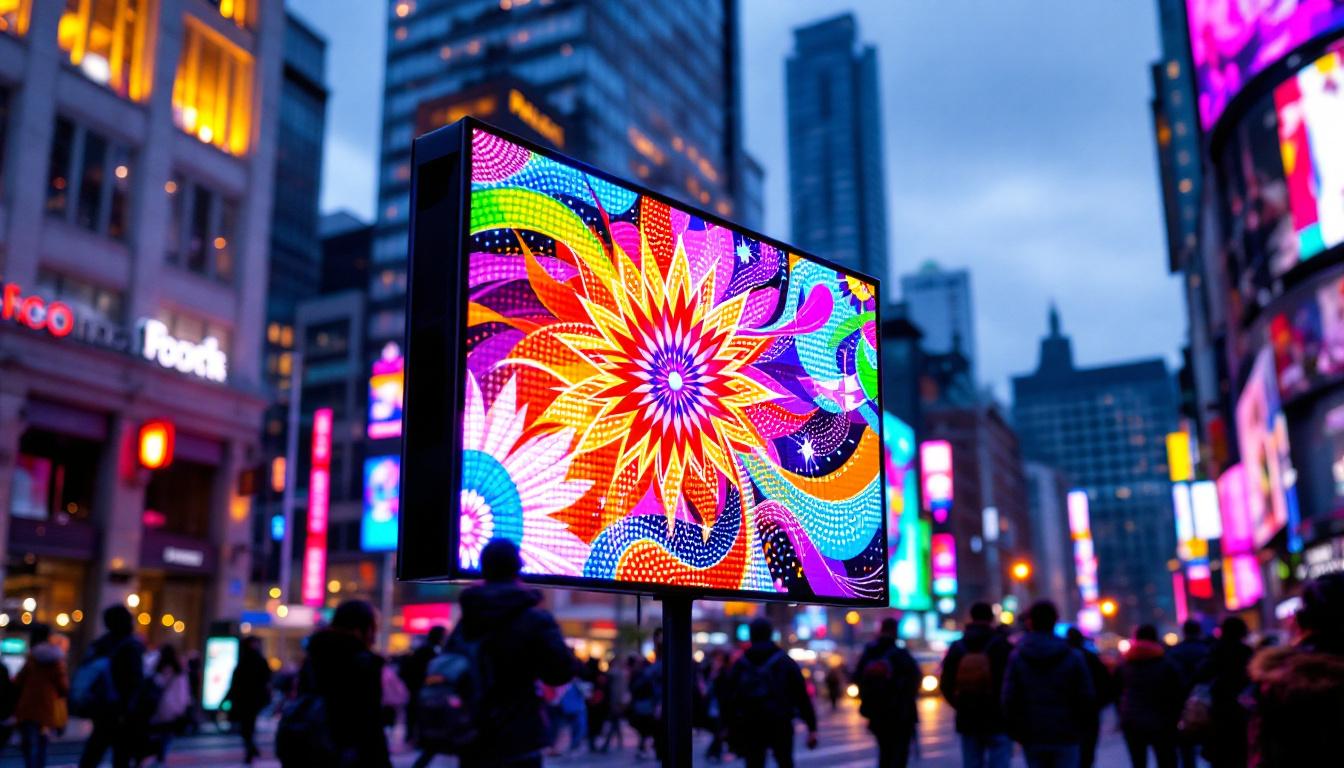
In today’s rapidly evolving digital landscape, LED display technology has become a cornerstone for industries ranging from advertising to architecture. Autodesk, a global leader in design and engineering software, has a significant presence in Portland, Oregon, where innovation and technology converge. This article explores how Autodesk’s Portland office contributes to the advancement of LED display technology, the fundamentals of LED displays, and their applications in various sectors.
Understanding LED Display Technology
What is an LED Display?
LED stands for Light Emitting Diode, a semiconductor device that emits light when an electric current passes through it. LED displays consist of numerous tiny LEDs arranged in a matrix to form images, videos, or text. These displays are known for their brightness, energy efficiency, and durability, making them ideal for both indoor and outdoor use.
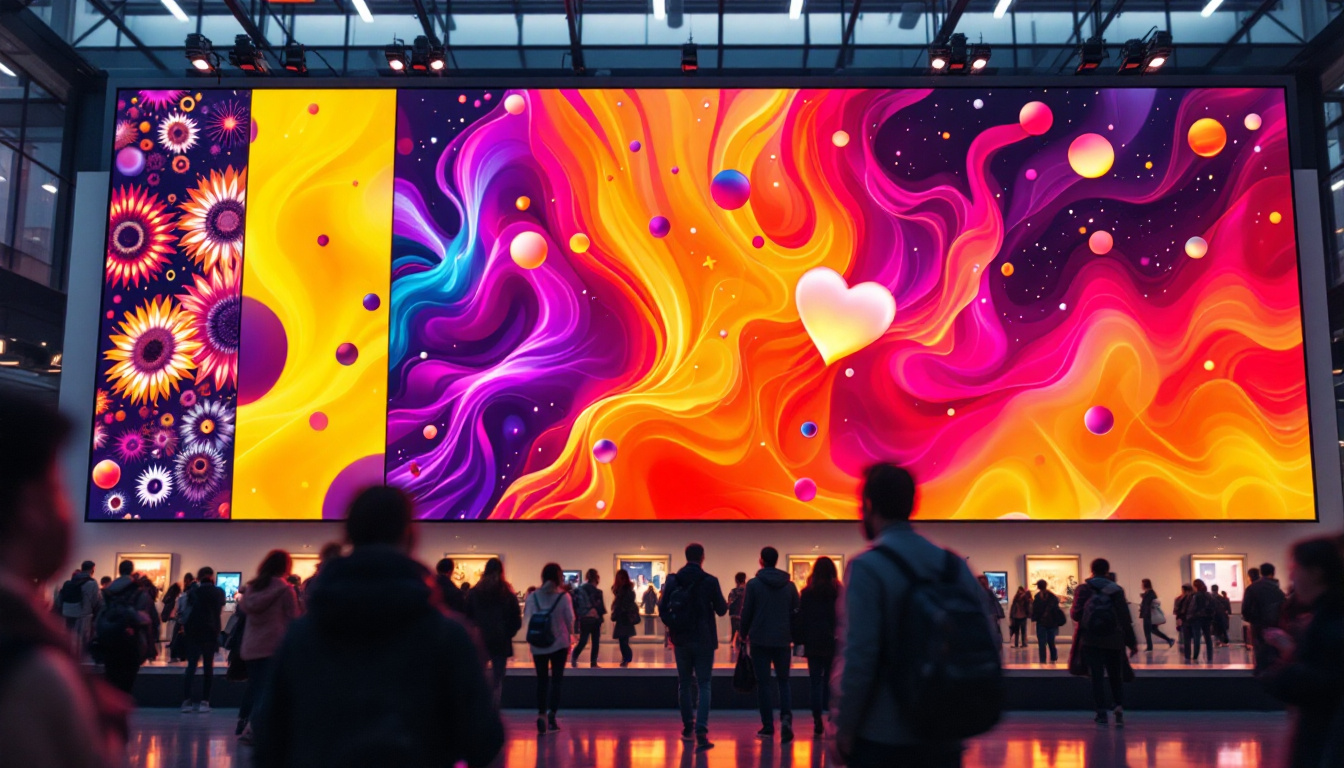
Unlike traditional LCD or plasma screens, LED displays can achieve higher contrast ratios and better visibility under direct sunlight. This makes them particularly useful for large-scale applications such as billboards, stadium screens, and public information displays. The ability to maintain clarity and vibrancy in various lighting conditions is a significant advantage, especially for advertising and public announcements, where visibility is crucial for engagement and communication.
Moreover, the longevity of LED technology contributes to its appeal. With a lifespan that can exceed 100,000 hours, LED displays reduce the need for frequent replacements, thus lowering maintenance costs over time. This durability is complemented by their resistance to shock and vibration, making them suitable for high-traffic areas and events.
Types of LED Displays
LED displays come in various forms, each suited to different needs:
- Indoor LED Displays: Designed for close viewing distances with higher resolution and smaller pixel pitch.
- Outdoor LED Displays: Built to withstand weather conditions with higher brightness levels to combat sunlight glare.
- Transparent LED Displays: Allow light to pass through, enabling innovative architectural applications.
- Flexible LED Displays: Can be bent or curved, offering creative possibilities for dynamic installations.
In addition to these types, there are also specialized LED displays such as rental LED screens, which are designed for temporary setups at events and exhibitions. These displays are lightweight and modular, allowing for quick assembly and disassembly. The versatility of rental LED displays makes them a popular choice for concerts, trade shows, and corporate events, where adaptability and high visual impact are essential.
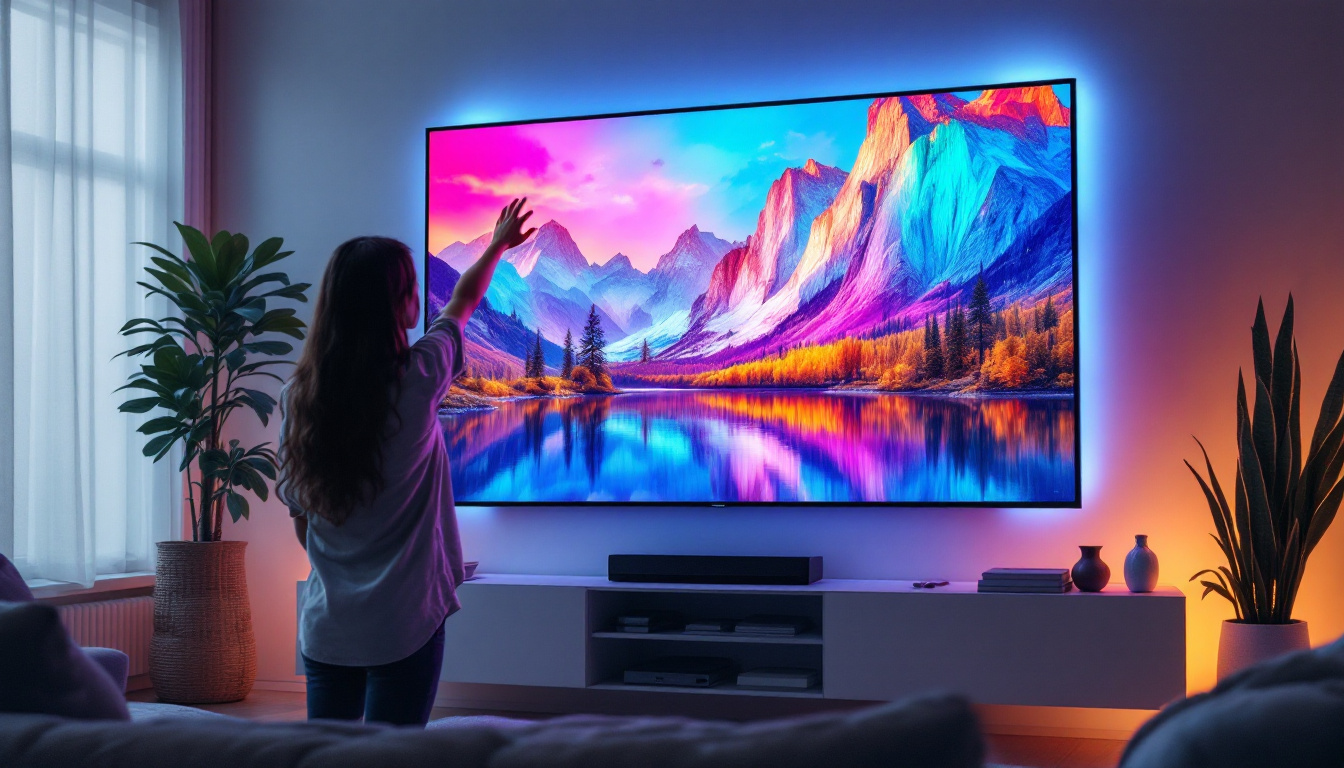
Furthermore, advancements in technology have led to the development of smart LED displays that incorporate interactive features. These displays can respond to touch or motion, providing an engaging experience for users. Such capabilities are increasingly utilized in retail environments, museums, and public installations, where interactivity can enhance storytelling and customer engagement.
Key Components of an LED Display
Understanding the components helps appreciate the complexity behind these vibrant screens:
- LED Modules: The basic building blocks containing multiple LEDs.
- Driver ICs: Control the current to each LED, ensuring accurate color and brightness.
- Power Supply: Provides consistent electrical power to the display.
- Control System: Manages the input signals and synchronizes the display output.
Each component plays a critical role in the overall performance of the display. For instance, the LED modules are designed to be easily replaceable, allowing for quick repairs without the need for complete unit replacement. This modularity is particularly beneficial for large installations, where downtime can be costly. Additionally, the control system often includes sophisticated software that enables remote management, allowing operators to update content and monitor performance from anywhere, enhancing operational efficiency.
Moreover, advancements in thermal management technology have improved the reliability of LED displays. Efficient heat dissipation mechanisms ensure that the LEDs operate within optimal temperature ranges, thereby extending their lifespan and maintaining consistent performance. This is particularly important in high-brightness outdoor displays, where excessive heat can lead to color distortion and reduced efficiency.
Autodesk’s Role in LED Display Innovation
Portland Office: A Hub for Design and Technology
Autodesk’s Portland office is renowned for its focus on cutting-edge software solutions that empower designers and engineers worldwide. The team in Portland works extensively on tools that facilitate the design, simulation, and visualization of LED displays, among other technologies. This office not only serves as a development center but also acts as a collaborative space where creative minds converge to push the boundaries of what is possible in digital display technology.
By leveraging Autodesk’s suite of products, such as AutoCAD, Revit, and 3ds Max, professionals can create intricate LED display designs that meet precise specifications. These tools enable the modeling of physical structures, simulation of lighting effects, and integration with architectural elements. The Portland team also emphasizes user feedback, continuously refining their software to better meet the evolving needs of the industry, ensuring that designers can work more efficiently and effectively.
Software Solutions Enhancing LED Display Design
Autodesk’s software plays a pivotal role in optimizing LED display projects:
- AutoCAD: Used for detailed 2D and 3D drafting, essential for creating accurate layouts of LED modules and supporting structures.
- Revit: Facilitates Building Information Modeling (BIM), allowing seamless integration of LED displays into architectural projects.
- 3ds Max: Offers advanced rendering capabilities to visualize LED display effects in realistic environments.
- Fusion 360: Supports product design and engineering, useful for developing custom LED display components.
These software solutions not only streamline the design process but also enhance collaboration among team members. For instance, the interoperability of Autodesk products allows designers, engineers, and project managers to work simultaneously on a project, ensuring that all aspects of the LED display are considered from the outset. This collaborative approach minimizes errors and accelerates project timelines, which is crucial in a fast-paced industry where technology is constantly evolving.
Collaboration with Industry Leaders
Autodesk’s Portland office collaborates with manufacturers and installation experts to refine LED display technologies. This partnership ensures that software capabilities align with real-world manufacturing constraints and installation challenges, resulting in more efficient and reliable LED display solutions. By engaging with industry leaders, Autodesk not only stays at the forefront of technological advancements but also helps shape the future of LED display applications across various sectors, including advertising, entertainment, and public information systems.
Moreover, these collaborations often lead to innovative projects that showcase the potential of LED displays in new environments. For example, recent initiatives have explored the integration of LED technology in urban landscapes, creating dynamic public art installations that respond to environmental changes. Such projects highlight the versatility of LED displays and their ability to enhance the aesthetic and functional aspects of urban design, ultimately enriching the viewer’s experience and interaction with public spaces.
Applications of LED Displays in Portland and Beyond
Urban and Architectural Integration
Portland’s vibrant urban landscape showcases numerous examples of LED display integration in architecture. Transparent and flexible LED displays are increasingly used in building facades, creating dynamic visual experiences that enhance city aesthetics while providing functional information.
For instance, LED displays embedded in public transit shelters offer real-time updates and advertising, improving the commuter experience. Additionally, LED installations in public plazas and parks contribute to interactive art and community engagement.
Advertising and Marketing
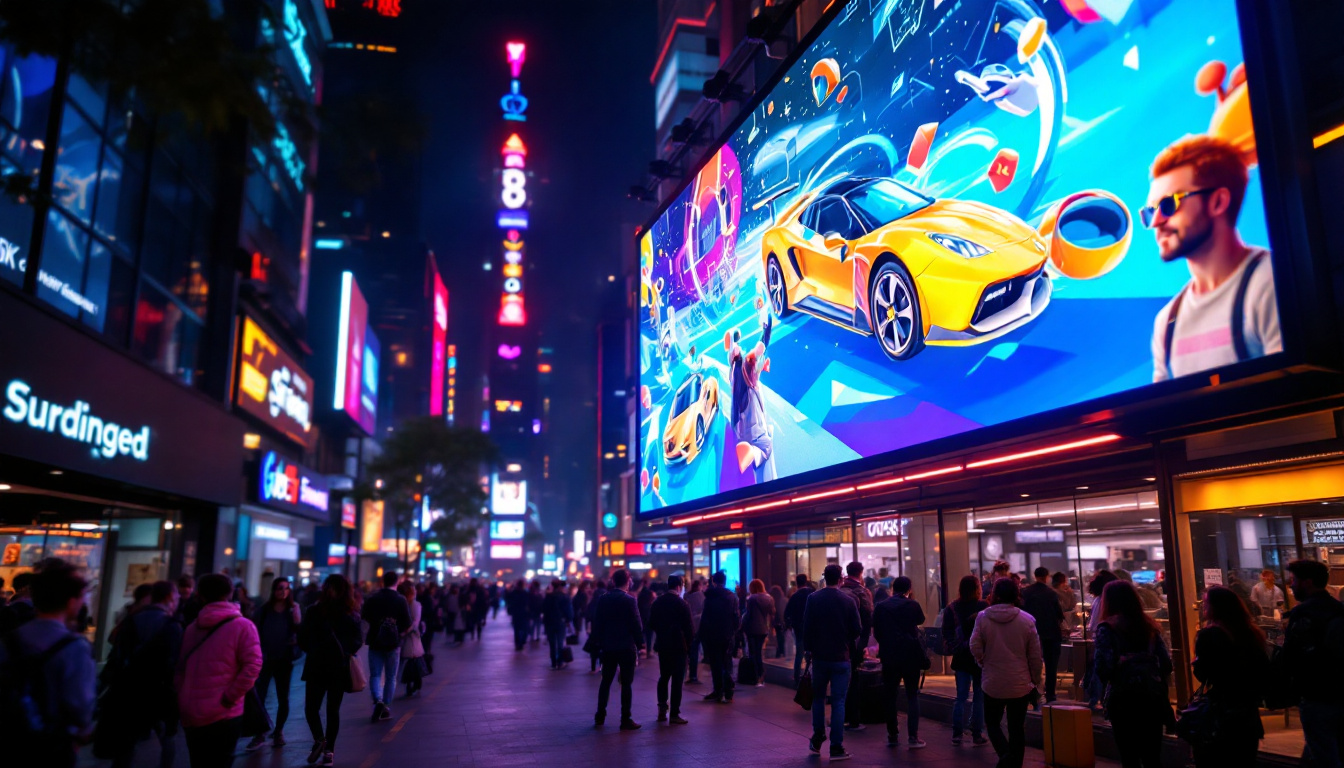
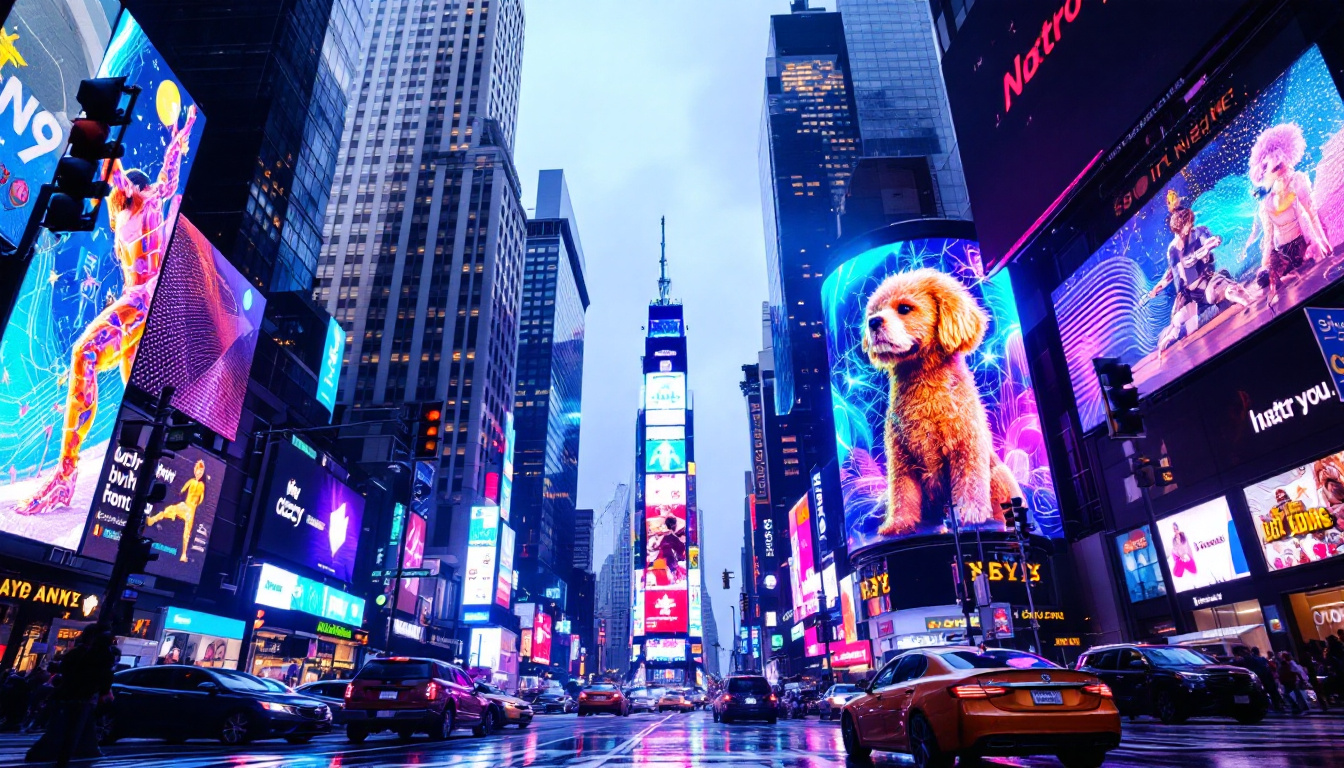
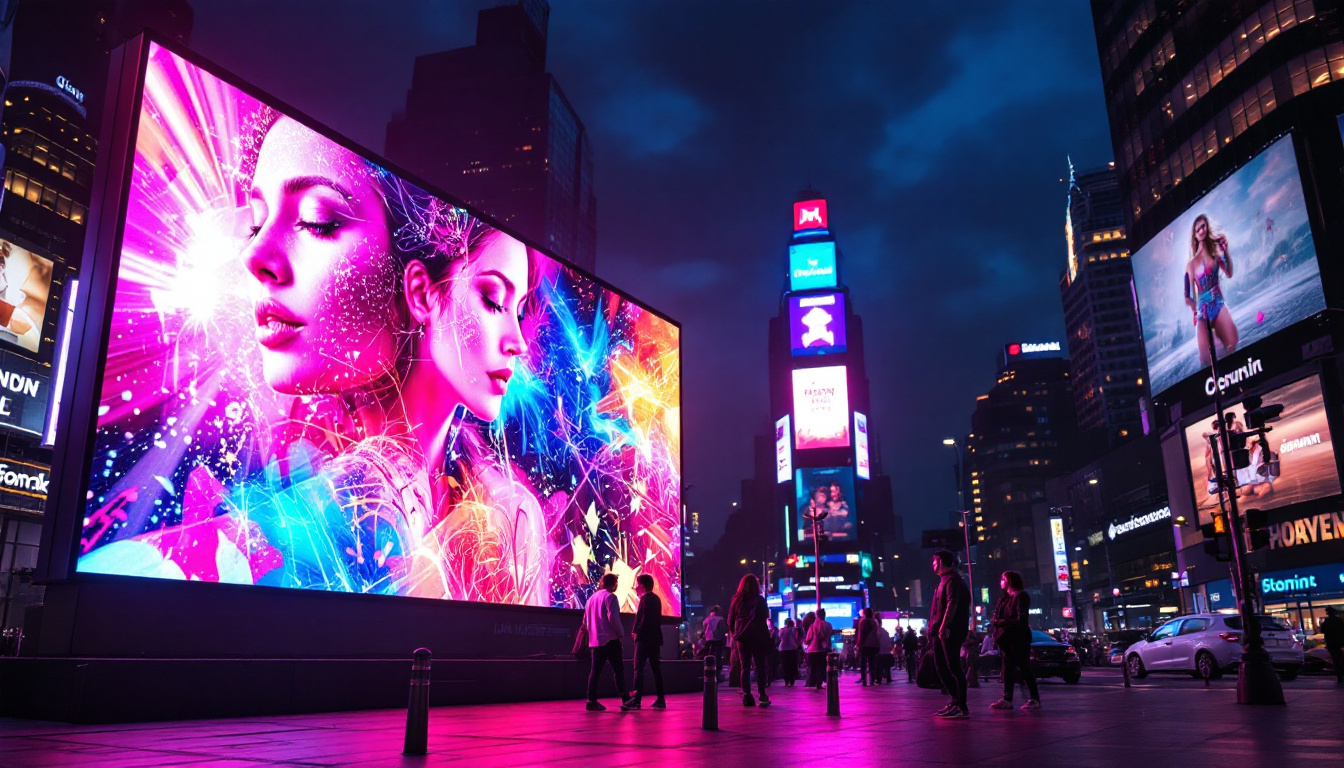
LED displays have revolutionized advertising by enabling high-impact, dynamic content that captures attention. In Portland, businesses leverage LED billboards and storefront displays to promote products and services with vibrant visuals that can be updated instantly.
According to industry reports, digital out-of-home advertising, which heavily relies on LED displays, is projected to grow by over 10% annually in the U.S., underscoring the importance of this medium for marketers.
Events and Entertainment
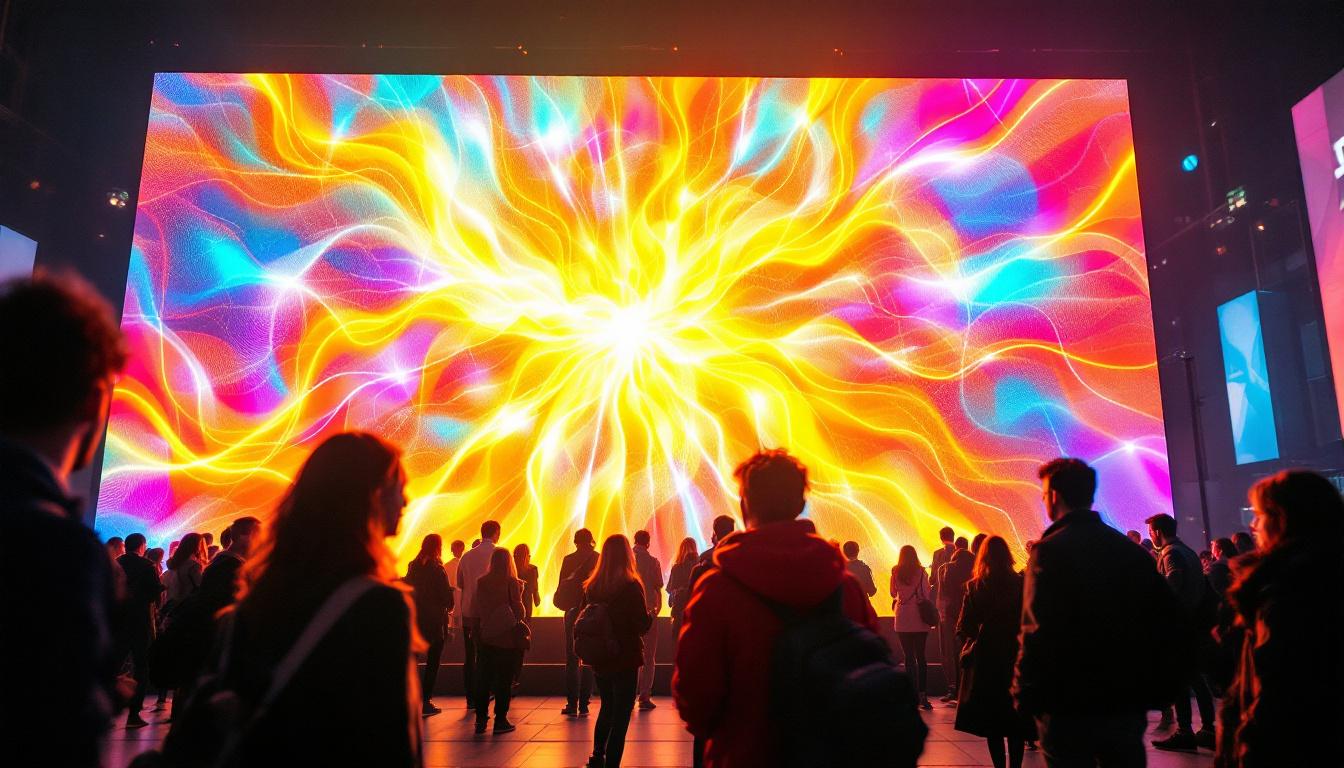
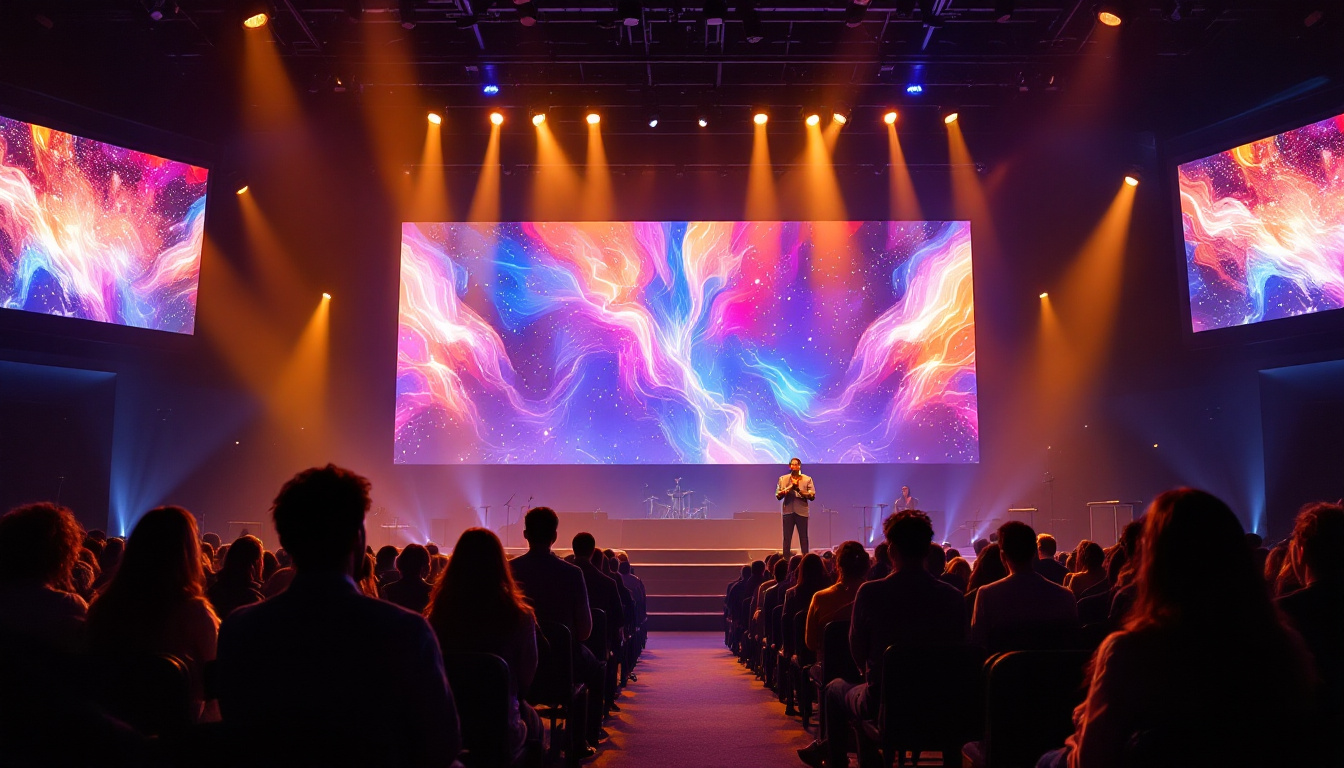
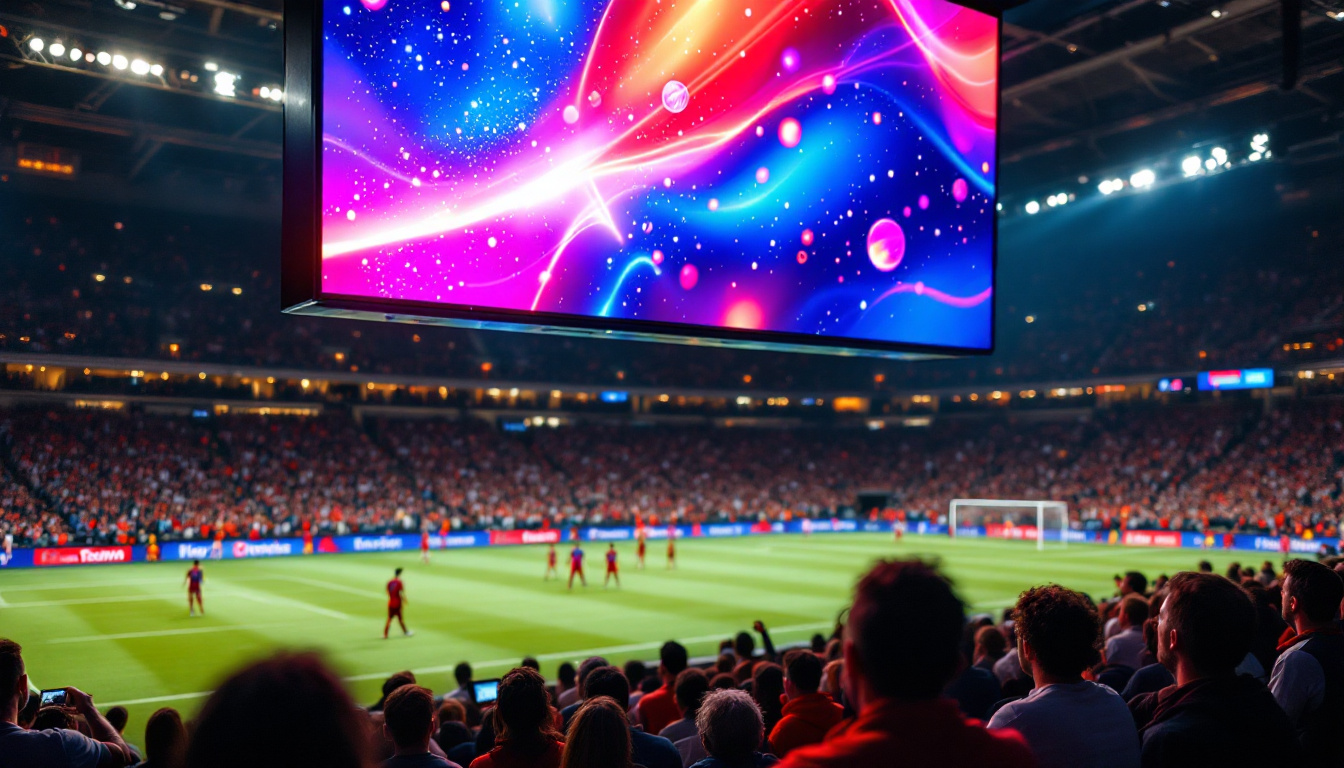
LED displays are integral to concerts, sports events, and festivals, providing large-scale visuals that enhance audience engagement. Portland’s event venues frequently utilize LED screens for live broadcasts, advertisements, and immersive experiences.
Moreover, the flexibility of LED technology allows for creative stage designs and interactive installations that transform entertainment experiences.
Benefits and Challenges of LED Displays
Advantages of LED Displays
LED displays offer several compelling benefits:
- Energy Efficiency: LEDs consume significantly less power compared to traditional lighting and display technologies.
- Longevity: High-quality LED displays can operate for tens of thousands of hours with minimal degradation.
- Brightness and Visibility: Exceptional brightness ensures clear visibility even in direct sunlight.
- Flexibility: The ability to create various sizes and shapes supports innovative design possibilities.
Challenges to Consider
Despite their advantages, LED displays also present challenges:
- Initial Cost: High upfront investment can be a barrier for some projects.
- Maintenance: Requires specialized knowledge for repairs and upkeep to maintain performance.
- Environmental Impact: Disposal and recycling of electronic components need careful management to minimize ecological footprint.
- Light Pollution: In urban areas, excessive brightness can contribute to light pollution, necessitating thoughtful design and regulation compliance.
Future Trends in LED Display Technology
Advancements in Miniaturization and Resolution
Emerging technologies are pushing the boundaries of LED displays by reducing pixel pitch, which increases resolution and image clarity. This trend enables ultra-high-definition displays suitable for close viewing distances, expanding applications in retail, museums, and control rooms.
Integration with Smart Technologies
The convergence of LED displays with Internet of Things (IoT) and artificial intelligence (AI) is creating smarter, more responsive systems. For example, LED displays can adjust brightness and content based on environmental conditions or audience demographics, enhancing user experience and energy efficiency.
Sustainable and Eco-Friendly Innovations
Environmental considerations are driving innovations in LED display manufacturing and operation. Developments include the use of recyclable materials, energy harvesting technologies, and designs that minimize light pollution. Autodesk’s Portland office is actively involved in developing software tools that support sustainable design practices in this field.
Conclusion
LED display technology represents a dynamic intersection of engineering, design, and digital innovation. Autodesk’s Portland, Oregon office plays a vital role in advancing this technology by providing powerful software tools that enable precise design, simulation, and integration of LED displays across various industries.
From urban architecture to advertising and entertainment, LED displays continue to transform how information and visuals are presented to the public. Understanding the technology, benefits, challenges, and future trends is essential for professionals and businesses aiming to leverage LED displays effectively.
As LED technology evolves, the collaboration between software developers, manufacturers, and designers will remain crucial in delivering innovative, sustainable, and impactful display solutions that meet the demands of modern society.
Explore Cutting-Edge LED Display Solutions with LumenMatrix
As you consider the future of LED displays and their transformative role in various industries, we invite you to experience the innovation firsthand with LumenMatrix. Our extensive range of LED display modules, from Indoor and Outdoor LED Wall Displays to Custom and All-in-One LED solutions, is designed to captivate your audience and amplify your message. Whether you’re enhancing brand visibility or creating immersive visual experiences, LumenMatrix is committed to revolutionizing visual communication. Check out LumenMatrix LED Display Solutions today and see how our state-of-the-art technology can elevate your projects.