In today’s world, television technology has evolved rapidly, with LED displays becoming the dominant choice for consumers seeking superior picture quality and energy efficiency. Understanding how LED displays work, their advantages, and common issues can empower users to make informed decisions and troubleshoot problems effectively. This article delves into the intricacies of LED displays, providing a comprehensive explanation suitable for anyone interested in AV electronics TV repair or simply wanting to understand their television better.
Understanding LED Display Technology
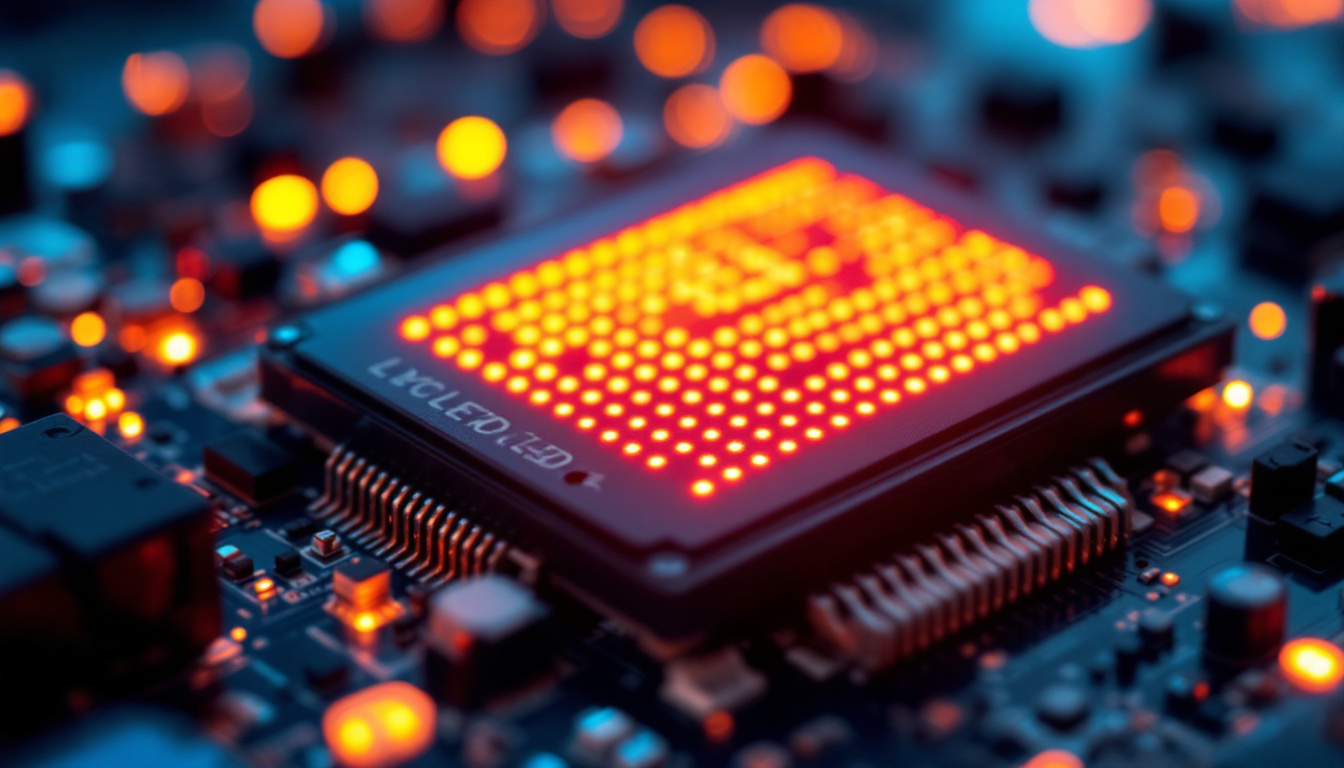
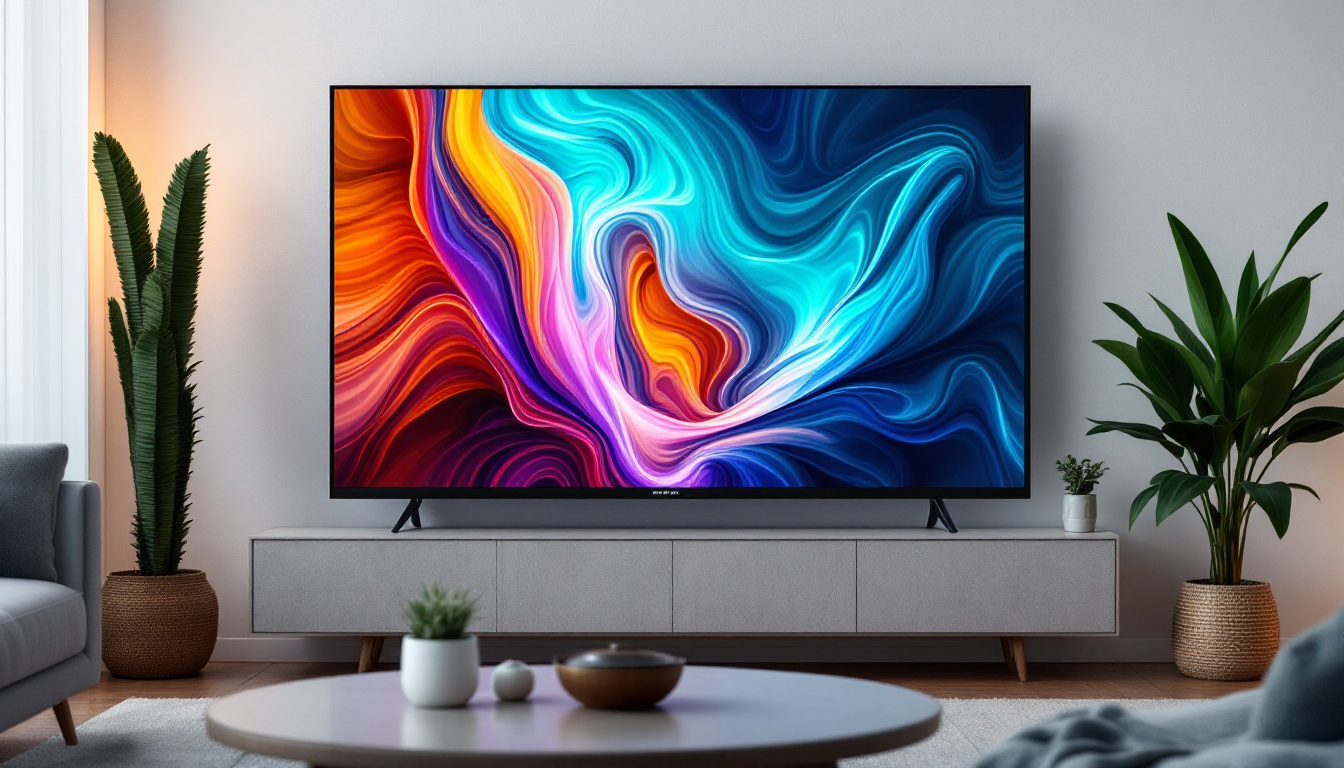
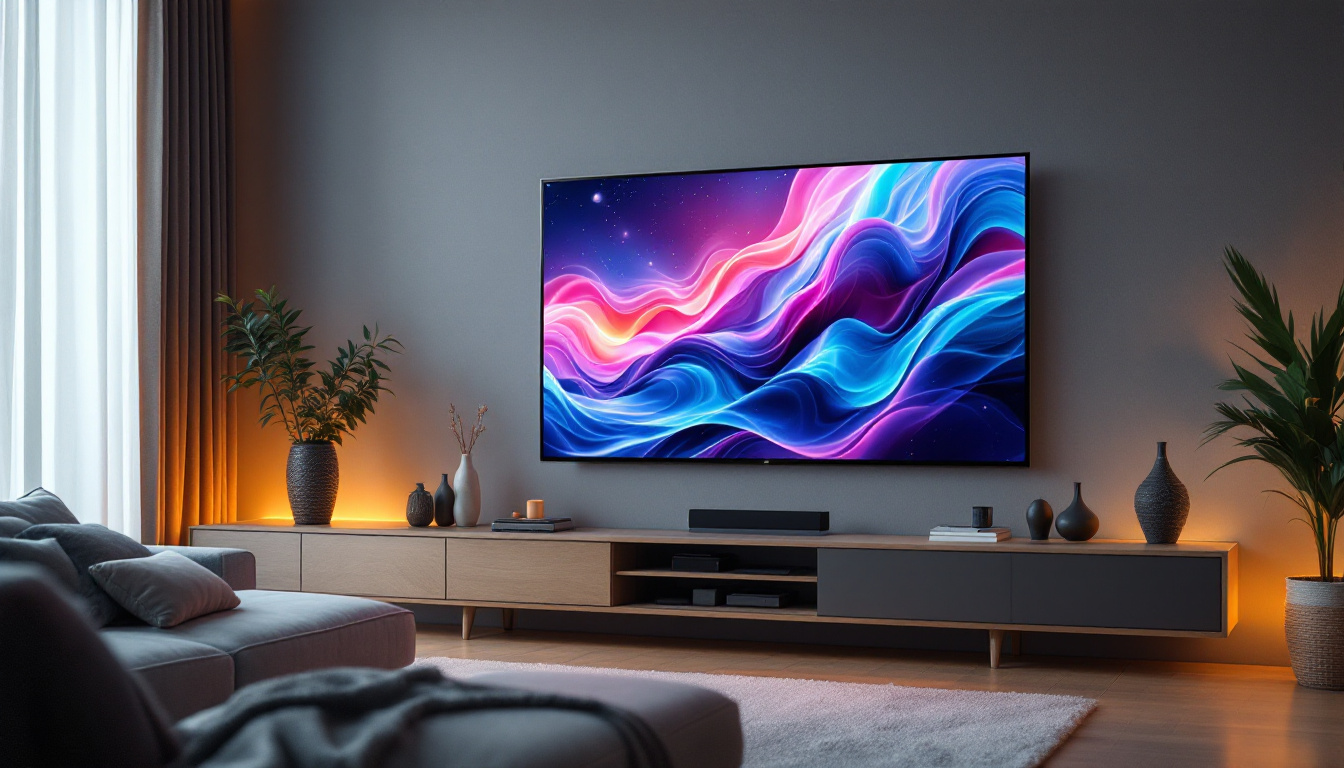
LED, or Light Emitting Diode, display technology is a type of flat-panel display that uses an array of light-emitting diodes as pixels to produce images. Unlike older LCD TVs that rely on cold cathode fluorescent lamps (CCFL) for backlighting, LED TVs use LEDs, which offer better brightness, contrast, and energy efficiency.
There are two primary types of LED displays: edge-lit and direct-lit (also known as full-array). Edge-lit LED TVs position LEDs along the edges of the screen, using light guides to distribute light evenly. Direct-lit LED TVs place LEDs directly behind the screen, allowing for more precise control of brightness and contrast.
How LED Displays Work
At the core of an LED TV is the LCD panel, which controls the color and image formation by manipulating liquid crystals. The LEDs serve as the backlight source, shining light through the LCD layer to create the visible image. The quality of the LED backlighting directly affects the TV’s brightness, color accuracy, and black levels.
Modern LED TVs often incorporate local dimming technology, which allows specific zones of LEDs to dim or brighten independently. This capability enhances contrast by producing deeper blacks in dark scenes while maintaining bright highlights, resulting in a more dynamic and immersive viewing experience.
In addition to local dimming, many LED displays now feature advanced technologies such as HDR (High Dynamic Range), which expands the range of colors and brightness levels that can be displayed. HDR content allows viewers to experience a more lifelike image, with vibrant colors and enhanced details in both the brightest and darkest areas of the picture. This technology has become increasingly popular, as streaming services and content creators embrace HDR to elevate the visual quality of their offerings.
Furthermore, the evolution of LED technology has led to the emergence of OLED (Organic Light Emitting Diode) displays, which provide even greater contrast and color accuracy by using organic compounds that emit light when an electric current is applied. While OLED displays are distinct from traditional LED displays, they share the same fundamental principles of using light to create images, and both technologies continue to compete in the market for superior visual performance. As consumers become more discerning about picture quality, the advancements in LED technology will likely continue to shape the future of display solutions.
Advantages of LED Displays Over Other Technologies
LED displays have several advantages compared to older technologies like plasma and CCFL-backlit LCDs. These benefits have contributed to their widespread adoption in the consumer electronics market.
Energy Efficiency and Longevity
LEDs consume significantly less power than CCFLs, making LED TVs more energy-efficient. According to the U.S. Department of Energy, LED-backlit TVs can use up to 30% less electricity than traditional LCD TVs with fluorescent backlighting. This efficiency translates into lower electricity bills and a reduced environmental footprint.
Additionally, LEDs have a longer lifespan, often exceeding 50,000 hours of use. This durability means fewer repairs and replacements over the TV’s lifetime, which is an important consideration for consumers and repair technicians alike. The longevity of LED displays also contributes to a more sustainable approach to electronics, as fewer devices end up in landfills, reducing electronic waste and the associated environmental impact.
Picture Quality Enhancements
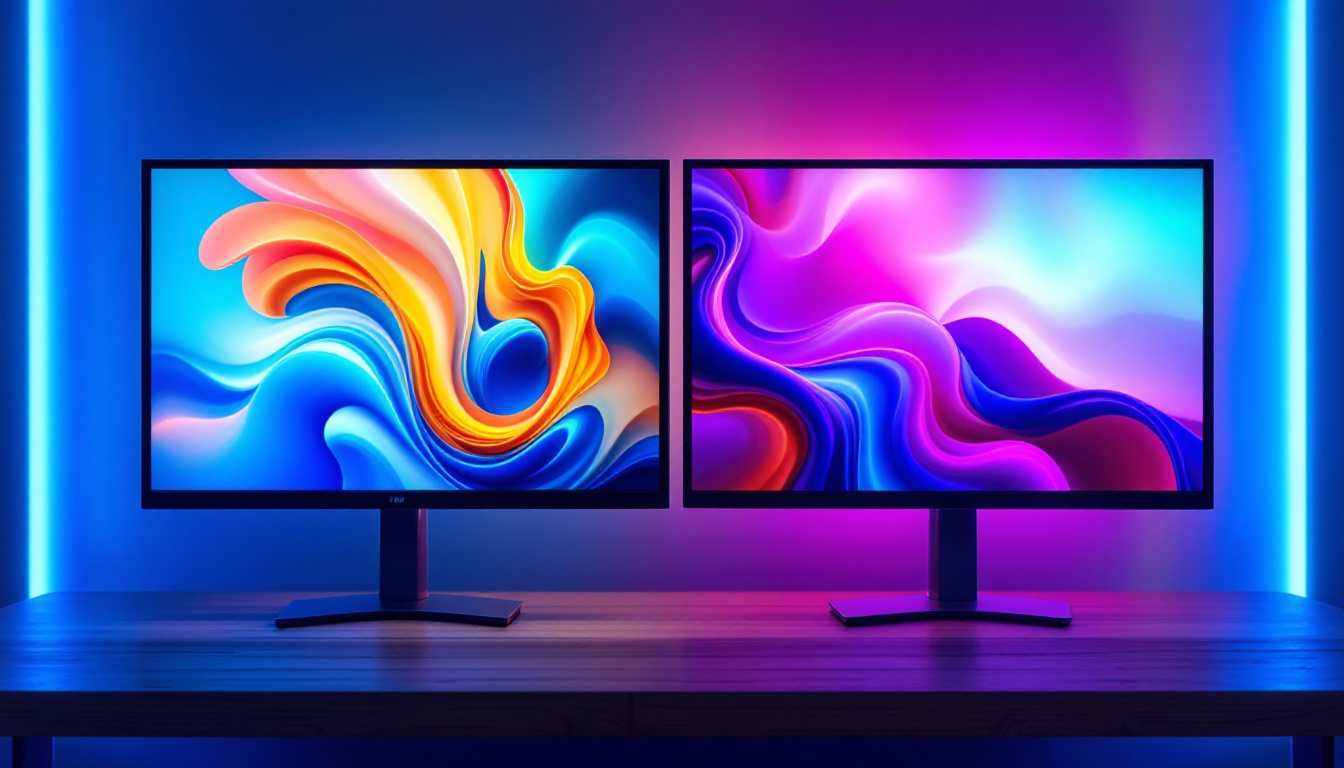
LED TVs offer superior picture quality, including higher brightness levels, better contrast ratios, and more accurate color reproduction. The ability to implement local dimming zones allows LED TVs to produce deeper blacks and more vibrant images, which is especially noticeable when watching high-definition or HDR content.
Furthermore, advancements in LED technology, such as quantum dot enhancement, have pushed color accuracy and brightness even further. Quantum dot LEDs (QLEDs) use nanocrystals to emit precise colors, resulting in a wider color gamut and improved HDR performance. This technology not only enhances the viewing experience for movies and sports but also makes LED displays ideal for gaming, where fast response times and vibrant visuals can significantly enhance gameplay. The combination of high refresh rates and low input lag in many LED models further solidifies their position as a top choice for gamers seeking immersive experiences.
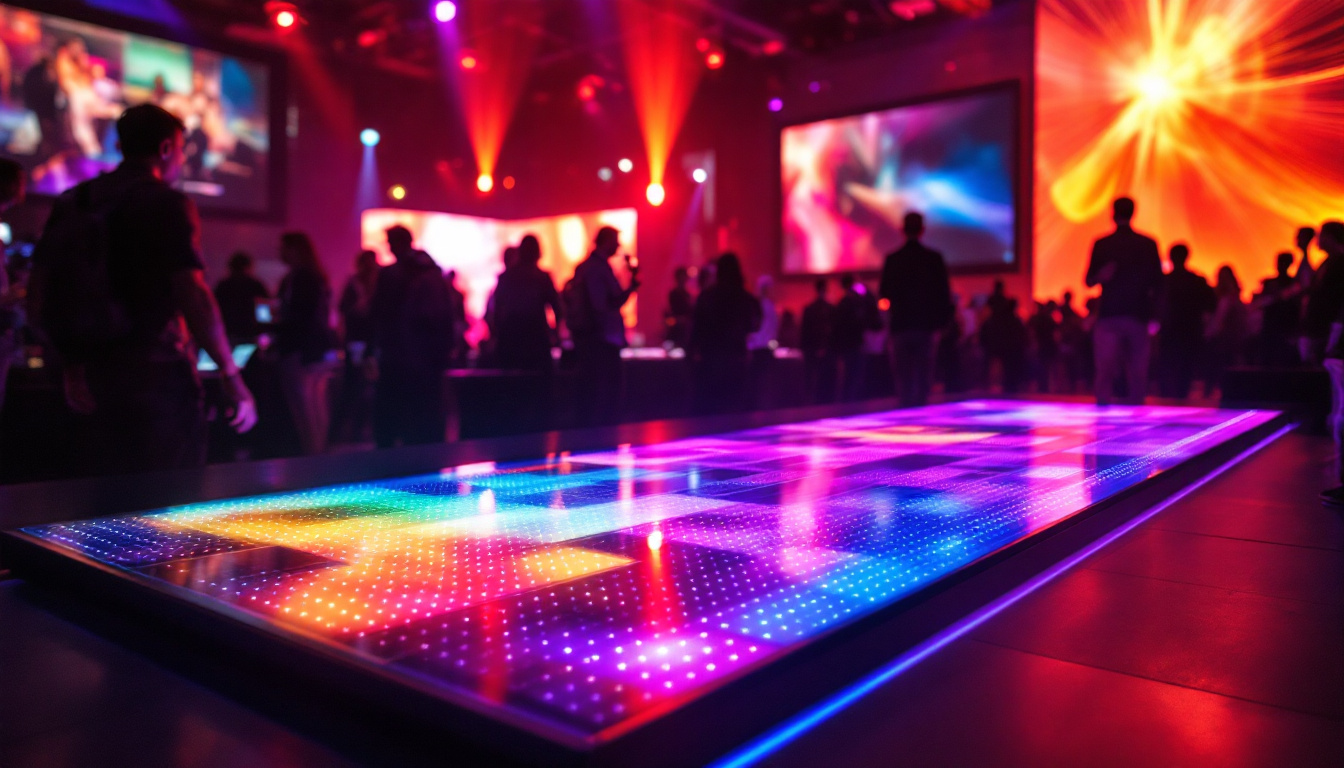
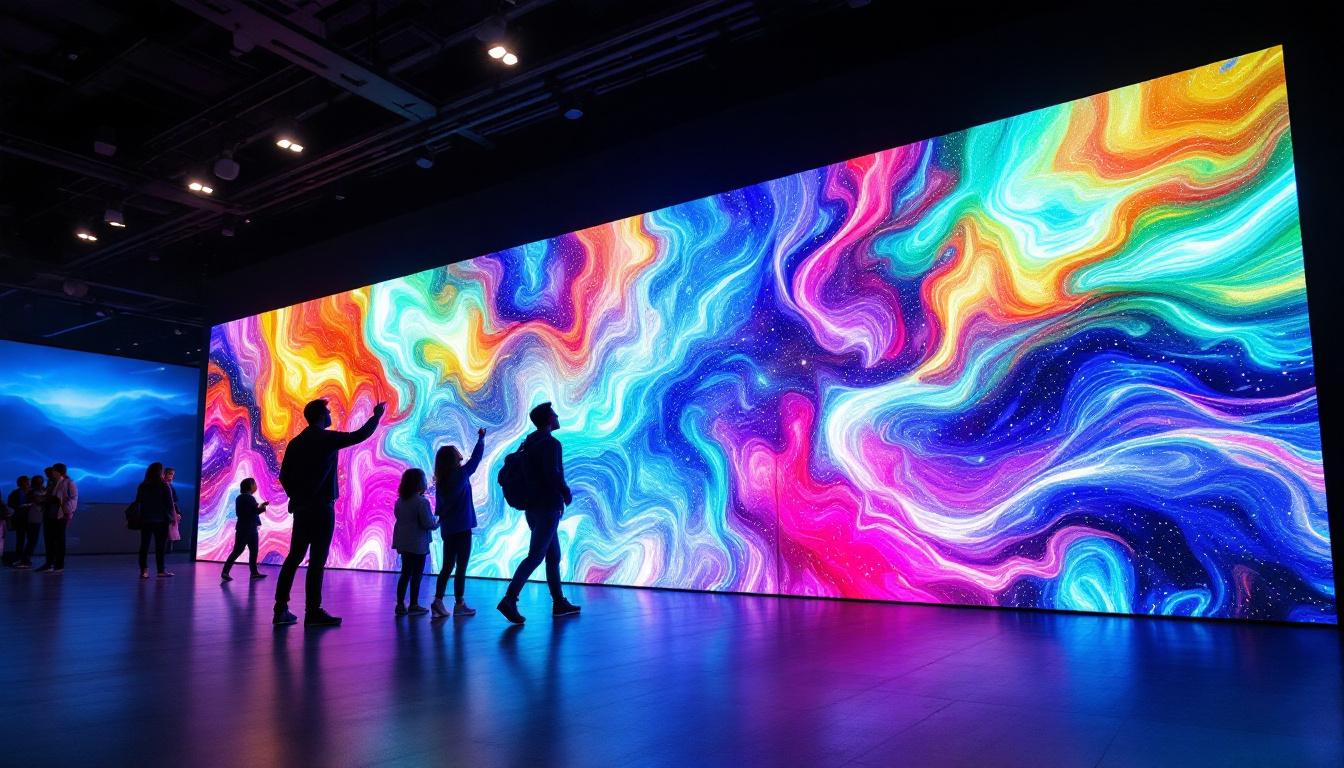
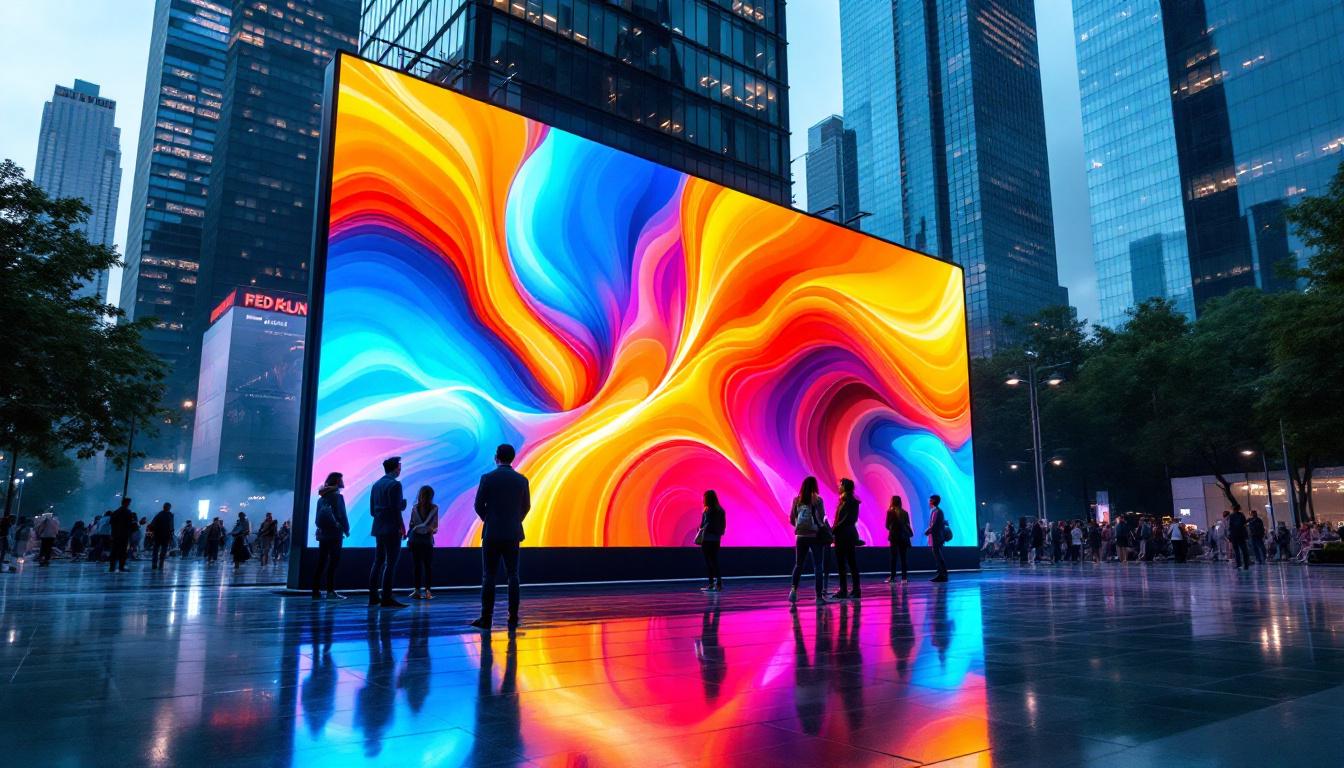
Moreover, the versatility of LED displays extends beyond just televisions. They are increasingly being used in commercial settings, such as digital signage and advertising, where their brightness and clarity can capture attention even in well-lit environments. This adaptability makes LED technology a preferred choice for businesses looking to engage customers effectively, showcasing promotions and information in a visually appealing manner. As the technology continues to evolve, we can expect even more innovative applications that leverage the unique strengths of LED displays.
Common LED Display Issues and Repair Insights
Despite their advantages, LED TVs can encounter issues that require repair. Understanding these common problems can help users identify when professional service is needed and what to expect during the repair process.
Backlight Failures
One of the most frequent issues in LED TVs is backlight failure. Since LEDs are responsible for illuminating the screen, a malfunctioning LED or LED array can cause dimming, flickering, or complete loss of backlight. Symptoms include a very dark screen where images are faintly visible when viewed closely under bright light.
Repairing backlight issues typically involves diagnosing whether individual LEDs or the power supply to the LEDs are faulty. In many cases, technicians replace the LED strips or the entire backlight assembly. This repair requires specialized tools and expertise, as the TV must be carefully disassembled without damaging delicate components.
Screen and Pixel Problems
Dead pixels, stuck pixels, or color distortion can also affect LED displays. These issues often stem from manufacturing defects, physical damage, or electrical faults within the LCD panel. While some pixel problems can be remedied through software-based pixel refresh techniques, severe damage usually necessitates panel replacement, which can be costly.
Power and Circuit Board Failures
LED TVs rely on complex circuitry to manage power distribution and signal processing. Failures in power supply boards, T-con boards, or main boards can lead to symptoms such as the TV not turning on, random shutdowns, or distorted images. Repairing these issues involves diagnosing faulty components and replacing them with compatible parts.
Tips for Maintaining LED Displays and Extending Their Lifespan
Proper care and maintenance can significantly extend the lifespan of an LED TV and reduce the likelihood of costly repairs. Here are some practical tips for users:
Optimal Placement and Usage
Avoid placing the TV in direct sunlight or near heat sources, as excessive heat can degrade electronic components and affect LED performance. Ensure adequate ventilation around the TV to prevent overheating during extended use.
Using the TV’s energy-saving settings can reduce power consumption and heat generation, further preserving the LEDs and internal circuitry.
Regular Cleaning
Dust and debris can accumulate on the screen and ventilation areas, potentially causing overheating or image quality issues. Use a soft, lint-free cloth to gently clean the screen and vents regularly. Avoid harsh chemicals or abrasive materials that can damage the screen’s surface.
Software Updates and Calibration
Manufacturers often release firmware updates that improve TV performance and fix bugs. Keeping the TV’s software up to date ensures optimal operation and compatibility with new content formats.
Periodic calibration of picture settings can maintain color accuracy and contrast. Many TVs include built-in calibration tools, or users can employ professional calibration services for the best results.
When to Seek Professional AV Electronics TV Repair Services
While some minor issues can be addressed by users, many LED TV problems require professional diagnosis and repair. Attempting complex repairs without proper knowledge can lead to further damage or void warranties.
Signs You Need Expert Assistance
If the TV exhibits persistent backlight flickering, complete loss of display, unusual noises, or power issues, it is advisable to contact a qualified AV electronics repair technician. Professionals have the tools and expertise to safely disassemble the TV, identify faulty components, and perform precise repairs.
Additionally, if the TV is under warranty, professional service ensures that repairs are conducted according to manufacturer standards, preserving warranty coverage.
Choosing a Reliable Repair Service
Selecting a reputable AV electronics repair provider is crucial for quality service. Look for technicians with certifications, positive customer reviews, and experience specifically with LED TV repairs. Transparent pricing and clear communication about repair timelines and costs are also important factors.
Many repair centers offer diagnostic services to pinpoint issues before proceeding with repairs, helping customers make informed decisions about whether to repair or replace their TV.
The Future of LED Display Technology
LED display technology continues to evolve, with innovations aimed at enhancing picture quality, reducing energy consumption, and enabling new form factors.
Mini-LED and Micro-LED Advances
Mini-LED technology uses thousands of tiny LEDs for backlighting, allowing for even more precise local dimming and improved contrast ratios. This technology bridges the gap between traditional LED and OLED displays, offering high brightness and deep blacks.
Micro-LEDs, which are self-emissive like OLEDs but composed of inorganic materials, promise exceptional brightness, longevity, and color accuracy without the burn-in issues associated with OLED panels. While still emerging, micro-LED displays are expected to become more common in premium TVs and commercial displays in the coming years.
Integration with Smart Technologies
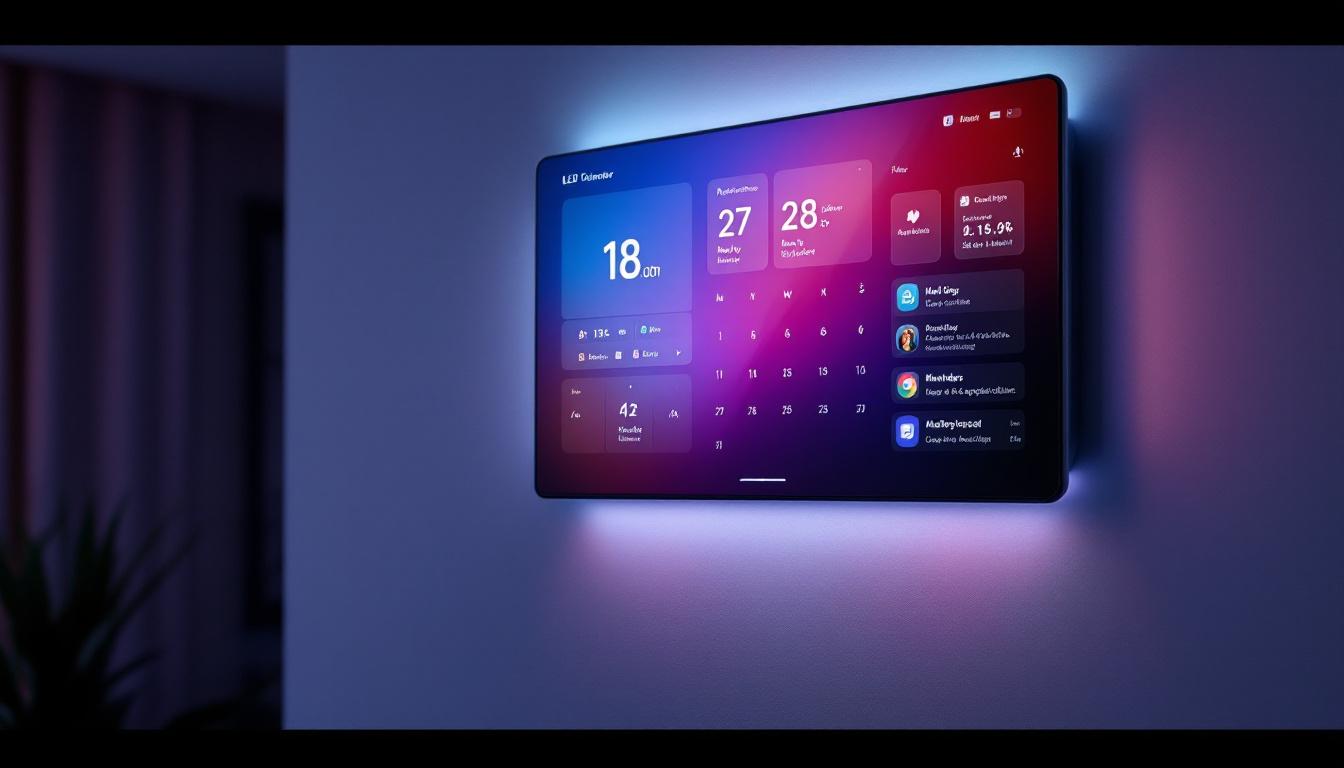
Modern LED TVs increasingly incorporate smart features, including voice control, AI-enhanced picture processing, and seamless integration with streaming platforms. These advancements improve user experience and make LED TVs central hubs in connected home entertainment systems.
Conclusion
LED display technology has transformed the television industry by offering enhanced picture quality, energy efficiency, and durability. Understanding how LED displays function and recognizing common issues can help users maintain their TVs effectively and seek professional repair when necessary. As technology advances, LED displays will continue to improve, providing even more immersive and reliable viewing experiences.
Whether troubleshooting a flickering backlight or exploring the benefits of quantum dot enhancements, knowledge about LED displays is invaluable for anyone involved in AV electronics TV repair or simply passionate about high-quality home entertainment.
Discover Cutting-Edge LED Display Solutions with LumenMatrix
As you consider the advancements and benefits of LED display technology for your home or business, LumenMatrix stands at the forefront of innovation, ready to elevate your visual experience. With a diverse range of products from Indoor and Outdoor LED Wall Displays to specialized solutions like Vehicle LED Displays and LED Sports Displays, LumenMatrix is committed to revolutionizing the way you communicate and engage with audiences. Embrace the future of visual storytelling and check out LumenMatrix LED Display Solutions today to transform your space with unparalleled clarity and impact.