In the competitive world of real estate, first impressions are everything. Home staging has evolved far beyond traditional furniture arrangement and décor choices. Today, audiovisual (AV) technology plays a pivotal role in enhancing property appeal, with LED displays becoming a powerful tool in the home staging arsenal. This article explores how LED displays are transforming AV home staging, offering sellers and agents innovative ways to showcase properties and captivate potential buyers.
Understanding AV Home Staging and Its Importance
Home staging is the art of preparing a residential property for sale by making it appealing to the highest number of potential buyers. Traditionally, staging involved decluttering, painting, and arranging furniture to highlight a home’s strengths. However, as buyer expectations evolve, so does the approach to staging.
Integrating audiovisual technology into home staging—known as AV home staging—adds a dynamic layer to the experience. It leverages sound, lighting, and visual displays to create immersive environments that resonate emotionally with buyers. According to the National Association of Realtors (NAR), staged homes can sell 17% faster and for up to 6% more than non-staged homes, underscoring the financial benefits of effective staging techniques.
Among AV tools, LED displays stand out for their versatility, brightness, and ability to deliver high-impact visuals that can highlight a home’s unique features or provide virtual tours. This makes LED displays a valuable investment for real estate professionals aiming to differentiate their listings.
Moreover, the integration of smart home technology into AV staging can significantly enhance the buyer’s experience. Features such as automated lighting, smart thermostats, and integrated sound systems not only showcase the home’s modern conveniences but also allow potential buyers to envision a lifestyle that complements their needs. For instance, a well-timed lighting change can create a cozy atmosphere during a showing, while a curated playlist can evoke feelings of relaxation and comfort, making the space feel more inviting.
Additionally, the strategic use of audiovisual elements can help tell a story about the property. For example, a video montage displaying the home’s history, neighborhood amenities, and local attractions can be played on a loop, engaging buyers and providing them with a deeper connection to the home. This storytelling approach not only captivates potential buyers but also helps them visualize their future in the space, making it easier for them to imagine themselves living there. As the market becomes increasingly competitive, these innovative staging techniques can be the key to standing out and making a lasting impression.
What Is an LED Display?
Basic Technology Behind LED Displays
LED stands for Light Emitting Diode, a semiconductor device that emits light when an electric current passes through it. LED displays are composed of numerous tiny LEDs arranged in a grid to form pixels, which collectively create images and videos. Unlike traditional LCD screens, LED displays are self-illuminating, meaning they do not require a backlight. This results in brighter images, better contrast, and more vibrant colors.
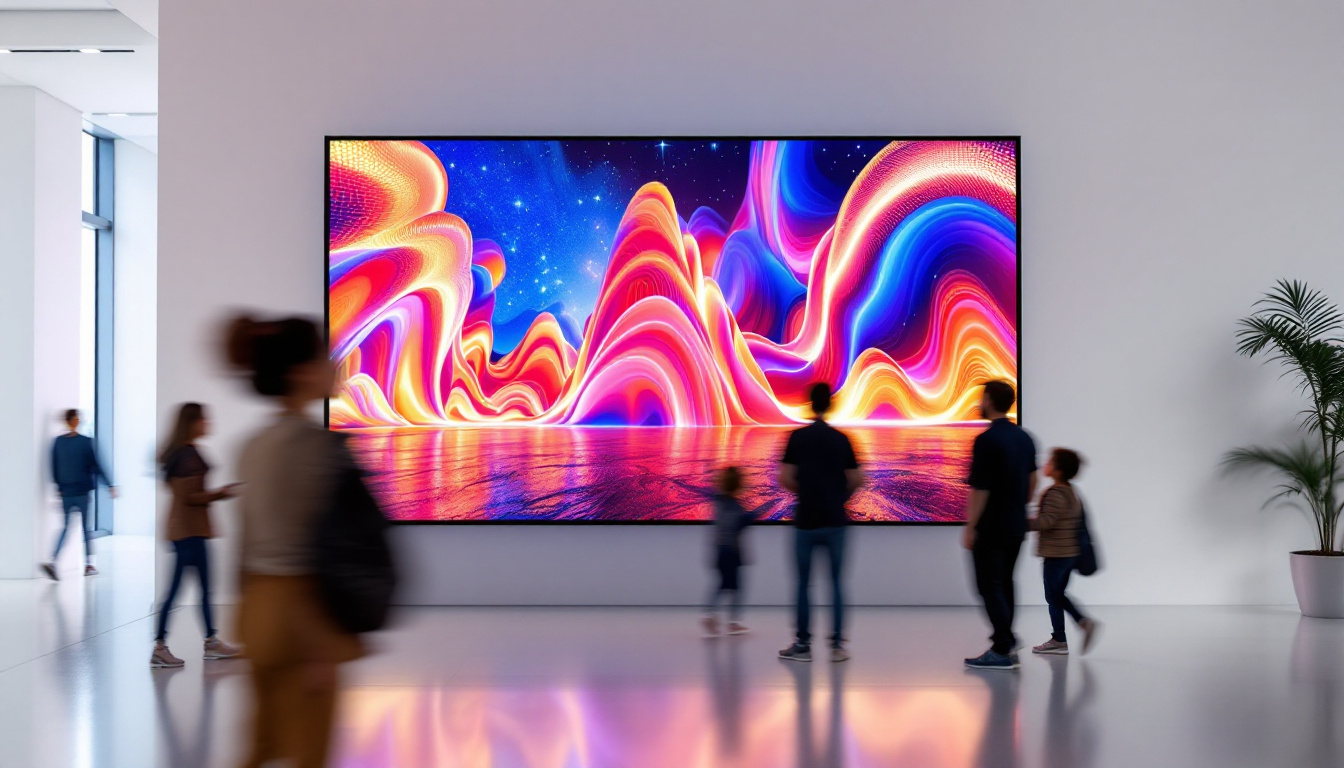
LED displays come in various forms, including indoor and outdoor panels, flexible screens, and transparent displays. Their scalability allows them to be customized in size and shape, making them ideal for diverse staging environments.
Types of LED Displays Used in Home Staging
In home staging, the most commonly used LED displays include:
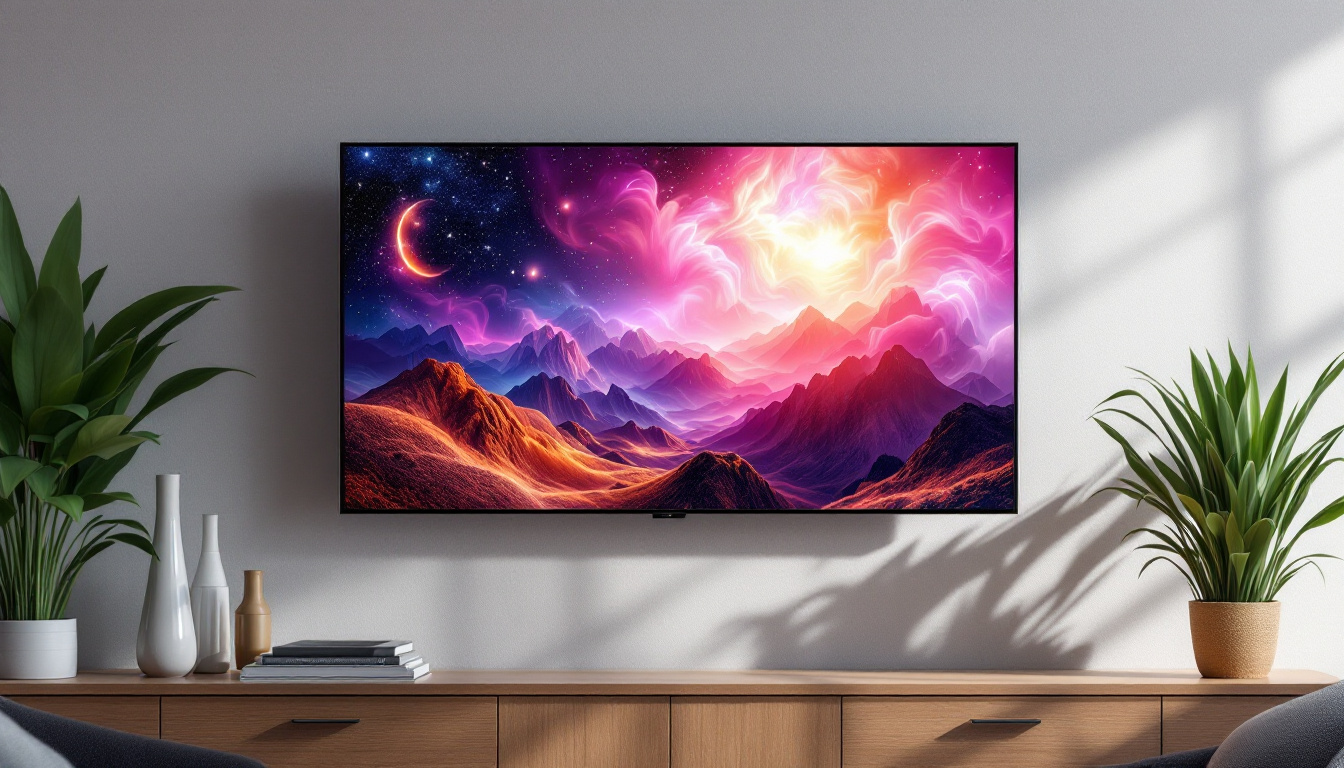
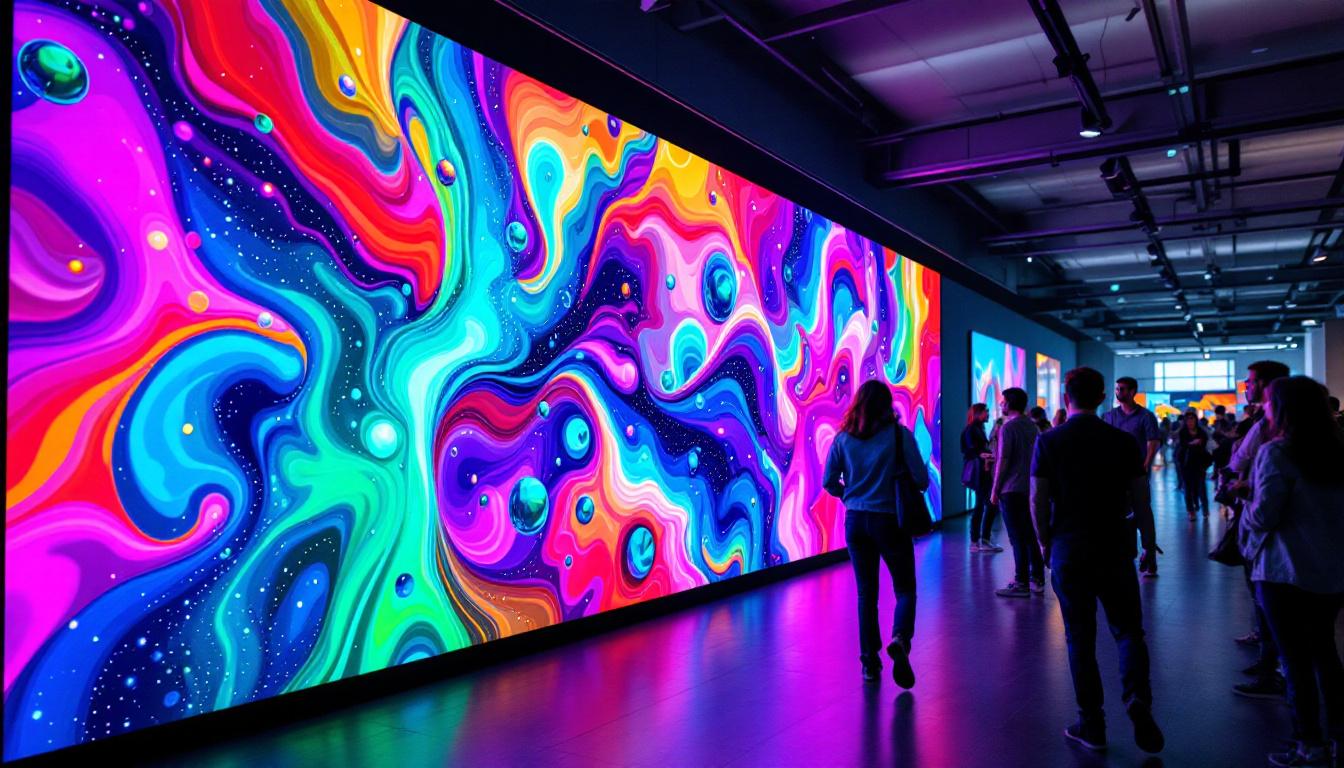
- Indoor LED Panels: These are high-resolution screens designed for interior use, perfect for showcasing property photos, videos, or virtual tours in living rooms or entryways.
- Transparent LED Displays: These innovative screens can be installed on windows or glass walls, allowing natural light to pass through while displaying digital content.
- Flexible LED Screens: These can be curved or shaped to fit unique architectural elements, adding a futuristic touch to staging setups.
The choice of display depends on the property’s layout, staging goals, and budget.
Benefits of Using LED Displays in AV Home Staging
Enhanced Visual Appeal and Engagement
LED displays bring properties to life by presenting high-definition images and videos that highlight key features such as spacious kitchens, landscaped gardens, or panoramic views. Dynamic content is more engaging than static photos, helping buyers visualize themselves living in the space.
For example, an LED screen can display a virtual walkthrough of the home, allowing buyers to explore areas that may be inaccessible during a physical visit. This immersive experience can increase emotional connection and accelerate decision-making.
Flexibility and Customization
One of the standout advantages of LED displays is their ability to adapt content in real time. Sellers or agents can tailor the visuals to different buyer demographics or market trends. For instance, during a family-oriented open house, the display might emphasize nearby schools and parks, while for young professionals, it could highlight nightlife and amenities.
This level of customization enhances the relevance of the staging presentation, making it more persuasive and memorable.
Improved Lighting and Ambiance
LED displays contribute to the overall ambiance by providing adjustable lighting that complements the home’s interior design. Unlike harsh fluorescent lights, LED screens emit soft, natural light that can be fine-tuned to create a welcoming atmosphere.
Studies show that well-lit homes are perceived as more spacious and inviting, which can positively influence buyer perceptions and offers.
Energy Efficiency and Sustainability
Modern LED displays are energy-efficient, consuming significantly less power than traditional lighting and projection systems. This aligns with the growing demand for sustainable practices in real estate marketing and home presentation.
Using LED technology not only reduces operational costs during staging events but also signals environmental responsibility, a factor increasingly valued by buyers.
Practical Applications of LED Displays in Home Staging
Virtual Tours and Interactive Presentations
Virtual tours have become a staple in real estate marketing, especially following the COVID-19 pandemic, which accelerated the adoption of digital tools. LED displays enhance these tours by providing crisp, large-format visuals that can be interacted with during open houses.
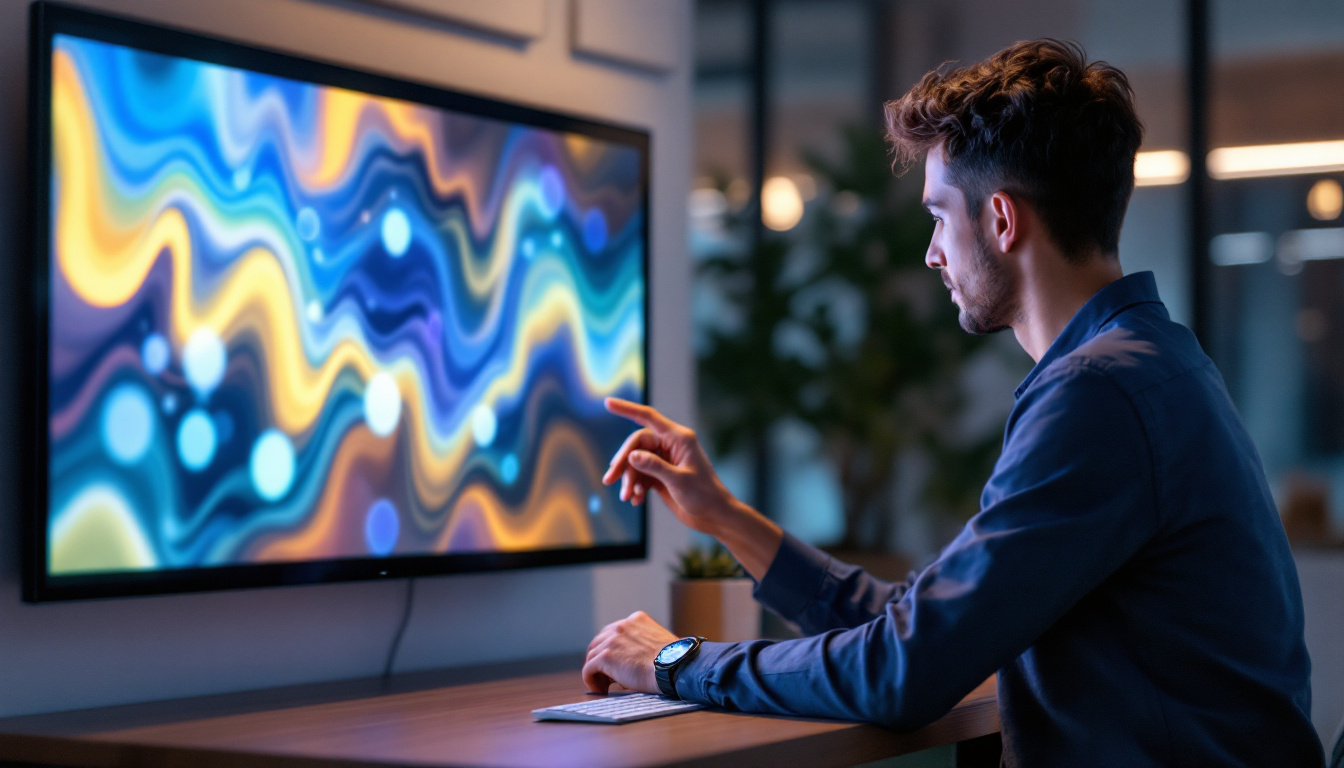
Touch-enabled LED screens allow buyers to navigate through different rooms, zoom in on details, or view renovation possibilities. This interactive element fosters deeper engagement and helps buyers make informed decisions.
Highlighting Property Features and Neighborhood Information
LED displays can be programmed to cycle through images and videos that showcase not only the home but also the surrounding community. Highlighting local schools, parks, shopping centers, and transportation options can add significant value to the presentation.
For example, a display might show a map with walking distances to nearby amenities or testimonials from residents, reinforcing the lifestyle benefits of the location.
Event and Open House Enhancements
During open houses, LED displays can serve as focal points, drawing visitors’ attention and providing continuous information without the need for constant verbal explanation by agents. This allows agents to focus on personal interactions while buyers absorb detailed content at their own pace.
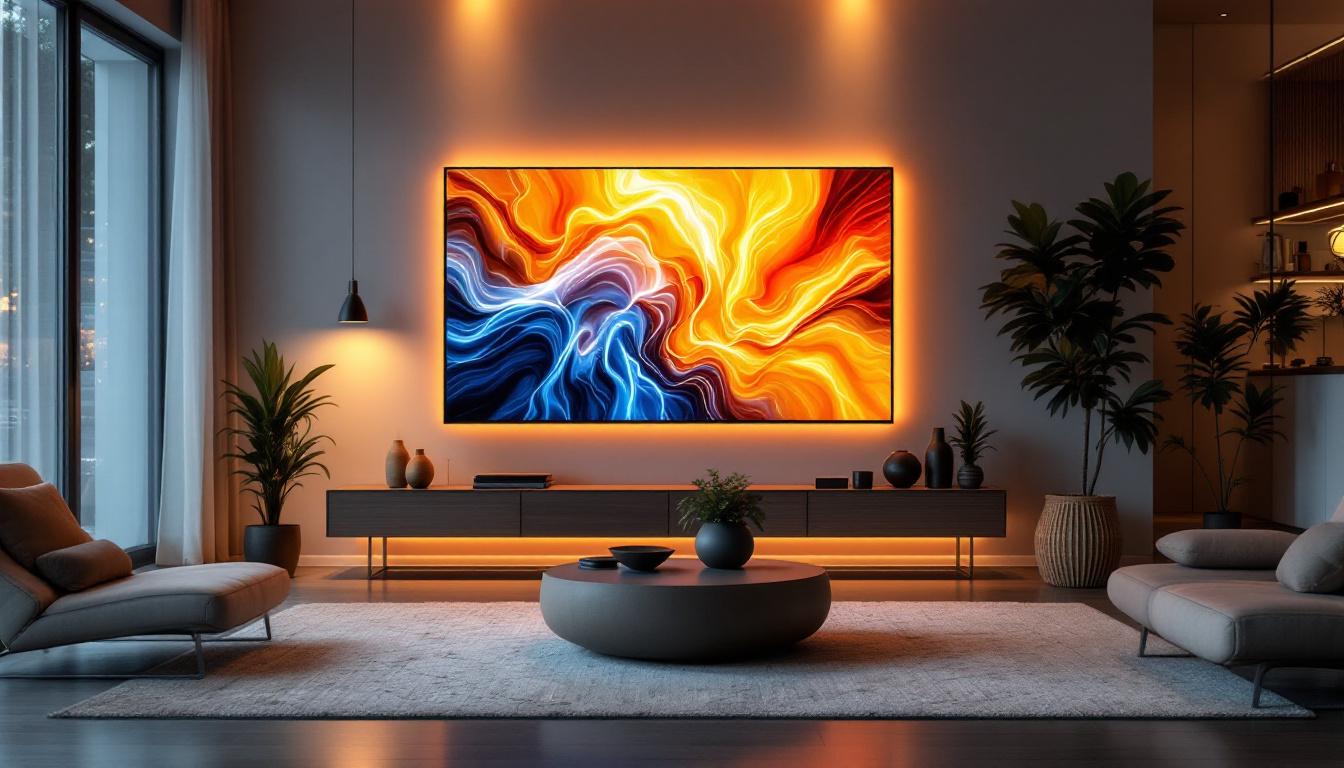
Additionally, LED walls can be used to create mood settings—such as simulating sunset lighting or seasonal decorations—that make the home feel more inviting and emotionally appealing.
Choosing the Right LED Display for Your Home Staging Needs
Assessing Property Size and Layout
The size and layout of the property are crucial factors in selecting an appropriate LED display. Large homes with spacious living areas can accommodate bigger screens or video walls, while smaller properties may benefit from compact, high-resolution panels that do not overwhelm the space.
Placement is equally important; displays should complement the flow of the home and avoid obstructing natural light or architectural features.
Resolution and Image Quality
High resolution is essential to ensure that images and videos appear sharp and professional. For indoor staging, a pixel pitch (the distance between LED pixels) of 1.5 to 2.5 millimeters is recommended to achieve clear visuals at close viewing distances.
Investing in quality content production—professional photography and video—is equally important to maximize the impact of the LED display.
Budget Considerations
While LED displays can represent a significant upfront investment, their benefits often justify the cost through faster sales and higher offers. Rental options are also available for agents or sellers who prefer a short-term solution.
It’s important to balance features with budget constraints, prioritizing key aspects such as brightness, resolution, and size to ensure a worthwhile return on investment.
Future Trends in AV Home Staging with LED Displays
Integration with Smart Home Technology
As smart home devices become more prevalent, LED displays are increasingly integrated with home automation systems. This allows for synchronized lighting, sound, and visual effects that create seamless and personalized staging experiences.
For example, an LED display could adjust its content based on the time of day or the presence of visitors, enhancing engagement and convenience.
Augmented Reality (AR) and Mixed Reality Enhancements
Emerging technologies like AR and mixed reality are poised to revolutionize home staging further. LED displays can serve as portals for AR content, overlaying digital furniture, décor, or renovation ideas onto the physical space.
This immersive approach helps buyers visualize potential modifications and fosters a deeper emotional connection to the property.
Eco-Friendly and Sustainable Innovations
Advancements in LED technology continue to improve energy efficiency and reduce environmental impact. Future LED displays will likely incorporate recyclable materials and smart energy management features, aligning with the real estate industry’s push toward sustainability.
Staging with eco-conscious technology can appeal to environmentally aware buyers and enhance a property’s marketability.
Conclusion
LED displays have emerged as a transformative element in AV home staging, offering unmatched visual impact, flexibility, and engagement. By leveraging this technology, real estate professionals can create immersive, customized presentations that highlight a property’s best attributes and appeal to modern buyers’ expectations.
As the real estate market becomes increasingly digital and competitive, incorporating LED displays into home staging strategies is not just an option but a necessity for those seeking to maximize property value and accelerate sales. Understanding the technology, benefits, and practical applications of LED displays empowers sellers and agents to make informed decisions that elevate their marketing efforts and ultimately, their success.
Discover the Future of AV Home Staging with LumenMatrix
Ready to elevate your property’s appeal and captivate potential buyers with cutting-edge AV staging? LumenMatrix is at the forefront of LED display innovation, offering a wide range of solutions tailored to your staging needs. From Indoor LED Walls to Custom Displays and Transparent Screens, our technology is designed to create immersive visual experiences that engage and inspire. Don’t let your property blend in—make it stand out with LumenMatrix LED Display Solutions. Check out LumenMatrix LED Display Solutions today and transform your real estate marketing into an unforgettable visual journey.