In today’s digital age, LED displays have become an integral part of visual communication, transforming everything from advertising and entertainment to information dissemination and public safety. Understanding how LED displays work, their various types, and their applications can help businesses and consumers make informed decisions when selecting visual display technology. This article delves into the fundamentals of LED displays, exploring their technology, advantages, and practical uses.
What is an LED Display?
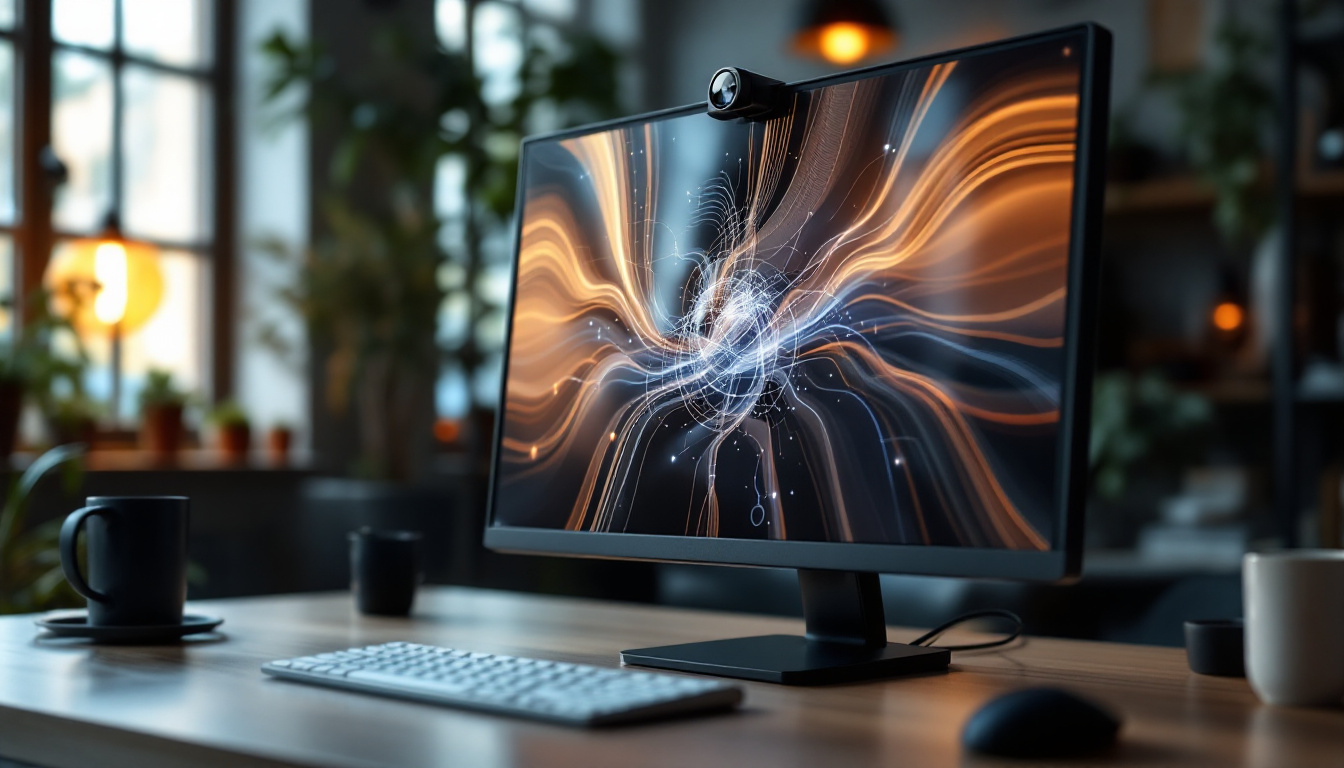
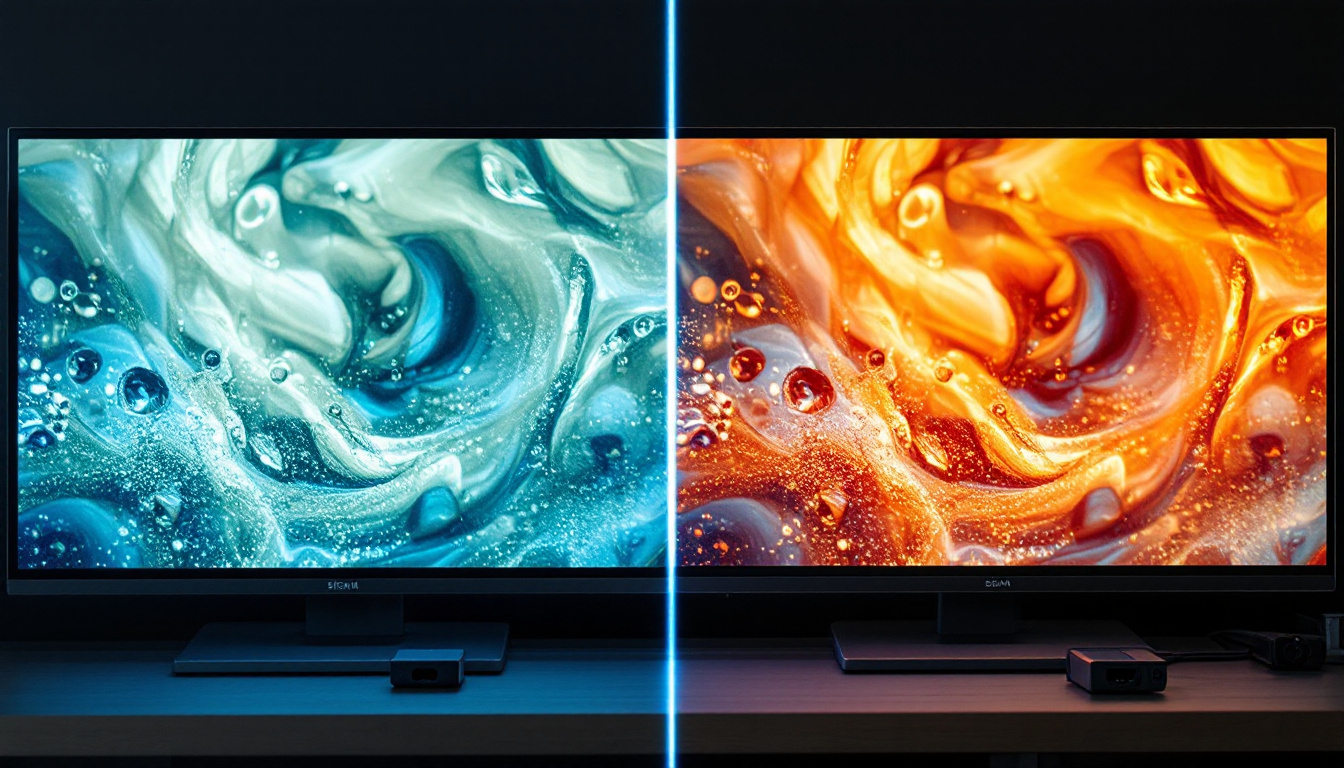
LED stands for Light Emitting Diode, a semiconductor device that emits light when an electrical current passes through it. An LED display is a flat panel display that uses an array of these tiny LEDs as pixels to create images, videos, or text. Unlike traditional display technologies such as LCD or plasma, LED displays rely on direct light emission, which results in brighter images and better contrast ratios. This direct emission allows for deeper blacks and more vivid colors, enhancing the overall viewing experience.
LED displays can be found in various formats, from small digital clocks and smartphone screens to massive outdoor billboards and stadium screens. Their versatility and scalability make them suitable for both indoor and outdoor environments, offering high visibility even under direct sunlight. Additionally, the energy efficiency of LED technology means that these displays consume less power compared to their predecessors, making them a more sustainable choice for businesses and consumers alike.
The Basics of LED Technology
Each pixel in an LED display is composed of one or more LEDs, typically red, green, and blue (RGB) diodes. By varying the intensity of each color, the display can produce a full spectrum of colors. This RGB color mixing principle is fundamental to how LED displays render images with vibrant colors and sharp details. The ability to achieve such a wide range of colors makes LED displays particularly popular in applications where visual impact is crucial, such as advertising and entertainment.
The LEDs are arranged in a grid pattern, and the resolution of the display depends on the density of these pixels. Higher pixel density means higher resolution and sharper images. Modern LED displays can achieve resolutions comparable to high-definition television standards, making them suitable for detailed video playback and graphic content. Furthermore, advancements in technology have led to the development of flexible LED displays that can be curved or shaped to fit unique spaces, opening up new possibilities for creative installations in architecture and design.
Types of LED Displays
LED displays come in several types, each designed for specific applications and environments. Understanding these types helps in choosing the right display for a given use case.
1. Indoor LED Displays
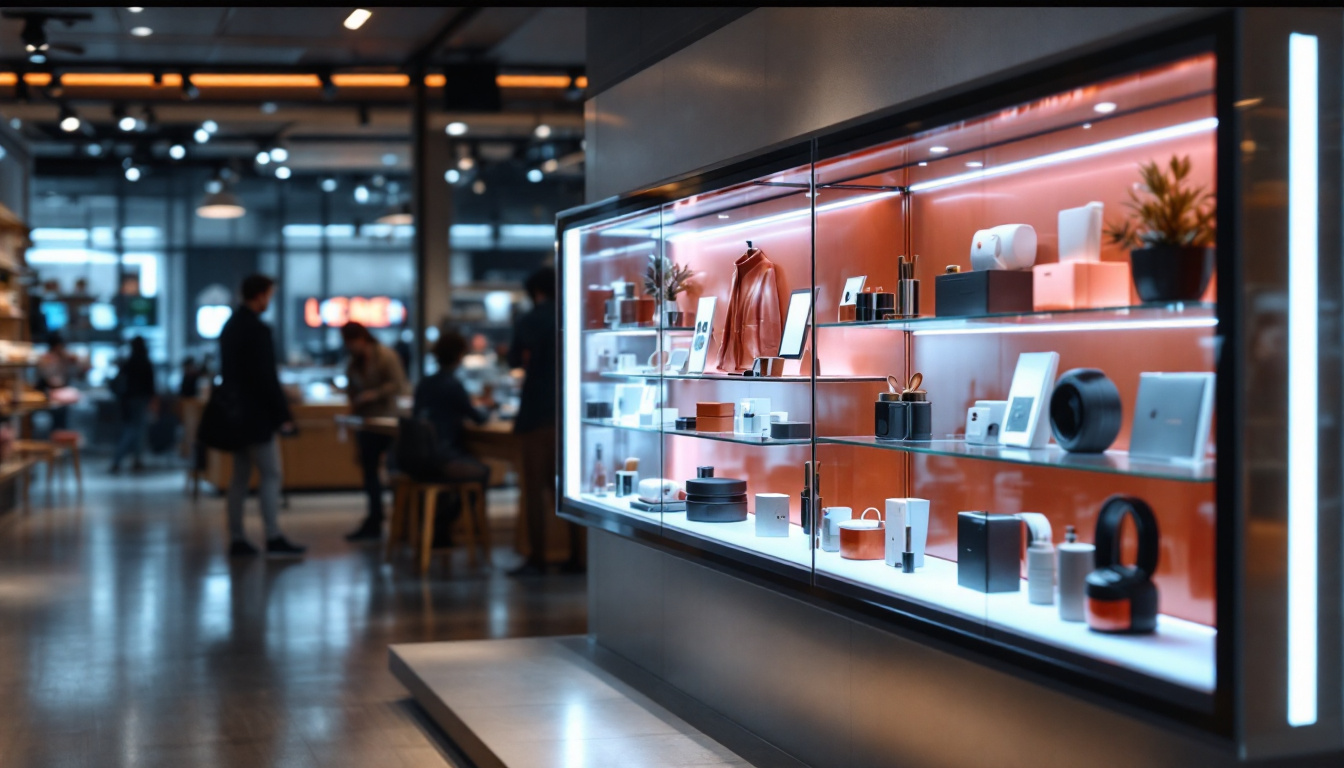
Indoor LED displays are designed for environments with controlled lighting, such as conference rooms, retail stores, airports, and concert halls. They typically feature smaller pixel pitches (the distance between individual LEDs), ranging from 1mm to 4mm, which allows for higher resolution and closer viewing distances.
These displays are often used for digital signage, video walls, and interactive kiosks. Their brightness levels are optimized for indoor lighting conditions, generally between 800 and 1,200 nits, ensuring clear visibility without causing glare. Additionally, indoor LED displays can incorporate advanced features such as touch sensitivity, enabling interactive experiences that engage audiences in a more immersive way. This interactivity is particularly beneficial in retail settings, where customers can browse products or access information directly from the display.
2. Outdoor LED Displays
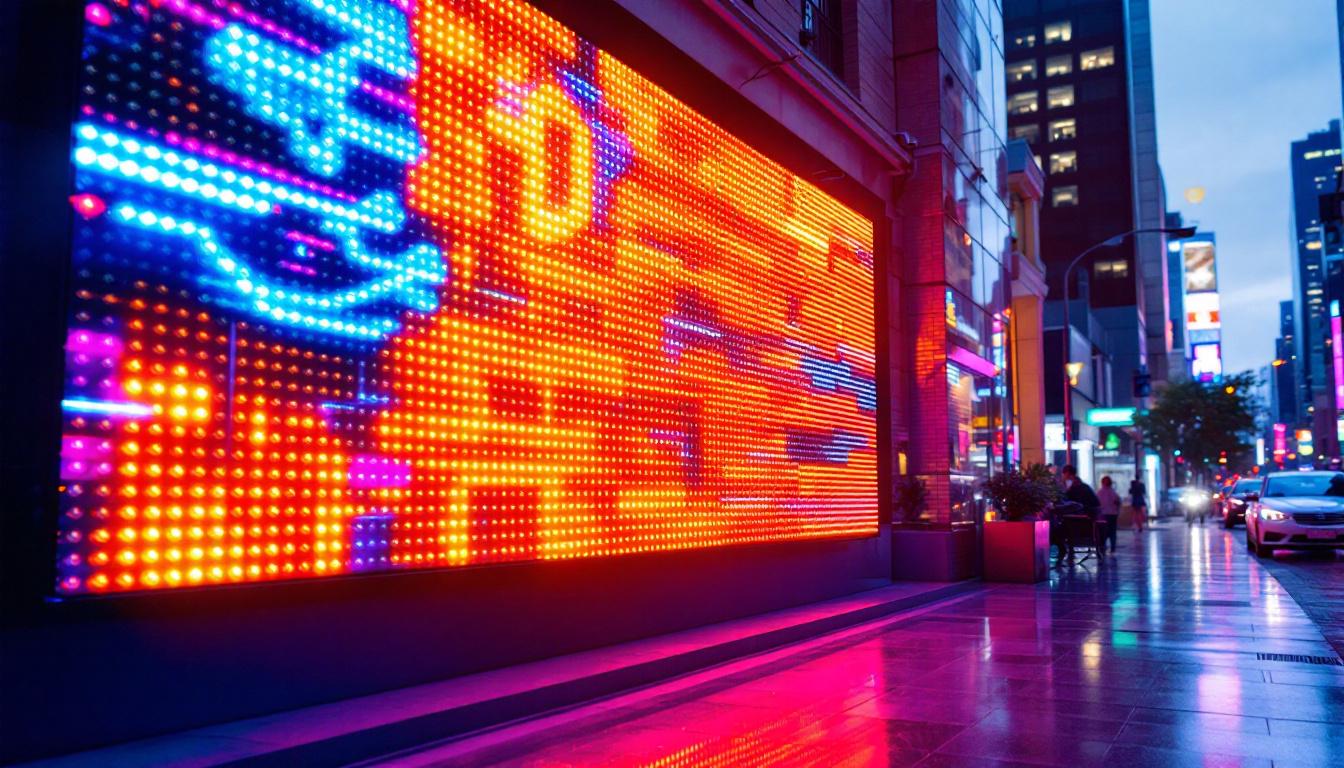
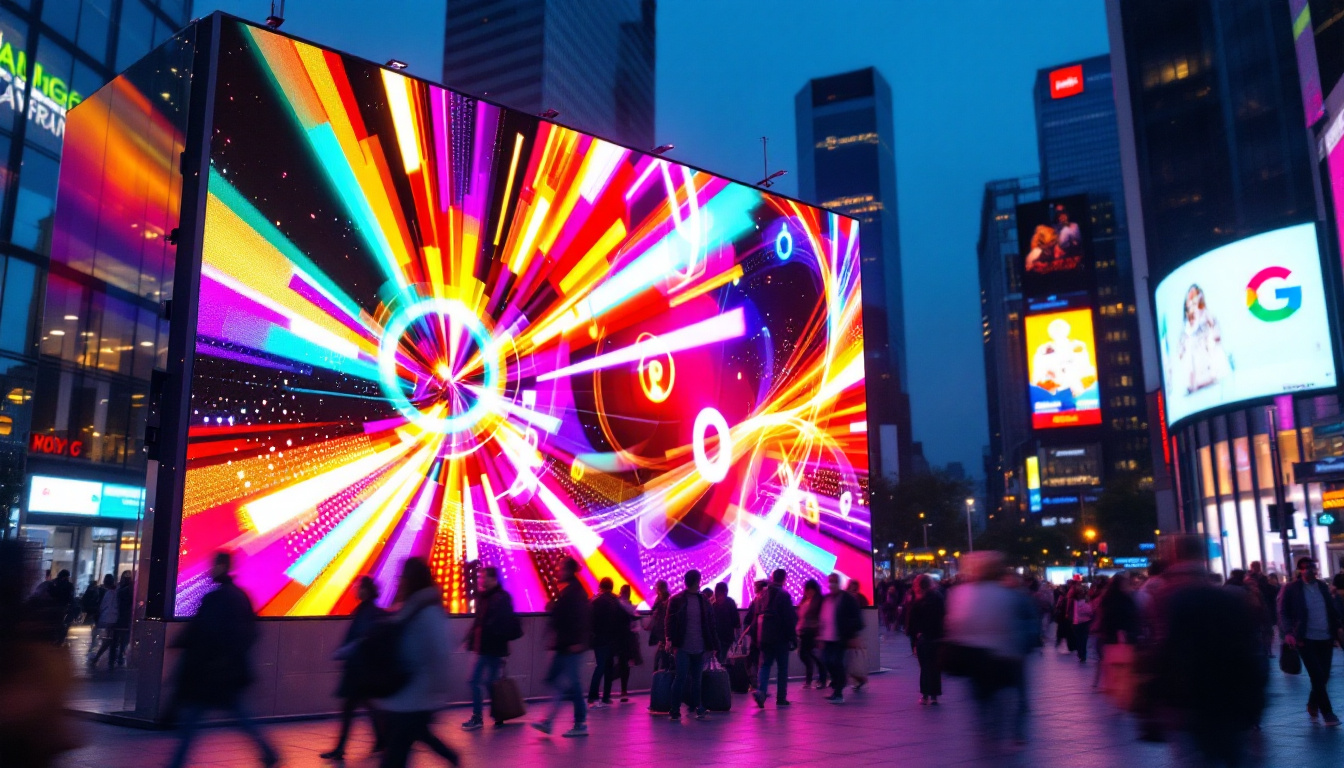
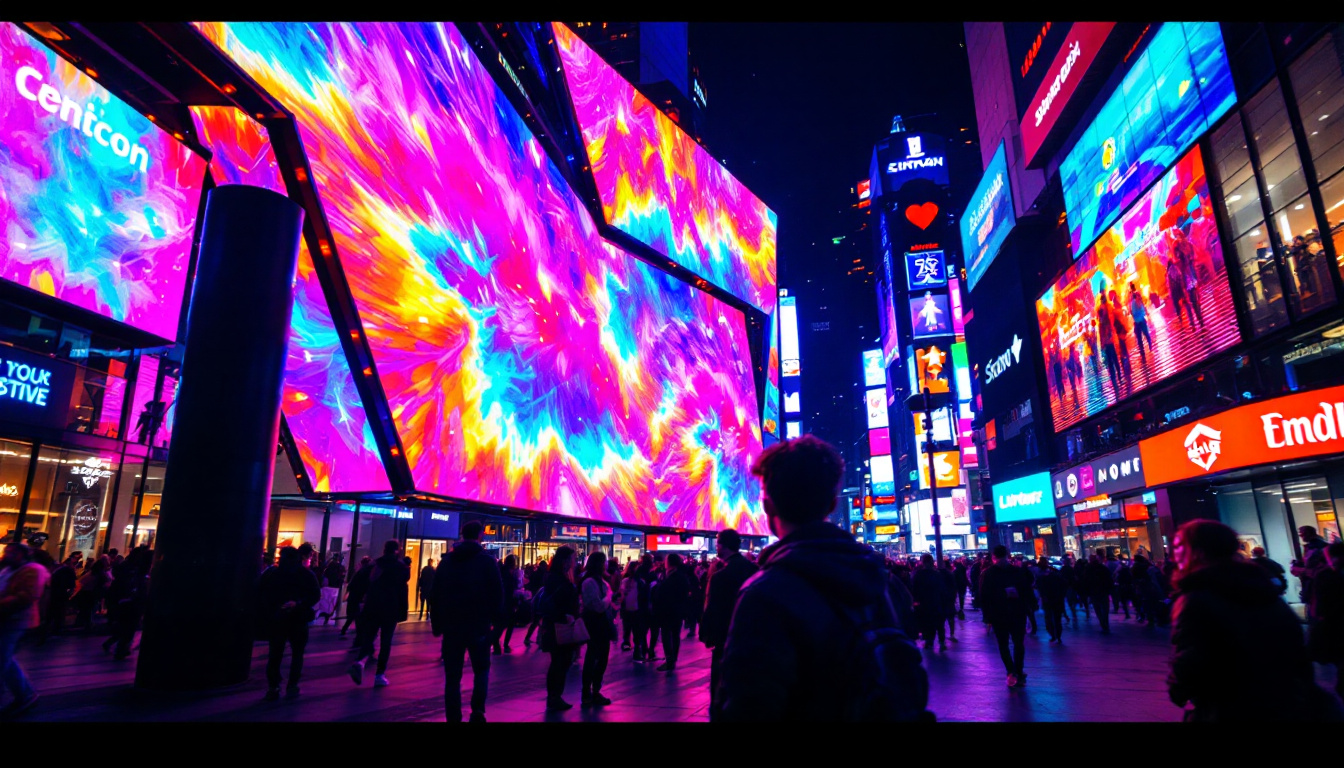
Outdoor LED displays are built to withstand harsh weather conditions and bright ambient light, such as direct sunlight. They have larger pixel pitches, often between 6mm and 20mm, as they are viewed from greater distances. The brightness levels for outdoor displays can exceed 5,000 nits, making them highly visible even in daylight.
Common applications include billboards, sports stadium screens, transportation signage, and public information boards. These displays are typically weatherproof, dust-resistant, and equipped with cooling systems to maintain performance in extreme temperatures. Furthermore, outdoor LED displays are often designed with energy efficiency in mind, utilizing advanced technologies that reduce power consumption while maintaining high brightness levels. This not only lowers operational costs but also contributes to sustainability efforts, making them an attractive option for businesses looking to minimize their environmental impact.
3. Transparent LED Displays
Transparent LED displays are an innovative type of screen that allows light to pass through, making them ideal for glass windows or storefronts. They combine LED technology with transparent substrates, enabling dynamic content display without obstructing the view behind the screen.
This technology is gaining popularity in retail environments and architectural installations, where it provides an engaging way to attract customers while maintaining natural light and visibility. Transparent LED displays can also be used in creative ways, such as showcasing promotional content while allowing passersby to see into a store or exhibit. This dual functionality not only enhances the aesthetic appeal of a space but also creates a unique advertising medium that blends seamlessly with its surroundings, making it a cutting-edge solution for modern businesses looking to stand out in a competitive market.
Key Advantages of LED Displays
LED displays offer several advantages over other display technologies, which explain their widespread adoption across industries.
Superior Brightness and Contrast
One of the most significant benefits of LED displays is their high brightness levels. LEDs emit light directly, unlike LCDs that rely on backlighting, resulting in brighter images and better contrast ratios. This makes LED displays ideal for outdoor use and environments with high ambient light.
High contrast ratios enhance image clarity and depth, improving the viewing experience for audiences. This is especially important for advertising and entertainment, where visual impact drives engagement.
Energy Efficiency and Longevity
LED technology is known for its energy efficiency. LEDs consume significantly less power compared to traditional lighting and display technologies, reducing operational costs. Additionally, LEDs have a longer lifespan, often exceeding 50,000 hours of use, which translates to lower maintenance and replacement expenses.
Energy efficiency also aligns with sustainability goals, making LED displays an environmentally friendly choice for businesses seeking to reduce their carbon footprint.
Flexibility and Customization
LED displays can be manufactured in various shapes and sizes, from small modules to massive video walls. This flexibility allows for creative installations tailored to specific spatial and aesthetic requirements.
Moreover, LED displays support dynamic content, including videos, animations, and real-time data feeds, enabling businesses to deliver targeted and timely messages. Advanced control systems facilitate seamless content management and scheduling.
Applications of LED Displays
The versatility of LED displays has led to their adoption in numerous sectors, each leveraging the technology’s strengths to meet unique needs.
Advertising and Marketing
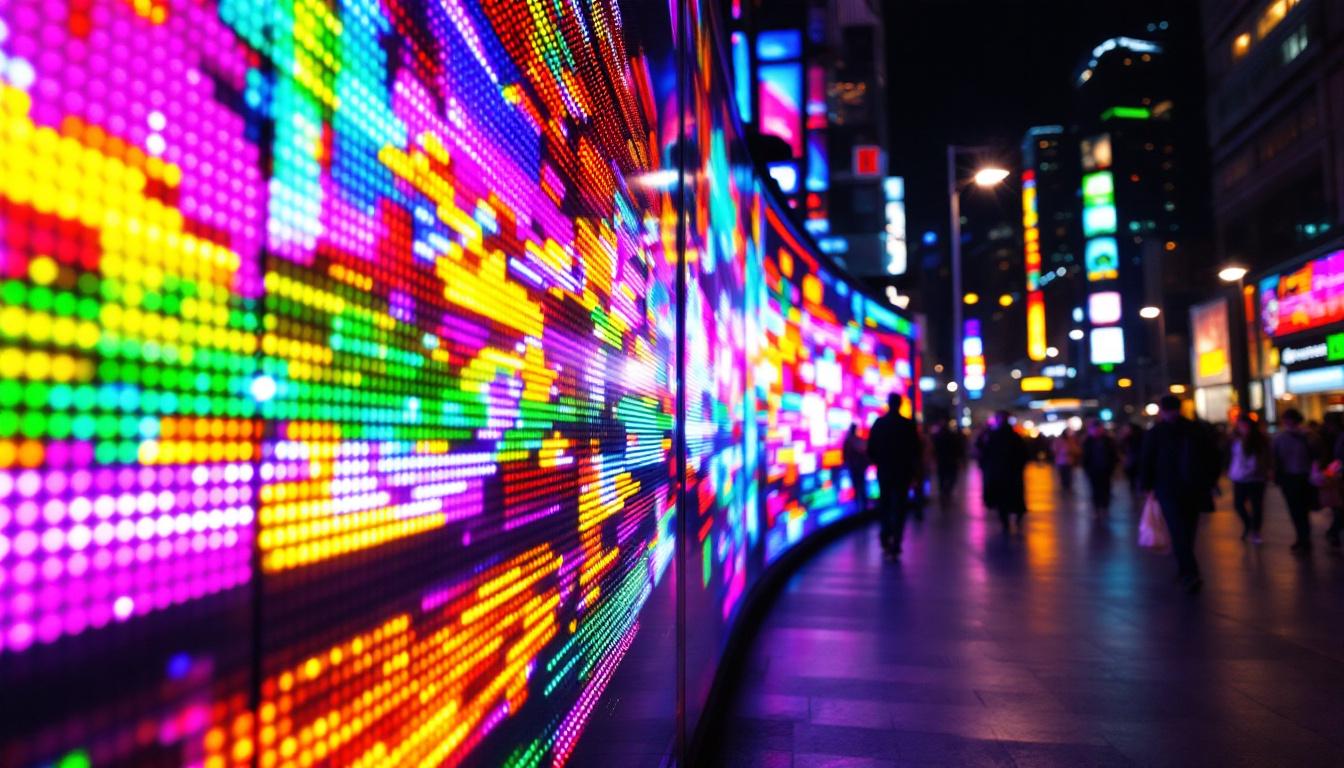
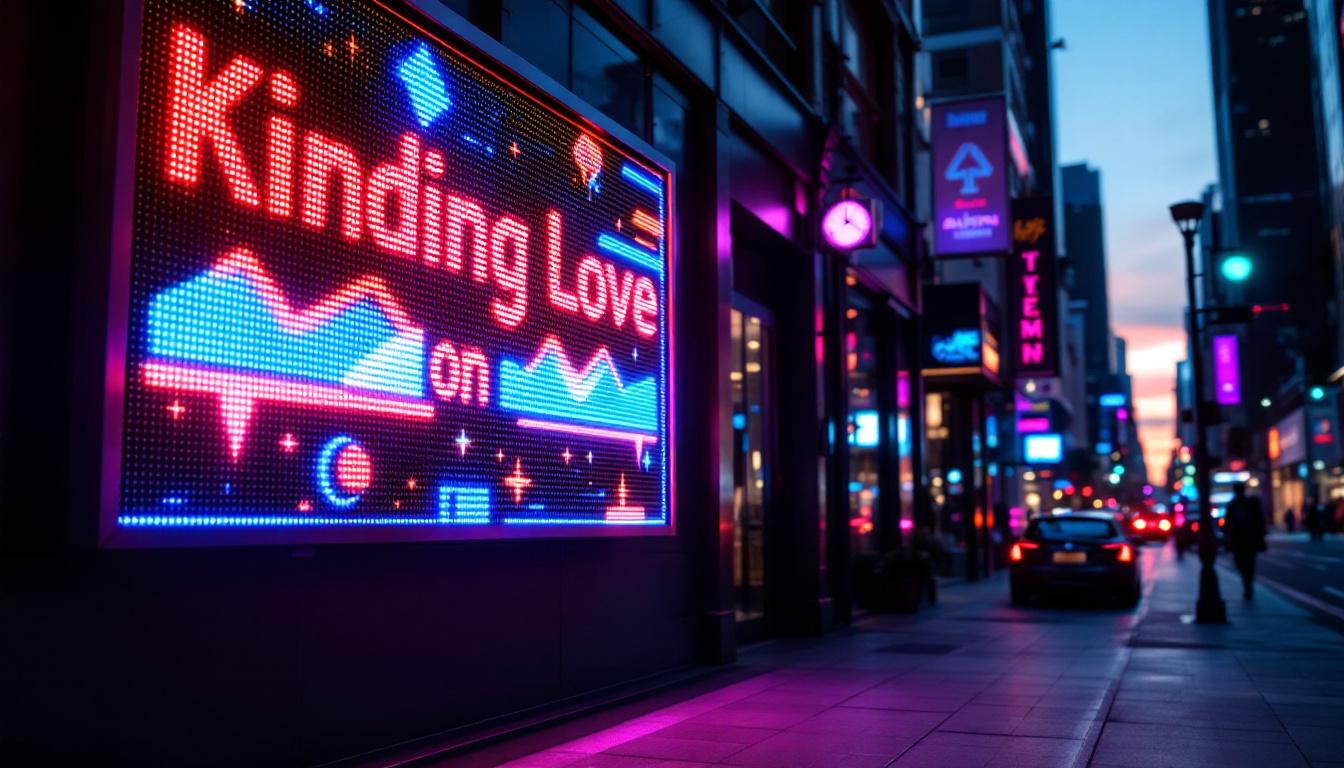
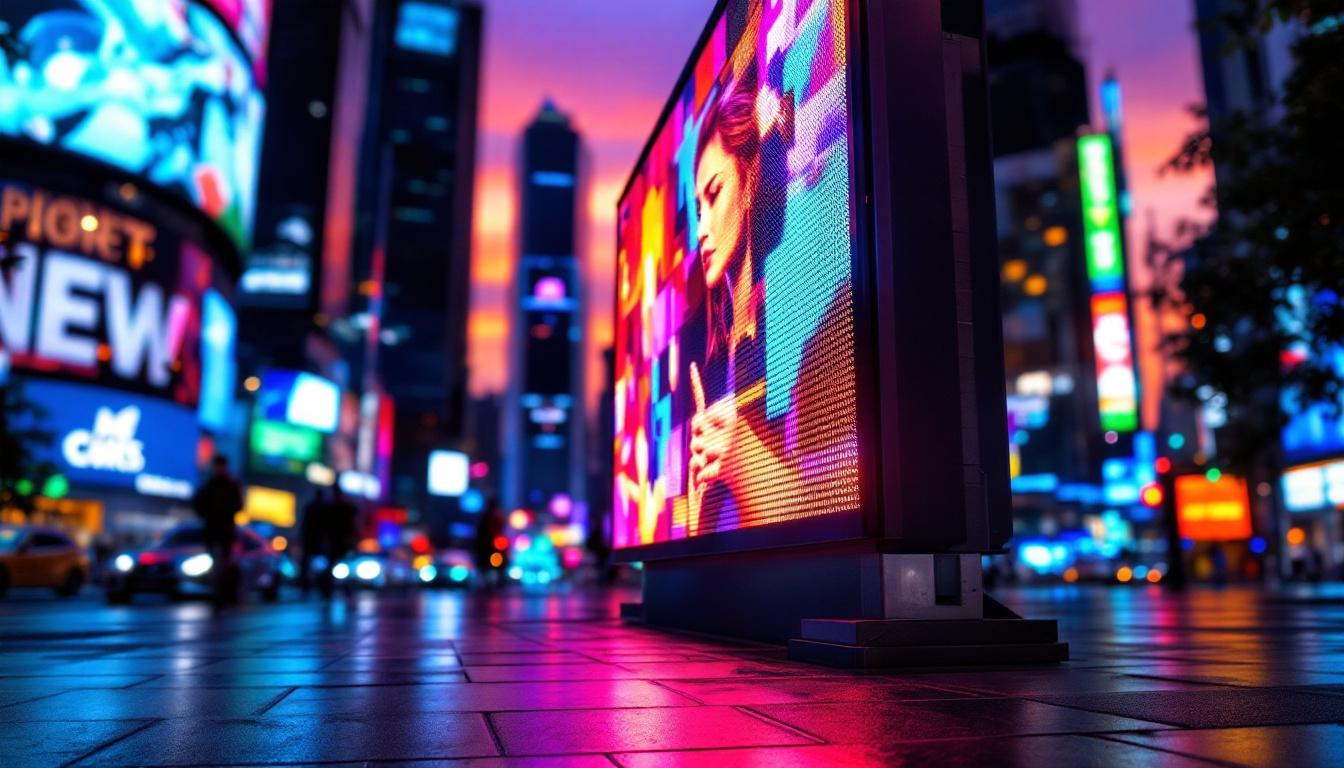
LED billboards and digital signage have revolutionized outdoor advertising by offering vibrant, eye-catching displays that can be updated instantly. According to a 2023 report by the Digital Signage Federation, digital out-of-home advertising using LED displays has grown by over 15% annually, driven by increased urbanization and consumer engagement.
Brands use LED displays to promote products, announce events, and create immersive brand experiences. The ability to display high-resolution video content and interactive elements enhances audience interaction and recall.
Sports and Entertainment Venues
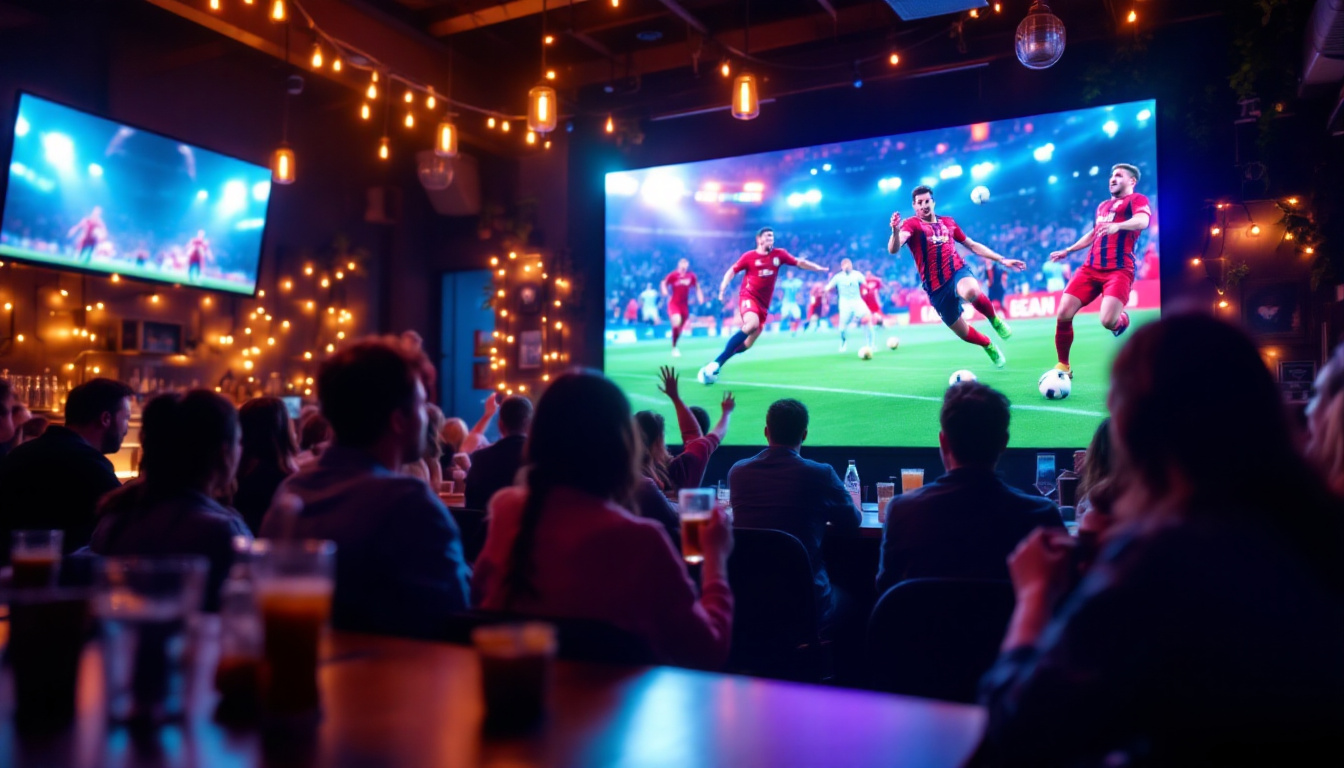
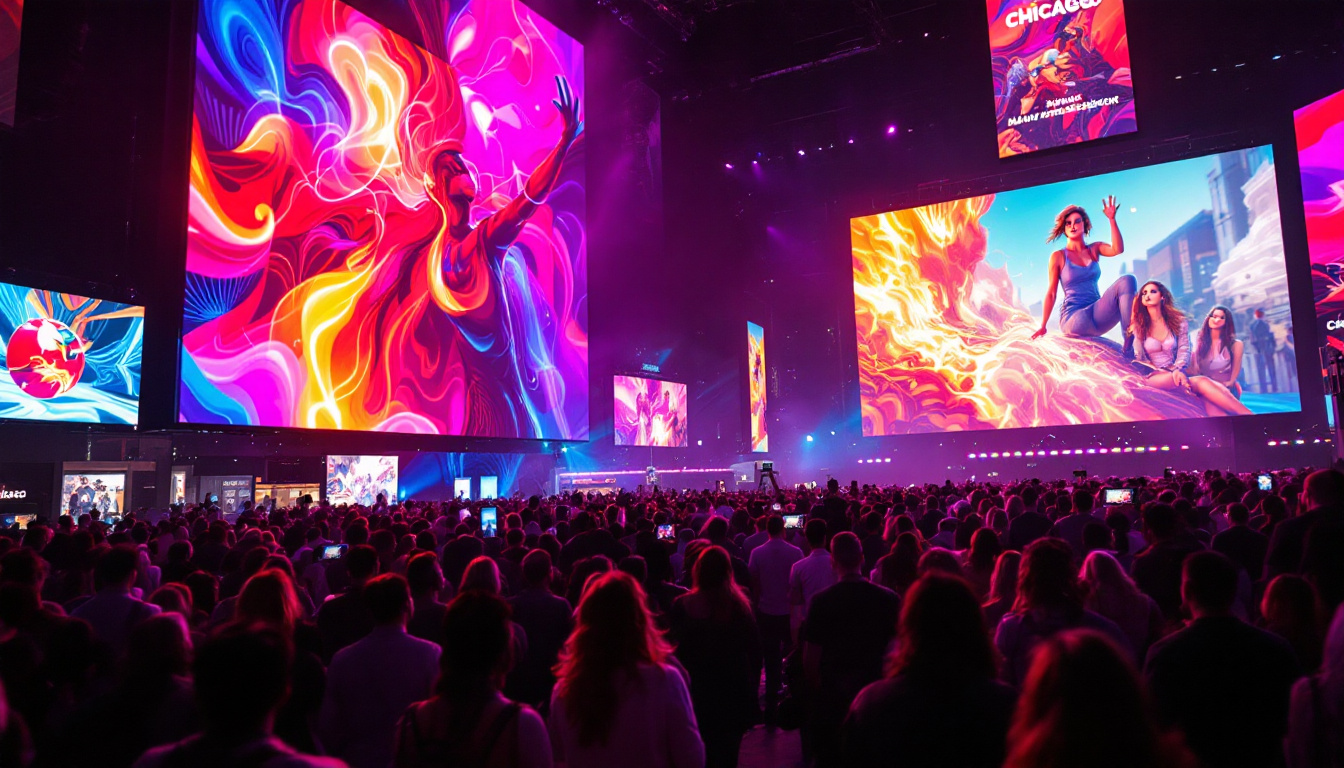
Stadiums and arenas rely on large LED screens to provide spectators with live action replays, scores, and entertainment content. These displays improve the overall event experience and offer additional revenue streams through advertising.
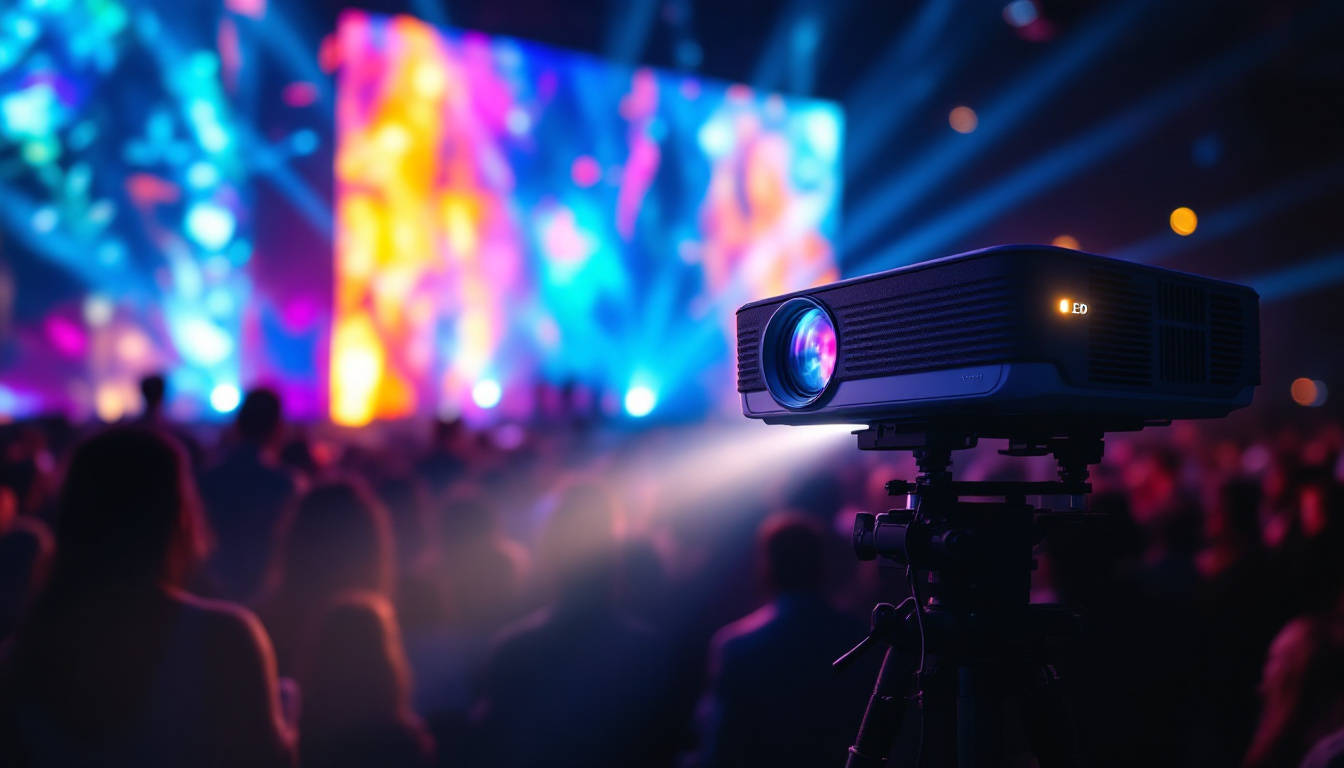
Concerts and festivals also use LED walls and panels as dynamic backdrops, enabling visually stunning performances that synchronize with music and lighting effects.
Transportation and Public Information
LED displays are widely used in airports, train stations, and bus terminals to provide real-time information such as schedules, delays, and safety messages. Their high visibility and reliability ensure passengers receive timely updates, enhancing operational efficiency and customer satisfaction.
Traffic management systems employ LED signs for variable message signs (VMS) to communicate road conditions, speed limits, and emergency alerts.
Retail and Hospitality
Retailers use LED displays for window advertising, in-store promotions, and interactive kiosks to attract customers and enhance the shopping experience. Hotels and restaurants utilize LED screens for digital menus, event announcements, and ambiance creation.
Choosing the Right LED Display
Selecting the appropriate LED display involves considering factors such as viewing distance, environment, resolution requirements, and budget.
Pixel Pitch and Resolution
The pixel pitch determines the optimal viewing distance and image clarity. For close-up viewing, such as indoor retail displays, a smaller pixel pitch (1-2mm) is preferable. For large outdoor billboards viewed from afar, a larger pixel pitch (10-20mm) suffices.
Brightness and Environmental Durability
Brightness requirements vary based on ambient lighting. Outdoor displays need higher brightness and weatherproofing features, while indoor displays prioritize color accuracy and lower brightness to reduce eye strain.
Installation and Maintenance
Consider the complexity of installation and ease of maintenance. Modular LED panels simplify repairs and upgrades. Additionally, ensure the display provider offers reliable technical support and warranty coverage.
Future Trends in LED Display Technology
LED display technology continues to evolve, driven by advancements in materials, manufacturing, and digital integration.
MicroLED and MiniLED Innovations
MicroLED and MiniLED technologies represent the next generation of LED displays, offering even higher resolution, improved color accuracy, and enhanced energy efficiency. MicroLED displays use microscopic LEDs as individual pixels, enabling ultra-thin, flexible screens with exceptional brightness and contrast.
Integration with IoT and AI
Smart LED displays integrated with Internet of Things (IoT) devices and artificial intelligence (AI) enable dynamic content adaptation based on audience demographics, weather conditions, and real-time analytics. This personalization enhances engagement and marketing effectiveness.
Sustainability and Eco-Friendly Materials
Manufacturers are increasingly focusing on sustainable production methods and recyclable materials to reduce the environmental impact of LED displays. Energy-saving features and longer lifespans contribute to greener digital signage solutions.
Conclusion
LED displays have transformed the way information and advertising are presented across multiple industries. Their superior brightness, energy efficiency, and versatility make them a preferred choice for both indoor and outdoor applications. As technology advances, LED displays will continue to offer innovative features that enhance visual communication and user engagement.
For businesses and organizations looking to invest in display technology, understanding the different types of LED displays, their advantages, and application scenarios is crucial. By selecting the right LED solution, it is possible to maximize impact, improve operational efficiency, and create memorable visual experiences.
Discover LumenMatrix LED Display Solutions
Ready to elevate your visual communication with the latest in LED technology? Look no further than LumenMatrix, a pioneer in crafting state-of-the-art LED display modules designed to amplify your brand’s presence and captivate your audience. From vibrant Indoor LED Walls to robust Outdoor displays, and from versatile Vehicle LED Displays to sleek LED Posters, our extensive range of solutions caters to every need. Embrace the future of digital signage with LumenMatrix and create unforgettable visual experiences. Check out LumenMatrix LED Display Solutions today and transform the way you share your message.