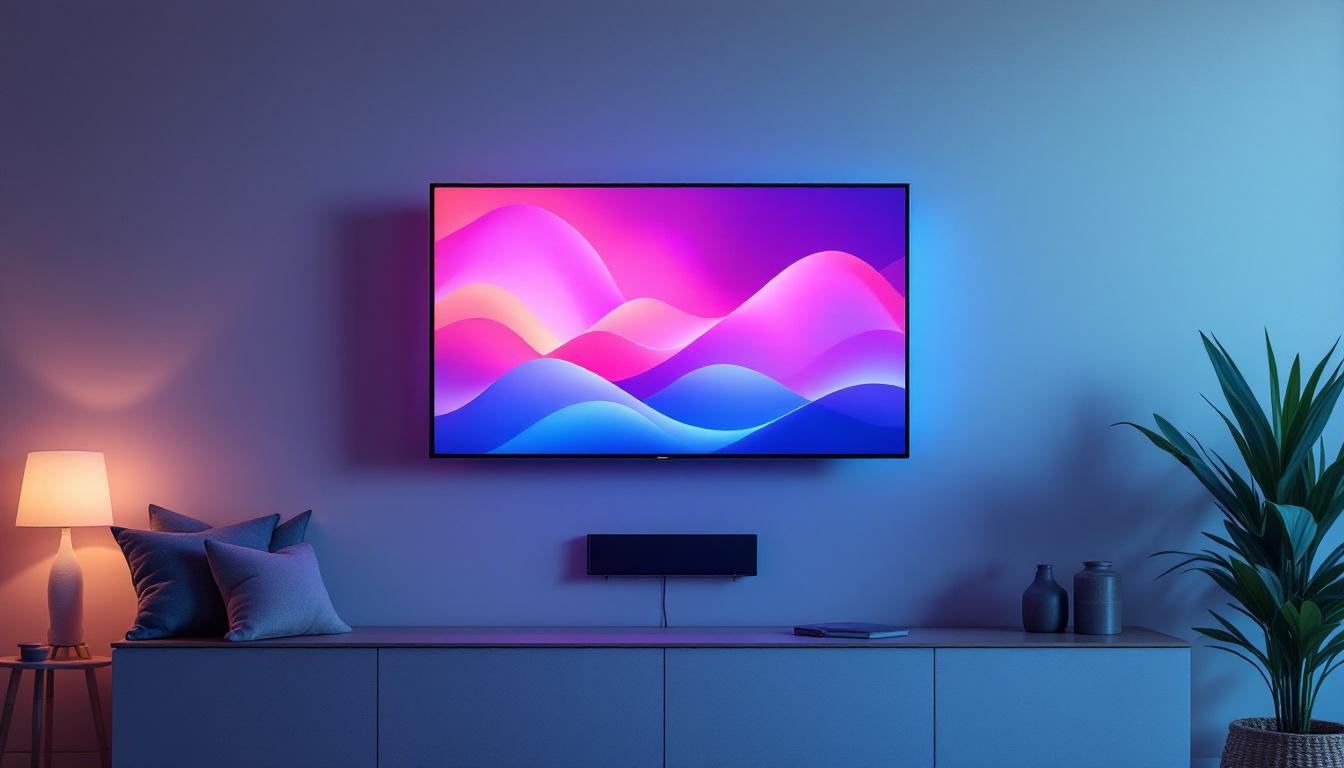
In today’s digital age, large LED displays have become ubiquitous, transforming the way information is presented in public spaces, advertising, entertainment, and even corporate environments. From towering billboards in Times Square to dynamic scoreboards in sports arenas, LED technology powers vibrant, high-impact visuals that capture attention and convey messages effectively. This article explores the fundamentals of large LED displays, their technology, applications, and the reasons behind their growing dominance in the display industry.
Understanding LED Display Technology
What is an LED Display?
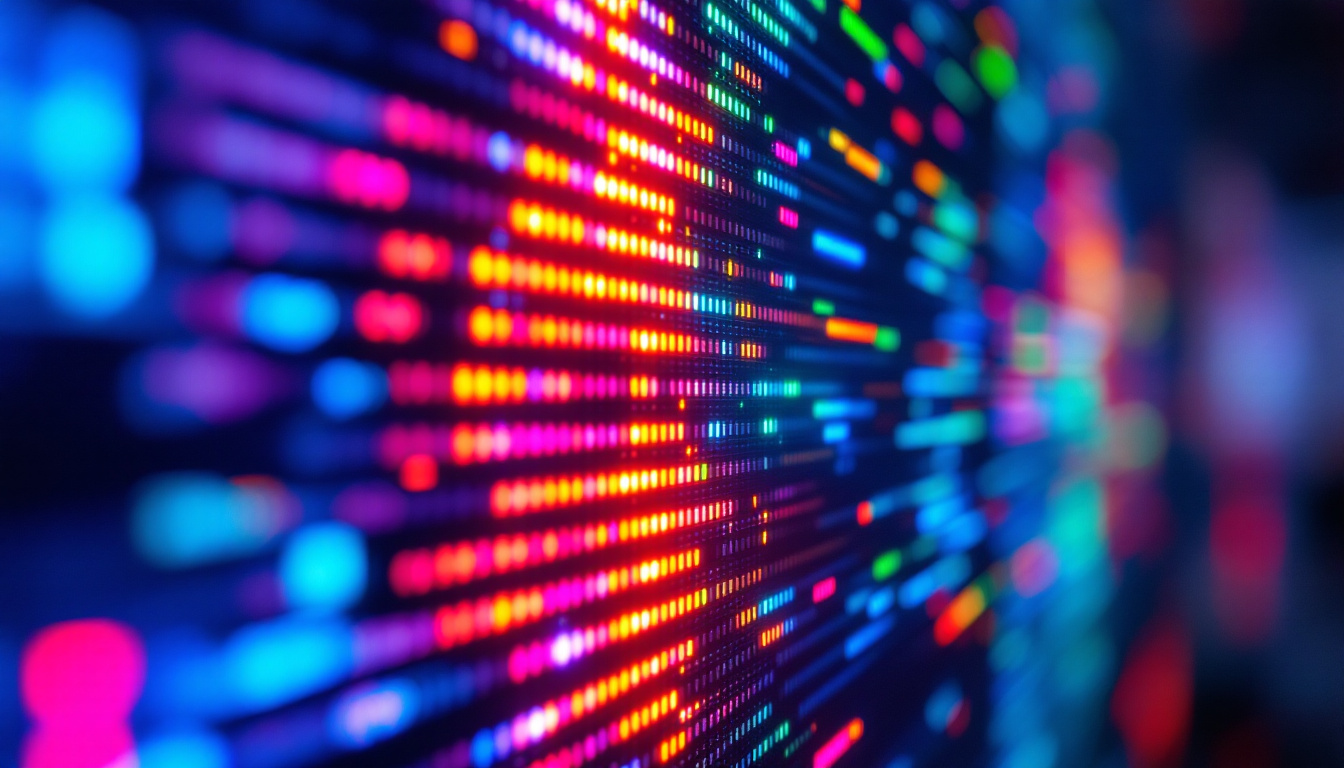
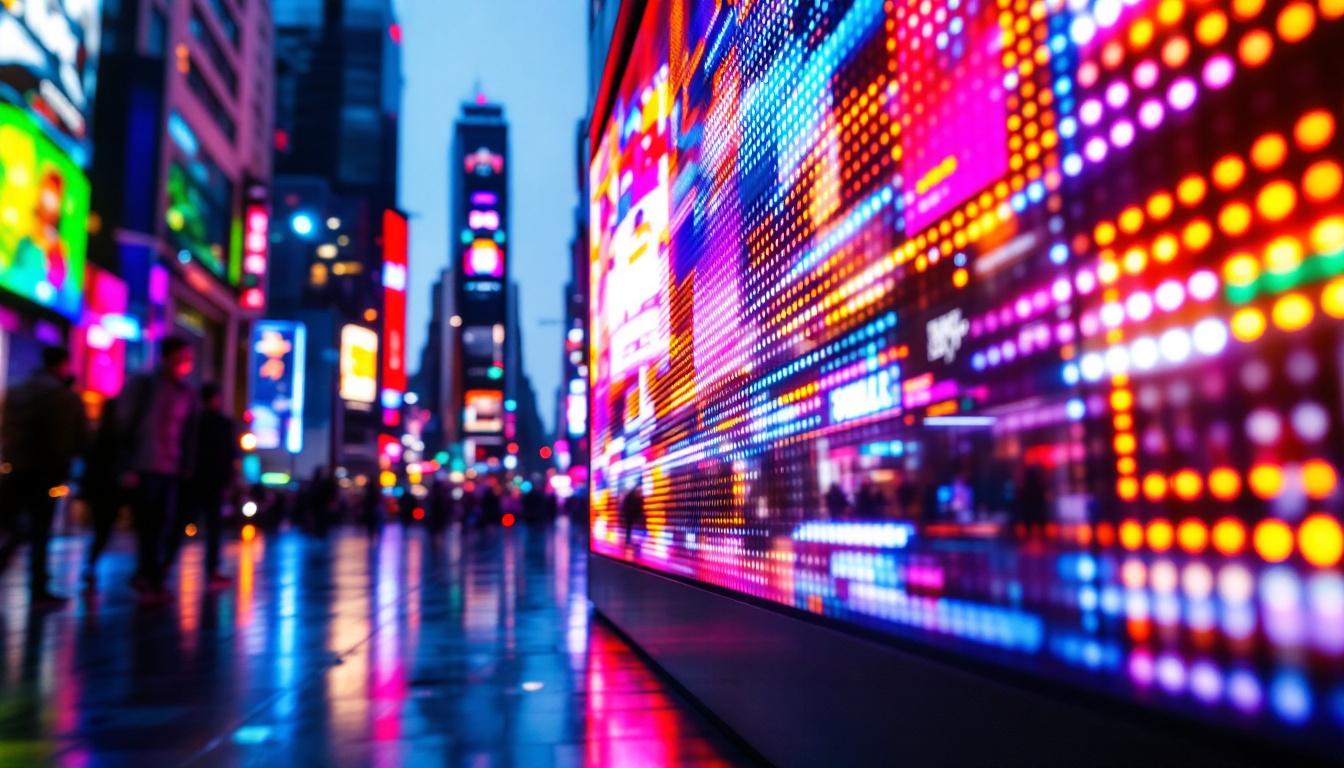
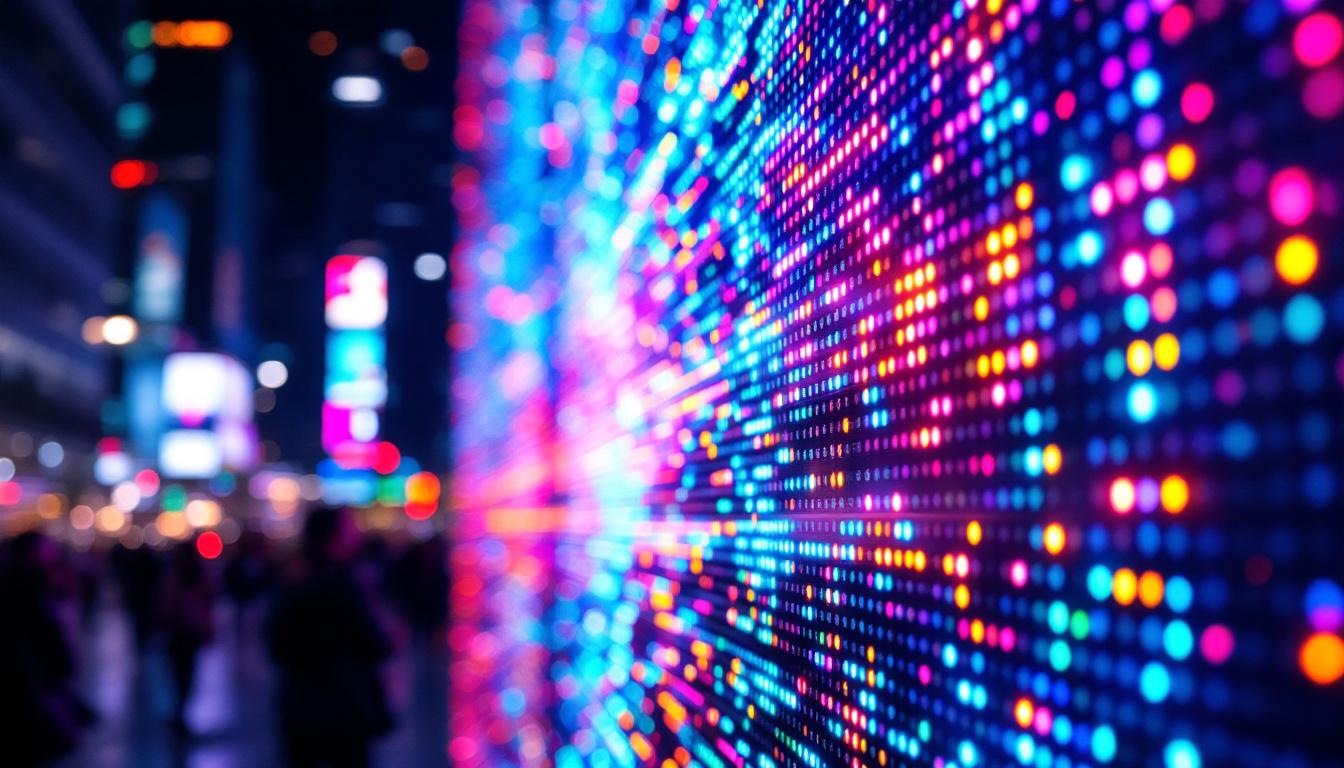
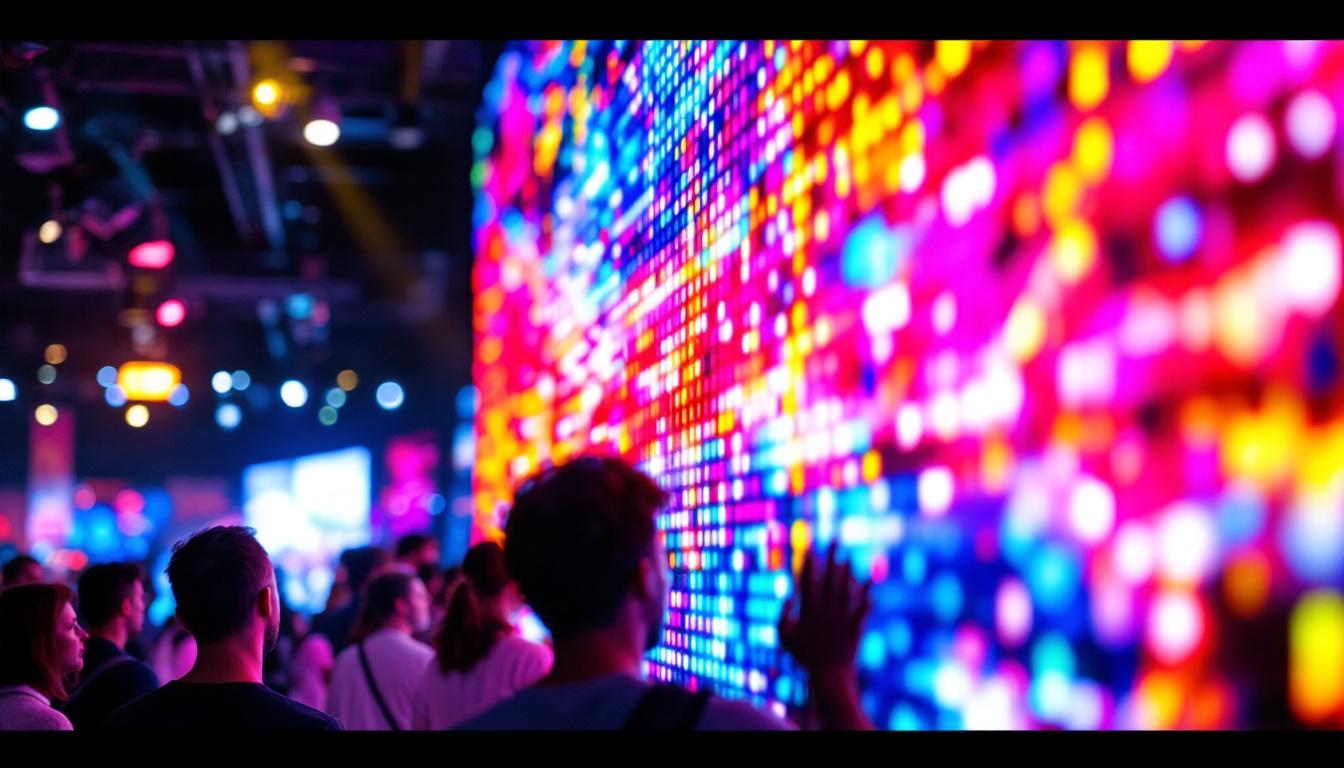
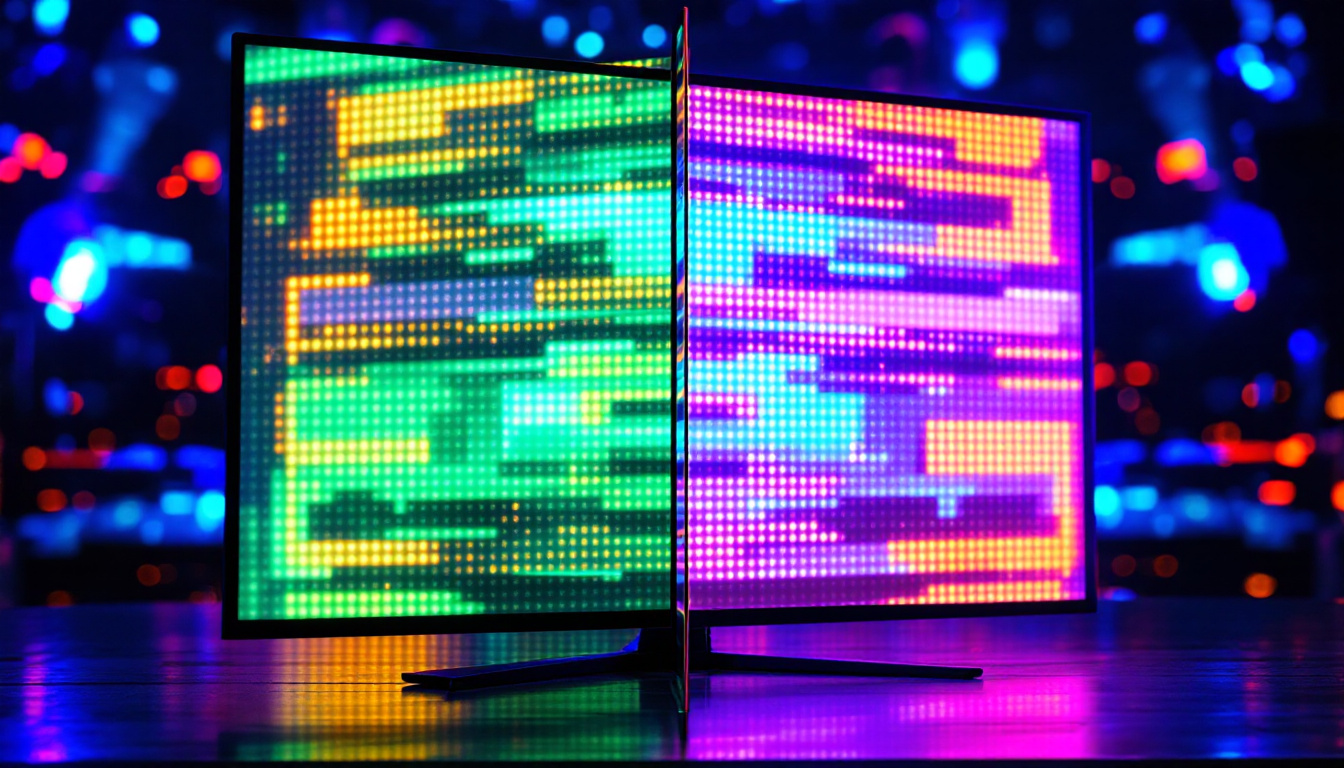
LED stands for Light Emitting Diode, a semiconductor device that emits light when an electric current passes through it. An LED display is essentially a screen made up of thousands or even millions of these tiny diodes arranged in a grid. Each diode acts as a single pixel or part of a pixel, illuminating in various colors and intensities to form images, videos, or text.
Unlike traditional LCD or plasma screens, LED displays do not rely on backlighting. Instead, each diode emits its own light, which results in higher brightness, better contrast, and improved energy efficiency. This self-illumination capability makes LED displays particularly suitable for large-scale outdoor applications where visibility under direct sunlight is crucial. Furthermore, the longevity of LED technology means that these displays can operate for tens of thousands of hours, significantly reducing maintenance costs and downtime compared to other display technologies.
Types of LED Displays
Large LED displays come in several forms, primarily categorized by their pixel pitch, configuration, and intended use:
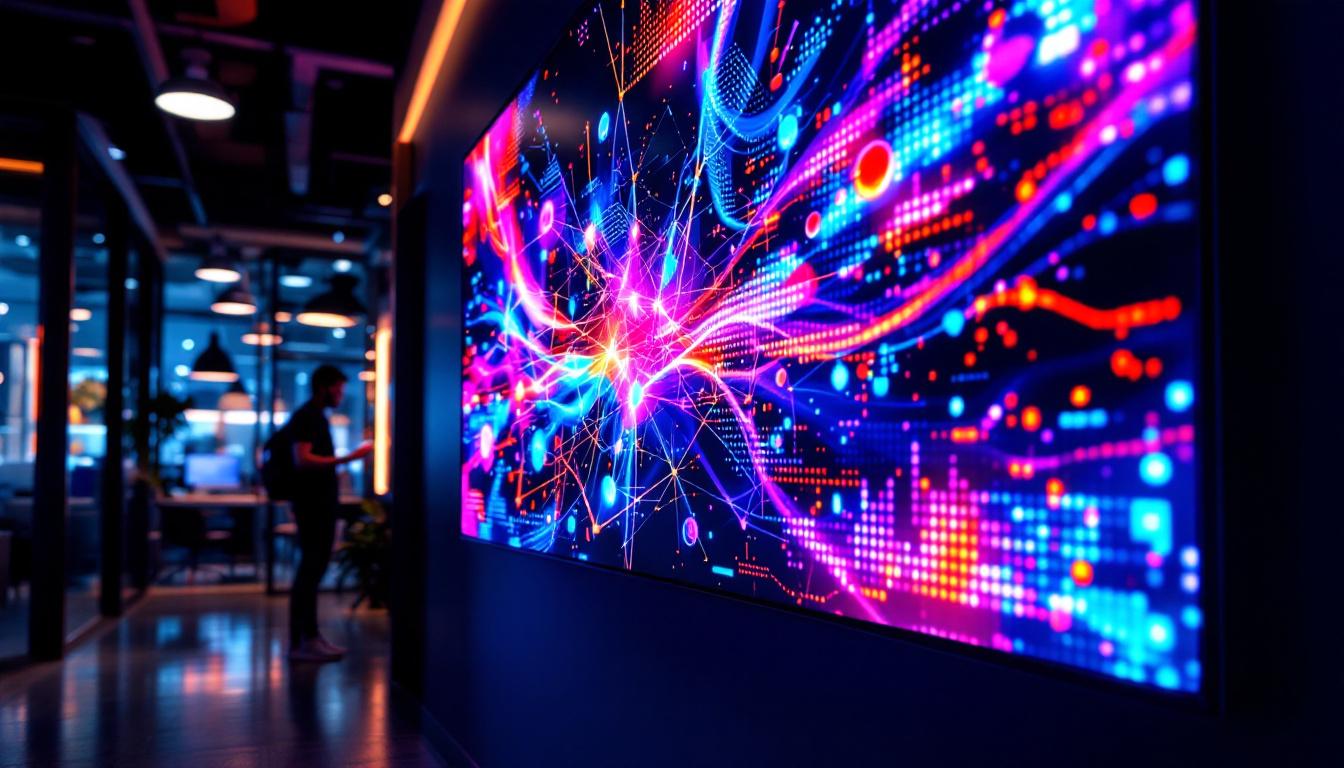
- Indoor LED Displays: Designed for controlled lighting environments, these displays have a smaller pixel pitch (the distance between LED clusters), typically ranging from 1mm to 4mm, allowing for high-resolution images suitable for close viewing. They are often used in venues such as theaters, conference rooms, and retail spaces where clarity and detail are paramount.
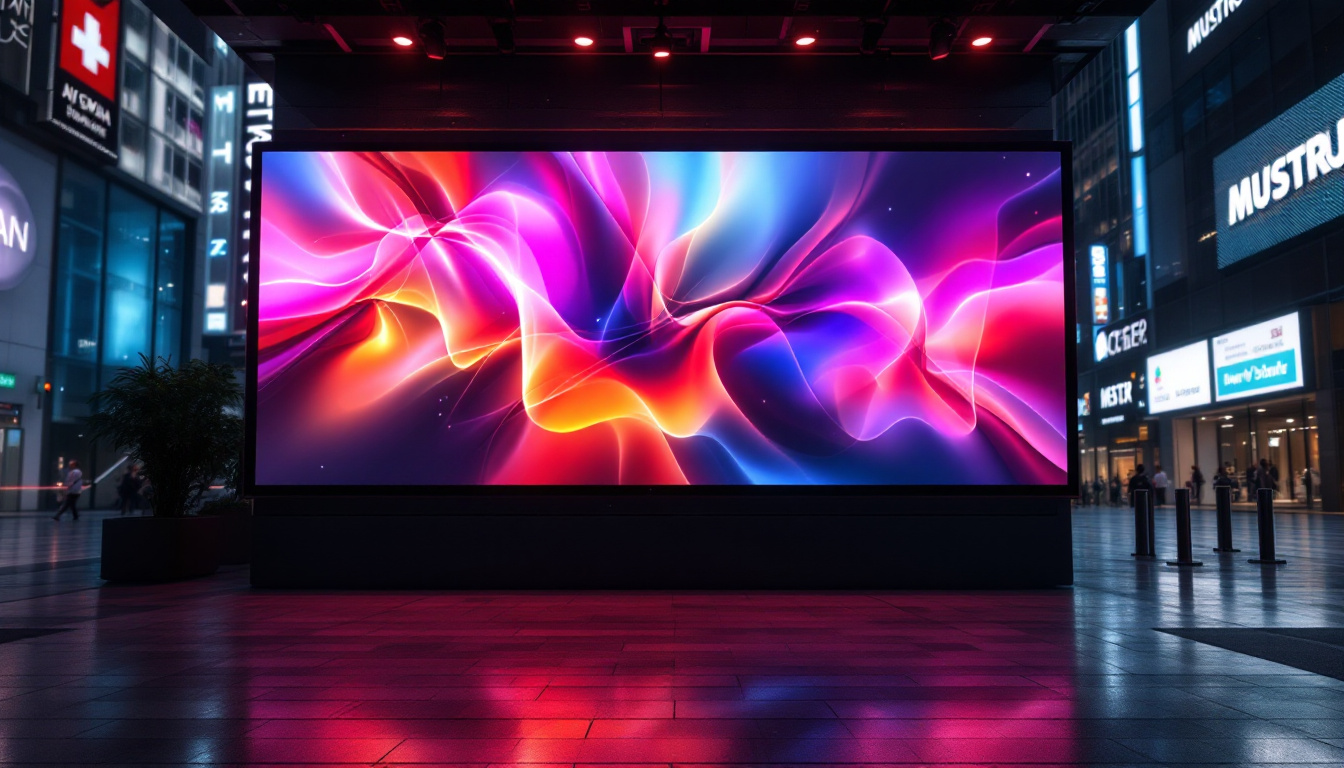
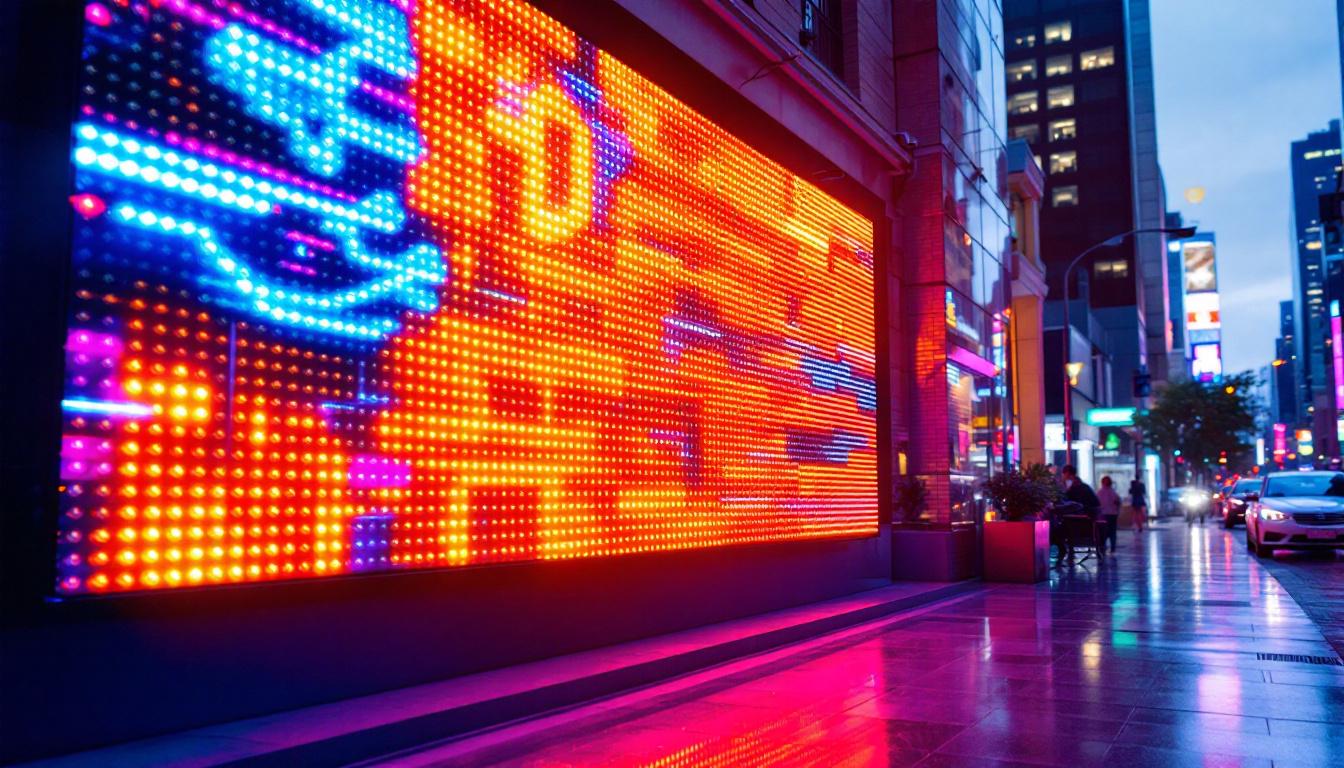
- Outdoor LED Displays: Built to withstand weather conditions, these displays feature larger pixel pitches (from 4mm to 20mm or more) to maintain visibility from greater distances. They are also engineered with waterproof and dustproof enclosures, ensuring durability in harsh environments. These displays are commonly seen in stadiums, billboards, and transportation hubs, capturing the attention of large audiences.
- Flexible and Curved LED Displays: Using advanced manufacturing techniques, LED panels can be curved or bent, enabling creative installations such as cylindrical columns, curved walls, or even wearable displays. This flexibility allows designers to push the boundaries of traditional display shapes, creating immersive experiences that engage viewers in unique ways.
- Transparent LED Displays: These innovative screens allow light to pass through, making them ideal for storefront windows or architectural applications where visibility from both sides is desired. They provide a modern aesthetic while still delivering dynamic content, effectively merging digital advertising with the physical environment.
How LED Displays Work
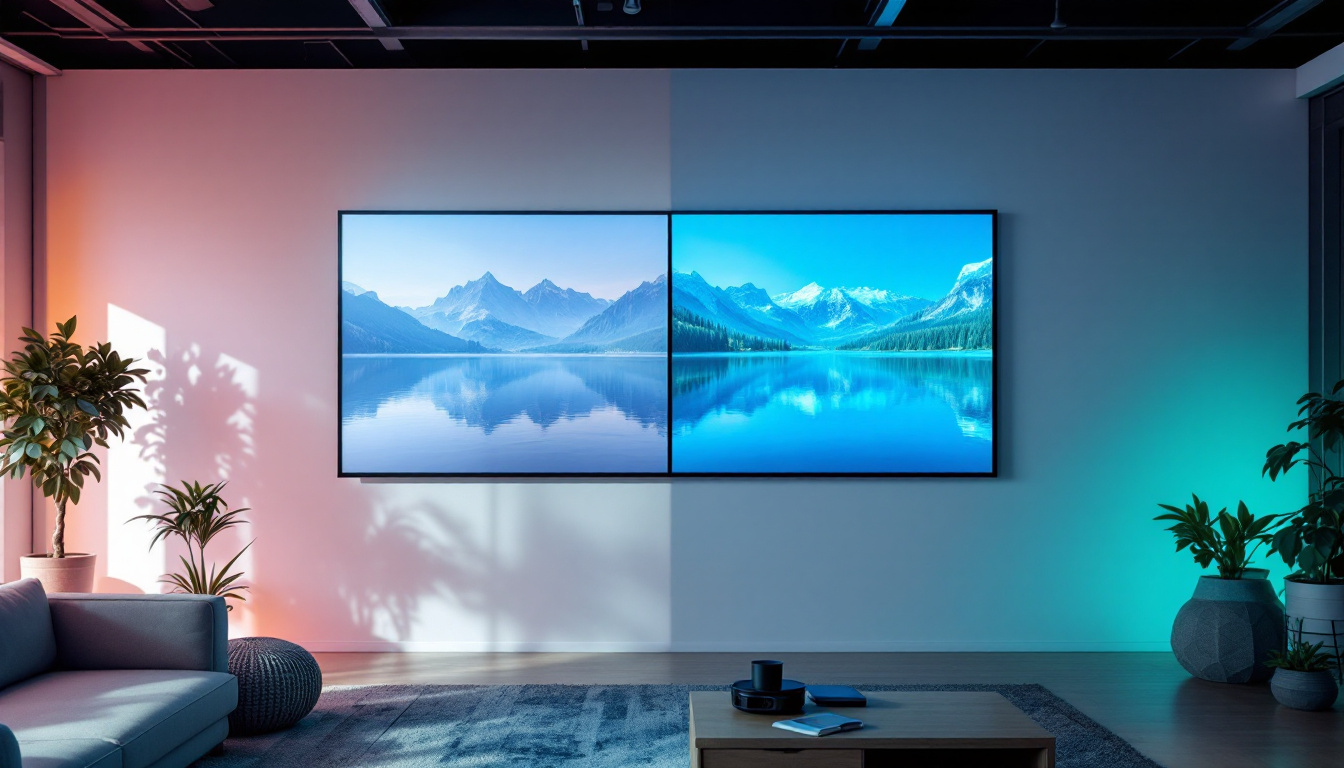
Each pixel in an LED display is composed of red, green, and blue diodes. By varying the intensity of these three colors, the display can produce a wide spectrum of colors through additive color mixing. This RGB system is the foundation of all color displays, but LED technology excels in brightness and color vibrancy. The ability to produce deep blacks and bright whites enhances the overall viewing experience, making LED displays a preferred choice for high-definition content.
The control system of an LED display manages the timing and intensity of each diode’s light emission. Sophisticated software processes the input video signal, translating it into commands that drive the LEDs to produce the desired image. Refresh rates, color calibration, and brightness adjustments ensure smooth, flicker-free visuals that are easy on the eyes. Moreover, advancements in technology have led to the development of smart LED displays that can integrate with IoT devices, allowing for real-time content updates and interactive features that engage audiences in ways never before possible. This integration opens up new avenues for advertising, information dissemination, and artistic expression, making LED displays a versatile tool in modern communication.
Applications of Large LED Displays
Advertising and Marketing
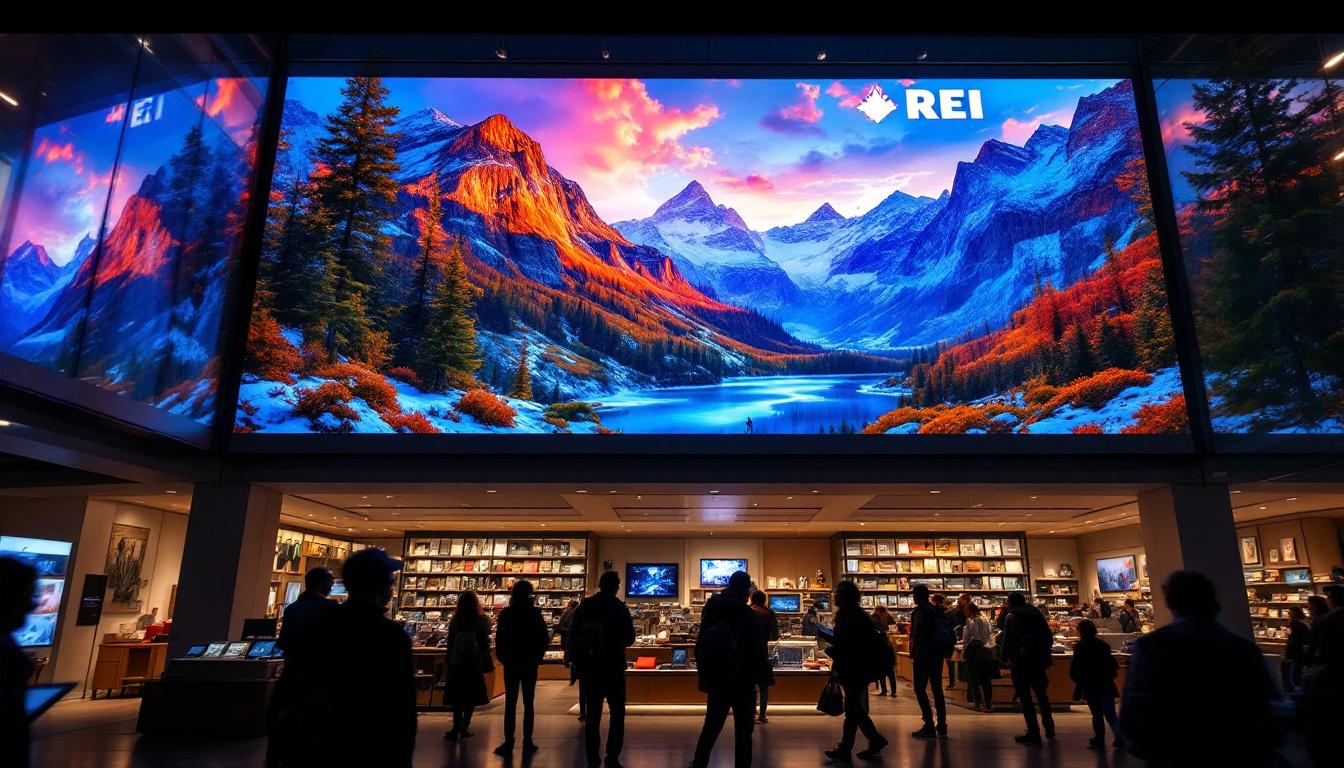
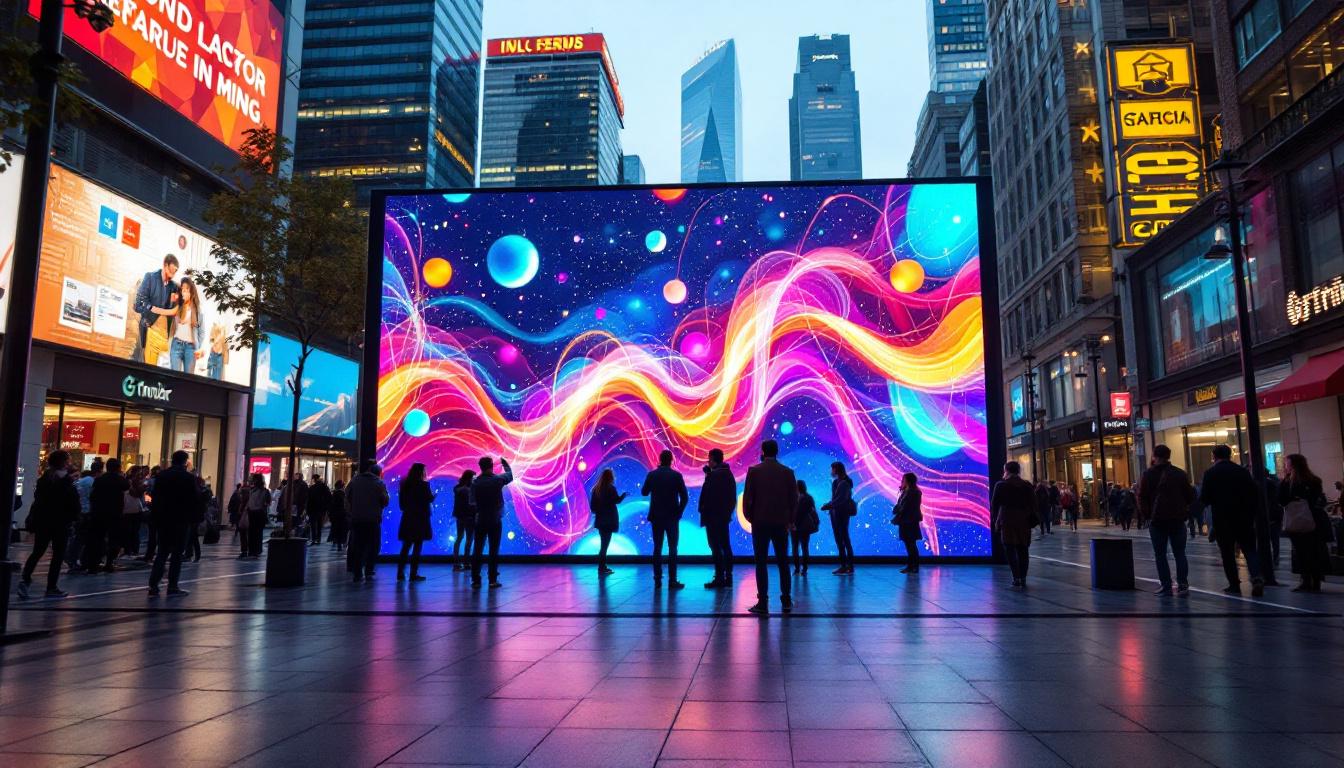
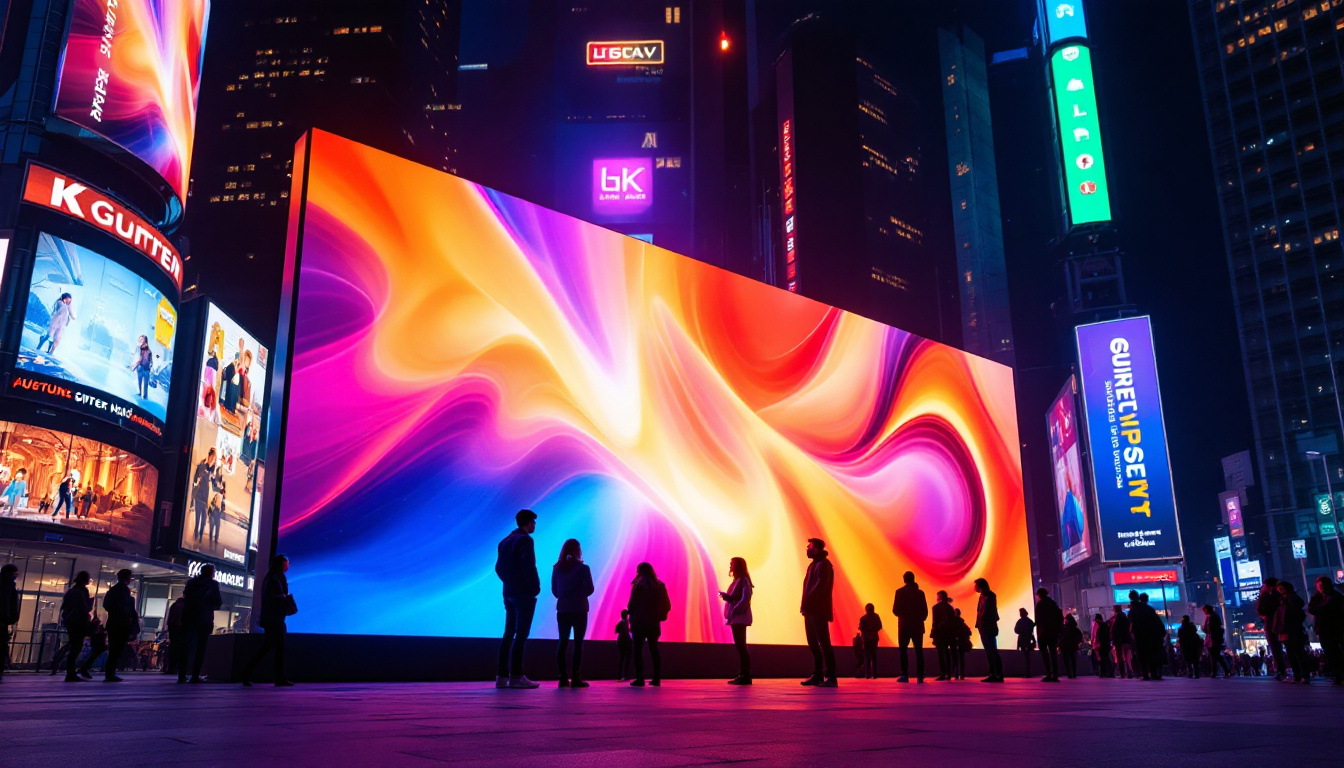
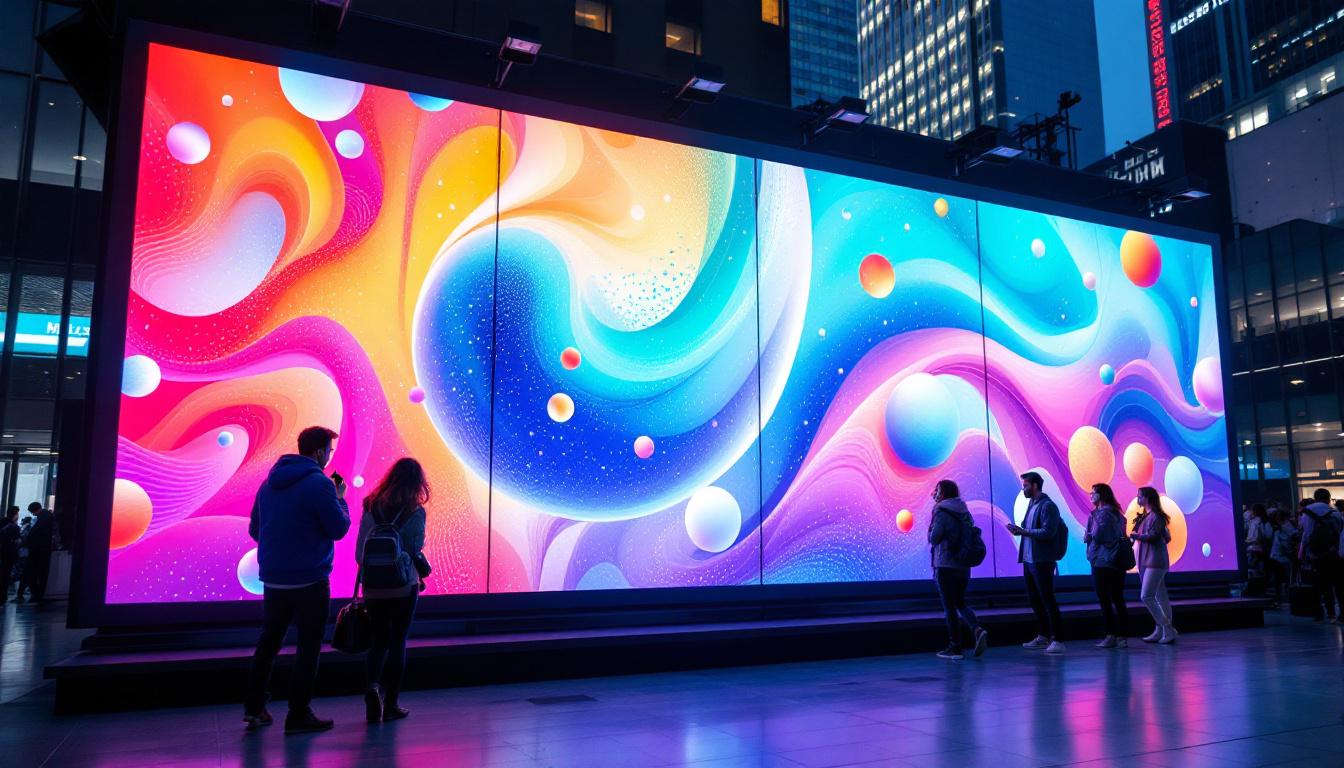
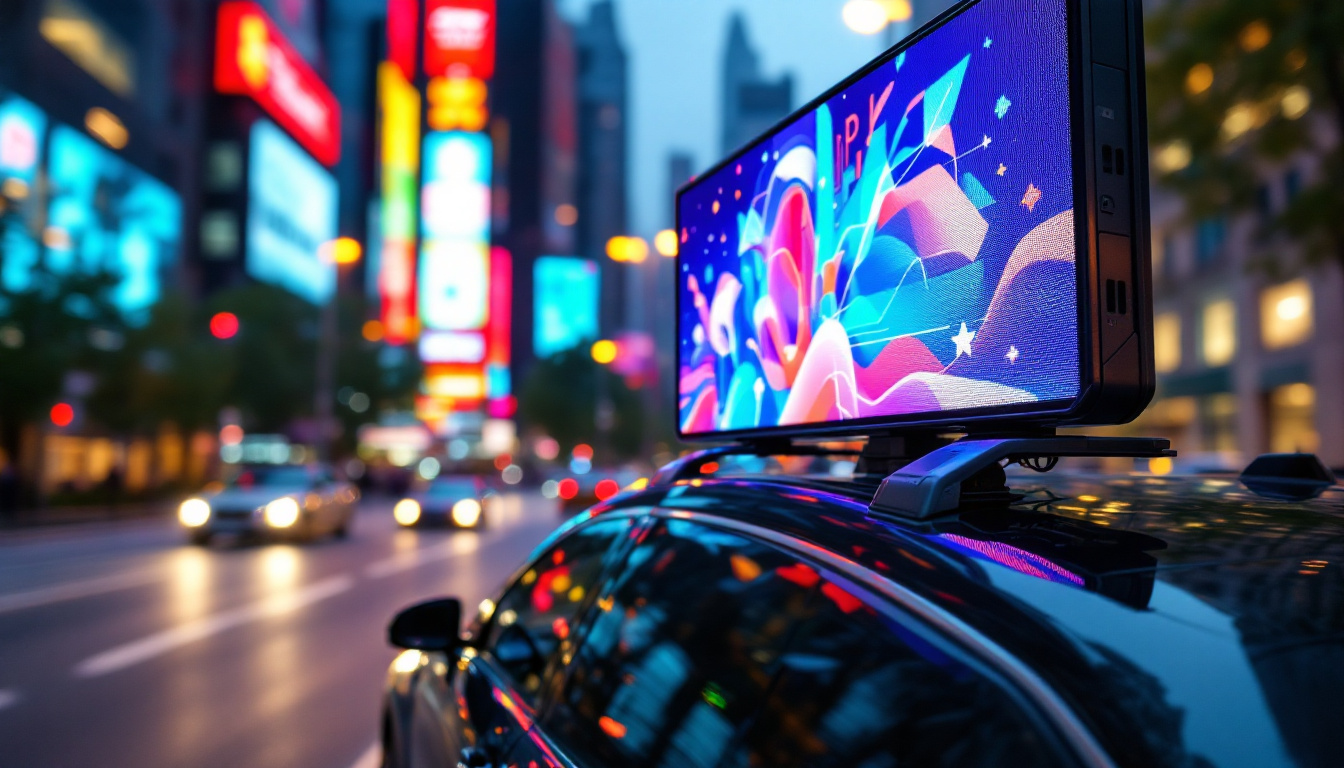
One of the most visible uses of large LED displays is in outdoor advertising. Digital billboards equipped with LED technology offer advertisers flexibility and creativity unmatched by traditional static signs. According to a report by Grand View Research, the global digital signage market is expected to reach $32.84 billion by 2028, with LED displays comprising a significant share.
LED billboards can display multiple ads in rotation, incorporate dynamic content such as animations and videos, and update remotely in real time. This adaptability allows brands to tailor messages based on time of day, weather, or audience demographics, increasing engagement and return on investment.
Sports and Entertainment Venues
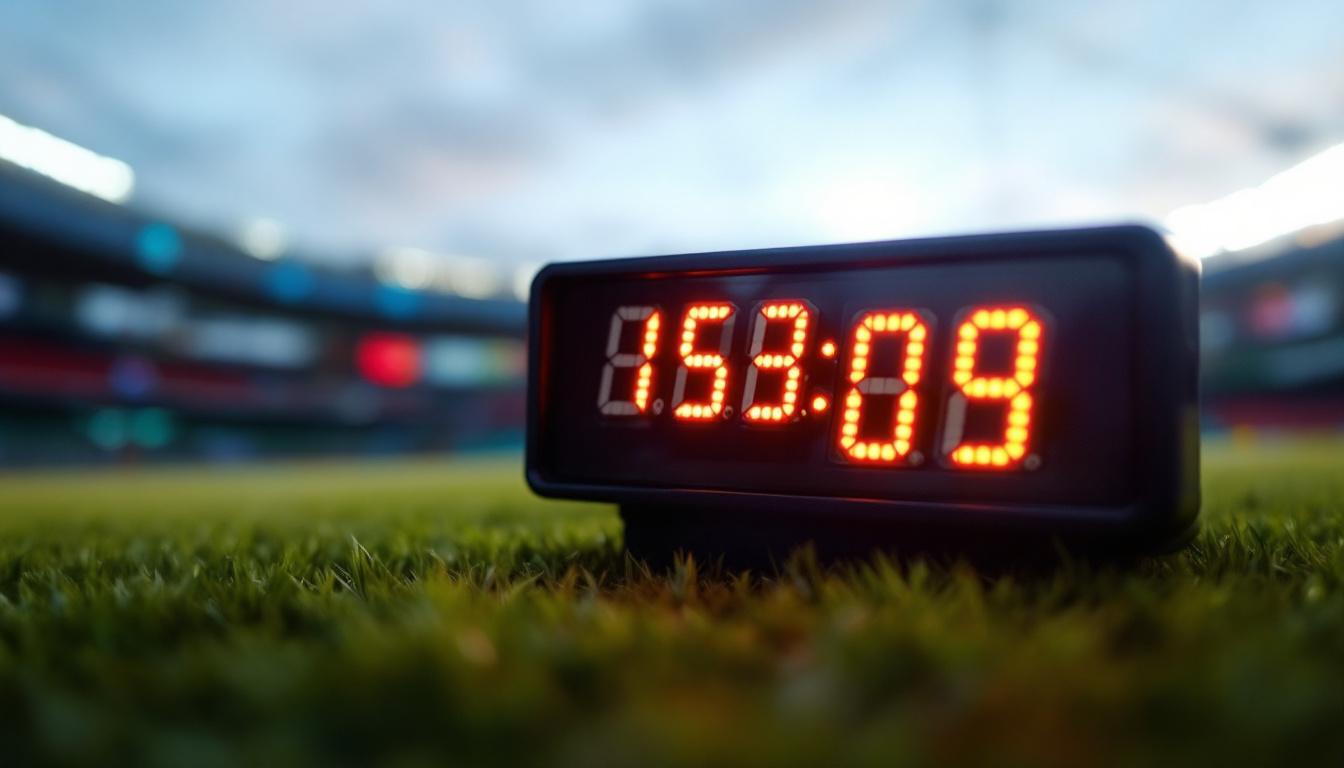
Sports arenas and concert venues rely heavily on large LED screens to enhance the spectator experience. High-definition LED scoreboards and video walls provide instant replays, player statistics, and interactive content that keep audiences engaged. For example, the AT&T Stadium in Texas features one of the largest LED video boards in the world, measuring 160 feet wide and 72 feet tall, delivering crystal-clear images visible from every seat.
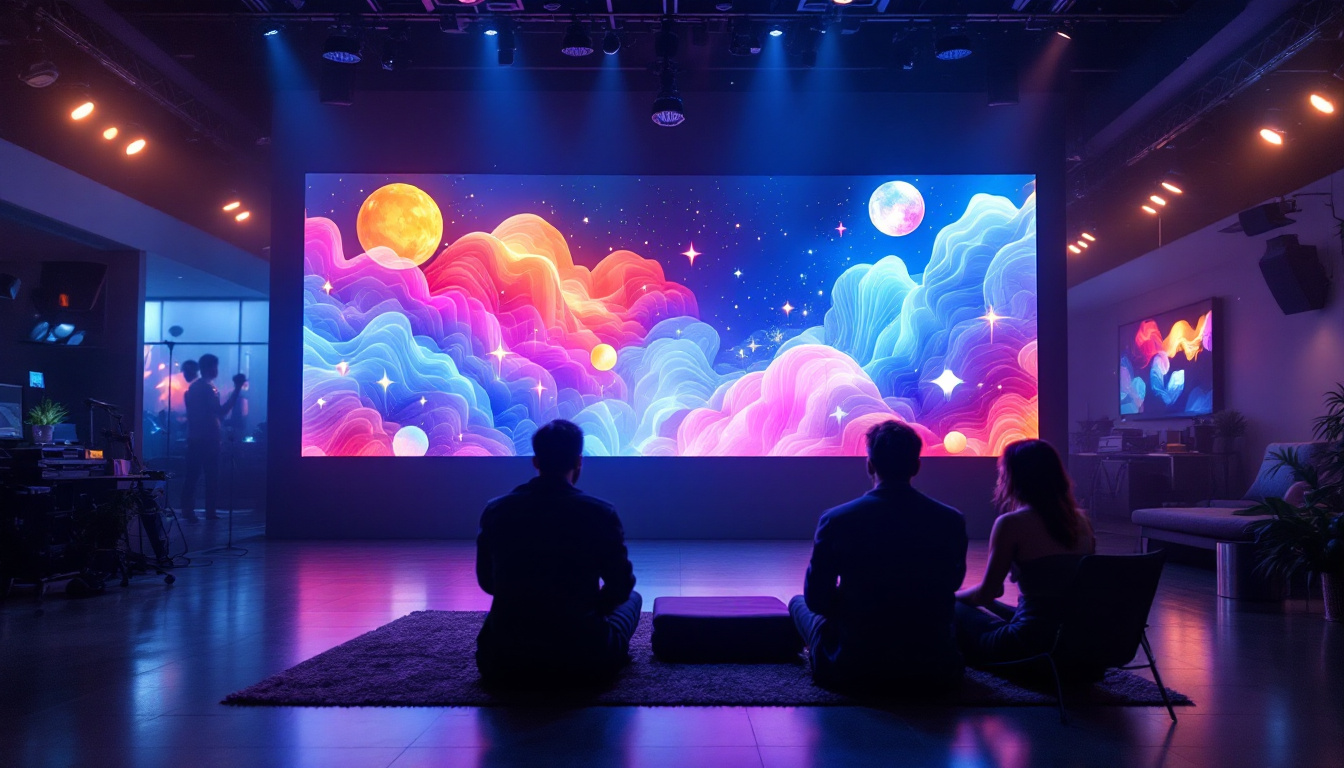
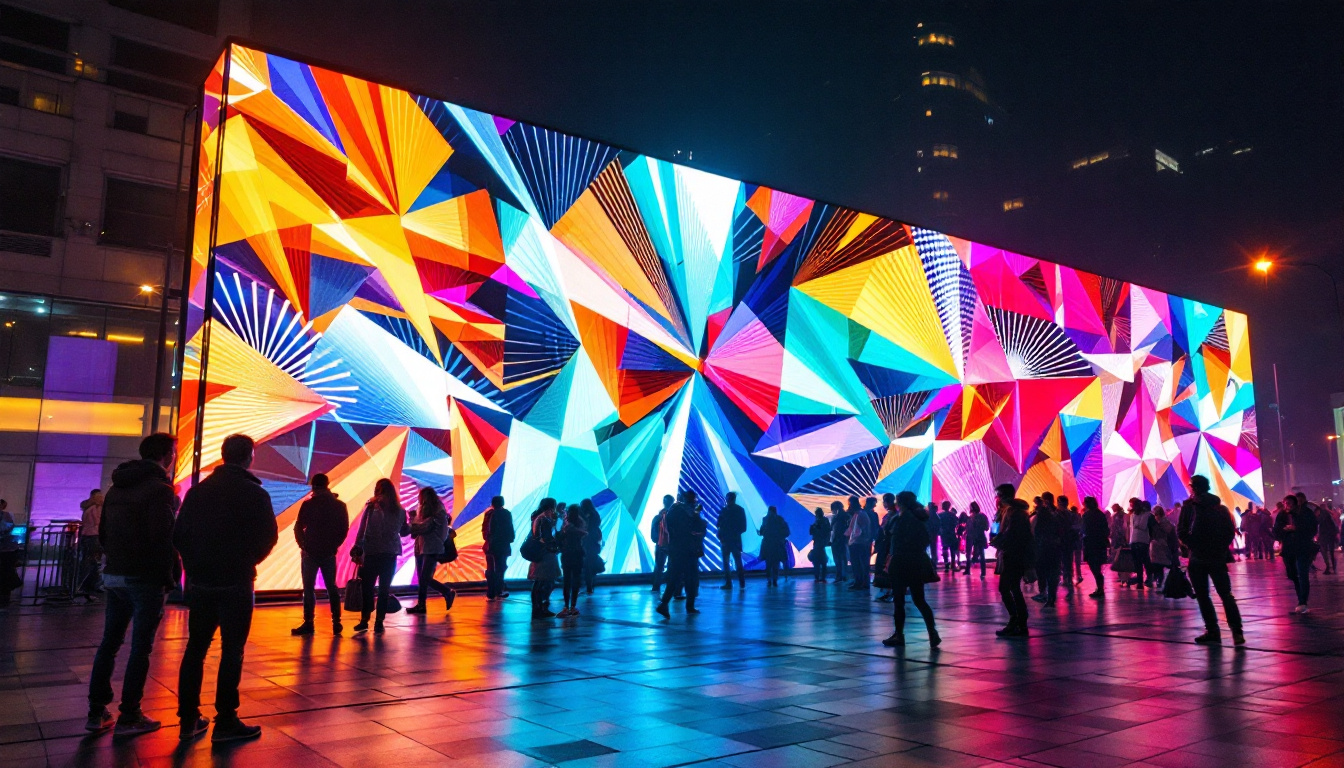
Beyond sports, LED displays are integral to stage productions, festivals, and public events, offering immersive visuals that complement performances and create memorable atmospheres.
Corporate and Public Spaces
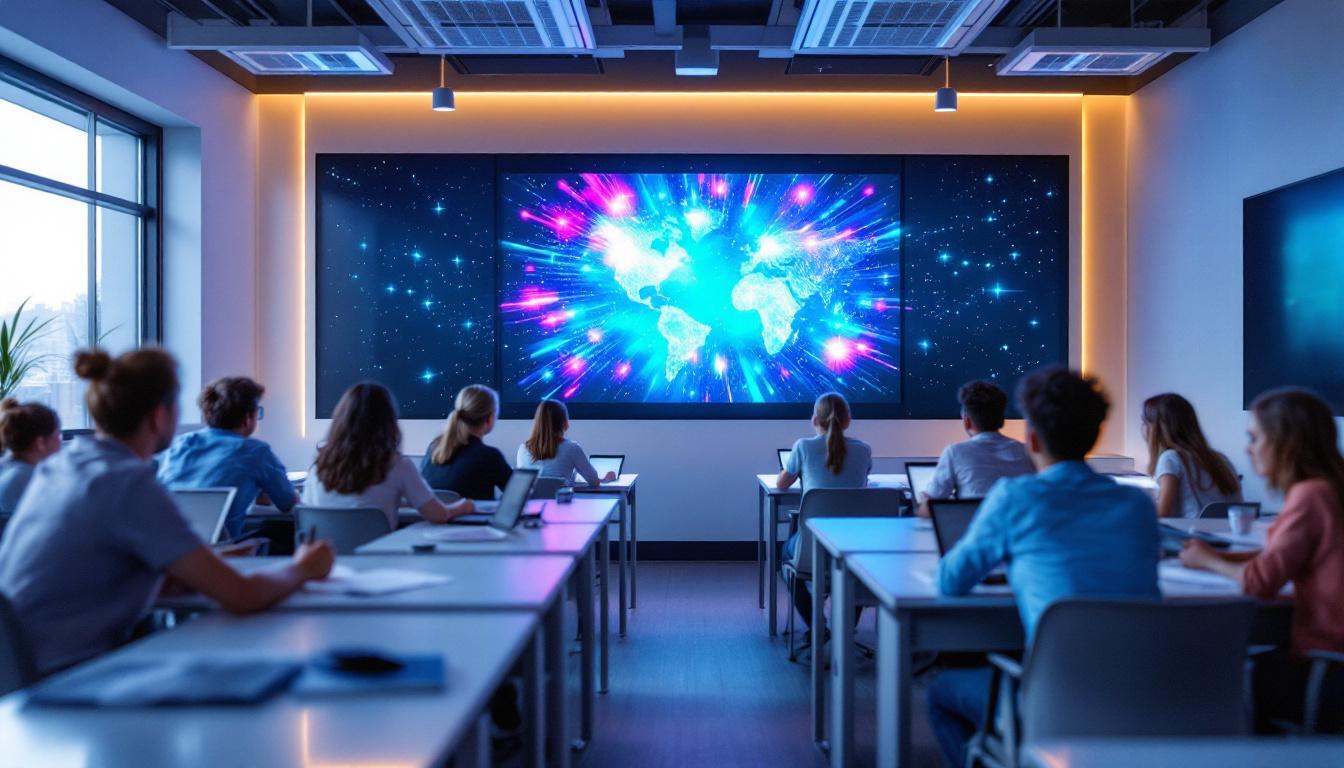
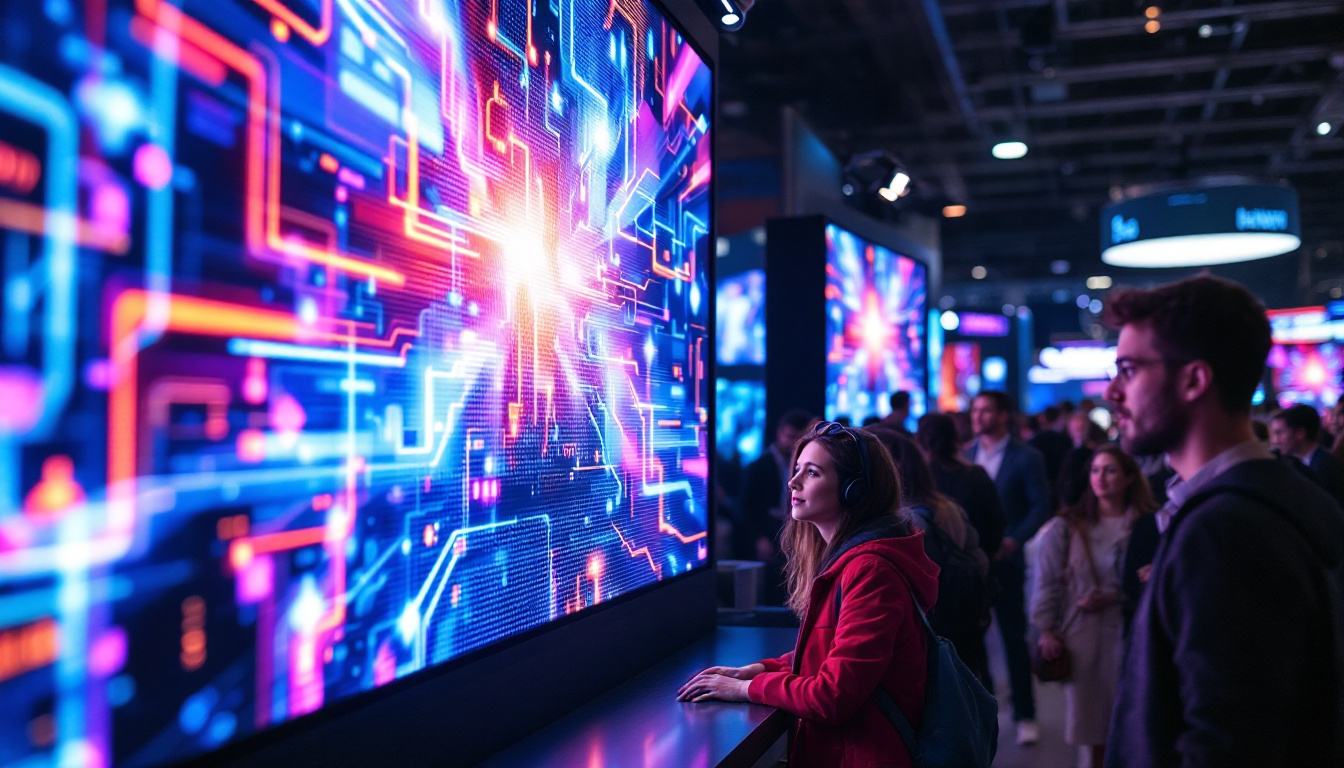
In corporate environments, LED displays serve as digital signage for presentations, information dissemination, and branding. Large LED walls in lobbies, conference rooms, and trade shows communicate messages effectively while adding a modern aesthetic.
Public transportation hubs, airports, and city centers use LED displays for real-time updates, wayfinding, and emergency notifications. Their high visibility and reliability make them essential tools for managing large crowds and ensuring safety.
Advantages of Large LED Displays
Superior Brightness and Visibility
One of the primary advantages of LED displays is their exceptional brightness. Outdoor LED screens can reach brightness levels of 5,000 to 10,000 nits, far exceeding the capabilities of LCD or projection-based systems. This ensures clear visibility even under direct sunlight or adverse weather conditions, making them ideal for outdoor advertising and public information.
Energy Efficiency and Longevity
LED technology is renowned for its energy efficiency. Compared to traditional lighting and display technologies, LEDs consume significantly less power while delivering brighter output. This efficiency translates into lower operating costs and a reduced environmental footprint.
Additionally, LEDs have a long operational lifespan, often exceeding 100,000 hours before significant degradation occurs. This durability minimizes maintenance costs and downtime, which is critical for large-scale installations.
Flexibility and Customization
LED displays can be manufactured in various sizes, shapes, and resolutions, allowing for highly customized installations. Whether it’s a massive billboard, a curved architectural feature, or a transparent storefront display, LED technology adapts to diverse design requirements.
Moreover, content on LED displays can be updated instantly and remotely, offering unparalleled flexibility for advertisers, event organizers, and facility managers.
Challenges and Considerations
Initial Investment and Installation
While the long-term benefits of LED displays are clear, the upfront costs can be substantial. High-quality LED panels, control systems, and installation expenses require significant capital investment, which may be a barrier for smaller businesses or projects.
Installation complexity also varies depending on the size and location of the display. Proper structural support, electrical infrastructure, and environmental protection must be carefully planned to ensure safety and performance.
Pixel Pitch and Viewing Distance
Choosing the right pixel pitch is crucial for achieving optimal image quality. A smaller pixel pitch offers higher resolution and clarity but increases cost and complexity. Conversely, larger pixel pitches reduce costs but may result in visible pixelation when viewed up close.
Understanding the typical viewing distance is essential to balance resolution and budget. For example, a billboard intended to be seen from 100 meters away can use a larger pixel pitch than a display designed for close-range interaction.
Maintenance and Environmental Factors
Outdoor LED displays must withstand harsh weather conditions, including rain, wind, dust, and temperature extremes. Ensuring proper sealing, cooling, and ventilation is vital to maintain performance and longevity.
Regular maintenance, such as cleaning and component replacement, is necessary to prevent image degradation. Accessibility for maintenance personnel should be considered during the design phase.
The Future of Large LED Displays
Advancements in Mini-LED and Micro-LED
Emerging technologies like Mini-LED and Micro-LED promise to revolutionize large displays by offering even higher resolution, better contrast ratios, and improved energy efficiency. Micro-LED, in particular, uses microscopic LEDs to create displays with exceptional brightness and color accuracy while maintaining thin and lightweight form factors.
These innovations could lead to more immersive visual experiences in both indoor and outdoor environments, expanding the possibilities for advertising, entertainment, and information display.
Integration with Smart Technologies
As cities and venues become smarter, LED displays are increasingly integrated with IoT (Internet of Things) systems and AI-driven content management. This enables dynamic, context-aware content delivery that responds to real-time data such as traffic conditions, weather, or audience behavior.
Interactive LED displays with touch capabilities and augmented reality features are also gaining traction, creating new opportunities for engagement and user interaction.
Sustainability and Environmental Impact
With growing emphasis on sustainability, manufacturers are focusing on reducing the environmental footprint of LED displays through recyclable materials, energy-efficient designs, and eco-friendly production processes. Additionally, solar-powered LED installations are emerging as viable options for remote or off-grid locations.
Conclusion
Large LED displays have transformed the landscape of digital communication, offering unmatched brightness, flexibility, and durability. Their applications span advertising, entertainment, corporate communication, and public information, making them indispensable tools in modern society.
While challenges such as cost and maintenance exist, ongoing technological advancements continue to enhance the capabilities and accessibility of LED displays. As innovation progresses, these vibrant screens will play an even greater role in shaping how people interact with visual content in public and private spaces.
Understanding the technology behind LED displays and their practical considerations is essential for businesses, event planners, and urban developers aiming to leverage this powerful medium effectively.
Illuminate Your Space with LumenMatrix
Ready to elevate your visual communication and captivate your audience with unparalleled clarity and vibrancy? Discover the innovative world of LumenMatrix LED display solutions. From immersive Indoor and Outdoor LED Wall Displays to dynamic Vehicle and Sports LED Displays, LumenMatrix offers a spectrum of state-of-the-art options tailored to your needs. Experience the revolution in digital signage with our Custom, All-in-One, and Transparent LED Displays designed for maximum impact. Check out LumenMatrix LED Display Solutions and transform your space into a beacon of engagement.