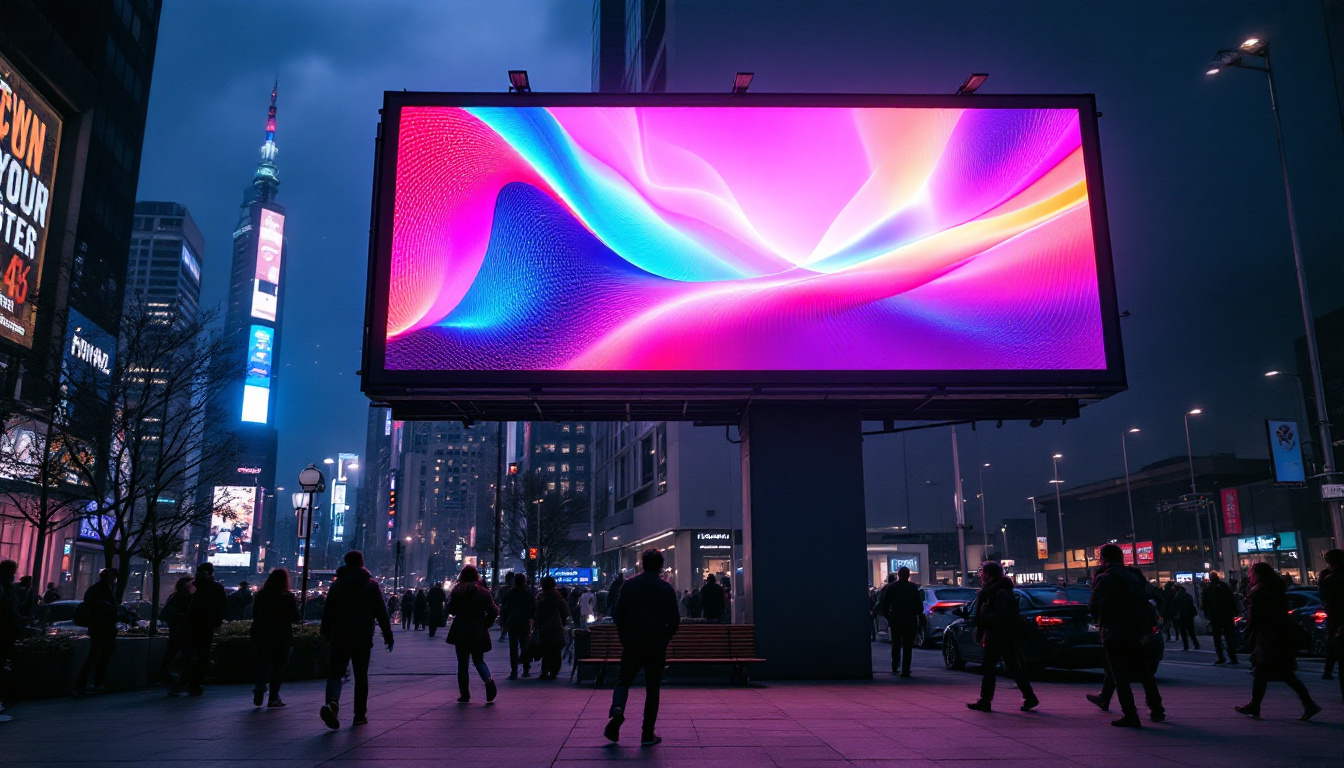
In today’s fast-paced digital world, visual communication plays a critical role in how information is conveyed and consumed. Among the many technologies available, LED displays have emerged as a dominant force due to their vibrancy, flexibility, and energy efficiency. One particular application gaining traction is the AV wall box LED display, a solution that combines audiovisual technology with dynamic LED visuals to create impactful presentations and environments. This article explores the intricacies of AV wall box LED displays, their technology, applications, and why they are becoming indispensable in various sectors.
Understanding AV Wall Box LED Displays
What is an AV Wall Box?
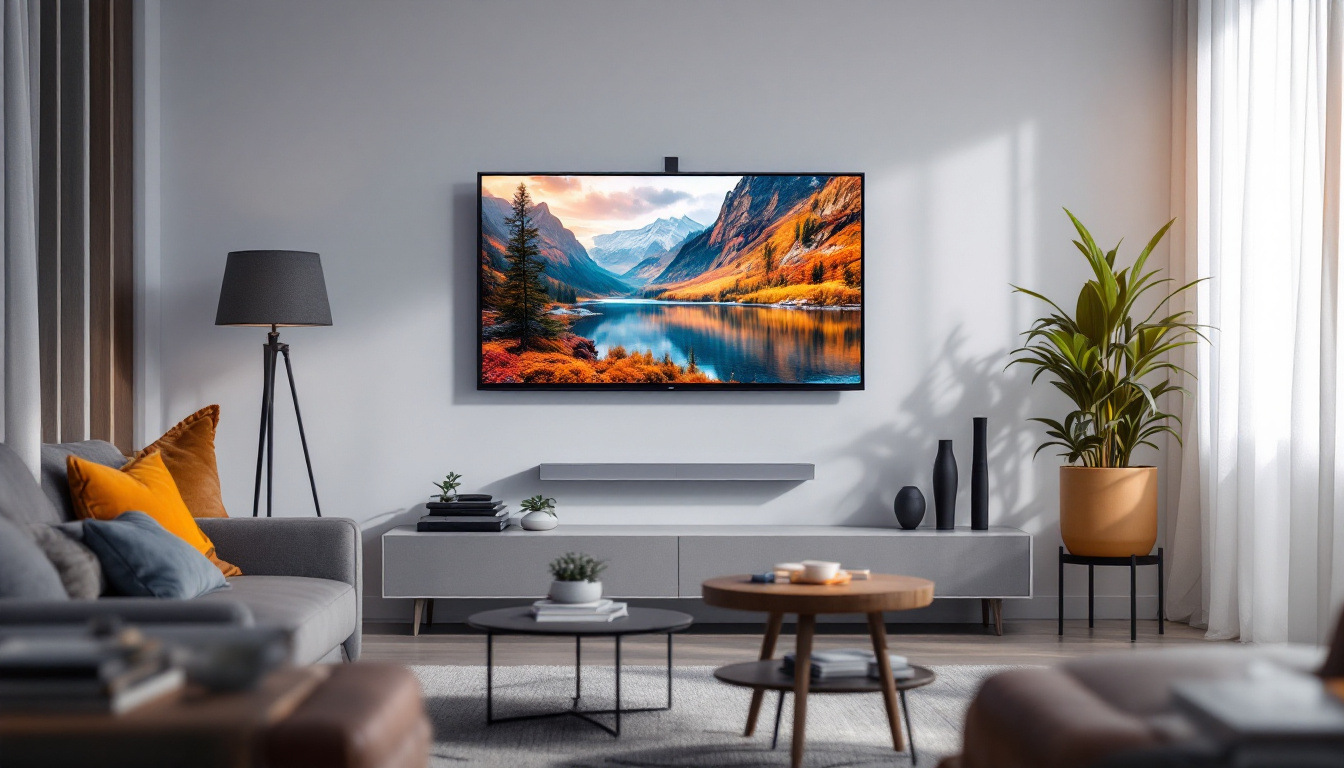
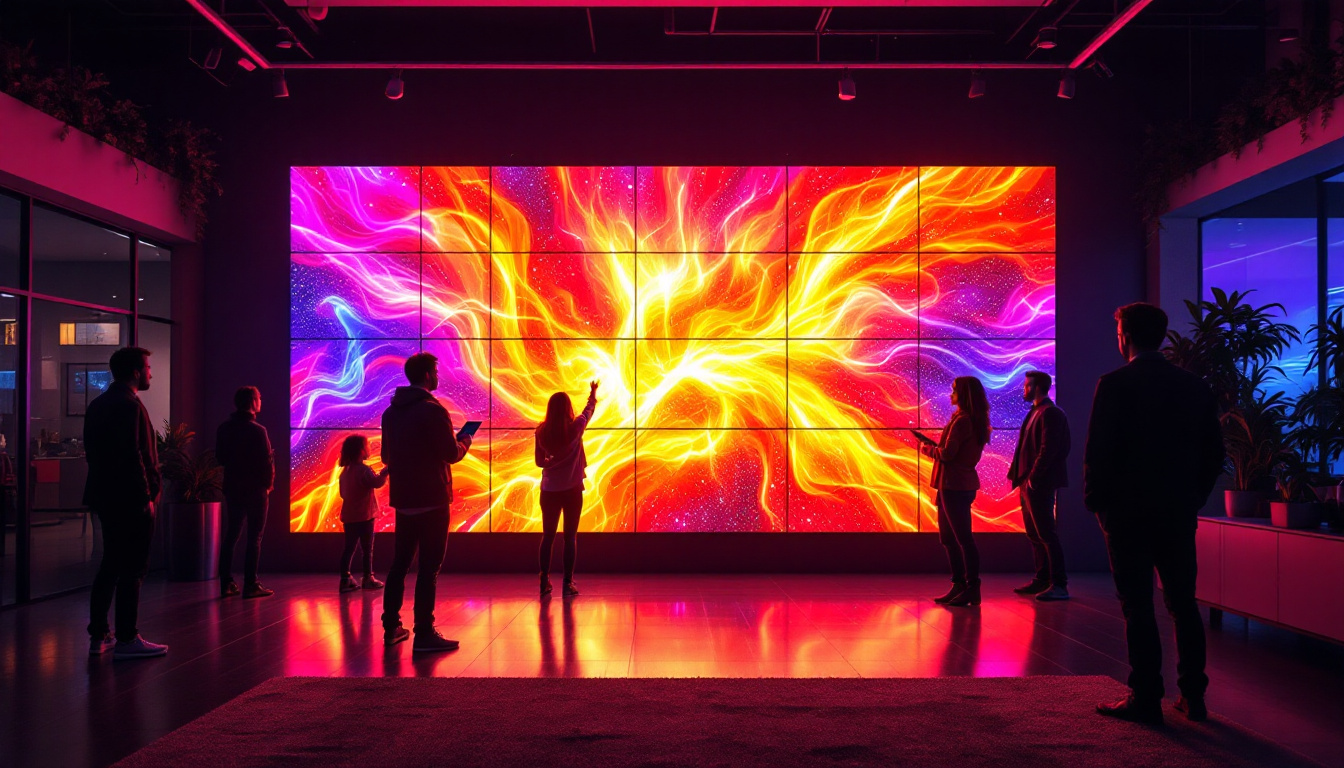
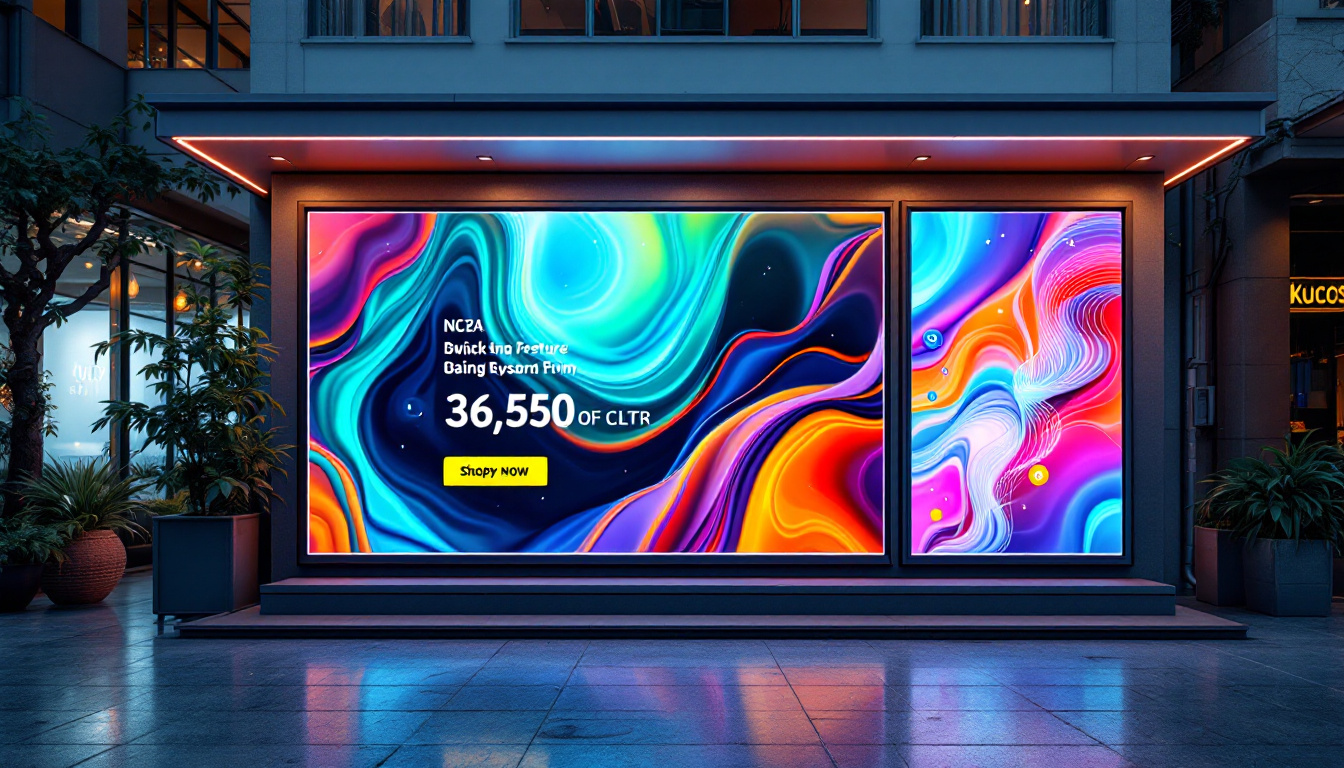
An AV wall box is a modular audiovisual display system designed to integrate multiple LED panels into a single, seamless screen. These systems are typically used to create large-scale video walls that can display high-resolution content in a variety of settings, from corporate boardrooms to public venues. The term “wall box” refers to the physical casing and structure that houses the LED modules, control electronics, and sometimes additional AV components such as speakers or cameras.
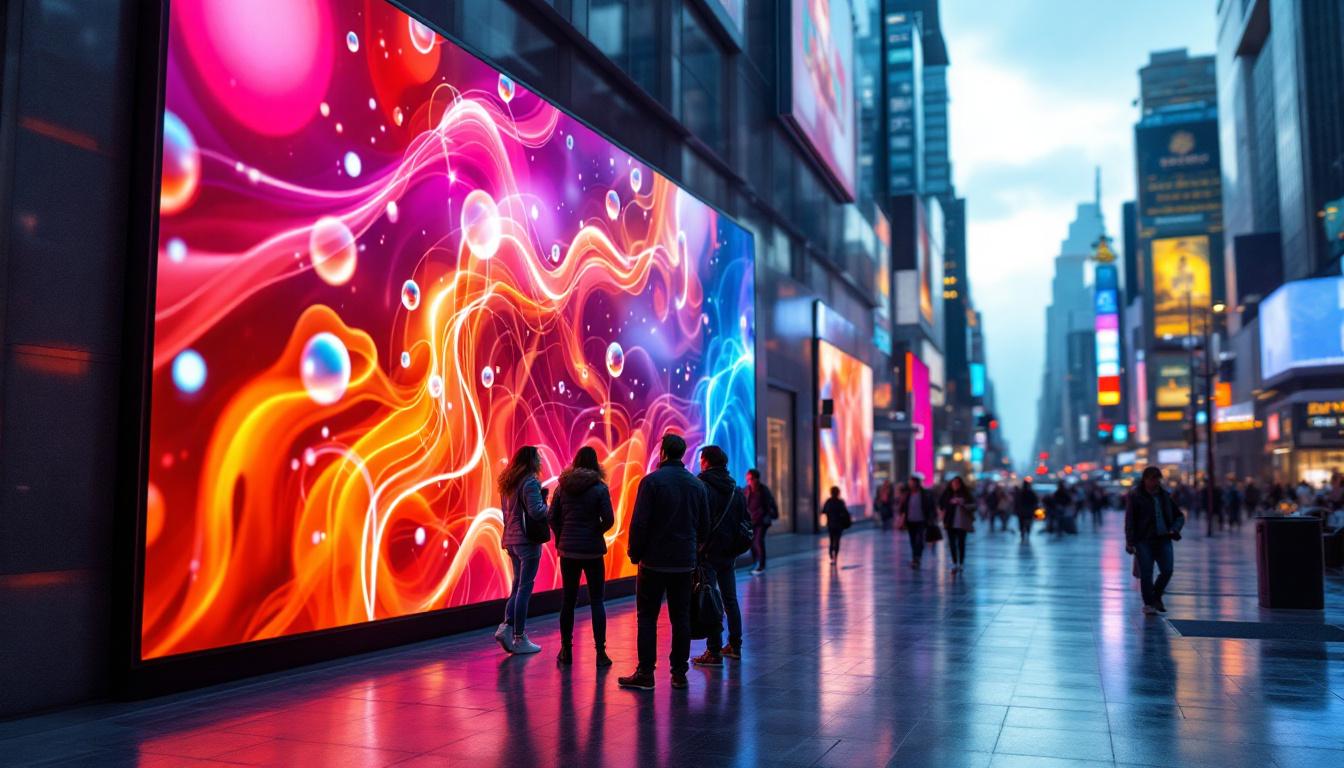
The modular nature of AV wall boxes allows for scalable configurations, meaning they can be customized to fit specific dimensions and resolutions. This flexibility makes them ideal for environments where visual impact and clarity are paramount. For instance, in a corporate setting, a large video wall can be used for presentations, displaying data analytics, or even live video feeds, all of which can enhance engagement and communication among team members. In public venues, these displays can serve as dynamic advertising platforms or information hubs, providing real-time updates and captivating visuals that draw in crowds.
How LED Technology Works in Wall Boxes
LED, or Light Emitting Diode, technology is the foundation of these display systems. Unlike traditional LCD or projection-based displays, LEDs emit light directly, resulting in brighter images and better contrast ratios. Each LED pixel consists of tiny diodes that emit red, green, and blue light, which combine to produce a full spectrum of colors.
In an AV wall box, thousands of these LED pixels are arranged in a grid to form a display panel. The panels are connected and synchronized through a control system that manages the content shown on the screen. Advances in LED technology have led to improvements in pixel pitch—the distance between individual pixels—allowing for ultra-high-definition displays that remain clear even at close viewing distances. This is particularly beneficial in environments like control rooms or broadcast studios, where precision and detail are critical. Furthermore, modern LED displays are also designed to be energy-efficient, reducing operational costs while maintaining high performance. This makes them not only a visually appealing choice but also a sustainable one, as they contribute to lower energy consumption and reduced environmental impact.
Key Features of AV Wall Box LED Displays
High Resolution and Image Quality
One of the most significant advantages of AV wall box LED displays is their exceptional image quality. Modern LED panels offer resolutions that rival or exceed traditional display technologies, with pixel pitches as fine as 0.9 mm available for indoor use. This means images are crisp, detailed, and vibrant, making them suitable for applications requiring precise visual representation, such as medical imaging, control rooms, and retail advertising.
Moreover, LED displays provide superior brightness levels, often exceeding 1,000 nits, which ensures visibility even in brightly lit environments. This brightness, combined with a high contrast ratio, creates images that are vivid and easy to read from various angles. The advanced color calibration techniques employed in these displays also enhance color accuracy, ensuring that the visuals presented are true to life. This is particularly important in fields like graphic design and photography, where color fidelity is paramount. Additionally, many LED displays support HDR (High Dynamic Range) content, allowing for a broader range of colors and improved detail in both the brightest and darkest parts of an image, further elevating the viewing experience.
Durability and Maintenance
LED wall boxes are designed for long-term use and durability. The LEDs themselves have a lifespan of 50,000 to 100,000 hours, significantly reducing the need for frequent replacements. Additionally, many AV wall box systems feature front-serviceable modules, which allow technicians to replace or repair individual panels without dismantling the entire display.
These displays are also built to withstand environmental factors such as dust, humidity, and temperature fluctuations, especially those designed for outdoor use. This robustness makes them a reliable choice for both indoor and outdoor installations. Furthermore, many manufacturers offer protective coatings that enhance the resilience of the displays against scratches and impacts, making them ideal for high-traffic areas. The modular design of these wall boxes also allows for easy scalability; organizations can start with a smaller setup and expand as their needs grow, ensuring that the investment remains relevant over time. This flexibility is particularly beneficial for venues that host a variety of events, allowing for quick adjustments to the display configuration as required.
Energy Efficiency
Compared to traditional display technologies like plasma or LCD, LED displays consume less power while delivering higher brightness. This energy efficiency translates into lower operational costs and a reduced environmental footprint. For organizations aiming to meet sustainability goals, investing in LED wall box displays can be a strategic decision.
In addition to their lower energy consumption, many LED displays incorporate smart technology that allows for automated brightness adjustments based on ambient light conditions. This not only enhances the viewing experience but also contributes to energy savings by ensuring that the display operates at optimal brightness levels without unnecessary power usage. Moreover, the use of recyclable materials in the construction of these displays aligns with eco-friendly practices, making them a responsible choice for businesses looking to minimize their environmental impact. As the demand for energy-efficient solutions continues to rise, LED wall box displays stand out as a forward-thinking option that meets both performance and sustainability criteria.
Applications of AV Wall Box LED Displays
Corporate and Conference Environments
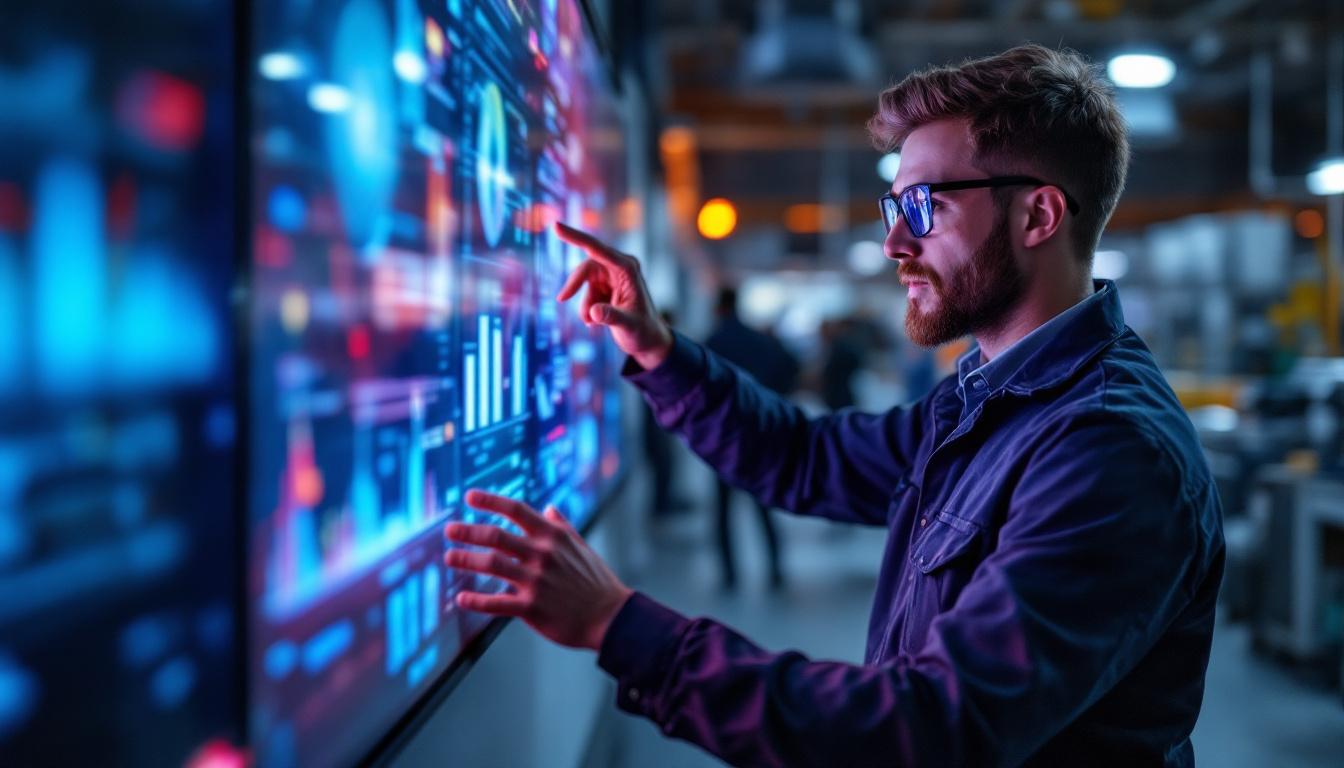
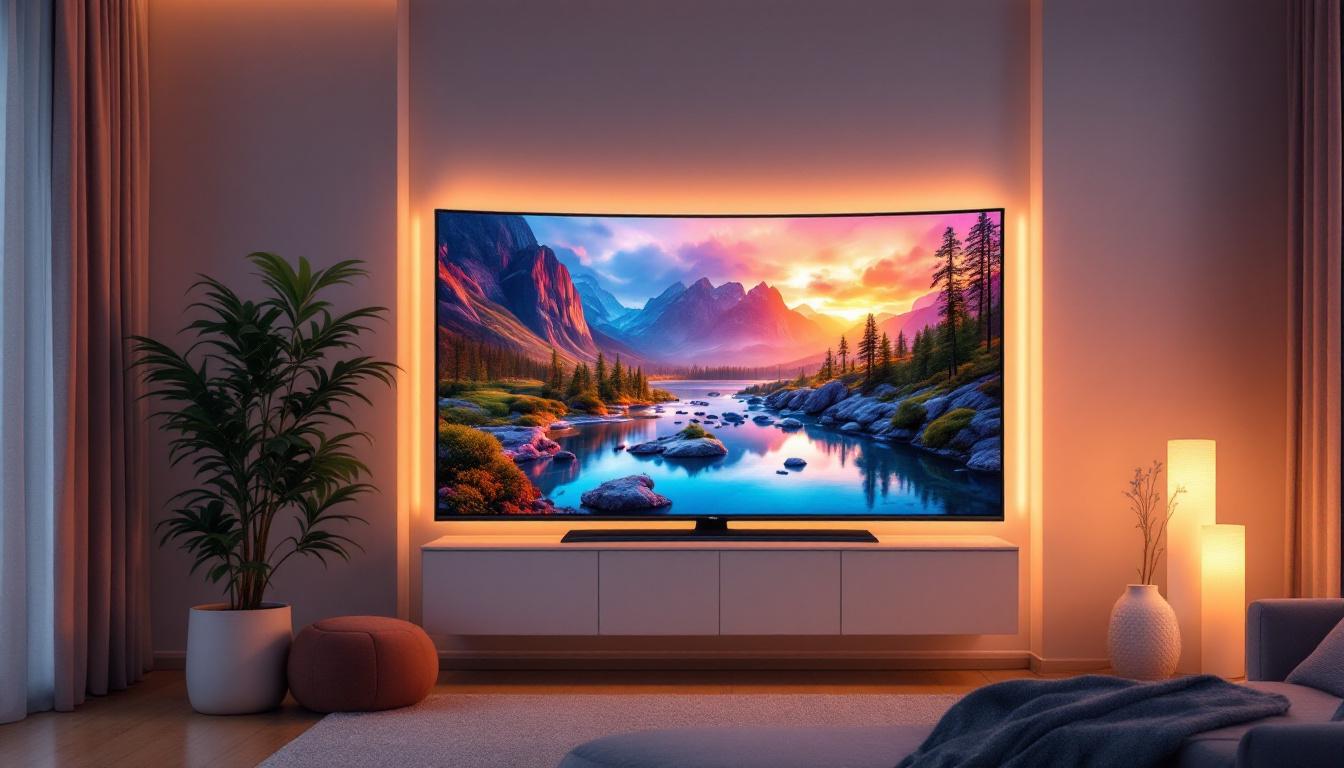
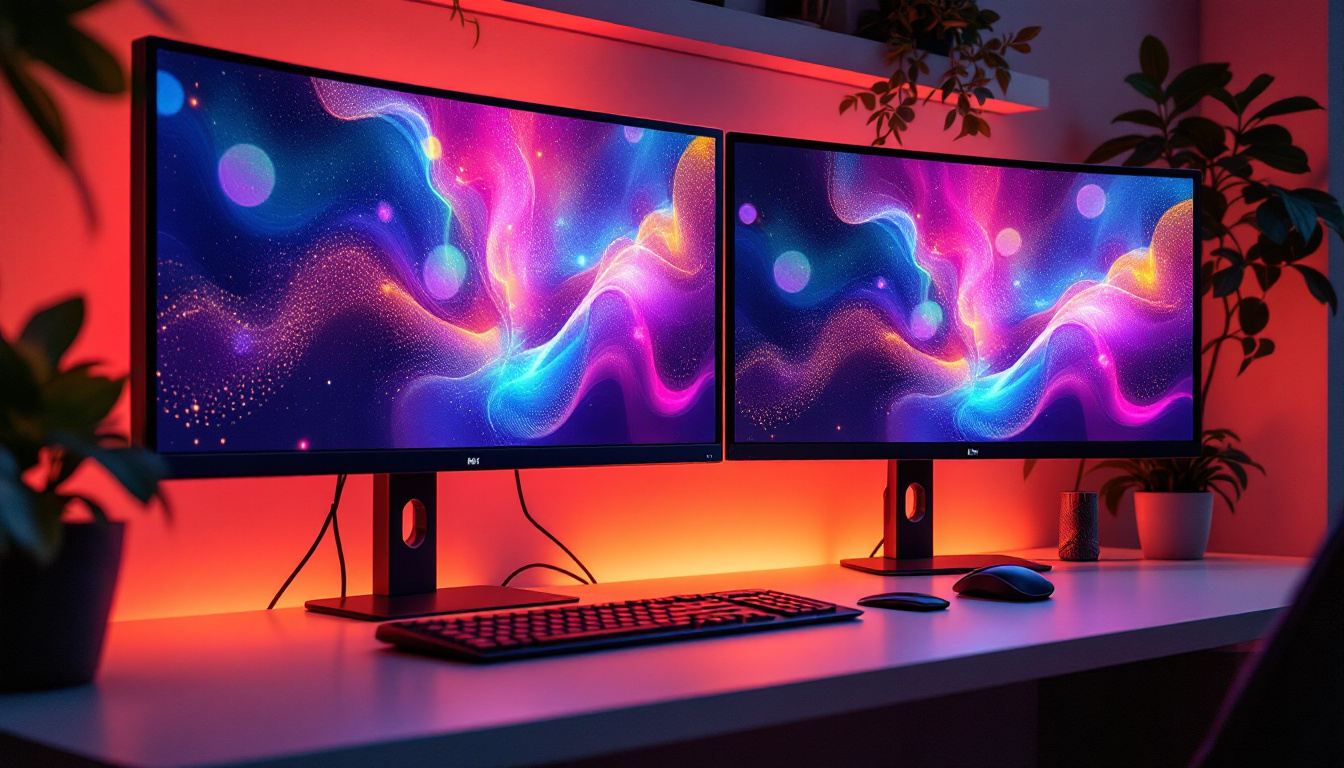
In corporate settings, AV wall boxes are frequently used for video conferencing, presentations, and digital signage. The ability to display multiple content sources simultaneously enhances communication and collaboration during meetings. For example, a video wall can show a live video feed alongside presentation slides and real-time data dashboards, all within a single cohesive display.
Leading companies have adopted AV wall box LED displays in their headquarters to create immersive environments that impress clients and support internal communication. The scalability of these systems means they can be tailored to fit boardrooms of any size.
Retail and Advertising
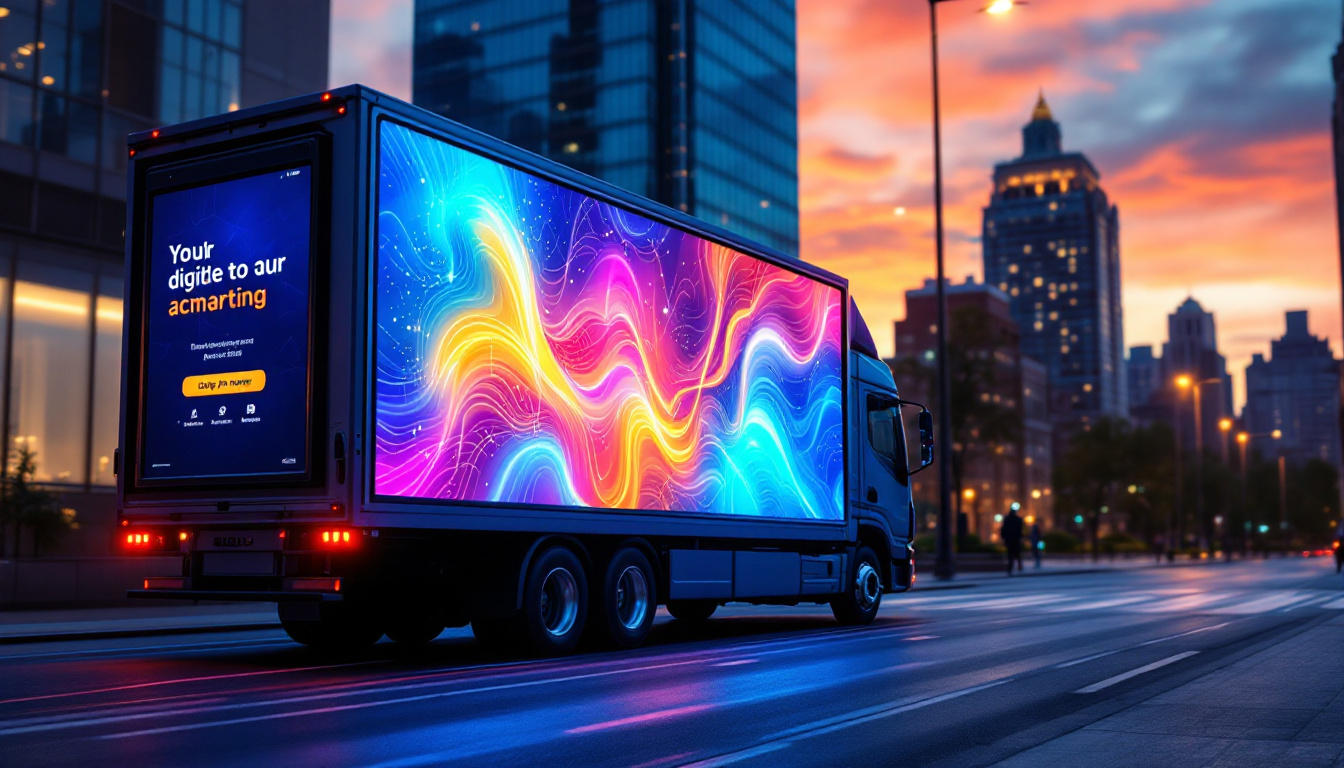
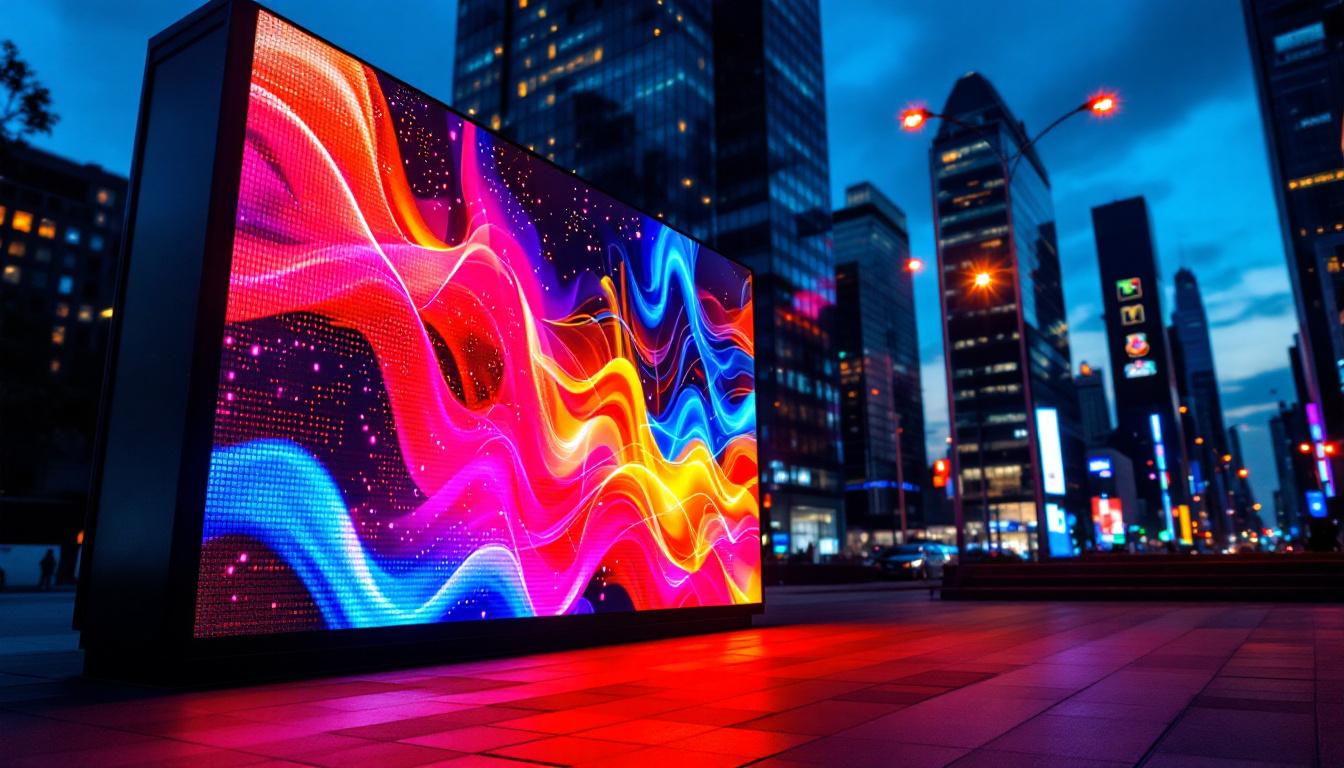
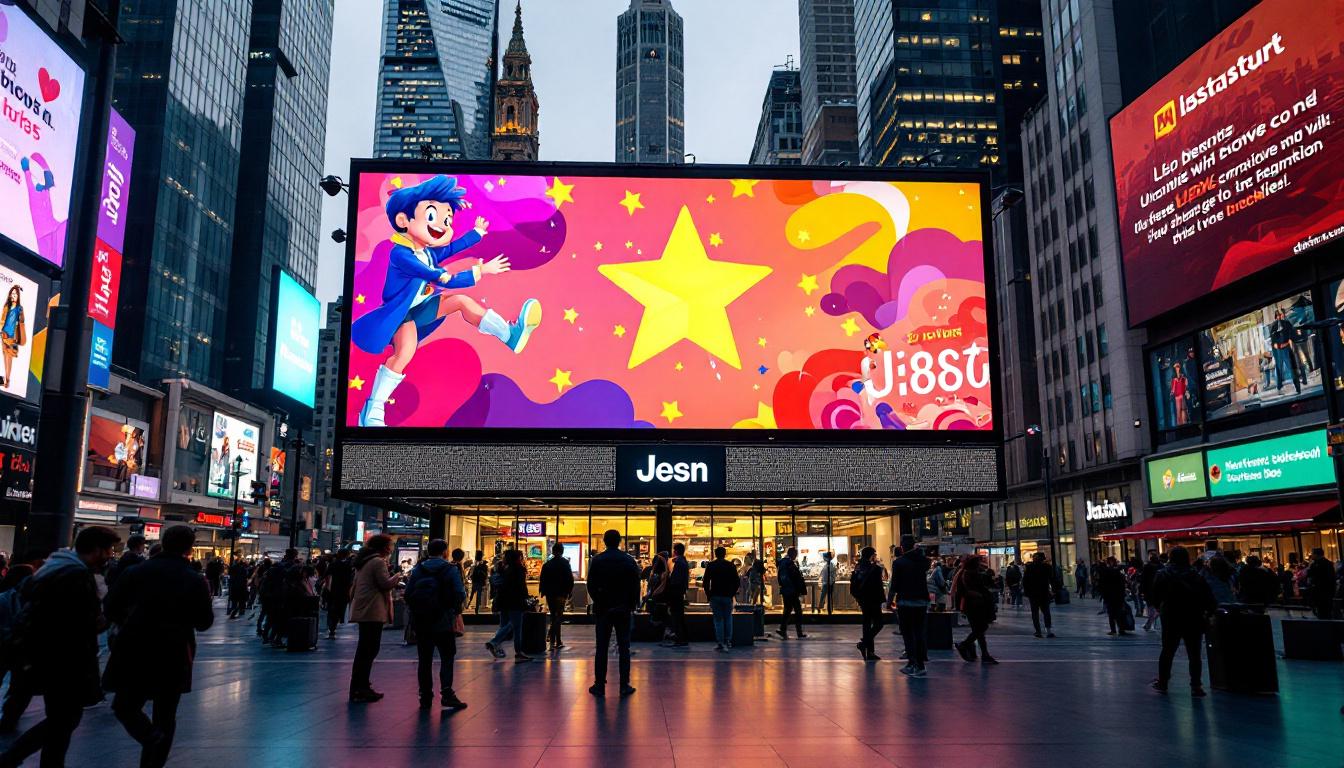
Retailers leverage AV wall box LED displays to capture customer attention and promote products dynamically. The high brightness and vibrant colors make these displays stand out in crowded environments such as shopping malls and airports. Digital signage powered by LED walls can be updated in real-time, allowing for timely promotions and targeted advertising.
According to recent market research, digital out-of-home advertising, which includes LED video walls, is projected to grow at a compound annual growth rate (CAGR) of over 12% through 2027. This growth underscores the increasing reliance on LED displays for marketing purposes.
Entertainment and Events
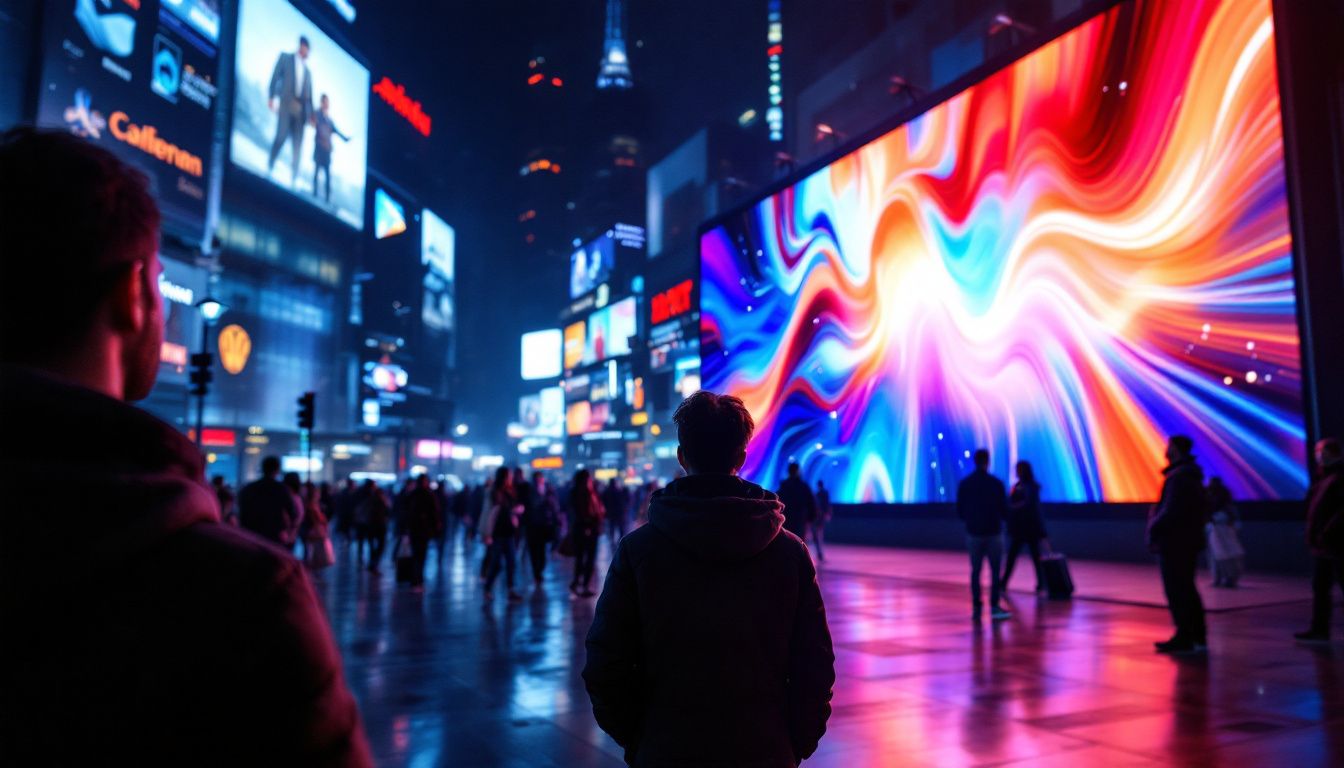
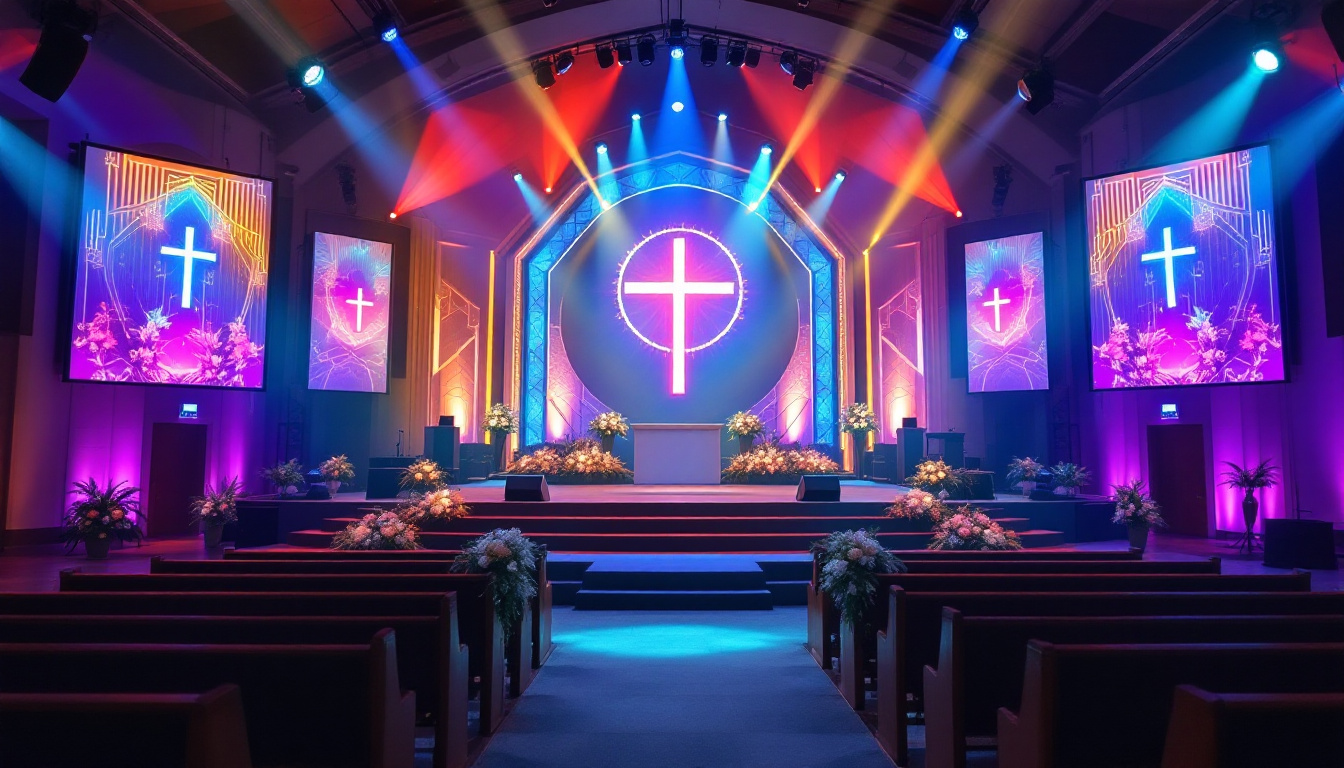
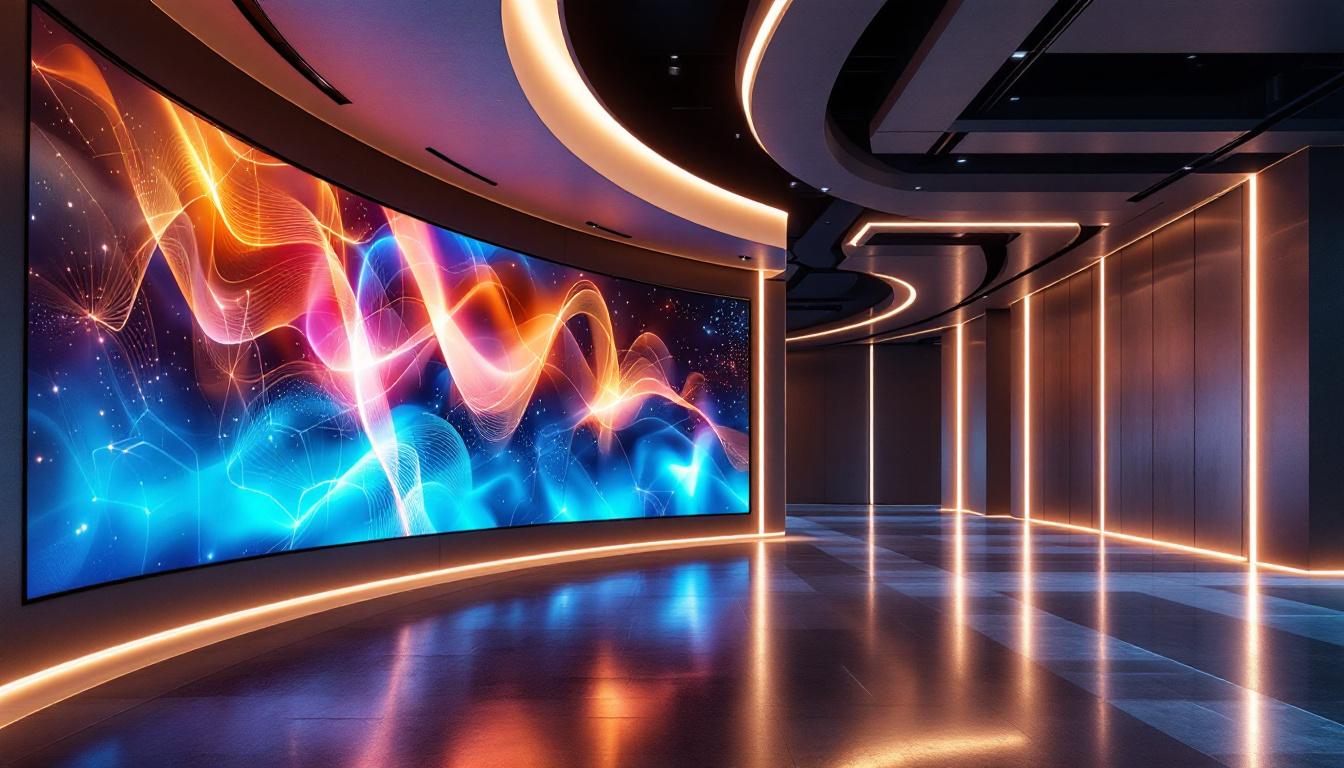
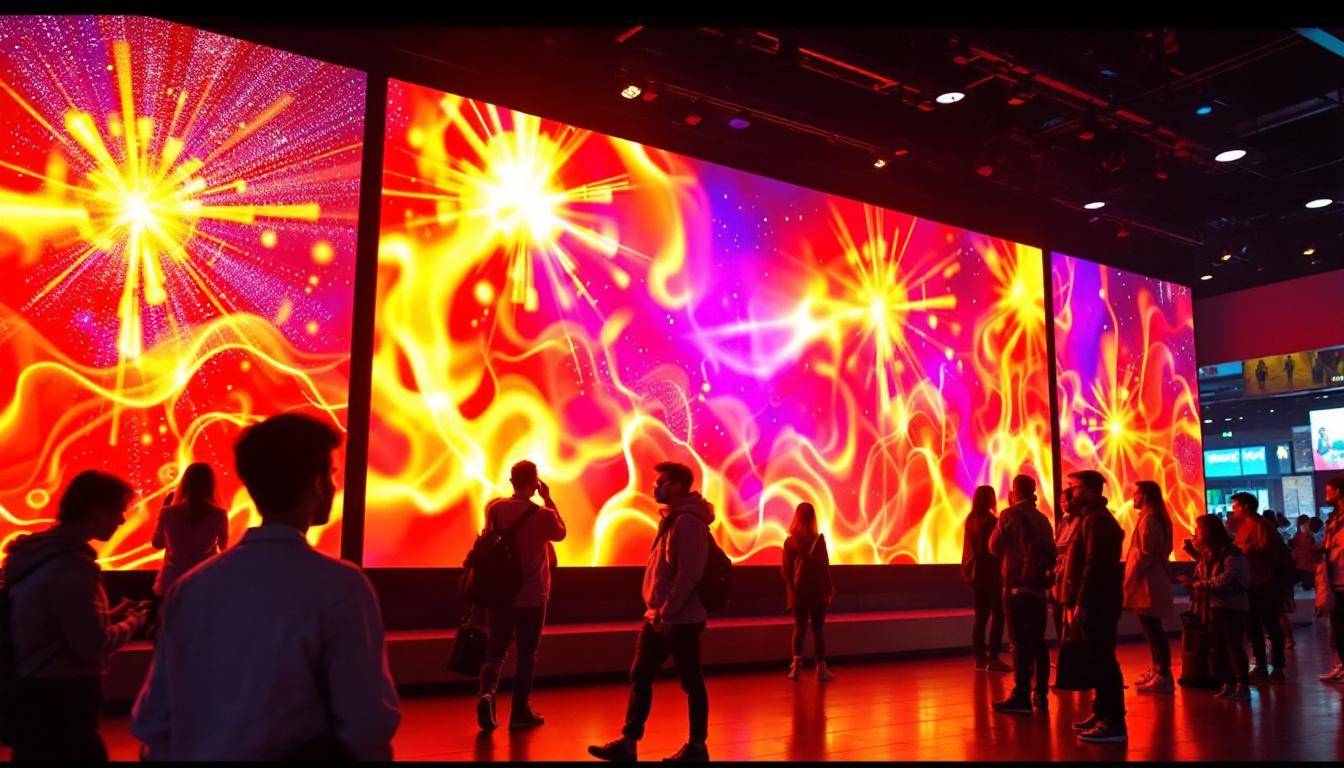
Large-scale events, concerts, and sports arenas often utilize AV wall box LED displays to enhance audience experience. These displays provide clear visuals to thousands of spectators, regardless of their seating location. The modular design allows for creative configurations, such as curved or angled walls, adding to the spectacle.
Additionally, LED video walls are used in broadcast studios and theaters to create dynamic backdrops and immersive environments, further expanding their role in the entertainment industry.
Technical Considerations When Choosing an AV Wall Box LED Display
Pixel Pitch and Viewing Distance
Pixel pitch is a critical factor when selecting an LED wall box display. It determines the resolution and clarity of the image, especially at close range. Smaller pixel pitches (under 2 mm) are ideal for indoor environments where viewers are close to the screen, such as control rooms or retail stores. Larger pixel pitches are suitable for outdoor or large venue applications where the audience is farther away.
Understanding the typical viewing distance helps in choosing the right pixel pitch to ensure optimal image quality without unnecessary cost.
Brightness and Contrast Requirements
The environment in which the LED wall will be installed influences the required brightness level. Outdoor displays need higher brightness (often above 5,000 nits) to remain visible under direct sunlight, while indoor displays typically require lower brightness levels to avoid eye strain.
Contrast ratio also affects image quality, particularly in darker scenes or detailed graphics. High contrast ratios contribute to richer colors and deeper blacks, enhancing the overall viewing experience.
Installation and Maintenance
Installation complexity varies depending on the size and configuration of the AV wall box. Some systems offer lightweight, easy-to-mount panels with front or rear servicing options. Front serviceability is particularly valuable in tight spaces where rear access is limited.
Maintenance considerations include ease of module replacement, availability of spare parts, and the presence of monitoring systems that can detect faults proactively. These factors help minimize downtime and ensure consistent performance.
Future Trends in AV Wall Box LED Displays
MicroLED and MiniLED Technologies
Emerging technologies such as MicroLED and MiniLED promise to revolutionize LED displays by offering even higher resolutions, better color accuracy, and improved energy efficiency. MicroLEDs, in particular, feature microscopic LEDs that can be individually controlled, enabling unprecedented image quality and flexibility.
While still in the early stages of commercial adoption, these technologies are expected to influence the design and capabilities of AV wall box systems in the coming years.
Integration with Smart Technologies
Integration with IoT (Internet of Things) and AI-driven content management systems is becoming increasingly common. AV wall boxes can now be programmed to display context-aware content, respond to environmental changes, or interact with viewers through sensors and cameras.
This level of interactivity enhances user engagement and opens new possibilities for personalized advertising, dynamic information displays, and immersive experiences.
Eco-Friendly Innovations
As sustainability becomes a priority, manufacturers are focusing on eco-friendly materials, recyclable components, and energy-saving designs. Advances in LED chip technology and power management contribute to reducing the carbon footprint of large-scale displays.
Organizations investing in AV wall box LED displays can benefit from these innovations by aligning their technology infrastructure with environmental goals.
Conclusion
AV wall box LED displays represent a powerful convergence of audiovisual technology and advanced LED innovation. Their ability to deliver high-resolution, bright, and durable visuals makes them an ideal choice across a wide range of industries, from corporate environments to entertainment and retail. Understanding the technical aspects, applications, and future trends of these systems is essential for businesses and organizations looking to leverage digital displays effectively.
As LED technology continues to evolve, AV wall box solutions will become even more versatile and impactful, driving new standards in visual communication and audience engagement.
Discover LumenMatrix’s Innovative LED Solutions
Ready to elevate your visual communication with the latest in LED display technology? LumenMatrix is at the forefront of creating immersive and dynamic visual experiences. From Indoor and Outdoor LED Wall Displays to specialized solutions like Vehicle, Sports, and Floor LED Displays, our extensive range caters to every need. Embrace the future of digital signage with our Custom, All-in-One, and Transparent LED Displays, designed to captivate your audience and amplify your message. Check out LumenMatrix LED Display Solutions today and transform your space into a vibrant hub of engagement and interaction.