In the dynamic world of live music performances, visual elements are just as crucial as the sound itself. Among these visual components, LED displays have emerged as a game-changing technology, transforming stages into immersive experiences. This article delves into the role of LED displays as backdrops for live music performances, exploring their technology, benefits, design considerations, and future trends.
The Evolution of Stage Backdrops in Live Music
Stage backdrops have long been an essential element in live music, serving both aesthetic and functional purposes. Traditionally, these backdrops were static—painted curtains, printed banners, or fabric screens. While effective to a degree, these methods offered limited flexibility and interactivity.
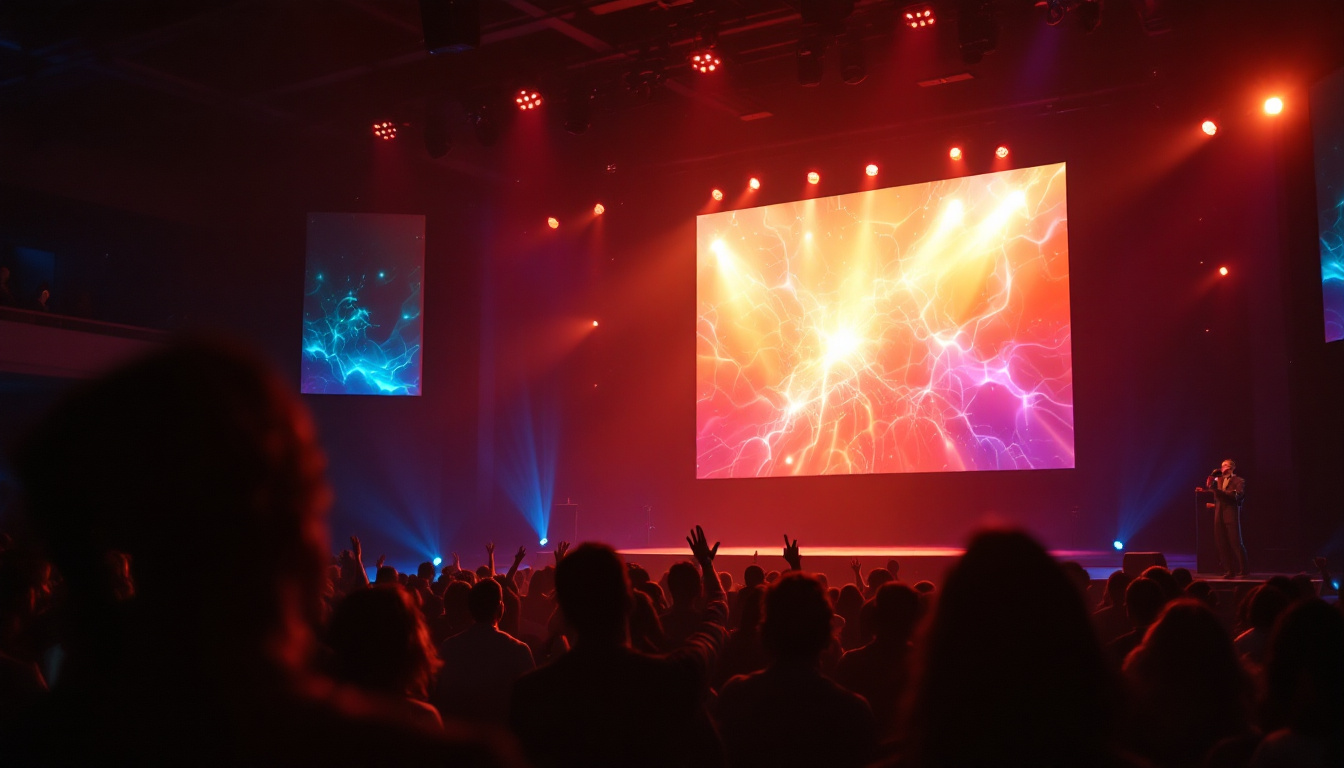
With advancements in digital technology, LED displays began to replace conventional backdrops, offering vibrant, dynamic visuals that can be synchronized with music and lighting. This shift has not only enhanced the audience’s visual experience but also opened new creative avenues for artists and production teams.
From Static to Dynamic: Why LED Displays Took Center Stage
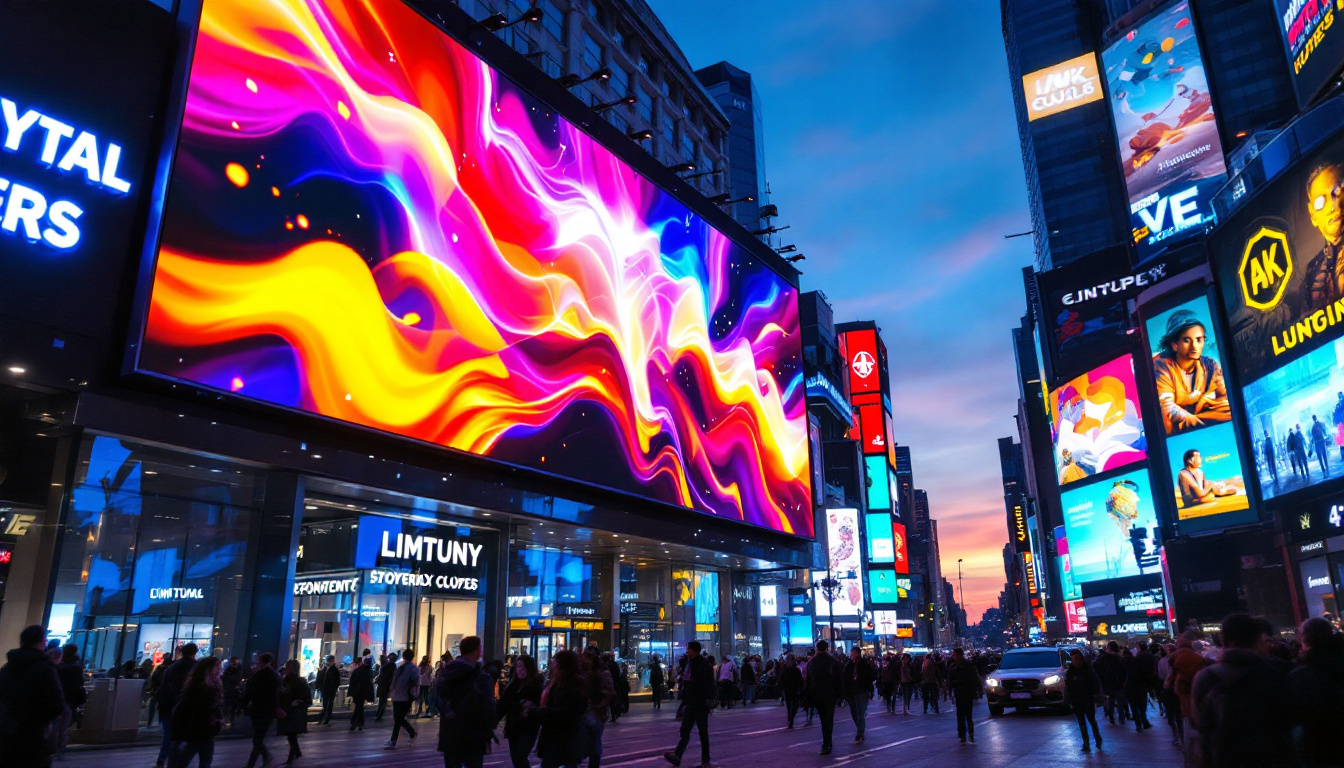
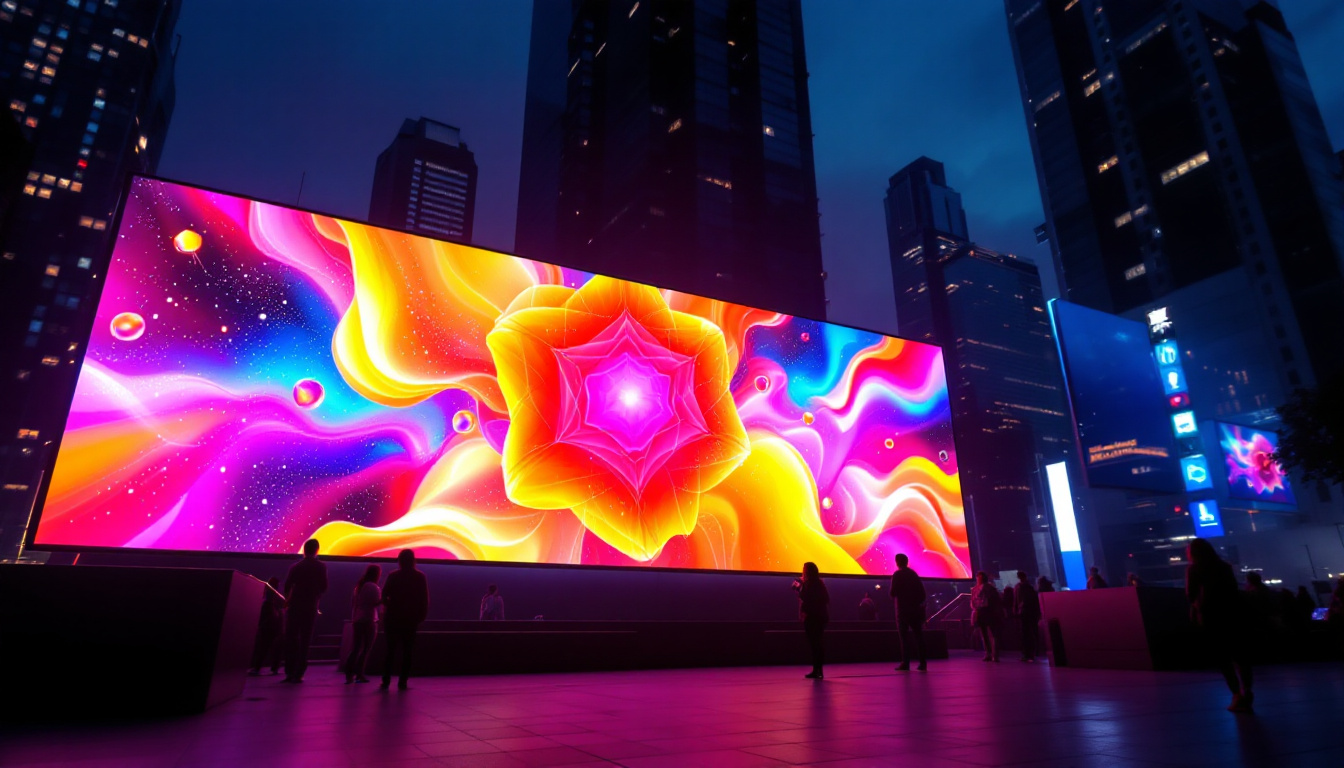
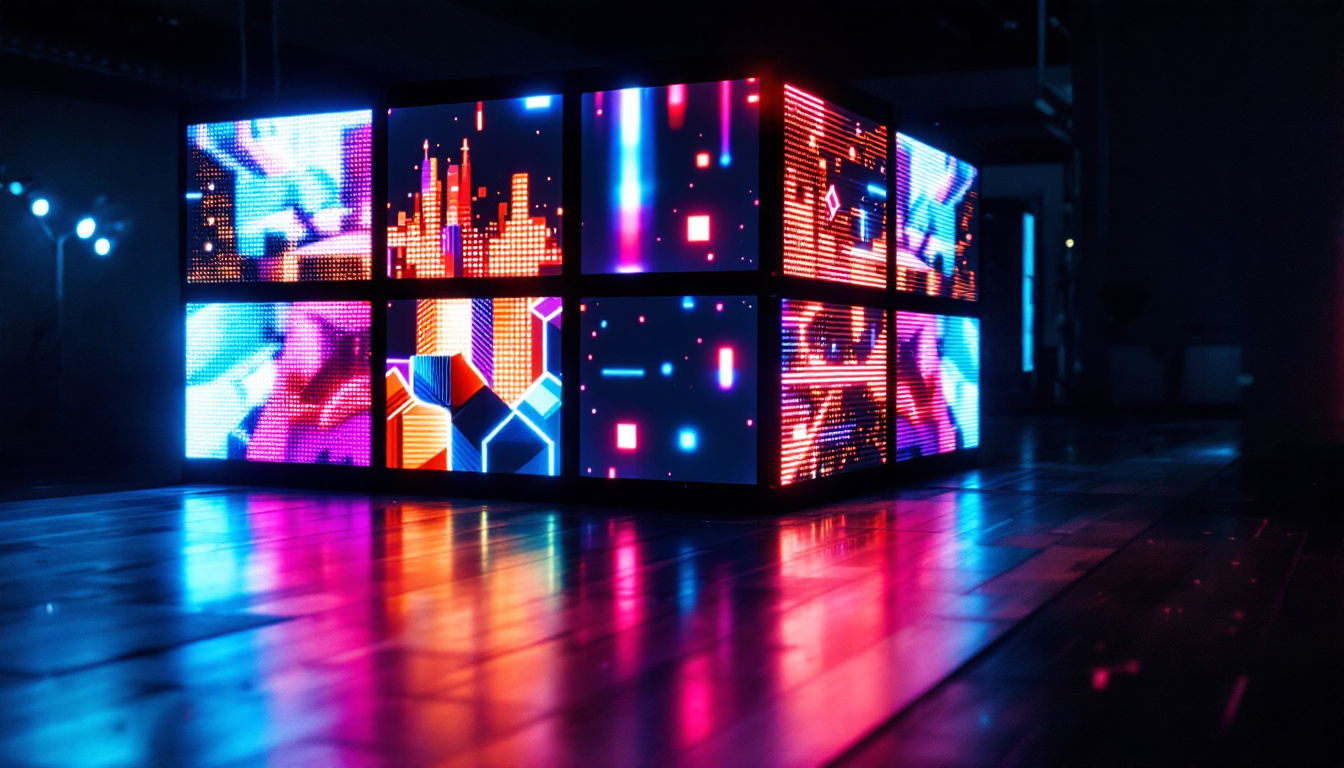
LED (Light Emitting Diode) technology provides unparalleled brightness, color accuracy, and energy efficiency compared to older projection or LCD methods. This makes LED displays highly visible even in large venues and outdoor settings with ambient light. Moreover, their modular design allows for custom shapes and sizes, enabling seamless integration into diverse stage designs.
For example, major music festivals like Coachella and Glastonbury have extensively adopted LED backdrops to create immersive environments that complement the performers’ artistic vision. These displays can show anything from abstract visuals and live camera feeds to real-time interactive graphics, enhancing storytelling and audience engagement.
In addition to enhancing visual appeal, LED backdrops also allow for a level of interactivity that was previously unattainable. Some artists have begun to incorporate audience participation into their performances, using mobile apps that allow fans to influence the visuals displayed behind them. This creates a unique synergy between the performer and the audience, transforming a passive viewing experience into an active, collaborative event. Furthermore, the ability to change visuals on-the-fly means that each performance can be uniquely tailored, ensuring that no two shows are ever exactly alike, which keeps fans coming back for more.
The evolution of stage backdrops has also led to a rise in the use of augmented reality (AR) and virtual reality (VR) technologies. These innovations allow artists to create entirely new worlds on stage, where the boundaries between the physical and digital blur. For instance, during live performances, artists can interact with digital avatars or animated environments that respond to their movements and sounds, creating a truly immersive experience. This not only captivates the audience but also pushes the boundaries of what is possible in live music production, paving the way for future innovations in the industry.
Understanding LED Display Technology
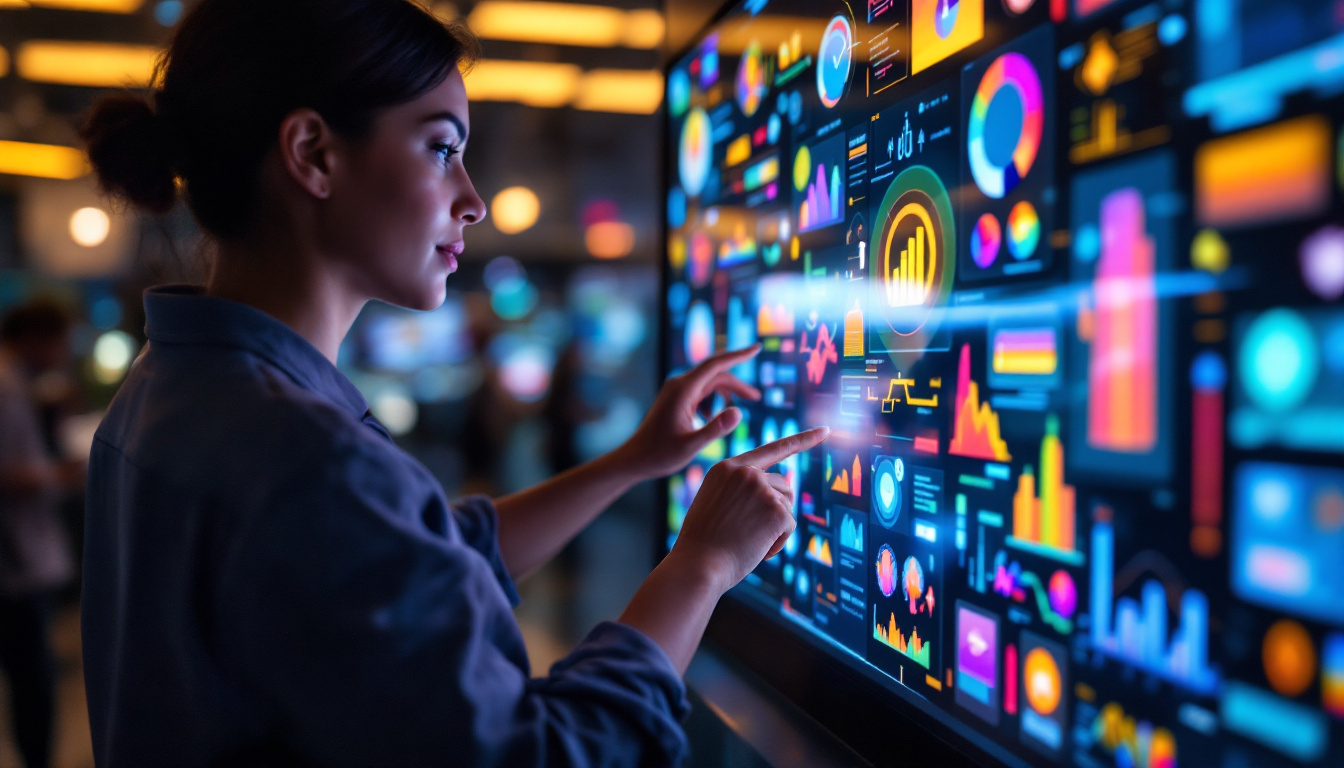
To fully appreciate the impact of LED backdrops, it’s important to understand the technology behind them. LED displays consist of numerous tiny diodes that emit light when an electric current passes through. These diodes are arranged in pixels, which together form the images and videos displayed on the screen.
Types of LED Displays Used in Live Music
There are several types of LED displays commonly used in live music settings, each with unique characteristics:
- Indoor LED Panels: Designed for controlled lighting environments, these panels offer high resolution and color fidelity. They are ideal for theaters and indoor concert halls.
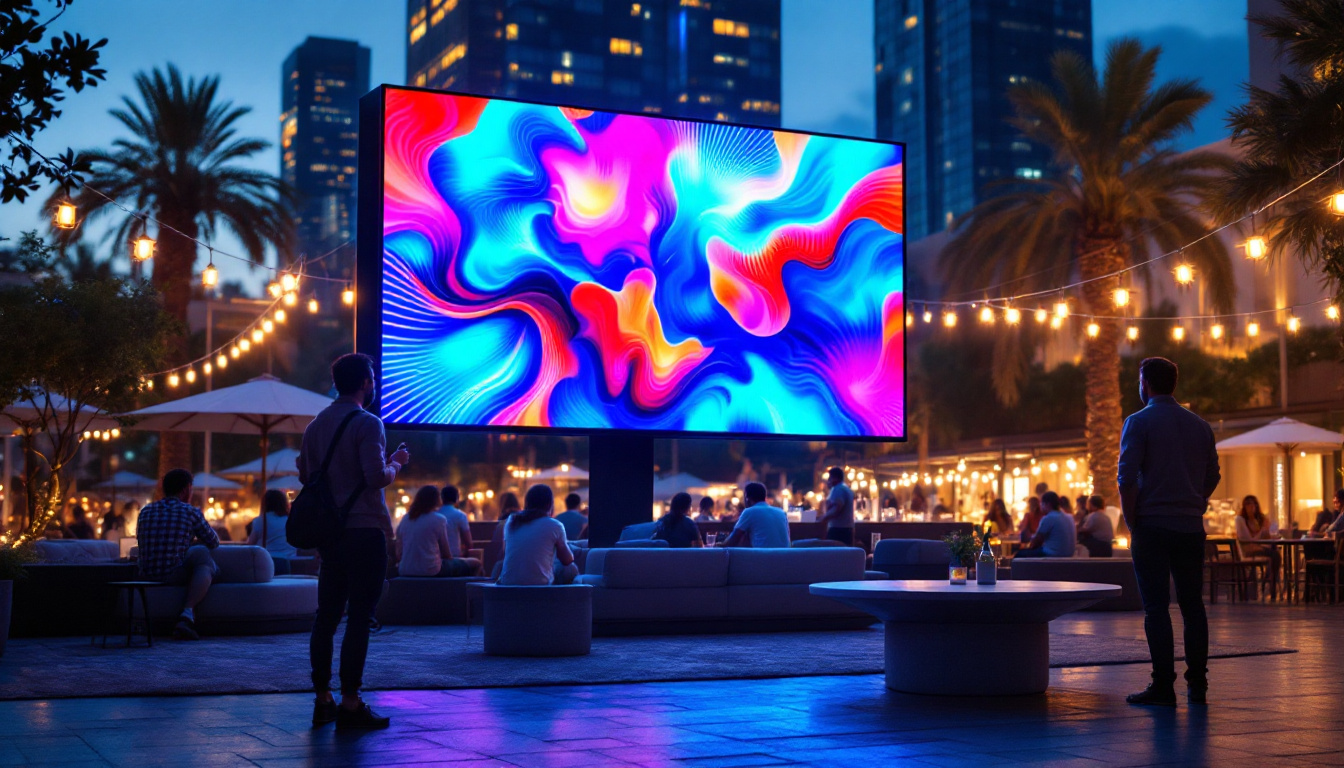
- Outdoor LED Screens: Built to withstand weather conditions, these screens have higher brightness levels to combat sunlight and are typically used in open-air festivals and stadiums.
- Flexible LED Mesh: This lightweight, semi-transparent option allows for creative stage designs, such as wrapping around structures or hanging in front of other elements without blocking light.
Each type can be customized in pixel pitch—the distance between individual LEDs—which affects the display’s resolution and viewing distance. Smaller pixel pitches provide sharper images but are more costly and suited for close-up viewing, while larger pitches work well for distant audiences.
Technical Considerations for Live Music Performances
When selecting and deploying LED displays for live music, several technical factors must be considered:
- Brightness and Contrast: Ensuring visibility under various lighting conditions is critical. LED displays typically offer brightness levels from 1,000 to over 6,000 nits, with higher levels needed for outdoor use.
- Refresh Rate: A high refresh rate (above 3,000 Hz) prevents flickering on camera feeds, which is essential for live broadcasts and recording.
- Color Accuracy: Accurate color reproduction enhances the visual impact and maintains consistency with the artist’s branding and stage design.
- Durability and Reliability: Live performances demand robust hardware that can withstand transport, setup, and continuous operation without failure.
Benefits of Using LED Displays as Backdrops
LED displays offer numerous advantages that have made them the preferred choice for modern live music backdrops. These benefits extend beyond mere aesthetics, influencing production efficiency, audience engagement, and creative possibilities.
Enhanced Visual Impact and Audience Engagement
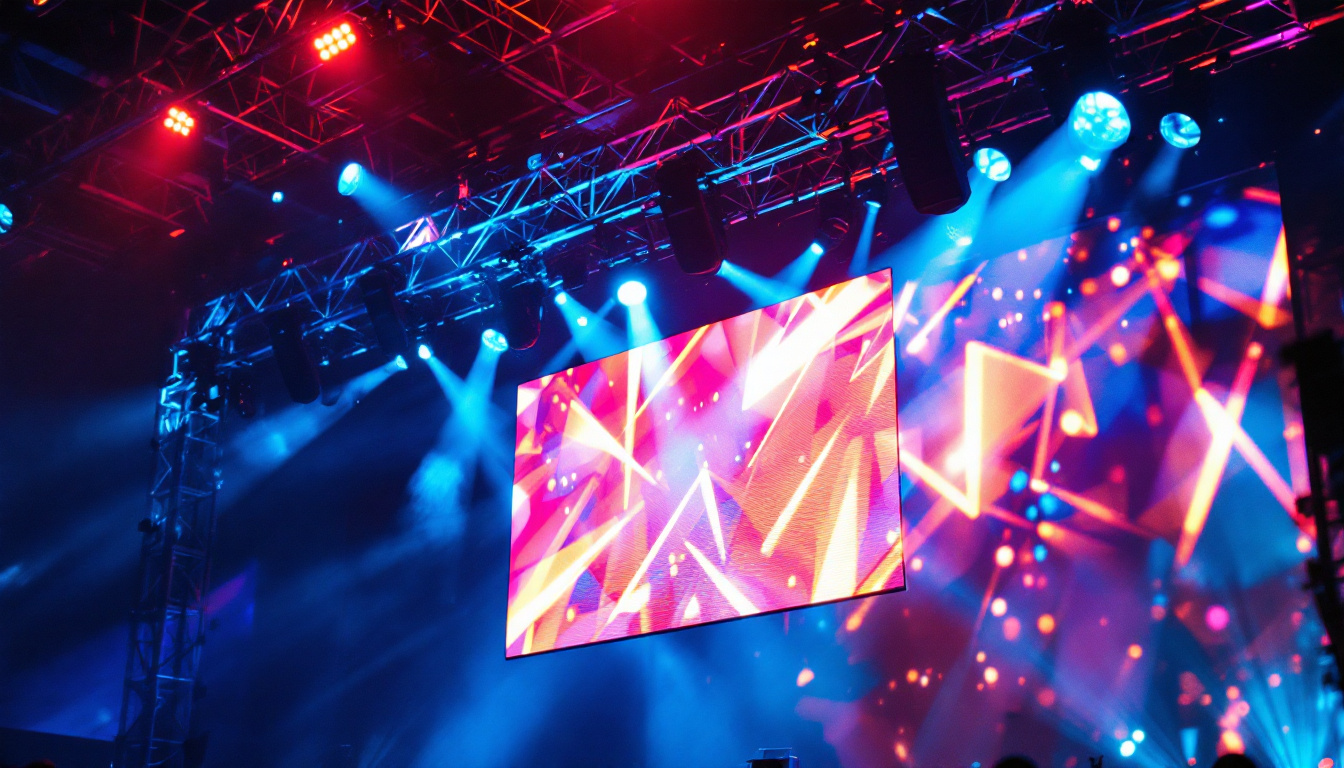
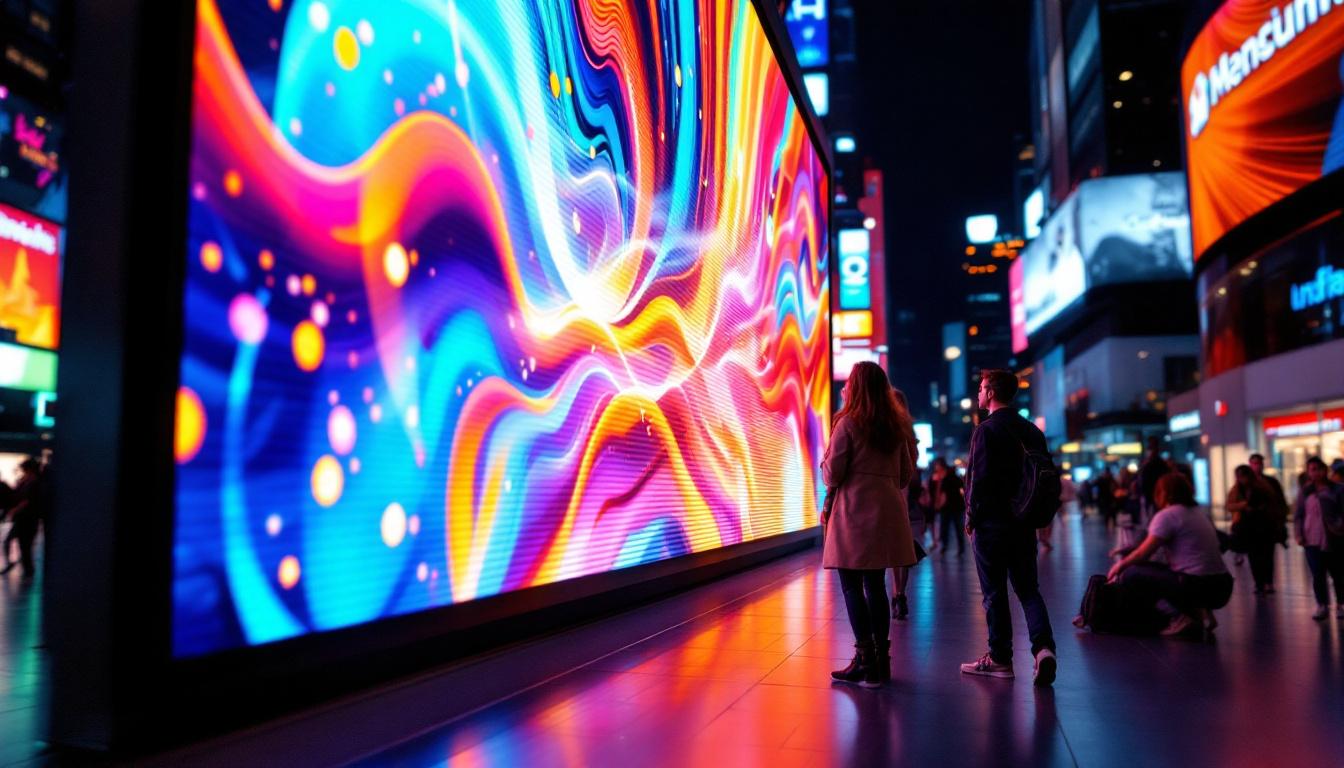
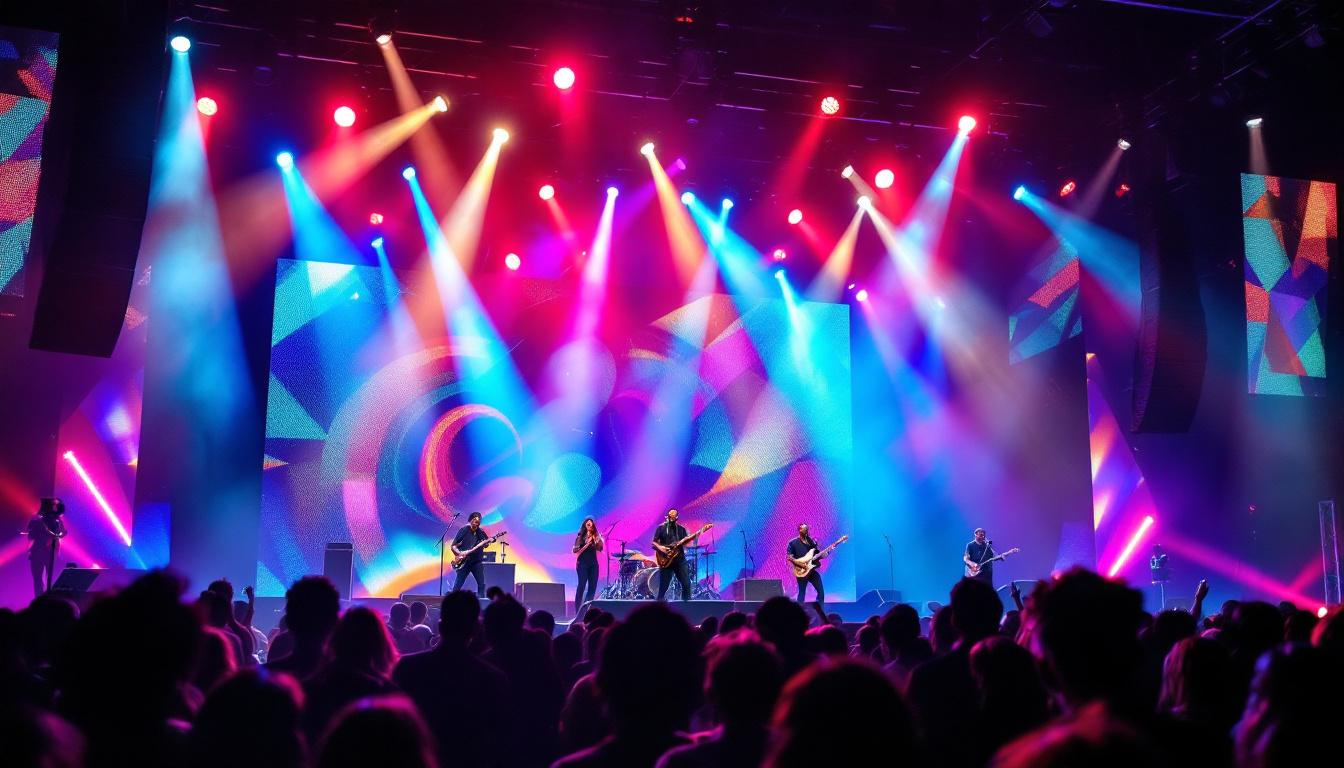
LED backdrops provide vibrant, high-resolution visuals that can be synchronized with music and lighting to create a cohesive sensory experience. This synchronization can elevate the emotional impact of a performance, making it more memorable for the audience.
For instance, artists like Beyoncé and Coldplay utilize LED displays to project thematic visuals, interactive animations, and live camera feeds that connect performers with their fans on a deeper level. Such immersive environments encourage audience participation and social media sharing, amplifying the event’s reach.
Flexibility and Customization
Unlike static backdrops, LED displays can be easily reprogrammed and reconfigured for different songs, sets, or even entire tours. This adaptability allows production teams to tailor visuals to the mood and narrative of each performance segment.
Moreover, modular LED panels can be assembled into various shapes and sizes, from massive rectangular screens to curved or angled installations. This flexibility supports innovative stage designs that enhance the overall production value.
Operational Efficiency and Cost-Effectiveness
While the initial investment in LED technology can be significant, the long-term benefits often justify the cost. LED displays reduce the need for multiple physical backdrops, printing, and manual setup, saving time and labor.
Additionally, LED panels consume less power than traditional lighting and projection systems, contributing to lower operational costs and a smaller environmental footprint. Their durability also minimizes maintenance and replacement expenses over time.
Design and Implementation Considerations
Successfully integrating an LED backdrop into a live music performance requires careful planning and collaboration among artists, designers, and technical crews. Several key factors influence the design and implementation process.
Aligning Visuals with Artistic Vision
The LED backdrop should complement the artist’s style and the thematic elements of the performance. This involves selecting appropriate content—such as animations, video clips, or live feeds—and ensuring it aligns with the music’s tone and message.
Creative directors often work closely with visual artists and video producers to develop content that enhances storytelling without overshadowing the performers. Balance is critical; the backdrop should support the live experience rather than distract from it.
Stage Layout and Audience Sightlines
The physical placement and size of the LED display must consider the venue’s architecture and audience viewing angles. Large screens may need to be elevated or angled to ensure visibility for all attendees, while smaller venues might require more intimate setups.
Additionally, the integration of LED backdrops with other stage elements—such as lighting rigs, instruments, and props—must be seamless to avoid clutter and maintain a polished appearance.
Technical Setup and Integration
Implementing LED backdrops involves complex technical coordination, including power supply, data transmission, and synchronization with audio and lighting systems. Experienced technicians use specialized software and hardware to control the display content in real time.
Rehearsals are essential to test the system’s performance, troubleshoot issues, and fine-tune timing. Given the high stakes of live events, redundancy plans—such as backup power and control systems—are also critical to prevent failures.
Case Studies: LED Backdrops in Iconic Live Performances
Examining real-world examples helps illustrate the transformative power of LED displays in live music settings.
U2’s 360° Tour
U2’s 360° Tour featured a massive cylindrical LED screen that surrounded the stage, creating a 360-degree visual experience. This innovative design allowed the band to engage audiences from all angles, with synchronized graphics that enhanced the concert’s immersive atmosphere.
The tour’s use of LED technology set new standards for large-scale productions, demonstrating how visual elements can redefine audience interaction and stage presence.
Billie Eilish’s “Where Do We Go?” Tour
Billie Eilish’s recent tour utilized LED backdrops to create moody, atmospheric visuals that matched her unique musical style. The displays featured shifting colors, abstract patterns, and thematic imagery that evolved throughout the performance, reinforcing the emotional narrative of her songs.
This approach highlighted the versatility of LED screens in supporting diverse artistic expressions, from high-energy pop to introspective ballads.
The Future of LED Displays in Live Music
As technology continues to advance, LED displays are poised to become even more integral to live music performances. Innovations in resolution, flexibility, and interactivity will expand creative possibilities and audience engagement.
MicroLED and MiniLED Technologies
Emerging MicroLED and MiniLED technologies promise higher pixel densities, improved brightness, and better energy efficiency. These advancements will enable even sharper, more vibrant backdrops suitable for intimate venues and large arenas alike.
Interactive and Augmented Reality Integration
The integration of LED displays with interactive technologies and augmented reality (AR) is an exciting frontier. Future performances may feature visuals that respond to audience movements, gestures, or biometric data, creating personalized and participatory experiences.
Sustainability and Eco-Friendly Innovations
Environmental concerns are driving the development of more sustainable LED solutions, including recyclable materials and energy-saving designs. As the live music industry seeks to reduce its carbon footprint, eco-friendly LED technology will become a key consideration in production planning.
Conclusion
LED displays have revolutionized the backdrop landscape for live music performances, offering unmatched visual impact, flexibility, and operational efficiency. By understanding the technology, benefits, and design considerations, artists and production teams can harness LED backdrops to elevate their shows and captivate audiences worldwide.
As the technology evolves, the potential for creativity and audience engagement will only grow, making LED displays an indispensable tool in the future of live music entertainment.
Illuminate Your Live Performances with LumenMatrix
Ready to take your live music performances to the next level? Discover how LumenMatrix’s cutting-edge LED display technology can transform your stage into a mesmerizing spectacle. With solutions ranging from Indoor and Outdoor LED Wall Displays to innovative LED Sports and Floor Displays, LumenMatrix is committed to amplifying your live events with stunning visuals and interactive experiences. Elevate your audience’s experience and ensure your message resonates with clarity. Check out LumenMatrix LED Display Solutions today and redefine the art of live performance.