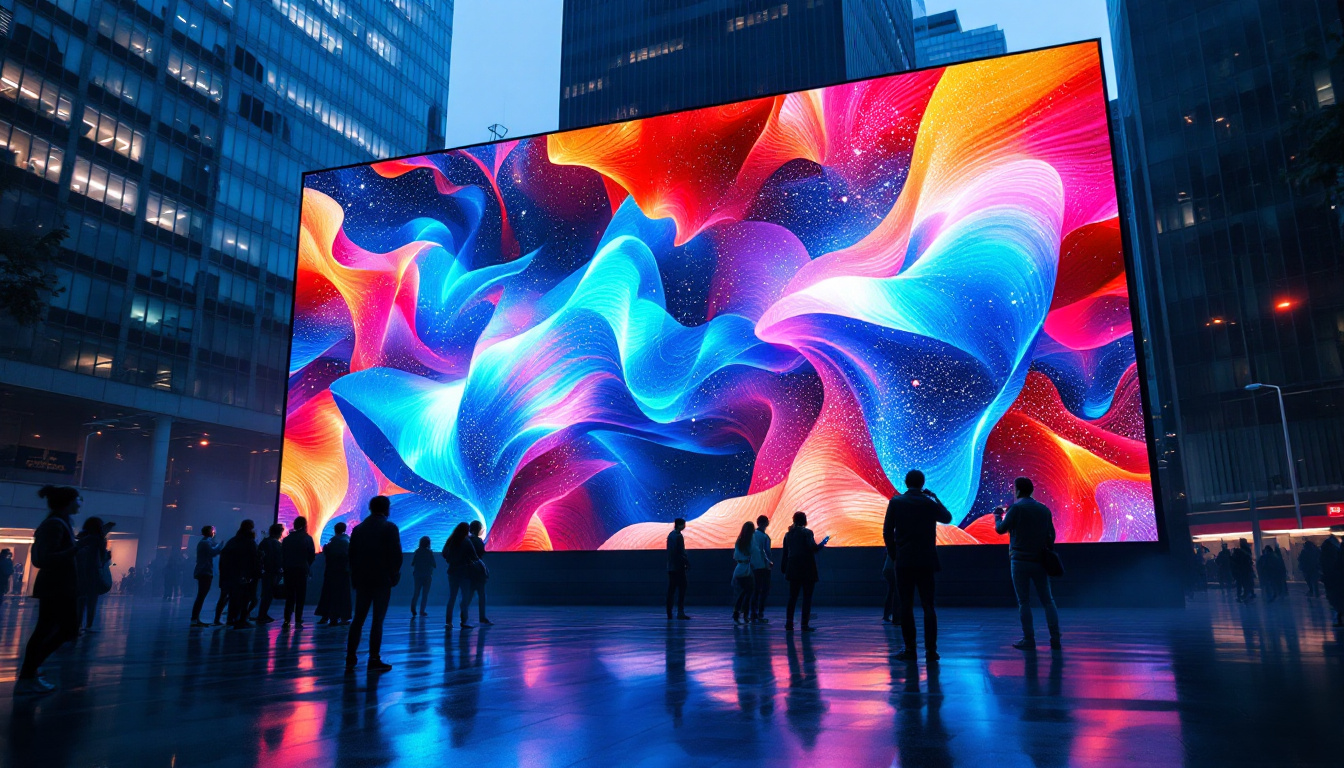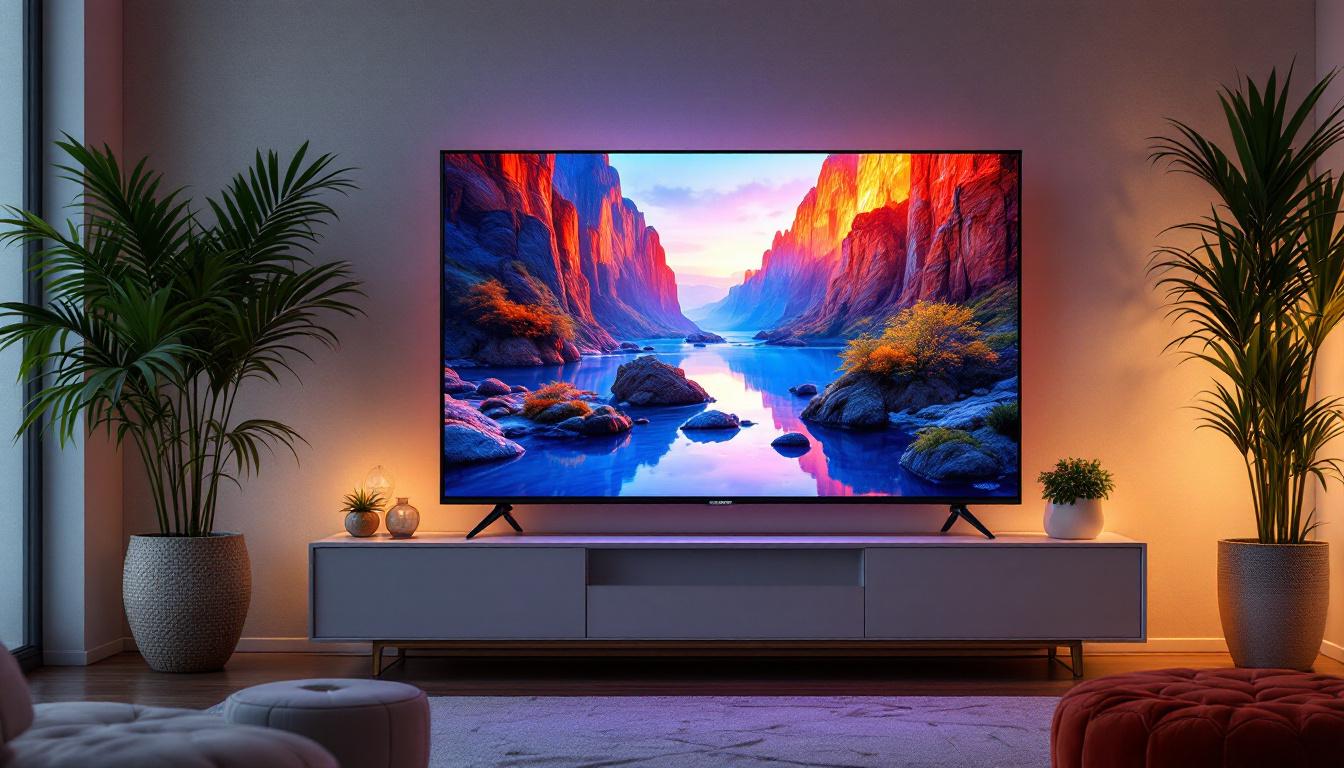
In the rapidly evolving world of digital signage and display technology, LED displays have carved out a significant niche, offering unparalleled brightness, color accuracy, and versatility. Among the various configurations available, the 2×2 LED display setup stands out for its balance of size, resolution, and cost-effectiveness. This article delves deep into understanding what a 2×2 LED display is, its key benefits, applications, and how to select the best option for your needs.
Understanding the 2×2 LED Display Configuration
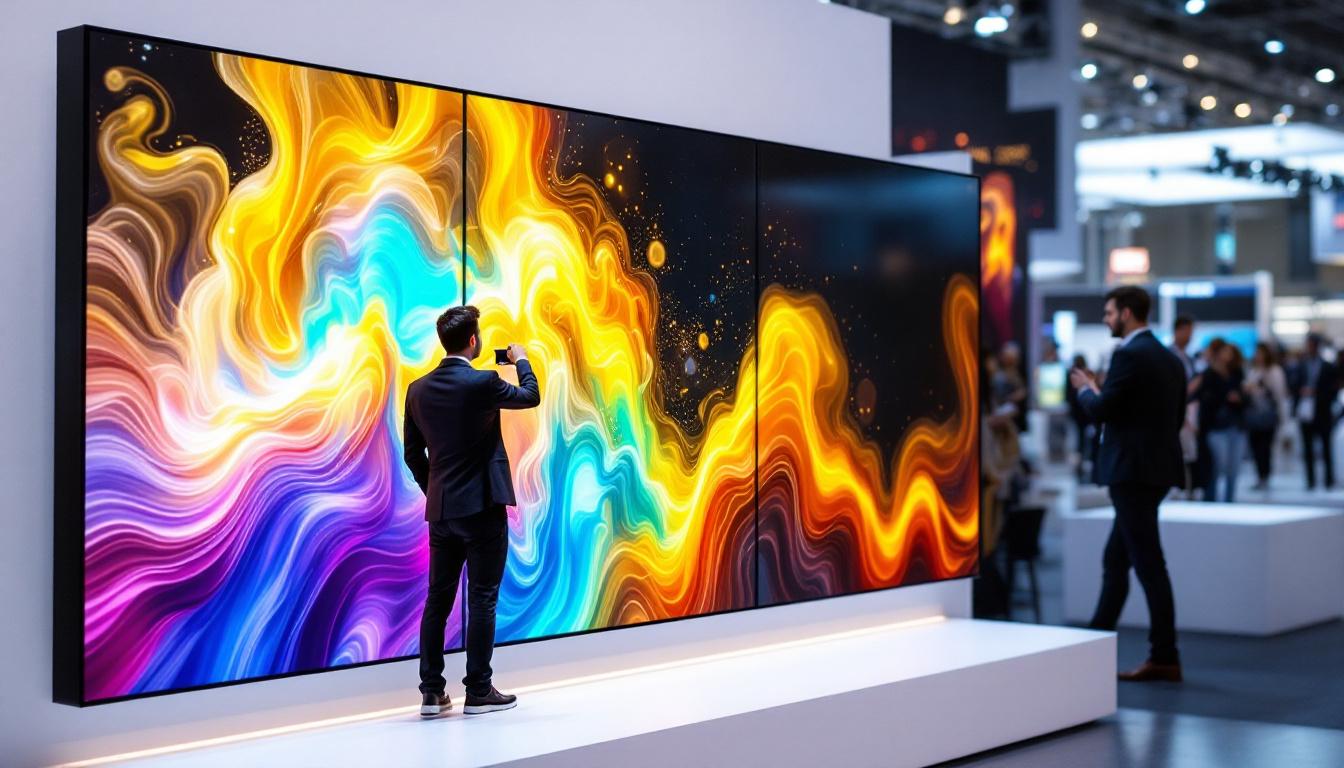
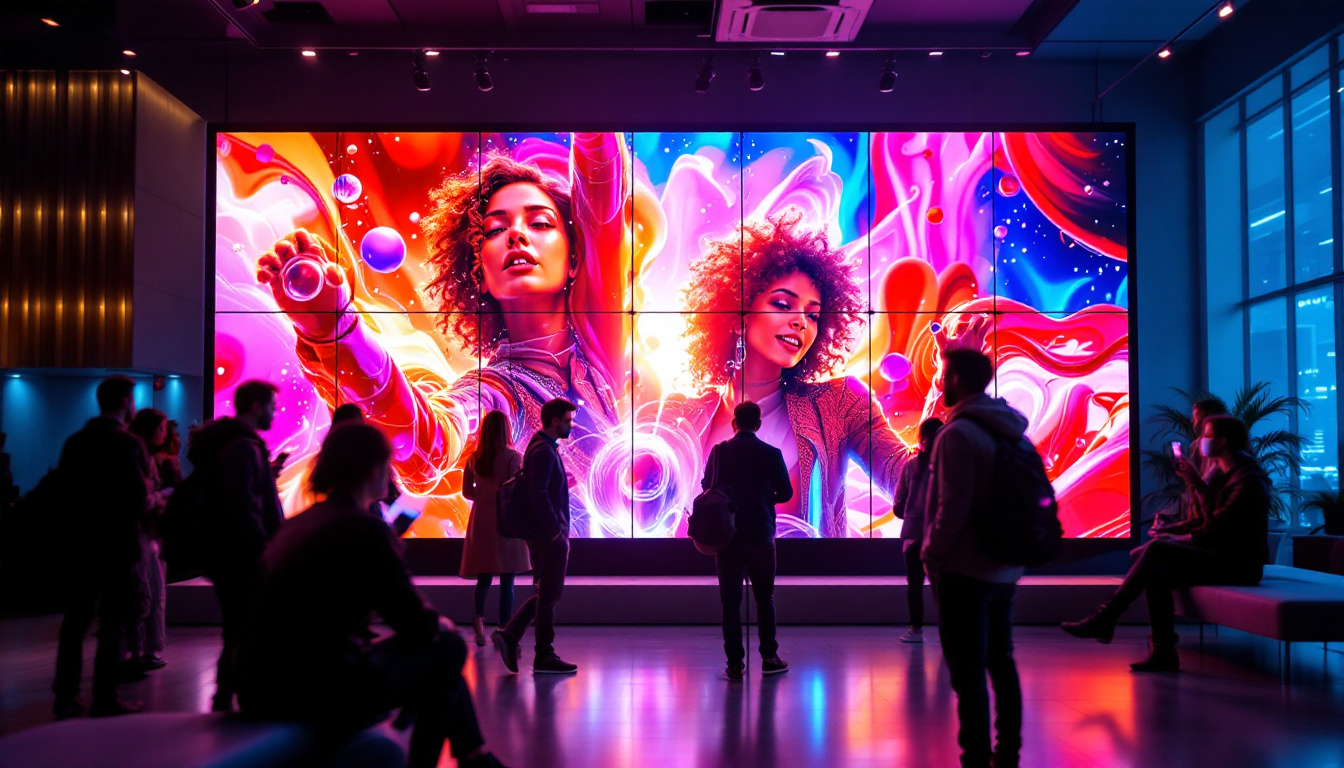
At its core, a 2×2 LED display refers to a video wall or screen composed of four individual LED panels arranged in a grid of two panels wide by two panels high. Each panel is a self-contained unit with its own LEDs, control circuitry, and mounting hardware. When combined, these panels create a larger, seamless display surface that can showcase high-definition content with impressive clarity.
This modular design allows for flexibility in installation and maintenance. Should one panel require servicing, it can often be replaced or repaired without dismantling the entire display. Furthermore, the 2×2 configuration strikes a practical balance—it’s large enough to deliver impactful visuals but compact enough for indoor environments or smaller venues. This makes it an ideal choice for retail spaces, corporate environments, and even small event venues where space is at a premium but visual impact is still a priority.
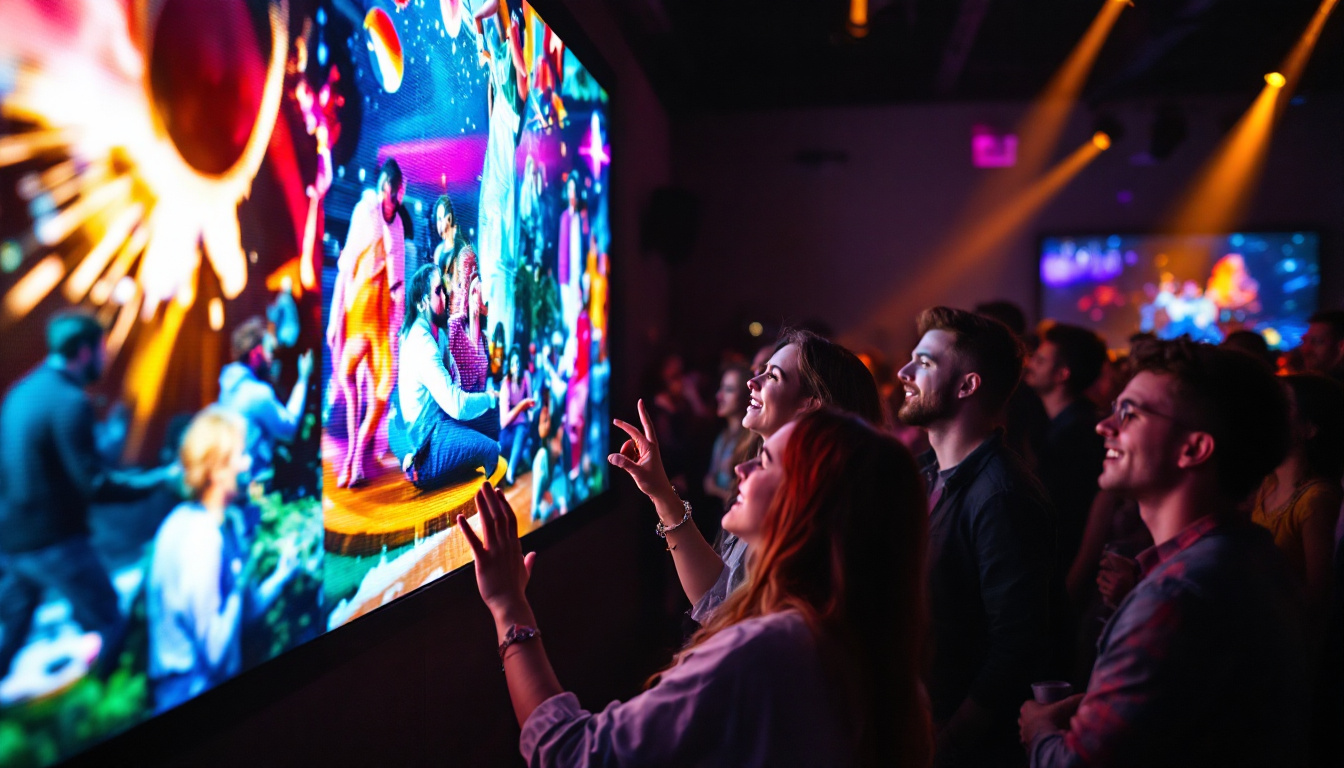
In addition to its practical applications, the 2×2 LED display configuration also enhances the viewer’s experience by providing a cohesive visual narrative. Whether used for advertising, presentations, or entertainment, the unified display allows for dynamic content that can captivate audiences. The ability to showcase multiple content streams simultaneously, such as live feeds, promotional videos, or interactive elements, adds a layer of engagement that traditional displays often lack.
Technical Specifications to Consider
When evaluating a 2×2 LED display, several technical factors come into play:
- Pixel Pitch: This is the distance between the centers of two adjacent pixels. Smaller pixel pitches (e.g., 1.5mm to 2.5mm) offer higher resolution and sharper images, ideal for close viewing distances.
- Brightness: Measured in nits, brightness determines how well the display performs under various lighting conditions. Indoor 2×2 LED displays typically range from 800 to 1500 nits, while outdoor models can exceed 5000 nits.
- Refresh Rate: A higher refresh rate (above 1920Hz) ensures smoother motion and reduces flicker, which is critical for video playback and live broadcasts.
- Viewing Angle: Wider viewing angles (up to 160° horizontal and vertical) allow the display to be seen clearly from different positions without color distortion.
Another vital aspect to consider is the display’s color accuracy and calibration capabilities. High-quality LED displays are designed to maintain consistent color reproduction across all panels, which is essential for applications where branding and visual fidelity are paramount. Advanced calibration tools can help ensure that each panel matches perfectly, providing a uniform visual experience. Additionally, connectivity options such as HDMI, DisplayPort, and even wireless capabilities can enhance the versatility of the display, allowing for seamless integration with various media sources and control systems.
Advantages of Using a 2×2 LED Display
The 2×2 LED display configuration offers several compelling benefits that make it a popular choice for businesses, event organizers, and public spaces.
1. Enhanced Visual Impact
Compared to single-panel displays, a 2×2 setup quadruples the screen real estate, allowing for larger, more immersive visuals. This increased size is particularly effective for advertising, presentations, and entertainment, where grabbing and retaining audience attention is paramount.
Moreover, LED technology delivers vibrant colors and high contrast ratios, ensuring that images and videos appear crisp and lifelike. This visual quality is essential for brand messaging and customer engagement. The ability to display high-definition content enhances the viewer’s experience, making it more likely for messages to resonate and stick with the audience. Whether it’s a promotional video or live event coverage, the clarity and brightness of a 2×2 LED display can transform ordinary presentations into captivating experiences that leave a lasting impression.
2. Scalability and Flexibility
One of the standout features of LED video walls is their modular nature. Starting with a 2×2 configuration provides a solid foundation that can be expanded into larger arrays if needed. This scalability is beneficial for growing businesses or venues that anticipate evolving display requirements.
Additionally, the ability to configure content across multiple panels enables creative layouts and dynamic presentations. Content can be stretched across all four panels or segmented to show different information simultaneously. This flexibility allows for tailored messaging that can adapt to various events or campaigns. For instance, during a conference, one panel could display the speaker’s presentation while another showcases live social media feeds, creating an interactive experience that engages attendees in real-time.
3. Durability and Longevity
LED displays are known for their robust build and long operational life, often exceeding 100,000 hours of usage. The solid-state nature of LEDs means they are less prone to damage from vibration or impact compared to traditional LCD or projection systems.
Furthermore, many 2×2 LED displays are designed with weatherproofing and dust resistance, making them suitable for both indoor and outdoor environments. This durability reduces maintenance costs and downtime. Additionally, their energy efficiency is a significant advantage, as LED displays consume less power than their counterparts, leading to lower operational costs over time. This efficiency not only benefits the environment but also allows businesses to allocate resources more effectively, investing in other areas of growth while enjoying the long-term savings associated with LED technology.
Common Applications of 2×2 LED Displays
The versatility of 2×2 LED displays makes them suitable for a wide range of applications across industries.
Corporate Settings and Conference Rooms
In corporate environments, 2×2 LED video walls serve as powerful tools for presentations, video conferencing, and digital whiteboarding. Their high resolution and brightness ensure that text and graphics are easily readable, even in well-lit rooms.
Companies leverage these displays to enhance collaboration, deliver impactful pitches, and create engaging training sessions. The ability to integrate with various input sources and control systems further increases their utility.
Retail and Advertising
Retailers use 2×2 LED displays to attract customers with dynamic advertisements, promotional videos, and interactive content. Positioned in storefront windows or inside shopping malls, these displays can significantly boost foot traffic and sales.
With the rise of digital marketing, LED video walls enable brands to update content in real-time, tailor messages to specific audiences, and measure engagement through integrated analytics.
Entertainment and Events
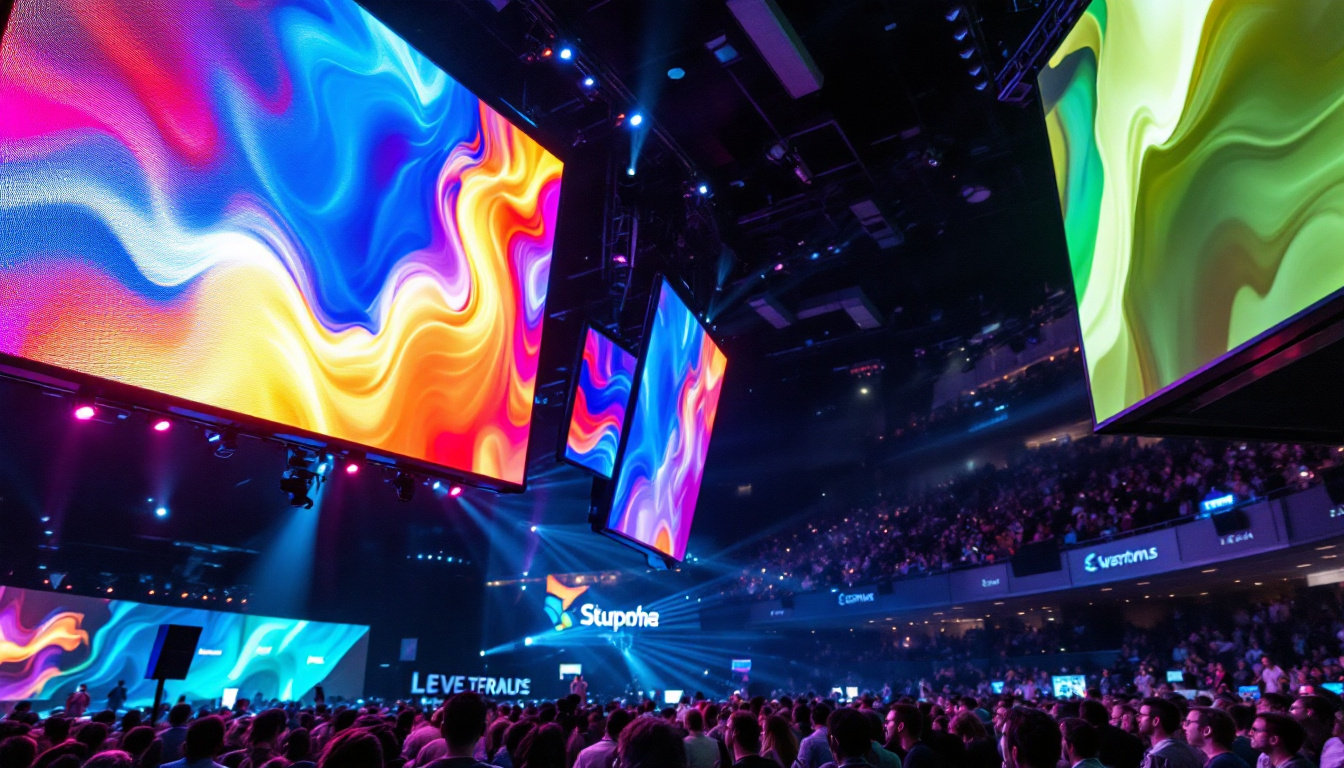
Concerts, trade shows, and sporting events frequently employ 2×2 LED displays as part of their visual setup. These displays provide bright, clear visuals that can be seen from a distance, enhancing the overall audience experience.
They are also used for live feeds, scoreboards, and interactive installations, adding layers of excitement and information for attendees.
How to Choose the Best 2×2 LED Display for Your Needs
Selecting the ideal 2×2 LED display involves balancing technical specifications, budget, and intended use. Here are key considerations to guide the decision-making process.
Assess Your Viewing Environment
Understanding where the display will be installed is critical. Indoor environments typically require lower brightness levels and finer pixel pitches for close viewing distances. Conversely, outdoor installations demand higher brightness and weatherproofing features.
Ambient lighting, viewing angles, and audience distance all influence the optimal specifications for your display.
Evaluate Resolution and Pixel Pitch
Higher resolution displays with smaller pixel pitches provide sharper images but come at a higher cost. For applications such as detailed presentations or close-up viewing, investing in a finer pixel pitch is worthwhile.
If the display will be viewed primarily from a distance, a larger pixel pitch may suffice, reducing overall costs without compromising visibility.
Consider Connectivity and Control Options
Modern LED displays support a variety of input sources including HDMI, DisplayPort, and network streaming. Ensure the display you choose is compatible with your existing hardware and software ecosystem.
Advanced control systems allow for remote management, scheduling content, and integrating with other digital signage platforms, enhancing operational efficiency.
Factor in Maintenance and Support
Reliable technical support and warranty coverage are essential, especially for commercial applications where downtime can be costly. Look for manufacturers or suppliers with strong reputations for customer service and readily available replacement parts.
Modular designs that facilitate easy panel replacement and calibration can significantly reduce maintenance efforts.
Emerging Trends and Innovations in LED Display Technology
The LED display industry continues to innovate, pushing the boundaries of what 2×2 configurations and beyond can achieve.
MicroLED and MiniLED Advancements
MicroLED technology, which uses microscopic LEDs to create displays, promises even higher brightness, contrast, and energy efficiency. While still emerging, MicroLED is expected to revolutionize video walls by offering near-perfect color accuracy and durability.
MiniLED backlighting is also enhancing traditional LED displays, improving contrast ratios and enabling thinner, lighter panels.
Interactive and Touch-Enabled Displays
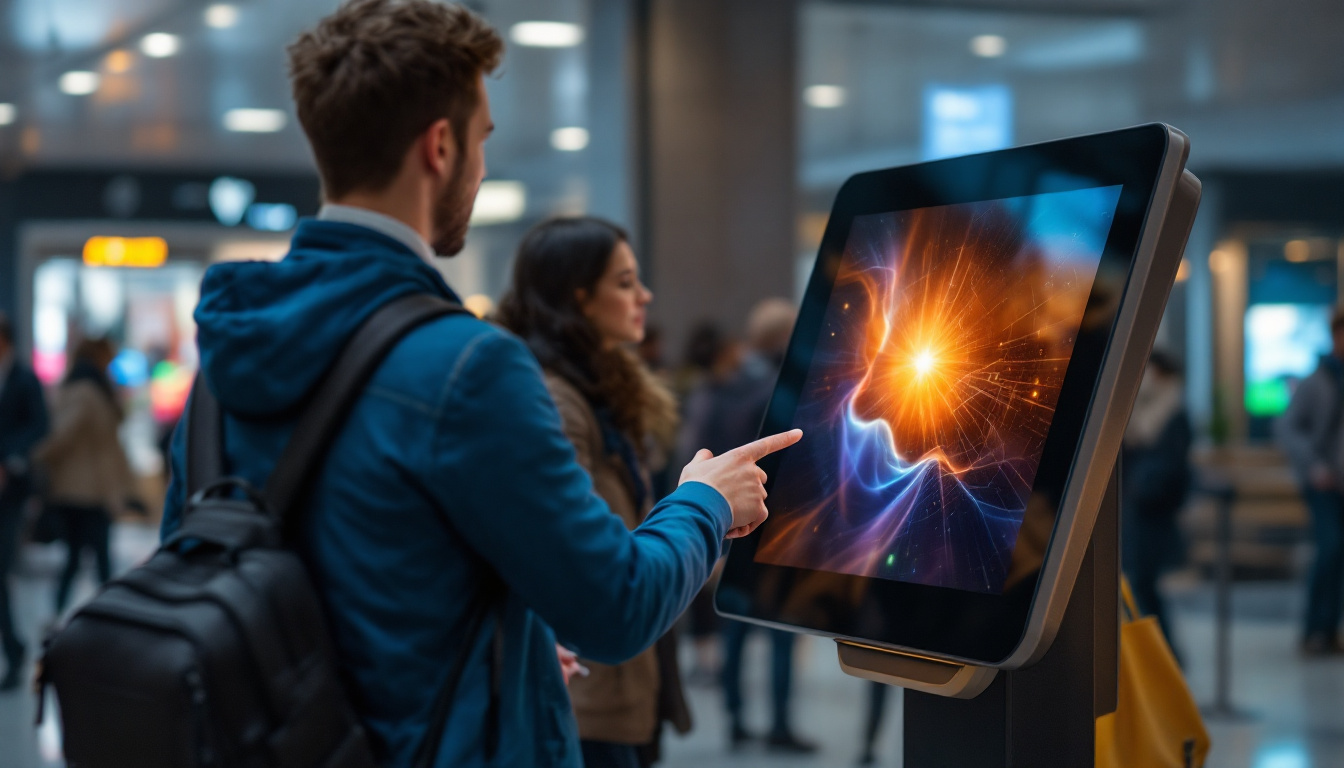
Integrating touch capabilities into LED video walls is becoming more common, particularly in retail and corporate settings. These interactive displays enable users to engage directly with content, creating immersive experiences and facilitating information access.
AI-Driven Content Management
Artificial intelligence is being leveraged to optimize content delivery on LED displays. AI algorithms analyze audience demographics, behavior, and environmental factors to tailor messaging in real-time, maximizing impact and relevance.
Conclusion
The 2×2 LED display configuration represents a versatile and powerful solution for a broad spectrum of digital signage needs. Its modularity, visual performance, and scalability make it an excellent choice for businesses and organizations aiming to enhance communication and engagement.
By carefully assessing technical specifications, environmental factors, and future growth plans, decision-makers can select the best 2×2 LED display to meet their objectives. As LED technology continues to advance, these displays will only become more capable, cost-effective, and integral to modern visual communication strategies.
Discover LumenMatrix’s Innovative LED Displays
Ready to elevate your visual communication with a 2×2 LED display that promises modularity, stunning visual performance, and scalability? Look no further than LumenMatrix, a pioneer in LED display technology. Our extensive range of solutions, from Indoor and Outdoor LED Wall Displays to specialized options like Vehicle, Sports, and Floor LED Displays, is designed to captivate your audience and amplify your brand’s message. Embrace the future of digital signage with LumenMatrix and experience the transformative power of our Custom, All-in-One, and Transparent LED Displays. Check out LumenMatrix LED Display Solutions today and start creating unforgettable visual experiences.