In the rapidly evolving world of outdoor advertising, LED billboards have emerged as a dominant force, transforming the way brands communicate with audiences. As we move through 2023, understanding the technology behind LED displays, their advantages, and the best examples of their use is essential for marketers, advertisers, and business owners alike. This article delves into the intricacies of LED billboard technology, highlights the top installations of 2023, and explores why LED displays are shaping the future of outdoor advertising.
Understanding LED Billboard Technology
What Are LED Billboards?
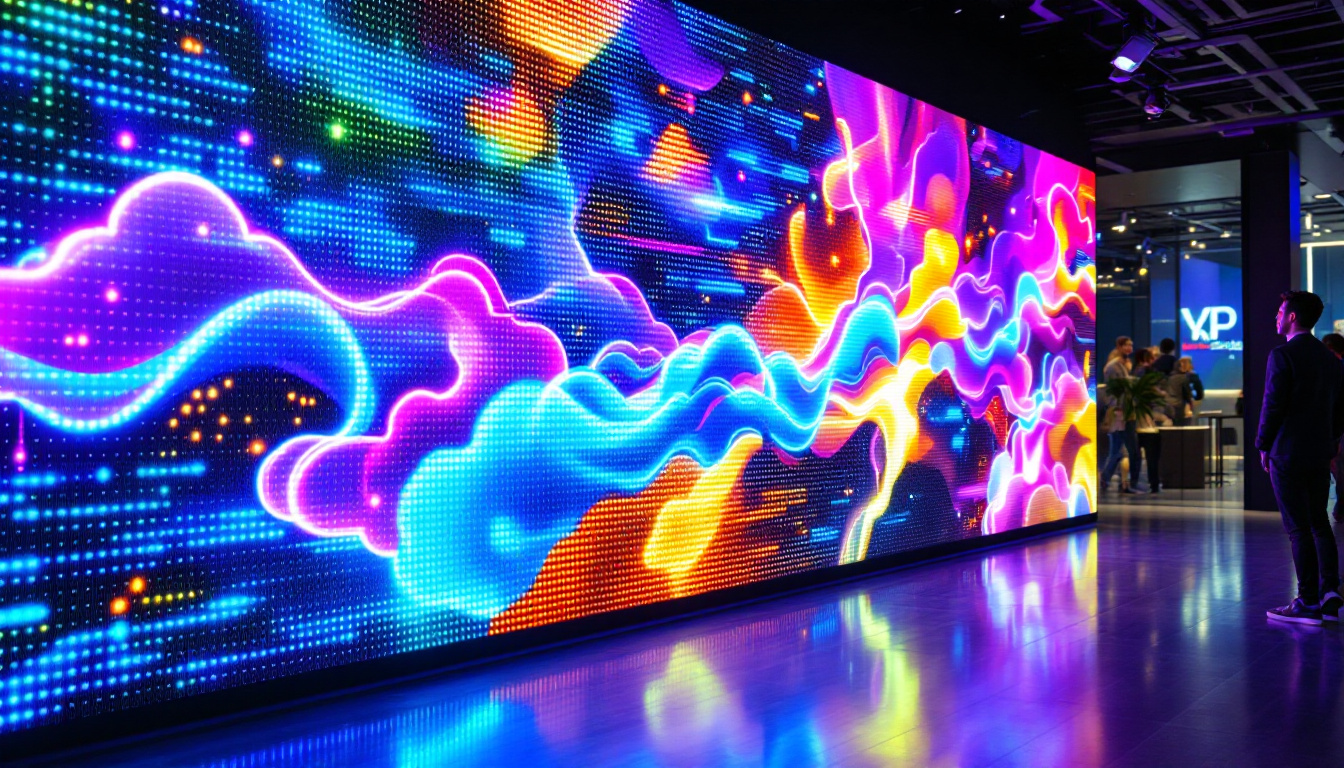
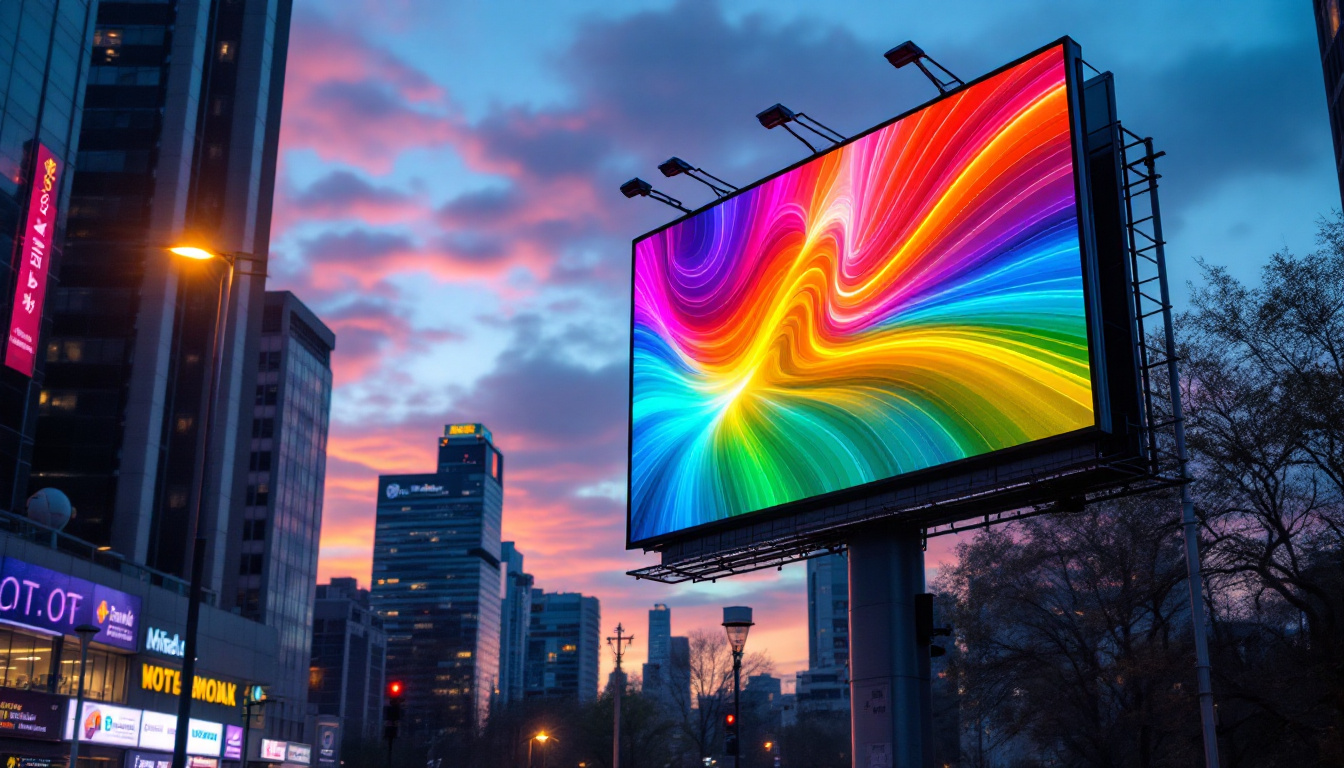
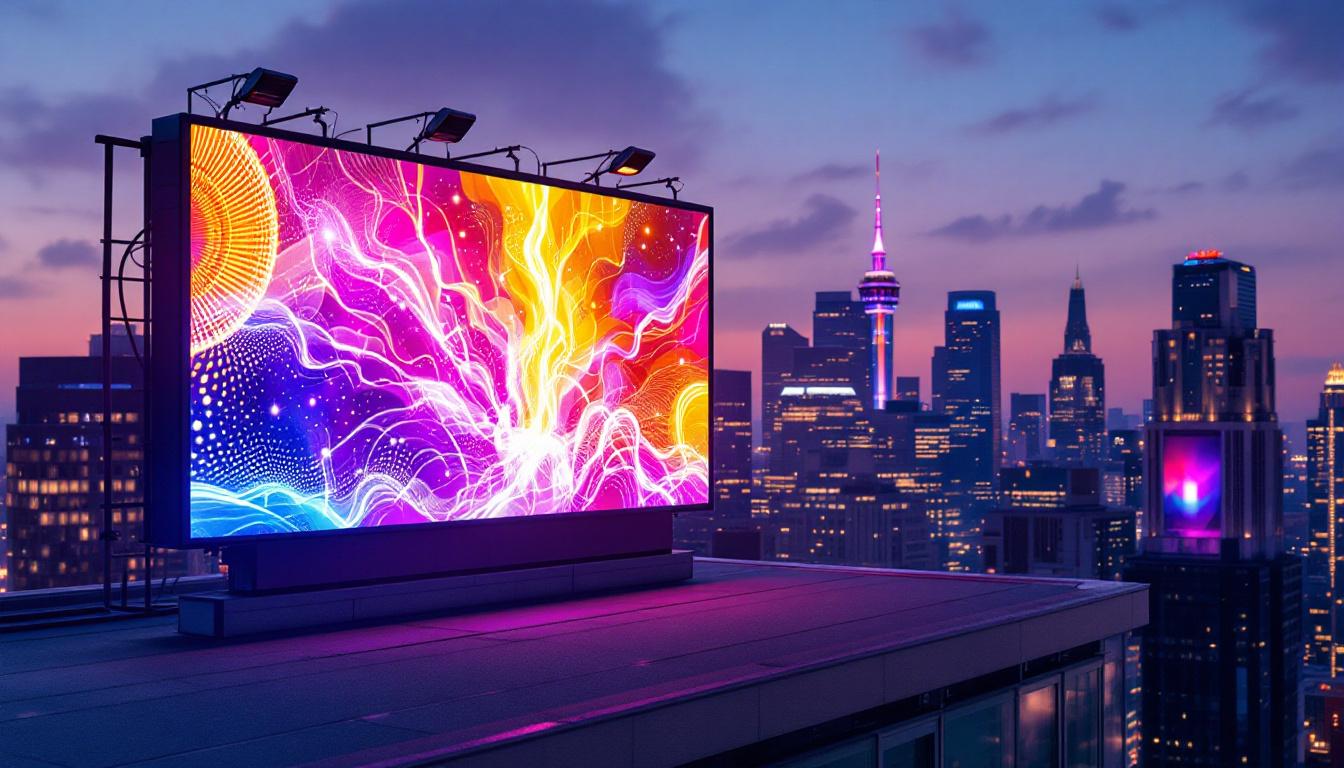
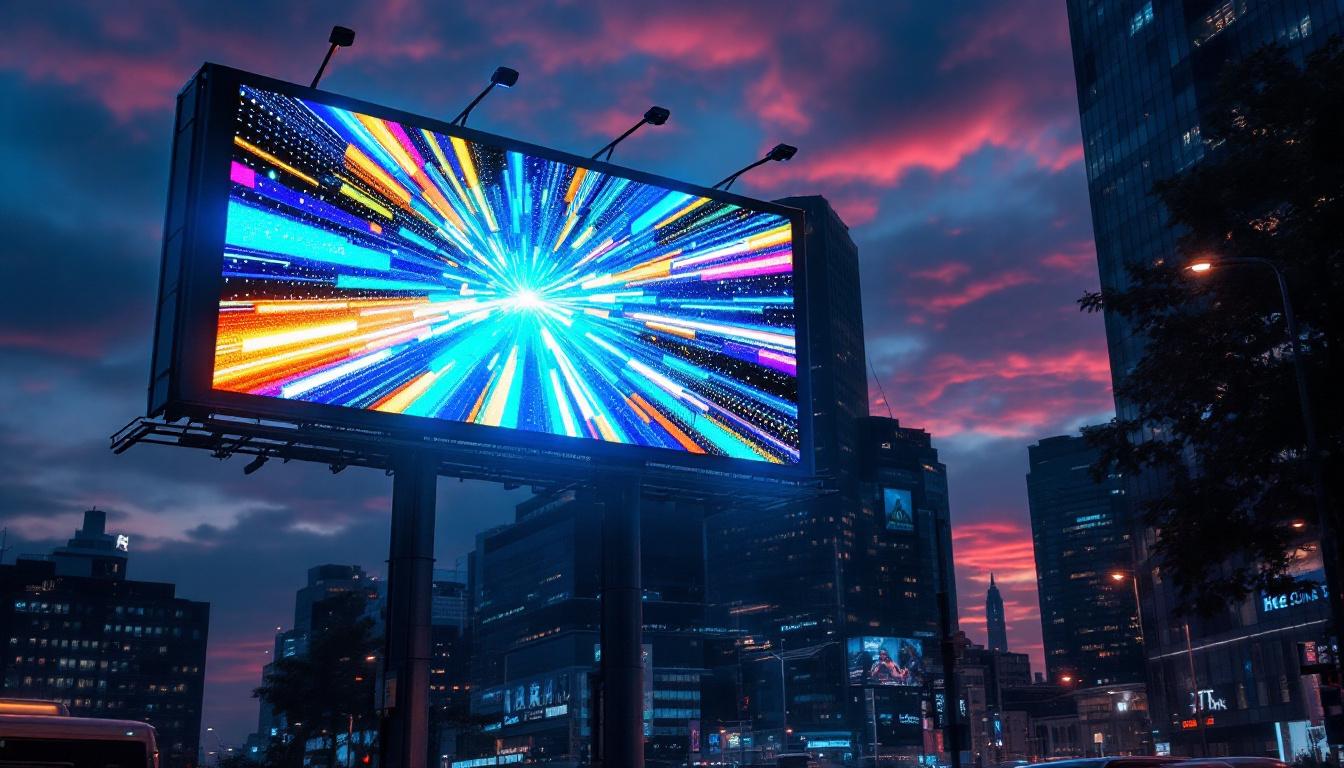
LED billboards are large-scale digital displays composed of light-emitting diodes (LEDs) that create bright, vivid images and videos. Unlike traditional static billboards that rely on printed materials, LED billboards can dynamically change content in real-time, offering advertisers unmatched flexibility and creativity. These displays are designed for outdoor use, with high brightness levels to ensure visibility even in direct sunlight.
The core technology involves thousands to millions of tiny LEDs arranged in a grid, each capable of producing red, green, and blue light. By adjusting the intensity of these LEDs, the display can render a full spectrum of colors and complex visuals. The resolution and pixel pitch—the distance between individual LEDs—determine the clarity and sharpness of the image, with smaller pixel pitches providing higher resolution. This capability allows for not just advertisements but also artistic displays, public service announcements, and live event broadcasts, making LED billboards versatile tools for communication.
Key Components and How They Work
At the heart of an LED billboard are several critical components:
- LED Modules: These are the building blocks of the display, containing clusters of LEDs that form pixels.
- Control System: This includes the hardware and software that manage the content displayed, scheduling, brightness adjustments, and synchronization.
- Power Supply: LED billboards require robust power systems to maintain consistent brightness and performance.
- Structural Frame: The physical framework supports the LED panels and ensures durability against weather conditions.
The control system plays a pivotal role in delivering seamless content transitions and adapting brightness based on ambient light sensors, which helps optimize energy consumption and maintain visual comfort for viewers. Additionally, modern LED billboards often incorporate advanced features such as remote monitoring and diagnostics, allowing operators to troubleshoot issues in real-time and ensure continuous operation. This technology not only enhances reliability but also allows for the integration of interactive elements, such as QR codes or social media feeds, which can engage audiences in new and exciting ways.
Moreover, LED billboards are increasingly being utilized in smart city initiatives, where they can serve as information hubs that provide real-time updates on traffic, weather, and local events. This integration with urban infrastructure not only maximizes the utility of the displays but also transforms them into essential components of modern city life, enhancing both communication and community engagement. As the technology continues to evolve, we can expect even more innovative applications that leverage the capabilities of LED billboards to create immersive experiences for viewers.
Advantages of LED Billboards in 2023
Unmatched Visibility and Brightness
One of the most significant advantages of LED billboards is their superior brightness. Modern LED displays can reach brightness levels exceeding 6,000 nits, making them clearly visible in broad daylight and adverse weather conditions. This high visibility is crucial for roadside advertising where fleeting glances from drivers or pedestrians must be captured effectively.
Moreover, adaptive brightness technology ensures that the display is not overly bright at night, preventing light pollution and complying with local regulations. This balance enhances viewer experience and maintains the billboard’s effectiveness around the clock.
Dynamic Content and Real-Time Updates
Unlike traditional billboards that require physical replacement of printed materials, LED billboards allow advertisers to update content instantly. This capability opens up a world of possibilities:
- Time-Sensitive Promotions: Advertisers can display limited-time offers or event announcements precisely when needed.
- Interactive Campaigns: Some billboards integrate with mobile apps or social media, enabling real-time engagement.
- Weather and News Integration: Content can be tailored based on current weather conditions or breaking news, making ads more relevant.
This flexibility not only increases the effectiveness of campaigns but also reduces costs associated with printing and installation.
Energy Efficiency and Sustainability
LED technology has advanced significantly, making modern LED billboards more energy-efficient than ever before. Compared to older neon or incandescent lighting, LEDs consume up to 80% less energy. Additionally, many LED billboards incorporate solar panels or energy-saving modes to further reduce their environmental footprint.
As sustainability becomes a priority for many brands and municipalities, the energy efficiency of LED billboards aligns well with corporate social responsibility goals and regulatory trends aimed at reducing carbon emissions.
Top LED Billboards of 2023: Examples and Innovations
Times Square, New York City
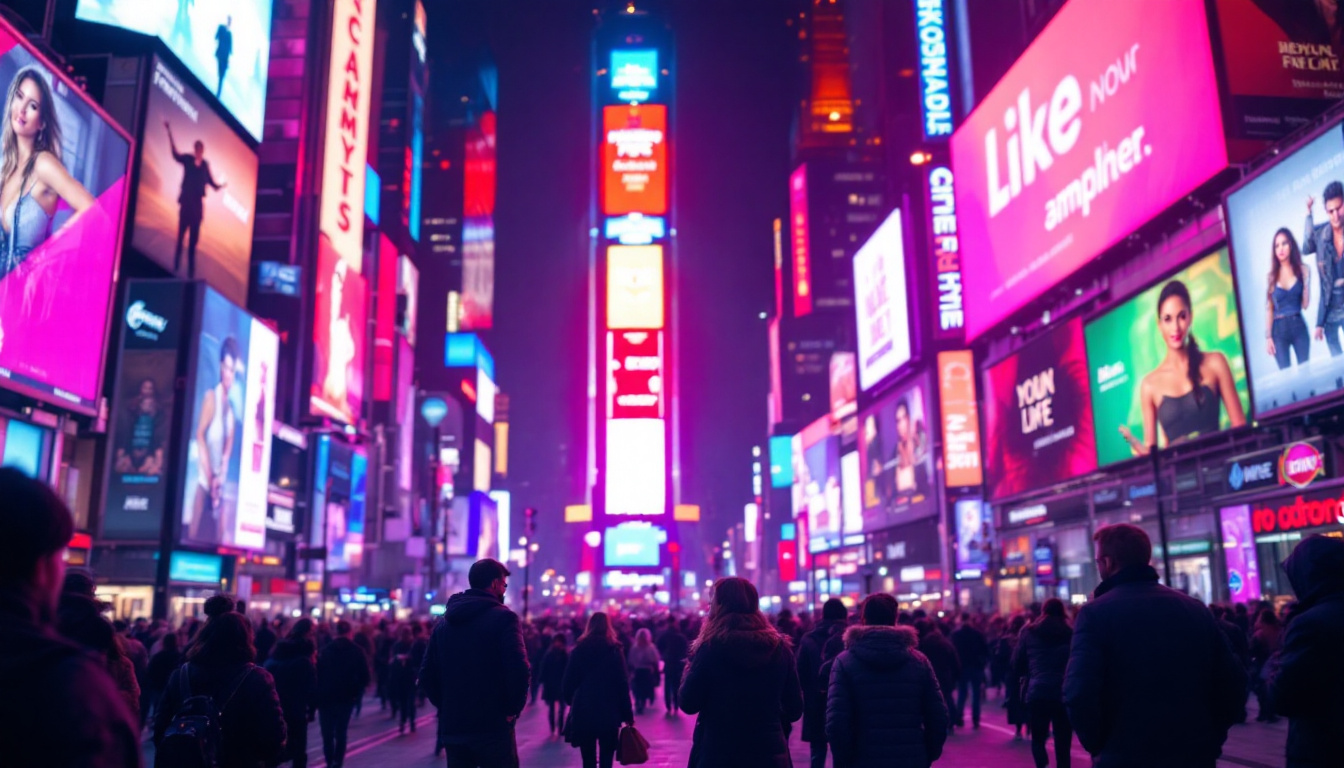
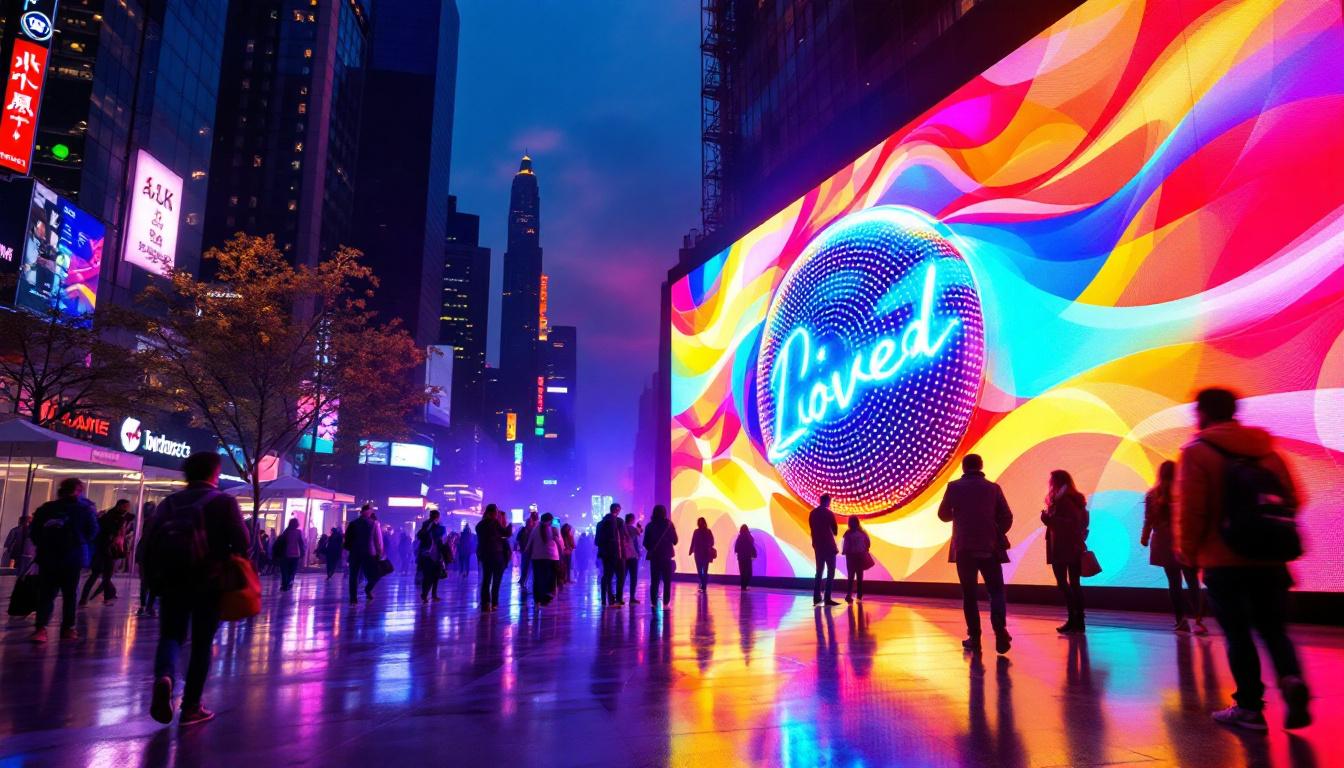
Times Square remains the global epicenter for LED billboard innovation. In 2023, several new installations have pushed the boundaries of scale, resolution, and interactivity. The recently unveiled “The New York Experience” billboard features a 20,000-square-foot LED display with 4K resolution, delivering crystal-clear visuals that captivate millions of daily visitors.
What sets this installation apart is its integration with augmented reality (AR) experiences accessible via smartphones, allowing passersby to interact with the content in immersive ways. This blend of physical and digital advertising exemplifies the future of LED billboards.
Piccadilly Circus, London
Piccadilly Circus is renowned for its iconic LED advertising screens. The 2023 upgrades include ultra-high-definition panels with enhanced color accuracy and refresh rates, ensuring smooth video playback even in fast-moving content. The advertising space is managed through an AI-driven platform that optimizes ad scheduling based on audience demographics and traffic patterns.
This data-driven approach maximizes campaign impact and provides advertisers with detailed analytics, a feature increasingly demanded in the digital age.
Shibuya Crossing, Tokyo
Tokyo’s Shibuya Crossing is famous for its vibrant LED displays that blend entertainment with advertising. In 2023, the area introduced curved LED screens that wrap around buildings, creating a 360-degree visual experience. These displays use advanced pixel mapping technology to synchronize content across multiple screens, producing a cohesive and immersive spectacle.
The Shibuya installations also incorporate motion sensors that trigger specific content when large crowds gather, enhancing engagement and memorability.
Dubai’s Burj Khalifa LED Facade
While not a traditional billboard, the LED facade of Burj Khalifa—the world’s tallest building—serves as an extraordinary advertising platform. In 2023, the LED system was upgraded to include over 70,000 square meters of LED panels with ultra-high brightness and color fidelity.
This massive display is often used for brand launches, national celebrations, and global events, demonstrating the potential of LED technology beyond conventional billboards.
Choosing the Right LED Billboard for Your Campaign
Assessing Location and Audience
Selecting the optimal location is critical for maximizing the impact of an LED billboard. High-traffic areas such as highways, urban centers, and popular landmarks offer the best visibility. Understanding the demographics and behavior of the audience in these locations helps tailor content and timing for maximum engagement.
For example, a billboard near a shopping district might focus on retail promotions during weekends, while one along a commuter route could highlight quick-service restaurants during rush hours.
Evaluating Technical Specifications
When choosing an LED billboard, several technical factors must be considered:
- Pixel Pitch: Smaller pixel pitches provide higher resolution, which is essential for close viewing distances.
- Brightness Levels: Ensure the display can achieve sufficient brightness for the intended environment.
- Durability: Weatherproofing and maintenance accessibility are crucial for outdoor installations.
- Content Management System (CMS): A user-friendly CMS allows for easy content updates and scheduling.
Balancing these specifications with budget constraints and campaign goals will lead to the most effective solution.
Budget Considerations and ROI
While LED billboards often require a higher upfront investment compared to traditional billboards, their dynamic capabilities and longer lifespan typically result in better return on investment (ROI). Advertisers should consider not only the installation costs but also ongoing expenses such as electricity, maintenance, and content creation.
Studies have shown that digital billboards can increase brand recall by up to 47% compared to static billboards, and campaigns using LED displays often experience higher engagement rates. These factors contribute to justifying the investment in LED technology.
The Future of LED Billboards
Integration with Emerging Technologies
The future of LED billboards is closely tied to advancements in technology. Integration with artificial intelligence (AI) and machine learning enables smarter content delivery based on real-time data such as weather, traffic, and audience demographics. This personalization enhances relevance and effectiveness.
Additionally, the incorporation of 5G connectivity allows for faster content updates and interactive features, including augmented reality and virtual reality experiences that blur the line between physical and digital advertising.
Sustainability and Eco-Friendly Innovations
As environmental concerns grow, LED billboard manufacturers are focusing on sustainability. Innovations include the use of recyclable materials, solar-powered billboards, and energy-efficient designs that minimize carbon footprints. Some cities are adopting regulations that encourage or mandate greener advertising solutions, pushing the industry toward more responsible practices.
Expanding Beyond Traditional Billboards
LED technology is expanding beyond conventional billboard formats. Examples include LED street furniture, bus shelters, and even wearable LED displays. These new formats provide advertisers with additional touchpoints to reach audiences in creative and unexpected ways.
Moreover, the rise of smart cities will likely incorporate LED displays as part of urban infrastructure, delivering public information alongside advertising, further embedding LED technology into daily life.
Conclusion
In 2023, LED billboards represent the pinnacle of outdoor advertising technology, combining high visibility, dynamic content capabilities, and energy efficiency. The best LED billboards, from Times Square to Dubai, showcase the potential of this technology to captivate audiences and deliver measurable results.
For advertisers and businesses looking to harness the power of outdoor media, understanding the nuances of LED display technology and selecting the right installations are critical steps toward success. As LED technology continues to evolve, its role in shaping the future of advertising will only grow more significant, offering exciting opportunities for creativity, engagement, and sustainability.
Illuminate Your Brand with LumenMatrix
Ready to elevate your advertising strategy and immerse your audience in unparalleled visual experiences? LumenMatrix is at the forefront of LED display innovation, offering a diverse range of solutions tailored to your unique needs. From the vibrant streets of Times Square to the iconic skyline of Dubai, our cutting-edge technology is designed to captivate and engage. Discover how our Indoor and Outdoor LED Wall Displays, Vehicle LED Displays, and other specialized solutions can transform your brand’s presence. Check out LumenMatrix LED Display Solutions today and step into the future of dynamic visual communication.