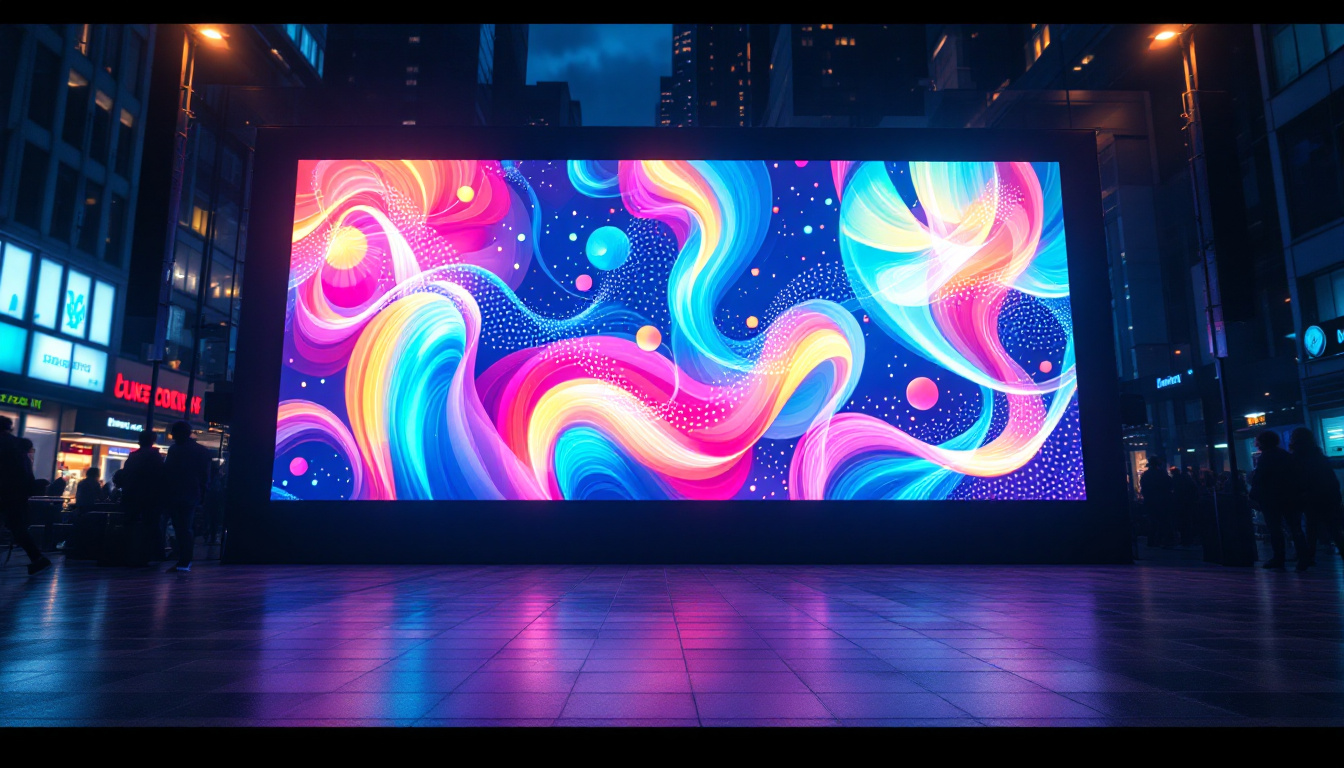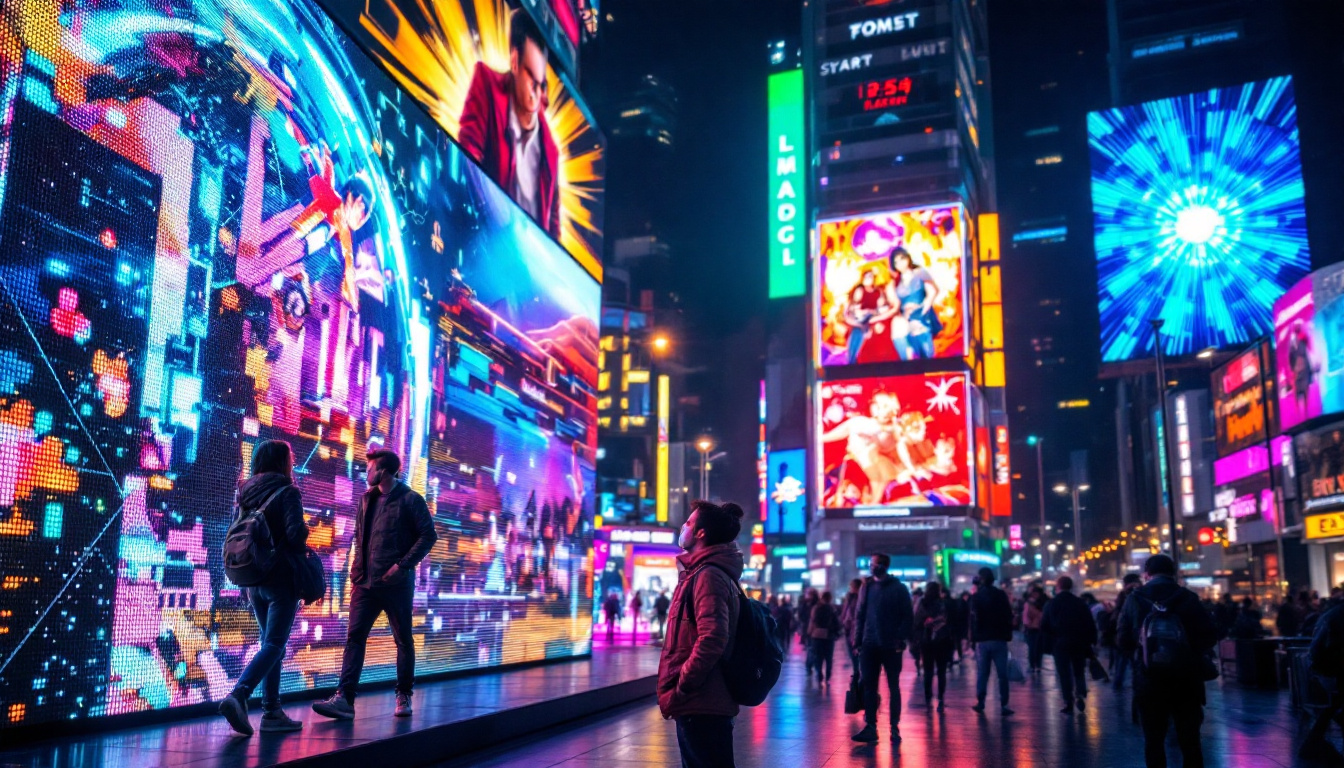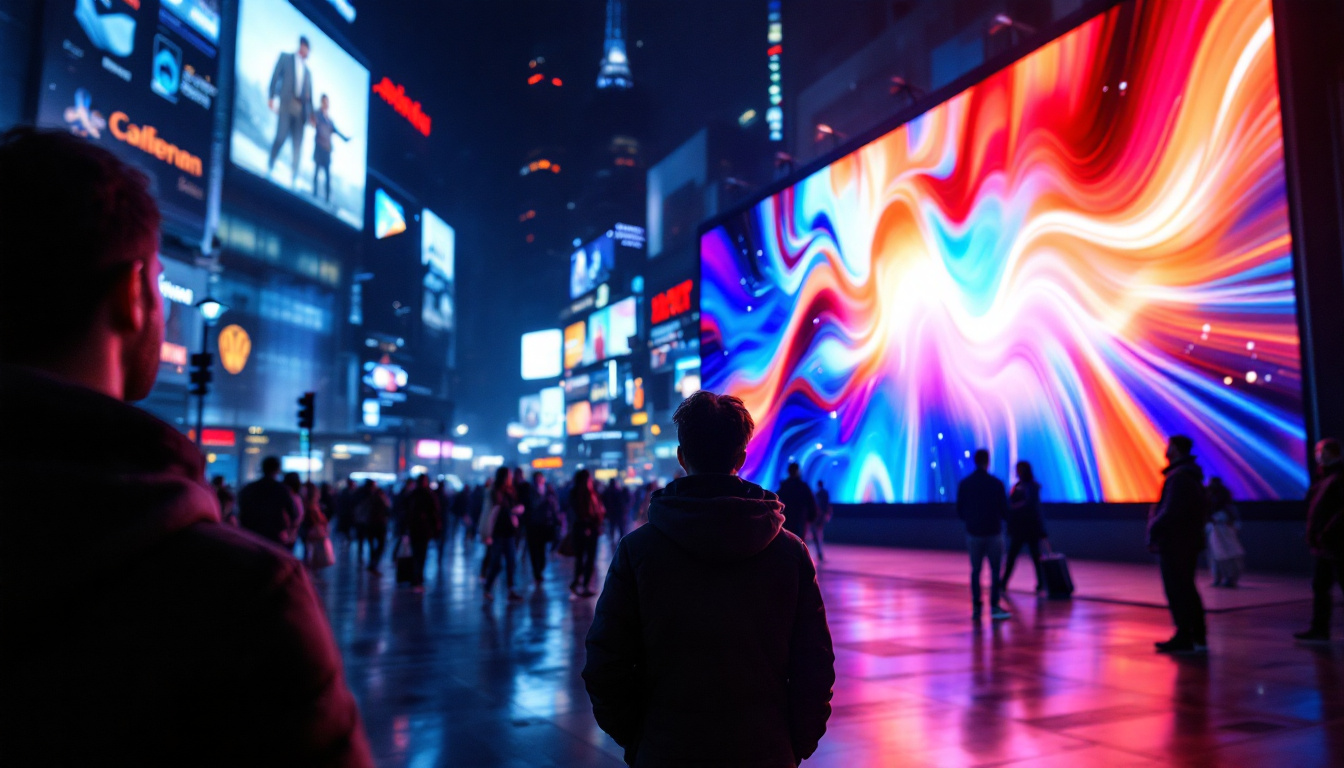
Outdoor movie nights, live sports events, and public presentations have all seen a remarkable transformation with the rise of LED display technology. Traditional projection screens, while still popular, face challenges outdoors such as ambient light interference, weather conditions, and viewing angles. LED displays, on the other hand, offer a compelling alternative that is rapidly gaining traction for outdoor use. This article delves into the world of LED displays as the best outdoor projection screen solution, exploring their technology, advantages, and practical applications.
Understanding LED Display Technology
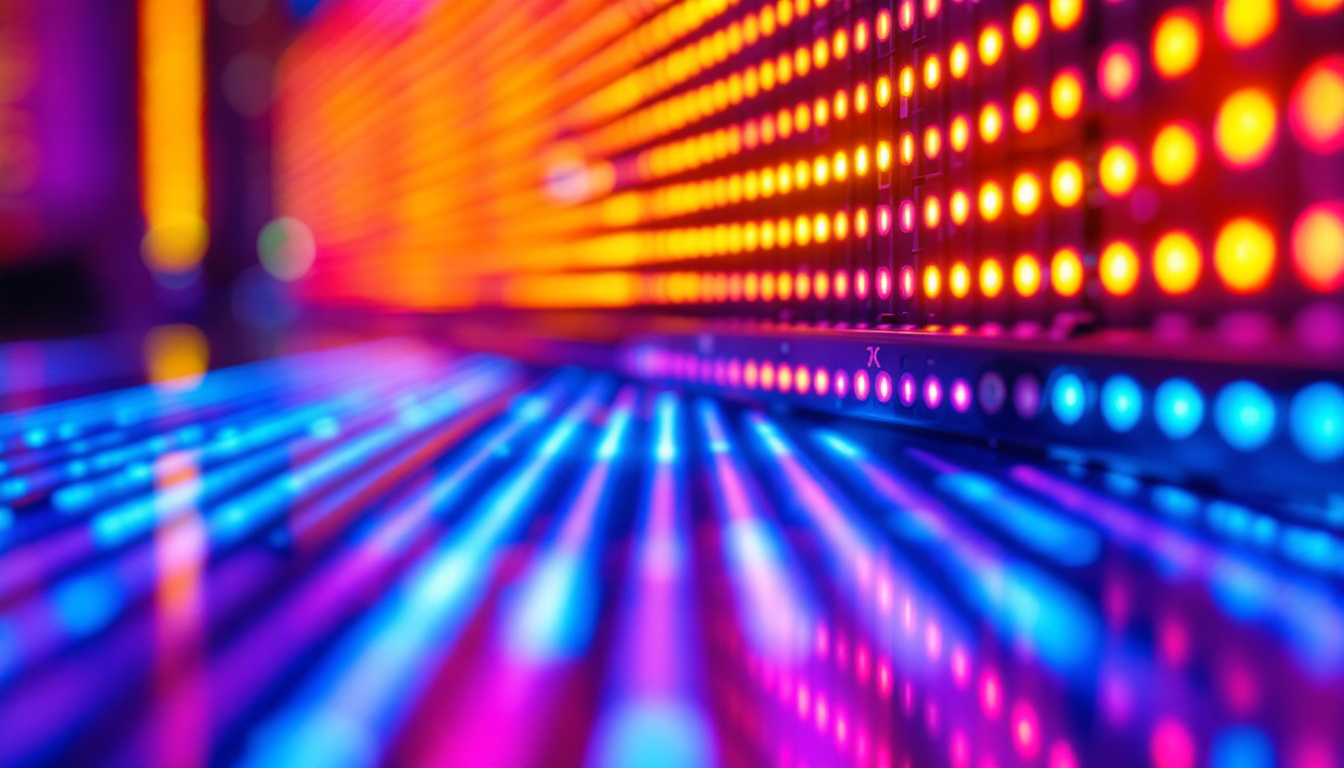
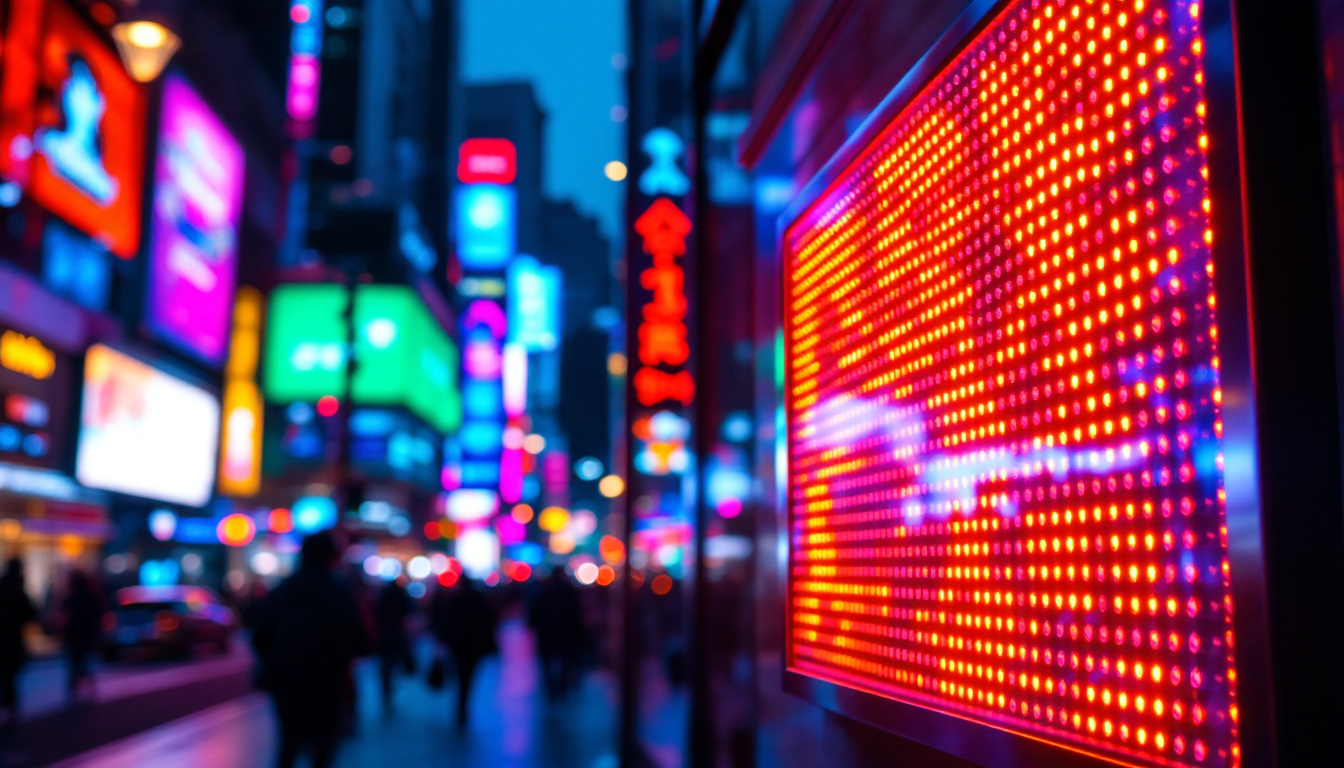
LED stands for Light Emitting Diode, a semiconductor device that emits light when an electric current passes through it. LED displays are composed of thousands to millions of these tiny diodes arranged in a matrix to form images and videos. Unlike traditional projection screens that rely on an external projector to cast images onto a surface, LED displays are self-illuminating, meaning each pixel emits its own light.
This fundamental difference is what makes LED displays uniquely suited for outdoor environments. Because they generate their own light, they can maintain high brightness levels even under direct sunlight or bright ambient conditions. This is a significant advantage over traditional projectors, which often struggle with visibility in daylight.
Modern outdoor LED displays use advanced technologies such as high refresh rates, wide color gamuts, and sophisticated calibration to deliver crisp, vibrant images. The pixel pitch — the distance between individual LEDs — is a critical specification that determines the resolution and viewing distance. Outdoor LED screens typically have a larger pixel pitch (ranging from 2mm to 10mm or more) to balance image clarity and cost-effectiveness over large areas.
Types of LED Displays for Outdoor Use
There are several types of LED displays designed specifically for outdoor environments, each with unique characteristics:
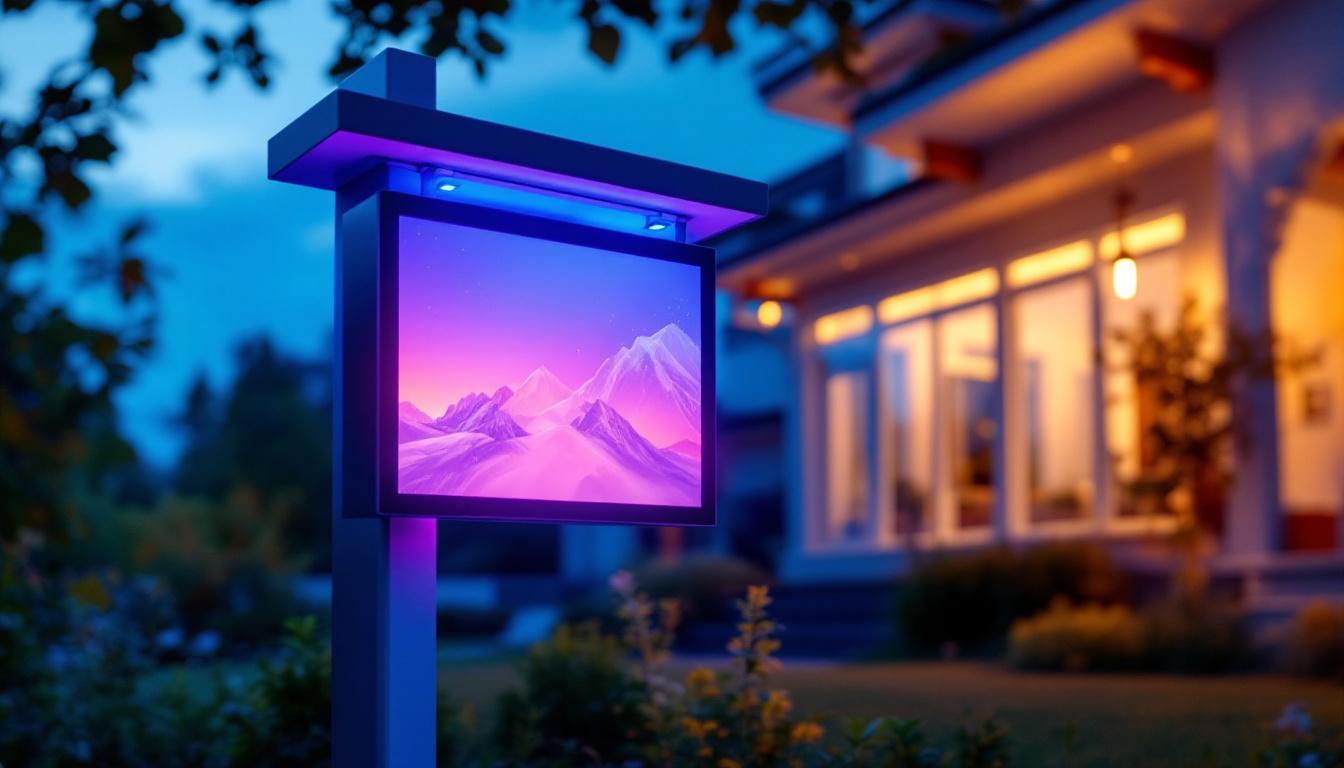
- Fixed Outdoor LED Screens: These are permanently installed displays, often used for advertising billboards, stadium screens, and public information boards. They are built to withstand harsh weather conditions and provide continuous operation.
- Rental LED Screens: Portable and modular, rental LED screens are designed for temporary events such as concerts, festivals, and outdoor movie screenings. Their modular design allows for easy assembly and disassembly.
- Transparent LED Screens: These displays allow light to pass through, making them ideal for glass facades or windows. They combine outdoor visibility with aesthetic appeal.
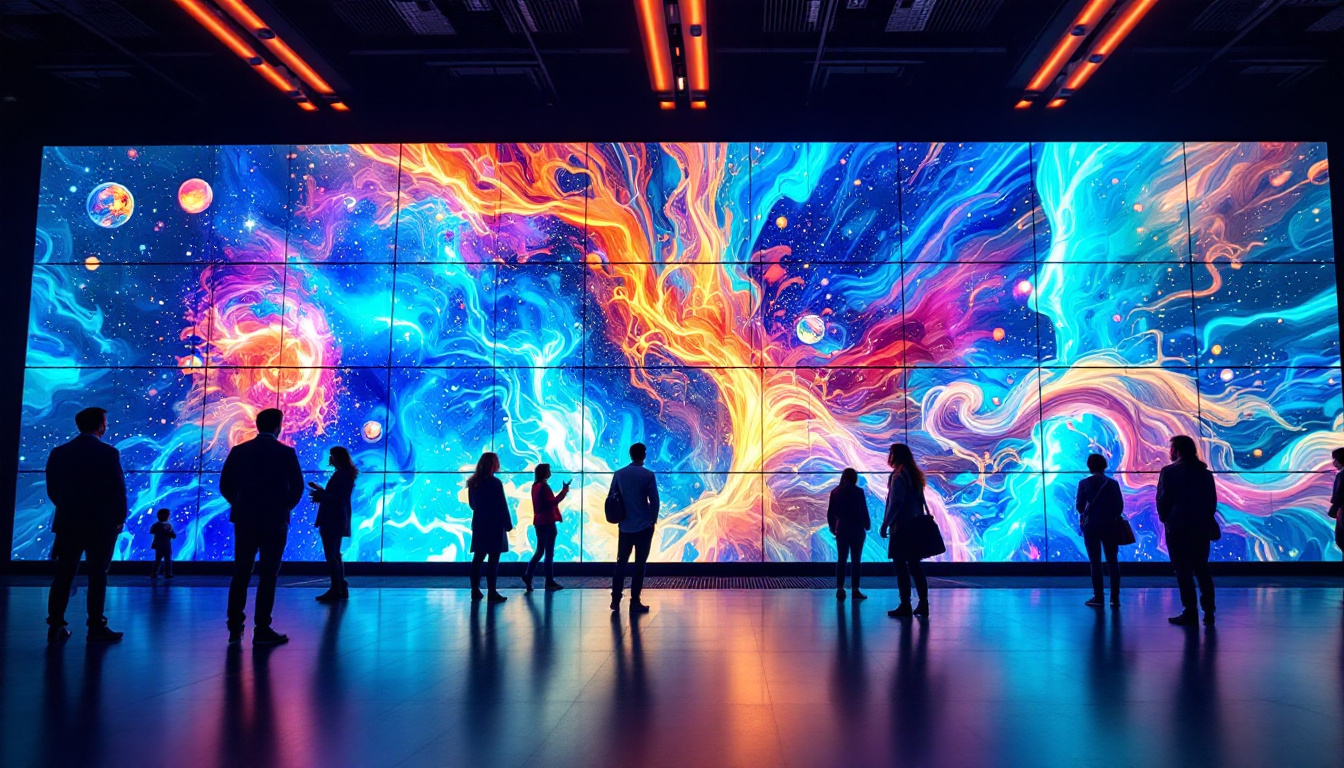
In addition to these types, there are also specialized LED displays designed for niche applications. For instance, curved LED screens can be used to create immersive viewing experiences in venues like theaters and exhibition halls, allowing for a more dynamic presentation of content. These screens can bend and flex to fit various architectural designs, enhancing the visual impact of the displayed media.
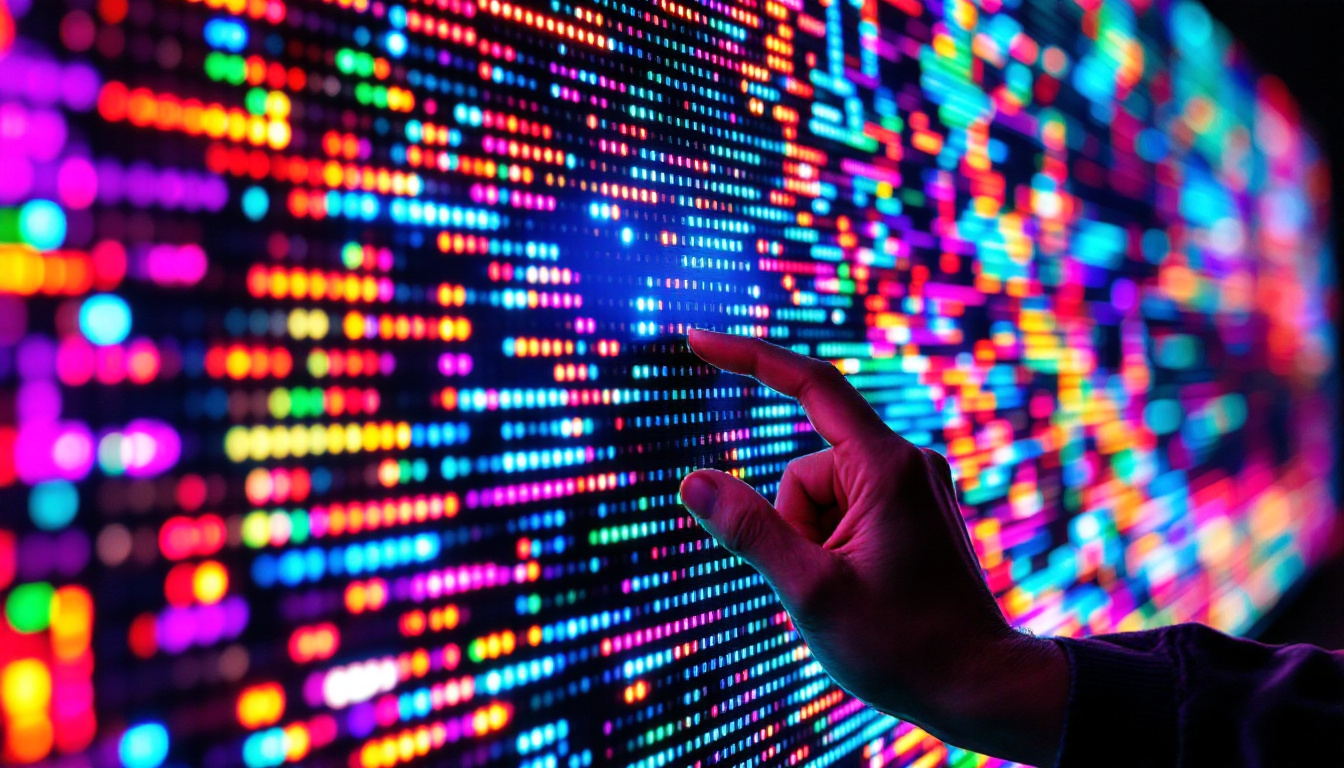
Another innovative type is the interactive LED display, which incorporates touch-sensitive technology to engage viewers directly. These displays are increasingly popular in outdoor advertising and public installations, where users can interact with the content, such as playing games or accessing information, thereby creating a more engaging experience. The integration of such technology not only captivates audiences but also provides advertisers with valuable data on user interactions, further enhancing the effectiveness of their campaigns.
Why LED Displays Are the Best Outdoor Projection Screens
Choosing the right outdoor projection screen depends on several factors including brightness, durability, image quality, and ease of setup. LED displays excel in all these areas, making them the preferred choice for many outdoor applications.
Superior Brightness and Visibility
Outdoor environments are unpredictable, with varying levels of sunlight and ambient light that can wash out traditional projector images. LED displays are capable of reaching brightness levels exceeding 5,000 nits, which is significantly higher than most projectors. This high brightness ensures clear visibility even in direct sunlight, a critical factor for daytime events.
Durability and Weather Resistance
Outdoor LED screens are engineered to endure rain, wind, dust, and temperature fluctuations. They typically have an IP65 or higher rating, indicating strong protection against water and dust ingress. This robustness eliminates the need for additional protective enclosures that traditional projection setups might require, simplifying installation and maintenance.
Wide Viewing Angles and Consistent Image Quality
LED displays offer wide viewing angles, often up to 160 degrees horizontally and vertically. This means audiences spread across large outdoor spaces can enjoy consistent image quality without color distortion or brightness loss. Traditional projection screens can suffer from limited viewing angles, especially when using reflective surfaces.
Energy Efficiency and Longevity
While LED displays consume more power than a single projector, their energy efficiency relative to brightness output is impressive. LEDs convert a higher percentage of electricity into visible light, reducing waste heat. Additionally, LED modules have a long operational lifespan, often exceeding 100,000 hours, minimizing replacement costs and downtime.
Flexibility and Customization
LED displays can be manufactured in virtually any size and shape, allowing for creative installations tailored to specific venues or events. Their modular design means screens can be scaled up or down without compromising image quality, a flexibility not available with fixed-size projection screens.
Comparing LED Displays with Traditional Outdoor Projection Screens
To fully appreciate the advantages of LED displays, it is helpful to compare them directly with traditional outdoor projection setups.
Brightness and Ambient Light Performance
Traditional projectors typically offer brightness levels between 2,000 and 5,000 lumens. In outdoor daylight conditions, this is often insufficient to produce a clear image. Projected images can appear washed out or barely visible. LED displays, with their high nit ratings, maintain vibrant images regardless of ambient light.
Installation and Setup Complexity
Projection setups require careful alignment between the projector and screen, often necessitating mounting structures, power sources, and weatherproofing for the projector itself. LED displays, being self-contained units, simplify installation. Modular panels can be quickly assembled and mounted, reducing labor costs and setup time.
Maintenance and Operational Costs
Projectors have lamps or bulbs that require periodic replacement, which can be costly and inconvenient. They also have moving parts such as fans that may fail. LED displays have fewer mechanical components, reducing maintenance needs. While the initial investment for LED screens is higher, their durability and lower maintenance costs often justify the expense over time.
Image Quality and Resolution
Projection screens can achieve very high resolutions, especially with 4K projectors. However, image quality outdoors is heavily dependent on lighting conditions and screen surface quality. LED displays provide consistent brightness and color accuracy, though resolution depends on pixel pitch and screen size. For large outdoor venues, LED screens often provide a better viewing experience.
Key Considerations When Choosing an Outdoor LED Display
Investing in an outdoor LED display requires careful evaluation of specific factors to ensure the best performance and value.
Pixel Pitch and Viewing Distance
Pixel pitch determines the resolution and clarity of the display. Smaller pixel pitches (e.g., 2-4mm) offer higher resolution and are suitable for close viewing distances, but they are more expensive. Larger pixel pitches (6-10mm or more) are ideal for large venues where viewers are farther away. Selecting the right pixel pitch ensures that the image appears sharp without unnecessary cost.
Brightness and Contrast Ratios
Brightness should be matched to the typical ambient light conditions of the installation site. For daytime use, screens with 5,000 to 8,000 nits are recommended. Contrast ratio affects the depth and vibrancy of the image, with higher ratios producing more striking visuals.
Weatherproofing and Durability
Check the IP rating of the LED modules and cabinets. IP65 or higher is generally required for outdoor use to protect against rain and dust. Additionally, consider the operating temperature range to ensure the display can function reliably in your local climate.
Installation and Maintenance Support
Professional installation is often necessary for large LED displays. Look for vendors that provide comprehensive support, including design consultation, installation, and ongoing maintenance services. Modular designs facilitate easier repairs and upgrades.
Budget and Total Cost of Ownership
While LED displays have higher upfront costs compared to projection screens, their longevity and low maintenance can provide better value over time. Consider the total cost of ownership including installation, power consumption, maintenance, and potential downtime.
Popular Applications of Outdoor LED Displays
LED displays have become integral in a variety of outdoor settings, transforming how content is delivered and experienced.
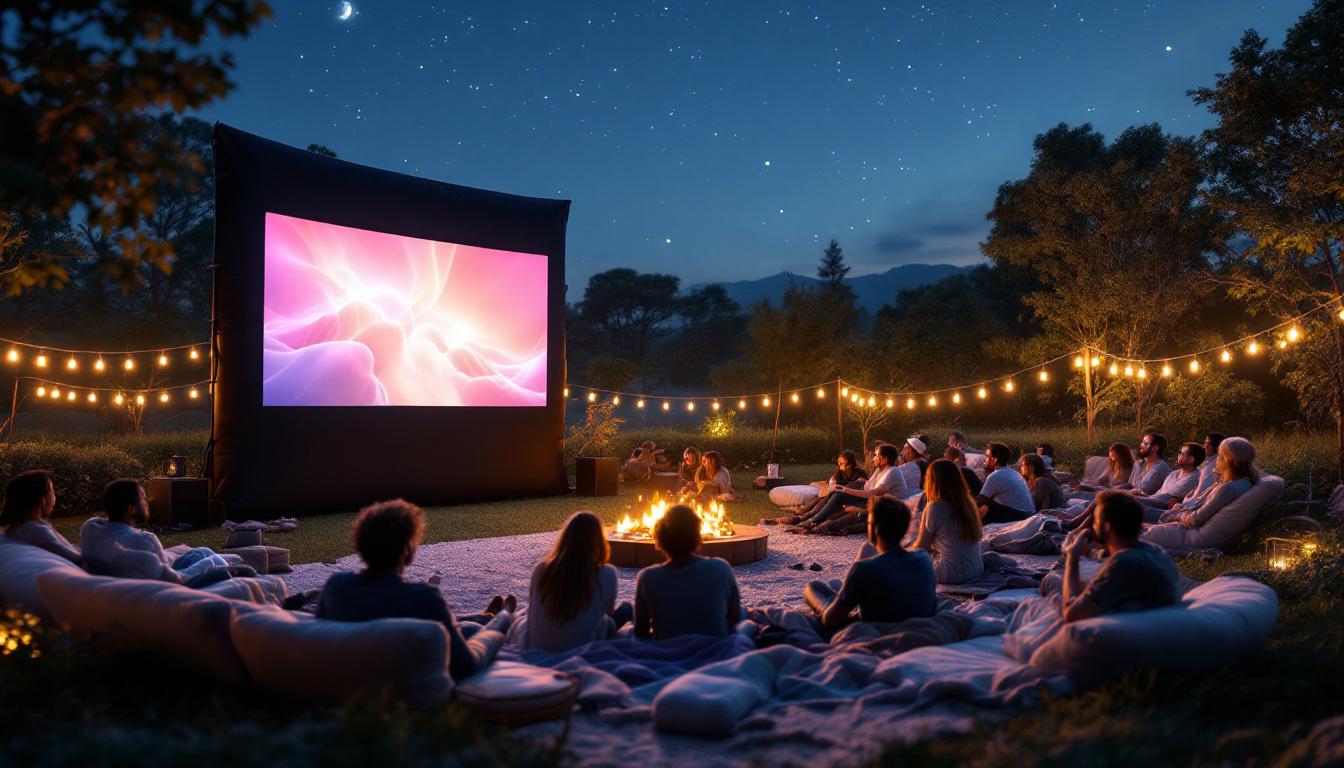
Outdoor Cinemas and Drive-in Theaters
LED screens enable high-quality movie presentations even during daylight hours or in less-than-ideal weather. Their brightness and clarity create immersive viewing experiences that attract larger audiences.
Sports Arenas and Live Events
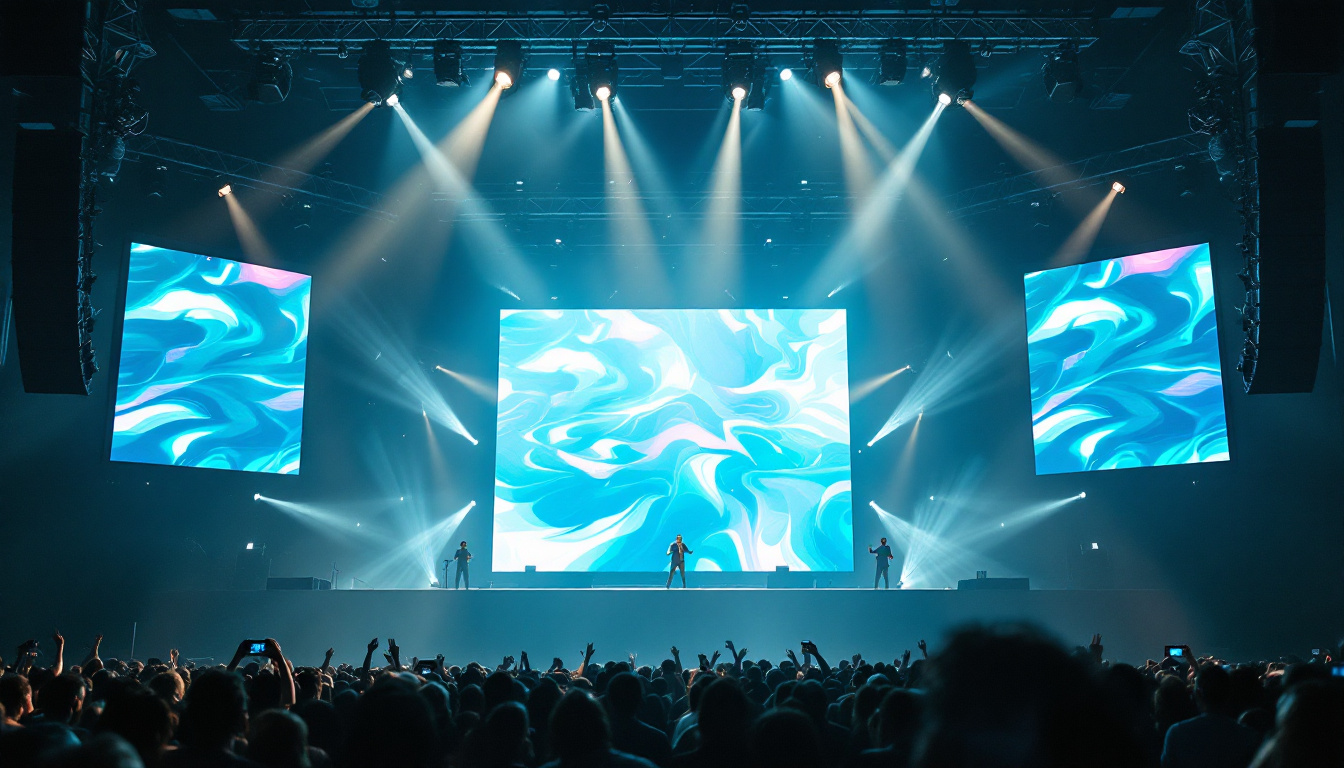
Stadiums and concert venues use massive LED screens to broadcast live action, replays, and interactive content. The ability to withstand weather and provide vivid images to thousands of spectators is essential.
Advertising and Digital Billboards
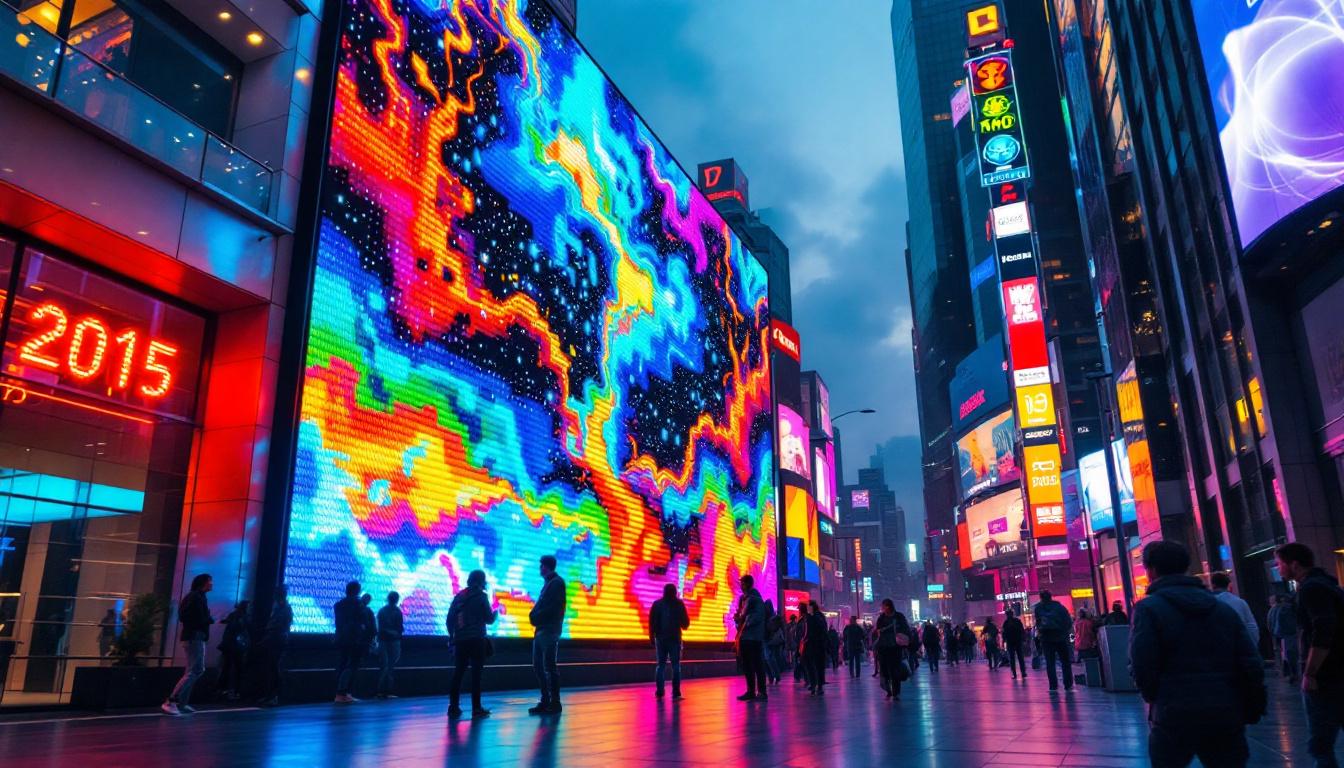
Outdoor advertising has been revolutionized by LED technology. Dynamic, bright, and eye-catching displays capture attention more effectively than static billboards, driving higher engagement and revenue.
Public Information and Emergency Alerts
Municipalities and transportation hubs deploy LED screens for real-time information dissemination, including weather updates, traffic alerts, and emergency notifications, ensuring public safety and awareness.
Future Trends in Outdoor LED Display Technology
The LED display industry continues to innovate, promising even more impressive capabilities for outdoor applications.
MicroLED and MiniLED Advances
Emerging MicroLED technology offers even smaller pixel pitches with higher brightness and energy efficiency. This will enable ultra-high-resolution outdoor screens with exceptional image quality.
Integration with Smart Technologies
Future LED displays will increasingly incorporate AI-driven content management, interactive features, and IoT connectivity, allowing for dynamic and personalized outdoor experiences.
Enhanced Durability and Sustainability
Manufacturers are focusing on eco-friendly materials, improved heat dissipation, and longer-lasting components to reduce environmental impact and operational costs.
Conclusion
LED displays represent the pinnacle of outdoor projection screen technology, offering unmatched brightness, durability, and image quality. Their ability to perform reliably in diverse and challenging outdoor environments makes them the best choice for a wide range of applications, from entertainment to public communication. While the initial investment may be higher than traditional projection systems, the benefits in terms of visibility, maintenance, and flexibility provide compelling value. As LED technology continues to evolve, outdoor displays will become even more versatile and impactful, shaping the future of visual communication under the open sky.
Discover LumenMatrix’s Advanced LED Solutions
Ready to elevate your outdoor visual experiences with the latest in LED display technology? LumenMatrix is at the forefront of innovation, offering a diverse range of LED display solutions tailored to meet your needs. From captivating Indoor LED Walls to dynamic Outdoor LED Displays, and from mobile Vehicle LED Displays to interactive Floor LED Displays, our mission is to transform your visual communication with unparalleled clarity and impact. Don’t miss the opportunity to engage and captivate your audience. Check out LumenMatrix LED Display Solutions today and see the difference cutting-edge technology can make.