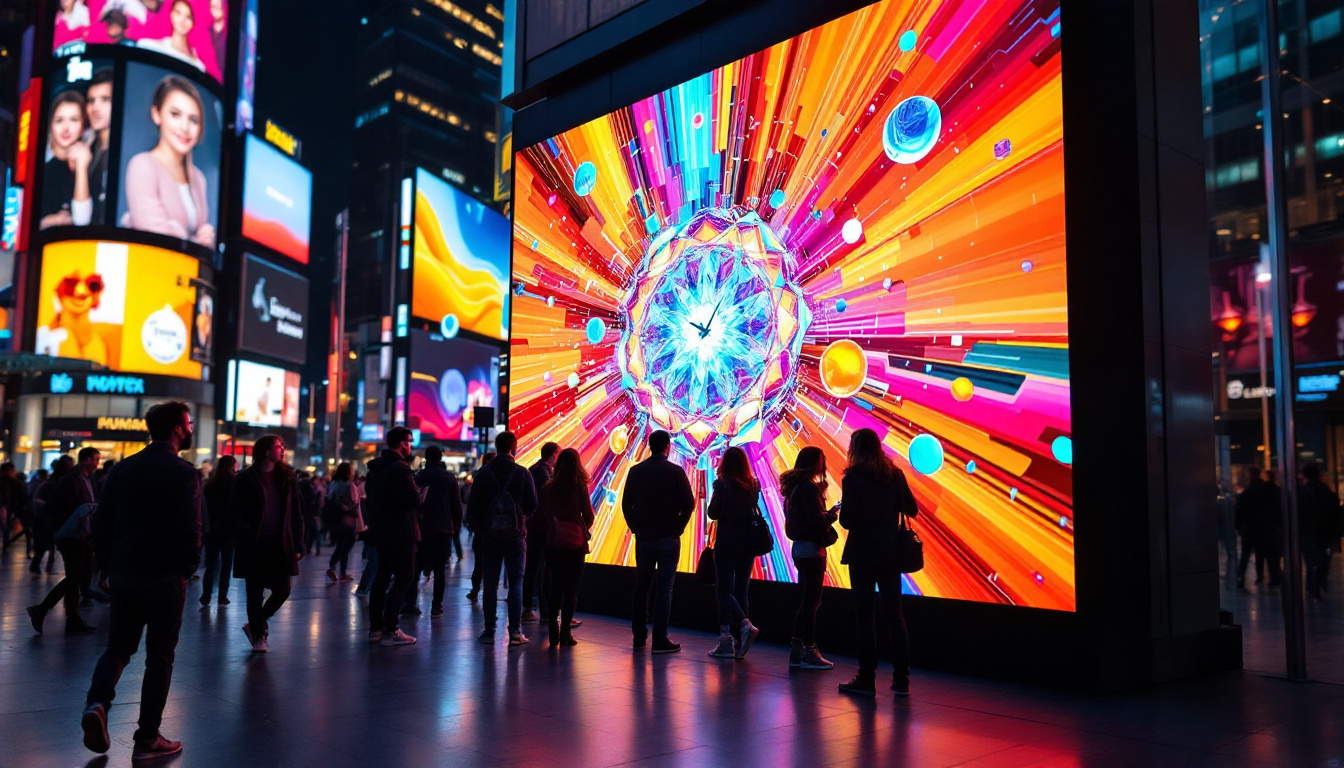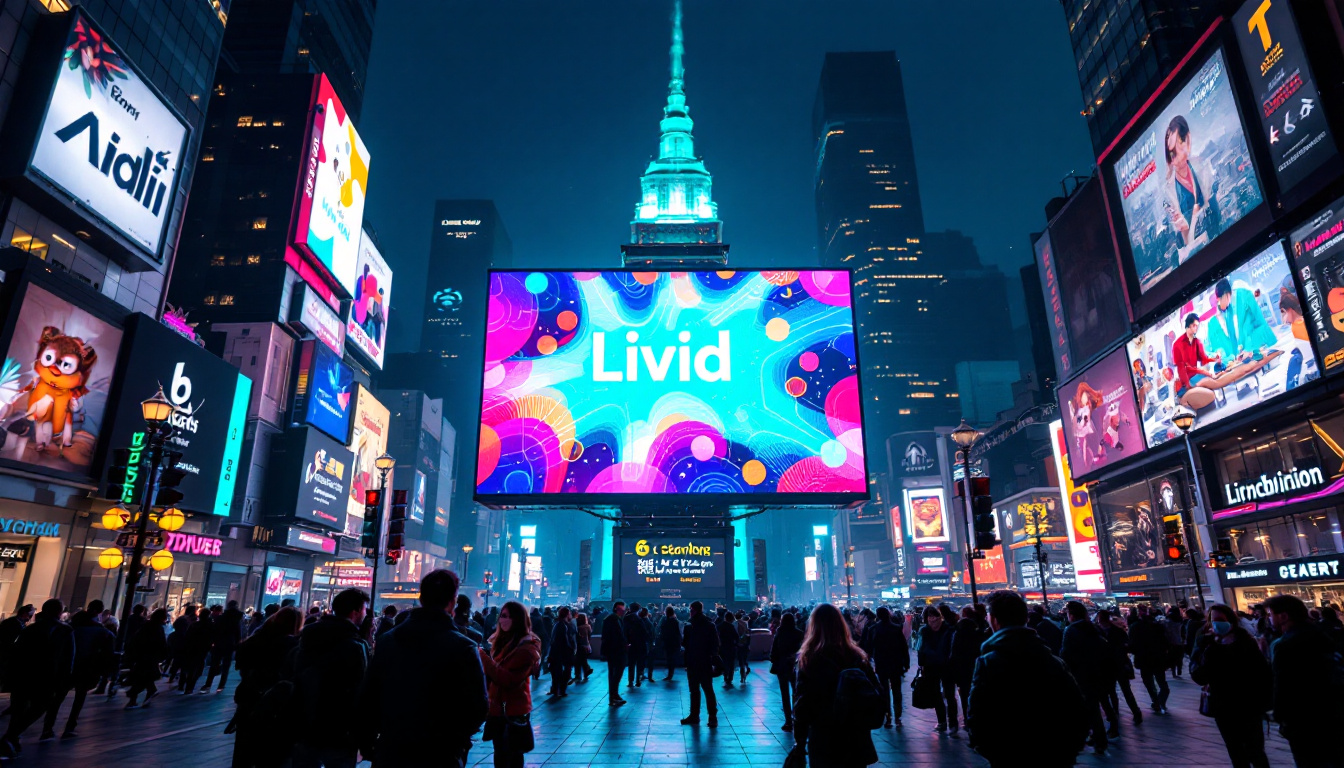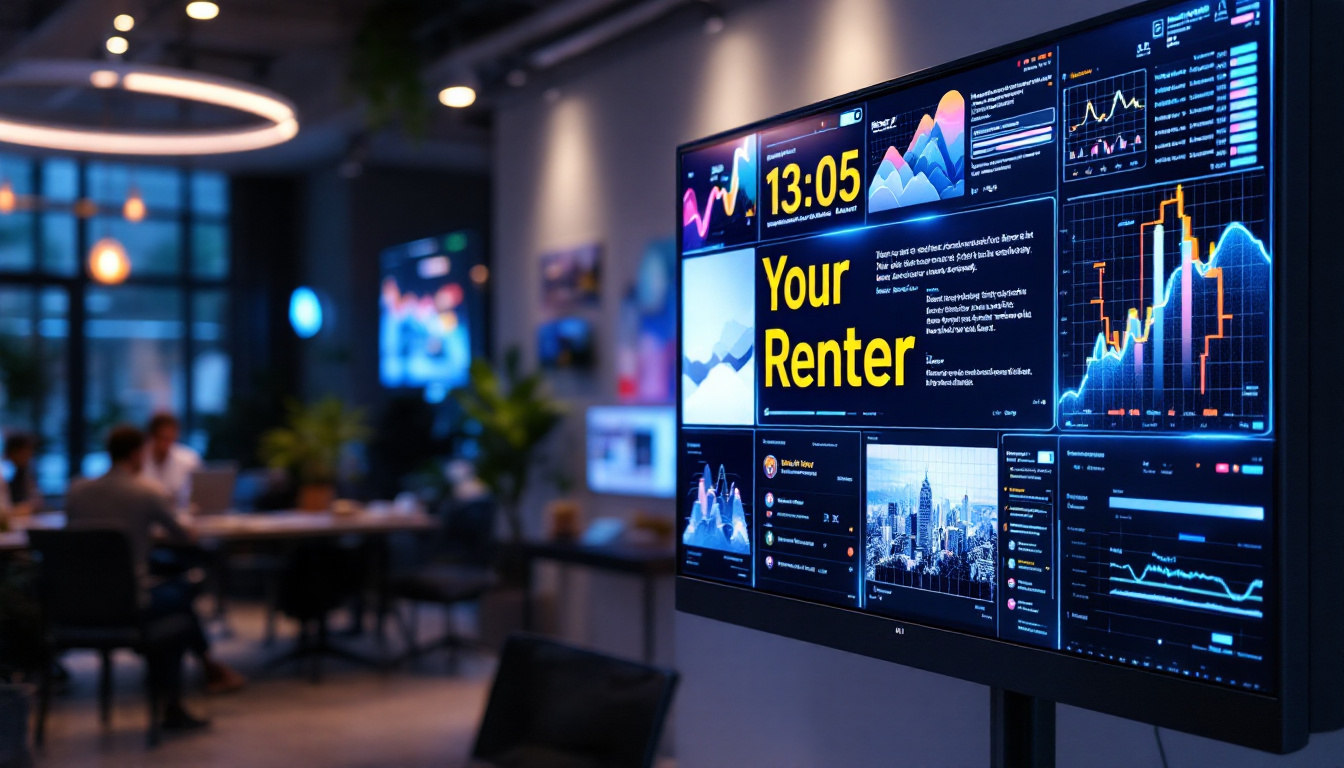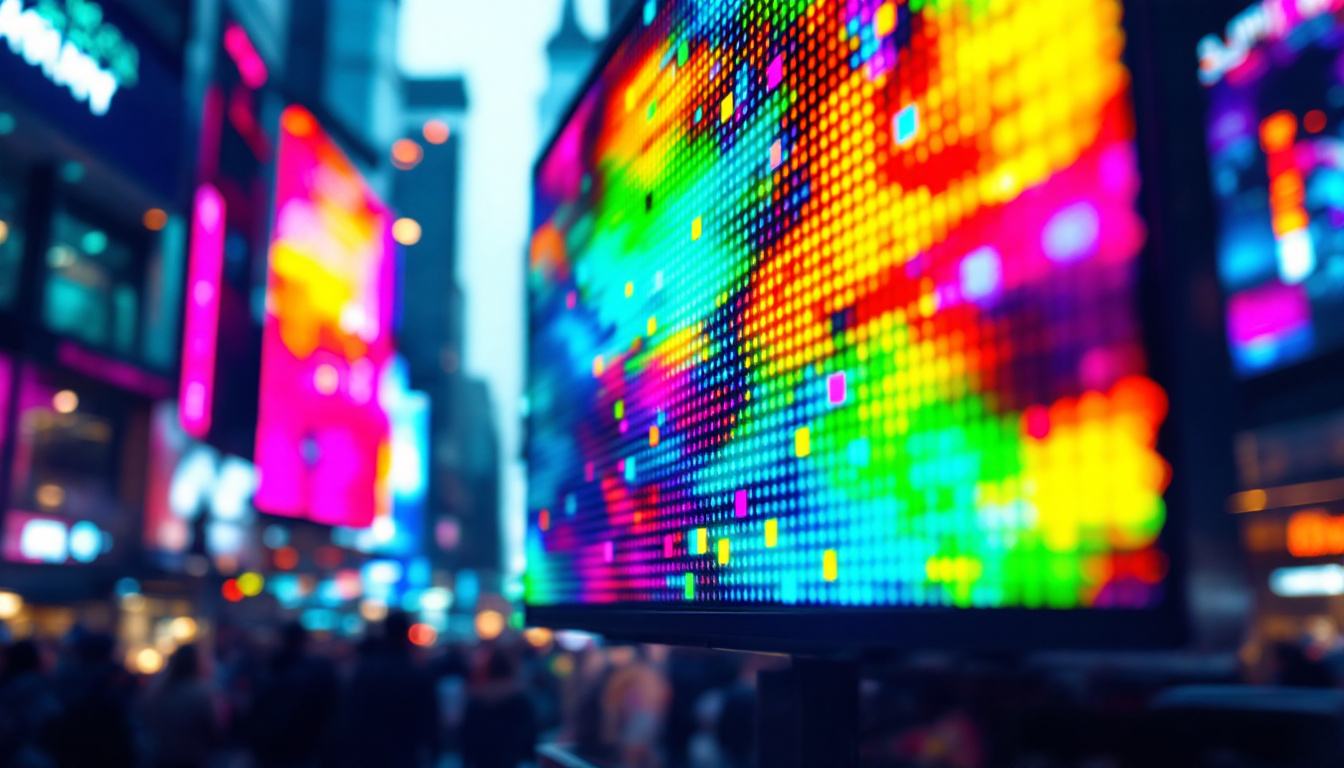
In the rapidly evolving world of digital signage and display technology, LED displays have emerged as a dominant force, revolutionizing how information and visuals are presented across various industries. From stadiums and retail stores to corporate offices and public transportation hubs, LED displays offer unparalleled brightness, energy efficiency, and versatility. This article delves into the core of LED technology, explaining the concept of chip displays, their working principles, types, advantages, and the future trends shaping this dynamic field.
Understanding LED Display Technology
LED, or Light Emitting Diode, technology is the foundation of modern digital displays. At its core, an LED is a semiconductor device that emits light when an electric current passes through it. Unlike traditional display technologies such as LCDs (Liquid Crystal Displays) that rely on backlighting, LEDs produce their own light, resulting in brighter and more vibrant images.
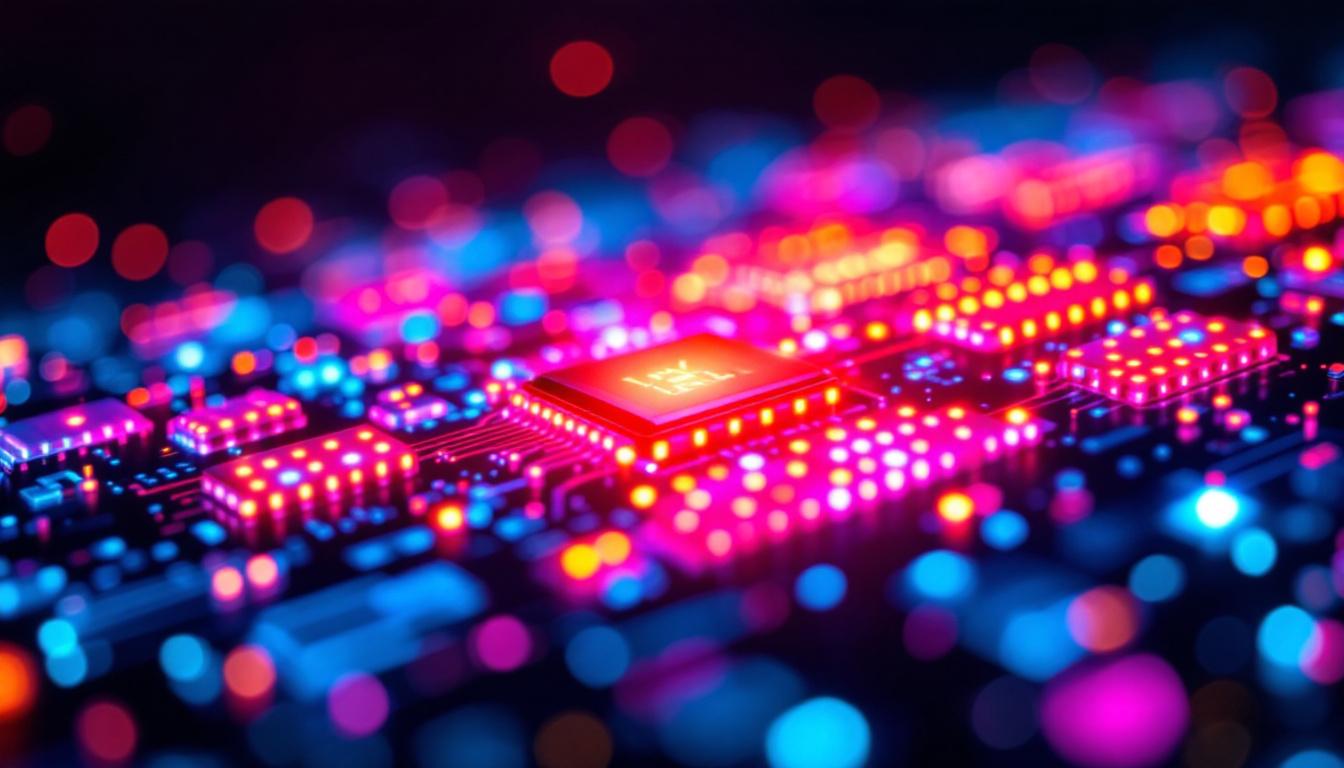
Chip displays refer specifically to the use of tiny LED chips embedded within the display panel. These chips are the fundamental light sources that combine to create the full image visible to the viewer. The quality, size, and arrangement of these LED chips directly impact the display’s resolution, brightness, and color accuracy.
The Structure of an LED Chip
Each LED chip consists of several layers of semiconductor materials, typically gallium arsenide (GaAs), gallium phosphide (GaP), or gallium nitride (GaN). When an electrical current is applied, electrons recombine with holes within the semiconductor, releasing energy in the form of photons—this process is known as electroluminescence.
The color of the emitted light depends on the semiconductor material and the energy band gap, allowing manufacturers to produce LEDs in a wide spectrum of colors. In full-color LED displays, red, green, and blue (RGB) chips are combined in various intensities to produce millions of colors, enabling rich and dynamic visual content.
Types of LED Displays and Their Applications
LED displays come in various forms, each optimized for specific applications and environments. Understanding these types helps businesses and consumers choose the right display technology for their needs.
1. Surface-Mounted Device (SMD) LED Displays
SMD LED displays are among the most common types of LED screens used today. In these displays, the LED chips are mounted directly onto the surface of a printed circuit board (PCB). This design allows for a compact and high-density arrangement of LEDs, resulting in higher resolution and better image quality.
SMD displays are widely used in indoor environments such as conference rooms, shopping malls, and control centers due to their excellent color consistency and wide viewing angles. Their ability to produce fine pixel pitches (the distance between the centers of adjacent LEDs) makes them ideal for close-range viewing.
2. Through-Hole LED Displays
Through-hole LEDs are traditional diodes inserted into holes on the PCB and soldered from the back. These displays typically have larger pixel pitches and are more robust, making them suitable for outdoor applications where durability and brightness are critical.
Outdoor LED billboards, stadium screens, and traffic signs often use through-hole LED technology because these displays can withstand harsh weather conditions and provide high visibility even in direct sunlight.
3. Chip-on-Board (COB) LED Displays
COB technology involves mounting multiple LED chips directly onto a substrate to form a single module. This approach improves thermal management and allows for higher pixel density, resulting in smoother images and better color uniformity.
COB LED displays are gaining popularity in applications requiring ultra-fine pitch and high resolution, such as medical imaging, broadcasting studios, and high-end retail displays. Their compact design also facilitates lightweight and slim display panels.
Key Advantages of LED Chip Displays
LED chip displays offer several significant benefits over other display technologies, making them the preferred choice in many sectors.
Brightness and Visibility
One of the most notable advantages of LED displays is their exceptional brightness. LED chips can achieve luminance levels exceeding 5,000 nits, which is far superior to traditional LCD displays. This high brightness ensures clear visibility even in direct sunlight, making LED displays ideal for outdoor advertising and public information systems.
Energy Efficiency
LED technology is inherently energy-efficient because LEDs convert a higher percentage of electrical energy into light compared to other light sources. According to the U.S. Department of Energy, LED lighting can use up to 75% less energy than incandescent bulbs. This efficiency translates into lower operating costs and reduced environmental impact for LED display installations.
Durability and Longevity
LED chips are solid-state devices with no fragile filaments or glass components, making them highly durable and resistant to shocks and vibrations. Additionally, LED displays typically have a lifespan of 50,000 to 100,000 hours, significantly longer than traditional display technologies. This longevity reduces maintenance costs and downtime.
Color Accuracy and Flexibility
With the ability to precisely control the intensity of red, green, and blue LED chips, LED displays deliver vibrant colors and deep contrasts. Advanced calibration techniques further enhance color accuracy, which is crucial for applications such as digital art exhibitions, broadcast studios, and retail displays where visual fidelity is paramount.
How LED Chip Displays Work: From Pixels to Images
To appreciate the sophistication of LED chip displays, it is essential to understand how individual LED chips work together to form complete images.
The Role of Pixels
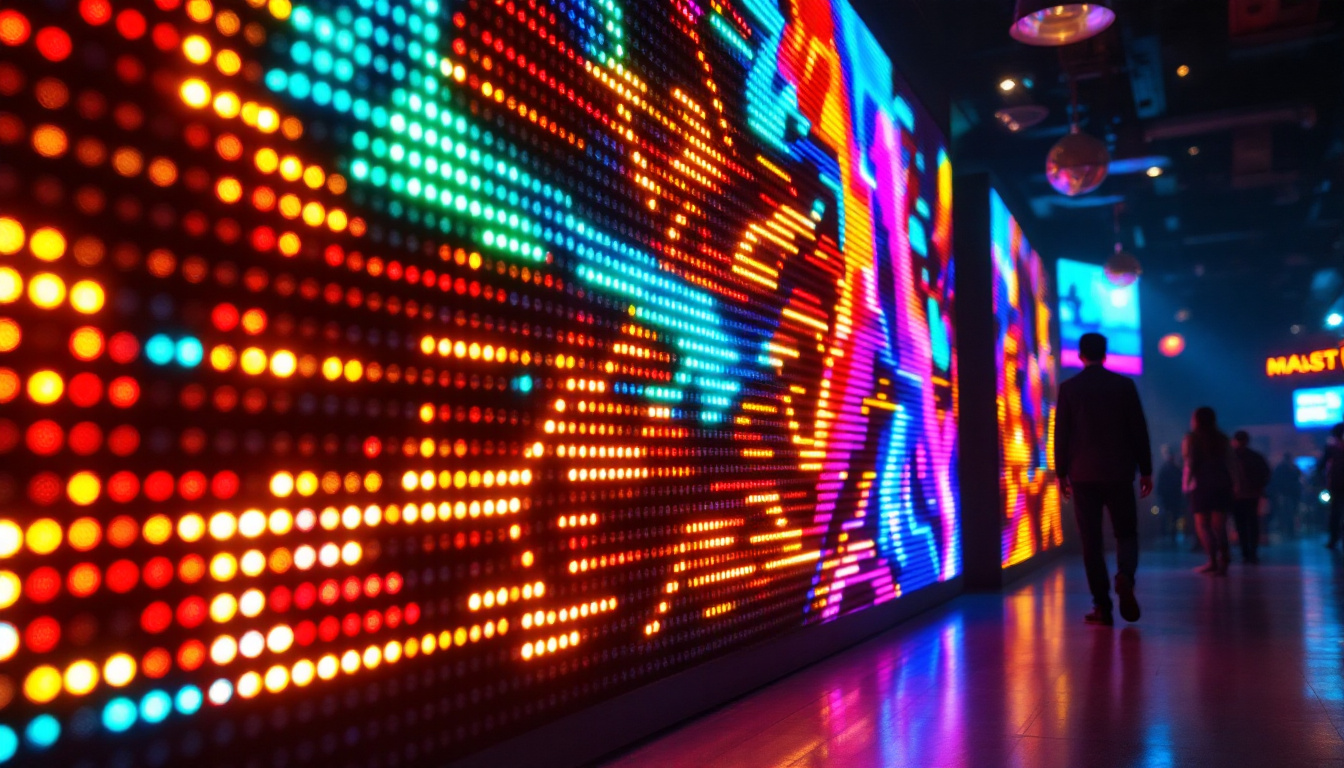
A pixel is the smallest unit of a digital image, and in LED displays, each pixel consists of multiple LED chips—typically three chips representing red, green, and blue. By adjusting the brightness of each chip, the pixel can produce a wide range of colors through additive color mixing.
For example, when all three chips are illuminated at full intensity, the pixel appears white. When only the red chip is lit, the pixel appears red, and so forth. The combination of millions of such pixels creates the full image displayed on the screen.
Pixel Pitch and Resolution
Pixel pitch, measured in millimeters, defines the distance between the centers of two adjacent pixels. A smaller pixel pitch means more pixels per unit area, resulting in higher resolution and sharper images. For indoor LED displays, pixel pitches can be as small as 0.7mm, allowing for ultra-high-definition visuals.
Conversely, outdoor displays typically have larger pixel pitches ranging from 4mm to 20mm or more, balancing resolution with visibility over longer distances.
Driving and Control Systems
LED chip displays require sophisticated driving electronics to control the current supplied to each LED chip, ensuring accurate color reproduction and brightness levels. These systems include LED drivers, controllers, and software that manage image processing, calibration, and synchronization.
Modern LED displays often incorporate intelligent control systems that adjust brightness automatically based on ambient lighting conditions, further enhancing energy efficiency and viewer comfort.
Emerging Trends and Innovations in LED Chip Displays
The LED display industry continues to innovate, pushing the boundaries of what is possible with chip display technology. Several emerging trends are shaping the future landscape.
MicroLED Technology
MicroLED is an advanced form of LED display technology that uses microscopic LED chips measuring less than 100 micrometers. These tiny LEDs enable displays with extremely high pixel densities, superior brightness, and contrast ratios rivaling OLED technology but with greater durability and energy efficiency.
Although still in the early stages of commercialization, MicroLED displays are expected to revolutionize consumer electronics, including TVs, smartphones, and augmented reality devices, by offering stunning image quality and longer lifespans.
Flexible and Transparent LED Displays
Innovations in LED chip packaging and substrate materials have led to the development of flexible and transparent LED displays. Flexible displays can be curved or bent without damaging the LEDs, opening new possibilities for creative signage, wearable devices, and automotive applications.
Transparent LED displays, which allow light to pass through when turned off, are gaining traction in retail and architectural design, enabling digital content to be displayed on glass surfaces without obstructing the view.
Integration with IoT and Smart Technologies
LED displays are increasingly integrated with Internet of Things (IoT) platforms and smart technologies. This integration allows for real-time data-driven content updates, remote management, and interactive features such as touch sensitivity and gesture recognition.
Smart LED displays enhance user engagement in retail, transportation, and public spaces by delivering personalized and context-aware information.
Choosing the Right LED Chip Display for Your Needs
Selecting the appropriate LED display involves considering several factors, including the intended application, viewing distance, environment, and budget.
Indoor vs. Outdoor Use
Indoor LED displays prioritize high resolution and color accuracy, with smaller pixel pitches and lower brightness levels suitable for controlled lighting environments. Outdoor displays emphasize brightness, weather resistance, and durability, often sacrificing some resolution to ensure visibility from a distance.
Viewing Distance and Pixel Pitch
The optimal pixel pitch depends largely on the typical viewing distance. For example, a retail store display viewed from a few feet away requires a pixel pitch of 1.5mm or less to avoid visible pixelation, while a highway billboard viewed from hundreds of meters can have a pixel pitch of 10mm or more.
Brightness and Environmental Considerations
Brightness requirements vary according to ambient light conditions. Outdoor displays must achieve high brightness levels (often above 5,000 nits) to remain visible in direct sunlight, whereas indoor displays typically operate at 800 to 1,200 nits.
Additionally, environmental factors such as temperature, humidity, and exposure to dust or chemicals must be accounted for to ensure the longevity and reliability of the LED display.
Conclusion
LED chip displays represent a cornerstone of modern visual communication, offering unmatched brightness, color vibrancy, and energy efficiency. Their versatility spans a broad spectrum of applications, from intimate indoor environments to massive outdoor installations. As technology advances, innovations like MicroLED, flexible displays, and smart integration promise to further enhance the capabilities and impact of LED displays.
Understanding the fundamentals of LED chip technology, types of displays, and key performance factors empowers businesses and consumers to make informed decisions when investing in this transformative technology. Whether for advertising, entertainment, or information dissemination, LED displays continue to illuminate the future of digital visualization.
Illuminate Your Space with LumenMatrix
Ready to transform your environment with the vibrant, energy-efficient, and versatile world of LED displays? LumenMatrix is at the forefront of LED display technology, offering a wide array of solutions tailored to your unique needs. From Indoor and Outdoor LED Wall Displays to specialized options like Vehicle, Sports, and Floor LED Displays, our products are designed to captivate and engage. Discover the future of visual communication with our Custom, All-in-One, and Transparent LED Displays. Check out LumenMatrix LED Display Solutions today and take the first step towards an unparalleled visual experience.