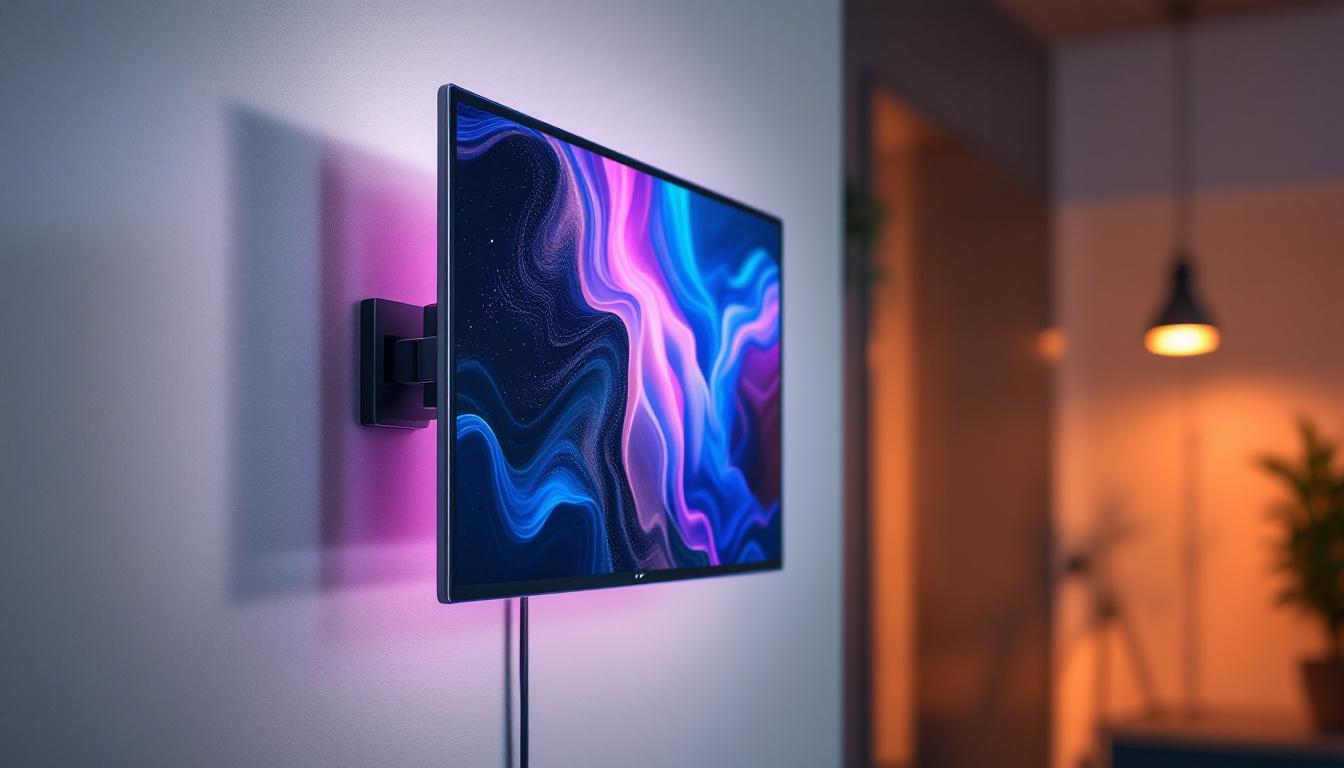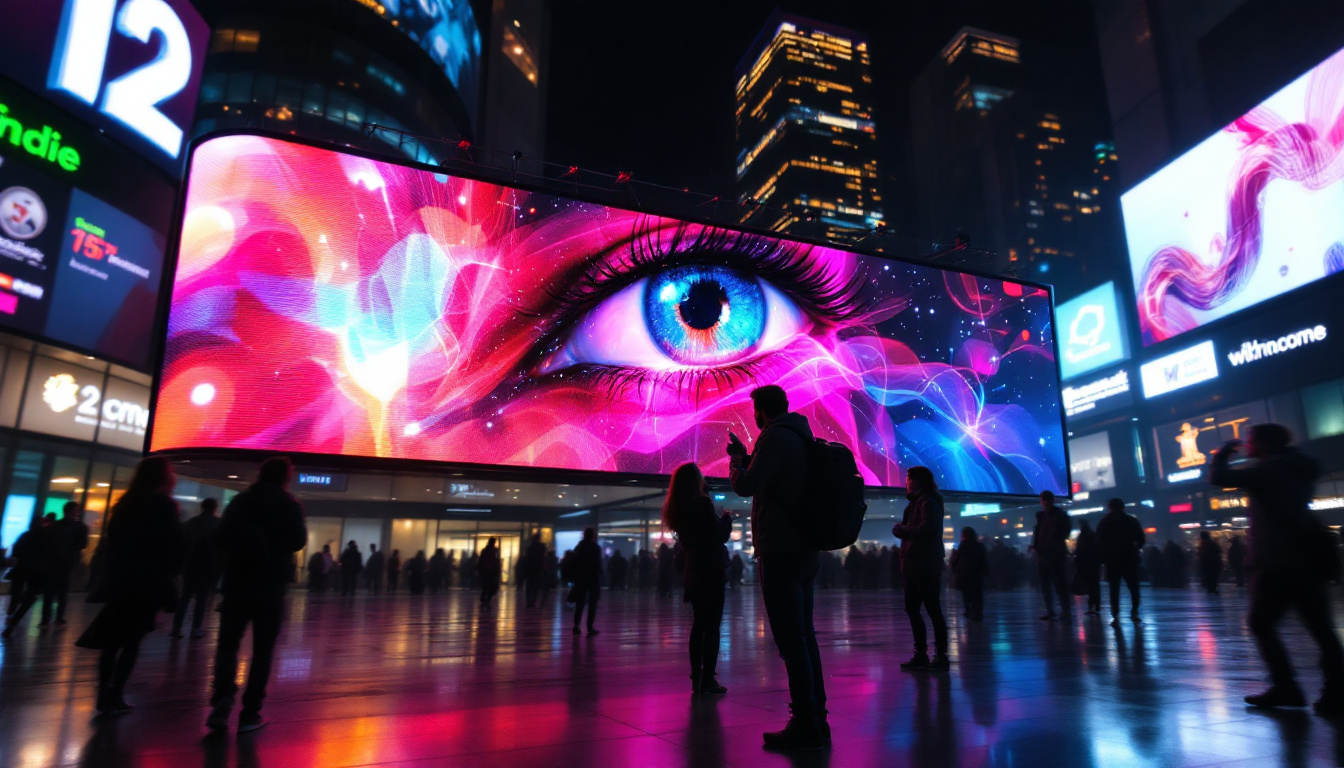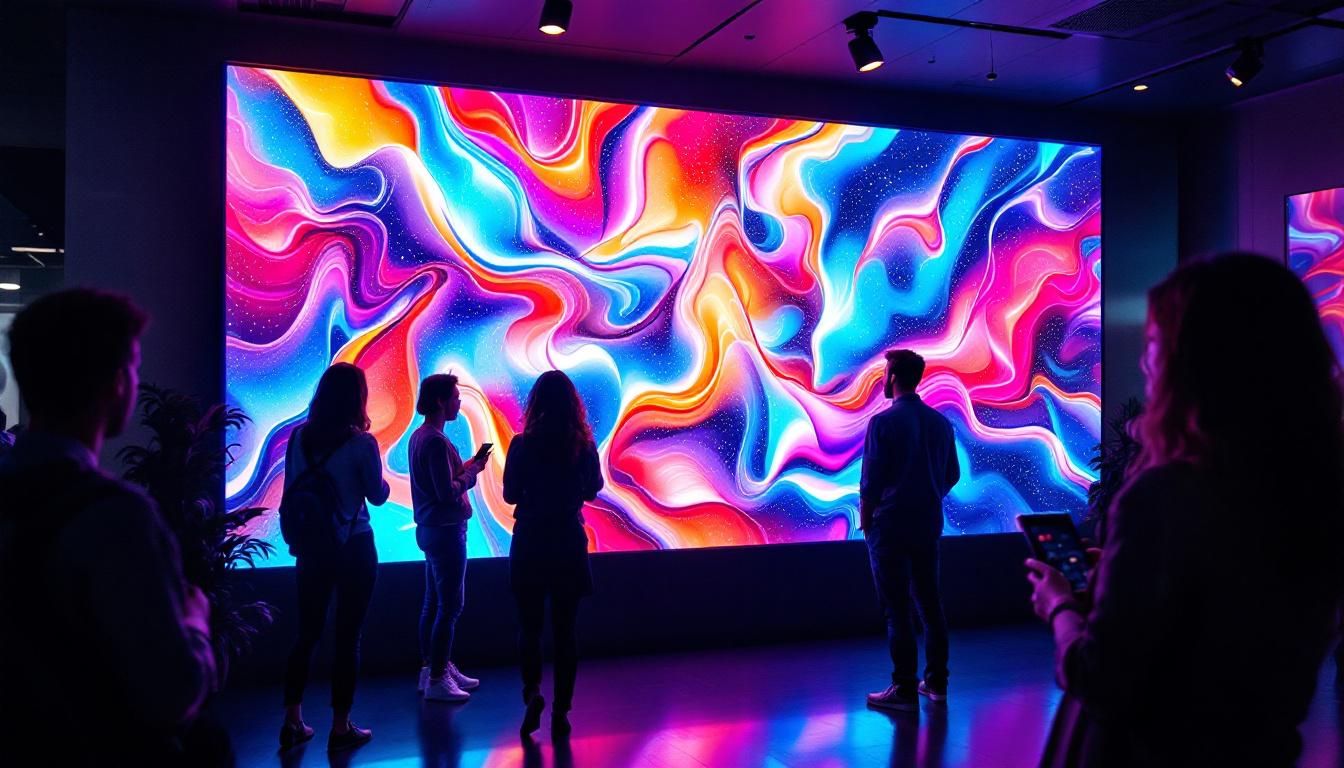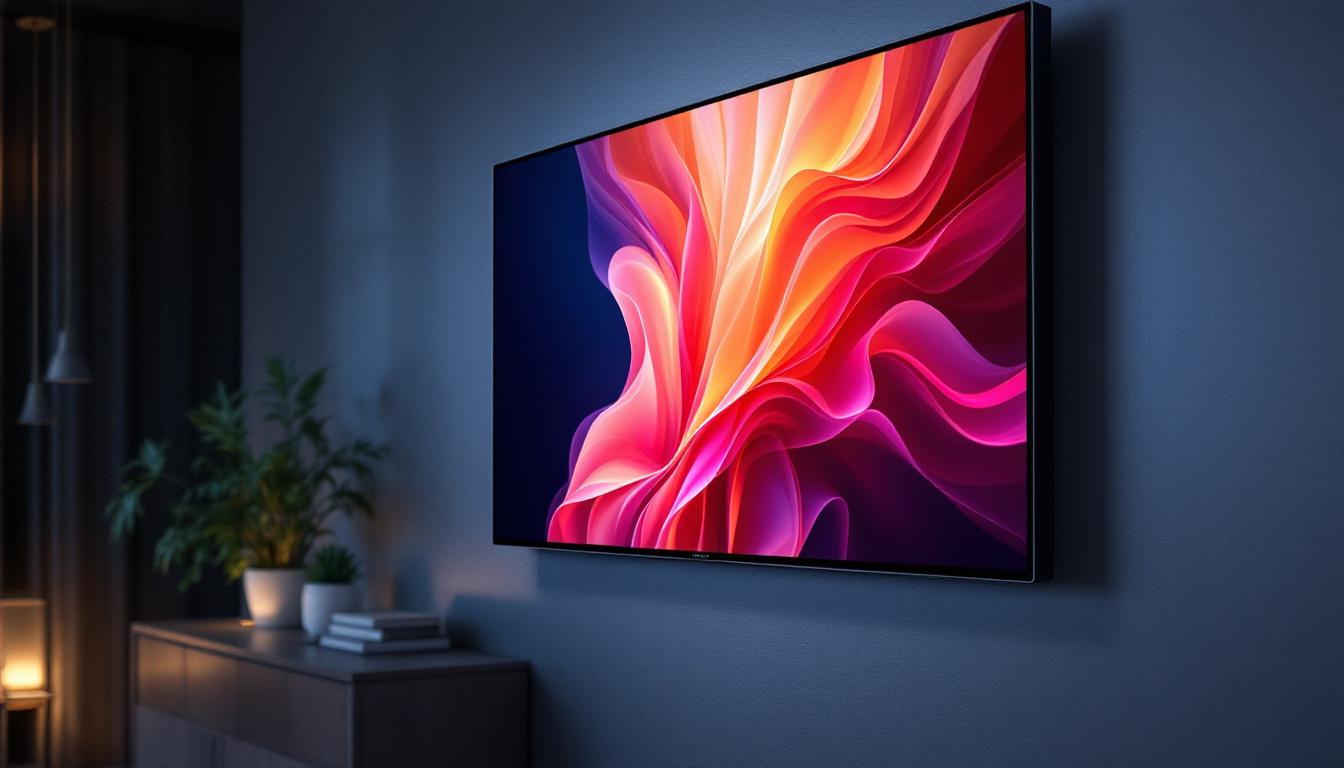
Video walls have become an essential feature in many industries, from corporate boardrooms and retail environments to control rooms and public spaces. As technology evolves, the demand for high-quality, seamless displays that can be scaled to large sizes grows exponentially. Choosing the best TV or display for a video wall requires understanding the technology behind LED displays, the advantages they offer, and the key factors that influence performance and cost.
Understanding Video Walls and Their Applications
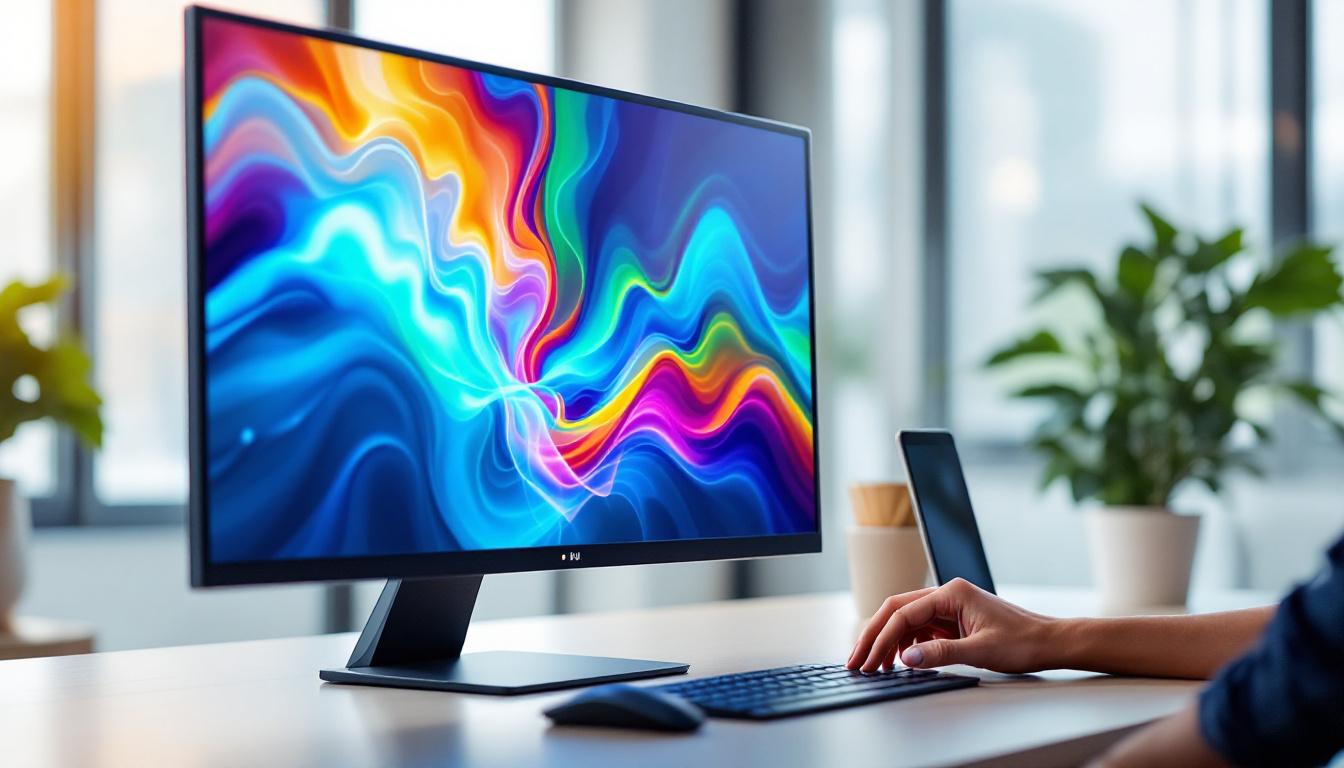
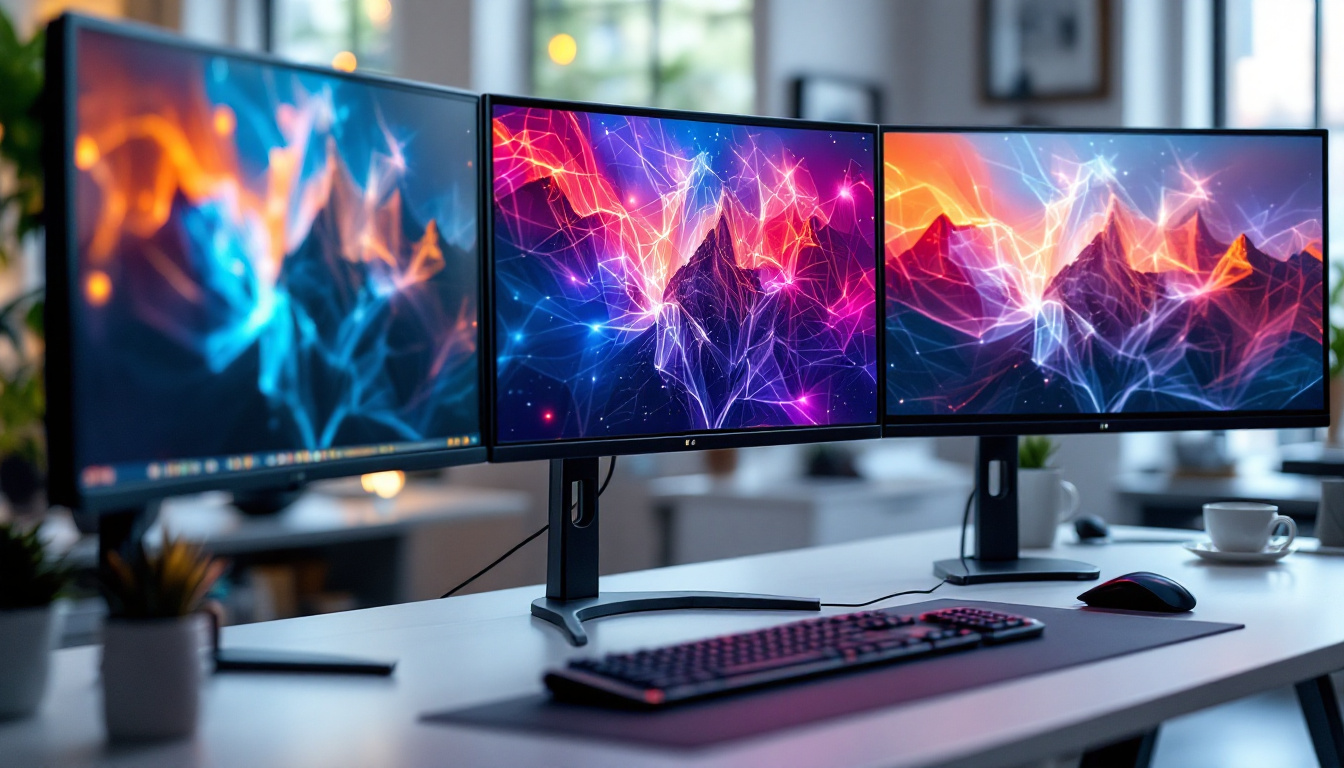
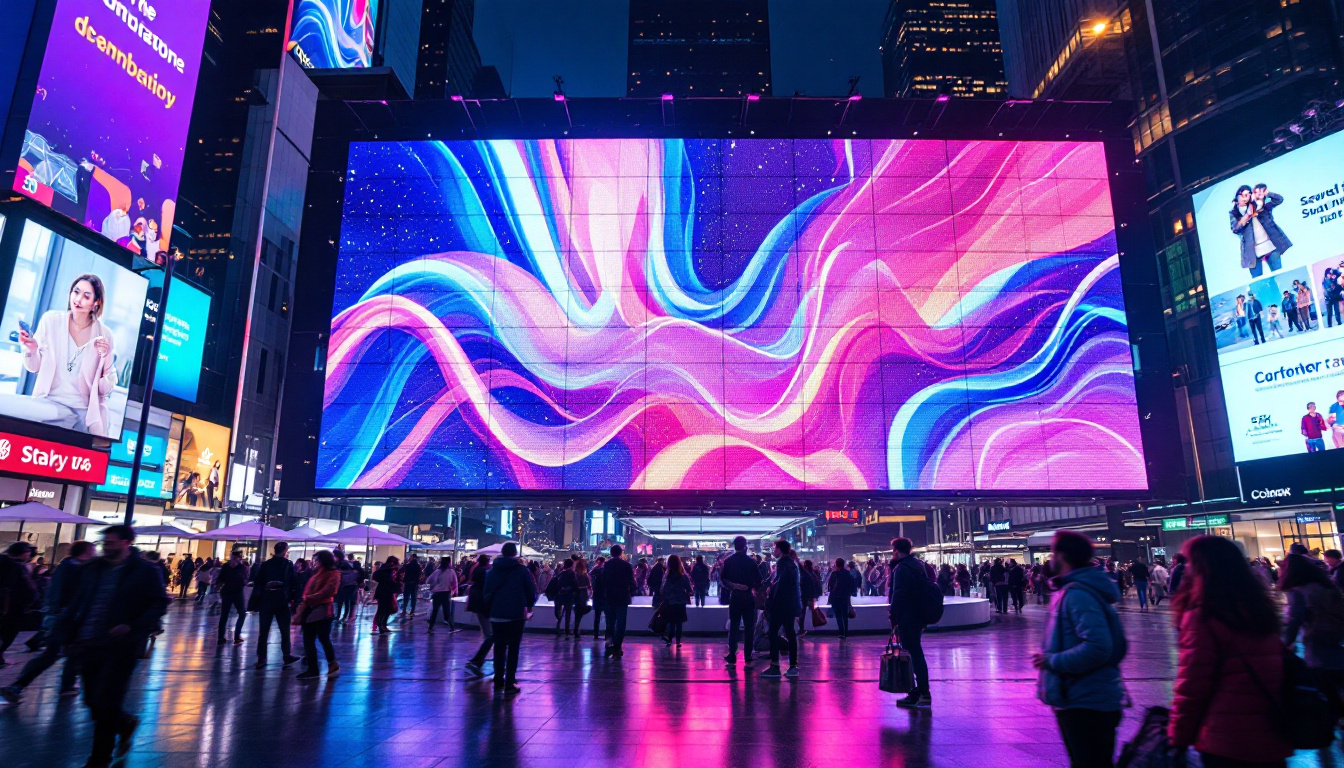
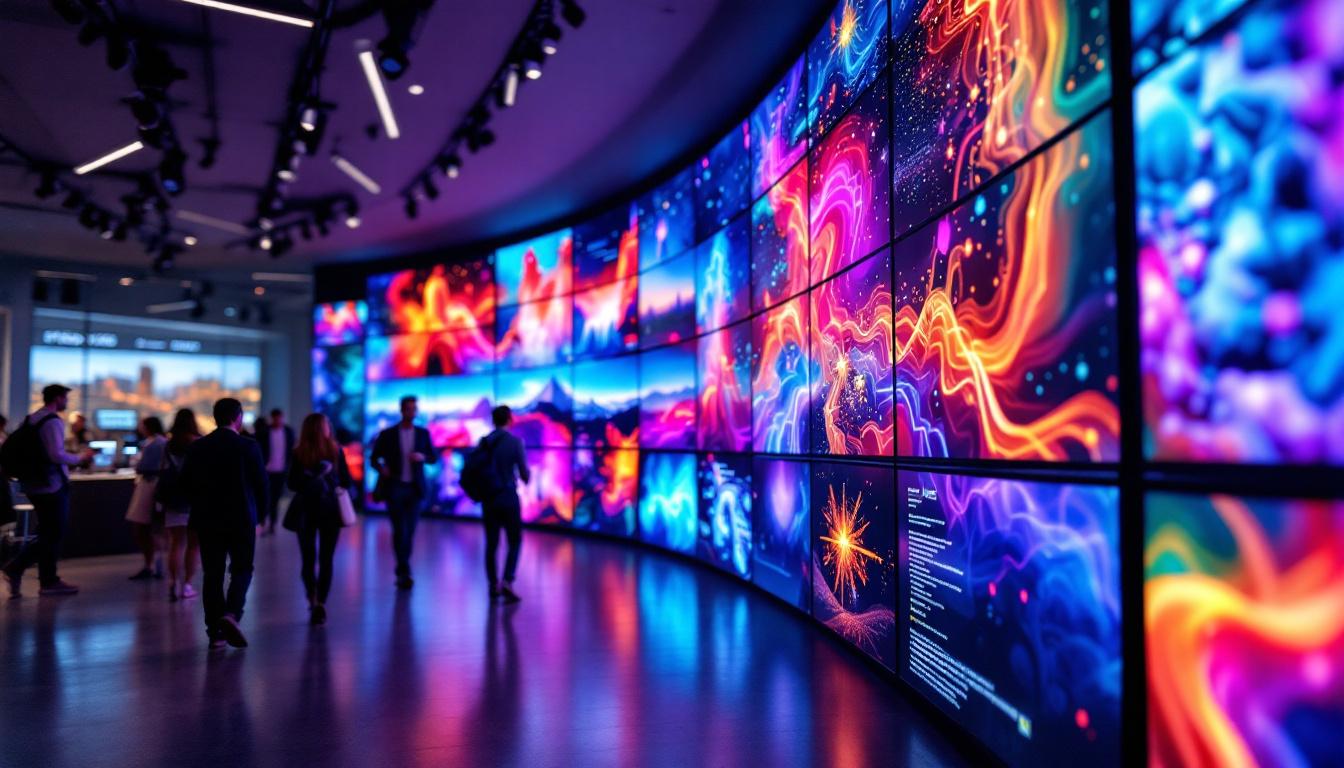
A video wall is a large visualization surface consisting of multiple display units tiled together to create one large screen. Unlike traditional single-screen displays, video walls allow for enormous image sizes and higher resolutions by combining multiple smaller screens. This technology not only enhances visual experiences but also provides flexibility in content management, enabling users to display a variety of media simultaneously or switch between different sources seamlessly.
These installations are popular in various sectors:
- Corporate environments: For presentations, data visualization, and immersive meeting experiences.
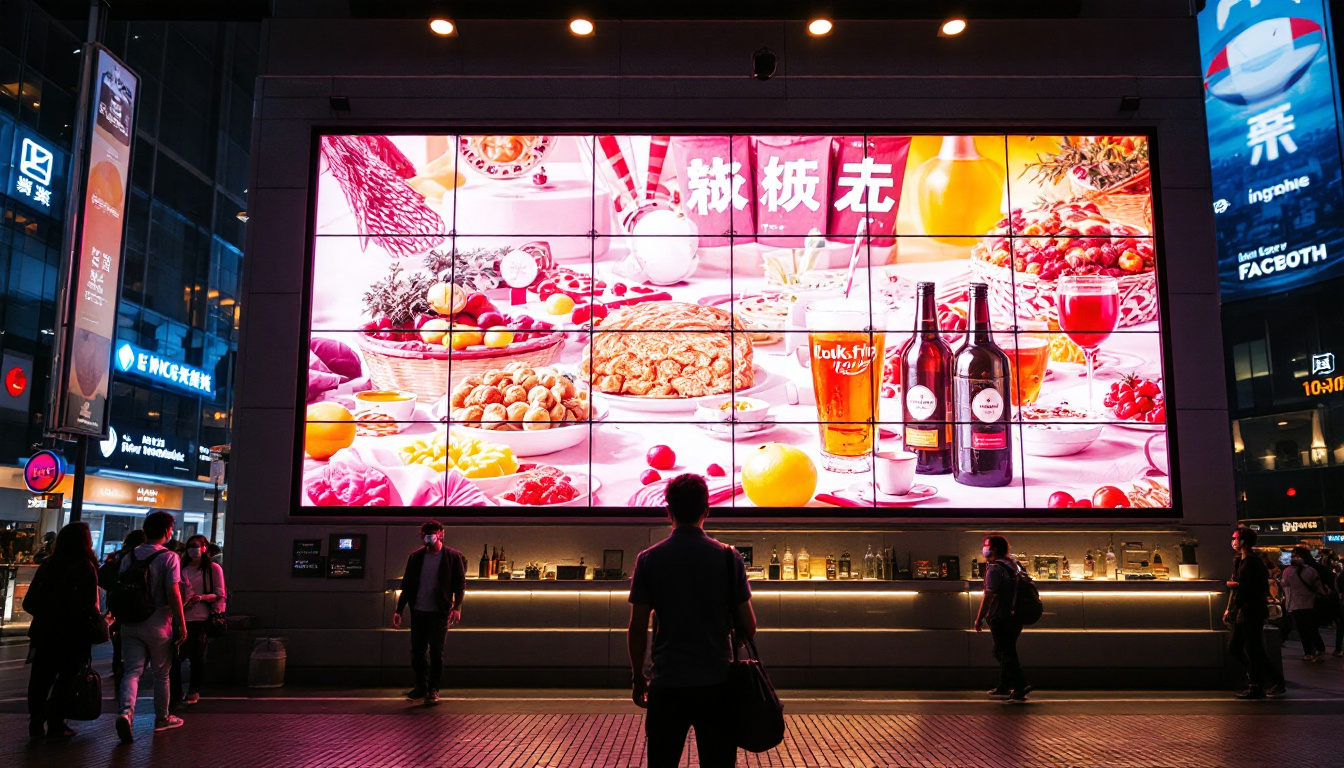
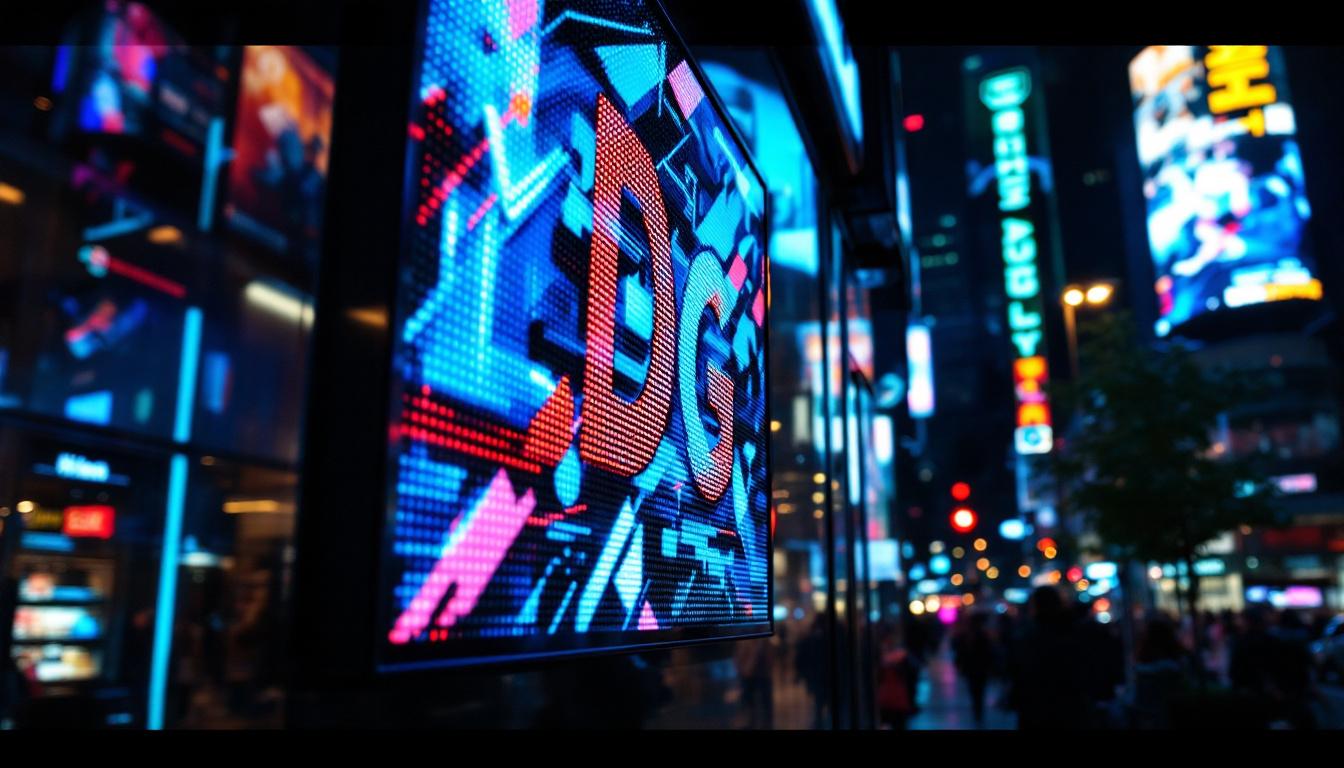
- Retail and advertising: To create eye-catching digital signage that attracts customers.
- Control rooms: For monitoring complex systems such as traffic management, security, and utilities.
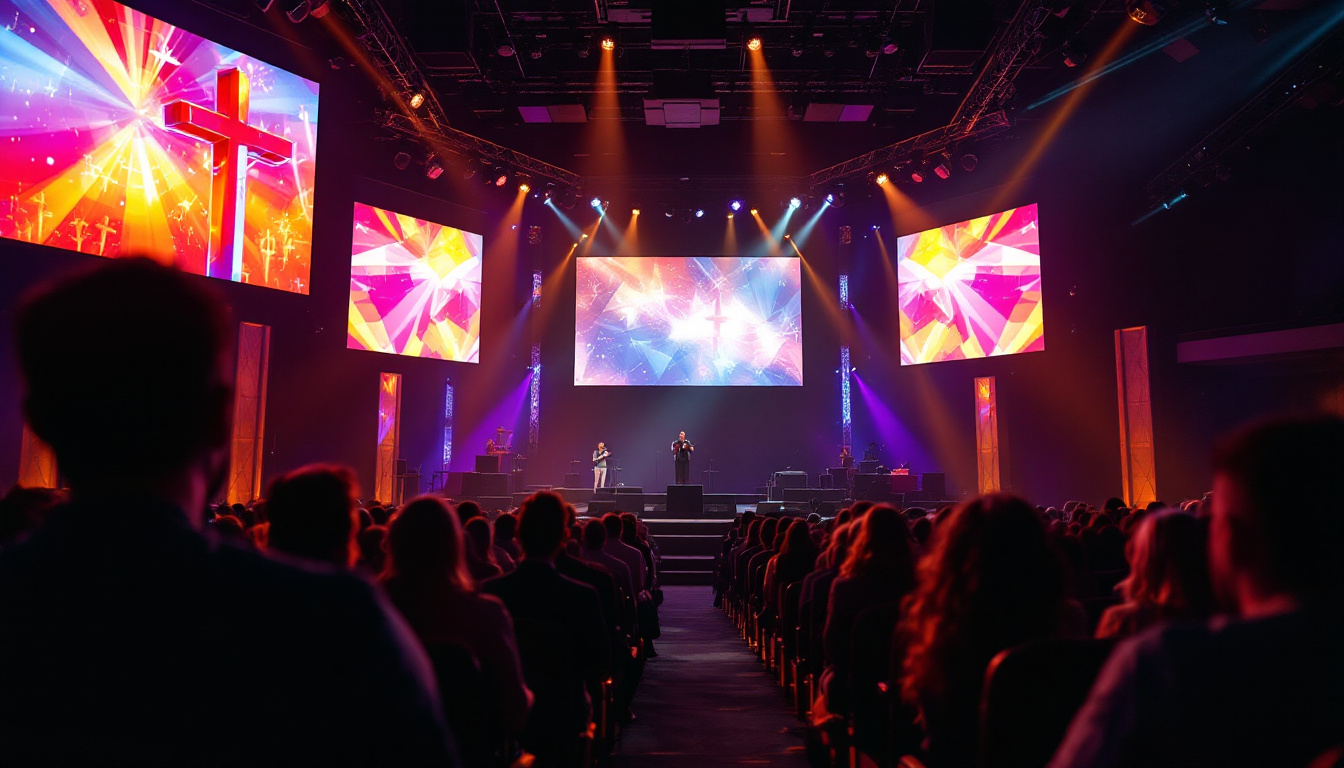
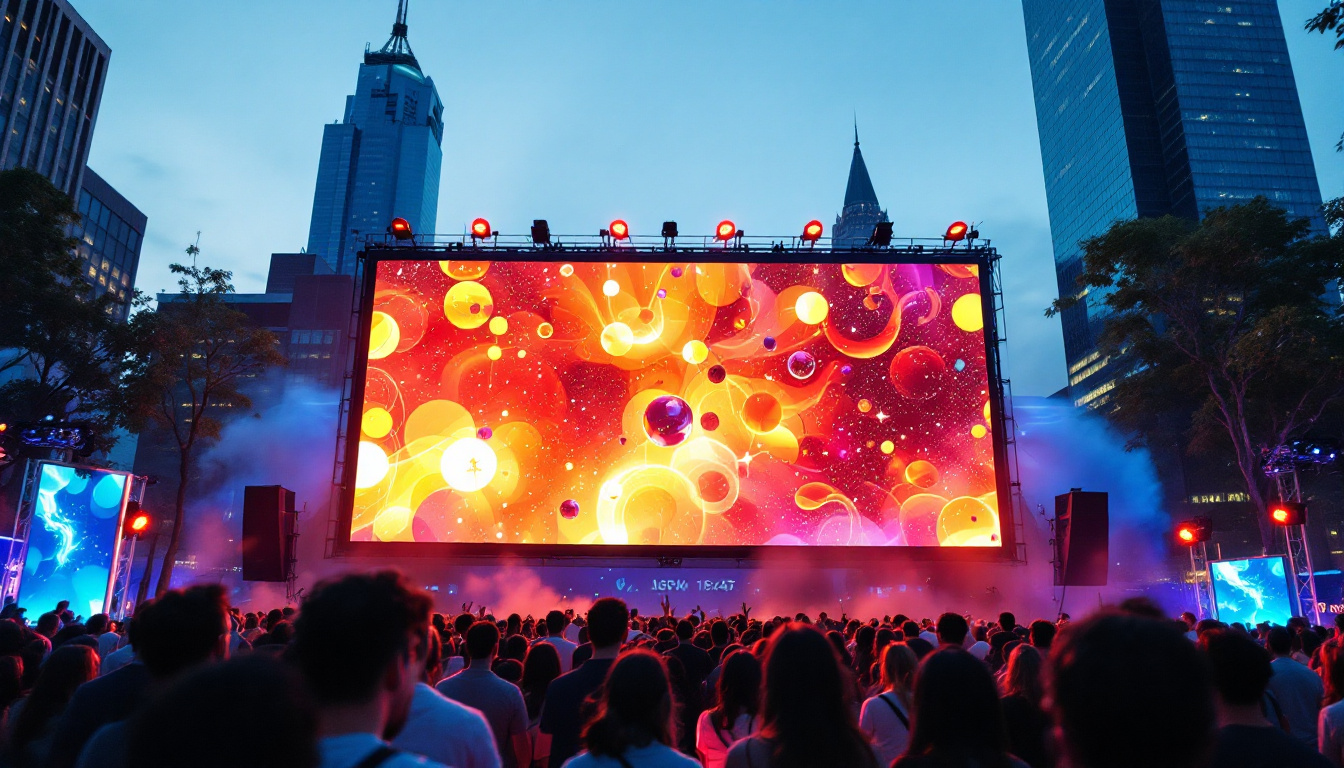
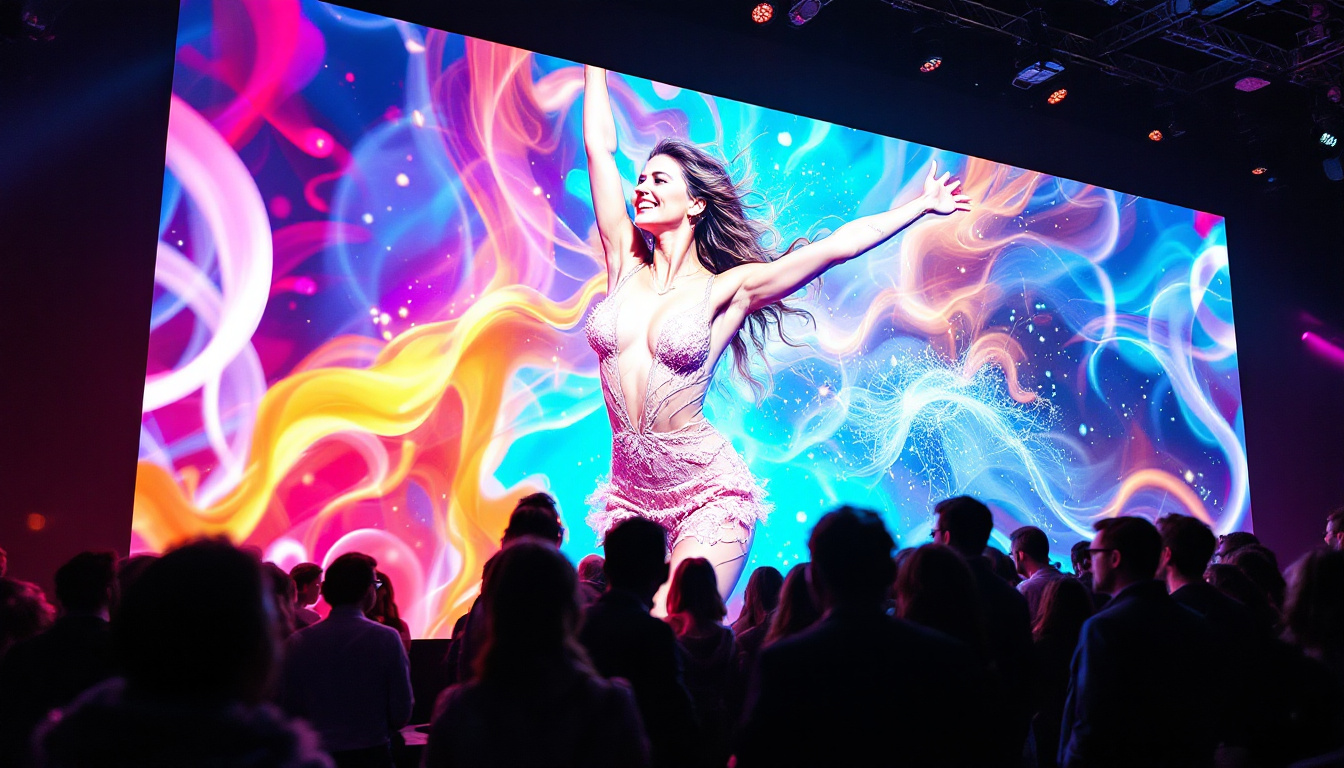
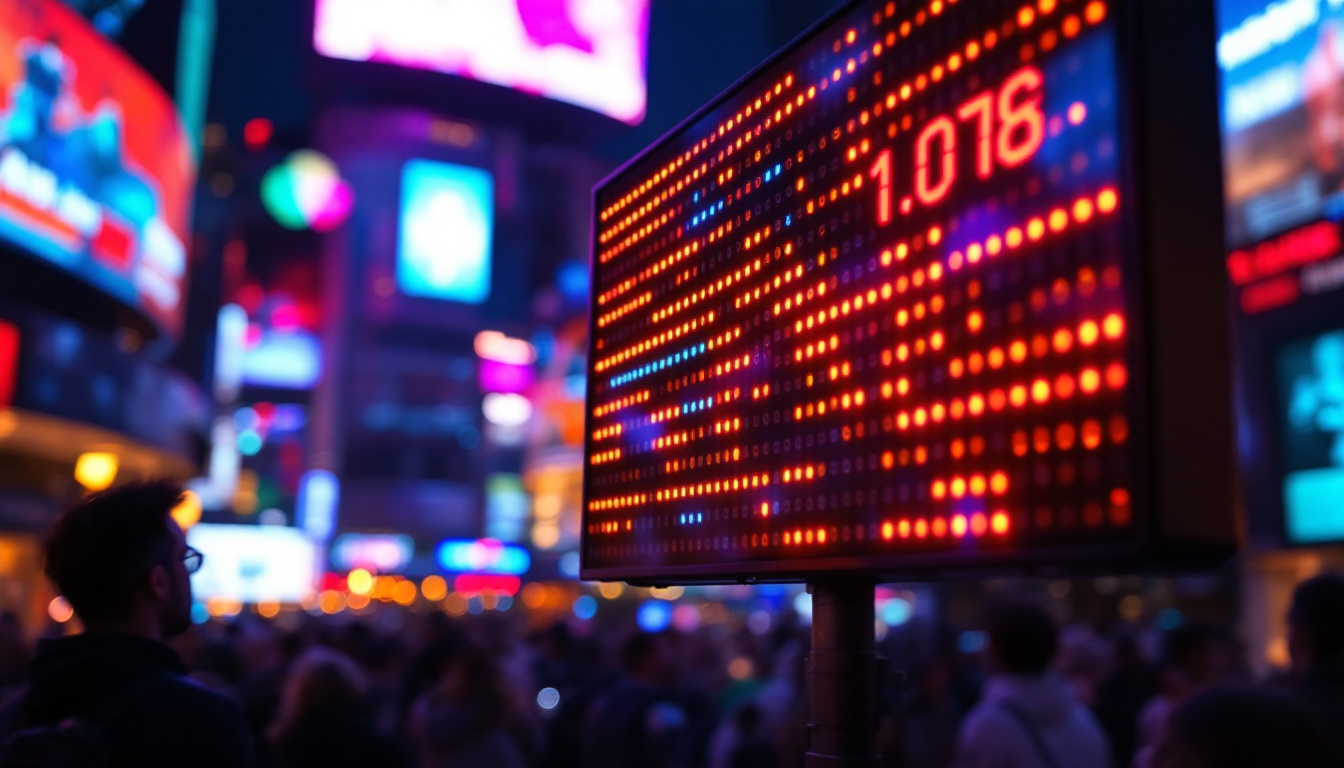
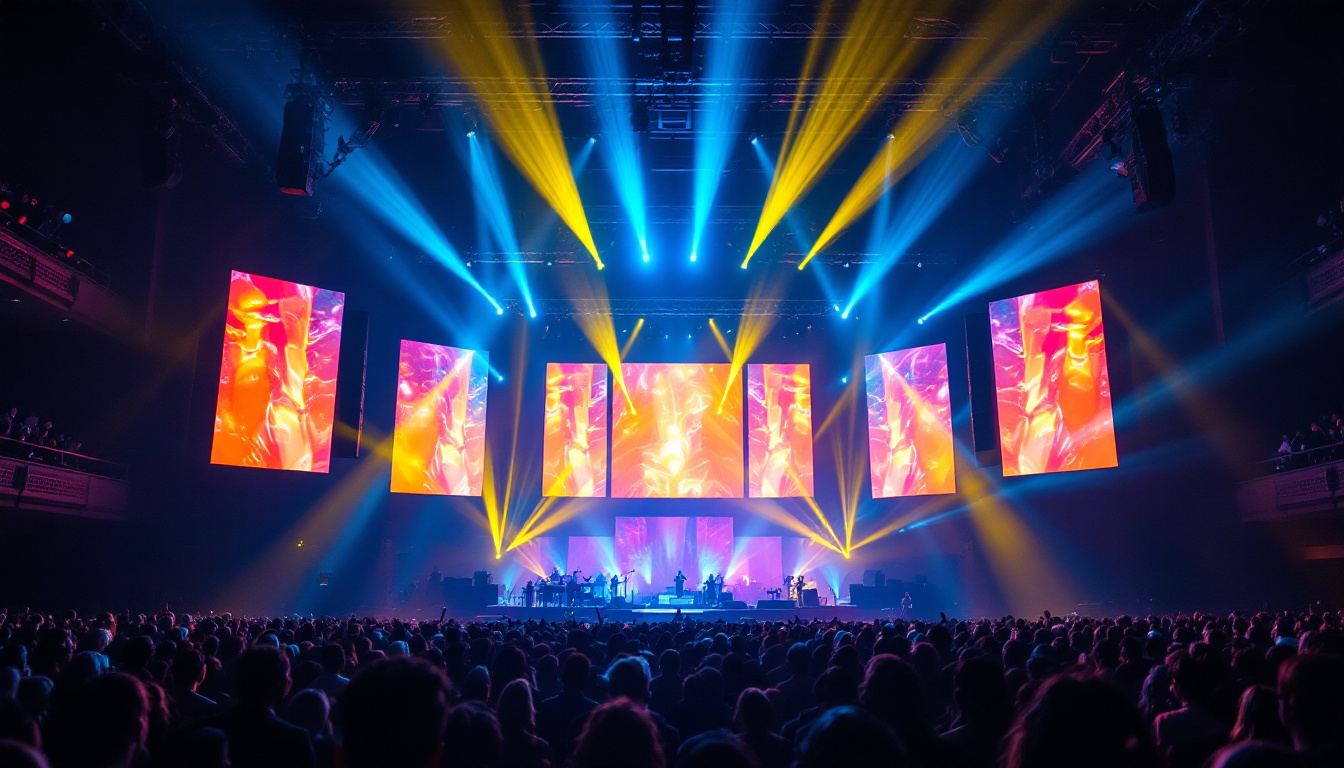
- Entertainment and events: To deliver engaging visuals at concerts, sports arenas, and exhibitions.
Given these diverse applications, the choice of display technology and configuration is critical to achieving the desired impact and functionality. For instance, LED and LCD technologies each offer unique benefits; LED displays are known for their brightness and energy efficiency, making them ideal for outdoor settings, while LCDs provide excellent color accuracy and are often used in indoor environments. Moreover, the arrangement of the screens—whether in a flat, curved, or even 3D configuration—can significantly influence the viewer’s experience, enhancing immersion and engagement.
In addition to the technical specifications, the content displayed on video walls plays a crucial role in their effectiveness. Dynamic content, such as interactive applications or real-time data feeds, can captivate audiences and encourage interaction, particularly in retail spaces where customer engagement is key. Furthermore, advancements in software solutions allow for sophisticated content management systems that enable users to control what is displayed across the video wall from a centralized interface, ensuring that the right message reaches the right audience at the right time.
Why LED Displays Are the Preferred Choice for Video Walls
When it comes to video walls, LED displays have surged in popularity due to their superior brightness, color accuracy, and scalability. Unlike LCD panels, which rely on backlighting, LED displays use light-emitting diodes as pixels, offering several advantages:
- High Brightness: LEDs can achieve brightness levels upwards of 1,000 nits, making them ideal for environments with high ambient light such as retail stores and outdoor installations.
- Seamless Image Quality: Modern LED panels have extremely narrow bezels, often less than 1.5mm, allowing for near-seamless video walls that provide a continuous image without distracting gaps.
- Wide Viewing Angles: LED technology ensures consistent color and brightness from various angles, which is essential for large audiences viewing the wall from different positions.
- Durability and Longevity: LED displays typically have longer lifespans and are more resistant to burn-in compared to OLED or plasma screens, making them suitable for continuous operation.
These benefits make LED video walls a top choice for businesses looking for reliable, high-impact visual solutions. Furthermore, the versatility of LED technology allows for a wide range of applications, from corporate events and trade shows to permanent installations in venues like stadiums and concert halls. The ability to customize the size and shape of LED panels means that designers can create unique configurations that fit the specific needs of any space, enhancing the overall aesthetic and functionality of the environment.
Moreover, the energy efficiency of LED displays cannot be overlooked. As sustainability becomes a growing concern for many organizations, LED technology offers a greener alternative to traditional display methods. Consuming less power while delivering high-quality visuals not only reduces operational costs but also aligns with eco-friendly initiatives. This combination of performance and environmental responsibility is increasingly appealing to businesses aiming to make a positive impact while still delivering captivating visual experiences.
Key Factors to Consider When Selecting an LED Display for a Video Wall
Choosing the best LED display for a video wall involves several technical and practical considerations. Understanding these factors helps ensure the final installation meets performance expectations and budget constraints.
Pixel Pitch and Resolution
Pixel pitch refers to the distance between the centers of two adjacent pixels, typically measured in millimeters. It directly affects the resolution and viewing distance of the video wall:
- Smaller Pixel Pitch: Provides higher resolution and is suitable for close viewing distances, such as control rooms or conference spaces. For example, a 1.2mm pixel pitch is ideal for detailed content viewed from just a few feet away.
- Larger Pixel Pitch: Suitable for installations viewed from a distance, such as outdoor advertising or stadium displays. A 4mm or larger pixel pitch balances cost and visual quality for these scenarios.
Choosing the right pixel pitch is crucial because it impacts not only image clarity but also the overall cost of the video wall.
Brightness and Contrast Ratio
Brightness is measured in nits and determines how well the display performs in various lighting conditions. For indoor video walls, 800 to 1,200 nits is typically sufficient, whereas outdoor LED walls may require 5,000 nits or more.
Contrast ratio, the difference between the darkest black and brightest white, affects image depth and color vibrancy. High contrast ratios enhance the viewing experience, especially for video content and detailed graphics.
Bezel Size and Panel Design
The bezel is the frame around each display panel. In video walls, thinner bezels reduce the visible gap between panels, creating a more seamless image. Recent advancements have produced LED panels with bezels as thin as 0.9mm, significantly improving the immersive quality of video walls.
Additionally, panel design influences heat dissipation, ease of installation, and maintenance accessibility, all of which are important for long-term operation.
Refresh Rate and Response Time
Higher refresh rates (typically 60Hz or above) ensure smooth motion rendering, which is especially important for video playback and dynamic content. Fast response times reduce motion blur and ghosting effects, enhancing overall image quality.
Connectivity and Control Systems
Modern video walls require sophisticated control systems to manage content across multiple panels seamlessly. Look for displays that support common video wall processors and offer flexible connectivity options such as HDMI, DisplayPort, and network-based controls.
Comparing LED Video Walls to Alternative Technologies
While LED displays are often the best choice for video walls, it’s important to understand how they compare to other technologies like LCD and OLED.
LCD Video Walls
LCD panels are widely used due to their affordability and availability. They offer good color accuracy and are suitable for indoor environments. However, they typically have thicker bezels (ranging from 3mm to 6mm), which creates visible lines in the video wall. Additionally, LCDs rely on backlighting, which can limit brightness and contrast compared to LEDs.
OLED Video Walls
OLED technology provides excellent color reproduction and infinite contrast ratios due to its self-emissive pixels. However, OLED panels are expensive and prone to burn-in, making them less practical for large-scale video walls requiring continuous operation.
MicroLED: The Emerging Contender
MicroLED technology combines the benefits of LED and OLED, offering high brightness, excellent color, and no burn-in. Although promising, MicroLED video walls are still in early stages of commercial availability and come with a premium price tag.
Installation and Maintenance Considerations
Beyond the technical specifications, the practical aspects of installation and maintenance play a significant role in the success of a video wall project.
Modular Design for Easy Installation
LED video walls are typically modular, allowing for flexible sizing and easy replacement of individual panels. This modularity simplifies installation and future upgrades.
Calibration and Color Uniformity
To ensure a consistent image across the entire video wall, color calibration is essential. Professional calibration tools and software help maintain uniform brightness and color accuracy, especially important for critical applications like control rooms.
Cooling and Power Management
LED panels generate heat during operation, so adequate cooling mechanisms are necessary to prevent overheating and extend lifespan. Efficient power management also reduces operational costs and environmental impact.
Top LED Video Wall Products in 2024
Several manufacturers lead the market with innovative LED video wall solutions. Here are some of the top options based on performance, reliability, and customer feedback:
SAMSUNG IF Series
The Samsung IF Series offers ultra-narrow bezels (0.9mm) and high brightness levels suitable for indoor environments. Its modular design and advanced calibration features make it a favorite for corporate and retail video walls.
LG LED All-in-One Series
LG’s All-in-One LED displays provide excellent color accuracy and easy installation with a built-in video processor. The series supports pixel pitches from 0.9mm to 2.5mm, catering to various viewing distances.
Absen Acclaim Series
Absen is known for its reliable and cost-effective LED video wall panels. The Acclaim Series offers pixel pitches from 1.2mm to 2.5mm and is praised for its brightness and uniformity, making it suitable for both indoor and semi-outdoor applications.
Barco UniSee
Barco’s UniSee is a premium LCD-based video wall solution with ultra-narrow bezels of 0.9mm, designed to compete with LED walls in terms of seamlessness and image quality. It is often chosen for control rooms where color accuracy and reliability are paramount.
Conclusion: Choosing the Best TV for Your Video Wall
Selecting the best TV or display for a video wall is a multifaceted decision that depends on the intended application, viewing environment, budget, and desired image quality. LED displays stand out as the leading technology for video walls due to their brightness, scalability, and durability.
Key considerations such as pixel pitch, brightness, bezel size, and refresh rate should guide the selection process. Additionally, understanding the installation and maintenance requirements ensures the video wall will perform optimally over its lifespan.
With ongoing advancements in LED technology and emerging innovations like MicroLED, the future of video walls promises even more immersive and visually stunning experiences. Investing in high-quality LED displays today provides a foundation for impactful, scalable digital signage and visualization solutions.
Discover LumenMatrix’s Innovative LED Display Solutions
Ready to elevate your video wall experience? Look no further than LumenMatrix, a pioneer in LED display technology. Our comprehensive range of solutions, from Indoor and Outdoor LED Wall Displays to specialized options like Vehicle, Sports, and Floor LED Displays, is designed to meet the diverse needs of any application. Embrace the future of visual communication with our Custom, All-in-One, and Transparent LED Displays, all crafted to deliver unparalleled engagement and brand visibility. Check out LumenMatrix LED Display Solutions today and transform your space into a captivating visual journey.