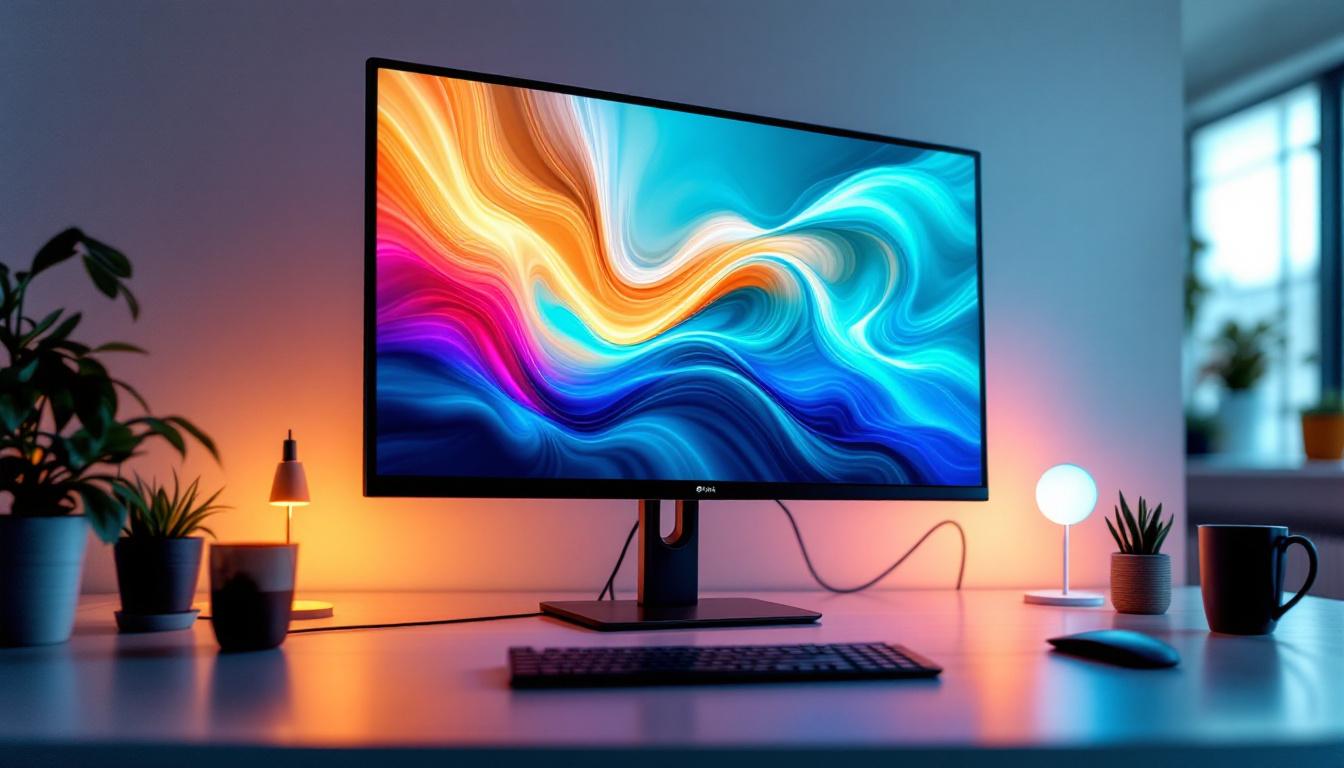
In the ever-evolving world of display technology, bezel less monitors have become a symbol of sleek design and immersive viewing experiences. Combining cutting-edge LED display technology with minimalistic frames, these monitors are reshaping how users interact with their screens—whether for gaming, professional work, or entertainment. This article delves into the intricacies of bezel less monitors, exploring what makes LED displays integral to their appeal, and why this trend is gaining momentum in both consumer and professional markets.
Understanding Bezel Less Monitors: What Does It Mean?
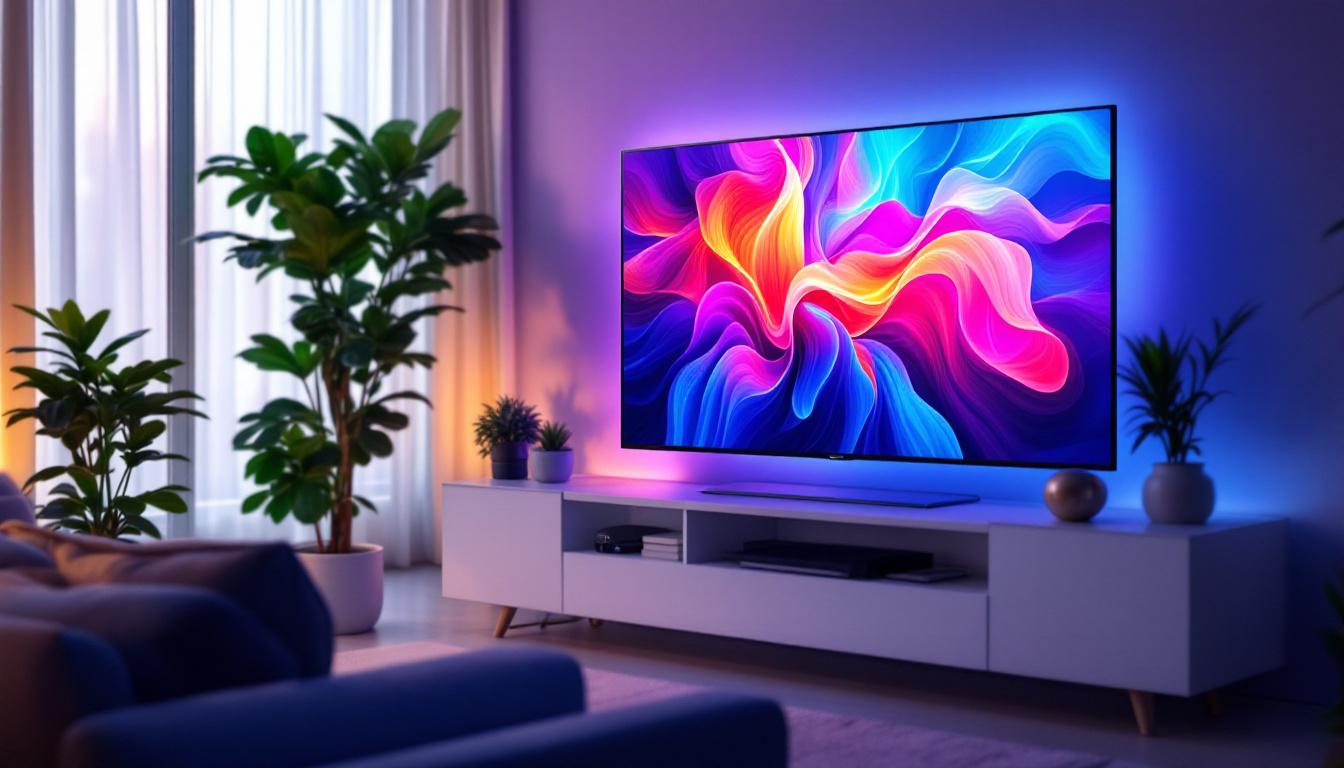
The term “bezel” refers to the frame or border surrounding a monitor’s display panel. Traditional monitors typically have thick bezels that house essential components like wiring, buttons, and structural supports. A bezel less monitor, by contrast, features extremely thin or nearly invisible borders, maximizing the visible screen area.
This design not only enhances the aesthetic appeal but also offers practical benefits. For instance, multi-monitor setups become more seamless and visually cohesive when bezels are minimized, reducing distractions and creating a more immersive environment. The trend toward bezel less displays aligns with broader consumer preferences for minimalism and sleekness in electronic devices. Additionally, the reduction in bezel size can lead to a more modern workspace, making it an attractive option for both home offices and professional environments where aesthetics play a significant role in productivity.
Types of Bezel Less Designs
While the term “bezel less” suggests a complete absence of borders, in reality, most monitors feature ultra-thin bezels rather than completely bezel-free designs. There are generally three categories:
- Ultra-Thin Bezels: These have very narrow frames, often just a few millimeters thick, which are barely noticeable during use.
- Infinity Edge or Edge-to-Edge Displays: These push the bezel to the extreme edges of the monitor, creating the illusion of a borderless screen.
- True Bezel Less (Frameless) Designs: These are rare and often involve innovative manufacturing techniques to embed components behind the display or within the panel itself.
Understanding these distinctions helps consumers make informed choices based on their needs and budget. Furthermore, the choice of bezel design can influence not only the visual experience but also the functionality of the monitor. For example, ultra-thin bezels are often favored by gamers and graphic designers who require a larger field of view without the interruption of a thick frame. On the other hand, edge-to-edge displays may appeal to those who prioritize a sleek, modern look in their home or office setup. As technology advances, we can expect even more innovative designs that push the boundaries of what a monitor can be, enhancing both form and function in our digital experiences.
LED Displays: The Backbone of Modern Bezel Less Monitors
At the heart of most bezel less monitors lies LED (Light Emitting Diode) display technology. LEDs have revolutionized display manufacturing by offering superior brightness, energy efficiency, and color accuracy compared to older technologies like CCFL (Cold Cathode Fluorescent Lamp) backlighting.
How LED Displays Work
LED displays utilize an array of tiny light-emitting diodes to illuminate the screen. These diodes can be arranged in different configurations, primarily:
- Edge-Lit LED: LEDs are placed along the edges of the screen, and light is diffused across the display using light guides.
- Direct-Lit LED: LEDs are positioned directly behind the screen, providing more uniform brightness.
- Full-Array LED: A more advanced form of direct lighting where LEDs are arranged in a matrix behind the display, often with local dimming capabilities.
The LED backlighting works in tandem with LCD (Liquid Crystal Display) panels, which control how light passes through colored filters to produce the final image.
Advantages of LED Displays in Bezel Less Monitors
LED technology offers several benefits that make it ideal for bezel less monitors:
- Thin Profile: LEDs are compact, allowing manufacturers to design slimmer monitors with minimal bezels.
- Energy Efficiency: LED displays consume less power than traditional backlighting, reducing operational costs and environmental impact.
- Better Brightness and Contrast: LEDs can achieve higher brightness levels and deeper blacks, especially with full-array local dimming.
- Improved Color Accuracy: Modern LED displays support wide color gamuts and HDR (High Dynamic Range), enhancing visual fidelity.
These features contribute to the popularity of LED-based bezel less monitors in gaming, professional design, and multimedia consumption.
The Impact of Bezel Less LED Monitors on User Experience
Beyond aesthetics, the combination of bezel less design and LED technology significantly enhances the user experience. This is evident across various use cases, from immersive gaming to productivity workflows.
Immersive Visuals for Gaming and Entertainment
Gamers and entertainment enthusiasts benefit immensely from bezel less LED monitors. The minimal borders create an uninterrupted field of view, which is critical for fast-paced, visually intense games. According to a 2023 survey by the Consumer Technology Association, 68% of gamers preferred monitors with ultra-thin bezels for multi-monitor setups, citing enhanced immersion and reduced distraction.
Moreover, LED displays with high refresh rates (120Hz and above) and low response times complement bezel less designs by delivering smooth motion and crisp visuals. The inclusion of HDR support further enriches color depth and contrast, making movie watching and gaming more lifelike.
Enhanced Productivity for Professionals
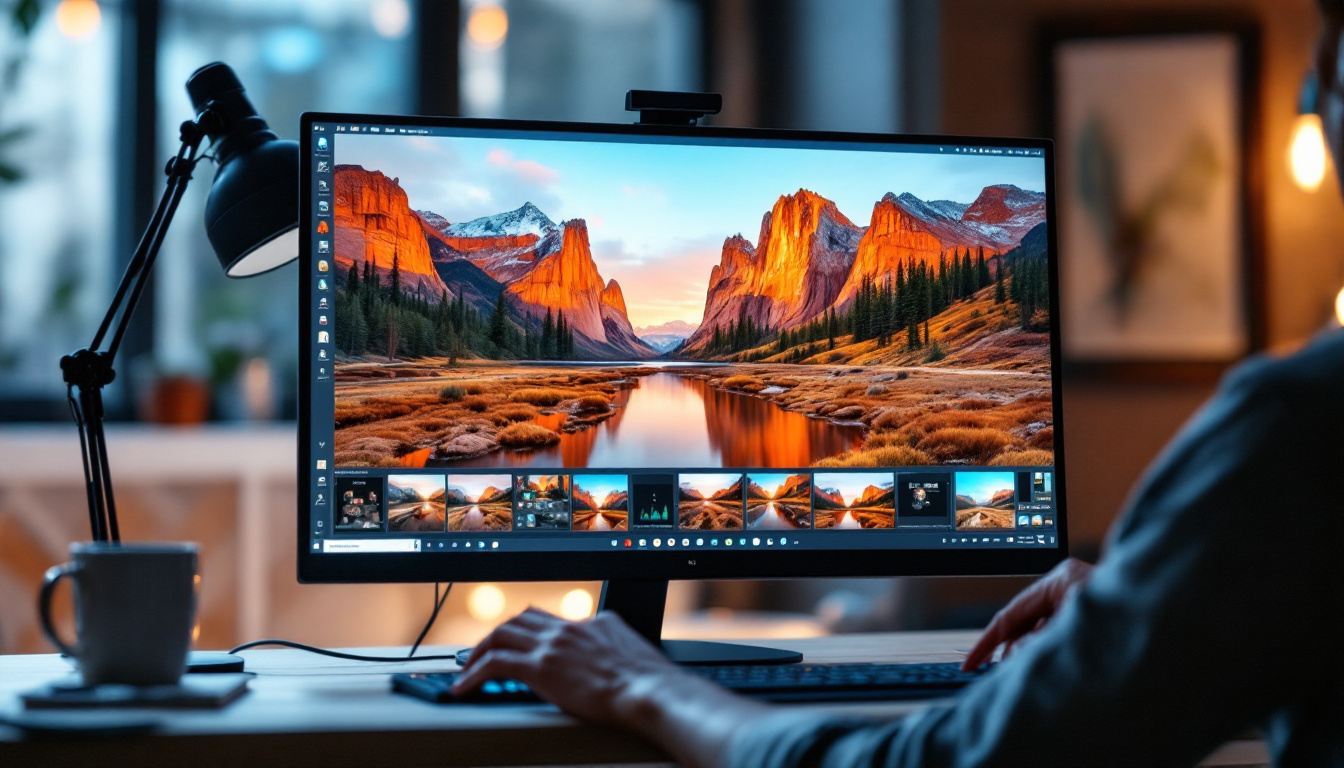
For professionals such as graphic designers, video editors, and financial analysts, bezel less LED monitors offer tangible advantages. Multi-monitor configurations are common in these fields, and thin bezels reduce the visual gap between screens, facilitating better focus and workflow continuity.
Additionally, LED displays provide accurate color reproduction and consistent brightness, which are crucial for tasks requiring precision. The slim design also helps save desk space, contributing to an organized and ergonomic workspace.
Improved Eye Comfort and Reduced Fatigue
LED technology allows for features like flicker-free backlighting and blue light reduction, which are essential for prolonged screen use. Bezel less monitors, by virtue of their design, often incorporate these eye-care technologies to enhance user comfort. Studies have shown that flicker-free LED screens can reduce eye strain by up to 30%, making them a healthier choice for daily use.
Technological Innovations Driving Bezel Less LED Monitors
The rise of bezel less LED monitors is propelled by several technological advancements that address previous limitations and open new possibilities.
Advanced Manufacturing Techniques
Manufacturers have adopted precision engineering and new materials to reduce bezel thickness without compromising durability or functionality. Techniques such as laser cutting and bonding have enabled the integration of touch sensors and control buttons beneath the glass, eliminating the need for external frames.
Integration of OLED and Mini-LED Technologies
While LED-backlit LCDs dominate the market, emerging technologies like OLED (Organic Light Emitting Diode) and Mini-LED are pushing the boundaries of bezel less design further. OLED panels emit light individually from each pixel, allowing for true black levels and even thinner displays without backlighting.
Mini-LED technology, which uses thousands of tiny LEDs for backlighting, offers improved contrast and brightness control, making it ideal for high-end bezel less monitors. These innovations promise even more immersive and visually stunning displays in the near future.
Connectivity and Smart Features
Modern bezel less LED monitors often come equipped with advanced connectivity options such as USB-C, Thunderbolt 4, and wireless display capabilities. These features support seamless integration with laptops, desktops, and mobile devices, enhancing versatility.
Additionally, some models incorporate smart functionalities like built-in webcams, microphones, and AI-powered screen adjustments, further enhancing the user experience without adding bulk to the design.
Choosing the Right Bezel Less LED Monitor: Key Considerations
With the growing variety of bezel less LED monitors on the market, selecting the right model requires careful evaluation of several factors.
Screen Size and Resolution
Screen size preferences vary depending on the intended use. For general productivity, 24 to 27 inches is common, while gamers and creative professionals may prefer larger screens (32 inches or more) for enhanced immersion. Resolution is equally important; 1080p is standard, but 1440p and 4K displays offer sharper images and more workspace.
Refresh Rate and Response Time
Gamers should prioritize monitors with refresh rates of 120Hz or higher and low response times (under 5ms) to ensure smooth gameplay. Professionals focused on color accuracy and video editing may prioritize color gamut and calibration over refresh rate.
Color Accuracy and HDR Support
For creative work, monitors with wide color gamut coverage (e.g., AdobeRGB, DCI-P3) and HDR support are essential. Calibration tools and factory color accuracy certifications can also be valuable.
Ergonomics and Adjustability
Height adjustment, tilt, swivel, and pivot capabilities contribute to comfortable long-term use. A bezel less monitor with flexible ergonomics can improve posture and reduce fatigue.
Price and Warranty
While bezel less LED monitors can be more expensive due to their design and technology, prices have become increasingly accessible. It’s important to balance budget with desired features and to consider warranty and customer support for peace of mind.
The Future of Bezel Less Monitors and LED Displays
The trajectory of bezel less monitors is closely tied to advancements in display technology and user demands for immersive, efficient, and stylish devices. As OLED and Mini-LED technologies mature and become more affordable, the trend toward truly frameless, ultra-thin monitors is expected to accelerate.
Furthermore, integration with emerging technologies such as augmented reality (AR), virtual reality (VR), and AI-driven display optimization will likely redefine the role of monitors in both professional and personal contexts. The bezel less design will remain a key aesthetic and functional feature in this evolution.
In conclusion, bezel less monitors powered by LED display technology represent a significant leap forward in visual technology, combining form and function to meet the needs of diverse users. Whether for gaming, creative work, or everyday computing, these monitors offer an enhanced viewing experience that is both captivating and practical.
Discover the Future of Display with LumenMatrix
Ready to experience the pinnacle of bezel less monitor technology? LumenMatrix is at the forefront of innovation, offering a wide array of LED display solutions that bring your visual communication to life. From immersive Indoor LED Wall Displays to dynamic Outdoor LED Wall Displays, and from versatile Vehicle LED Displays to sleek LED Poster Displays, our products are designed to captivate and engage. Embrace the future with our LED Sports Displays, interactive Floor LED Displays, and customizable options that cater to your unique needs. Elevate your space with an All-in-One LED Display or make a transparent statement with our LED Transparent Display. Step into the world of cutting-edge LED technology and let LumenMatrix help you make a lasting impression. Check out LumenMatrix LED Display Solutions today and transform your visual experience.