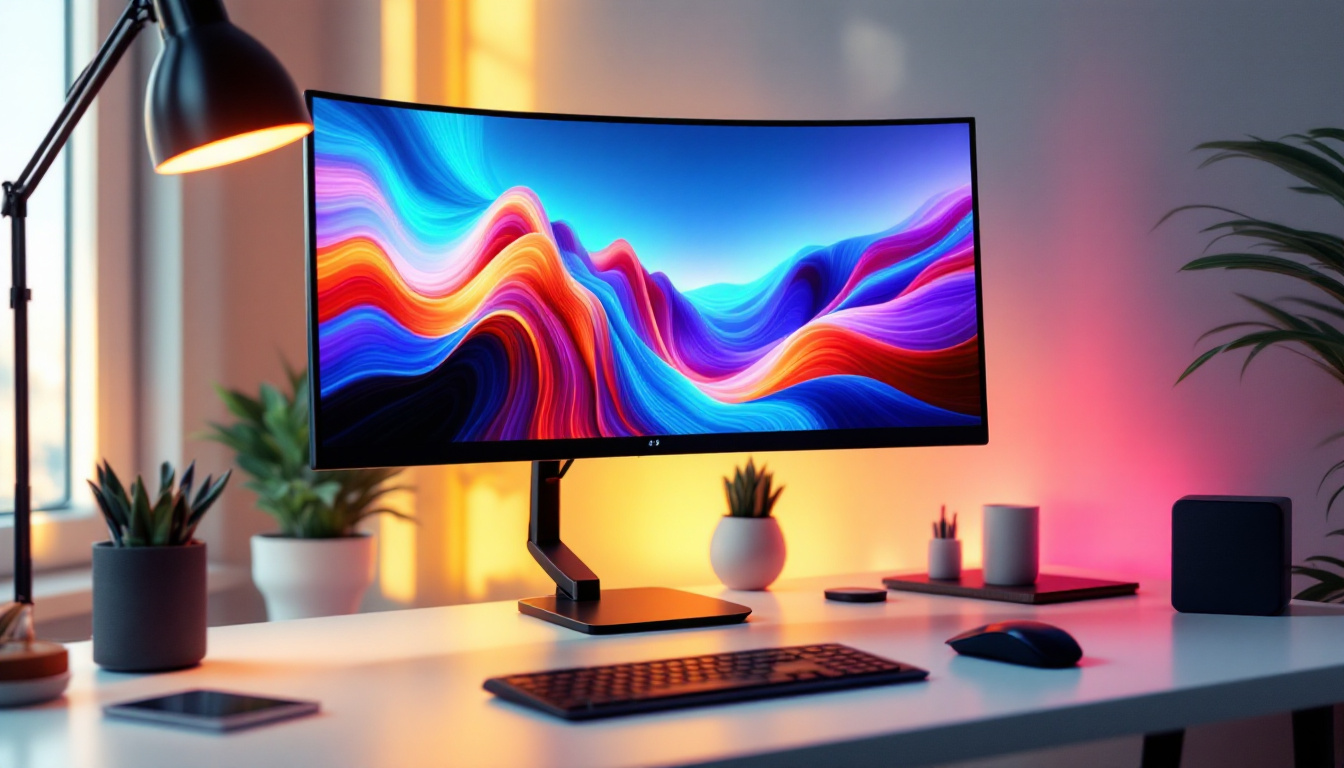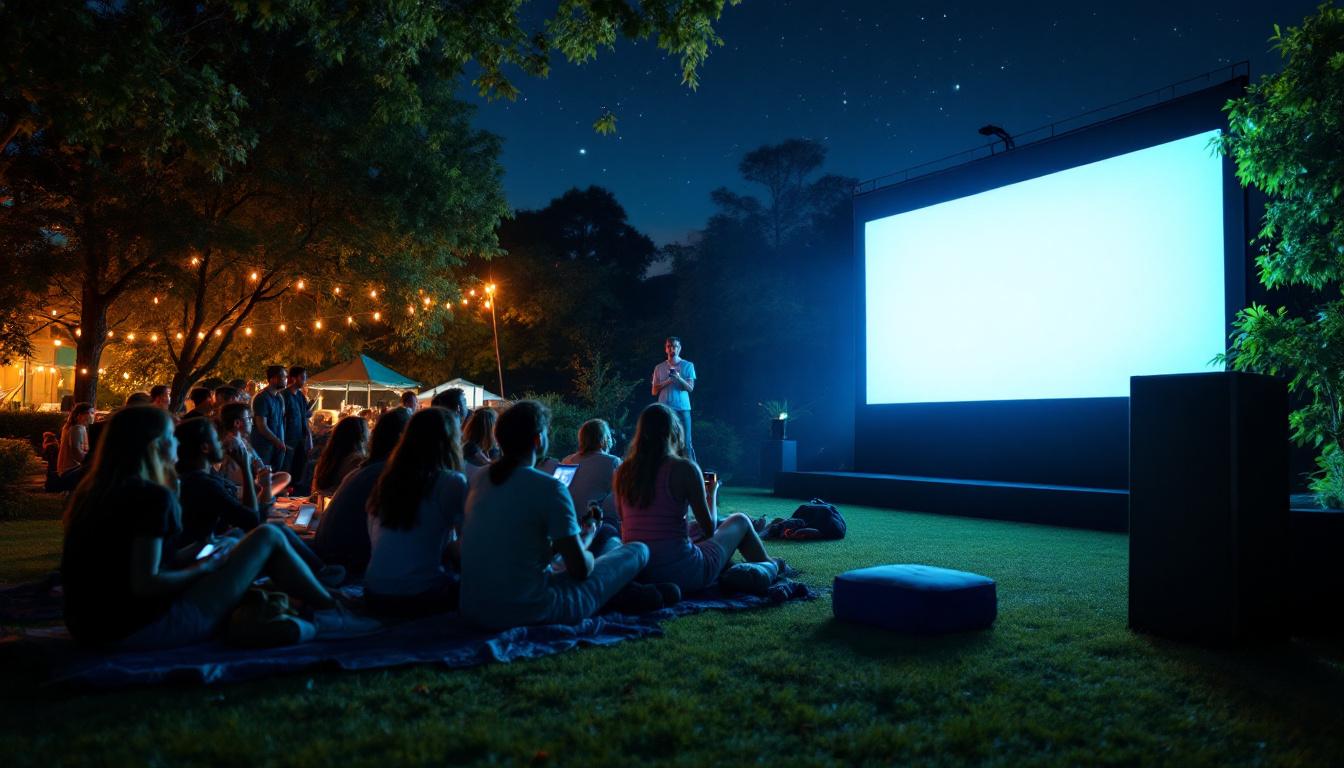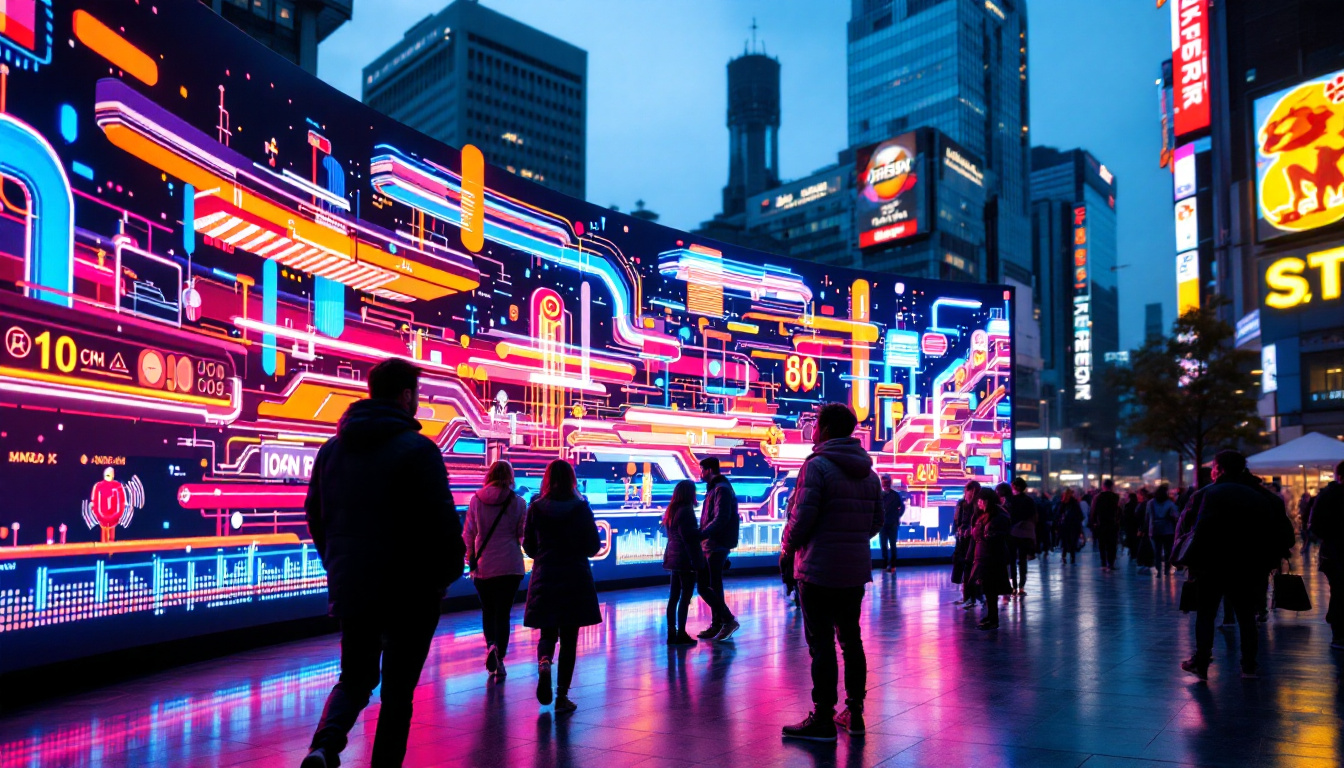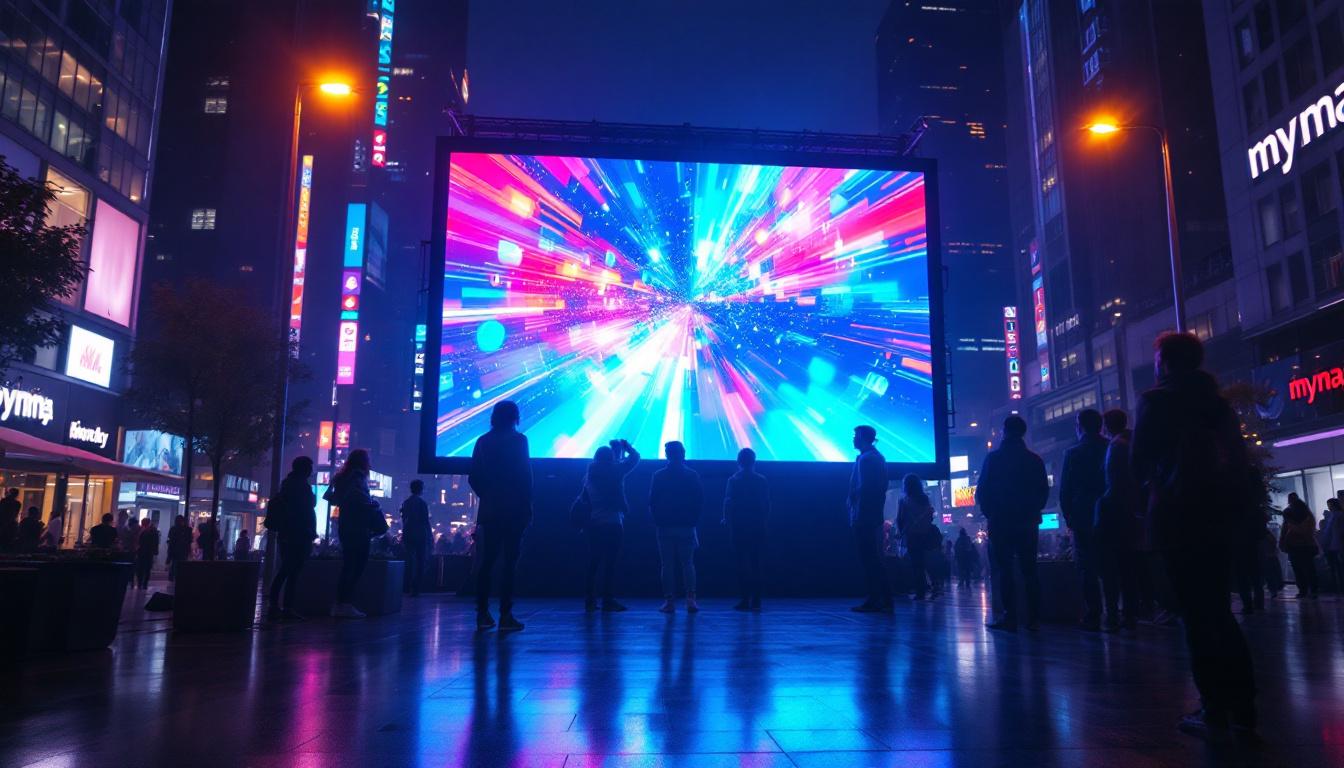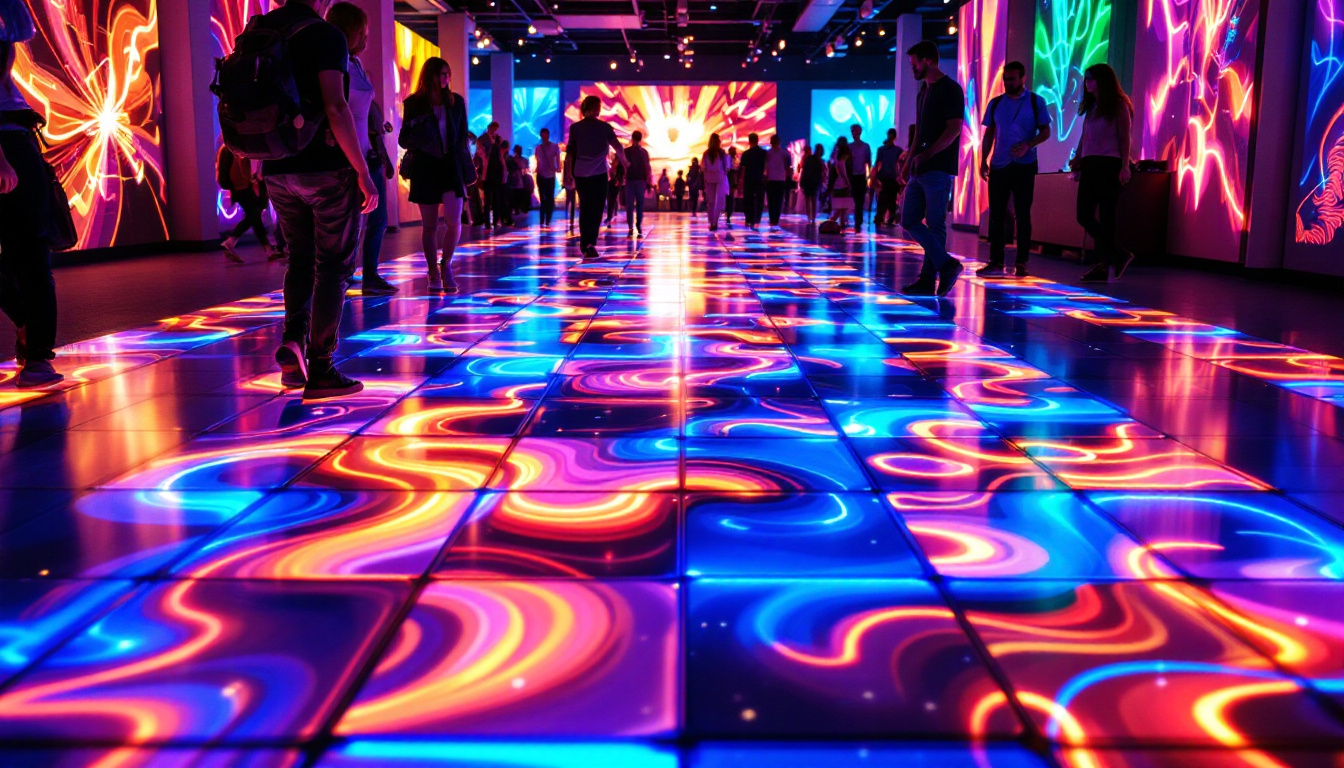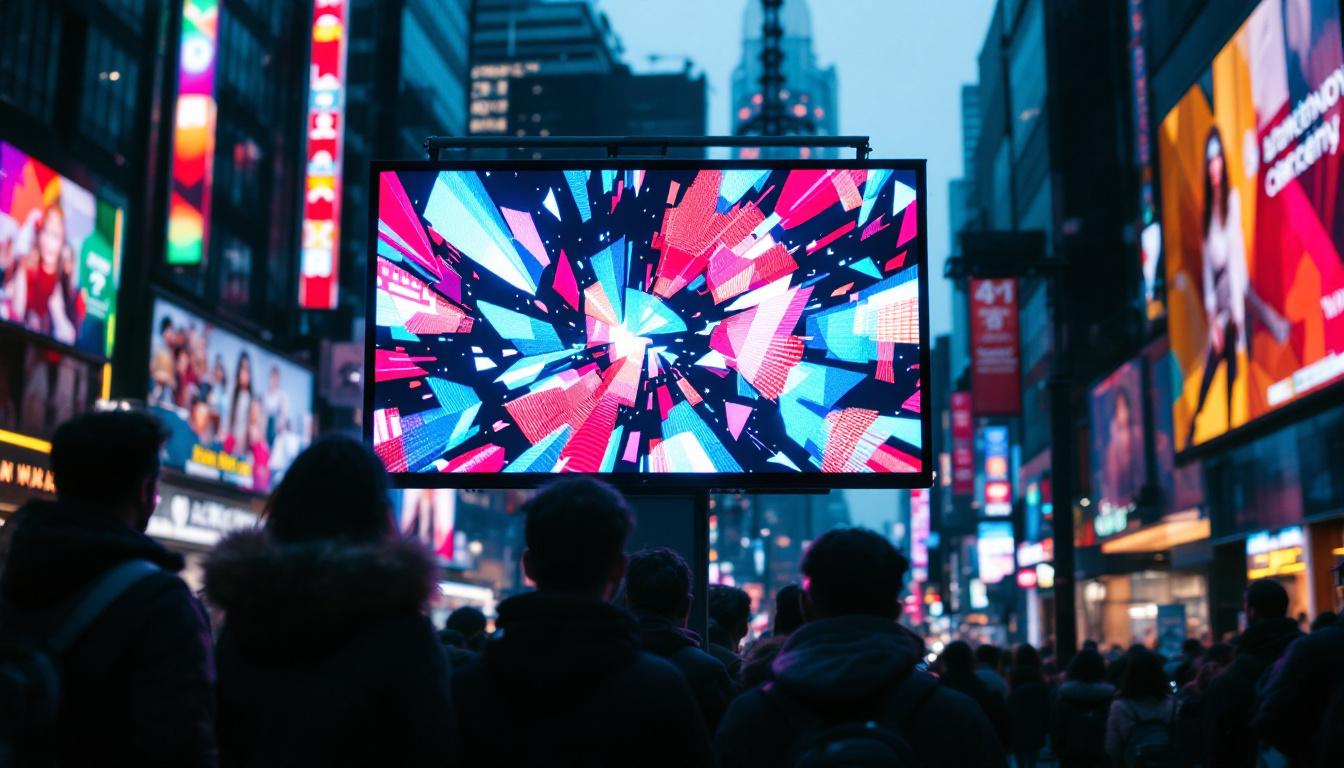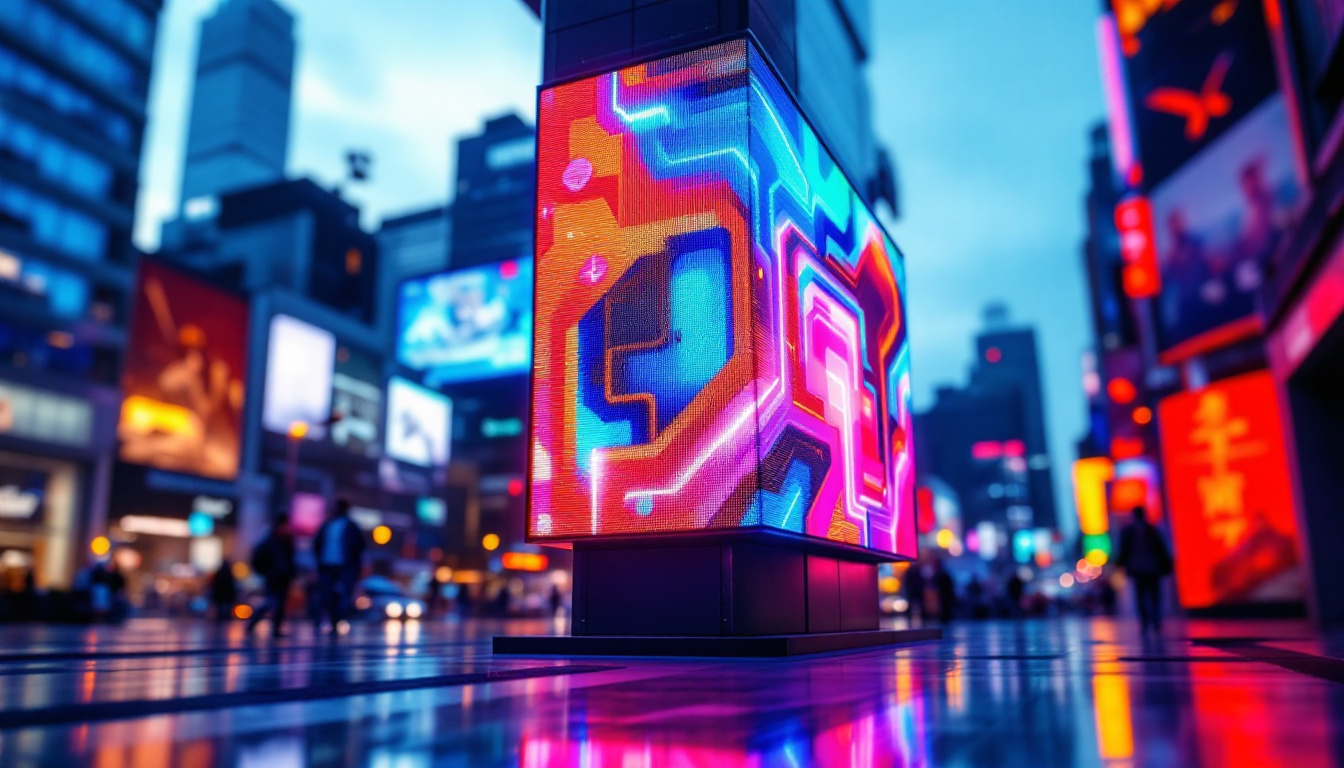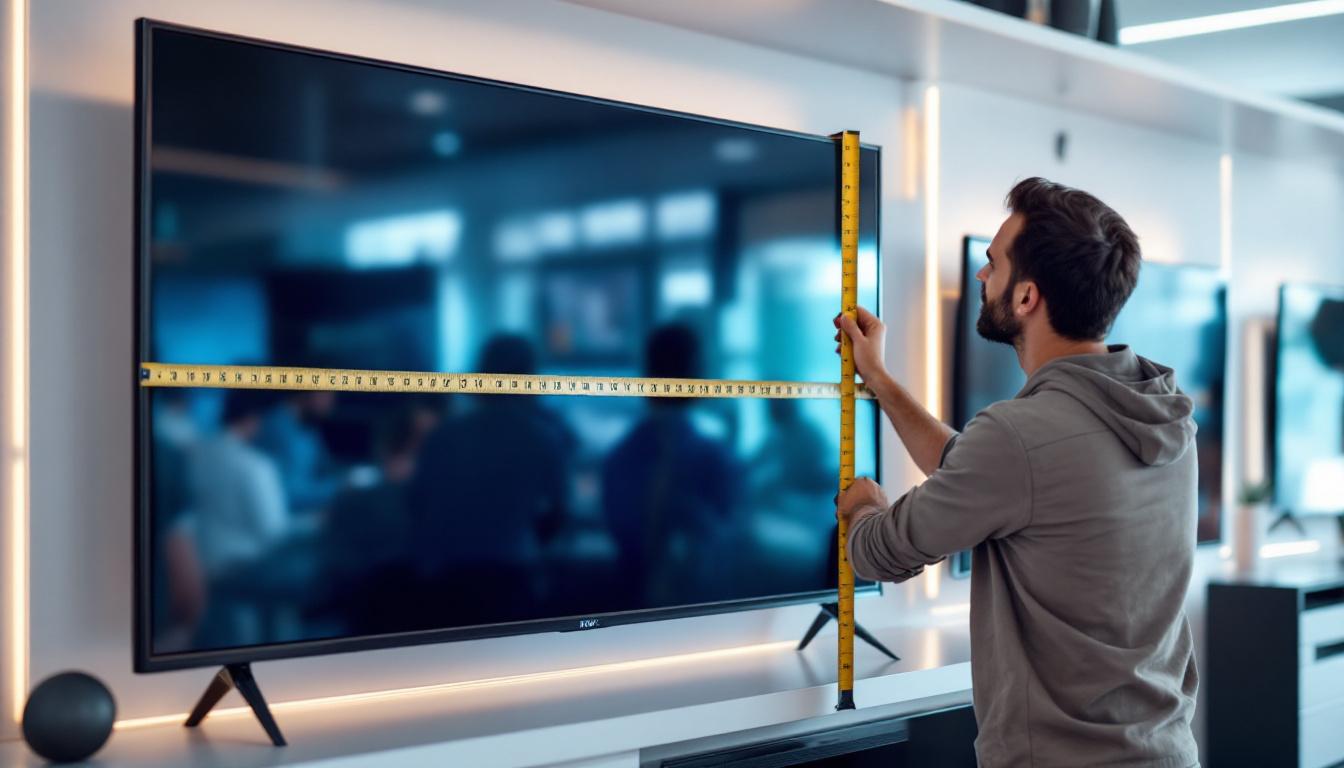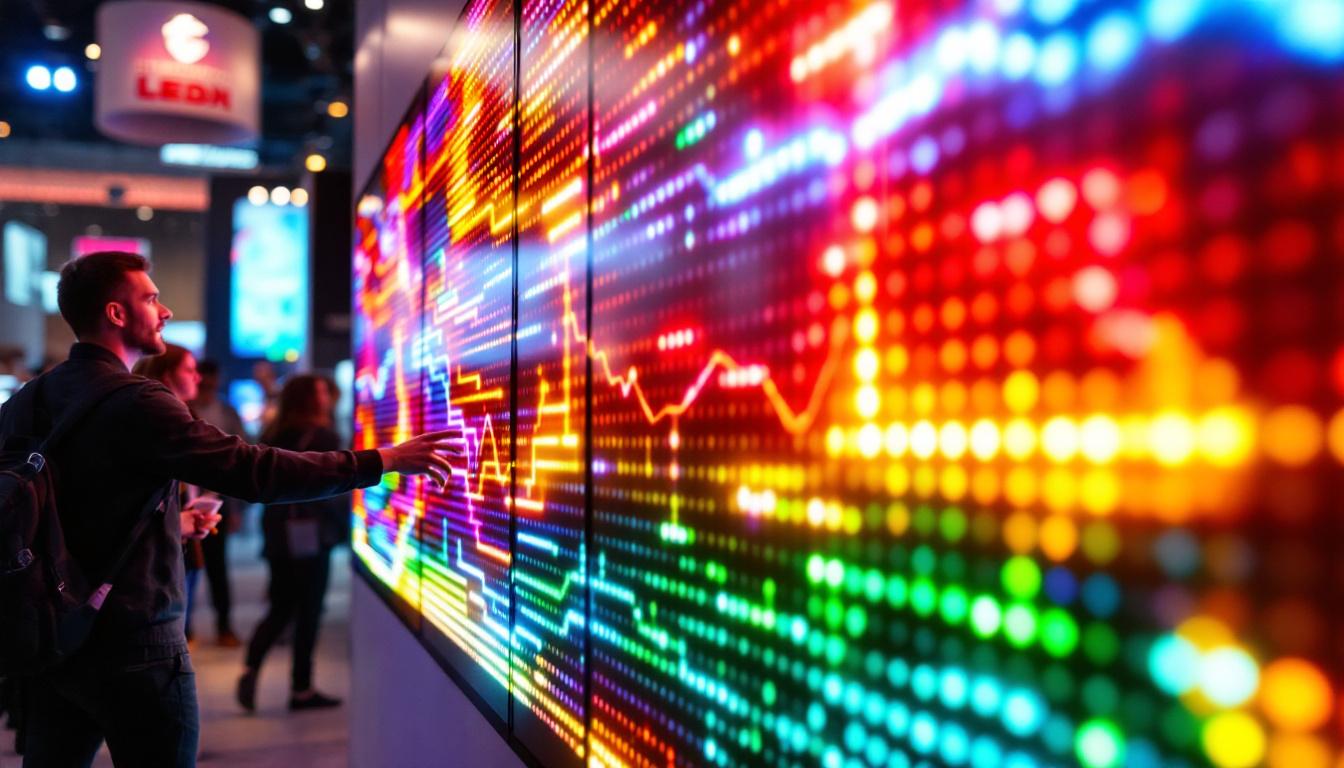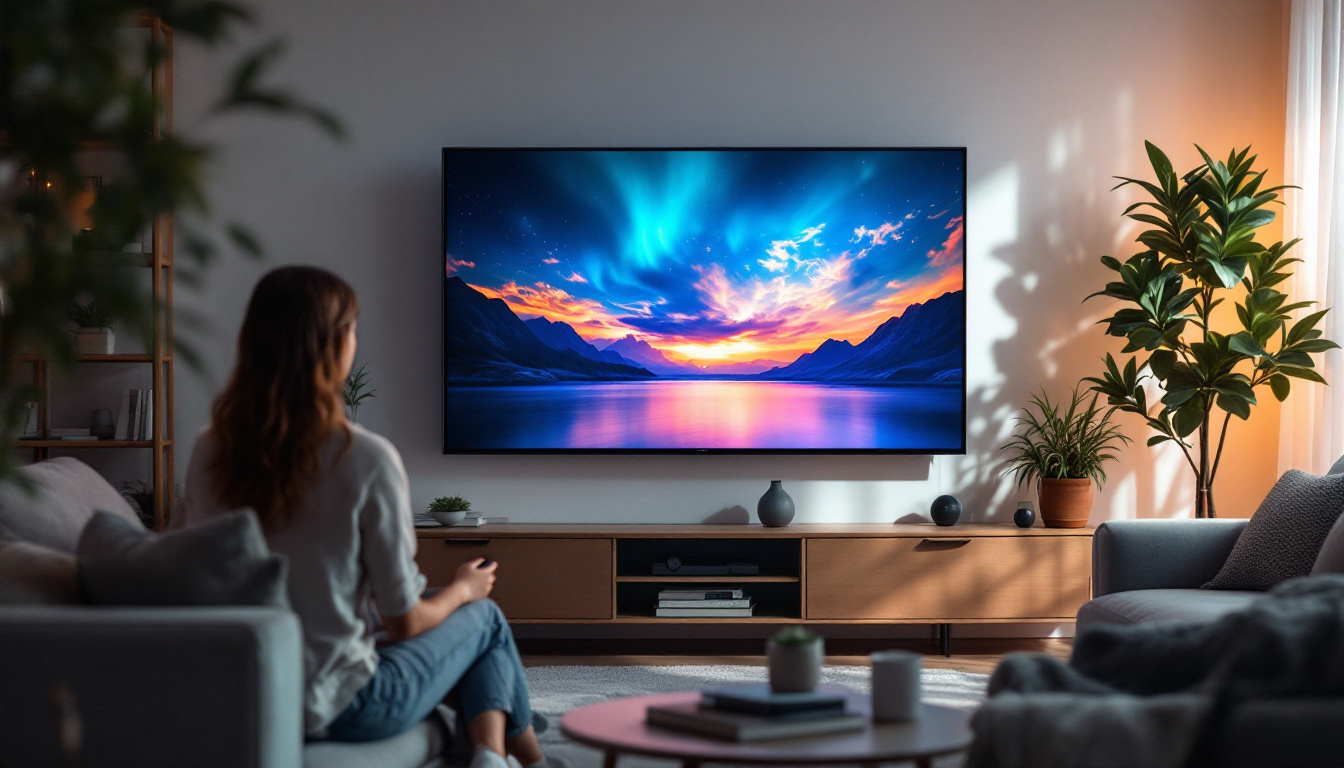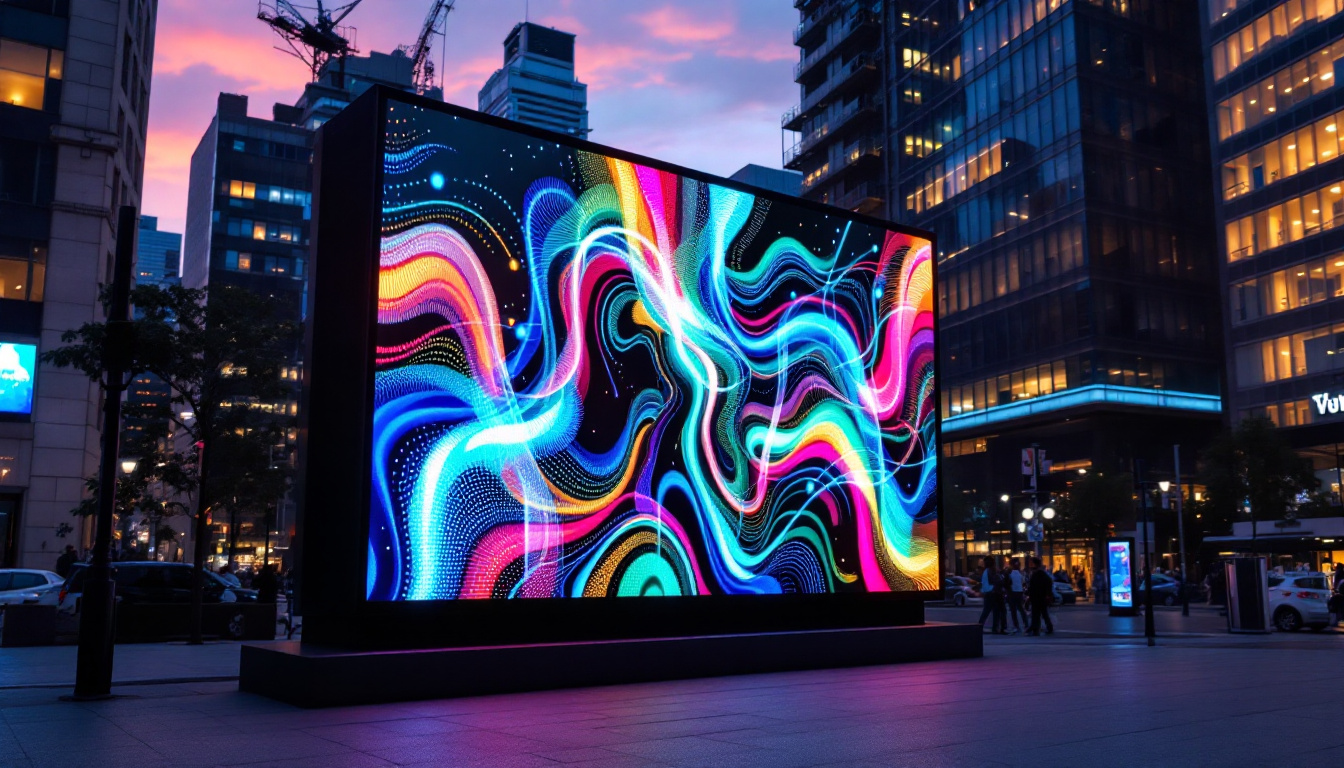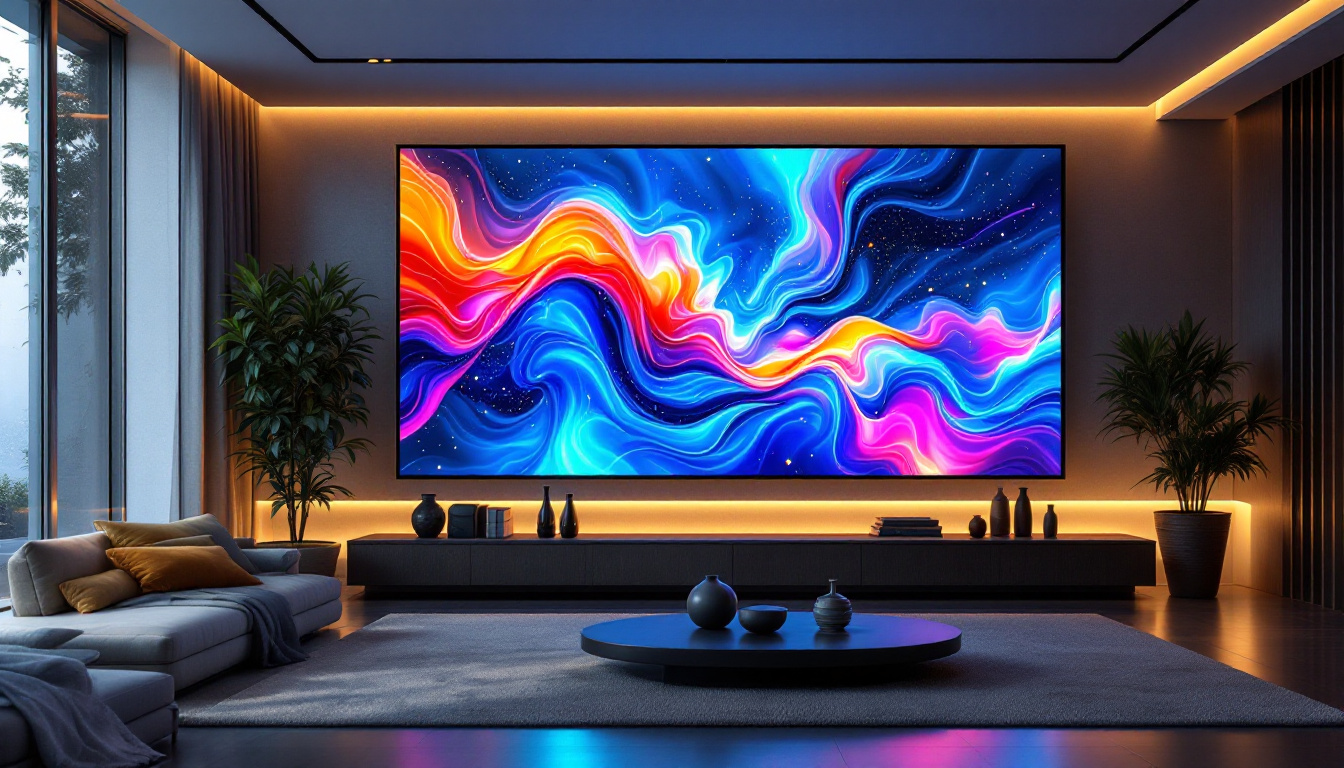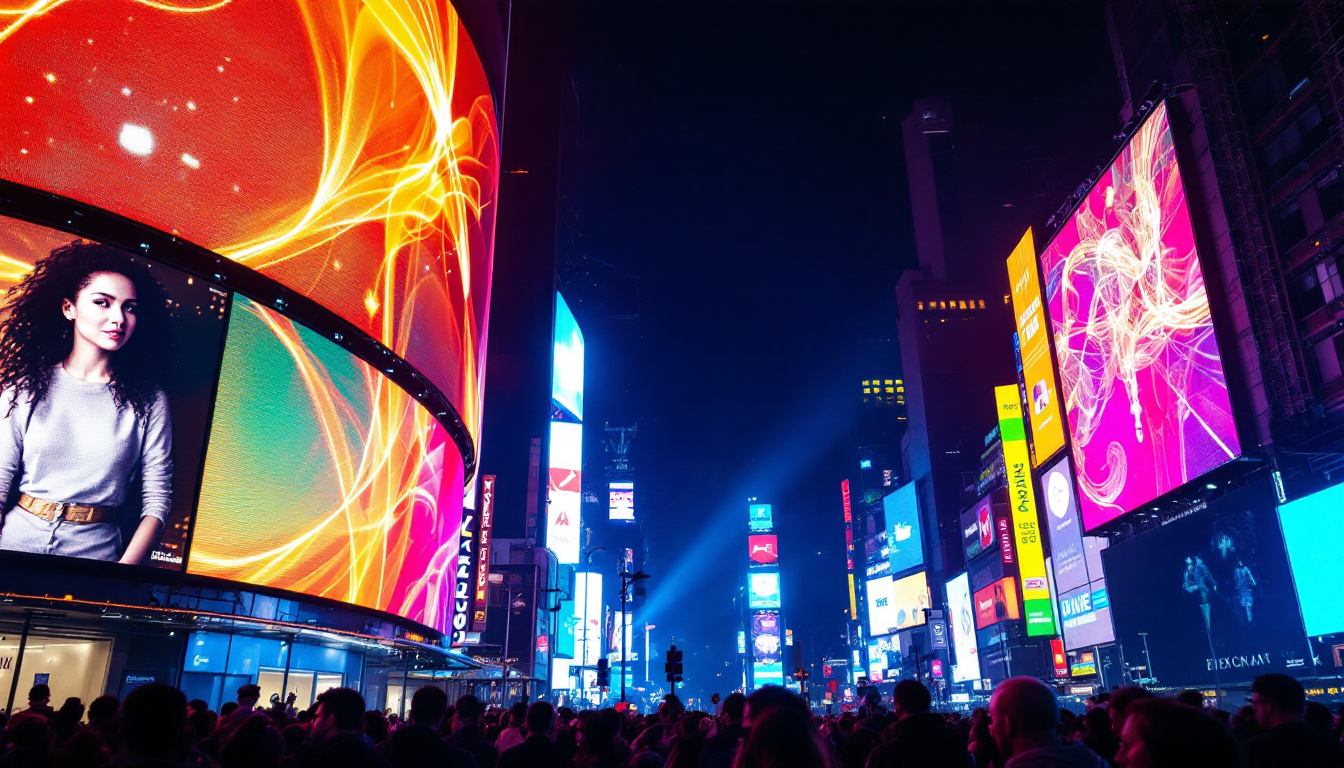
In recent years, LED displays have revolutionized the way images and videos are presented on large-scale walls, transforming everything from advertising billboards to public art installations. These vibrant, dynamic screens offer unparalleled brightness, clarity, and flexibility, making them a popular choice for both indoor and outdoor applications. This article delves into the technology behind LED wall images, exploring how they work, their advantages, and the considerations involved in selecting and maintaining LED displays.
Understanding LED Display Technology
LED, or Light Emitting Diode, displays consist of numerous tiny light sources that collectively form images and videos. Unlike traditional LCD or projection screens, LED displays emit their own light, which contributes to their high brightness and vivid colors. This self-emitting property allows LED displays to achieve higher contrast ratios and deeper blacks, making them ideal for a variety of applications, from home theaters to large-scale advertising billboards.
How LED Displays Work
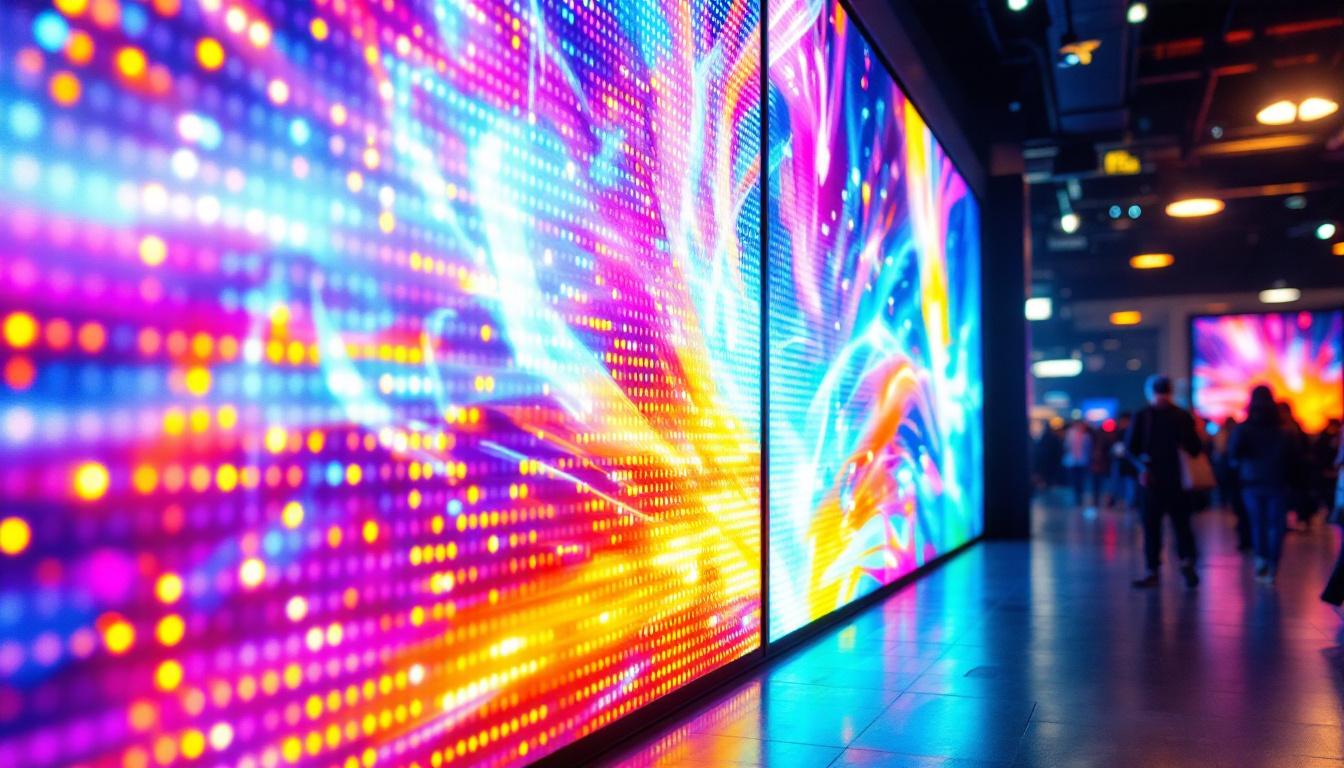
Each LED display is composed of thousands to millions of individual diodes arranged in a grid pattern. These diodes can be red, green, or blue, and by varying the intensity of each color, the display creates a full spectrum of colors visible to the human eye. This process, known as additive color mixing, allows for rich and accurate color reproduction. The technology behind LED displays has evolved significantly, with advancements in color calibration and processing techniques that ensure consistent color quality across different viewing angles and lighting conditions.
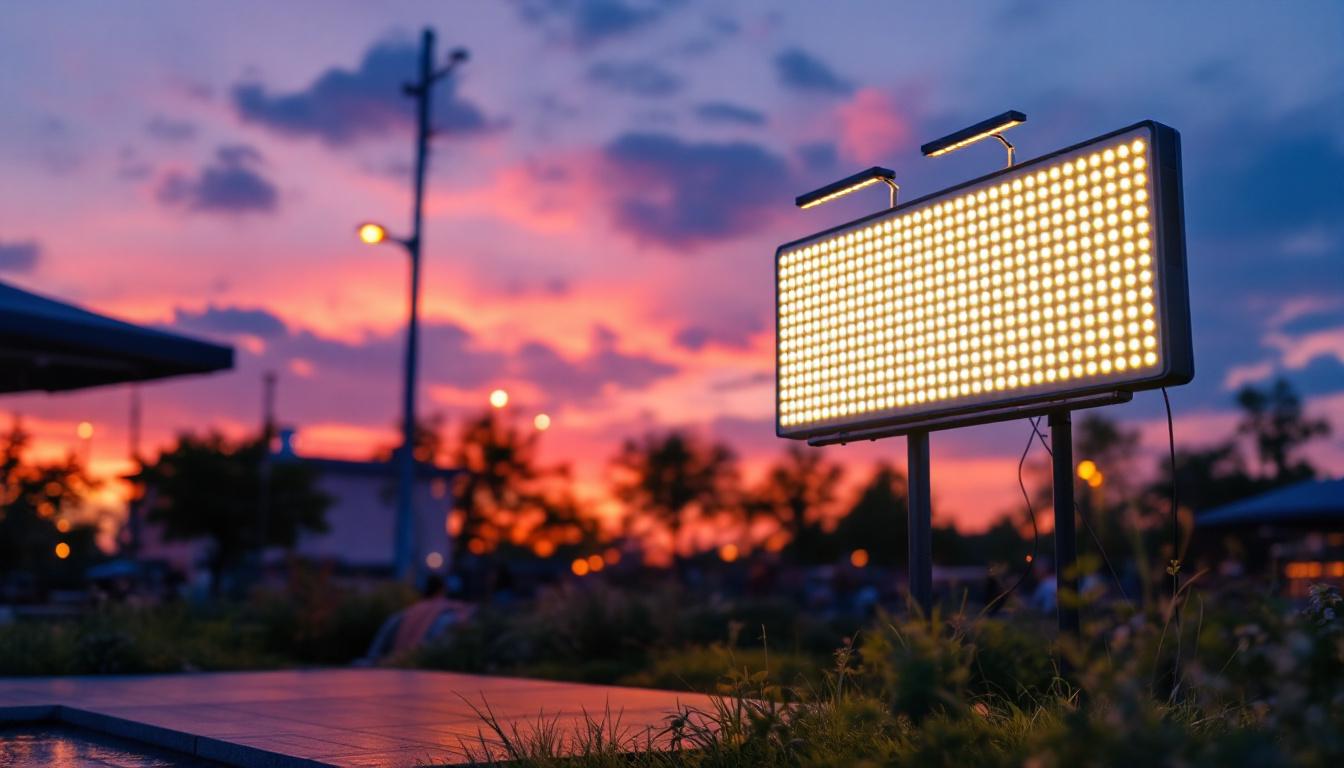
The basic unit of an LED display is a pixel, typically made up of three sub-pixels (red, green, and blue). When these sub-pixels light up at varying intensities, they combine to produce the desired color at that pixel location. The resolution of an LED wall depends on the number of pixels it contains; higher pixel density leads to sharper images. Additionally, the refresh rate of an LED display plays a crucial role in how smoothly motion is rendered, particularly in fast-paced video content, making it a preferred choice for sports events and live performances.
Types of LED Displays
LED displays are generally categorized into two types: indoor and outdoor. Indoor LED displays are designed for environments with controlled lighting and are optimized for close viewing distances. They typically have smaller pixel pitches — the distance between the centers of two adjacent pixels — often ranging from 1mm to 4mm. This fine pixel pitch allows for high-resolution images that are perfect for venues such as conference rooms, retail spaces, and exhibitions, where viewers are often positioned just a few feet away from the screen.
Outdoor LED displays, on the other hand, must withstand environmental factors such as sunlight, rain, and dust. They feature larger pixel pitches (usually 6mm to 20mm or more) to ensure visibility from greater distances and are built with weatherproof materials and coatings to ensure durability. These displays are commonly used for advertising billboards, sports arenas, and public events, where they need to capture the attention of passersby from afar. Furthermore, advancements in technology have led to the development of high-brightness outdoor LEDs that can maintain visibility even in direct sunlight, making them an effective medium for outdoor advertising and information dissemination.
Advantages of LED Wall Images
LED wall images offer several distinct benefits over traditional display technologies, making them a preferred choice for many applications.
Brightness and Visibility
One of the most significant advantages of LED displays is their exceptional brightness. Outdoor LED walls can reach brightness levels exceeding 5,000 nits, allowing them to remain visible even in direct sunlight. This makes them ideal for advertising billboards, stadium screens, and public information displays.
Indoor LED walls, while less bright to avoid eye strain, still provide superior luminance compared to LCD screens, ensuring clear and vibrant images in various lighting conditions. The ability to adjust brightness levels dynamically means that these displays can adapt to different environments, whether it’s a dimly lit conference room or a brightly lit retail space, ensuring optimal visibility at all times.
Color Accuracy and Contrast
LED technology offers excellent color accuracy and contrast ratios. Because each diode emits light independently, LED displays can achieve true blacks by turning off pixels completely, unlike LCDs which rely on backlighting. This results in deeper contrast and more lifelike images, enhancing viewer engagement.
Furthermore, the wide color gamut provided by LED technology allows for the reproduction of vibrant and diverse colors, making them particularly effective for applications such as art installations, digital signage, and immersive experiences. This capability not only captivates audiences but also allows for creative storytelling through visual media, enriching the overall impact of the display.
Flexibility and Scalability
LED displays are highly modular, allowing for flexible sizing and shapes. Panels can be combined seamlessly to create massive video walls or customized to fit irregular surfaces. This scalability makes LED walls suitable for a wide range of applications, from small retail displays to enormous outdoor advertising structures.
Additionally, the lightweight nature of LED panels facilitates easier installation and reconfiguration, making them an excellent choice for events that require quick setup and takedown, such as concerts or trade shows. The versatility of LED walls also extends to their ability to support various content formats, including high-definition video, animations, and interactive displays, thereby enhancing user experience and engagement.
Energy Efficiency and Longevity
Modern LEDs are energy-efficient, consuming less power than traditional lighting and display technologies. Additionally, LED displays have long operational lifespans, often rated for over 100,000 hours of use before significant brightness degradation occurs. This reduces maintenance costs and downtime.
The energy efficiency of LED technology not only contributes to lower operational costs but also aligns with sustainability goals, making them an environmentally friendly choice for businesses looking to reduce their carbon footprint. Moreover, advancements in LED technology continue to improve their efficiency, with innovations such as smart power management systems that further optimize energy usage based on content and ambient light conditions, ensuring that these displays remain at the forefront of modern display solutions.
Applications of LED Wall Images
The versatility of LED displays has led to their adoption across diverse sectors, each leveraging the technology’s unique strengths.
Advertising and Marketing
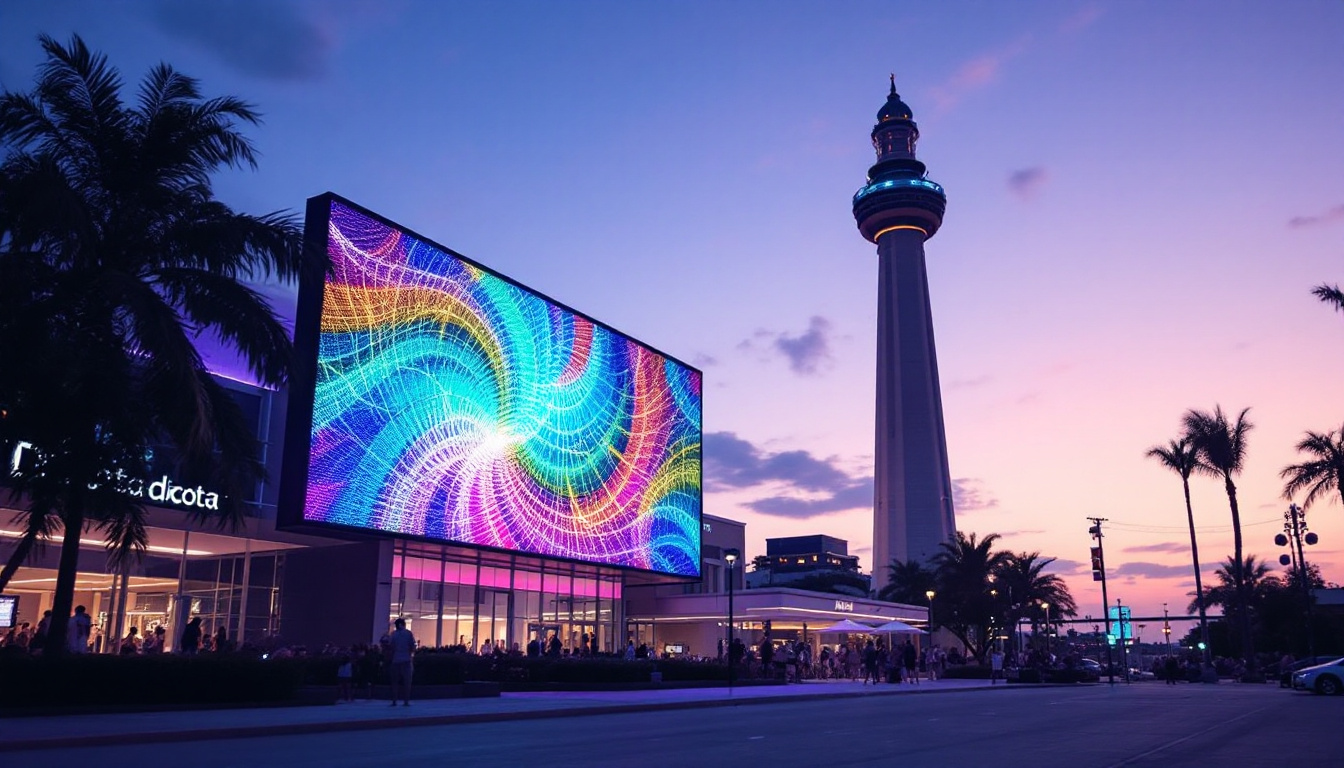
LED billboards are a staple of urban advertising, offering dynamic content that can be updated in real-time. Brands use LED walls to display eye-catching visuals, animations, and videos that attract attention and enhance brand recall. According to recent industry reports, digital out-of-home (DOOH) advertising, which includes LED displays, is expected to grow by over 10% annually, underscoring the medium’s effectiveness.
Entertainment and Events
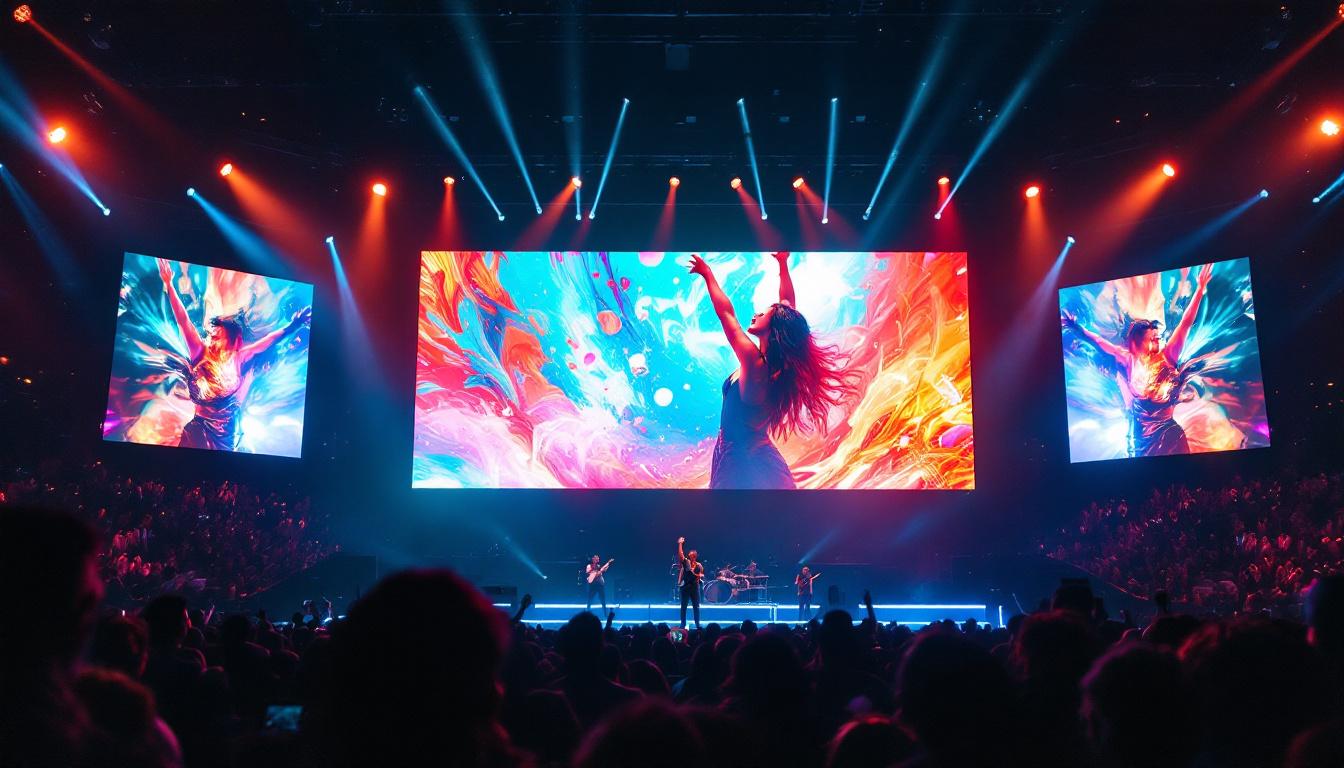
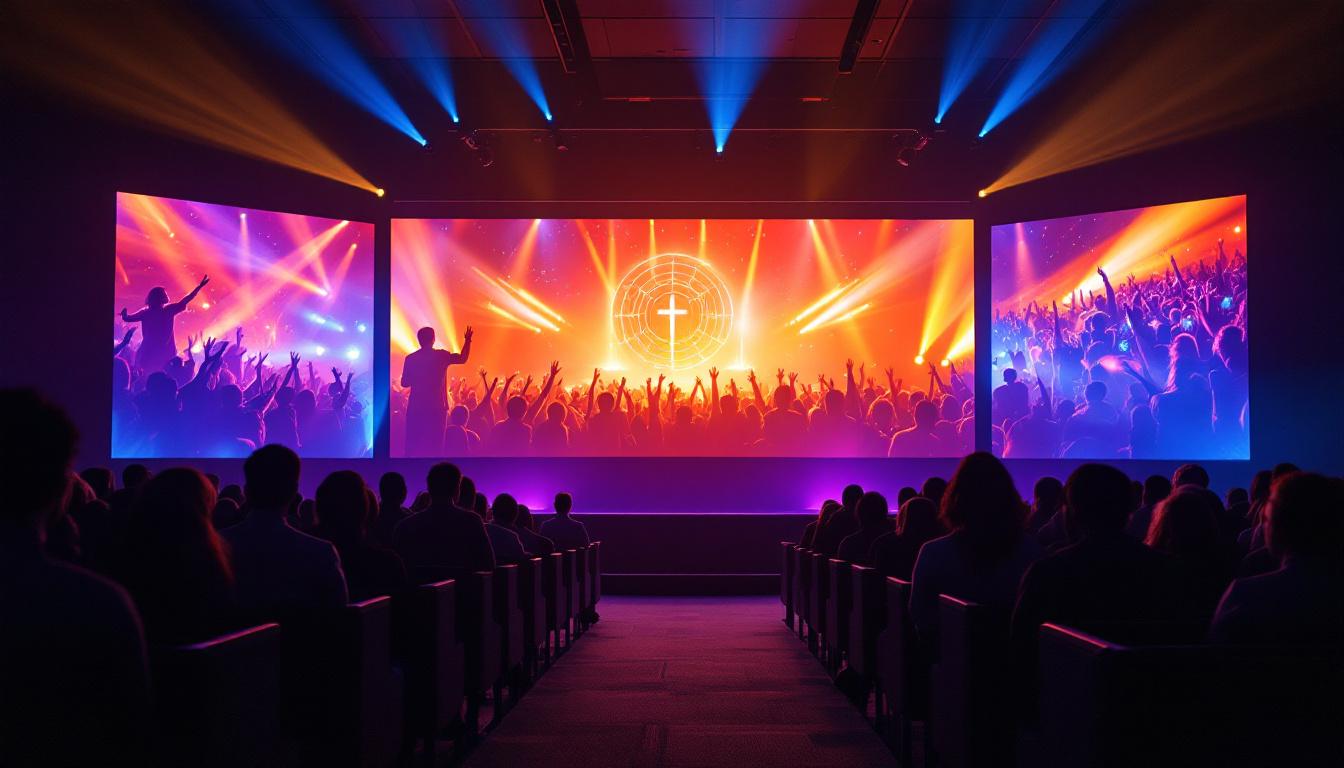
Concerts, sports arenas, and theaters utilize LED walls to provide immersive experiences. Large LED screens display live footage, graphics, and effects that engage audiences and create memorable events. The ability to customize screen size and shape allows event organizers to tailor displays to venue specifications.
Corporate and Retail Environments
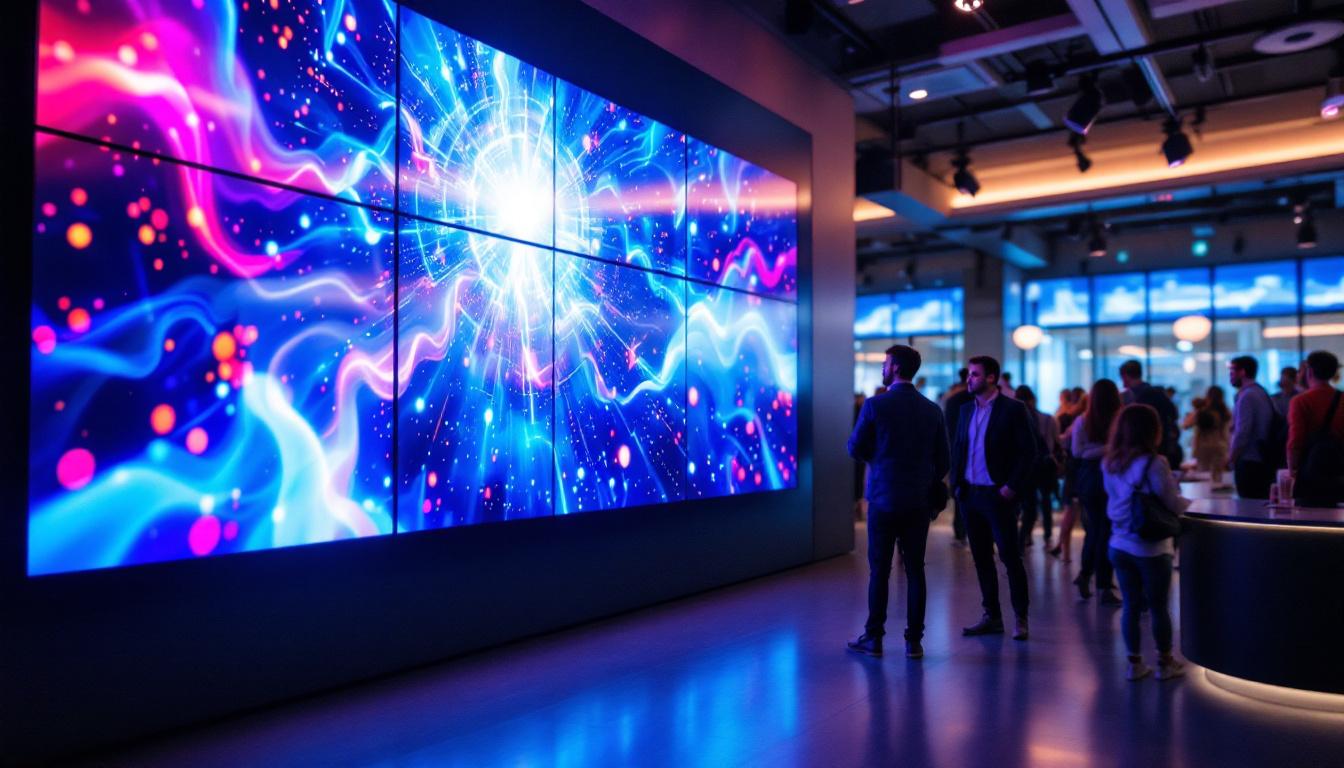
In corporate settings, LED walls serve as dynamic presentation tools in boardrooms and lobbies. Retailers use them to showcase promotions, product information, and interactive content, enhancing customer engagement and driving sales.
Public Information and Transportation
LED displays are widely used for public information systems such as transit schedules, emergency alerts, and wayfinding. Their high visibility and reliability make them essential in airports, train stations, and city centers.
Key Considerations When Choosing an LED Display
Selecting the right LED wall requires careful evaluation of several factors to ensure optimal performance and return on investment.
Pixel Pitch and Viewing Distance
The pixel pitch directly impacts image clarity and the recommended viewing distance. Smaller pixel pitches produce sharper images but are more expensive. For example, a pixel pitch of 1.5mm is suitable for indoor displays viewed from a few feet away, while a 10mm pitch is better for outdoor screens viewed from several meters.
Brightness and Environment
Consider the ambient lighting conditions where the display will be installed. Outdoor displays require higher brightness levels and weatherproofing, while indoor displays should balance brightness to prevent glare and eye fatigue.
Resolution and Content Type
The resolution should match the type of content being displayed. High-resolution LED walls are necessary for detailed videos and graphics, whereas simpler text or images may not require as high a resolution.
Installation and Maintenance
Modular LED panels simplify installation and allow for easier repairs or upgrades. It’s important to ensure that the display provider offers reliable technical support and maintenance services to maximize uptime.
Future Trends in LED Wall Technology
The LED display industry continues to evolve rapidly, driven by advances in materials, manufacturing, and software integration.
Mini-LED and Micro-LED Innovations
Emerging technologies like Mini-LED and Micro-LED promise even higher resolution and brightness with improved energy efficiency. These smaller diodes enable ultra-fine pixel pitches, making LED walls suitable for close-up viewing in environments such as control rooms and retail displays.
Flexible and Transparent LED Displays
Flexible LED panels allow for curved or irregularly shaped installations, expanding creative possibilities for designers and architects. Transparent LED displays, which can be integrated into glass surfaces, offer new opportunities for storefronts and building facades without obstructing natural light.
Integration with Smart Technologies
Smart LED walls equipped with sensors and AI-driven content management systems enable personalized and interactive experiences. For example, facial recognition can tailor advertisements based on the demographics of viewers, enhancing marketing effectiveness.
Conclusion
LED wall images represent a powerful and versatile medium for visual communication, combining brightness, color accuracy, and scalability to meet diverse needs. Whether used for advertising, entertainment, or information dissemination, LED displays continue to push the boundaries of what is possible in large-format digital imagery.
As technology advances, the capabilities of LED walls will only expand, offering more immersive and engaging experiences. Understanding the fundamentals of LED display technology, along with the practical considerations for deployment, is essential for businesses and organizations looking to leverage this dynamic medium effectively.
Explore Cutting-Edge LED Displays with LumenMatrix
Ready to elevate your visual communication with the latest in LED technology? Discover LumenMatrix’s innovative solutions tailored to your needs. From captivating Indoor and Outdoor LED Wall Displays to dynamic Vehicle and Sports LED Displays, our offerings are designed to enhance brand visibility and engage audiences like never before. Experience the future of digital signage with our versatile range, including LED Poster Displays, Floor LED Displays, Custom LED Displays, All-in-One LED Displays, and LED Transparent Displays. Check out LumenMatrix LED Display Solutions today and transform your space into a vibrant canvas of possibilities.