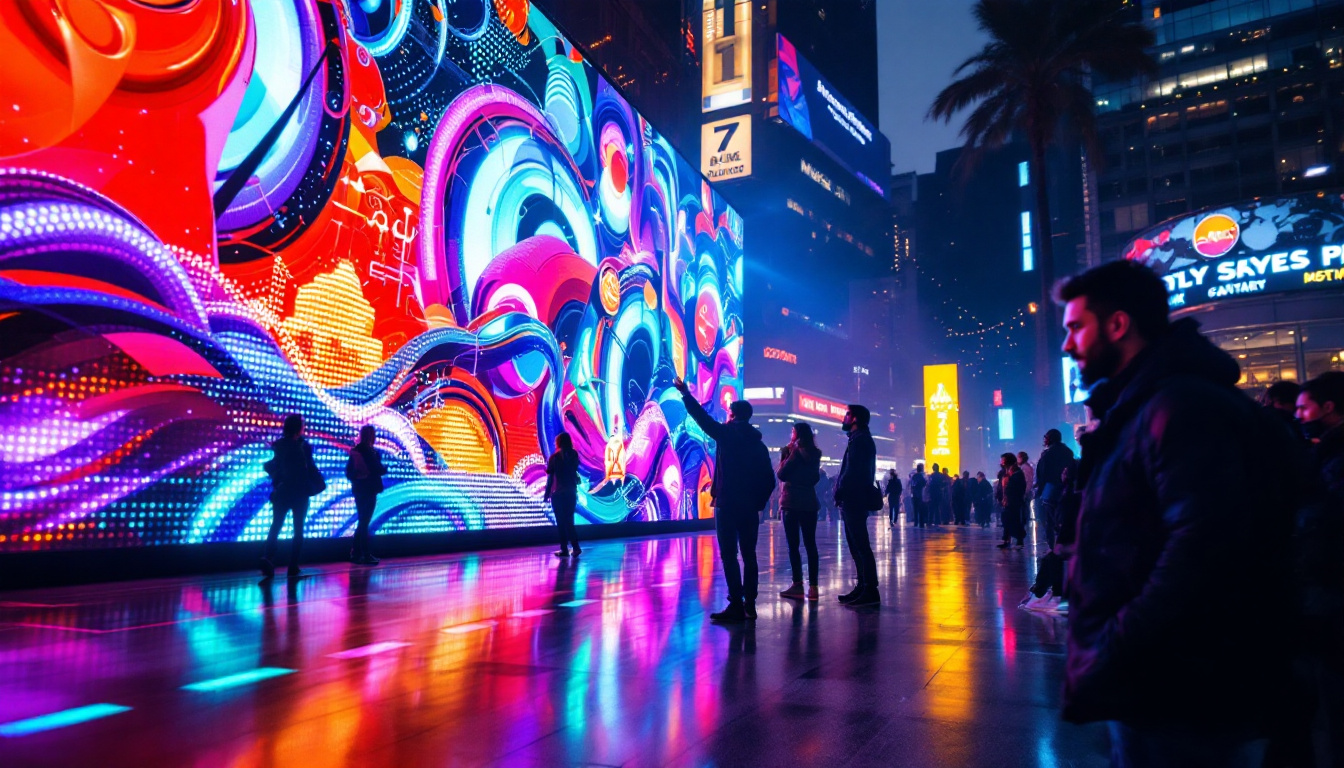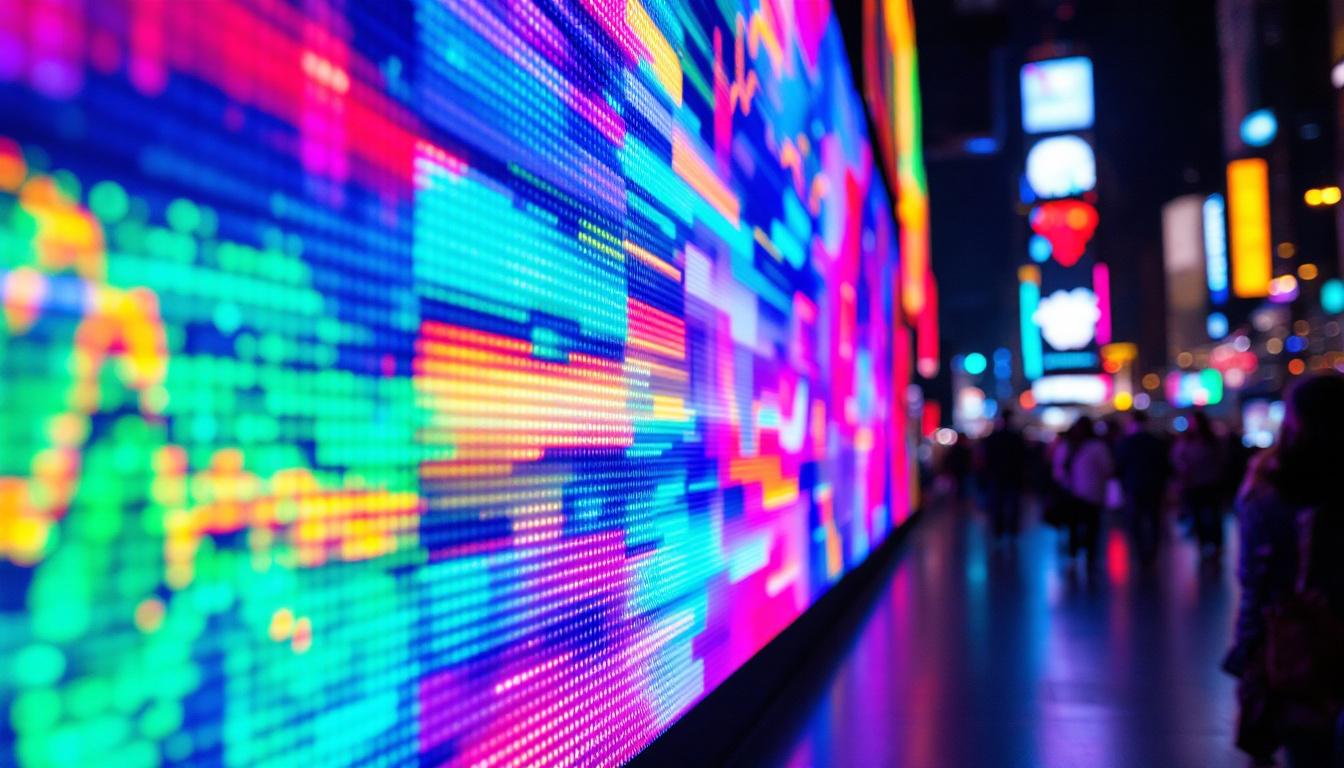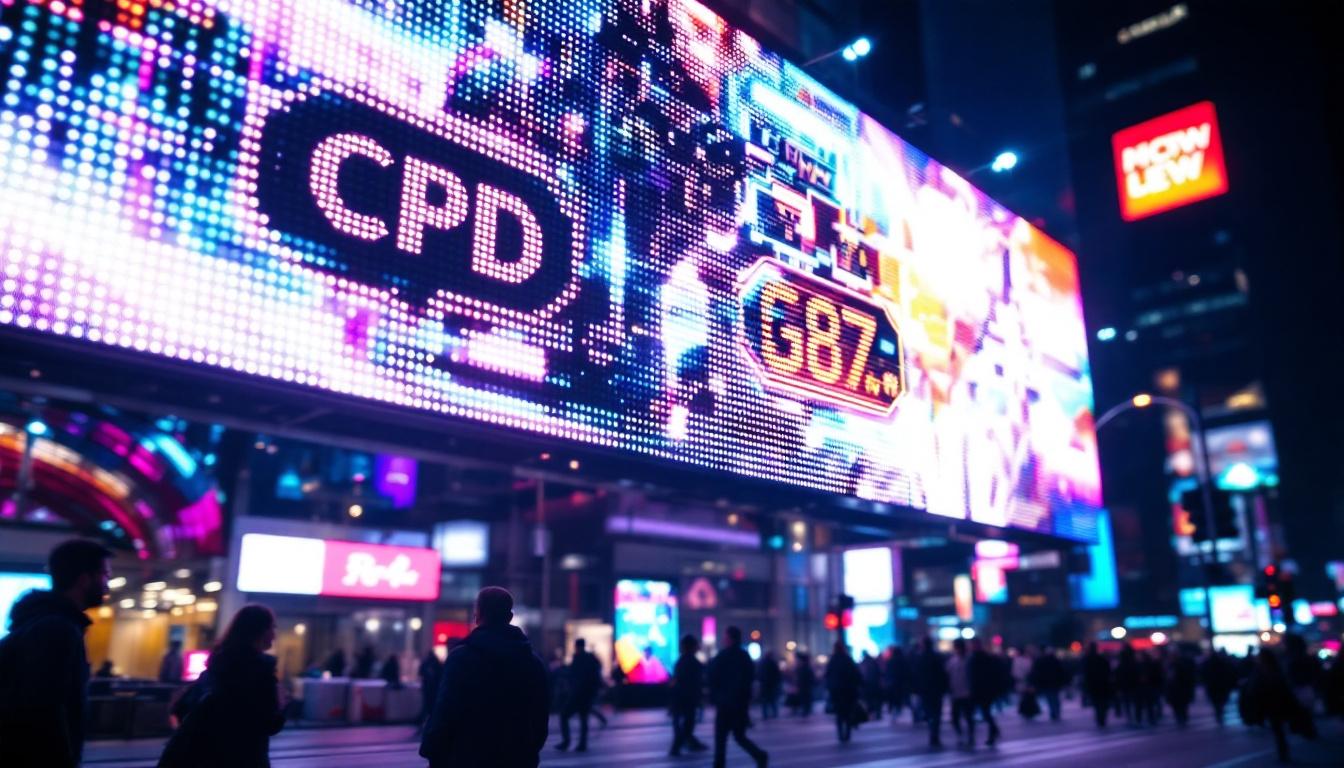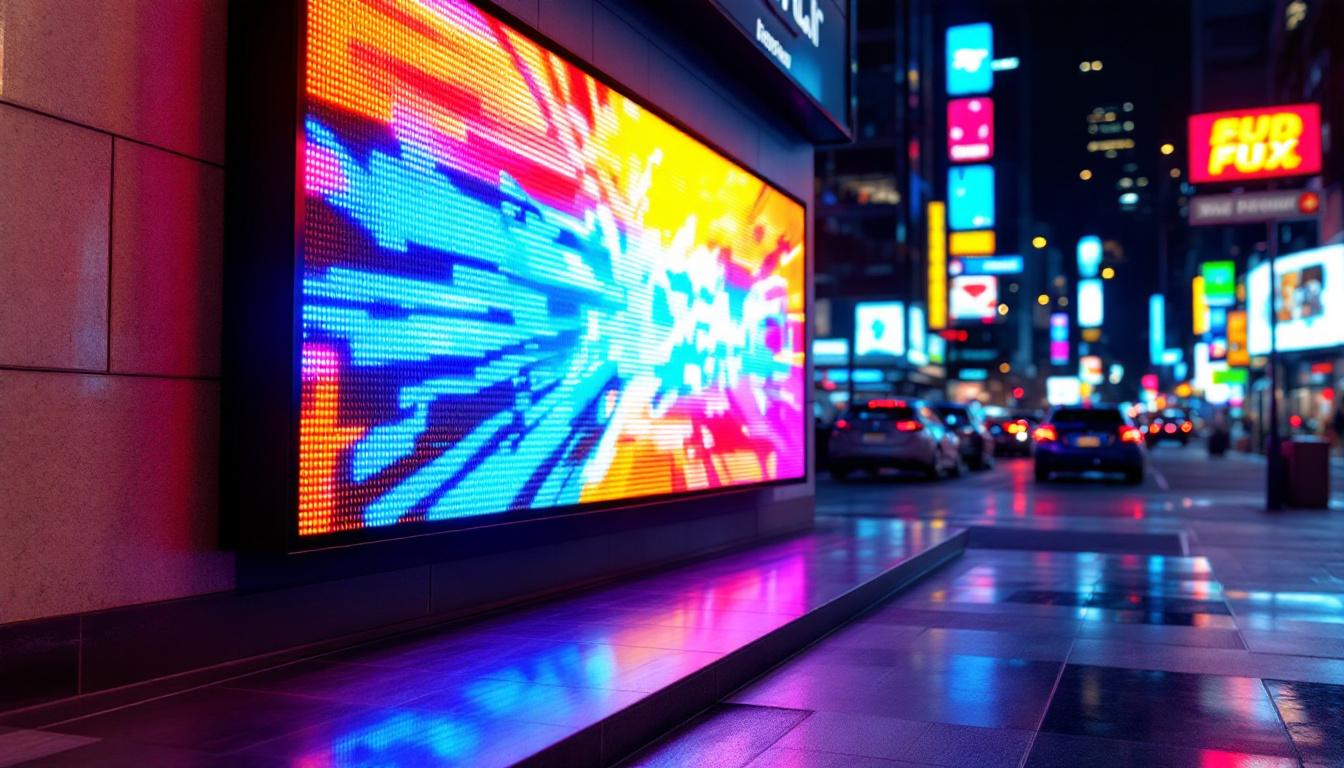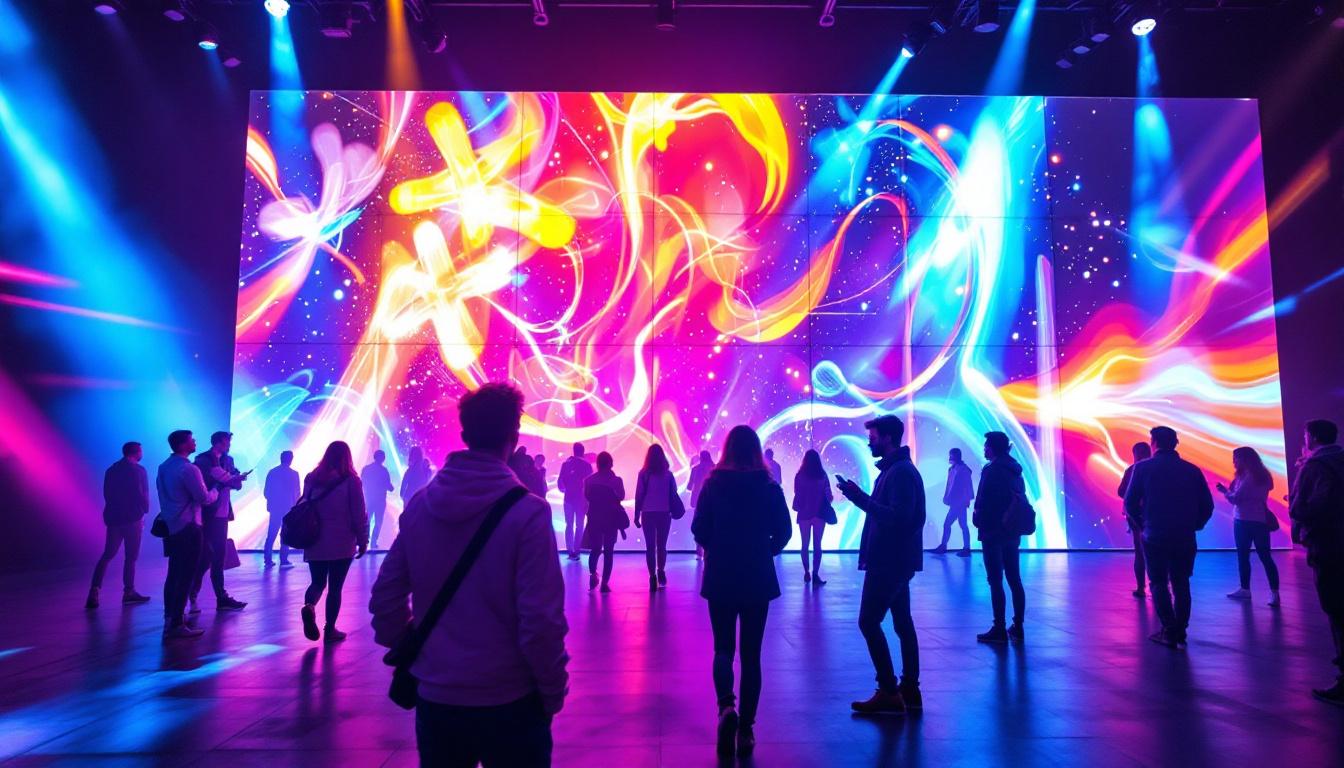
In the world of digital signage and visual communication, LED displays have become a dominant technology, transforming how information and advertisements are presented. From massive stadium screens to compact indoor panels, LED displays offer unparalleled brightness, clarity, and versatility. This article delves into the fundamentals of LED displays, exploring their technology, applications, advantages, and future trends.
Understanding LED Display Technology
At its core, an LED display is a flat panel that uses light-emitting diodes (LEDs) as pixels to produce images and videos. These tiny diodes emit light when an electric current passes through them, enabling the display to create vivid visuals that are visible even in bright daylight. The versatility of LED technology has revolutionized the way we experience visual media, from large-scale advertising to personal devices.
How LEDs Work
LEDs are semiconductor devices that convert electrical energy into light. Unlike traditional incandescent bulbs, LEDs are highly energy-efficient and have a longer lifespan. In LED displays, each pixel typically consists of three sub-pixels: red, green, and blue (RGB). By adjusting the intensity of each sub-pixel, the display can produce a full spectrum of colors. This capability allows for a dynamic range of visuals, from deep, rich hues to bright, eye-catching shades that can capture attention in any setting.
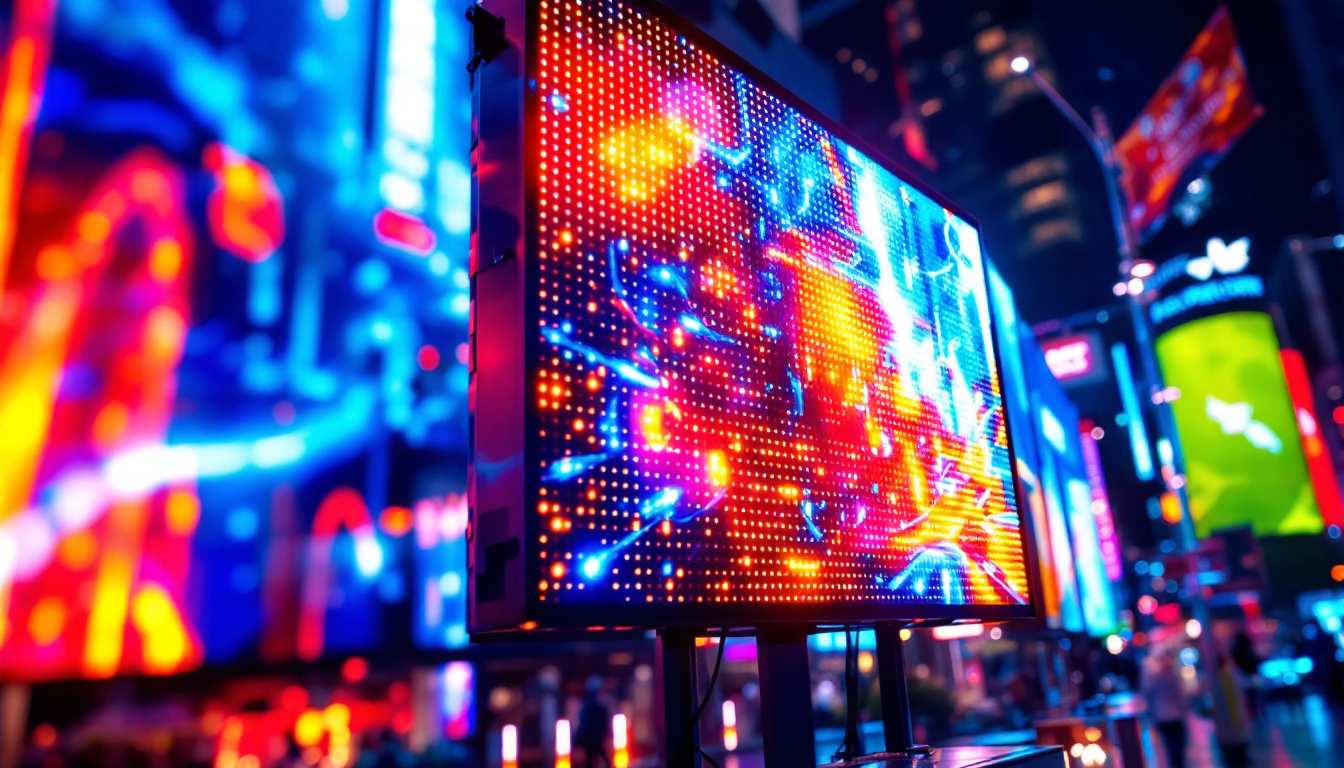
The precision of this color mixing is essential for creating sharp and vibrant images. Modern LED panels use surface-mounted device (SMD) technology, where tiny LEDs are mounted directly onto the circuit board, allowing for higher pixel density and better image quality. This technology not only enhances the visual experience but also contributes to the overall durability of the displays, making them suitable for various applications.
Types of LED Displays
LED displays come in various forms, each suited for different environments and purposes:
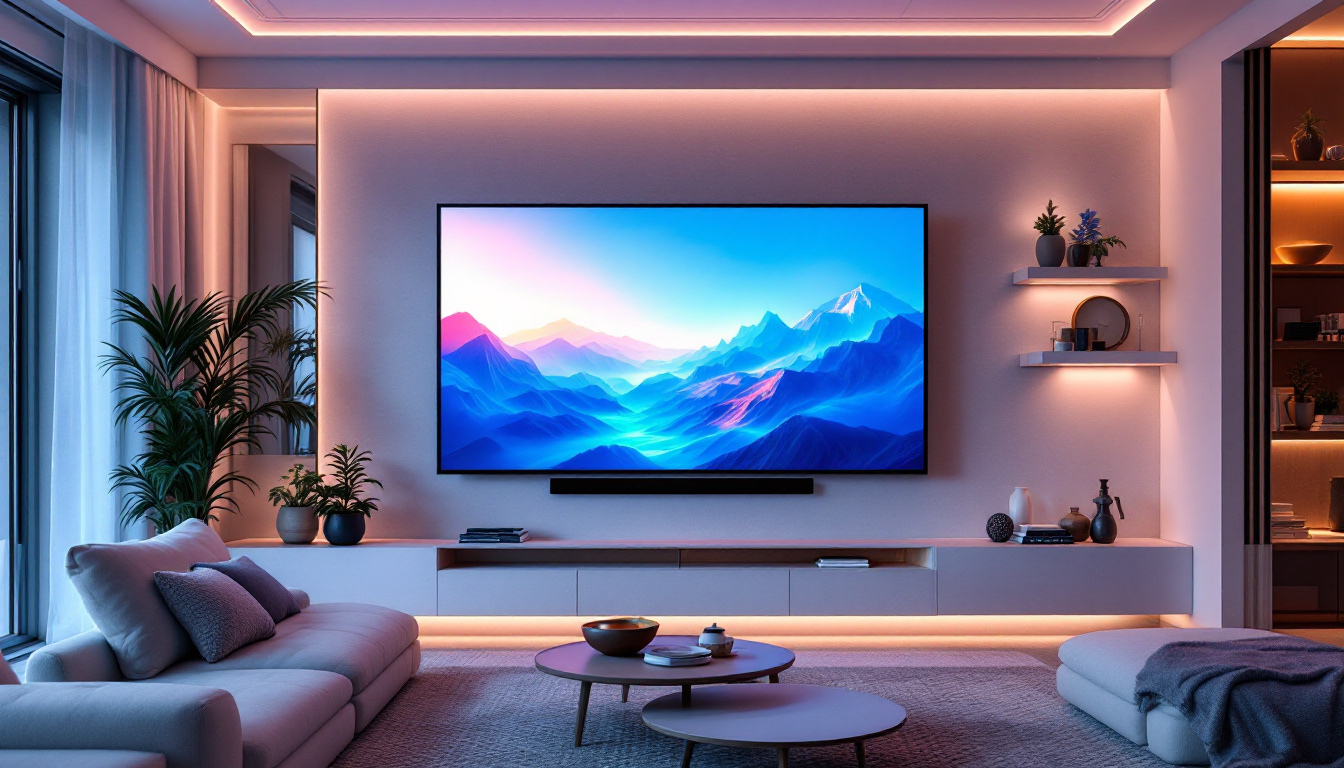
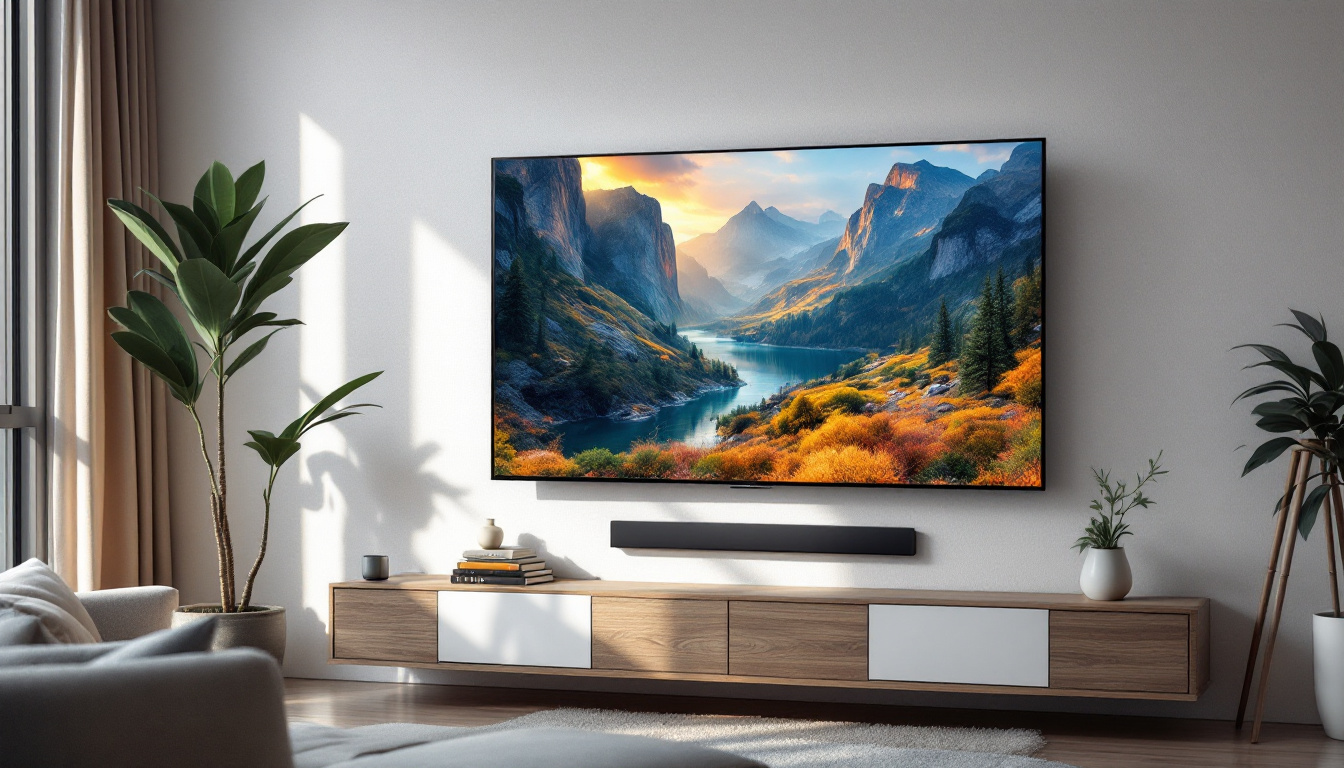
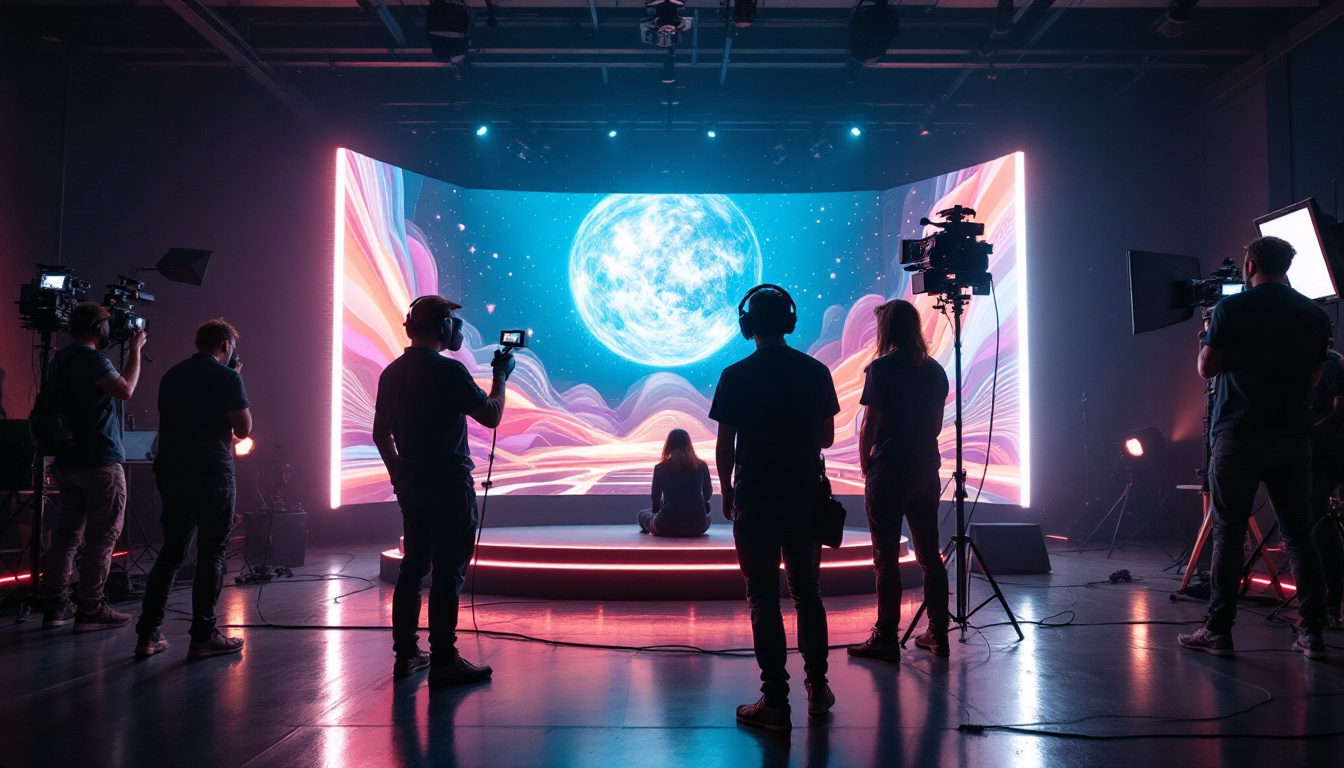
- Indoor LED Displays: Designed for controlled lighting environments, these displays have a higher pixel density (smaller pixel pitch) to provide crisp images at close viewing distances. They are commonly used in retail stores, conference rooms, and broadcast studios. The ability to display high-resolution content makes them ideal for presentations and advertising, where clarity is crucial.
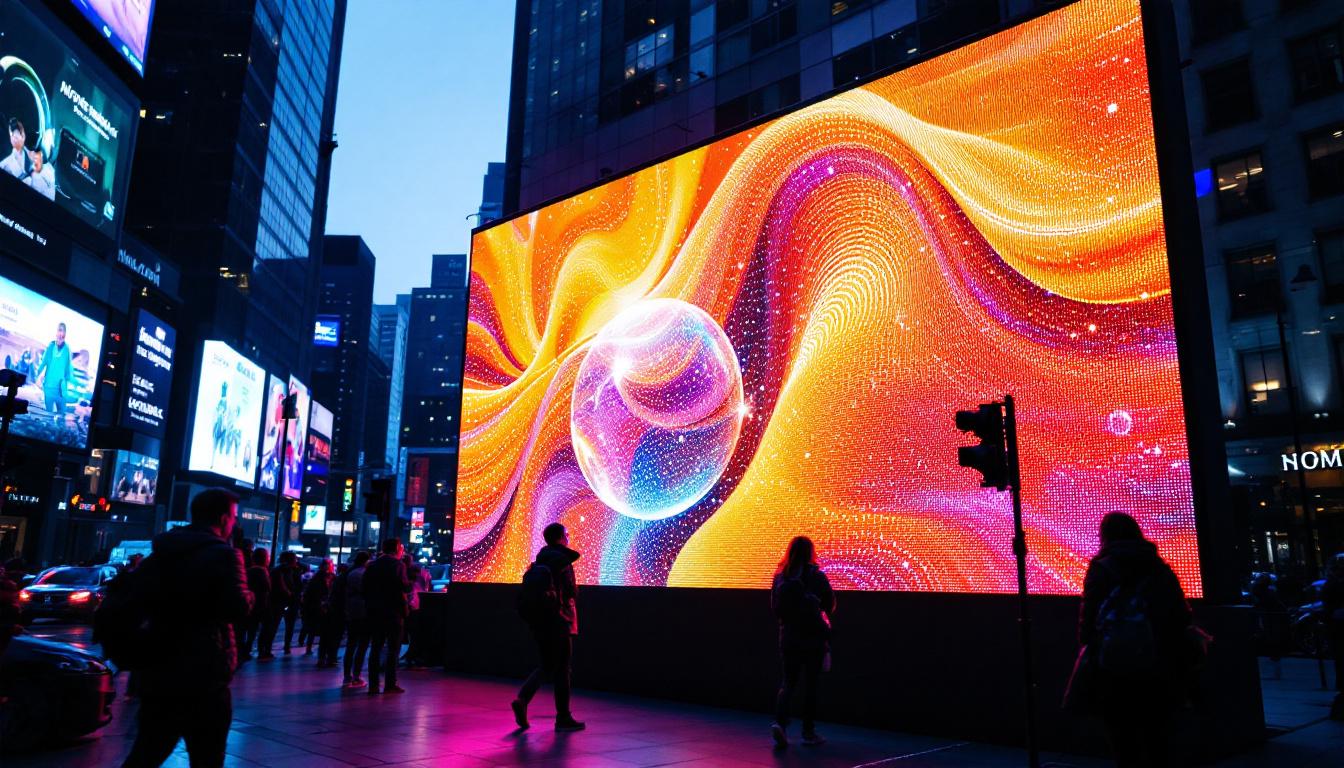
- Outdoor LED Displays: Built to withstand weather conditions, these displays feature higher brightness levels (often exceeding 5,000 nits) to remain visible in direct sunlight. They are typically used for billboards, sports arenas, and public information boards. Their robust construction ensures longevity, even when exposed to harsh environmental factors like rain, wind, and extreme temperatures.
- Transparent LED Displays: These innovative panels allow light to pass through, making them ideal for storefront windows and architectural installations where visibility from both sides is desired. This technology not only enhances aesthetic appeal but also allows businesses to engage customers without obstructing views, creating a seamless blend of digital and physical environments.
- Flexible LED Displays: Utilizing bendable substrates, these displays can wrap around curved surfaces, opening new possibilities for creative design in advertising and entertainment. Their adaptability allows for unique installations that can transform spaces, such as immersive environments in museums or dynamic advertising displays that follow the contours of buildings.
As LED technology continues to evolve, we can expect even more advancements in display capabilities. Innovations such as microLED and miniLED are pushing the boundaries of resolution and color accuracy, promising an even more immersive viewing experience. Additionally, the integration of smart technology into LED displays is paving the way for interactive experiences, where users can engage with content in real-time, further enhancing the impact of visual communication.
Key Components and Specifications
Understanding the components and specifications of LED displays helps in selecting the right solution for specific needs.
Pixel Pitch and Resolution
Pixel pitch refers to the distance between the centers of two adjacent pixels, measured in millimeters. It is a critical factor influencing image clarity and viewing distance. Smaller pixel pitches (e.g., 1.2mm) mean higher resolution and are suitable for close-up viewing, while larger pitches (e.g., 10mm or more) are acceptable for distant viewing scenarios like highway billboards.
Resolution, the total number of pixels horizontally and vertically, determines how detailed the image will be. For example, a 1920×1080 resolution display with a 2.5mm pixel pitch will provide sharp images for indoor use. Additionally, as technology advances, ultra-high-definition (UHD) displays with resolutions like 3840×2160 are becoming more common, providing even finer detail and clarity. This is particularly beneficial in settings such as control rooms or high-end retail environments where visual impact is paramount.
Brightness and Contrast Ratio
Brightness is measured in nits (cd/m²) and indicates how luminous the display is. Outdoor LED displays typically require brightness levels above 5,000 nits to combat sunlight glare, while indoor displays can operate effectively at 800-1,500 nits. The choice of brightness is crucial not only for visibility but also for energy efficiency; displays that are too bright can waste power and lead to increased operational costs.
The contrast ratio, the difference between the brightest white and darkest black the display can produce, affects image depth and realism. High contrast ratios contribute to better picture quality, especially for video content. For instance, a contrast ratio of 10,000:1 can make colors appear more vivid and lifelike, enhancing the viewer’s experience. This is particularly important in applications like digital signage, where capturing attention is essential.
Refresh Rate and Viewing Angle
The refresh rate, measured in hertz (Hz), is how many times per second the display updates its image. Higher refresh rates (above 3,000 Hz) reduce flicker, which is crucial for video recording and live broadcasts. A higher refresh rate also ensures smoother motion during fast-paced video content, making it ideal for sports events or action movies where clarity is key.
Viewing angle defines the maximum angle from which the display can be viewed without significant color or brightness degradation. Wider viewing angles (up to 160° horizontally and vertically) ensure consistent image quality for audiences spread across large areas. This is especially beneficial in venues like concert halls or stadiums, where viewers may be seated at various angles. Moreover, advancements in LED technology, such as the use of advanced optics and diffusers, are enhancing the ability to maintain image integrity across wider viewing angles, further improving the overall viewing experience for diverse audiences.
Applications of LED Displays
LED displays have revolutionized many industries by providing dynamic and eye-catching visual communication tools.
Advertising and Marketing
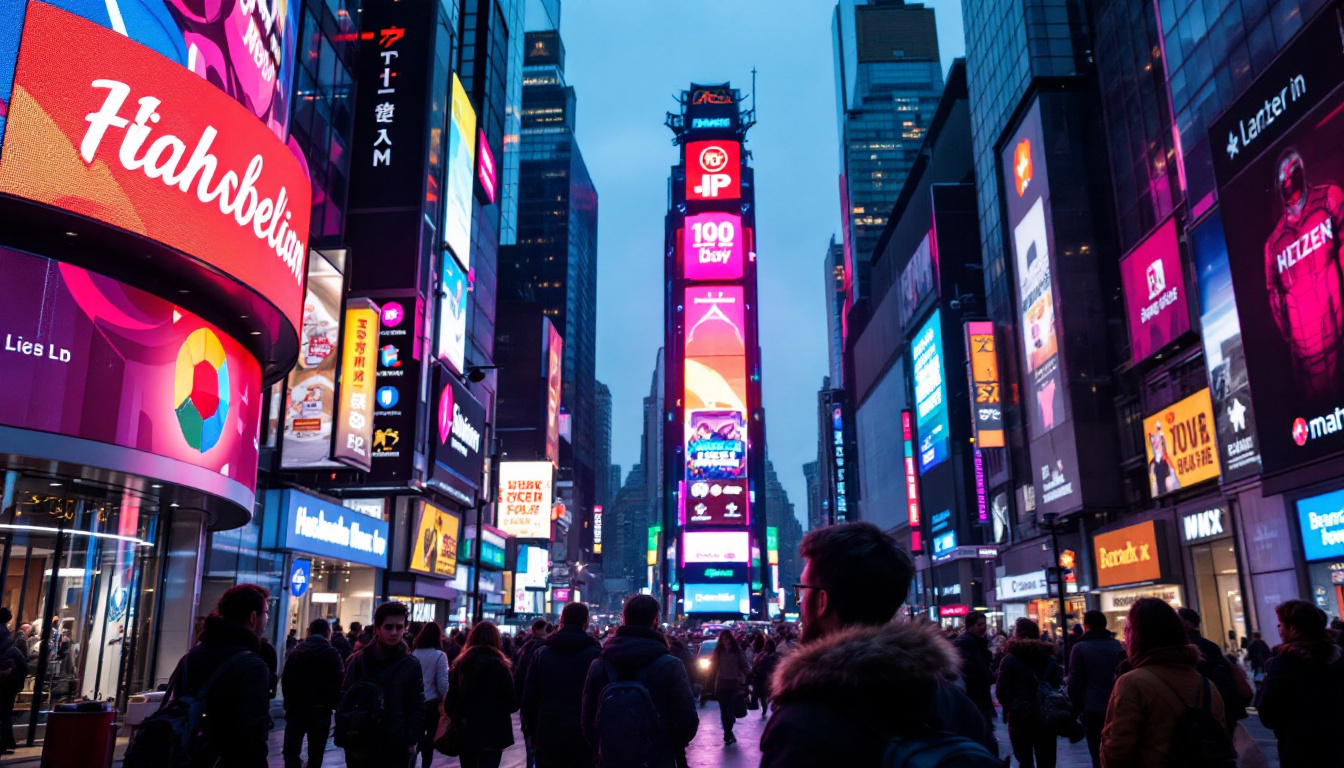
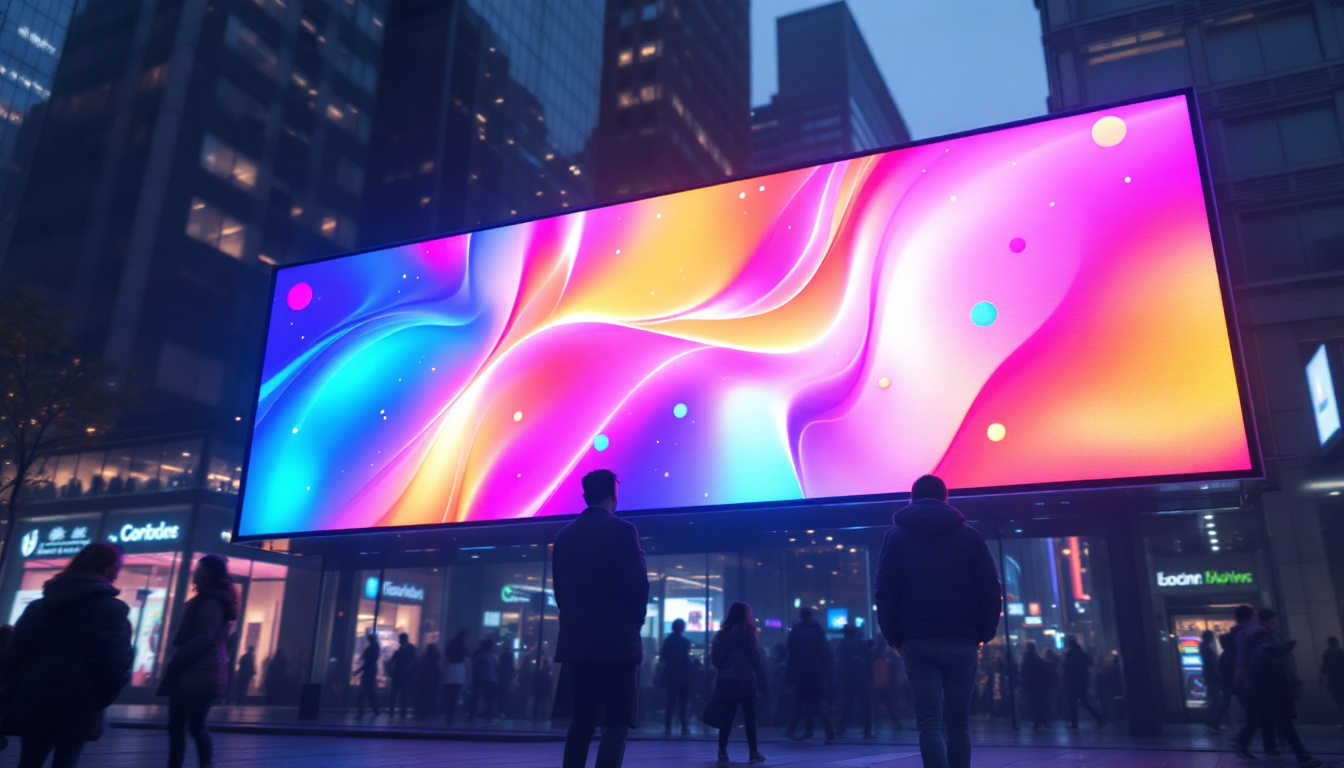
Outdoor LED billboards are a staple in urban advertising, offering brands the ability to display vibrant, changing content that captures passerby attention. Digital signage in shopping malls and retail stores uses LED displays to promote products and enhance customer experience.
According to a 2023 report by Grand View Research, the global digital signage market is projected to reach $32 billion by 2028, driven largely by LED display adoption.
Sports and Entertainment Venues
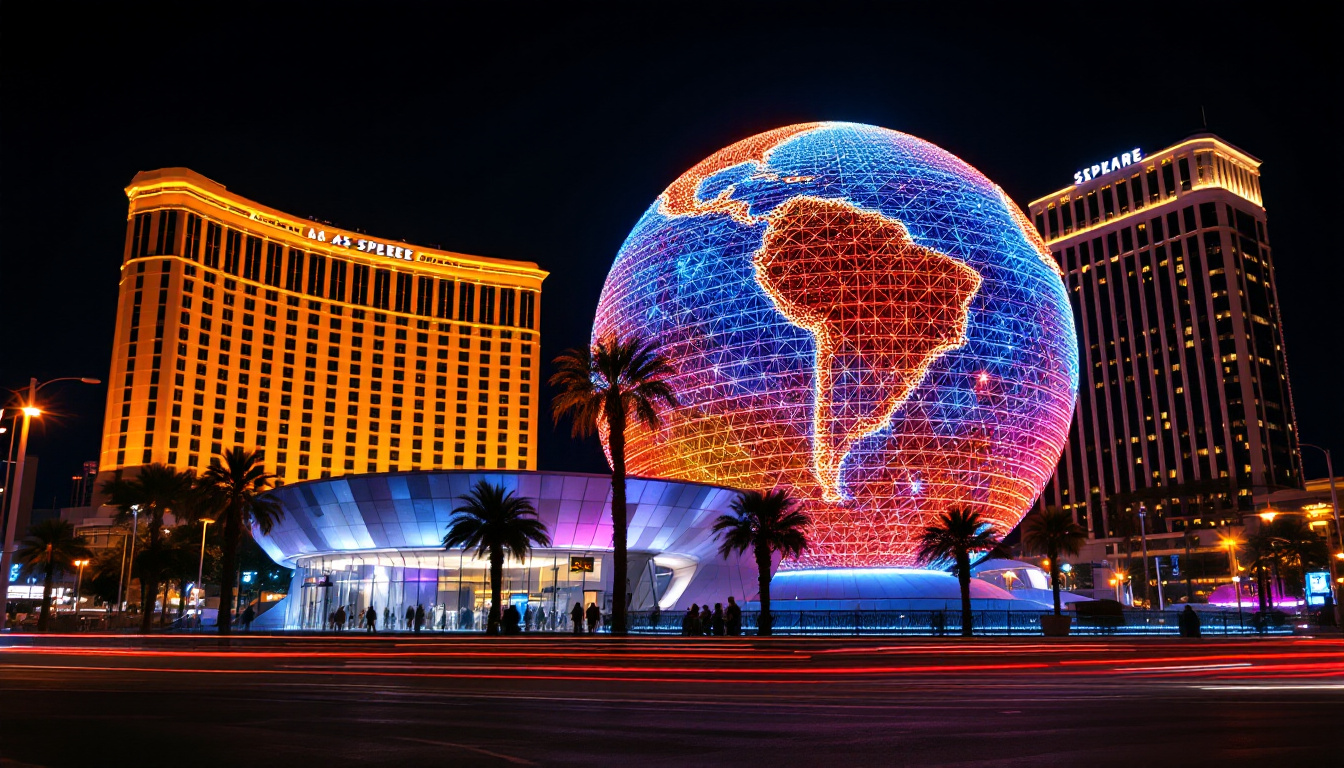
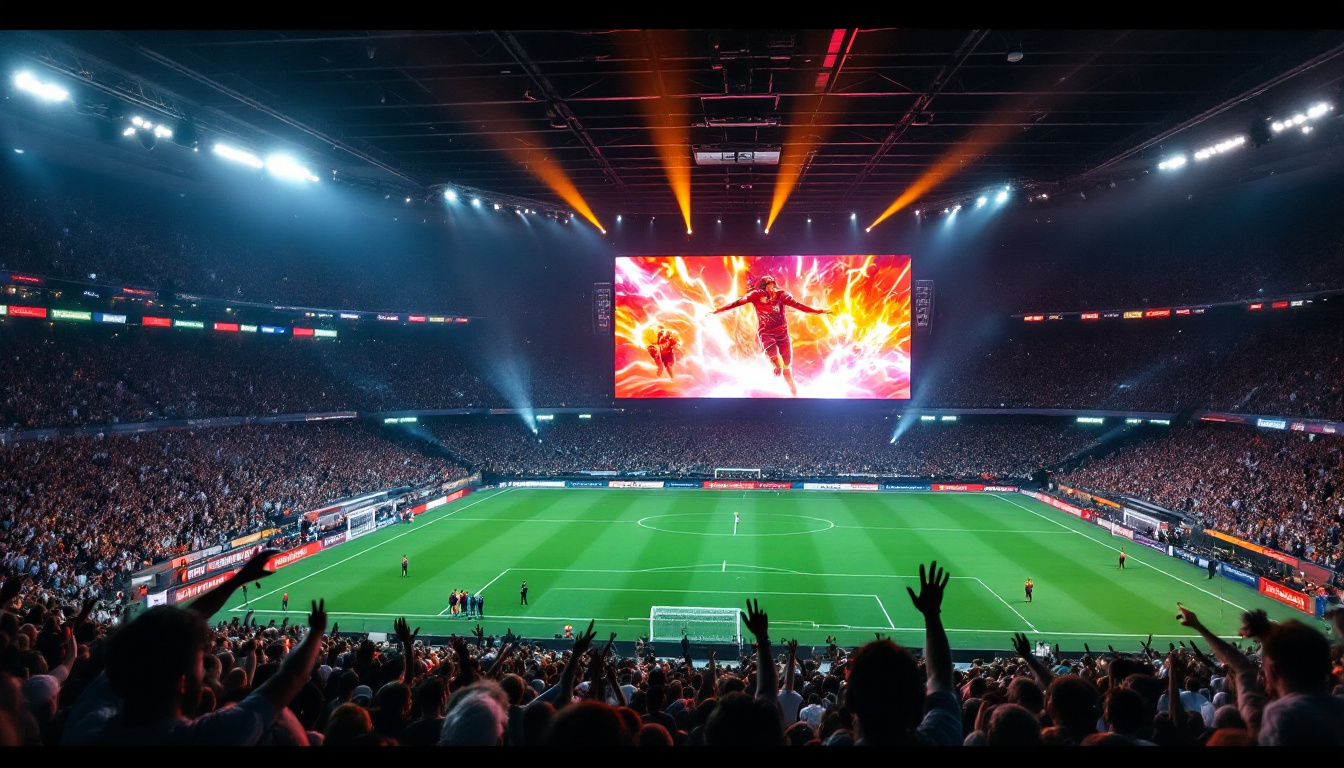
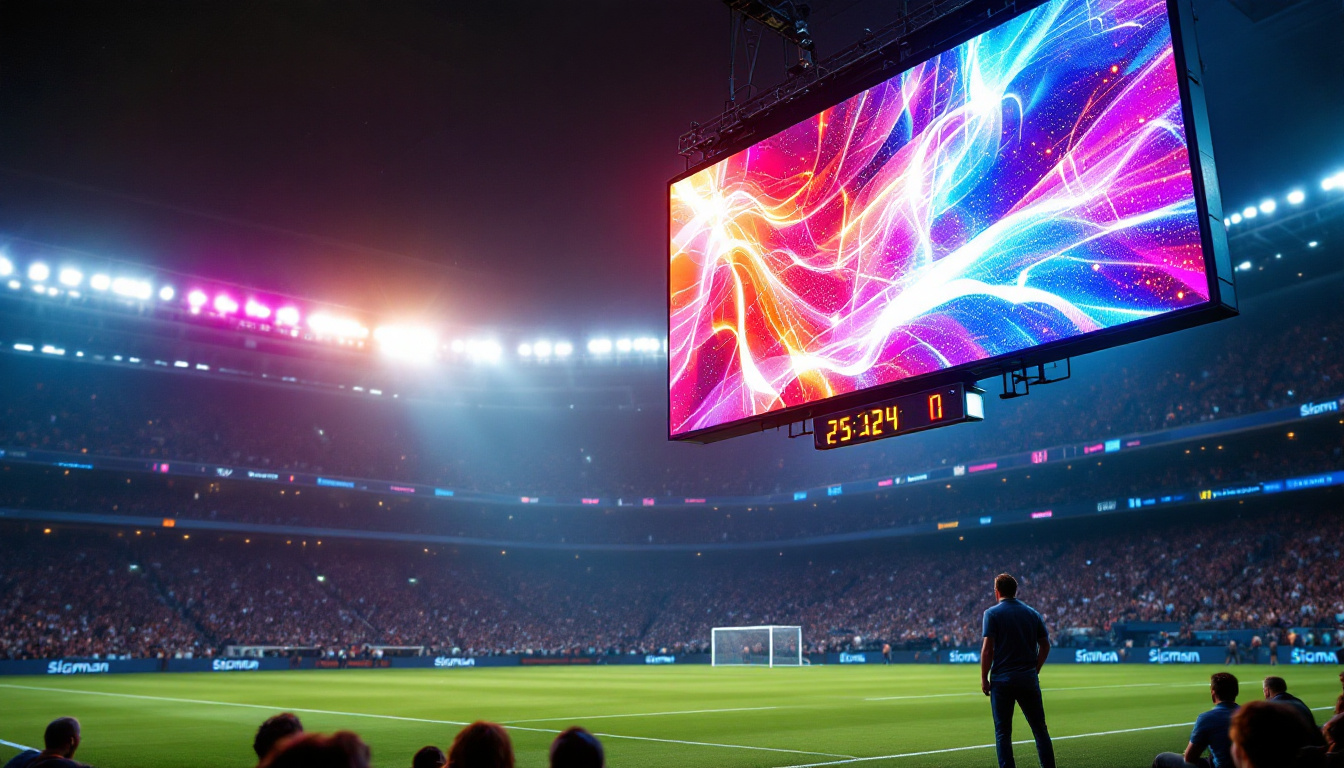
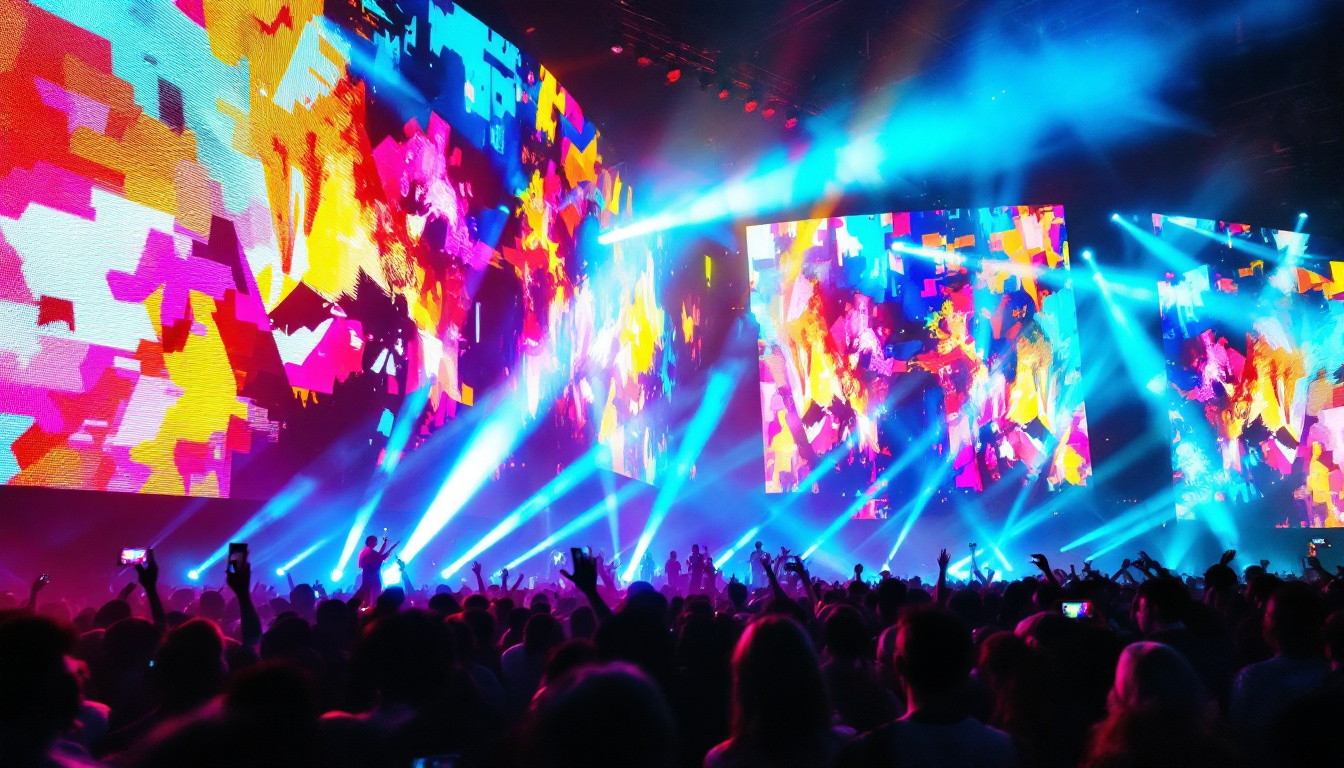
Stadiums and arenas utilize massive LED screens to provide live game footage, replays, and interactive content. These displays enhance spectator engagement and create immersive atmospheres. For example, the AT&T Stadium in Texas boasts one of the largest high-resolution LED screens in the world, measuring approximately 160 feet wide and 72 feet tall.
Transportation and Public Information
LED displays are widely used in airports, train stations, and bus terminals to convey schedules, alerts, and wayfinding information. Their high visibility and reliability make them ideal for critical communication.
Corporate and Educational Settings
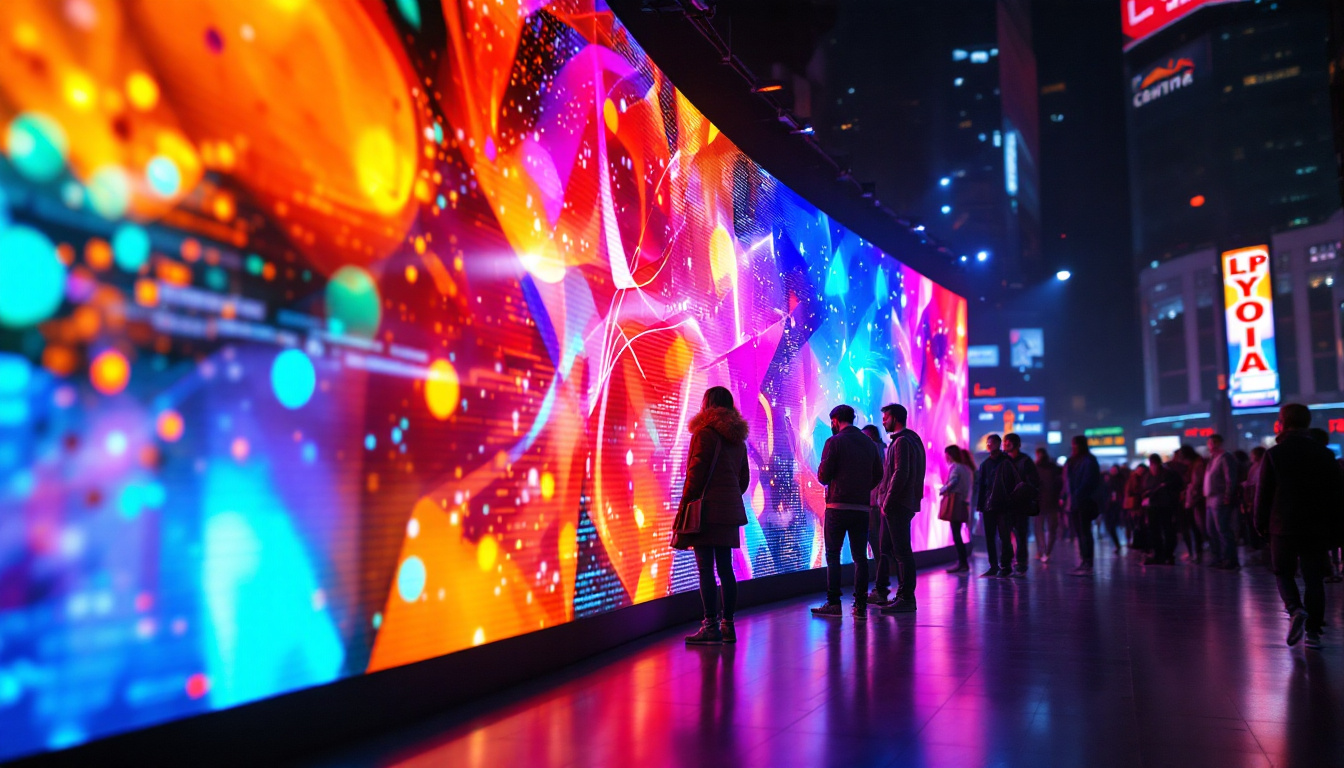
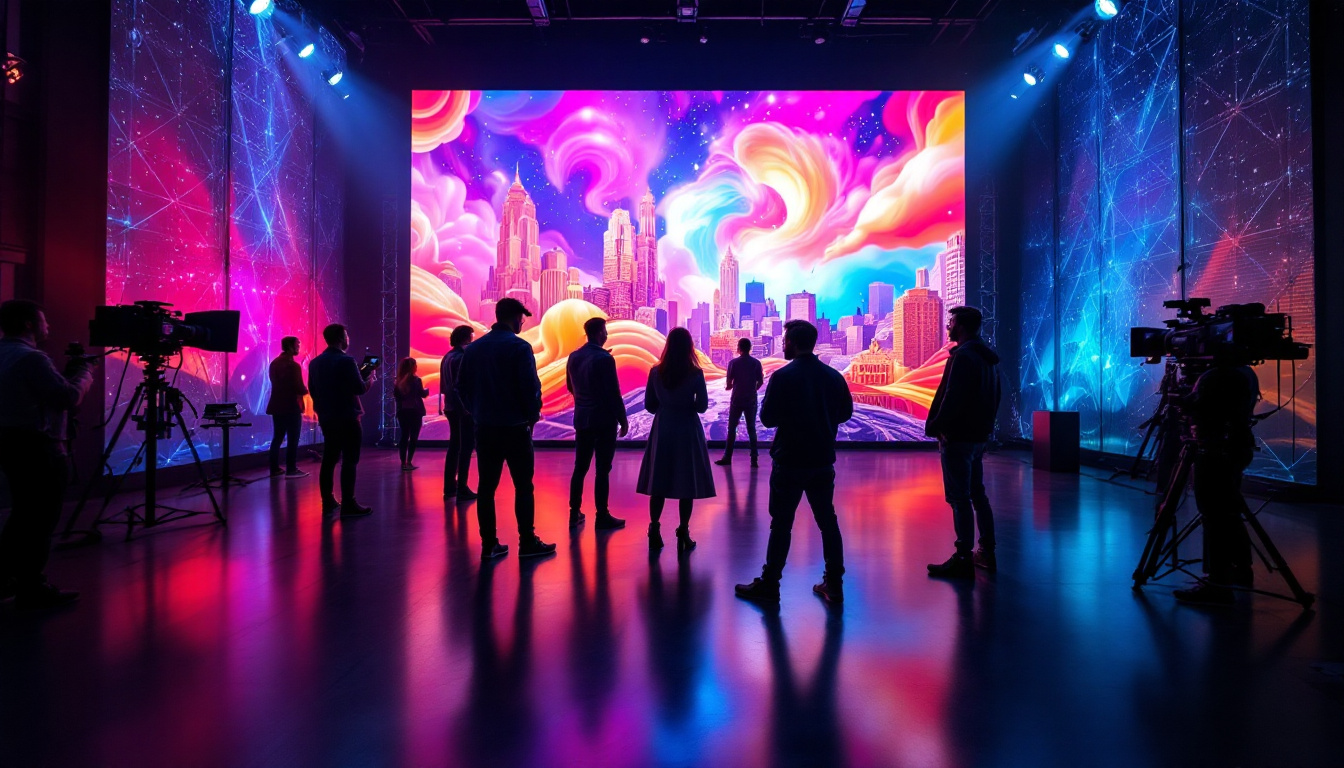
In offices and universities, LED video walls serve as digital bulletin boards, presentation tools, and collaboration platforms. Their ability to display high-resolution content and integrate with multimedia systems supports modern work and learning environments.
Advantages of LED Displays Over Other Technologies
LED displays offer several benefits compared to LCD, projection, and other display technologies.
Superior Brightness and Visibility
LEDs produce their own light, unlike LCDs that rely on backlighting, resulting in higher brightness and better performance in ambient light conditions. This makes LED displays particularly effective for outdoor use and brightly lit indoor spaces.
Energy Efficiency and Longevity
LED technology consumes less power than traditional lighting and display methods. Additionally, LEDs have longer operational lifespans, often exceeding 100,000 hours, which reduces maintenance costs and downtime.
Flexibility and Scalability
Modular LED panels can be combined to create displays of virtually any size and shape, from small indoor screens to colossal outdoor billboards. This scalability allows businesses to tailor solutions to their specific spatial and budgetary requirements.
Enhanced Color Accuracy and Contrast
With precise control over individual pixels, LED displays deliver vibrant colors and deep blacks, enhancing image quality and viewer experience.
Challenges and Considerations When Choosing LED Displays
Despite their advantages, LED displays come with considerations that must be addressed to ensure optimal performance and return on investment.
Initial Cost and Installation
High-quality LED displays can require significant upfront investment, especially for large-scale or high-resolution installations. Installation complexity varies depending on the display type and location, necessitating professional planning and execution.
Maintenance and Environmental Factors
Outdoor LED displays must be weatherproof and resistant to dust, moisture, and temperature fluctuations. Regular maintenance is essential to prevent pixel failures and ensure consistent brightness and color uniformity.
Content Management and Software
Effective use of LED displays depends on robust content management systems (CMS) that allow scheduling, updating, and monitoring content remotely. Choosing compatible and user-friendly software is crucial for maximizing the display’s impact.
Future Trends in LED Display Technology
The LED display industry continues to evolve rapidly, driven by advances in materials, design, and integration.
MicroLED and MiniLED Innovations
MicroLED technology, featuring even smaller LEDs than traditional SMDs, promises higher resolution, improved brightness, and lower power consumption. This technology is poised to compete with OLED displays in premium markets.
MiniLED backlighting, used in some LCD displays, enhances contrast and color performance, bridging the gap between LCD and full LED displays.
Interactive and Smart Displays
Integration of touch capabilities, sensors, and artificial intelligence is transforming LED displays into interactive platforms. These smart displays can adapt content based on audience demographics, environmental conditions, or user input.
Energy Harvesting and Sustainability
Emerging research focuses on making LED displays more sustainable by incorporating energy-harvesting technologies and recyclable materials. This aligns with global efforts to reduce the environmental impact of electronic devices.
Conclusion
LED displays have reshaped the landscape of visual communication, offering bright, flexible, and durable solutions across diverse applications. Understanding the technology, specifications, and practical considerations is essential for businesses and organizations looking to leverage LED displays effectively. As innovations like MicroLED and interactive smart displays emerge, the future holds exciting possibilities for more immersive and sustainable digital experiences.
Explore Cutting-Edge LED Display Solutions with LumenMatrix
Ready to elevate your visual communication strategy with the latest in LED display technology? LumenMatrix is at the forefront of innovation, offering a wide array of LED display solutions that cater to every need. Whether you’re looking for an Indoor LED Wall Display, a vibrant Outdoor LED Wall Display, or specialized options like Vehicle LED Displays and LED Sports Displays, LumenMatrix has the expertise to bring your vision to life. Experience the power of enhanced brand visibility and audience engagement with our state-of-the-art LED displays. Check out LumenMatrix LED Display Solutions today and transform your space into a captivating visual experience.