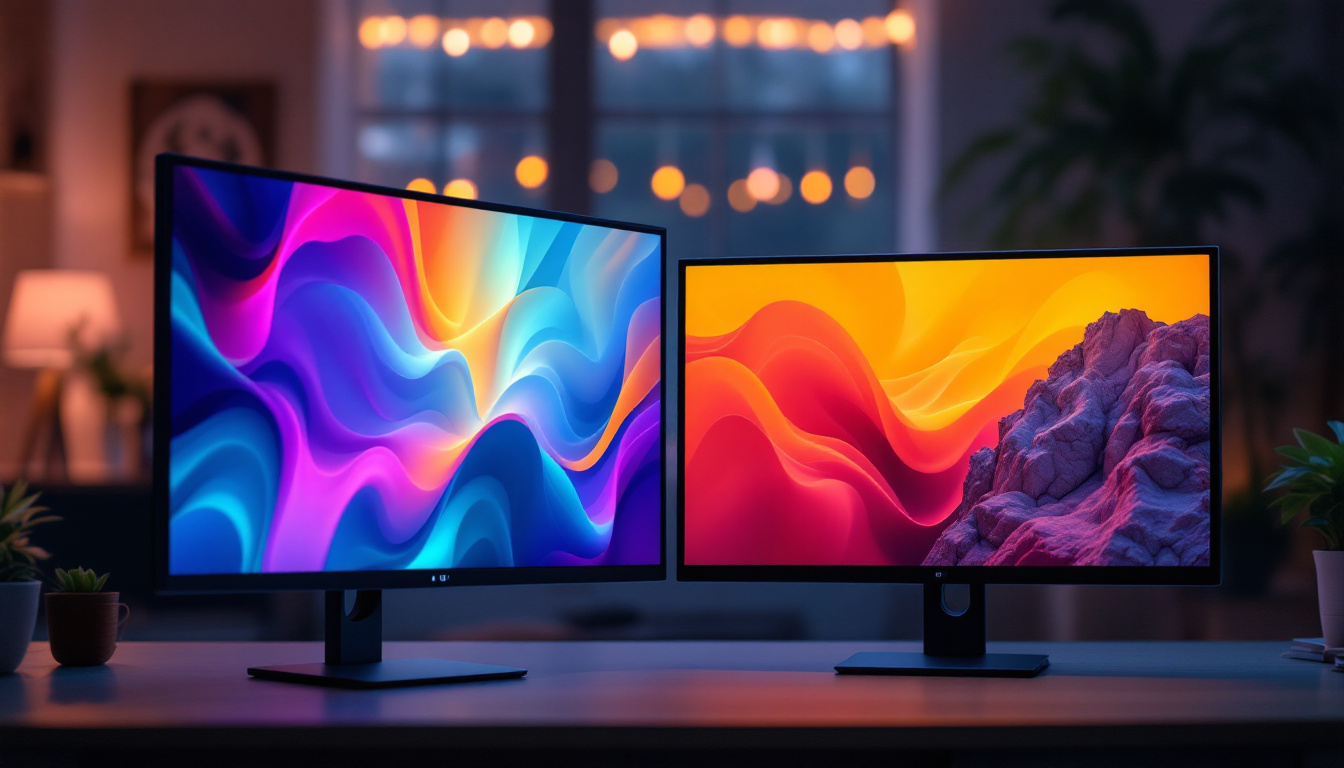
In an era where visual communication dominates, LED displays have become a cornerstone technology for everything from advertising billboards to stadium screens and indoor digital signage. Their vibrant colors, energy efficiency, and scalability make them a preferred choice for businesses and public venues worldwide. But what exactly is an LED display, how does it work, and why is it transforming the way we interact with large-format screens? This article dives deep into the world of LED displays, exploring their technology, applications, and future trends.
Understanding LED Display Technology
What is an LED Display?
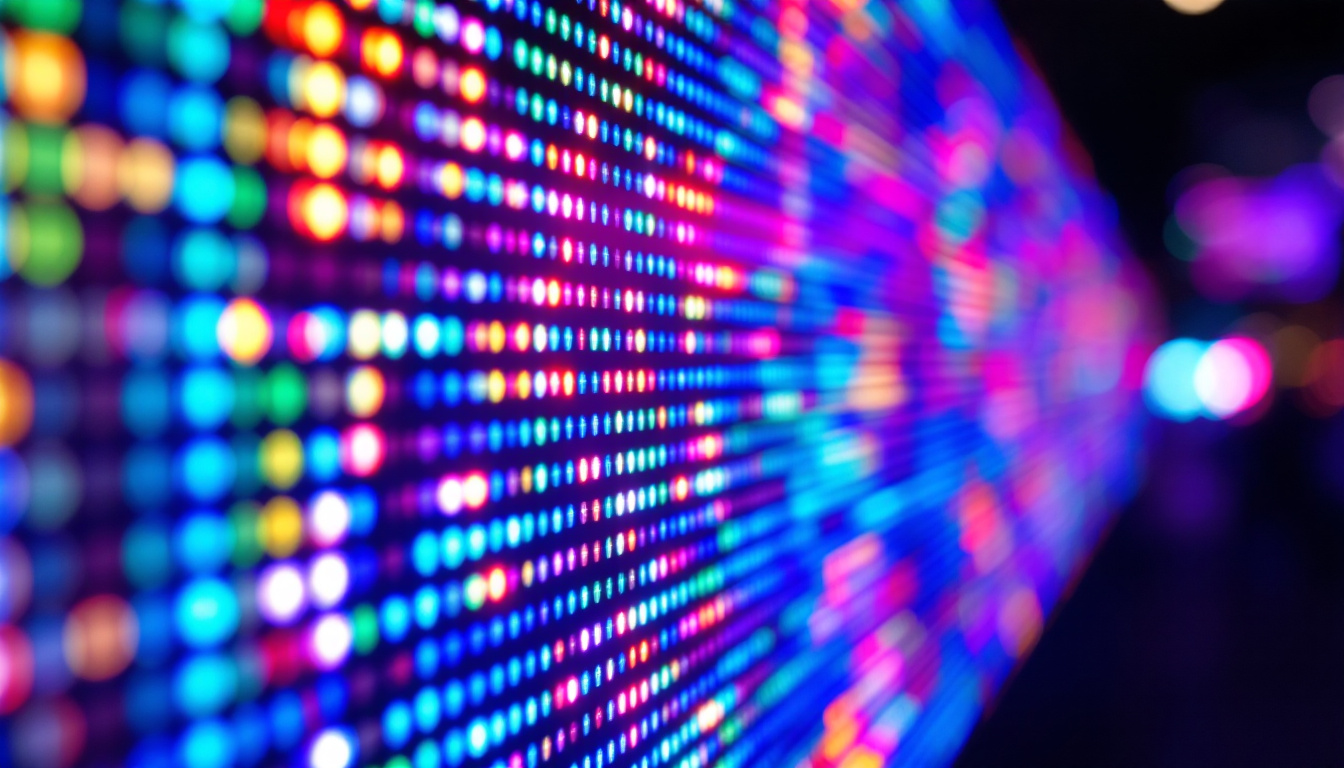
LED stands for Light Emitting Diode, a semiconductor device that emits light when an electric current passes through it. An LED display is essentially a screen made up of thousands or even millions of these tiny LEDs arranged in a grid. Each LED can emit red, green, or blue light, and by varying the intensity of these colors, the display can produce a full spectrum of colors visible to the human eye.
Unlike traditional LCD screens that rely on backlighting, LED displays generate their own light, which results in higher brightness levels and better contrast ratios. This self-illumination characteristic is what makes LED displays particularly effective in outdoor environments where sunlight can wash out other types of screens.
How Do LED Displays Work?
At the core of an LED display is the pixel, the smallest unit of the screen. Each pixel is made up of three sub-pixels: red, green, and blue LEDs. By adjusting the brightness of these sub-pixels, the display can create millions of different colors. This process is controlled by a driver circuit that receives video signals and translates them into electrical signals to power the LEDs accordingly.
The LEDs are mounted on panels or modules, which are then assembled into larger screens. The resolution of the display depends on the density of the LEDs, often measured in pixel pitch—the distance between the centers of two adjacent pixels. A smaller pixel pitch means higher resolution and sharper images, which is crucial for close-up viewing.
Types of LED Displays
LED displays come in various forms, each suited for specific applications:
- Indoor LED Displays: Designed for controlled lighting environments, these displays have a smaller pixel pitch (often less than 2mm) to deliver crisp images at close range. They are commonly used in conference rooms, retail stores, and broadcast studios.
- Outdoor LED Displays: Built to withstand weather conditions, these displays feature higher brightness levels (up to 7,000 nits or more) and larger pixel pitches (typically 4mm to 20mm). They are used for billboards, sports arenas, and public information displays.
- Transparent LED Displays: These innovative screens allow light to pass through, making them ideal for storefront windows and architectural installations without blocking natural light.
- Flexible and Curved LED Displays: Utilizing bendable panels, these displays can wrap around surfaces, enabling creative designs and immersive experiences in exhibitions and entertainment venues.
Applications of LED Displays in Modern Environments
Advertising and Digital Billboards
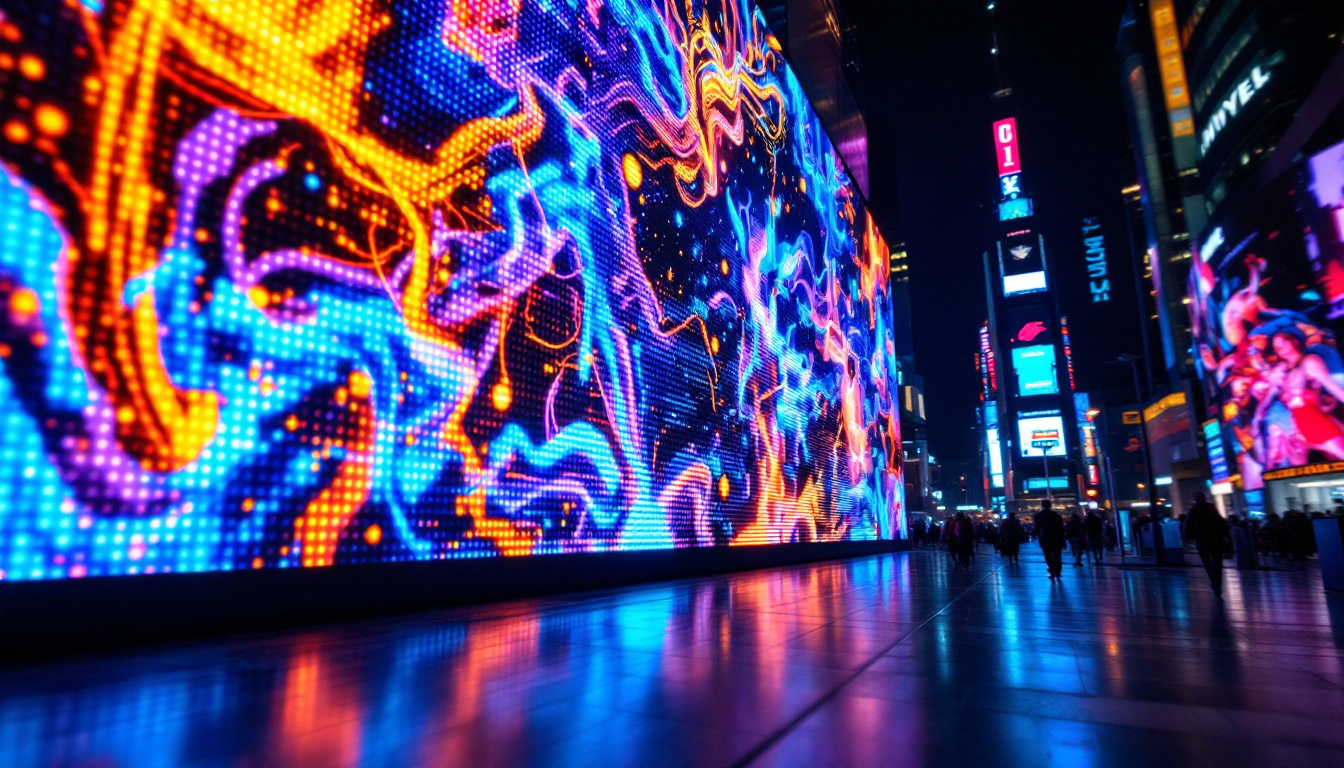
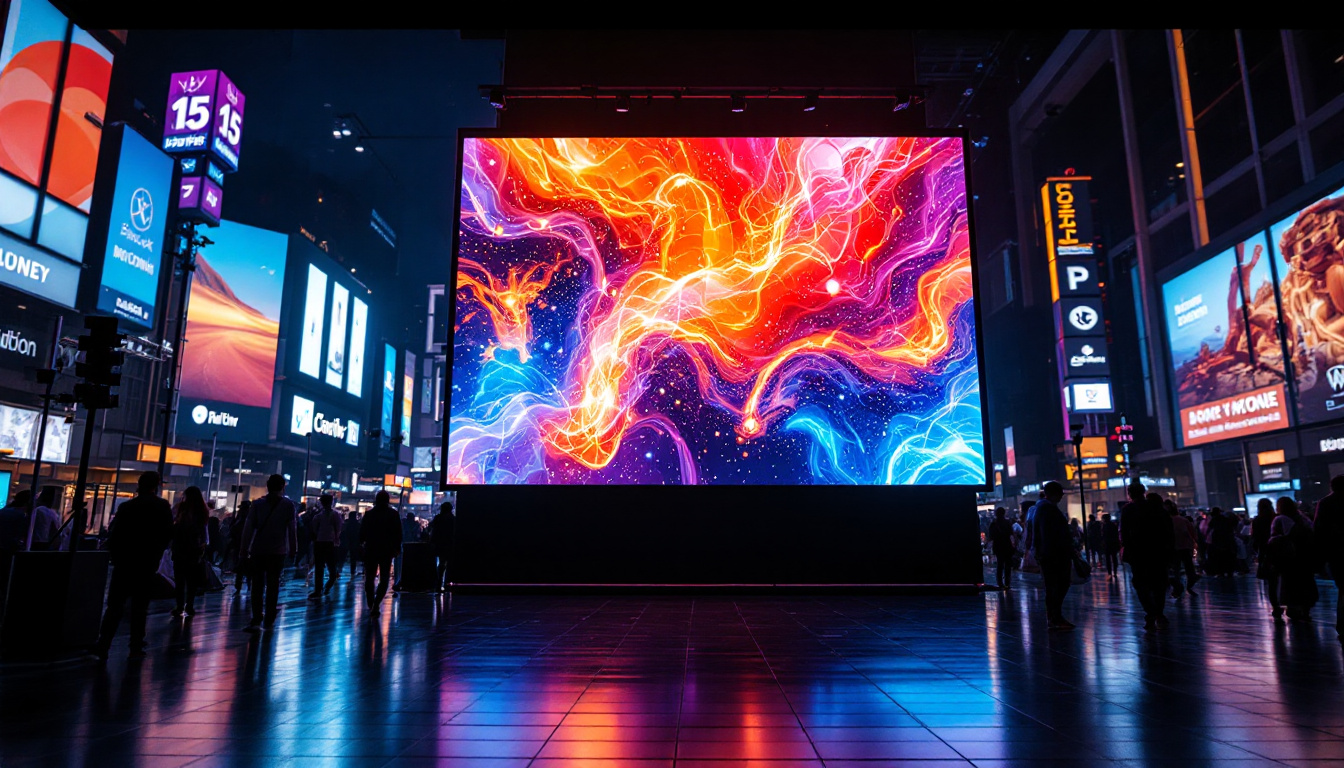
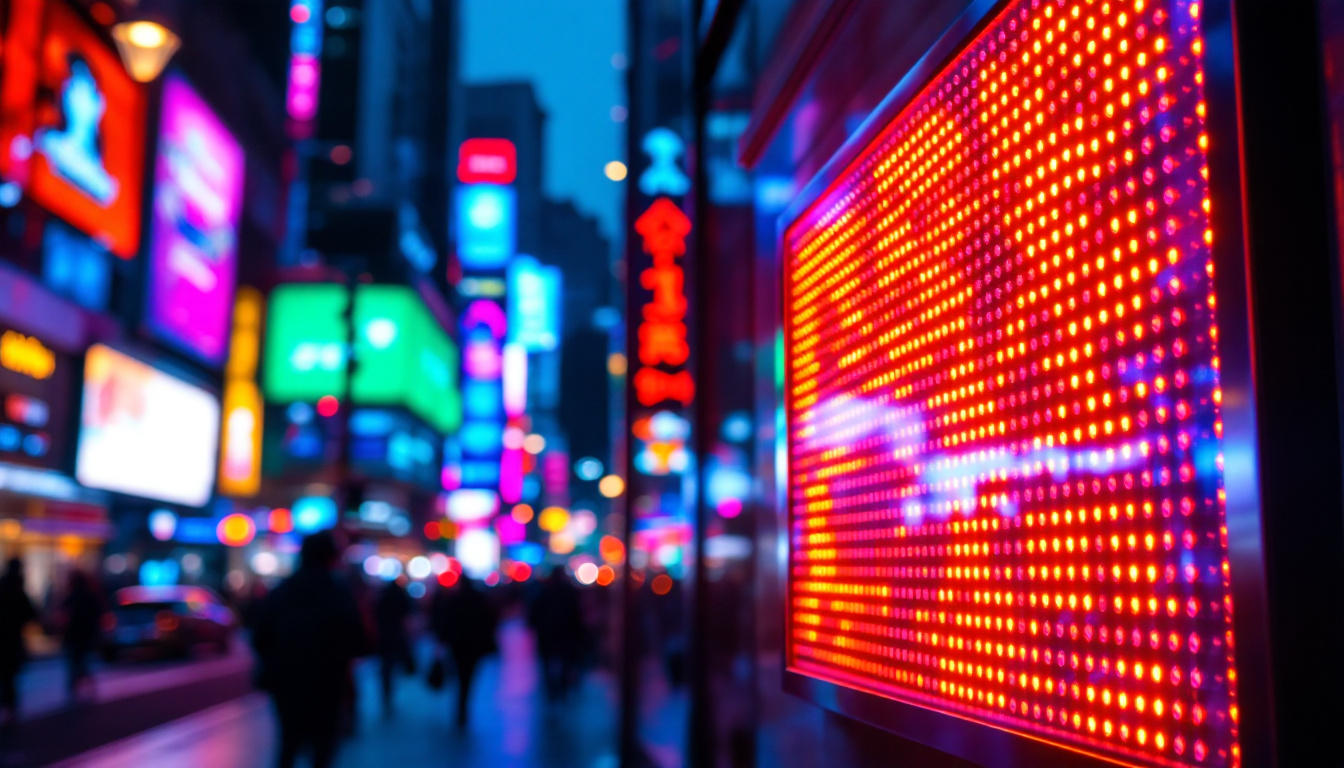
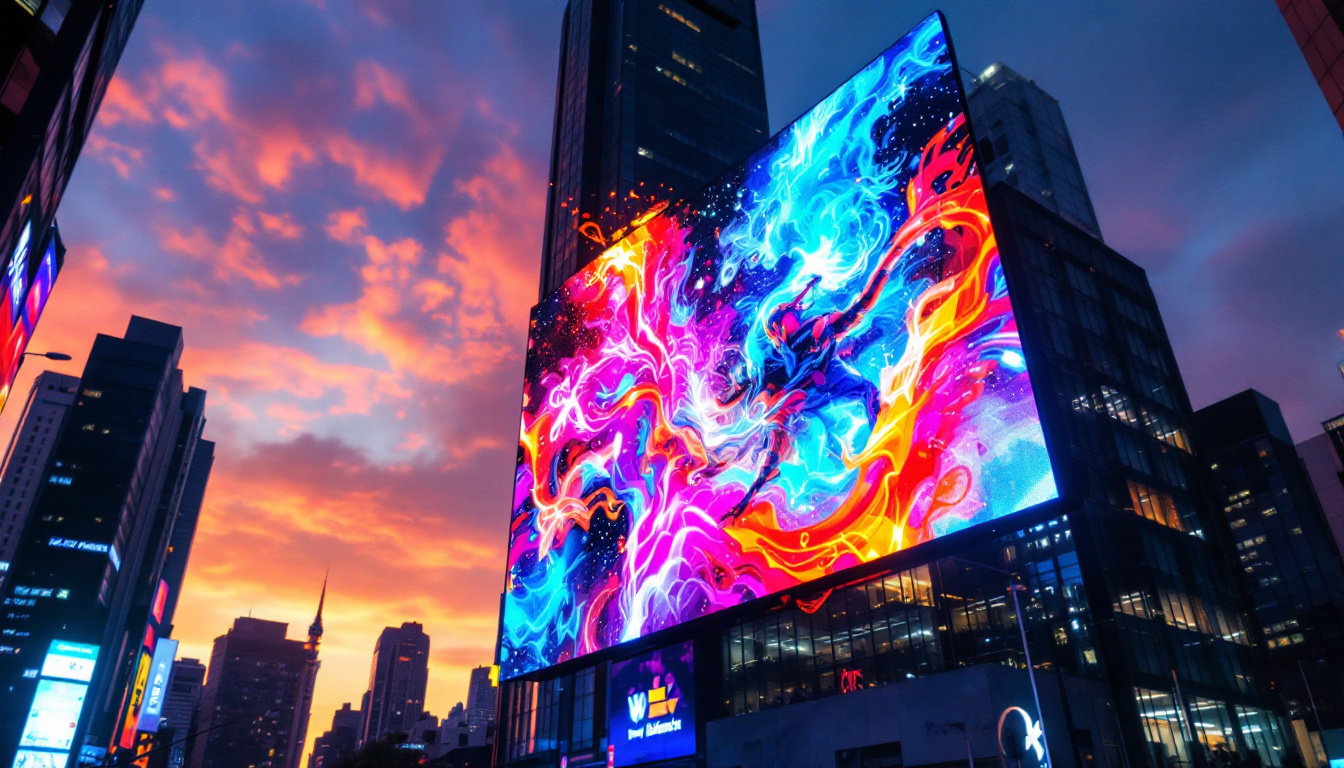
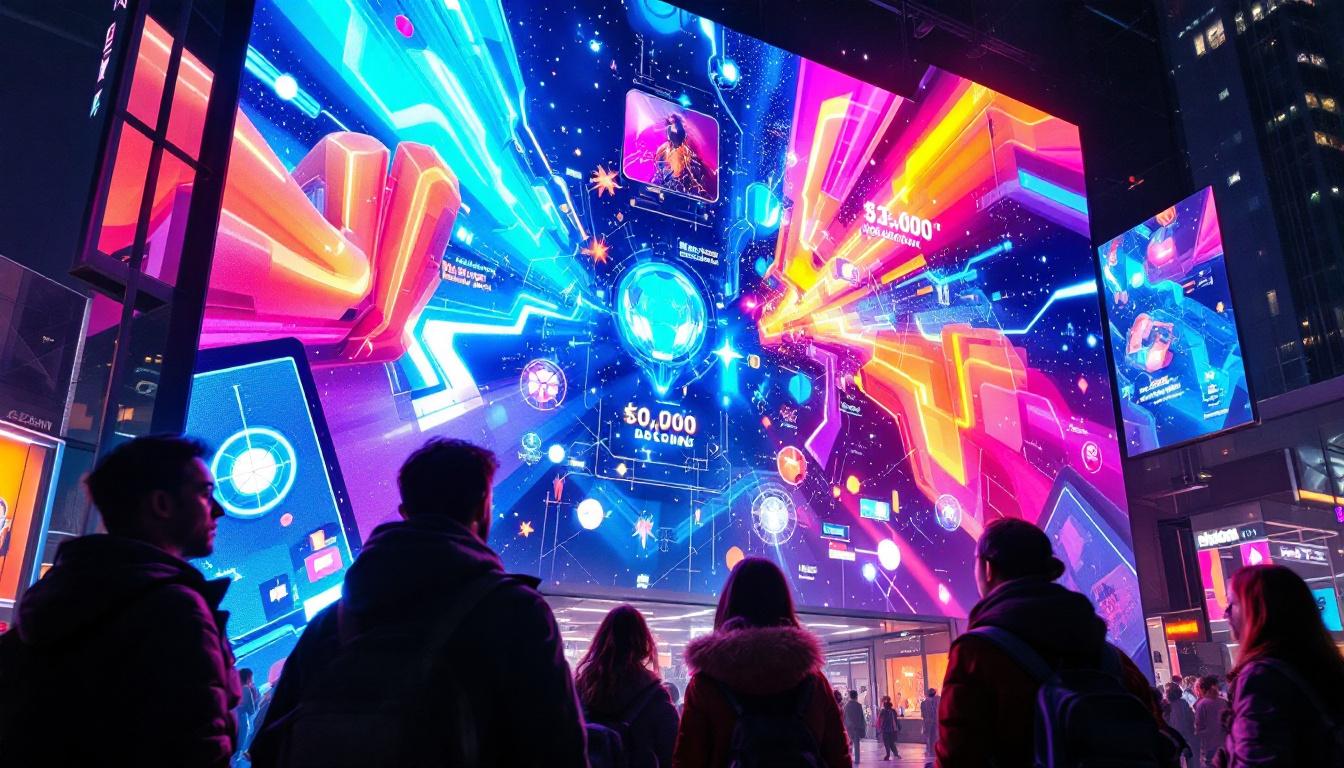
One of the most visible uses of LED displays is in outdoor advertising. Digital billboards powered by LED technology offer dynamic content that can be updated remotely and in real-time. According to industry reports, the global digital out-of-home (DOOH) advertising market is expected to reach over $32 billion by 2027, driven largely by LED display adoption.
LED billboards provide advertisers with the flexibility to show multiple ads in rotation, target specific demographics based on time of day, and incorporate interactive elements. Their high brightness ensures visibility even in direct sunlight, making them effective for capturing the attention of drivers and pedestrians alike.
Sports and Entertainment Venues
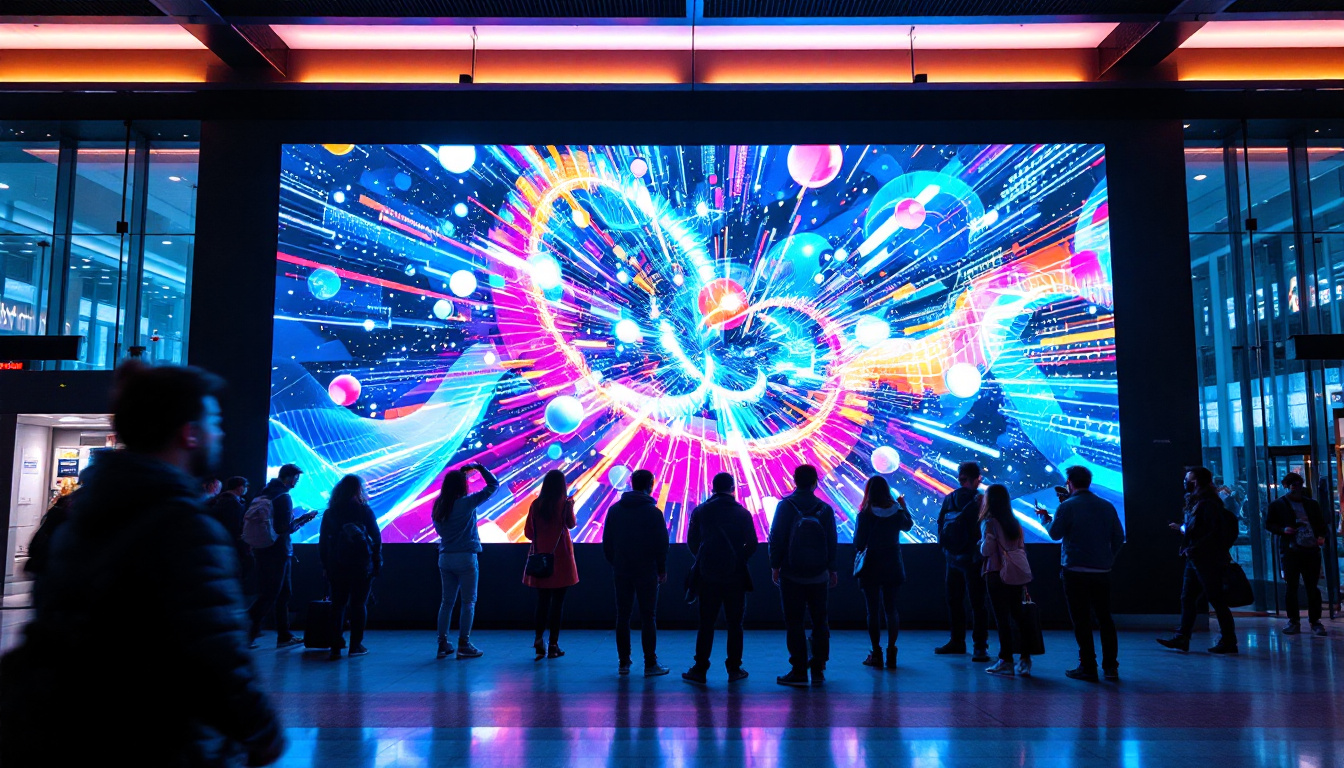
LED displays have revolutionized the spectator experience in stadiums and arenas. Giant LED screens display live game footage, replays, and interactive content, enhancing fan engagement. For example, the AT&T Stadium in Texas features one of the largest high-definition LED screens in the world, measuring 160 feet wide and 72 feet high.
Beyond sports, concerts and live events utilize LED displays for stage backdrops, visual effects, and immersive environments. The ability to customize content and synchronize with audio and lighting systems creates memorable experiences that captivate audiences.
Corporate and Retail Spaces
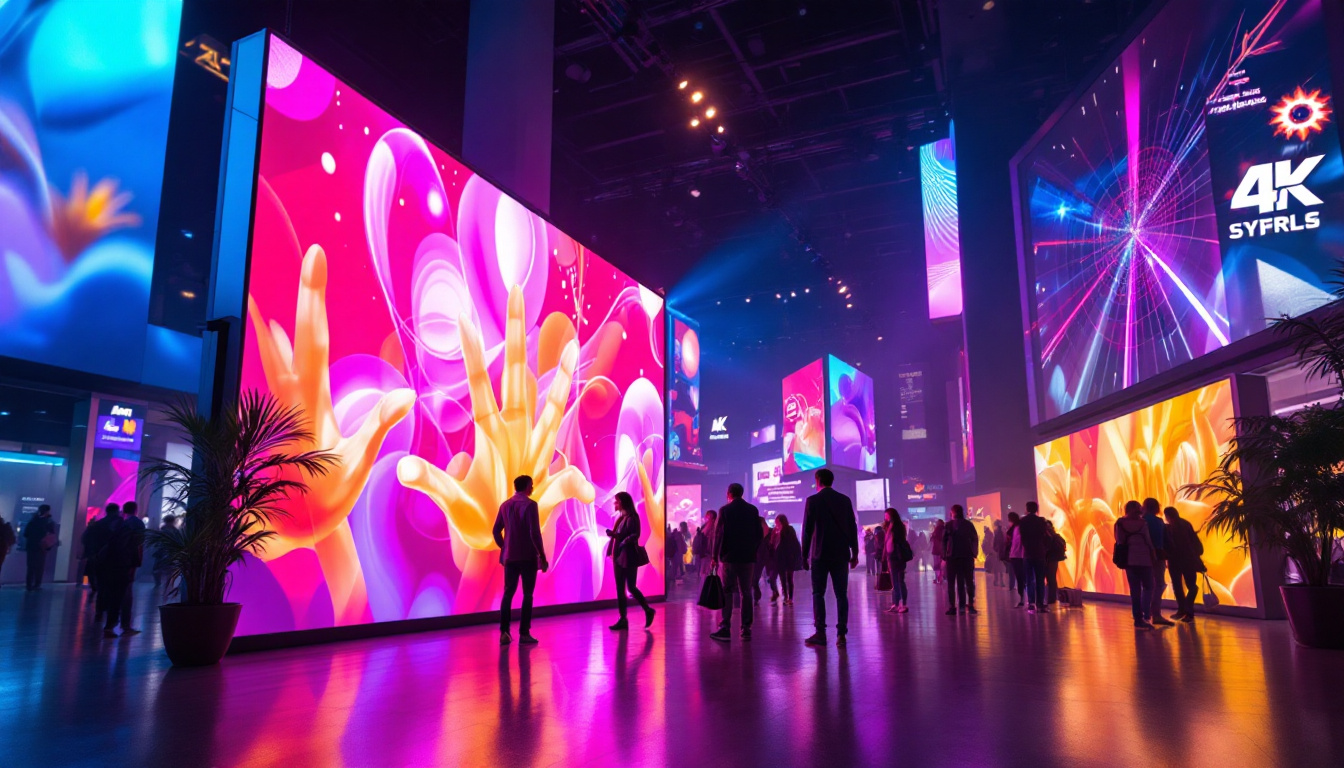
In corporate settings, LED displays serve as digital signage for presentations, branding, and communication. Retailers use LED walls to showcase products, promotions, and interactive advertisements that attract shoppers and influence purchasing decisions.
With the rise of smart buildings and IoT integration, LED displays are increasingly connected to data sources, enabling real-time updates such as stock levels, weather information, or social media feeds. This interactivity enhances customer engagement and operational efficiency.
Transportation and Public Information
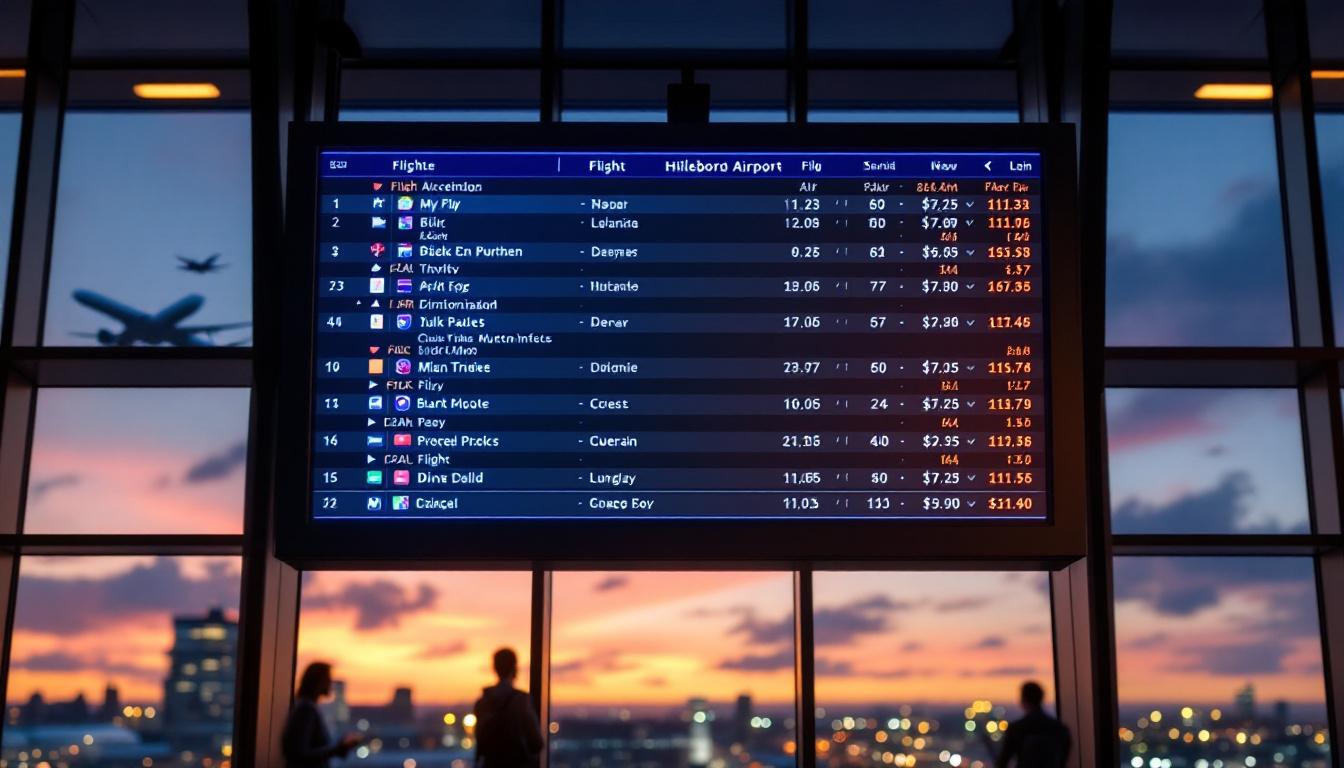
Transportation hubs like airports, train stations, and bus terminals rely on LED displays for clear and timely information dissemination. These displays provide schedules, directions, alerts, and emergency messages, improving passenger experience and safety.
In urban environments, LED screens are also used for public art installations and community messaging, contributing to smart city initiatives that leverage technology for better urban living.
Key Advantages of LED Displays
Superior Brightness and Visibility
LED displays can achieve brightness levels far exceeding those of LCD or projection screens. Outdoor LED displays often reach brightness levels of 5,000 to 7,000 nits, ensuring visibility even under direct sunlight. This makes them ideal for environments where ambient light conditions are challenging.
Energy Efficiency and Longevity
Compared to other display technologies, LEDs consume less power while delivering high brightness. Advances in LED materials and driver electronics have improved energy efficiency, reducing operational costs. Additionally, LEDs have a long lifespan, often exceeding 100,000 hours of operation, which translates to years of reliable service with minimal maintenance.
Scalability and Flexibility
LED displays can be built to virtually any size and shape by combining modular panels. This scalability allows for creative installations, from small indoor screens to massive outdoor video walls. Flexible and transparent LED technologies further expand design possibilities, enabling architects and designers to integrate displays seamlessly into various environments.
High Refresh Rates and Color Accuracy
Modern LED displays support high refresh rates, reducing flicker and motion blur, which is especially important for video content and live broadcasts. Their ability to render vibrant and accurate colors enhances visual appeal and ensures that branding and messaging are delivered with impact.
Challenges and Considerations When Choosing LED Displays
Cost Factors
While LED displays offer many benefits, initial investment costs can be significant, especially for high-resolution indoor screens or large outdoor installations. The price depends on factors such as pixel pitch, screen size, brightness, and additional features like weatherproofing or touch interactivity.
However, the total cost of ownership should consider energy savings, reduced maintenance, and the potential revenue generated through dynamic advertising or enhanced customer engagement.
Installation and Maintenance
Proper installation is critical to ensure optimal performance and longevity. Outdoor LED displays require weatherproof enclosures, cooling systems, and secure mounting structures. Indoor installations must consider viewing angles, ambient lighting, and integration with existing AV systems.
Maintenance involves periodic cleaning, calibration, and component replacement. Many manufacturers offer service contracts and remote monitoring solutions to detect and address issues proactively.
Pixel Pitch and Viewing Distance
Choosing the right pixel pitch is essential for image clarity. A smaller pixel pitch is necessary for close viewing distances, such as indoor retail displays, while larger pixel pitches are acceptable for distant viewing, like highway billboards. Incorrect pixel pitch selection can result in pixelation or blurred images, diminishing the effectiveness of the display.
Environmental Impact and Sustainability
As with any electronic device, LED displays have environmental considerations. Manufacturers are increasingly adopting eco-friendly materials and recycling programs. Energy-efficient designs and smart brightness controls also help reduce the carbon footprint of LED installations.
The Future of LED Display Technology
MicroLED and MiniLED Innovations
Emerging technologies like MicroLED and MiniLED promise to enhance LED displays further. MicroLEDs are significantly smaller than traditional LEDs, enabling even higher resolutions and thinner displays with improved contrast and color accuracy. These advancements could revolutionize consumer electronics, including TVs and smartphones, as well as commercial displays.
Integration with Touch and Interactive Technologies
Touch-enabled LED displays are gaining traction, allowing users to interact directly with large screens. This interactivity is transforming retail environments, museums, and corporate spaces by enabling dynamic presentations, wayfinding, and immersive experiences.
AI and Content Personalization
Artificial intelligence is being integrated with LED display systems to deliver personalized content based on audience demographics, behavior, and environmental factors. This capability enhances marketing effectiveness and user engagement by tailoring messages in real-time.
Energy Harvesting and Smart Displays
Future LED displays may incorporate energy harvesting technologies, such as solar panels, to further reduce power consumption. Smart displays connected to IoT networks will provide seamless integration with other building systems, enabling adaptive brightness, content scheduling, and predictive maintenance.
Conclusion
LED displays have transformed the landscape of visual communication, offering unparalleled brightness, versatility, and engagement opportunities. From towering outdoor billboards to sleek indoor video walls, their impact spans industries and environments. Understanding the technology behind LED displays, their applications, and the considerations involved in selecting and maintaining them is essential for businesses and organizations looking to leverage this powerful medium.
As LED technology continues to evolve, driven by innovations like MicroLED and AI integration, the future promises even more immersive and efficient visual experiences. Whether for advertising, entertainment, or information dissemination, LED displays remain at the forefront of big screen touch technology, illuminating the way forward.
Illuminate Your Space with LumenMatrix
Ready to elevate your visual communication with the brilliance of LED technology? Discover LumenMatrix’s innovative solutions, from vibrant Indoor and Outdoor LED Wall Displays to dynamic Vehicle and Sports LED Displays. Whether you’re looking to captivate with a Custom LED Display or engage with an All-in-One solution, LumenMatrix is your partner in creating immersive visual experiences. Check out LumenMatrix LED Display Solutions today and transform your space into a beacon of engagement and clarity.