In the ever-evolving world of smartphones, display technology plays a pivotal role in shaping user experience. Among the various display types, LED displays have become synonymous with vibrant colors, deep contrasts, and energy efficiency. As manufacturers push the boundaries of screen size, understanding the nuances of LED display technology is essential for consumers looking to invest in the biggest display phones available today.
The Evolution of Smartphone Displays
Smartphone displays have come a long way since the early days of monochrome LCDs. The quest for larger, clearer, and more energy-efficient screens has driven innovation across several display technologies. Initially, LCD (Liquid Crystal Display) dominated the market, offering decent brightness and color reproduction. However, LCDs rely on backlighting, which can limit contrast ratios and impact battery life.
Enter LED (Light Emitting Diode) technology, which revolutionized the way screens are illuminated. While traditional LED displays use LEDs solely as a backlight source for LCD panels, advancements have led to the development of OLED (Organic LED) and MicroLED displays, where each pixel emits its own light. These innovations have enabled smartphones to feature bigger displays without compromising on image quality or power consumption.
The introduction of OLED technology marked a significant turning point in smartphone displays. With the ability to achieve true blacks and vibrant colors, OLED screens have become the preferred choice for high-end devices. This technology allows for thinner and more flexible displays, paving the way for innovative designs such as curved screens and foldable smartphones. Furthermore, the energy efficiency of OLED displays means that users can enjoy longer battery life, even with larger screens, enhancing the overall user experience.
As we look toward the future, the development of MicroLED technology promises even more exciting possibilities. MicroLED displays offer the advantages of OLED, such as high contrast and vibrant colors, but with improved brightness and longevity. This technology could lead to screens that are not only more durable but also capable of displaying a wider color gamut and higher resolutions. As manufacturers continue to push the boundaries of display technology, we can expect to see even more immersive experiences in mobile gaming, augmented reality, and video streaming, transforming how we interact with our devices.
Understanding LED Display Technology
What is an LED Display?
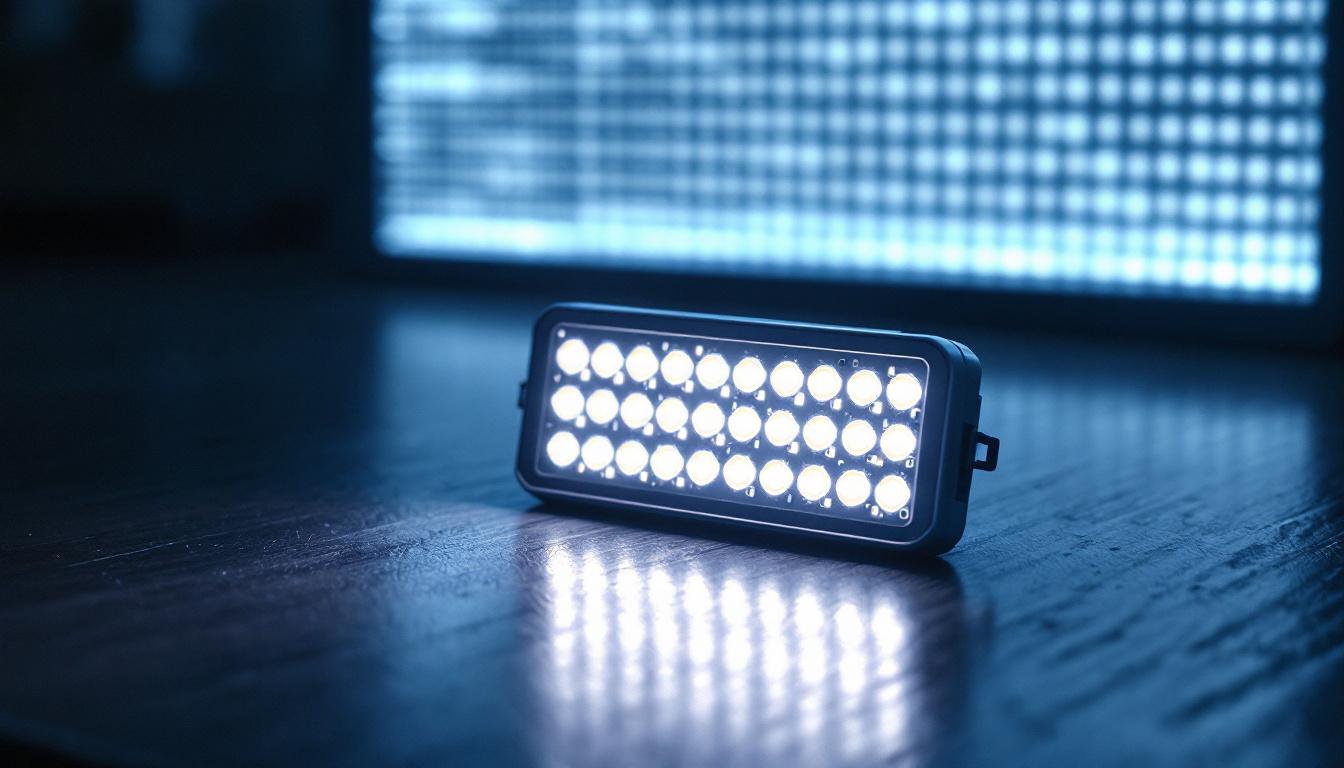
At its core, an LED display uses light-emitting diodes to illuminate the screen. In conventional LED-backlit LCDs, a matrix of LEDs provides the backlight behind an LCD panel that controls color and image formation. This setup improves brightness and energy efficiency compared to older CCFL (Cold Cathode Fluorescent Lamp) backlights. The transition to LED technology has not only enhanced visual quality but has also contributed to a significant reduction in power consumption, making devices more sustainable and cost-effective over time.
More advanced forms, such as OLED and MicroLED, differ fundamentally. OLED displays consist of organic compounds that emit light when an electric current passes through them, eliminating the need for a separate backlight. This characteristic allows for thinner screens and greater flexibility in design, enabling innovations like curved displays and foldable smartphones. MicroLED technology uses microscopic LEDs that function as individual pixels, offering superior brightness, contrast, and longevity. The self-emissive nature of MicroLED also means that it can achieve high dynamic range (HDR) effects, providing an immersive viewing experience that is particularly appealing for gaming and multimedia consumption.
Types of LED Displays in Smartphones
Understanding the distinctions between LED display types is crucial when considering the biggest display phones:
- LED-backlit LCD: Uses an LCD panel with LED backlighting. Common in mid-range smartphones, it offers good brightness but limited contrast. These displays are often more affordable to produce, making them a popular choice for budget-conscious consumers.
- OLED (Organic LED): Each pixel emits its own light, enabling true blacks and vibrant colors. Widely used in flagship smartphones, OLED technology enhances the viewing experience by providing deeper contrasts and a more dynamic color range, which is especially noticeable in darker scenes.
- AMOLED (Active Matrix OLED): A subtype of OLED with faster refresh rates and better power efficiency, ideal for large, high-resolution displays. This technology is particularly beneficial for users who enjoy gaming or streaming high-definition content, as it minimizes motion blur and enhances overall fluidity.
- MicroLED: An emerging technology promising higher brightness, better color accuracy, and longer lifespan than OLED, though currently rare in smartphones. Its modular nature allows for larger screen sizes without compromising on resolution, making it a potential game-changer for future mobile devices.
As the demand for high-quality displays continues to rise, manufacturers are constantly innovating and refining these technologies. The competition among display types has led to rapid advancements, with each new generation offering improvements in color accuracy, energy efficiency, and durability. Furthermore, as consumers become more discerning about their viewing experiences, features such as adaptive brightness, blue light filtering, and enhanced refresh rates are becoming standard, ensuring that users enjoy optimal performance in various lighting conditions and usage scenarios.
The Race for the Biggest Display Phone
Screen size has become a major selling point for many consumers, especially those who use their phones for multimedia consumption, gaming, and productivity. The trend towards bigger displays is evident in the market, with smartphones now commonly featuring screens exceeding 6.5 inches diagonally.
Current Leaders in Large Display Smartphones
As of 2024, several models stand out for their impressive screen real estate:
- Samsung Galaxy S23 Ultra: Featuring a 6.8-inch AMOLED display, it offers a 3200 x 1440 resolution with a 120Hz refresh rate, combining size with stunning clarity.
- OnePlus 11 Pro: Equipped with a 6.7-inch AMOLED display, it balances size with excellent color accuracy and smooth performance.
- ASUS ROG Phone 7 Ultimate: A gaming-centric phone with a 6.78-inch AMOLED display, boasting a 165Hz refresh rate for ultra-smooth visuals.
- Xiaomi Mi Max 3: Although a few years old, it remains notable for its massive 6.9-inch IPS LCD display, catering to those who prefer larger screens at a budget price.
These examples illustrate how manufacturers leverage LED-based technologies to maximize screen size without sacrificing display quality.
Challenges of Bigger Displays
While larger displays offer immersive experiences, they also present engineering challenges:
- Power Consumption: Bigger screens require more energy, potentially reducing battery life. LED technologies like OLED help mitigate this by lighting only the necessary pixels.
- Device Size and Ergonomics: Increasing screen size often means a larger phone, which can impact one-handed usability and pocketability.
- Durability: Larger glass surfaces are more prone to damage. Manufacturers use tougher materials like Gorilla Glass Victus to enhance durability.
Benefits of LED Displays in Large Smartphones
Superior Image Quality
LED-based displays, especially OLED and AMOLED, offer exceptional image quality. Their ability to produce true blacks by turning off individual pixels results in infinite contrast ratios. This enhances visual depth and makes colors pop, which is particularly noticeable on larger screens.
High resolutions combined with LED technology ensure sharp text and detailed images, making reading, streaming, and gaming more enjoyable on big displays.
Energy Efficiency
One of the standout advantages of LED displays is their energy efficiency. OLED and AMOLED screens consume less power when displaying darker images, which is beneficial for battery life, especially on large phones where screen power draw is significant.
Manufacturers also implement adaptive refresh rates, allowing the display to lower its refresh rate during static content viewing, further conserving energy.
Thin and Flexible Designs
LED technology enables thinner and more flexible displays compared to traditional LCDs. This has paved the way for foldable and curved smartphones, which maximize screen size without increasing the overall device footprint.
Foldable phones like the Samsung Galaxy Z Fold series use flexible AMOLED panels to offer tablet-sized displays in a pocketable form factor, redefining what “biggest display” means.
Future Trends in LED Display Technology
MicroLED: The Next Frontier
MicroLED technology promises to combine the best features of OLED and traditional LEDs. With microscopic LEDs acting as individual pixels, MicroLED displays offer higher brightness levels, superior color accuracy, and longer lifespan without the burn-in issues associated with OLED.
Although still in early stages for smartphones, companies are investing heavily in MicroLED research. The technology could soon enable even larger, brighter, and more durable displays for mobile devices.
Higher Refresh Rates and HDR Enhancements
As content becomes more dynamic, higher refresh rates (120Hz, 165Hz, and beyond) are becoming standard in flagship phones. LED displays are evolving to support these smoother visuals without compromising battery life.
High Dynamic Range (HDR) support is also improving, allowing phones to display a wider range of colors and brightness levels. This makes watching HDR movies or playing HDR-enabled games on large LED displays a truly immersive experience.
Integration with Advanced Features
Future LED displays will integrate more seamlessly with other smartphone technologies. Under-display fingerprint sensors, improved touch sensitivity, and enhanced durability coatings are becoming standard, ensuring that bigger displays do not compromise functionality.
Choosing the Right Big Display Phone for You
When selecting a smartphone with a large LED display, several factors should guide your decision:
- Display Type: OLED and AMOLED displays generally offer better contrast and color than LED-backlit LCDs.
- Screen Size vs. Usability: Consider how comfortable the phone feels in your hand and pocket. Sometimes, a slightly smaller screen with better ergonomics is preferable.
- Battery Life: Larger displays consume more power, so look for phones with bigger batteries or efficient display technologies.
- Resolution and Refresh Rate: Higher resolution ensures sharpness, while higher refresh rates provide smoother visuals, especially for gaming.
- Durability: Look for phones with robust glass and water resistance ratings to protect your investment.
Ultimately, the biggest display phone should align with your daily usage patterns, whether that’s media consumption, gaming, productivity, or photography.
Conclusion
The landscape of smartphone displays continues to evolve rapidly, with LED technology at the forefront of delivering bigger, brighter, and more energy-efficient screens. From LED-backlit LCDs to cutting-edge OLED and emerging MicroLED panels, the options available today cater to a wide range of preferences and budgets.
As manufacturers push the limits of screen size, understanding the underlying LED display technology helps consumers make informed choices. Whether seeking the immersive experience of a 6.8-inch AMOLED flagship or the practicality of a large LCD screen, LED displays remain central to the future of mobile innovation.
In the quest for the biggest display phone, LED technology ensures that size is matched by quality, efficiency, and functionality—delivering devices that truly enhance the way users interact with their digital world.
Discover the Future of Large Display Phones with LumenMatrix
As you contemplate the vast possibilities of LED display technology in smartphones, LumenMatrix stands at the cutting edge, ready to illuminate your world with our innovative LED display solutions. From immersive Indoor LED Wall Displays to dynamic Outdoor LED Wall Displays, and from versatile Vehicle LED Displays to engaging LED Sports Displays, we offer a spectrum of options to fit your unique needs. Embrace the future of visual communication with LumenMatrix and experience how our LED display modules can transform your brand’s visibility and audience engagement. Don’t just read about the biggest display phones—be a part of the revolution. Check out LumenMatrix LED Display Solutions and see the difference for yourself.