Best Design For TV Wall: LED Display Explained
In the evolving world of home entertainment and digital displays, the TV wall has become a centerpiece for both residential and commercial spaces. Among the various display technologies available, LED displays stand out for their vibrant colors, energy efficiency, and flexibility in design. This article explores the best design practices for TV walls using LED displays, providing a comprehensive understanding of why LED is often the preferred choice and how to optimize its use for stunning visual impact.
Understanding LED Displays: The Foundation of Modern TV Walls
What is an LED Display?
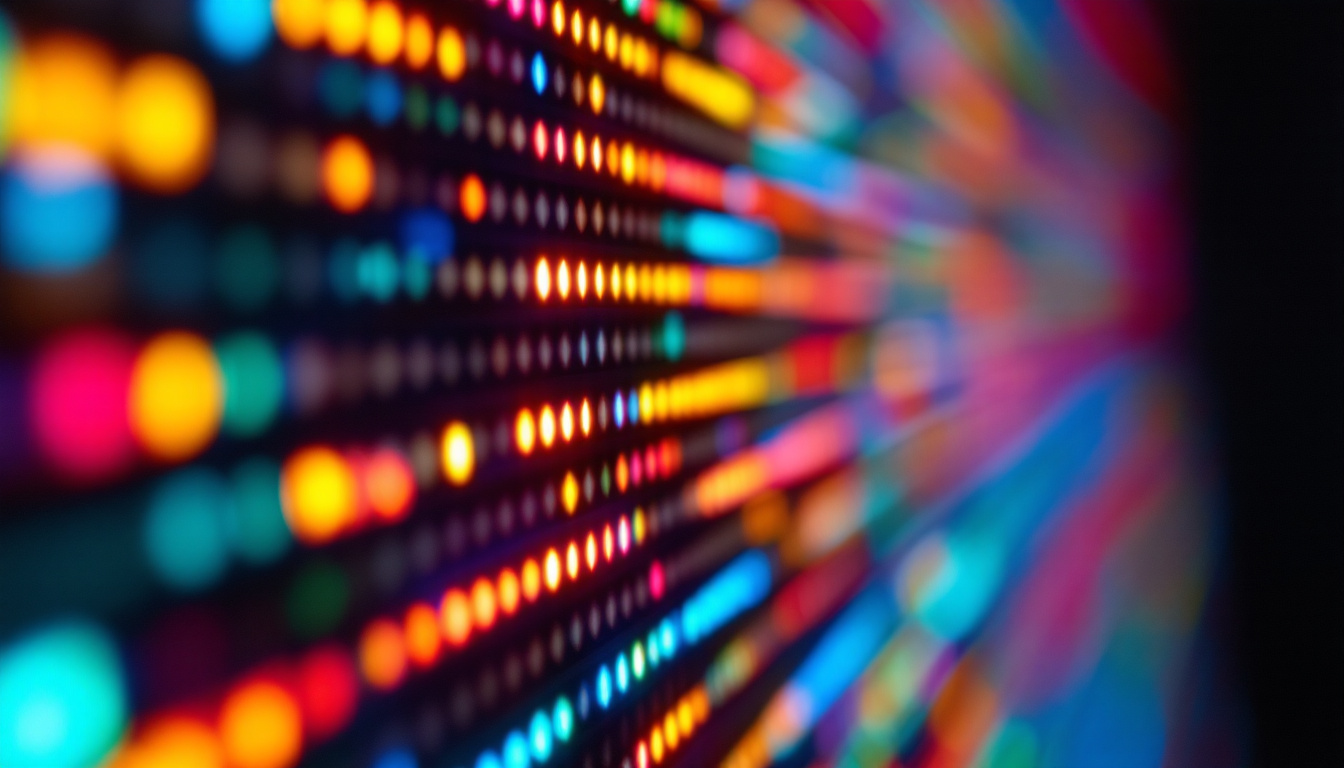
LED, or Light Emitting Diode, displays are screens that use an array of tiny light-emitting diodes to produce images. Unlike traditional LCD screens that rely on backlighting, LED displays emit their own light, which results in higher brightness, better contrast, and more vivid colors. This technology is widely used in everything from smartphones to massive outdoor billboards.
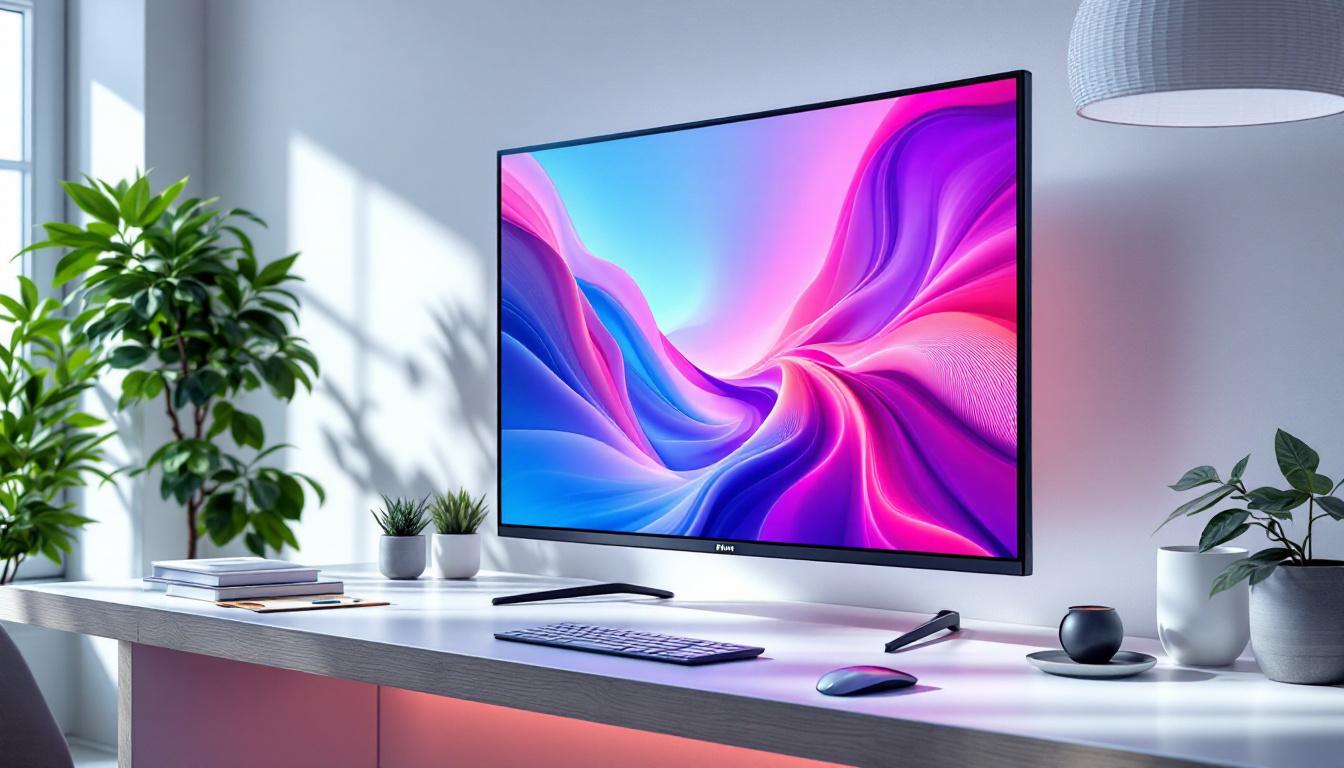
When applied to TV walls, LED displays can be configured in various sizes and shapes, making them ideal for creating large, seamless screens that captivate viewers. The modular nature of LED panels allows for customization that fits perfectly into any space, whether it’s a living room, conference hall, or retail environment. Additionally, the flexibility in design means that businesses can create unique visual experiences tailored to their branding and audience. For instance, curved or irregularly shaped displays can enhance the immersive experience, drawing viewers in and making the content more engaging.
Types of LED Displays for TV Walls
There are primarily two types of LED displays used in TV walls: Direct View LED (DVLED) and LED-backlit LCD. Direct View LED screens consist of individual LEDs that form the image directly on the screen, offering superior brightness and contrast. These are typically used for larger installations and professional settings. The pixel pitch, or the distance between the individual LEDs, can be adjusted to achieve different resolutions, ensuring that even at close viewing distances, the images remain sharp and clear.
On the other hand, LED-backlit LCDs use LEDs as a backlight behind an LCD panel. While they are more common in consumer TVs, they lack the seamless scalability of DVLEDs and are less suitable for large TV walls. Understanding these differences is crucial when designing a TV wall to ensure the right technology is selected for the intended application. Moreover, LED-backlit LCDs can sometimes suffer from issues like light bleed and limited viewing angles, which can detract from the overall viewing experience. As technology continues to evolve, innovations such as mini-LED and micro-LED are emerging, promising even greater performance and efficiency, thus expanding the possibilities for future TV wall designs and applications.
Why Choose LED Displays for TV Walls?
Exceptional Visual Quality
One of the most compelling reasons to choose LED displays for TV walls is their outstanding visual quality. LED screens deliver high brightness levels—often exceeding 1,000 nits—which makes them visible even in well-lit rooms or outdoor environments. Their ability to produce deep blacks and vibrant colors enhances the viewing experience dramatically.
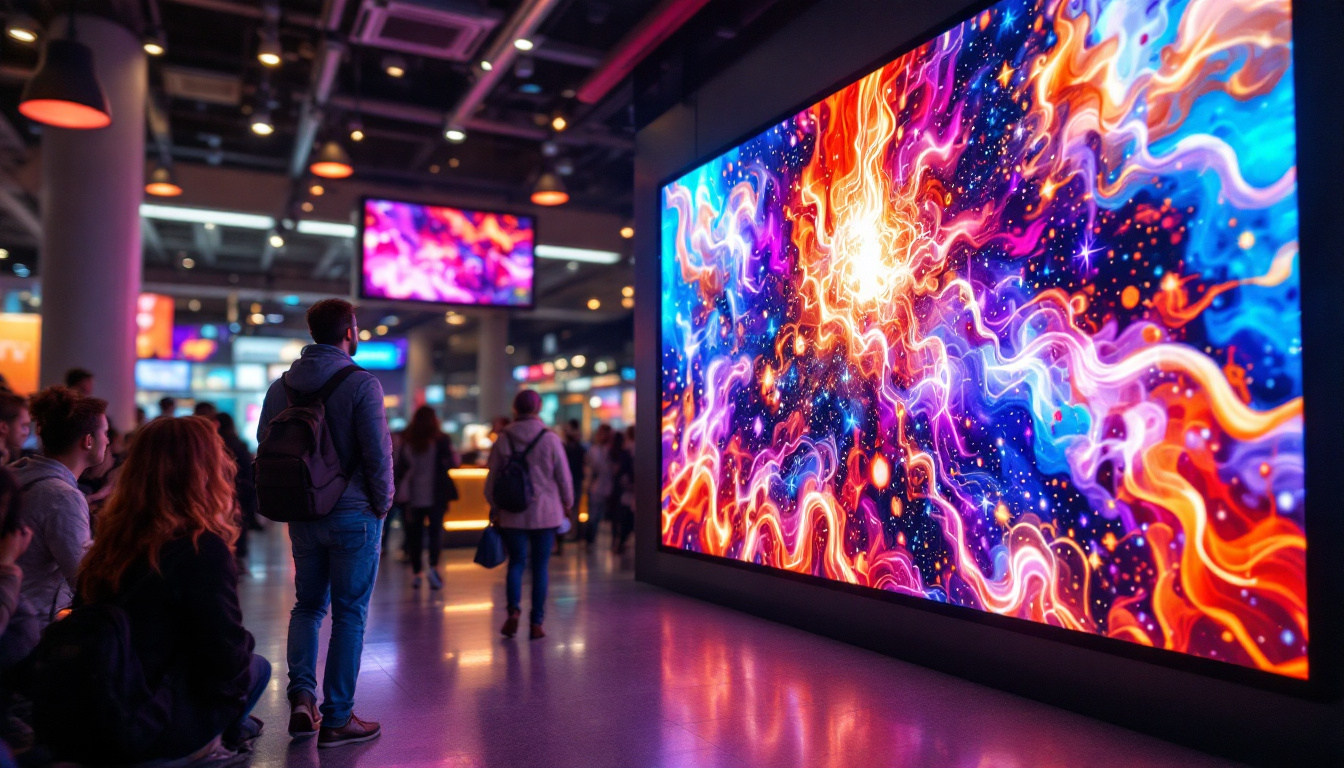
For example, in commercial settings like airports or shopping malls, LED TV walls can maintain image clarity despite ambient lighting conditions. This makes them ideal for advertising, information displays, and immersive entertainment.
Scalability and Flexibility in Design
LED panels are modular, meaning they can be assembled in a variety of configurations without visible seams. This flexibility allows designers to create TV walls of virtually any size or shape, from ultra-wide panoramic displays to curved or angled installations.
This adaptability is particularly valuable in modern architectural designs where traditional rectangular screens might not fit the aesthetic or spatial requirements. LED TV walls can wrap around corners or integrate with other design elements, providing a truly custom visual centerpiece.
Energy Efficiency and Longevity
Compared to other display technologies, LED displays are highly energy-efficient. They consume less power while delivering brighter images, which translates into lower operational costs over time. Additionally, LED panels have a long lifespan, often rated at 50,000 to 100,000 hours, reducing the need for frequent replacements.
This durability makes LED TV walls a cost-effective investment for both residential and commercial users, ensuring consistent performance without significant maintenance expenses.
Design Considerations for the Best LED TV Wall
Screen Resolution and Pixel Pitch
Resolution is a critical factor in LED TV wall design. It determines the clarity and detail of the displayed image. Pixel pitch—the distance between the centers of two adjacent pixels—directly affects resolution; smaller pixel pitches mean higher resolution and sharper images.
For indoor TV walls, pixel pitches typically range from 0.9mm to 2.5mm, providing crisp visuals even at close viewing distances. Outdoor or large-scale installations may use larger pixel pitches (3mm to 10mm) because viewers are generally farther away.
Choosing the appropriate pixel pitch ensures that the TV wall delivers optimal image quality without unnecessary costs associated with ultra-high resolutions that may not be perceptible from typical viewing distances.
Viewing Distance and Angle
The ideal design of an LED TV wall also depends on the typical viewing distance and angle. For home theaters or conference rooms, where viewers are close to the screen, high-resolution panels with narrow pixel pitch are essential. In contrast, public spaces with viewers at a distance can afford larger pixel pitches.
Viewing angle is another important consideration. LED displays generally offer wide viewing angles, often exceeding 160 degrees horizontally and vertically, ensuring consistent image quality from various positions. This is particularly important for TV walls in public or multi-purpose spaces.
Brightness and Ambient Lighting
Ambient lighting conditions significantly influence the choice of LED display brightness. In brightly lit environments, such as retail stores or outdoor venues, high-brightness LED panels (up to 5,000 nits or more) are necessary to maintain visibility and color accuracy.
Conversely, in controlled lighting environments like home theaters, lower brightness levels are preferable to prevent eye strain and preserve image contrast. Many LED TV walls come with adjustable brightness settings to accommodate varying lighting conditions.
Installation and Maintenance
Designing a TV wall with LED displays requires careful planning for installation and maintenance. Modular LED panels are designed for easy assembly and disassembly, which simplifies installation and allows for quick repairs or upgrades.
It is important to ensure that the mounting structure is robust and provides adequate ventilation to prevent overheating. Additionally, accessibility for maintenance personnel should be considered to minimize downtime and maintain optimal performance.
Popular Applications of LED TV Walls
Residential Use: Elevating Home Entertainment
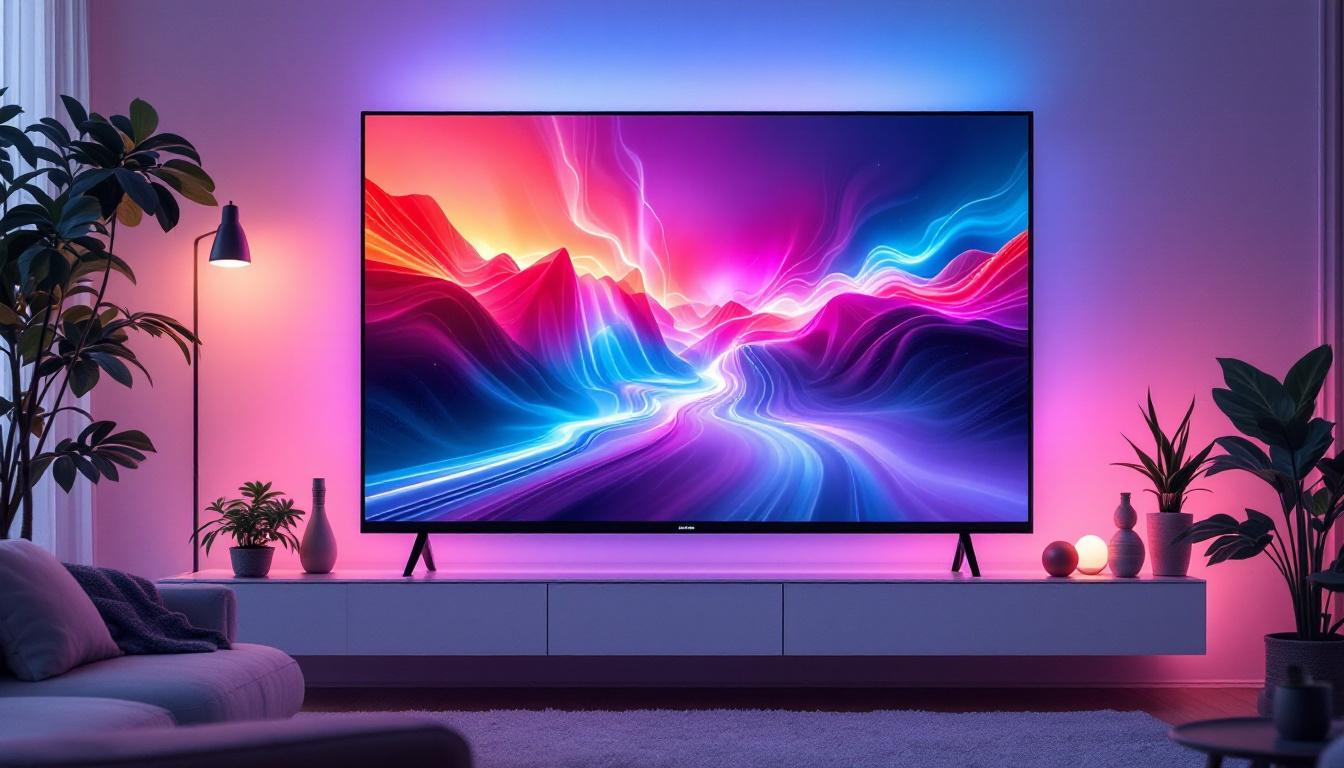
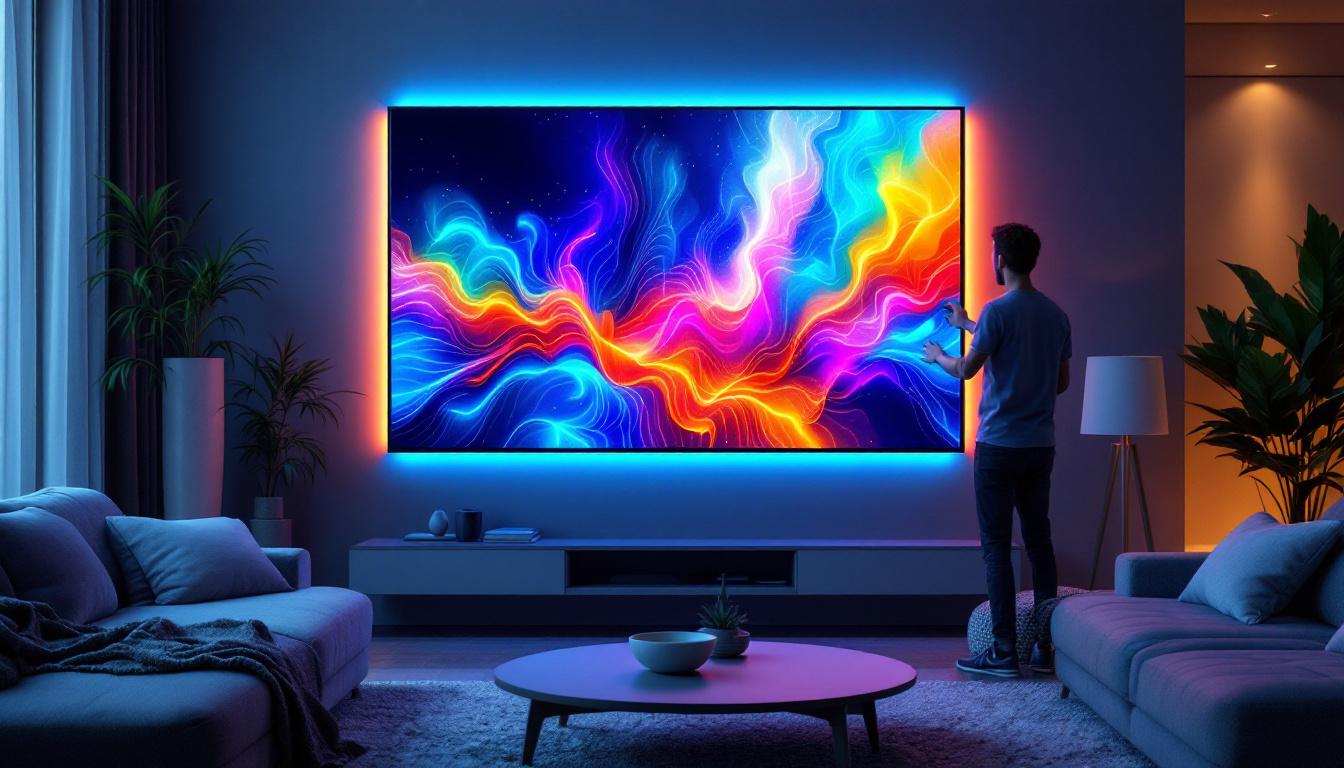
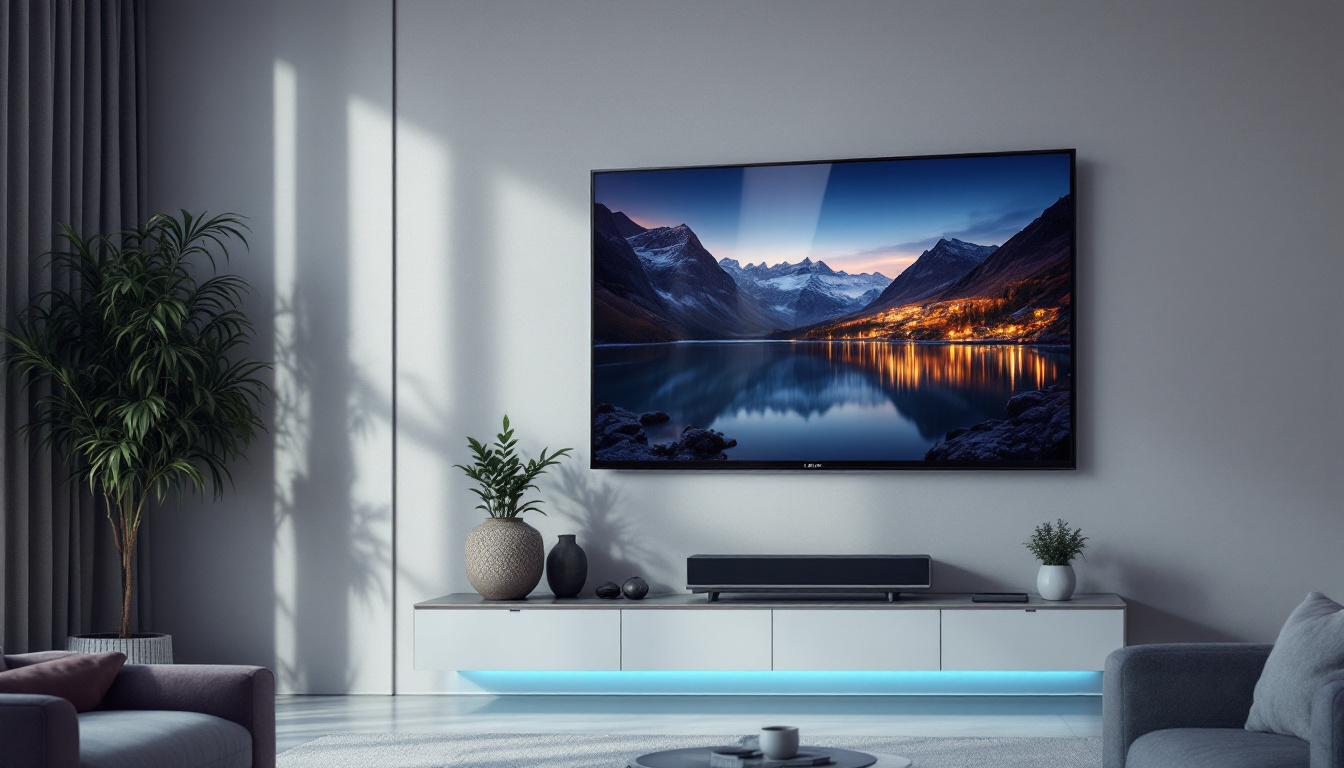
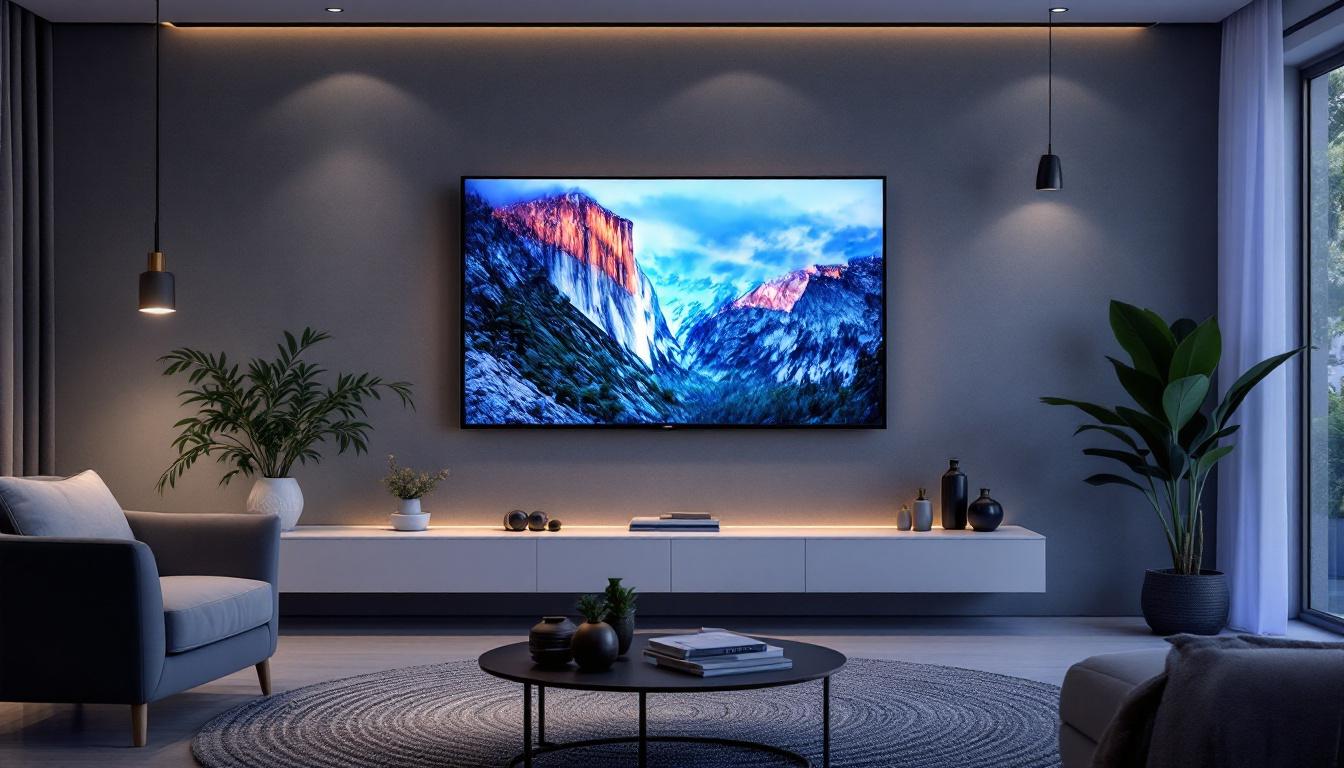
In luxury homes and modern apartments, LED TV walls are increasingly popular as a statement piece that combines technology with interior design. Homeowners use LED walls to create immersive home theaters, gaming rooms, or ambient lighting features that transform living spaces.
The ability to customize size and shape allows integration with architectural elements such as fireplaces, shelving, or accent walls, making the TV wall both functional and aesthetically pleasing.
Corporate and Conference Rooms
LED TV walls are transforming corporate environments by enhancing presentations, video conferencing, and digital signage. Large, high-resolution LED walls provide clear visuals for meetings and events, improving communication and engagement.
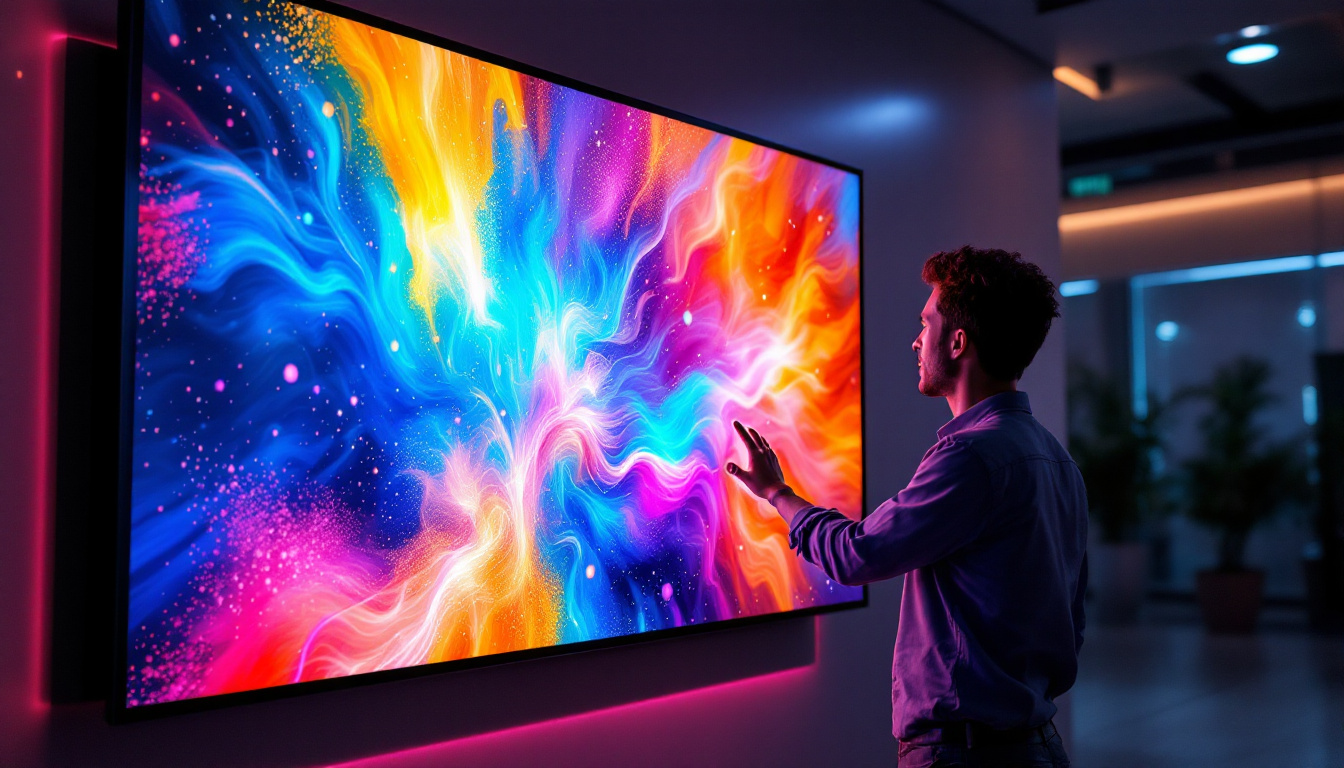
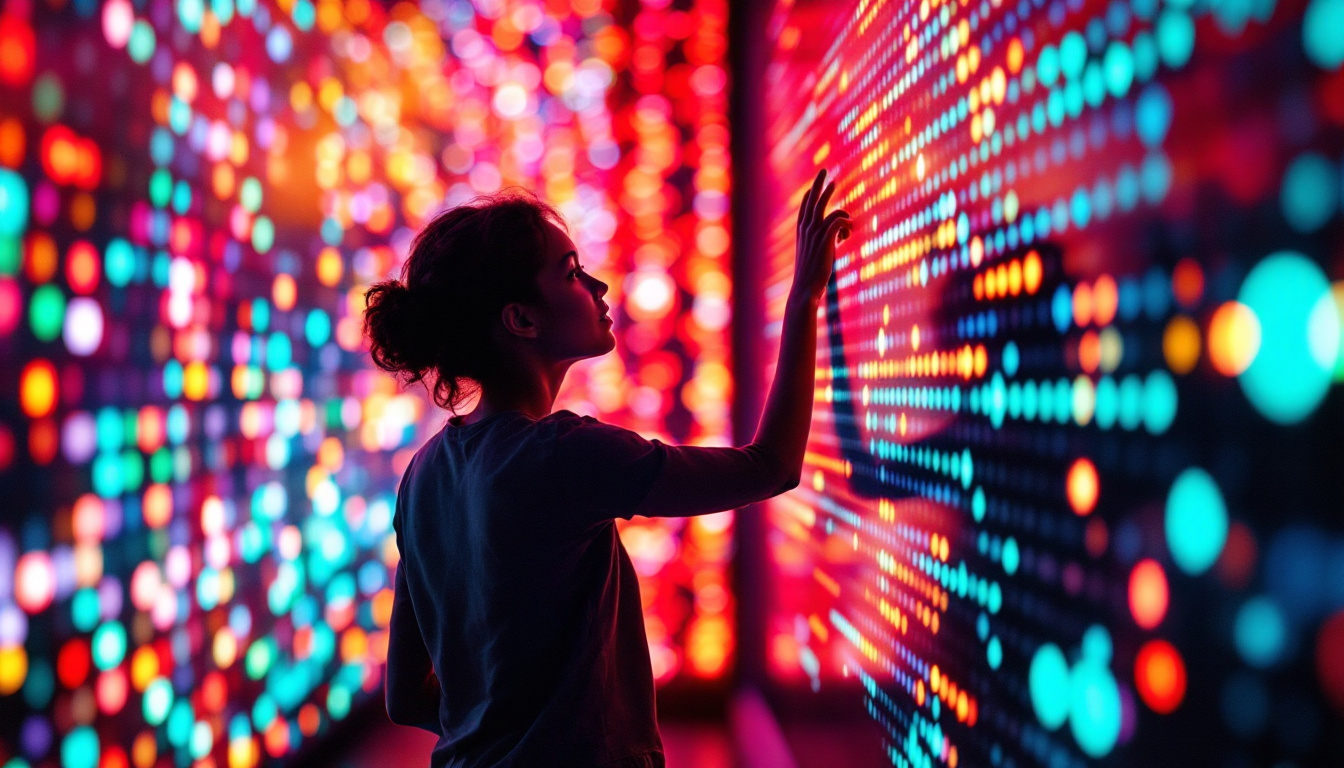
Many companies invest in interactive LED walls that support touch capabilities and real-time data display, fostering collaboration and dynamic presentations.
Retail and Advertising
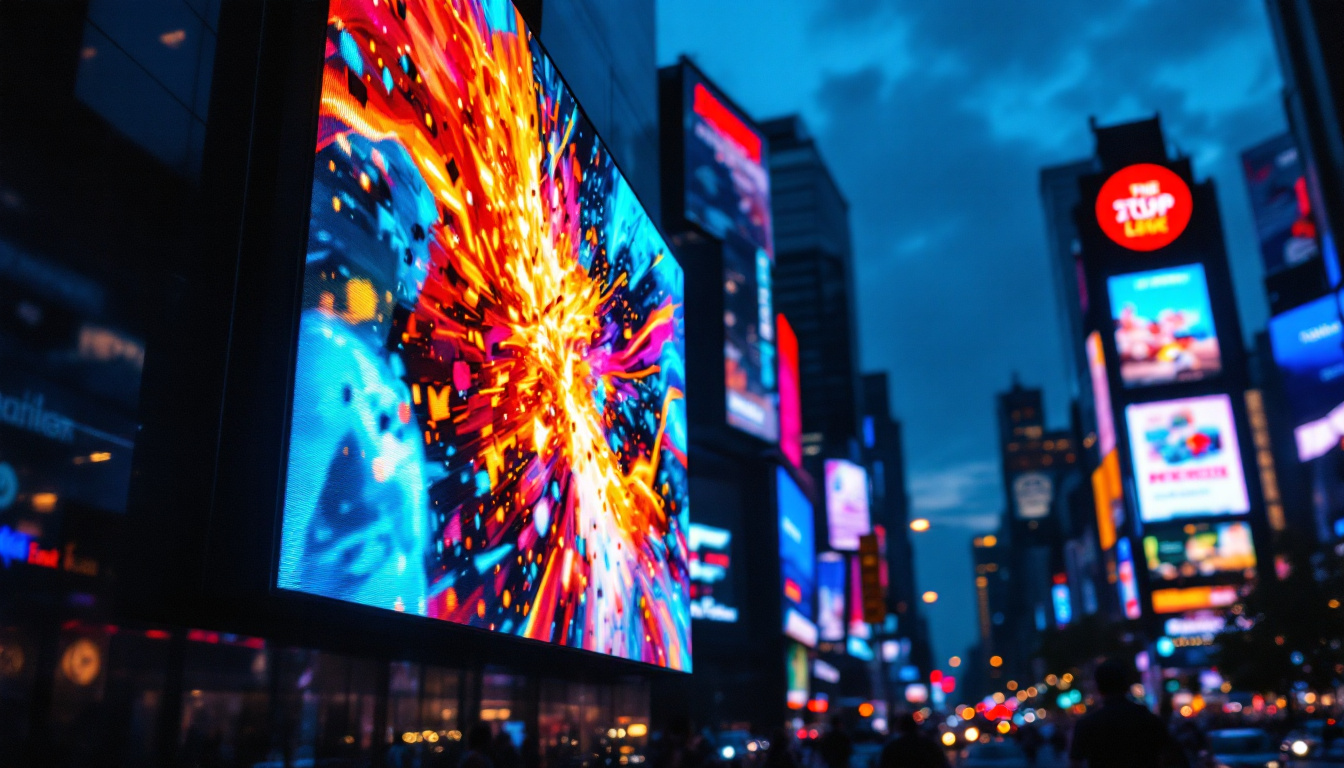
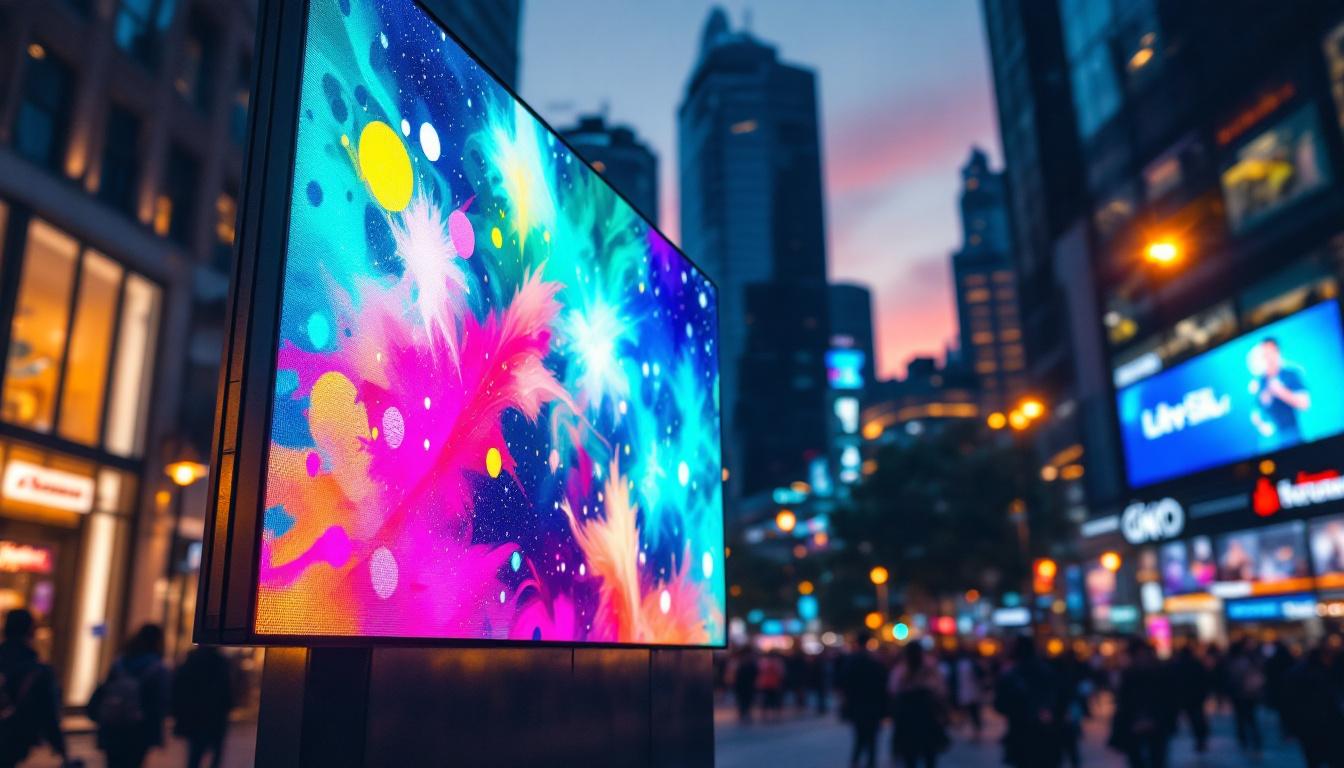
Retailers leverage LED TV walls to attract customers with eye-catching advertisements and dynamic content. The high brightness and vivid colors of LED displays make them ideal for showcasing products and promotions in stores, malls, and trade shows.
Moreover, the flexibility of LED TV walls allows for creative installations that can be curved, angled, or integrated into store design, enhancing brand identity and customer experience.
Public Spaces and Events
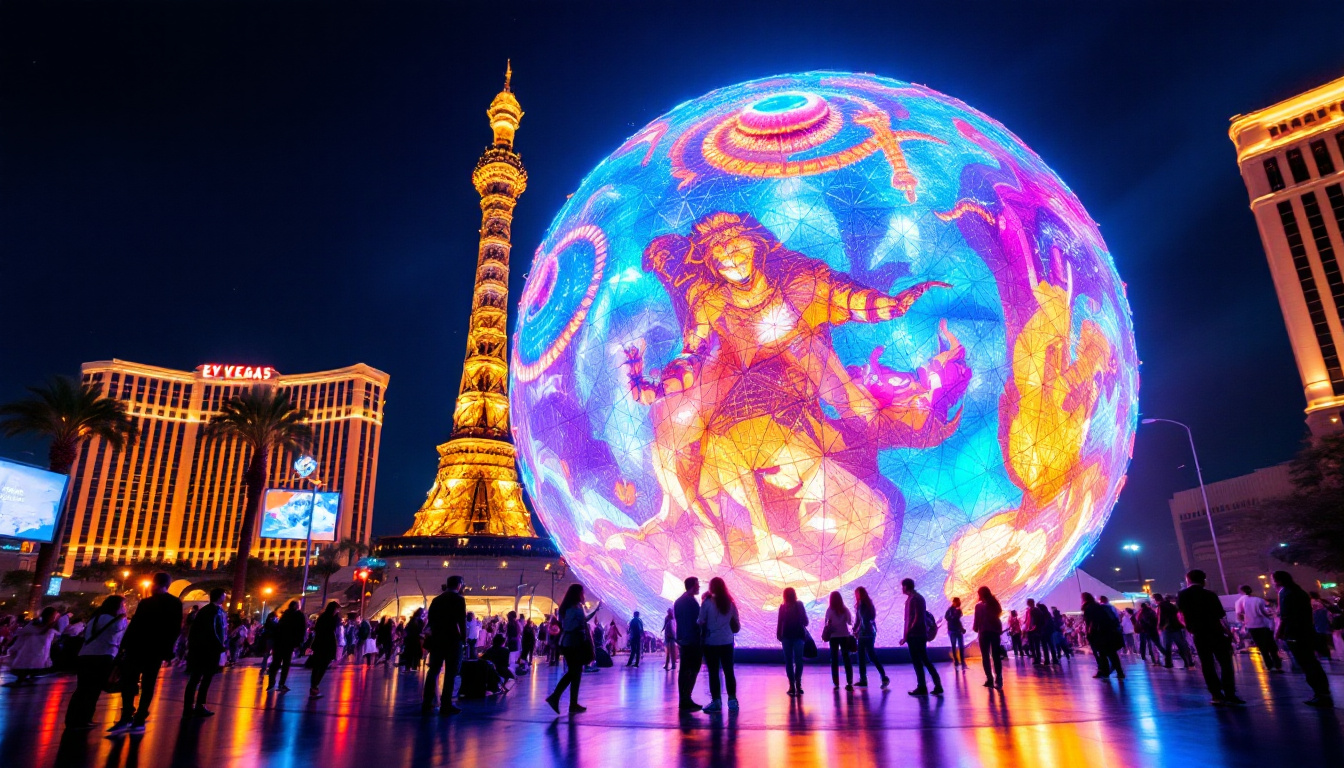
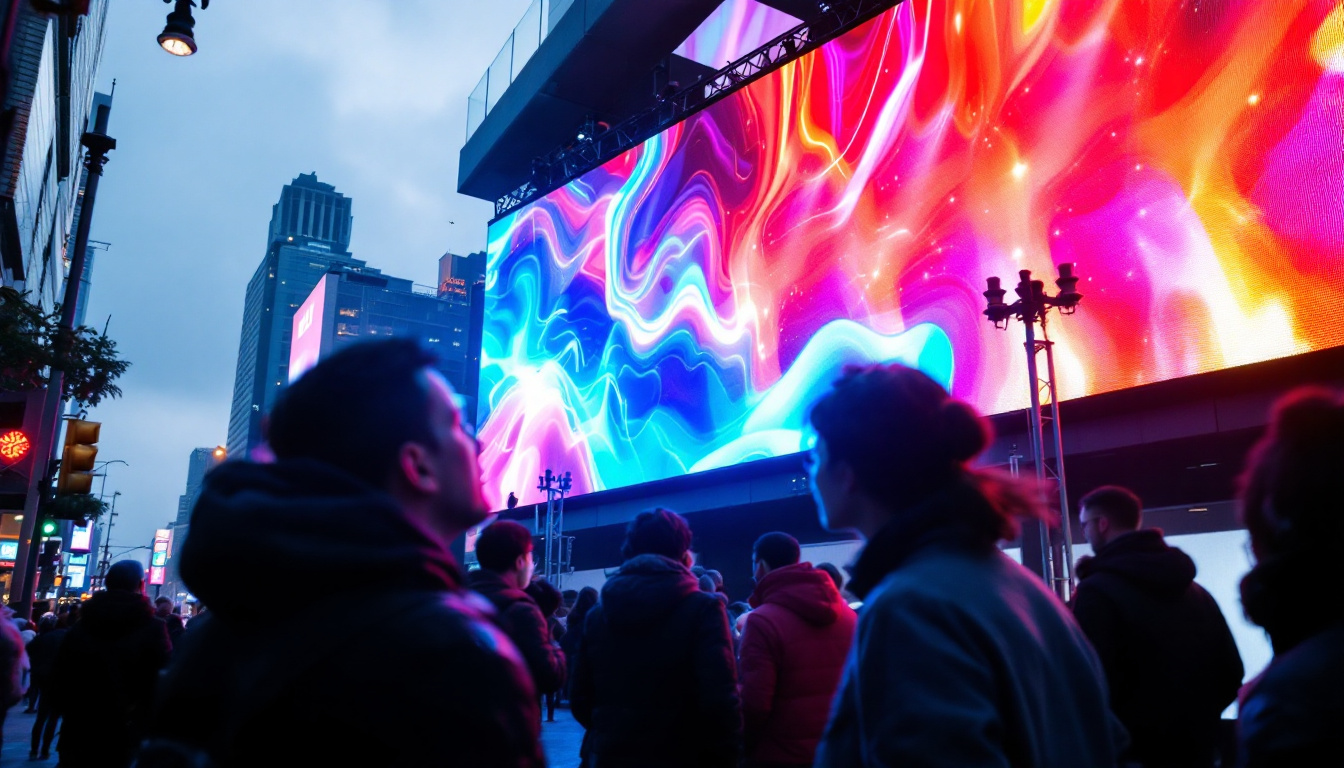
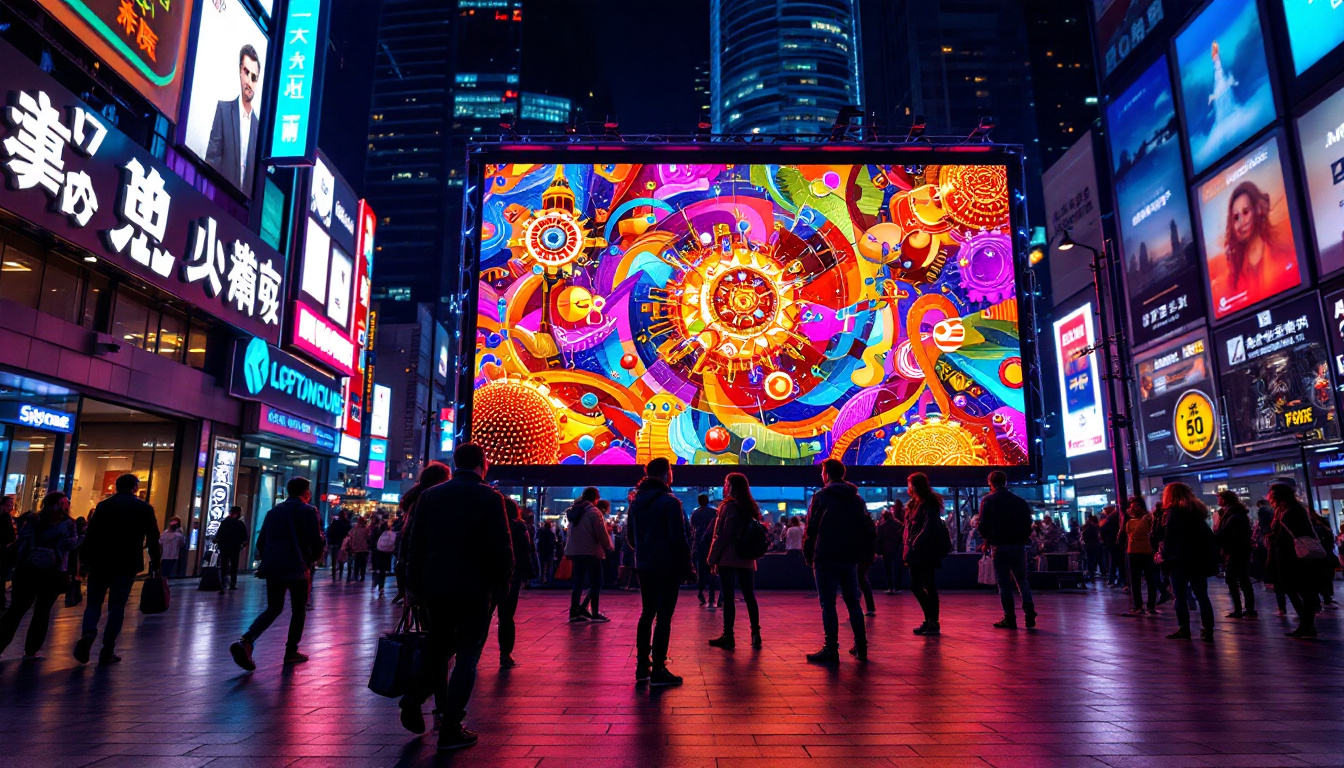
From sports arenas to concert venues and transportation hubs, LED TV walls serve as vital communication tools. They provide real-time information, entertainment, and advertising to large audiences in diverse environments.
The durability and brightness of LED displays ensure reliability in outdoor and high-traffic areas, while their scalability allows for massive installations that create immersive experiences.
Future Trends in LED TV Wall Design
MicroLED and MiniLED Technologies
Emerging technologies like MicroLED and MiniLED are pushing the boundaries of LED display performance. MicroLED offers even smaller pixel sizes and higher brightness with lower power consumption, promising ultra-high-definition displays with exceptional color accuracy.
MiniLED technology enhances traditional LED-backlit LCDs by using thousands of tiny LEDs for backlighting, improving contrast and HDR performance. These advancements are expected to influence future TV wall designs by offering better image quality and energy efficiency.
Integration with Smart Home and IoT
LED TV walls are increasingly integrated into smart home ecosystems and Internet of Things (IoT) platforms. This integration allows users to control displays via voice commands, smartphones, or automation systems, enhancing convenience and interactivity.
For example, a smart LED TV wall can adjust brightness based on ambient light sensors or switch content dynamically based on user preferences or schedules, creating a personalized viewing experience.
Eco-Friendly and Sustainable Design
As sustainability becomes a priority, LED TV wall designs are incorporating eco-friendly materials and energy-saving features. Manufacturers are focusing on recyclability, reduced hazardous substances, and improved energy efficiency to minimize environmental impact.
Designers are also exploring ways to integrate solar power and other renewable energy sources to power LED walls, especially in outdoor or remote installations.
Conclusion: Designing the Perfect LED TV Wall
Choosing the best design for a TV wall using LED displays involves a careful balance of technology, aesthetics, and functionality. Understanding the types of LED displays, their advantages, and key design considerations such as resolution, viewing distance, brightness, and installation requirements is essential for creating a visually stunning and practical TV wall.
Whether for residential, commercial, or public use, LED TV walls offer unparalleled flexibility and quality, making them a top choice for modern display solutions. As technology advances, future trends like MicroLED and smart integration will further enhance the capabilities and appeal of LED TV walls, ensuring they remain at the forefront of digital display innovation.
Discover the Future of LED TV Walls with LumenMatrix
Ready to elevate your space with the ultimate LED TV wall experience? LumenMatrix, a pioneer in LED display technology, invites you to explore our extensive range of innovative solutions. From the immersive Indoor LED Wall Display to the dynamic Outdoor LED Wall Display, and from the versatile Vehicle LED Display to the sleek LED Poster Display, we have everything you need to transform your visual communication. Our mission is to empower your brand with displays that captivate, engage, and deliver your message with unparalleled clarity. Don’t wait to revolutionize your environment—check out LumenMatrix LED Display Solutions today and see the difference for yourself.