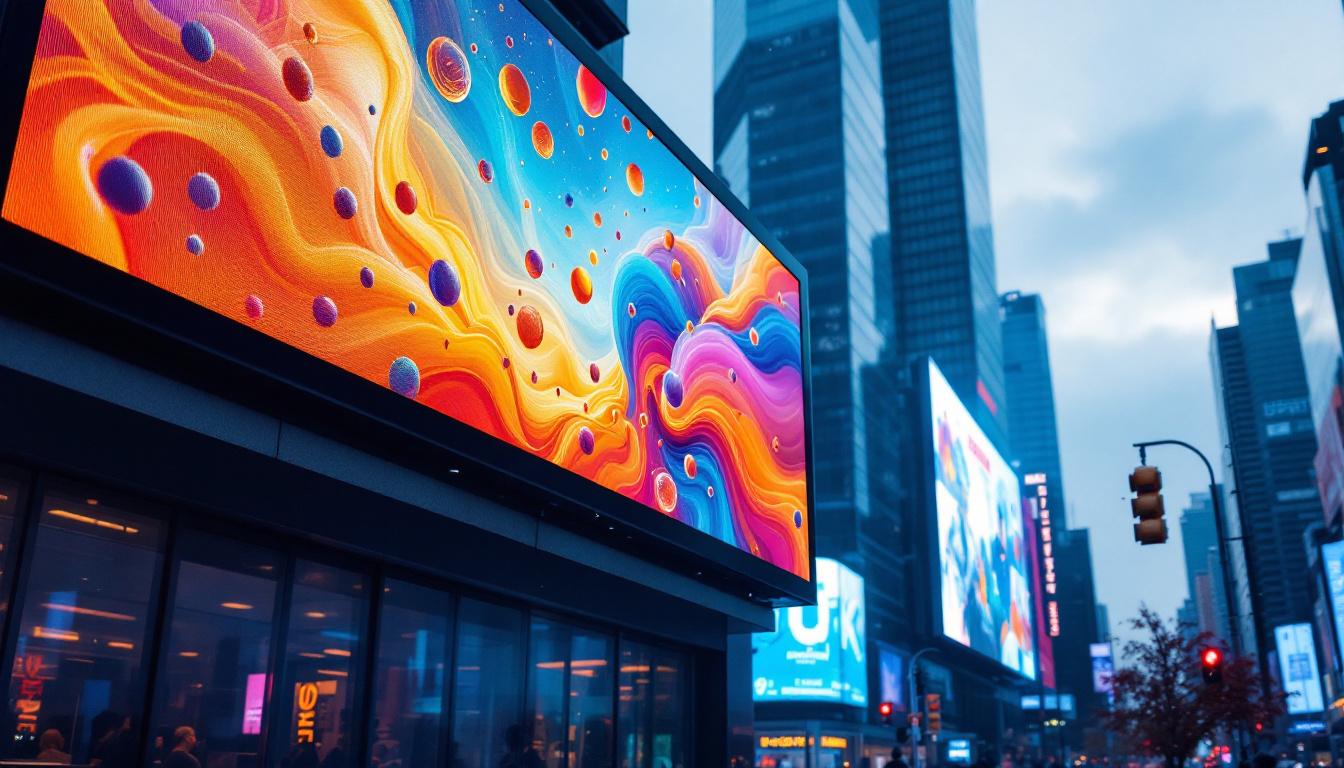
In today’s fast-paced advertising world, capturing attention quickly and effectively is more important than ever. LED displays have revolutionized the way businesses and advertisers communicate with their audiences, offering vibrant, dynamic, and highly visible content. For marketers, designers, and business owners looking to create impactful billboards without breaking the bank, understanding LED technology and how to leverage free billboard creator tools is essential. This article dives deep into the world of LED displays, exploring their technology, benefits, and how free billboard creators can help you design stunning digital billboards.
Understanding LED Display Technology
What Is an LED Display?
LED stands for Light Emitting Diode, a semiconductor device that emits light when an electric current passes through it. LED displays are large screens made up of thousands or even millions of these tiny diodes, which combine to form images, videos, and animations. Unlike traditional billboards that use printed materials, LED displays offer dynamic content that can be changed instantly.
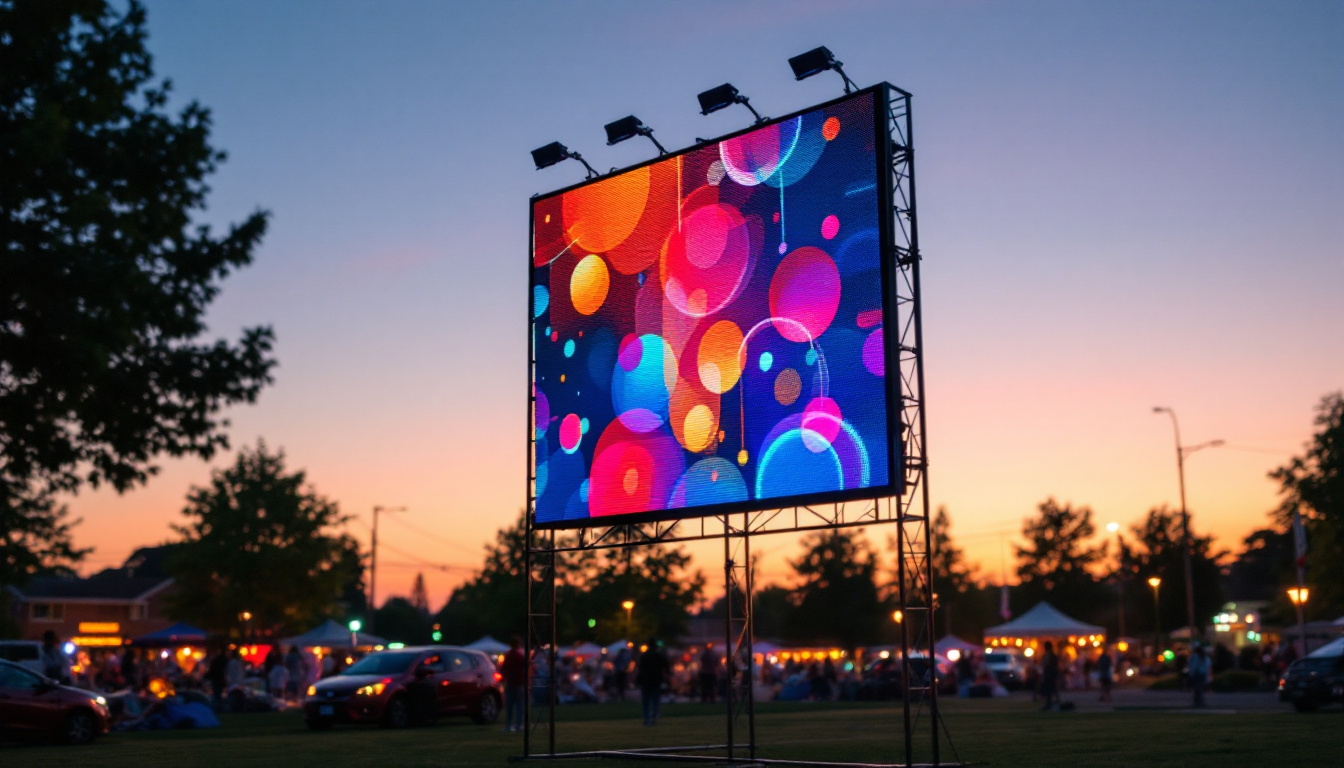
LED displays come in various forms, including indoor and outdoor screens, and can vary drastically in size—from small digital signs to massive billboards towering over highways. The ability to display bright, colorful, and moving images makes LED displays highly effective for advertising in environments with high foot or vehicle traffic. Additionally, their energy efficiency compared to traditional lighting methods not only reduces operational costs but also aligns with growing environmental concerns, making them a popular choice for businesses looking to enhance their sustainability efforts.
How Do LED Billboards Work?
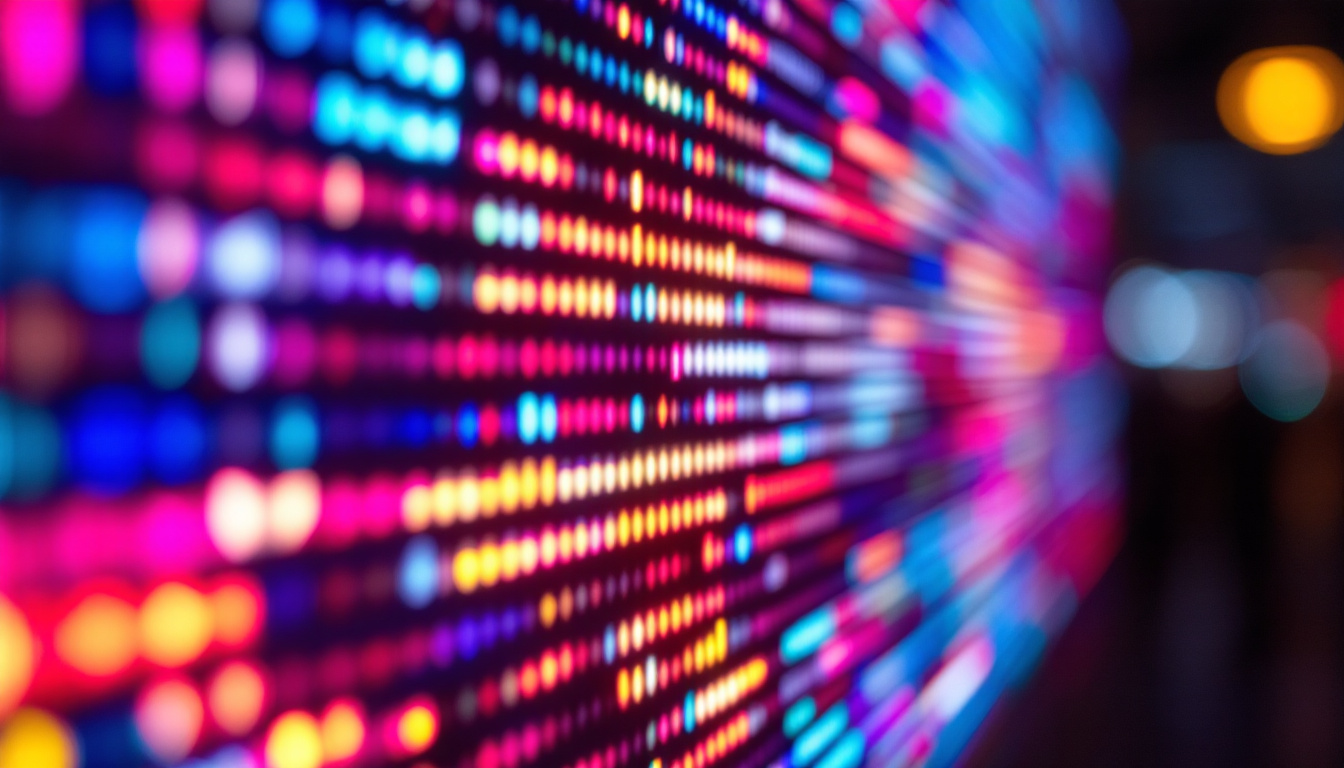
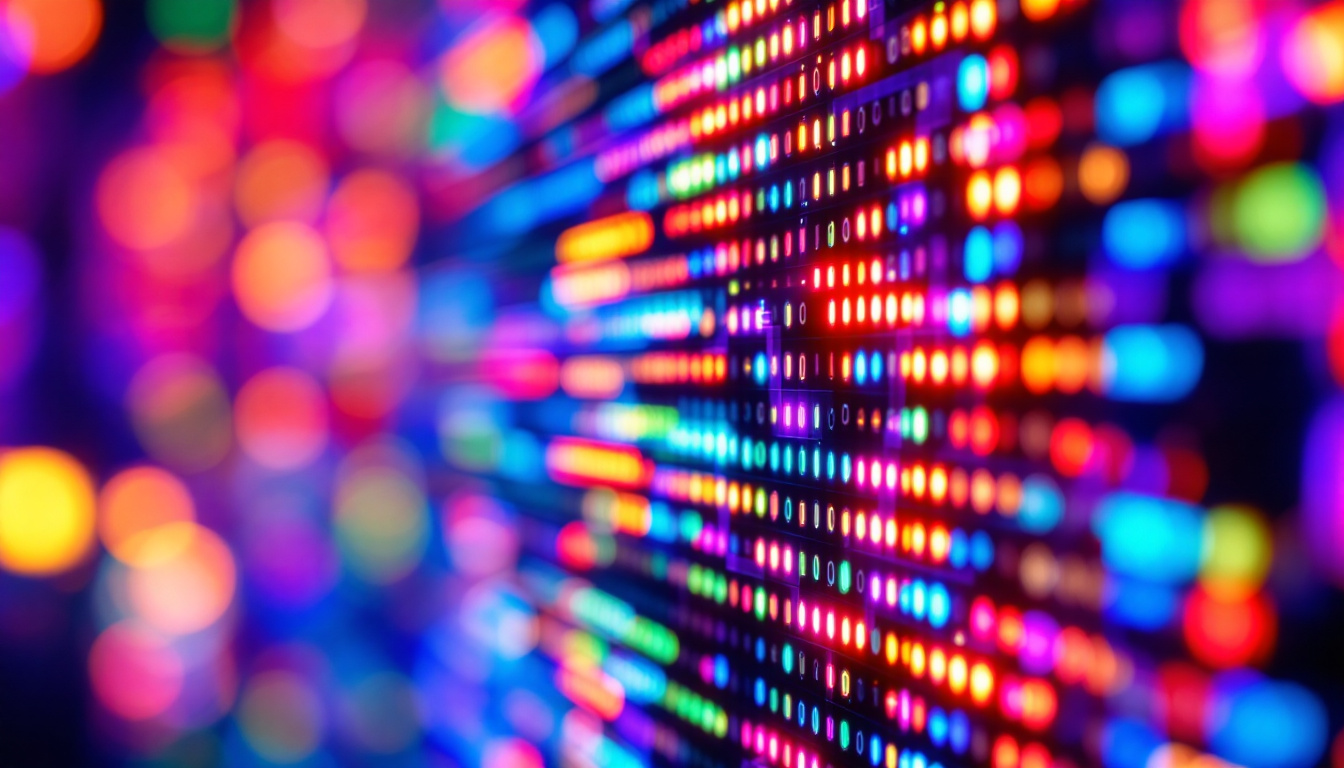
Each LED pixel on the billboard consists of red, green, and blue diodes. By adjusting the intensity of each color, the display can produce a full spectrum of colors. The pixels are arranged in a grid pattern, and the billboard’s controller processes the input data (images or videos) to light up the appropriate pixels at the right intensity.
Modern LED billboards use advanced control systems that allow for remote content management, scheduling, and real-time updates. This flexibility enables advertisers to tailor messages based on time of day, weather conditions, or special events, maximizing engagement and relevance. Furthermore, many LED displays are now equipped with sensors that can detect ambient light levels, automatically adjusting their brightness to ensure optimal visibility while conserving energy during darker conditions.
Key Specifications to Consider
When evaluating LED displays, several technical specifications are crucial:
- Pixel Pitch: The distance between the centers of two adjacent pixels, usually measured in millimeters. Smaller pixel pitch means higher resolution and sharper images, especially important for close viewing distances.
- Brightness: Measured in nits, brightness determines how well the display performs in direct sunlight. Outdoor LED billboards typically require brightness levels above 5,000 nits to remain visible during the day.
- Refresh Rate: The frequency at which the display updates its image, measured in Hertz (Hz). Higher refresh rates reduce flicker and improve image smoothness, essential for video content.
- Viewing Angle: The maximum angle at which the display can be viewed clearly. Wide viewing angles ensure the billboard is effective from various positions.
In addition to these specifications, potential buyers should also consider the durability and weather resistance of the LED display. Many outdoor models are designed to withstand harsh environmental conditions, including rain, snow, and extreme temperatures, ensuring longevity and consistent performance. Moreover, advancements in technology have led to the development of modular LED displays, which allow for easy repairs and upgrades, making them a cost-effective solution in the long run.
The Advantages of LED Billboards Over Traditional Advertising
Dynamic Content and Real-Time Updates
One of the most significant advantages of LED billboards is their ability to display dynamic content. Unlike static billboards that require physical replacement of printed materials, LED billboards can be updated instantly, allowing advertisers to change messages multiple times a day. This capability supports targeted campaigns, time-sensitive promotions, and interactive content.
For example, a restaurant can display breakfast specials in the morning and switch to dinner promotions in the evening without any manual labor or additional costs. This flexibility enhances the relevance and effectiveness of advertising campaigns.
Higher Engagement and Visibility
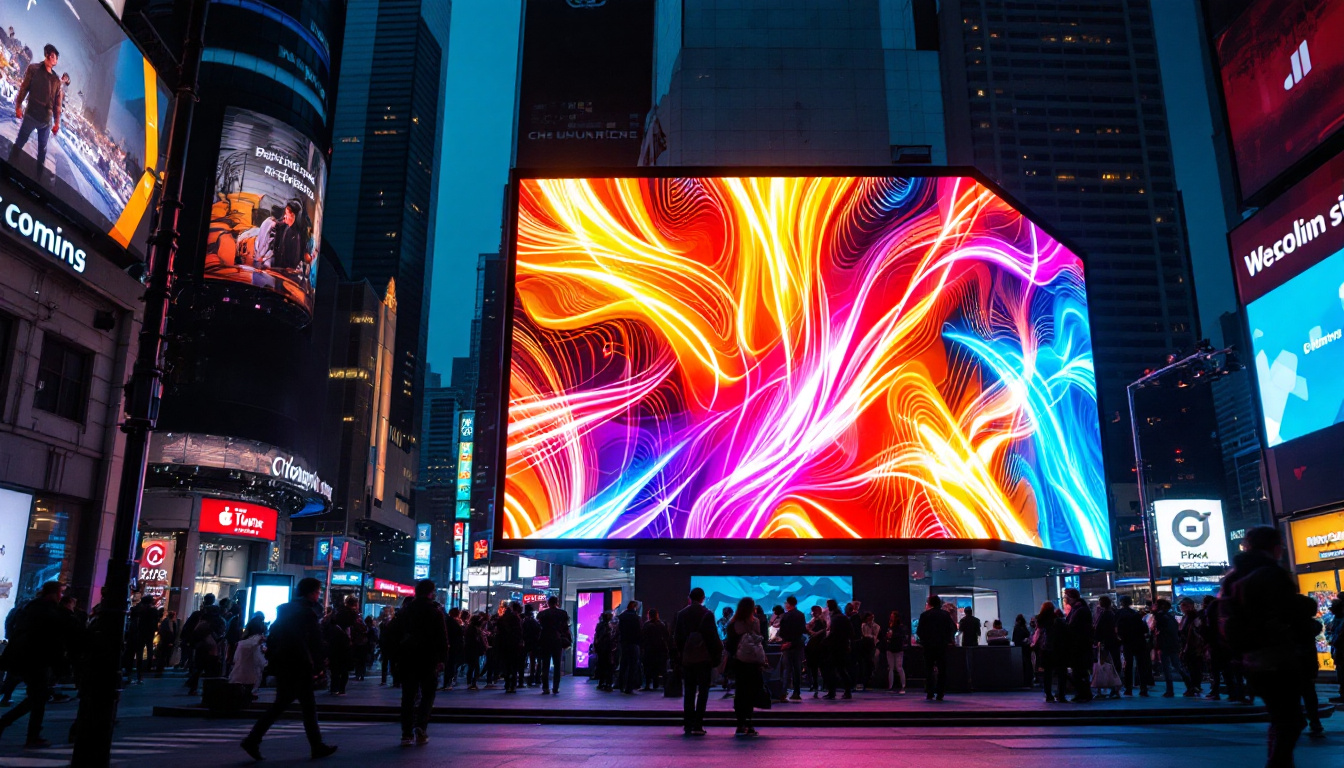
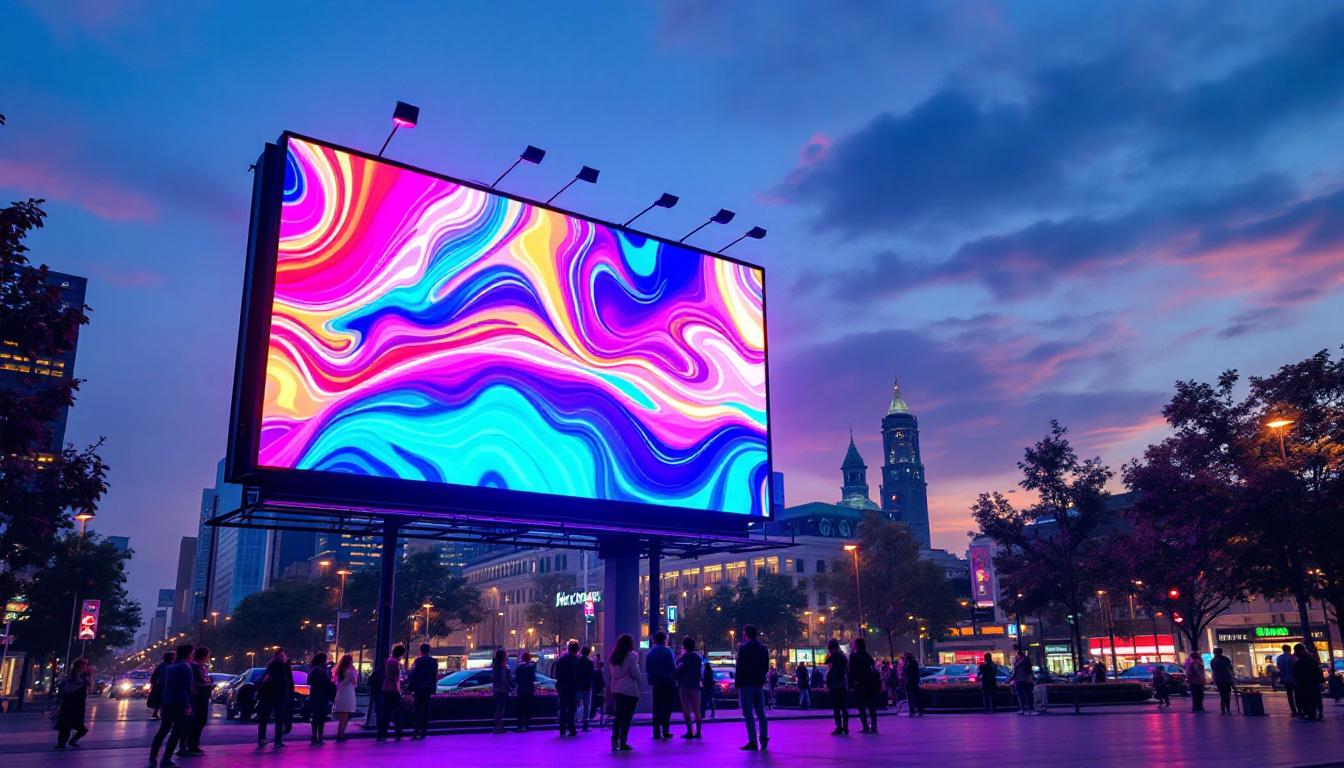
Studies have shown that digital billboards capture more attention than static ones. According to the Outdoor Advertising Association of America (OAAA), digital billboards can increase engagement by up to 400% compared to traditional billboards. The bright colors, motion, and ability to display video content naturally draw the eye, making LED displays highly effective in crowded urban environments.
Moreover, LED billboards are visible in various lighting conditions, including nighttime and adverse weather, ensuring continuous exposure to passing audiences.
Cost Efficiency Over Time
While the initial investment for LED billboards can be higher than traditional billboards, the long-term cost benefits are significant. Eliminating printing and installation costs for new ads, reducing labor, and enabling multiple campaigns on the same display contribute to overall savings.
Additionally, LED displays are energy-efficient compared to older lighting technologies, and many modern units come with smart sensors that adjust brightness based on ambient light, further reducing power consumption.
Billboard Creator Free: Designing LED Billboard Content
Why Use Free Billboard Creator Tools?
Creating compelling billboard content requires a blend of creativity, technical know-how, and access to the right tools. Free billboard creator platforms democratize this process, allowing businesses of all sizes to design professional-grade advertisements without the need for expensive software or design agencies.
These tools often come with pre-built templates optimized for LED displays, ensuring that designs meet resolution and aspect ratio requirements. They also provide user-friendly interfaces, drag-and-drop features, and access to stock images and animations, making the design process accessible to non-experts.
Key Features to Look for in a Free Billboard Creator
When selecting a free billboard creator tool, consider the following features:
- Template Library: Access to a variety of customizable templates tailored for LED billboard dimensions and resolutions.
- Animation and Video Support: Ability to incorporate motion graphics and video clips, which are essential for dynamic LED content.
- Export Options: Capability to export designs in formats compatible with LED display control systems, such as high-resolution images or video files.
- Ease of Use: Intuitive interface that requires minimal learning curve, enabling quick turnaround times.
- Collaboration Tools: Features that allow teams to work together remotely on billboard designs.
Popular Free Billboard Creator Platforms
Several free or freemium platforms cater to billboard design needs. Some notable options include:
- Canva: Known for its extensive template library and easy-to-use interface, Canva supports custom dimensions suitable for LED billboards and offers animation features.
- Crello (now VistaCreate): Offers animated templates and video editing capabilities, ideal for dynamic billboard content.
- Adobe Express: A simplified version of Adobe’s software with billboard templates and design tools accessible for free.
These platforms enable users to create eye-catching designs that leverage the full potential of LED technology without upfront software costs.
Best Practices for Creating Effective LED Billboard Content
Keep It Simple and Bold
Billboards are typically viewed from a distance and often by people moving at high speeds, such as drivers. Therefore, simplicity is key. Use large, bold fonts and high-contrast colors to ensure readability. Limit the amount of text to essential information—ideally no more than 7 words per message—to maximize impact.
Use High-Quality Images and Videos
Pixelation or blurry visuals can undermine the professionalism of your advertisement. Always use high-resolution images and videos tailored to the billboard’s pixel pitch and resolution. Many free billboard creators include access to high-quality stock media, which can help maintain visual clarity.
Leverage Motion and Animation Wisely
Motion attracts attention, but excessive animation can be distracting or overwhelming. Use subtle animations to highlight key messages or calls to action. For example, a gentle fade-in or slide effect can enhance visibility without causing viewer fatigue.
Consider Viewing Distance and Environment
Design your content based on the typical viewing distance and ambient conditions. Outdoor billboards require higher brightness and contrast, while indoor LED displays can use more detailed graphics. Also, consider the lighting environment—day or night—to optimize color choices and brightness levels.
Test and Iterate
Before finalizing your design, preview it on screens that simulate the LED display’s size and resolution. Many billboard creators offer preview modes or mockups. Gathering feedback from colleagues or potential viewers can help identify areas for improvement.
The Future of LED Billboard Advertising
Integration with Smart Technologies
As smart city initiatives expand, LED billboards are increasingly integrated with sensors and data analytics. This allows for real-time content adaptation based on audience demographics, weather, traffic patterns, and even social media trends. Such intelligent billboards can deliver hyper-targeted advertising, improving ROI for marketers.
Advancements in LED Technology
Emerging technologies like MicroLED and MiniLED promise even higher resolution, better energy efficiency, and thinner displays. These advancements will enable more immersive and visually stunning billboards, further enhancing audience engagement.
Environmental Considerations
With growing emphasis on sustainability, LED billboard manufacturers are focusing on eco-friendly materials and energy-saving designs. Solar-powered LED billboards and recyclable components are becoming more common, aligning outdoor advertising with environmental responsibility.
Conclusion
LED displays have transformed billboard advertising by offering vibrant, dynamic, and flexible content delivery. Understanding the technology behind LED billboards and leveraging free billboard creator tools can empower businesses to craft compelling advertisements that stand out in today’s crowded media landscape. By following best practices in design and staying informed about technological trends, advertisers can maximize the impact of their LED billboard campaigns while managing costs effectively.
Whether you are a small business owner, a marketing professional, or a creative designer, embracing LED billboard technology and utilizing accessible design platforms can open new avenues for reaching and engaging audiences in innovative ways.
Discover LumenMatrix LED Display Solutions
Ready to elevate your advertising strategy with the power of LED technology? LumenMatrix is at the forefront of LED display innovation, offering a diverse range of solutions tailored to your unique needs. From captivating Indoor and Outdoor LED Wall Displays to dynamic Vehicle and Sports LED Displays, our products are designed to make your brand shine. Experience the future of visual communication with our All-in-One LED Displays, LED Posters, and more. Check out LumenMatrix LED Display Solutions today and transform the way you connect with your audience.