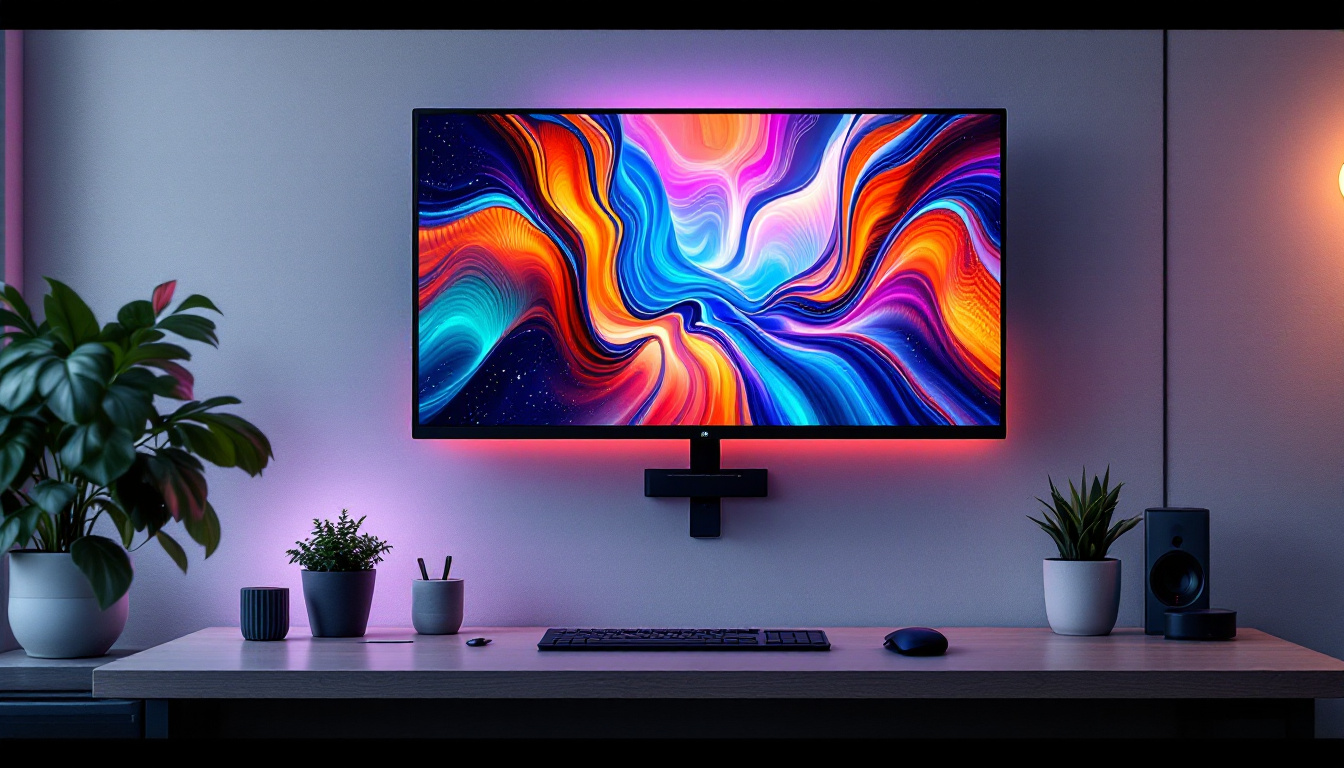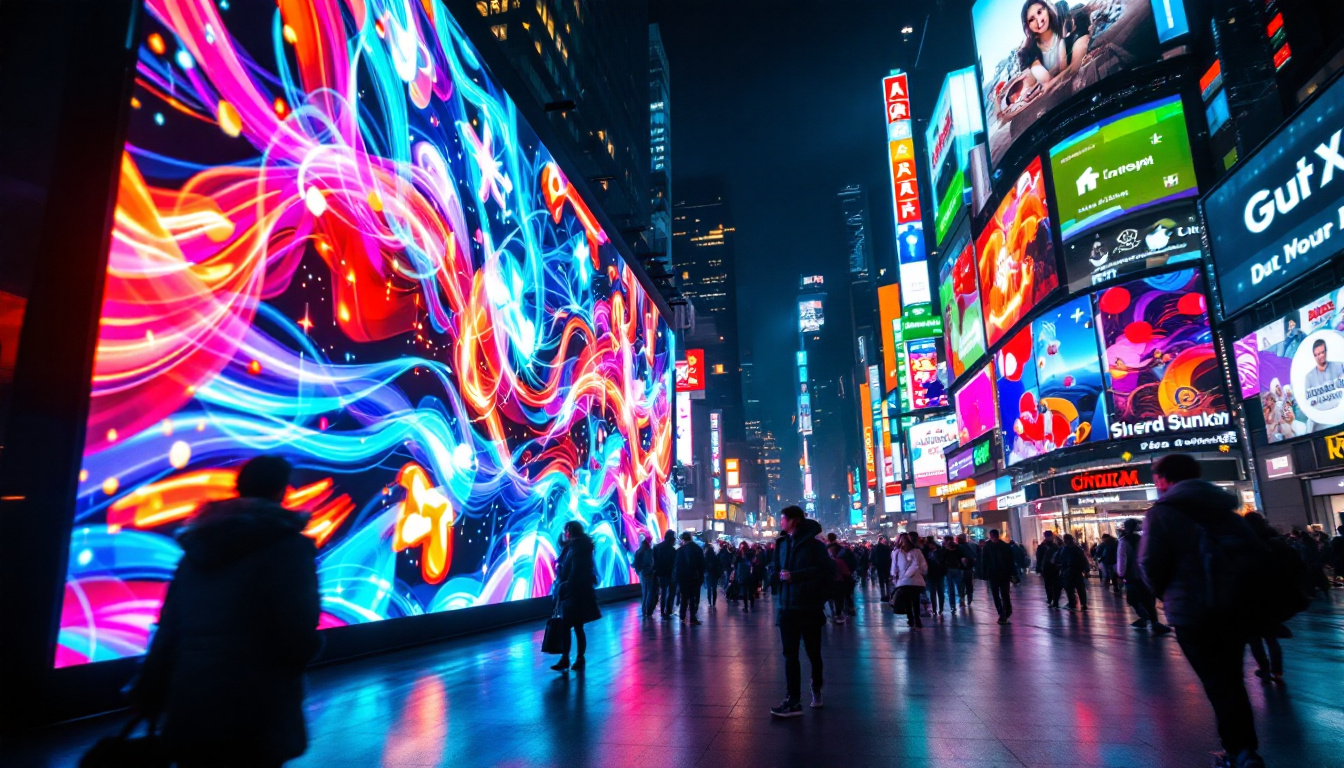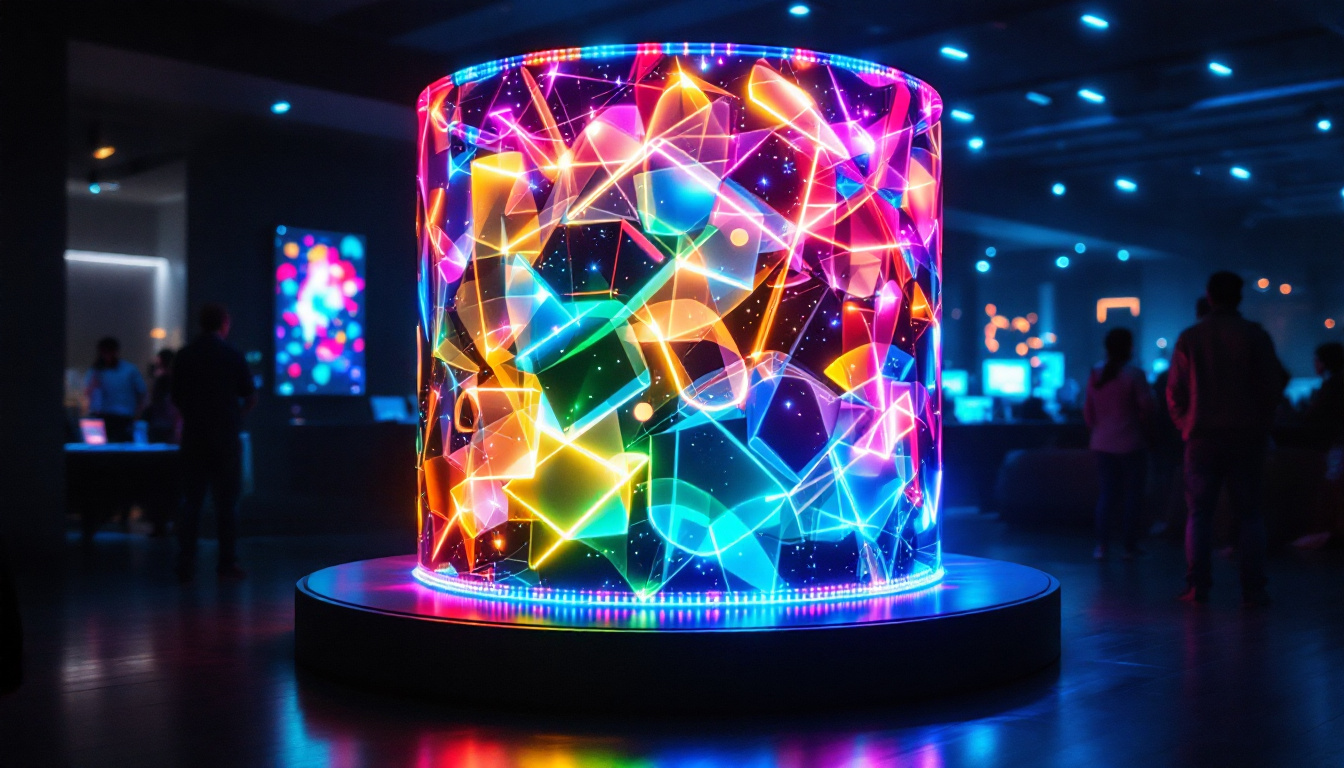
In the rapidly evolving world of digital signage and visual communication, LED displays have become a cornerstone technology. Their versatility, brightness, and energy efficiency make them ideal for a wide range of applications, from advertising billboards to indoor event screens. Among the various types of LED displays, the concept of a “block display” is gaining traction due to its modularity and scalability. This article delves into the fundamentals of block LED displays, exploring their technology, advantages, and practical uses.
Understanding LED Display Technology
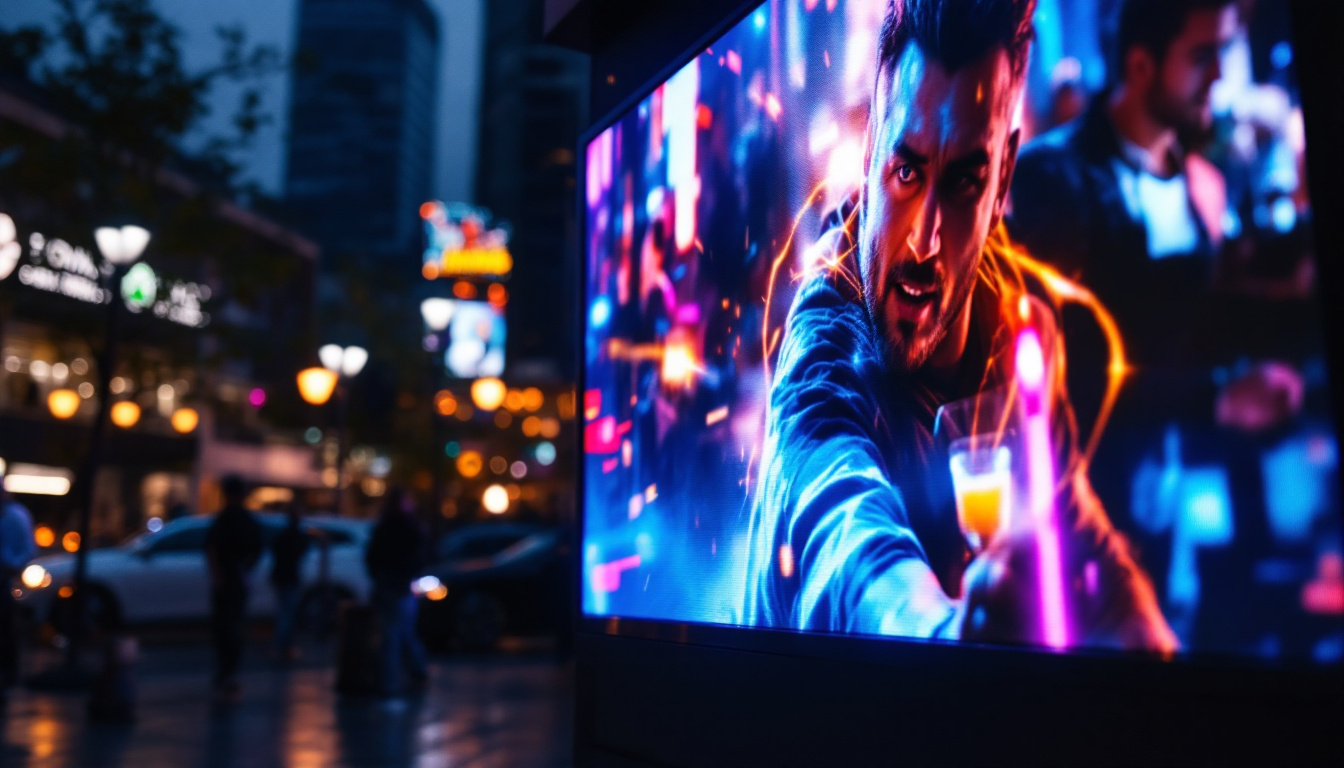
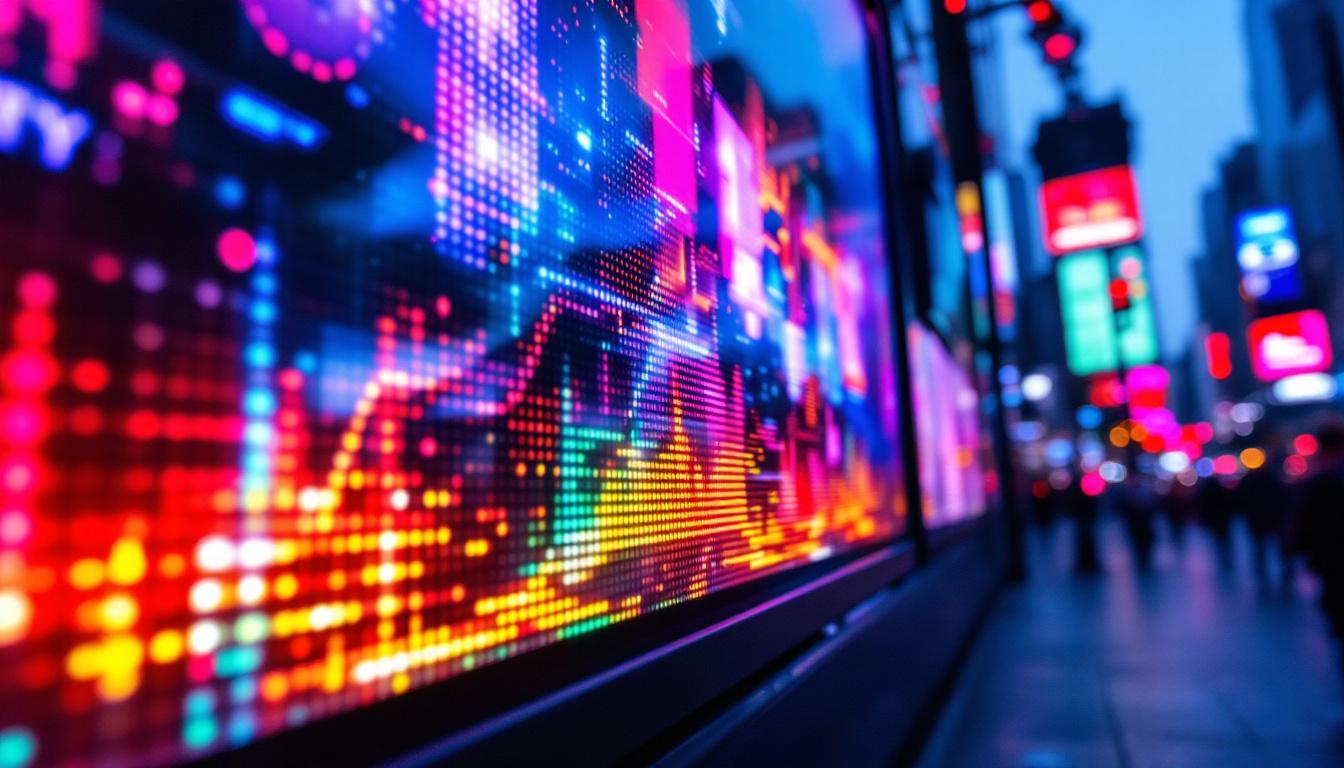
LED, or Light Emitting Diode, technology has revolutionized the way images and videos are presented in public and private spaces. Unlike traditional LCD or projection displays, LEDs emit light directly, which results in higher brightness and better contrast ratios. This is especially beneficial for outdoor environments where ambient light can diminish visibility. The ability of LEDs to maintain clarity and vibrancy even under direct sunlight has made them the preferred choice for billboards, stadium screens, and other outdoor applications.
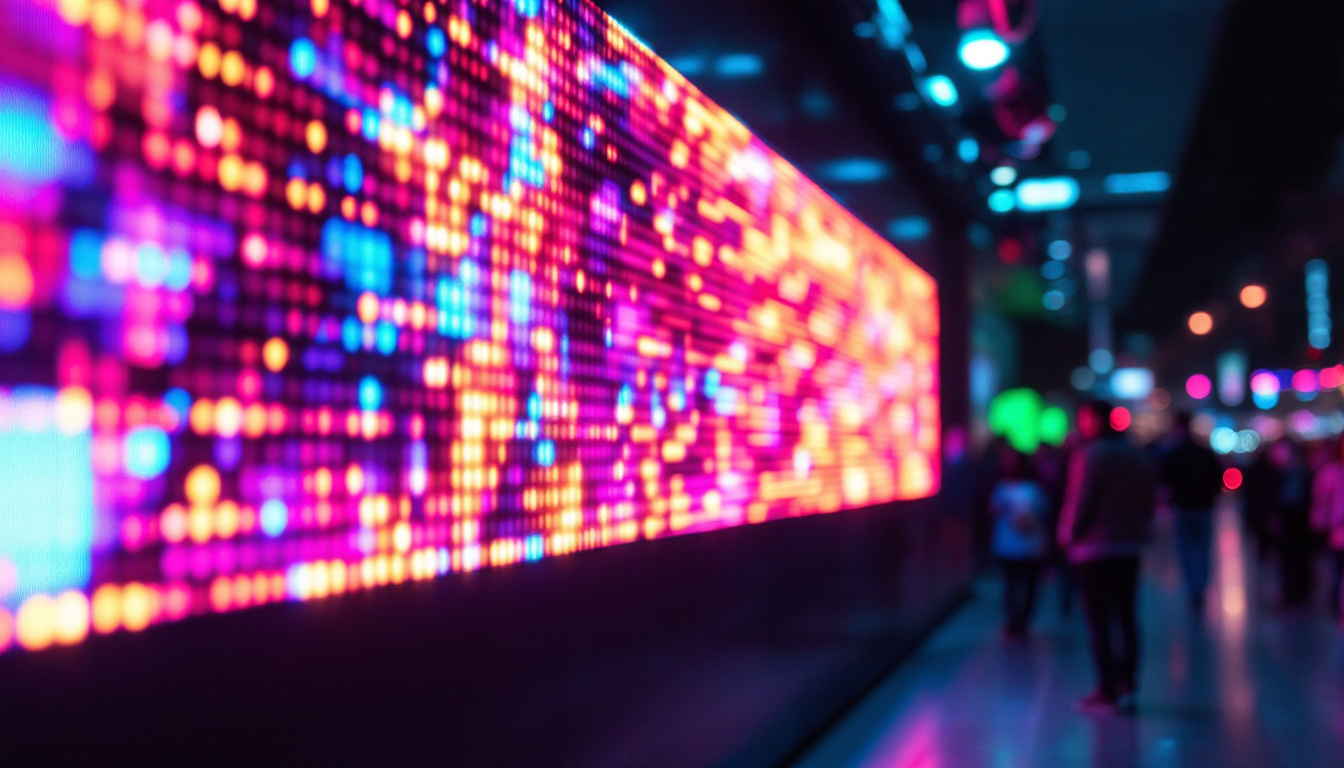
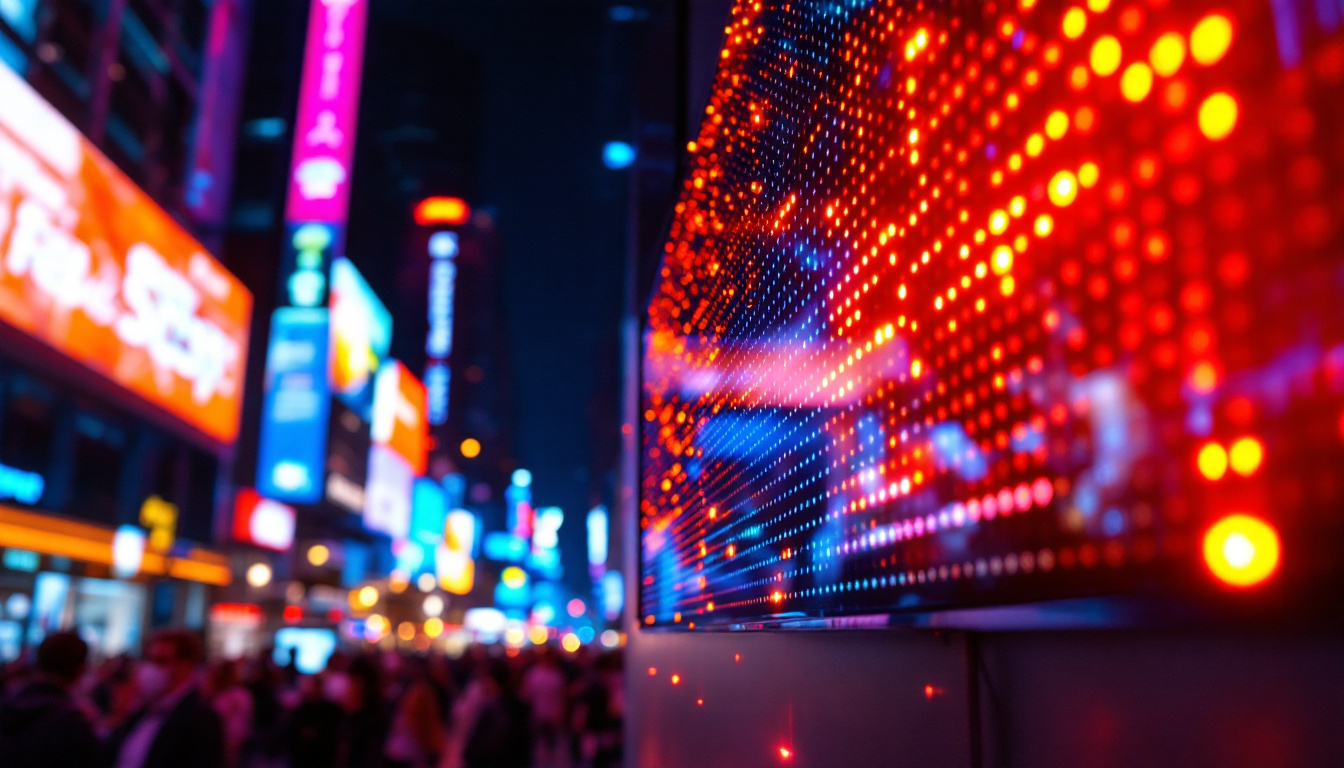
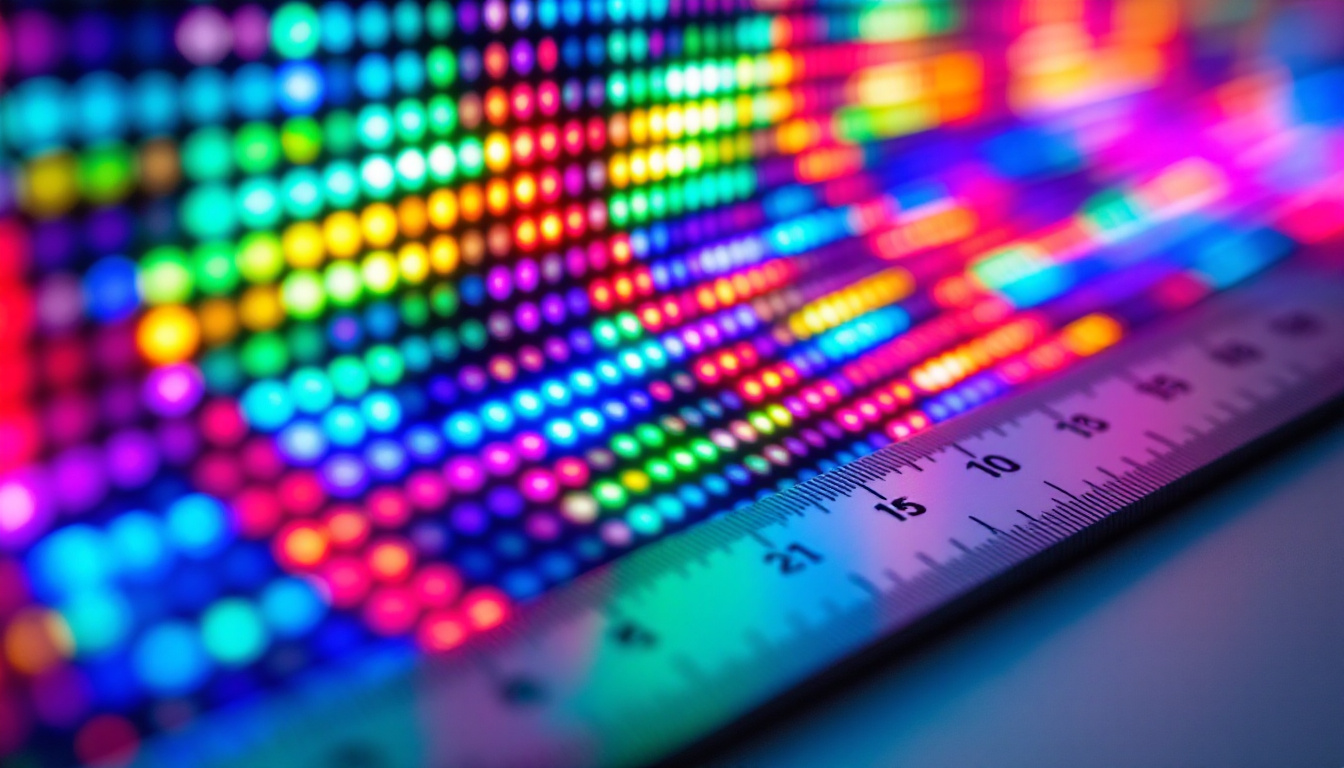
At the core of any LED display are individual diodes arranged in a matrix. These diodes can be red, green, blue, or a combination thereof, allowing for full-color image rendering. The resolution and clarity of an LED display depend on the pixel pitch, which is the distance between the centers of two adjacent pixels. Smaller pixel pitches mean higher resolution and finer image detail, which is crucial for close-up viewing. This is particularly important in settings like retail environments, where detailed imagery can significantly enhance customer engagement and drive sales.
The Evolution of LED Displays
LED displays have evolved significantly over the past two decades. Early models were bulky, had limited color accuracy, and were primarily used for simple text or numeric displays. Advances in semiconductor manufacturing, control electronics, and materials have enabled the production of high-definition LED panels that rival traditional screens in quality. The introduction of technologies such as organic LEDs (OLEDs) has further pushed the boundaries, offering deeper blacks and a wider color gamut, which enhances the overall viewing experience.
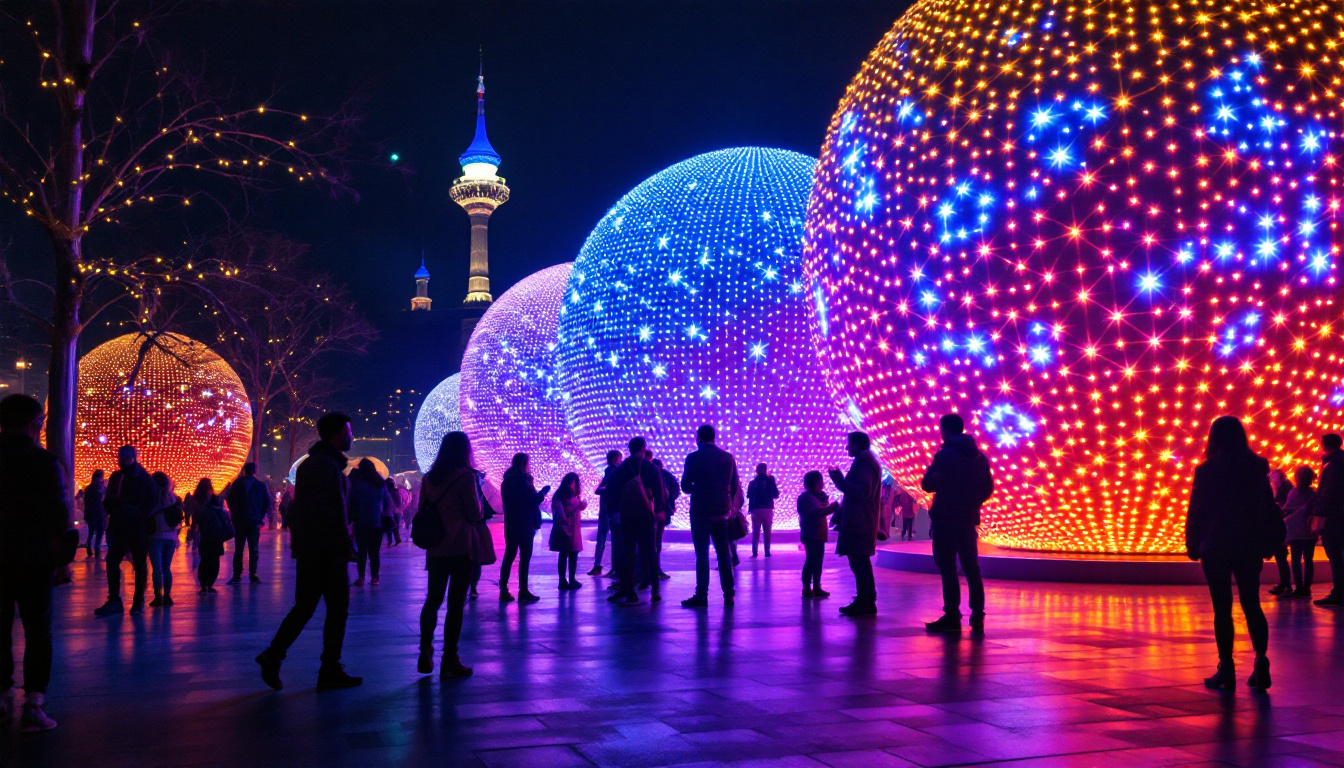
Today, LED displays are not only brighter and more energy-efficient but also more flexible in terms of shape and size. This flexibility has paved the way for innovative display configurations, including curved, transparent, and block displays. These advancements have opened new avenues for creative advertising and artistic installations, allowing designers to create immersive environments that captivate audiences. Furthermore, the integration of smart technology into LED displays enables features such as real-time content updates, interactivity, and data integration, making them a powerful tool for communication and engagement in various sectors, from entertainment to education.
What is a Block LED Display?
A block LED display is a modular system composed of multiple LED blocks or panels that can be assembled to create a larger, cohesive screen. Each block is a self-contained unit with its own LEDs, circuitry, and control mechanisms. By connecting these blocks, users can customize the size and resolution of the display according to specific requirements.
This modular approach contrasts with traditional LED displays, which are often fixed in size and shape. Block displays offer enhanced flexibility, making them suitable for dynamic environments where display needs may change frequently.
Key Components of Block LED Displays
Each block typically includes:
- LED Modules: Arrays of LEDs that produce the visual output.
- Driver Circuits: Electronics that control the brightness and color of each LED.
- Control Interface: Connectors and processors that synchronize the blocks and manage the input signal.
- Structural Frame: A casing or frame that provides physical support and protection.
The design of these components ensures that when blocks are connected, they function seamlessly as a single display.
Advantages of Block LED Displays
Block LED displays offer several benefits that make them attractive for a variety of applications.
Modularity and Scalability
One of the primary advantages is modularity. Users can start with a small number of blocks and expand the display over time by adding more units. This scalability reduces upfront costs and allows for gradual investment. Additionally, damaged blocks can be replaced individually without the need to service the entire display, minimizing downtime and maintenance expenses.
Customization and Flexibility
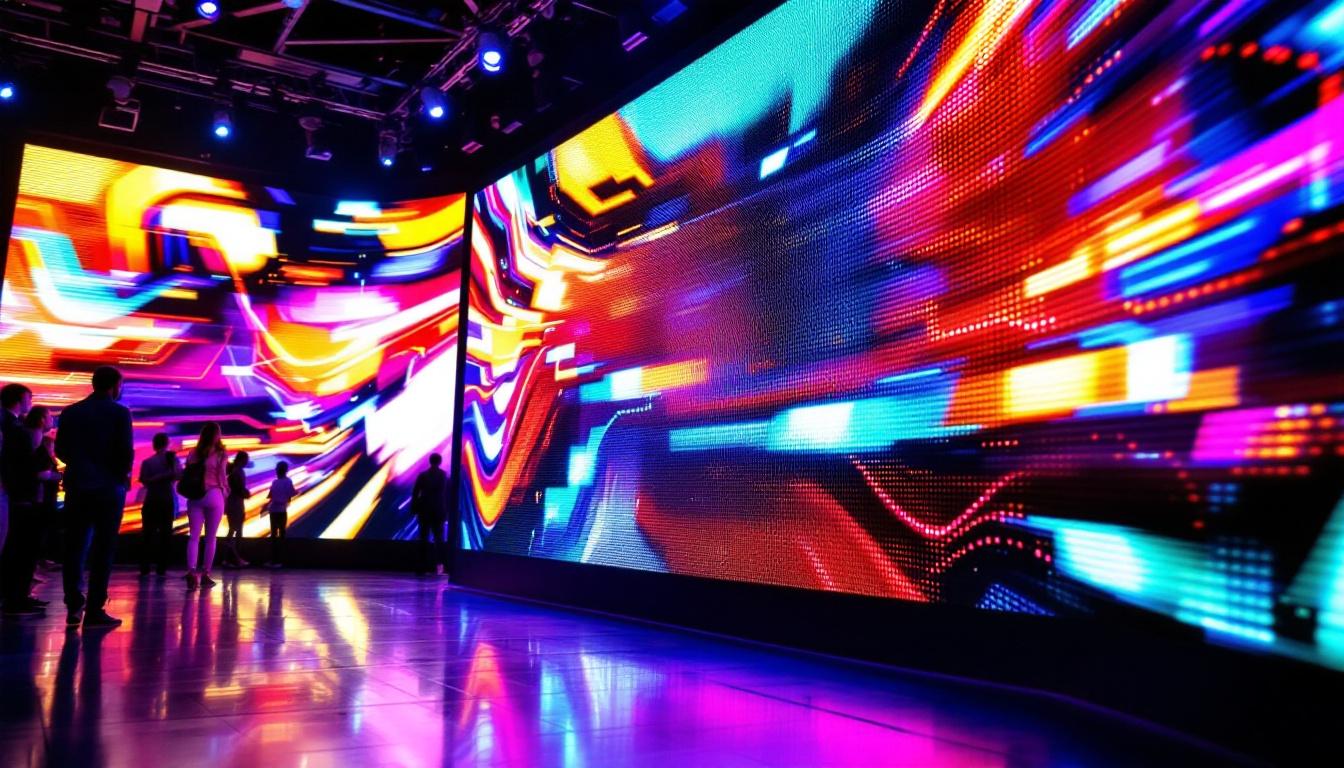
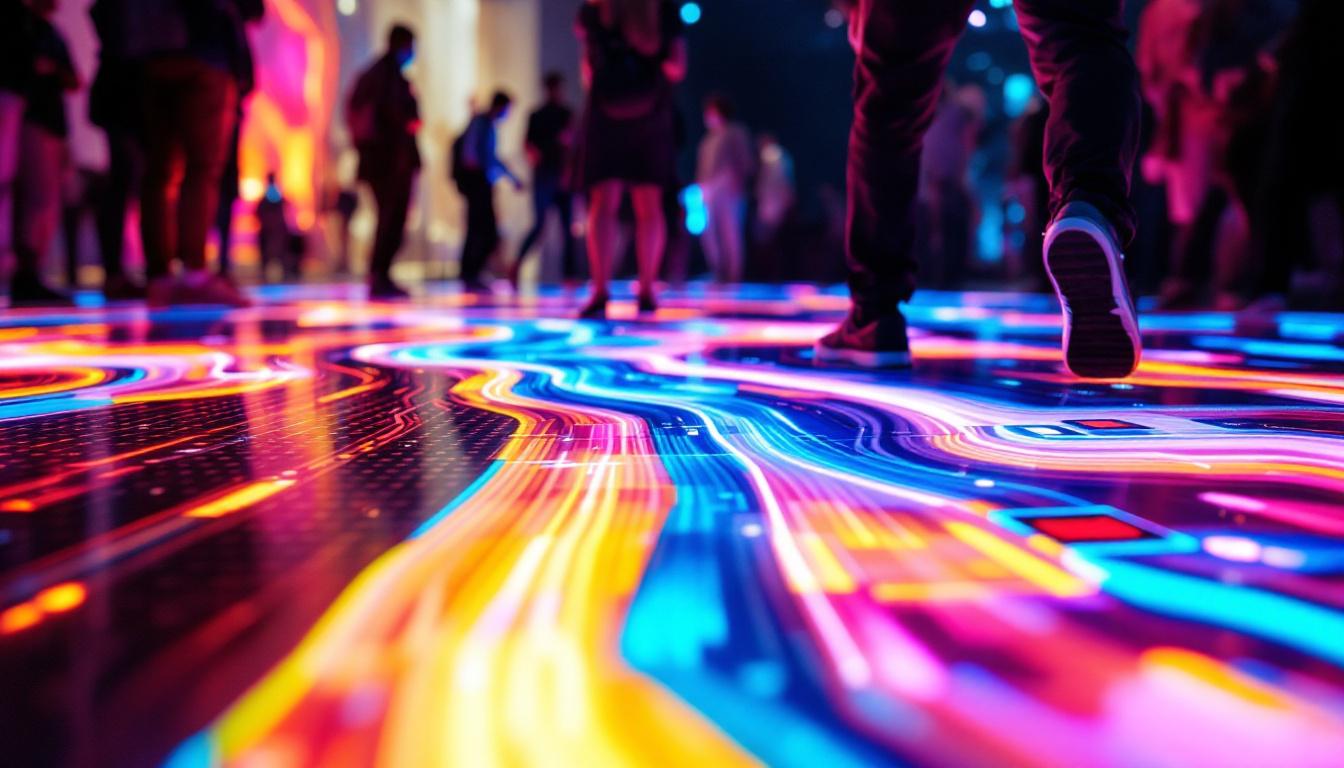
The modular nature of block displays enables customization in both size and shape. This is particularly useful in environments with irregular spaces or where unique display configurations are desired. For example, a retail store might design a curved display wall or a multi-sided installation that would be difficult to achieve with traditional fixed panels.
Improved Maintenance and Durability
Because each block is a self-contained unit, maintenance becomes more straightforward. Technicians can quickly isolate and repair faulty blocks without affecting the rest of the display. Many block LED systems also feature weatherproof and dust-resistant designs, making them suitable for both indoor and outdoor use.
Energy Efficiency and Brightness
Modern block LED displays incorporate energy-efficient LEDs and intelligent control systems that adjust brightness according to ambient light conditions. This not only conserves energy but also extends the lifespan of the display. The direct emission of light by LEDs ensures high visibility even in bright daylight, which is essential for outdoor advertising and public information displays.
Applications of Block LED Displays
The versatility of block LED displays has led to their adoption across various sectors. Their ability to adapt to different environments and requirements makes them a preferred choice for many industries.
Advertising and Marketing
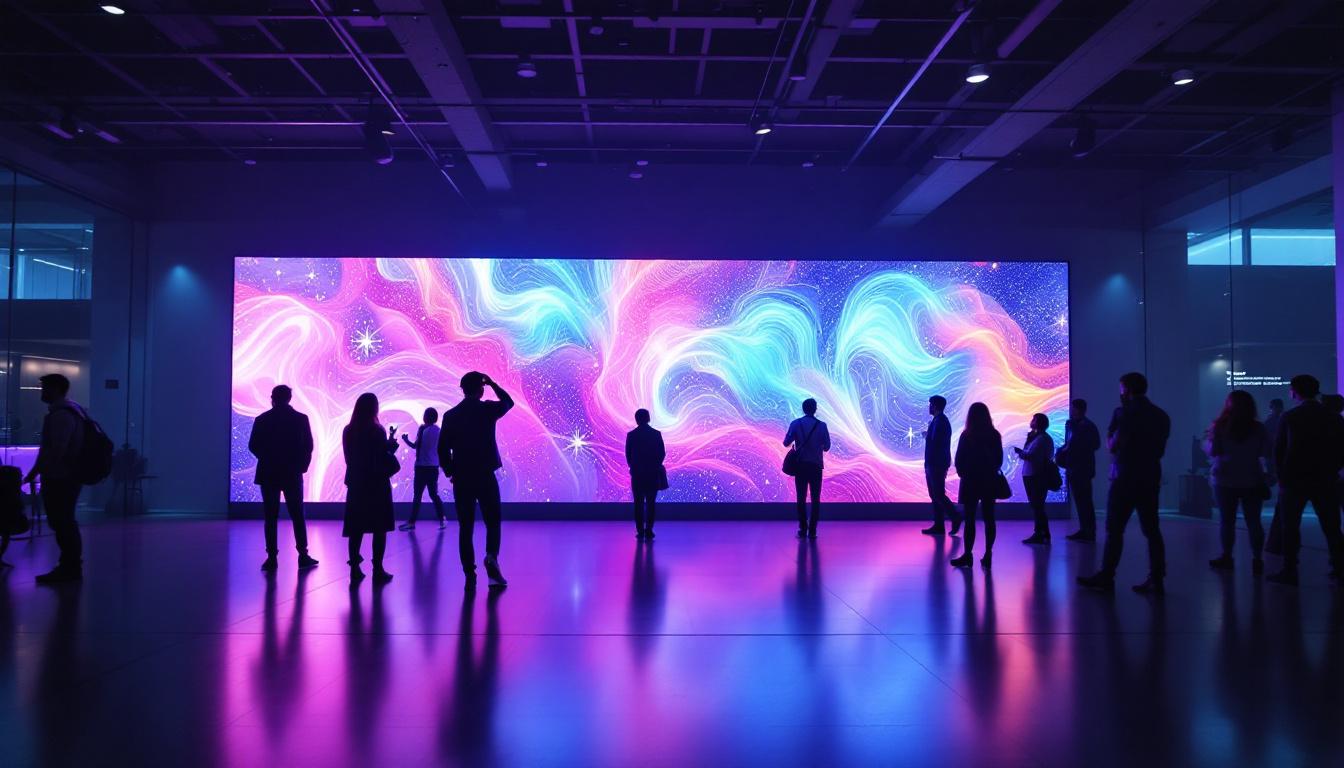
Large-scale advertising campaigns benefit greatly from block LED displays. These displays can be installed on building facades, billboards, or inside shopping malls to deliver vibrant, eye-catching content. The modular design allows advertisers to tailor the display size to the location, maximizing impact while controlling costs.
Sports and Entertainment Venues
Stadiums and concert halls use block LED displays to provide real-time information, replays, and interactive content to audiences. The flexibility in size and shape enables creative installations that enhance the spectator experience. For example, wrap-around LED displays can provide immersive visuals that engage fans from every angle.
Corporate and Event Spaces
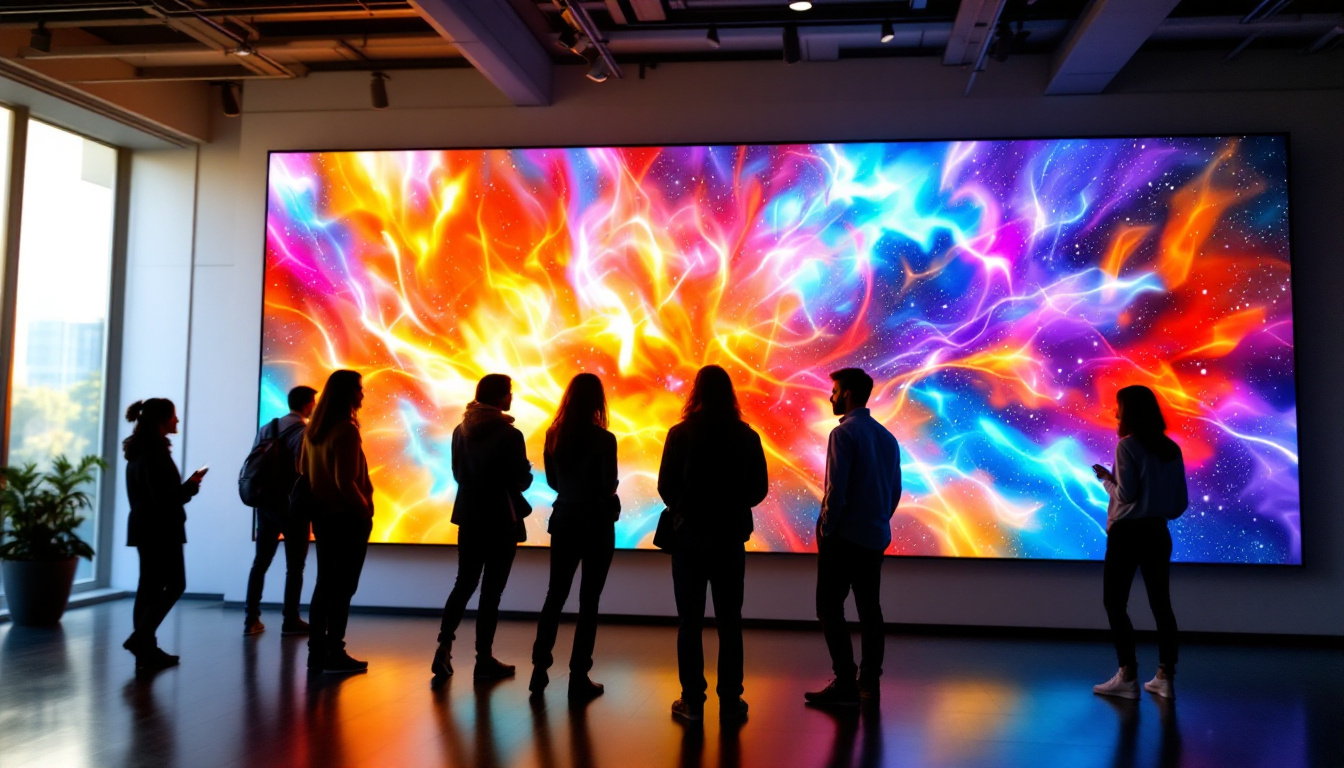
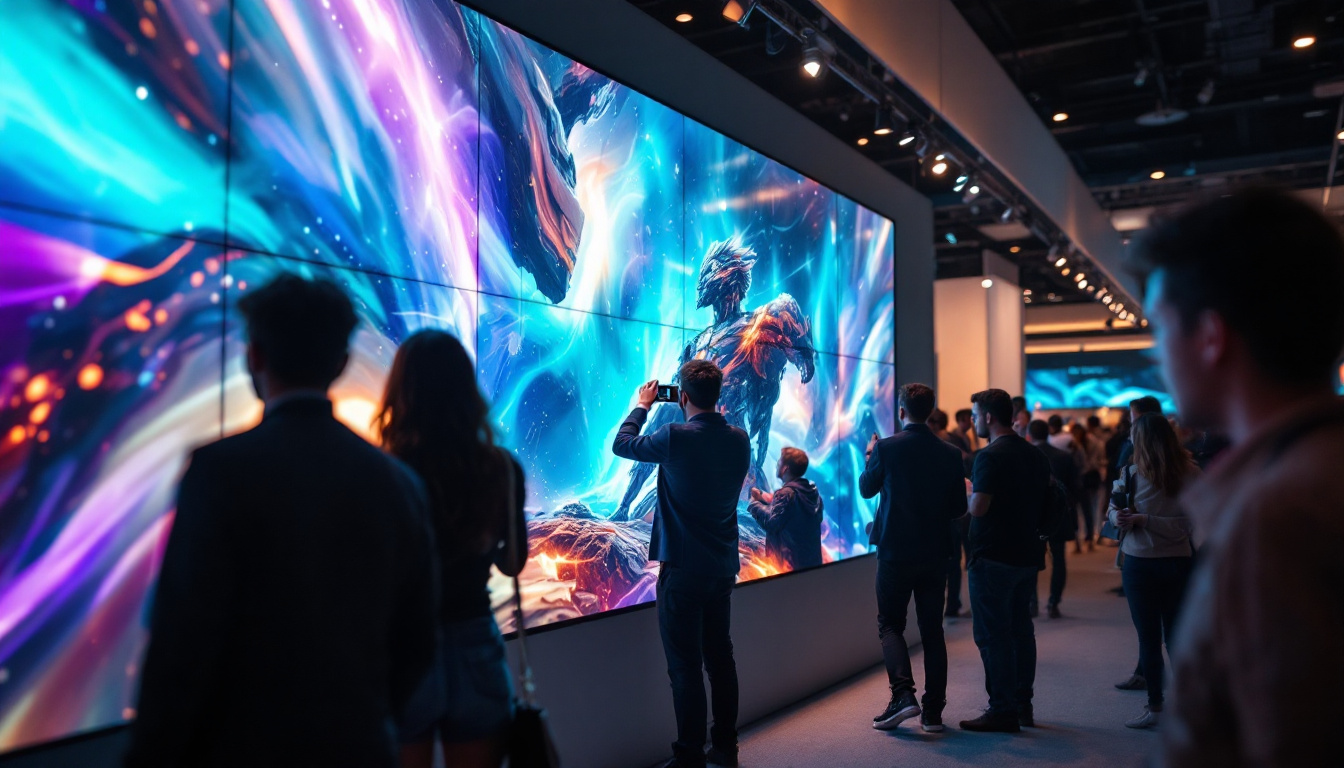
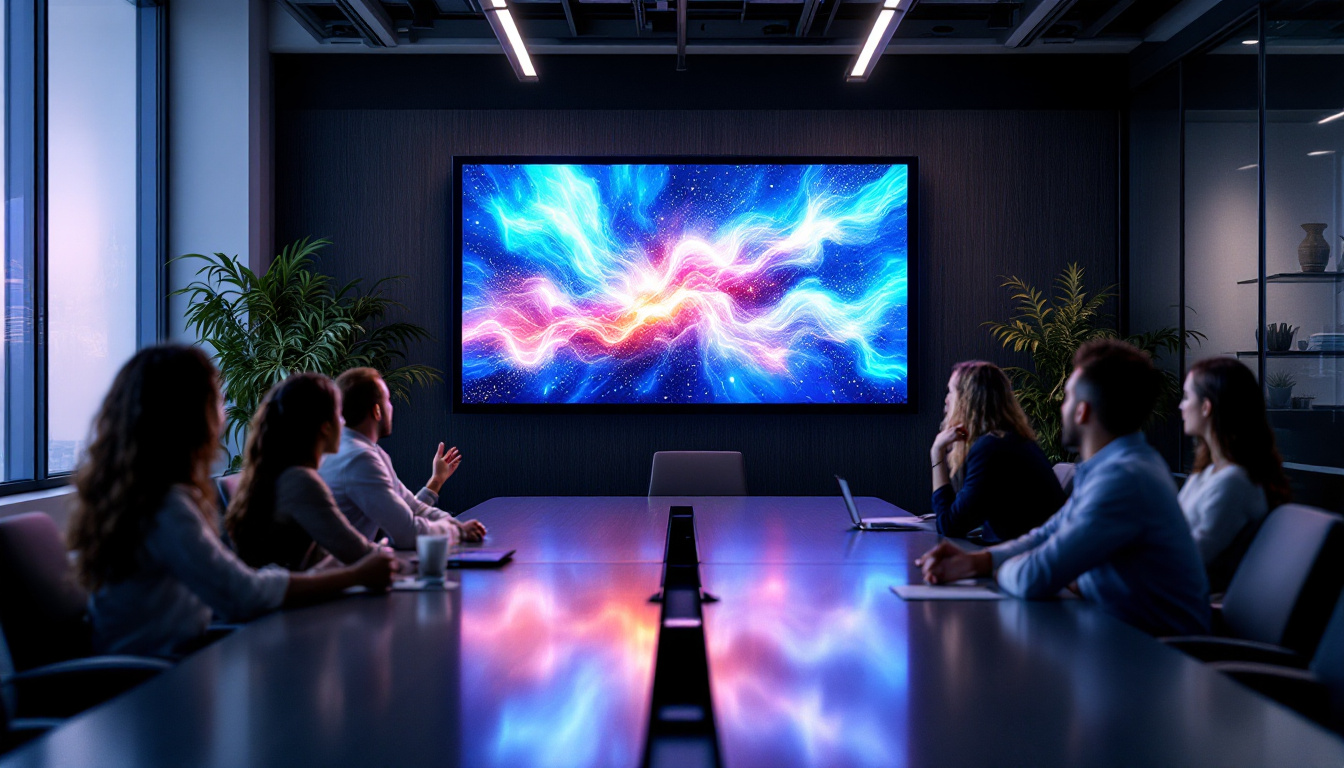
In corporate settings, block LED displays are used for presentations, video conferencing, and branding. Event organizers leverage these displays for dynamic backdrops and informational signage. The ability to quickly assemble and disassemble block displays makes them ideal for temporary installations at trade shows and conferences.
Transportation and Public Information
Airports, train stations, and bus terminals utilize block LED displays for schedules, alerts, and advertising. Their high brightness and clarity ensure that information is accessible even in challenging lighting conditions. The modularity allows for easy updates and expansions as passenger needs evolve.
Technical Considerations When Choosing a Block LED Display
Selecting the right block LED display requires careful evaluation of several technical factors to ensure optimal performance and longevity.
Pixel Pitch and Resolution
The pixel pitch determines the display’s resolution and viewing distance. For indoor applications where viewers are close to the screen, a smaller pixel pitch (e.g., 1.5mm to 3mm) is preferred for sharp images. Outdoor displays, viewed from greater distances, can use larger pixel pitches (e.g., 10mm or more) without compromising perceived quality.
Brightness and Contrast Ratio
Brightness is measured in nits, and higher values are essential for outdoor displays exposed to sunlight. Typical outdoor LED displays offer brightness levels between 5,000 and 8,000 nits. Contrast ratio affects image depth and clarity; a higher contrast ratio results in more vivid visuals.
Refresh Rate and Color Accuracy
A higher refresh rate reduces flicker, which is especially important for video content and camera compatibility. Color accuracy ensures that images appear natural and consistent. Advanced calibration technologies help maintain color fidelity across all blocks.
Connectivity and Control Systems
Modern block LED displays support various input signals, including HDMI, DVI, and network-based protocols. The control system should allow for easy content management, remote monitoring, and synchronization across all blocks. Integration with content management software enhances operational efficiency.
Environmental Resistance
For outdoor installations, displays must be rated for resistance to water, dust, temperature extremes, and UV exposure. IP65 or higher ratings are common for weatherproof block LED displays.
Future Trends in Block LED Display Technology
The LED display industry continues to innovate, with several trends shaping the future of block displays.
Higher Resolution and Miniaturization
Advances in LED manufacturing are enabling even smaller pixel pitches, pushing the boundaries of resolution. Micro-LED technology, which uses tiny LEDs smaller than 100 microns, promises unprecedented image quality and energy efficiency.
Flexible and Transparent Displays
Research into flexible substrates and transparent LED modules is expanding the potential applications of block displays. Flexible blocks can conform to curved or irregular surfaces, while transparent displays can be integrated into windows and glass facades without obstructing views.
Artificial Intelligence and Smart Control
AI-powered control systems are being developed to optimize content delivery based on audience demographics, ambient conditions, and real-time analytics. This level of intelligence enhances engagement and operational efficiency.
Sustainability and Energy Efficiency
With growing environmental concerns, manufacturers are focusing on reducing the carbon footprint of LED displays. Innovations in materials, power management, and recycling are making block LED displays more sustainable.
Conclusion
Block LED displays represent a significant advancement in digital signage technology, offering unmatched flexibility, scalability, and performance. Their modular design allows for tailored solutions that meet diverse needs across advertising, entertainment, corporate, and public sectors. As technology continues to evolve, block LED displays are poised to become even more versatile and intelligent, driving the future of visual communication.
For businesses and organizations looking to invest in digital display technology, understanding the benefits and technical considerations of block LED displays is essential. By choosing the right system, users can create impactful visual experiences that captivate audiences and deliver measurable results.
Discover LumenMatrix’s Innovative LED Display Solutions
Ready to elevate your visual communication strategy with cutting-edge technology? Explore LumenMatrix’s comprehensive range of LED display solutions, designed to meet the dynamic needs of any sector. From vibrant Indoor and Outdoor LED Wall Displays to versatile Vehicle and Sports LED Displays, our products are crafted to captivate and engage your audience. Experience the future of digital signage with our Custom, All-in-One, and Transparent LED Displays. Embrace the revolution in visual storytelling with LumenMatrix – where innovation meets impact. Check out LumenMatrix LED Display Solutions today and transform your brand’s visibility.