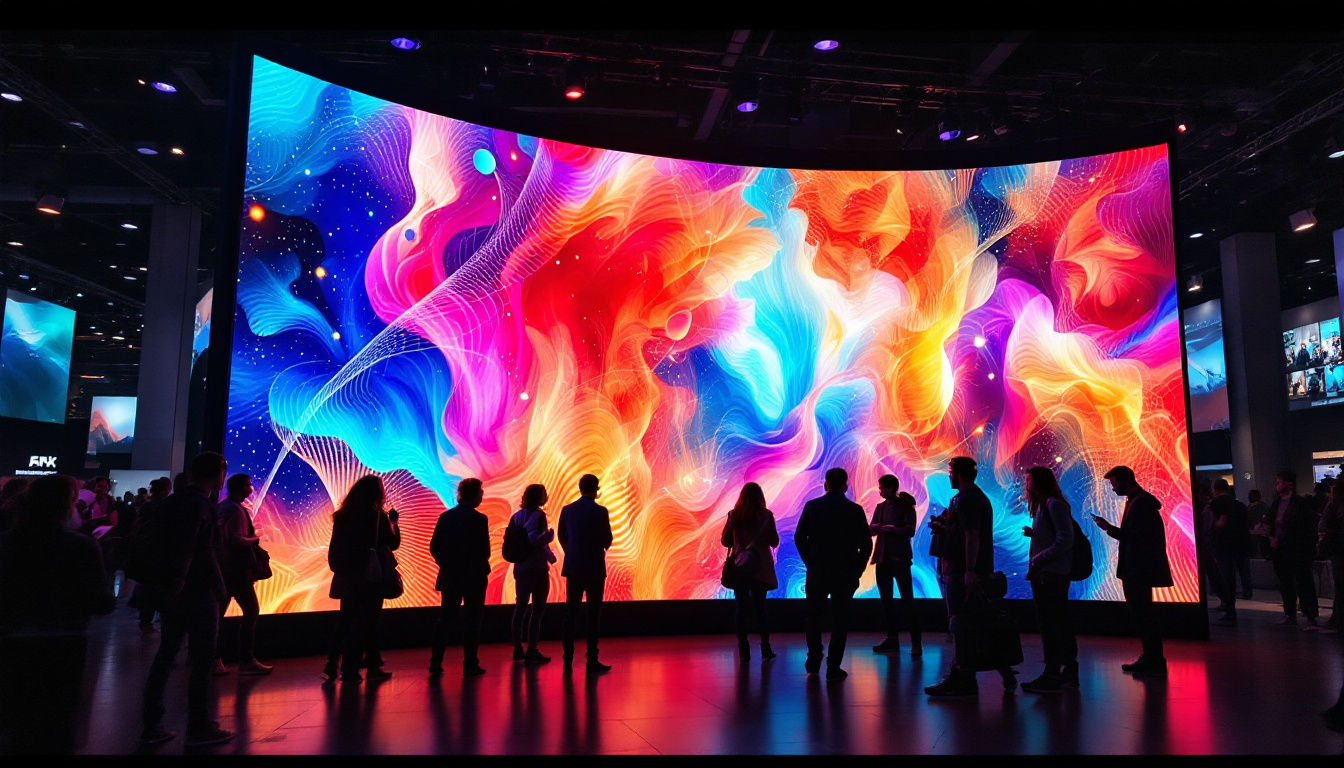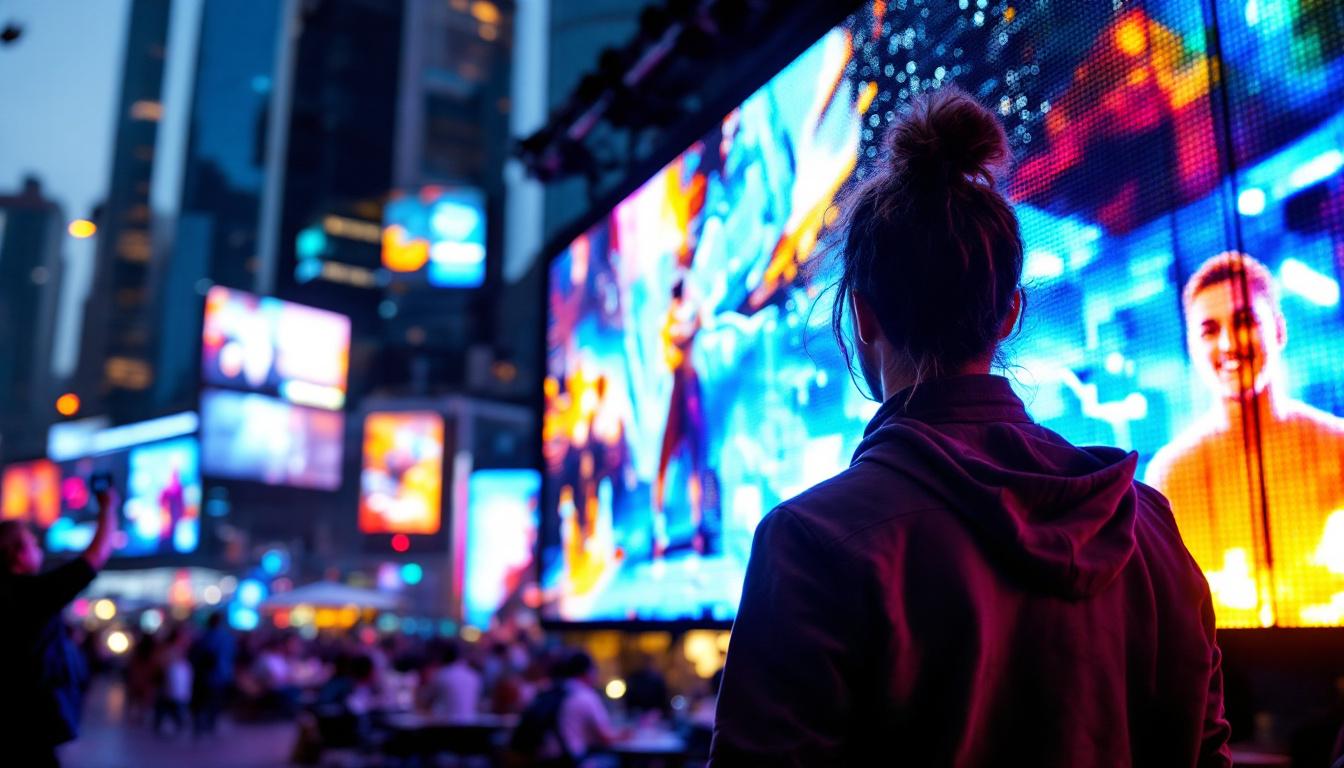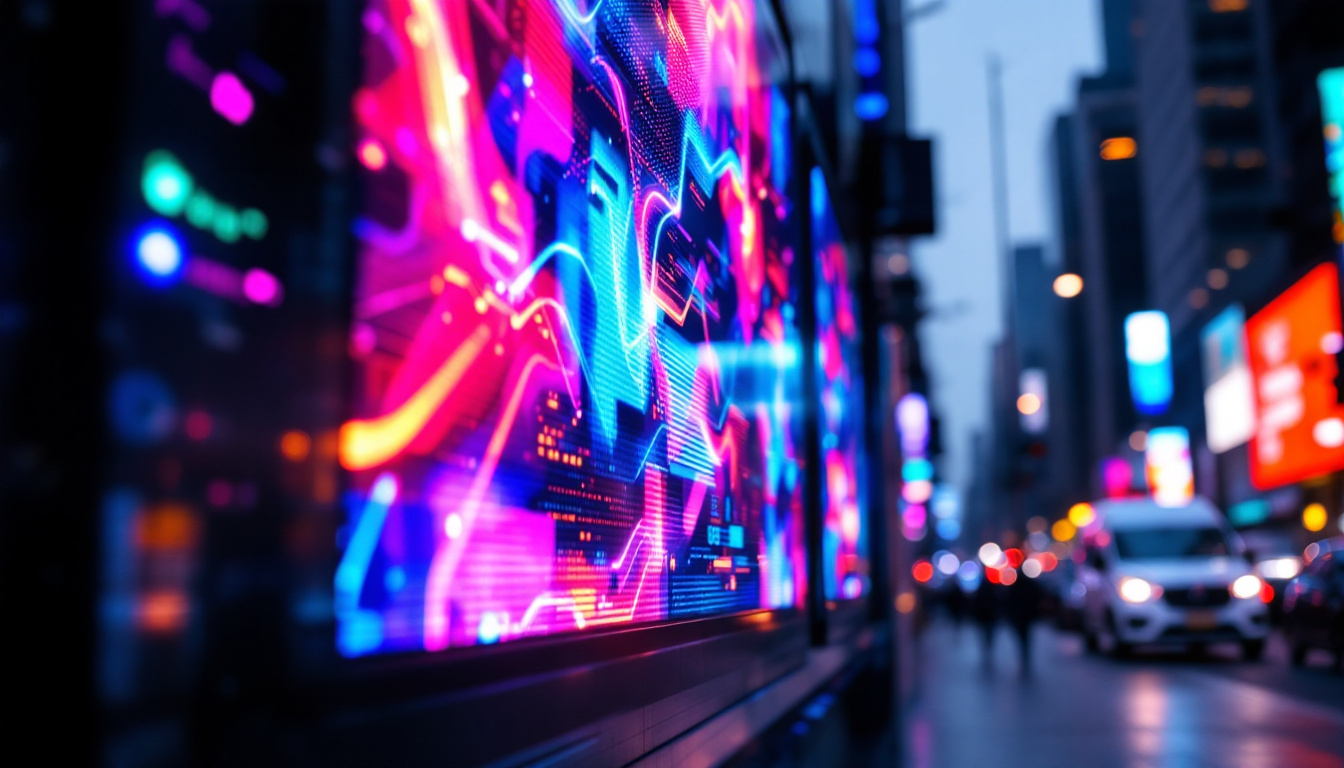
In today’s digital age, LED displays have become an integral part of advertising, information dissemination, and entertainment. From towering billboards in Times Square to dynamic scoreboards in stadiums, LED technology powers vibrant, eye-catching visuals that captivate audiences worldwide. Central to this technology is the concept of the board pixel — the fundamental building block of LED displays. Understanding what board pixels are, how they function, and their role in display quality is essential for anyone interested in digital signage, display manufacturing, or visual communications.
What is a Board Pixel in an LED Display?
A board pixel refers to the smallest controllable unit on an LED display board that can emit light in specific colors and intensities. Unlike traditional pixels on LCD or OLED screens, which rely on liquid crystals or organic compounds, LED pixels are composed of tiny light-emitting diodes that illuminate individually.
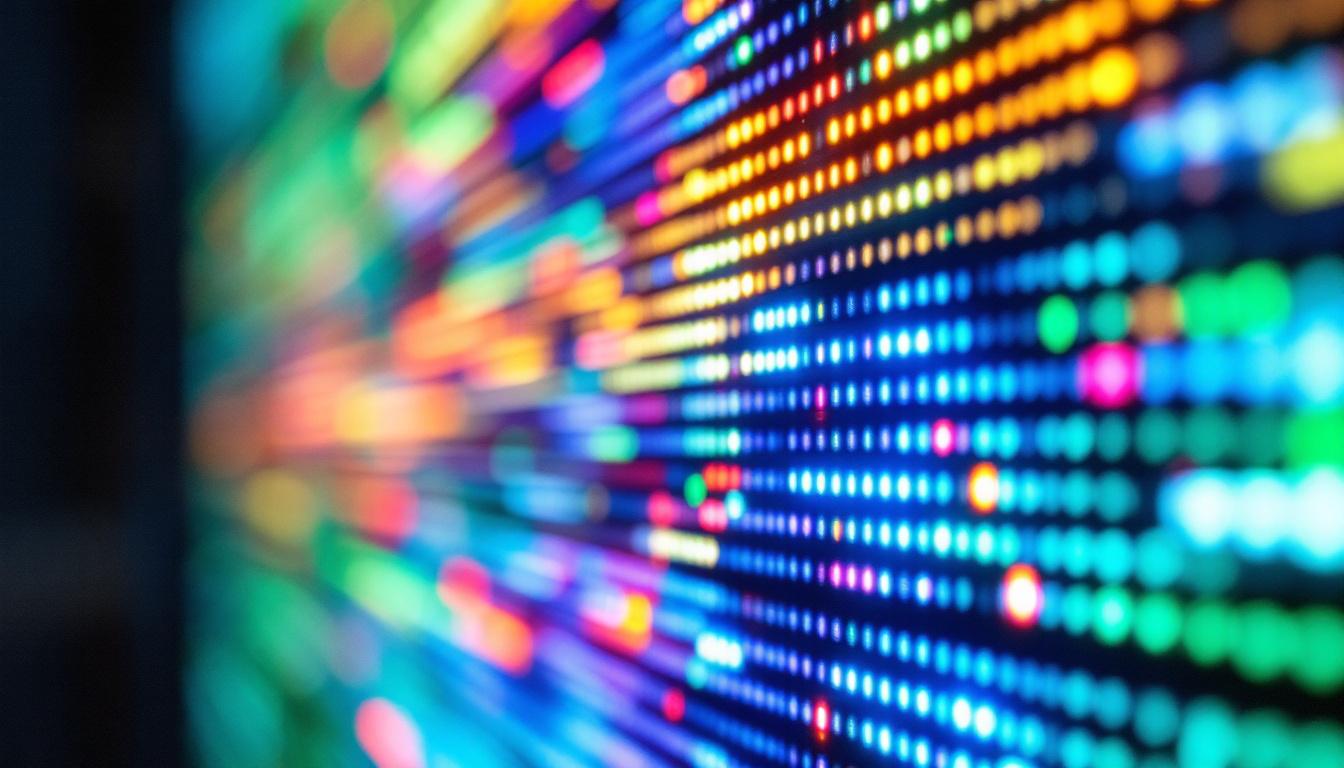
Each board pixel typically consists of three sub-pixels — red, green, and blue LEDs — arranged closely together. By varying the brightness of these sub-pixels, a wide spectrum of colors can be produced, enabling the display to render images, videos, and text with remarkable clarity and vibrancy. This ability to mix colors at the pixel level allows for stunning visual effects and detailed imagery, making LED displays a popular choice for everything from advertising to live event displays.
In addition to their color capabilities, board pixels are designed to be energy-efficient. Modern LED technology has advanced significantly, allowing for lower power consumption while maintaining high brightness levels. This efficiency not only reduces operational costs but also contributes to a smaller carbon footprint, aligning with the growing demand for sustainable technology in various industries.
How Board Pixels Differ from Other Pixel Types
Unlike LCD pixels, which use a backlight filtered through liquid crystals, LED pixels emit their own light, resulting in higher brightness and contrast ratios. This self-illumination allows LED displays to perform exceptionally well in outdoor environments with direct sunlight, making them ideal for billboards and public information boards. The vivid colors and sharp images produced by LED displays are particularly effective in capturing the attention of passersby, which is crucial for advertising and public messaging.
Furthermore, LED pixels are scalable and modular. Large LED display boards are constructed by assembling multiple LED panels, each containing thousands of pixels, allowing for flexible sizes and resolutions. This modularity contrasts with traditional display technologies that are often limited by manufacturing constraints. The ability to customize the size and shape of LED displays means they can be tailored to fit unique architectural designs or specific advertising needs, providing a level of versatility that is unmatched in the display market. Additionally, advancements in pixel pitch technology have led to finer pixel densities, allowing for high-resolution displays that can be viewed from closer distances without sacrificing image quality.
Key Components of a Board Pixel
Understanding the anatomy of a board pixel provides insight into how LED displays achieve their impressive visual effects. The main components include:
1. The LED Chips
At the heart of each pixel are the LED chips — microscopic semiconductor devices that emit light when an electric current passes through them. The three chips in each pixel correspond to the primary colors red, green, and blue. The quality and efficiency of these chips directly impact the color accuracy and brightness of the display.
2. The PCB (Printed Circuit Board)
The LED chips are mounted on a printed circuit board, which provides the electrical connections and mechanical support for the pixels. The PCB design is crucial for heat dissipation and signal integrity, ensuring that the LEDs operate reliably over extended periods.
3. The Driver IC
Each pixel’s LEDs are controlled by driver integrated circuits (ICs) that regulate the current supplied to each sub-pixel. These drivers enable precise control of brightness and color, allowing the display to render smooth gradients and detailed images.
4. The Lens or Diffuser
To enhance viewing angles and color blending, a lens or diffuser is often placed over the LEDs. This optical element helps to distribute light evenly and reduce glare, improving the overall visual experience.
Pixel Pitch: The Crucial Metric for LED Display Quality
One of the most important specifications related to board pixels is the pixel pitch. Pixel pitch refers to the distance between the centers of two adjacent pixels, usually measured in millimeters. It directly influences the resolution, viewing distance, and image sharpness of an LED display.
How Pixel Pitch Affects Image Quality
A smaller pixel pitch means pixels are packed more densely, resulting in higher resolution and finer image detail. For example, a pixel pitch of 1.5 mm is common for indoor LED displays where viewers are close to the screen, allowing for crisp text and detailed graphics.
Conversely, outdoor LED displays often have larger pixel pitches, such as 10 mm or more, because viewers typically observe these screens from greater distances. At these distances, the human eye cannot distinguish individual pixels, so a larger pitch is acceptable and more cost-effective.
Choosing the Right Pixel Pitch for Your Application
Selecting the appropriate pixel pitch depends on the intended viewing distance and the type of content displayed. For instance, digital signage in retail stores benefits from fine pixel pitches for detailed images, while highway billboards prioritize brightness and visibility over fine resolution.
Industry standards suggest that the optimal viewing distance (in meters) is approximately 1,000 times the pixel pitch (in millimeters). So, a 5 mm pixel pitch display is best viewed from about 5 meters or more.
Types of LED Displays and Their Board Pixel Configurations
LED displays come in various forms, each optimized for different environments and uses. The configuration and density of board pixels vary accordingly.
1. Indoor LED Displays
Indoor LED displays typically feature small pixel pitches ranging from 0.9 mm to 4 mm. These displays require high resolution and color fidelity to accommodate close viewing distances, such as in conference rooms, retail environments, or broadcast studios.
Because indoor environments are controlled, the LEDs used can be less bright than outdoor variants, focusing instead on color accuracy and refresh rates to prevent flickering.
2. Outdoor LED Displays
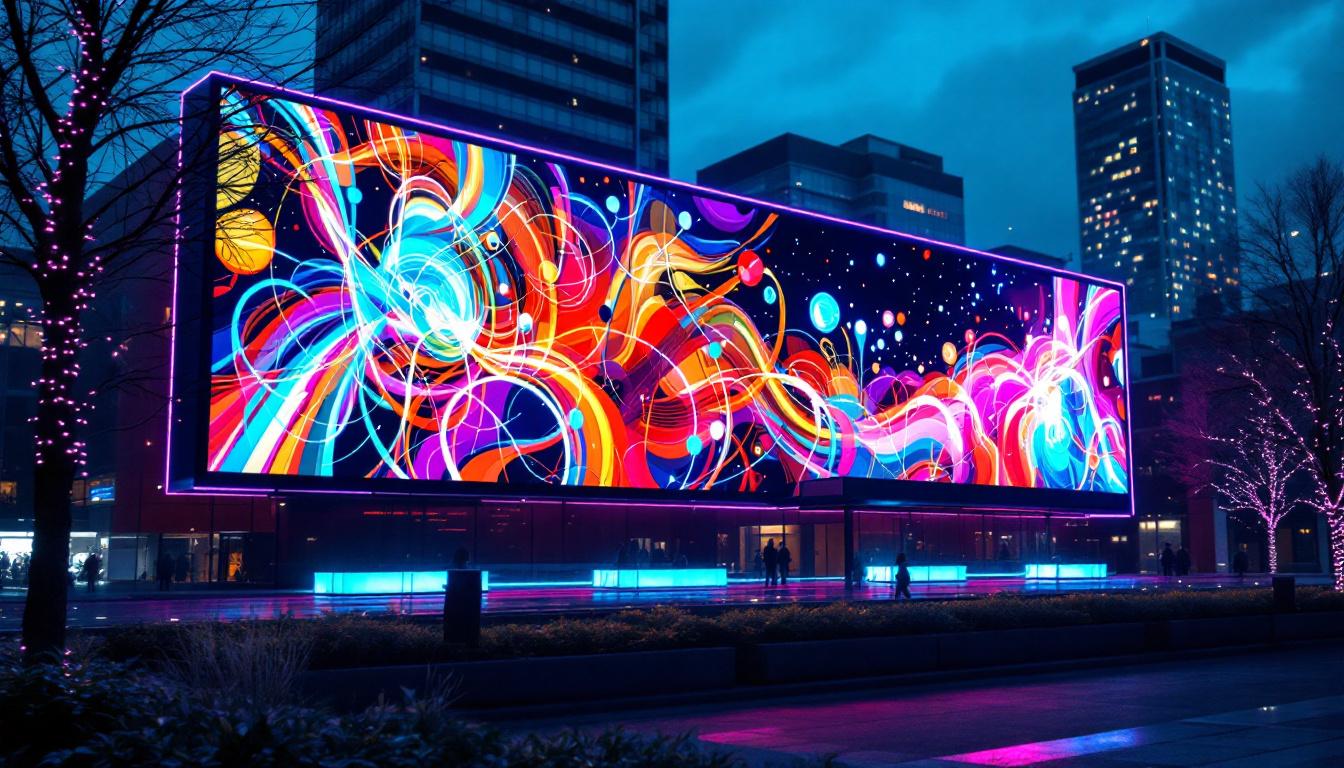
Outdoor LED displays prioritize brightness and weather resistance. Pixel pitches here range from 4 mm to over 20 mm, depending on the size and intended viewing distance. These displays must withstand harsh weather, UV exposure, and temperature fluctuations.
High brightness levels, often exceeding 5,000 nits, ensure visibility even in direct sunlight. The board pixels are designed with robust encapsulation to protect the LEDs and circuitry.
3. Flexible and Transparent LED Displays
Innovations in LED technology have led to flexible and transparent displays, where board pixels are arranged on bendable substrates or spaced to allow see-through effects. These are used in creative architectural installations and retail windows, combining aesthetics with functionality.
Advancements in Board Pixel Technology
LED display technology continues to evolve, with research and development focusing on improving pixel performance, energy efficiency, and integration capabilities.
Mini-LED and Micro-LED Technologies
Mini-LED and micro-LED represent the next generation of LED pixels, featuring significantly smaller LEDs that enable even higher resolutions and improved contrast ratios. Micro-LEDs, in particular, are poised to revolutionize displays by combining the benefits of OLED’s self-emission with LED’s brightness and longevity.
These technologies allow for pixel pitches below 1 mm, making them ideal for ultra-high-definition displays in consumer electronics and professional applications.
Energy Efficiency and Heat Management
Modern board pixels are designed to consume less power while maintaining brightness, which is critical for reducing operational costs and environmental impact. Advanced heat dissipation materials and PCB designs help prevent overheating, extending the lifespan of LED displays.
Smart Control and Integration
Integration with IoT and smart control systems enables dynamic content management and real-time monitoring of LED displays. Board pixels can be individually addressed and adjusted remotely, facilitating maintenance and enhancing user experience.
Common Applications of LED Displays Featuring Board Pixels
LED displays are ubiquitous across various sectors, leveraging board pixels to deliver impactful visual communication.
Advertising and Marketing
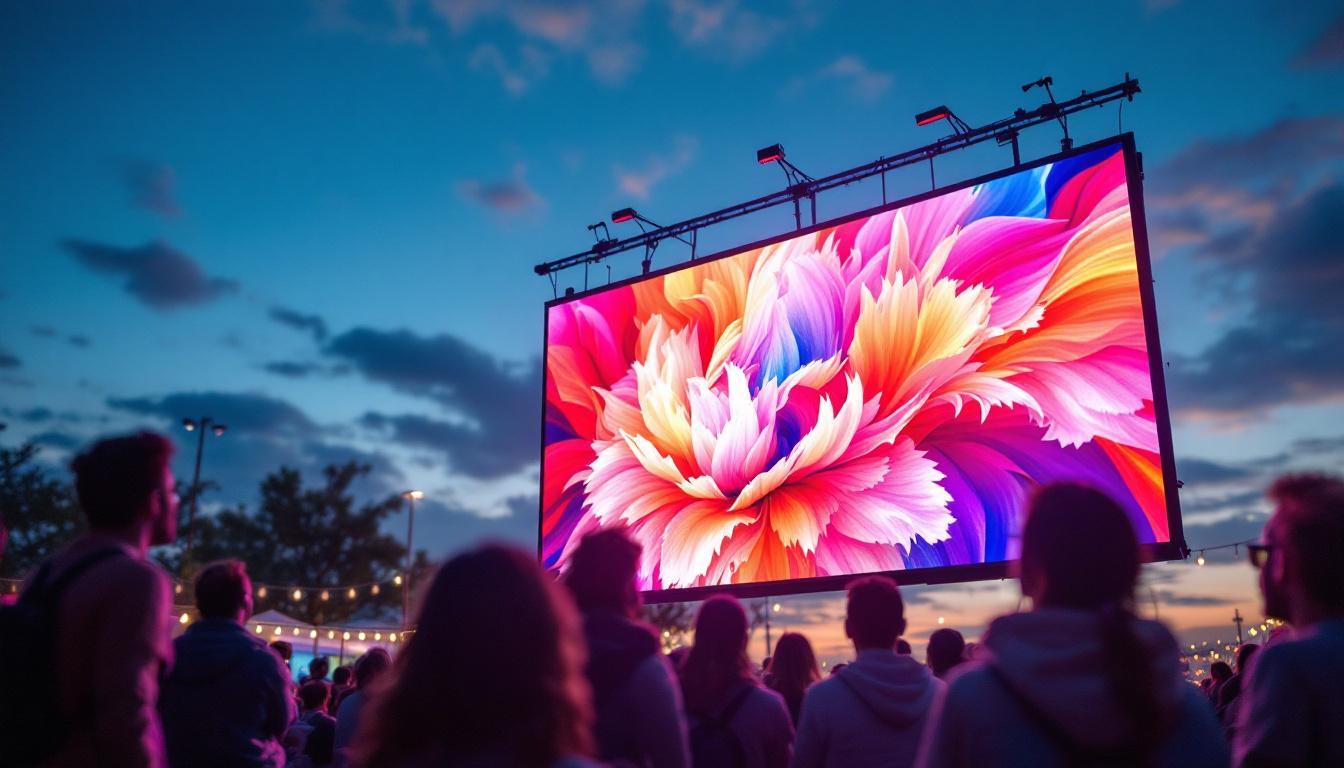
Billboards, mall displays, and transit advertising use LED boards to attract attention with bright, colorful content. The flexibility of LED displays allows advertisers to update content instantly, target audiences more effectively, and measure engagement through integrated analytics.
Sports and Entertainment Venues
Scoreboards, video walls, and stage backdrops rely on LED displays for high visibility and immersive experiences. The fast refresh rates and vivid colors of LED pixels enhance spectator enjoyment and broadcast quality.
Public Information and Transportation
Airports, train stations, and city centers utilize LED displays to provide real-time information such as schedules, alerts, and wayfinding. The durability and brightness of LED pixels ensure messages remain clear under various lighting conditions.
Corporate and Educational Settings
Conference rooms, lecture halls, and digital signage within corporate campuses employ LED displays for presentations, digital notices, and interactive content, benefiting from the high resolution and adaptability of board pixels.
Maintenance and Longevity of LED Board Pixels
Proper maintenance is essential to maximize the lifespan and performance of LED displays. Board pixels, while robust, can degrade over time due to environmental factors and usage.
Common Issues Affecting Board Pixels
Dead pixels, color inconsistencies, and brightness fading are typical problems that can arise. These issues often stem from electrical faults, physical damage, or environmental exposure.
Preventive Measures and Repairs
Regular cleaning, environmental protection (such as waterproofing and UV shielding), and routine inspections help prevent pixel failures. When issues occur, modular panel designs allow for targeted repairs or replacements without dismantling the entire display.
Conclusion: The Importance of Board Pixels in LED Displays
Board pixels are the fundamental units that define the quality, versatility, and effectiveness of LED displays. Their design, configuration, and management determine how well a display performs in various environments and applications.
As LED technology advances, understanding board pixels becomes increasingly important for manufacturers, designers, and end-users alike. Whether for advertising, entertainment, or information, the right pixel configuration ensures that LED displays deliver vibrant, clear, and engaging visuals that meet the demands of modern audiences.
Discover the Future of Visual Communication with LumenMatrix
Ready to elevate your visual messaging with the latest in LED display technology? LumenMatrix is at the forefront of innovation, offering a diverse range of LED display solutions tailored to meet your unique needs. From captivating Indoor LED Wall Displays to robust Outdoor LED Wall Displays, and from dynamic Vehicle LED Displays to sleek LED Poster Displays, our products are designed to make your brand stand out. Experience the revolution in digital signage and create unforgettable visual experiences with LumenMatrix. Check out LumenMatrix LED Display Solutions today and see your vision come to life.