In the rapidly evolving world of digital displays, Brompton Technology has established itself as a leading innovator in LED display processing. Known for their cutting-edge video processing solutions, Brompton’s products are integral to delivering stunning, high-quality LED visuals in various industries, from live events to broadcast and corporate environments. This article delves into the technology behind Brompton LED displays, exploring how Brompton’s advanced processing enhances LED screen performance and why it matters for users seeking exceptional visual experiences.
Understanding LED Displays and Their Challenges
LED (Light Emitting Diode) displays have become the go-to choice for large-format digital screens due to their brightness, color vibrancy, and scalability. Unlike traditional LCD or projection screens, LED displays consist of thousands to millions of tiny LEDs that emit light directly, enabling vivid images even in bright ambient conditions. Their ability to produce deep blacks and brilliant whites allows for an impressive contrast ratio, making them ideal for a variety of applications ranging from advertising billboards to immersive art installations.
However, despite their advantages, LED displays pose unique technical challenges. The nature of LED pixels, viewing angles, color calibration, and the sheer volume of data required to drive these displays demand sophisticated processing techniques. Without proper management, issues such as color inconsistency, motion blur, flickering, and image distortion can degrade the viewer’s experience. Additionally, the thermal management of LED displays is crucial, as excessive heat can lead to reduced lifespan and performance degradation, necessitating effective cooling solutions to maintain optimal operation.
The Role of Video Processing in LED Displays
Video processing is the backbone of any LED display system. It involves converting incoming video signals into a format suitable for the LED panel, optimizing image quality, and ensuring smooth playback. This includes tasks like scaling, color correction, frame rate conversion, and pixel mapping. Advanced video processors can also incorporate features like dynamic range adjustment and real-time image enhancement, which further elevate the visual experience by adapting content to the specific characteristics of the display.
For large-scale LED walls, especially those used in concerts, sports arenas, and broadcast studios, video processing must be both powerful and flexible. It needs to handle multiple input sources, synchronize content across displays, and adapt to varying pixel pitches and panel configurations. This is where Brompton Technology’s expertise comes into play. Their innovative processing solutions not only ensure seamless integration of high-definition content but also provide tools for precise calibration, allowing for consistent color and brightness across the entire display surface. Moreover, the ability to manage content dynamically in real-time enhances the viewer’s engagement, making LED displays a captivating medium for storytelling and advertising alike.
Brompton Technology: A Leader in LED Processing
Founded in 2002, Brompton Technology has grown to become a global leader in LED video processing solutions. Their processors are renowned for delivering exceptional image quality, reliability, and ease of use, making them a preferred choice for event production companies, broadcasters, and rental houses worldwide.
At the core of Brompton’s technology is their proprietary LED processing platform, which integrates advanced algorithms and hardware designed specifically for LED displays. This platform addresses the inherent challenges of LED panels, ensuring that images are bright, sharp, and color-accurate even under demanding conditions.
Key Features of Brompton LED Processing
- Advanced Color Calibration: Brompton processors use sophisticated color management tools to calibrate LED panels precisely. This ensures uniform color reproduction across the entire display, which is crucial for maintaining visual consistency, especially on large video walls.
- Motion Compensation and Frame Rate Conversion: To reduce motion blur and judder, Brompton technology incorporates motion estimation and compensation algorithms. This is particularly important for live broadcasts and fast-moving content.
- High Dynamic Range (HDR) Support: Brompton processors support HDR content, enabling displays to showcase a wider range of brightness and color, thereby enhancing realism and depth in images.
- Pixel Mapping and Scaling: Their processors can map content precisely to irregular or curved LED panels, accommodating creative display designs without compromising image quality.
- Real-Time Processing and Low Latency: Brompton’s hardware is optimized for real-time video processing with minimal latency, essential for live events and interactive applications.
In addition to these features, Brompton Technology places a strong emphasis on user experience, providing intuitive interfaces that allow operators to manage complex setups with ease. Their commitment to customer support is evident through extensive training resources and a responsive technical support team, ensuring that users can maximize the potential of their LED systems. This focus on service has fostered a loyal customer base that spans various sectors, including entertainment, corporate events, and live sports.
Moreover, Brompton continues to innovate, regularly releasing software updates that enhance functionality and introduce new features based on user feedback. This dedication to improvement not only keeps their technology at the forefront of the industry but also empowers users to adapt to the ever-evolving demands of visual storytelling. As the world of LED technology advances, Brompton remains committed to leading the charge, ensuring that their clients can deliver stunning visual experiences that captivate audiences around the globe.
How Brompton LED Processing Enhances Visual Performance
To appreciate the impact of Brompton LED processing, it helps to understand how their technology improves specific aspects of LED display performance.
Color Accuracy and Uniformity
One of the biggest challenges with LED displays is achieving consistent color across all panels. Variations in LED manufacturing, aging, and environmental factors can cause color shifts that distract viewers and degrade image quality.
Brompton’s color calibration tools allow operators to perform precise adjustments at the panel and pixel level. Their processors can store calibration profiles and automatically apply corrections in real-time, ensuring that colors remain true and consistent regardless of the display size or configuration.
Smooth Motion and Reduced Artifacts
Fast-moving content often exposes weaknesses in LED processing, such as motion blur or judder, which can make videos appear unnatural or tiring to watch. Brompton’s motion compensation technology analyzes frame-to-frame movement and generates intermediate frames to smooth motion transitions.
This results in clearer, more fluid video playback, which is especially valuable for sports broadcasts, concerts, and immersive experiences where viewer engagement depends on visual clarity.
Optimized Brightness and Contrast
LED displays are prized for their brightness, but excessive brightness without control can cause eye strain or wash out colors. Brompton processors manage brightness levels dynamically, balancing luminance to preserve detail in both highlights and shadows.
With HDR support, Brompton technology further enhances contrast ratios, allowing displays to render deep blacks and brilliant highlights simultaneously, adding depth and realism to images.
Applications of Brompton LED Displays
Brompton LED processing technology finds applications across a wide spectrum of industries, each benefiting from its ability to deliver superior image quality and reliable performance.
Live Events and Concerts
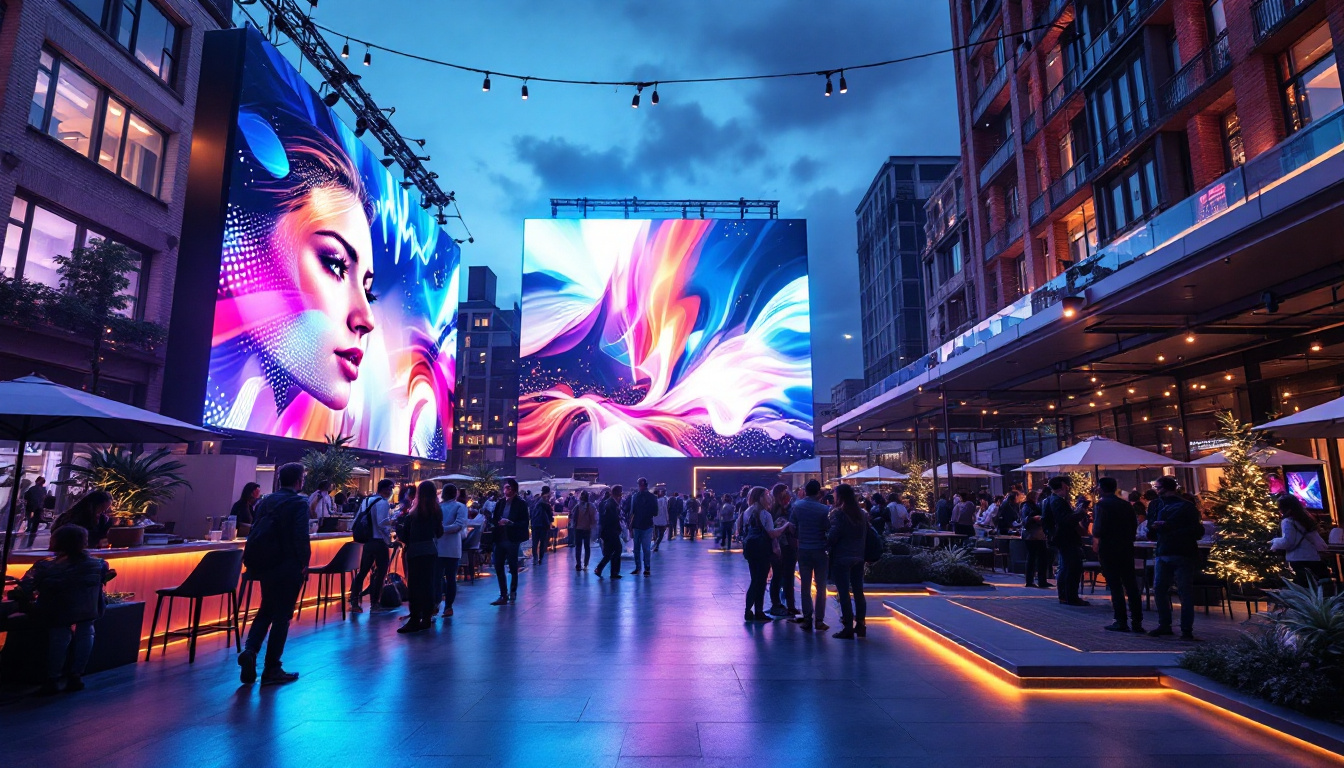
In the live event sector, LED walls are central to creating immersive visual experiences. Brompton processors enable event producers to deploy large, complex LED setups that maintain consistent image quality from every seat in the venue.
Whether it’s a stadium concert with massive curved LED screens or a festival stage with multiple video sources, Brompton technology ensures seamless content playback with minimal latency, critical for synchronizing visuals with live performances.
Broadcast and Studio Environments
Broadcast studios rely on LED walls for dynamic backgrounds and virtual sets. Brompton’s real-time processing capabilities and color accuracy make their processors ideal for these environments, where image quality and reliability are paramount.
Additionally, the ability to handle multiple inputs and outputs allows for flexible content management, supporting complex production workflows.
Corporate and Retail Displays
In corporate settings, LED walls are used for presentations, digital signage, and immersive meeting spaces. Brompton’s technology ensures that these displays deliver crisp visuals that engage audiences and convey messages effectively.
Retail environments also benefit from Brompton’s processing, as high-quality LED displays attract customer attention and enhance brand presence.
Future Trends and Innovations in Brompton LED Technology
The LED display industry continues to evolve, driven by demands for higher resolution, greater energy efficiency, and more creative display formats. Brompton Technology remains at the forefront of these developments.
Mini-LED and Micro-LED Integration
Emerging display technologies like Mini-LED and Micro-LED promise even finer pixel pitches and improved brightness control. Brompton is actively developing processing solutions tailored to these new panel types, ensuring their processors can handle the increased data throughput and calibration complexity.
Artificial Intelligence and Machine Learning
Future Brompton processors may incorporate AI and machine learning algorithms to automate color calibration, optimize video processing dynamically based on content type, and predictively manage display health. These advancements could reduce setup times and enhance overall display performance.
Enhanced Connectivity and Remote Management
As LED displays become more networked, Brompton is expanding its software ecosystem to support cloud-based control and diagnostics. This allows operators to monitor and adjust displays remotely, improving maintenance efficiency and uptime.
Conclusion
Brompton Technology’s LED processing solutions represent a pinnacle of innovation in the digital display industry. By addressing the unique challenges of LED panels through advanced color calibration, motion compensation, HDR support, and real-time processing, Brompton enables users to unlock the full potential of LED displays.
From live concerts to broadcast studios and corporate environments, Brompton processors deliver stunning visuals that captivate audiences and elevate content. As LED technology continues to advance, Brompton’s commitment to innovation ensures it will remain a trusted partner for those seeking the highest quality LED display experiences.
For professionals involved in LED display deployment and content production, understanding Brompton LED processing is essential to making informed decisions that lead to successful visual outcomes.
Discover Cutting-Edge LED Display Solutions with LumenMatrix
Ready to elevate your visual storytelling with the latest in LED display technology? Look no further than LumenMatrix, a pioneer in crafting immersive LED display modules tailored to your needs. From vibrant Indoor and Outdoor LED Wall Displays to innovative solutions like Vehicle LED Displays and LED Transparent Displays, LumenMatrix is committed to revolutionizing visual communication. Experience the power of advanced digital signage that captivates your audience and showcases your brand with unparalleled clarity. Check out LumenMatrix LED Display Solutions today and transform your space into a dynamic visual experience.