In the world of large-scale visual displays, LED technology has revolutionized how audiences experience live events, advertising, and digital signage. At the heart of these vibrant, high-resolution screens lies a critical piece of hardware: the LED processor. Among the industry leaders, Brompton Technology stands out for its innovative LED processing solutions that have set new standards in image quality, flexibility, and ease of use. This article explores the Brompton LED processor in depth, explaining its role, features, and why it is a preferred choice for LED display professionals worldwide.
Understanding LED Processors and Their Role
What Is an LED Processor?
An LED processor is a specialized hardware device that manages the video signal sent to an LED display. Unlike traditional monitors or TVs, LED walls are composed of thousands of individual light-emitting diodes arranged in a grid. The processor’s job is to ensure that the input video content is optimized and correctly mapped to the display’s unique configuration, delivering sharp, consistent images regardless of the screen size or shape.
LED processors handle critical tasks such as scaling, color correction, calibration, and pixel mapping. They convert various input signals—from HDMI and SDI to DisplayPort—into a format that the LED panels can interpret. Without a processor, the raw video signal would not translate correctly, leading to distorted images, color inaccuracies, or synchronization issues.
Why LED Processors Matter
LED displays are often used in demanding environments such as concerts, sports arenas, broadcast studios, and outdoor advertising. These settings require flawless image quality and reliability. The LED processor is the backbone that ensures the content looks its best under any conditions.
Moreover, LED processors provide the flexibility to manage complex setups involving multiple screens, irregular shapes, and varying pixel pitches. They enable real-time adjustments and advanced features like edge blending and warping, which are essential for immersive visual experiences. In addition to these functionalities, modern LED processors often come equipped with built-in processing capabilities that allow for enhanced video effects, such as dynamic transitions and overlays that can captivate audiences. This is particularly useful in live event production, where the ability to adapt and modify visuals on the fly can significantly enhance the overall experience.
Furthermore, the integration of LED processors with sophisticated software solutions has revolutionized the way content is created and displayed. Users can now utilize intuitive interfaces to program intricate visual sequences and synchronize them with audio elements, creating a cohesive and engaging atmosphere. This synergy between hardware and software not only streamlines the production process but also opens up new creative possibilities for designers and artists, allowing them to push the boundaries of visual storytelling in ways that were previously unimaginable.
Brompton Technology: A Pioneer in LED Processing
Company Overview and Industry Impact
Brompton Technology, founded in 2002 and headquartered in the United Kingdom, has become synonymous with high-performance LED processing. The company’s commitment to innovation has earned it a reputation for developing processors that combine cutting-edge technology with user-friendly interfaces. With a team of dedicated engineers and industry experts, Brompton continually pushes the boundaries of what is possible in LED technology, ensuring that their products not only meet but exceed the expectations of their users.
Brompton’s processors are widely adopted across the live event production, broadcast, and rental markets. Their products have powered major global events such as the Olympic Games, FIFA World Cup, and numerous international music festivals, showcasing their reliability and superior image quality on the world’s biggest stages. The company’s influence extends beyond just hardware; they have also been pivotal in shaping industry standards and practices, often collaborating with other leaders in the field to promote advancements in LED technology and its applications.
Key Features of Brompton LED Processors
Brompton processors are known for several standout features that distinguish them from competitors:
- Advanced Color Management: Brompton’s patented HDR (High Dynamic Range) and color calibration technologies deliver vivid, accurate colors that maintain consistency across different panels and viewing angles. This capability is particularly crucial in environments where lighting conditions can change rapidly, ensuring that the audience experiences the intended visual impact regardless of the setting.
- High Refresh Rates and Low Latency: Essential for live events and broadcast, Brompton processors support refresh rates up to 3840Hz and ultra-low latency to ensure smooth, flicker-free video playback. This feature is vital for fast-paced environments, such as sports broadcasts or live concerts, where any lag can detract from the viewer’s experience.
- Flexible Input and Output Options: Supporting a wide range of input formats and resolutions, Brompton processors can handle everything from 4K video to custom multi-screen configurations. This versatility allows production teams to adapt to various project requirements, making it easier to integrate into existing setups without extensive modifications.
- Robust Software Ecosystem: The Brompton Tessera software suite offers intuitive control, real-time monitoring, and advanced calibration tools, enabling operators to fine-tune displays with precision. The software also includes features for remote management, allowing technicians to troubleshoot and adjust settings from afar, which is invaluable during live events where time is of the essence.
- Scalability and Modularity: Brompton’s modular hardware design allows users to scale their processing power according to project size, making it suitable for both small installations and massive LED walls. This adaptability not only saves costs but also ensures that users can easily upgrade their systems as technology evolves or as their needs change.
In addition to these features, Brompton Technology places a strong emphasis on customer support and training. They offer comprehensive resources, including tutorials, webinars, and hands-on training sessions, to ensure that users can maximize the potential of their products. This commitment to education not only empowers operators but also fosters a community of knowledgeable professionals who can share best practices and innovative techniques within the industry. As the demand for high-quality visual experiences continues to grow, Brompton remains at the forefront, consistently evolving their technology to meet the needs of an ever-changing landscape.
Technical Deep Dive: How Brompton Processors Work
Signal Processing and Image Optimization
When a video signal enters a Brompton LED processor, it undergoes a series of sophisticated transformations. First, the processor decodes the input signal and scales it to match the LED display’s resolution. This step is crucial because LED walls often have unique pixel counts and aspect ratios that differ from standard video formats.
Next, the processor applies color correction and calibration adjustments. Brompton’s proprietary algorithms analyze the LED panels’ characteristics and compensate for any inconsistencies in brightness or color temperature. This ensures a uniform image across the entire display, even if individual panels vary slightly in performance.
Pixel Mapping and Configuration
One of the most complex tasks for an LED processor is pixel mapping—assigning each input video pixel to the corresponding LED on the screen. Brompton processors excel at this by supporting intricate screen layouts, including curved surfaces, irregular shapes, and mixed pixel pitches.
The Tessera software allows technicians to create detailed maps of the LED installation, defining panel positions, orientations, and pixel arrangements. This flexibility enables creative display designs that go beyond traditional rectangular screens.
Real-Time Processing and Latency Management
Live events demand minimal delay between the input signal and the displayed image. Brompton processors are engineered to minimize latency, often achieving delays as low as a few milliseconds. This is vital for applications like live broadcasting, where synchronization with audio and other video feeds is critical.
Additionally, Brompton’s processors support high refresh rates, reducing flicker and motion blur. This capability enhances viewer comfort and image clarity, particularly in fast-moving content such as sports or concerts.
Applications of Brompton LED Processors
Live Events and Concerts
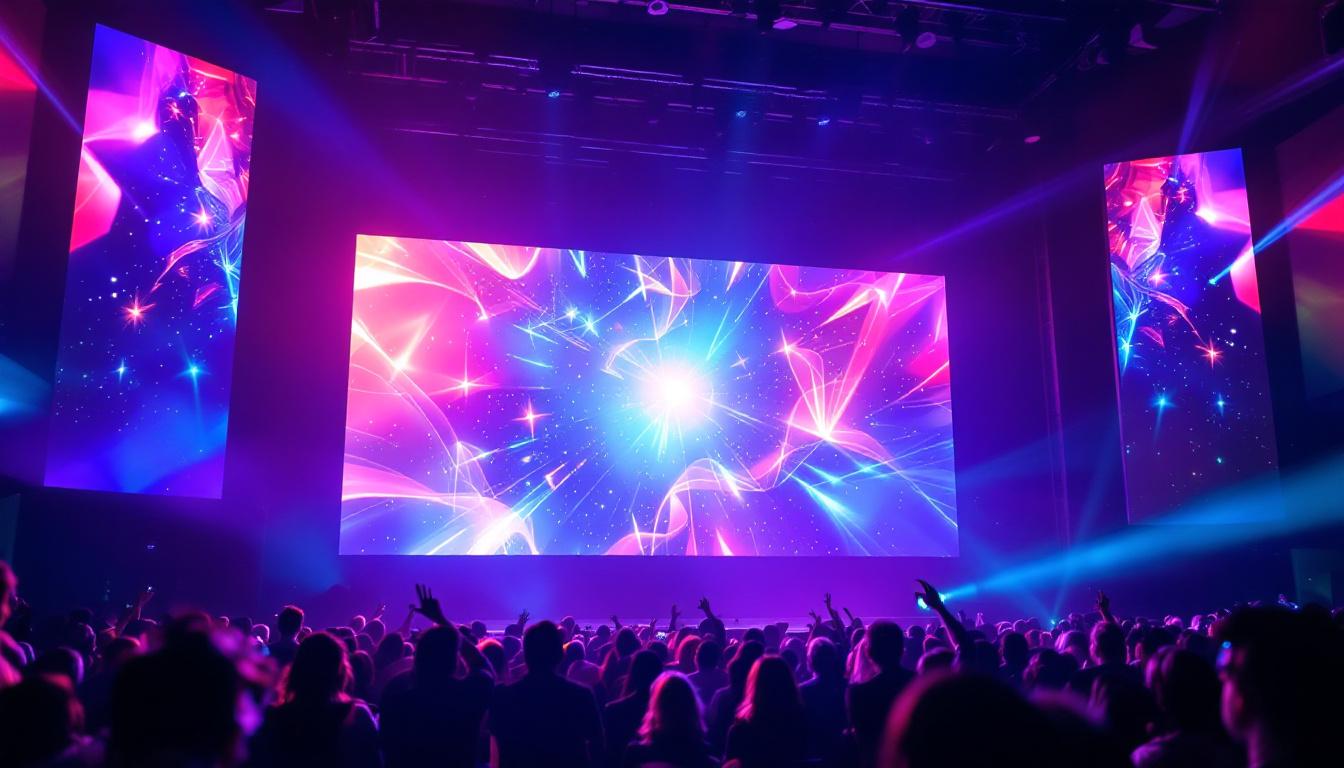
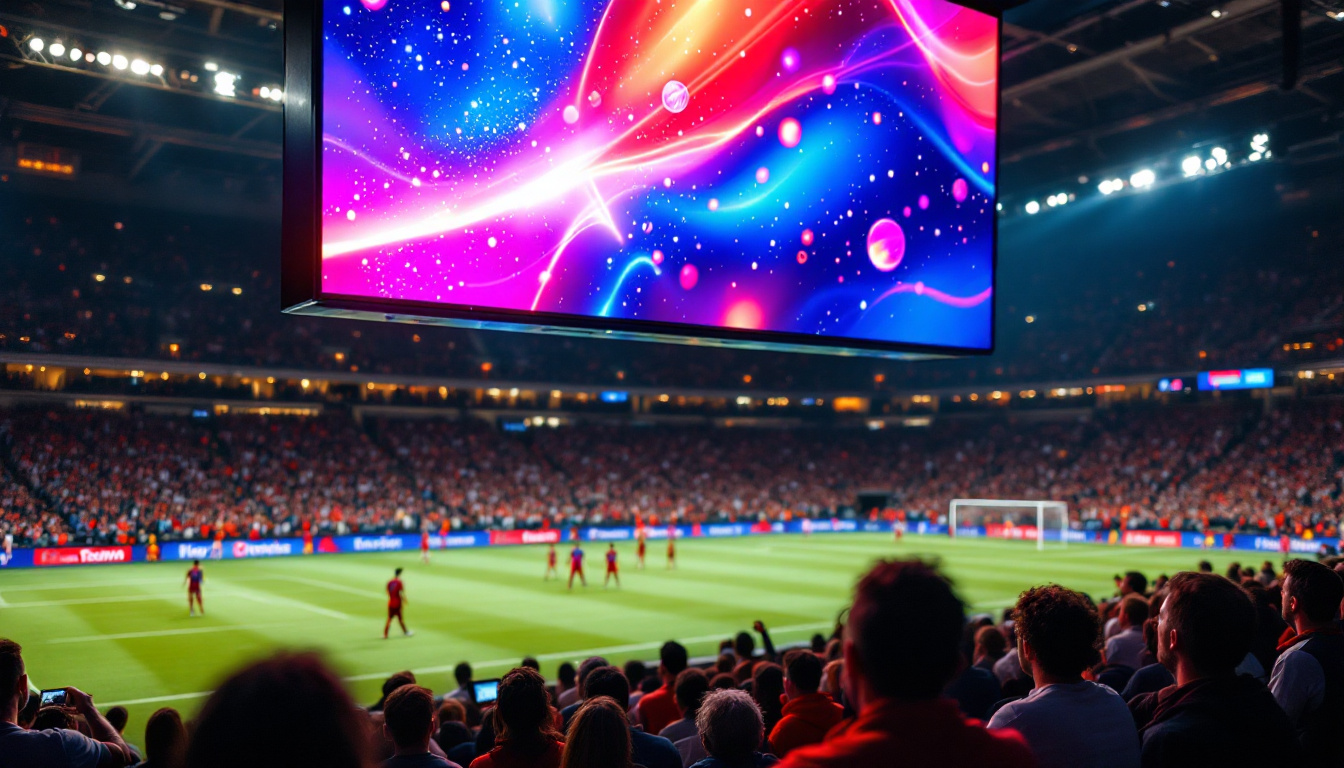
In the live entertainment industry, Brompton processors are a trusted choice for large LED video walls used on stages and arenas. Their ability to handle complex screen configurations and deliver consistent image quality under challenging lighting conditions makes them indispensable for production companies.
For example, during major music festivals, Brompton processors enable seamless transitions between video content, live camera feeds, and special effects. Their low latency ensures that visuals remain perfectly synchronized with live performances, enhancing the audience’s immersive experience.
Broadcast and Studio Environments
Broadcast studios require LED walls that can display high-resolution graphics, video feeds, and virtual sets with impeccable clarity. Brompton processors meet these demands by supporting 4K and HDR content with precise color accuracy.
Moreover, their integration with broadcast workflows allows for real-time adjustments and monitoring, ensuring that on-air visuals maintain professional standards. This has made Brompton a popular choice for newsrooms, sports broadcasting, and virtual production studios.
Advertising and Digital Signage
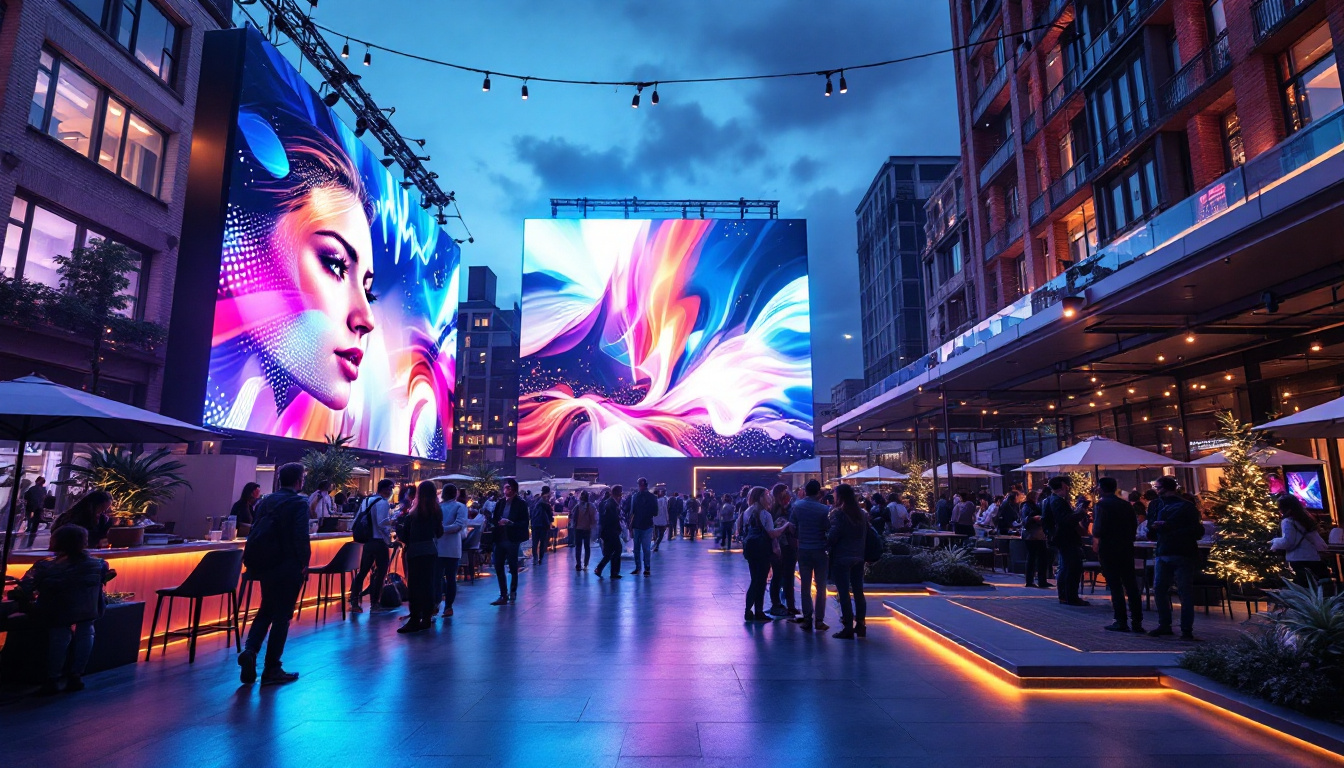
Outdoor and indoor digital signage benefits from Brompton’s robust processing capabilities, which help maintain image quality despite environmental factors such as ambient light and viewing distance. The processors’ scalability allows advertisers to deploy LED displays of varying sizes, from storefronts to massive billboards.
Additionally, Brompton’s advanced color calibration ensures brand colors are represented accurately, a critical factor for marketing campaigns aiming to maintain visual consistency across multiple locations.
Future Trends and Innovations in LED Processing
Integration with AI and Machine Learning
As LED technology evolves, processors are beginning to incorporate artificial intelligence to optimize image quality dynamically. Brompton is exploring AI-driven calibration and content optimization, which could automatically adjust brightness, contrast, and color balance based on ambient conditions and content type.
This advancement promises to reduce setup time and improve display performance in real-time, adapting to changing environments without manual intervention.
Enhanced HDR and 3D Capabilities
High Dynamic Range (HDR) continues to gain traction in LED displays, offering greater contrast and color depth. Brompton’s ongoing development focuses on enhancing HDR processing to support emerging standards and deliver even more lifelike visuals.
Additionally, the rise of 3D and augmented reality applications on LED walls is driving the need for processors that can handle complex rendering and synchronization tasks. Brompton’s flexible architecture positions it well to support these next-generation display technologies.
Conclusion: Why Choose Brompton LED Processors?
Brompton LED processors represent the pinnacle of LED display technology, combining precision engineering with innovative software to deliver exceptional image quality and operational flexibility. Their widespread adoption across diverse industries—from live entertainment to broadcast and advertising—demonstrates their reliability and versatility.
For professionals seeking to maximize the impact of their LED displays, Brompton processors offer a comprehensive solution that addresses the technical challenges of modern LED installations. With continuous innovation and a strong commitment to quality, Brompton Technology remains a leader in shaping the future of LED visual experiences.
Explore Cutting-Edge LED Displays with LumenMatrix
As you consider the advanced capabilities and benefits of Brompton LED processors for your visual display needs, we invite you to discover the innovative solutions offered by LumenMatrix. With a comprehensive range of products including Indoor and Outdoor LED Wall Displays, Vehicle LED Displays, and more, LumenMatrix is committed to elevating your visual communication to new heights. Experience the transformative power of LED technology and make your message resonate with clarity and vibrancy. Check out LumenMatrix LED Display Solutions today and join the revolution in digital signage excellence.