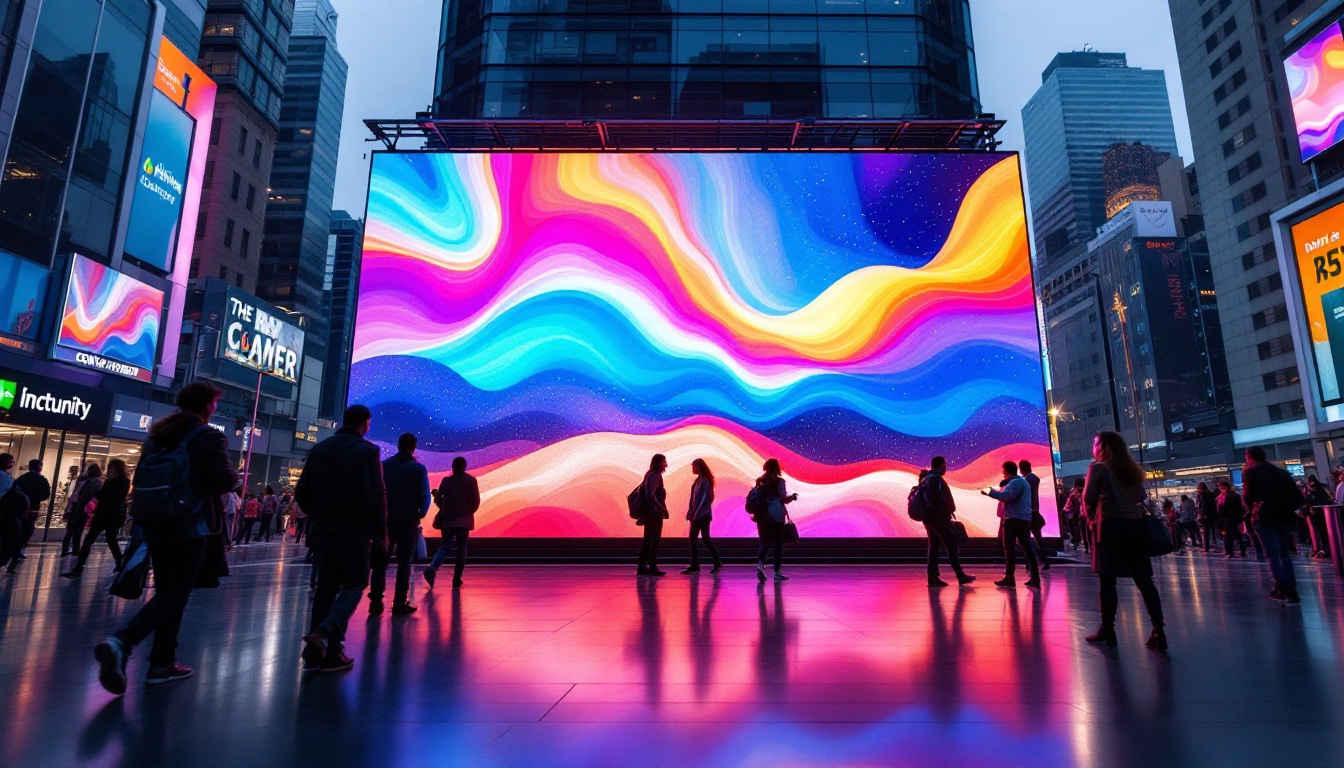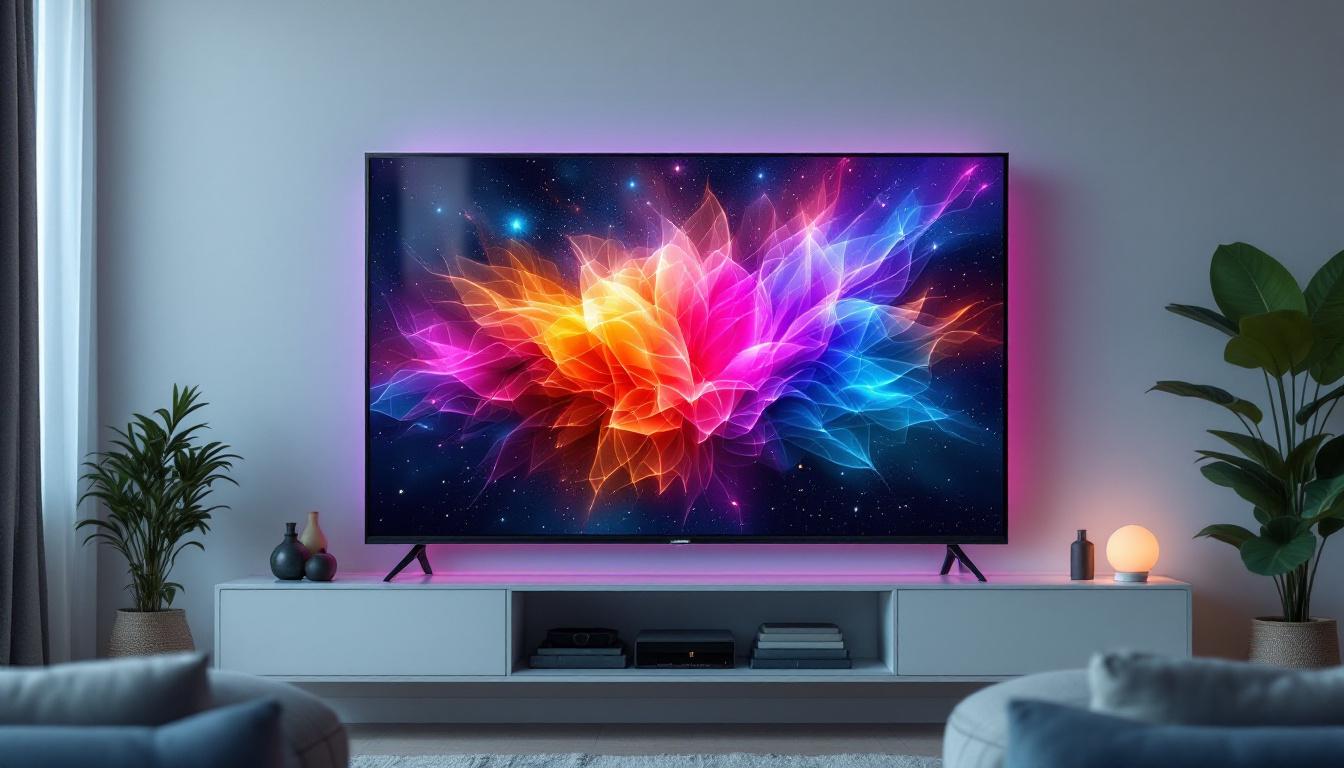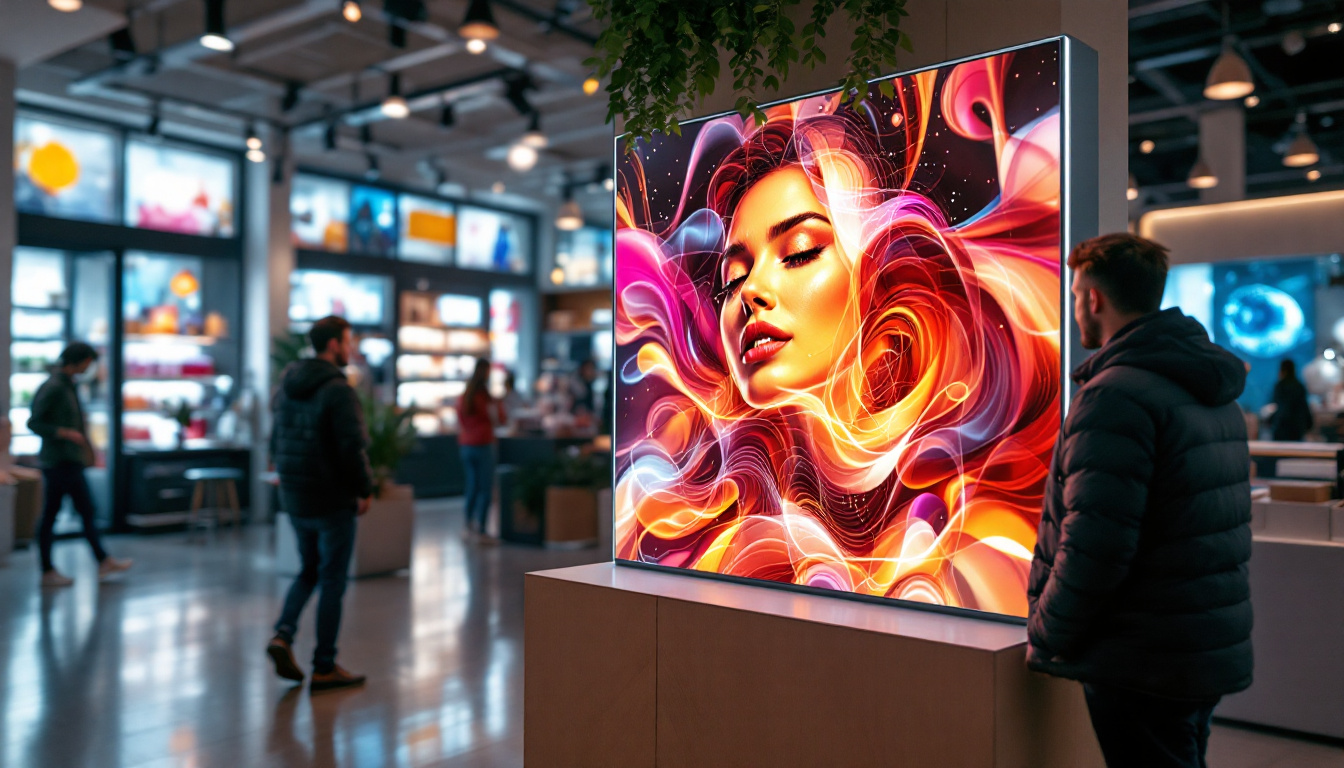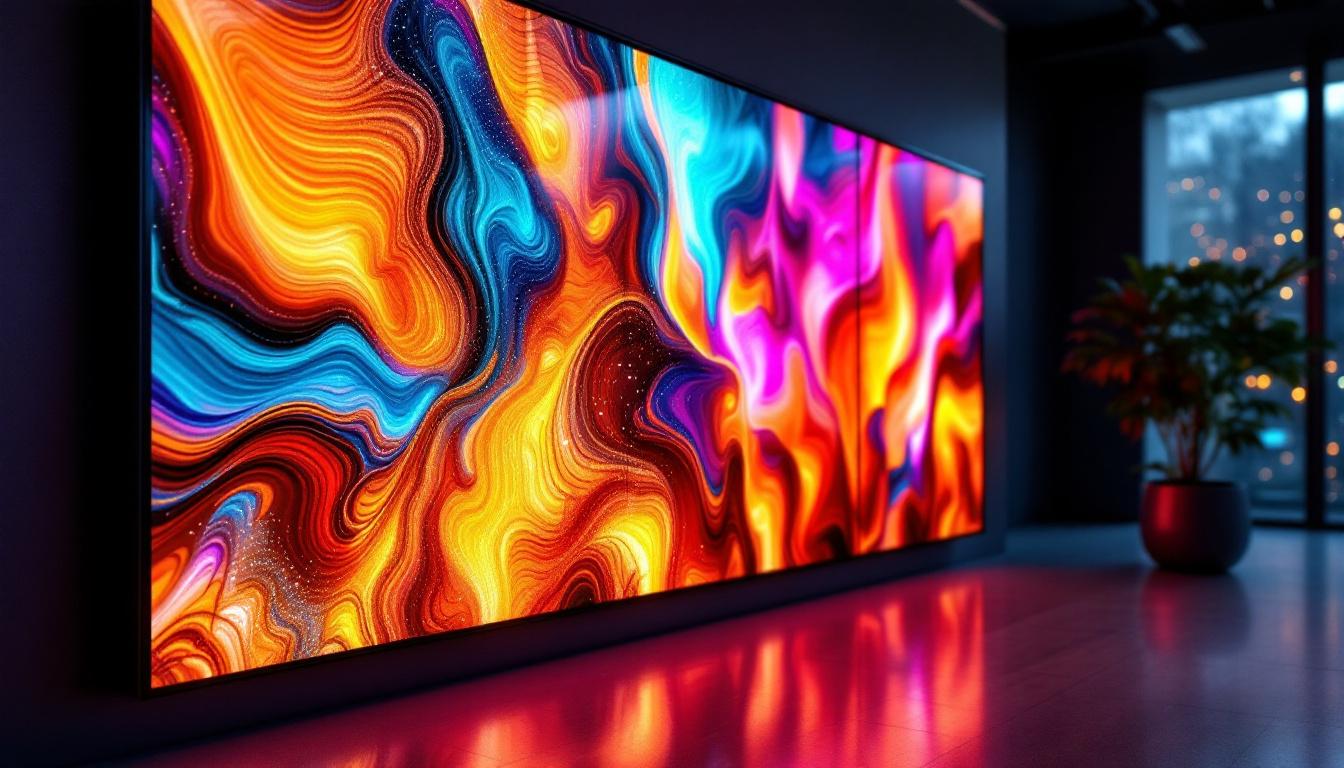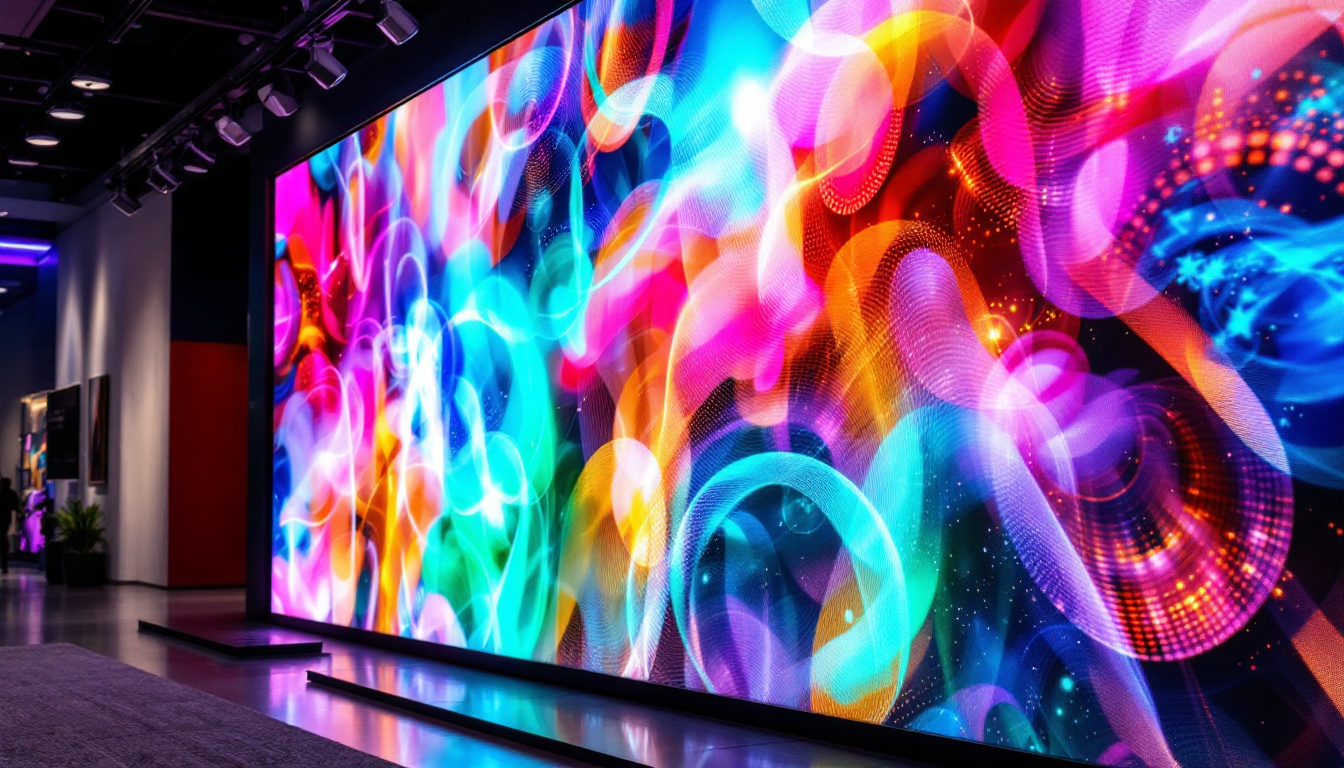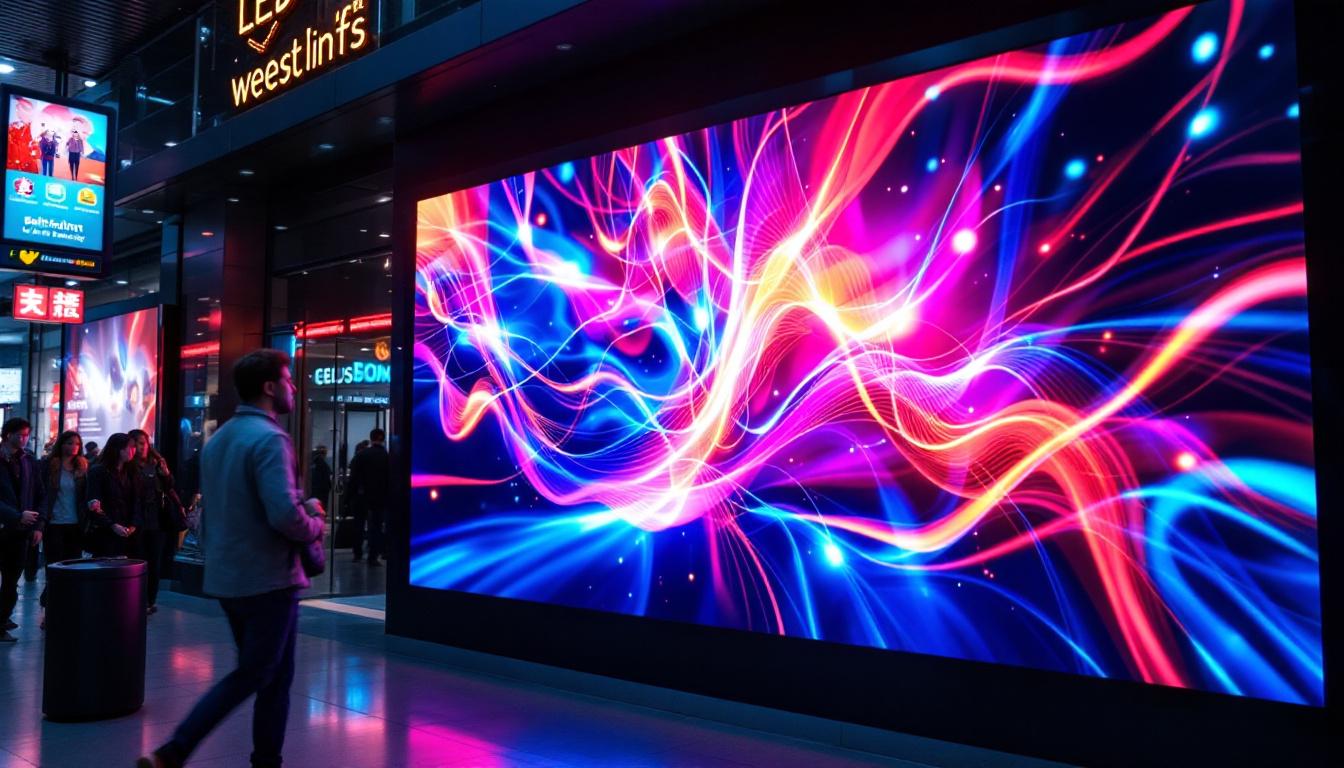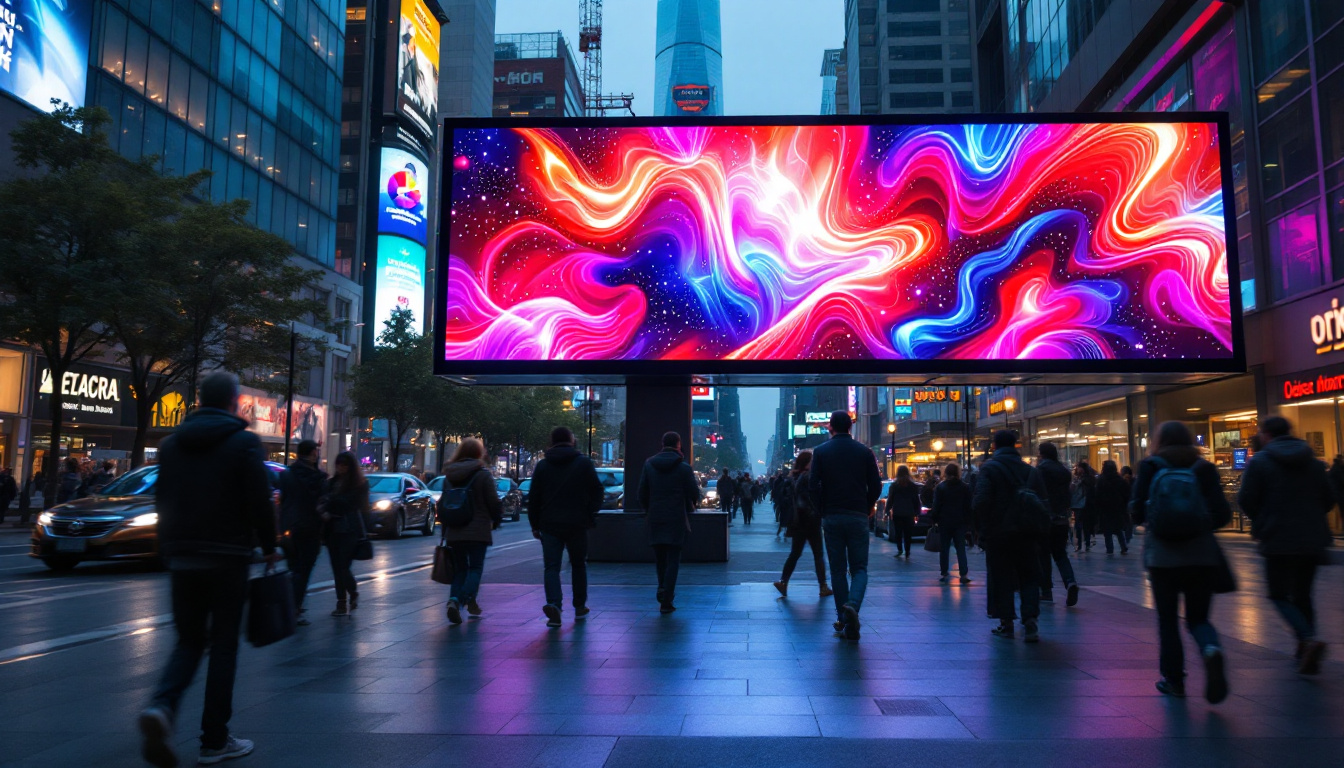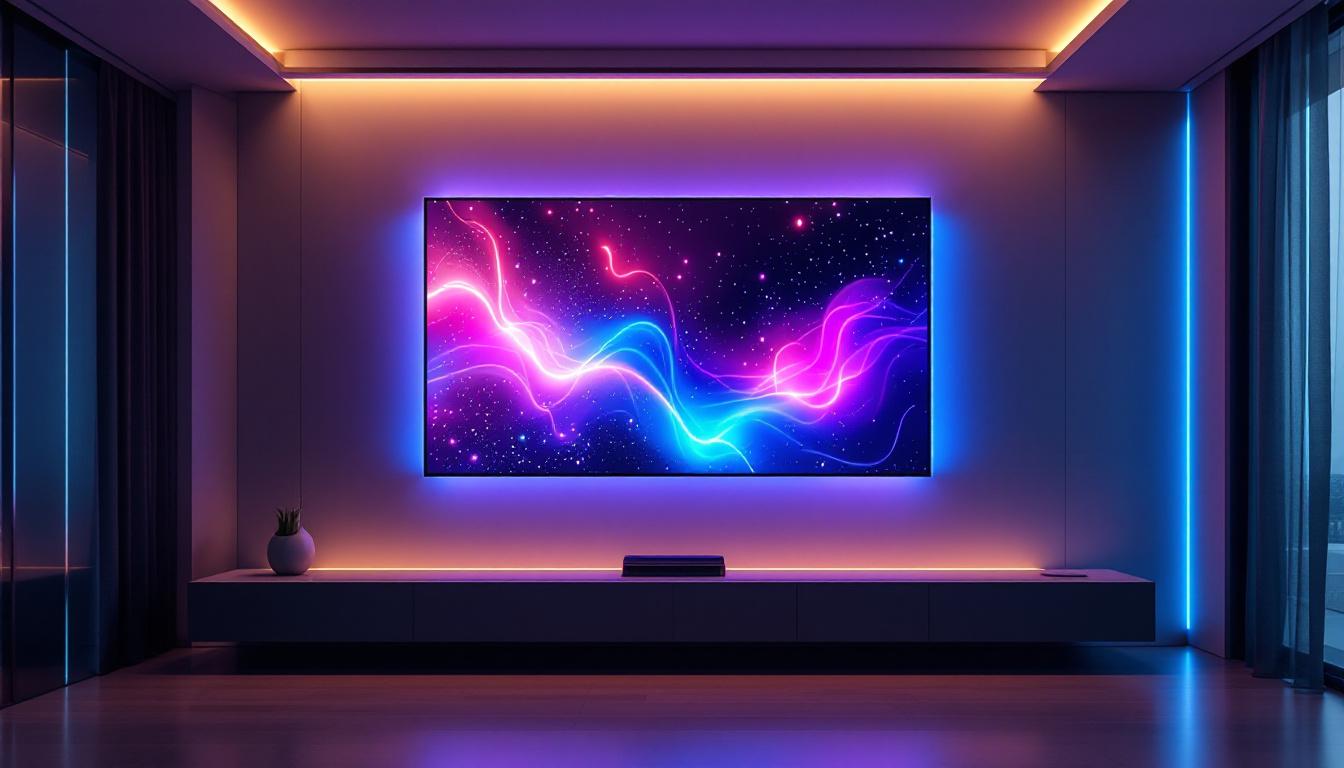
In today’s world of dynamic and interactive environments, interior walls are no longer just structural elements or surfaces for paint and wallpaper. The integration of LED displays into interior walls has revolutionized how businesses, public spaces, and even homes communicate visually. From vibrant advertising and immersive digital art to real-time information displays, LED walls have become a cornerstone of modern interior design and functionality.
This article explores the essentials of building interior walls with integrated LED displays, covering the technology behind LED walls, design considerations, installation processes, and practical applications. Whether you are an architect, interior designer, business owner, or technology enthusiast, understanding how LED displays can transform interior walls will help you leverage this powerful medium effectively.
Understanding LED Display Technology
What is an LED Display?
LED stands for Light Emitting Diode, a semiconductor device that emits light when an electric current passes through it. An LED display is a flat panel display that uses an array of LEDs as pixels to create images, videos, and text. These displays are highly versatile, capable of producing bright, vibrant visuals with excellent contrast and energy efficiency.
Unlike traditional LCD or projection screens, LED displays emit their own light, which allows them to be visible even in brightly lit environments. This self-illumination makes them ideal for interior walls where ambient lighting can vary significantly. The ability to maintain clarity and color accuracy in diverse lighting conditions makes LED displays a preferred choice for businesses looking to capture attention and convey messages effectively, whether in retail spaces, corporate environments, or public venues.
Types of LED Displays for Interior Walls
There are several types of LED displays suitable for interior wall installations, each with unique characteristics:
- Direct View LED (DVLED): These displays consist of individual LEDs arranged in a grid, offering high brightness and contrast. They are modular, allowing for custom sizes and shapes, and are commonly used for large-scale video walls.
- MicroLED: A newer technology featuring microscopic LEDs, MicroLED offers superior resolution and color accuracy, making it ideal for premium indoor installations.
- LED Backlit LCD: While not true LED displays, these use LEDs to backlight an LCD panel. They are less bright but more affordable, often used in smaller displays.
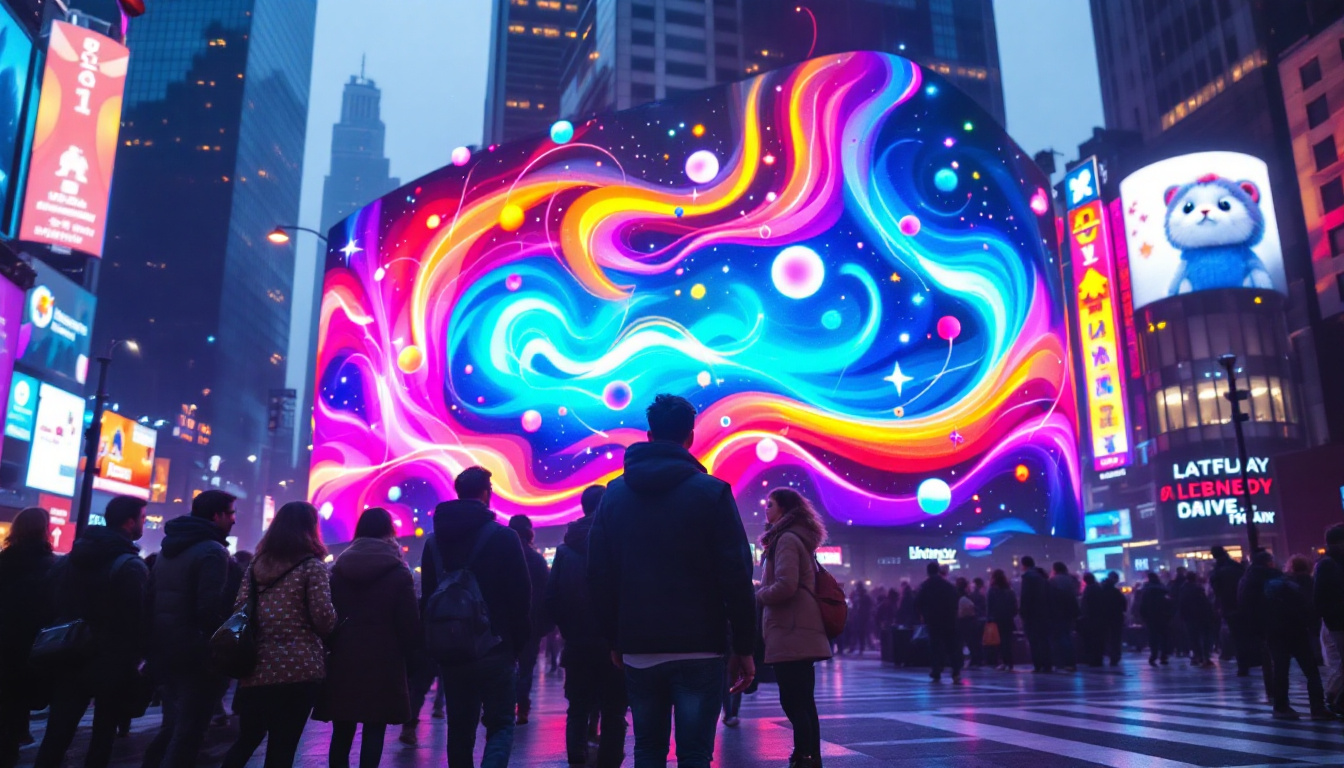
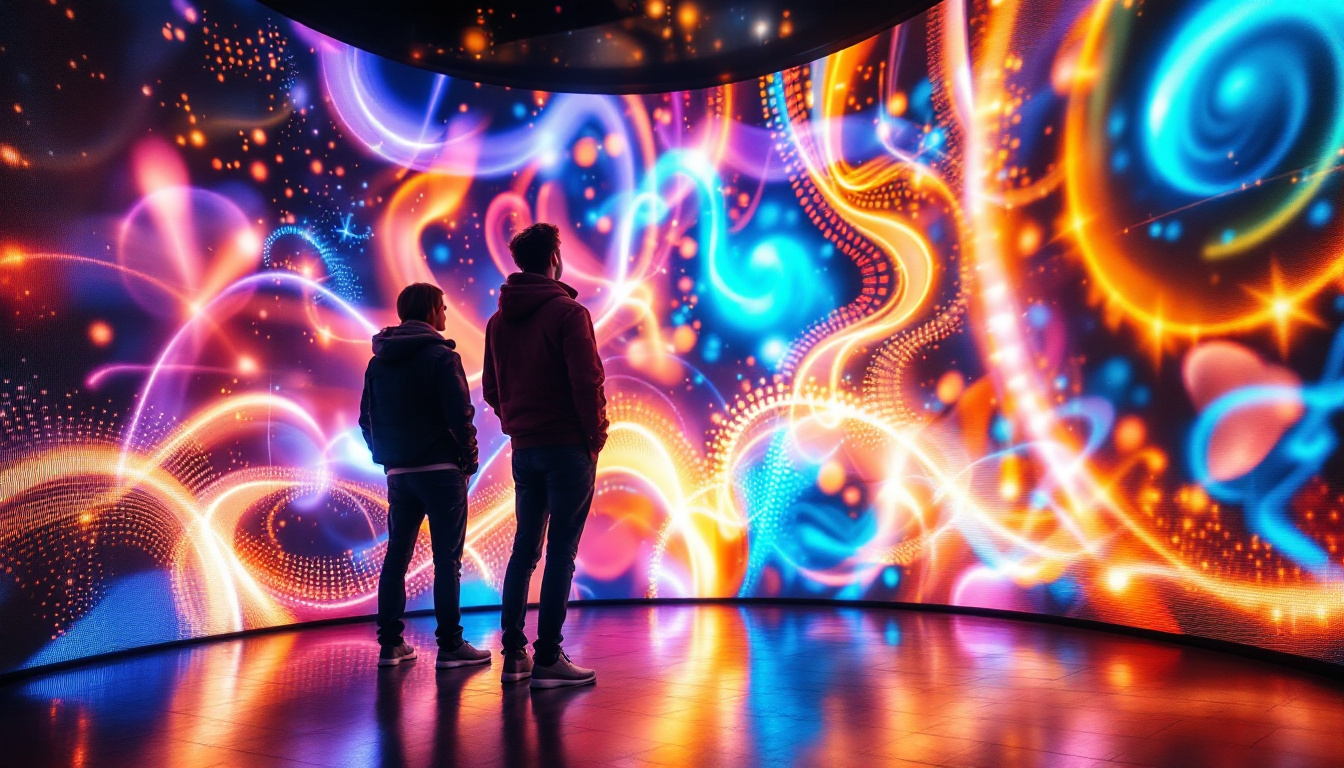
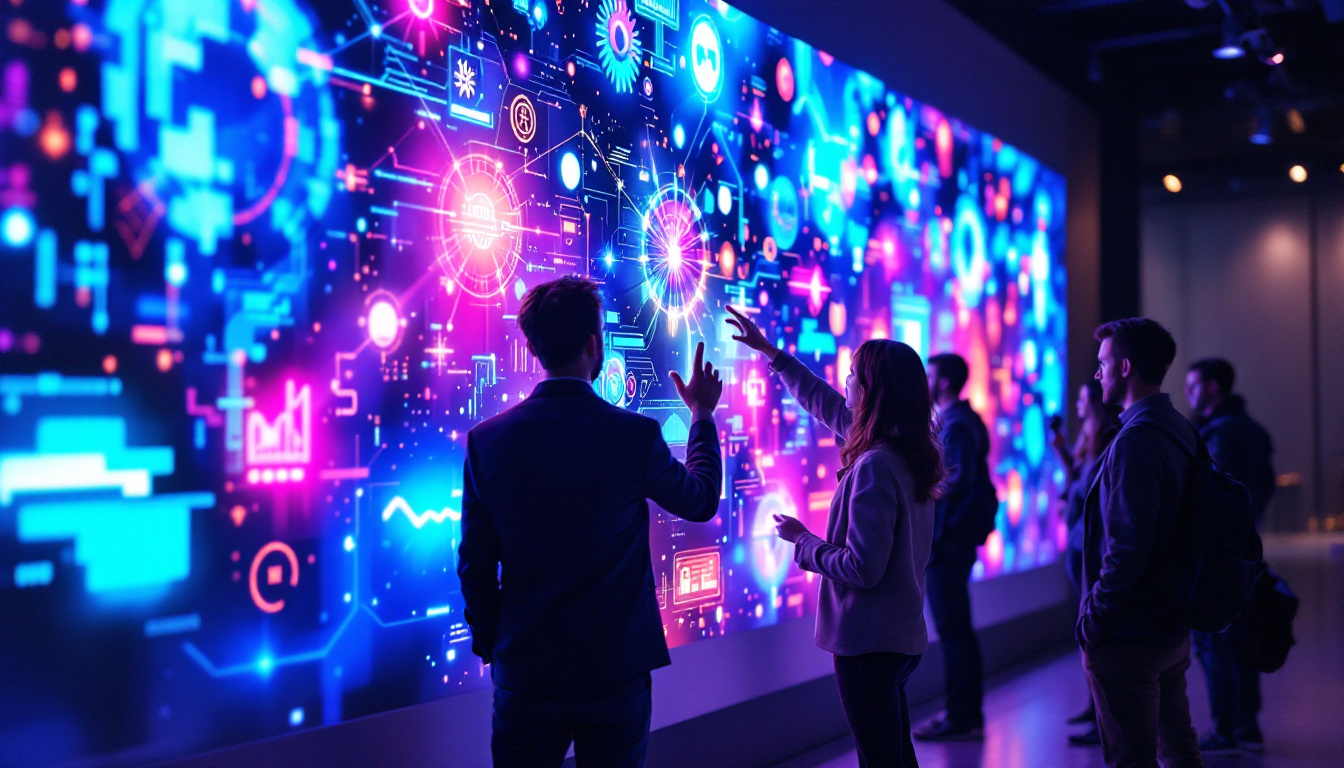
For interior walls, Direct View LED panels are the most popular choice due to their scalability, brightness, and seamless appearance. These panels can be configured to create stunning visual experiences, such as immersive environments in museums or dynamic advertising displays in shopping centers. The flexibility of DVLED technology allows for creative installations, including curved or irregular shapes, which can enhance the architectural design of a space while delivering high-impact visuals.
MicroLED technology, on the other hand, is gaining traction for its ability to deliver incredible detail and vibrant colors in a compact form factor. This makes it particularly appealing for luxury applications, such as high-end retail displays or corporate boardrooms where image quality is paramount. As this technology continues to evolve, we can expect to see even more innovative applications that push the boundaries of how LED displays can be integrated into interior spaces, transforming the way we interact with visual content.
Design Considerations for Building Interior LED Walls
Assessing the Space and Purpose
Before integrating an LED display into an interior wall, it is crucial to analyze the space where it will be installed. Factors such as room size, viewing distance, ambient lighting, and wall structure influence the choice of LED panel specifications and installation methods. A well-thought-out assessment can lead to a more effective display that captures the attention of viewers and enhances the overall aesthetic of the environment.
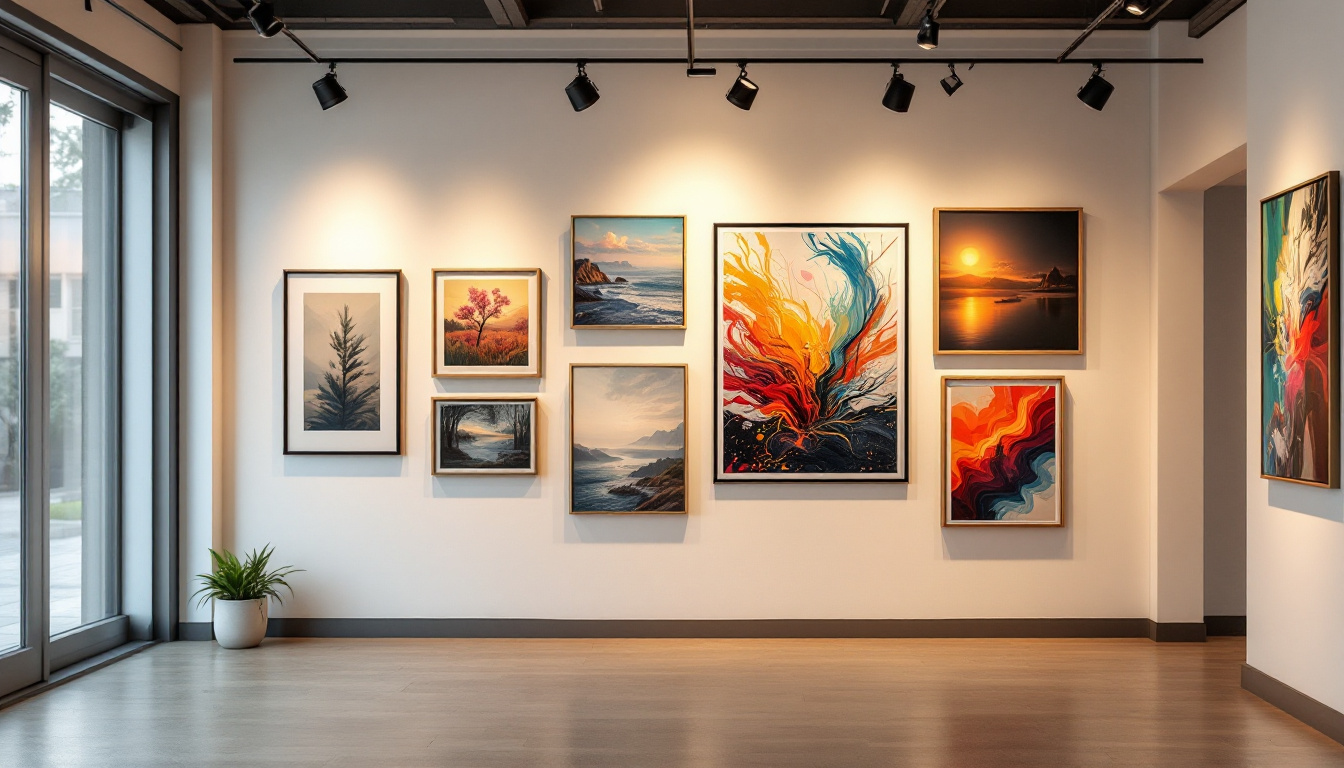
Understanding the purpose of the display—whether for advertising, informational content, decorative art, or interactive experiences—guides decisions about resolution, brightness, and content management systems. For instance, a retail space may prioritize dynamic advertising content that changes frequently, necessitating a robust content management system that allows for real-time updates. Conversely, a gallery may focus on static art displays, requiring high-resolution panels to showcase intricate details and vibrant colors.
Pixel Pitch and Resolution
Pixel pitch refers to the distance between the centers of two adjacent LEDs, measured in millimeters. It directly affects the display’s resolution and viewing distance. Smaller pixel pitch means higher resolution and sharper images, which is essential for close-up viewing in interior environments. The choice of pixel pitch can significantly impact the viewer’s experience, as it determines how well the display can convey detail and clarity.
For example, a pixel pitch of 1.5mm to 2.5mm is common for indoor LED walls where viewers are within a few feet. Larger pixel pitches (3mm and above) are suitable for displays intended to be viewed from farther away. Additionally, understanding the content type is essential; high-resolution images or videos will benefit from smaller pixel pitches, while simpler graphics may not require the same level of detail, allowing for cost-effective solutions.
Brightness and Color Accuracy
Indoor LED walls typically require brightness levels between 800 and 1,500 nits to ensure clear visibility without overwhelming the ambient lighting. High color accuracy and wide color gamut are also important to deliver vibrant and true-to-life images, especially in retail or gallery settings. The ability to reproduce colors faithfully can make a significant difference in how products are perceived or how art is appreciated, thereby influencing purchasing decisions or viewer engagement.
Moreover, advanced LED technologies now offer features like HDR (High Dynamic Range) capabilities, which enhance the contrast and color depth of the display. This is particularly beneficial in environments where lighting conditions may vary throughout the day, as it allows for consistent visual quality regardless of external light interference. Integrating such technologies can elevate the overall impact of the display, making it a focal point in any interior space.
Structural and Electrical Requirements
Building an interior wall with an LED display requires careful consideration of the wall’s structural integrity. LED panels can be heavy and need secure mounting systems. Additionally, adequate ventilation and access for maintenance are necessary to prevent overheating and ensure longevity. The installation process should also account for potential vibrations or movements in the building, which could affect the display’s performance over time.
Electrical infrastructure must support the power demands of the LED system, including backup power options for critical applications. Integration with building automation and control systems can enhance functionality and energy efficiency. Furthermore, planning for future upgrades or expansions is wise; as technology evolves, the ability to easily replace or enhance existing systems can save time and resources. Implementing modular designs can facilitate these upgrades while minimizing disruption to the space and its users.
Installation Process of Interior LED Walls
Planning and Preparation
The installation process begins with detailed planning, including site surveys, structural assessments, and electrical evaluations. Collaboration between architects, engineers, and LED specialists ensures that the wall can support the display and that all technical requirements are met.
Designing the content layout and selecting the control hardware and software are also part of the preparatory phase.
Mounting and Assembly
LED panels are typically modular and come in standardized sizes, allowing for flexible assembly on-site. Mounting frames or cabinets are constructed on or within the wall to hold the panels securely.
Precision alignment is critical to create a seamless visual experience without visible gaps or misalignments between panels. Specialized tools and mounting brackets are used to achieve this.
Electrical and Data Connections
Each LED module requires power and data connections. Cabling must be carefully routed to avoid interference and maintain aesthetic appeal. Central control units manage the content displayed on the LED wall, often connected via Ethernet or fiber optic networks for high-speed data transfer.
Calibration and Testing
Once installed, the LED wall undergoes calibration to balance brightness, color, and contrast across all modules. Testing ensures that the display functions correctly, with no dead pixels or connectivity issues.
Regular maintenance schedules are established to keep the wall in optimal condition.
Applications and Benefits of Interior LED Walls
Commercial and Retail Environments
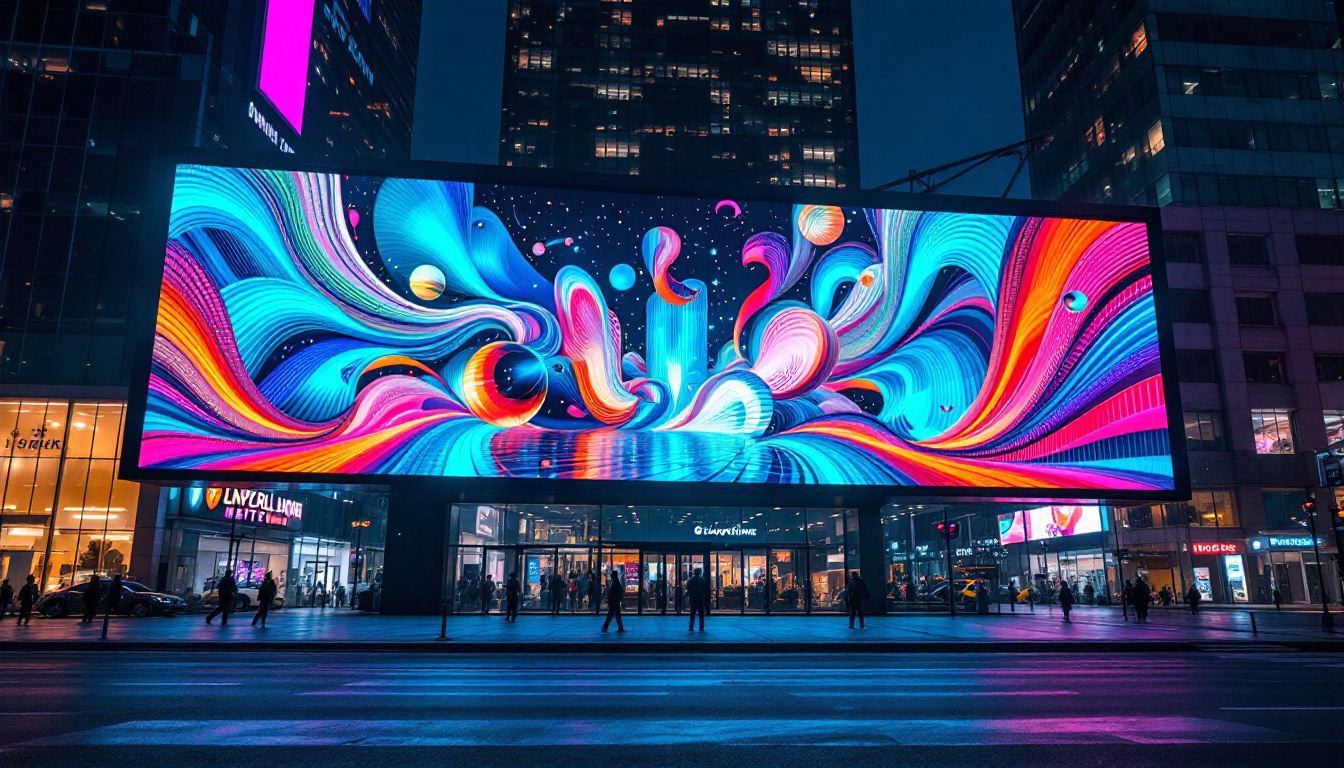
LED walls have become a staple in retail stores, shopping malls, and corporate offices. They attract attention, promote products, and enhance brand presence. Dynamic content can be updated in real-time to reflect promotions, events, or customer engagement campaigns.
According to a 2023 report by Grand View Research, the global digital signage market, which includes LED displays, is expected to grow at a compound annual growth rate (CAGR) of 9.5% through 2030, driven largely by demand in retail and hospitality sectors.
Entertainment and Hospitality
Hotels, theaters, and event venues use LED walls to create immersive environments. From digital art installations to interactive wayfinding systems, these displays enhance guest experiences and provide versatile communication platforms.
Corporate and Educational Spaces
In offices and educational institutions, LED walls facilitate presentations, video conferencing, and collaborative work. Their high resolution and brightness make them ideal for detailed visual content and large audiences.
Healthcare and Public Information
Hospitals and public buildings use LED walls for displaying critical information, schedules, and wayfinding. Their reliability and clarity contribute to improved communication and safety.
Challenges and Future Trends
Cost and Complexity
One of the primary challenges in building interior LED walls is the initial investment. High-quality LED panels and installation can be costly, though prices have decreased significantly over the past decade. Additionally, the complexity of integrating these systems into existing structures requires skilled professionals.
Energy Consumption and Sustainability
While LED technology is energy-efficient compared to older display technologies, large LED walls can still consume considerable power. Advances in low-power LEDs and smart control systems are helping reduce energy footprints, aligning with sustainability goals.
Advancements in LED Technology
Emerging technologies such as MicroLED and flexible LED panels promise thinner, lighter, and more versatile displays. Transparent LED walls and interactive touch-enabled LED surfaces are also gaining traction, opening new possibilities for interior design and user engagement.
Integration with Smart Building Systems
The future of interior LED walls lies in their integration with Internet of Things (IoT) and smart building technologies. Automated brightness adjustments, content personalization based on audience analytics, and seamless connectivity with other digital systems will enhance their functionality and user experience.
Conclusion
Building interior walls with integrated LED displays represents a convergence of architecture, technology, and design. These walls are no longer passive structures but active communication platforms that can transform spaces and experiences.
Understanding the technology, design considerations, installation processes, and applications of LED walls is essential for anyone looking to incorporate this innovative medium into interior environments. As LED technology continues to evolve, the possibilities for creative and functional interior walls will only expand, making them a vital element of modern design and communication strategies.
Transform Your Space with LumenMatrix
Ready to elevate your interior with the cutting-edge technology of LED displays? LumenMatrix is at the forefront of creating immersive environments that captivate and engage. From dynamic indoor and outdoor displays to innovative solutions like vehicle and sports displays, our products are designed to bring your vision to life. Discover how our LED Poster, Floor, Custom, All-in-One, and Transparent Displays can transform your space and enhance your brand’s visibility. Check out LumenMatrix LED Display Solutions today and step into the future of visual communication.