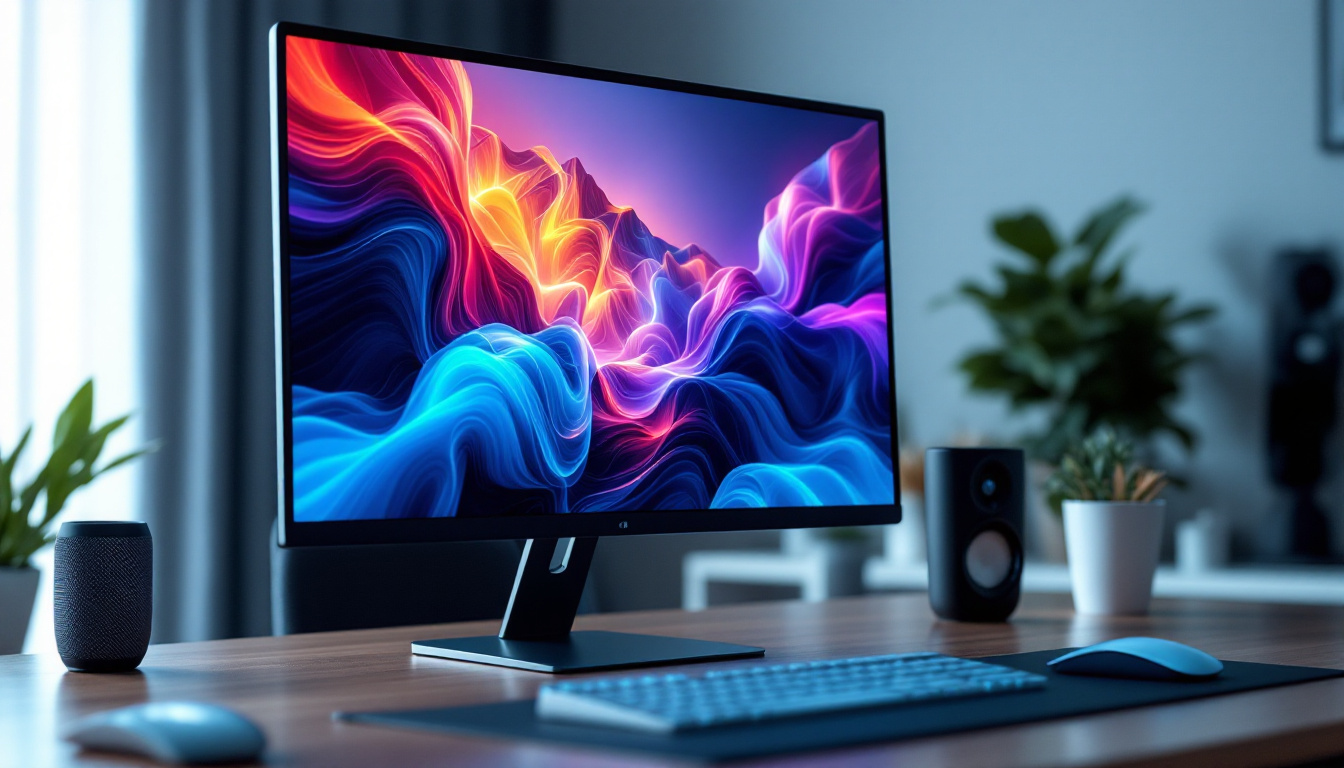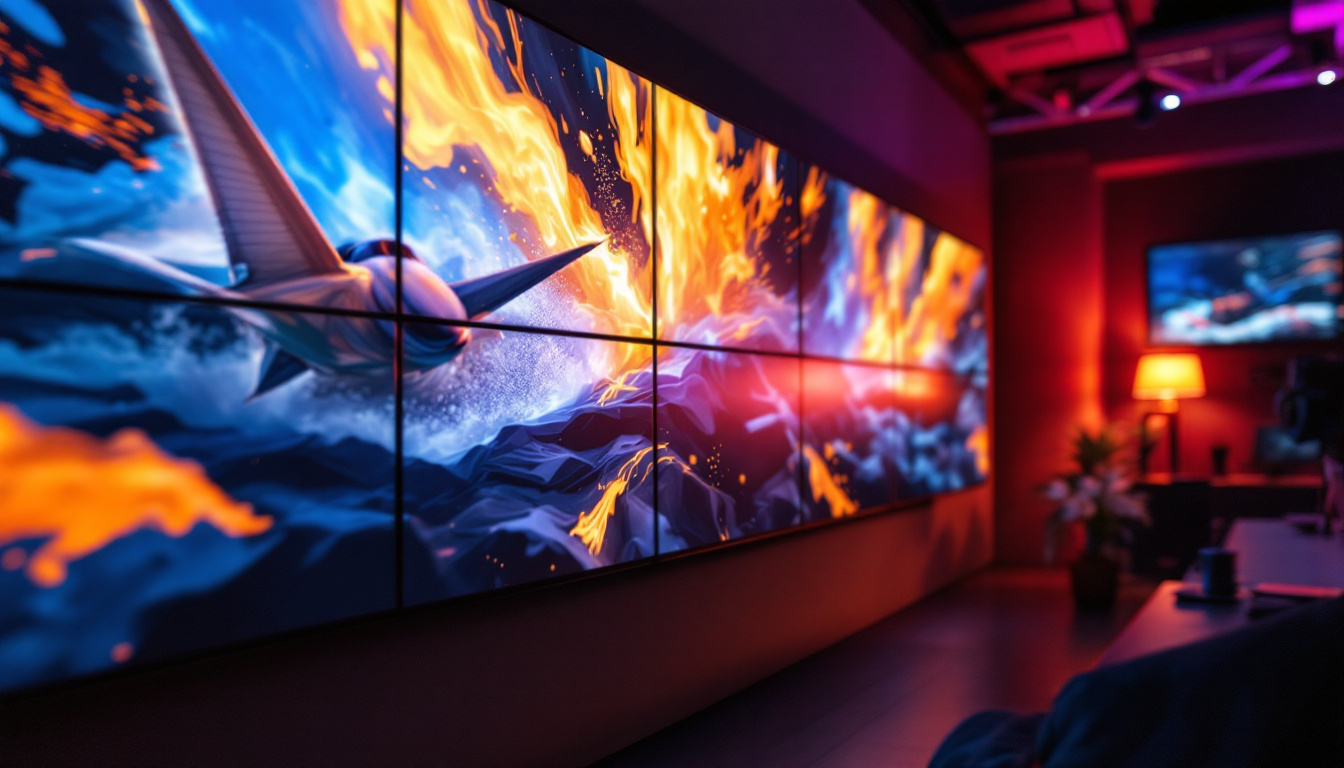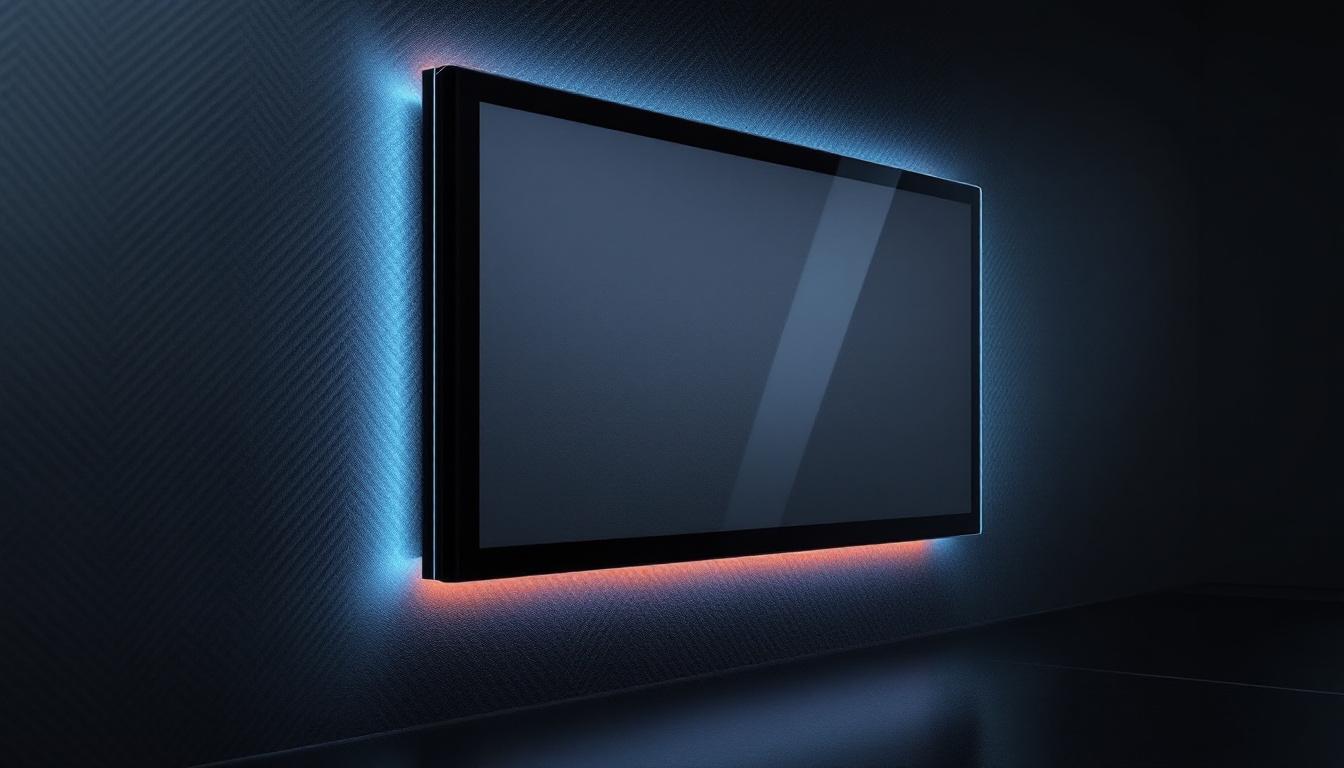
In the rapidly evolving world of visual technology, LED displays have become a cornerstone for delivering vibrant, high-definition content across various industries. From advertising billboards to stage backdrops and control rooms, LED displays offer unparalleled brightness, color accuracy, and flexibility. Among the many design innovations enhancing LED display aesthetics and functionality, the use of carbon fiber backgrounds stands out as a cutting-edge trend. This article delves into the fundamentals of LED displays, explores the integration of carbon fiber backgrounds, and explains why this combination is revolutionizing visual presentation.
Understanding LED Display Technology
What is an LED Display?
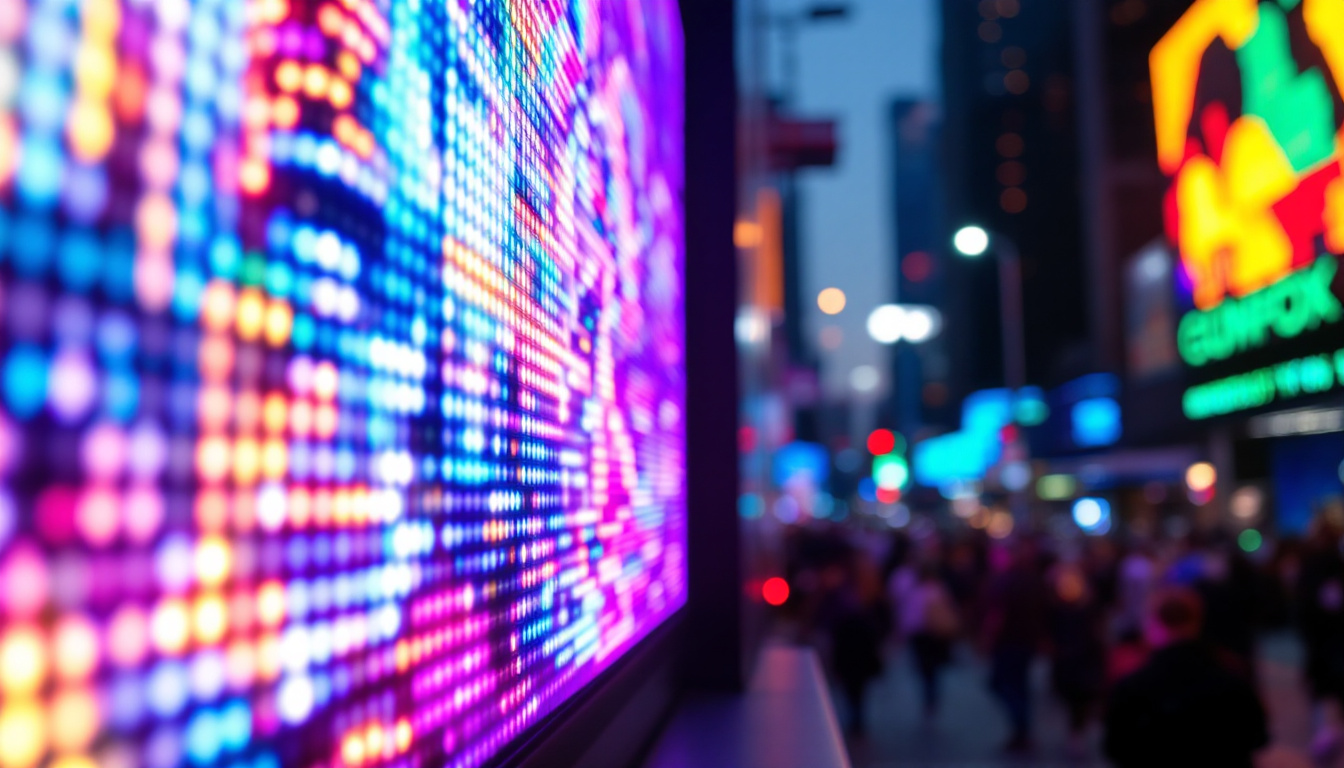
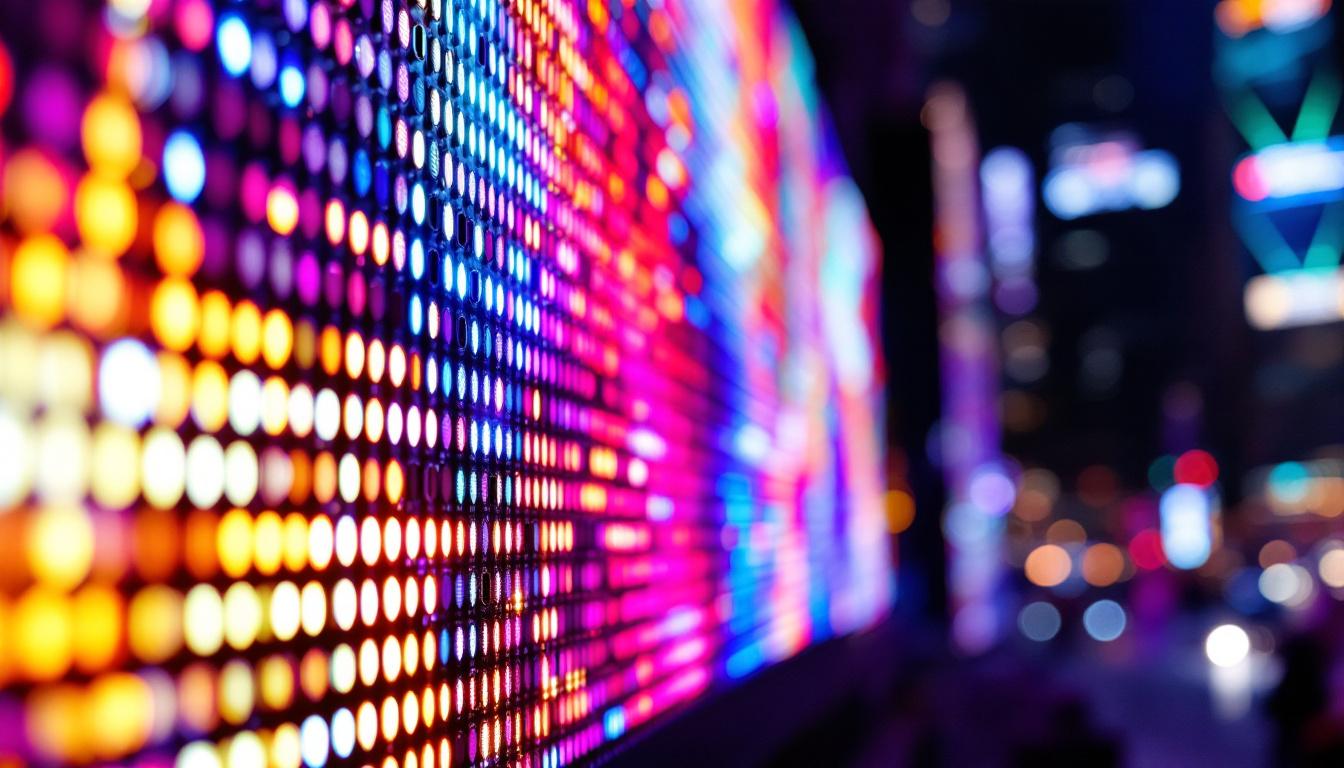
LED, or Light Emitting Diode, displays are screens composed of numerous tiny LEDs that emit light when an electric current passes through them. Unlike traditional LCD or plasma screens, LED displays produce their own light, resulting in higher brightness levels and better contrast ratios. This self-illumination capability allows LED displays to perform exceptionally well in various lighting conditions, including direct sunlight.
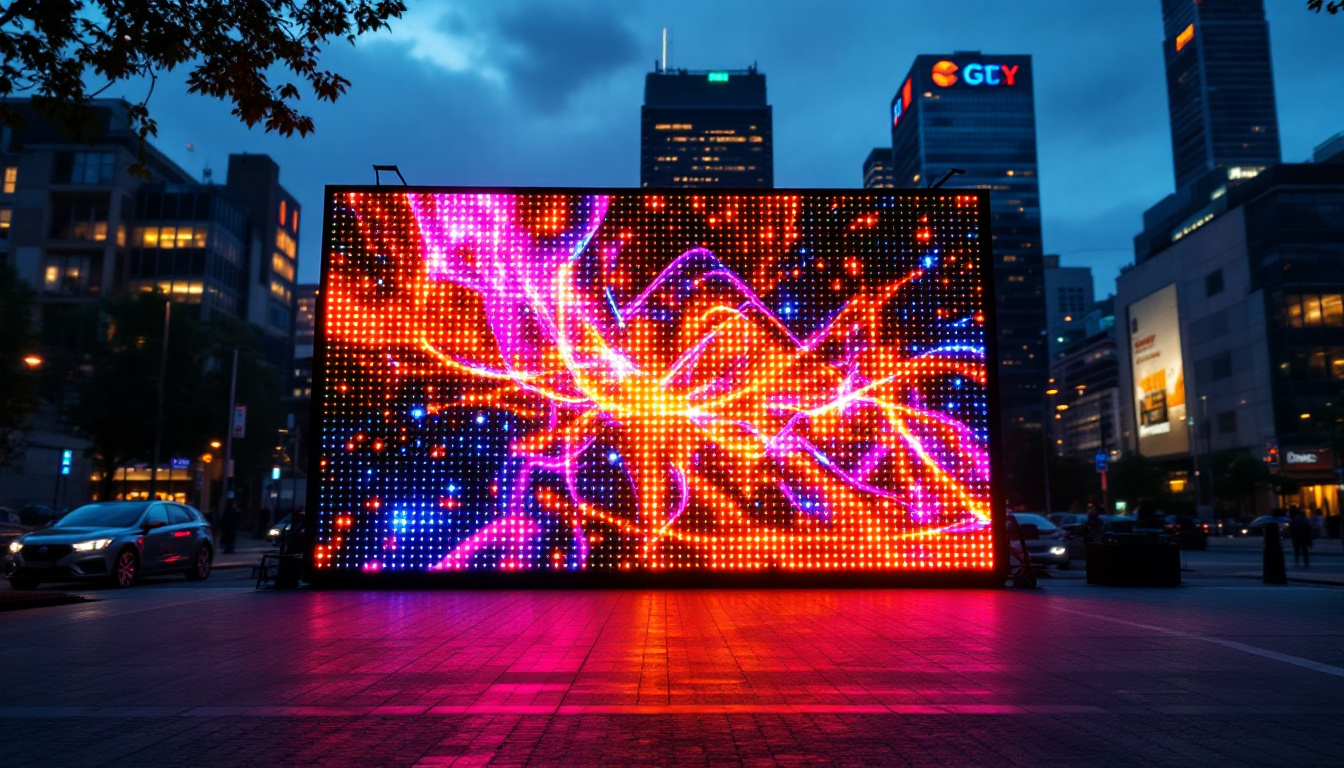
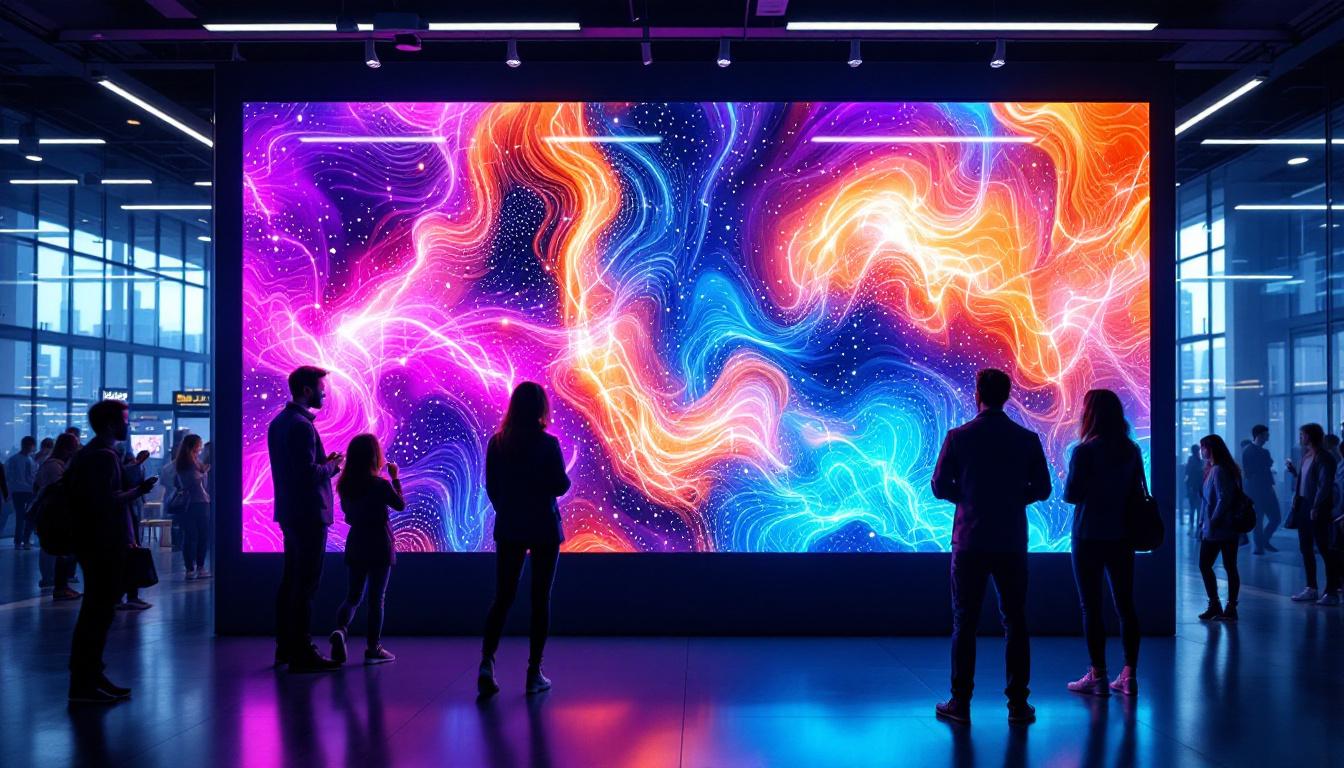
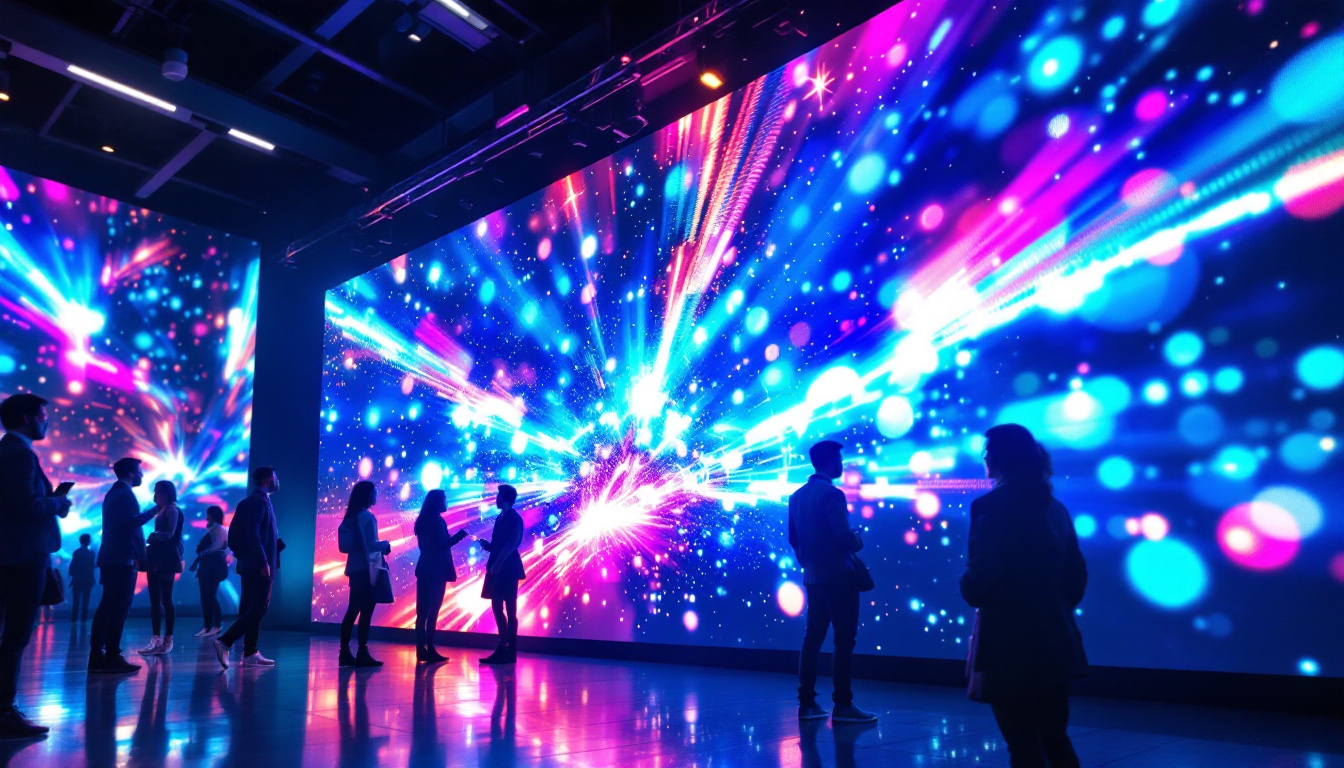
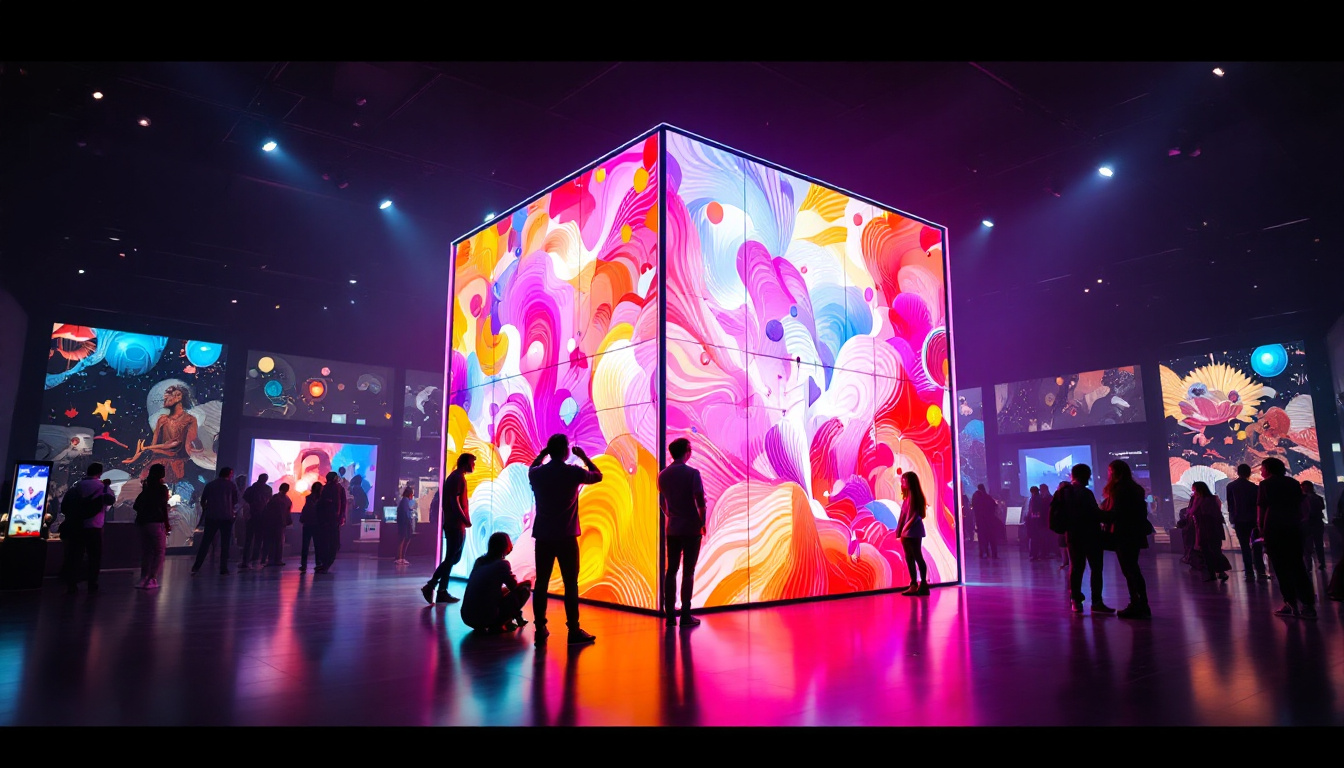
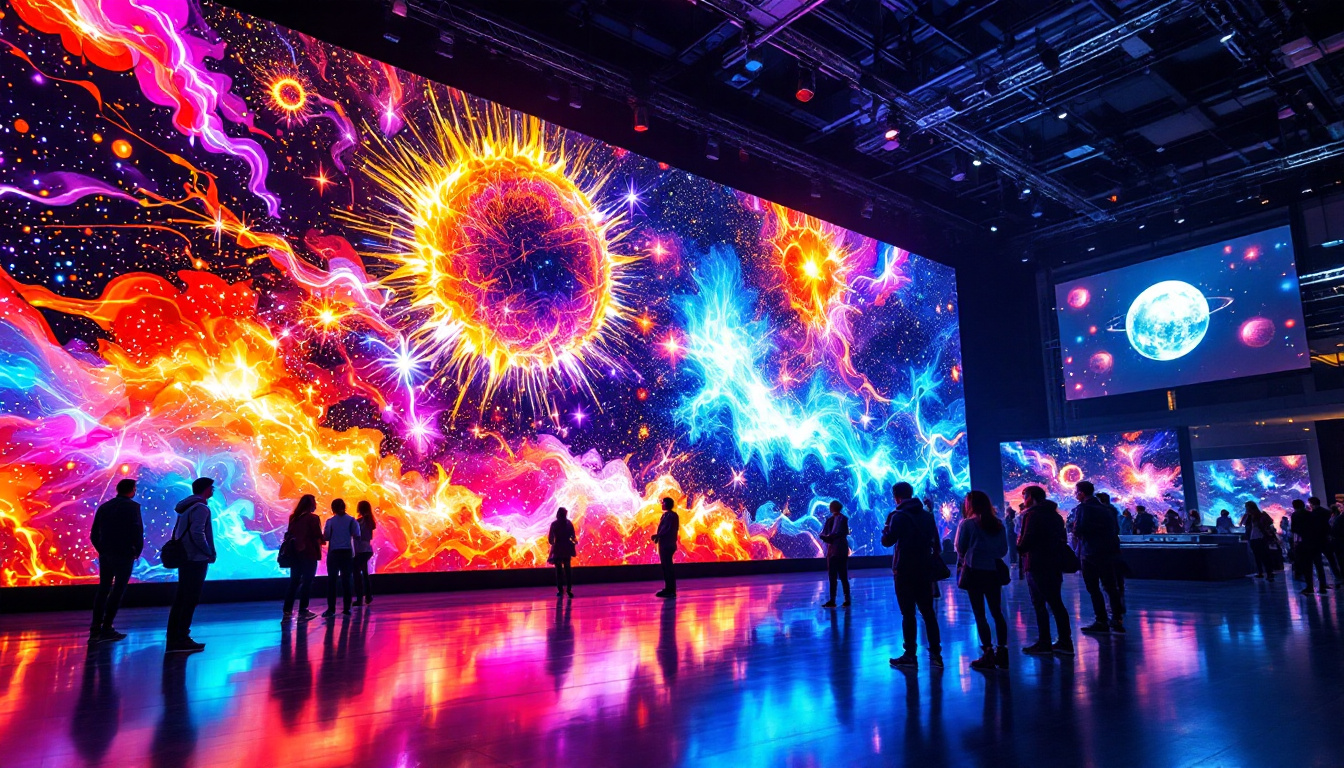
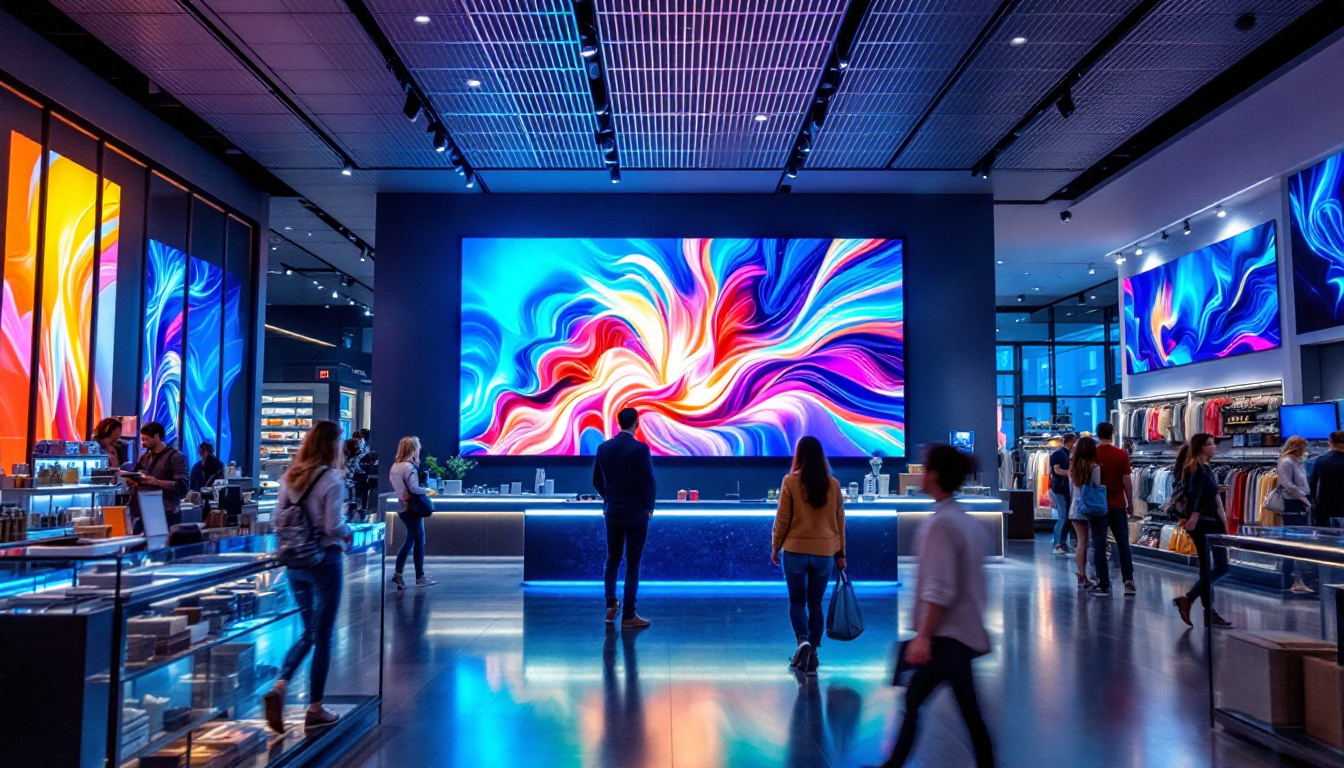
LED displays come in different forms, including indoor and outdoor panels, flexible screens, and transparent displays. Their modular nature enables customization in size and resolution, making them suitable for everything from small retail signage to massive stadium screens. The versatility of LED technology has led to its adoption in a wide range of applications, from advertising billboards to artistic installations, showcasing the potential for creativity in display design.
Key Advantages of LED Displays
One of the primary reasons LED technology has surged in popularity is its superior visual performance. LED displays offer:
- High Brightness: Typically ranging from 1,000 to over 5,000 nits, LED displays can be viewed clearly even in bright daylight.
- Vivid Colors and Contrast: LEDs provide a wide color gamut and deep blacks, enhancing image quality.
- Energy Efficiency: LEDs consume less power compared to older display technologies, making them cost-effective over time.
- Durability: LED panels are robust and have a long operational lifespan, often exceeding 100,000 hours.
- Flexibility in Design: Modular panels can be arranged in various shapes and sizes, including curved and flexible configurations.
In addition to these advantages, LED displays are also known for their quick response times, which make them ideal for dynamic content such as video and animations. This responsiveness is crucial for applications like live event broadcasting or immersive gaming experiences, where every millisecond counts. Furthermore, advancements in technology have led to the development of fine-pitch LED displays, allowing for closer viewing distances without sacrificing image quality. This has opened up new possibilities for indoor environments, such as corporate lobbies and control rooms, where clarity and detail are paramount.
Another noteworthy benefit of LED displays is their environmental impact. As manufacturers continue to innovate, many are focusing on creating energy-efficient models that reduce carbon footprints. Some LED displays are designed with recyclable materials and feature energy-saving modes that adjust brightness based on ambient light conditions. This commitment to sustainability not only appeals to environmentally conscious consumers but also aligns with global efforts to reduce energy consumption and promote greener technologies.
The Role of Background Materials in LED Displays
Why Backgrounds Matter
While the LED modules themselves are critical, the background or substrate on which these LEDs are mounted plays a significant role in the overall performance and aesthetics of the display. The background material affects heat dissipation, structural integrity, weight, and even the visual impact of the display. A well-chosen substrate can enhance the brightness and clarity of the LEDs, ensuring that the display performs optimally in various lighting conditions. Furthermore, the background can influence how the display interacts with its environment, including factors such as glare and reflection, which can detract from the viewer’s experience.
Traditional LED displays often use aluminum or steel backplates. These metals provide sturdy support and good heat conduction but come with drawbacks such as increased weight and susceptibility to corrosion in outdoor environments. Additionally, the rigidity of these metals can lead to issues such as warping over time, especially when exposed to temperature fluctuations. As technology advances, the need for more innovative materials that address these shortcomings has become increasingly apparent, prompting a search for alternatives that can offer both performance and durability.
Emergence of Carbon Fiber as a Background Material
Carbon fiber, a composite material made from thin strands of carbon woven together and set in a resin matrix, has gained attention for its exceptional strength-to-weight ratio and thermal properties. Originally developed for aerospace and automotive applications, carbon fiber is now making inroads into display technology. Its unique properties not only enhance the functionality of LED displays but also open up new possibilities for design and application. With the rise of digital signage and large-scale video walls, the demand for lightweight and efficient materials has never been higher, making carbon fiber a compelling choice for manufacturers and designers alike.
Its use as a background for LED displays offers several advantages:
- Lightweight: Carbon fiber is significantly lighter than metals, reducing the overall weight of the display and easing installation and mounting. This is particularly beneficial for large installations where structural support may be a concern, allowing for more versatile mounting options.
- High Strength and Rigidity: Despite its lightness, carbon fiber provides excellent structural support, minimizing flex and deformation. This rigidity ensures that the LED modules remain securely in place, maintaining optimal alignment for consistent image quality.
- Thermal Management: Carbon fiber has good thermal conductivity, helping dissipate heat generated by LEDs and prolonging panel lifespan. Effective heat management is crucial for maintaining brightness and color accuracy over time, especially in high-performance applications.
- Corrosion Resistance: Unlike metals, carbon fiber does not corrode, making it ideal for outdoor and harsh environments. This resilience ensures that displays can withstand exposure to moisture, UV rays, and other environmental factors without degrading in performance.
- Modern Aesthetic: The distinctive woven pattern of carbon fiber adds a sleek, high-tech look to the display setup. This aesthetic appeal can enhance the overall design of installations, making them more visually striking and appealing to audiences.
Moreover, the integration of carbon fiber into LED display technology not only contributes to performance but also aligns with the growing trend toward sustainable materials. As industries seek to minimize their environmental impact, carbon fiber’s durability and longevity can help reduce waste and the need for frequent replacements. This shift towards more sustainable practices is becoming increasingly important in the realm of digital displays, where energy efficiency and material longevity are key considerations for manufacturers and consumers alike.
Integrating Carbon Fiber Backgrounds with LED Displays
Design Considerations
Incorporating carbon fiber backgrounds into LED displays requires careful engineering to balance performance, cost, and manufacturability. Carbon fiber composites are more expensive than traditional metals, so their use is often justified in premium applications where weight reduction and durability are critical.
Manufacturers typically use carbon fiber panels as a substrate onto which LED modules are mounted. The panels must be precisely fabricated to ensure flatness and stability, as any warping can affect image quality. Additionally, the bonding process between the carbon fiber and the LEDs must ensure good thermal contact to optimize heat dissipation.
Applications Benefiting from Carbon Fiber Backgrounds
Several industries have adopted carbon fiber-backed LED displays for their unique requirements:
Broadcast and Studio Environments
In television studios and broadcast control rooms, lightweight and slim LED walls are essential for flexible set designs and rapid reconfiguration. Carbon fiber backgrounds reduce the weight of large video walls, making installation easier and minimizing structural demands on the building.
High-End Event and Stage Productions
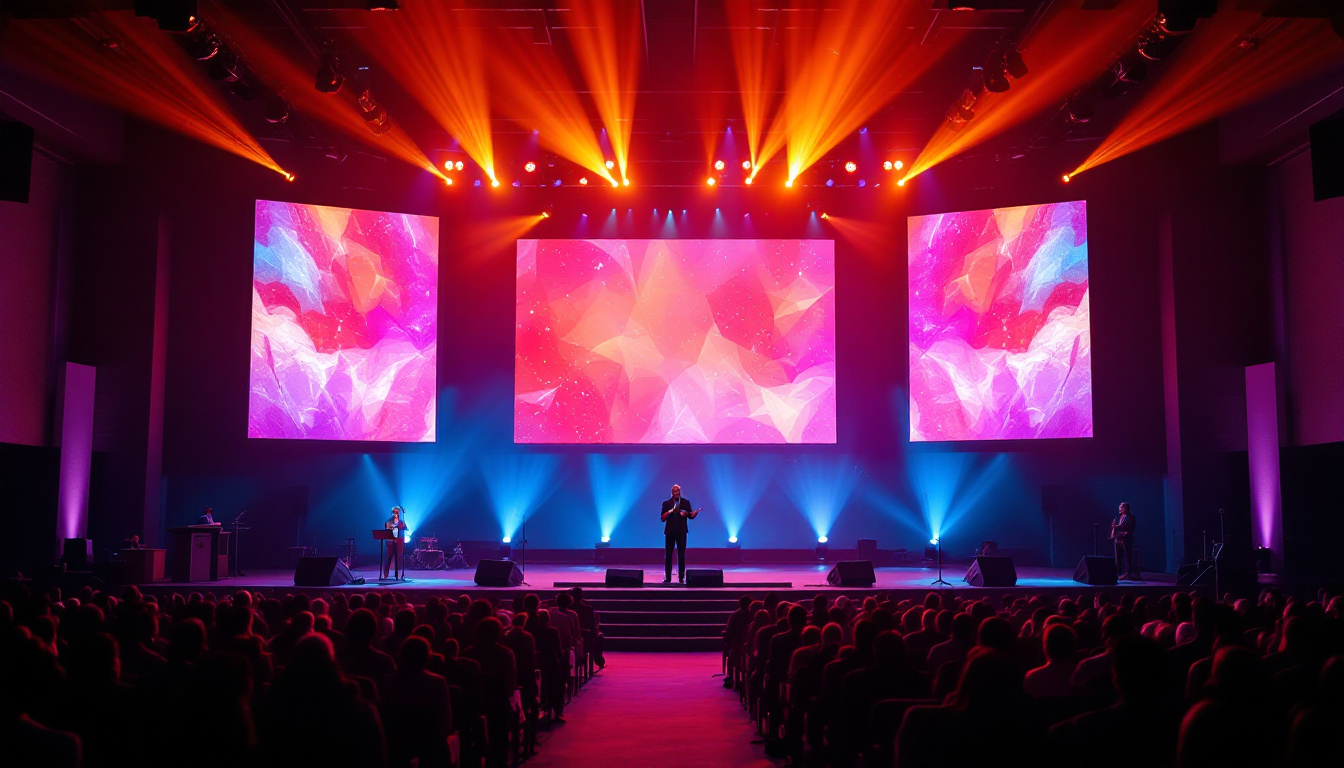
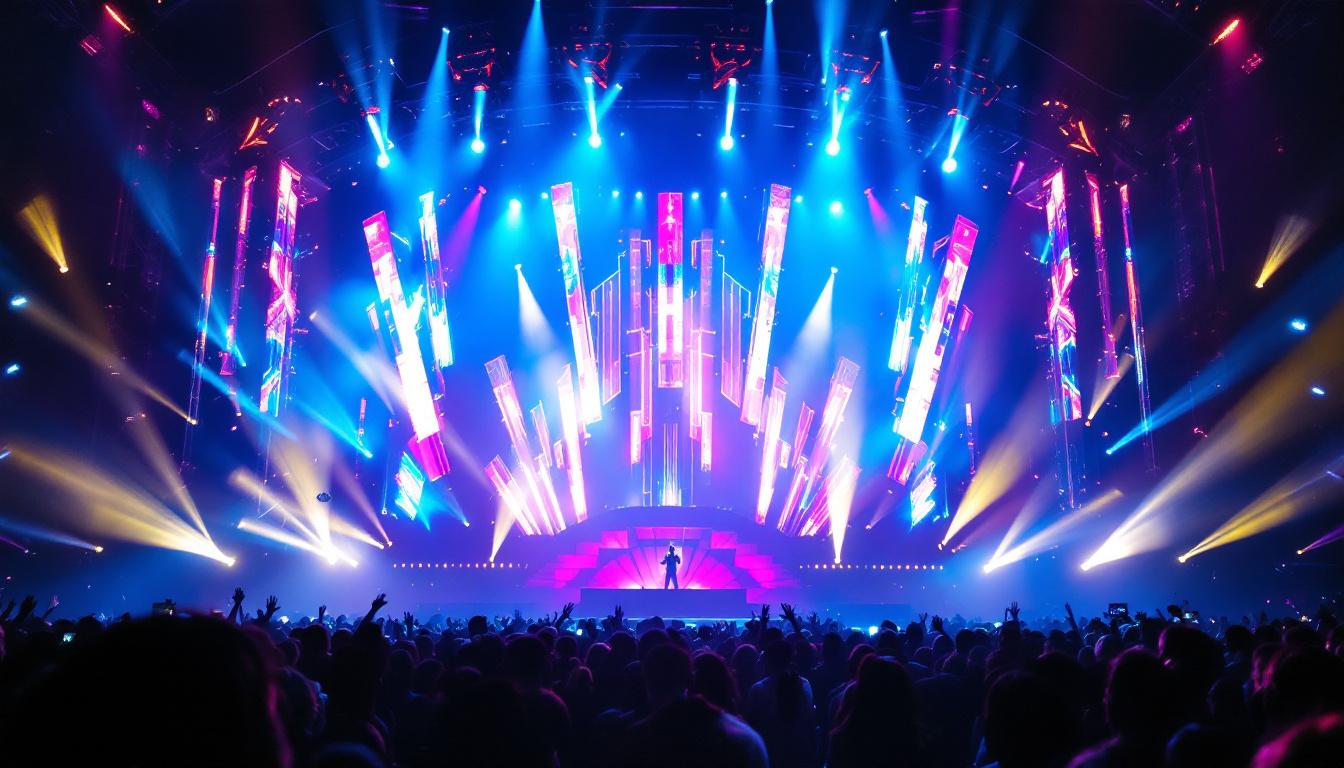
Concerts, theater productions, and corporate events often require large, portable LED screens that can be quickly assembled and disassembled. The strength and lightness of carbon fiber backgrounds facilitate transportation and setup without compromising durability.
Outdoor Advertising and Digital Billboards
Outdoor LED displays face challenges such as weather exposure and mechanical stress from wind. Carbon fiber’s corrosion resistance and structural integrity ensure longer-lasting installations with reduced maintenance.
Performance and Maintenance Benefits
Enhanced Heat Dissipation
LED modules generate heat during operation, and excessive temperatures can degrade performance and lifespan. Carbon fiber’s thermal conductivity helps spread heat evenly across the panel, preventing hotspots and allowing LEDs to operate within optimal temperature ranges.
Improved Durability and Longevity
Carbon fiber’s resistance to environmental factors such as moisture, UV radiation, and chemical exposure contributes to the longevity of LED displays. This durability reduces downtime and maintenance costs, which is especially important for large-scale installations where service interruptions are costly.
Weight Reduction and Structural Efficiency
Reducing the weight of LED displays has multiple benefits, including easier installation, lower shipping costs, and less structural load on mounting surfaces. This is particularly valuable in venues with weight restrictions or where displays are suspended from ceilings or trusses.
Challenges and Considerations
Cost Implications
Carbon fiber is more expensive than traditional metals and plastics used in LED display construction. The higher material and manufacturing costs can increase the overall price of the display, which may not be justifiable for all applications.
Manufacturing Complexity
Working with carbon fiber requires specialized fabrication techniques and quality control measures. Ensuring consistent panel flatness and integrating thermal management systems can be more complex compared to conventional materials.
Environmental Impact
While carbon fiber offers durability and longevity, its production involves energy-intensive processes and challenges in recycling. Manufacturers and end-users should consider the environmental footprint when selecting materials for LED displays.
The Future of Carbon Fiber in LED Display Technology
Innovations on the Horizon
Advancements in carbon fiber manufacturing, such as automated weaving and resin infusion techniques, are expected to reduce costs and improve scalability. Additionally, hybrid composites combining carbon fiber with other materials may offer optimized performance at lower prices.
Emerging trends also include integrating carbon fiber backgrounds with flexible and transparent LED displays, expanding creative possibilities for architects and designers.
Market Adoption and Trends
As demand for lightweight, durable, and high-performance LED displays grows, carbon fiber backgrounds are likely to become more prevalent in premium markets such as broadcast, live events, and luxury retail. Industry reports forecast that the global LED display market will exceed $40 billion by 2027, with innovation in materials playing a key role in driving growth.
Conclusion
The integration of carbon fiber backgrounds into LED display technology represents a significant advancement in the pursuit of lighter, stronger, and more efficient visual solutions. By combining the superior mechanical and thermal properties of carbon fiber with the vibrant, high-brightness capabilities of LED modules, manufacturers can deliver displays that meet the demanding needs of modern applications.
While cost and manufacturing complexities remain challenges, the benefits of carbon fiber-backed LED displays—ranging from enhanced durability and heat management to aesthetic appeal—make them an attractive option for industries seeking cutting-edge visual performance. As technology continues to evolve, carbon fiber is poised to play an increasingly important role in shaping the future of LED display design.
Discover the Future of LED Displays with LumenMatrix
Ready to experience the next level of visual innovation? LumenMatrix is at the forefront of LED display technology, offering a diverse range of solutions that push the boundaries of design and performance. From captivating Indoor LED Walls to dynamic Outdoor LED Displays, and from versatile Vehicle LED Displays to sleek LED Poster Displays, our products are engineered to transform your visual communication. Embrace the future with LumenMatrix’s cutting-edge LED Sports Displays, interactive Floor LED Displays, and the revolutionary All-in-One LED Display. Elevate your space with our Custom LED Display options and see-through LED Transparent Displays. Don’t just share your message—make it unforgettable. Check out LumenMatrix LED Display Solutions today and join the visual revolution.