In an era where digital privacy is more critical than ever, protecting sensitive information displayed on computer monitors has become a priority for many professionals and everyday users alike. Whether working in open office environments, public spaces, or even at home, the risk of visual hacking—where unauthorized individuals glimpse confidential data—remains a significant concern. One effective solution to mitigate this risk is the use of monitor screen protector privacy filters, particularly designed for LED displays.
This article delves into the technology behind LED displays, the role of privacy screen protectors, and how they work together to safeguard your visual data. Understanding these elements will help users make informed decisions when selecting privacy solutions tailored to their needs.
Understanding LED Displays: The Foundation of Modern Monitors
What is an LED Display?
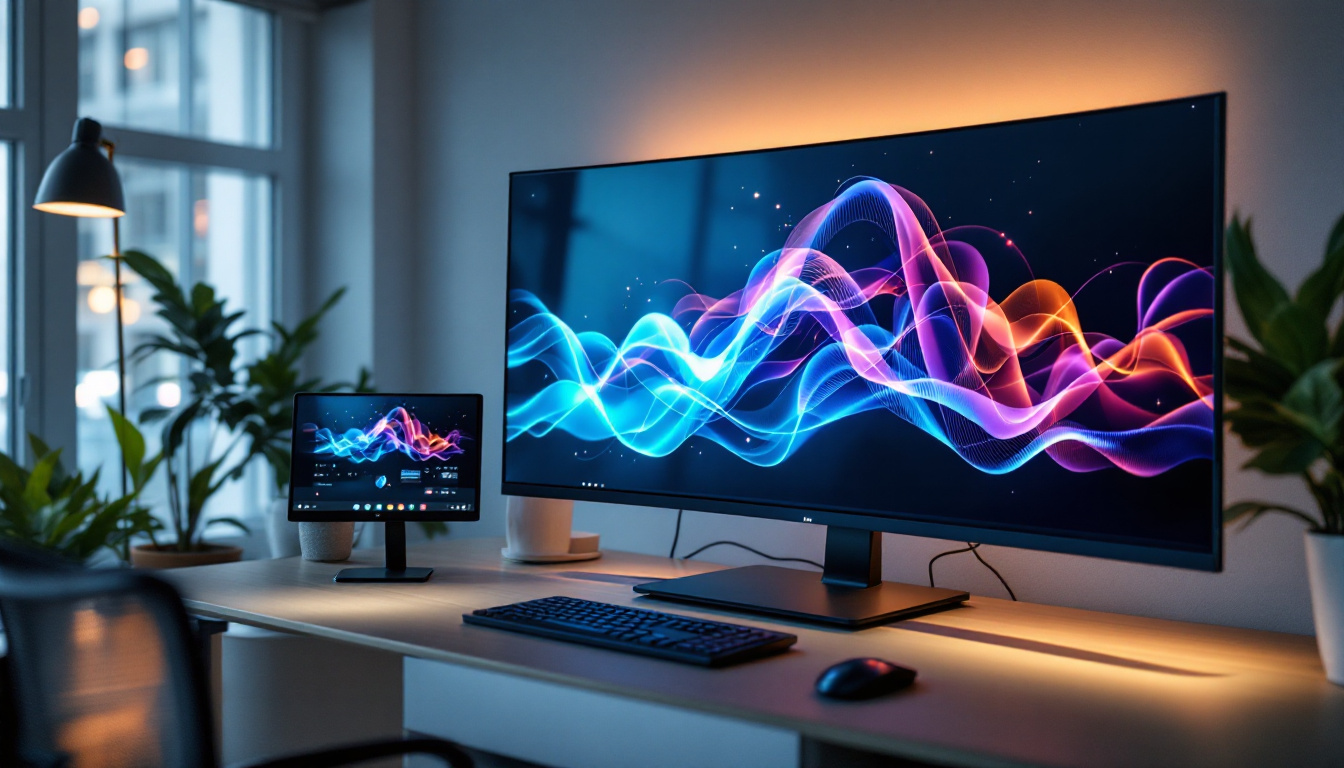
LED (Light Emitting Diode) displays have become the dominant technology for computer monitors, televisions, and mobile devices. Unlike traditional LCDs that use cold cathode fluorescent lamps (CCFL) for backlighting, LED displays utilize light-emitting diodes to illuminate the screen. This advancement offers several benefits including improved energy efficiency, thinner panels, better brightness, and enhanced color accuracy.
LED displays come in two main types: edge-lit and direct-lit. Edge-lit LED monitors position LEDs along the edges of the screen, using light guides to distribute illumination evenly. Direct-lit LED displays place LEDs directly behind the screen, providing more uniform brightness and contrast. Both types are widely used in modern monitors, with varying implications for screen clarity and viewing angles.
Key Characteristics of LED Displays Relevant to Privacy
One of the defining features of LED displays is their high brightness and wide viewing angles. While these characteristics enhance user experience by delivering vivid images and allowing flexible positioning, they also present challenges for privacy. The wide viewing angles mean that onlookers can easily see the screen content from the side, increasing the risk of visual hacking.
Moreover, the brightness and contrast levels of LED screens can make the content visible even in brightly lit environments, further complicating efforts to maintain privacy in public or shared spaces. Understanding these inherent traits is crucial when considering privacy solutions tailored to LED monitors.
What is a Monitor Screen Protector Privacy Filter?
Definition and Purpose
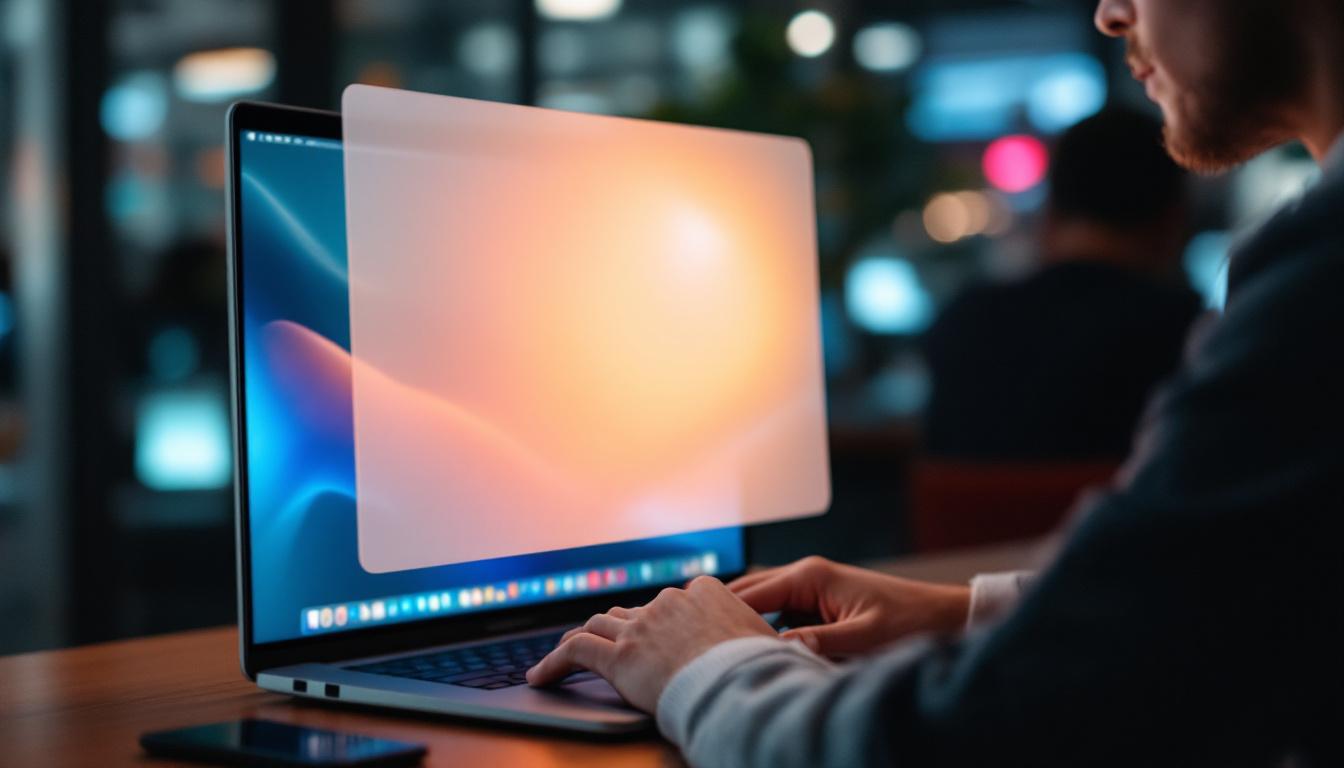
A monitor screen protector privacy filter is a physical accessory designed to restrict the viewing angle of a display. By limiting the visibility of the screen to only the person directly in front of it, these filters prevent side-angle viewers from seeing sensitive information. This technology is particularly valuable in environments where confidential data is frequently accessed, such as corporate offices, healthcare facilities, financial institutions, and public workspaces.
Besides privacy, these filters often provide additional benefits like reducing glare, protecting the screen from scratches, and minimizing blue light exposure, which can contribute to eye strain during prolonged use.
How Privacy Filters Work with LED Displays
Privacy filters for LED displays typically consist of micro-louver technology—tiny vertical blinds embedded within the filter material that control the direction of light passing through. When installed on an LED monitor, these micro-louvers allow light to pass straight through to the user but block light at wider angles. This means that anyone attempting to view the screen from the side will see a darkened or completely black screen.
The effectiveness of these filters is often measured by the viewing angle reduction. For example, a filter may reduce the viewing angle from 178 degrees (typical for LED displays) to as narrow as 30 degrees, significantly enhancing privacy.
Benefits of Using Privacy Screen Protectors on LED Monitors
Enhanced Security and Confidentiality
In industries handling sensitive information—such as legal, healthcare, finance, and government sectors—privacy filters are an essential tool for compliance with data protection regulations like GDPR and HIPAA. By physically preventing unauthorized viewing, these filters add a layer of security that software-based solutions cannot provide.
Even in everyday scenarios, such as working in coffee shops or airports, privacy filters help maintain personal privacy by shielding emails, banking information, and other private content from prying eyes.
Improved Screen Protection and Comfort
Beyond privacy, screen protectors shield LED displays from scratches, dust, and fingerprints, extending the lifespan of the monitor. Many privacy filters also incorporate anti-glare coatings that reduce reflections from ambient light sources, improving visibility and reducing eye strain.
Some models include blue light reduction features, which can help mitigate the negative effects of prolonged screen exposure, such as headaches and disrupted sleep patterns.
Cost-Effectiveness and Ease of Use
Compared to investing in specialized secure workstations or software encryption tools, privacy screen protectors offer a relatively low-cost and straightforward method to enhance data security. They are easy to install—usually attaching via adhesive strips, magnets, or slide mounts—and can be removed or transferred between devices as needed.
This flexibility makes privacy filters an attractive option for both individual users and organizations seeking scalable privacy solutions.
Choosing the Right Privacy Screen Protector for LED Displays
Factors to Consider
Selecting an appropriate privacy filter requires careful consideration of several factors to ensure optimal performance and user experience:
- Screen Size and Aspect Ratio: Filters must match the exact dimensions and aspect ratio of the monitor to avoid obstructing the display or leaving gaps.
- Viewing Angle Reduction: Depending on the level of privacy needed, users can choose filters that narrow the viewing angle to different degrees, typically ranging from 30 to 60 degrees.
- Compatibility with Touchscreens: For LED monitors with touch functionality, specialized filters that maintain touch sensitivity are necessary.
- Anti-Glare and Blue Light Features: Additional coatings can enhance comfort and reduce eye fatigue.
- Installation Method: Consider whether a permanent adhesive, magnetic attachment, or slide mount suits the intended use and device portability.
Popular Types of Privacy Filters for LED Monitors
Privacy filters come in various forms tailored to different user needs:
- Removable Privacy Filters: These can be easily attached and removed, ideal for users who switch between private and collaborative work frequently.
- Permanent Privacy Filters: Installed with adhesive, these provide a more secure fit but are less flexible.
- Privacy Screen Protectors with Blue Light Reduction: Combining privacy with eye protection, these are popular among users with extended screen time.
- Anti-Glare Privacy Filters: Designed to minimize reflections, especially useful in brightly lit environments.
Installation and Maintenance Tips for Privacy Screen Protectors
Proper Installation for Maximum Effectiveness
Installing a privacy filter correctly is key to achieving the desired privacy and display clarity. Most filters come with detailed instructions, but some general tips include:
- Clean the monitor screen thoroughly to remove dust and fingerprints before applying the filter.
- Align the filter carefully with the edges of the screen to ensure full coverage without obstructing the display.
- Use the recommended attachment method (adhesive strips, magnets, or slide mounts) to secure the filter firmly.
- Test the viewing angles after installation to confirm the filter effectively restricts side views without compromising the user’s direct view.
Maintaining Your Privacy Filter
To prolong the lifespan and effectiveness of privacy screen protectors, regular maintenance is essential. Use a microfiber cloth and gentle cleaning solutions to avoid scratching the surface. Avoid harsh chemicals or abrasive materials that can damage the micro-louvers or coatings.
If the filter becomes damaged or loses its effectiveness, replacement is recommended to maintain optimal privacy protection.
Addressing Common Concerns and Limitations
Impact on Screen Brightness and Clarity
One common concern with privacy filters is the potential reduction in screen brightness and clarity. Since privacy filters restrict light transmission to limit viewing angles, some dimming or slight color shifts may occur. High-quality filters, however, are designed to minimize these effects, balancing privacy with display performance.
Users should test different brands and models to find a filter that meets their privacy needs without compromising visual comfort.
Compatibility with Multiple Monitor Setups
For users with multi-monitor setups, privacy filters must be carefully selected to fit each screen’s size and resolution. Additionally, coordinating privacy across multiple displays can be challenging but is essential for comprehensive data protection.
Limitations of Privacy Filters
While privacy screen protectors are effective at reducing visual hacking risks, they are not foolproof. Determined attackers using advanced techniques or specialized equipment may still find ways to capture screen content. Therefore, privacy filters should be part of a broader security strategy, including strong digital encryption, secure authentication, and user awareness training.
The Future of Privacy Protection for LED Displays
Emerging Technologies
As privacy concerns grow, new technologies are being developed to enhance screen security. Innovations such as electronic privacy filters that dynamically adjust viewing angles, holographic privacy screens, and biometric authentication integrated with display hardware are on the horizon.
Moreover, advancements in display technology, including OLED and microLED, may offer new opportunities and challenges for privacy protection, necessitating continued innovation in screen protector design.
Integrating Privacy into Workplace Design
Beyond hardware solutions, organizations are increasingly incorporating privacy considerations into workspace design. This includes strategic desk placement, use of privacy partitions, and policies governing screen visibility in shared environments.
Combining physical privacy filters with thoughtful environmental design and robust cybersecurity practices creates a comprehensive approach to protecting sensitive information.
Conclusion
Monitor screen protector privacy filters play a vital role in safeguarding sensitive information displayed on LED monitors. By understanding the technology behind LED displays and how privacy filters function, users can make informed choices to enhance their data security in various environments.
These filters not only protect against visual hacking but also contribute to screen protection and user comfort. While they have some limitations, when combined with other security measures, privacy screen protectors form an essential part of a holistic approach to digital privacy.
As technology evolves, staying informed about new privacy solutions and integrating them thoughtfully into daily workflows will remain crucial for maintaining confidentiality in an increasingly connected world.
Discover LumenMatrix’s Advanced LED Display Solutions
As you consider enhancing your digital privacy and screen protection, LumenMatrix invites you to explore our innovative LED display solutions. With a commitment to revolutionizing visual communication, our range of products from Indoor and Outdoor LED Walls to Custom and All-in-One LED Displays, is designed to meet your specific needs. Elevate your visual experience and ensure your information remains confidential with LumenMatrix’s cutting-edge technology. Check out LumenMatrix LED Display Solutions today and take the first step towards a more secure and engaging digital environment.