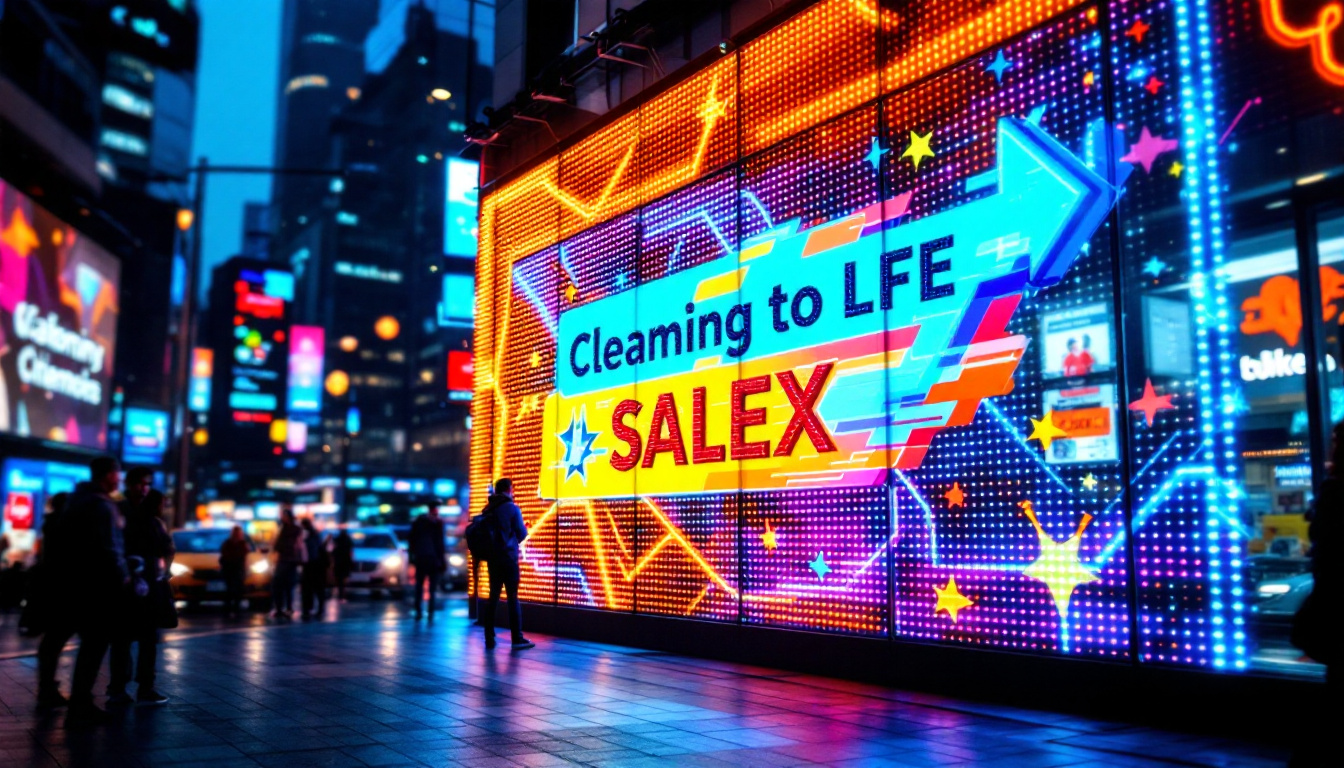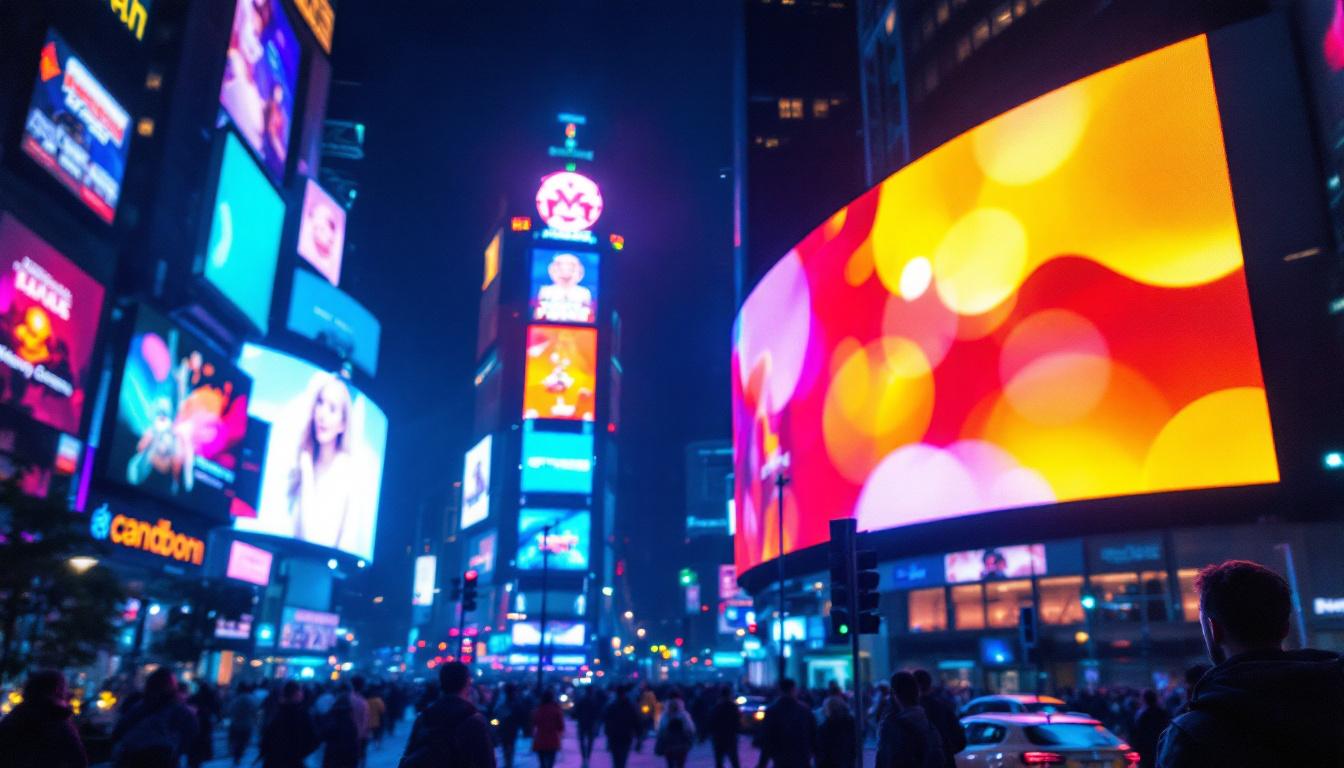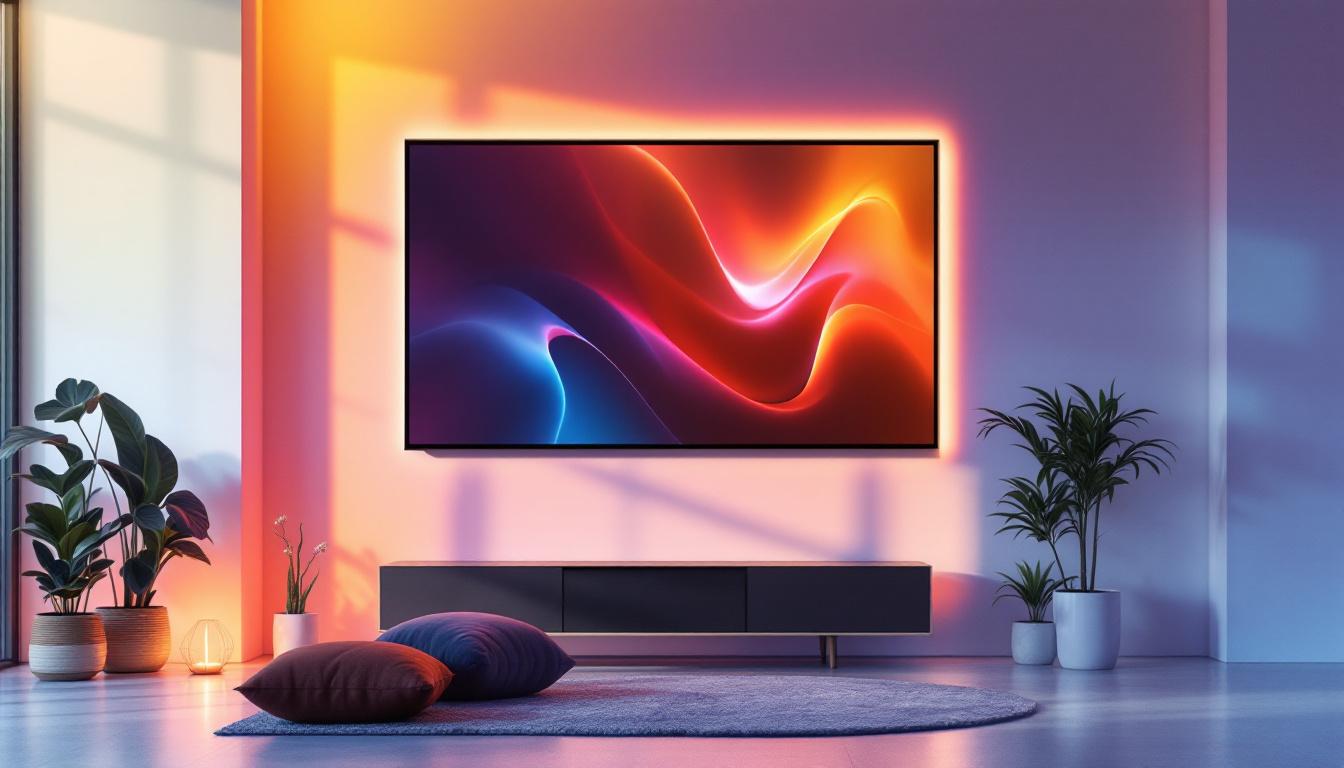
In recent years, LED display panels have revolutionized the way businesses and homeowners approach wall decor and information display. From dynamic advertising billboards to immersive home entertainment setups, LED panels offer a versatile, vibrant, and increasingly affordable solution. This article explores the fundamentals of LED display panels, why they are becoming a popular choice for wall installations, and how to find cost-effective options without compromising quality.
Understanding LED Display Panels
What Are LED Panels?
LED panels are flat displays made up of light-emitting diodes (LEDs) arranged in a grid. Each diode acts as a pixel, capable of producing a wide range of colors and brightness levels. Unlike traditional LCD or plasma screens, LED panels provide superior brightness, energy efficiency, and durability, making them ideal for both indoor and outdoor use. These panels are also less prone to burn-in, a common issue with older display technologies, which enhances their longevity and usability in dynamic environments.
These panels can vary in size and resolution, from small modules used in home decoration to large-scale video walls employed in stadiums and public spaces. The modular nature of LED panels allows them to be combined seamlessly to create displays of virtually any size and shape. This flexibility has led to their widespread adoption in various applications, including advertising, events, and even art installations, where creativity can flourish without the constraints of traditional display formats.
How LED Technology Works
LEDs emit light when an electrical current passes through semiconductor materials. The color of the light depends on the semiconductor’s composition, enabling red, green, and blue LEDs to combine and produce full-color images. This RGB technology forms the basis of all LED displays, allowing for vibrant, high-contrast visuals that are visible even in bright environments. Additionally, advancements in LED technology have introduced features such as dynamic color adjustment and enhanced refresh rates, which further improve the viewing experience.
Modern LED panels often use surface-mounted device (SMD) LEDs, which are tiny, efficient, and capable of producing a high pixel density. This results in sharper images and smoother video playback, even at close viewing distances. Furthermore, many LED panels now incorporate smart technology, enabling features like remote control, integration with content management systems, and real-time updates. This smart capability allows businesses and organizations to display timely information, advertisements, or announcements, enhancing engagement and interactivity with their audience.
Why Choose LED Panels for Walls?
Advantages Over Traditional Displays
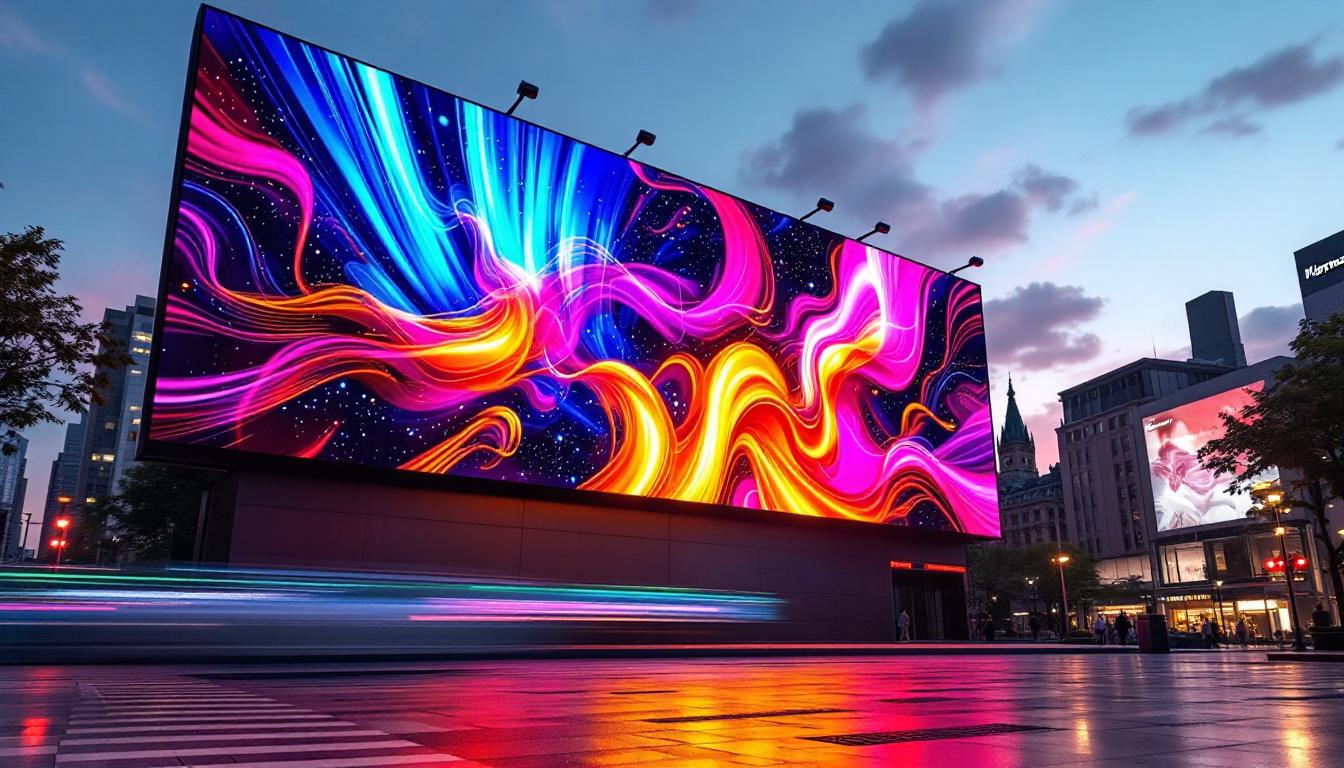
LED panels offer several benefits compared to other display technologies. Their high brightness levels make them visible in direct sunlight, which is a significant advantage for outdoor advertising or well-lit indoor environments. Additionally, LEDs consume less power than LCD or plasma displays, reducing operational costs over time. This energy efficiency not only contributes to lower electricity bills but also aligns with sustainability goals, making LED panels an eco-friendly choice for businesses looking to reduce their carbon footprint.
Durability is another key factor. LED panels are resistant to shock, vibration, and temperature variations, making them suitable for a wide range of environments. Their long lifespan—often exceeding 50,000 hours—means fewer replacements and lower maintenance costs. This resilience is particularly beneficial in high-traffic areas where traditional displays might suffer from wear and tear. Furthermore, many LED panels come with protective coatings that enhance their resistance to dust and moisture, ensuring consistent performance even in challenging conditions.
Flexibility and Customization
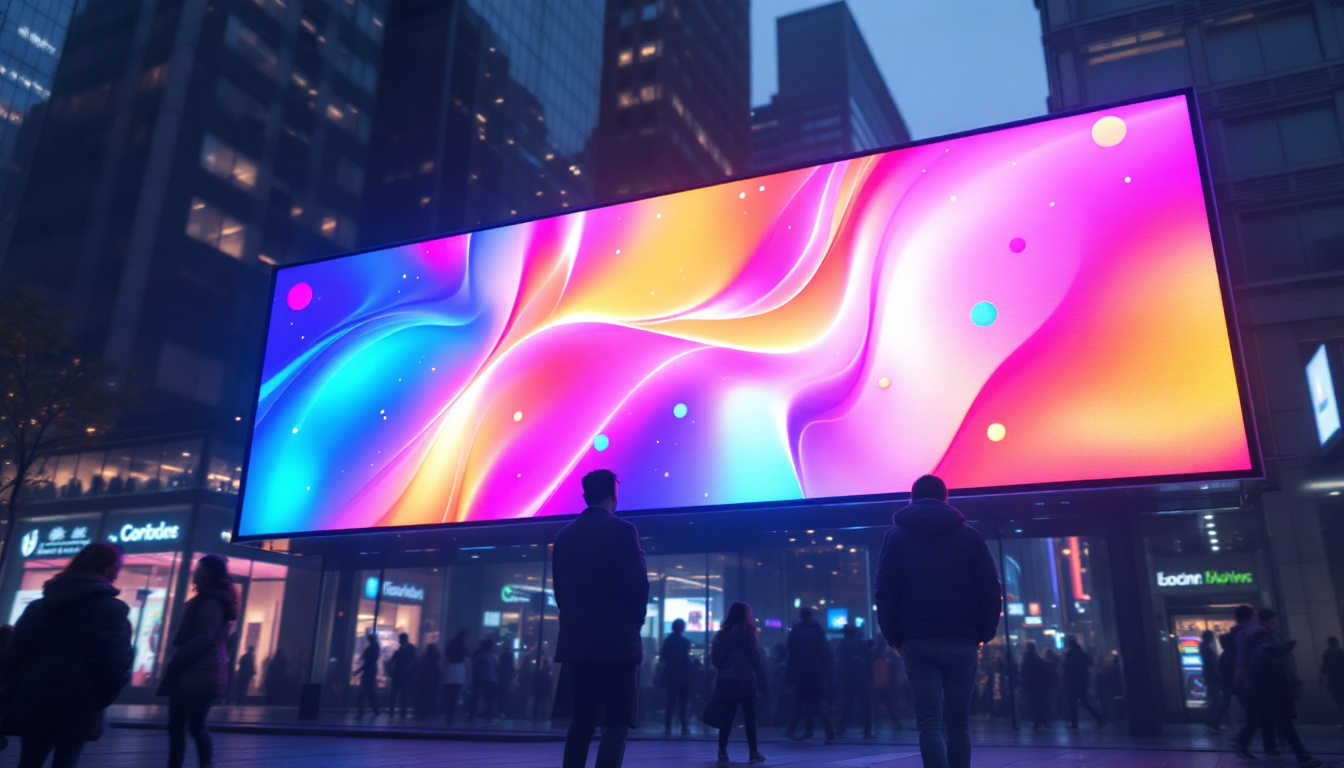
One of the most compelling reasons to use LED panels on walls is their flexibility. Because they are modular, panels can be arranged in custom sizes and shapes, tailored to specific wall dimensions or design requirements. This adaptability makes LED walls a favorite choice for retail spaces, corporate offices, museums, and even residential settings. The ability to create unique configurations means that designers can push the boundaries of creativity, crafting stunning visual displays that captivate audiences and leave lasting impressions.
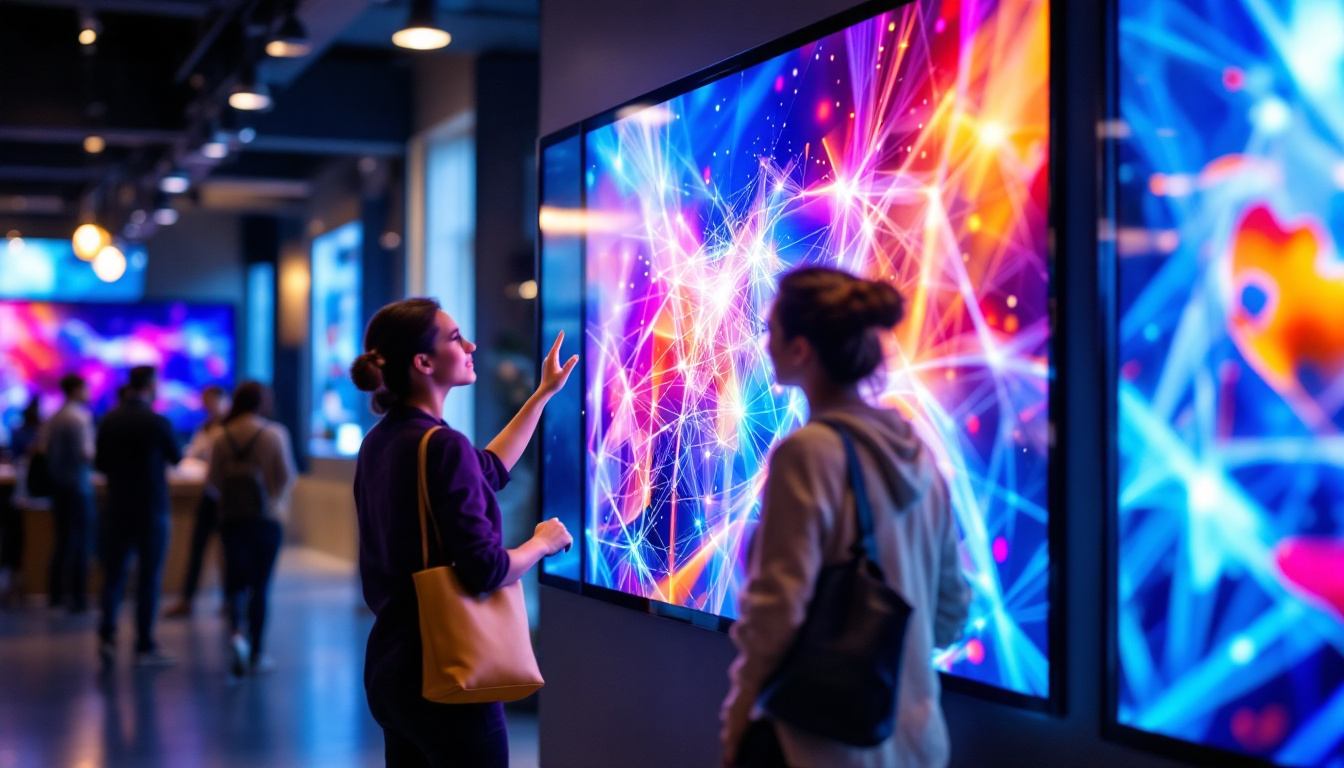
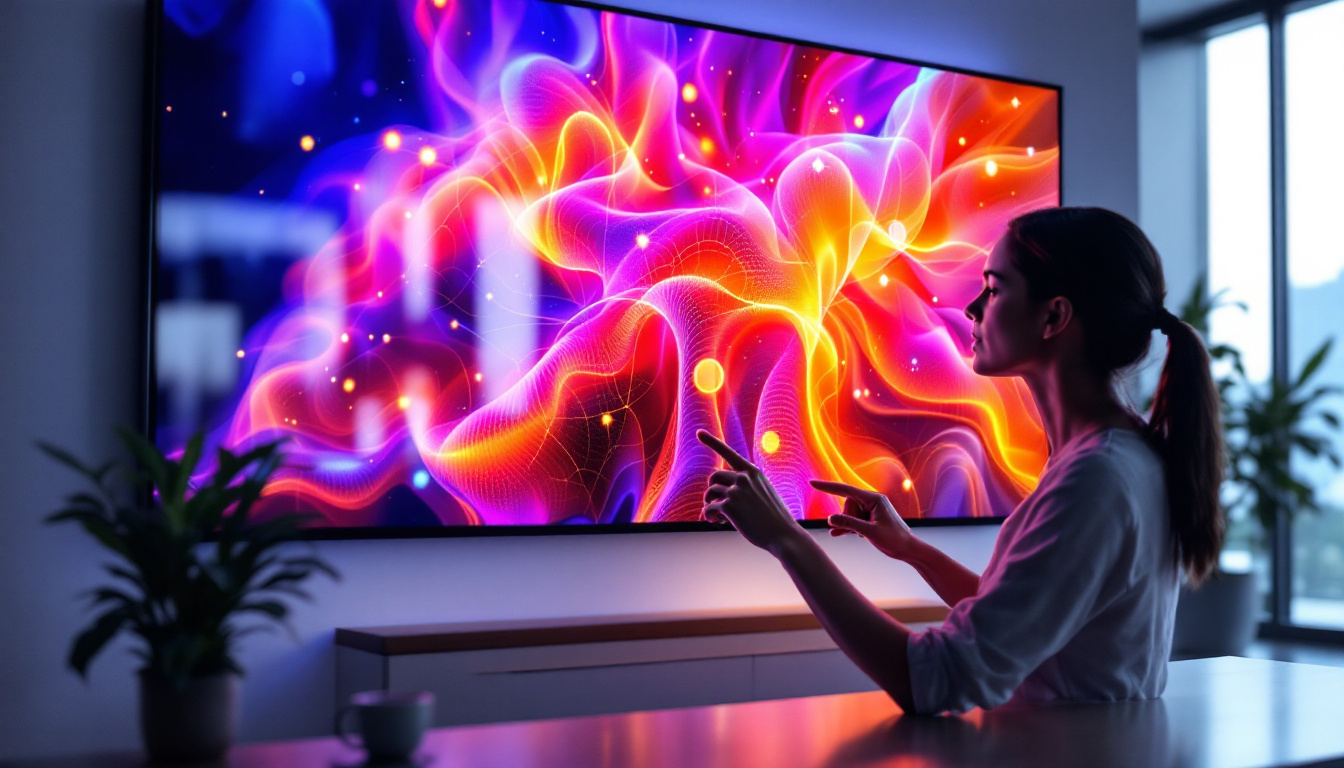
Moreover, LED panels can display dynamic content, including videos, animations, and real-time data feeds. This capability transforms static walls into engaging communication tools, enhancing customer experiences and boosting brand visibility. For instance, in retail environments, businesses can showcase promotional videos or seasonal themes that change throughout the day, keeping the content fresh and relevant. Additionally, the integration of interactive features, such as touch capabilities, can further enhance user engagement, allowing customers to explore products or services in an immersive way. This level of interactivity not only attracts attention but also encourages longer dwell times, ultimately driving sales and fostering customer loyalty.
Exploring Cost-Effective LED Panel Options
Factors Influencing LED Panel Prices
While LED technology has become more affordable, prices can still vary widely based on several factors. The resolution, measured in pixels per inch (PPI), directly affects the cost—higher resolution panels with smaller pixel pitches are more expensive due to the increased number of LEDs required.
Other considerations include panel size, brightness levels, refresh rates, and additional features such as waterproofing or integrated control systems. Understanding these variables helps buyers select panels that meet their needs without overspending.
Where to Find Affordable LED Panels
Several manufacturers and suppliers offer budget-friendly LED panels, especially in markets like China, where production costs are lower. Online marketplaces and specialized distributors provide a wide range of options, often with customer reviews and technical specifications to aid decision-making.
Purchasing directly from manufacturers or authorized dealers can reduce costs by eliminating middlemen. Additionally, considering refurbished or off-lease panels can be a viable option for those seeking quality at a reduced price point.
Balancing Cost and Quality
While it might be tempting to opt for the cheapest panels available, it is crucial to balance cost with quality. Low-cost panels may suffer from poor color accuracy, uneven brightness, or shorter lifespans, which can lead to higher expenses in the long run due to repairs or replacements.
Investing in panels with reliable warranties and proven performance records ensures better value. Many affordable LED panels now come with comprehensive support and quality certifications, making them a smart choice for budget-conscious buyers.
Applications of LED Panels on Walls
Commercial and Retail Environments
Retailers increasingly use LED walls to attract customers and provide interactive experiences. From digital signage displaying promotions to immersive brand storytelling, LED panels create visually compelling environments that drive engagement and sales.
In commercial settings, LED walls can serve as dynamic information boards, conference room displays, or decorative elements that enhance corporate identity. Their ability to update content remotely and instantly makes them invaluable tools for communication.
Residential and Entertainment Uses
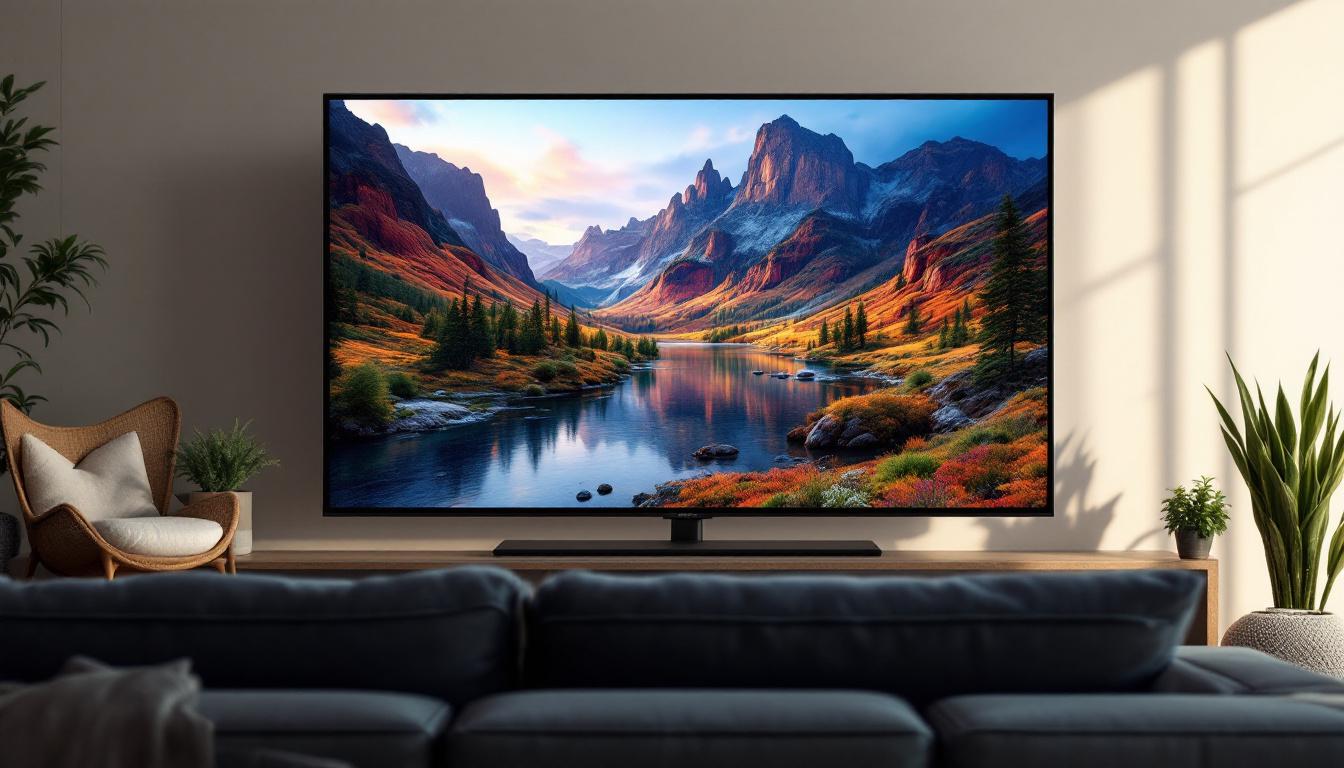
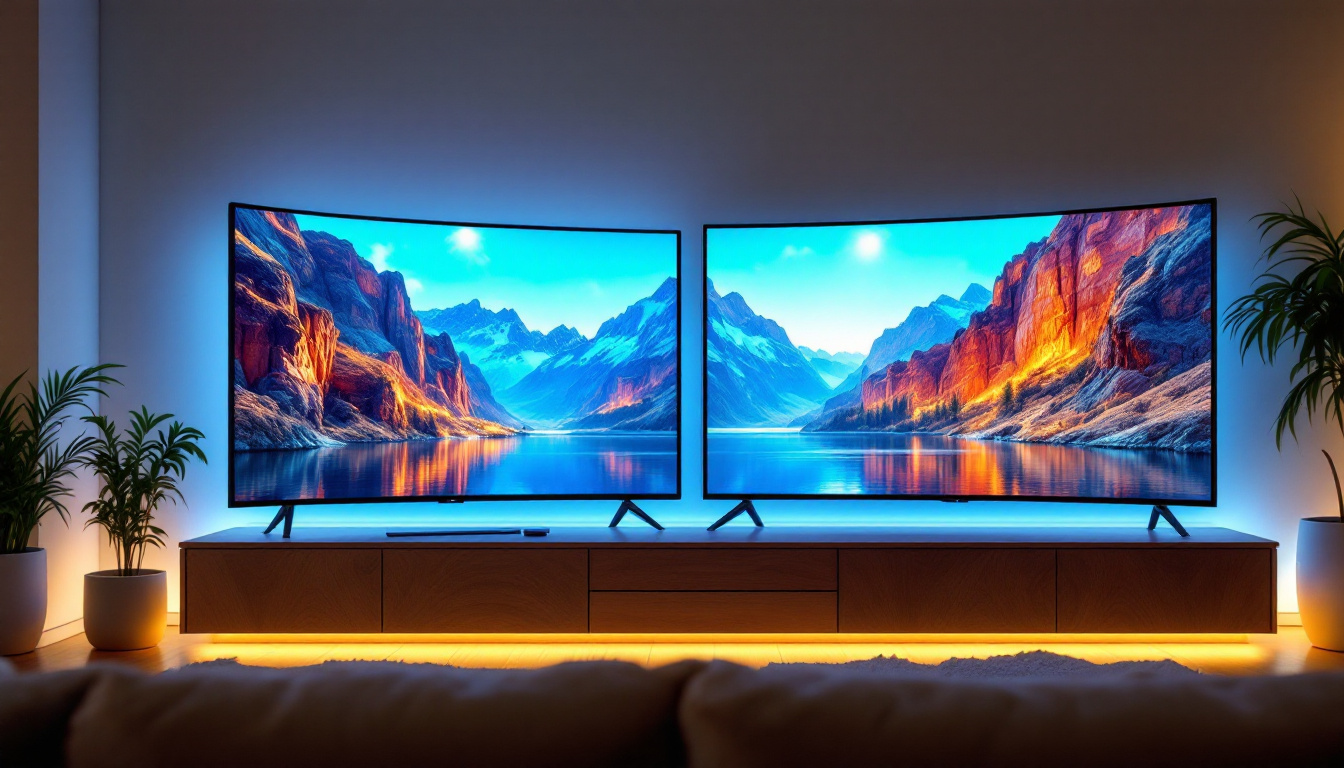
Homeowners are also embracing LED panels for entertainment and decoration. Large-format LED walls can transform living rooms into home theaters with cinema-quality visuals. Additionally, LED panels can display customizable art or ambient visuals, adding a modern aesthetic to interior design.
With prices dropping, even smaller LED modules are becoming accessible for DIY projects, allowing enthusiasts to create unique installations tailored to personal tastes and spaces.
Public and Event Spaces
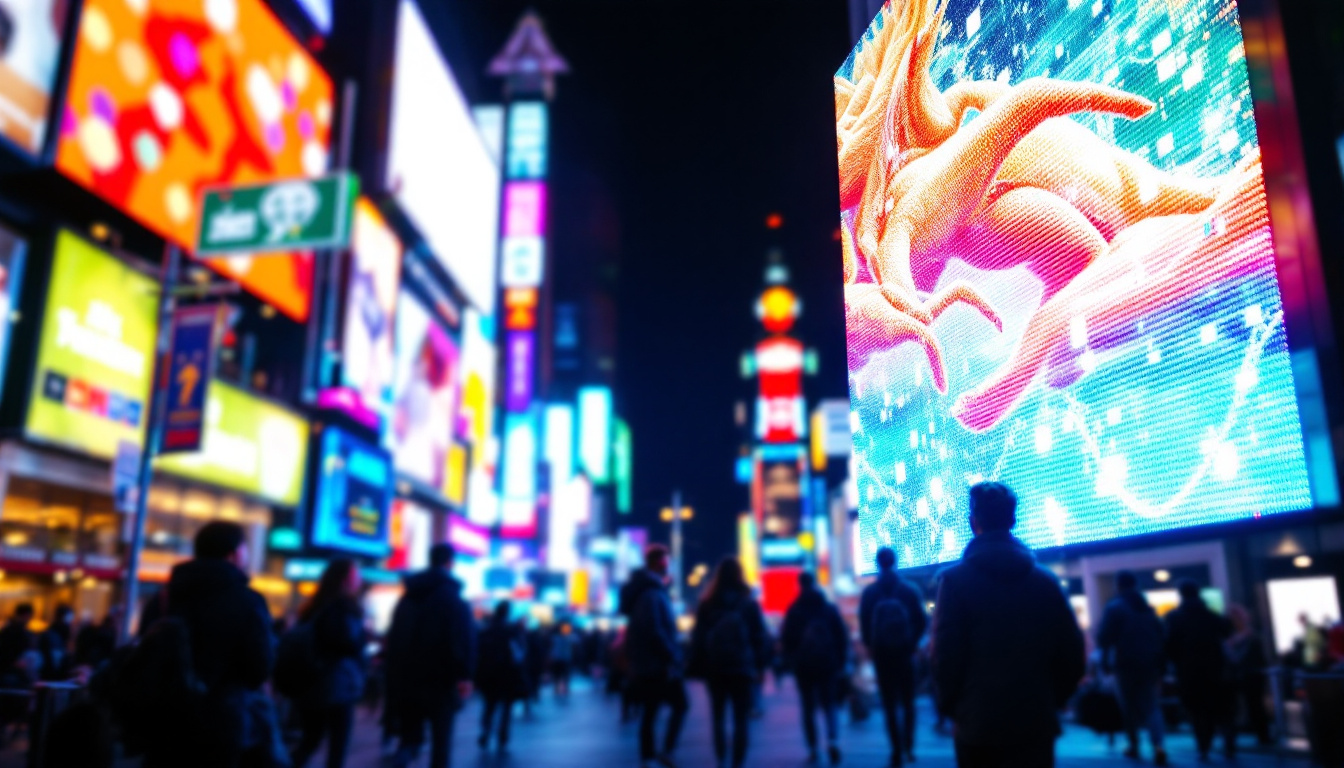
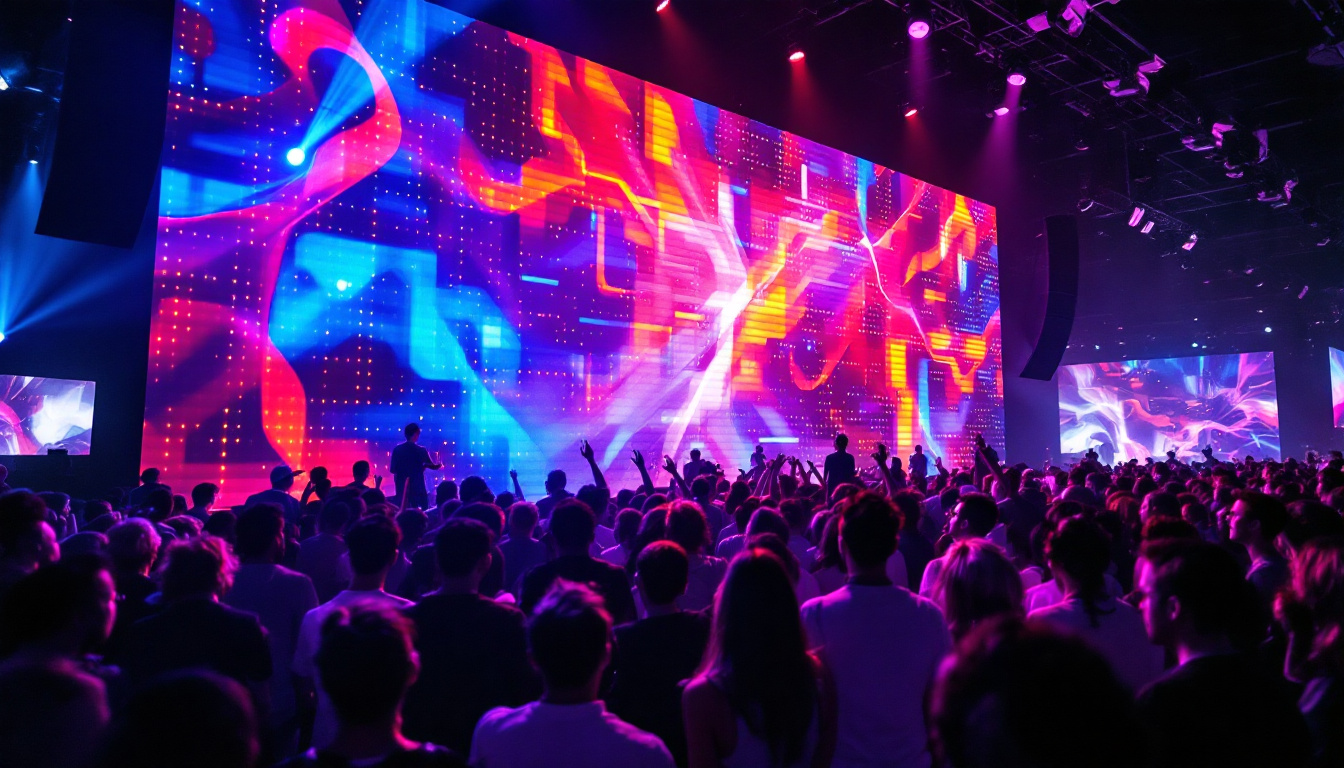
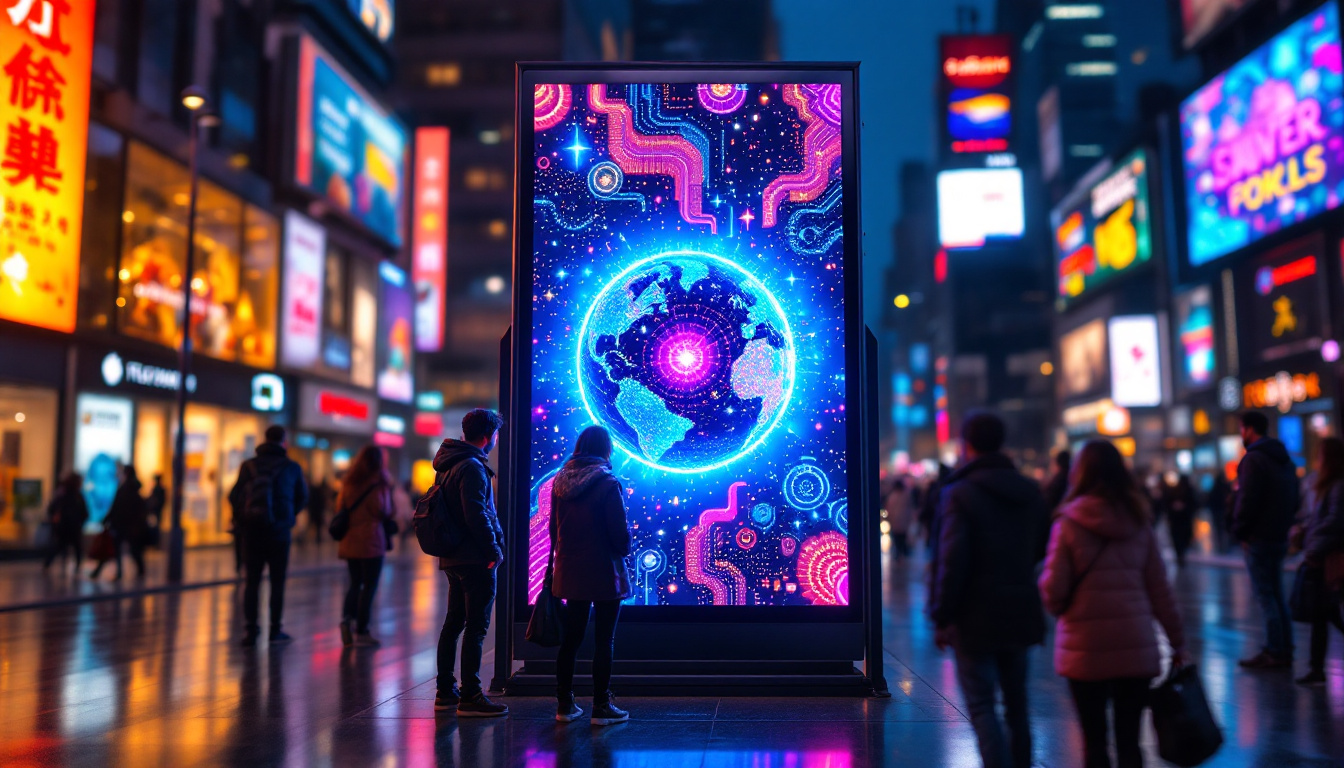
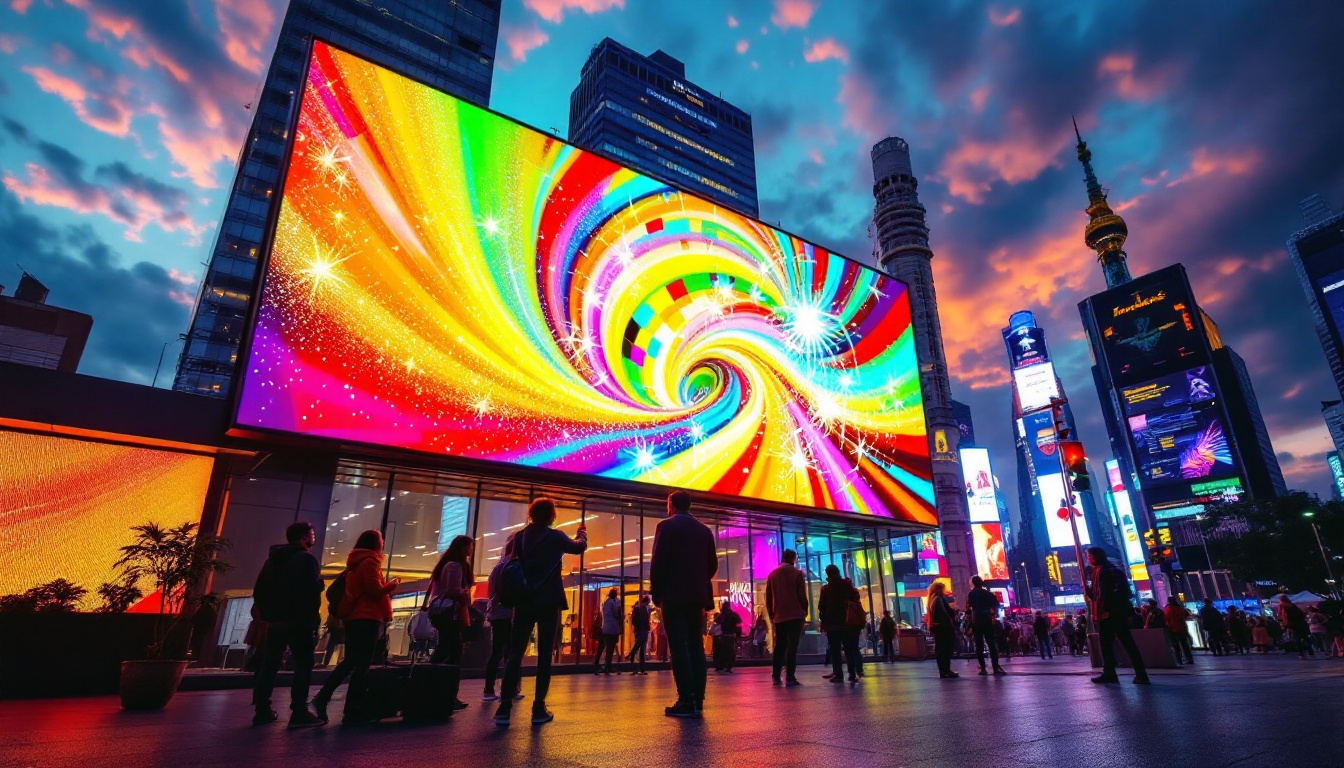
LED panels are a staple in public venues such as stadiums, concert halls, and transportation hubs. Their brightness and visibility ensure that information and advertisements reach large audiences effectively. Temporary LED walls are also popular for events and exhibitions, providing flexible and eye-catching displays.
Installation and Maintenance Considerations
Professional vs. DIY Installation
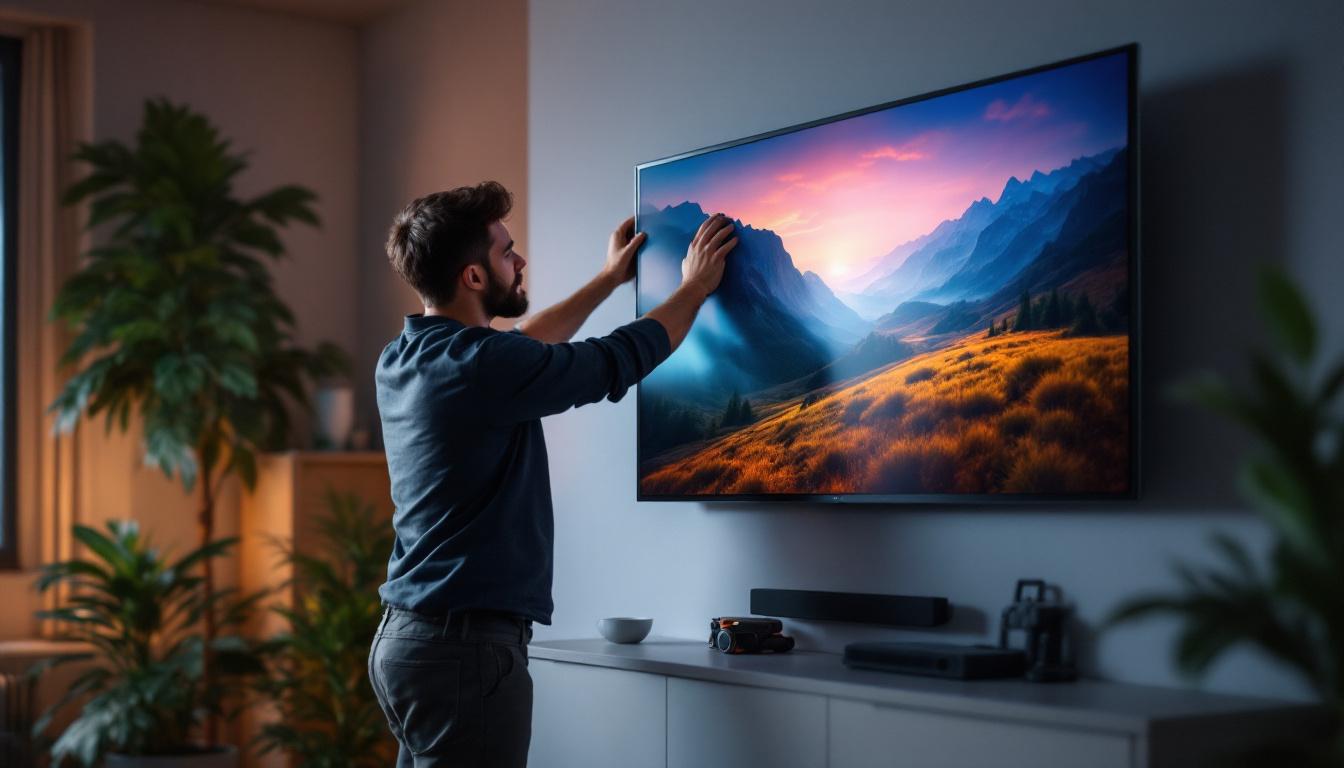
Installing LED panels on walls requires careful planning to ensure optimal performance and safety. Professional installation services are recommended for large or complex setups, as they provide expertise in mounting, wiring, and calibration.
For smaller or modular panels, DIY installation is possible with proper guidance and tools. Many manufacturers provide detailed instructions and support to assist users in setting up their displays correctly.
Maintaining LED Panels for Longevity
Regular maintenance helps preserve the quality and functionality of LED panels. This includes cleaning to remove dust and debris, checking electrical connections, and updating control software as needed. Many panels feature modular designs that allow for easy replacement of individual components, minimizing downtime.
Environmental factors such as humidity and temperature should be monitored, especially for outdoor installations. Using protective enclosures and ensuring proper ventilation can extend the lifespan of the panels.
Future Trends in LED Wall Panels
Advancements in Resolution and Flexibility
Emerging technologies are pushing the boundaries of LED displays. MicroLED and miniLED panels offer even higher resolutions and improved color accuracy, approaching the quality of OLED screens but with greater durability and brightness.
Flexible and transparent LED panels are gaining traction, enabling innovative applications where displays can curve around surfaces or blend seamlessly with glass walls, opening new creative possibilities for designers and architects.
Integration with Smart Technologies
Smart LED walls integrated with IoT (Internet of Things) systems allow for automated content updates, environmental responsiveness, and interactive features. This integration enhances user engagement and operational efficiency, particularly in commercial and public spaces.
Artificial intelligence-driven content management can tailor displays based on audience demographics or real-time data, making LED walls not only visually impressive but also contextually relevant.
Conclusion
LED display panels have transformed wall decor and communication by offering dynamic, bright, and customizable solutions suitable for a wide range of environments. With technological advancements driving down costs, affordable LED panels are now accessible to businesses and homeowners alike.
Understanding the technology, evaluating quality against price, and considering installation and maintenance needs are essential steps to ensure a successful LED wall project. As LED technology continues to evolve, the potential for creative and impactful wall displays will only grow, making LED panels a smart investment for the future.
Discover LumenMatrix’s Innovative LED Solutions
Ready to elevate your space with vibrant, energy-efficient, and customizable LED displays? Look no further than LumenMatrix, a pioneer in LED display technology. Whether you’re seeking to enhance your business’s brand visibility or create an immersive visual experience, our extensive range of products, including Indoor and Outdoor LED Wall Displays, Vehicle LED Displays, and more, are designed to meet your unique needs. Embrace the future of visual communication with our cutting-edge solutions that promise to captivate your audience and deliver your message with unparalleled clarity. Check out LumenMatrix LED Display Solutions today and transform your walls into a canvas of endless possibilities.